
Guinea pigs, or “cavies,” are unique among small pets because of their specific dietary requirements. As obligate herbivores, their digestive systems are designed to process high-fiber vegetation around the clock. More importantly, like humans, they cannot synthesize their own Vitamin C, making their diet a literal life-or-death matter. Providing a balanced, varied diet ensures your furry friend stays energetic, maintains a healthy weight, and avoids common ailments like scurvy or dental overgrowth.
1. Timothy Hay
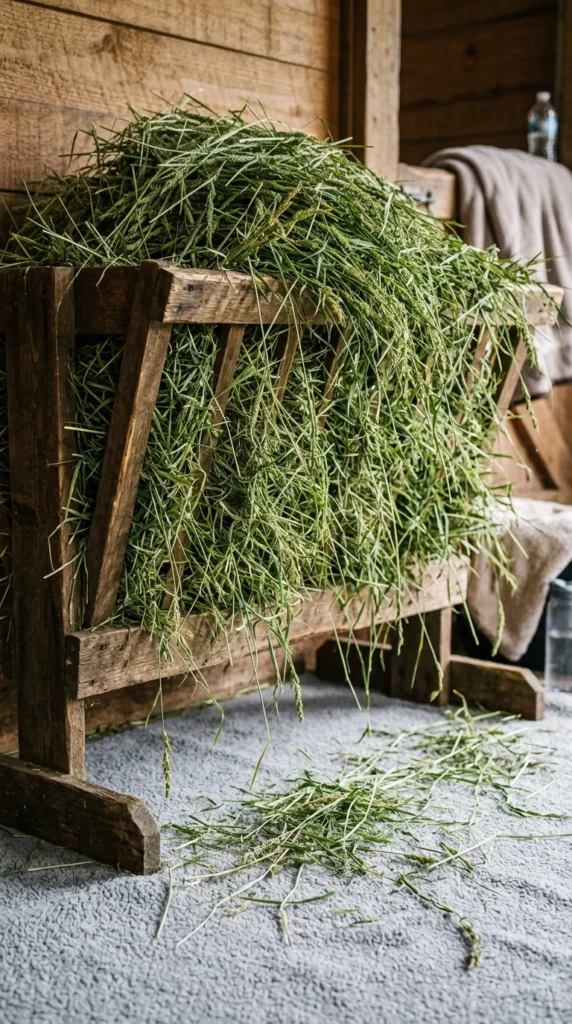
Timothy hay is the undisputed king of a guinea pig’s diet. It should make up roughly 80% of their daily food intake. The long fibers in the hay are essential for two reasons: they keep the digestive tract moving (preventing GI stasis) and they naturally wear down the guinea pig’s teeth, which never stop growing. Always ensure your pet has unlimited access to high-quality, fragrant, and dust-free hay.
2. Vitamin C
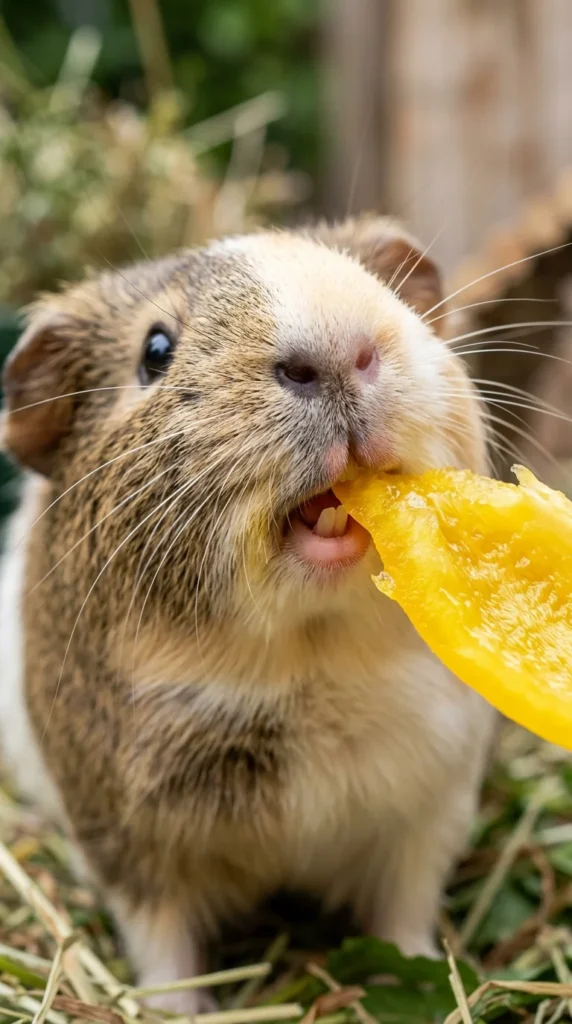
Unlike most mammals, guinea pigs lack the enzyme necessary to produce Vitamin C. A deficiency leads to scurvy, which causes swollen joints, lethargy, and a weakened immune system. While some Vitamin C is found in pellets, it degrades quickly. Therefore, providing Vitamin C through fresh vegetables like bell peppers or specialized stabilized supplements is non-negotiable for a healthy life.
3. Bell Peppers
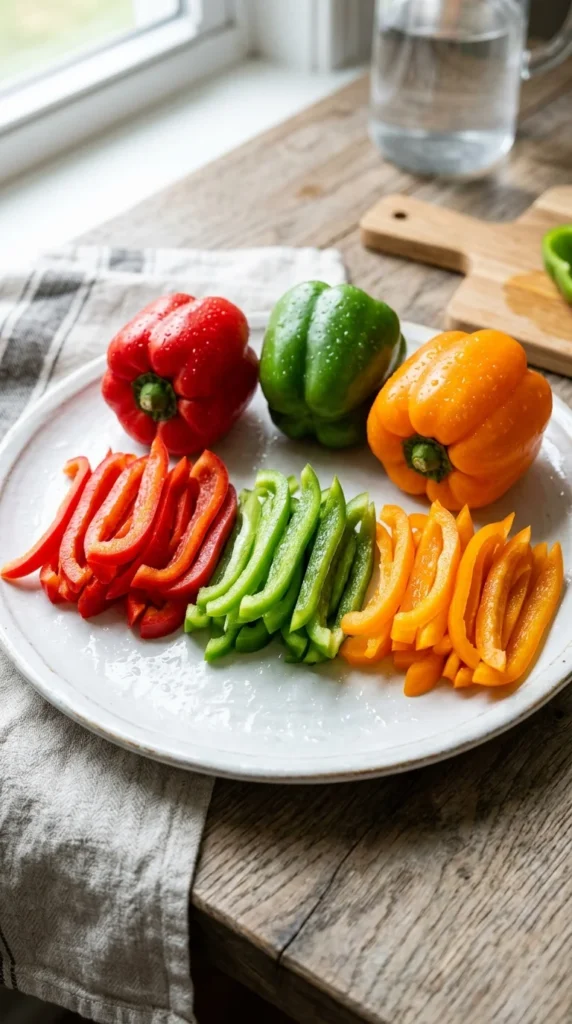
Bell peppers are arguably the best daily vegetable for a guinea pig. They are high in Vitamin C and relatively low in calcium and sugar. You can feed all colors—green, red, orange, and yellow—though red peppers have the highest Vitamin C content. Ensure you remove the seeds and the green stem before serving, as these can be a choking hazard or contain unwanted alkaloids.
4. Fresh Water

Hydration is critical for kidney function and flushing out excess calcium. Guinea pigs should always have access to clean, fresh water. Use a drip-bottle or a heavy ceramic bowl that cannot be tipped over. Water should be changed daily, and the container should be scrubbed weekly to prevent algae and bacterial growth. Avoid adding liquid vitamins to the water, as they degrade rapidly and can make the water taste unpleasant, discouraging your pet from drinking.
5. High-Quality Pellets
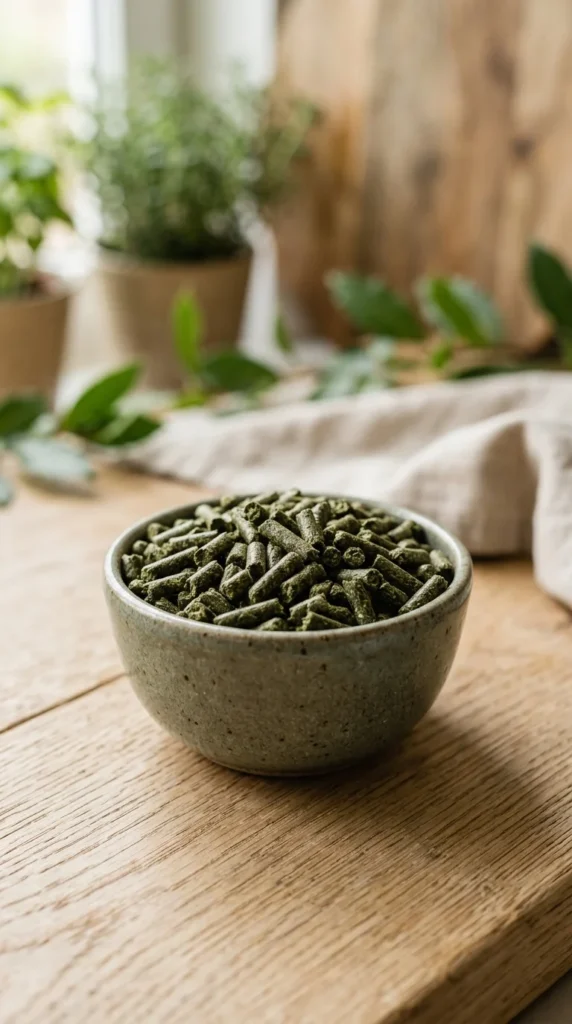
Pellets serve as a nutritional “safety net.” Choose a high-quality, Timothy-based pellet that is fortified with Vitamin C. Avoid “muesli” style mixes that contain seeds, nuts, or colored pieces; guinea pigs will often pick out the fatty parts and leave the nutrition behind. A mature guinea pig usually only needs about 1/8 to 1/4 cup of pellets per day to prevent obesity.
6. Leafy Greens
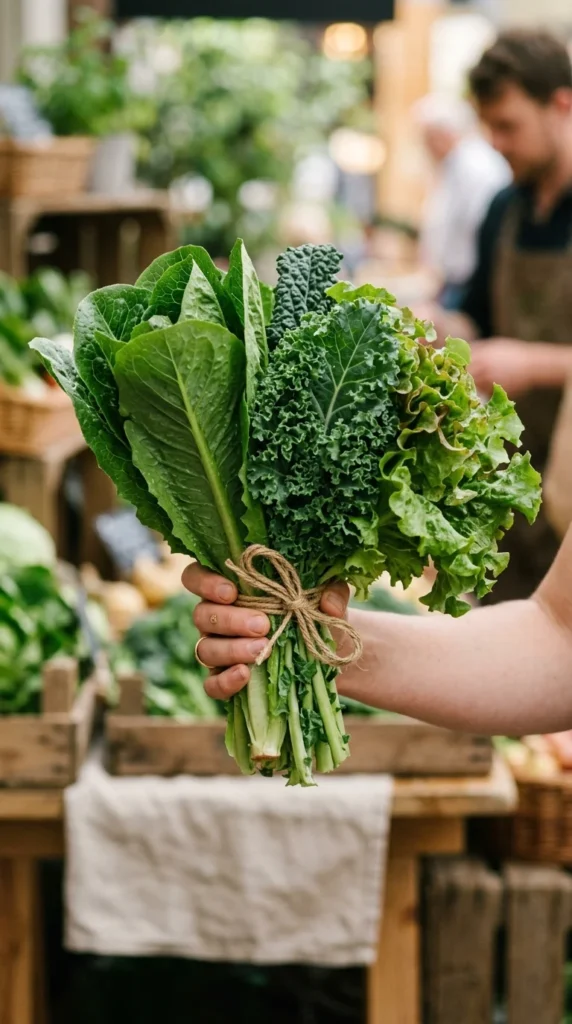
Leafy greens provide essential minerals and hydration. Romaine lettuce, green leaf lettuce, and red leaf lettuce are excellent daily options. While kale and spinach are nutrient-dense, they are also high in calcium, which can lead to bladder stones if fed in excess. Rotate your greens frequently to provide a wide spectrum of nutrients and to keep your pet interested in their meals.
7. Fresh Herbs
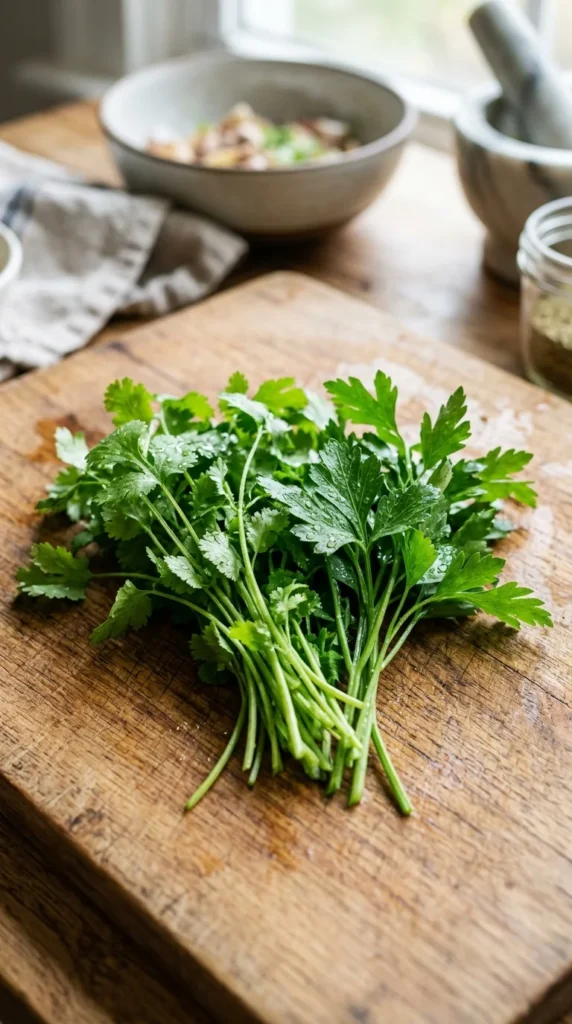
Herbs are a fantastic way to add variety and intense nutrition to a cavy’s diet. Cilantro (coriander) is a favorite for many and can be fed daily. Parsley is also a hit, though it is higher in calcium and should be limited to a few times a week. Basil, dill, and mint are also safe and provide aromatic enrichment that encourages natural foraging behavior.
8. Orchard Grass

If you or your guinea pig find Timothy hay too dusty or coarse, Orchard grass is a wonderful alternative. It is soft, sweet, and high in fiber. Mixing Orchard grass with Timothy hay can provide a variety of textures for your pet’s teeth and help picky eaters stay engaged with their hay intake.
9. Carrots
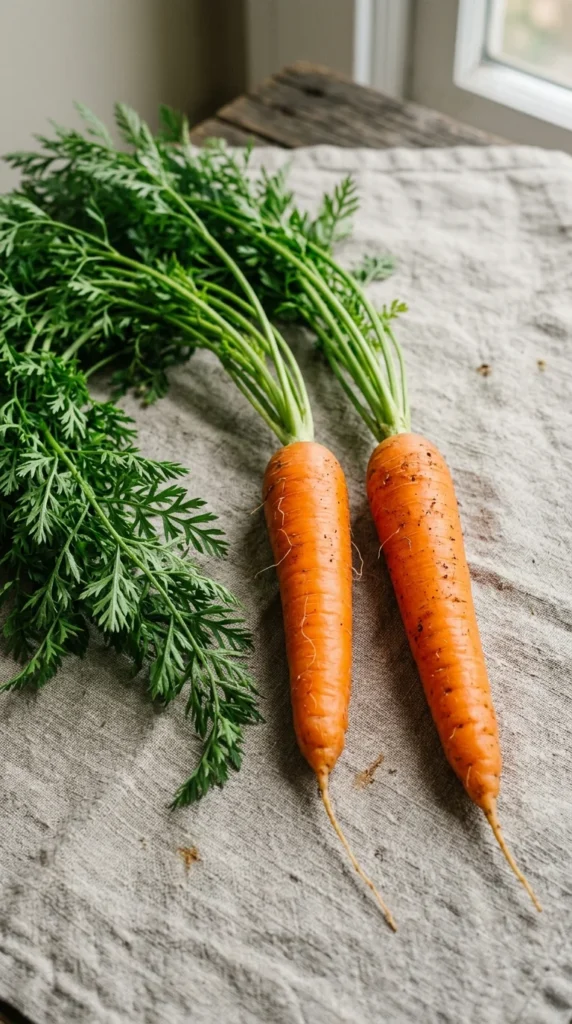
Carrots are often depicted as a staple, but for guinea pigs, they should be treated as a “side dish” or occasional treat. They are high in sugar and Vitamin A. While the orange root is tasty, the green carrot tops are actually very nutritious and are often enjoyed more by the pigs than the carrot itself. Limit the root to a small slice a few times a week.
10. Cucumbers
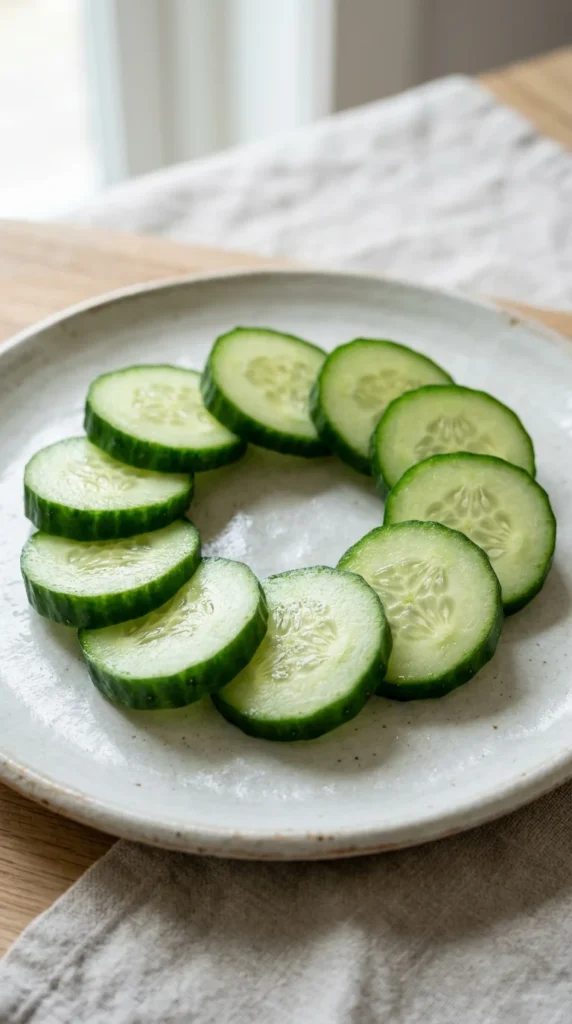
Cucumbers are excellent for hydration, especially during hot summer months. Since they are mostly water, they don’t offer a huge amount of nutrition, but they are low in calories and a great way to ensure your pet is getting enough fluids. Feed them with the skin on for a bit of extra fiber, but ensure they are thoroughly washed.
11. Strawberries
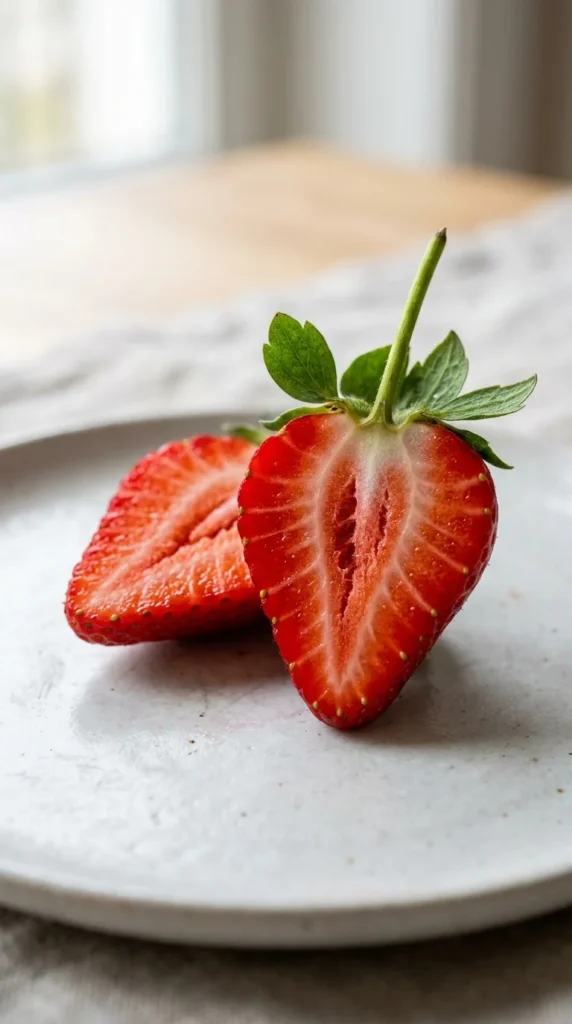
Fruits like strawberries are the “dessert” of the guinea pig world. Strawberries are packed with Vitamin C, but their high sugar content means they should only be fed in moderation—usually one small berry once or twice a week. The green “top” or calyx is also safe and usually very popular with cavies.
12. Zucchini
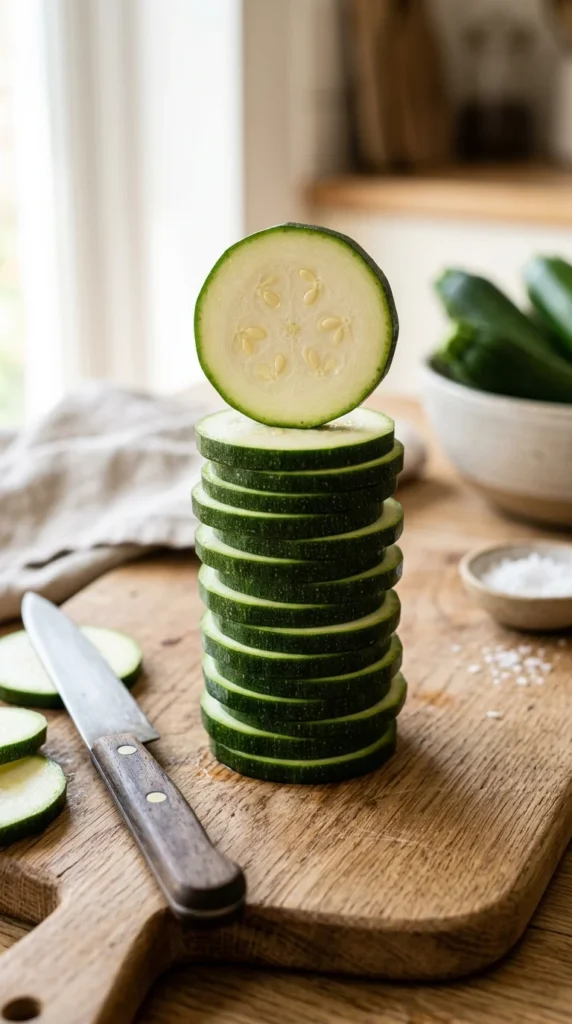
Zucchini is a safe, low-caloric vegetable that many guinea pigs enjoy. It provides a different texture and a mild flavor. It isn’t as nutrient-dense as leafy greens, but it’s a great filler for pigs who are prone to weight gain. Some pigs might be picky about the skin, so try offering it both peeled and unpeeled.
13. Blueberries
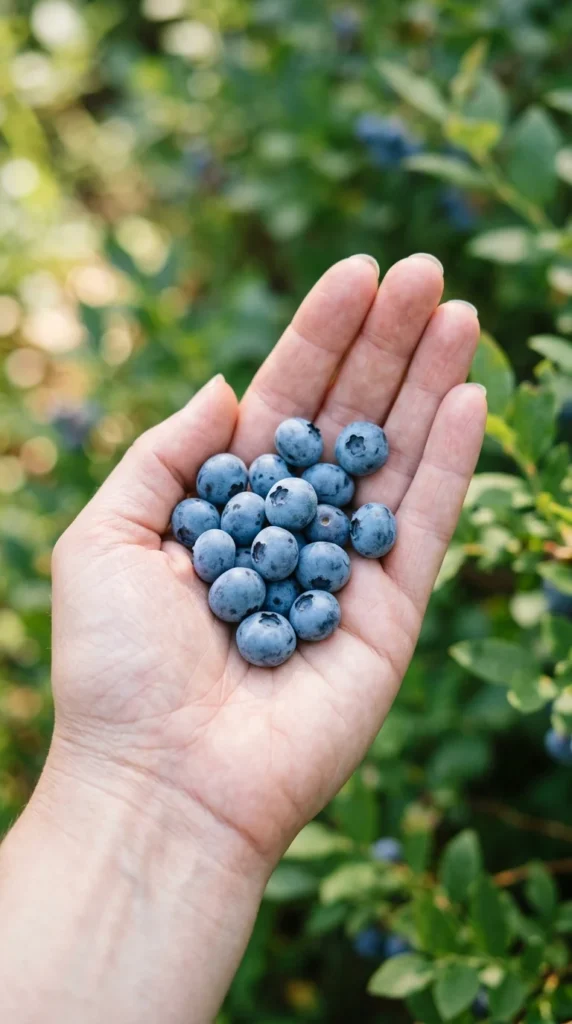
Blueberries are a fantastic antioxidant-rich treat. Because they are small, they are perfect for hand-feeding and bonding with your pet. Like all fruits, they should be limited to prevent obesity and dental issues. Two or three blueberries a few times a week is plenty for an adult guinea pig.
14. Tomatoes
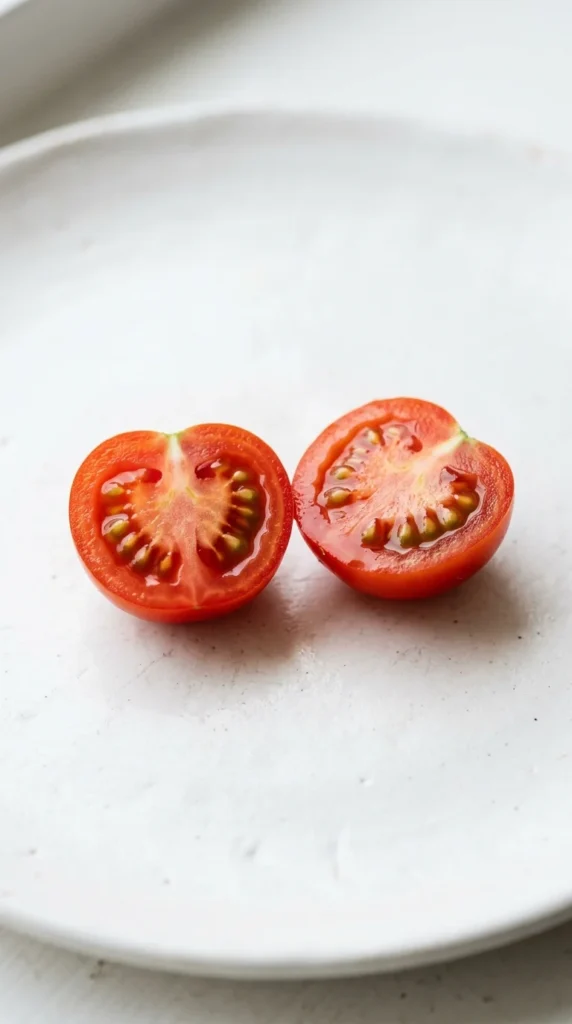
Tomatoes are a good source of Vitamin C and acidity that can help with oral health. However, you must be extremely careful: only the fruit itself is safe. The stems, leaves, and any green parts of the tomato plant are toxic to guinea pigs. Serve a small slice of a large tomato or one cherry tomato occasionally as a treat.
15. Foraging Mixes
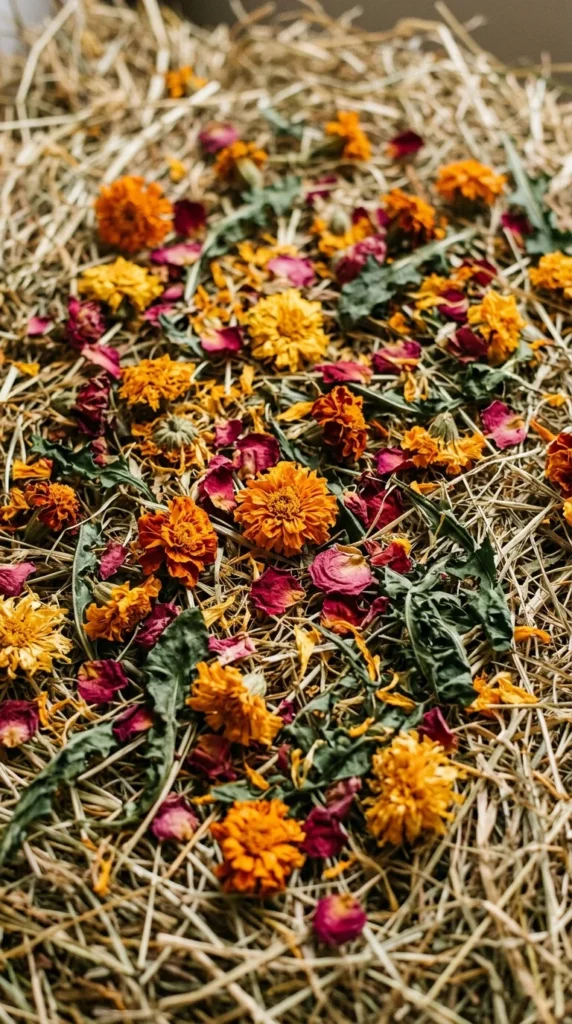
In the wild, guinea pigs spend a lot of time searching for different plants and flowers. You can replicate this by offering dried foraging mixes. Look for blends that include dried dandelion, raspberry leaves, and marigold. Scatter these through their hay to encourage “the hunt,” which provides mental stimulation and mimics natural behaviors.
16. Avoiding “Human” Snacks
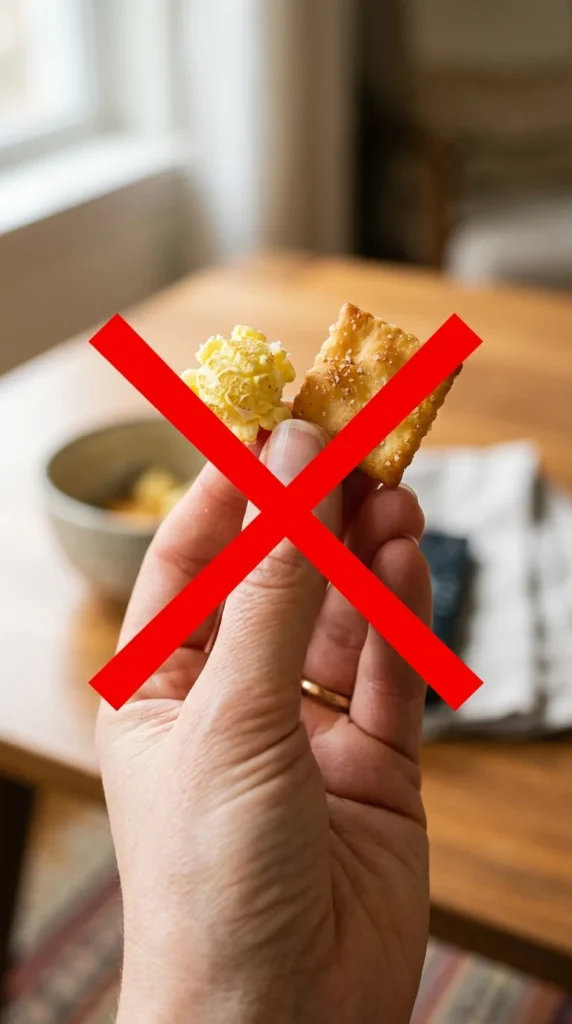
It can be tempting to share your snacks with a begging guinea pig, but “human” foods like bread, crackers, cereal, or chocolate are dangerous. Their digestive systems cannot process complex carbohydrates, cooked sugars, or dairy. Even “pet store” treats that contain yogurt drops or honey-coated seeds should be avoided as they lead to dangerous bacterial imbalances in the gut.
17. Calcium Management
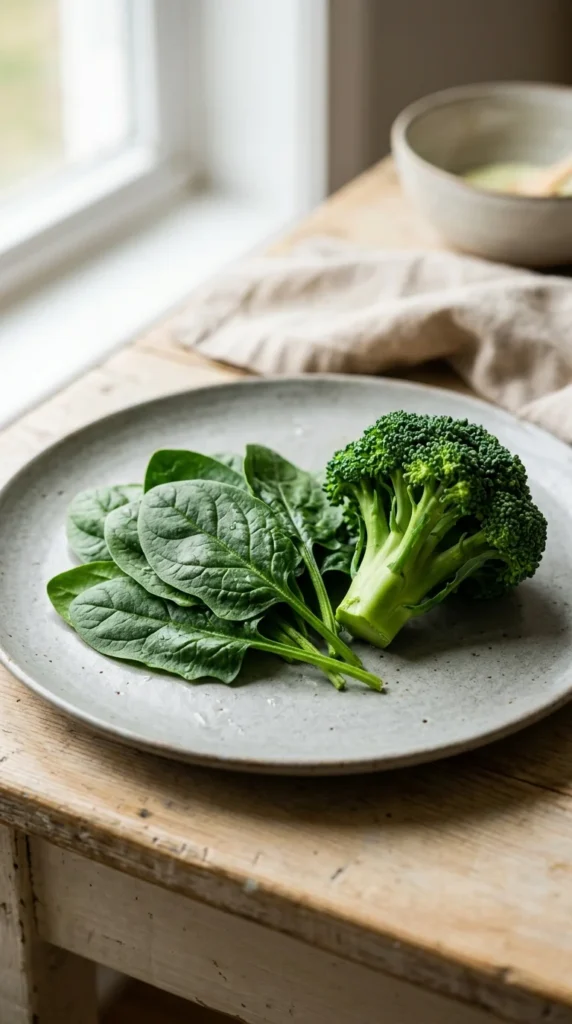
While calcium is necessary for bone health, too much of it causes painful bladder stones or “sludge” in guinea pigs. High-calcium foods like spinach, parsley, and alfalfa hay should be fed sparingly to adult pigs. If you notice white, chalky deposits in their urine, it’s a sign to scale back on high-calcium veggies and increase water and low-calcium hay intake.
18. The “Cup a Day” Rule
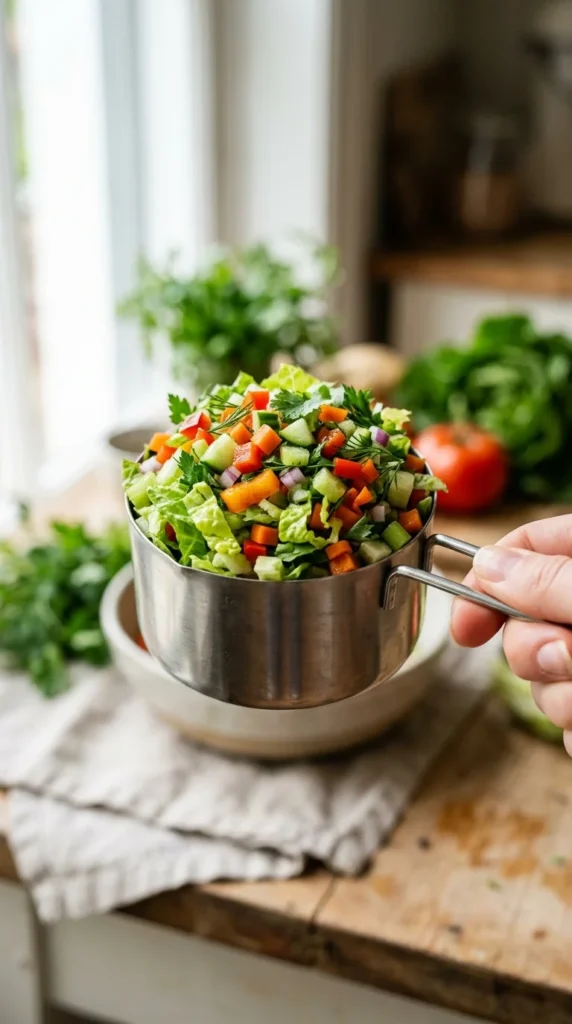
A good rule of thumb for fresh produce is “one cup of vegetables per guinea pig, per day.” This ensures they get enough Vitamin C and variety without overdoing the sugars or minerals found in veggies. Splitting this into two half-cup servings (morning and evening) can help keep their metabolism steady and provide a routine they will quickly learn to love.
19. Toxic Foods to Avoid
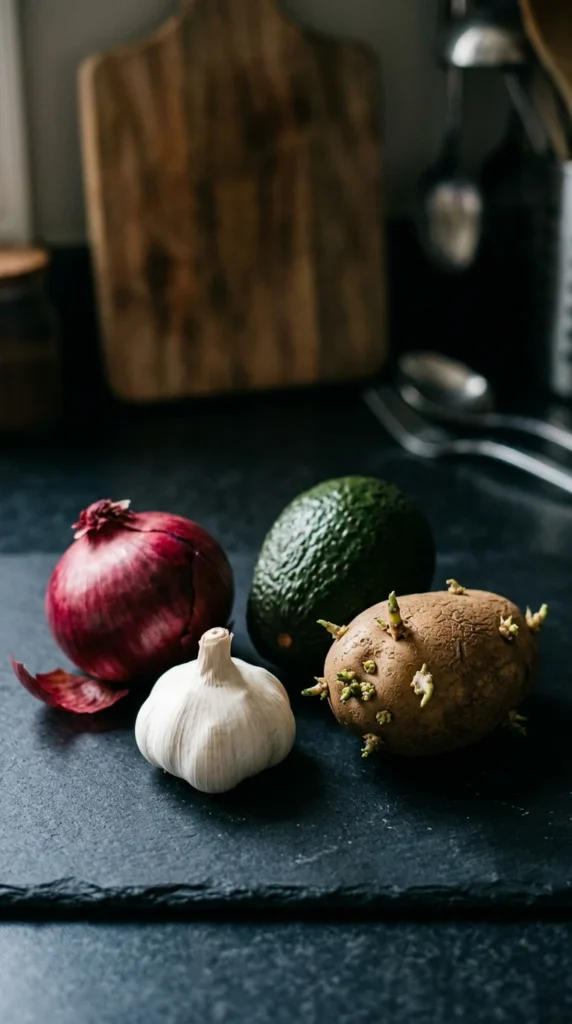
Several common healthy foods for humans are toxic to guinea pigs. Onions, garlic, and leeks can cause blood disorders. Potatoes (especially the sprouts and skins) contain solanine, which is poisonous. Avocado is too high in fat, and the pit/skin is toxic. Always research a new vegetable before introducing it to your pet’s bowl.
20. Gradual Transitions
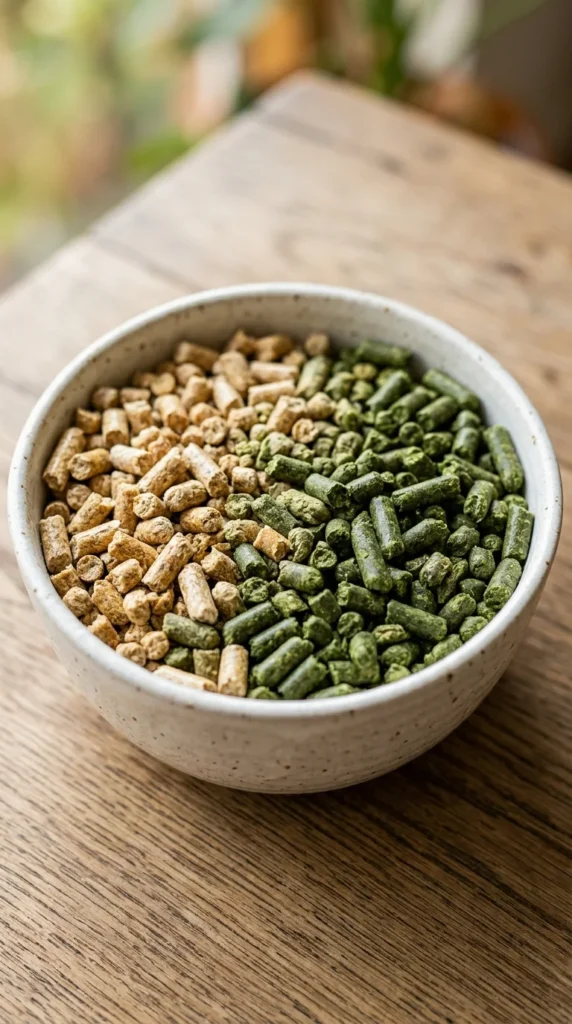
Guinea pigs have very sensitive stomachs. Any sudden change in diet—whether switching pellet brands or introducing a new vegetable—can cause diarrhea or bloat. When introducing something new, start with a tiny piece and monitor their droppings for 24 hours. When changing pellets, mix the old and new brands together over a period of 7 to 10 days to allow their gut flora to adjust.