
Creating a hamster habitat is about more than just finding a place for your pet to sleep; it is about building a complex, enriching world that caters to their wild instincts. Hamsters are naturally curious, active, and driven by the need to burrow, forage, and explore. A standard small cage often fails to meet these needs, leading to stress and boredom. By implementing creative setup ideas, you can transform a simple enclosure into a thriving sanctuary. Here are 26 inspired ideas to help you design the ultimate hamster paradise.
1. Natural Theme
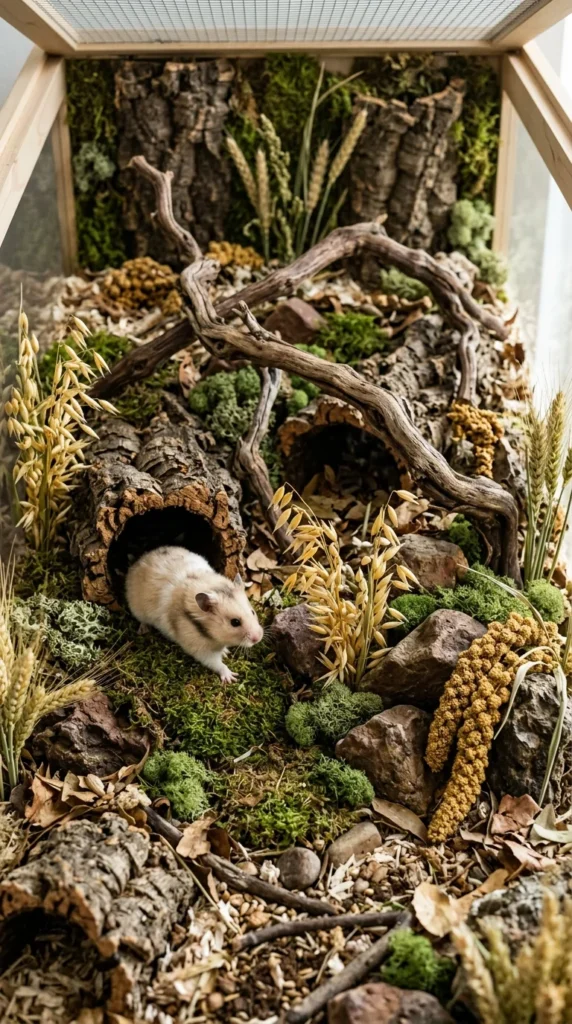
The naturalistic or “German-style” setup is the gold standard for hamster enrichment. This theme focuses on using materials found in the wild, such as cork bark, grapevine wood, and dried moss. Not only does it look aesthetically pleasing to the human eye, but it also provides a variety of textures for the hamster to investigate. Use different types of wood to create natural climbing structures and hiding spots that mimic the forest floor.
2. Deep Bedding
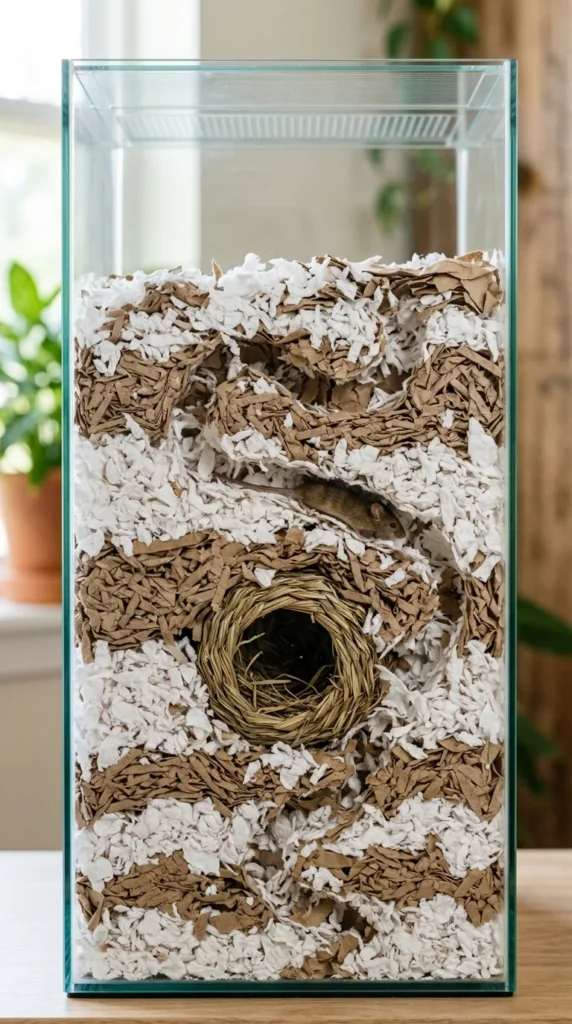
Hamsters are natural burrowers. In the wild, they create intricate tunnel systems underground to stay safe and regulate their temperature. Providing at least 6 to 10 inches of compressed bedding allows them to exhibit this instinctive behavior. Mix hay with paper-based bedding to help the tunnels hold their shape, giving your hamster a subterranean mansion to call home.
3. Sand Baths
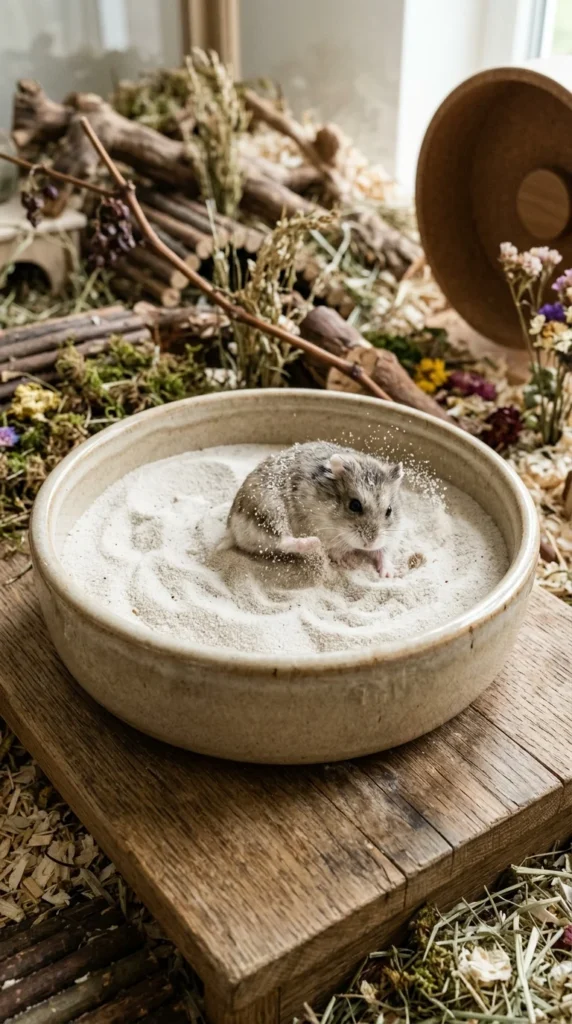
A sand bath is essential for a hamster’s hygiene and mental health. Hamsters use sand to strip excess oils from their fur, keeping them clean and fluffy. Beyond hygiene, many hamsters love to dig and play in the sand. Use a large container to prevent sand from spilling and ensure the sand is heat-treated and dust-free to protect their sensitive respiratory systems.
4. Foraging Sprays
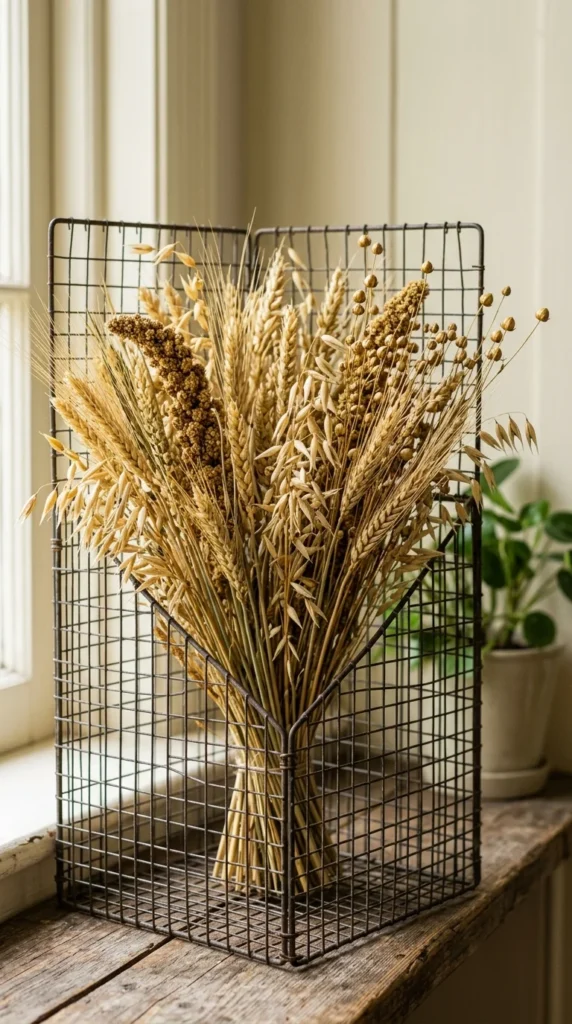
Instead of putting all their food in a bowl, use foraging sprays to encourage natural gathering behavior. Sprays are dried plants and grains still on the stalk. Tucking these into the bedding forces the hamster to “harvest” their meal, providing hours of mental stimulation and physical activity that mimics life in the wild.
5. Multi-Level Platforms
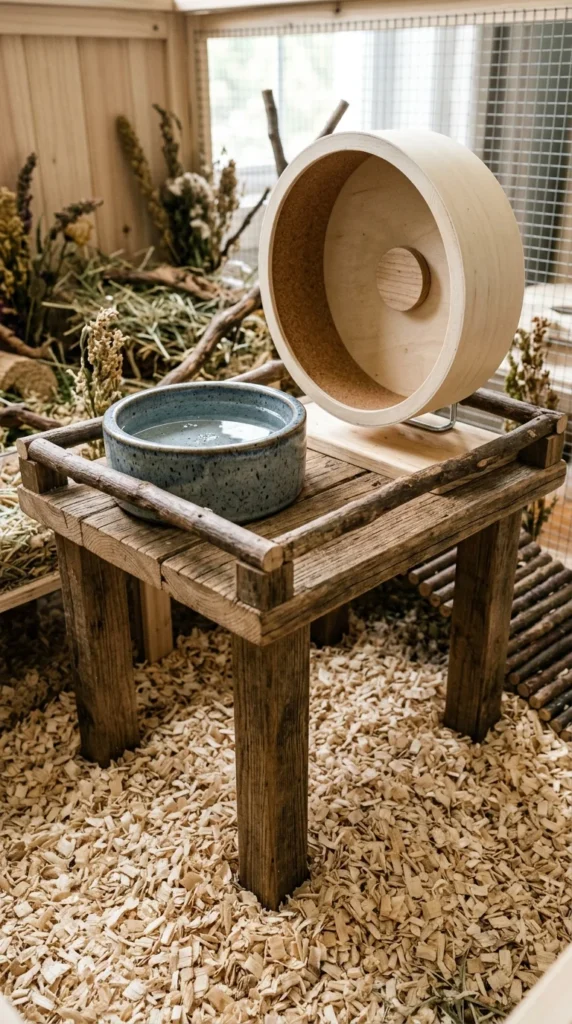
Since hamsters need deep bedding, heavy items like wheels and water bowls can be dangerous if they sink and crush a burrowing hamster. Using wooden platforms creates a “second floor” for these heavy items. This keeps the items stable while leaving the floor space underneath completely open for uninterrupted tunneling.
6. Texture Stations
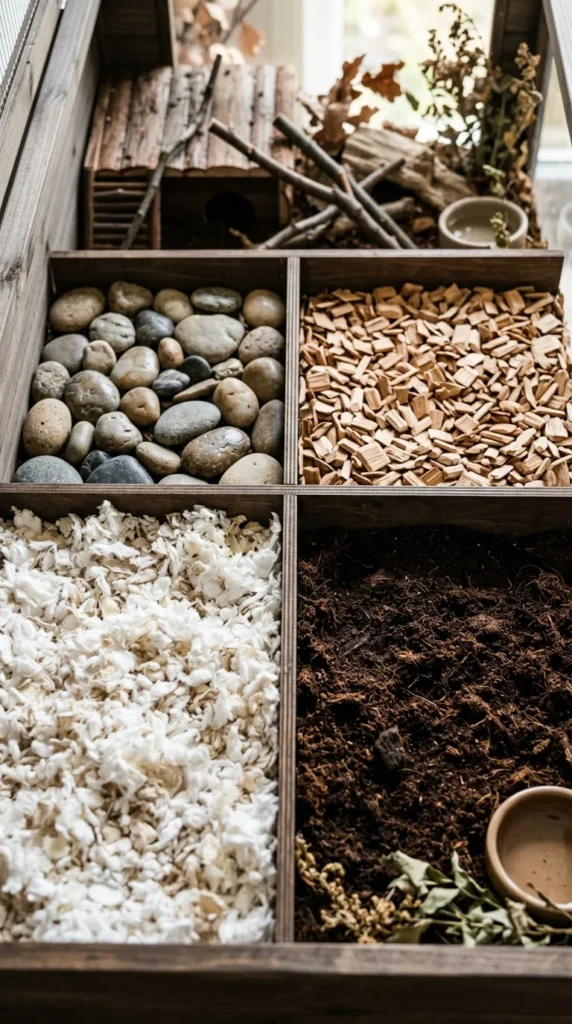
Hamsters experience the world through their paws and whiskers. Creating a “sensory garden” within the cage by using different substrates is highly enriching. Try sections of coco husk, cork granules, or even a small patch of smooth, sterilized stones. These varied surfaces keep their feet stimulated and provide different digging experiences.
7. Cork Tunnels
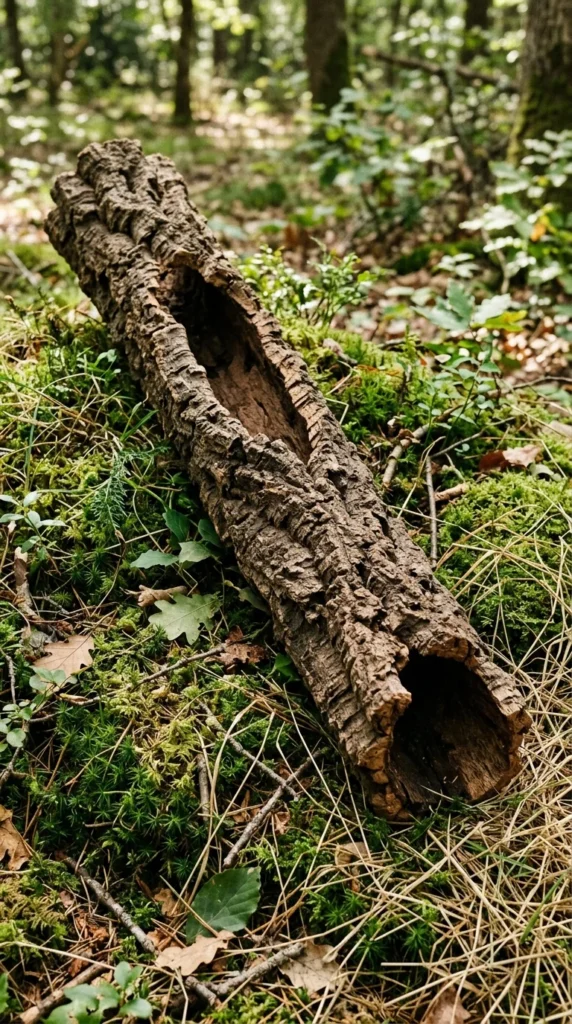
Cork logs are fantastic because they are lightweight, rot-resistant, and have a wonderful rough texture that helps file down a hamster’s nails naturally. They provide a safe, dark space for hamsters to travel through the cage without feeling exposed to predators, which significantly reduces their stress levels.
8. Cardboard Labyrinths
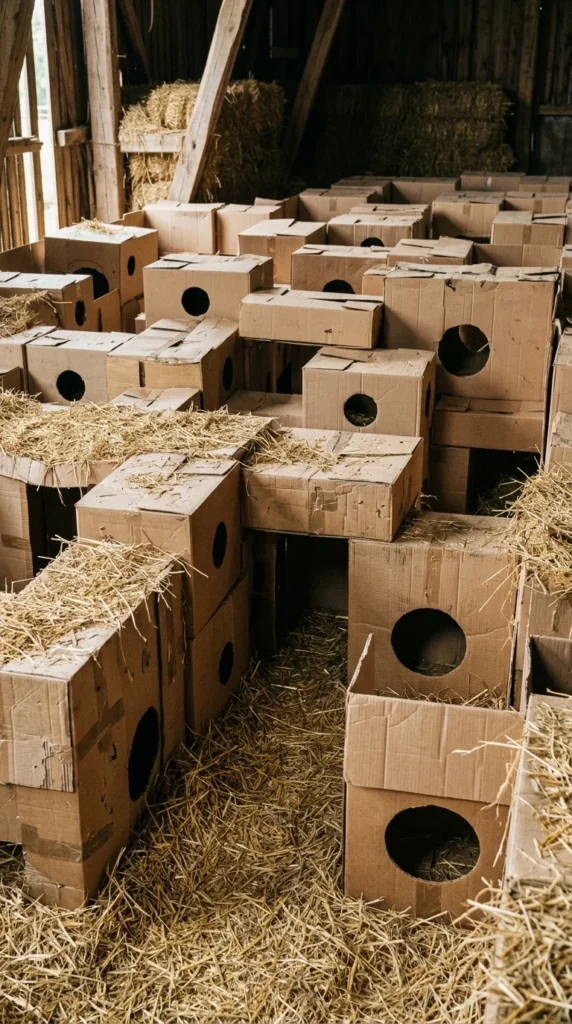
You don’t need to spend a fortune on plastic toys. Hamsters love cardboard. You can create a DIY labyrinth by connecting various small boxes and tubes. Because cardboard is safe to chew, it doubles as a boredom breaker. Burying these structures partially under the bedding creates an “instant” burrow system for your pet to discover.
9. Herb Garden

Adding a sprinkle of dried herbs and flowers—such as dandelion, raspberry leaves, or calendula—adds a burst of color and a variety of scents to the enclosure. These are safe to ingest and provide a healthy nutritional boost while making the habitat smell fresh and look like a botanical garden.
10. Orchard Wood
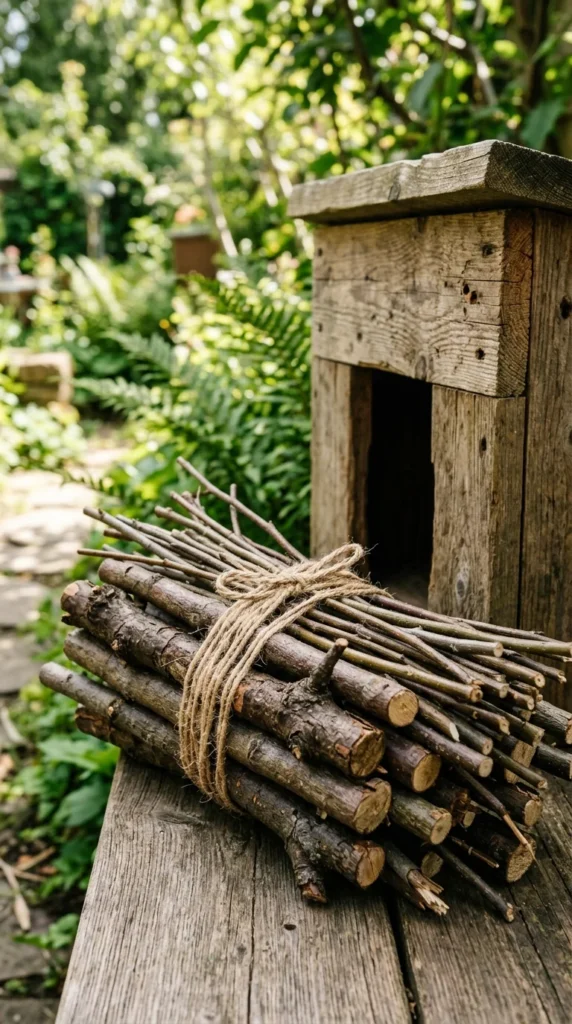
Hamsters have teeth that never stop growing, so they need constant opportunities to chew. Sticks from fruit trees like apple or pear are safe and delicious. Arranging these in a “bonfire” style pile provides a physical obstacle for them to climb over and a snack for them to gnaw on throughout the night.
11. Dig Box
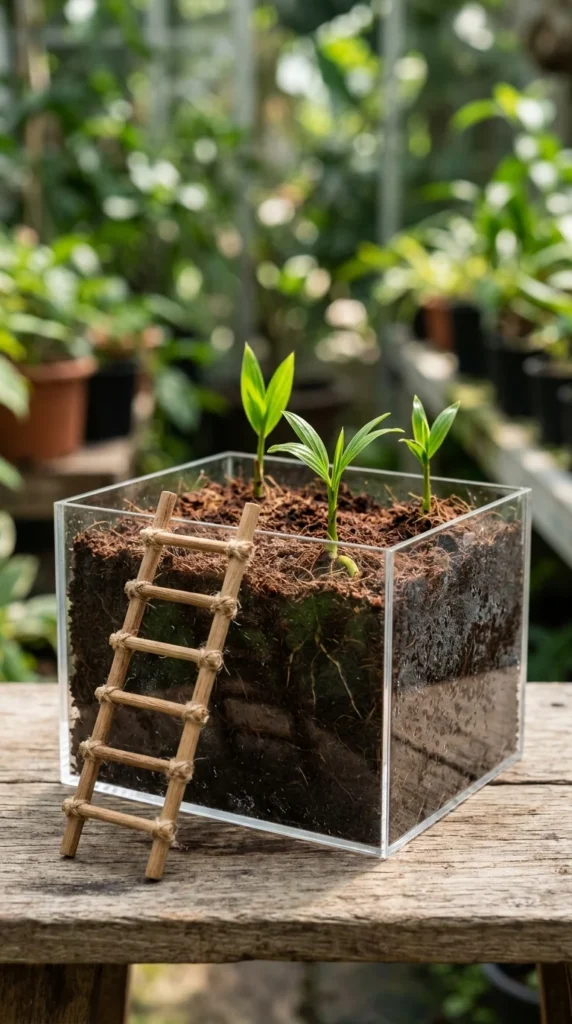
If you don’t want to fill the entire cage with different substrates, a dedicated dig box is a great alternative. Fill a deep container with eco-earth or coco fiber. This allows the hamster to experience “moist” digging, which is a different sensory experience than dry bedding or sand, and it’s excellent for keeping their claws clean.
12. Terrace Garden
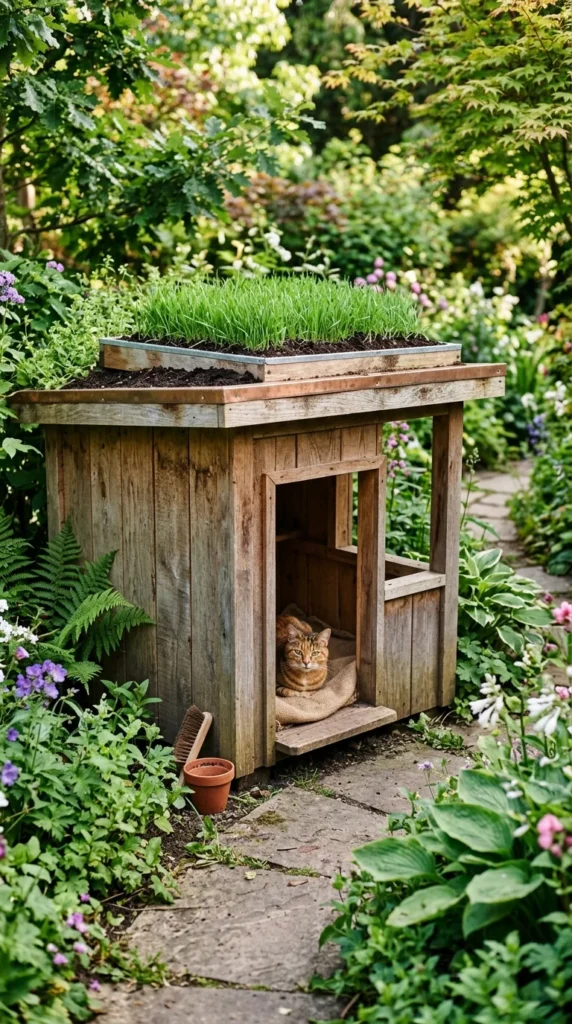
Maximize vertical space by using the roofs of hideouts as functional areas. Some hideouts are designed with recessed roofs that can be used as a small “garden” where you can grow safe grasses or microgreens. This provides a fresh snack right at their doorstep and utilizes every inch of the cage.
13. Maze Dividers
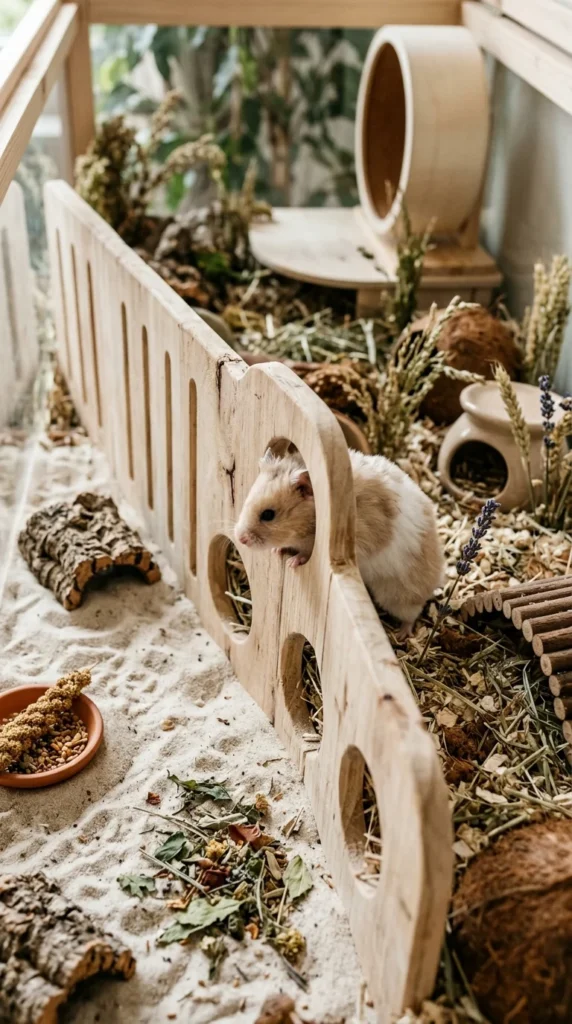
Instead of using solid walls to separate different areas of the cage, use dividers with holes. This keeps different substrates (like sand and bedding) from mixing too much while creating a fun “obstacle course” feel. The hamster has to navigate through the holes to get from their sleeping quarters to their play area.
14. Vertical Climbing
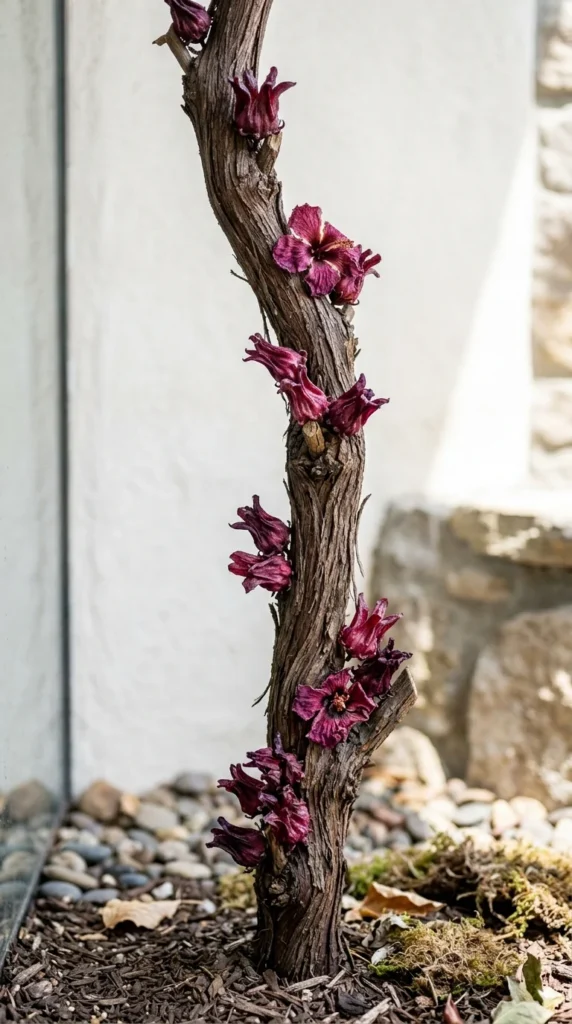
While hamsters aren’t the most agile climbers and have poor depth perception, they do enjoy gentle inclines. A large piece of grapevine wood provides a safe way for them to explore the vertical space of their enclosure. Ensure any climbing structure is over soft bedding to prevent injury from accidental falls.
15. The Wheel Hub
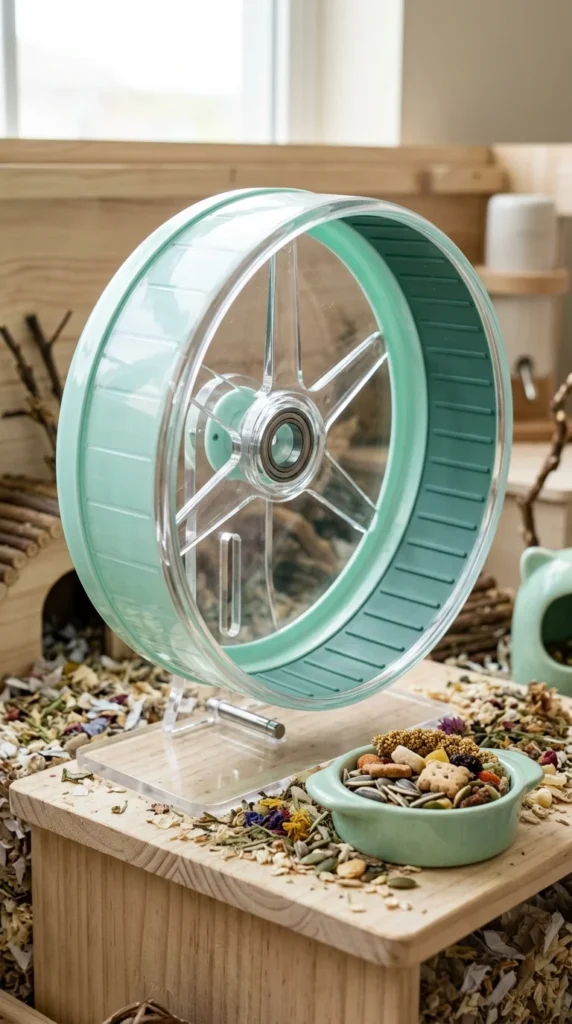
The wheel is the most used item in any hamster cage. Center your setup around a high-quality, upright wheel. Ensure it has a solid running surface (no wire or mesh) and is large enough that the hamster’s back doesn’t curve while running. A clear wheel can make the cage feel more open and allow you to watch your pet’s evening marathon more easily.
16. Hideout Village
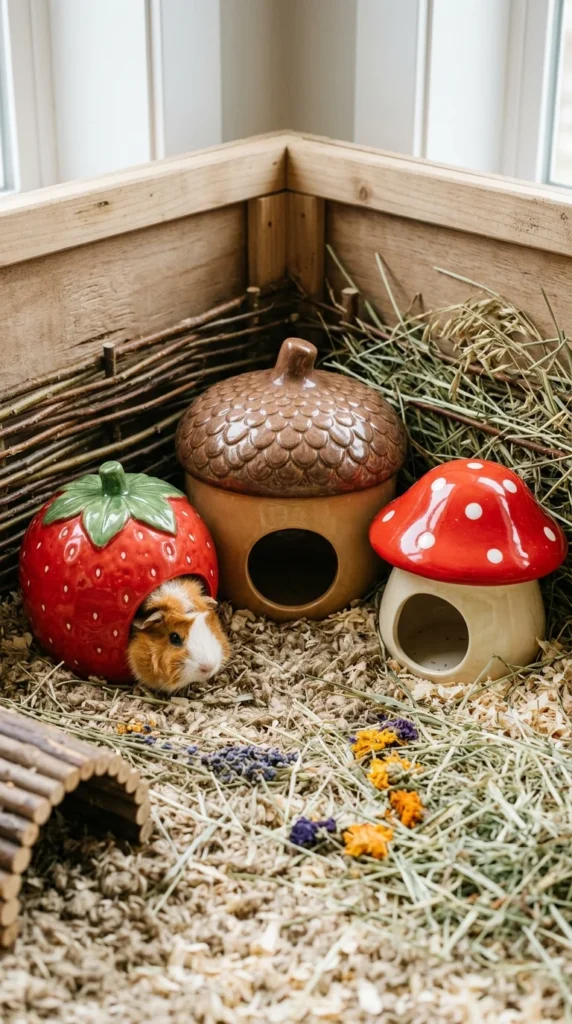
Hamsters feel safest when they have multiple places to hide. Creating a “village” using various ceramic or wooden hideouts ensures they never feel exposed. Ceramic hides are especially useful in the summer as they provide a cool place for the hamster to sleep when temperatures rise.
17. Bamboo Roots
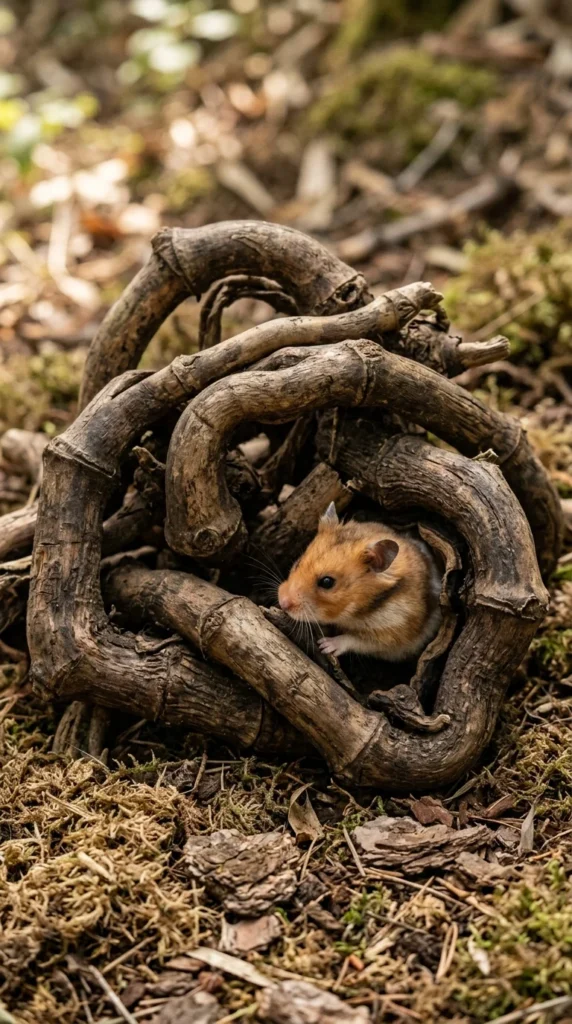
Bamboo roots are an underrated enrichment item. They are incredibly hardy and have a unique, smooth texture that contrasts well with rough cork. They provide excellent nooks for hiding treats, encouraging your hamster to use their nose and paws to find their food.
18. Hanging Chews
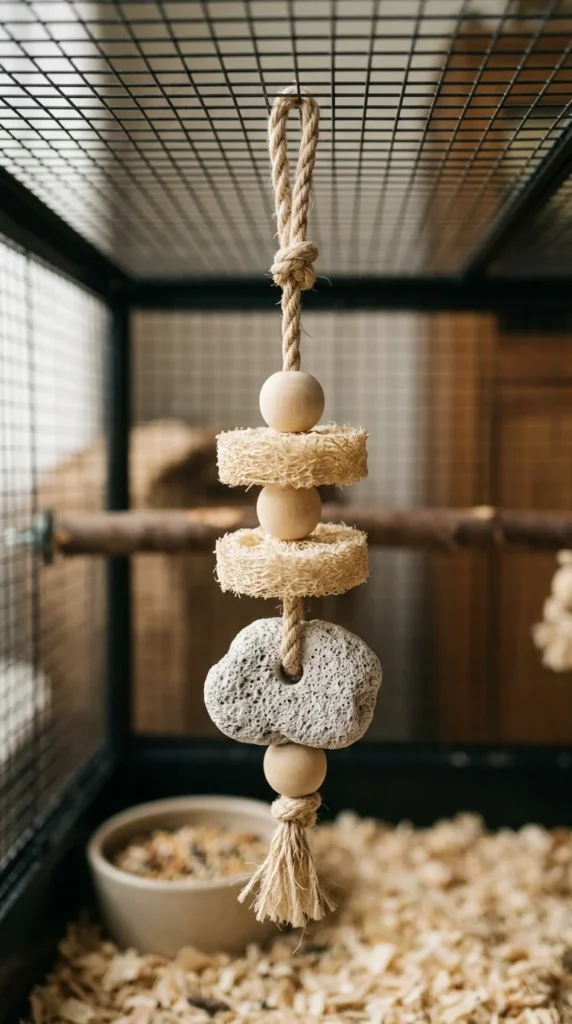
While hamsters spend most of their time on the ground, hanging toys can encourage them to stand on their hind legs and stretch. This builds muscle tone and provides a different type of challenge. Use safe materials like untreated wood, loofah, or wicker balls for these hanging “kabobs.”
19. Coconut Hides
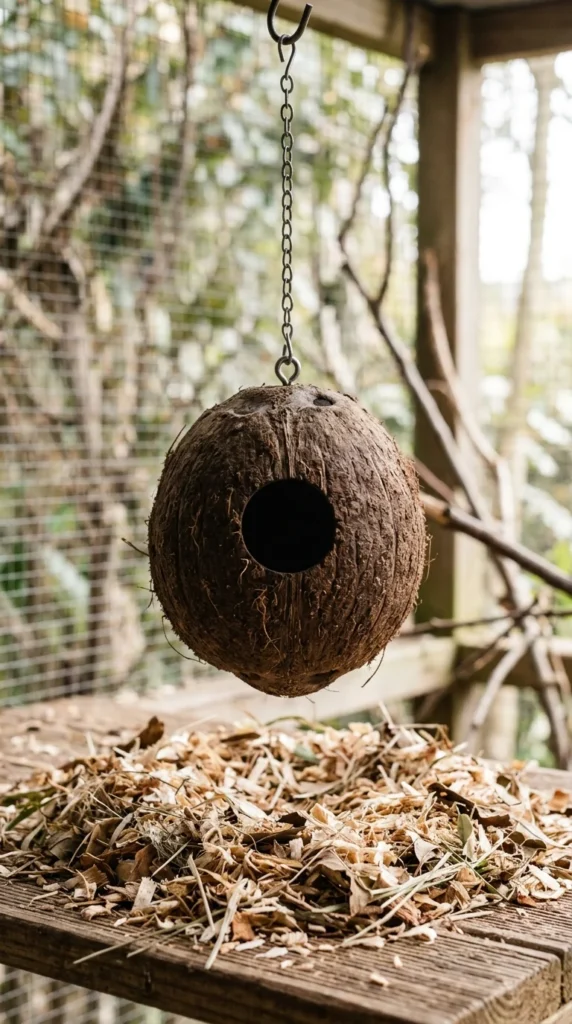
Coconut shells are natural, durable, and the perfect size for a dwarf or Syrian hamster. You can place them directly on the bedding or hang them low to the ground. Adding some soft nesting material inside the coconut makes it an irresistible, cozy bedroom.
20. Stone Path
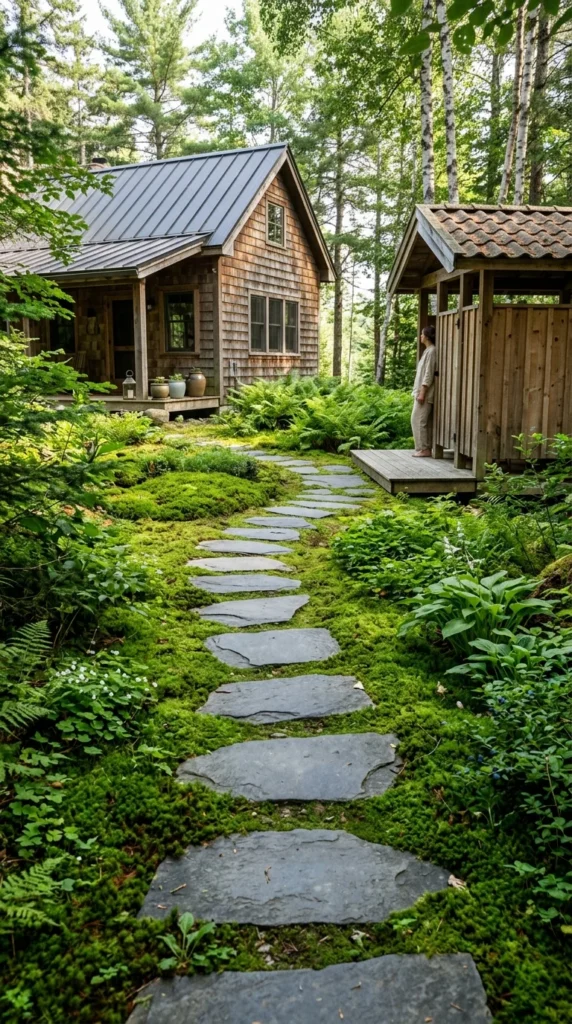
Placing a few flat stones in high-traffic areas serves two purposes: it creates a “pathway” that looks beautiful, and it helps wear down the hamster’s nails as they walk over the hard surface. Ensure the stones are large and flat so there is no risk of them shifting and trapping the pet.
21. Foraging Logs
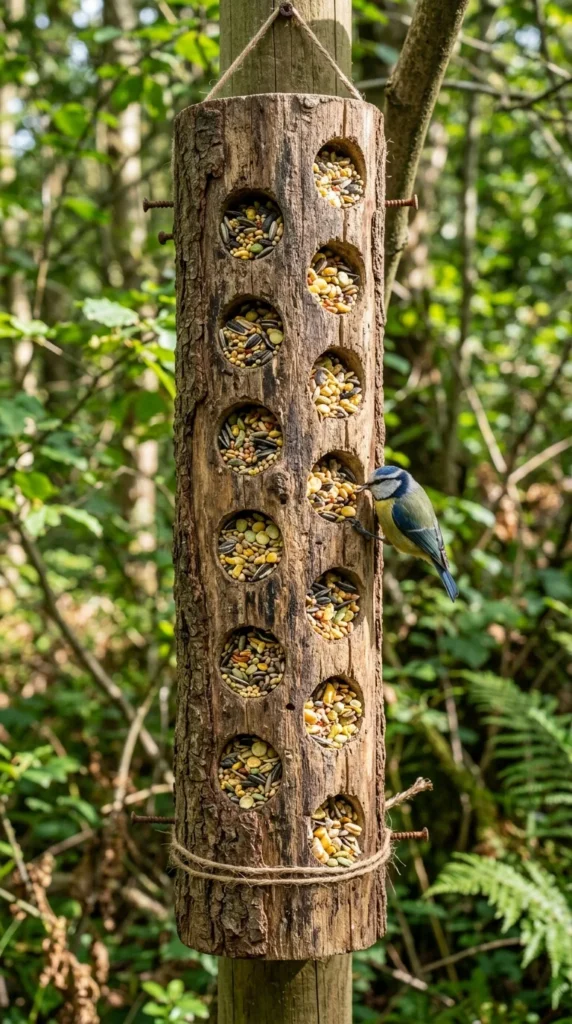
A foraging log is a great way to keep a hamster busy. You can buy these or make them by drilling holes into a safe piece of wood. Stuff the holes with healthy treats or a bit of peanut butter (in very small amounts) to keep the hamster occupied as they work to extract the reward.
22. Grass Nests
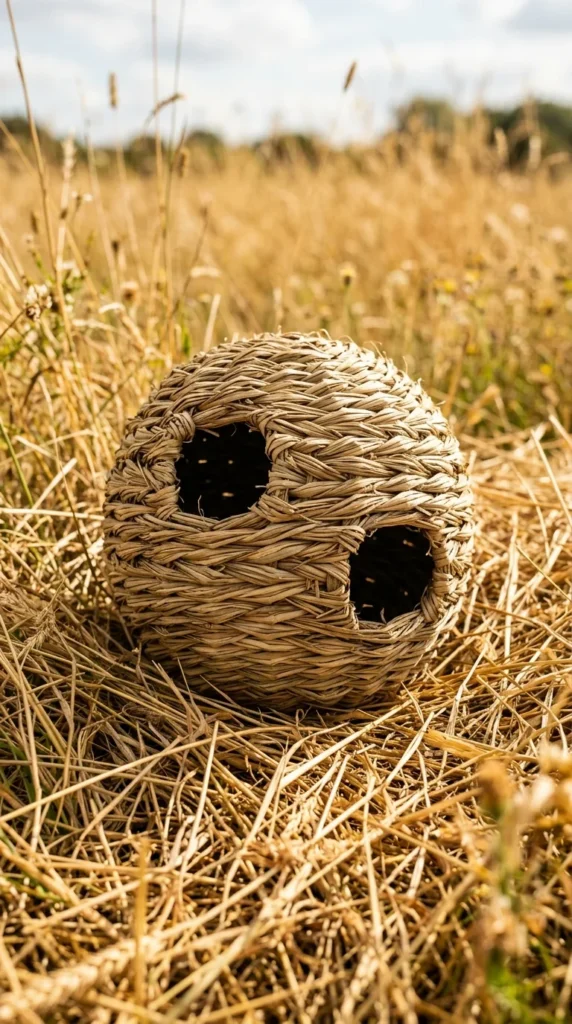
Woven grass or willow nests provide a different texture than wood or ceramic. They are entirely edible and offer a great place for a hamster to take a daytime nap. As the hamster chews on the nest, it changes shape, providing a dynamic environment that evolves over time.
23. Terracotta Cooling
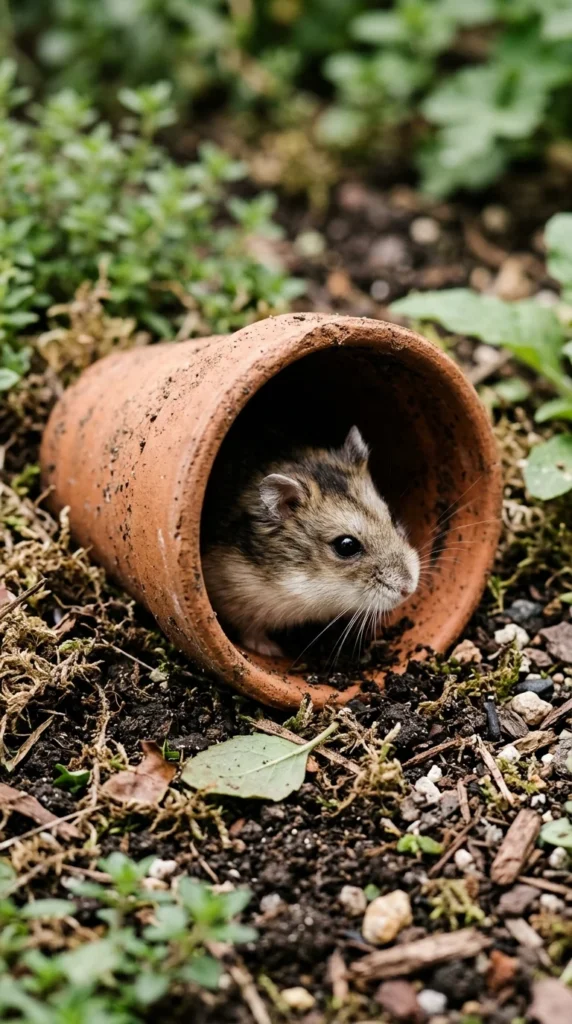
Terracotta is a fantastic, budget-friendly material for hamster cages. When placed in the cage, the clay stays naturally cool. In hot weather, you can even put the pot in the refrigerator for a few minutes before placing it back in the cage to provide a “chilled room” for your pet.
24. Bridge Systems
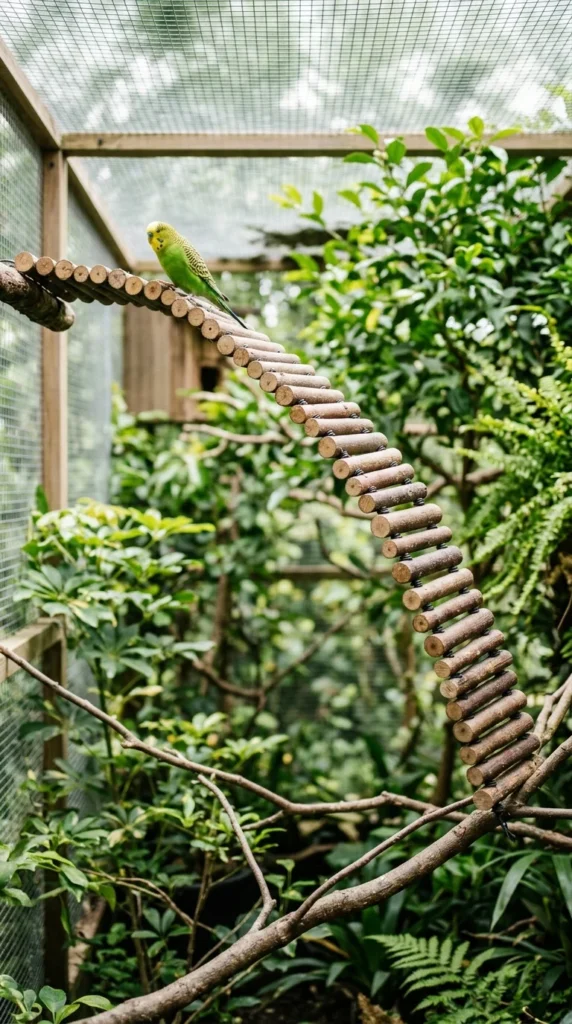
Bendy bridges are incredibly versatile. They can be arched to create a bridge, laid flat to create a fence between substrates, or turned on their side to create a hidden tunnel. They are essential for creating a dynamic, three-dimensional space that allows for easy movement across the enclosure.
25. The Corner Lookout
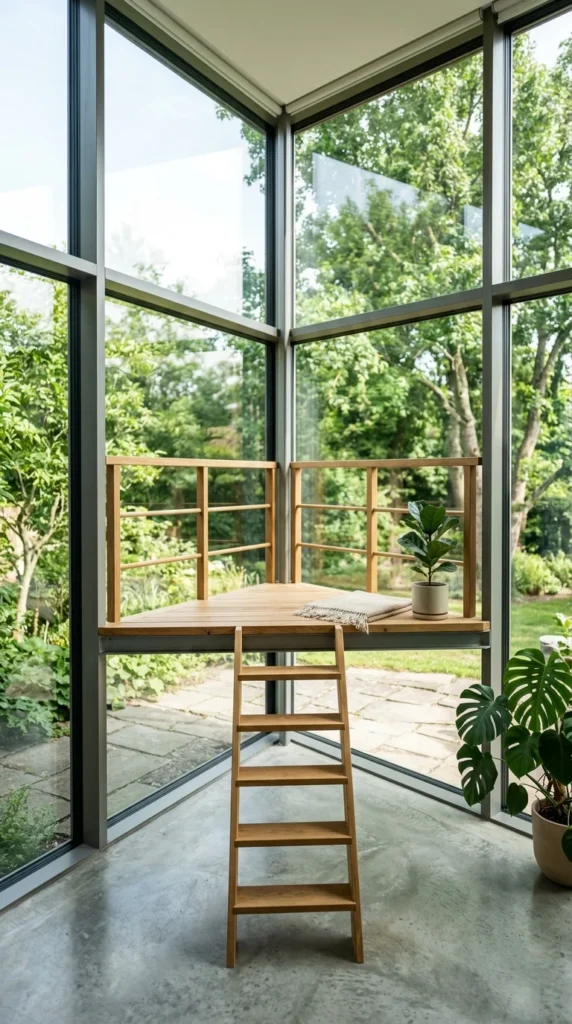
Hamsters often like to retreat to corners where they feel “protected” on two sides. A corner platform provides a high vantage point for the hamster to scan their environment. Putting a bit of flax or a special treat up there encourages them to make the climb and explore the boundaries of their home.
26. Burrow Starters
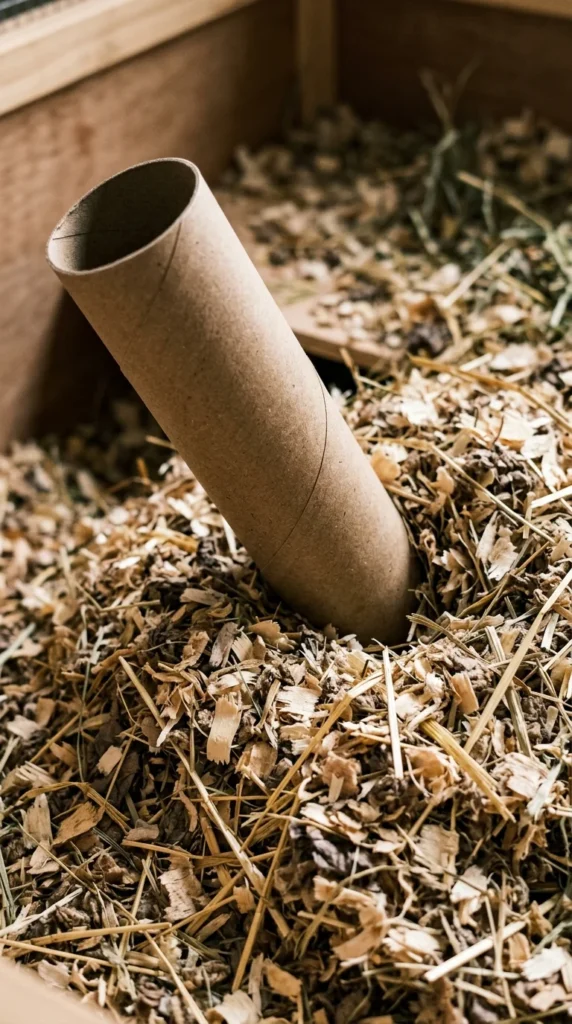
Sometimes hamsters need a little hint on where to start their tunnels. By burying a tube at a 45-degree angle into the deep bedding, you provide a “starter burrow.” Hamsters will often follow the tube down and then begin expanding their own tunnels from the bottom, helping them settle into their new home more quickly.