
Choosing a hamster is more than just picking the cutest ball of fluff at the pet store. With variations in size, temperament, social needs, and activity levels, the “perfect” hamster depends entirely on your lifestyle. While science officially recognizes five main species of domestic hamsters, the pet trade has popularized several variations and hybrids that offer unique experiences for owners.
In this guide, we break down 15 distinct types of hamsters—from the solitary giants to the tiny, social speedsters—to help you decide which pocket-sized companion belongs in your home.
1. Syrian Hamster
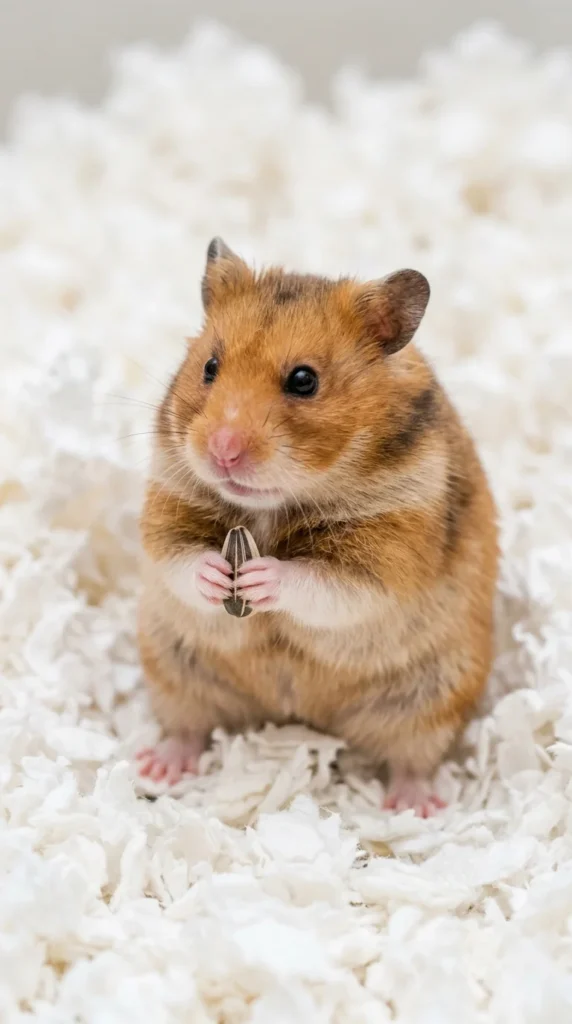
The Syrian hamster, often called the “Golden Hamster,” is the most popular choice for first-time owners. They are the largest of the domestic breeds, typically reaching 5 to 7 inches in length. Their size makes them much easier to handle than their smaller cousins, and they tend to have a more docile, slow-moving temperament once tamed.
However, Syrians are strictly solitary. They are fiercely territorial and will fight—sometimes to the death—if housed with another hamster. They require a large enclosure (at least 800 square inches of floor space) to prevent stress-related behaviors like bar-biting.
- Lifespan: 2–3 years
- Best for: Beginners and children (under supervision)
- Temperament: Friendly and slow-moving
2. Campbell’s Dwarf
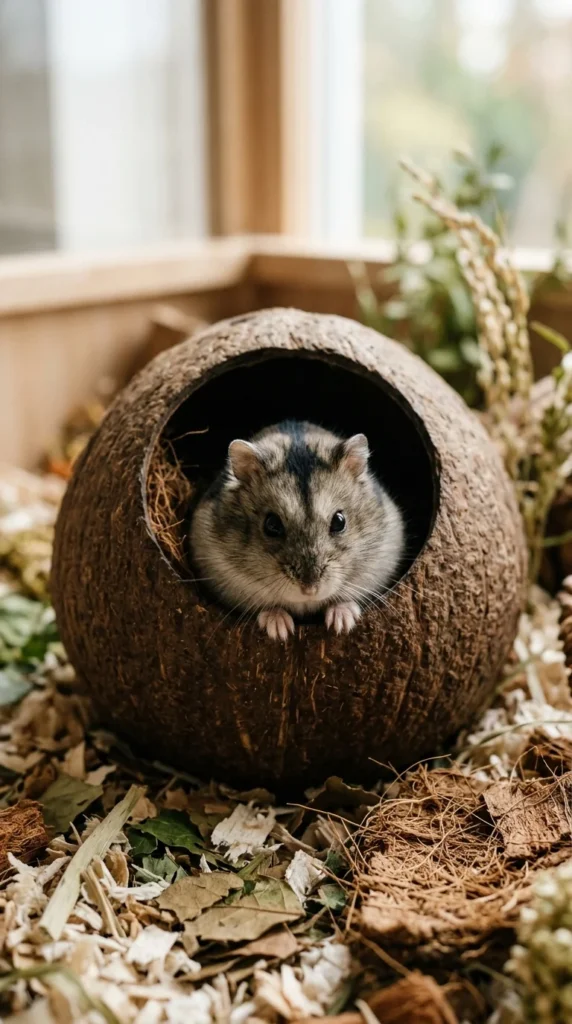
Campbell’s Dwarf hamsters are energetic, curious, and incredibly small, usually topping out at 4 inches. They are known for the “dorsal stripe” that runs from their neck to their tail. Unlike Syrians, Campbell’s can sometimes live in pairs or small groups if introduced at a young age, though this requires a highly experienced owner to monitor for bullying.
They are prone to diabetes, so their diet must be strictly managed to avoid excess sugars. Because they are fast and can be “nippy” if startled, they are better suited for adults or older children who enjoy observing more than handling.
- Lifespan: 1.5–2 years
- Best for: Observational owners
- Temperament: Energetic and quick
3. Winter White Dwarf
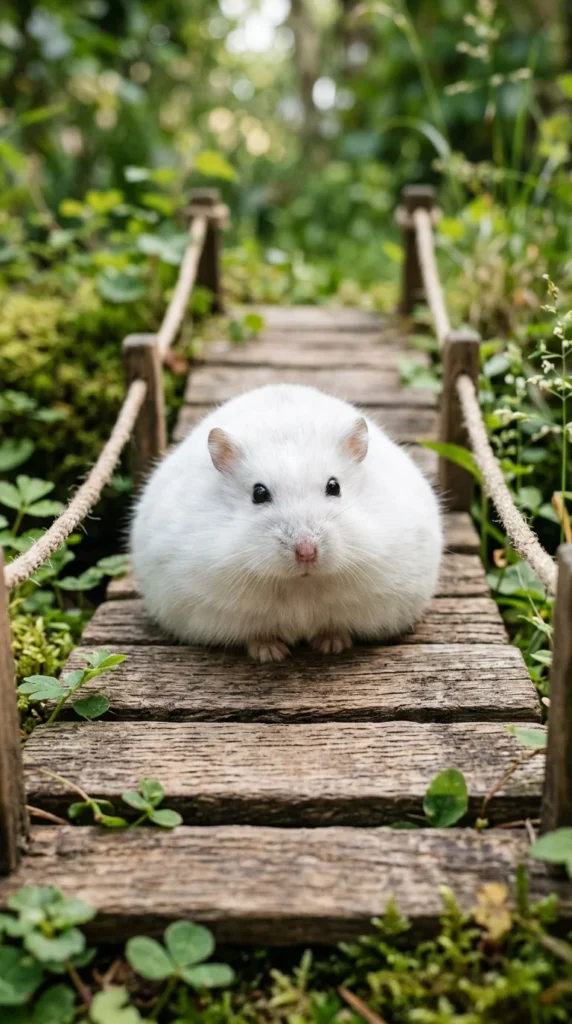
Often confused with the Campbell’s, the Winter White Russian Dwarf has a more rounded, “bullet” shape and a shorter nose. Their most famous trait is their ability to change coat color; in the wild, their fur turns white in the winter to camouflage in the snow. In captivity, this change is triggered by lighting conditions.
Winter Whites are generally considered the “sweetest” of the dwarf species. They are less likely to bite and often enjoy interacting with their humans more than other dwarfs, making them a fantastic middle-ground choice.
- Lifespan: 1.5–2 years
- Best for: Owners wanting a small but handleable pet
- Temperament: Mellow and sweet
4. Roborovski Dwarf
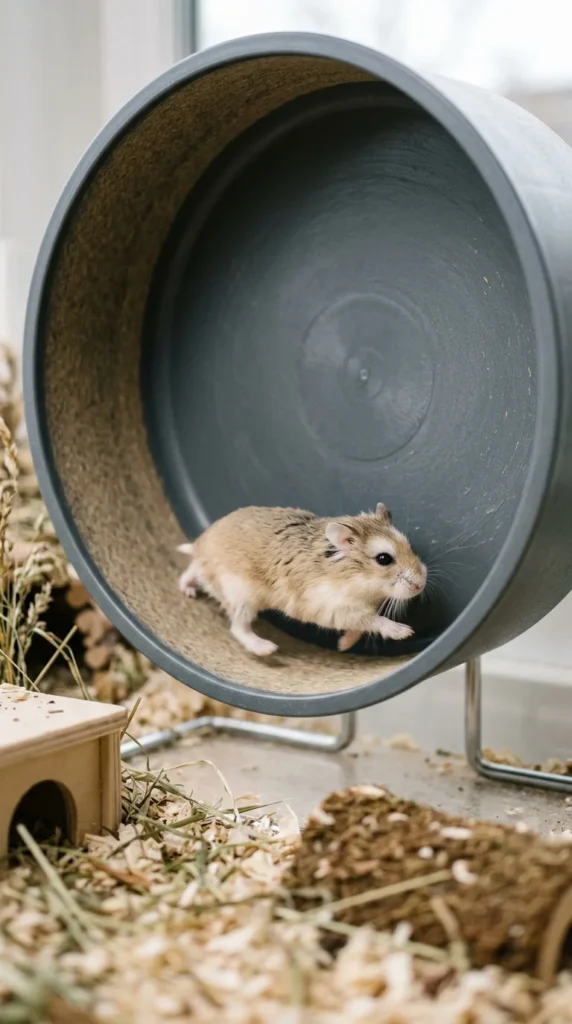
The Roborovski (or “Robo”) is the smallest and fastest of all domestic hamsters. Reaching only about 2 inches in length, they are the speed demons of the hamster world. They are sandy-colored with white undersides and characteristic white patches above their eyes that look like eyebrows.
Robos are not “hands-on” pets. They are far too fast and flighty for most people to hold safely without the risk of the hamster jumping and injuring itself. They are, however, incredibly entertaining to watch as they zoom through tunnels and spend hours on their wheels.
- Lifespan: 3 years (longer than most dwarfs)
- Best for: People who prefer watching over handling
- Temperament: Hyperactive and shy
5. Chinese Hamster

The Chinese hamster is often mistaken for a mouse because of its long, slender body and visible tail (about 1 inch long). While they are technically “hamster-like” rodents, they have a unique personality. They are known for “clinging” to their owner’s fingers with their paws, making them feel very secure during handling.
They can be quite shy and require a lot of patience to tame. Once comfortable, they are gentle and calm. Like Syrians, they are best kept alone, as they can become aggressive toward cage mates as they mature.
- Lifespan: 2–3 years
- Best for: Patient owners who like unique appearances
- Temperament: Timid but gentle
6. Teddy Bear Hamster
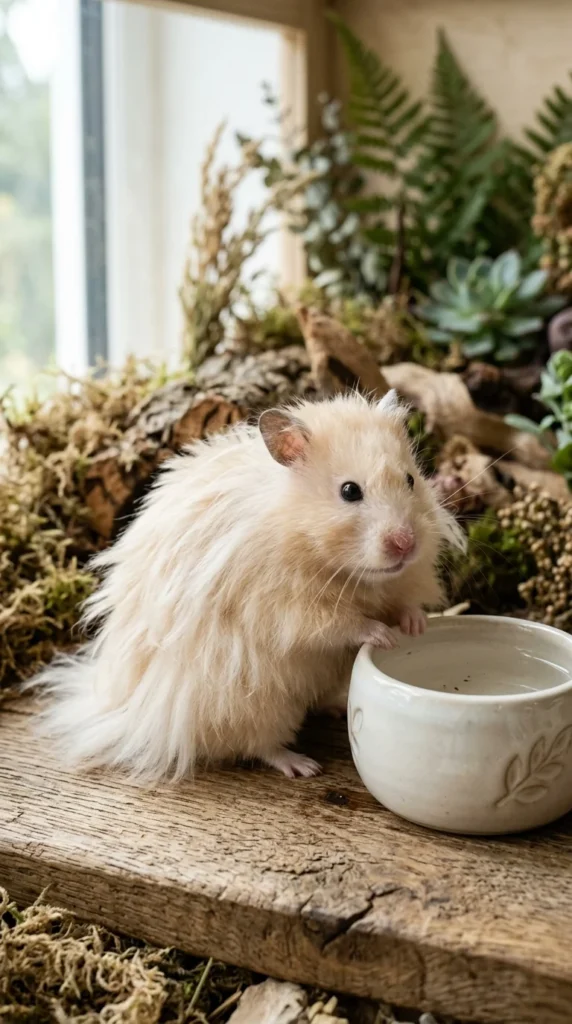
The “Teddy Bear” is not a separate species but a long-haired variety of the Syrian hamster. They are prized for their incredibly soft, fluffy coats. In males, the fur can grow quite long, often requiring occasional grooming to remove debris or bedding caught in the hair.
Because they are Syrians, they share the same solitary nature and large size. They are a favorite for those who want a pet that looks like a miniature stuffed animal.
- Lifespan: 2–3 years
- Best for: Owners who don’t mind a bit of grooming
- Temperament: Calm and docile
7. Panda Hamster
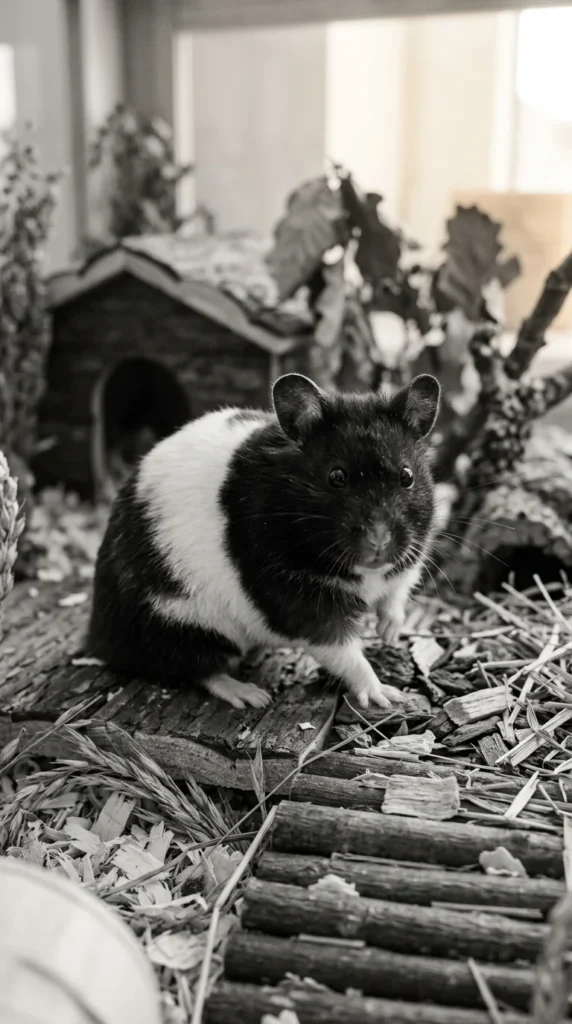
The Panda hamster is another Syrian variation named for its striking black-and-white color pattern. These hamsters are often marketed at a premium in pet stores due to their “exotic” look, but their care requirements are identical to any other Syrian.
They are large, easy to hold, and generally have the stable, friendly temperament associated with the Syrian species. Their high-contrast markings make them one of the most visually stunning breeds to keep.
- Lifespan: 2–3 years
- Best for: Families looking for a visually striking pet
- Temperament: Friendly
8. Black Bear Hamster
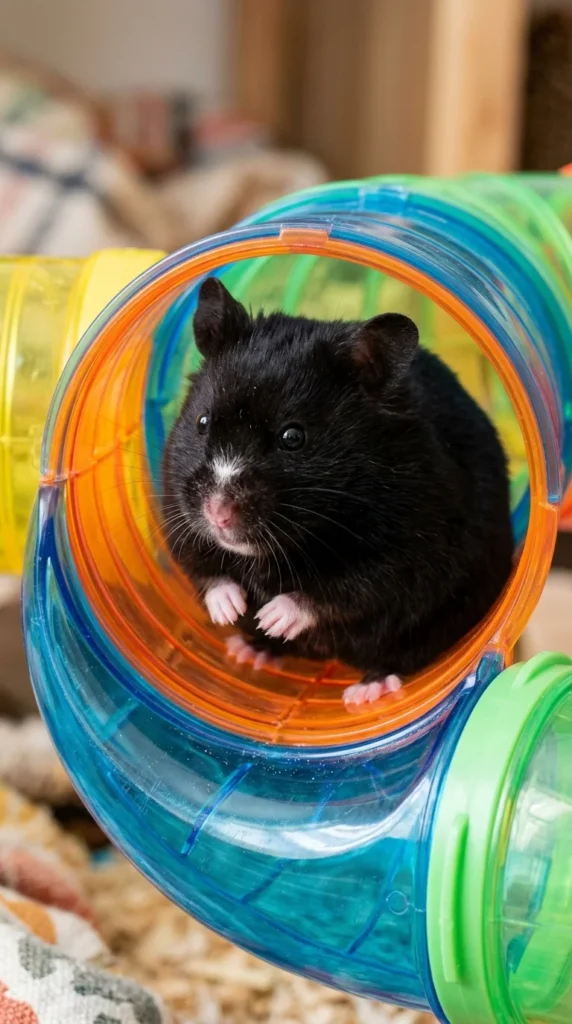
The Black Bear hamster is a Syrian bred specifically for its solid black coat and, traditionally, a very docile temperament. Breeders originally selected the calmest individuals to create this line, leading to a reputation for being exceptionally “tame” and less likely to bite than other variations.
They are robust, hearty hamsters that make excellent companions for those who want a pet that will sit still in their hand for a few moments.
- Lifespan: 2–3 years
- Best for: Children and beginners
- Temperament: Very calm and laid-back
9. Golden Hamster
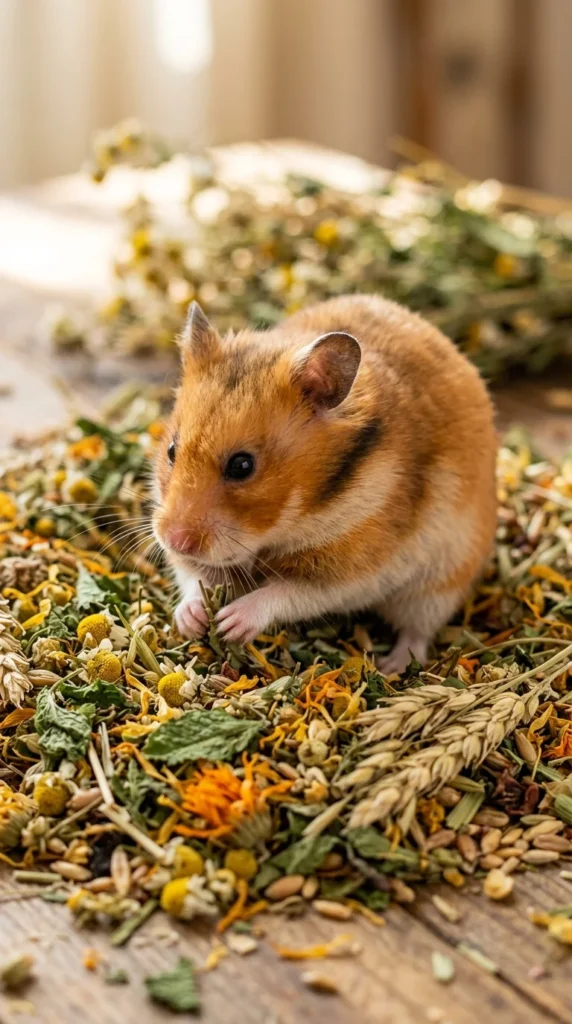
This is the original, wild-type appearance of the Syrian hamster. Before all the fancy colors and coat types were bred, this was what every domestic hamster looked like. They feature a beautiful mahogany-orange back, a creamy belly, and dark “flashes” on their cheeks.
Many enthusiasts believe the “original” Golden Hamster is hardier and less prone to genetic health issues than some of the more intensely bred color variations.
- Lifespan: 2.5–3 years
- Best for: Purists and first-time owners
- Temperament: Reliable and active
10. Dalmatian Hamster
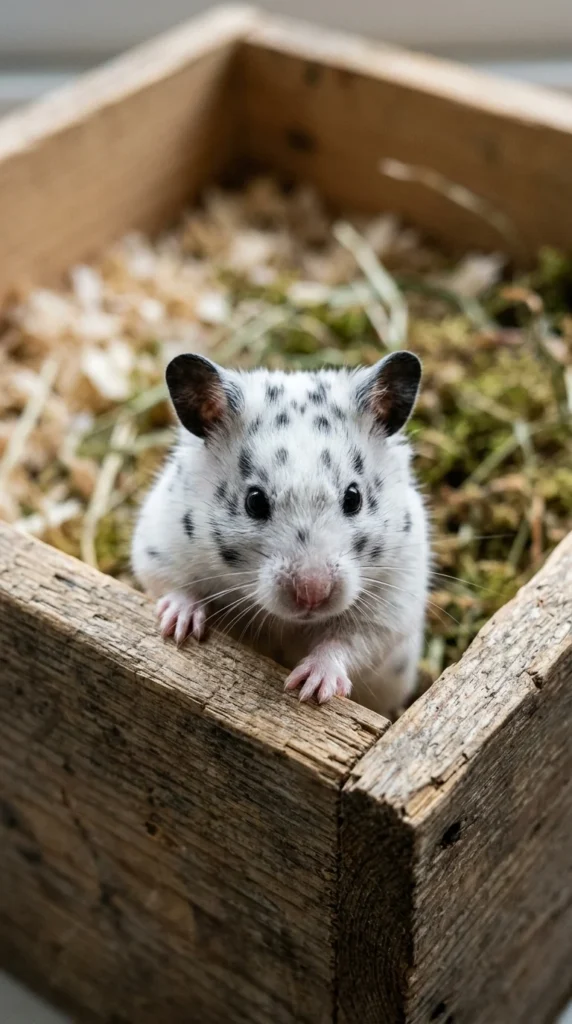
The Dalmatian hamster is a Syrian with a “dominant spot” genetic mutation. This results in a white body with ink-black or dark brown spots scattered across the back and sides. These hamsters are quite rare in standard pet stores and are often sought out from specialized breeders.
Like all Syrians, they need their own space. Their unique look makes them a “designer” pet in the hamster community.
- Lifespan: 2–3 years
- Best for: Enthusiasts looking for a rare coat pattern
- Temperament: Standard Syrian (Independent but tamable)
11. Tortoiseshell Hamster
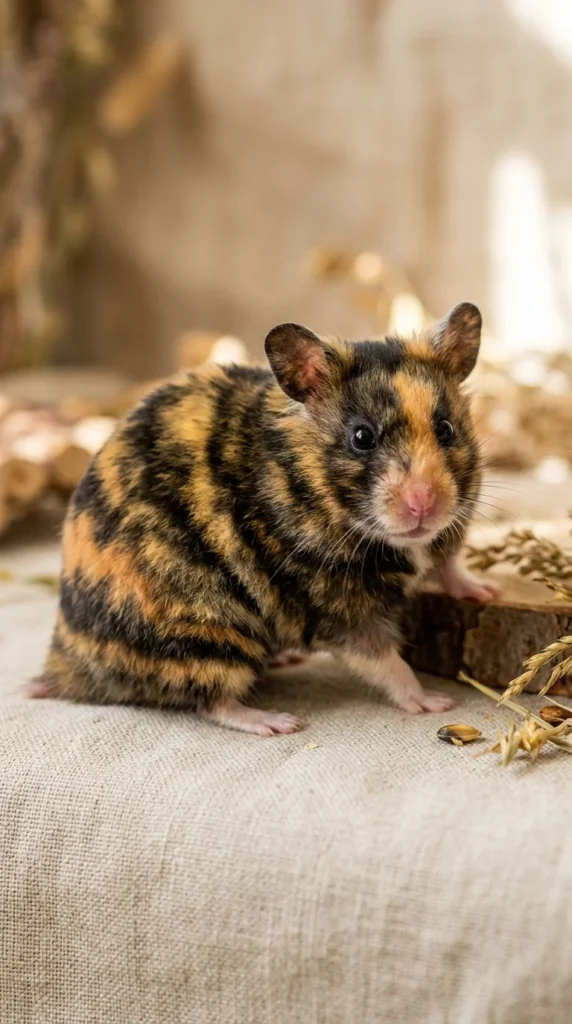
Tortoiseshell hamsters are almost exclusively female due to the genetics required to produce the multicolored patches. The coat is a beautiful, chaotic mix of yellow, black, and sometimes white (known as Tortoiseshell and White).
These hamsters are often described by owners as having “torti-tude”—a slightly more energetic and feisty personality compared to solid-colored Syrians, though this is purely anecdotal!
- Lifespan: 2–3 years
- Best for: Owners who want a colorful, vibrant pet
- Temperament: Energetic and bold
12. Satin Hamster
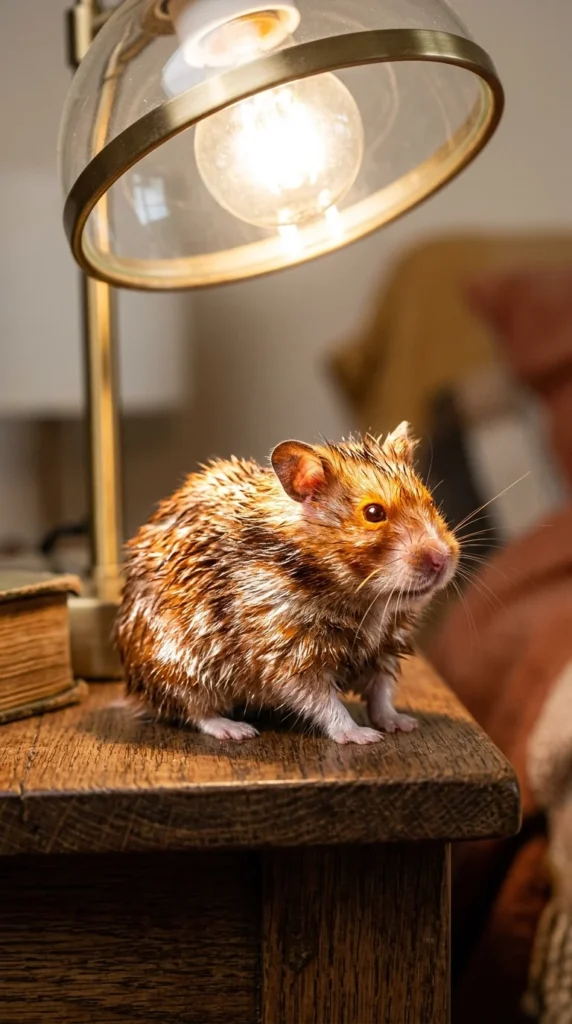
The Satin hamster is defined by a genetic trait that makes the hair shafts hollow, giving the fur an incredible, high-gloss sheen. This isn’t just “shiny” fur; it looks like the animal has been dipped in liquid silk. This trait can appear in both long-haired and short-haired Syrians.
Prospective owners should be aware that breeding two Satin hamsters together can lead to health issues like sparse fur, so it is best to get these from reputable sources.
- Lifespan: 2–2.5 years
- Best for: Those who appreciate aesthetic beauty
- Temperament: Variable
13. Rex Hamster
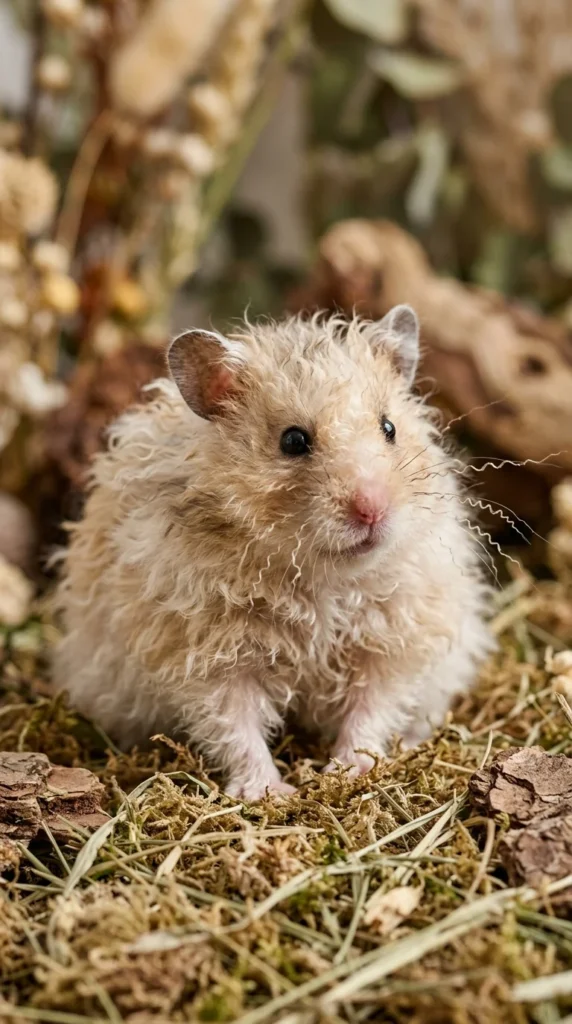
The Rex mutation causes the fur and whiskers to curl. This gives the hamster a very soft, woolly texture that feels different from any other breed. Even their whiskers are wavy, which gives them a permanent “bed-head” look that many find irresistible.
Because their whiskers (which are vital sensory organs) are curled, they may be slightly more clumsy than other hamsters, but they are otherwise healthy and full of personality.
- Lifespan: 2–3 years
- Best for: Owners who want a unique tactile experience
- Temperament: Curious and quirky
14. Albino Hamster
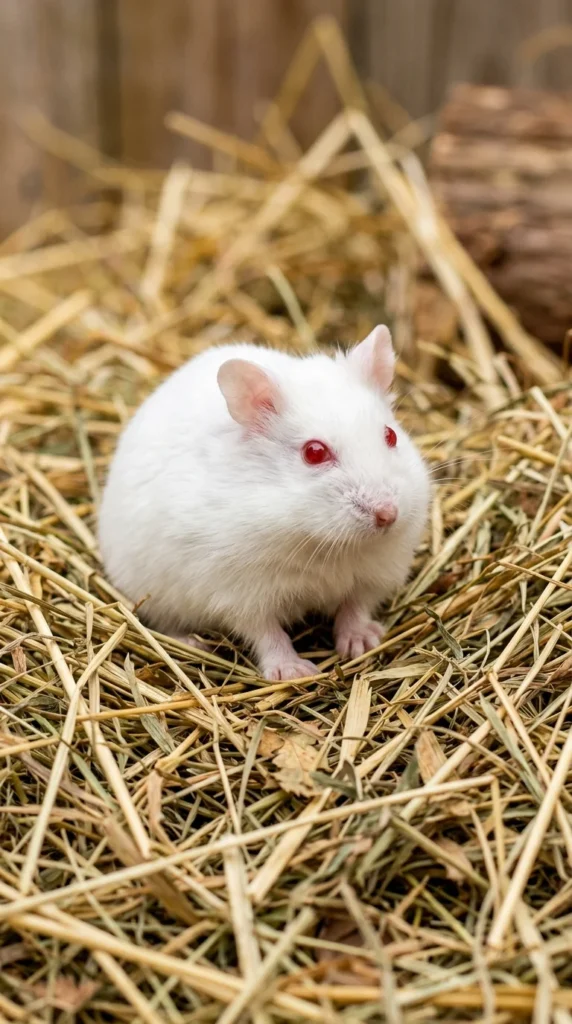
Albino hamsters lack pigment, resulting in pure white fur and striking red or pink eyes. While some people find the red eyes intimidating, Albino hamsters (usually Syrians or Campbell’s) have the same capacity for affection as any other color.
They can be slightly more sensitive to bright light, so it is important to keep their enclosure in a dim, temperature-controlled area of the home.
- Lifespan: 1.5–3 years (depending on species)
- Best for: Owners who want a classic, ethereal-looking pet
- Temperament: Depends on the underlying species
15. Hybrid Dwarf Hamster
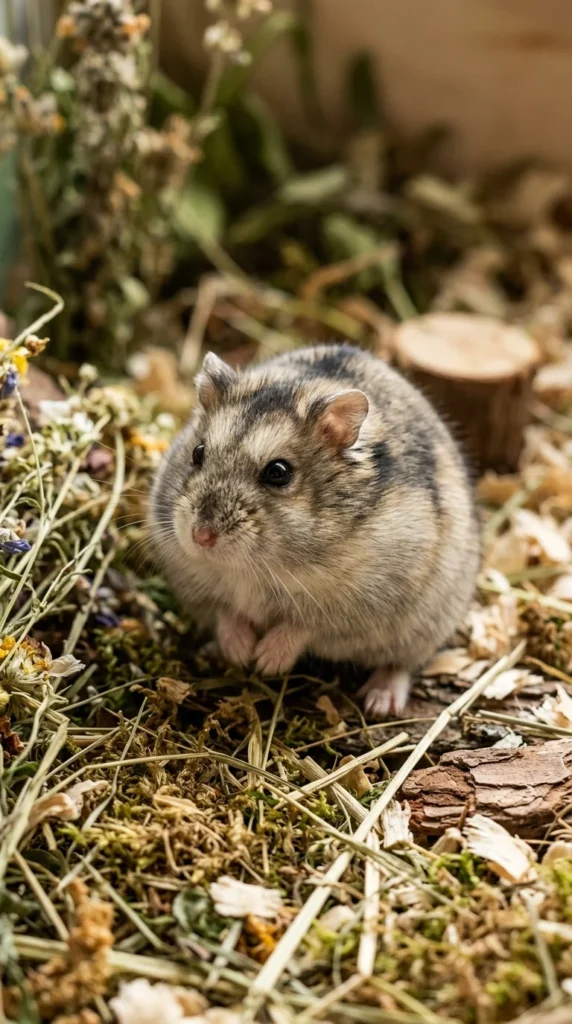
In the pet industry, many “Dwarf Hamsters” are actually hybrids—a cross between a Campbell’s and a Winter White. While they are very common, they are prone to more health issues than purebreds, including a very high risk of diabetes and neurological “spinning” disorders.
Hybrids come in a vast array of colors because of their mixed genetics. They are great pets for those looking for a generic “dwarf” experience, provided the owner is diligent about a low-sugar diet.
- Lifespan: 1.5–2 years
- Best for: Casual pet owners
- Temperament: Active and social (with other hybrids)
Summary: Which One Should You Choose?
When deciding on a hamster, ask yourself these three questions:
- Do I want to hold my pet? If yes, choose a Syrian (including Teddy Bear or Black Bear varieties). They are larger and easier to handle.
- How much space do I have? While all hamsters need large cages, Roborovskis and Dwarfs can sometimes thrive in slightly different vertical setups, whereas Syrians require significant horizontal floor space.
- Am I an “observational” or “interactive” owner? If you love watching a busy animal zoom around, the Roborovski is your best bet. If you want a “buddy” to sit on your shoulder while you watch TV, a Winter White or Syrian is the way to go.
No matter which breed you choose, remember that all hamsters require deep bedding for burrowing (at least 6-10 inches), a large solid-surface wheel, and plenty of mental stimulation to live a happy, healthy life.