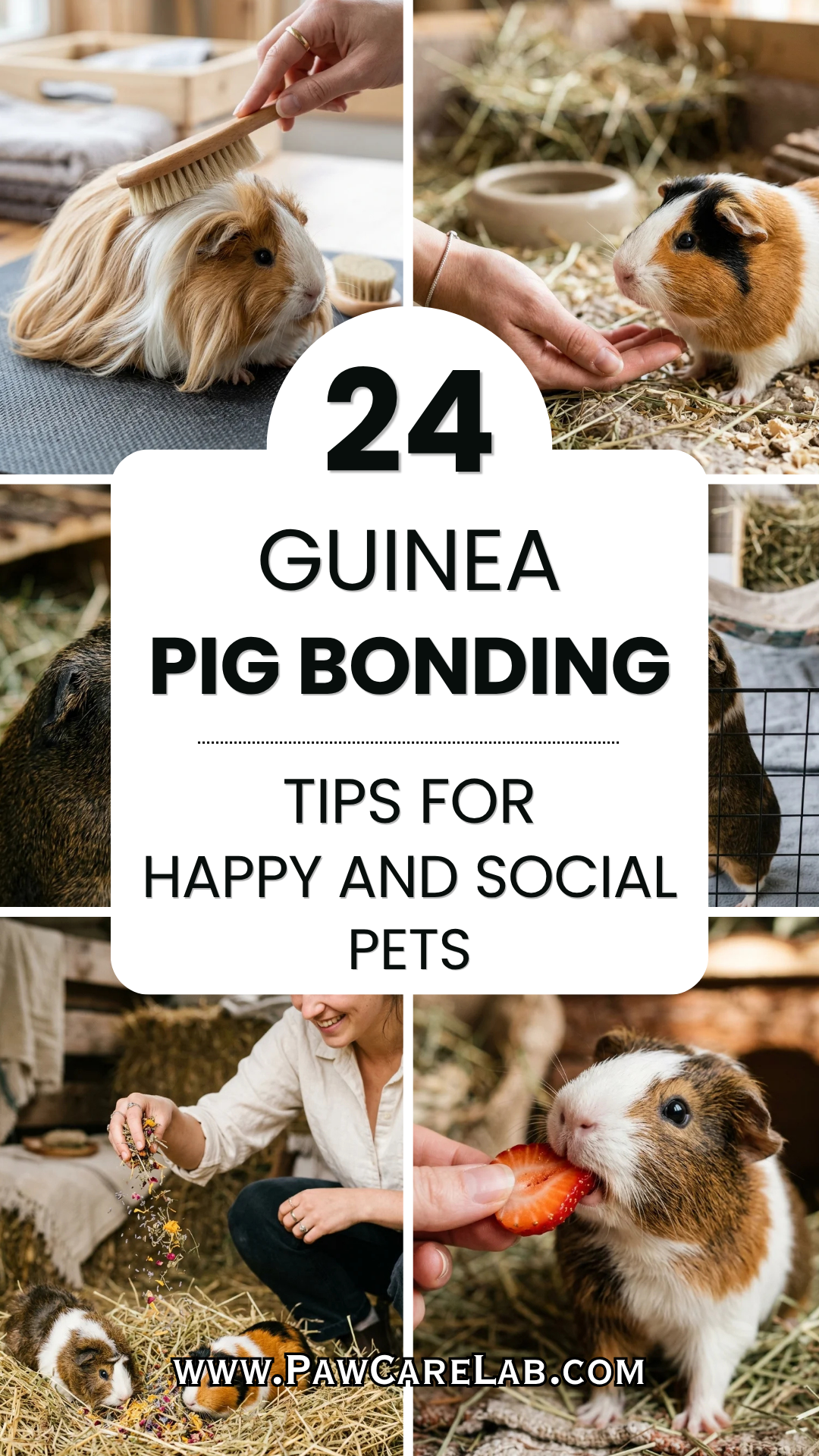
Guinea pigs are remarkably social, intelligent, and emotive creatures. However, because they are prey animals by nature, building a bond with them—or helping them bond with a cage mate—requires a delicate touch, plenty of patience, and an understanding of their unique “piggy” psychology. Whether you are a new owner trying to win over a skittish rescue or a seasoned enthusiast introducing a new friend to your herd, these 24 tips will guide you toward creating a harmonious and loving environment.
1. Same-Species Companionship
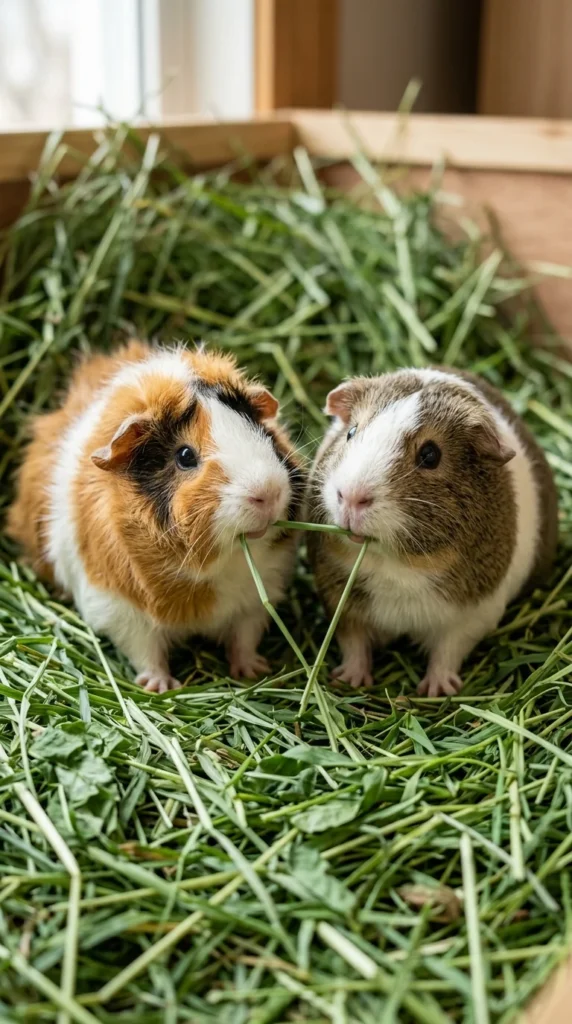
The single most important factor in a guinea pig’s happiness is the presence of another guinea pig. They are herd animals that rely on their own kind for communication, security, and social stimulation. While human interaction is vital, a lone guinea pig is often a stressed guinea pig. Providing a compatible friend is the first step in fostering a confident pet that is more open to bonding with you.
2. Neutral Territory
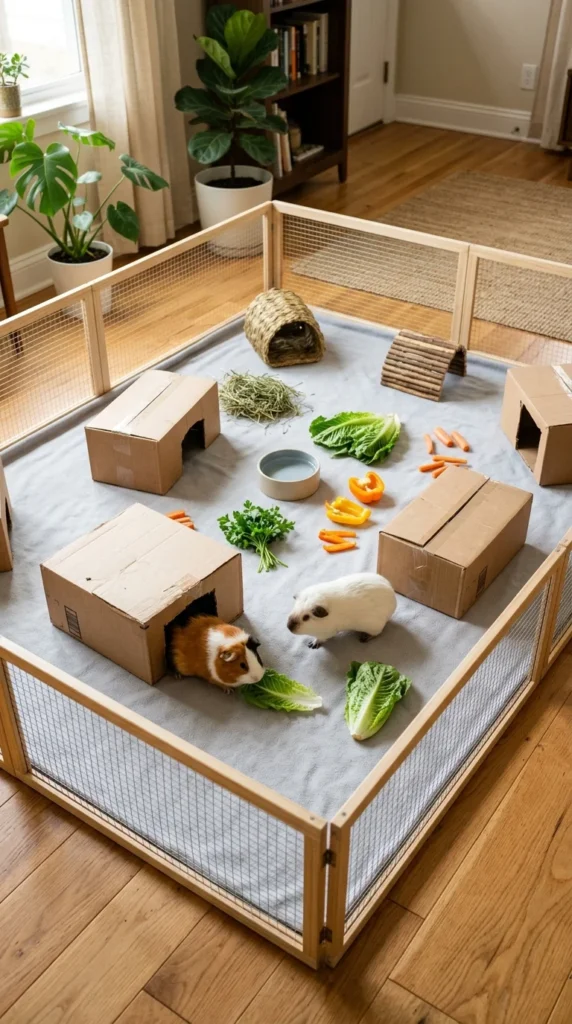
When introducing two guinea pigs for the first time, never do it in one of their existing cages. Territorial instincts can trigger aggression. Use a neutral territory—a space neither pig has claimed as their own. A large playpen in a different room or a freshly cleaned floor area ensures that neither animal feels the need to defend their “home turf,” allowing them to focus on getting to know each other.
3. Hand-Feeding Veggies
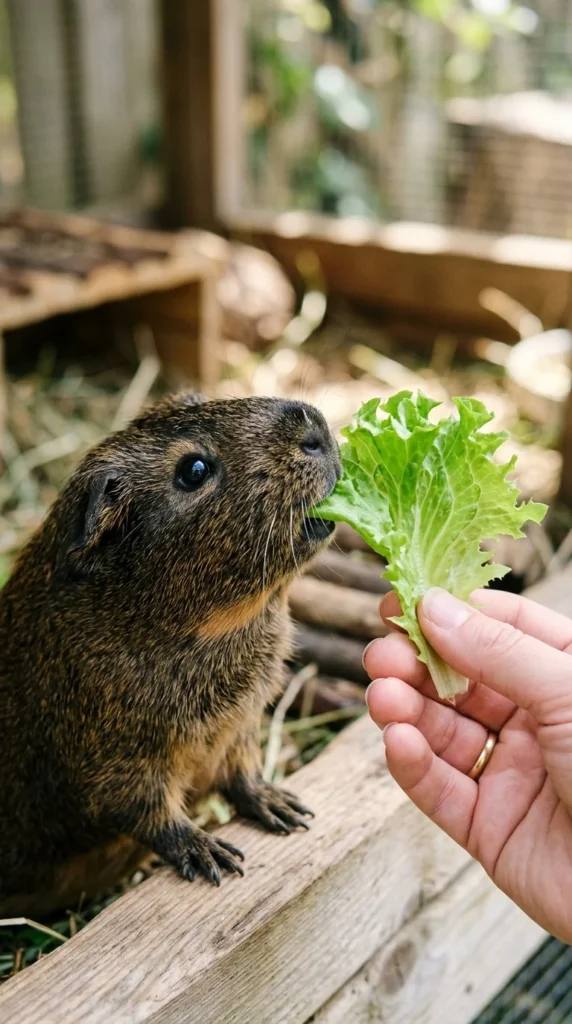
The way to a guinea pig’s heart is undeniably through its stomach. Hand-feeding fresh vegetables like bell peppers, romaine lettuce, or cilantro creates a positive association between your presence and delicious rewards. Instead of dropping food into a bowl, hold it out and wait for them to approach you. This builds confidence and teaches them that your hands bring only good things.
4. Low-Level Interaction
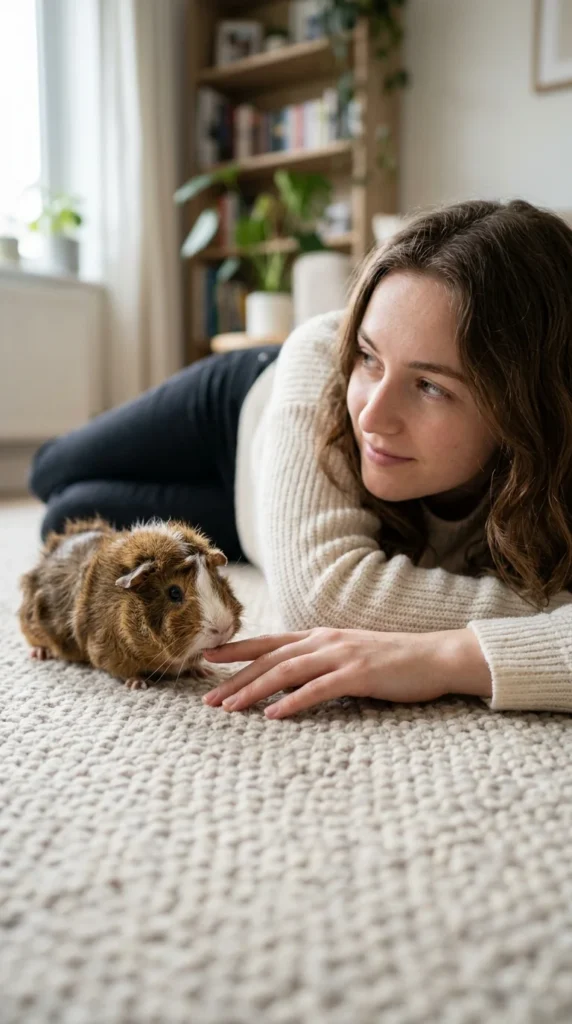
To a small rodent, a standing human looks like a giant predator. To bridge the gap, get down on their level. Sit or lie on the floor during floor time. By reducing your height, you become much less intimidating. Let them come to you, sniff your clothes, and explore your presence without the pressure of being picked up.
5. Scent Swapping
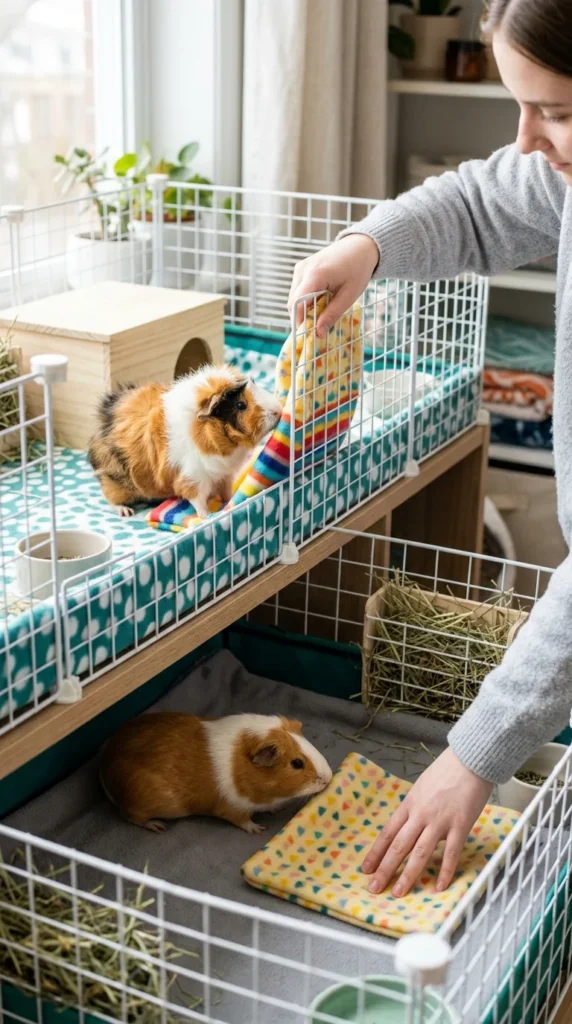
Before a physical introduction, help your pets get used to each other’s scent. Swap their bedding, toys, or fleece liners between cages. This allows them to process the pheromones and smell of their potential partner in the safety of their own space. By the time they meet face-to-face, the other’s scent will already be familiar and less likely to trigger a “stranger danger” response.
6. Predictable Routines
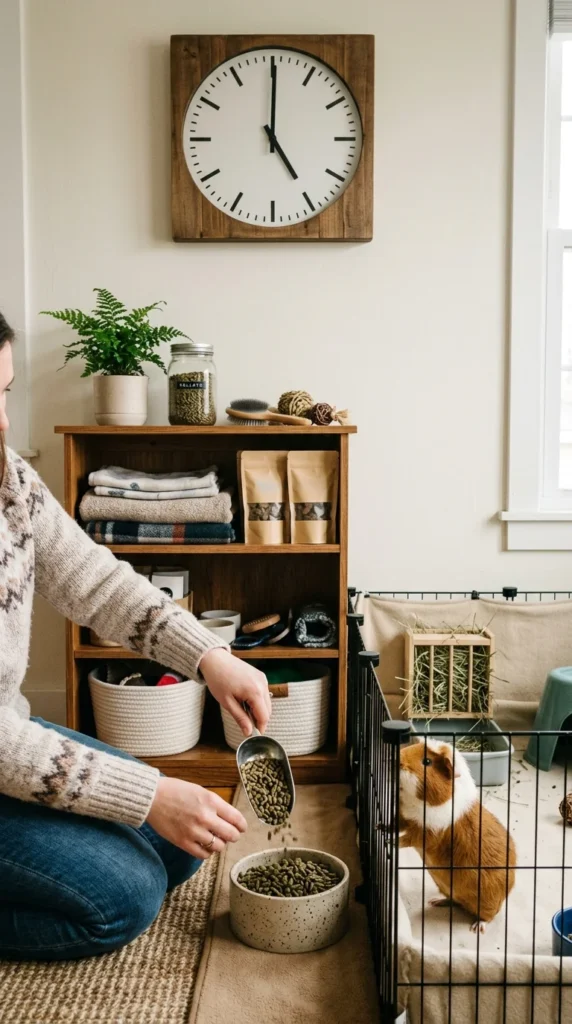
Guinea pigs thrive on routine. They have internal clocks that are surprisingly accurate. Feeding, cleaning, and bonding at the same times every day helps reduce anxiety. When a guinea pig knows when to expect you, they spend less time in a state of high alert and more time anticipating the interaction, which fosters a sense of security and trust.
7. Gentle Vocalization
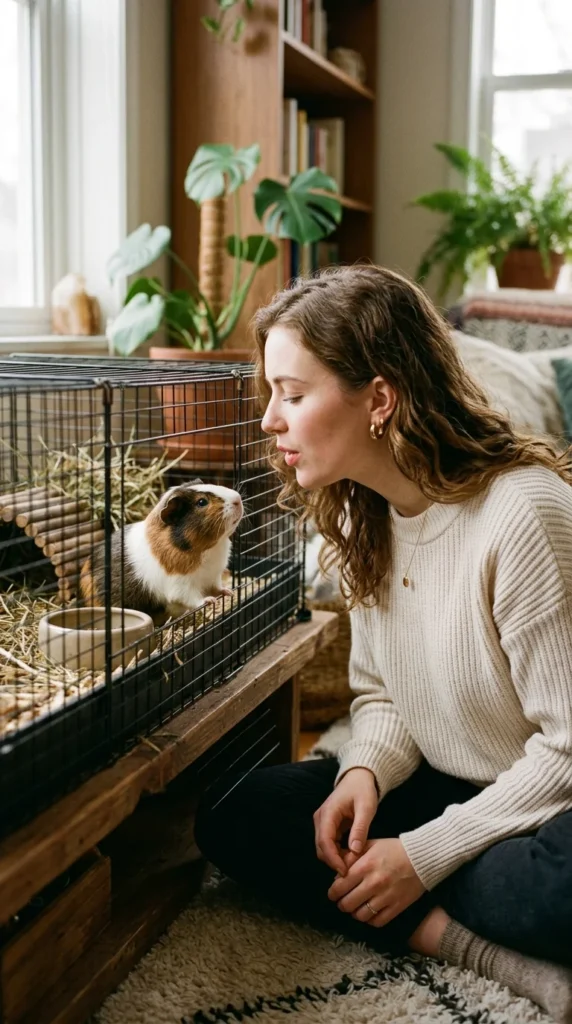
Guinea pigs are highly vocal and sensitive to sound. Talk to them in a soft, melodic, and low-volume voice. Use their names frequently. Over time, they will recognize your voice as a source of comfort. If you talk to them while you move around the room, they are less likely to be startled by your movements because they can “track” you through sound.
8. The “Safe-Zone” Box
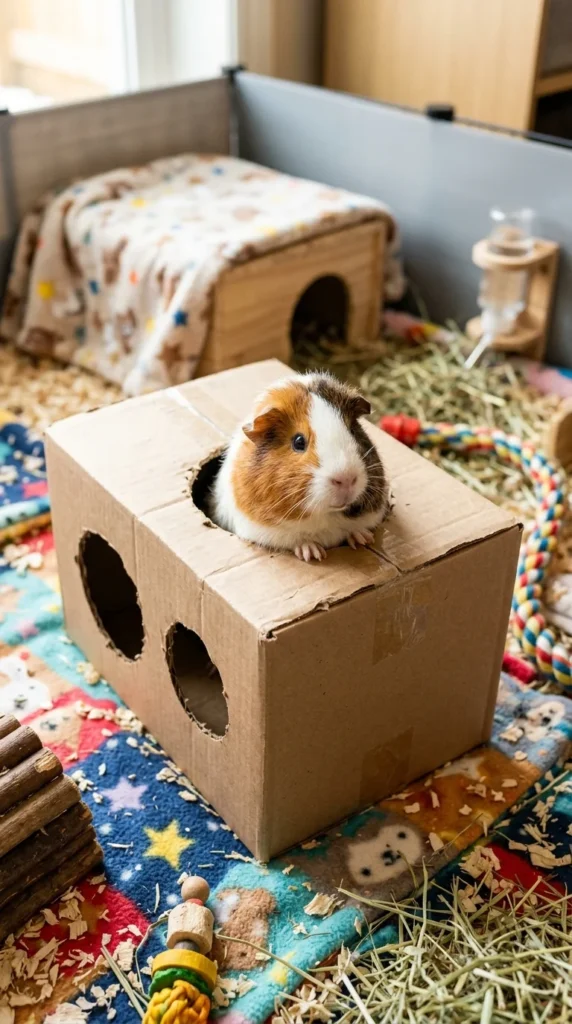
When bonding, always provide “hides” that have at least two exits. This prevents one guinea pig from cornering another during introductions. For human-to-pig bonding, having a box they can retreat to makes them feel safe enough to stay out in the open longer. If they know they have an immediate escape route, they are more likely to take risks and interact with you.
9. Lap Time Comfort
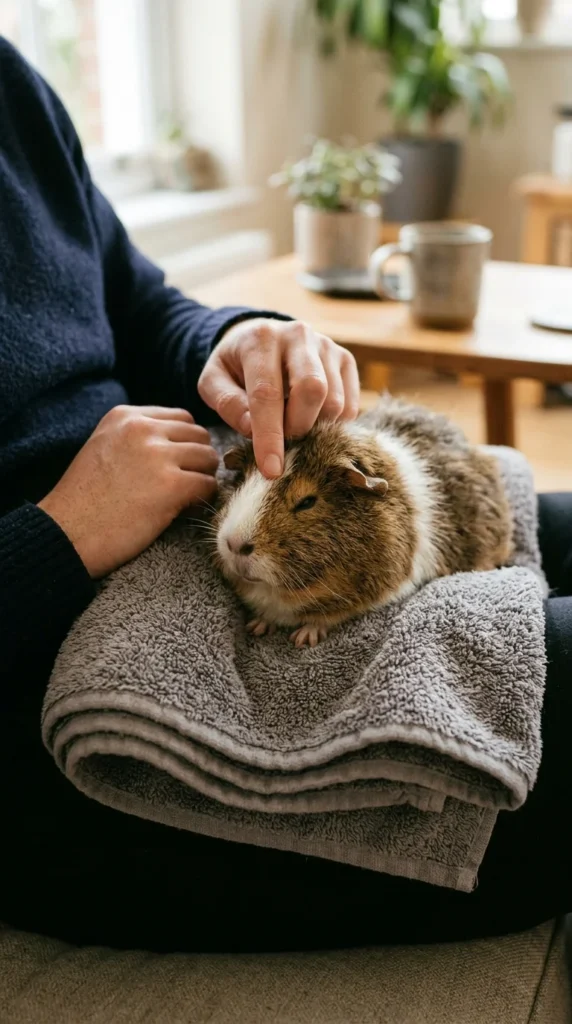
Lap time is the cornerstone of human-guinea pig bonding. However, being out in the open can be scary for them. Use a “cuddle cup” or a folded towel to make them feel secure while they sit with you. This prevents them from feeling “exposed” and allows them to relax. Keep initial sessions short—10 to 15 minutes—and gradually increase the time as they become more comfortable.
10. Parallel Caging
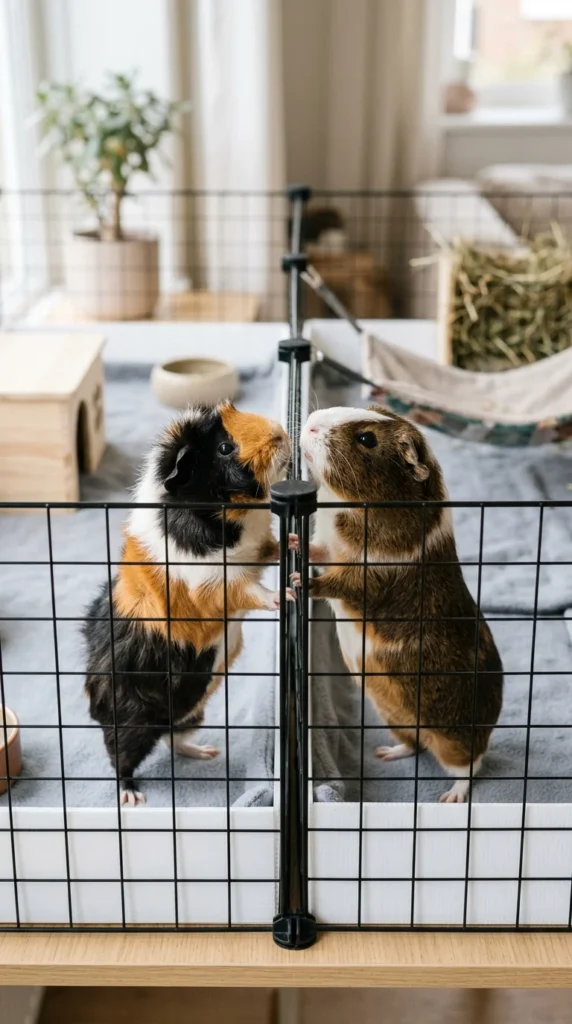
If an initial introduction doesn’t go perfectly, don’t lose hope. Use parallel caging (putting their cages side-by-side with a mesh barrier). This allows them to see, smell, and “talk” to each other 24/7 without the risk of physical fighting. This “roommate” phase can last for days or weeks until they show signs of wanting to be together, such as laying down next to each other at the divider.
11. Chin and Forehead Rubs
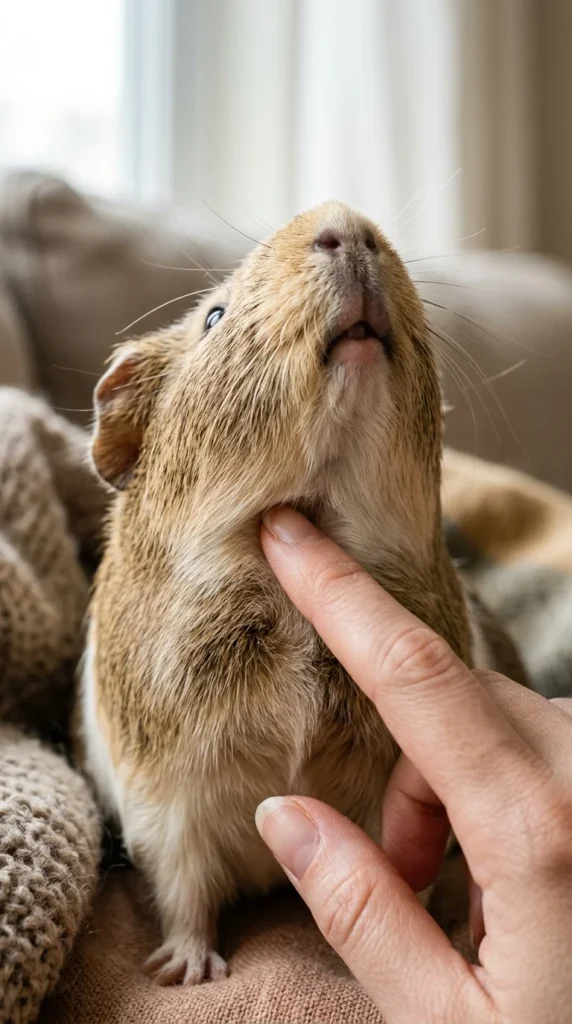
Most guinea pigs dislike being touched on their rumps or bellies, as these are vulnerable areas. Instead, focus your affection on their forehead, behind their ears, and under their chin. These are grooming spots that guinea pigs often use with each other. By mimicking these social behaviors, you are communicating in their “language,” which strengthens the bond.
12. Adequate Living Space
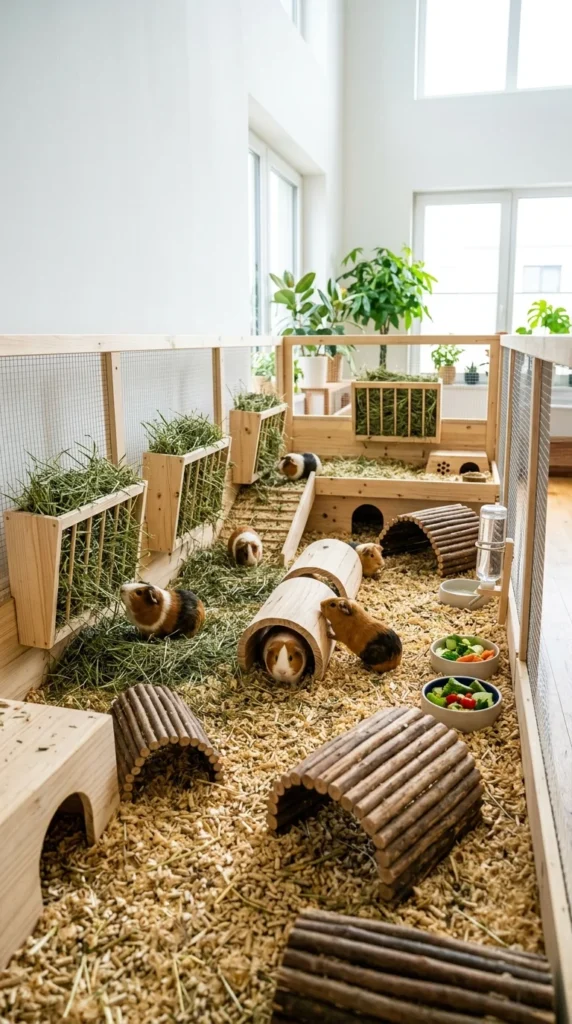
Cramped quarters lead to “cage aggression.” To ensure your guinea pigs bond well with each other, they need plenty of space to get away if they need a “time out.” For two pigs, a minimum of 7.5 to 10 square feet is recommended. When they aren’t constantly bumping into each other, they are much more likely to enjoy each other’s company and, by extension, be more relaxed during your bonding sessions.
13. High-Value Treat Motivation
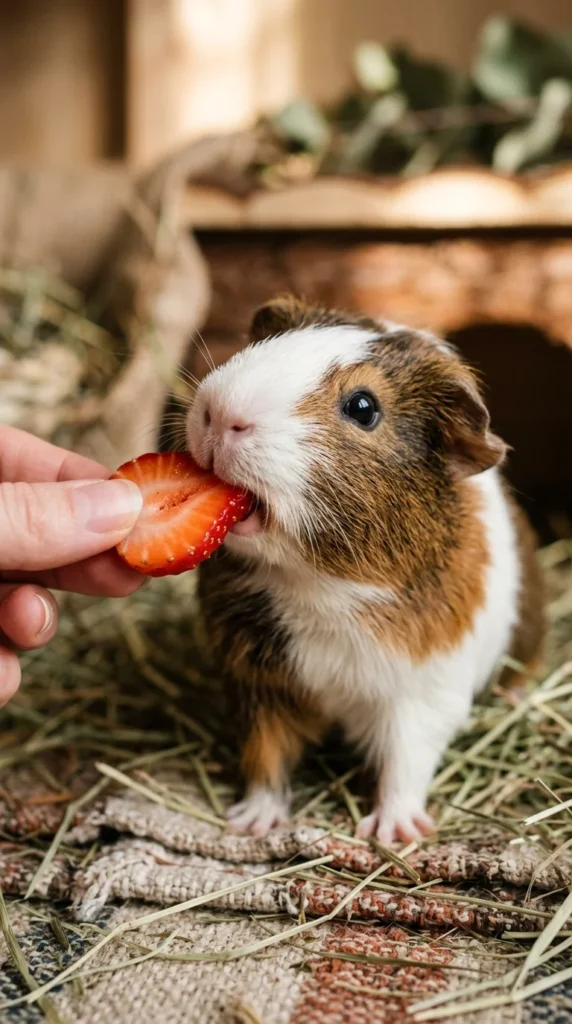
While hay is their staple, high-value treats like a tiny piece of fruit (given sparingly) can be used for “breakthrough” bonding. If a guinea pig is particularly shy, reserve a specific favorite treat only for when you are holding them or sitting with them. They will eventually associate you with the highest-reward flavors in their world.
14. Floor Time Exploration
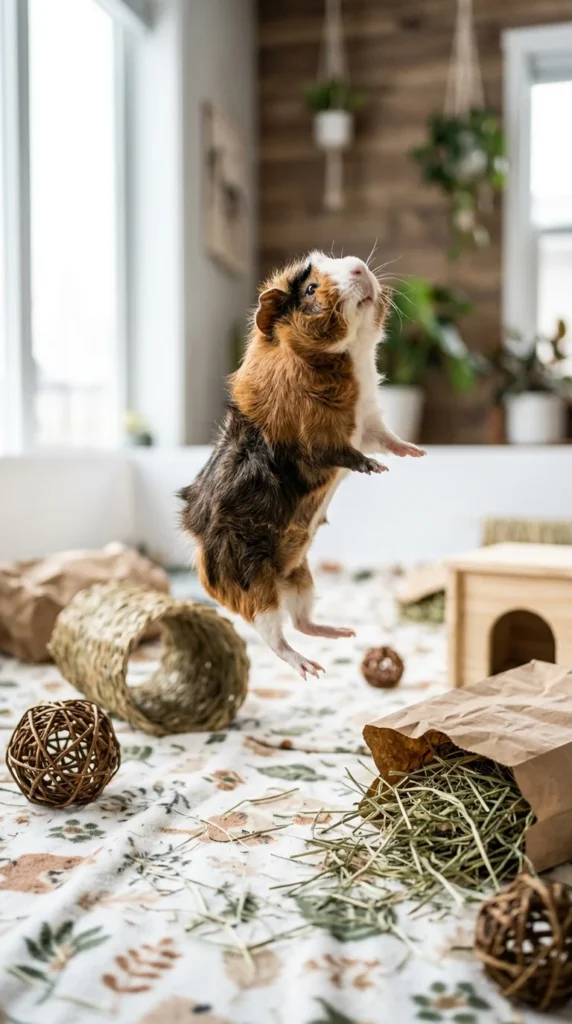
Bonding isn’t just about physical contact; it’s about sharing experiences. Set up an environment with tunnels, paper bags, and hay piles. Let them explore while you sit quietly in the corner. Watching them “popcorn” and run laps builds your appreciation for their personality, and your non-threatening presence during their “fun time” builds their trust in you.
15. The “Towel Wrap” Technique
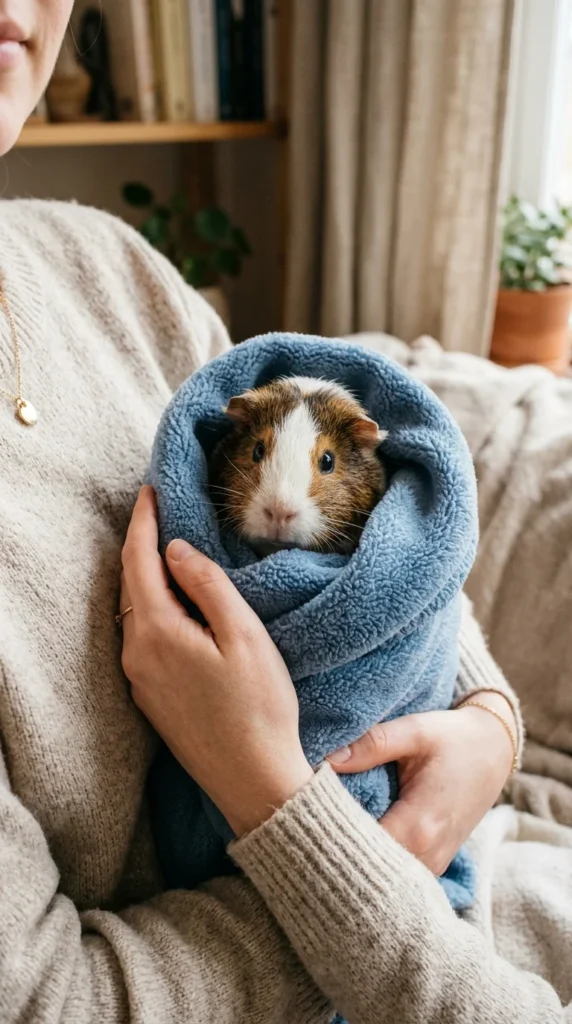
For extremely nervous pigs, the “burrito” or towel wrap provides a sense of swaddled security. It prevents them from scurrying away and keeps them warm. This physical closeness, combined with the heartbeat of the owner, can be very soothing. It’s an excellent way to calm a stressed pig before beginning a grooming session or lap time.
16. Avoid “The Claw”
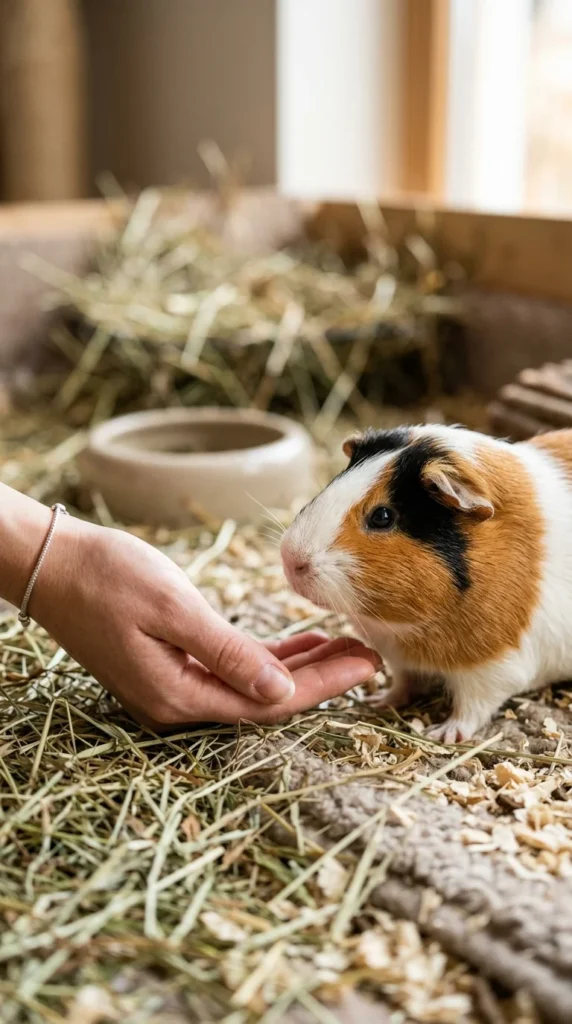
When picking up a guinea pig, never swoop down from directly above. In the wild, hawks and owls attack from above, so a hand coming from the ceiling triggers an immediate flight response. Instead, approach from the side or front where they can see you. Herd them into a tunnel or a cozy bed and lift the whole thing to make the transition to your lap less stressful.
17. Foraging Together
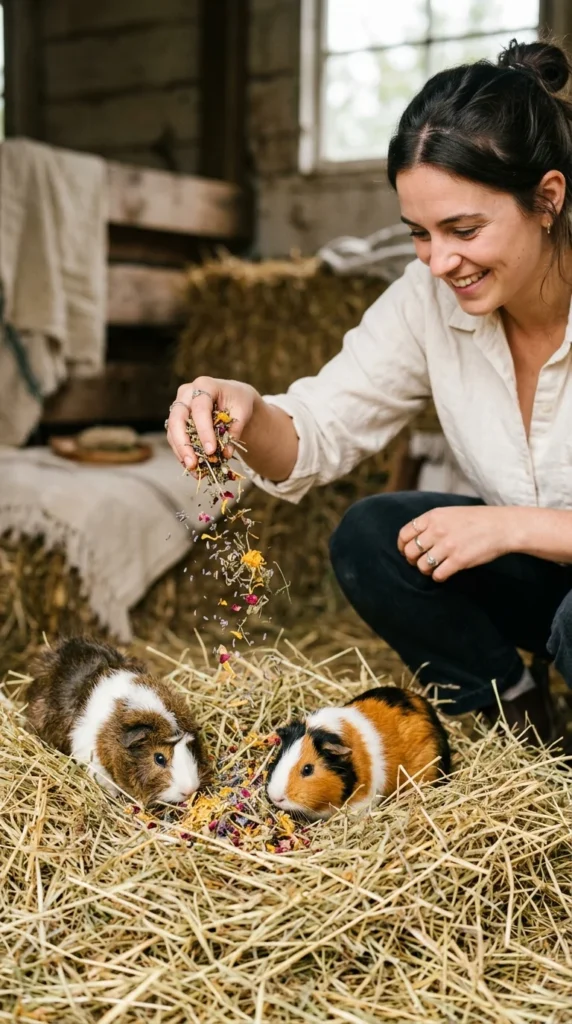
Encourage natural behaviors by hiding treats in hay or inside cardboard tubes. You can even hold a hay cube while they nibble on the other end. Foraging is a major part of a guinea pig’s day; by participating in it or providing the “puzzle,” you become an active participant in their most engaging activities.
18. Grooming as Bonding
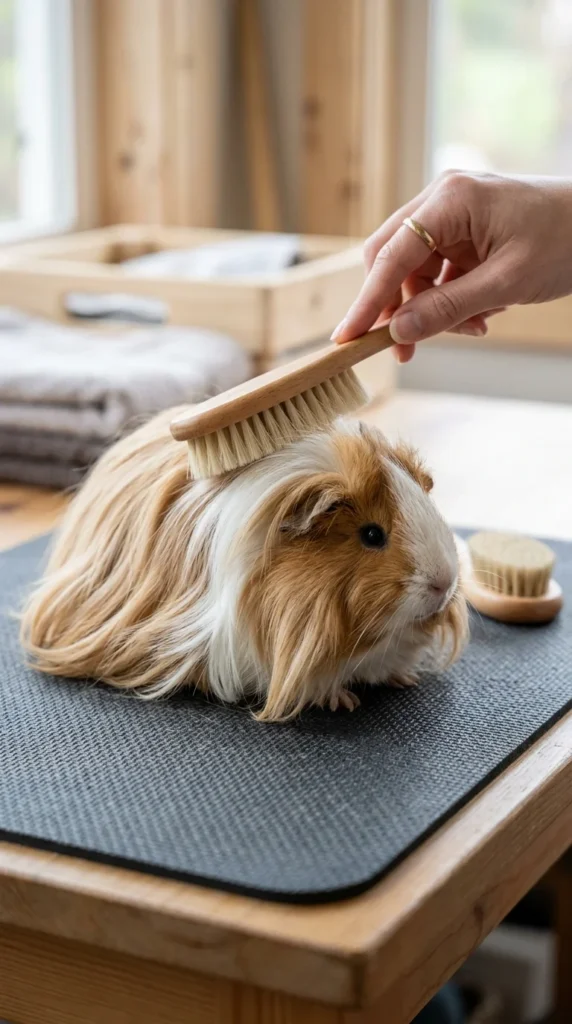
If you have a long-haired breed, grooming is a necessity, but for all breeds, it’s a bonding opportunity. Use a very soft brush and move slowly. The gentle sensation mimics the social grooming (allogrooming) that guinea pigs do in the wild. If they start to “purr” or “vibrate” (a sign of minor annoyance or overstimulation), take a break and try again later.
19. Identify Body Language
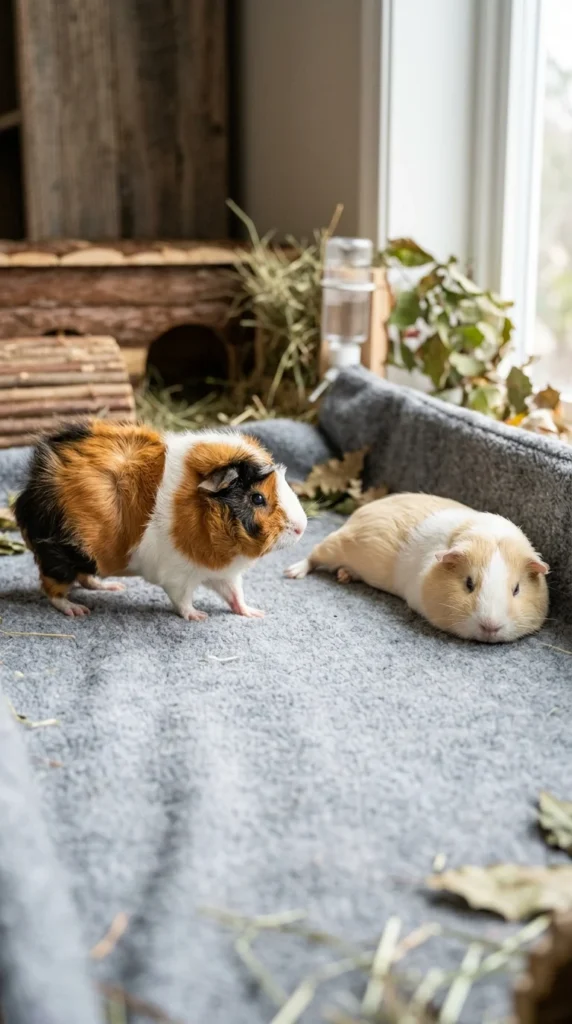
To bond effectively, you must understand what they are saying. A “popcorn” is pure joy. A “rumblestrut” is a display of dominance. “Pancaking” means they are incredibly relaxed and trust their surroundings. By recognizing when they are stressed versus when they are happy, you can adjust your bonding techniques to meet their emotional needs in real-time.
20. Two of Everything
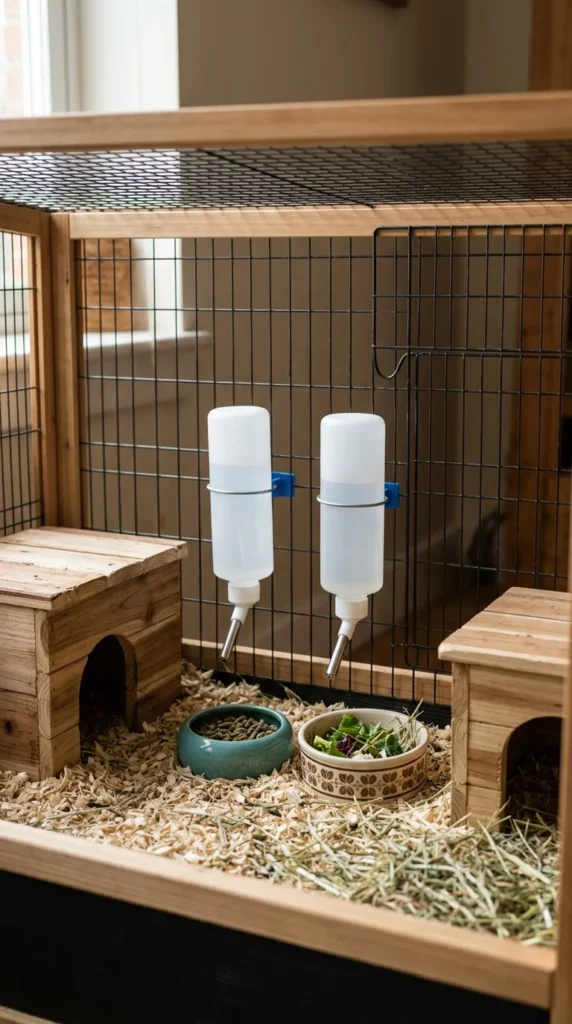
Resources are often the cause of friction between guinea pigs. To ensure a smooth bond between pets, provide two of everything: two hay piles, two water bottles, and two hideouts. This removes the “competitive” element of their relationship. When they realize they don’t have to fight for survival essentials, they can focus on being friends.
21. Calm Environment
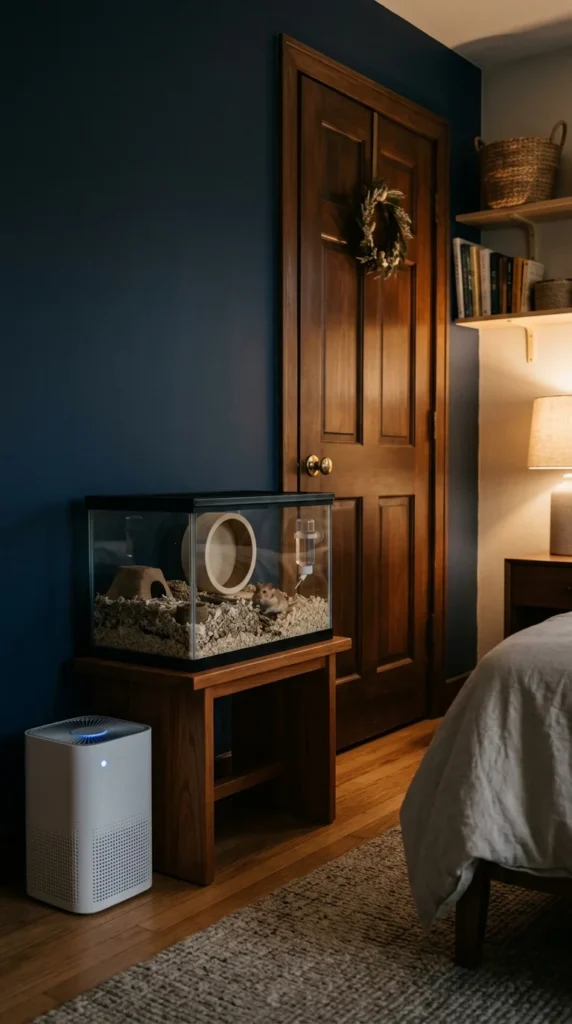
Guinea pigs have sensitive hearing. Loud noises, barking dogs, or shouting children can set back bonding progress by weeks. Keep the bonding area quiet and calm. If they feel like the environment is safe, they will lower their guard. Soft background music or white noise can sometimes help drown out sudden, startling household sounds.
22. Patience with the “Nip”
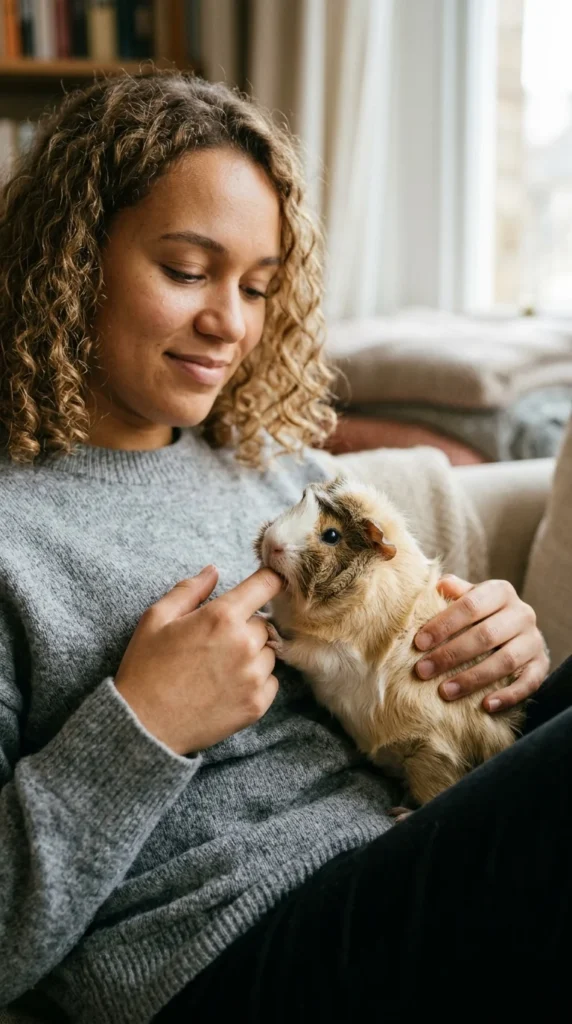
Sometimes guinea pigs “test” their environment with their teeth. A gentle nip isn’t always an aggressive bite; it can be a way of asking for space or checking if your finger is a carrot. If you react with a loud “ouch” or a sudden movement, you might scare them. Stay calm, gently move your hand, and try to understand what triggered the nip (e.g., were you touching a sensitive spot?).
23. Shared Vegetable Feasts
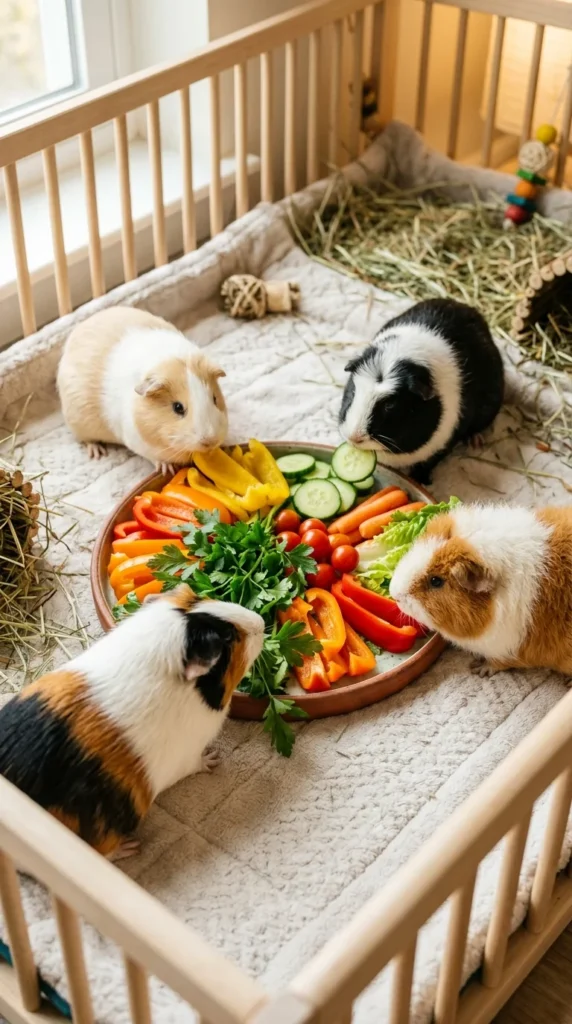
For multi-pig bonding, the “veggie buffet” is a great tool. When pigs eat together, they release oxytocin, which promotes social bonding. If you have a group that is slightly tense, providing a massive pile of food that they can all access at once can distract them from petty squabbles and reinforce the idea that being together is a rewarding experience.
24. Consistency is Key
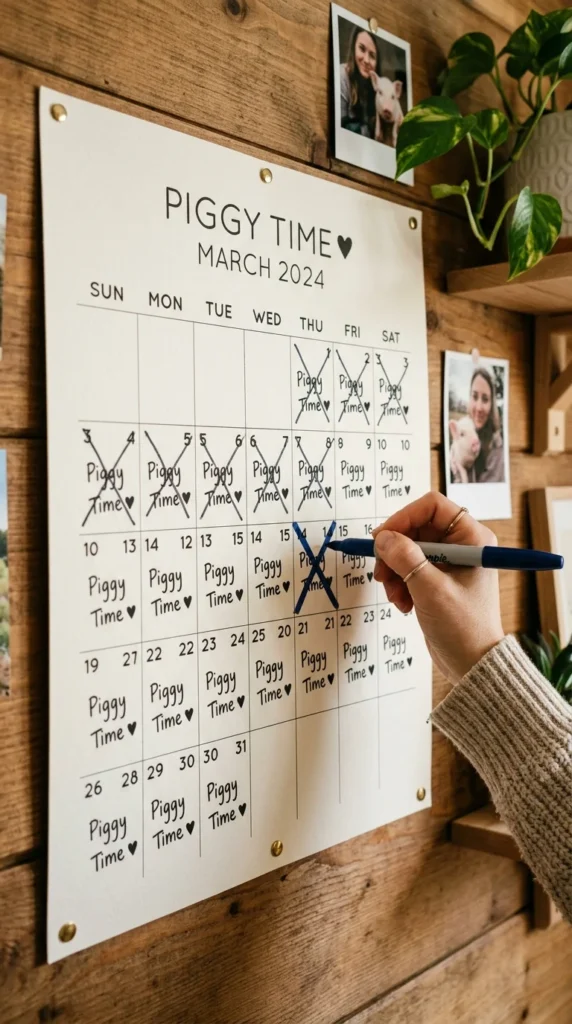
Bonding doesn’t happen overnight. It is the result of hundreds of small, positive interactions. Spending 15 minutes every single day is much more effective than spending two hours once a week. Be consistent with your presence, your voice, and your rewards. Over months and years, these small moments will build a deep, unbreakable trust between you and your guinea pigs.