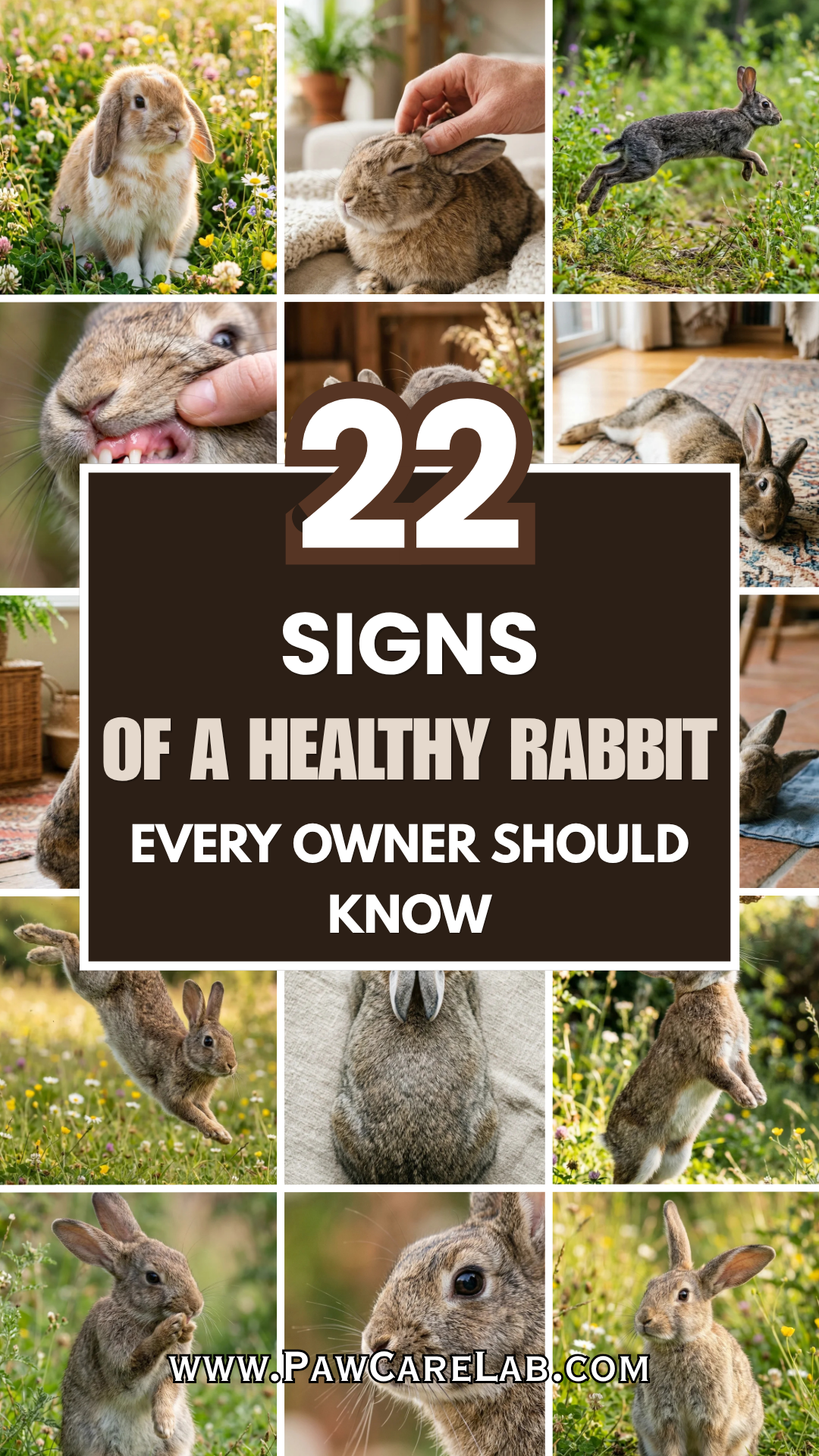
As any rabbit enthusiast knows, these long-eared companions are experts at hiding illness. In the wild, showing weakness makes a rabbit a target for predators, so they have evolved to appear stoic even when they aren’t feeling their best. This makes the job of a rabbit owner both rewarding and challenging. To ensure your bunny lives a long, hopping-mad life, you must become a keen observer of their subtle “health signatures.”
Understanding the baseline of a healthy rabbit is the first step toward preventative care. From the texture of their fur to the frequency of their “binkies,” every detail tells a story. Here are 22 vital signs that indicate your rabbit is thriving.
1. Robust Appetite
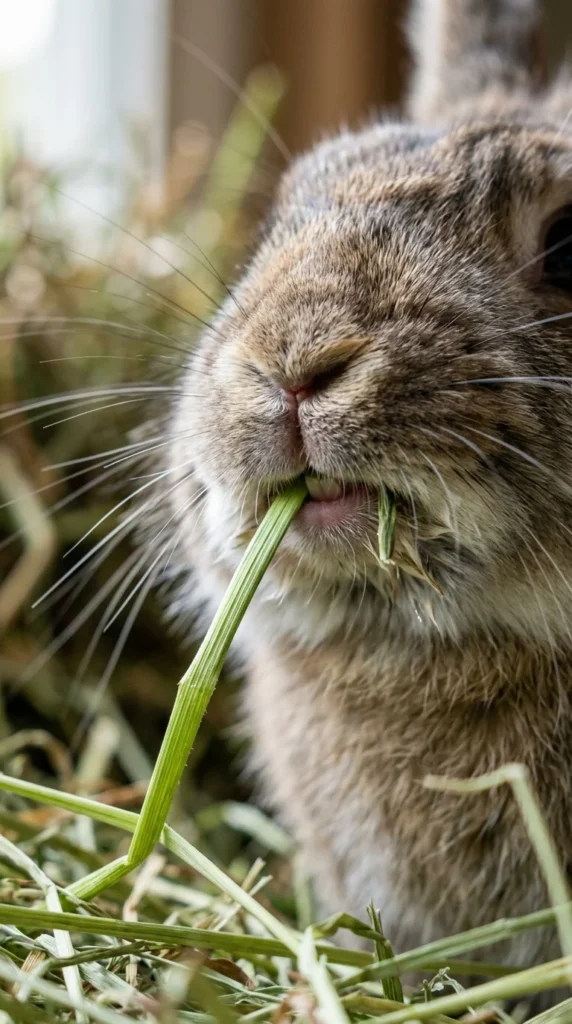
A healthy rabbit is a hungry rabbit. Because their digestive systems are designed to be in constant motion (hindgut fermentation), a rabbit should always be interested in food—specifically hay. If your rabbit comes running when they hear the rustle of the vegetable drawer or the clink of a pellet bowl, it is a primary indicator that their GI tract is functioning correctly. A sudden loss of interest in favorite treats is often the very first sign of dental pain or GI stasis.
2. Uniform Droppings
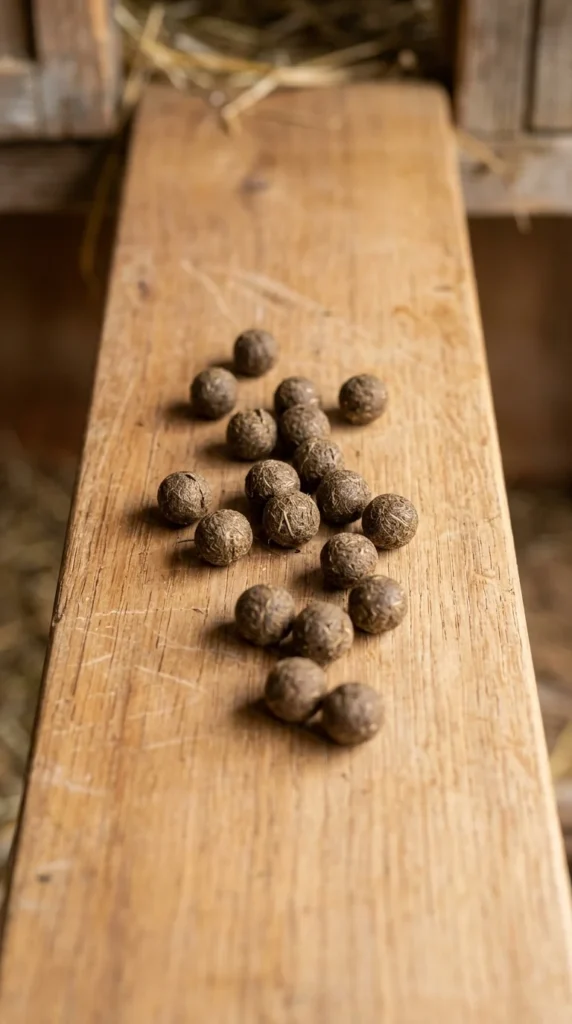
In the world of rabbit care, “poop talk” is essential. A healthy rabbit produces hundreds of round, dry, and relatively odorless droppings every day. These should be consistent in size and shape. If the droppings are crumbly and full of hay fibers, your rabbit is getting enough roughage. Small, misshapen, or wet droppings can signal dehydration or a slowdown in the gut.
3. Clear Eyes
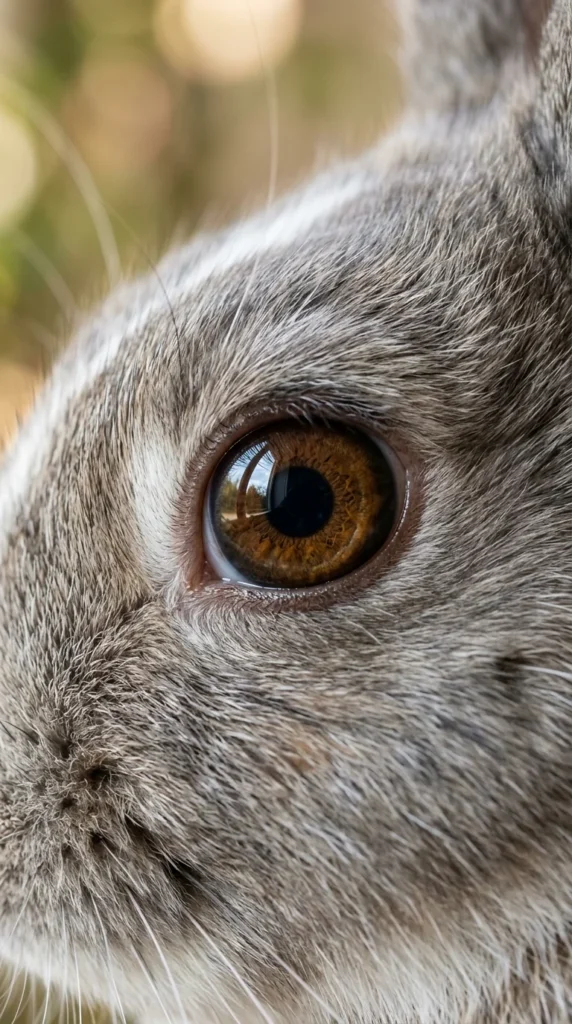
A rabbit’s eyes should be bright, clear, and alert. There should be no discharge, crustiness, or “weeping.” The skin around the eye should be dry and the fur should be intact. Cloudiness can indicate cataracts or infection, while discharge often points toward dental issues or respiratory infections. When your rabbit looks at you with sparkling, dry eyes, they are likely in great shape.
4. Clean Nose
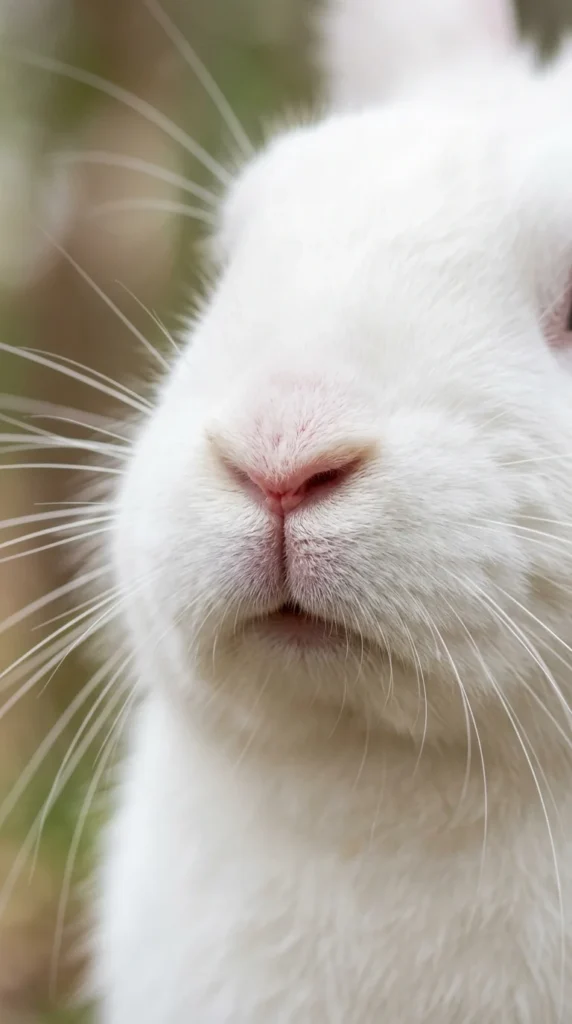
While a rabbit’s nose is almost always twitching, it should never be wet or crusty. A healthy rabbit has a clean nose with no signs of discharge or matted fur on the inside of their front paws (which they use to wipe their faces). Sneezing or a “snotty” nose can be a sign of “snuffles” (Pasteurella) or other respiratory distress.
5. Constant Twitching
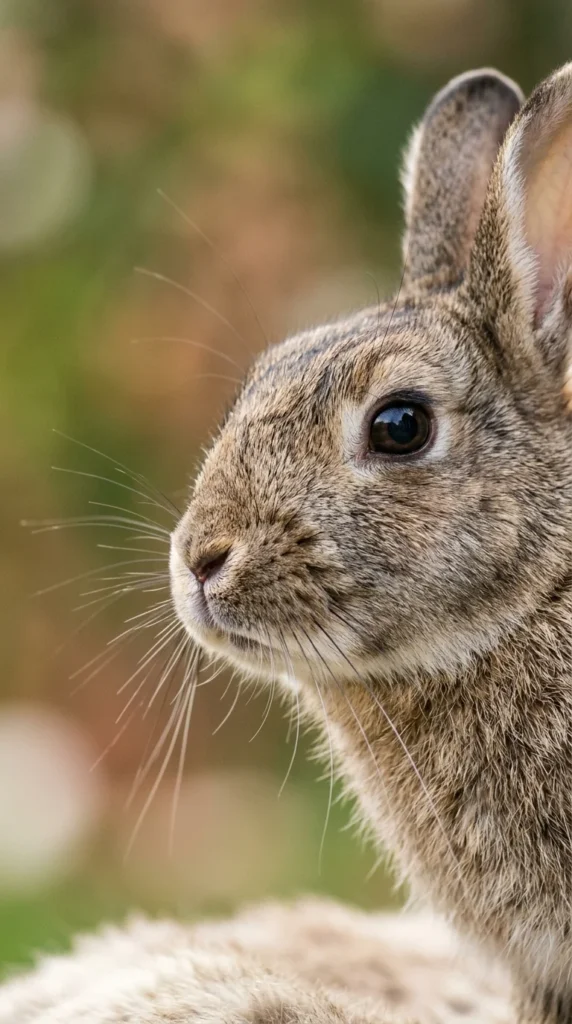
The famous rabbit nose-twitch is more than just cute; it is a sign of an active, sensory-engaged animal. A rabbit twitches its nose to move the sensory receptors and smell more effectively. While a rabbit might slow down its twitching when deeply relaxed or sleeping, a vigorous twitch during waking hours shows they are alert and processing their environment.
6. Alert Ears
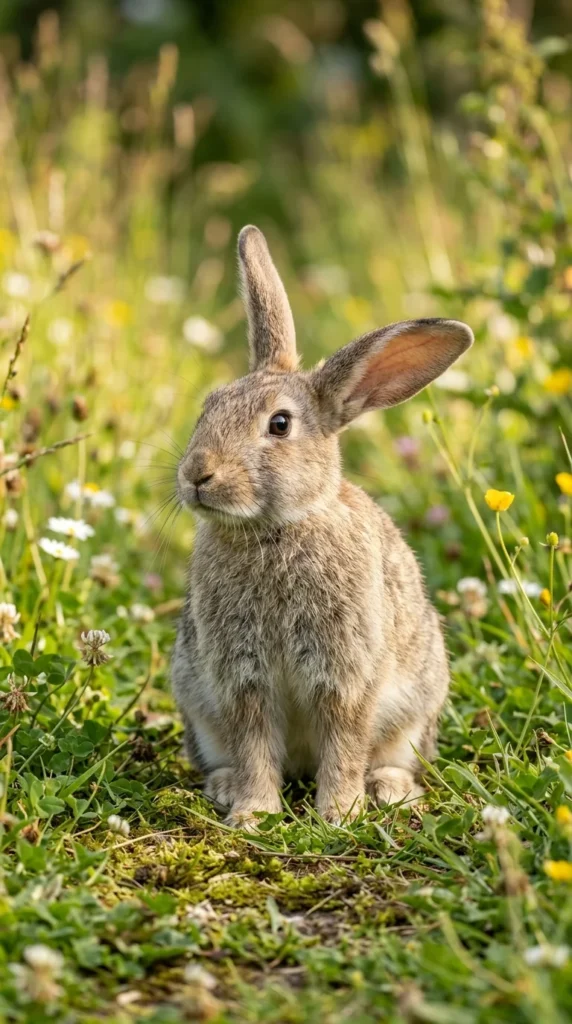
A rabbit’s ears are their primary radar system and their main cooling mechanism. In a healthy rabbit, the ears should be clean on the inside, free of wax buildup, mites, or crusting. Beyond physical health, the way they move their ears—rotating them toward sounds—shows they are neurologically sharp and responsive to their surroundings.
7. Shiny Coat
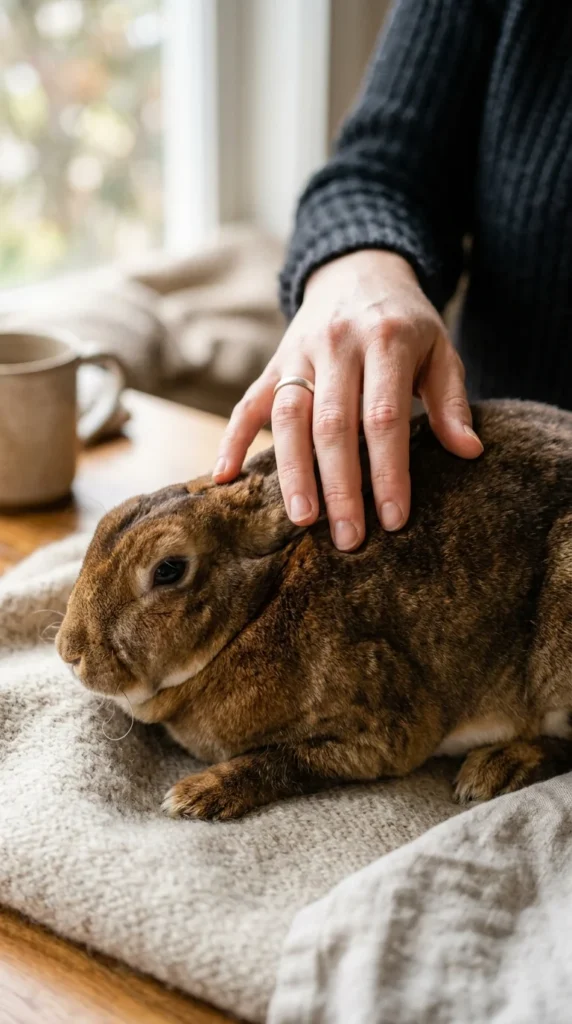
A rabbit’s coat is a mirror of their internal health. A healthy rabbit will have a soft, shiny, and relatively smooth coat. While they do go through periods of “molting” where they shed excess fur, the underlying skin should be healthy and free of flakes, dandruff, or red patches. A dull, moth-eaten look can sometimes indicate nutritional deficiencies or an inability to groom.
8. Diligent Grooming
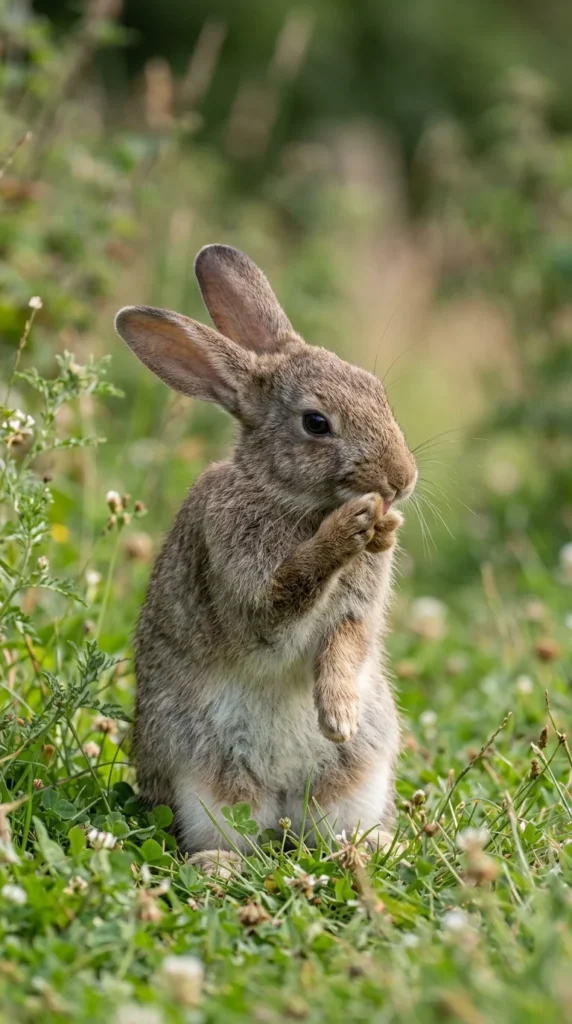
Rabbits are fastidious creatures, much like cats. They spend a significant portion of their day cleaning themselves. A rabbit that keeps itself clean, especially around the face and paws, is showing that it has the energy and mobility to maintain its hygiene. If a rabbit stops grooming, it is often a sign of lethargy, obesity, or arthritis.
9. Healthy Weight
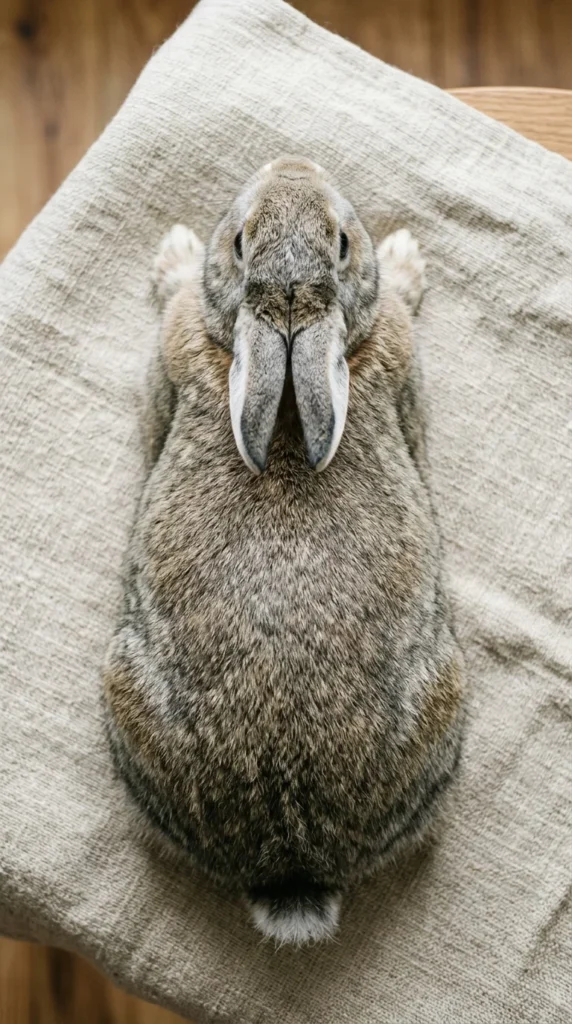
You should be able to feel your rabbit’s ribs under a light layer of fat, but they shouldn’t stick out sharply. Conversely, there shouldn’t be so much fat that you can’t find the ribs at all. A healthy weight ensures that the rabbit can reach its bottom to eat its cecotropes (essential nutrient-rich droppings) and move freely without putting stress on its joints.
10. Active Play
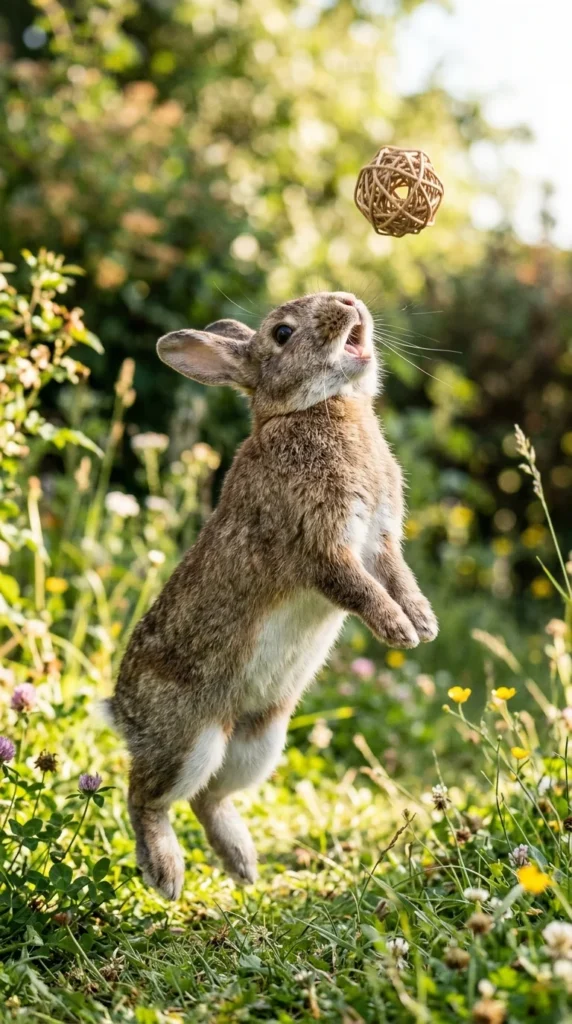
Healthy rabbits are naturally curious and playful. Whether it’s tossing a toy, nudging a ball, or rearranging their cardboard “castle,” active engagement with their environment is a fantastic sign. A rabbit that sits hunched in a corner for hours without moving is a rabbit that likely feels unwell.
11. Frequent Binkies
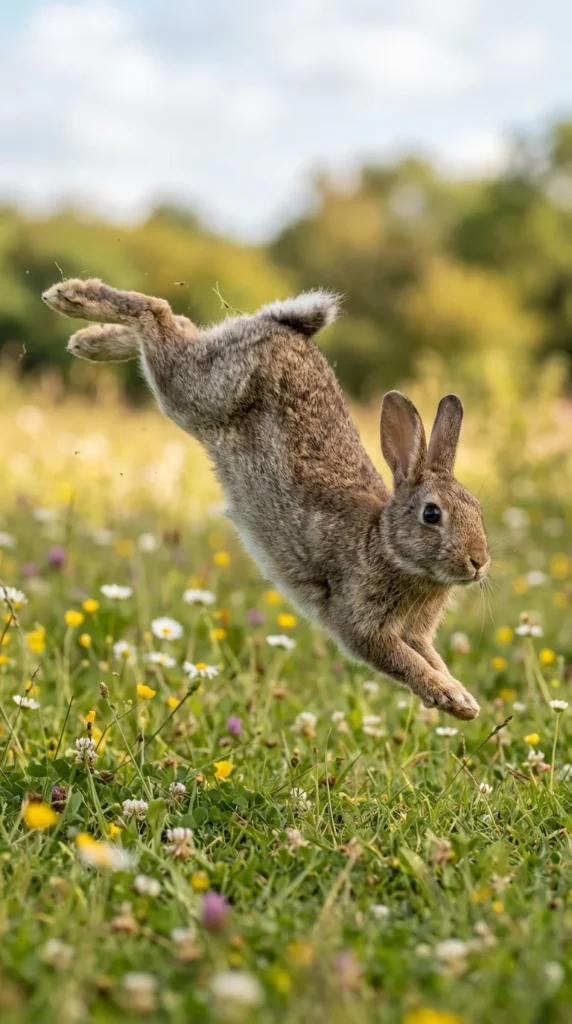
The “binky” is the ultimate expression of rabbit happiness. It involves a rabbit jumping into the air, twisting its body, and flicking its feet. If your rabbit is binkying, it means they are feeling physically great and emotionally secure. A rabbit in pain or under stress will never perform this acrobatic feat.
12. Aligned Teeth
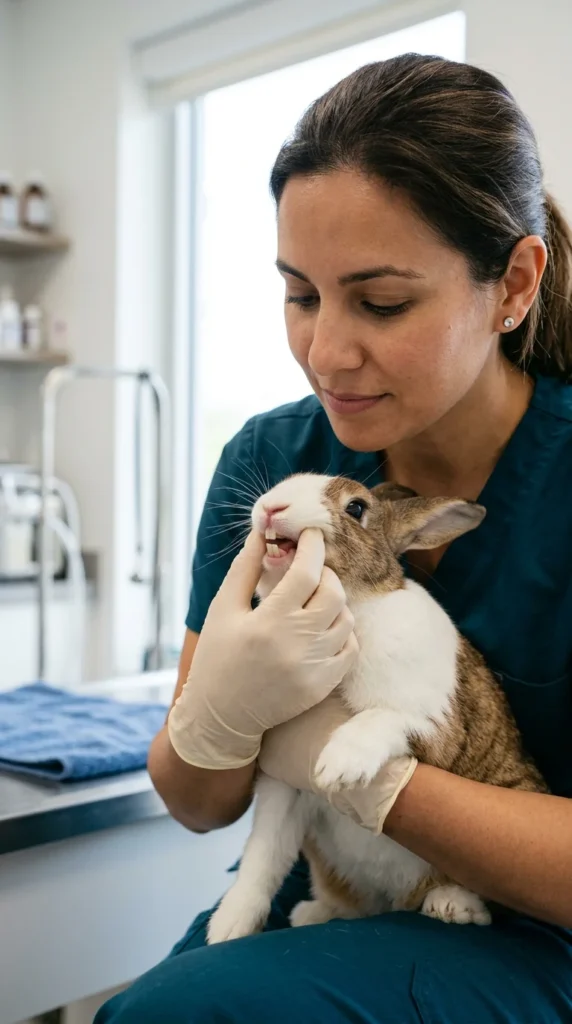
Rabbit teeth grow continuously throughout their lives. In a healthy rabbit, the top and bottom teeth align perfectly, allowing them to wear each other down through grinding. This is called proper occlusion. If you can see that the teeth are straight and the rabbit is chewing without dropping food, their dental health is on the right track.
13. Clean Rear
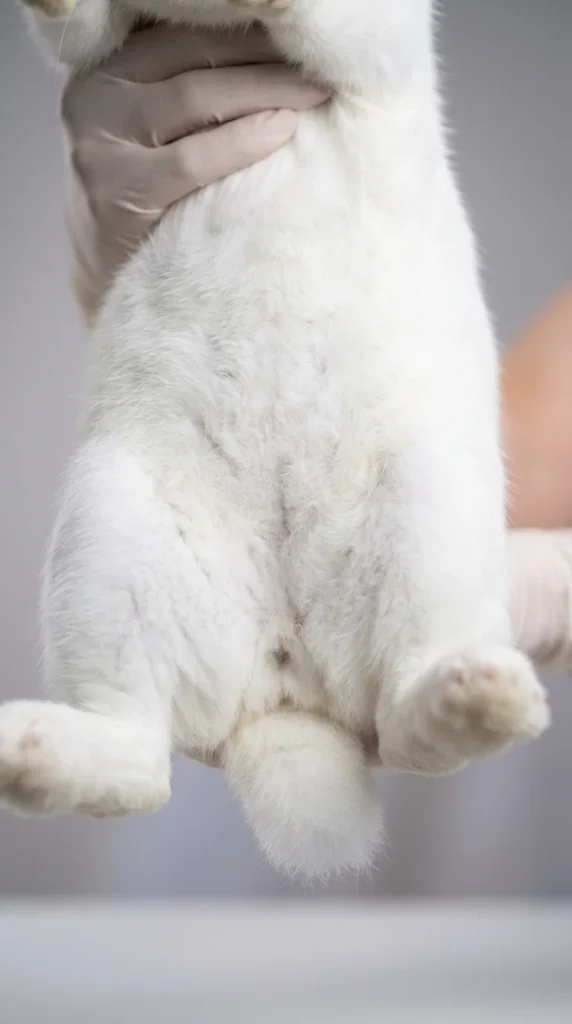
The “vent” area of a rabbit should always be clean and dry. A healthy rabbit is able to reach their rear to groom and consume cecotropes directly from the source. If you see “poopy butt” (fecal matter matted into the fur) or urine scalding, it indicates a digestive upset, a urinary tract issue, or a mobility problem like arthritis.
14. Quiet Breathing
Under normal conditions, a rabbit’s breathing should be almost silent. You should see a gentle rise and fall of the chest. If you hear wheezing, clicking, or heavy rasping, it is a sign of respiratory distress. A healthy rabbit breathes through its nose efficiently and effortlessly.
15. Natural Curiosity
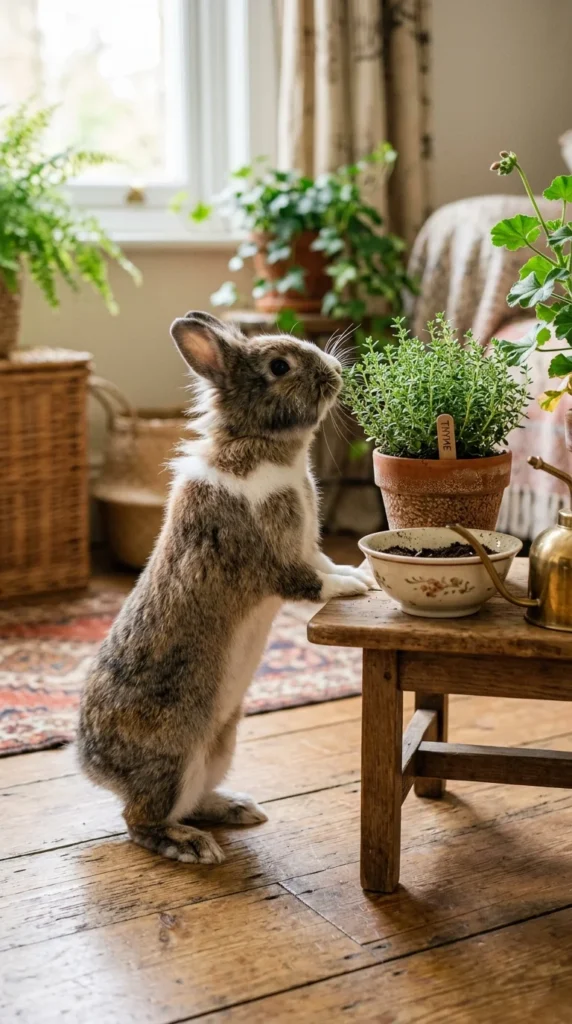
Rabbits are “prey” animals, but they are also incredibly nosy. A healthy rabbit will want to investigate anything new in their room. Whether it’s a new person, a new box, or a new smell, a rabbit that “inspects” its territory is showing high cognitive function and physical comfort.
16. Relaxed Stretching
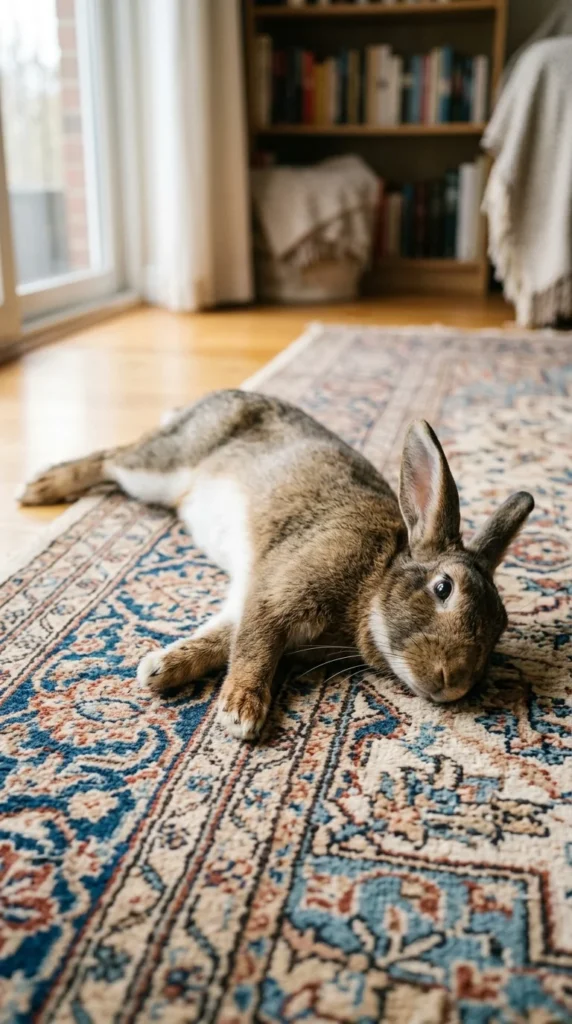
When a rabbit stretches out completely, it shows they feel safe. This “superman” pose or a long stretch indicates that their muscles are limber and they aren’t experiencing abdominal pain. A rabbit that refuses to stretch or stays permanently “hunched” is often trying to protect a painful belly.
17. Social Bonding
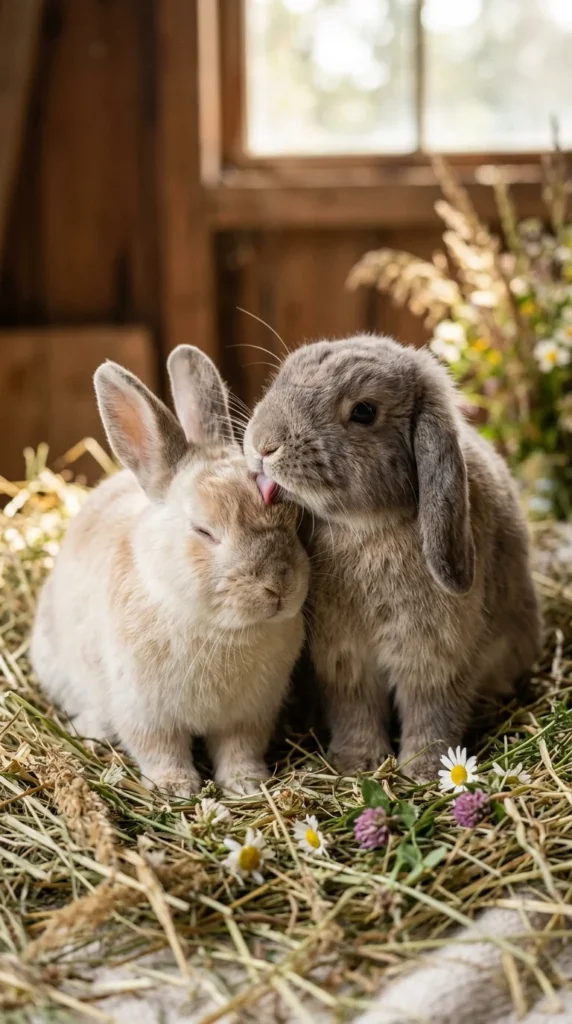
Rabbits are social creatures. Whether they are bonded to another rabbit or to their human, a healthy rabbit seeks interaction. They might nudge you for pets or groom your hand. This social “proactivity” is a sign of a mentally healthy and physically capable animal.
18. The Flop
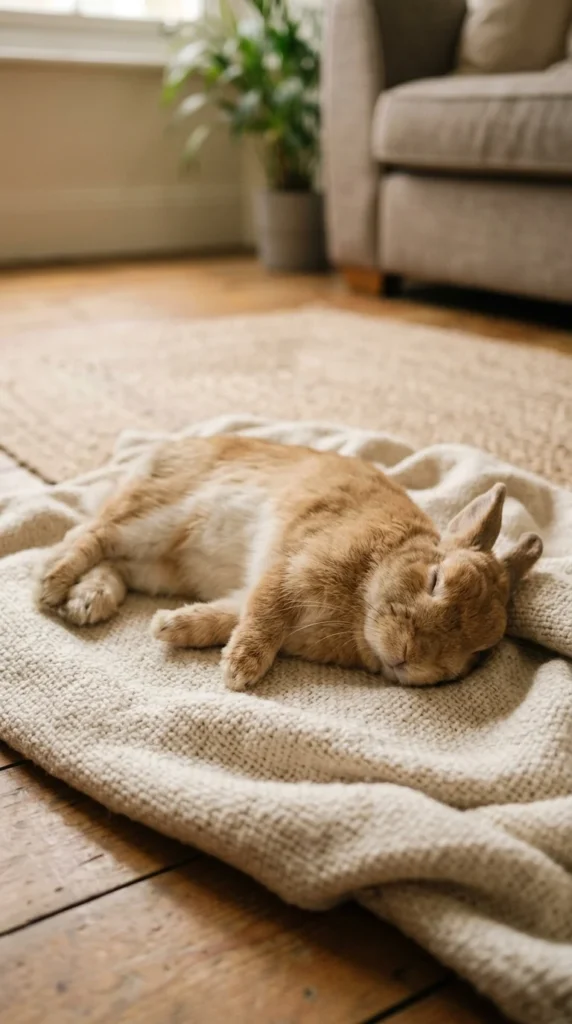
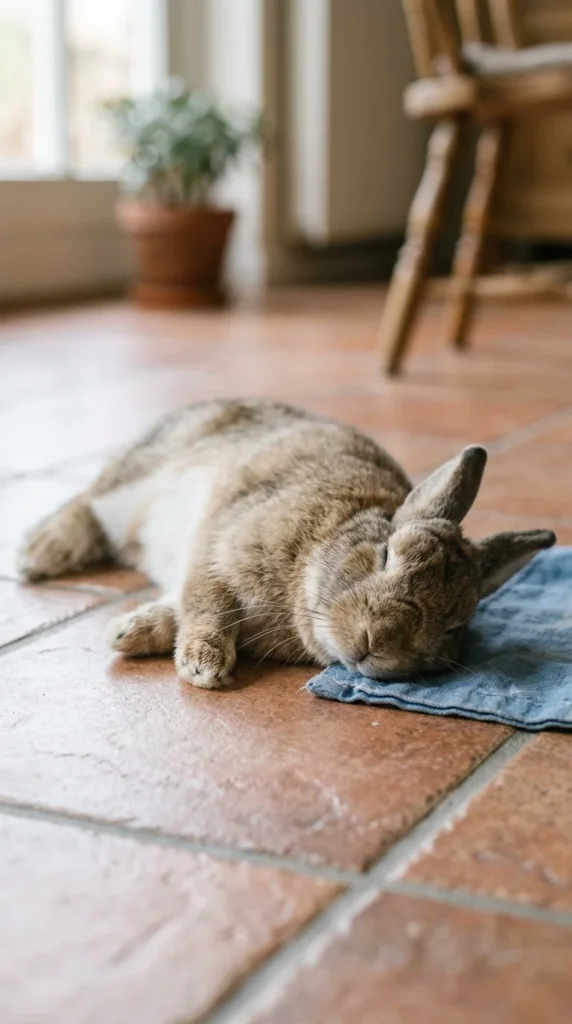
The “flop” is when a rabbit suddenly throws itself onto its side, looking almost as if it has fainted. In reality, this is the highest compliment a rabbit can pay its environment. It means they are so relaxed and comfortable that they are willing to expose their vulnerable belly. It’s a sign of a happy, healthy, and stress-free bunny.
19. Pink Gums
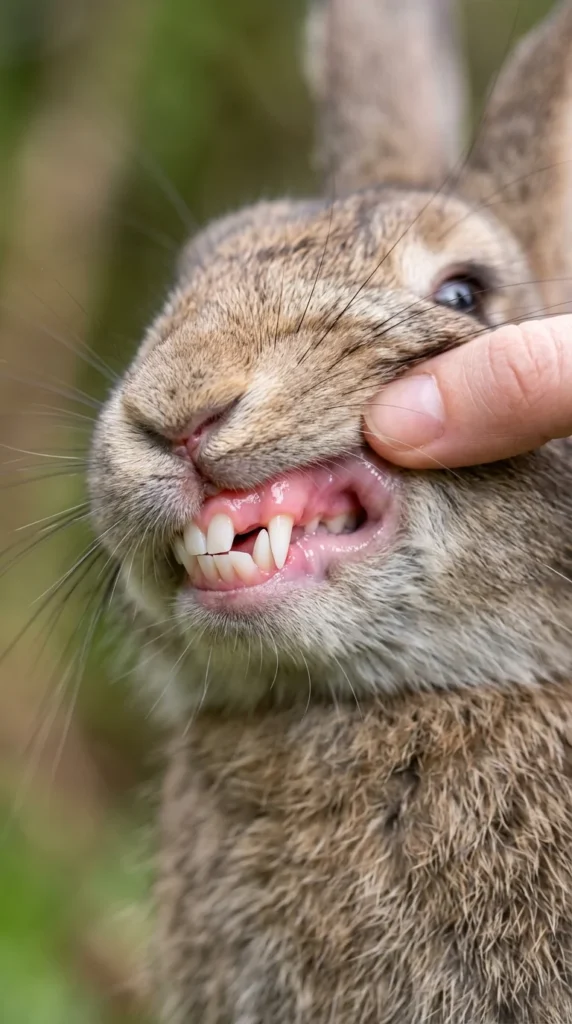
Just like in dogs and cats, a rabbit’s gum color is a window into their circulatory health. Healthy gums should be a nice, vibrant pink. If you press them gently, the color should return almost instantly. Pale, white, or purple gums are a sign of shock, anemia, or heart issues.
20. Strong Hocks
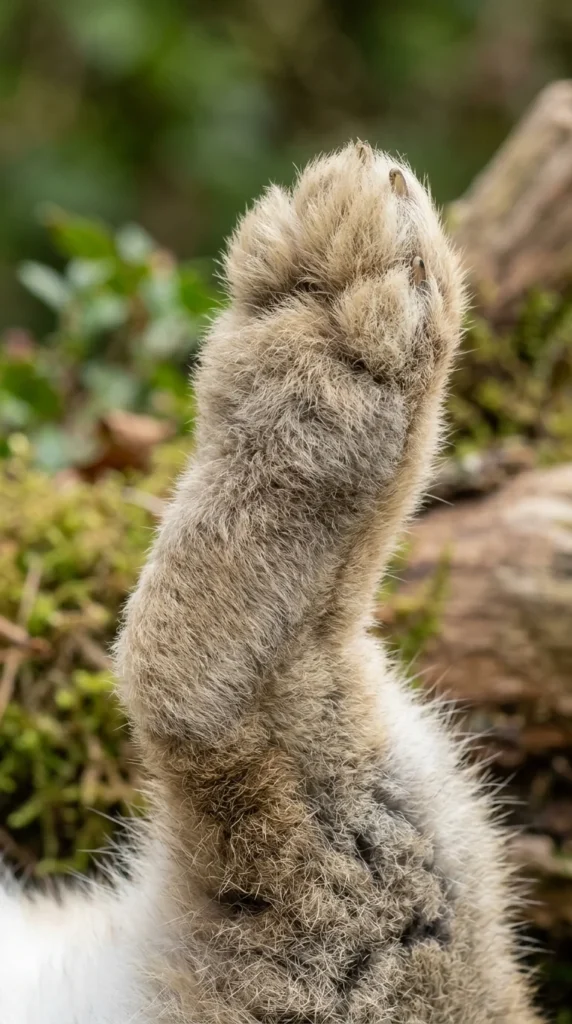
Rabbits don’t have pads on their feet like dogs; they have thick fur to protect their “hocks.” A healthy rabbit has full fur coverage on the bottom of its feet. If you see red, calloused, or bleeding sores (sore hocks), it indicates that the bedding is too hard, too wet, or the rabbit is overweight.
21. Tooth Purring
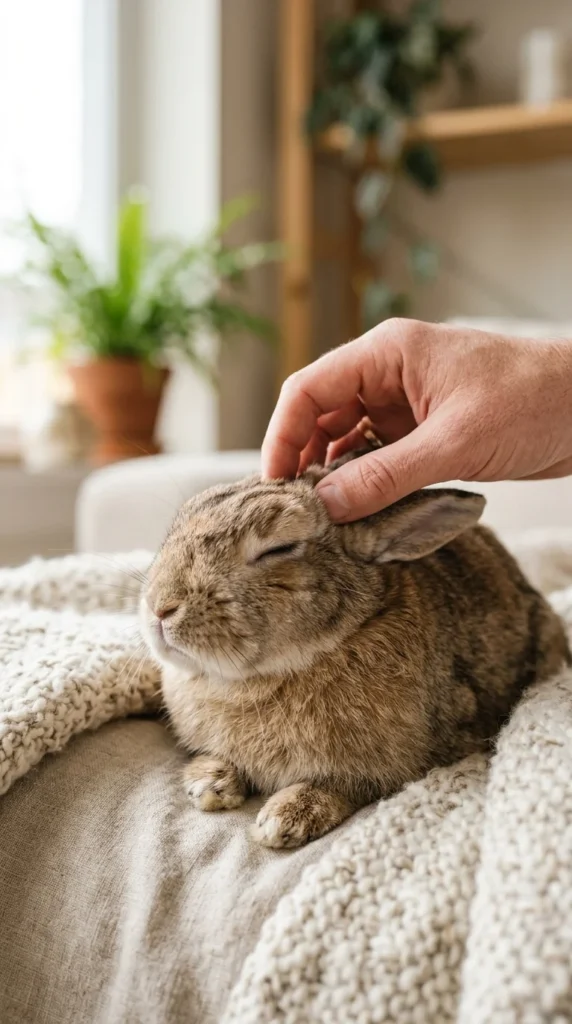
Rabbits don’t purr like cats with their throats, but they do “tooth purr.” This is a soft, rhythmic grinding of the teeth when they are being petted or are particularly content. It is a subtle vibration that you can often feel more than hear. This signifies a rabbit that is relaxed and free of chronic pain.
22. Firm Muscle Tone
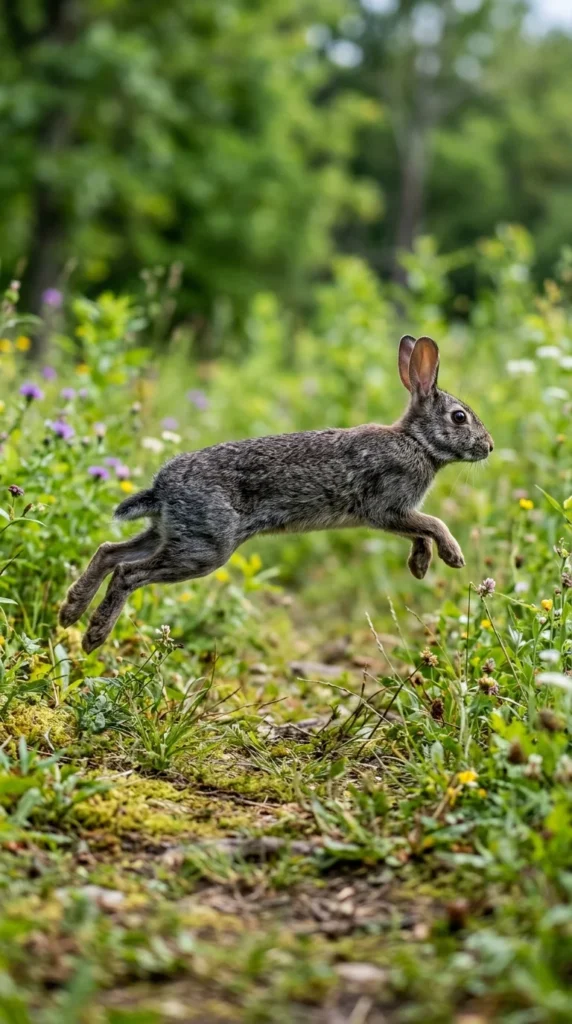
Even if your rabbit is a “house bun,” they should feel firm and muscular, not “squishy” or “bony.” When they hop, there should be power in their hind legs. Good muscle tone is a sign that the rabbit is getting enough exercise and a proper balance of protein and minerals in their diet.