
Owning a hamster is a delightful experience, but because these tiny creatures are prey animals in the wild, they are experts at hiding illness. By the time a hamster looks “sick,” the condition may already be advanced. Therefore, being a proactive pet parent means knowing exactly what a healthy hamster looks like. Vigilance is your best tool for ensuring your furry friend lives a long, happy life.
Here are 20 essential signs of a healthy hamster that every owner should monitor daily.
1. Bright Eyes

A healthy hamster has eyes that are bright, clear, and wide open when they are awake. There should be no discharge, crustiness, or cloudiness. If the eyes appear sunken or “sticky,” it could be a sign of dehydration or infection. A healthy hamster’s eyes should sparkle with curiosity.
2. Clean Ears

Hamsters use their ears to navigate their world. A healthy hamster has clean ears that are usually held upright when the animal is alert. The skin inside the ear should be pinkish and free of wax buildup, scabs, or discharge. If you see a hamster frequently scratching its ears, it may indicate mites or an ear infection.
3. Dry Nose

While a dog’s nose should be wet, a hamster’s nose should be relatively dry and clean. There should be no sneezing, wheezing, or nasal discharge. A “runny” nose is a major red flag for respiratory infections, which can be fatal for hamsters if not treated immediately by a vet.
4. Smooth Fur

The coat is the mirror of a hamster’s internal health. A healthy hamster has thick, soft, and shiny fur. There should be no bald patches, thinning areas, or matting. While older hamsters might have slightly thinner fur, a sudden loss of hair or “greasy” looking fur often indicates a skin condition or a nutritional deficiency.
5. Active Behavior

Hamsters are naturally high-energy animals, especially at night. A healthy hamster will spend a significant portion of its waking hours running on its wheel, climbing, and exploring its enclosure. While they sleep a lot during the day, they should be lively and responsive once they wake up in the evening.
6. Healthy Appetite

A healthy hamster is an enthusiastic eater. They should be eager to take treats from your hand and should regularly empty their food bowl. Hamsters have high metabolic rates, so a sudden loss of interest in food is a serious sign that something is wrong.
7. Clear Breathing

You should not be able to hear a healthy hamster breathe. Their respiration should be silent and effortless. If you hear clicking, whistling, or heavy gasping, it is a sign of respiratory distress. A healthy hamster’s chest should move steadily without any visible “thumping” or laboring.
8. Proper Weight

While hamsters are naturally round, they should feel firm, not “squishy” or skeletal. You should be able to feel their ribs under a small layer of fat, but they shouldn’t be protruding. Sudden weight loss or a bloated, hard abdomen are both signs that require veterinary attention.
9. Clean Tail

The “wet tail” condition is a lethal bacterial infection common in young hamsters. A healthy hamster will always have a clean, dry tail and hindquarters. If the area around the tail is damp, soiled with feces, or matted, it is an emergency situation.
10. Straight Teeth

Hamster teeth grow continuously throughout their lives. In a healthy hamster, the top and bottom teeth align perfectly, allowing them to gnaw on wood and food to keep the teeth at a manageable length. If the teeth are overgrown or crooked, the hamster won’t be able to eat.
11. Alert Posture

When a healthy hamster hears a noise or senses something new, it will stand up on its hind legs to investigate. This “meerkat” pose is a sign of good neurological health and physical strength. A lethargic hamster that stays huddled in a corner even when stimulated is likely unwell.
12. Normal Droppings
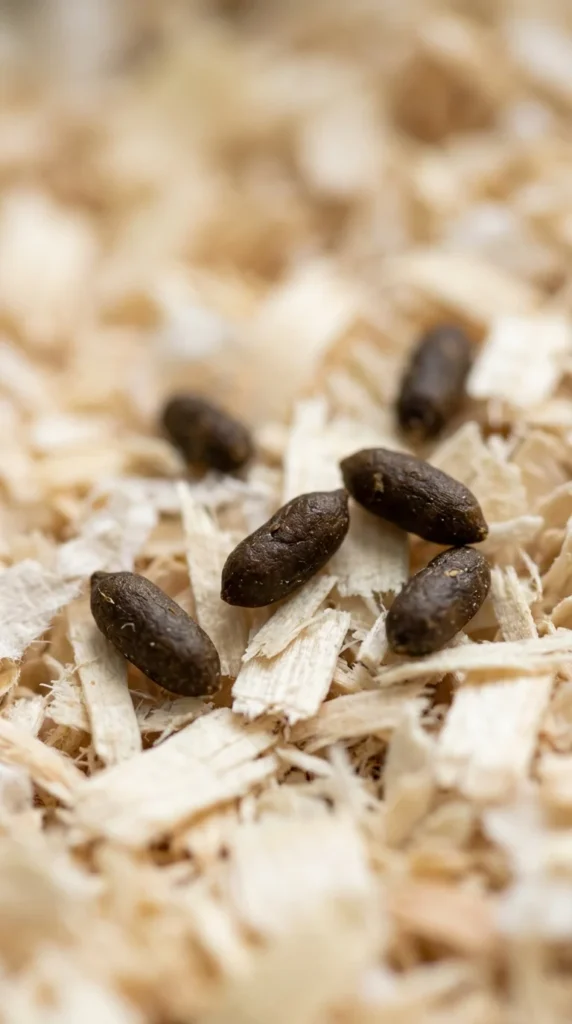
Checking the “poop” is a daily duty for hamster owners. Healthy droppings are firm, dark, and shaped like small grains of rice. They should not be soft, watery, or abnormally colored. Diarrhea in hamsters is extremely dangerous due to the risk of rapid dehydration.
13. Regular Grooming

Hamsters are incredibly clean animals and spend hours every day grooming themselves. If a hamster stops grooming and its fur becomes tattered or dirty, it is usually because they feel too weak or sick to maintain their hygiene. A self-cleaning hamster is a happy hamster.
14. Clear Skin

If you gently part your hamster’s fur, the skin underneath should be a healthy pink or pigment-spotted color. There should be no redness, flaking, scabs, or lumps. Hamsters are prone to tumors, so feeling for unusual bumps during “playtime health checks” is vital.
15. Strong Claws

A healthy hamster uses its claws for digging and climbing. The nails should be short enough that they don’t curl back into the paw pad. If the nails are excessively long, it might mean the hamster isn’t active enough or lacks abrasive surfaces (like stones or wooden toys) to wear them down.
16. Curious Nature

A hallmark of a healthy hamster is curiosity. They should be interested in new toys, new smells, and changes in their environment. While they can be shy, a healthy hamster will eventually come out to investigate a new scent or a rustling sound in the room.
17. Solid Gait

When a hamster moves, its gait should be steady and coordinated. They shouldn’t wobble, tilt their head to one side, or drag their hind legs. A “wobbly” walk can indicate anything from an ear infection to a stroke or nutritional deficiency.
18. Hydrated Skin
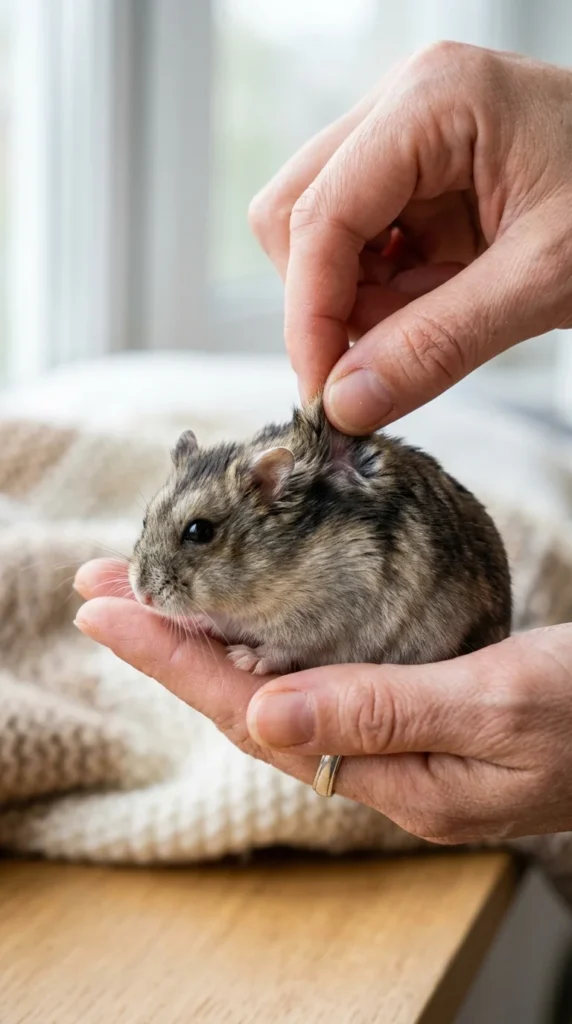
Dehydration is a silent killer for small rodents. You can check hydration by gently pinching the “scruff” of the neck. In a healthy, hydrated hamster, the skin will snap back into place immediately. If the skin stays in a “tent” shape, the hamster is dangerously dehydrated.
19. Quiet Vocalization

While some hamsters are “vocal” (hissing when scared or “chirping” when happy), they should generally be quiet. Constant squeaking, clicking, or “screaming” can be a sign of pain or extreme stress. A healthy hamster goes about its business with a quiet confidence.
20. Healthy Pouches

Hamsters are famous for their cheek pouches. A healthy hamster can fill and empty these pouches easily. You should monitor to ensure that food isn’t getting “stuck” in the pouches, which can lead to impacted pouches or abscesses. Both sides should look relatively symmetrical when full.