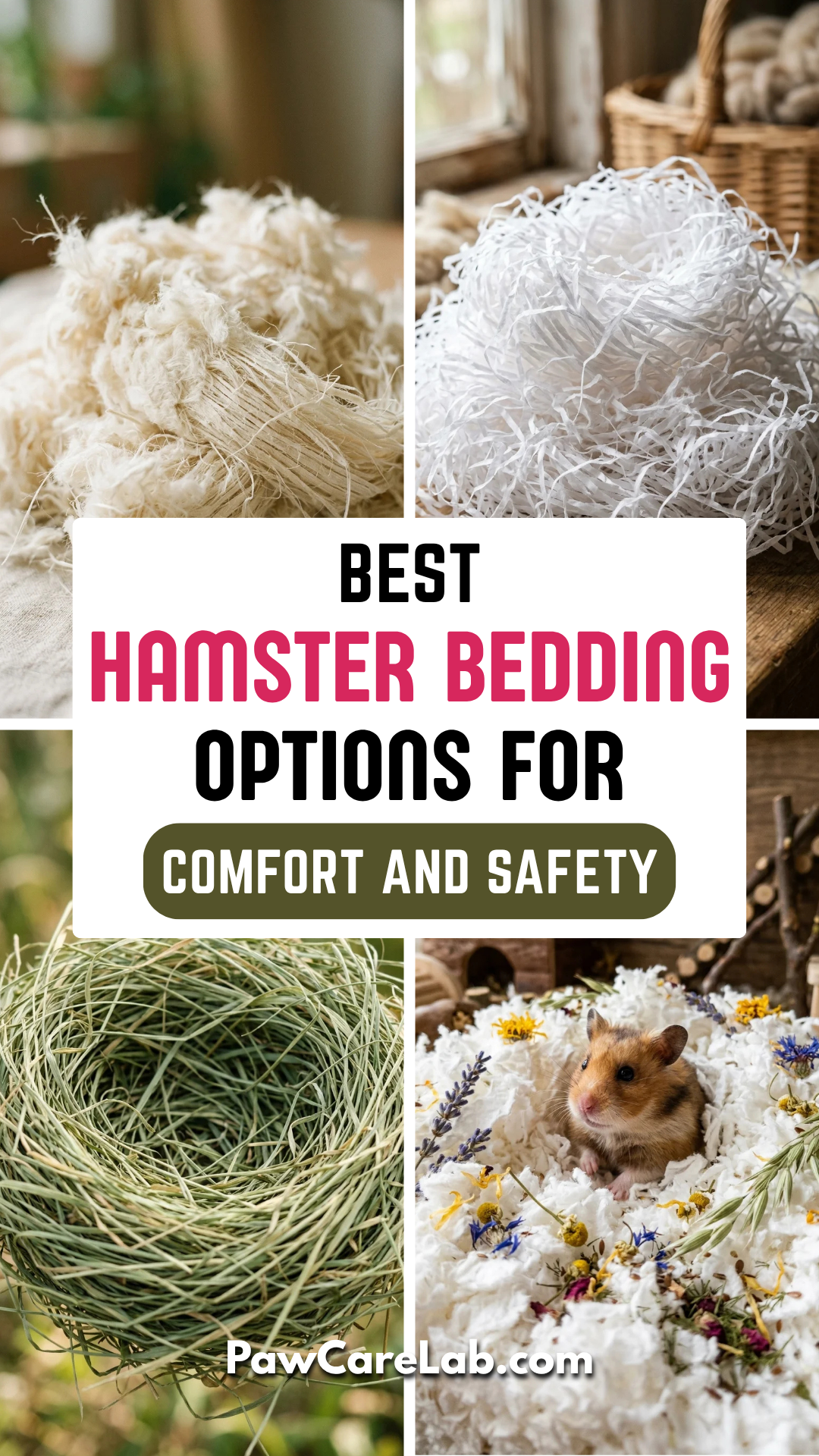
Selecting the right bedding for your hamster is one of the most critical decisions you will make as a pet owner. In the wild, hamsters are dedicated fossorial creatures, meaning they spend the majority of their lives underground in intricate tunnel systems. To thrive in captivity, they need a substrate that allows them to satisfy these primal instincts while maintaining a safe, respiratory-friendly environment.
The ideal bedding should be absorbent, dust-free, and capable of holding the shape of a tunnel. From premium paper pulps to natural forest mosses, the market offers a variety of textures that can be combined to create the ultimate hamster paradise. Here are the 18 best hamster bedding options prioritized for comfort and safety.
1. Aspen Shavings
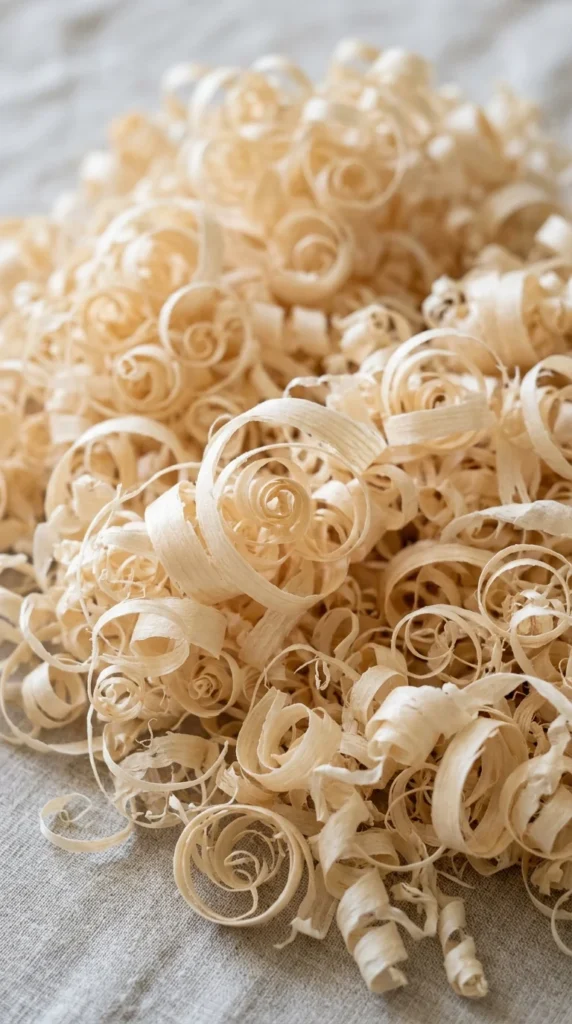
Aspen is widely considered the gold standard for wood-based bedding. Unlike cedar or pine, aspen is a hardwood that does not contain the harmful volatile oils (phenols) that cause respiratory distress and liver damage in small rodents. It is excellent for odor control and provides a very naturalistic look to a cage. It is best used when mixed with hay or paper bedding to help burrows maintain their structural integrity.
2. Paper Pulp
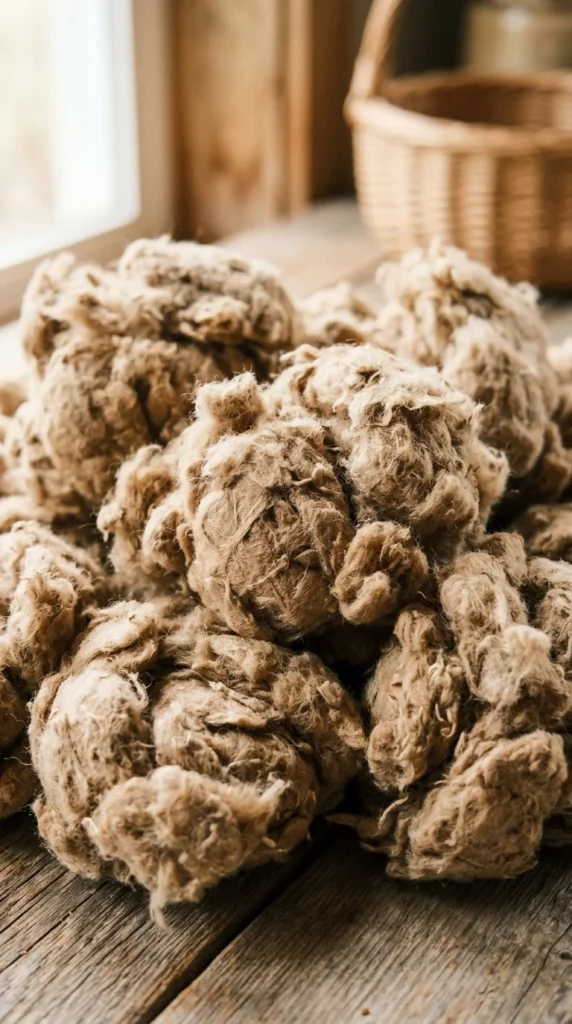
High-quality paper pulp bedding is the most popular choice for modern hamster owners. It is exceptionally soft on sensitive paws and highly absorbent, soaking up moisture and ammonia odors quickly. Because it is processed into soft clumps, it is one of the best materials for holding deep tunnels, especially when packed down tightly by the owner during cage cleaning.
3. Carefresh Natural
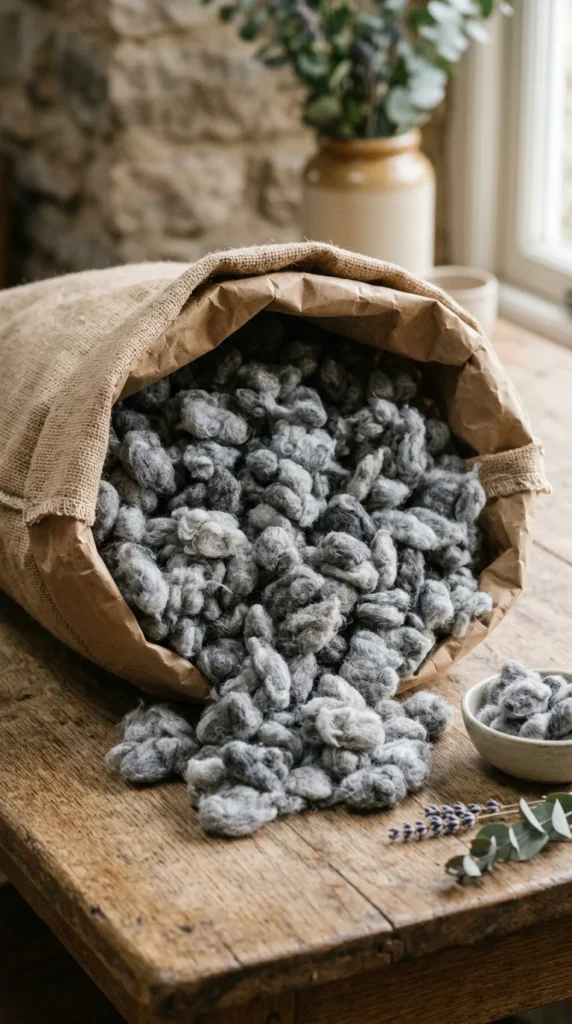
Carefresh is a household name in the small pet community. Their “Natural” line is made from reclaimed wood fiber that is biodegradable and compostable. It is virtually dust-free, which is essential for hamsters who are prone to sneezing and eye irritation. It provides a more rustic, earthy aesthetic than white paper bedding while maintaining high performance.
4. Kaytee Clean & Cozy
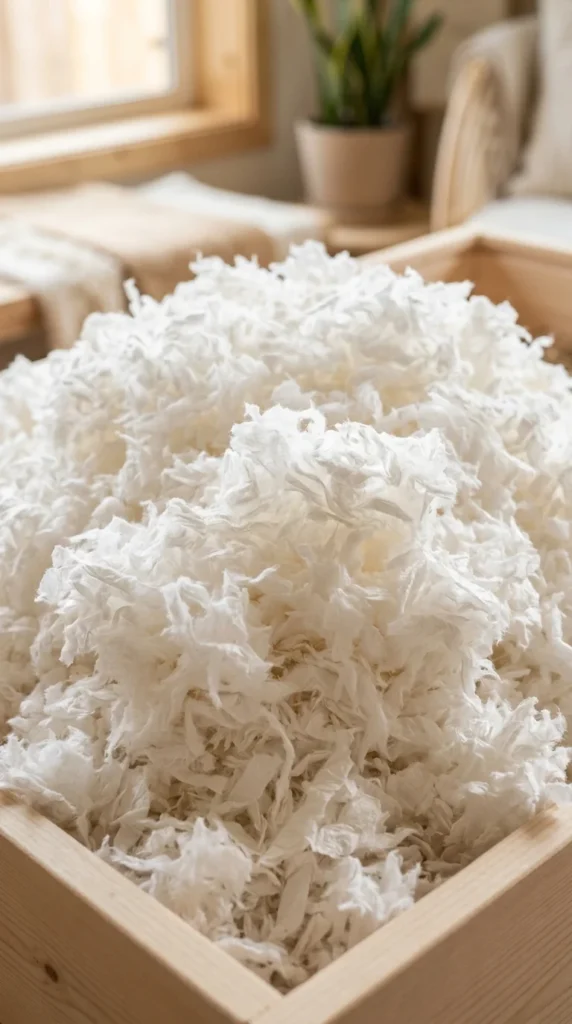
Known for its incredible expansion, Kaytee Clean & Cozy is often praised for being one of the softest beddings available. It is 99.9% dust-free and can absorb up to six times its weight in liquid. The pure white variety is particularly helpful for “spot cleaning,” as it allows owners to easily identify soiled areas that need to be removed, keeping the cage fresher for longer.
5. Hemp Bedding
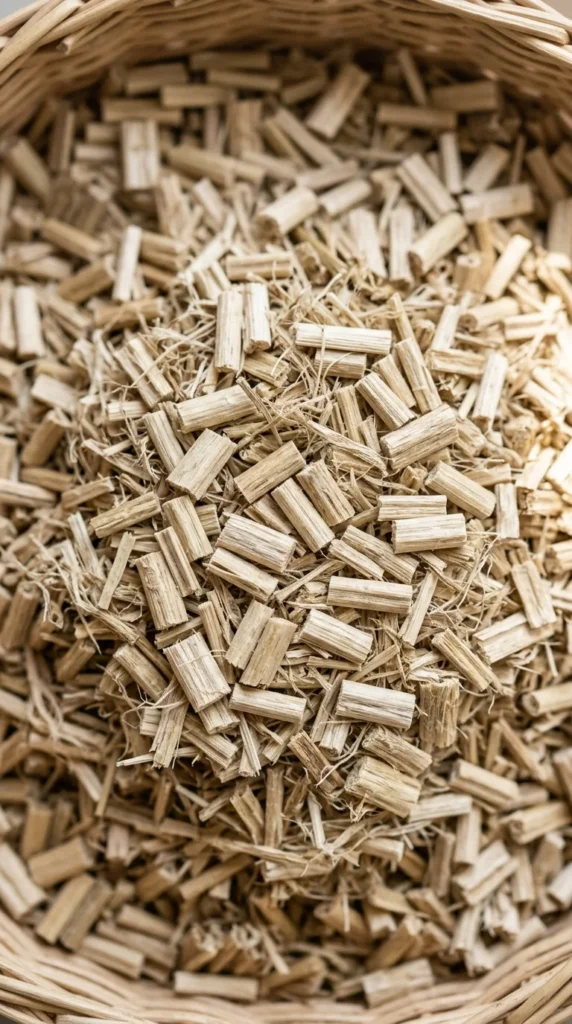
Hemp is gaining massive popularity in the “German-style” natural hamster care community. It is incredibly sustainable, highly absorbent, and naturally resistant to pests like mites. While it doesn’t hold tunnels well on its own, it is an excellent base layer or additive that prevents the bedding from becoming too compacted or damp.
6. Soft Granules
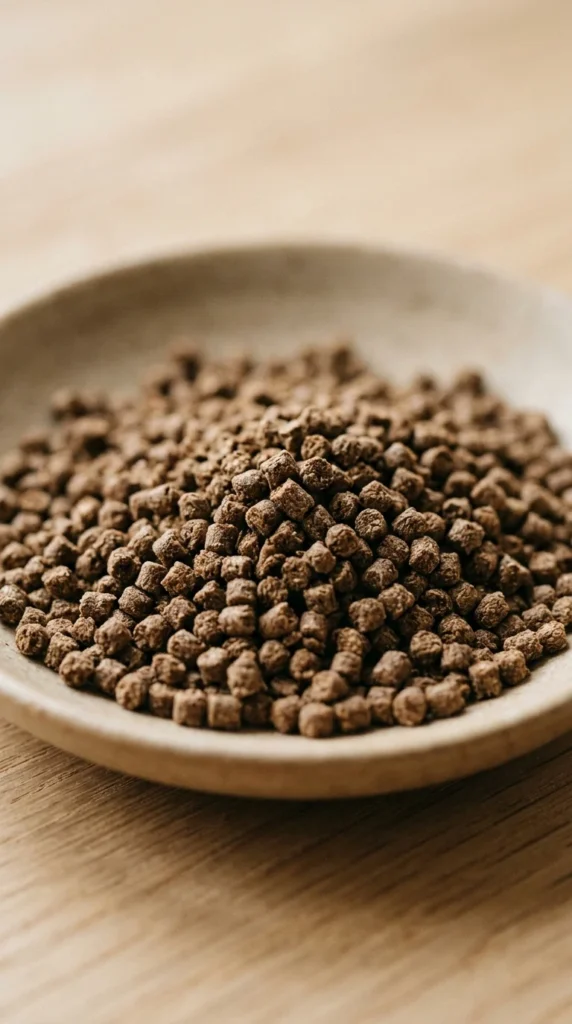
Soft wood or paper granules are often used in “toilet areas” or as a bottom layer for extra absorbency. They are much denser than fluffy bedding, which makes them great at neutralizing heavy odors. However, because they are heavy and granular, they should always be topped with a softer material to ensure the hamster has something comfortable to sleep on.
7. Recycled Paper Pellets
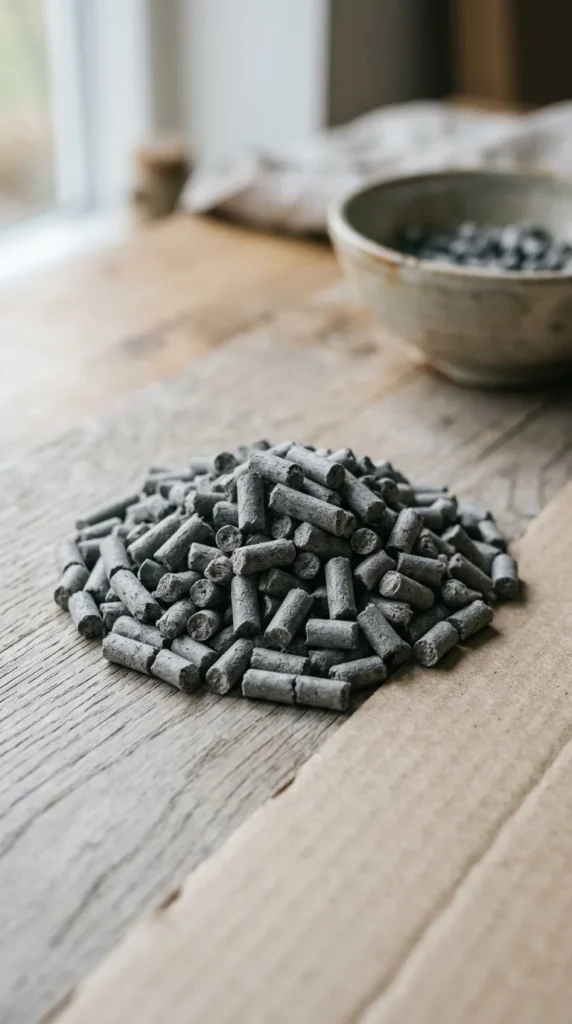
While not suitable for the entire enclosure (as they are too hard to burrow in), recycled paper pellets are fantastic for litter training. Many hamsters will naturally choose a corner to do their business; placing a tray of these pellets in that corner makes daily maintenance much easier. They are non-toxic and do not track around the cage like lighter beddings.
8. Spruce Shavings
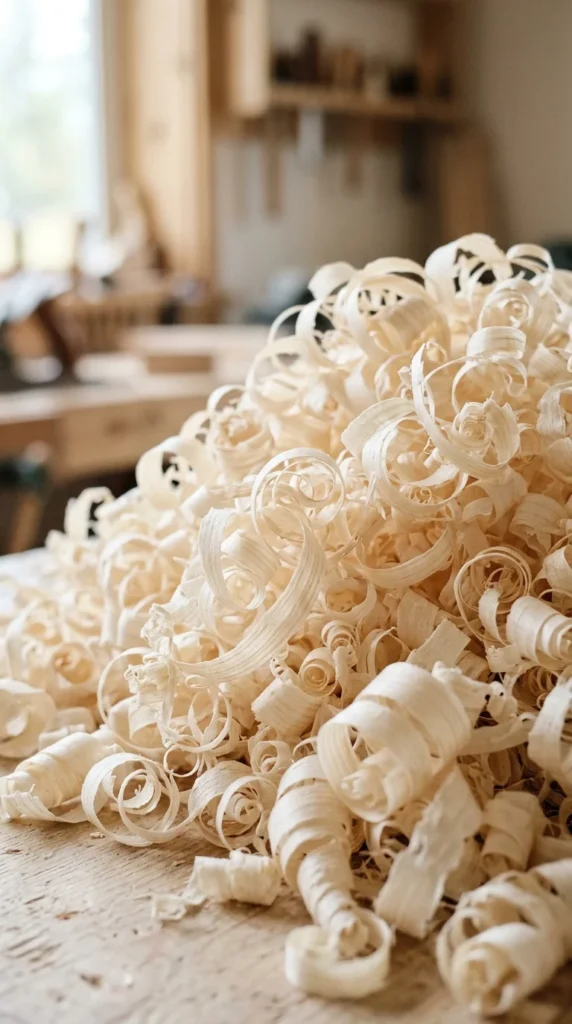
In many parts of Europe, kiln-dried spruce is a common alternative to aspen. It is a softwood, but when properly kiln-dried, the harmful phenols are significantly reduced, making it safe for hamsters. It has a very light, pleasant scent and provides a bright, clean look to the habitat. Like aspen, it should be mixed with other materials for better burrowing.
9. Flax Bedding
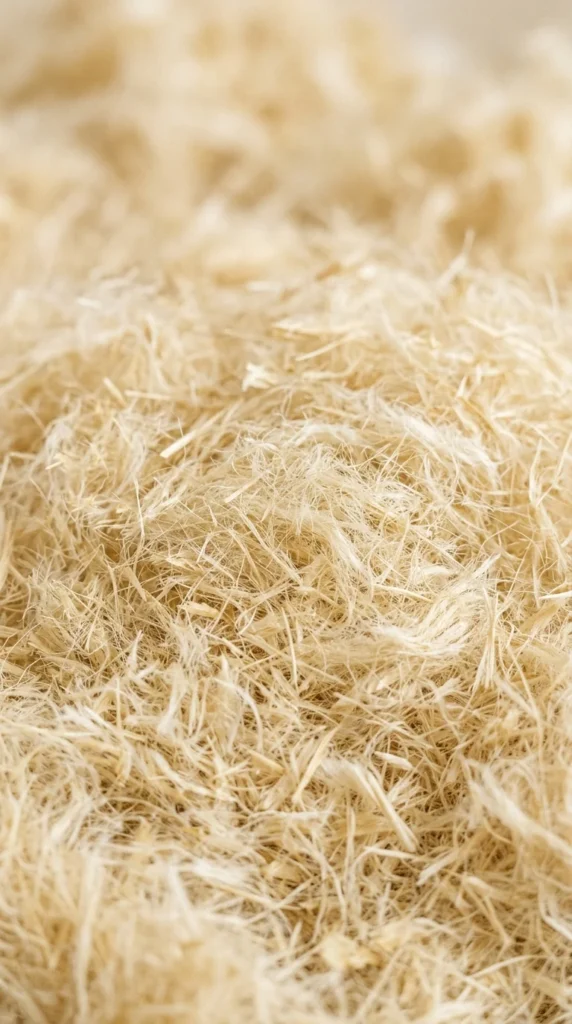
Flax bedding (often sold under the name Linum) is one of the softest natural substrates available. It is incredibly fine and mimics the desert-like or grassy textures hamsters would encounter in the wild. It is highly recommended for hamsters with sensitive skin or those who struggle with the coarser texture of wood shavings.
10. Coconut Fiber
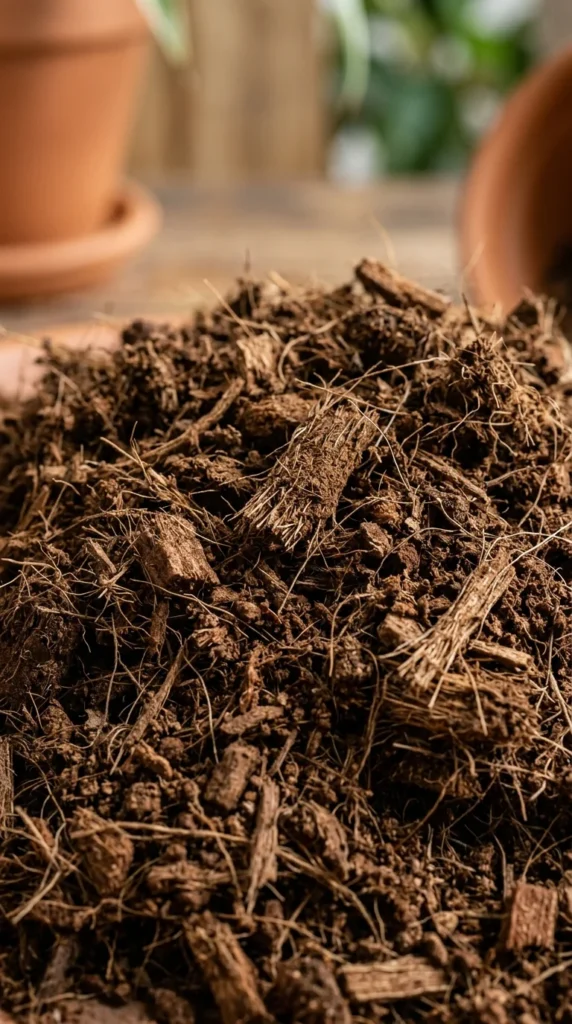
Commonly found in the reptile section, coconut fiber is an excellent “enrichment” bedding. Many owners include a dedicated digging box filled with coco fiber. It provides a different sensory experience for the hamster and mimics the “dirt” they would dig through in nature. It must be kept dry or only slightly damp to prevent mold growth.
11. Timothy Hay
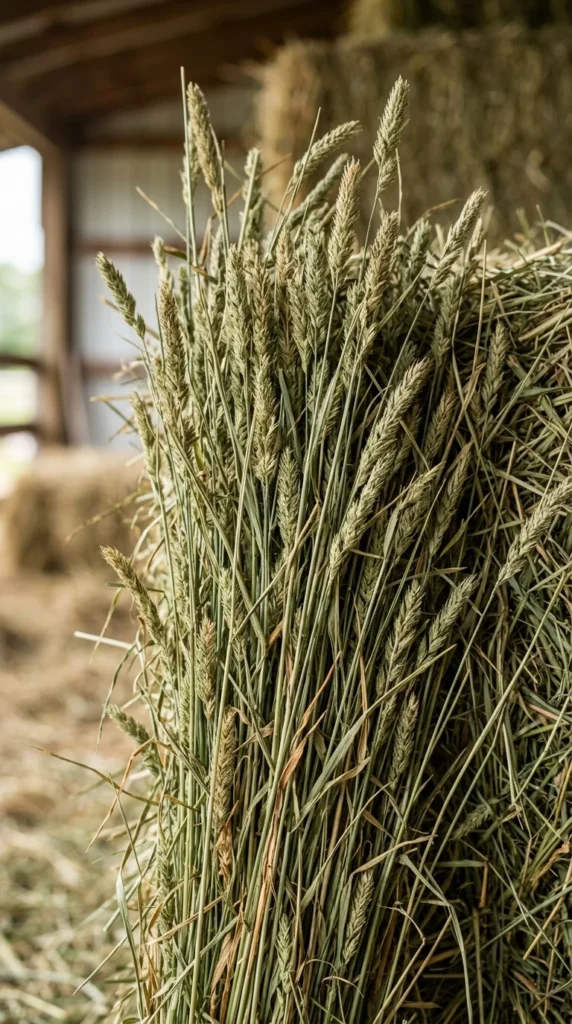
While not used as a primary bedding on its own, Timothy Hay is essential for “layering.” By placing a layer of hay between layers of paper or wood bedding (the “lasagna method”), you provide structural reinforcement for the hamster’s tunnels. The hay acts like the rebar in concrete, preventing the soft bedding from collapsing on the hamster’s head.
12. Cellulose Fibers
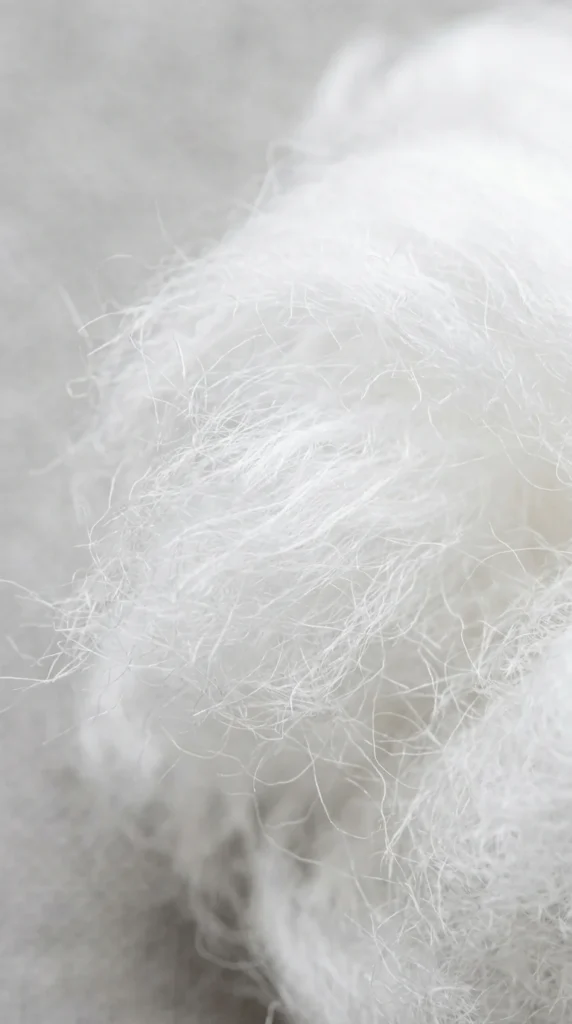
High-grade cellulose bedding is often used in laboratory settings because of its extreme purity and lack of dust. For pet owners, it offers a hypoallergenic option for hamsters that are particularly sensitive to environmental allergens. It is very light and airy, making it a great “top-off” for a winter-themed cage setup.
13. Corn Cob Bedding
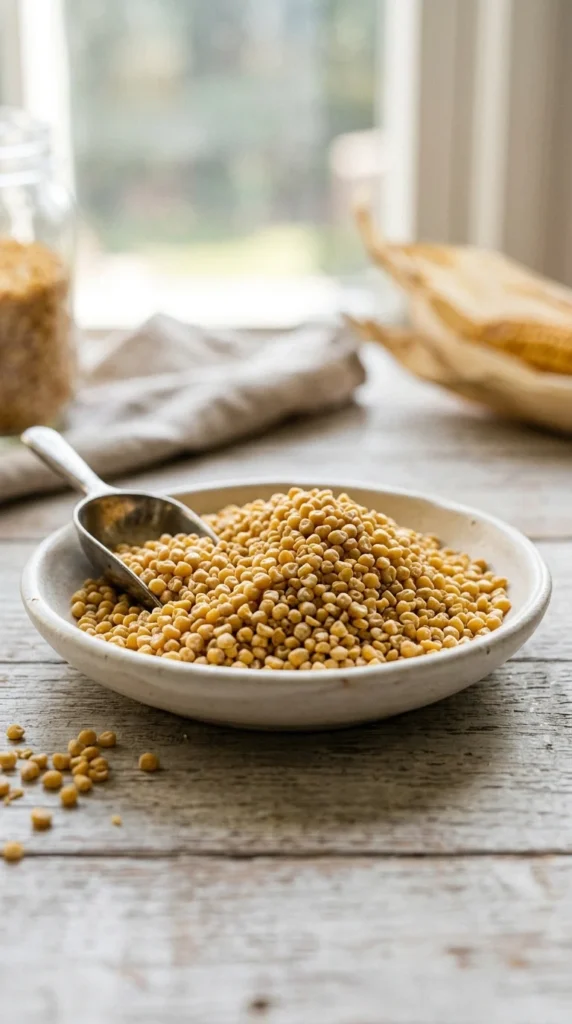
Corn cob bedding is a polarizing choice, but it can be safe if used correctly. It should never be the primary bedding because it can grow mold if it gets wet and doesn’t allow for burrowing. However, as a small “texture zone” in a tray, it provides a unique walking surface that helps naturally wear down a hamster’s nails.
14. Orchard Grass
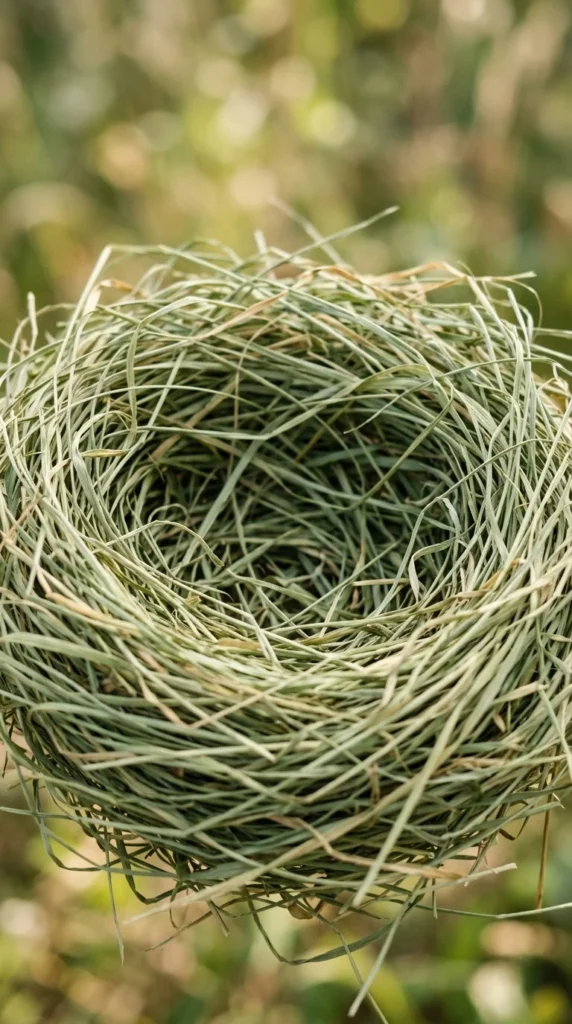
Orchard grass is much softer than Timothy hay, making it a safer “structural” additive for hamsters who might be prone to eye pokes from stiffer hays. It has a sweet, meadow-like aroma that helps the cage smell fresh without the use of artificial perfumes, which are toxic to a hamster’s sensitive nose.
15. Unscented Tissue
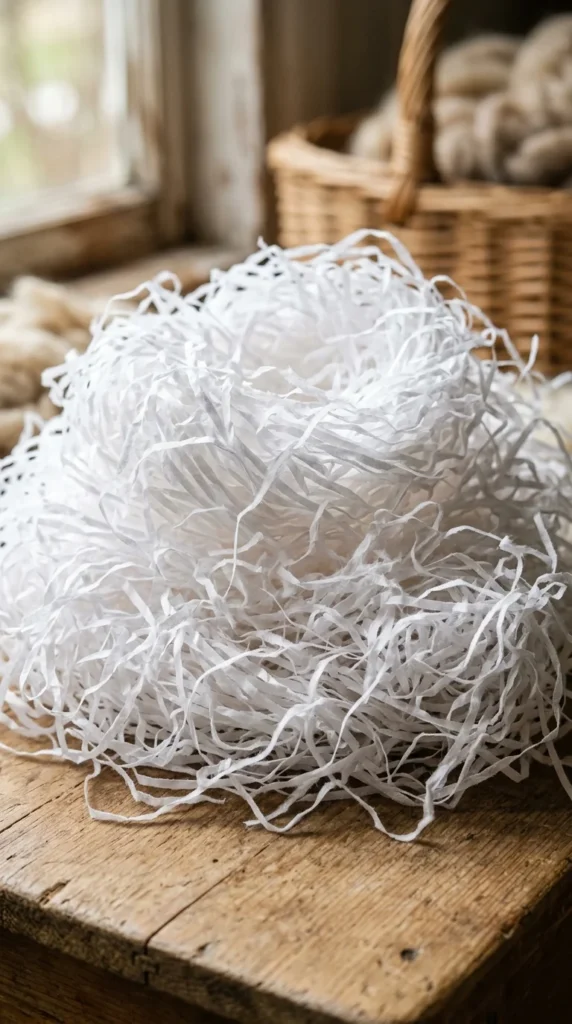
Shredded unscented white toilet paper or facial tissue is the best “nesting material” you can provide. While the hamster will have their main bedding, they love to take these soft strips into their sleeping chamber to create a warm, cozy ball. It is safe, cheap, and completely digestible if they happen to pouch a little bit of it.
16. Bamboo Bedding
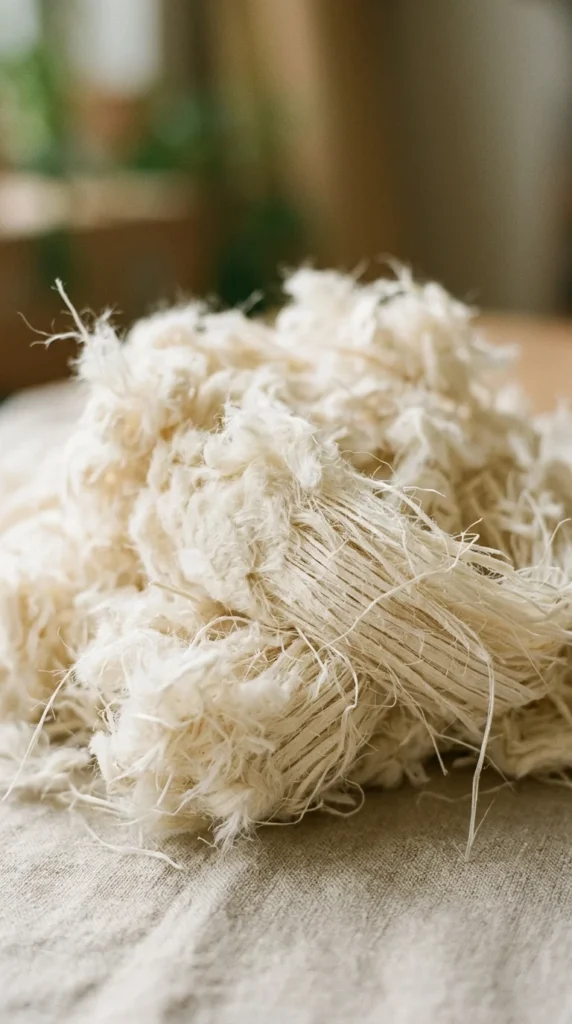
Bamboo bedding is an eco-friendly newcomer to the pet industry. It is naturally antimicrobial and extremely soft. It functions similarly to paper bedding but is often praised for being even less dusty. It is highly absorbent and holds its shape well when compressed into tunnels.
17. Forest Moss
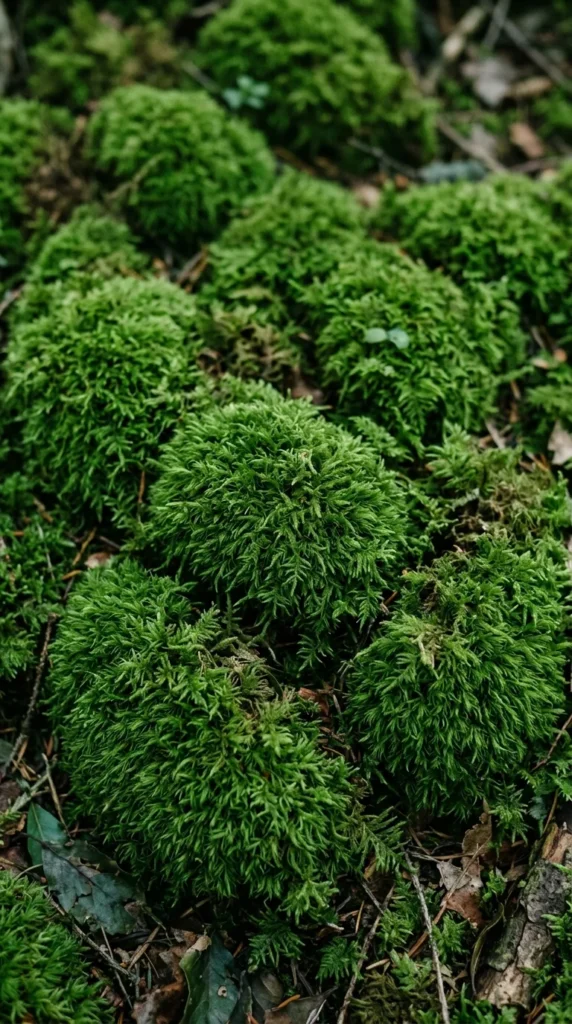
Dried moss (such as Sphagnum or forest moss) is used primarily for aesthetics and enrichment in naturalistic cages. It can be placed over wooden bridges or tucked into corners. It provides a wonderful texture for the hamster to walk on and helps retain a very small amount of humidity if the air in your home is exceptionally dry.
18. Desert Sand
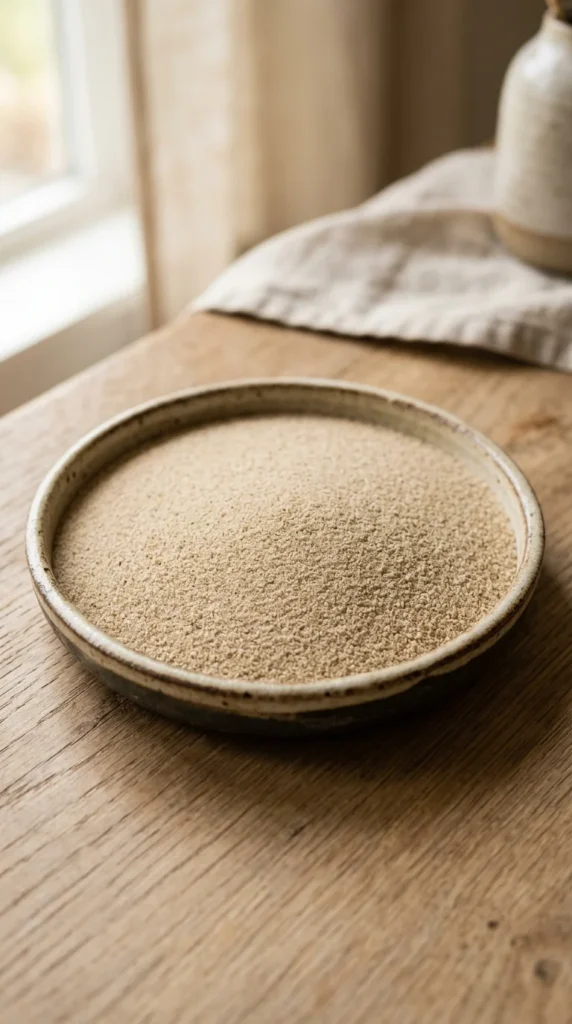
While not a “bedding” in the traditional sense, a large area of sand is a requirement for a happy hamster. Roborovski hamsters, in particular, should have up to a third of their enclosure as sand. It allows them to “bathe” by rolling, which removes excess oils from their fur. Ensure the sand is “calcium-free” and not “dust,” which can cause respiratory issues.