
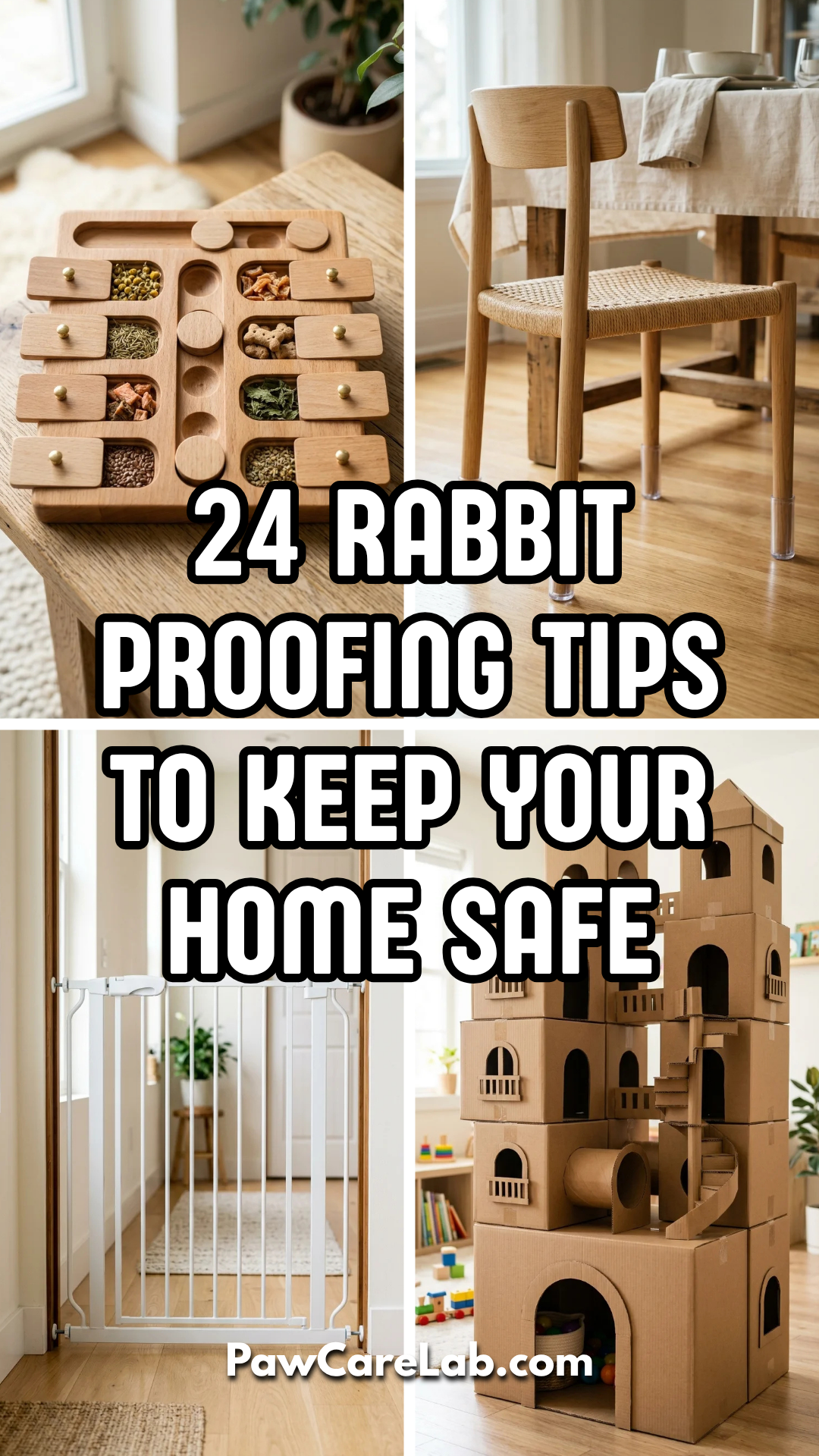
Owning a rabbit is a joyful experience, but it also comes with the unique challenge of “bunny-proofing.” Rabbits have a natural instinct to chew, dig, and explore, which can lead to damaged furniture, ruined electronics, and potential health hazards for your long-eared friend. To create a harmonious living space where your rabbit can roam freely without causing chaos, you need a proactive strategy. Here are 24 essential tips to keep your home safe and your bunny happy.
1. Flex Tubing
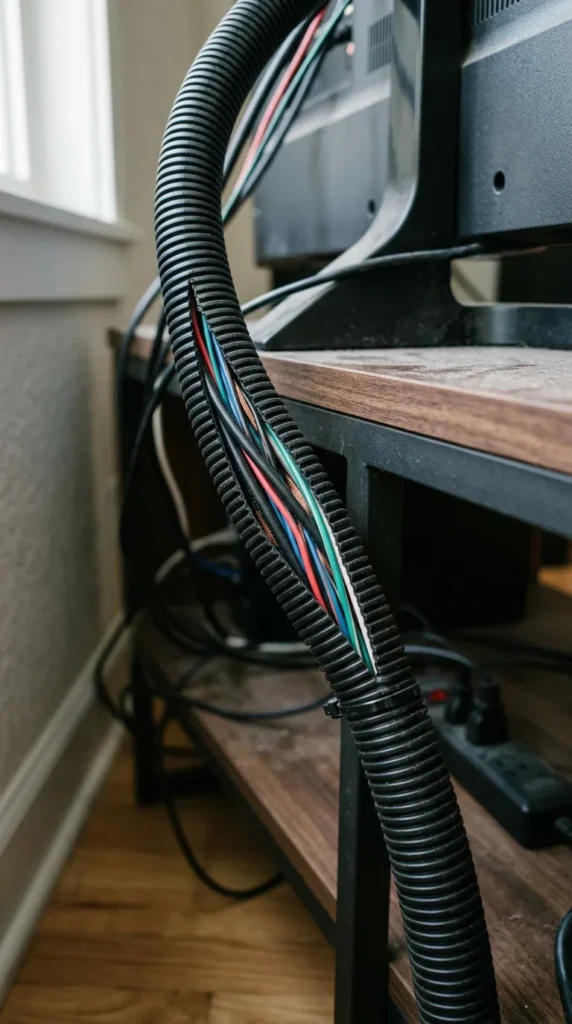
The most critical step in rabbit proofing is protecting your electrical cords. Rabbits see wires as thin roots or vines that need to be cleared out of their way. Use flexible plastic split-loom tubing to encase every cord within reach. This thick material is difficult for them to bite through, providing a vital layer of protection for both your electronics and your rabbit’s safety.
2. Hard Sleeves
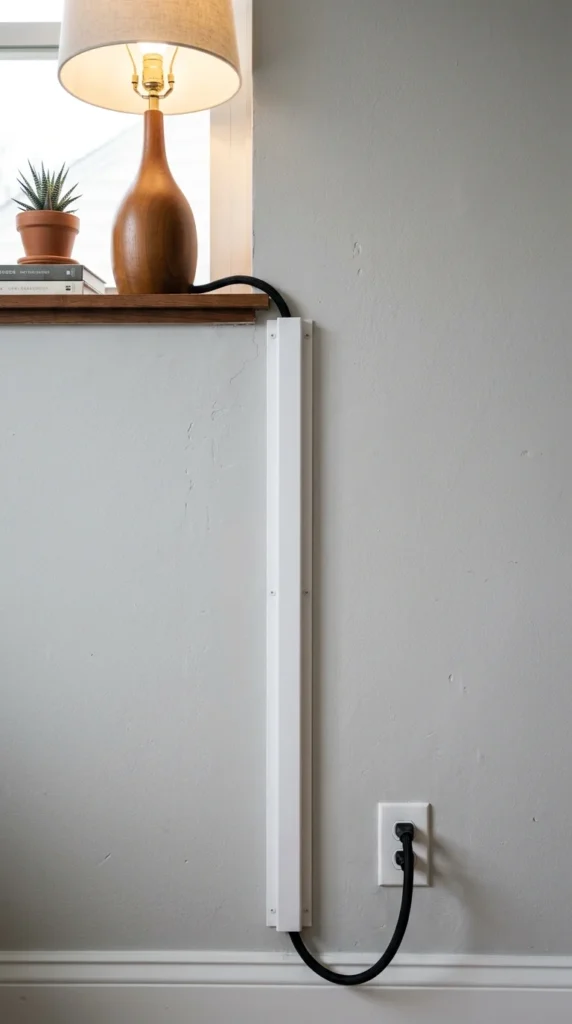
For more permanent fixtures, hard plastic cord channels or sleeves are even more effective than flexible tubing. These can be adhered directly to your baseboards or walls. Because they are rigid and flat, rabbits find it nearly impossible to get their teeth around them, making them the ultimate defense for wall-mounted TVs or permanent lamp cords.
3. Baseboard Guards
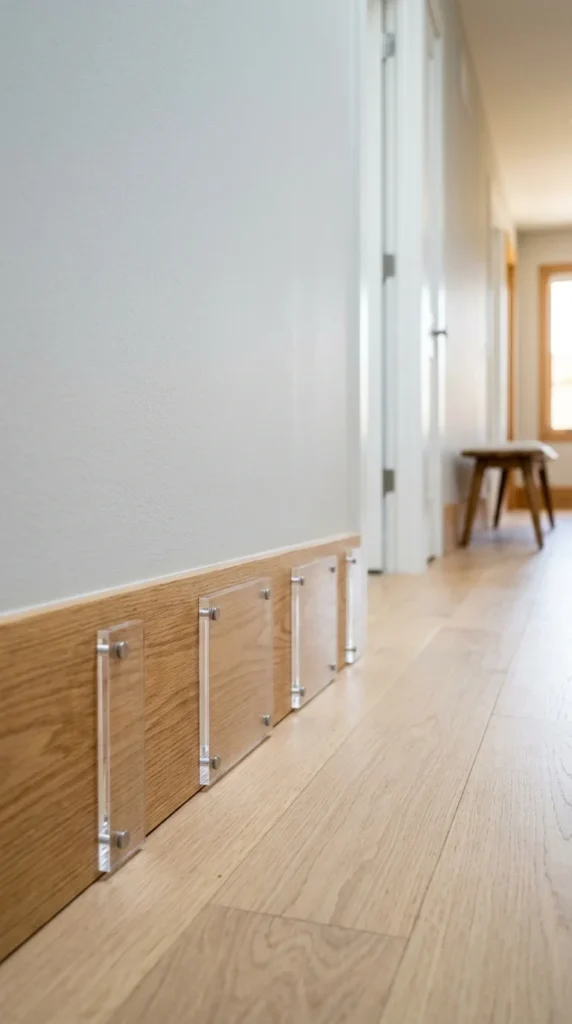
Baseboards are a prime target for chewing because they are at the perfect height for a rabbit. You can protect your home’s woodwork by installing clear plastic guards or even wood furring strips over your existing baseboards. This allows your bunny to nibble on a replaceable piece of wood or be deterred by the smooth plastic, saving your actual walls from damage.
4. Corner Protectors
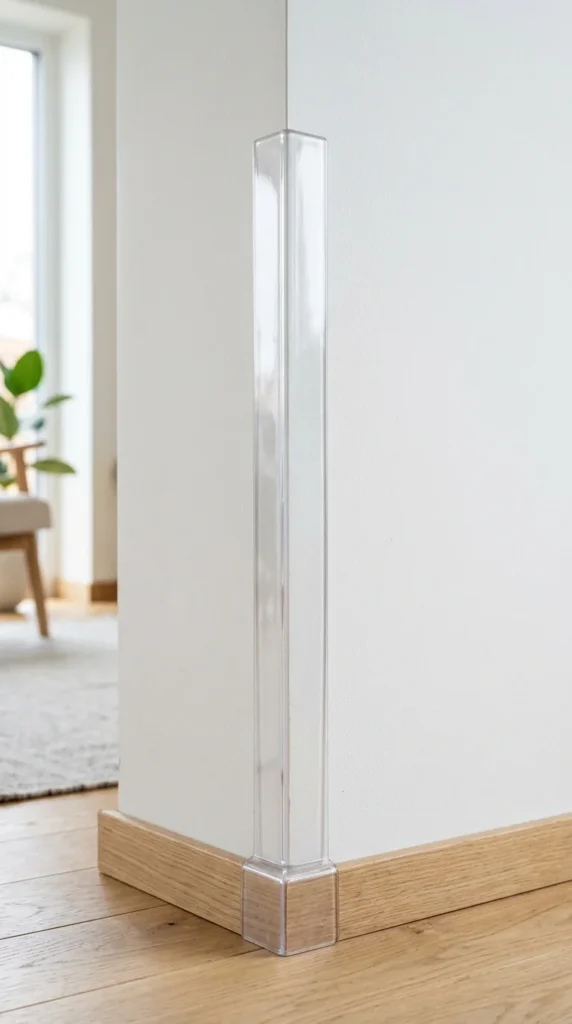
Rabbits love to “round off” the sharp corners of walls and furniture. Installing clear plastic corner guards is an inexpensive way to prevent them from gnawing on the drywall or wooden trim. These guards are usually self-adhesive and blend in seamlessly with your home decor while providing a sturdy barrier against tiny teeth.
5. Metal Grids
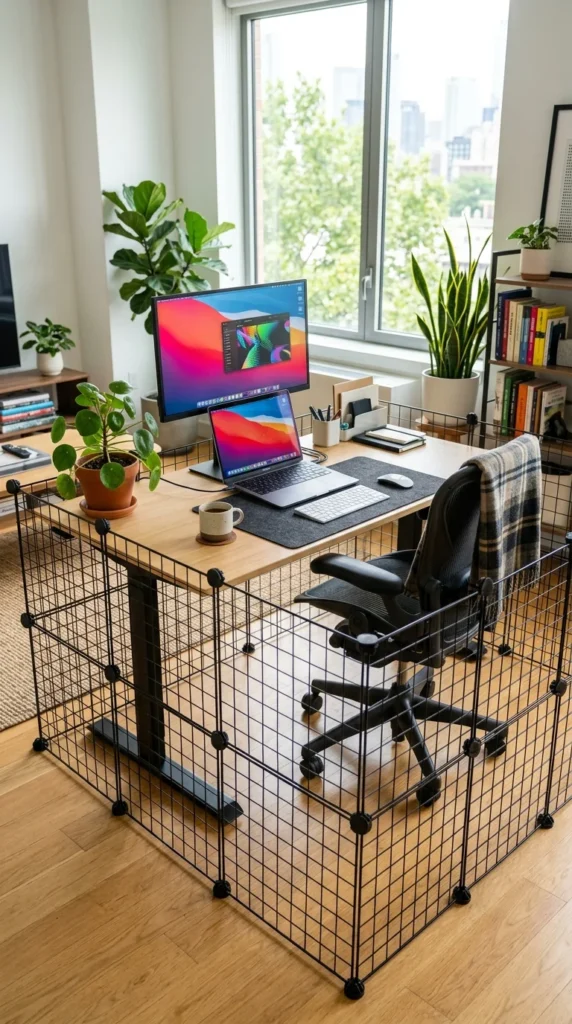
Organizing grids, often called C&C (cubes and coroplast) panels, are a rabbit owner’s best friend. You can zip-tie these metal squares together to block off entire areas, such as the space behind a media console or underneath a desk. They allow for airflow and visibility while keeping your bunny away from “danger zones” filled with wires and dust.
6. Furniture Wraps
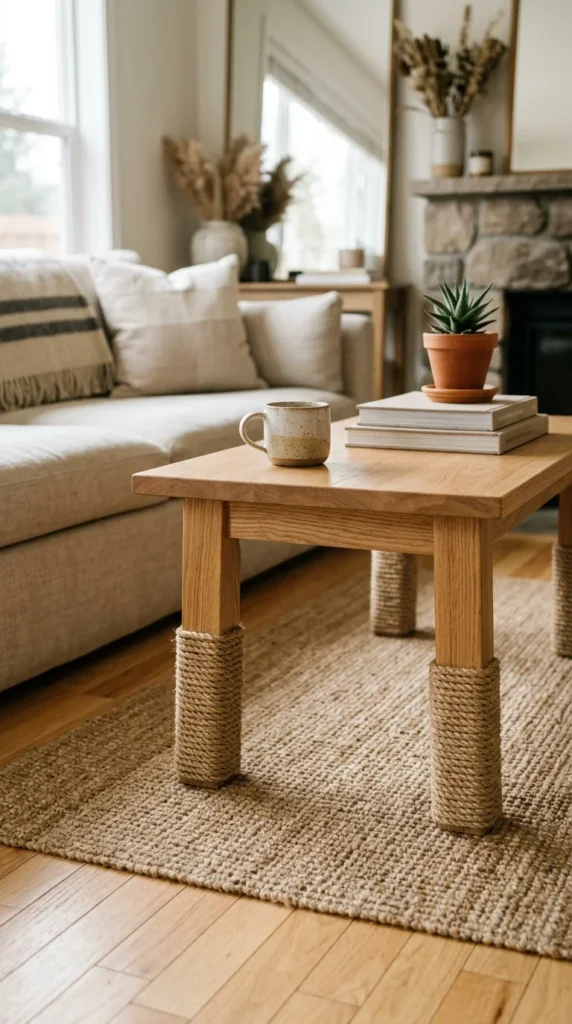
If your rabbit has a penchant for wooden furniture legs, consider wrapping them. You can use untreated sea grass, sisal rope, or even heavy-duty cardboard. This transforms a piece of furniture into a giant chew toy that is actually safe for them to interact with, diverting their attention away from the expensive hardwood.
7. Leg Guards
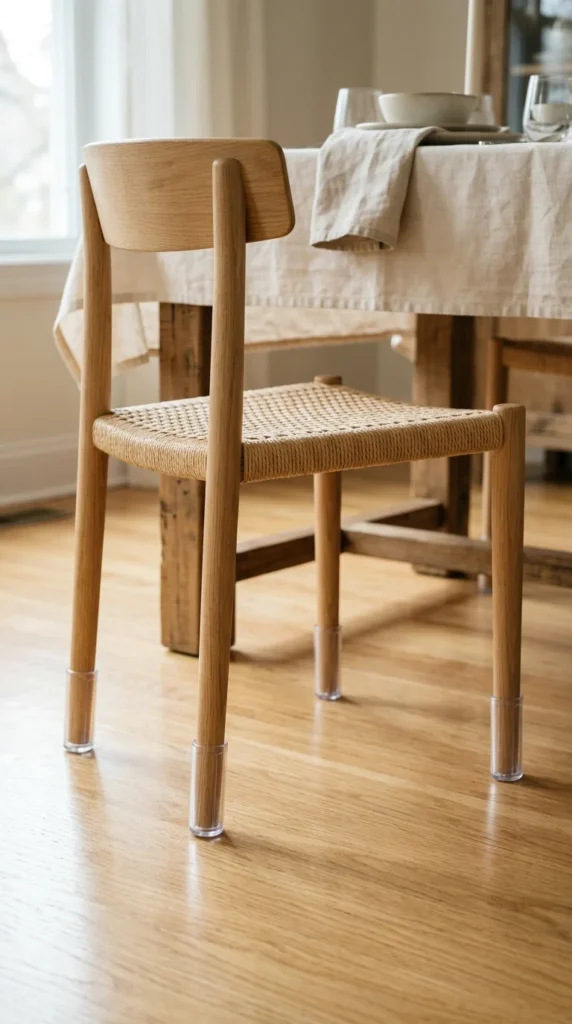
For a more discrete look than rope, use plastic leg guards. These function similarly to cord protectors but are sized specifically for chair and table legs. They prevent the rabbit from getting a grip on the wood, effectively ending the chewing cycle without ruining the aesthetic of your dining or living room.
8. Area Rugs
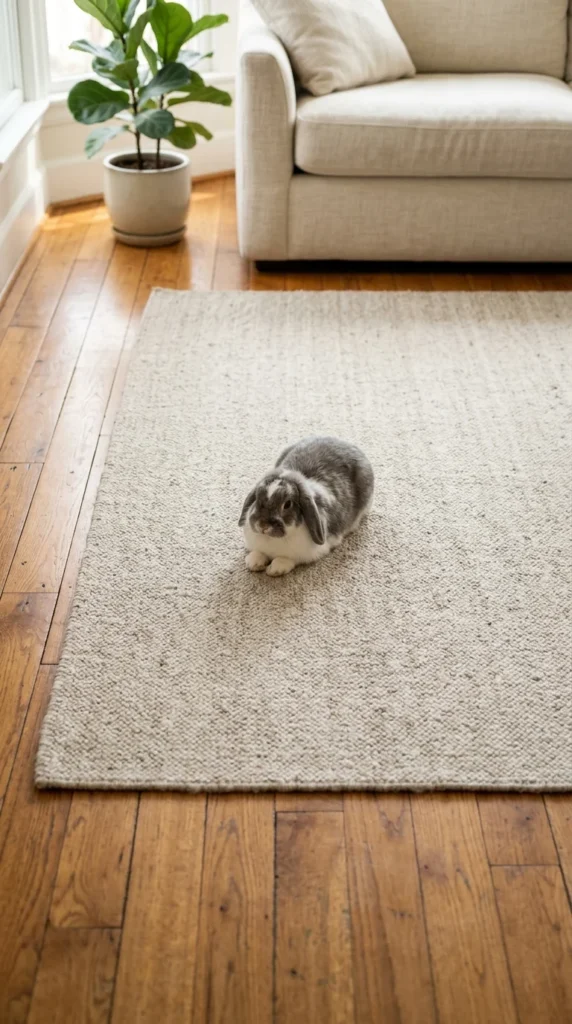
Hardwood, laminate, and tile can be very slippery for rabbits, leading to “splay leg” or injuries. Covering your floors with large area rugs or interlocking foam mats provides the traction your rabbit needs to zoom and hop safely. Look for low-pile rugs that don’t have long fibers, as these are less tempting for a rabbit to pull out and swallow.
9. Seagrass Mats
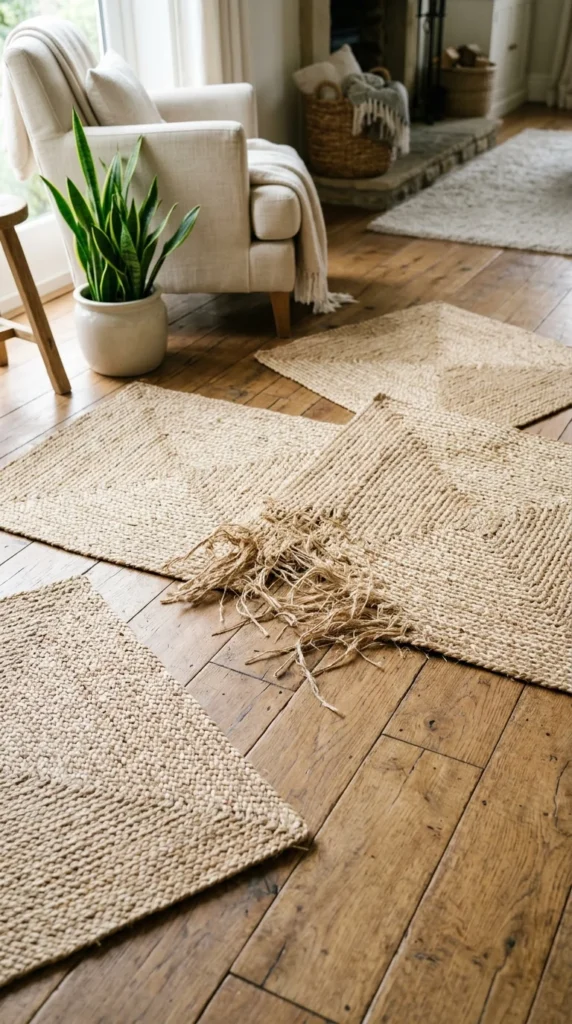
Instead of letting your bunny dig at your expensive carpet, provide them with seagrass or maize mats. These are 100% natural and safe to consume. Placing them in corners where your rabbit tends to dig will redirect their natural behavior toward a destructive task that is actually beneficial for their dental health.
10. Baby Gates
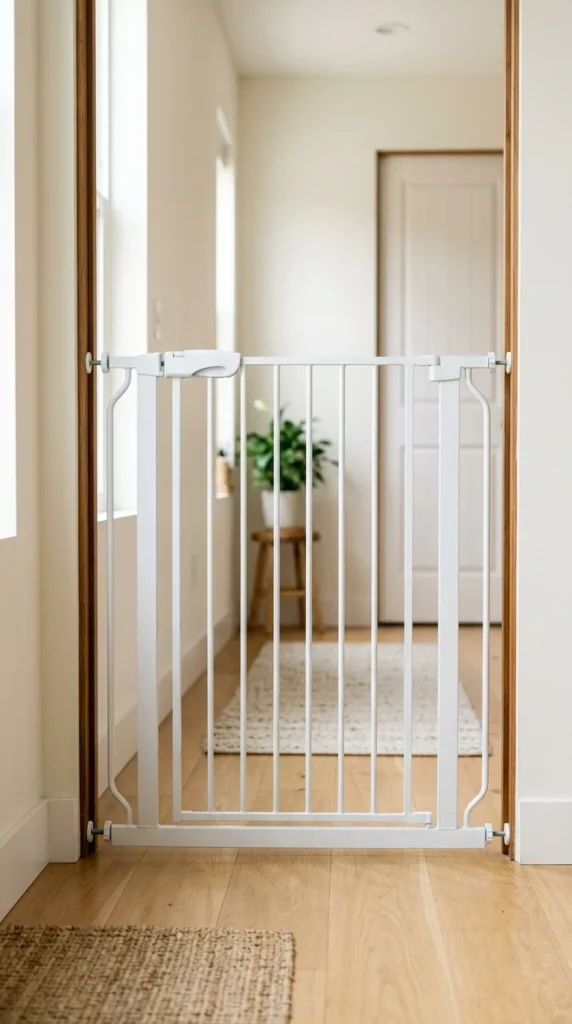
To keep your rabbit out of certain rooms entirely—like a kitchen with low-hanging appliances or a bathroom with cleaning supplies—install a baby gate. Ensure the bars are narrow enough (usually less than 2 inches) so the rabbit cannot squeeze through. If the bars are too wide, you can zip-tie hardware cloth or plastic mesh to the gate for extra security.
11. Blocked Couches
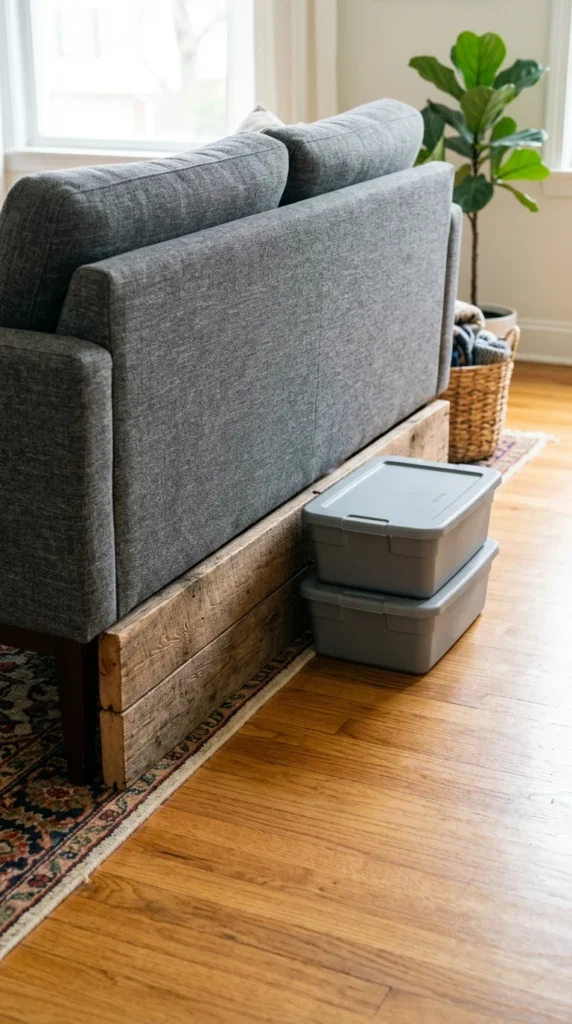
The underside of a couch is a “forbidden forest” for rabbits. They can get stuck, chew the internal wooden frame, or even burrow into the upholstery. Use “under-couch blockers” or long pieces of lumber to close the gap between the floor and the furniture. This keeps your bunny in sight and out of the structural elements of your seating.
12. High Shelving
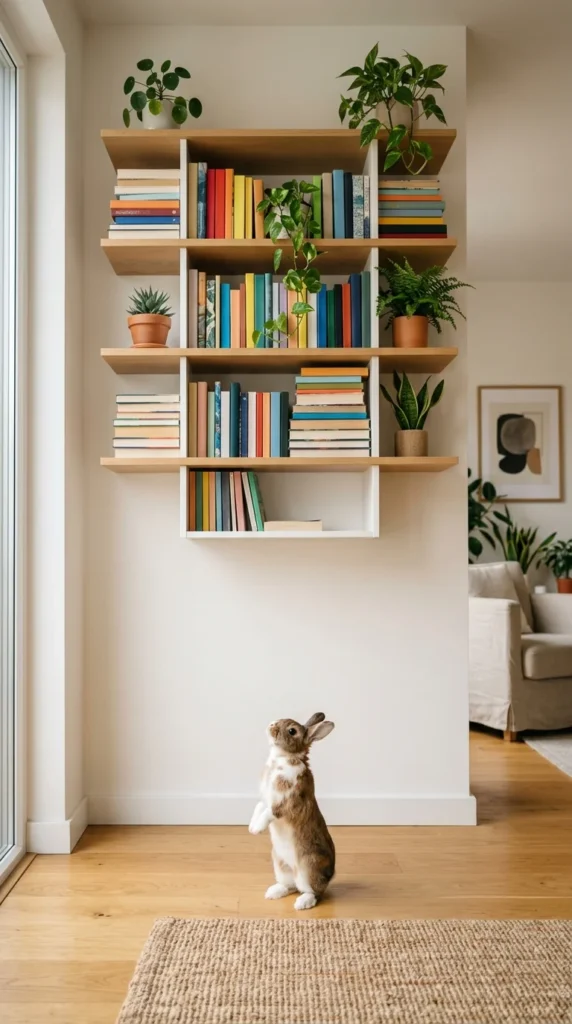
If you have valuable books, houseplants, or knick-knacks, move them up. Rabbit proofing often means living vertically. Ensure that nothing toxic or fragile is kept on the bottom two shelves of any bookcase. Rabbits are surprisingly good jumpers, so aim for a height of at least 3 feet for anything you want to keep absolutely pristine.
13. Safe Houseplants
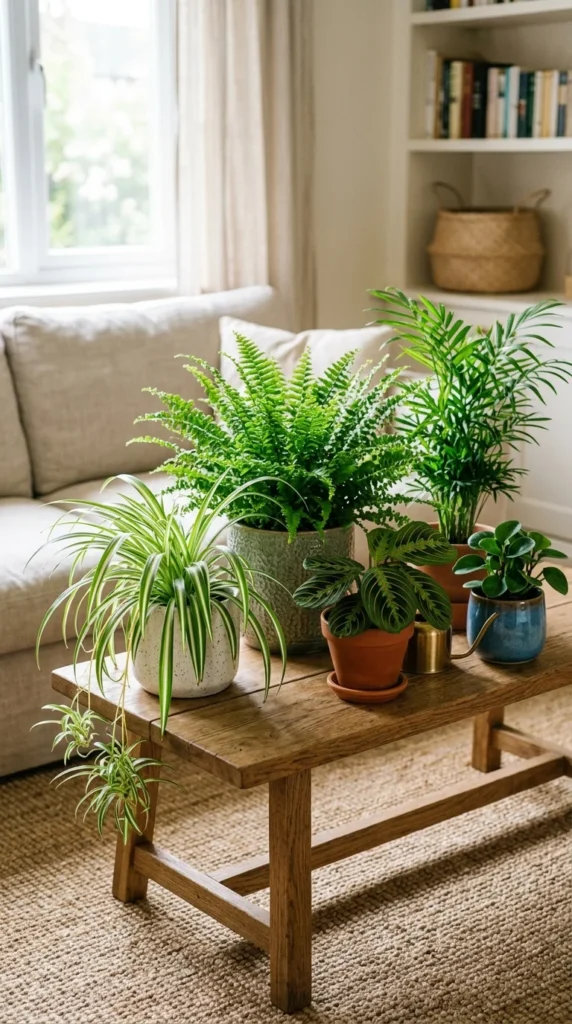
Many common houseplants, such as lilies, ivy, and philodendrons, are toxic to rabbits. If you want to keep greenery at bunny-level, stick to safe options like spider plants, Boston ferns, or culinary herbs like basil and parsley. Even with safe plants, it is best to keep them out of reach to prevent your rabbit from overindulging and ruining your indoor garden.
14. Digging Boxes
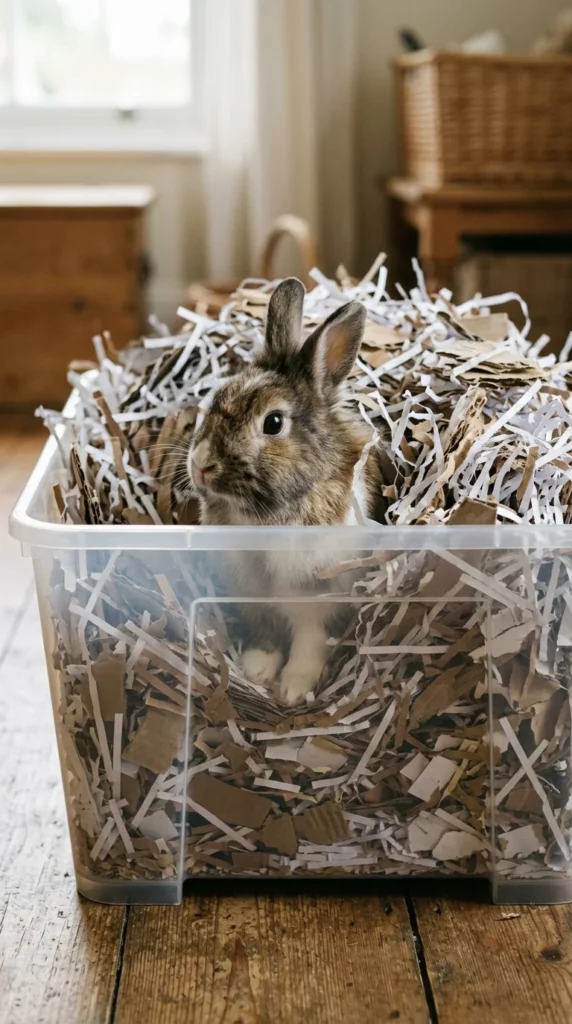
Rabbits have an innate desire to dig. If you don’t provide an outlet, they will use your carpet. Create a “digging box” using a large cardboard box or plastic bin filled with shredded paper, hay, or safe soil. This allows them to satisfy their instincts in a controlled environment, keeping your flooring intact.
15. Chew Sticks

Redirecting behavior is the key to rabbit proofing. Provide an abundance of safe chew toys, such as apple wood sticks, willow balls, and dried bamboo. By giving them something better and tastier to chew on, they are far less likely to seek out your furniture or baseboards.
16. Foraging Toys

A bored rabbit is a destructive rabbit. Keep their minds occupied with foraging toys that require them to work for their food. This could be as simple as hiding pellets in a crumbled-up paper bag or using high-quality wooden logic toys. Mental stimulation reduces the likelihood of “nuisance chewing” around the house.
17. Cardboard Castles
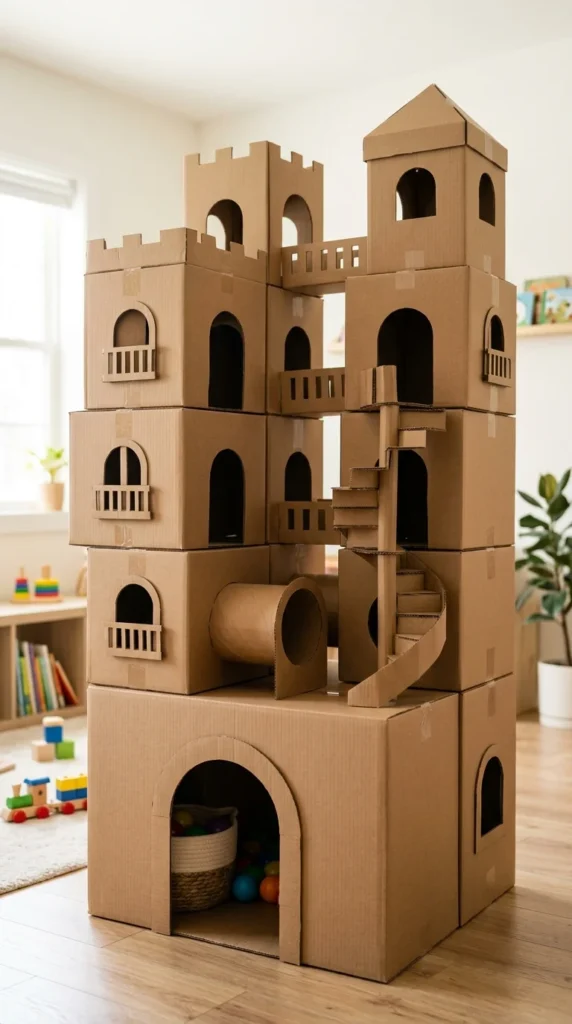
Cardboard is a rabbit’s best friend. Instead of throwing away delivery boxes, turn them into “castles.” Rabbits love to hide in them and customize them by chewing new “back exits.” This provides them with a sense of security and a safe outlet for their destructive tendencies that doesn’t cost you a dime.
18. Hidden Trash
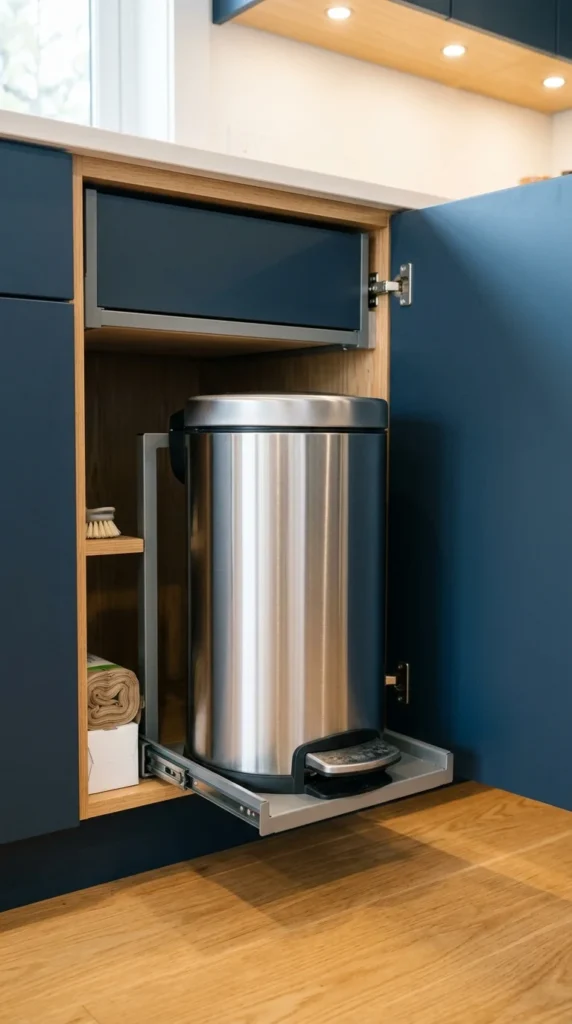
Rabbits are scavengers and will happily tip over a small wastebasket to find treats or interesting textures. Use trash cans with heavy lids or, better yet, keep your bins inside cabinets with child-proof latches. This prevents them from ingesting plastic liners or harmful food scraps.
19. Wire Boxes
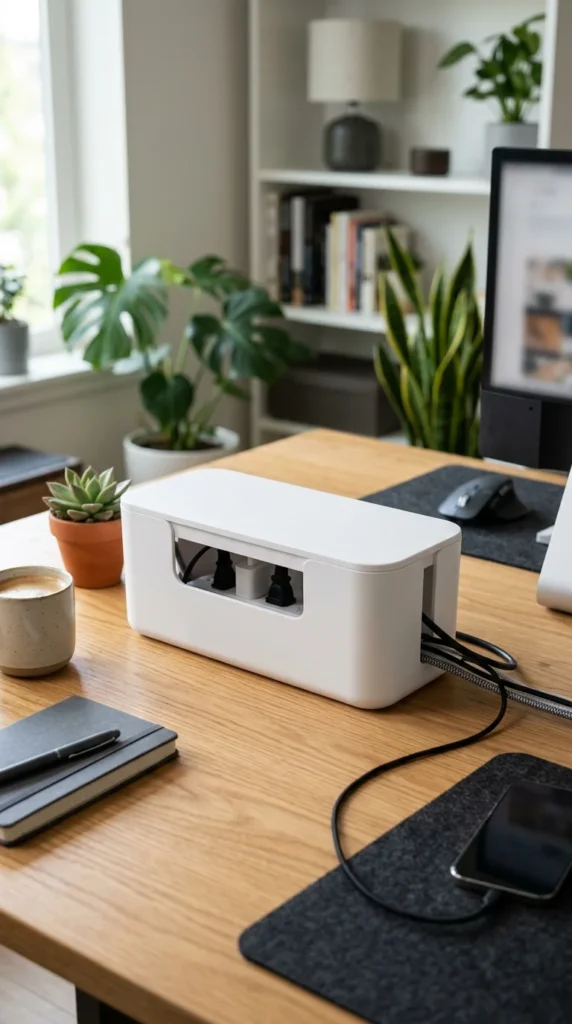
In areas with a high concentration of plugs, like a home office, a cable management box is essential. These boxes house your entire power strip and all the messy excess cord length. It looks cleaner to the human eye and presents a smooth, un-chewable surface to the rabbit, effectively neutralizing the most dangerous area of the room.
20. No-Chew Sprays
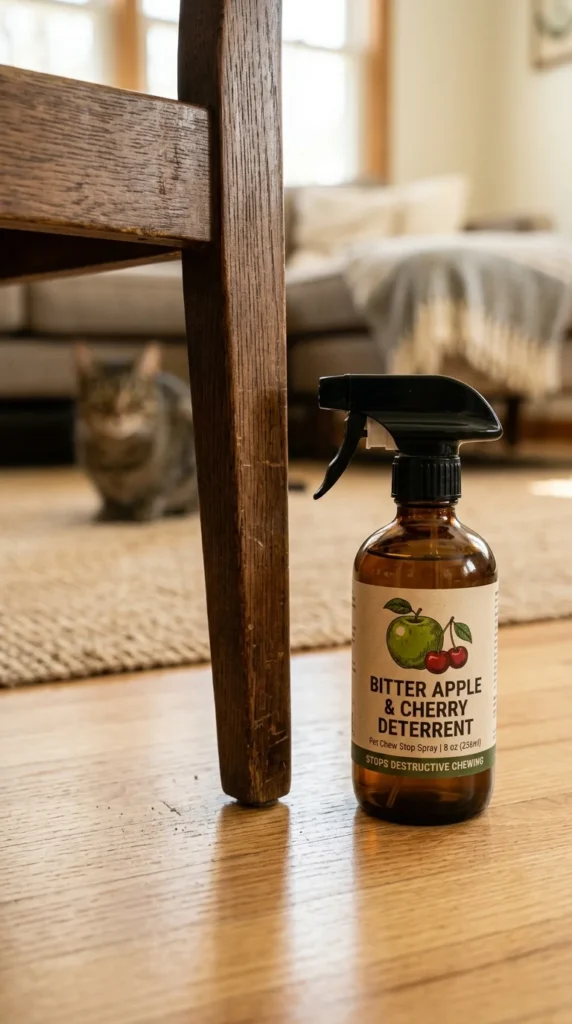
While not 100% effective for every rabbit, bitter sprays (like bitter apple or cherry) can act as a deterrent. Spray these on items you cannot easily cover, like the fabric of a chair. Always test a small area first to ensure it doesn’t stain, and remember that some “weirdo” bunnies actually enjoy the taste, so monitor their reaction.
21. Door Guards
If your rabbit spends time in a room with the door closed, they may try to dig their way out at the base of the door. You can install metal or plastic “kick plates” at the bottom of doors to prevent them from shredding the wood or the carpet underneath the door frame.
22. Tile Surfaces
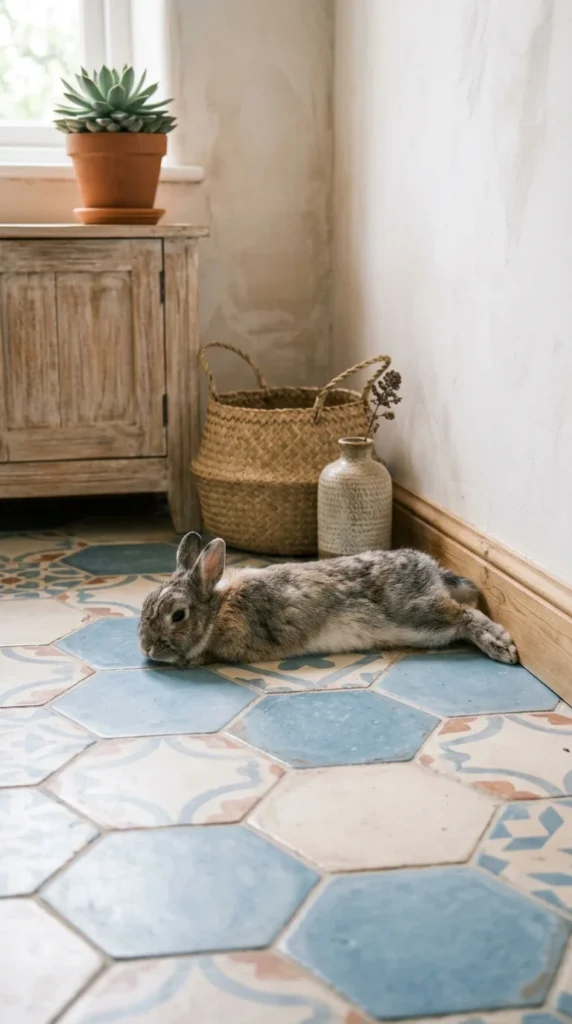
In the summer months, rabbits can overheat. Providing a “cool zone” with ceramic tiles or a marble slab gives them a safe place to regulate their temperature. From a proofing perspective, tile is also indestructible and cannot be chewed or dug up, making it the perfect flooring for a high-traffic bunny area.
23. Pen Enclosures
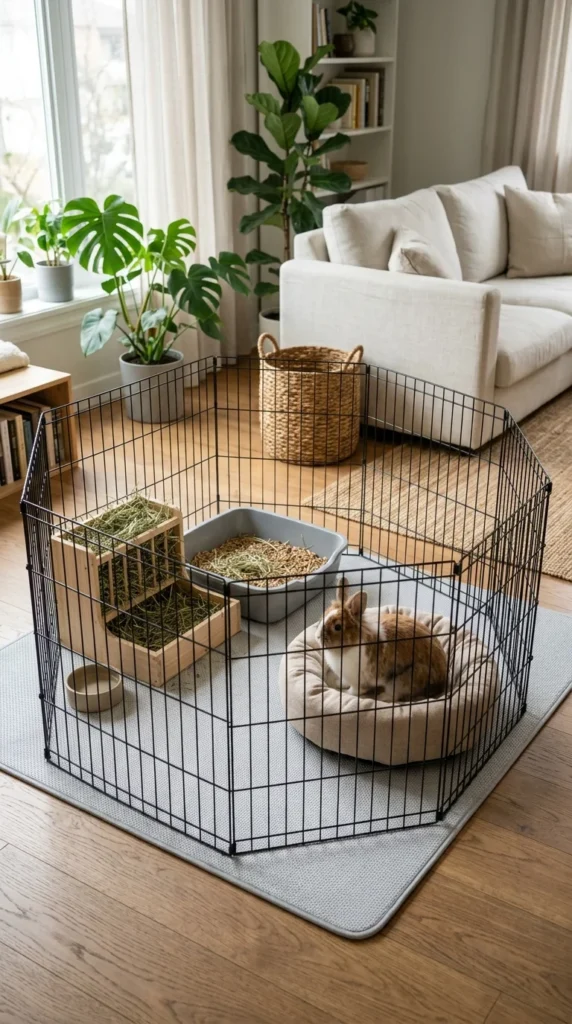
Sometimes the best way to rabbit proof is to create a “home base” using an exercise pen (X-pen). This gives the rabbit a large, safe space to stay when you aren’t around to supervise. By making the pen large and filling it with toys, the rabbit won’t feel cramped, and your home will remain perfectly safe while you sleep or work.
24. Closet Security
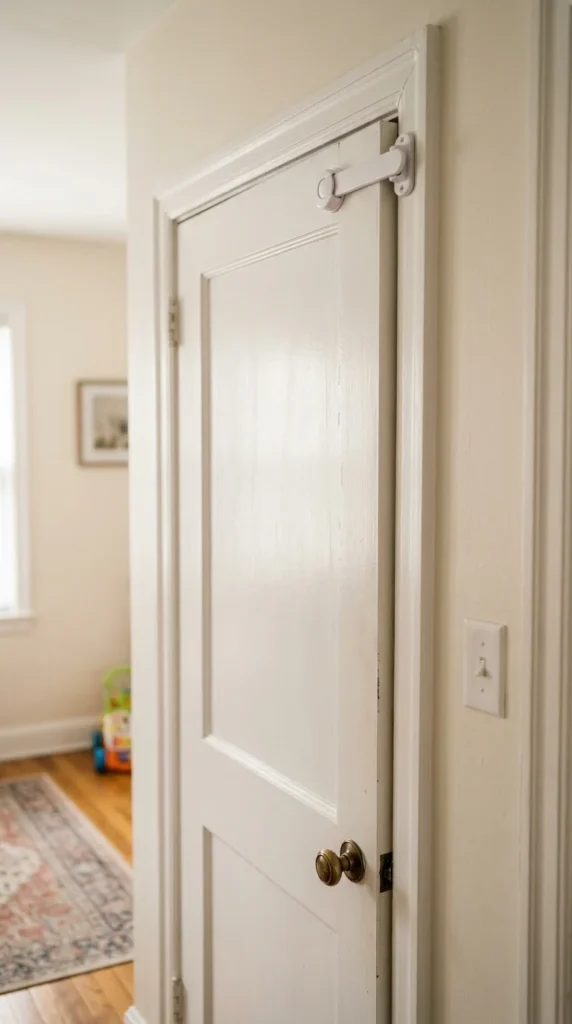
Never underestimate a rabbit’s ability to nudge open a closet door. Closets are often full of shoes, cleaning chemicals, and storage boxes—all of which are tempting targets. Use simple child-proof latches or even heavy doorstops to ensure your closets remain off-limits to your curious furry companion.