
Parrots are among the most intelligent, charismatic, and demanding companions in the animal kingdom. Owning one is less like having a pet and more like living with a perpetual toddler who has a pair of bolt cutters on their face. To ensure these magnificent creatures thrive in a domestic environment, owners must go beyond the basics of food and water. This guide explores 21 critical pillars of parrot care to help your feathered friend live a long, vibrant life.
1. Spacious Cages
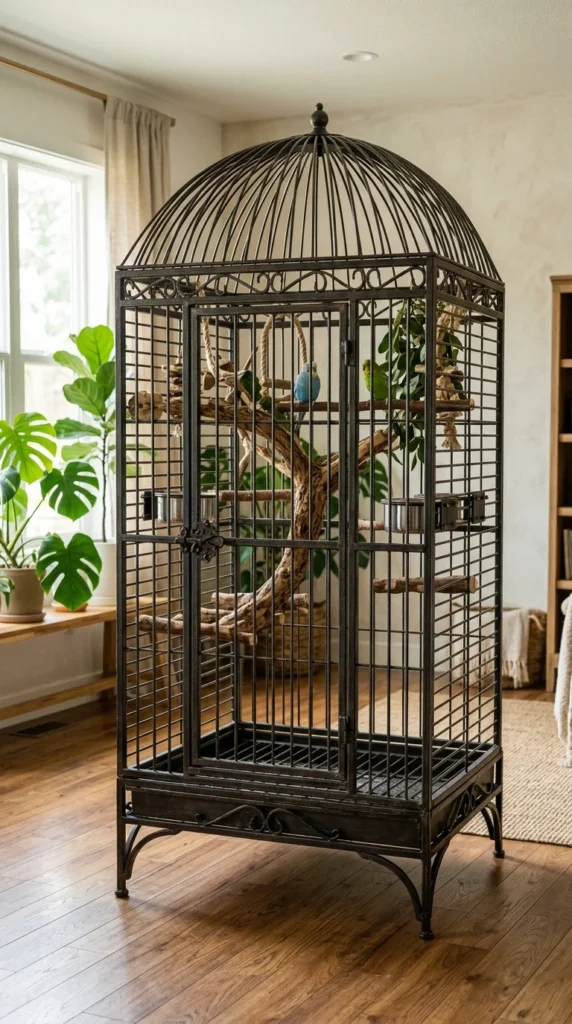
The cage is your parrot’s sanctuary, not a prison. The rule of thumb is to buy the largest cage you can afford and fit in your home. A bird should be able to fully extend and flap its wings without touching the sides or any toys. For smaller birds like cockatiels, horizontal space is vital for flight, while larger parrots like Amazons or Macaws need vertical height and heavy-duty bars that can withstand their powerful beaks.
2. Balanced Diet

Gone are the days when a bag of sunflower seeds was considered sufficient. Seeds are high in fat and low in essential vitamins, leading to obesity and fatty liver disease. A healthy parrot diet should consist of 60-70% high-quality formulated pellets, with the remainder made up of “chop”—a mix of fresh vegetables, legumes, grains, and occasional fruits.
3. Fresh Water
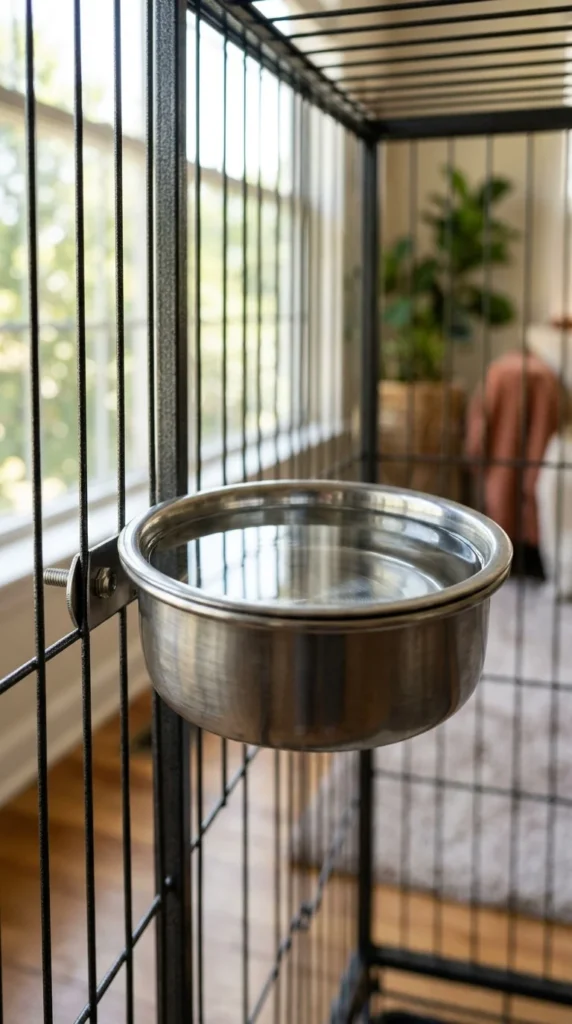
Parrots often treat their water bowls like soup crocks, dunking food or even bathing in them. Bacterial growth happens rapidly in contaminated water. You must change the water at least twice a day and scrub the bowl with soap and water daily to prevent the buildup of “biofilm,” which can harbor dangerous pathogens.
4. Mental Stimulation
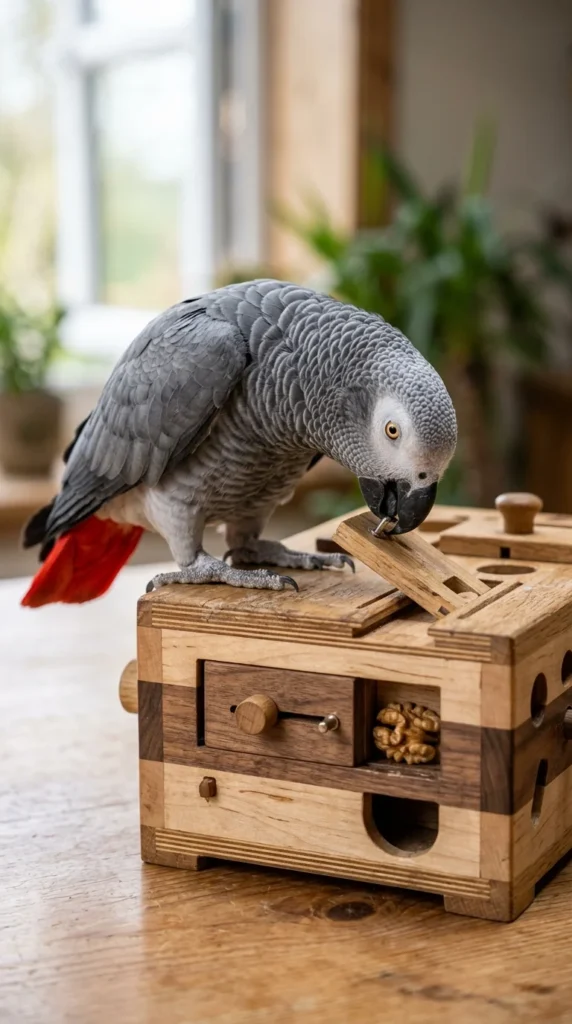
Parrots have the cognitive abilities of a 3-to-5-year-old human child. Without mental challenges, they become bored, which leads to screaming, feather plucking, and aggression. Provide a variety of “thinking” toys, such as puzzles that require them to twist, pull, or slide components to reach a reward.
5. Social Interaction
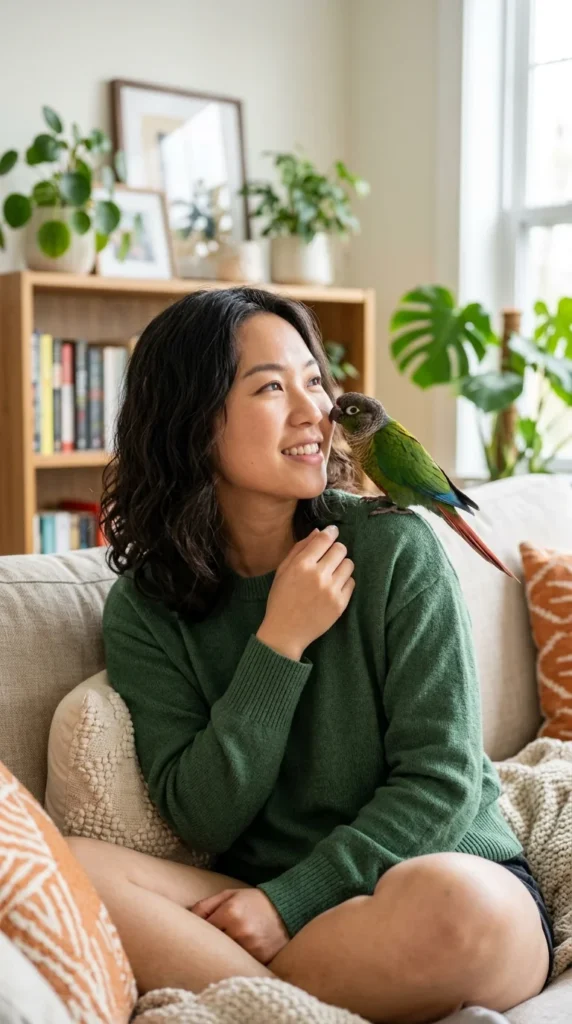
In the wild, parrots are never alone. They are flock animals that rely on social bonds for safety and emotional well-being. A solitary parrot is a stressed parrot. Plan to spend at least 3 to 4 hours of quality time with your bird every day, involving them in your daily activities like watching TV, reading, or even doing dishes.
6. Safe Toys
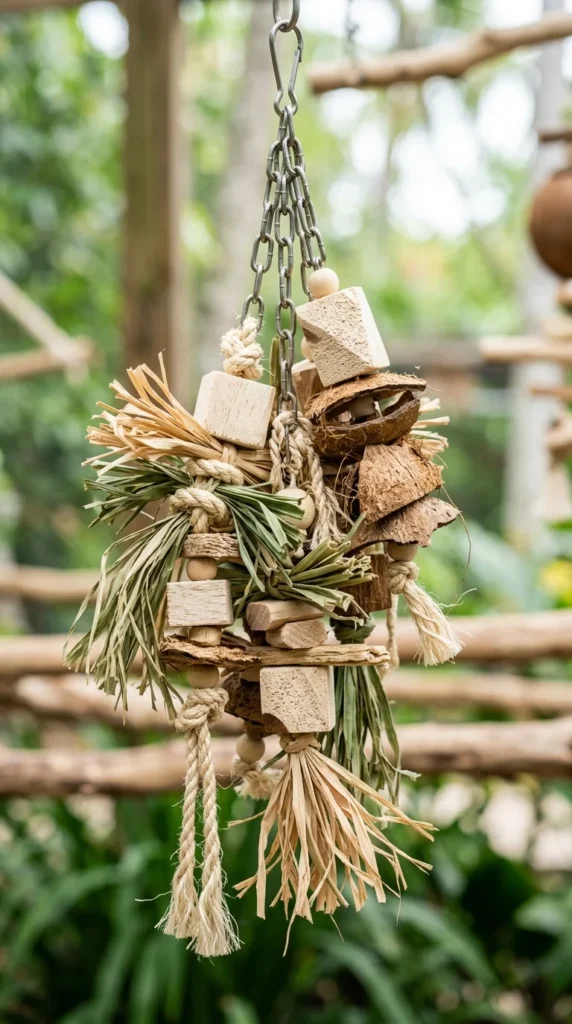
Not all bird toys are created equal. Avoid toys with small bells that can trap a beak, or rope toys that fray easily and can be ingested. Stick to natural materials like wood, paper, and vegetable-tanned leather. Ensure the toy size is appropriate for the bird; a toy meant for a parakeet can be a choking hazard for a Macaw.
7. Regular Grooming
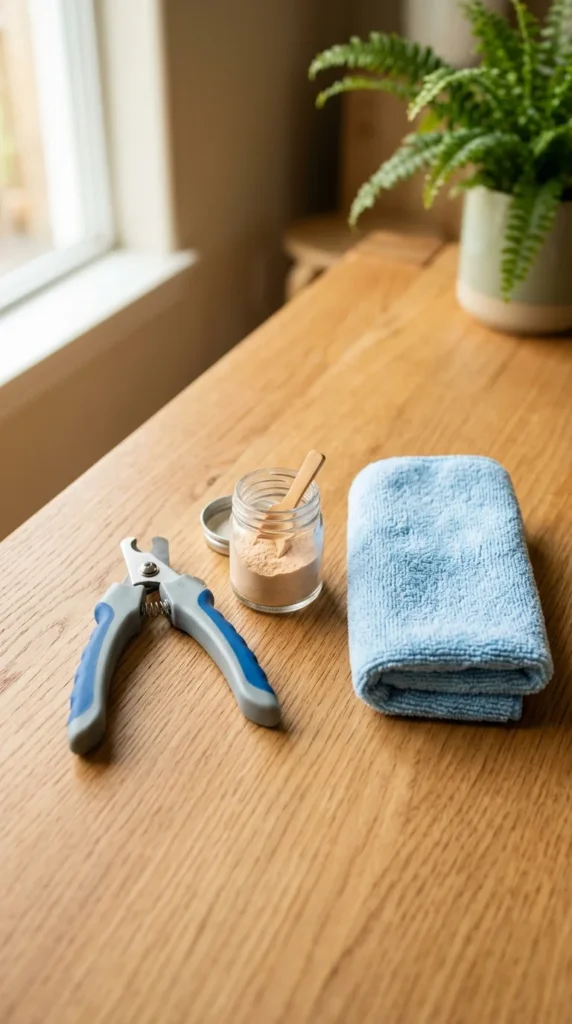
Parrots need their nails trimmed to prevent them from getting snagged on fabric or scratching their own skin. Additionally, some birds may need their beaks filed if they don’t have enough chewing surfaces to wear them down naturally. Always keep styptic powder on hand to stop bleeding in case a nail is cut too short.
8. Sleep Routine
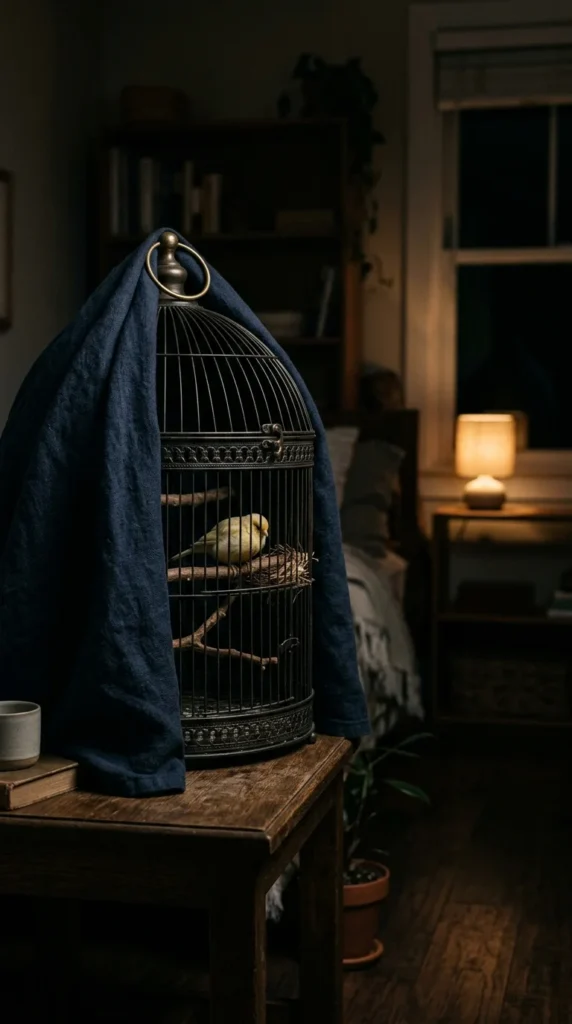
Parrots require 10 to 12 hours of uninterrupted, dark, and quiet sleep every night. Inadequate sleep can lead to hormonal imbalances, irritability, and a weakened immune system. If your bird’s cage is in a high-traffic area, consider a “sleeper cage” in a quiet spare room.
9. Flight Exercise
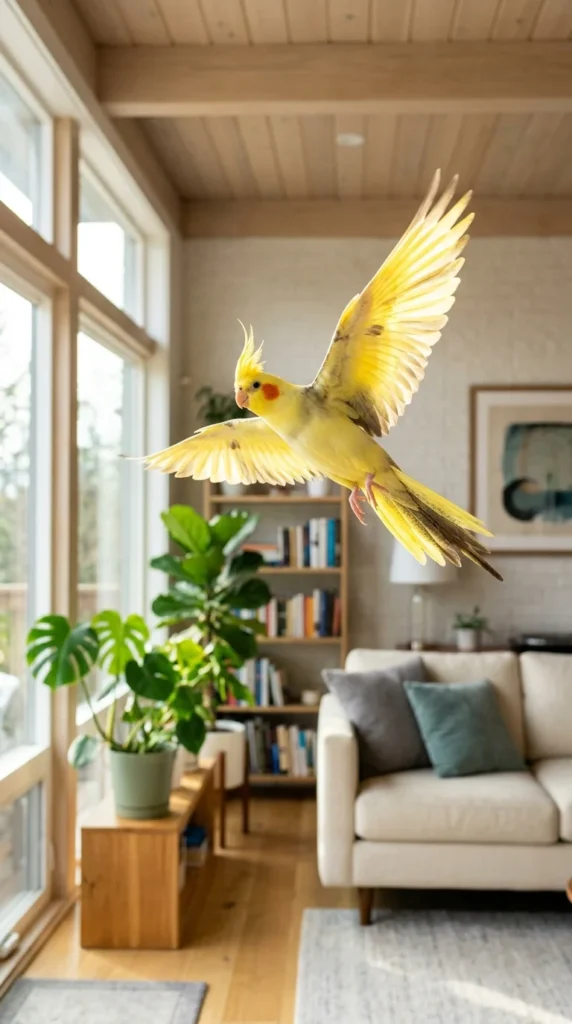
Unless medically necessary, birds should be allowed to fly. Flight is the most effective form of cardiovascular exercise for a parrot. It strengthens their chest muscles and keeps their respiratory system healthy. Ensure the room is safe by closing curtains (so they don’t hit windows) and turning off ceiling fans.
10. Foraging Activities
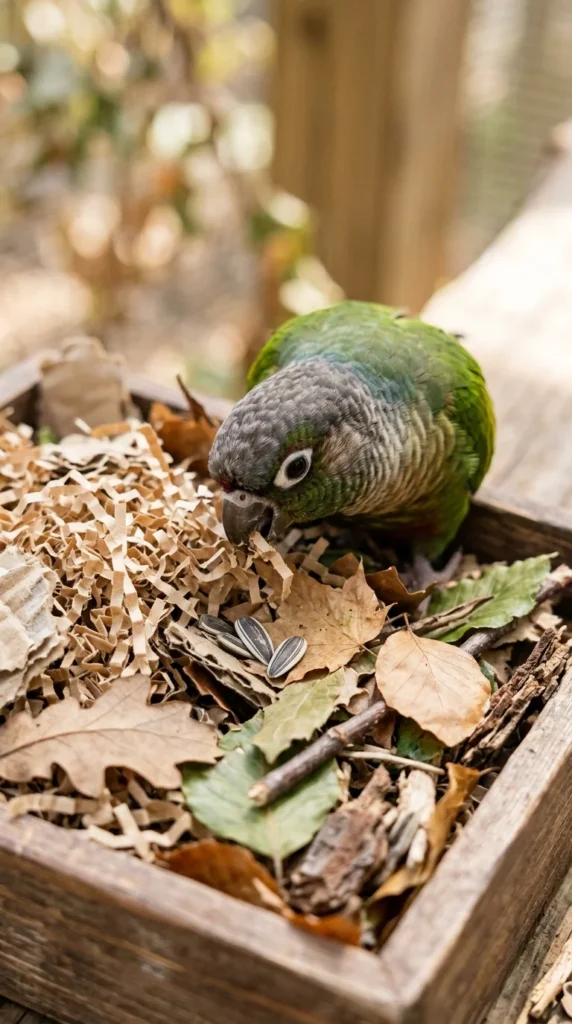
In the wild, parrots spend about 80% of their waking hours searching for food. In captivity, we hand them a bowl, leaving them with too much free time. Foraging mimics natural behavior. Hide treats inside cardboard rolls, wrap them in paper, or use commercial foraging toys to make your bird “work” for their snacks.
11. Vet Checkups
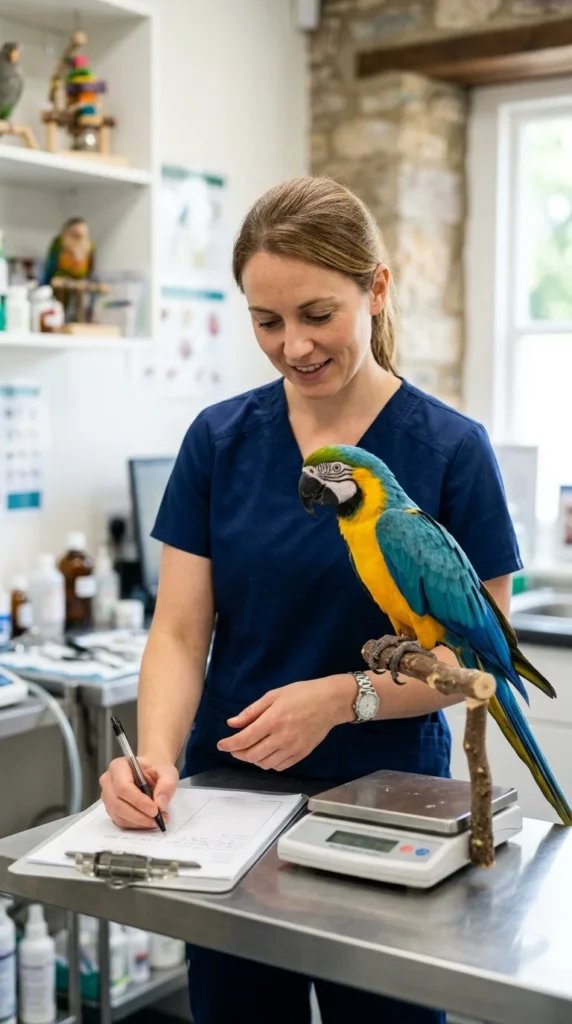
Parrots are masters at hiding illness; by the time they look sick, they are often critically ill. An annual exam with a certified avian veterinarian is non-negotiable. These checkups usually include blood work and fecal exams to catch underlying issues like infections or organ dysfunction before they become fatal.
12. Air Quality

Parrots have incredibly sensitive respiratory systems. Common household items like non-stick (Teflon) pans, scented candles, incense, air fresheners, and cleaning chemicals can be toxic or instantly fatal. Use bird-safe cleaning agents like diluted vinegar and ensure the air is filtered to remove “bird dust” (dander).
13. Humidity Control

Most parrots originate from tropical climates where humidity is high. Modern air conditioning and heating dry out the air, leading to itchy skin and brittle feathers. Using a humidifier or bringing your bird into the bathroom while you shower (to enjoy the steam) can keep their skin hydrated and feathers glossy.
14. Positive Reinforcement
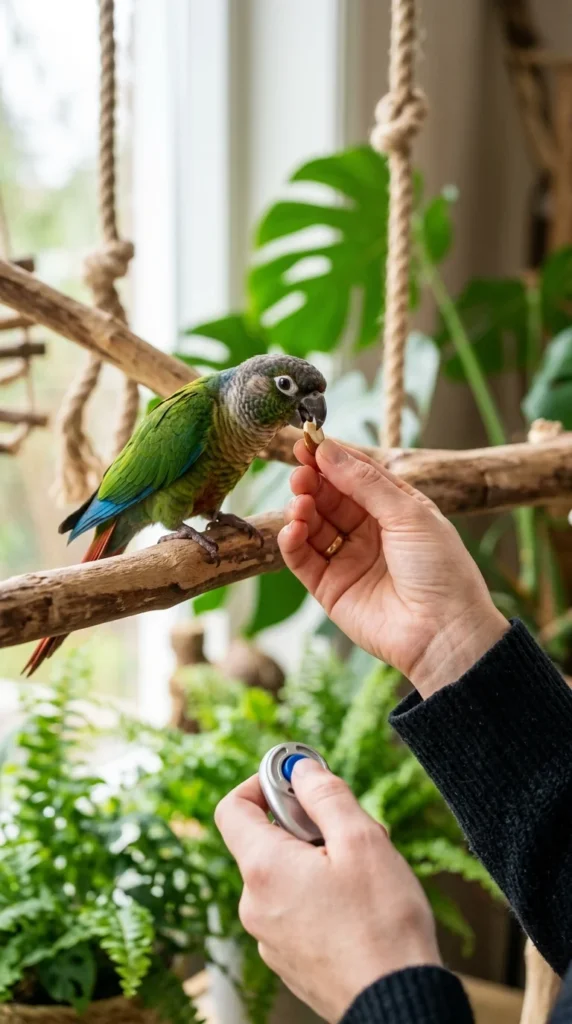
Training is a fantastic way to bond and manage behavior. Use positive reinforcement—rewarding desired behaviors with treats and praise—rather than punishment. You can teach “Step Up,” “Target Training,” or even fun tricks like waving. This builds trust and gives the bird a sense of accomplishment.
15. Beak Maintenance
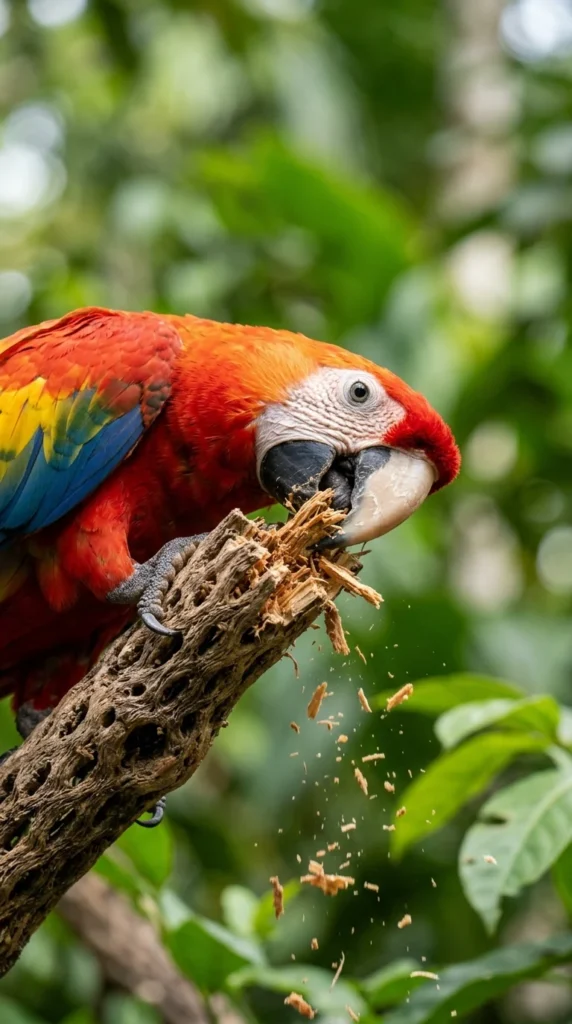
A parrot’s beak grows continuously throughout its life. To keep it trim and healthy, they need “destroyable” items. Provide plenty of softwoods, lava rocks, and calcium blocks. Chewing isn’t just maintenance; it’s a natural outlet for their energy and helps prevent the beak from becoming overgrown or misshapen.
16. Sunlight Exposure
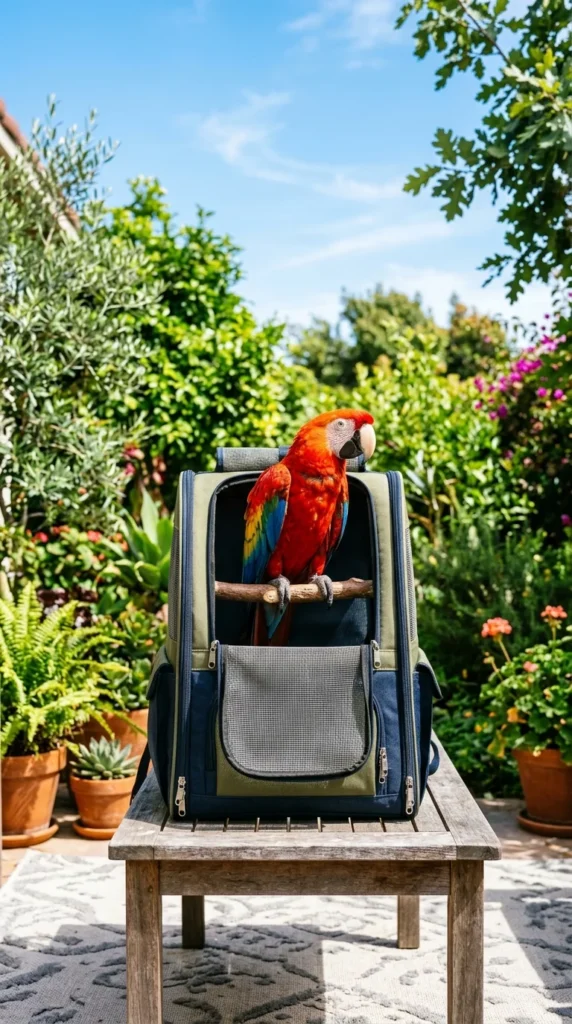
Natural, unfiltered sunlight is essential for Vitamin D3 synthesis, which helps parrots absorb calcium. Glass windows block most beneficial UV rays. If possible, take your bird outside in a secure carrier or aviary for 20-30 minutes a day, or invest in a high-quality full-spectrum avian lamp.
17. Cleaning Habits
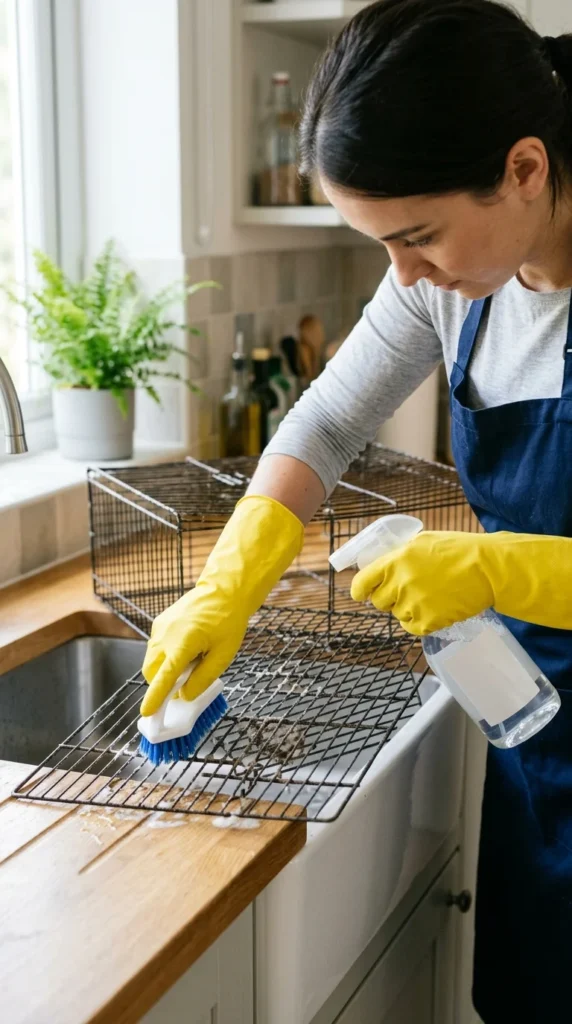
Birds are messy. They drop food, throw dander, and poop frequently. A daily cleaning of the cage tray and a weekly deep scrub of the entire cage, perches, and toys is necessary to prevent the growth of mold and bacteria that could make your bird sick.
18. Toxic Awareness
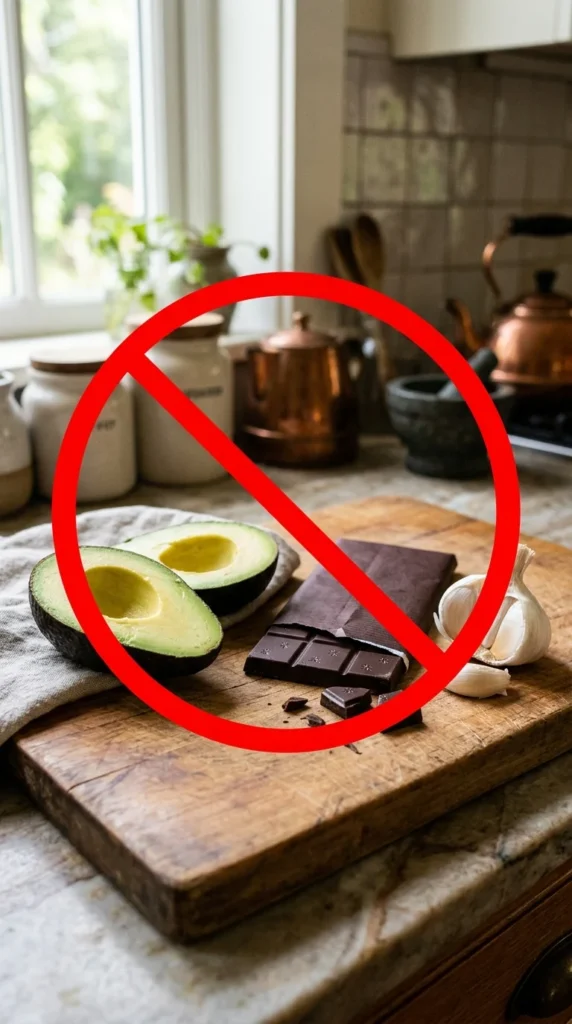
Many common foods are poisonous to parrots. This list includes avocado, chocolate, caffeine, alcohol, onions, garlic, and fruit pits (which contain trace amounts of cyanide). Always research a new food item before offering it to your bird to ensure it is 100% safe.
19. Bathing Rituals
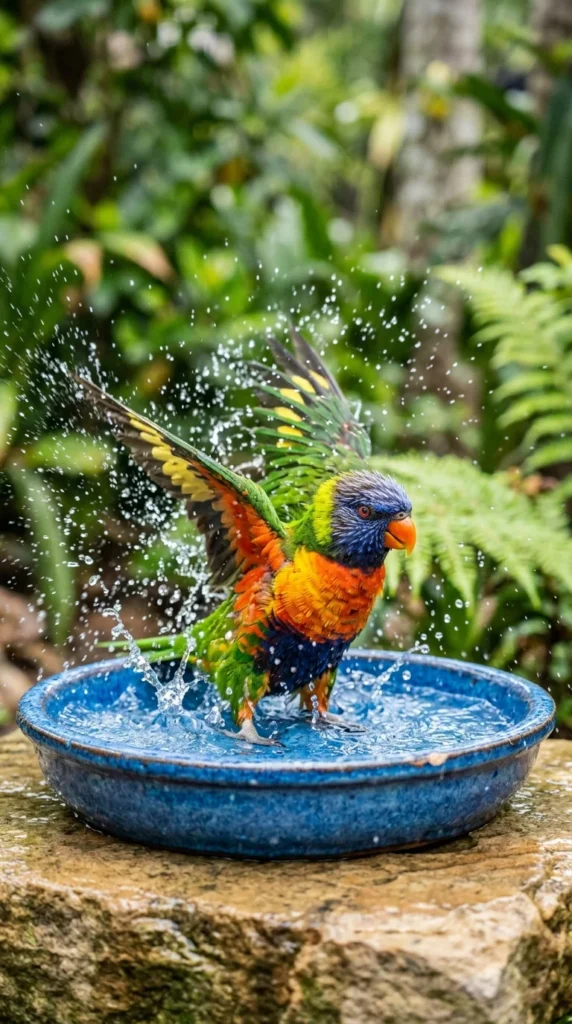
Most parrots love water. Whether it’s a shallow dish for splashing, a gentle misting from a spray bottle, or a perch in the shower, regular bathing is vital. It helps remove dander, encourages preening, and keeps the feathers in top aerodynamic condition.
20. Quiet Time
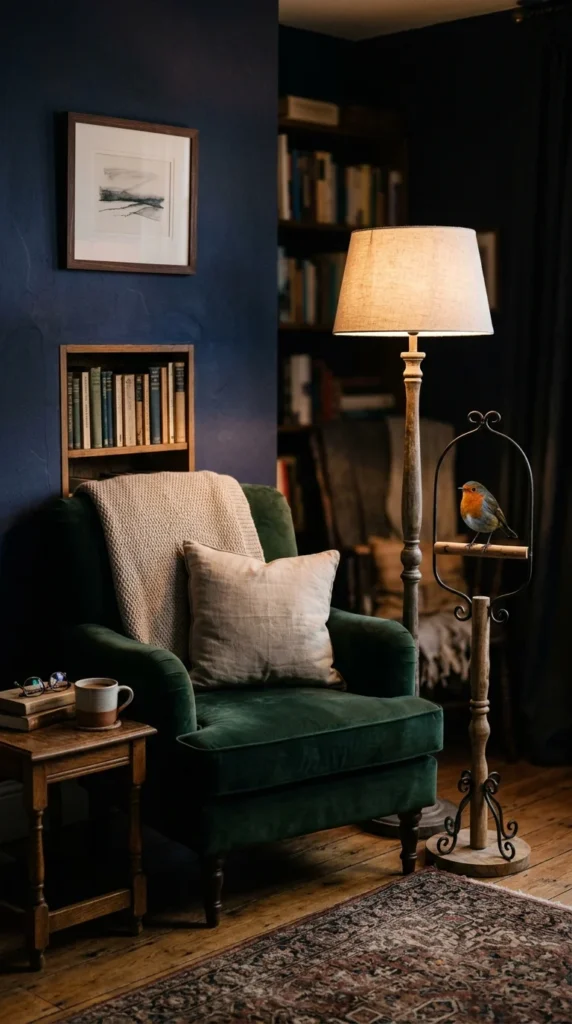
While parrots are social, they also need moments of calm. Constant noise and high-energy environments can lead to sensory overload. Ensure your bird has a “quiet zone” where they can retreat if the household gets too loud, allowing them to decompress and rest during the day.
21. Lifelong Commitment
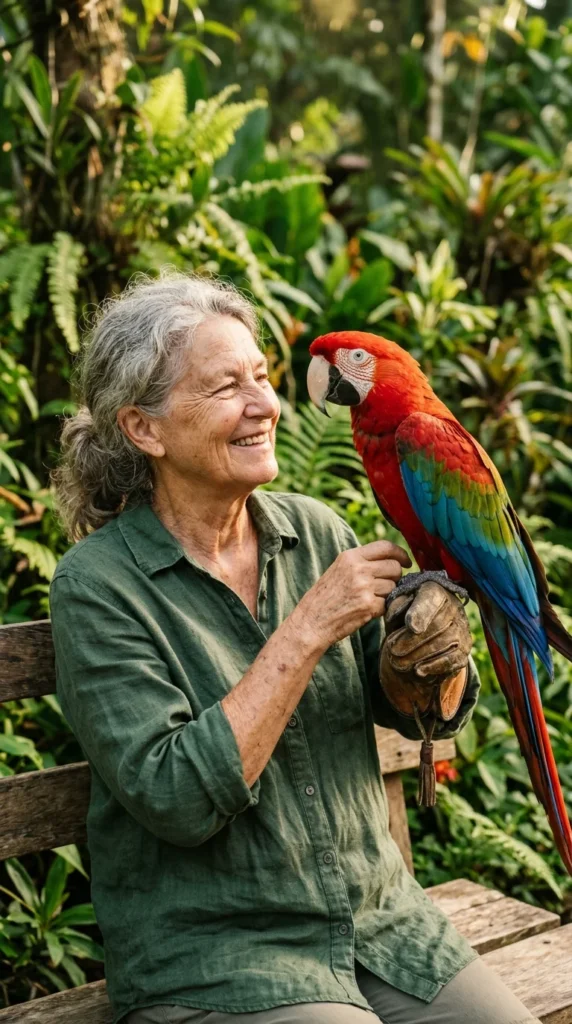
Depending on the species, parrots can live anywhere from 15 to 80 years. Owning one is a lifelong commitment that often requires planning for the bird’s care even after the owner is gone. Before bringing a parrot home, ensure you are ready for the decades of financial, emotional, and physical responsibility that come with these incredible animals.