
Bringing a bird into your home is a rewarding experience that offers companionship, entertainment, and a unique connection to nature. For those new to the world of aviculture, the sheer variety of species can be overwhelming. Some birds require intense socialization and have lifespans exceeding 60 years, while others are more independent and straightforward to care for. The key to a successful first experience is choosing a “beginner-friendly” bird—one that is typically hardier, more forgiving of minor husbandry mistakes, and generally more social or easier to tame.
This guide explores 26 of the best pet birds for beginners, ranging from the chatty budgie to the quiet, melodic canary.
1. Budgies
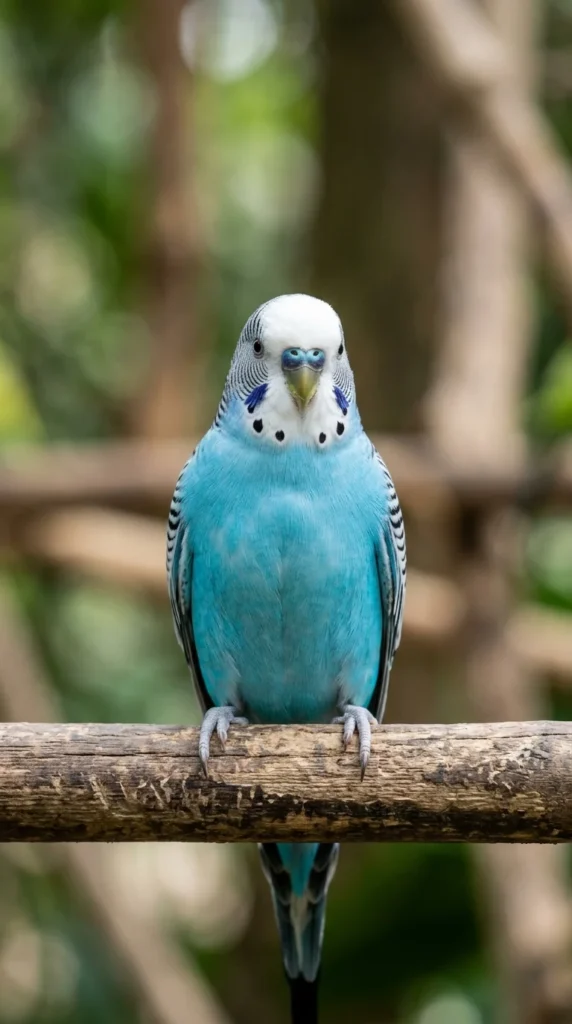
Commonly known as parakeets in the United States, Budgerigars (Budgies) are arguably the most popular pet bird in the world. They are small, inexpensive, and incredibly social. Despite their size, they are members of the parrot family and possess the ability to learn a surprisingly large vocabulary of words and whistles. They are perfect for beginners because they do not require massive cages, though they do need plenty of out-of-cage time and mental stimulation.
2. Cockatiels
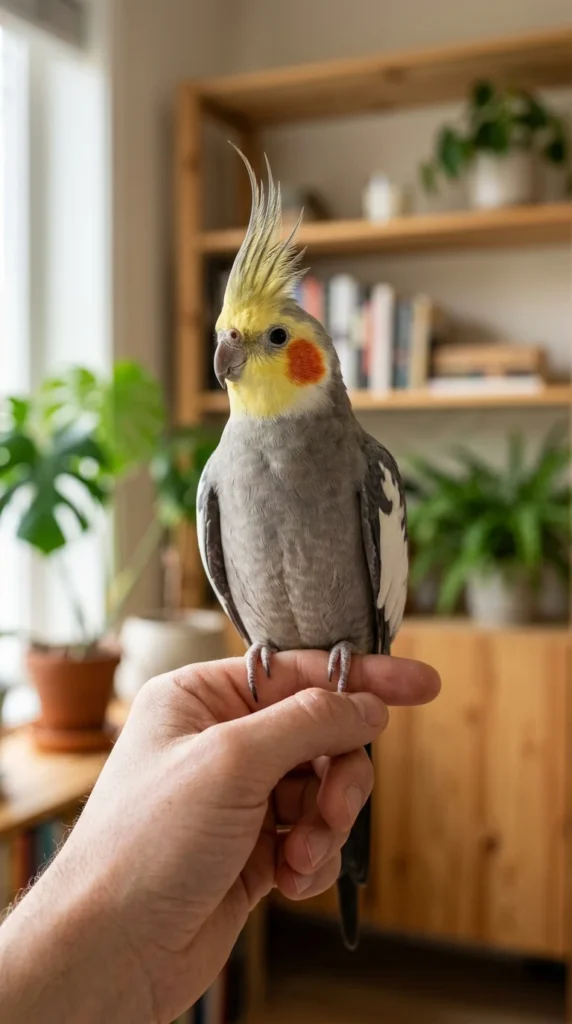
Cockatiels are beloved for their gentle and affectionate nature. They are slightly larger than budgies and are known for their whistling abilities rather than their talking skills. Males, in particular, are famous for serenading their owners. They are quite hardy and have a long lifespan for a small bird, often living 15 to 20 years. Their crest acts as a mood indicator, making it easy for beginners to understand their bird’s emotional state.
3. Zebra Finches
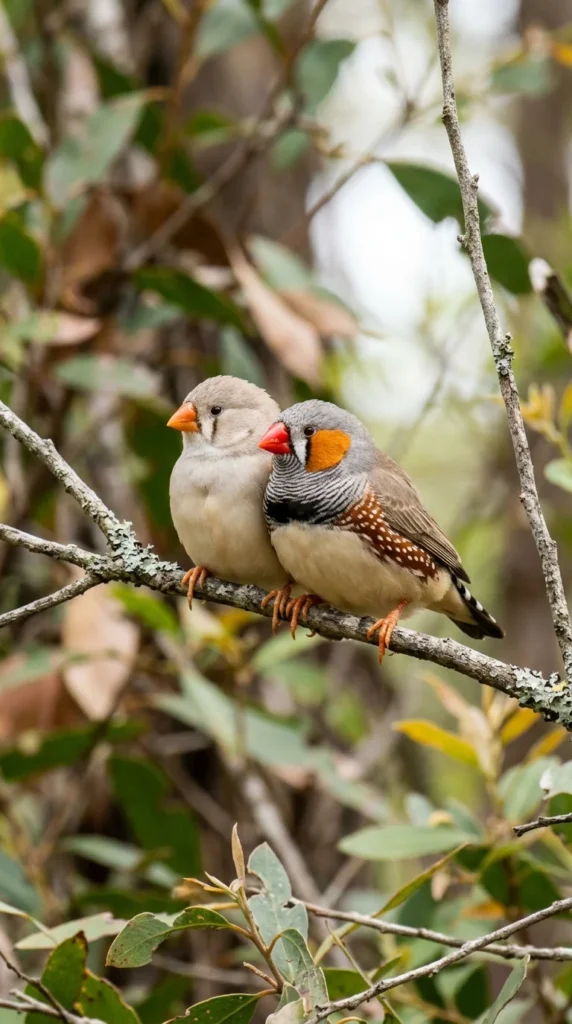
If you prefer a pet that is more “hands-off,” Zebra Finches are an excellent choice. They are active, busy birds that make delightful “beep-beep” sounds. Because they are highly social with their own kind, they should always be kept in pairs or small groups. They don’t require human handling to be happy, making them ideal for owners who enjoy observing bird behavior without the commitment of daily taming sessions.
4. Canaries
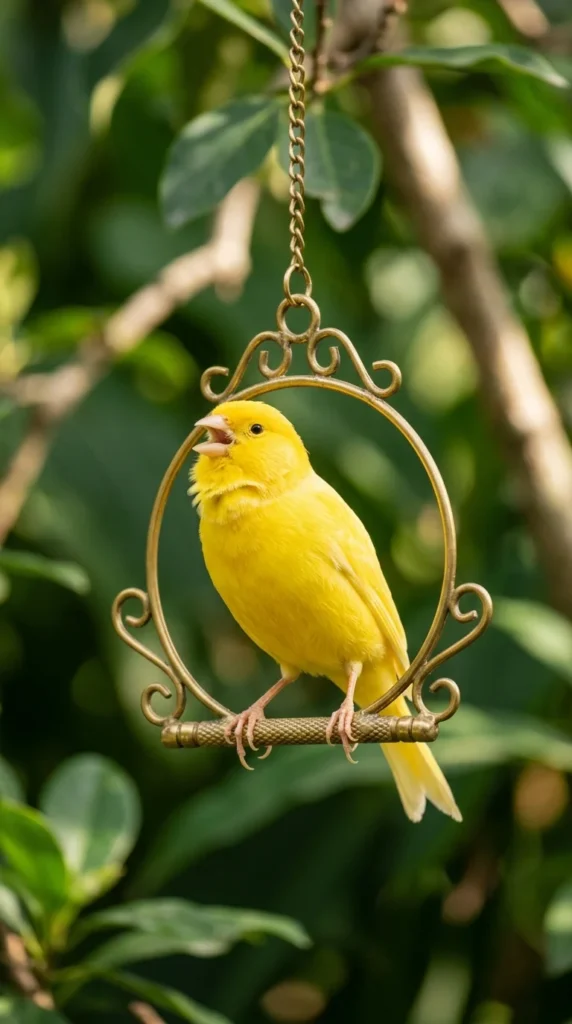
Canaries have been kept as pets for centuries, primarily for their beautiful singing voices. Unlike many other birds on this list, canaries are solitary and prefer to live alone. They do not require social interaction with humans to thrive, which is perfect for busy professionals. A large flight cage and a high-quality seed and pellet diet are the primary requirements for these cheerful, feathered musicians.
5. Peach-Faced Lovebirds
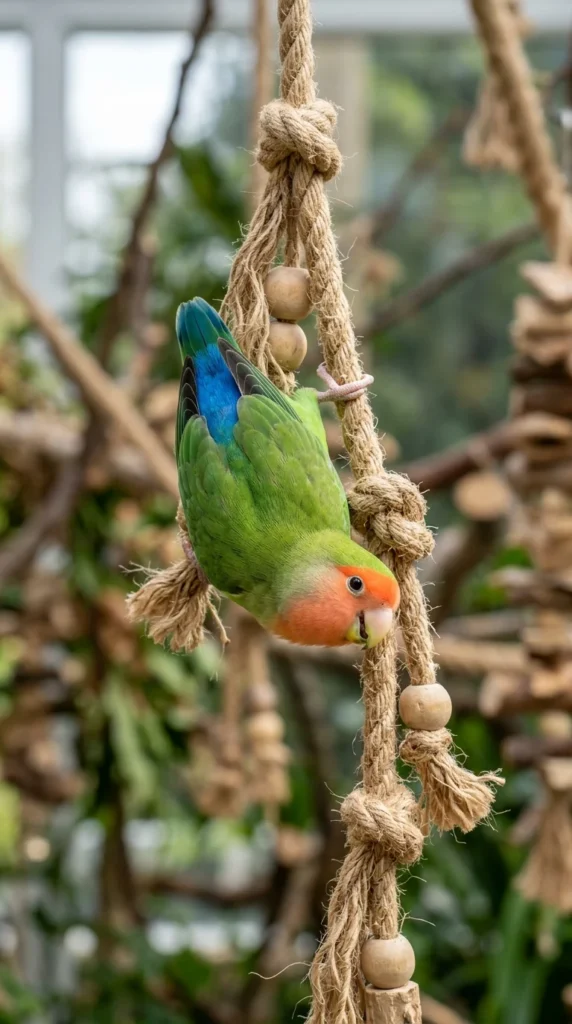
Lovebirds are “big parrots in a small body.” They are incredibly intelligent, feisty, and bold. While they have a reputation for being nippy if not handled regularly, a hand-tamed Peach-Faced Lovebird is one of the most loyal companions you can find. They are very active and need a variety of toys to keep their busy beaks occupied.
6. Green-Cheeked Conures
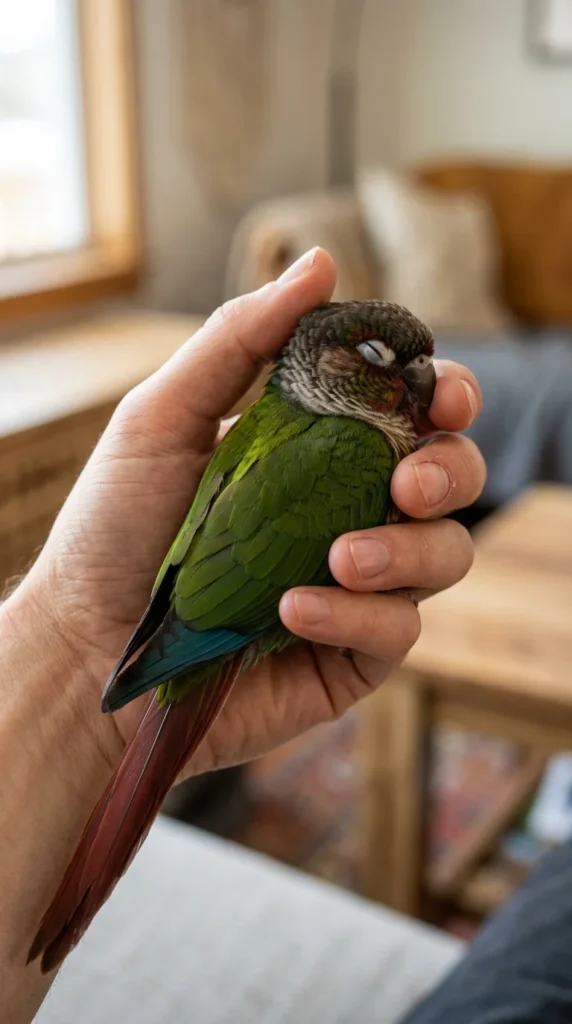
Conures are known for being loud, but the Green-Cheeked variety is significantly quieter than its cousins. They are the “cuddle bugs” of the bird world, often enjoying nothing more than tucked-in time under their owner’s chin. They are playful, can learn tricks, and have a comical personality that makes them a favorite among first-time parrot owners.
7. Pacific Parrotlets
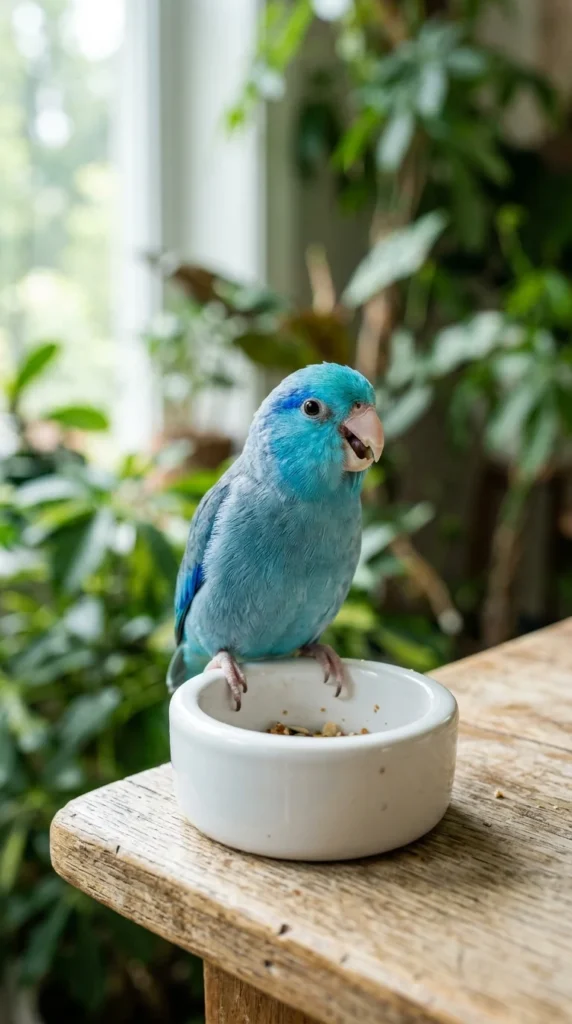
Often called “pocket parrots,” Pacific Parrotlets are the smallest parrot species kept as pets. Don’t let their size fool you; they have the temperament and intelligence of a large Amazon parrot. They are brave, curious, and can even learn to talk. Because they are so small, they are manageable for apartment dwellers, but they do require consistent handling to stay tame.
8. Bourke’s Parrots
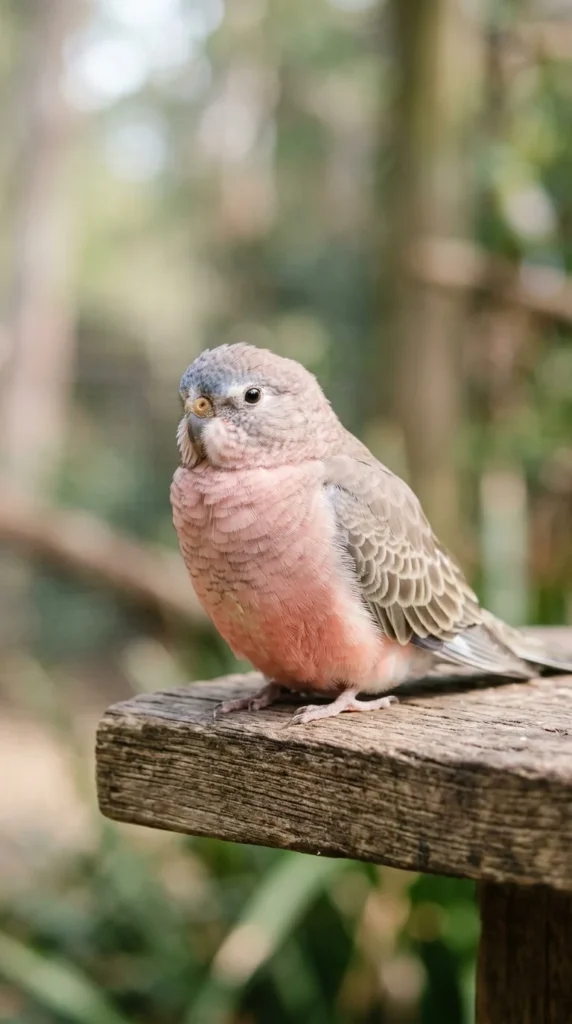
Bourke’s Parrots are unique because they are “crepuscular,” meaning they are most active at dawn and dusk. They are incredibly gentle and quiet, making them perfect for those who find the screaming of other parrots off-putting. They are not as “clingy” as conures but enjoy being in the same room as their human companions.
9. Diamond Doves
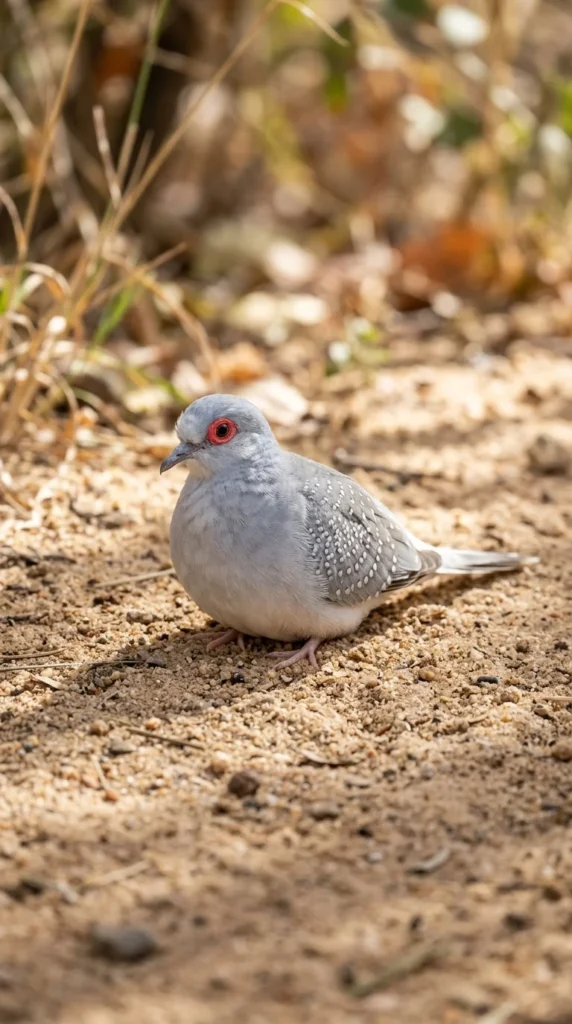
Doves are known for their peaceful nature, and the Diamond Dove is the smallest of the bunch. They have a very soothing cooing sound and are generally very easy to care for. They are ground-feeders, so they enjoy a cage with plenty of floor space. While they aren’t as “playful” as parrots, they can become quite tame with gentle interaction.
10. Society Finches
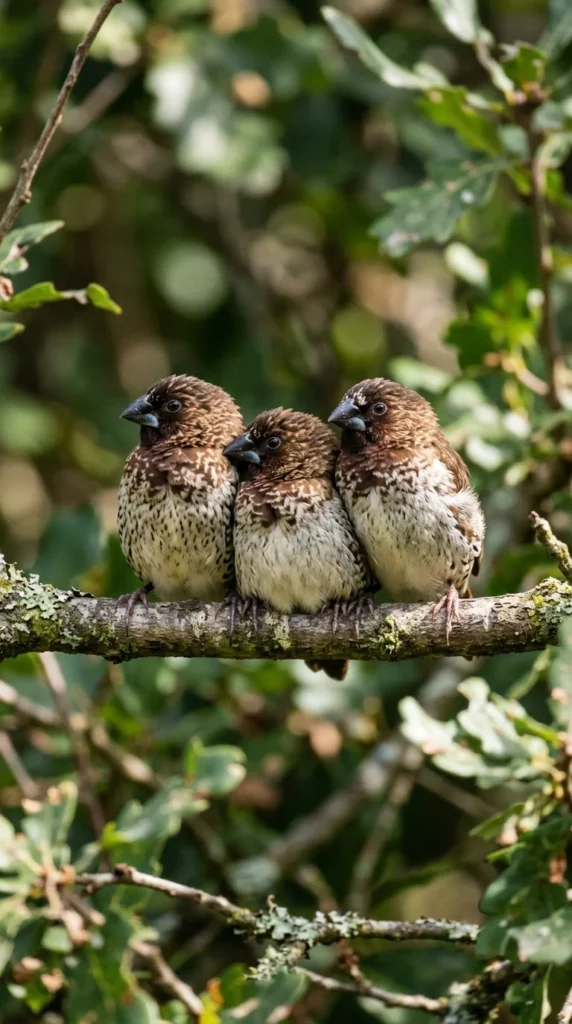
Society Finches are named for their extreme social nature. They are easy-going, non-aggressive, and get along with almost any other finch species. They are excellent for beginners because they are exceptionally hardy and easy to breed if that is an interest. Like Zebra Finches, they are more for observation than handling.
11. Pionus Parrots
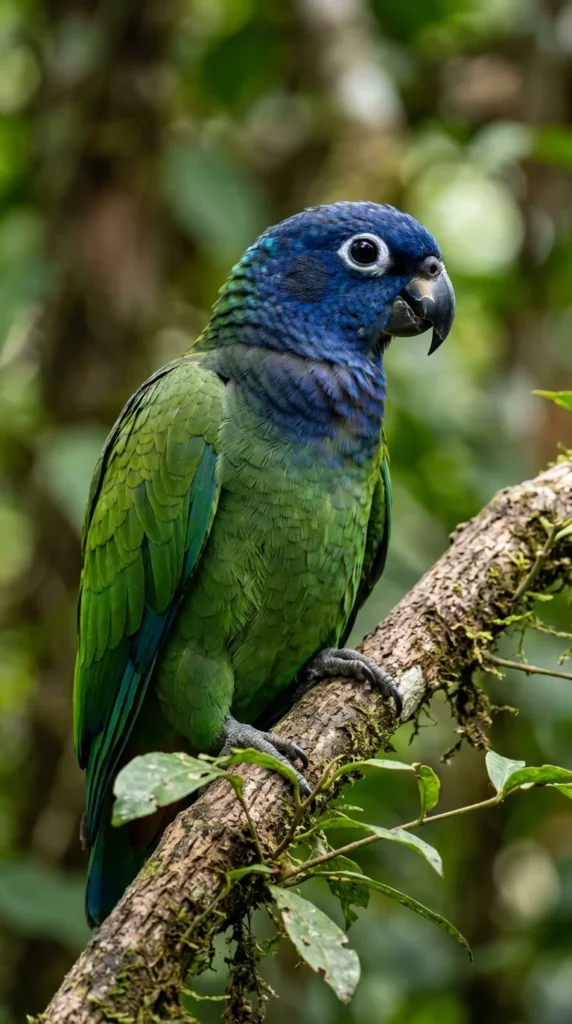
If you want a medium-sized bird that isn’t overly demanding, the Pionus is a hidden gem. They are known for being more independent and less likely to pluck or become neurotic if you aren’t home every second of the day. They have a calm demeanor and a unique, slightly musky “parrot smell” that many owners find pleasant.
12. Quaker Parrots
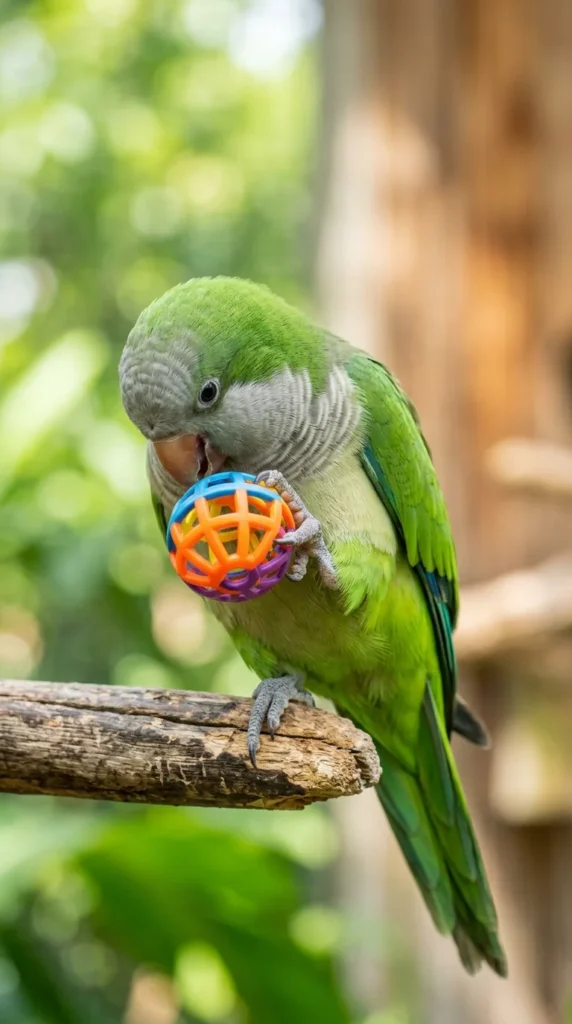
Also known as Monk Parakeets, Quakers are famous for their nest-building abilities—they are the only parrots that build elaborate stick nests. They are very smart, excellent talkers, and have big personalities. They can be a bit territorial over their cages, so beginners should learn about “cage aggression” and how to manage it with positive reinforcement.
13. Meyer’s Parrots
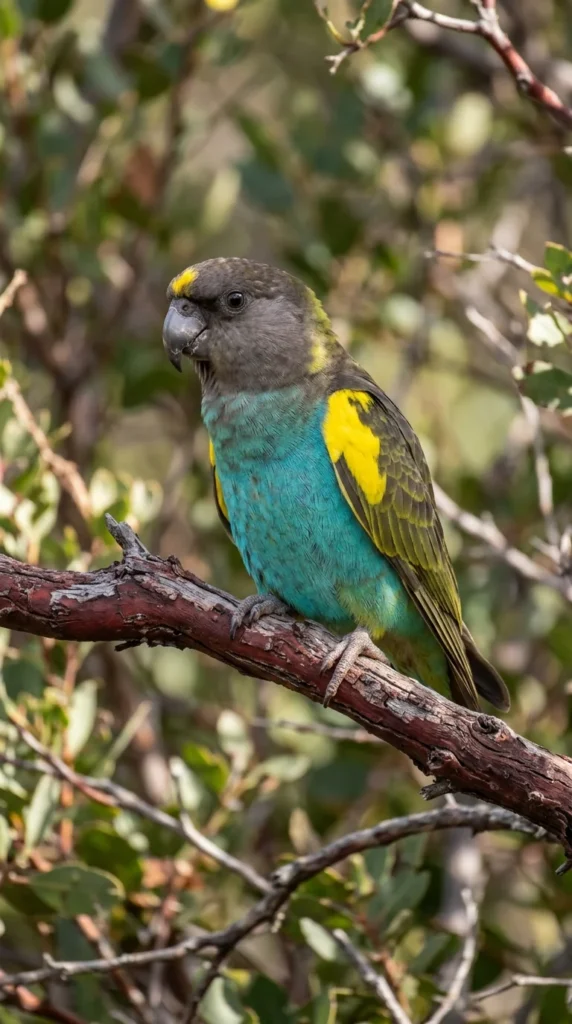
The Meyer’s Parrot is one of the most underrated beginner birds. Part of the Poicephalus family, they are generally calm, steady, and not prone to the “drama” or screaming fits seen in other species. They are affectionate but don’t demand constant attention, making them a great balance for a first-time owner.
14. Senegal Parrots
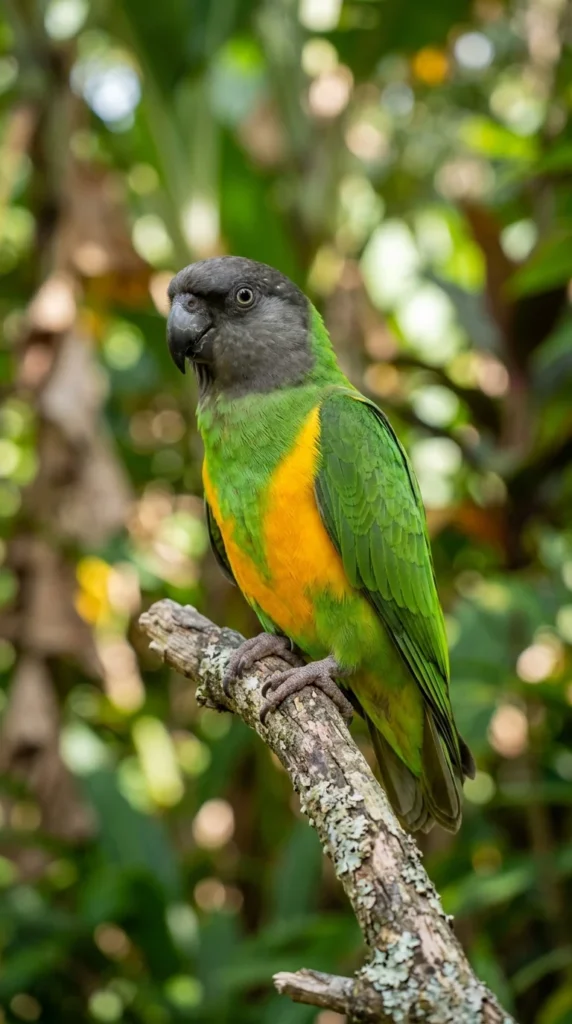
Closely related to the Meyer’s Parrot, the Senegal is another excellent medium-sized option. They are relatively quiet compared to Conures or Cockatoos and are known for being very observant. Senegals often bond deeply with one person and can be quite acrobatic, enjoying swings and complex foot toys.
15. Lineolated Parakeets
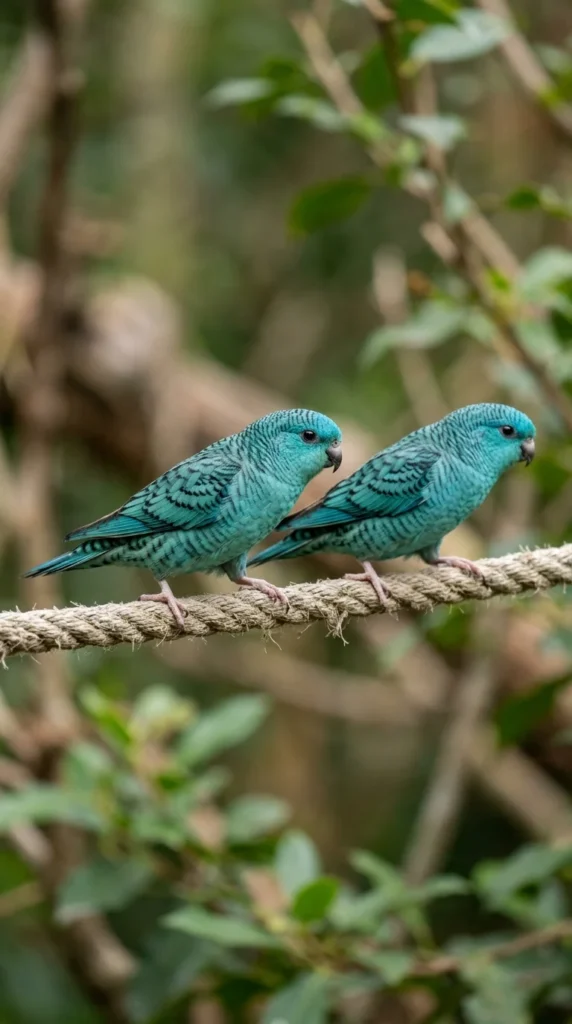
“Linnies” are becoming increasingly popular due to their sweet, calm dispositions. They have a unique way of walking—they often look like they are “prowling” horizontally along branches. They are not loud and are very social birds. Their small size and quiet nature make them ideal for apartments.
16. Ringneck Doves
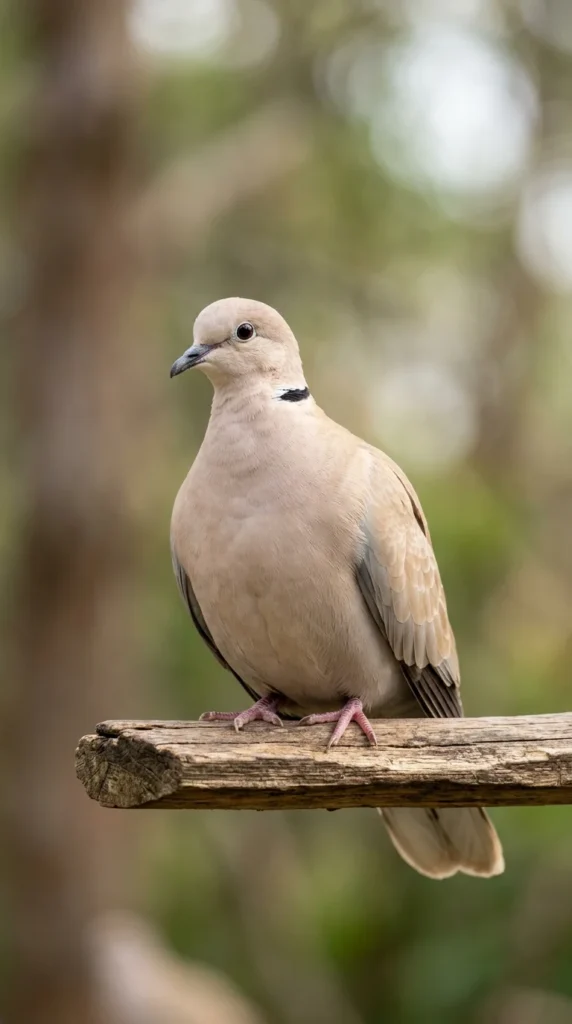
Ringneck Doves are larger than Diamond Doves and are incredibly easy to tame. They are very docile and rarely bite, which makes them excellent for families with children (under supervision). Their coo is a classic, rhythmic sound that many find meditative.
17. Red-Rumped Parrots
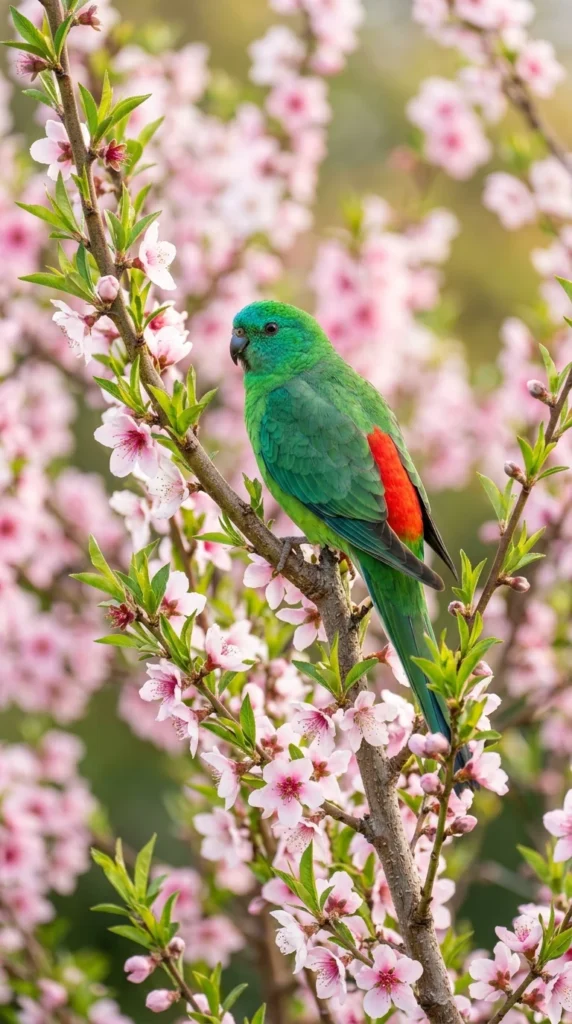
These Australian parakeets are prized for their beautiful colors and pleasant, melodic singing. They are hardier than many other small parrots and do well in both indoor cages and outdoor aviaries. While they can be a bit shy, they are delightful to watch and listen to.
18. Gouldian Finches
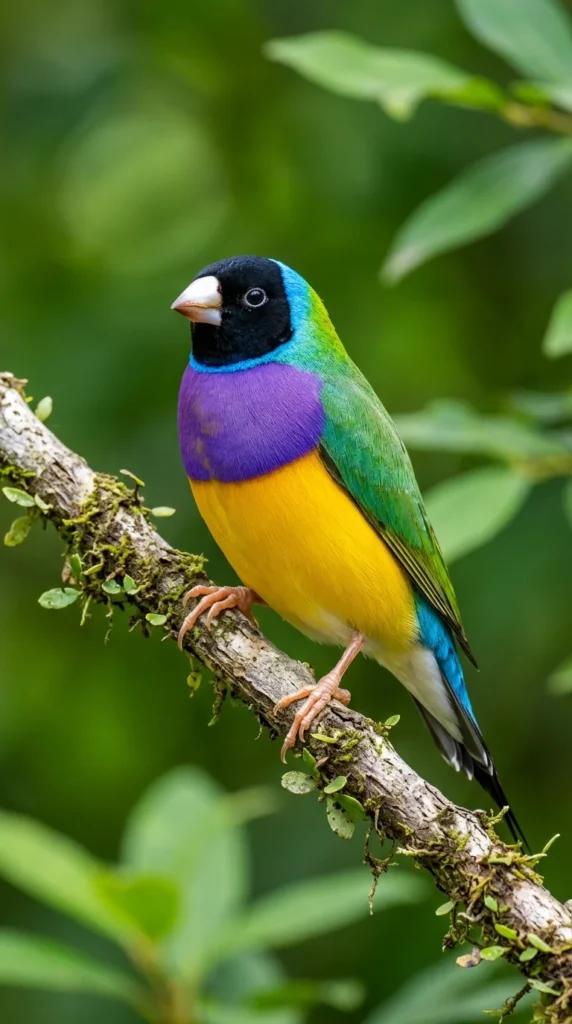
Gouldian Finches are often called “the most beautiful birds in the world.” For a beginner who wants a “living jewel” in their home, these are the top choice. They are strictly hands-off birds, but their stunning array of colors makes them a focal point in any room. They require a stable temperature and a high-quality diet to thrive.
19. Java Sparrows
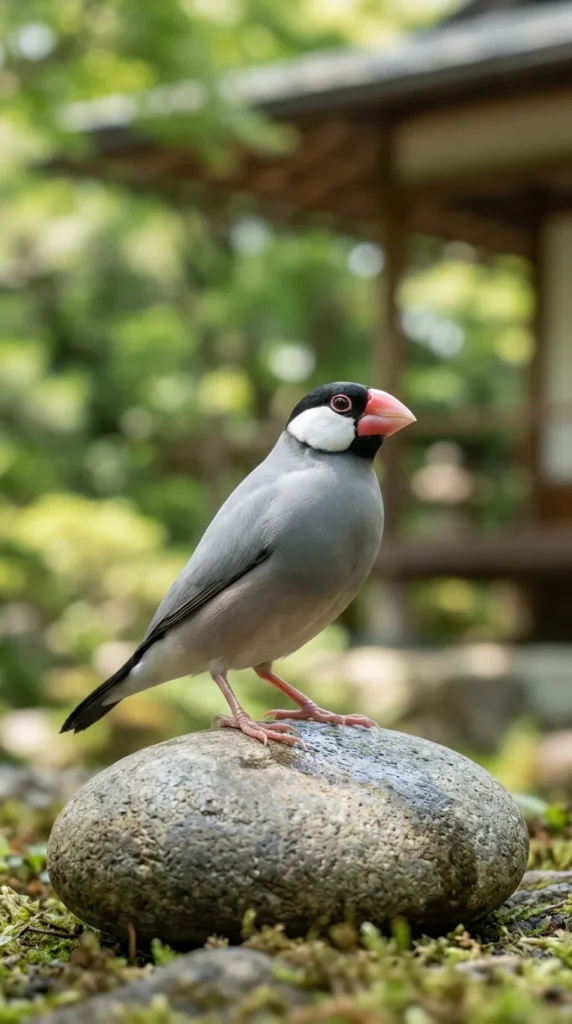
Java Sparrows (or Java Finches) are larger and sturdier than Zebra or Society finches. They have a very clean, “sculpted” look and a pleasant, low-key song. They are very social with their own kind and are generally quite peaceful.
20. Indian Ringnecks
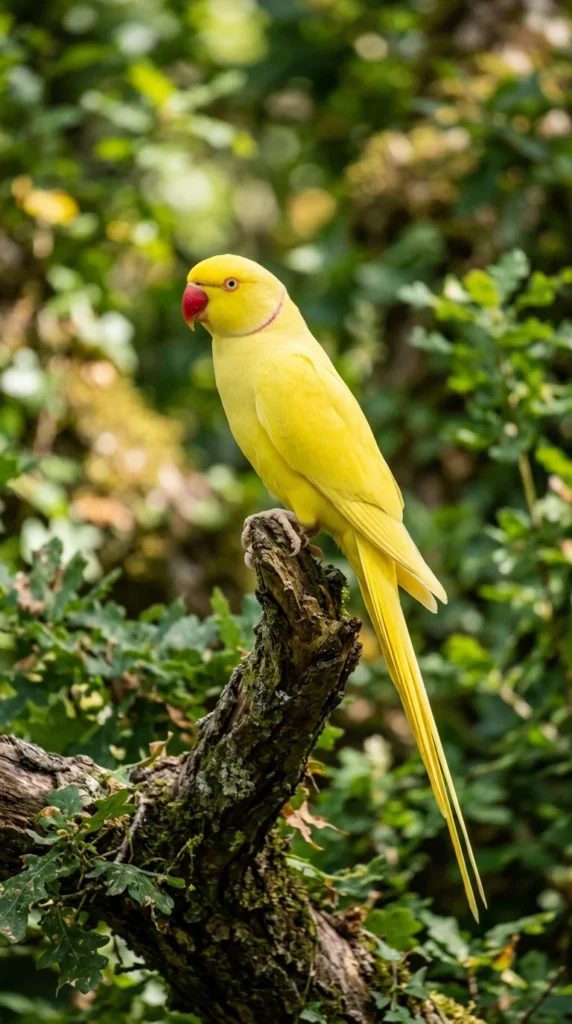
While they can be a bit more challenging than budgies, Indian Ringnecks are great for beginners who are willing to put in the work. They are world-class talkers and are very intelligent. They go through a “bluffing” phase as teenagers where they can be nippy, but with consistent training, they become wonderful companions.
21. Scarlet-Chested Parakeets
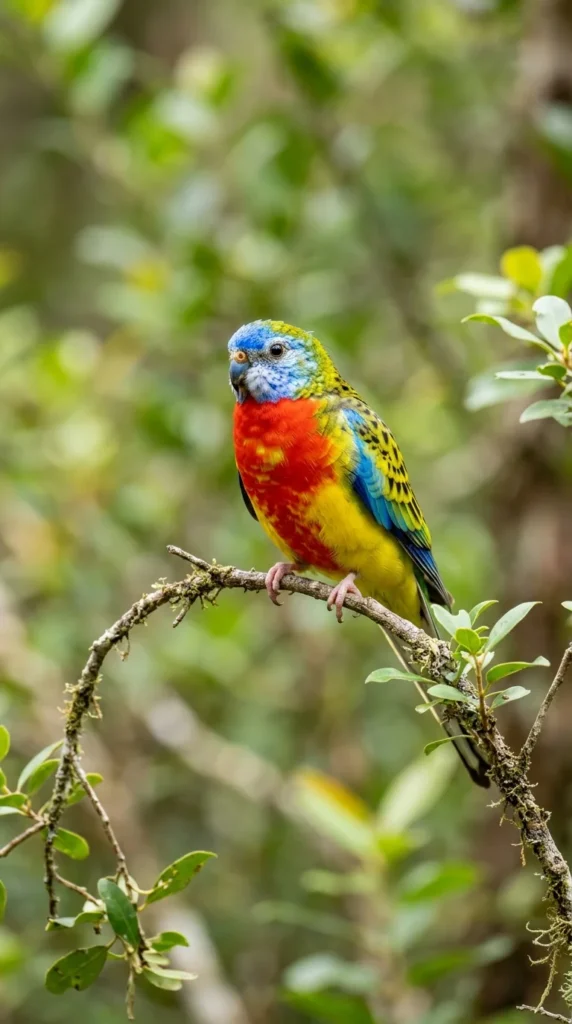
Part of the “Grass Parakeet” family, these birds are known for being extremely quiet and visually spectacular. They are not “cuddly” birds, but they are peaceful and can live happily in a mixed aviary or a large cage.
22. Turquoise Parrots
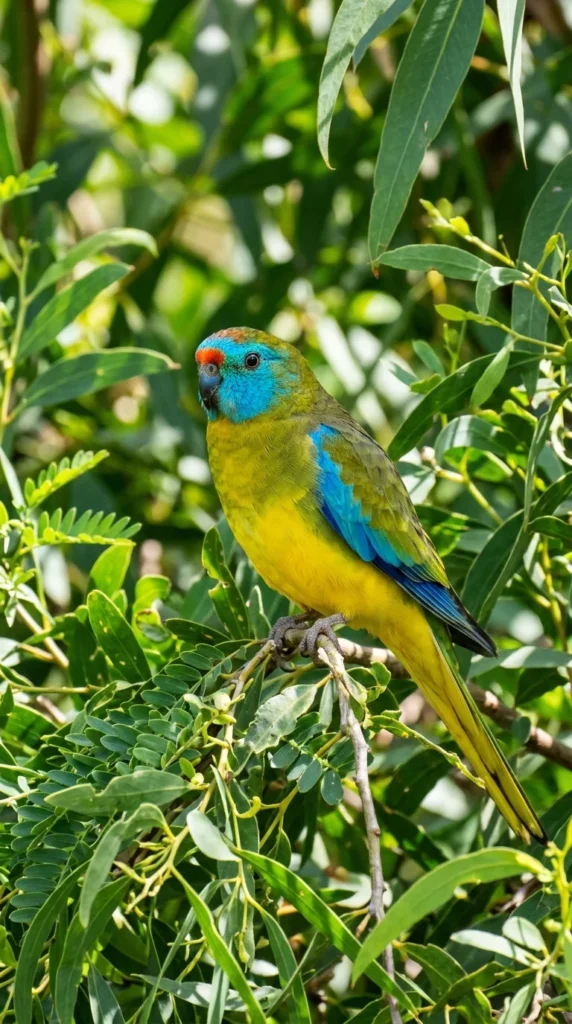
Another member of the Neophema genus, the Turquoise Parrot is admired for its calm temperament. They are ground-foraging birds that spend a lot of time exploring the floor of their enclosure. They are a great choice for those who want a quiet, beautiful bird that isn’t demanding of constant handling.
23. Crimson-Bellied Conures
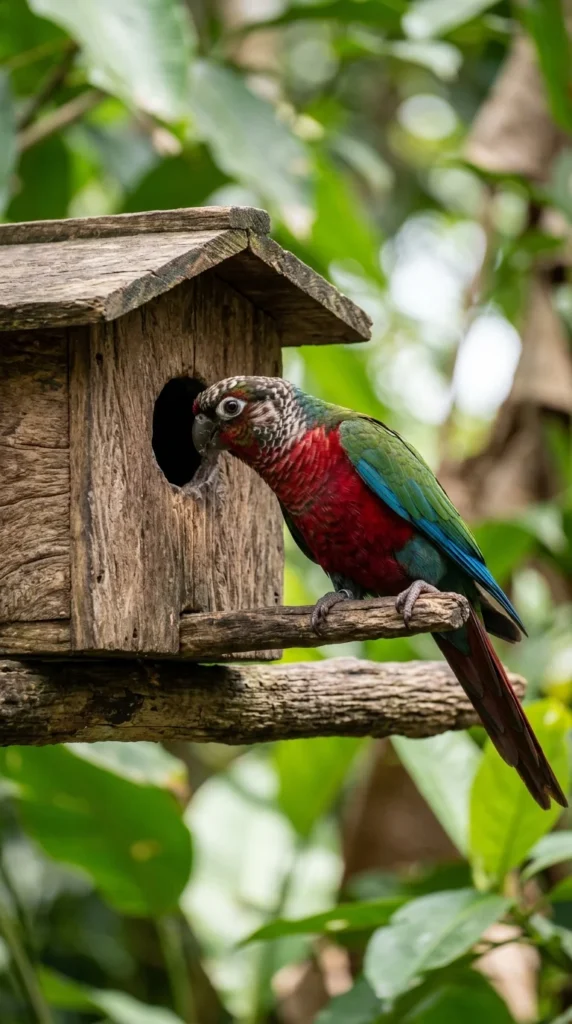
If you love the personality of a Green-Cheeked Conure but want even more color, the Crimson-Bellied is the answer. They are generally considered even quieter and more easy-going than Green-Cheeks, making them a premium beginner bird.
24. Elegant Parrots
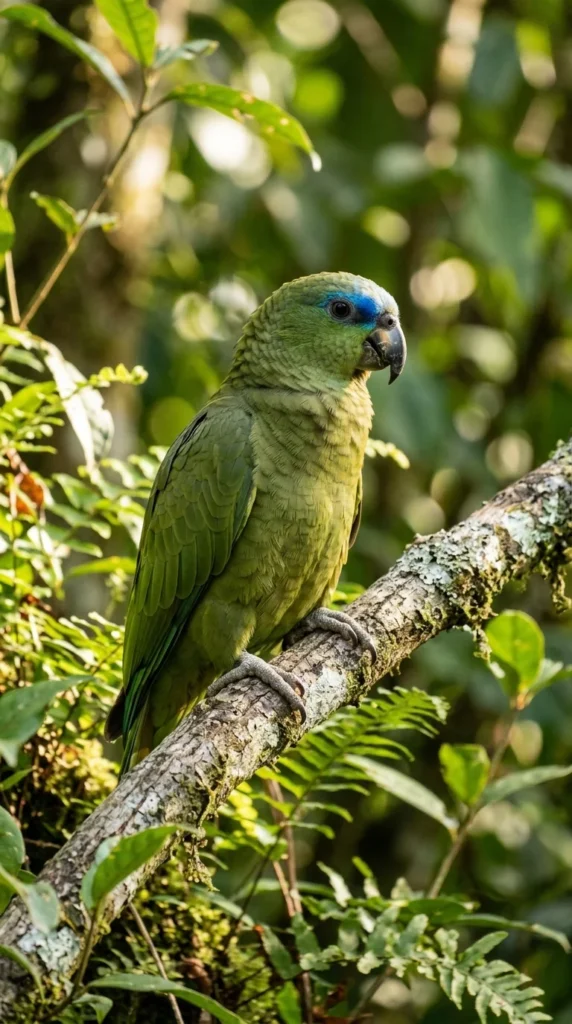
True to their name, these birds are understated and graceful. They have a soft, musical call and a very gentle personality. They are less active than many other parrots, preferring to sit quietly and observe their surroundings.
25. Black-Headed Caiques
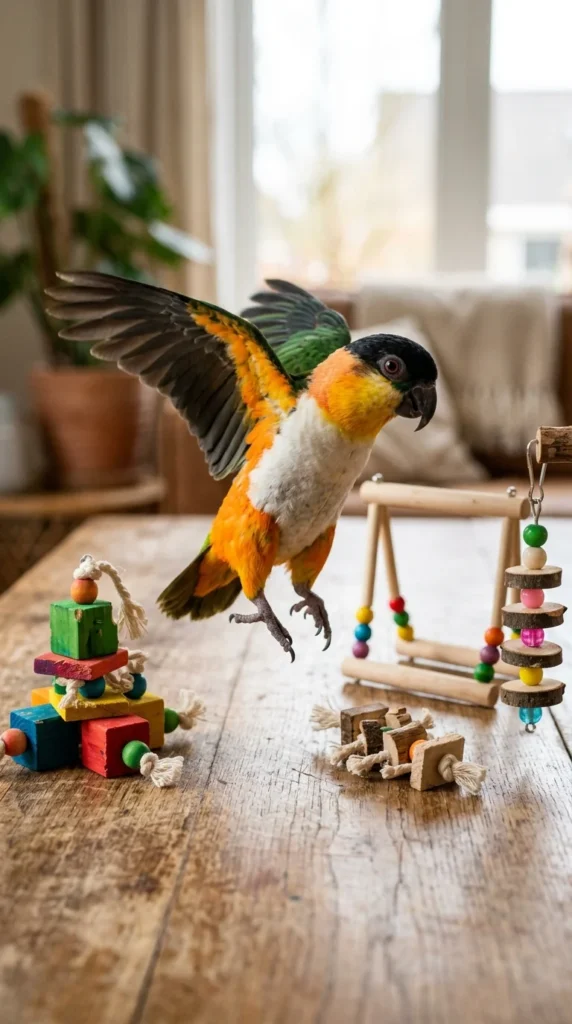
Caiques (pronounced “kai-eke”) are the clowns of the bird world. They are famous for “surfing” on hair and towels and hopping like little wind-up toys. They are high energy and require more play-time than many birds on this list, but their ability to make you laugh is unparalleled.
26. Masked Lovebirds
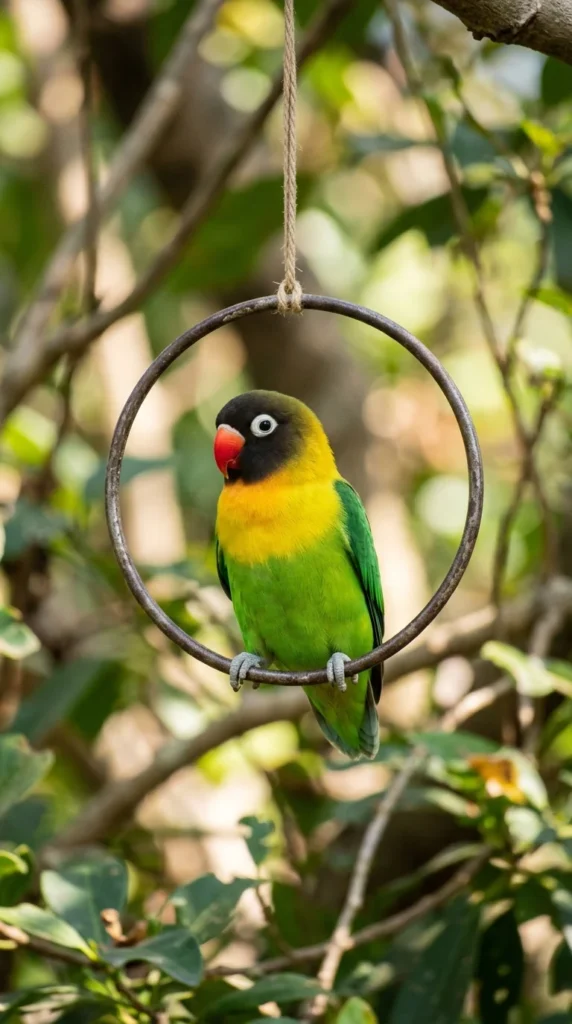
Similar in care to the Peach-Faced Lovebird, the Masked Lovebird is distinguished by its striking black face and white eye rings. They are active, curious, and very entertaining to watch as they interact with their toys and their environment.
Key Considerations for New Bird Owners
Before bringing any of these birds home, remember that even “easy” birds require a significant commitment:
- Diet: A seed-only diet is often fatal in the long run. Most birds need a high-quality pellet-based diet supplemented with fresh vegetables and some fruits.
- Environment: Birds have sensitive respiratory systems. You must stop using non-stick (Teflon) cookware, scented candles, and harsh cleaning chemicals, as the fumes can be deadly.
- Social Needs: Except for canaries and some finches, birds are flock animals. They need social interaction and mental stimulation daily to prevent boredom and behavioral issues.
- Lifespan: Many of these birds live 15 to 30 years. Ensure you are prepared for a long-term commitment.