
Bringing a bird into your home is a rewarding experience that offers companionship, intelligence, and a splash of color to your daily life. However, birds are “exotic” pets, meaning their care requirements are vastly different from those of a dog or cat. To ensure your feathered friend lives a long, healthy, and happy life, you must understand the nuances of avian husbandry. From diet to psychological well-being, here are 22 essential tips for every beginner bird owner.
1. Species Research
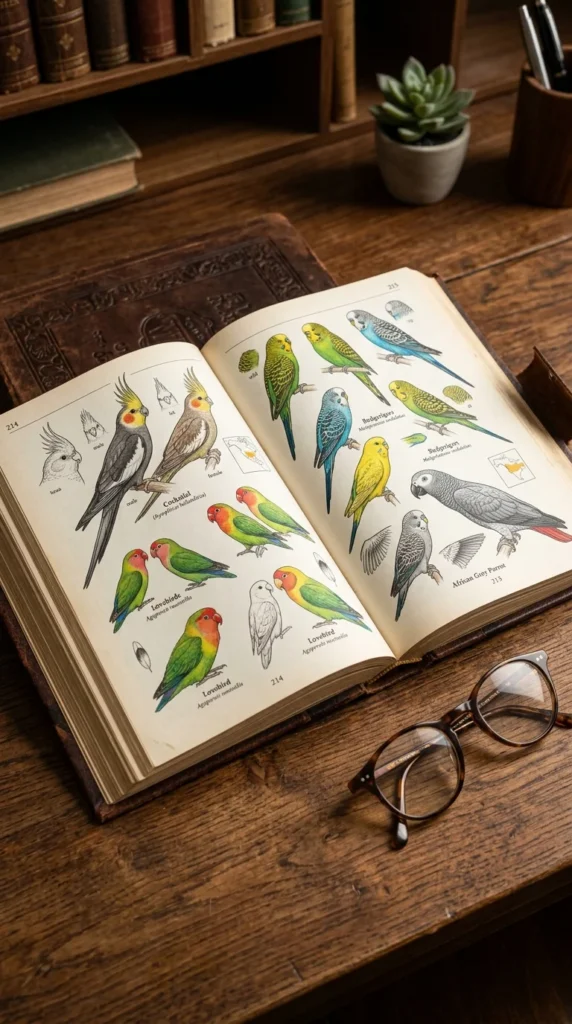
Before you even bring a bird home, you must understand that “birds” are not a monolith. A Budgie has vastly different needs, lifespan, and noise levels than an African Grey or a Cockatoo. Research the specific species you are interested in. Some live for 15 years, while others can live for 80. Some are quiet and independent, while others require hours of direct social interaction every day. Matching your lifestyle to the bird’s temperament is the foundation of successful ownership.
2. Cage Size
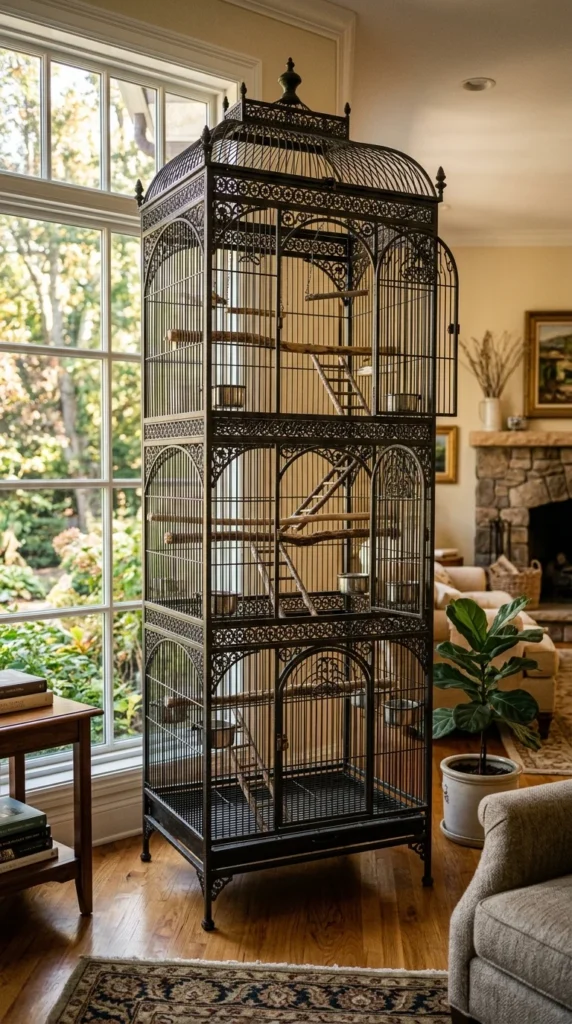
When it comes to cages, bigger is always better. Your bird should be able to fly from one side to the other and fully extend their wings without touching the bars or toys. For smaller birds like Finches, horizontal space is more important than vertical height because they fly side-to-side. Ensure the cage is made of bird-safe materials (stainless steel or powder-coated) and is easy to clean.
3. Bar Spacing
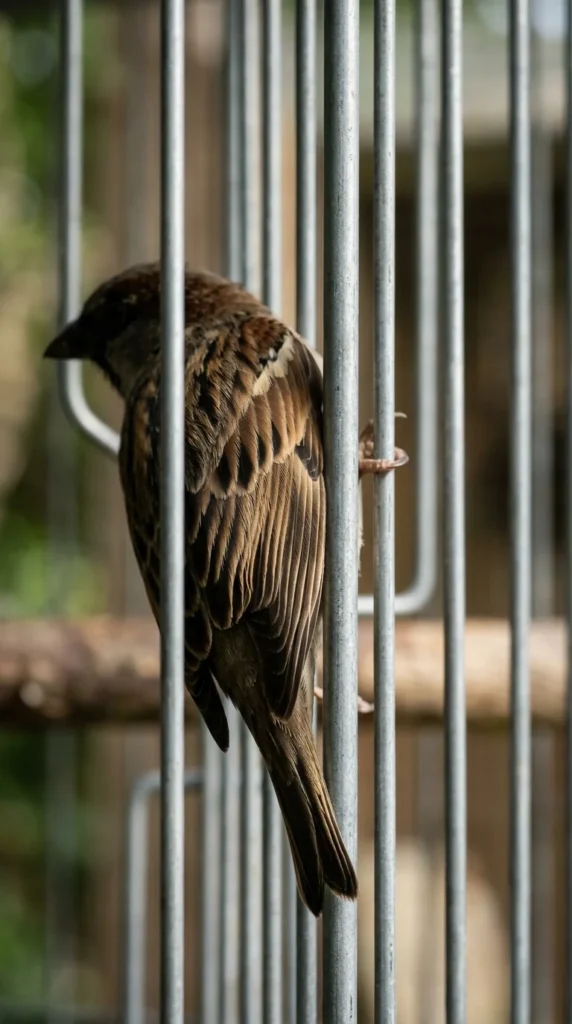
The distance between the bars of the cage is a critical safety factor. If the bars are too wide, a bird can get its head stuck or even escape and get injured. Conversely, if they are too narrow for a large bird, they might catch their beak or toes. Always check the recommended bar spacing for your specific species to prevent tragic accidents.
4. Pellet Diet
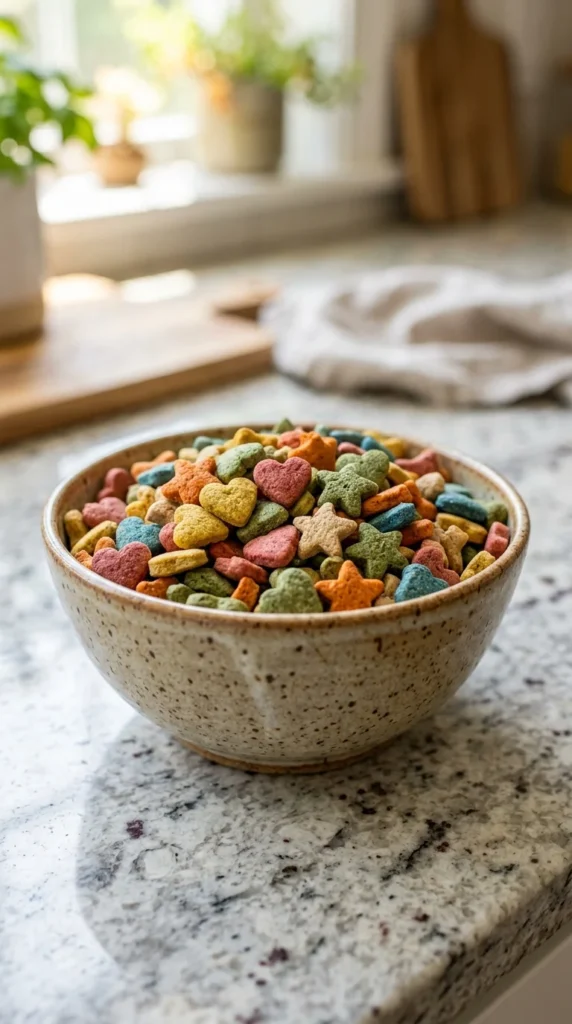
While many people associate birds with seeds, a seed-only diet is actually high in fat and low in essential vitamins. Most avian vets recommend a high-quality pellet diet as the “base” (about 60-70% of their intake). Pellets are formulated to provide balanced nutrition, preventing the malnutrition issues often seen in birds fed exclusively on sunflower seeds.
5. Fresh Produce

Birds need “chop”—a daily serving of fresh vegetables and some fruits. Dark leafy greens, sweet potatoes, carrots, and peppers are excellent choices. Fresh food provides essential micronutrients and hydration. Introduce variety early on to prevent your bird from becoming a “picky eater,” which can lead to health complications later in life.
6. Toxic Foods

Several common human foods are lethal to birds. Avocado contains persin, which can cause heart failure in parrots. Chocolate, caffeine, onions, garlic, and fruit pits (which contain trace amounts of cyanide) should be strictly avoided. Always double-check if a food is bird-safe before offering it as a treat.
7. Clean Water
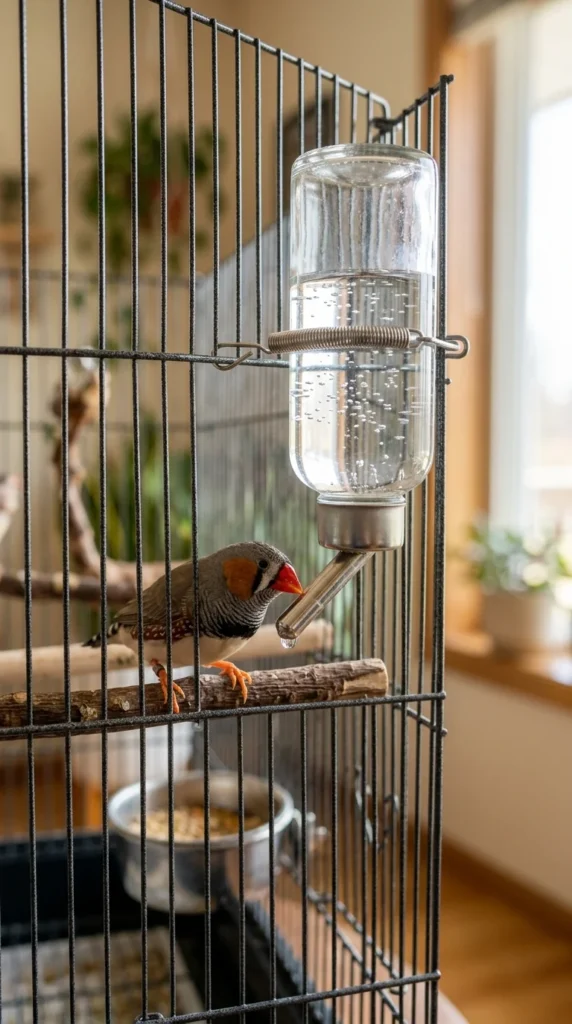
Birds often “dunk” their food in their water, creating a soup of bacteria. Water should be changed at least once a day, or more frequently if it becomes soiled. Consider using a water bottle designed for birds if they tend to make a mess, though you must ensure they know how to use it before removing their bowl.
8. Air Quality
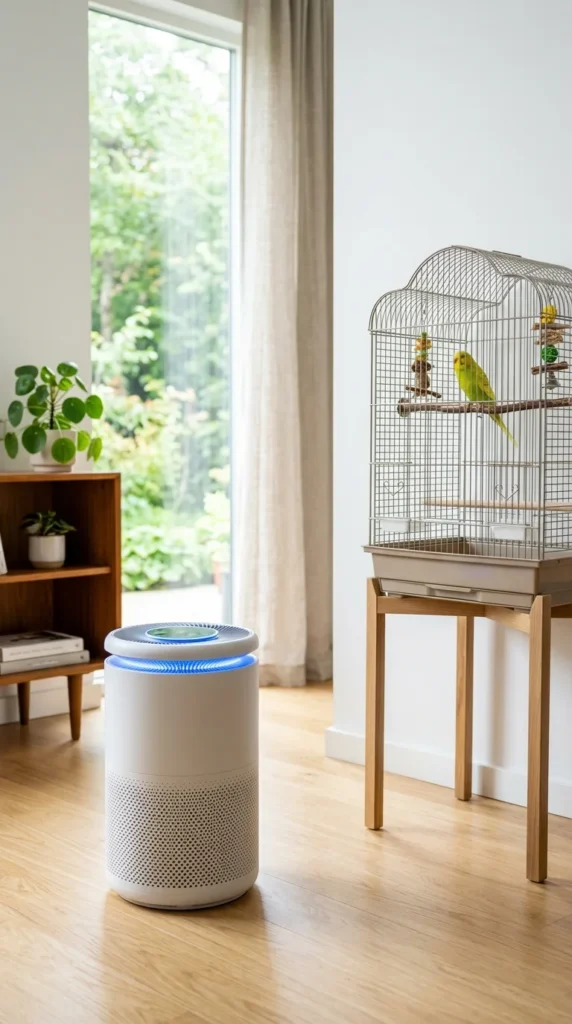
Birds have incredibly sensitive respiratory systems. Common household items like non-stick pans (Teflon), scented candles, incense, air fresheners, and even certain cleaning chemicals can release fumes that are instantly fatal to birds. If you own a bird, you must transition to bird-safe cookware and eliminate aerosol sprays and strong fragrances from your home.
9. Avian Vet
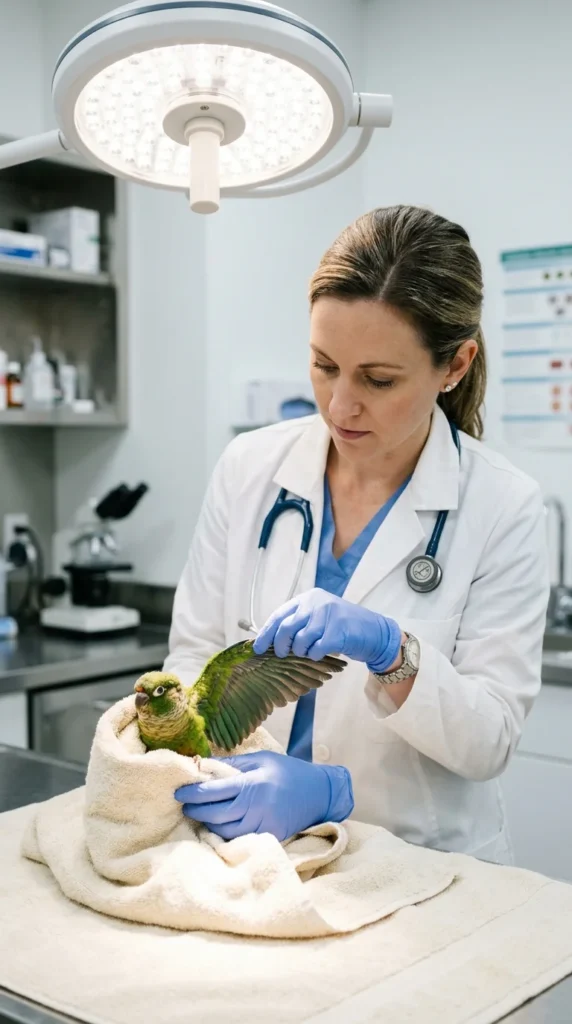
Regular veterinarians often lack the specialized training needed to treat birds. You should locate an “Avian Specialist” who understands the unique anatomy and physiology of birds. Schedule a “well-bird” exam as soon as you get your pet to establish a baseline of health and to check for underlying infections.
10. Natural Perches

Standard smooth, dowel-style perches that come with most cages can cause foot problems like bumblefoot or arthritis because the bird’s feet are always in the same position. Replace or supplement them with natural wood perches of varying diameters and textures. This exercises the feet and helps naturally trim their nails.
11. Mental Stimulation
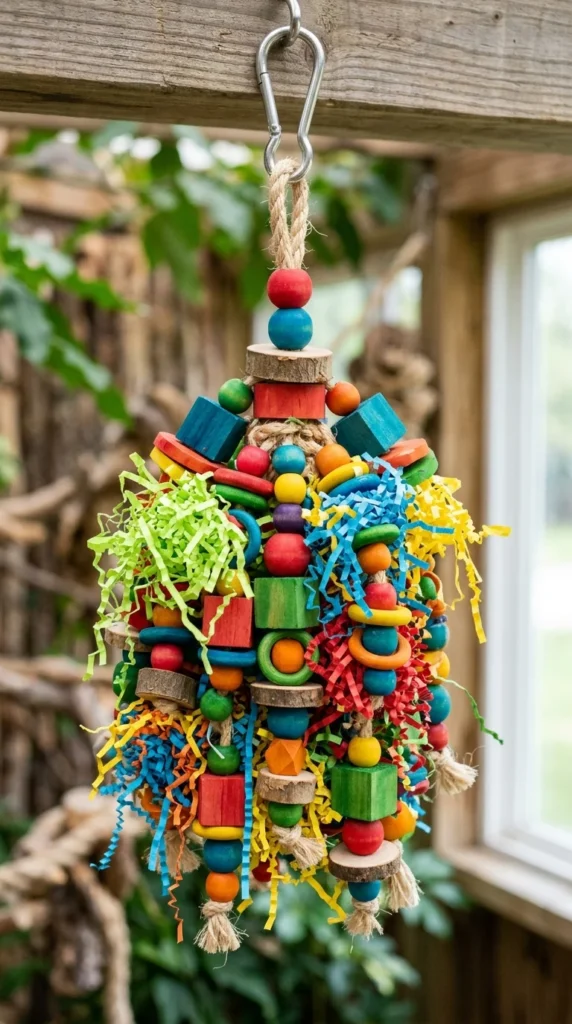
Birds are highly intelligent animals that require mental engagement. Without it, they can develop behavioral issues like feather plucking or excessive screaming. Provide a variety of toys that encourage chewing, shredding, and problem-solving. Rotate the toys every week or two to keep the environment “new” and exciting.
12. Social Interaction
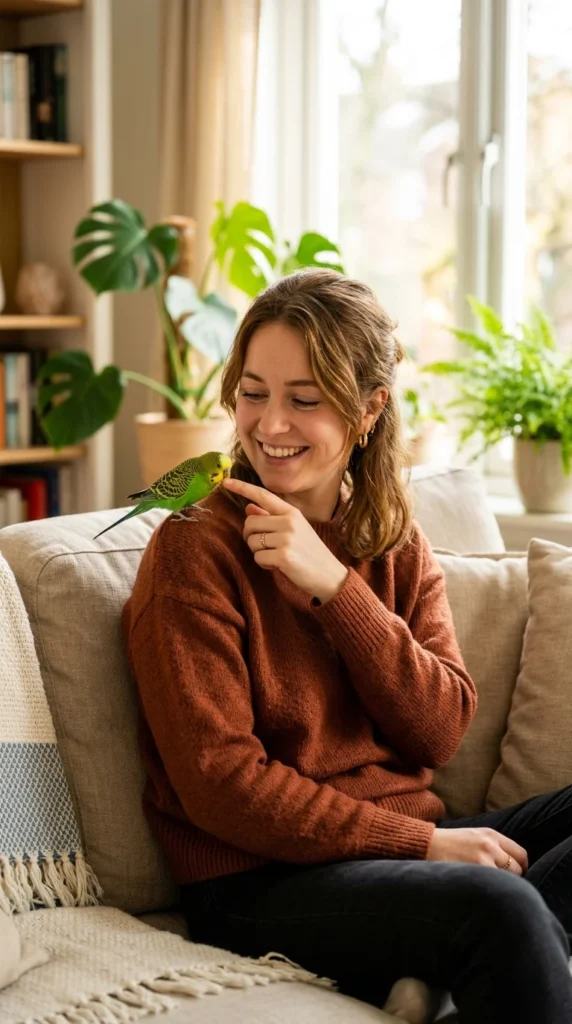
In the wild, most birds live in flocks and are never alone. A solitary bird in a cage can become depressed and anxious. You should plan to spend several hours every day interacting with your bird outside of their cage. Whether it’s training, playing, or just letting them hang out on your shoulder while you read, social time is non-negotiable.
13. Sleep Schedule

Most birds require 10 to 12 hours of uninterrupted sleep in a dark, quiet environment. Lack of sleep can lead to irritability, hormonal behavior, and a weakened immune system. Use a “sleep cage” in a quiet room or a heavy cage cover to ensure they get the rest they need, even if your household stays up late.
14. Regular Bathing
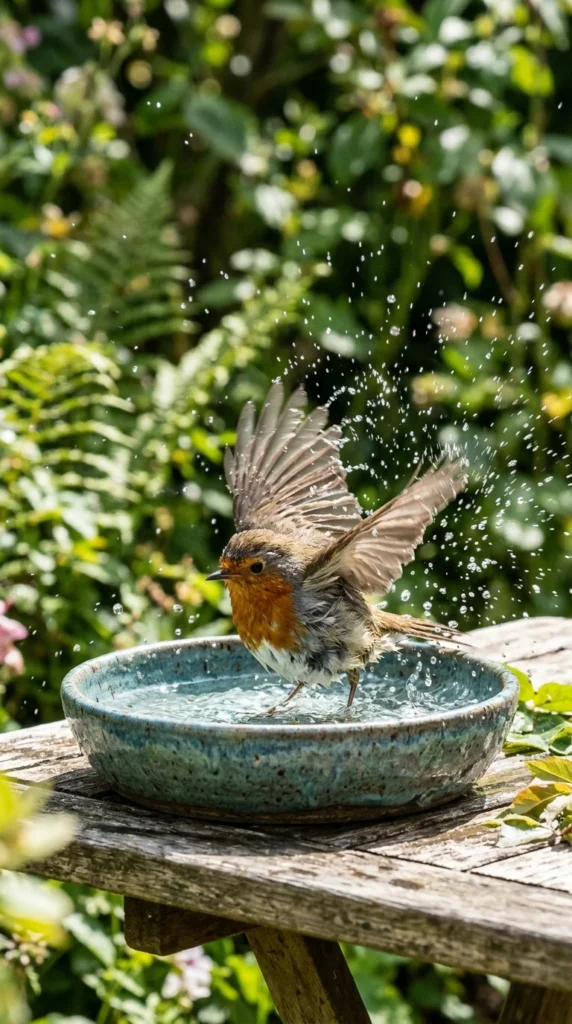
Bathing is essential for feather health and skin hydration. Some birds enjoy splashing in a shallow dish, while others prefer being misted with a fine spray bottle. Bathing helps remove dust and dander and encourages preening, which keeps the feathers in top aerodynamic condition.
15. Natural Sunlight
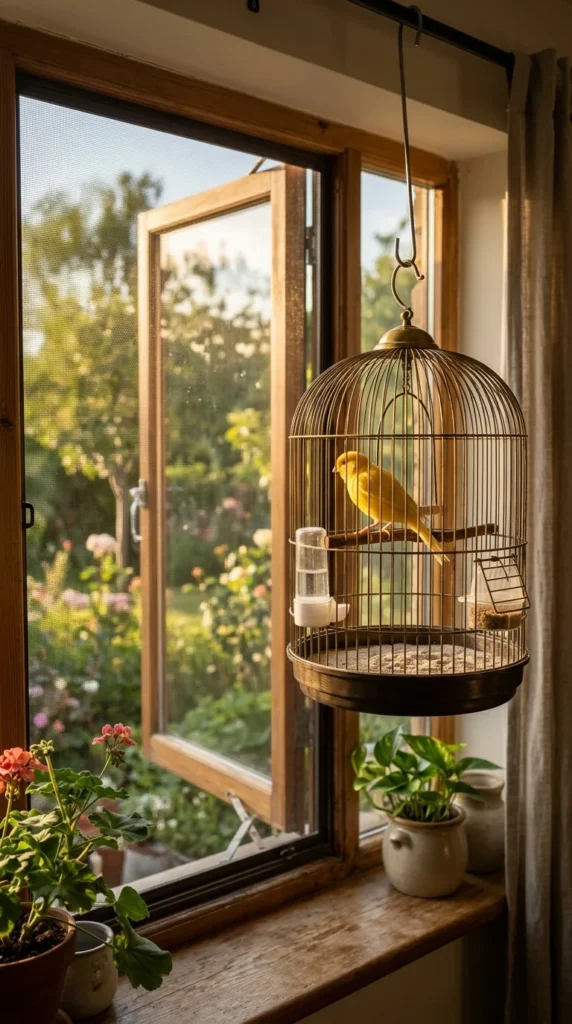
Birds need Vitamin D3 to absorb calcium, which they usually get from UV rays. Since window glass filters out most UV light, your bird might need supervised time outdoors in a safe travel cage or a specialized avian UV lamp. Proper lighting supports their immune system and improves their mood.
16. Foraging Behavior
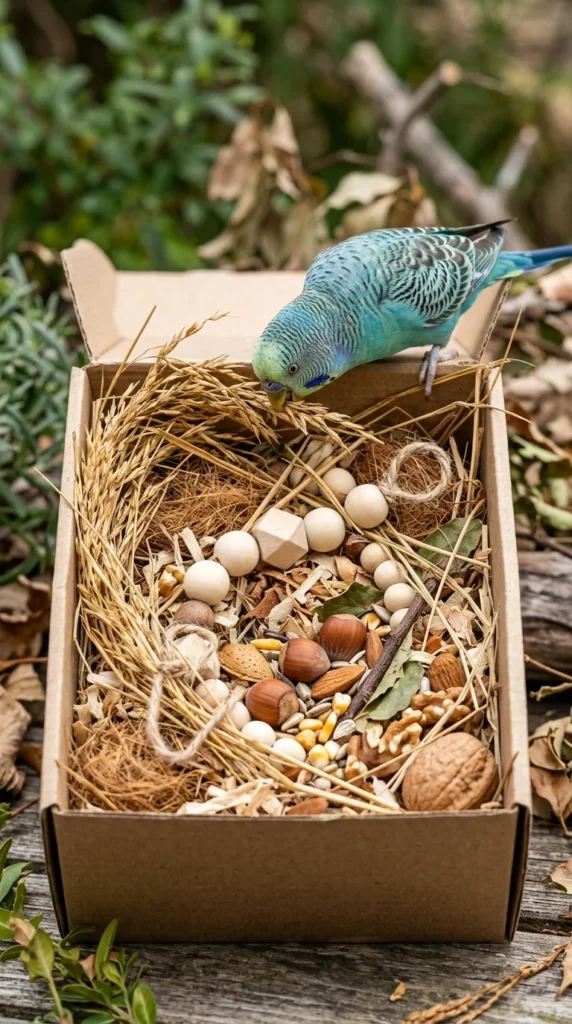
In the wild, birds spend the majority of their day searching for food. You can replicate this behavior by using foraging toys. Instead of putting all their food in a bowl, hide some in paper wraps, boxes, or specialized puzzles. This keeps them busy and satisfies their natural instincts.
17. Gentle Handling
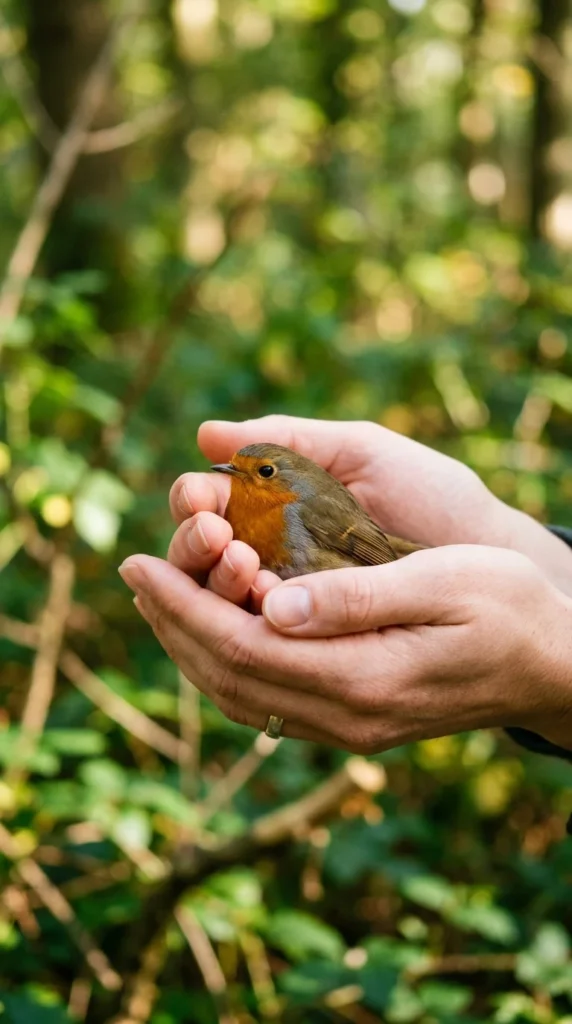
Birds are prey animals, so they are naturally suspicious of quick movements or being grabbed from above. Use slow, deliberate motions and let the bird come to you. Use “step-up” training to move them around. Building trust takes time, so never force interaction if the bird shows signs of fear or aggression.
18. Grooming Needs
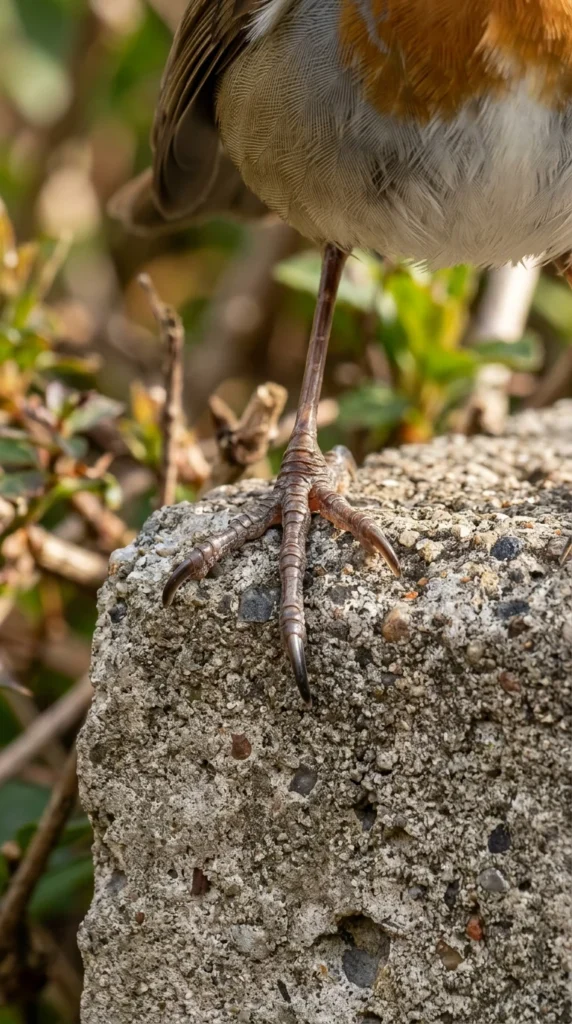
Overgrown nails can get caught in fabric or cage bars, leading to injury. Overgrown beaks can interfere with eating. While natural perches help, your bird may still need occasional nail or beak trims. If you aren’t comfortable doing this yourself, have your avian vet or a professional groomer do it to avoid cutting the “quick” (the blood vessel inside).
19. Flight Safety
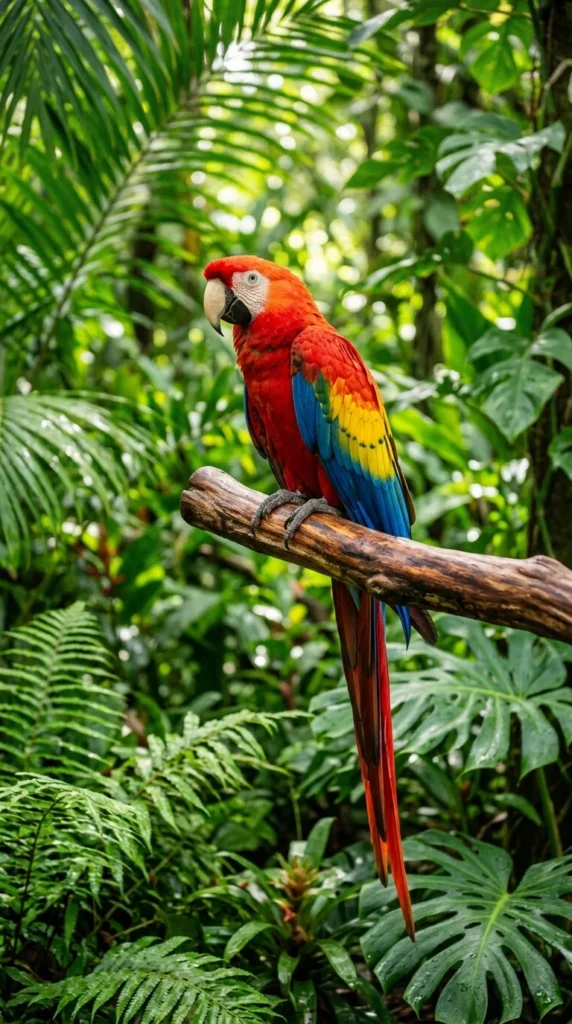
If your bird is “flighted” (not clipped), your home needs to be bird-proofed. This means covering mirrors and windows so they don’t fly into them, turning off ceiling fans, and ensuring there are no open containers of water (like toilets or sinks) where they could drown. Always supervise out-of-cage time.
20. No Chocolate

This deserves its own mention because of how common chocolate is in homes. Theobromine and caffeine in chocolate are extremely toxic to a bird’s heart and nervous system. Even a small crumb can be fatal for a small bird. Keep all sweets securely stored away from where your bird can reach them.
21. Daily Cleaning
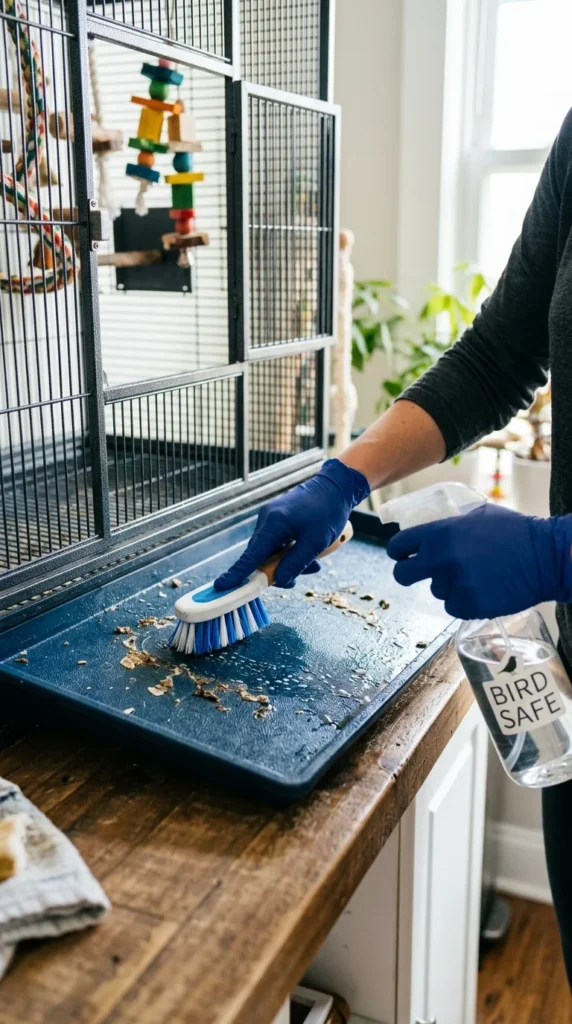
Bird droppings and discarded food can grow mold and bacteria quickly. The cage tray should be cleaned daily, and the entire cage should be deep-cleaned weekly. Use bird-safe cleaners like diluted vinegar and water rather than harsh bleach or ammonia-based products.
22. Infinite Patience
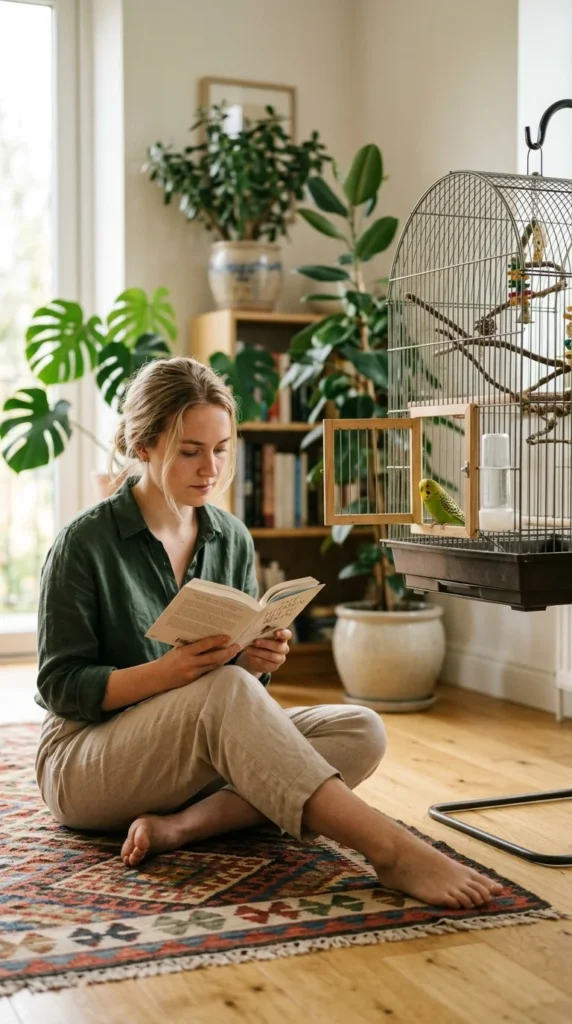
Perhaps the most important tip is to have patience. A bird is not a domesticated animal like a dog; it is a wild animal living in your home. It may take weeks, months, or even years to fully bond with a bird. Respect their boundaries, celebrate small victories, and provide a consistent, loving environment. The bond you eventually form will be unlike any other.