
Welcoming a budgie, often known as a parakeet, into your home is a joyous occasion. These tiny, intelligent parrots are packed with personality, but they require specific care to thrive. For a new owner, the learning curve can feel steep. From dietary needs to emotional health, ensuring your feathered friend lives a long, happy life involves more than just a simple cage and a bowl of seeds. This guide breaks down the twenty most critical aspects of budgie care to help you become the best bird parent possible.
1. Cage Size
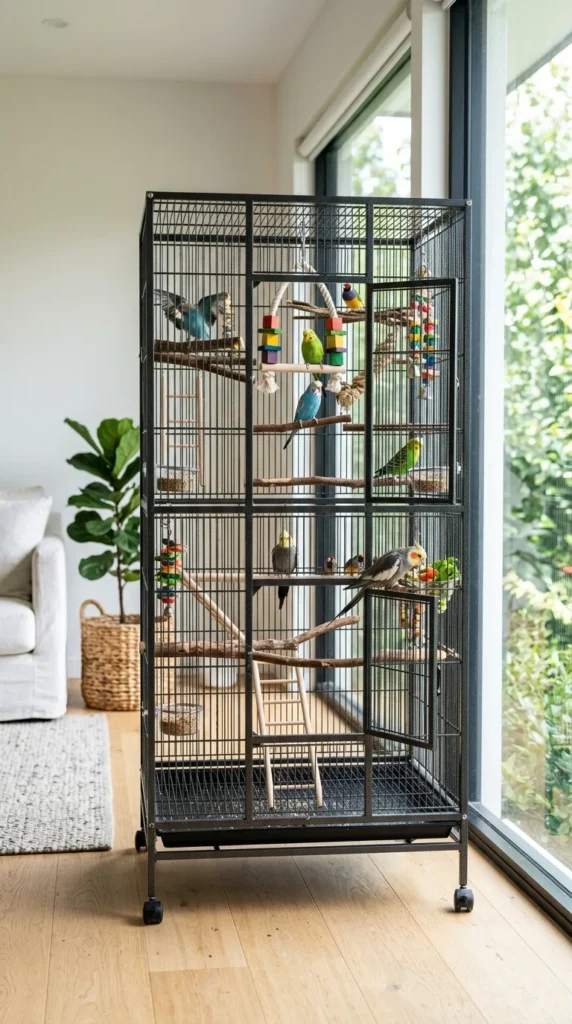
The most common mistake new owners make is buying a cage that is too small. Budgies are active birds that need horizontal space to fly and stretch their wings. A cage should be at least 18-24 inches wide, but bigger is always better. Focus on width rather than height, as birds fly horizontally. Ensure the bar spacing is no more than 1/2 inch to prevent your budgie from getting its head stuck or escaping.
2. Pellet Diet
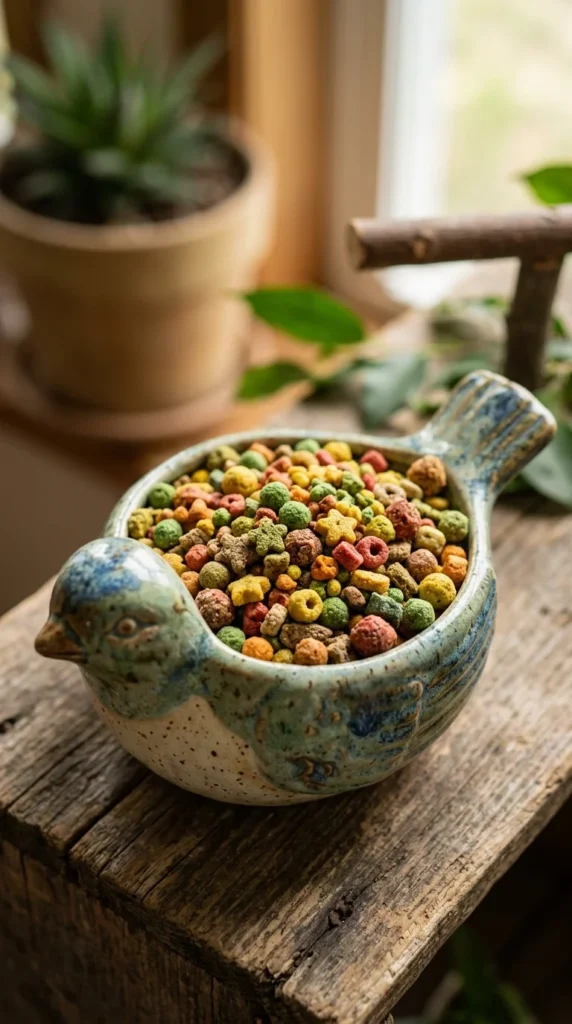
While movies often show budgies eating only seeds, a seed-only diet is actually high in fat and low in essential vitamins, often leading to obesity and fatty liver disease. Instead, 60-70% of your budgie’s diet should consist of high-quality organic pellets. Pellets are formulated to provide balanced nutrition in every bite, ensuring your bird doesn’t “cherry-pick” only the tasty, unhealthy parts of their meal.
3. Fresh Vegetables
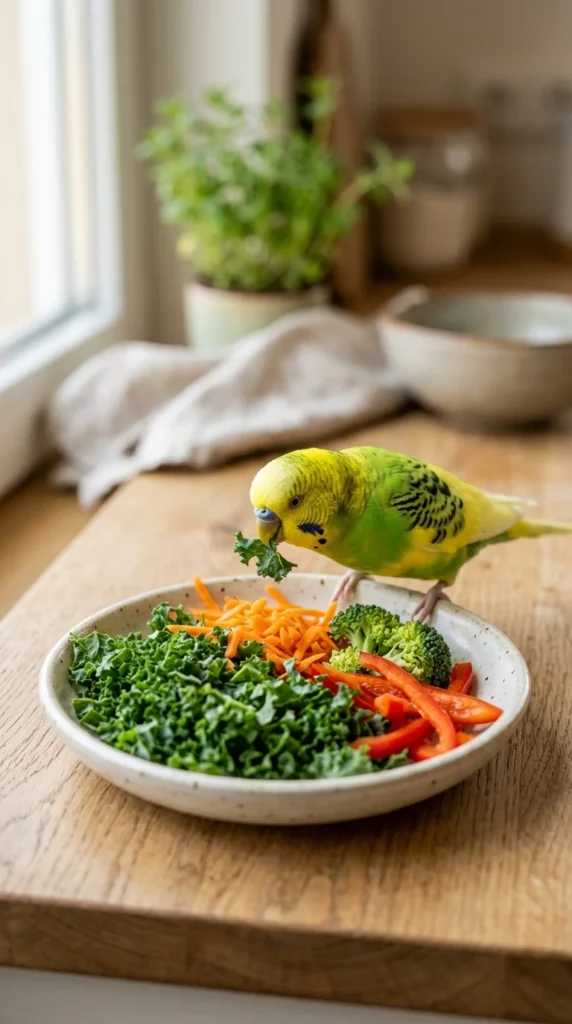
Fresh produce is vital for a budgie’s health. Offer a “chop” of leafy greens like spinach, kale, and dandelion greens, along with vegetables like carrots, bell peppers, and broccoli. These provide essential minerals and vitamins that pellets might lack. Always wash vegetables thoroughly to remove pesticides, and avoid pits or seeds from fruits, which can be toxic.
4. Clean Water
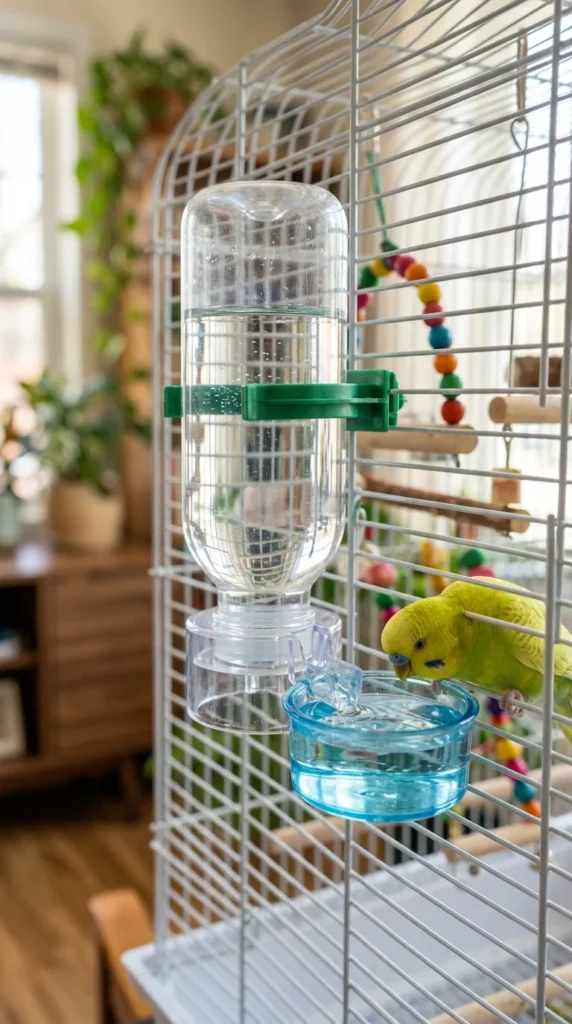
Budgies need access to fresh, clean water at all times. Their water bowls can quickly become contaminated with droppings, food debris, or feathers. Change the water at least once a day, and scrub the bowl with soap and water to prevent bacterial growth. If you notice your budgie “making soup” by dropping food into their water, you may need to change it multiple times a day.
5. Social Interaction
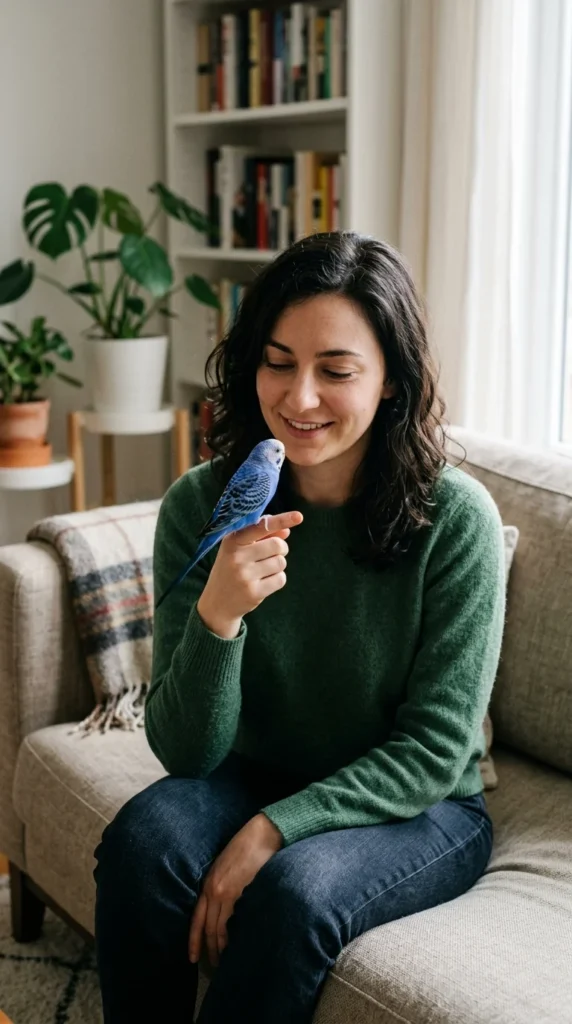
Budgies are highly social flock animals. In the wild, they are never alone. If you only have one budgie, you become their flock. You must spend at least two to three hours every day interacting with them. This includes talking to them, training them, or simply having them out of the cage while you go about your chores. A lonely budgie can become depressed, stop eating, or start plucking its feathers.
6. Natural Perches
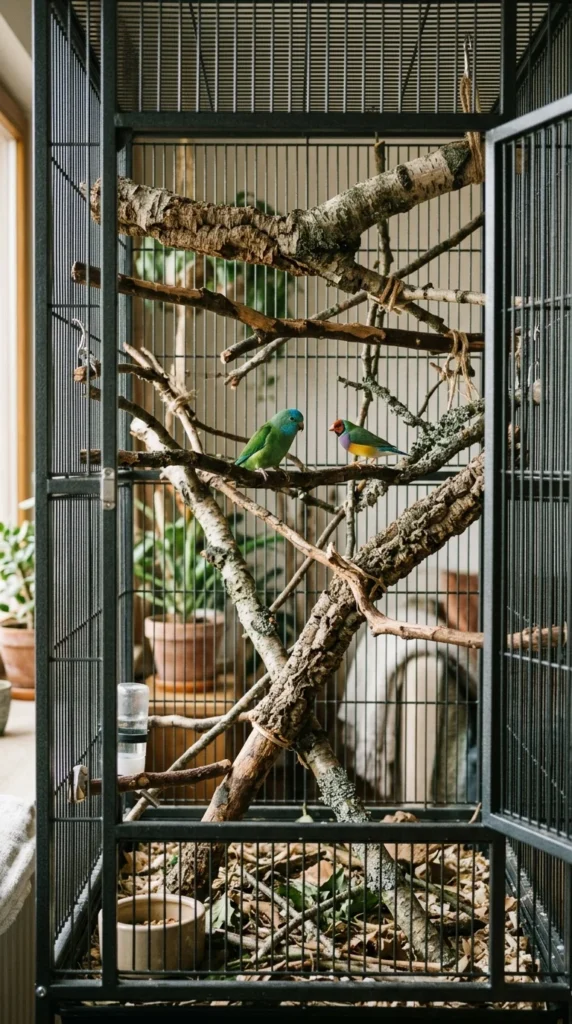
Avoid using only the smooth, dowel perches that often come with cages. These are uniform in diameter and can cause pressure sores (bumblefoot) and arthritis because the bird’s feet are always in the same position. Provide natural wood perches of varying thicknesses. This mimics the environment of the wild and exercises the muscles in their feet, while the rough bark helps keep their nails naturally filed.
7. Enrichment Toys
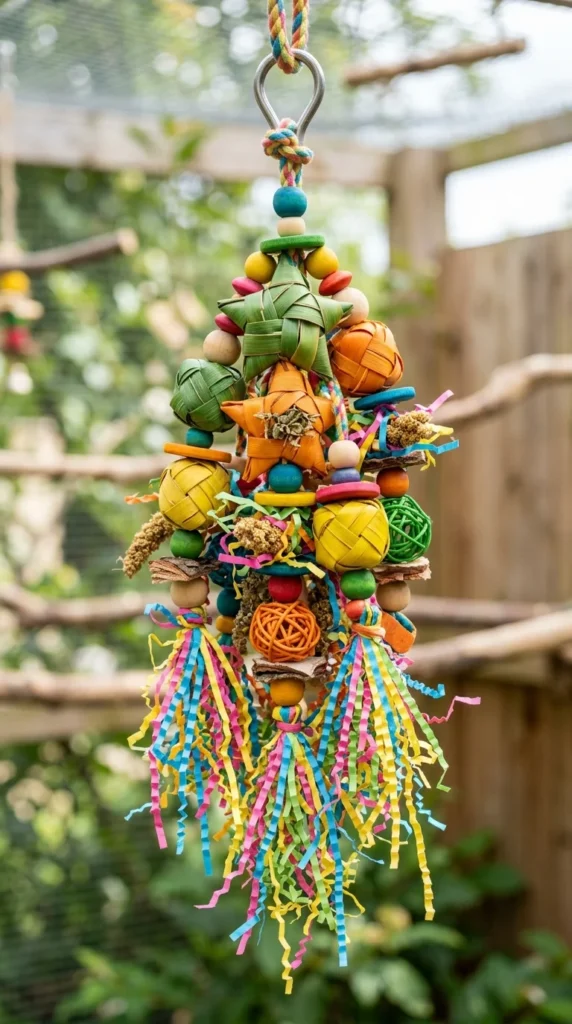
Budgies are incredibly smart and get bored easily. A bored budgie is a destructive and unhappy budgie. Provide a variety of toys that encourage different behaviors: shredding toys (made of paper or balsa wood), bells, swings, and foraging toys. Rotate the toys every week or two to keep their environment fresh and exciting. Avoid mirrors, as they can cause hormonal issues and obsession.
8. Flight Time
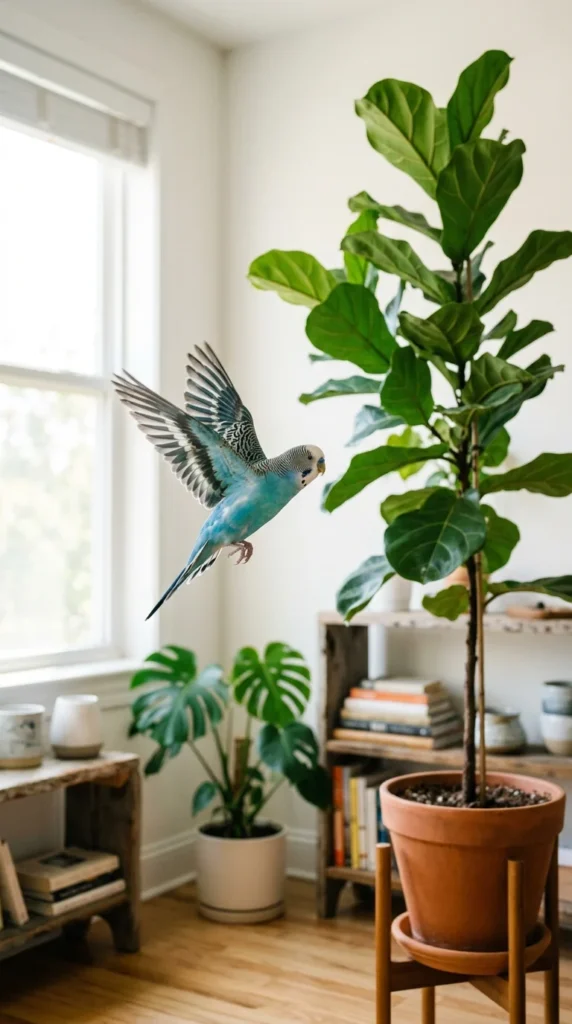
No matter how large the cage is, your budgie needs daily time outside of it to fly and explore. This exercise is crucial for cardiovascular health and preventing obesity. Ensure the room is “bird-proofed”: close all windows and doors, cover mirrors (which they might fly into), turn off ceiling fans, and keep other pets like cats or dogs in a separate room.
9. Sleep Schedule

Budgies require 10 to 12 hours of uninterrupted sleep every night. In the wild, their sleep is regulated by the rising and setting of the sun. To ensure they get enough rest, cover their cage with a light-blocking cloth and keep the room quiet. Lack of sleep can lead to irritability, a weakened immune system, and excessive hormonal behavior.
10. Bathing Options
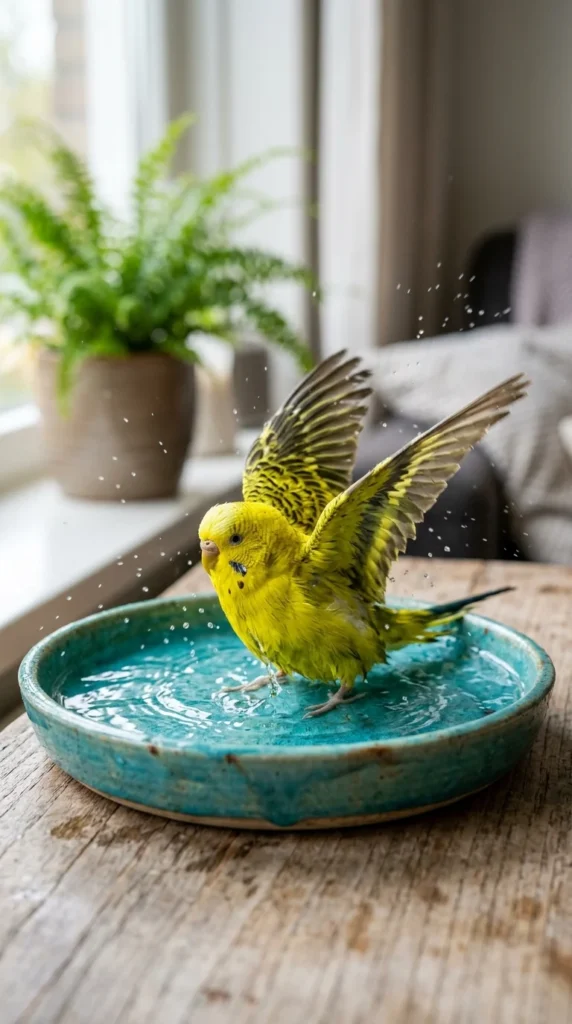
Hygiene is important for feather health. Many budgies enjoy bathing. You can offer a shallow dish of lukewarm water, a bird-specific “bath” that attaches to the cage, or a gentle misting with a spray bottle. Some birds even enjoy “leaf bathing” by rubbing themselves against wet lettuce leaves. Find out what your bird prefers and offer it a few times a week.
11. Toxic Fumes

Budgies have incredibly sensitive respiratory systems. One of the biggest killers of pet birds is Teflon (PTFE) poisoning. When non-stick pans or self-cleaning ovens overheat, they release odorless fumes that are instantly fatal to birds. Additionally, avoid using scented candles, incense, air fresheners, harsh cleaning chemicals, or cigarette smoke around your budgie.
12. Cuttlebone Access
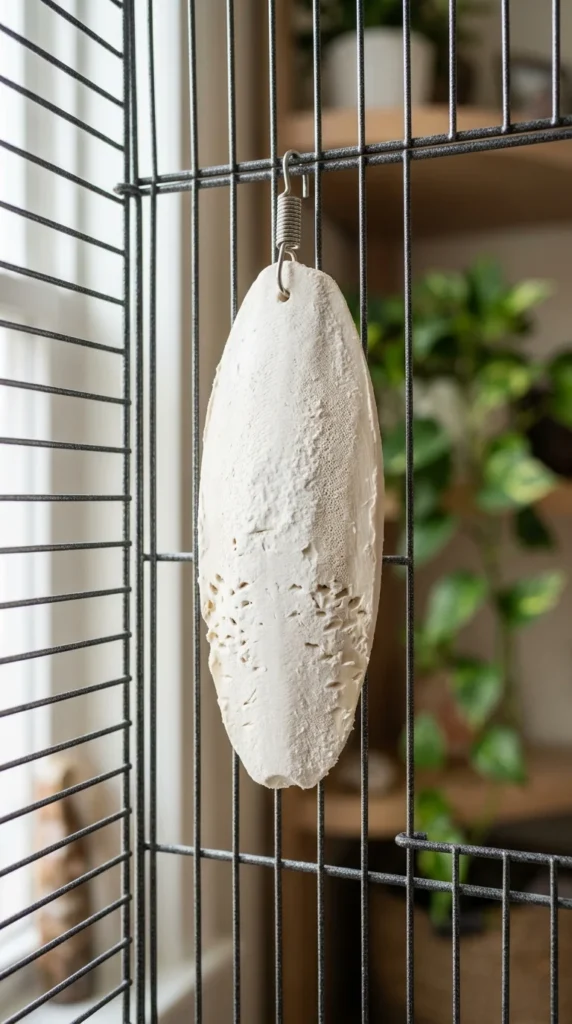
A cuttlebone is a vital source of calcium, especially for female budgies who may lay eggs. It also serves as a tool for the budgie to keep its beak trimmed and sharp. Always have a cuttlebone or a mineral block available in the cage. If your budgie ignores the cuttlebone, you can scrape some of it onto their fresh food.
13. Avian Vet
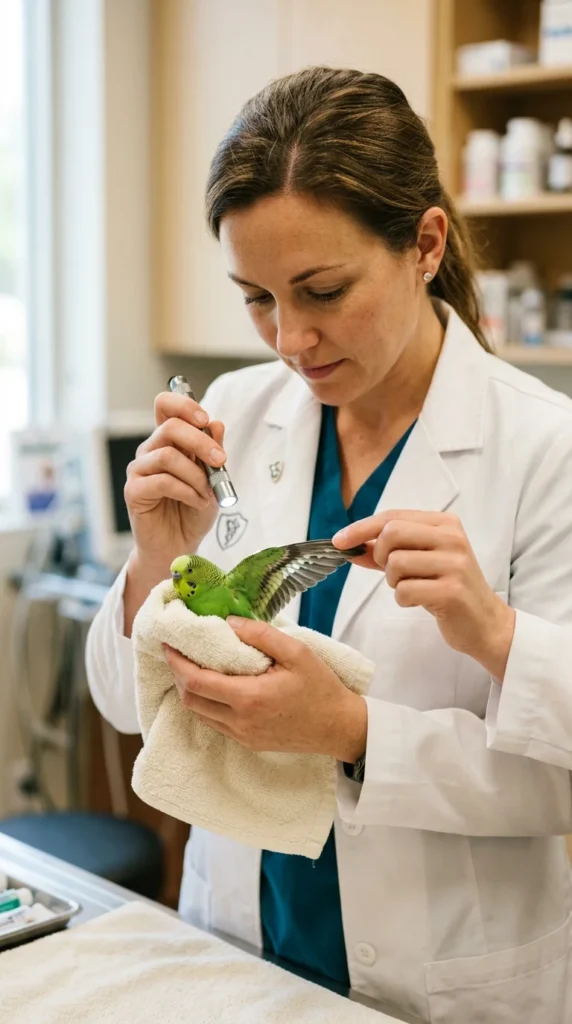
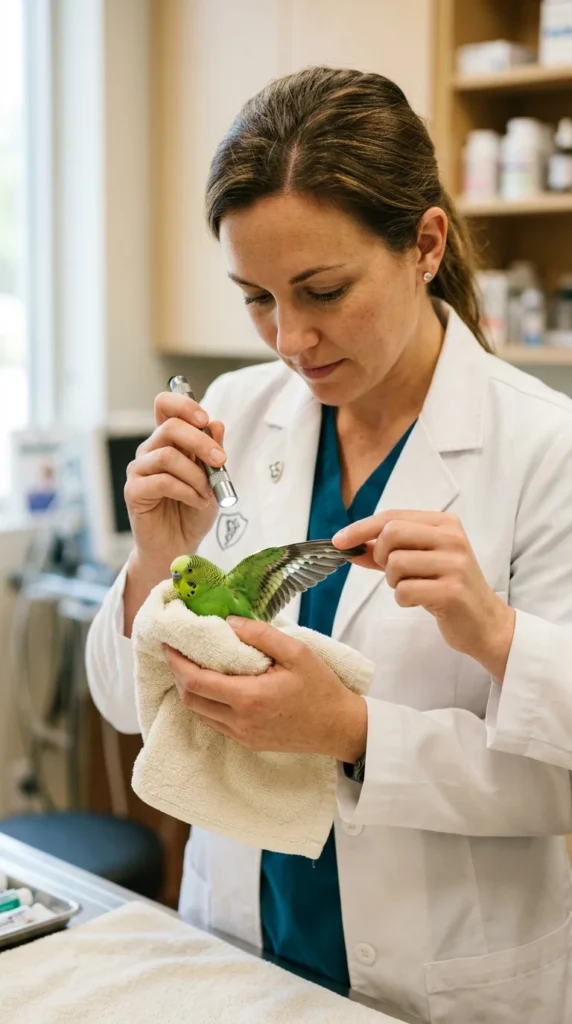
Not all veterinarians are equipped to treat birds. You must find a certified avian veterinarian. Budgies are masters at hiding illness—by the time they “look” sick, they are often very ill. An annual wellness exam can catch issues early through blood work or fecal tests. Establish a relationship with a vet before an emergency happens.
14. Cage Placement
Where you put the cage matters. It should be in a room where the family spends time, but not in the kitchen (due to fumes and heat) or directly in front of an air conditioning vent. One side of the cage should be against a wall to give the bird a sense of security. Avoid placing the cage in direct, harsh sunlight for extended periods, as the bird can overheat.
15. Foraging Behavior
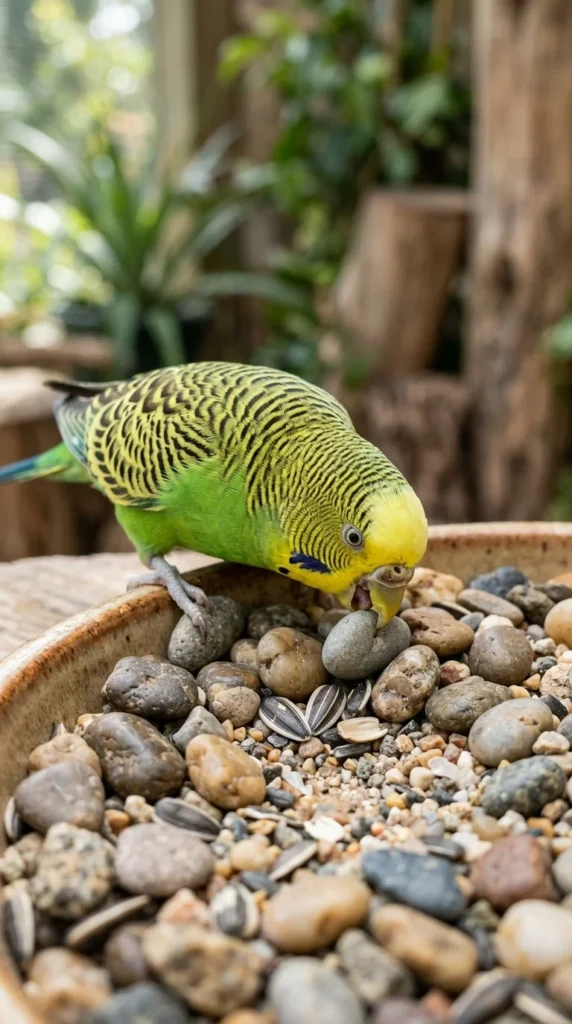
In the wild, budgies spend most of their day searching for food. You can replicate this “foraging” behavior to keep them mentally stimulated. Hide seeds in crumpled paper, use foraging toys that require them to pull a lever for a treat, or sprinkle food inside a tray filled with bird-safe pebbles. This turns mealtime into a rewarding game.
16. Cleaning Routine
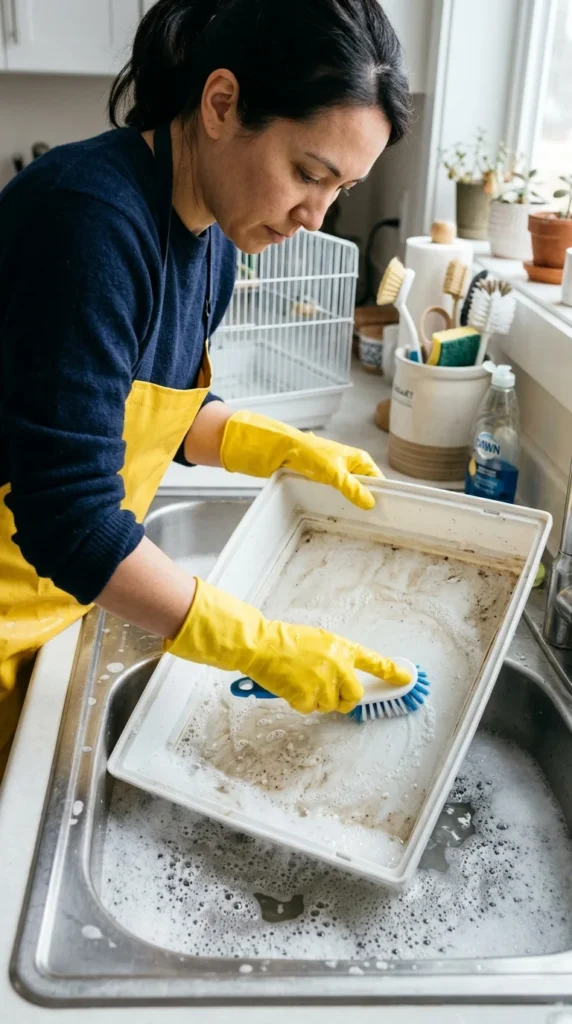
A clean cage is essential for preventing respiratory infections and parasites. Daily tasks include changing the paper liner at the bottom of the cage and cleaning food/water bowls. Weekly, you should wipe down the bars and perches with a bird-safe disinfectant or a water-and-vinegar solution. Monthly, do a deep clean of the entire cage and all toys.
17. Taming and Trust
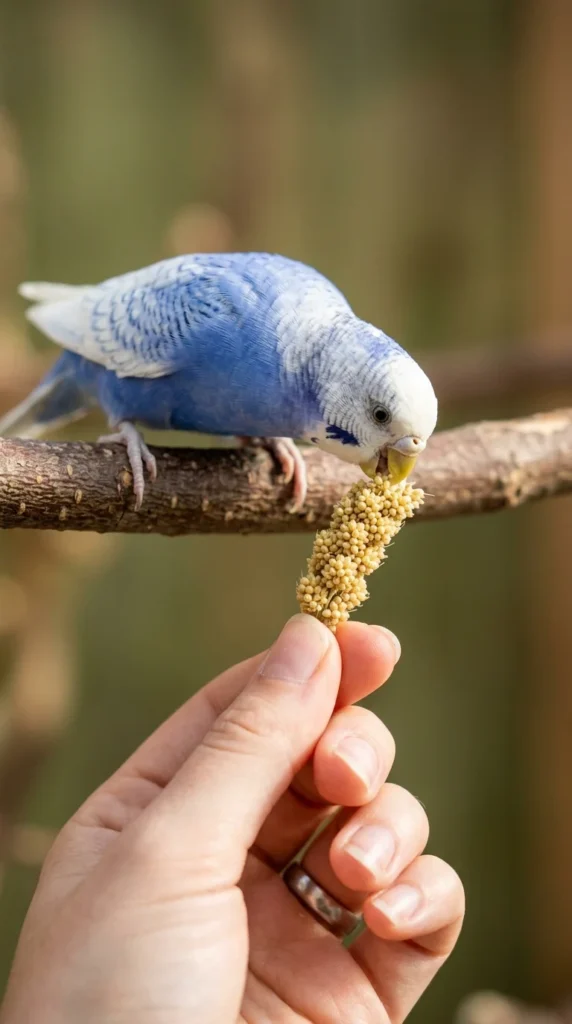
When you first bring a budgie home, give them 2-3 days to settle in before trying to handle them. Start by sitting near the cage and talking softly. Gradually move to offering treats (like millet) through the bars, then from your hand inside the cage. Never grab your budgie; let them choose to come to you. Building trust takes time and patience, but it’s worth the effort.
18. Recognizing Illness
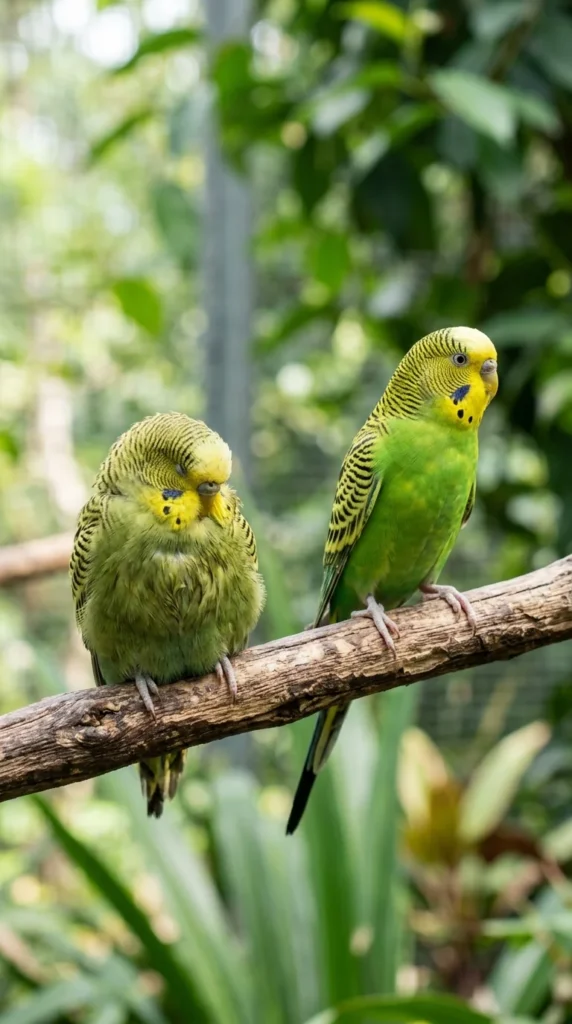
Because budgies are prey animals, they hide symptoms of sickness as long as possible. Watch for “fluffing up” for long periods, changes in droppings, discharge from the nose (cere), labored breathing, or sitting on the bottom of the cage. If you notice any of these signs, it is a medical emergency, and you must contact your avian vet immediately.
19. Toxic Foods
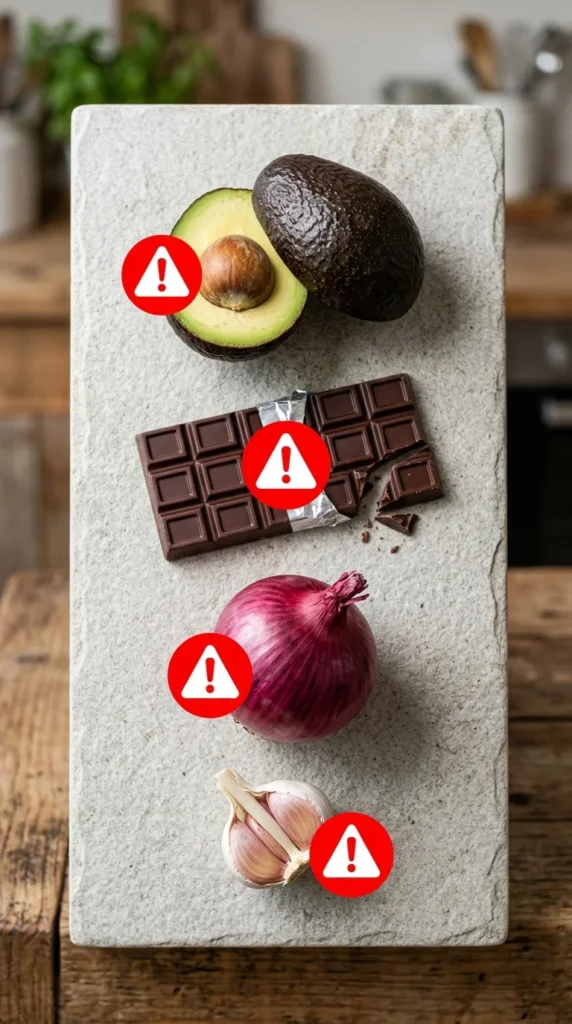
Many common human foods are toxic to budgies. Never feed them avocado (which contains persin, a toxin to birds), chocolate, caffeine, alcohol, onions, garlic, or fruit pits/apple seeds. High-salt and high-sugar snacks should also be avoided. When in doubt, research a food item thoroughly before offering it to your feathered friend.
20. Patience
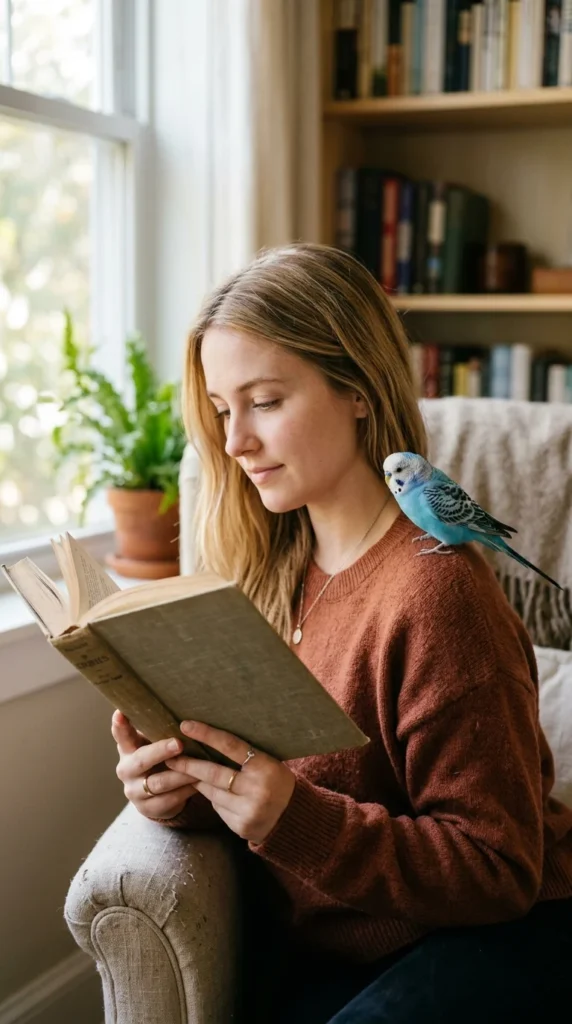
Budgies are small, but they have big emotions and distinct personalities. Some may become your best friend in a week, while others may take months to step onto your finger. Respect their boundaries and move at their pace. Consistency, kindness, and patience are the keys to a successful relationship. Enjoy the process of learning about your new companion, and you will be rewarded with years of chirpy friendship.