
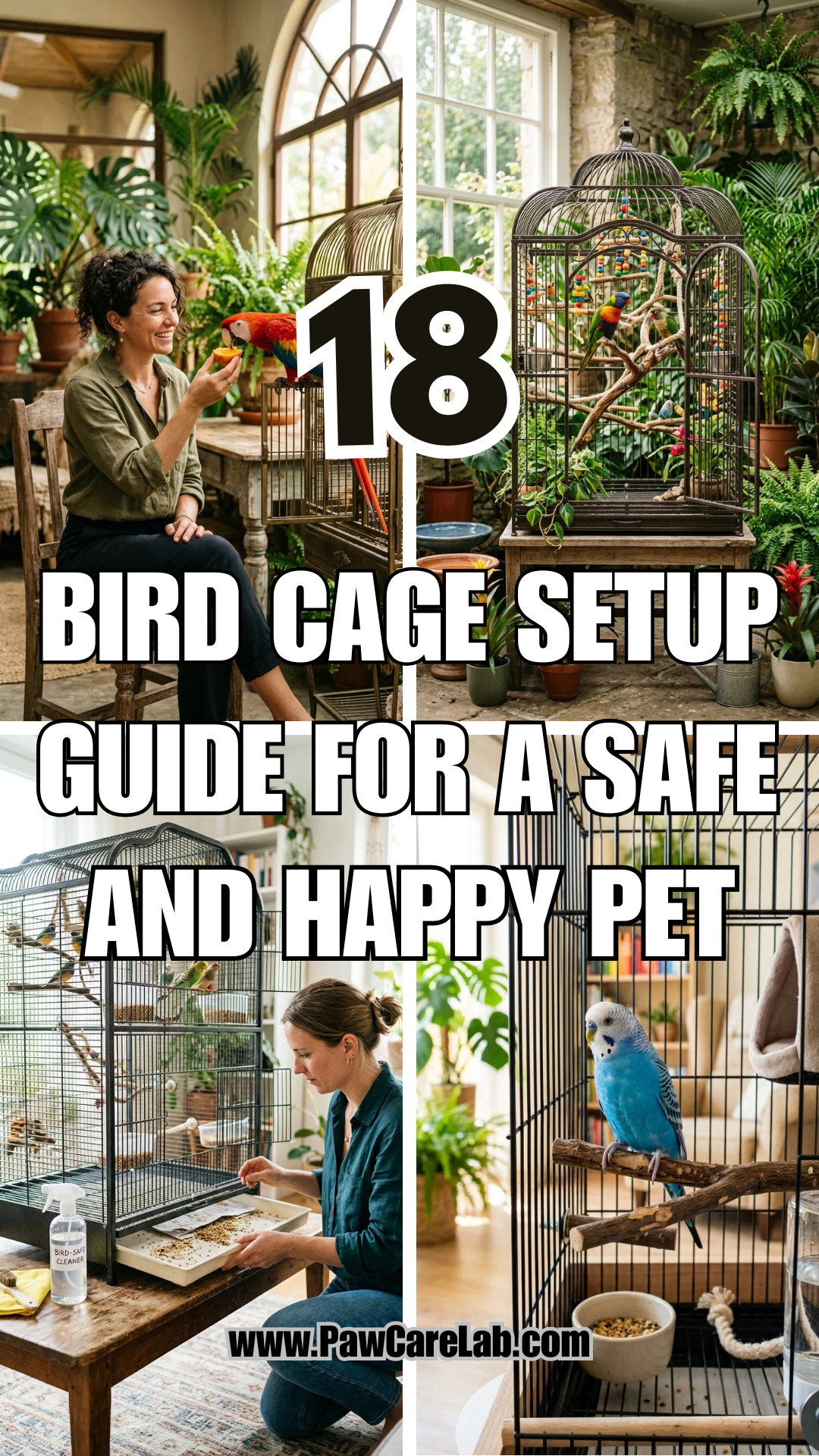
Bringing a bird into your home is a commitment to a highly intelligent, social, and sensitive companion. Unlike a dog or a cat that shares your entire floor plan, a bird’s world is largely defined by the dimensions of its cage. This isn’t just a place for them to sleep; it is their bedroom, dining room, gym, and playground. A poorly designed setup can lead to chronic stress, physical ailments, and behavioral issues like feather plucking. To ensure your feathered friend thrives, follow this comprehensive 18-step guide to creating the ultimate avian sanctuary.
1. Cage Size
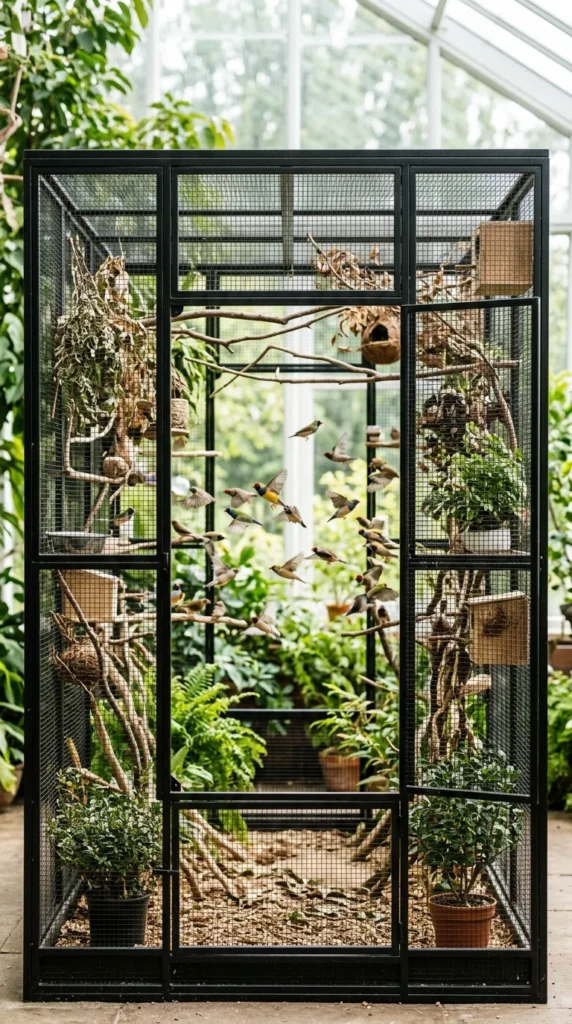
When it comes to bird cages, the “bigger is better” rule is absolute. Your bird should be able to fully extend its wings and flap them vigorously without hitting any toys or the sides of the cage. For smaller birds like budgies or finches, horizontal space is more important than vertical height because birds fly side-to-side rather than straight up like a helicopter. For larger parrots, the cage must be wide enough to accommodate their long tail feathers without them dragging on the floor or getting frayed against the bars.
2. Bar Spacing
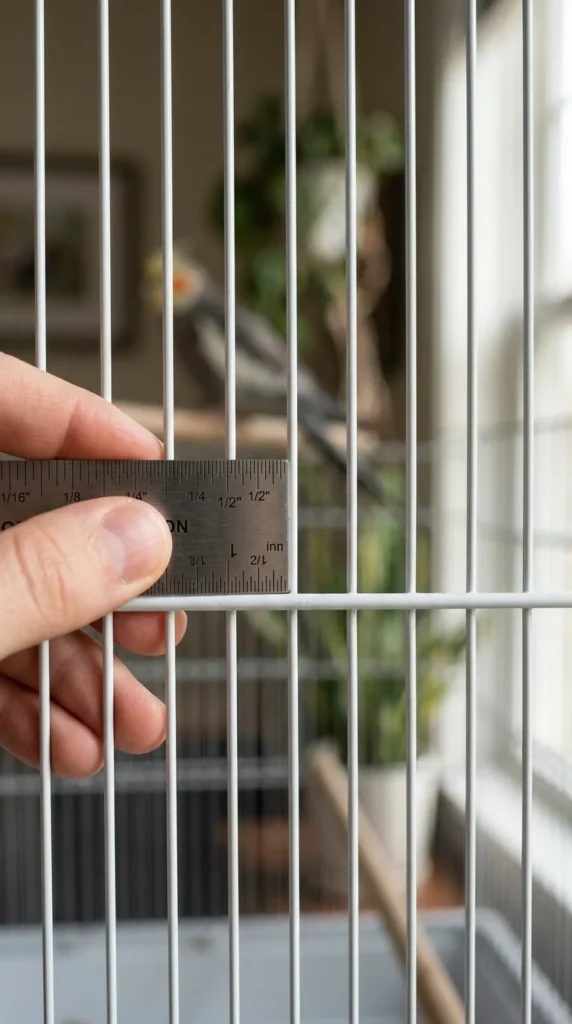
Safety is dictated by the distance between the bars. If the spacing is too wide, a small bird can get its head stuck, leading to injury or even death. If it’s too narrow, the bird might get its beak or toes caught. Generally, parakeets and lovebirds need 1/2 inch spacing, while larger macaws or cockatoos require 1 inch to 1.5 inches. Always double-check the manufacturer’s specifications to ensure the cage is rated for your specific species.
3. Cage Placement
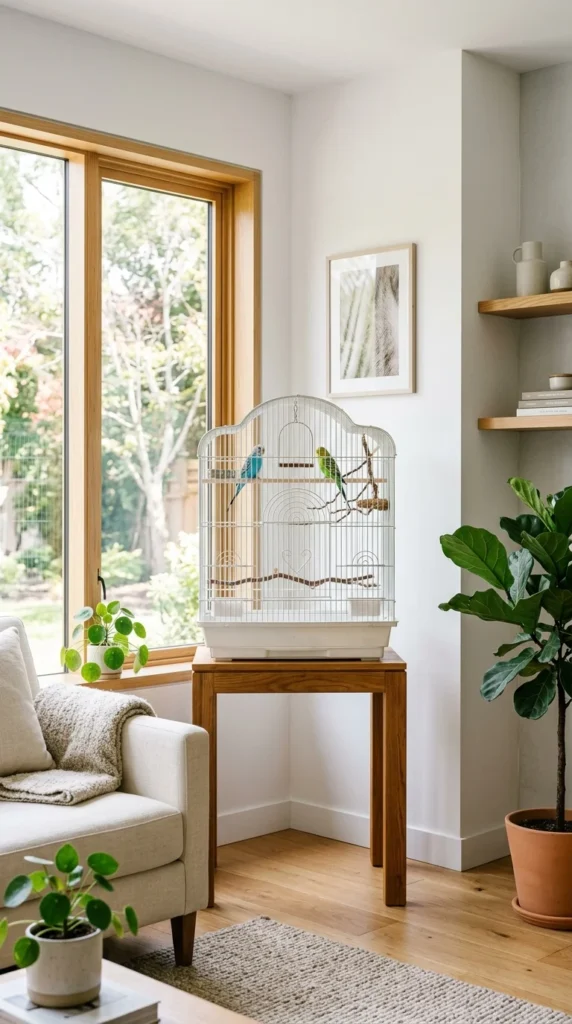
Location is everything. Birds are social creatures and want to be where the action is, but they also need to feel secure. Place the cage in a corner so they have two solid walls behind them; this prevents them from feeling like a predator could sneak up from behind. Avoid the kitchen at all costs—fumes from non-stick cookware (PTFE) are lethal to birds. Additionally, keep the cage away from drafty windows or direct air conditioning vents, as sudden temperature fluctuations can make a bird ill.
4. Safe Materials
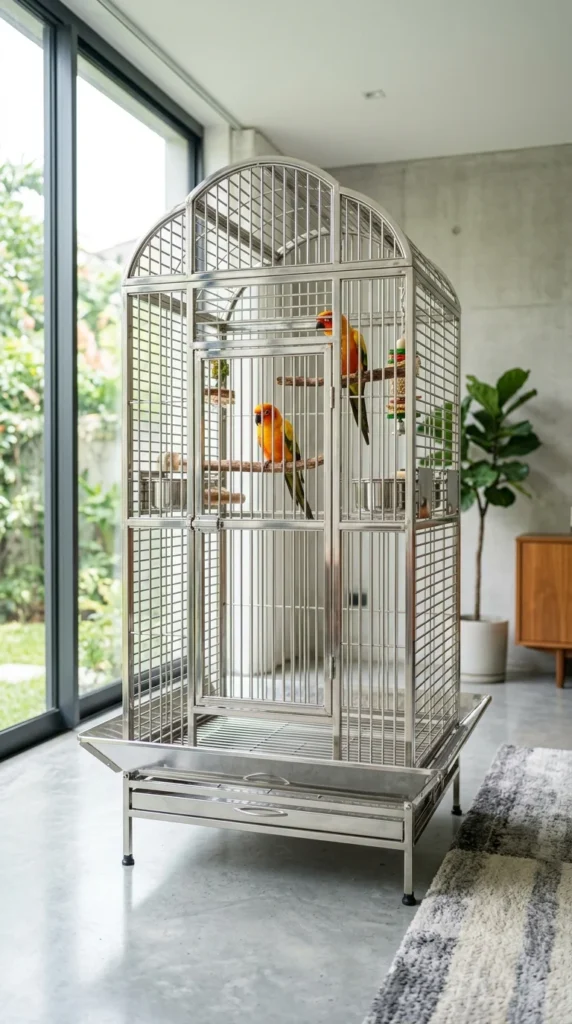
Not all metals are created equal. Many cheap cages use paint containing lead or zinc, both of which are toxic if ingested by a bird that likes to “beak” its way around the bars. The gold standard is 304-grade stainless steel, which is rust-proof and non-toxic. If you opt for a powder-coated cage, ensure it is “bird-safe” and that the coating is thick enough to withstand the powerful beak of a parrot.
5. Natural Perches
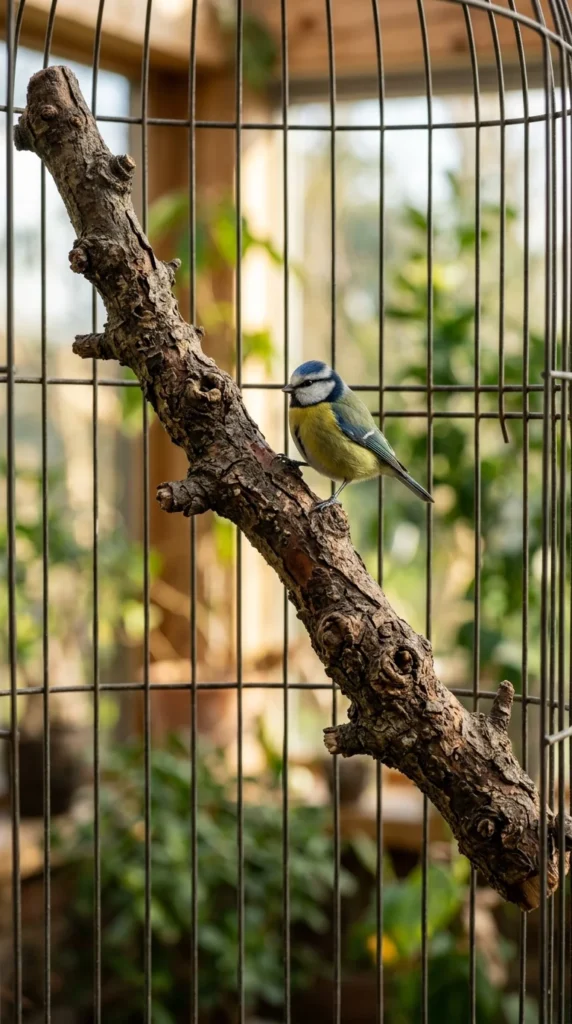
Standard wooden dowel perches are the equivalent of humans walking on flat concrete all day—they lead to pressure sores and arthritis (bumblefoot). Replace or supplement these with natural wood perches made from bird-safe trees like apple, willow, or manzanita. The irregular shapes and textures of natural branches provide a foot massage with every step and help keep their nails naturally filed down.
6. Perch Diameters
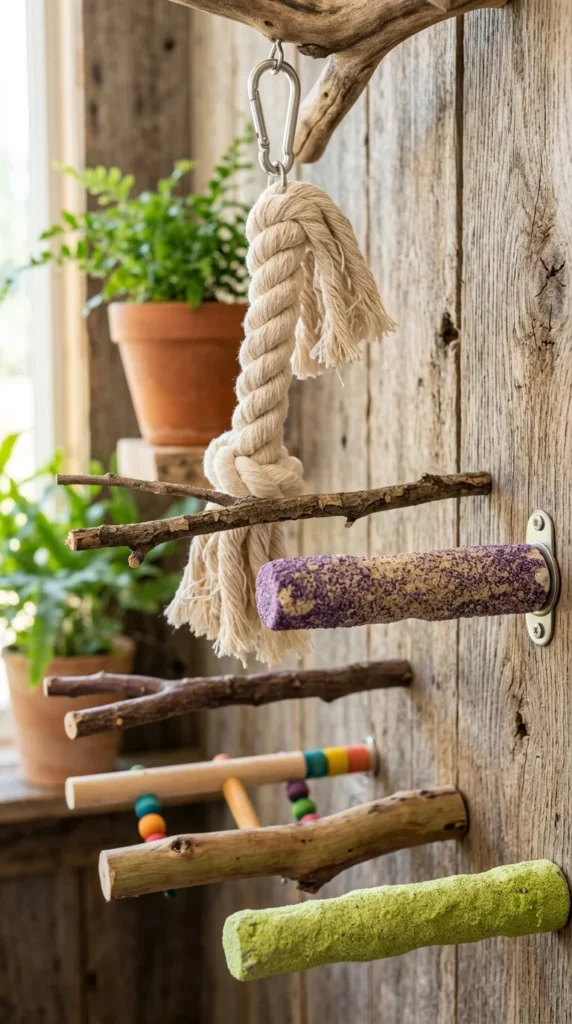
To maintain healthy foot joints, your bird needs a variety of perch diameters. Some should be thin enough for their toes to wrap almost all the way around, while others should be thick enough that their feet rest flat on top. This variety forces the bird to use different muscles in their feet and legs, preventing cramping and long-term joint degradation.
7. Food Bowls
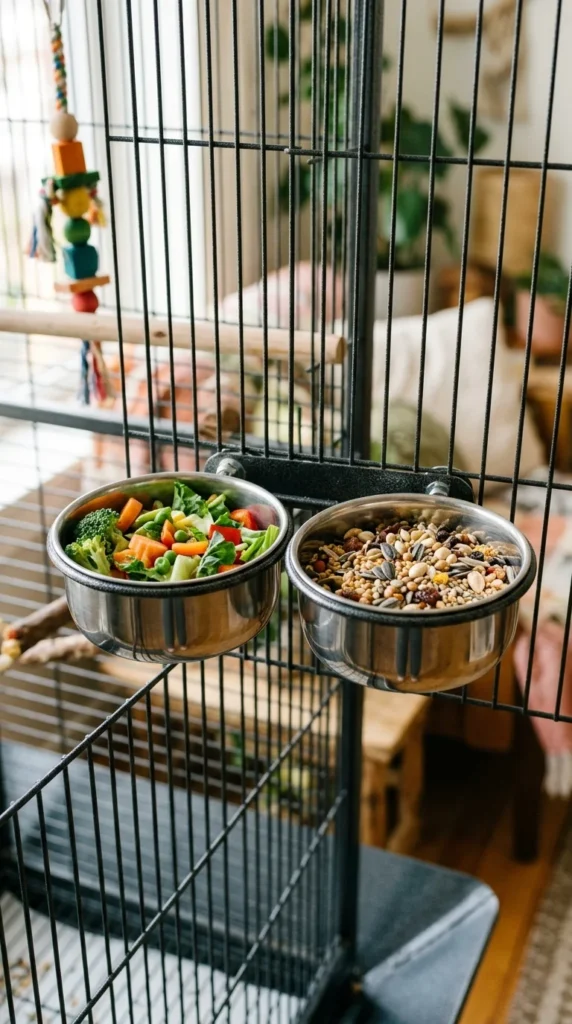
Ditch the plastic bowls that often come with cages. Plastic is porous and can harbor bacteria even after washing. Instead, use stainless steel or ceramic bowls. Position them high in the cage to keep them away from “droppings zones.” Never place food or water bowls directly under a perch, or they will quickly become contaminated with waste.
8. Foraging Toys
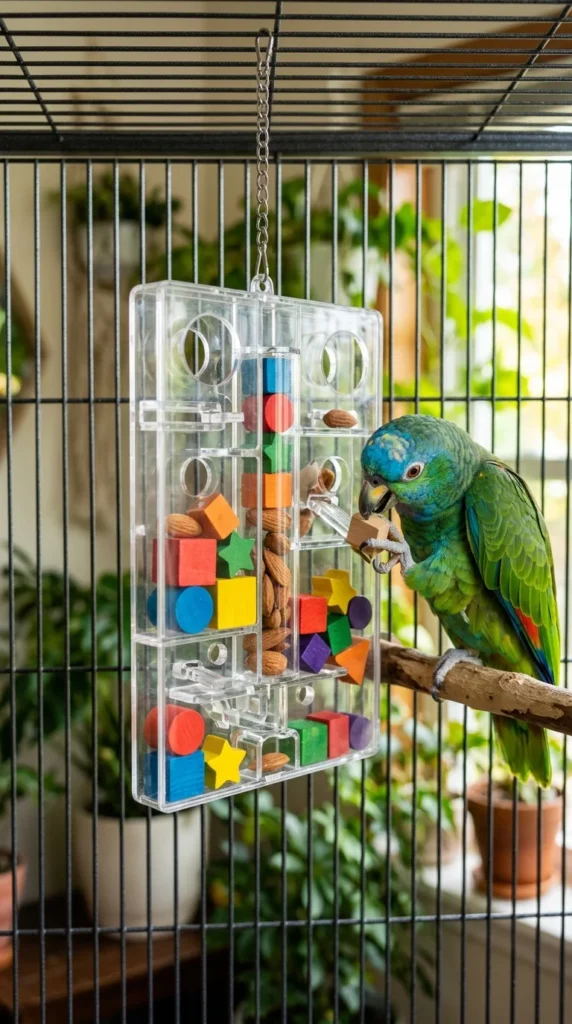
In the wild, birds spend up to 80% of their waking hours searching for food. In a cage, food is usually handed to them in a bowl, leading to boredom and obesity. Foraging toys challenge their minds by making them work for their treats. These can be as simple as cardboard boxes stuffed with paper or complex acrylic puzzles that require sliding doors and turning gears to access a nut.
9. Intellectual Stimulation
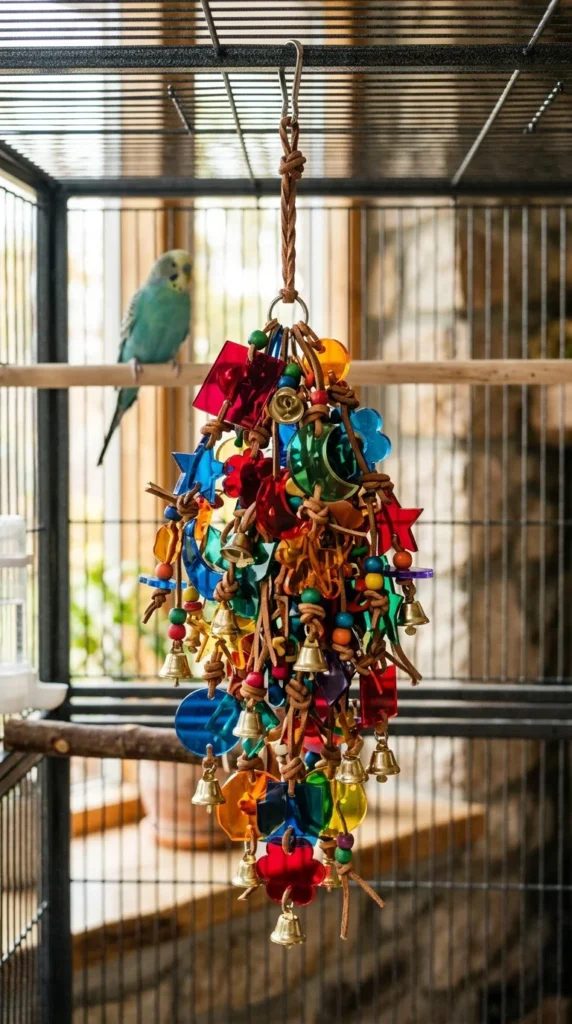
Birds are arguably as intelligent as toddlers. They need toys that stimulate their curiosity. Look for toys with mirrors (use sparingly as some birds become obsessed), bells with protected clappers, and different textures. Rotate these toys every week or two. If you leave the same toys in the cage forever, the bird will stop interacting with them. New toys provide a “novelty effect” that keeps their brain sharp.
10. Chew Toys
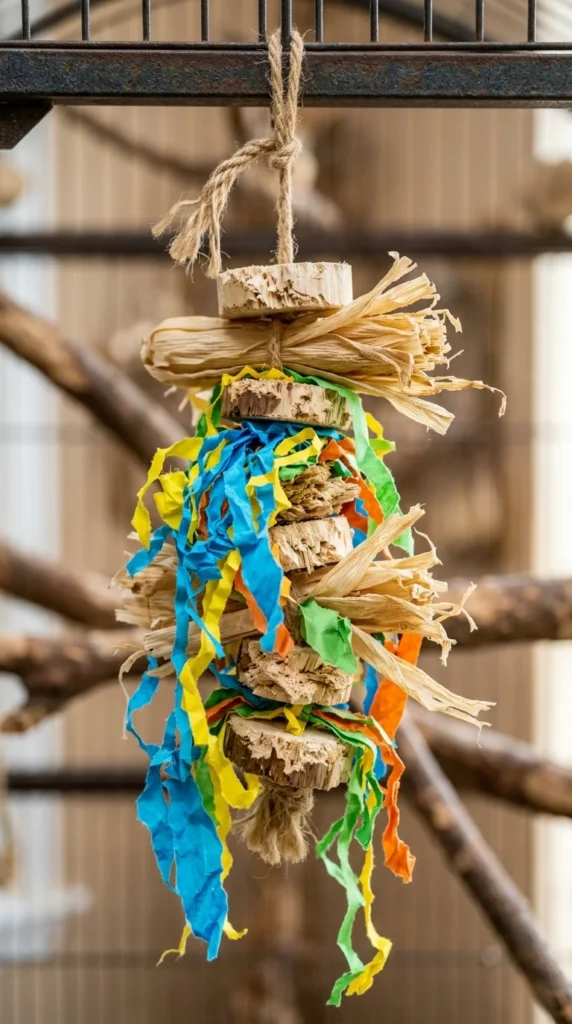
A bird’s beak is constantly growing, much like human fingernails. To keep it in shape, they need to chew. Provide toys made of soft woods (balsa or pine), loofah, vegetable-tanned leather, and cardboard. “Destructible” toys are the best kind; seeing a bird turn a wooden toy into a pile of toothpicks is a sign of a happy, engaged pet.
11. Sleeping Quarters
Birds need 10 to 12 hours of uninterrupted sleep in total darkness. If your living room is active late at night, consider a “sleep cage” in a quiet room or use a heavy, breathable cage cover. Some birds enjoy a “sleeping tent” or a flat corner perch where they can rest their feet fully while they snooze. Ensure any fabric items are inspected daily for loose threads that could snag a toe.
12. Lighting Needs
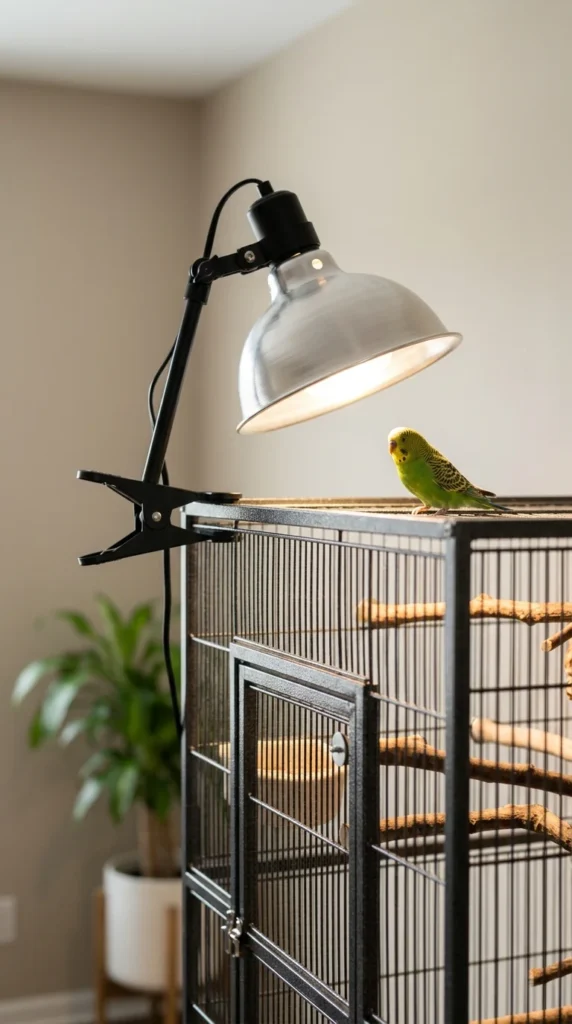
Windows filter out necessary UV rays. Birds need UVA and UVB light to synthesize Vitamin D3, which allows them to absorb calcium. Without proper lighting, birds can develop metabolic bone disease or become lethargic. Install a bird-specific full-spectrum light on a timer to mimic a natural day/night cycle, ensuring it’s positioned close enough to the cage to be effective but far enough that the bird can’t chew the cord.
13. Hygiene Access
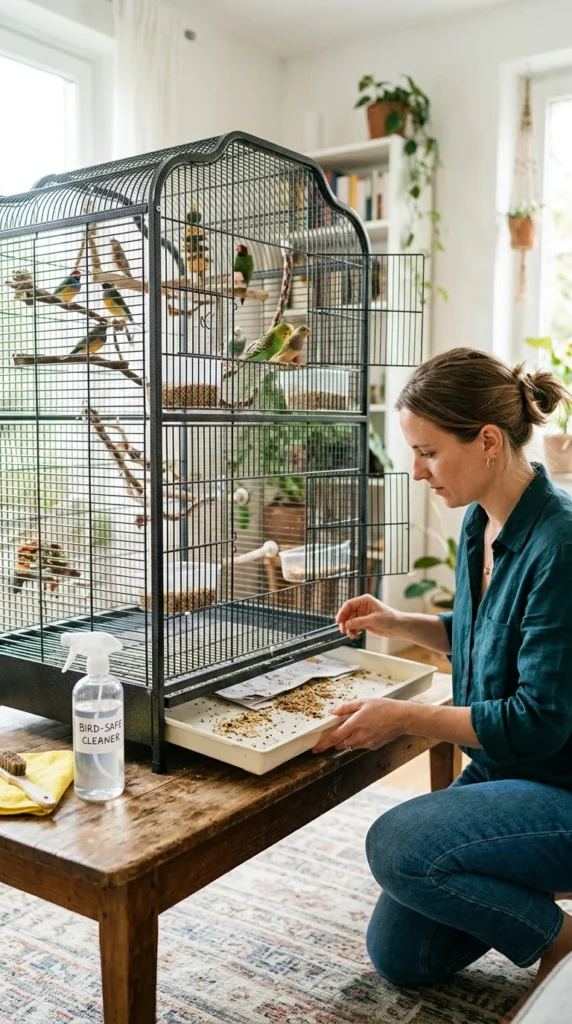
A clean cage is a healthy cage. Choose a model with a slide-out bottom tray and a removable floor grate. This allows you to change the lining daily without reaching into the bird’s personal space. The grate is essential because it prevents the bird from walking in its own waste or picking up fallen food that has become contaminated.
14. Air Quality
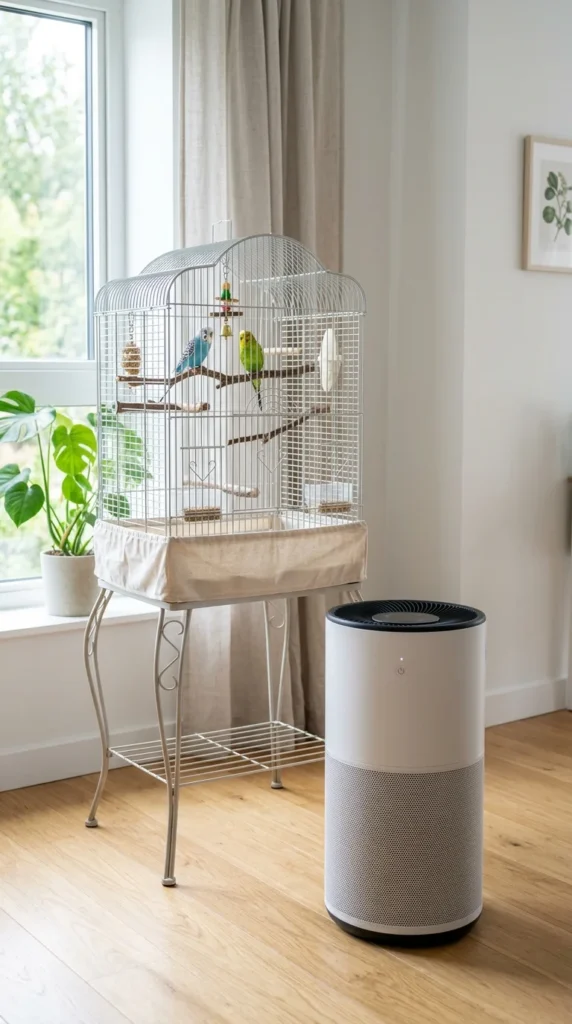
Birds have an incredibly efficient respiratory system, which also makes them highly vulnerable to airborne toxins. Beyond avoiding the kitchen, ensure the room is free of scented candles, incense, plug-in air fresheners, and harsh cleaning chemicals. An air purifier with a HEPA filter placed near the cage can help remove dander and dust, benefiting both the bird and the owner.
15. Social Interaction
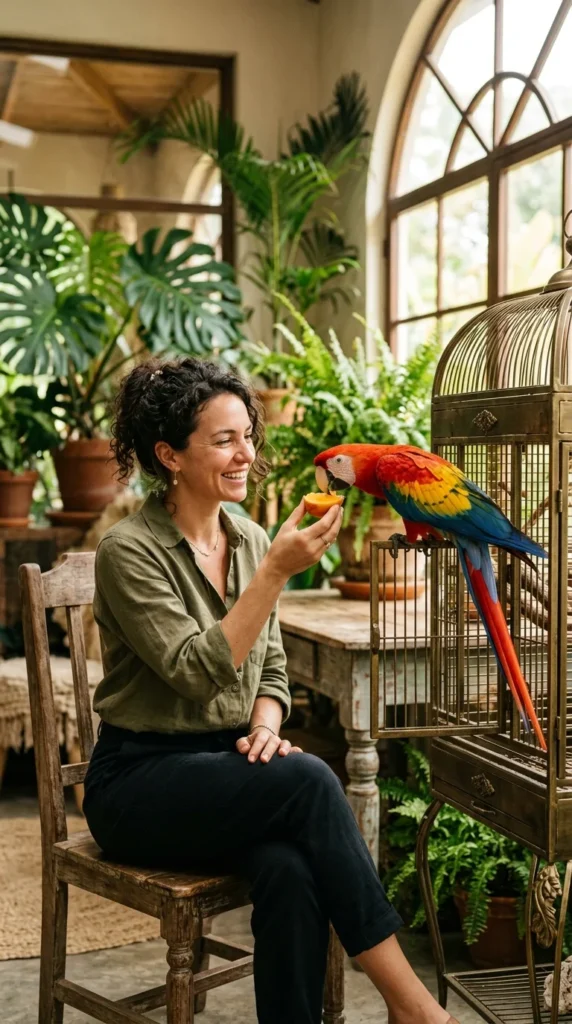
The cage should not be a prison. It should be a base of operations. Ensure the cage door is designed to stay open safely, perhaps with a “landing porch” feature. This encourages the bird to come out and interact with the family when supervised. The more the bird feels like a member of the flock, the less likely they are to develop “cage aggression,” where they become overly protective of their territory.
16. Safety Inspection
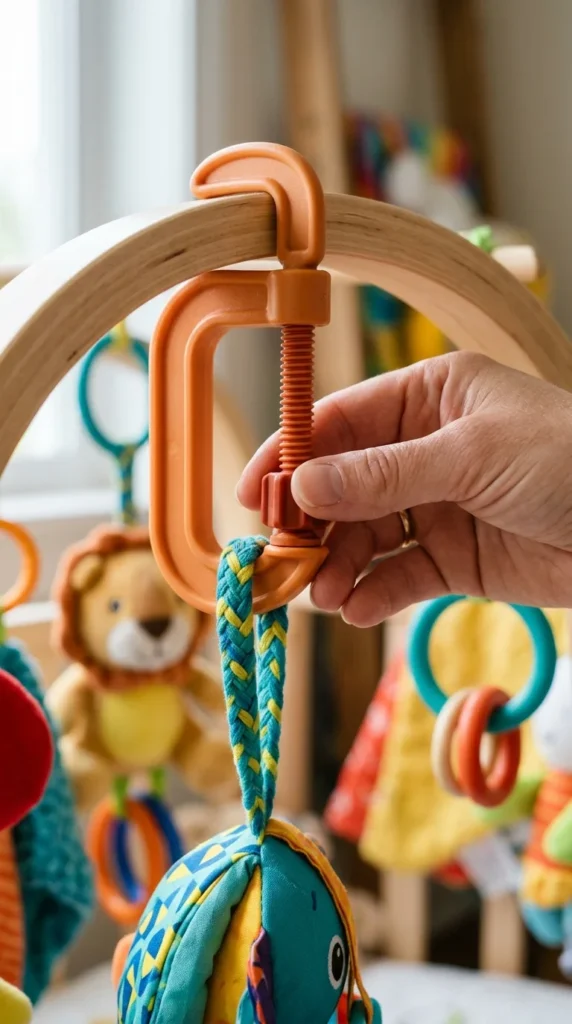
Weekly safety checks are mandatory. Look for “jingle bells” where a beak could get stuck in the narrow slits. Check for frayed rope perches; birds can ingest the fibers or get their necks caught in loops. Ensure all quick-links and carabiners are the screw-lock type, as birds are experts at opening the simple “clip” style ones, which can then hook into their skin.
17. Cage Liners
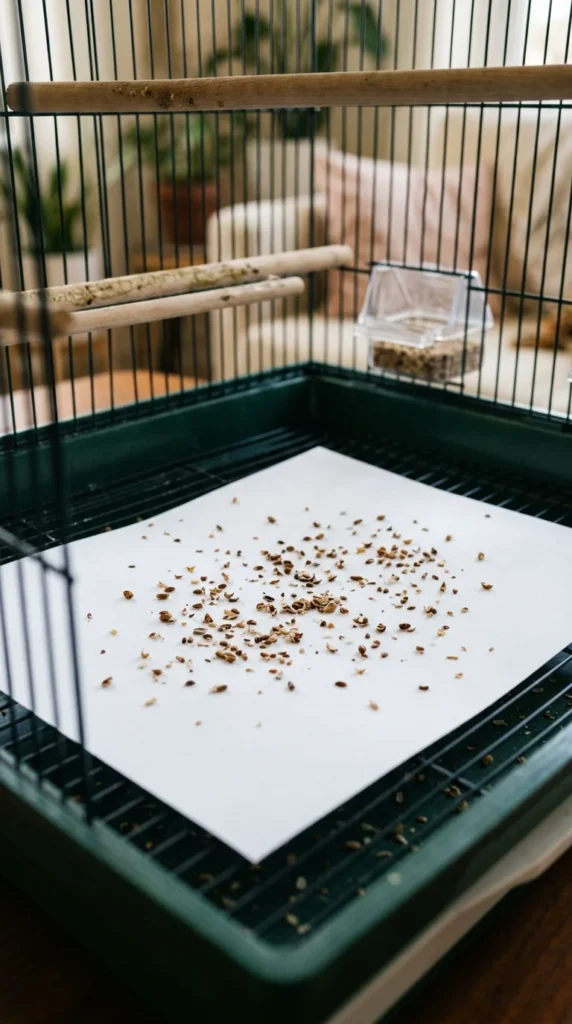
Avoid using cat litter, corn cob bedding, or walnut shells at the bottom of the cage. These materials can grow mold if they get wet and are dangerous if swallowed. The best liner is simple: plain paper, newspaper (with non-toxic soy ink), or paper towels. They are flat, making it easy to monitor the bird’s droppings, which is the primary way to spot health issues early.
18. The Transition Period
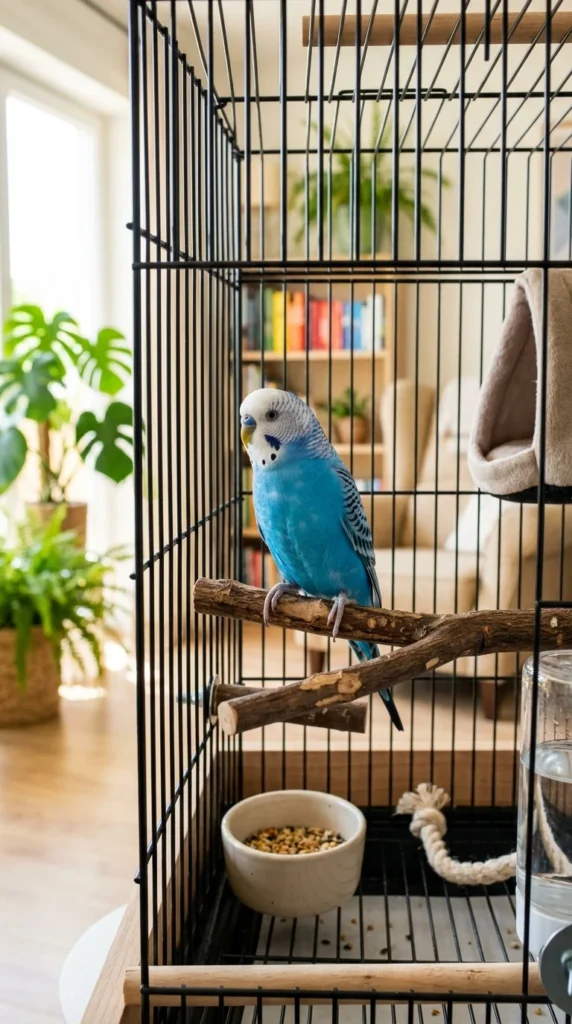
Once your masterpiece is built, don’t just toss the bird in. Let them explore it at their own pace. Place their favorite treats inside and leave the door open. It may take a few days for them to feel comfortable. By providing a structured, safe, and stimulating environment from day one, you are laying the foundation for a relationship that can last decades. A happy bird is a vocal, playful, and affectionate companion, and it all starts with the right home.