
Nutrition is the cornerstone of a long, vibrant life for any avian companion. In the wild, birds spend the majority of their waking hours foraging for a diverse array of nutrients. Replicating this complexity at home is the best way to ensure your feathered friend stays active, colorful, and healthy for decades. This guide explores 24 dietary essentials that provide the vitamins, minerals, and mental stimulation your bird needs to thrive.
1. High-Quality Pellets
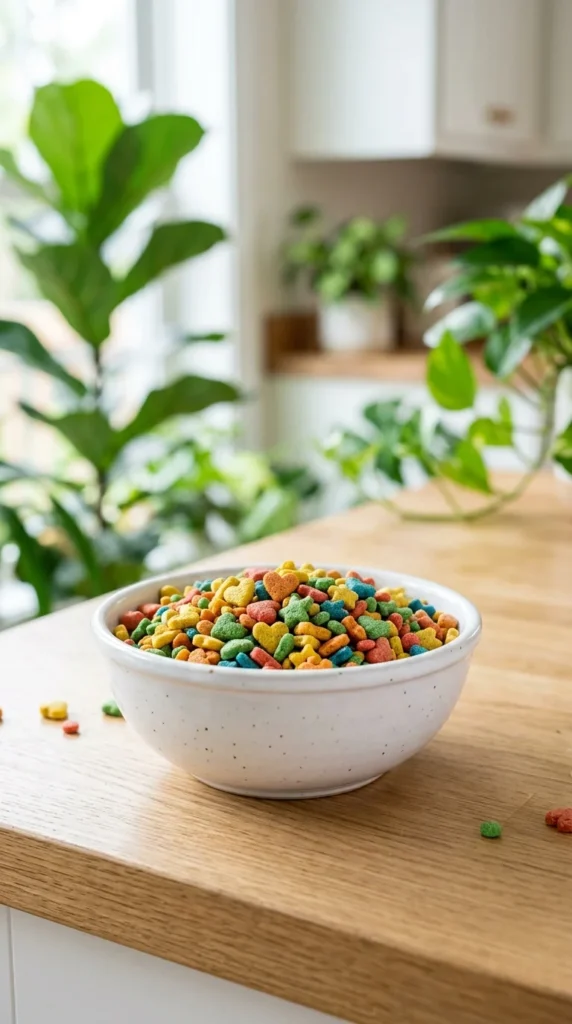
While seeds were once the standard, modern avian science points to high-quality pellets as the ideal nutritional foundation. Pellets are formulated to provide a balanced ratio of proteins, fats, and carbohydrates, ensuring your bird doesn’t “cherry-pick” only the fatty seeds. Aim for pellets to make up about 60% to 70% of their total daily intake.
2. Leafy Greens
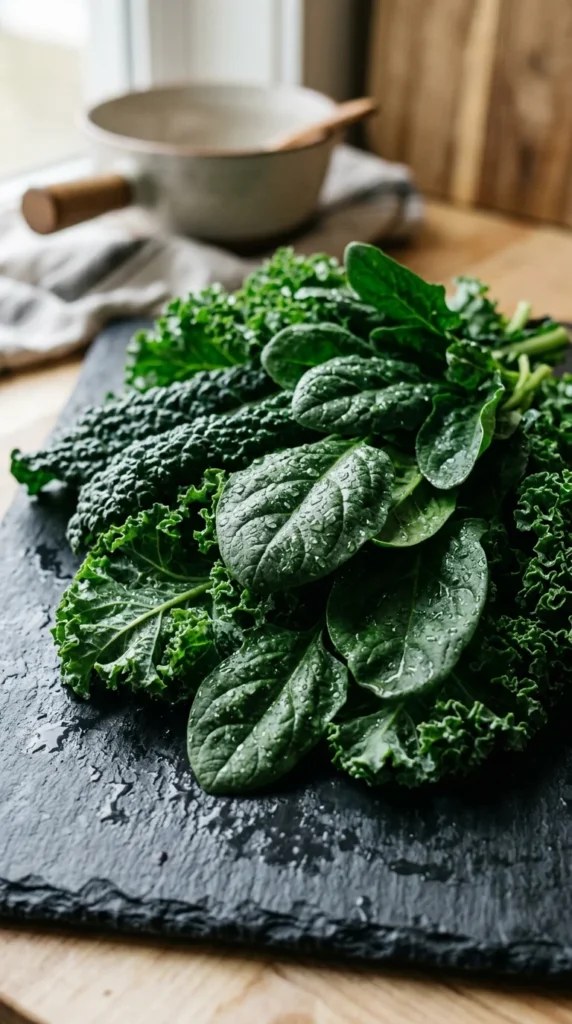
Dark, leafy greens like kale, spinach, and Swiss chard are nutritional powerhouses. They are rich in Vitamin A, which is crucial for respiratory health and feather quality. For smaller birds, try clipping these leaves to the side of the cage to simulate natural browsing behavior.
3. Orange Vegetables
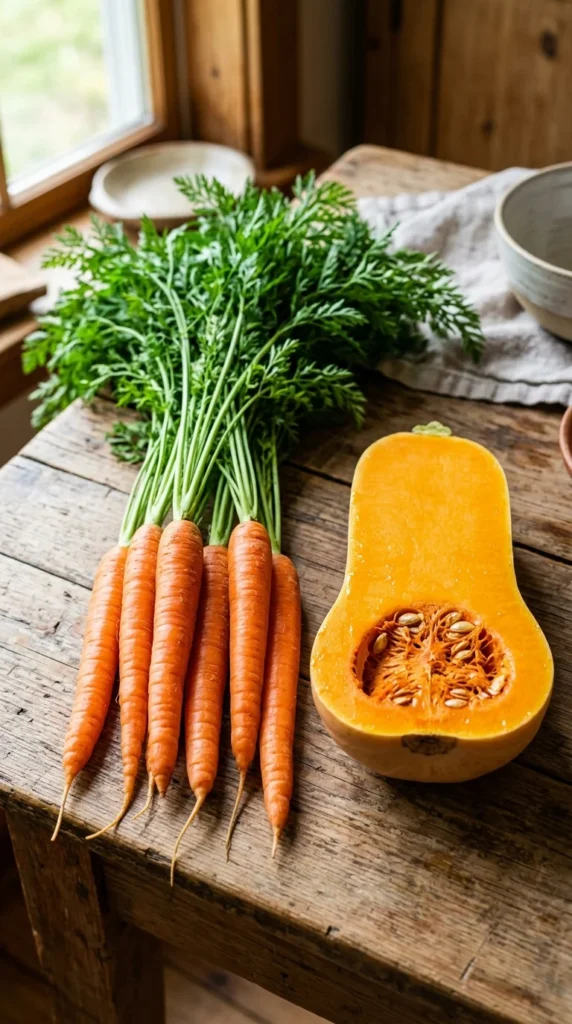
Vegetables with orange flesh, such as carrots, sweet potatoes, and pumpkin, are packed with beta-carotene. The body converts this into Vitamin A. Always steam or lightly cook harder vegetables like sweet potatoes to make them easier for your bird to digest and to unlock more nutrients.
4. Fresh Berries
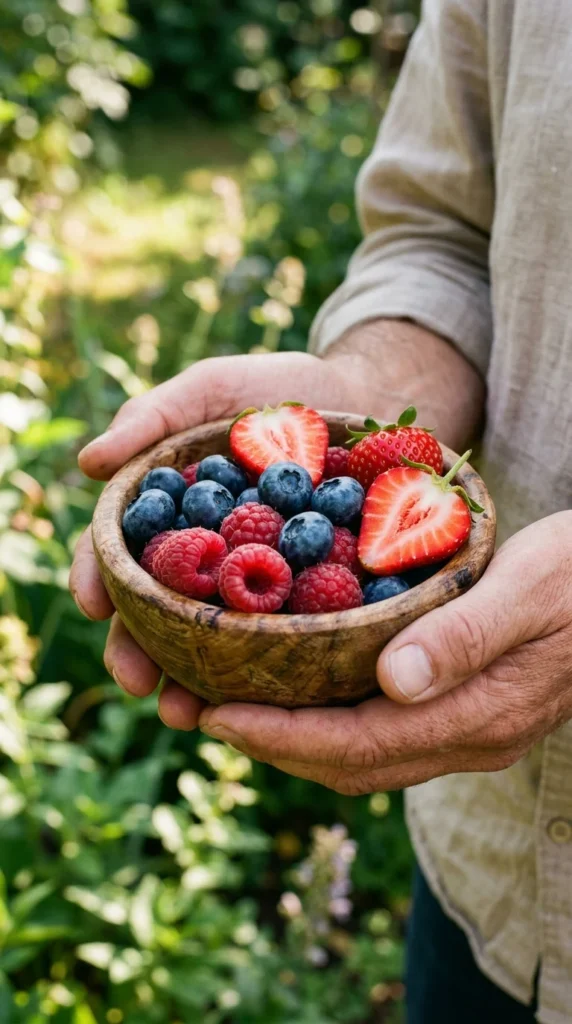
Berries are nature’s candy but with a healthy twist. Blueberries, raspberries, and blackberries are high in antioxidants, which help fight oxidative stress in birds. Because they have a high water content, they also contribute to hydration, especially during warmer months.
5. Tropical Fruits
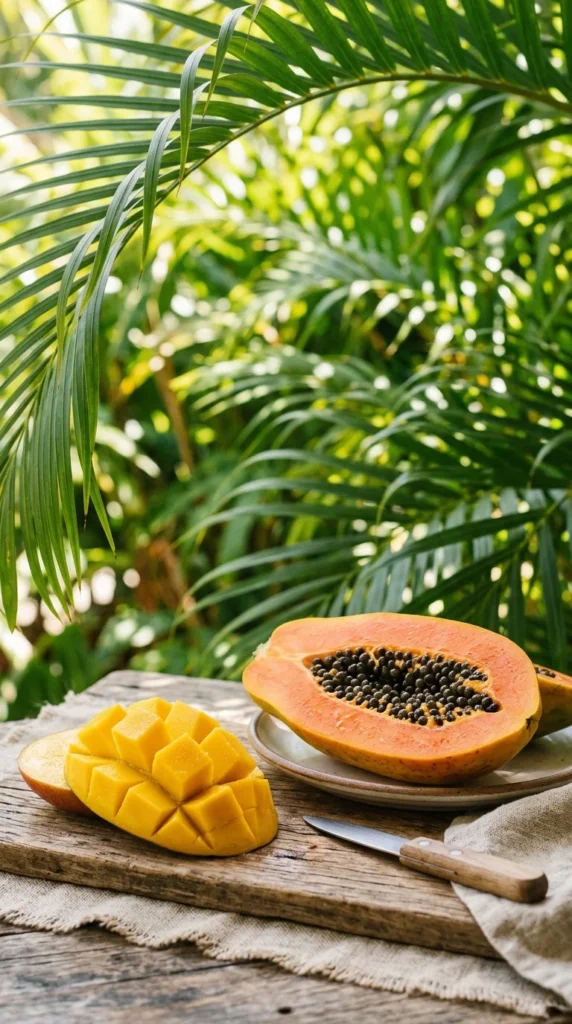
Birds like parrots are native to tropical regions where mangoes and papayas are staples. These fruits are rich in enzymes that aid digestion and provide a burst of Vitamin C. Remember to remove any large pits or seeds that could be a choking hazard or contain toxins.
6. Sprouted Seeds
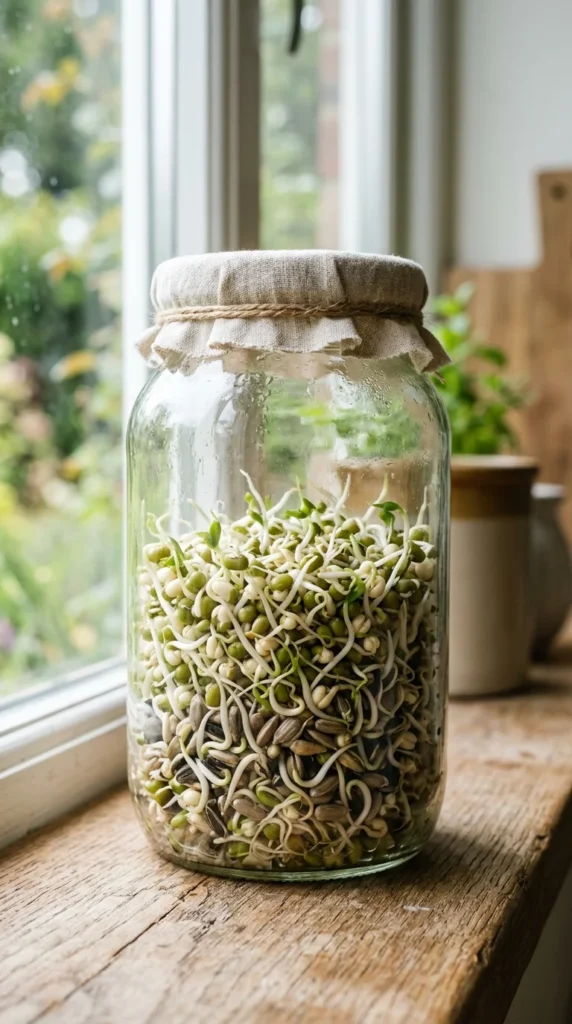
Sprouting transforms a simple seed into a living food. When a seed sprouts, its fat content decreases while its protein, vitamin, and mineral levels skyrocket. Sprouted seeds are often more palatable to birds that are stubborn about switching from an all-seed diet to a healthier one.
7. Cooked Quinoa
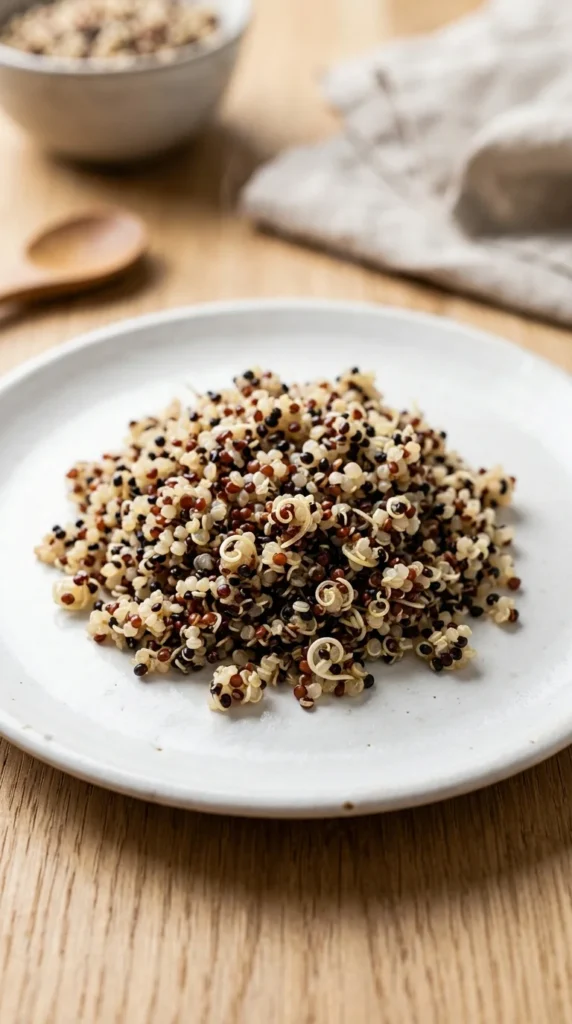
Quinoa is a “super-grain” that is actually a seed. It is one of the few plant-based sources of complete protein, containing all nine essential amino acids. Serve it warm (but not hot) to provide a comforting and highly nutritious meal.
8. Raw Walnuts
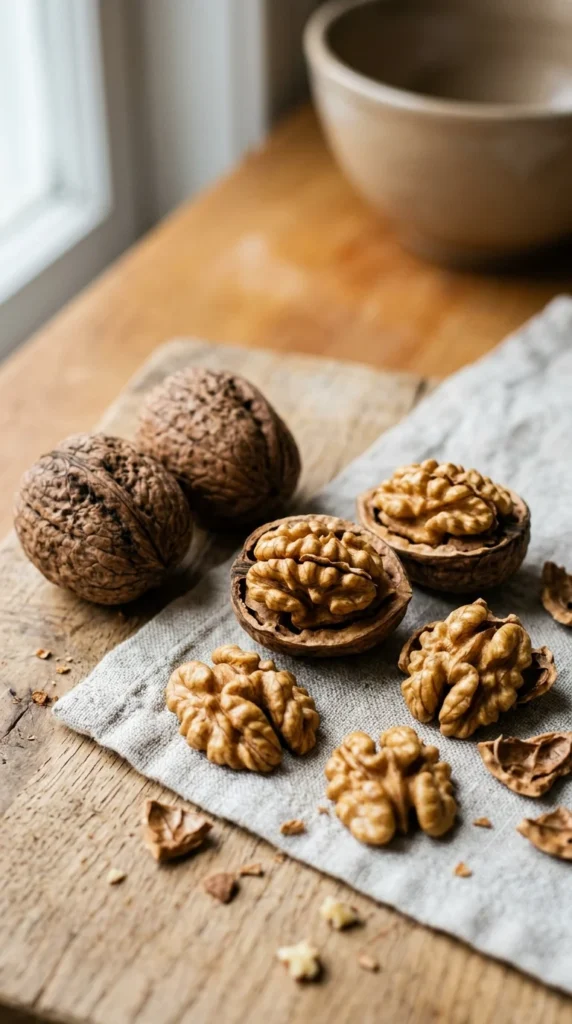
Nuts are a great source of healthy fats and omega-3 fatty acids, which support brain health and heart function. However, they are calorie-dense. A small piece of walnut is a perfect training treat for larger parrots, while smaller birds should receive only tiny slivers.
9. Chili Peppers
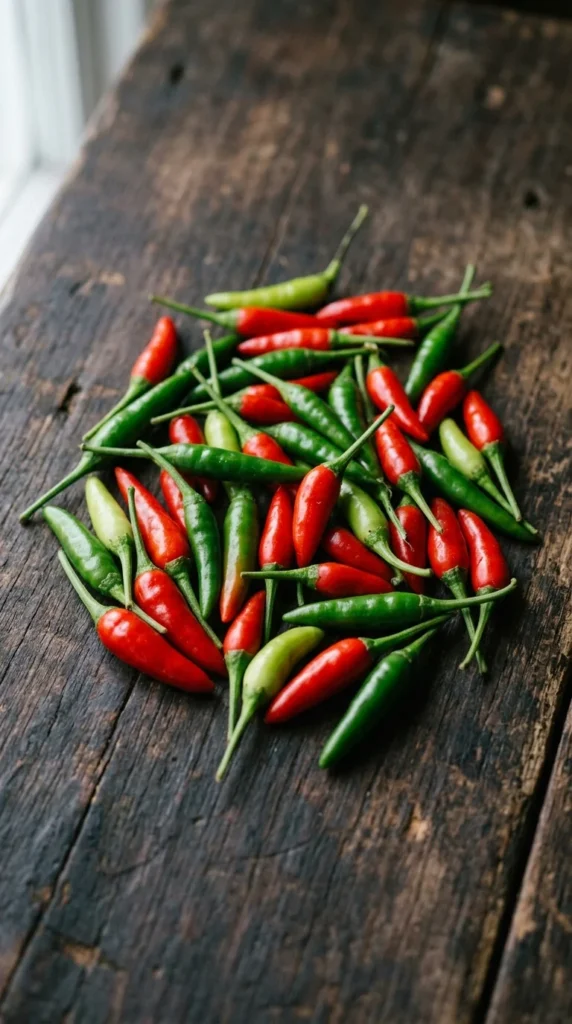
Interestingly, birds do not have the receptors to feel the “heat” from capsaicin. They love the crunch and the seeds inside chili peppers. Peppers are excellent sources of Vitamin A and C and can add a much-needed zing to a dull meal.
10. Hard-Boiled Eggs
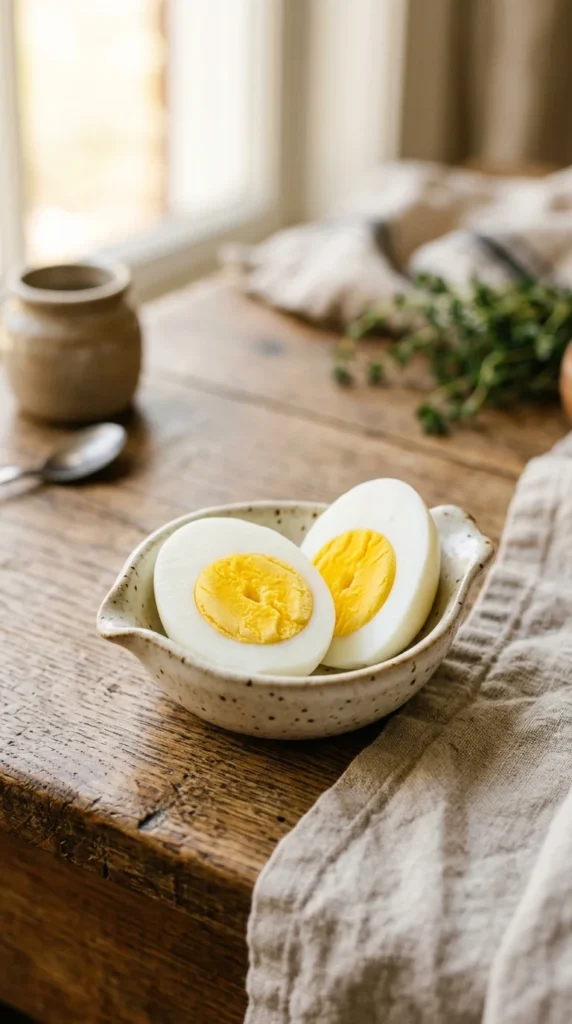
Egg is a fantastic source of high-quality protein and choline. Including the crushed shell can also provide a calcium boost. This is particularly beneficial for breeding hens or birds recovering from an illness, but it should be offered sparingly due to the high cholesterol content.
11. Legumes
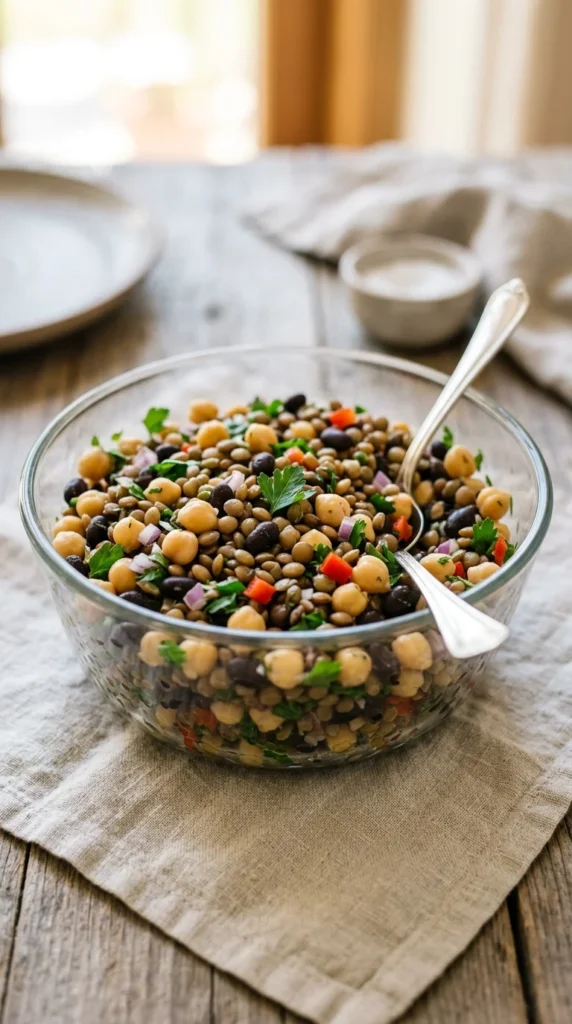
Lentils, chickpeas, and beans are excellent plant-based proteins. They must be thoroughly cooked, as raw beans contain toxins that are harmful to birds. Mixing beans with grains like brown rice creates a complete protein profile that mimics what many wild birds consume.
12. Calcium Sources
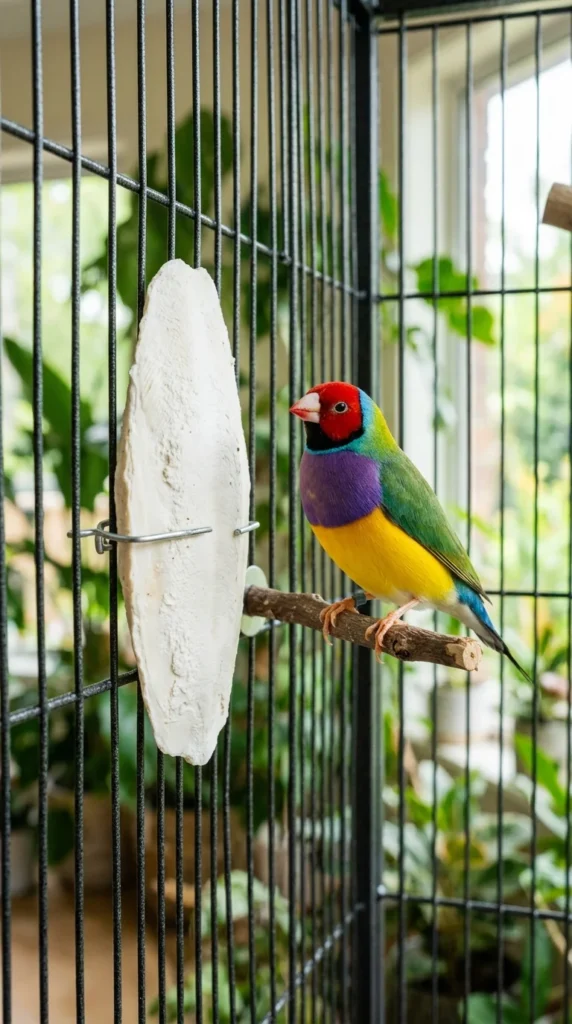
Calcium is vital for bone density and, for females, the production of eggshells. Aside from cuttlebone, you can offer mineral blocks or even specialized calcium-enriched sprays if your bird is prone to deficiencies.
13. Clean Water
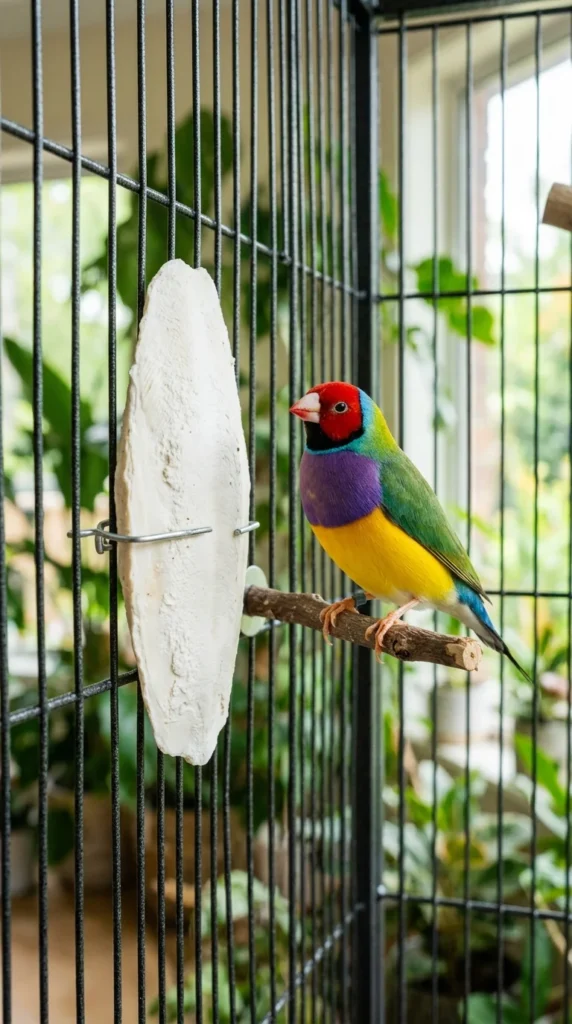
This may seem obvious, but hydration is the most overlooked part of a diet. Water should be changed at least twice a day to prevent bacterial growth. For birds that like to “make soup” by dropping food in their water, more frequent changes are necessary.
14. Edible Flowers
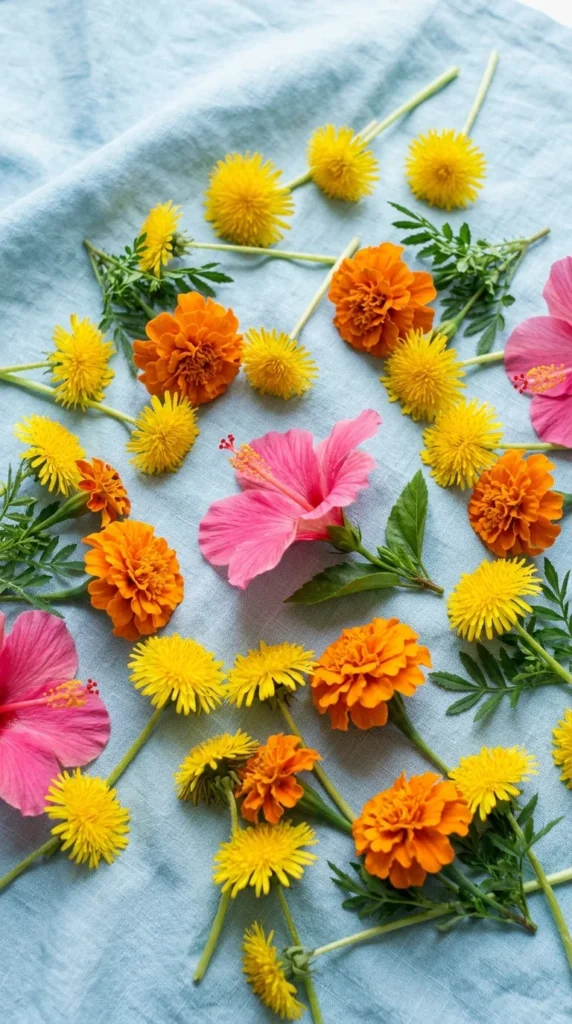
In the wild, many birds consume nectar and petals. Flowers like nasturtiums, hibiscus, and dandelions are safe and provide unique phytonutrients. Ensure they are organic and free from pesticides before offering them.
15. Broccoli Florets
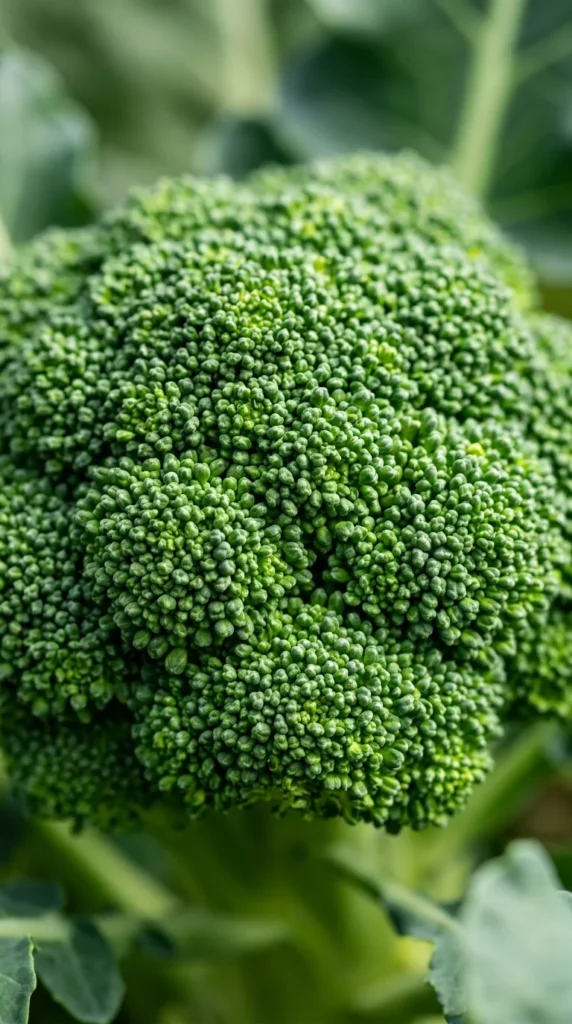
Broccoli is a “superfood” for birds. It contains high levels of Vitamin K, Vitamin C, and fiber. The texture of the florets is also highly engaging for birds that enjoy shredding their food.
16. Corn on the Cob
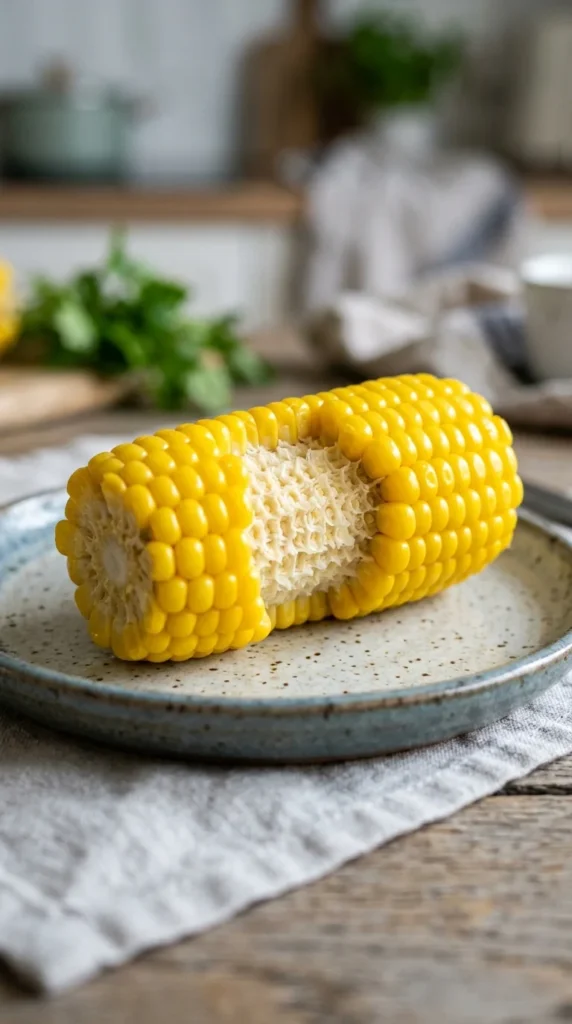
Corn provides carbohydrates for energy and is a favorite for many parrots. Serving it on the cob encourages “work-for-food” behavior, which is mentally stimulating. Use organic corn whenever possible to avoid GMOs and pesticides.
17. Fresh Herbs
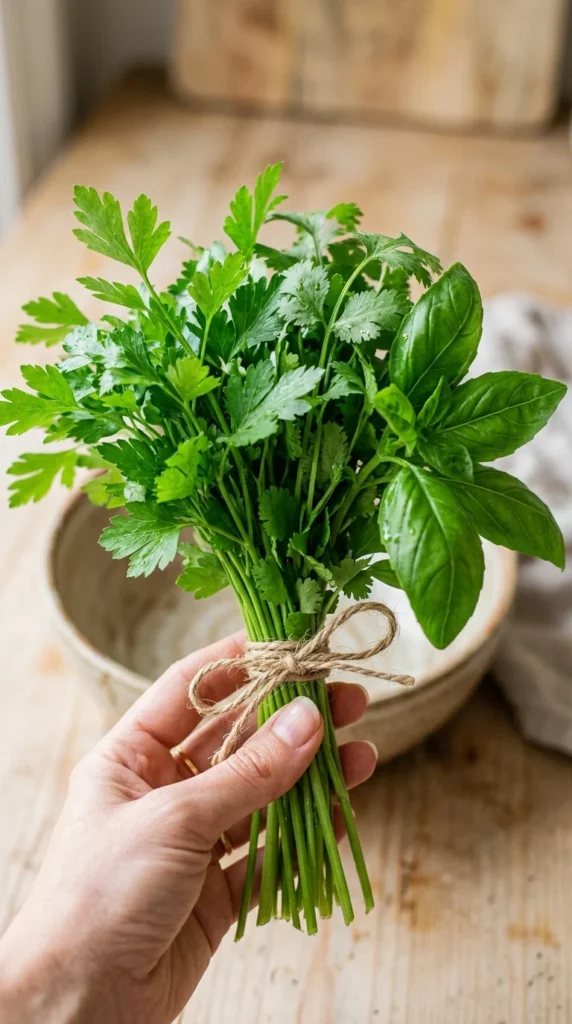
Herbs like parsley, cilantro, and dill are packed with vitamins and minerals. They also offer a variety of scents and flavors that can pique a picky eater’s interest. Avoid “strong” herbs like chives or onions, which are toxic.
18. Apple Slices
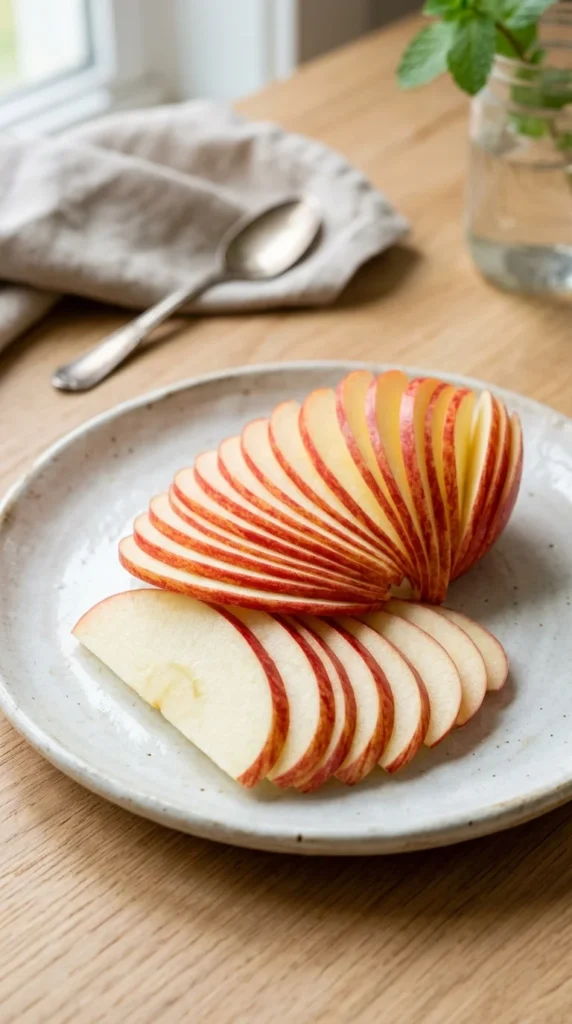
Apples are a great source of fiber and vitamin C. However, it is critical to remove all seeds, as they contain trace amounts of cyanide which is toxic to birds. Always wash the skin thoroughly to remove wax and chemicals.
19. Steamed Sweet Potato
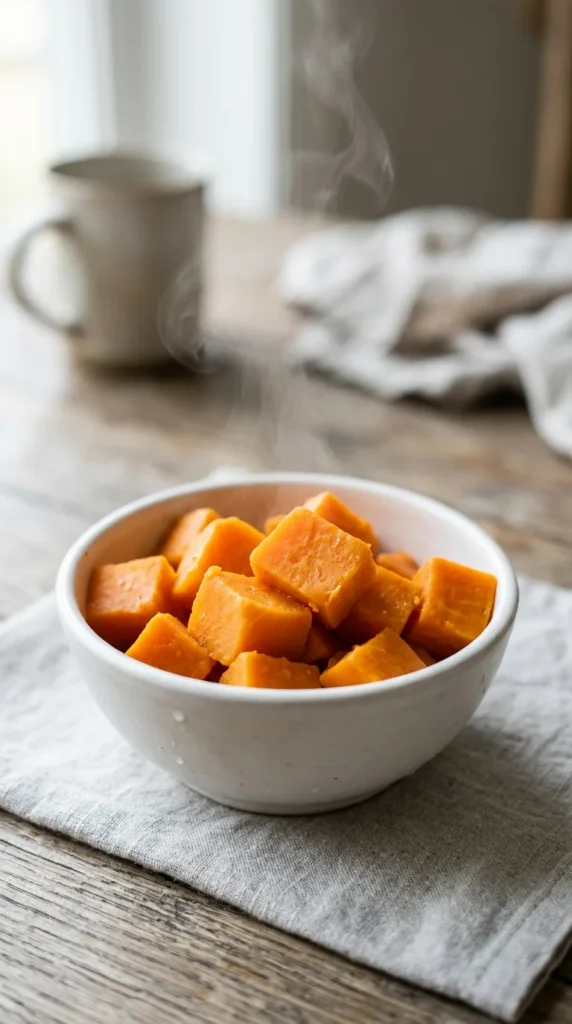
Sweet potatoes are one of the best sources of Vitamin A. Steaming them makes them soft and easy to mash, which can be mixed with chopped greens to encourage a bird to eat their vegetables.
20. Chia Seeds
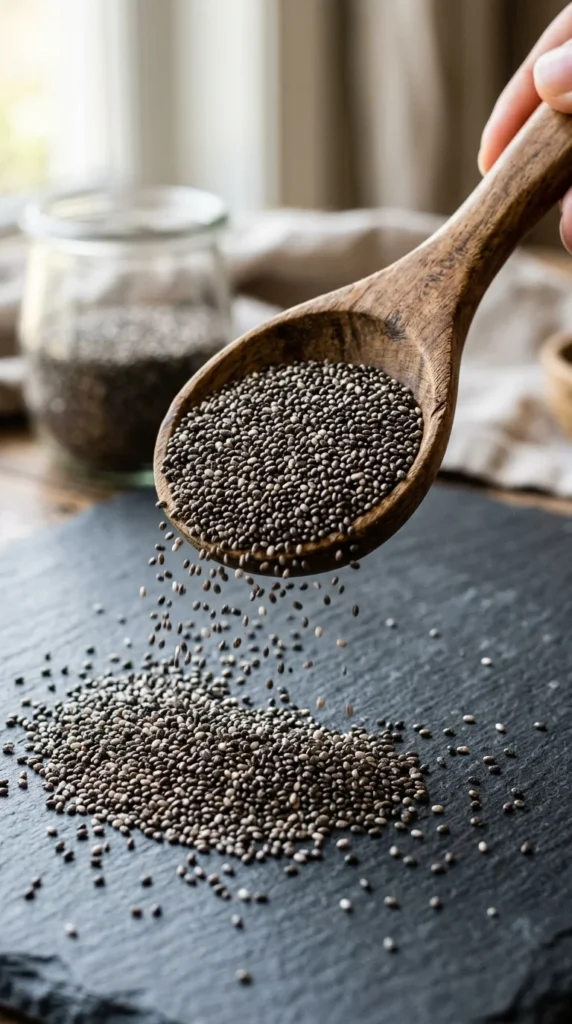
Chia seeds are an incredible source of omega-3 fatty acids and fiber. They can be sprinkled over wet food or soaked in water to create a gel-like consistency that many birds find interesting.
21. Probiotics
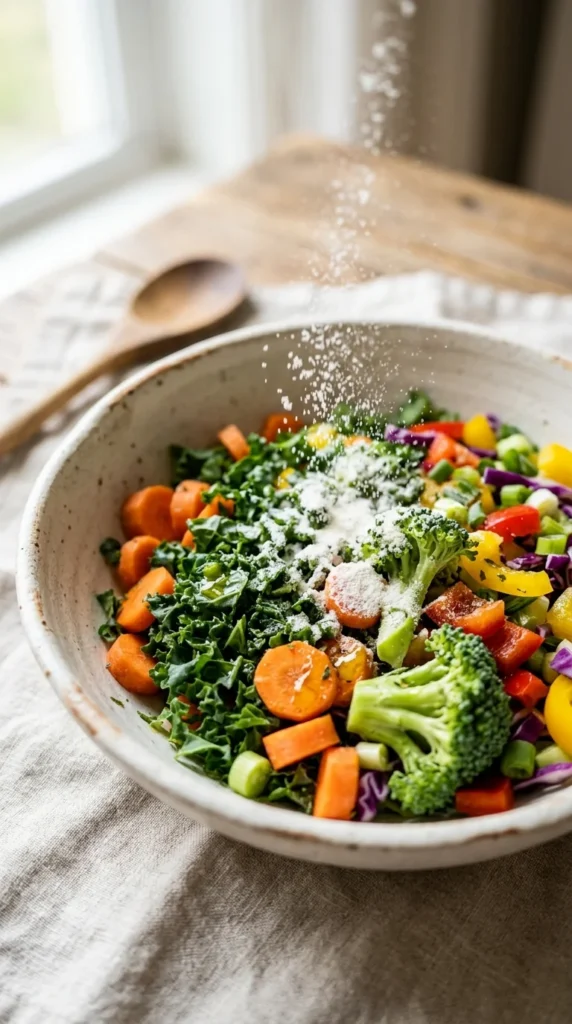
Just like humans, birds have a complex gut microbiome. Avian-specific probiotics can help maintain a healthy digestive tract, especially after a course of antibiotics or during times of stress like molting.
22. Foraging Mixes
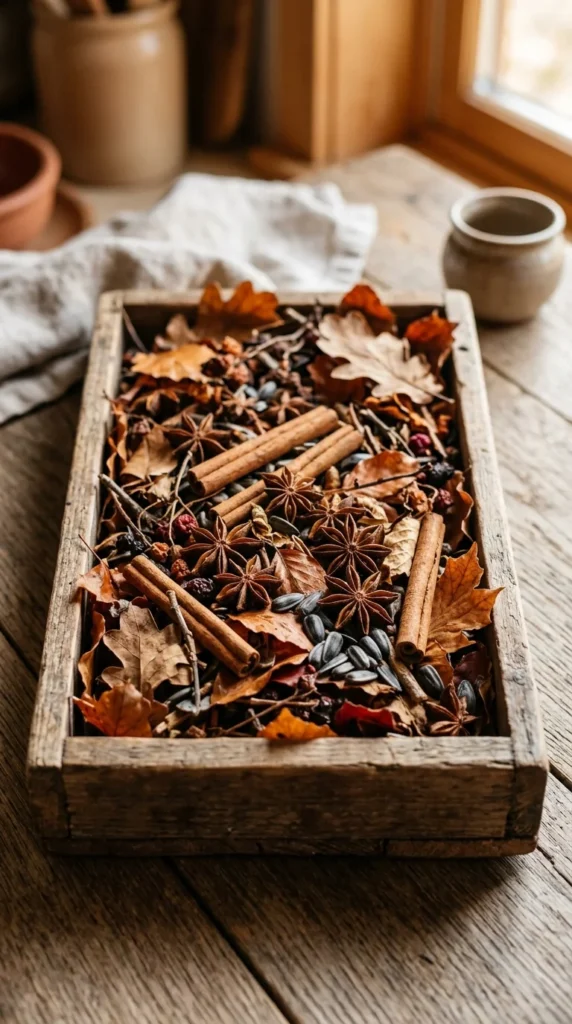
Diet isn’t just about what they eat; it’s about how they eat. Foraging mixes that include safe woods, dried herbs, and hidden treats encourage natural behaviors, reducing boredom and feather picking.
23. Mung Bean Sprouts
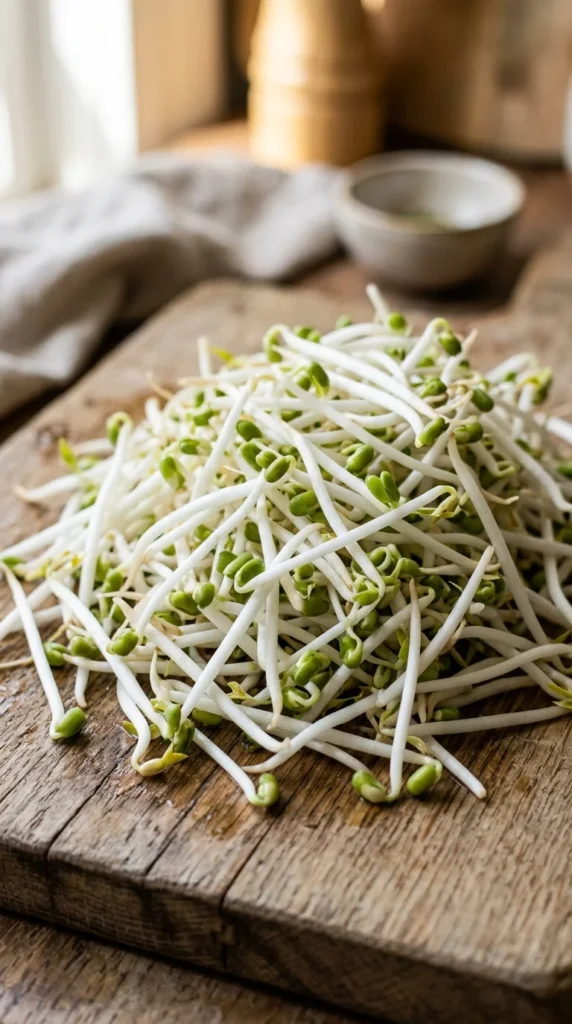
Mung beans are easy to sprout at home and are highly resistant to mold. They provide a satisfying crunch and a boost of protein that helps keep your bird’s energy levels stable throughout the day.
24. Occasional Millet
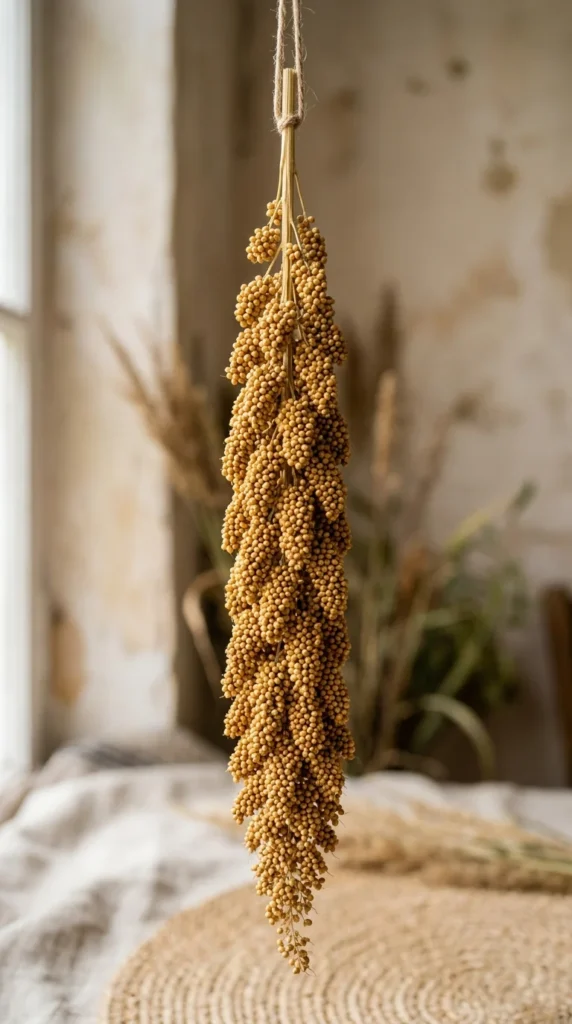
Millet is often called “birdie bread.” While it is high in carbohydrates and lower in vitamins, it is an essential tool for bonding and reward. Use it as a treat for training or a “comfort food” during travel, rather than a meal replacement.