
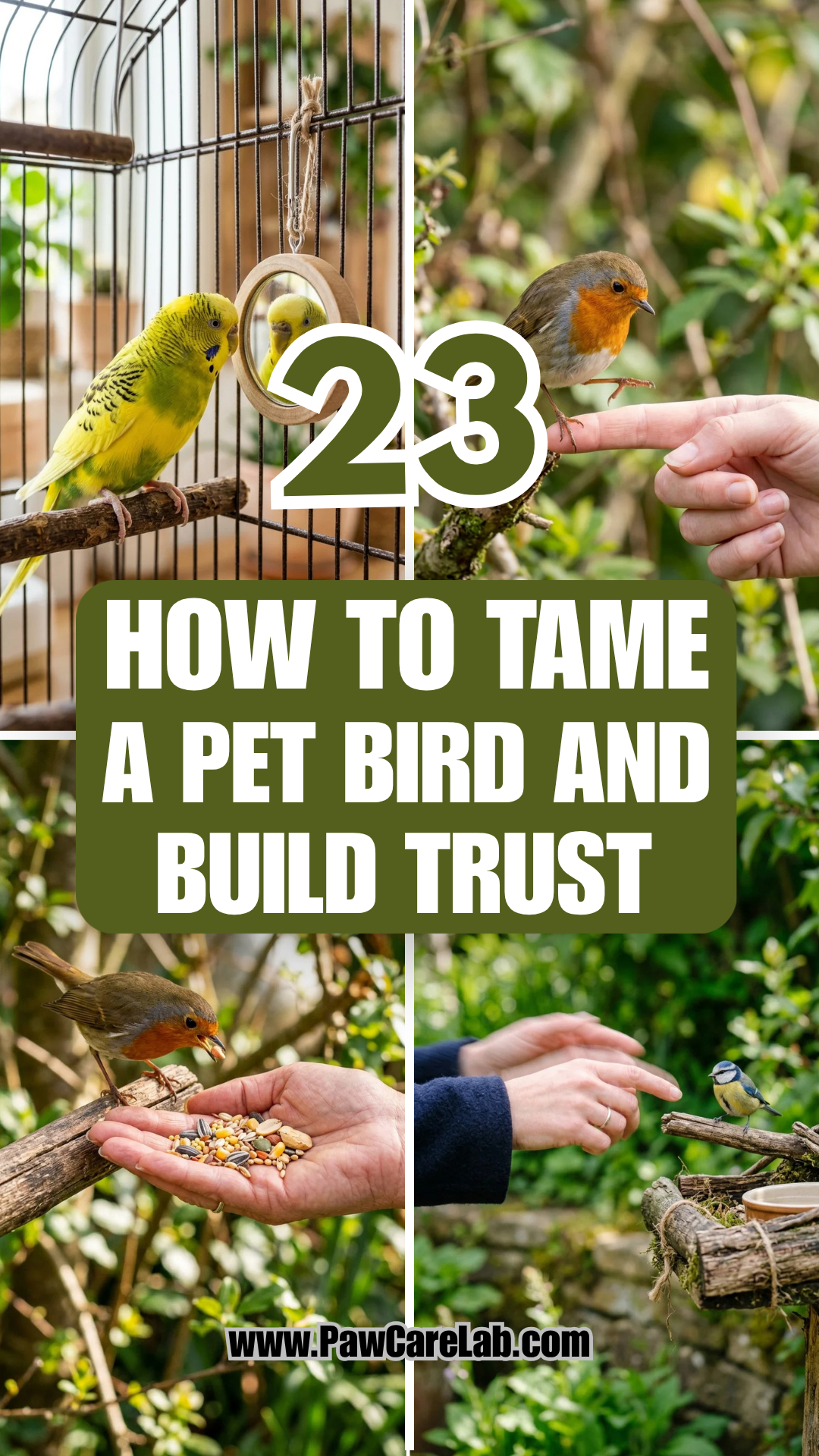
Bringing a bird into your home is the start of a unique and rewarding journey. Unlike domesticated dogs or cats, birds are essentially wild animals that require a specific approach to social bonding. Building a relationship with a feathered friend is based entirely on mutual respect and trust. Whether you have a tiny budgie or a majestic macaw, these 23 proven strategies will help you bridge the gap between “scared prey animal” and “loyal companion.”
1. Patience
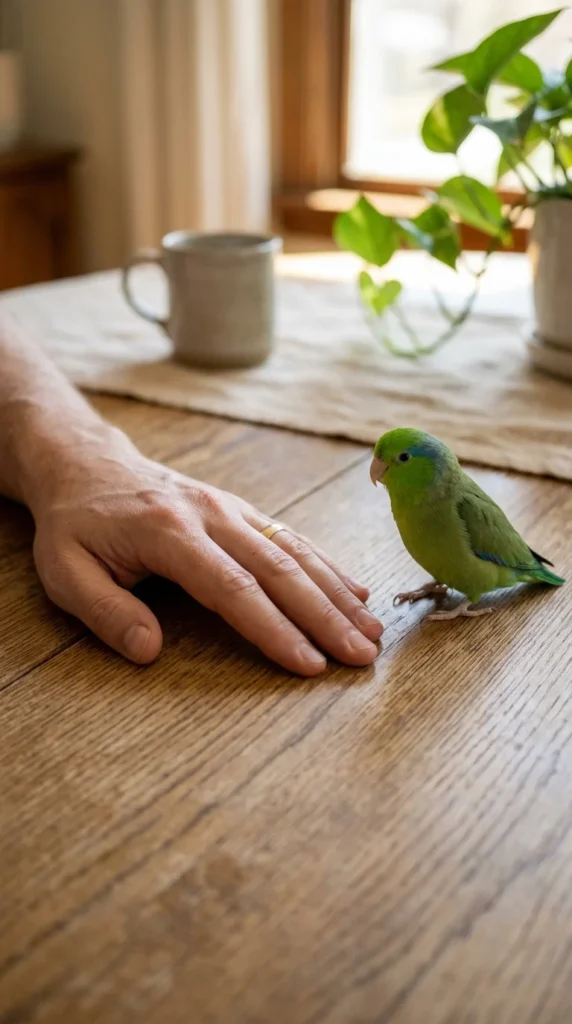
The most critical element in bird taming is patience. Birds operate on their own timeline, and forcing an interaction can set your progress back weeks. Understand that every bird has a unique personality; some may warm up in days, while others may take months. Never rush the process; let the bird dictate the pace of your burgeoning friendship.
2. Environment
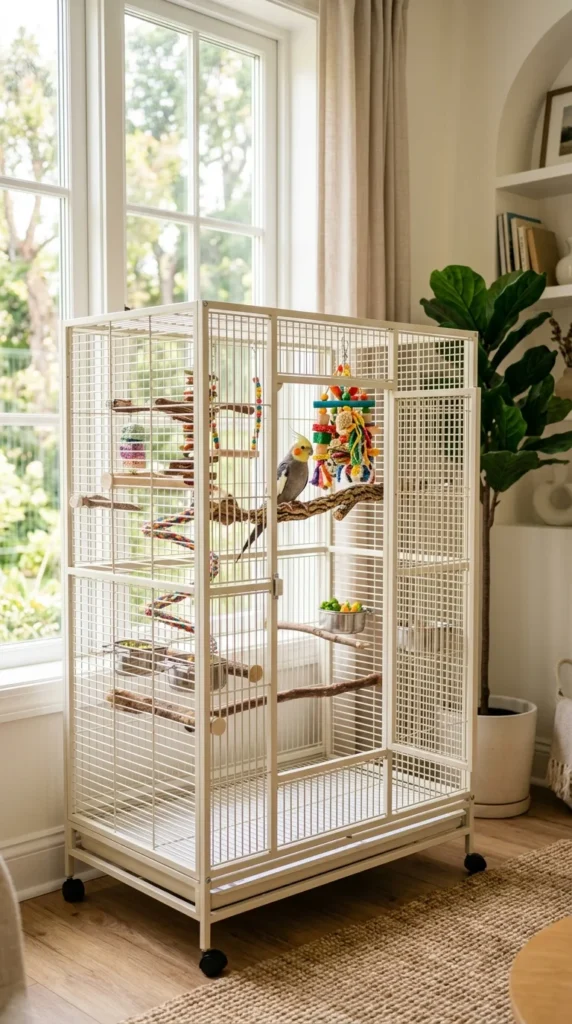
Your bird’s cage is their sanctuary. To build trust, ensure their environment is safe and comfortable. Place the cage in a high-traffic area where they can observe the family but not be overwhelmed. Avoid kitchens (due to toxic fumes) or drafty hallways. A secure bird is a bird that is much more likely to be open to taming.
3. Observation

Birds are highly sensitive to sound. Use a low, soothing, and melodic voice when talking to your bird. Avoid shouting or high-pitched squeals, which can sound like alarm calls in the wild. Regularly narrating your actions—”I’m just changing your water now”—helps the bird associate your voice with positive, routine care.
4. Soft Voices
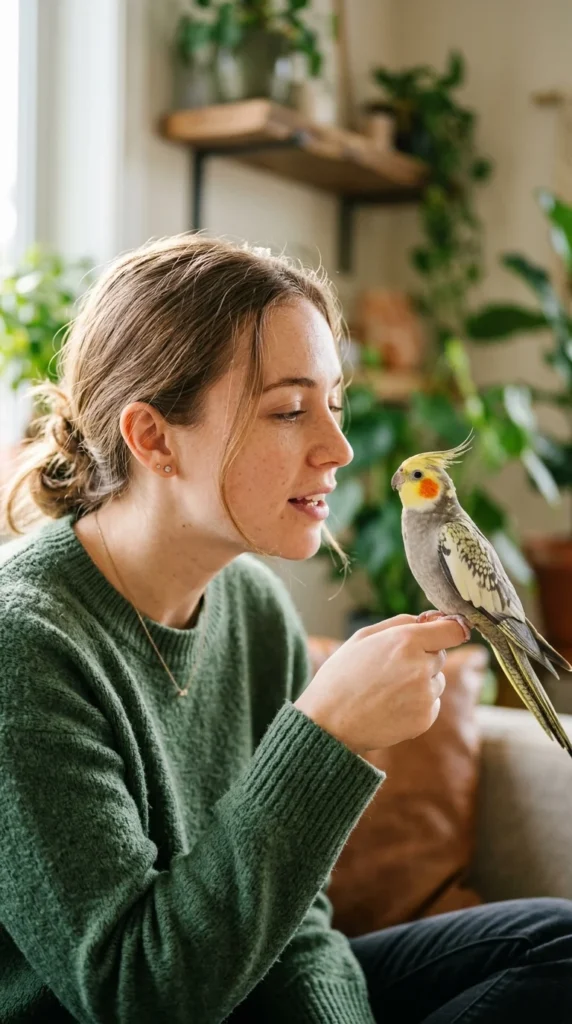
Birds are highly sensitive to sound. Use a low, soothing, and melodic voice when talking to your bird. Avoid shouting or high-pitched squeals, which can sound like alarm calls in the wild. Regularly narrating your actions—”I’m just changing your water now”—helps the bird associate your voice with positive, routine care.
5. Hand Proximity
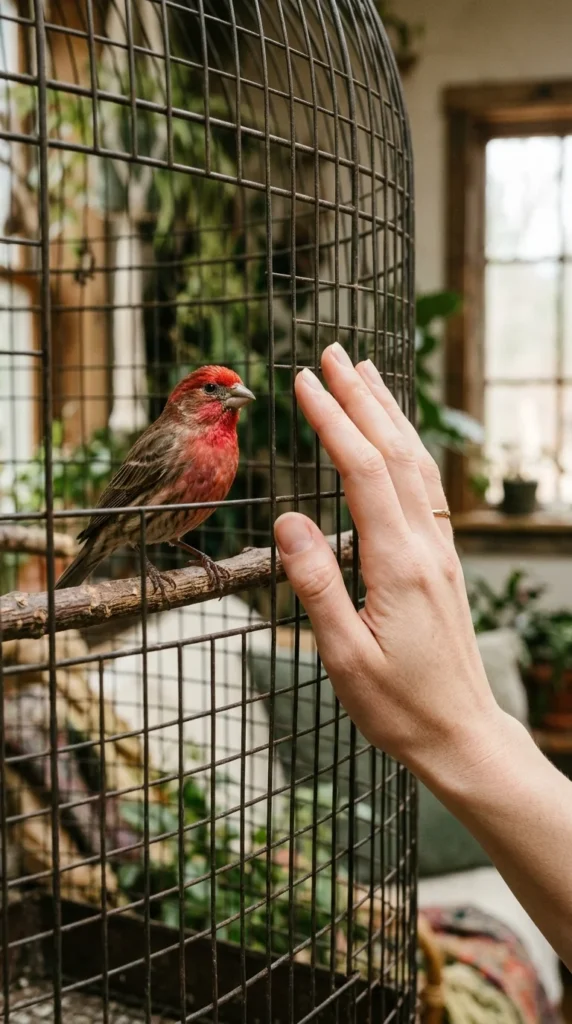
Start the physical taming process by simply placing your hand on the outside of the cage. Don’t move it toward the bird; just let it rest there. If the bird flutters away, keep your hand still until they calm down. Eventually, they will realize the hand isn’t a predator and will continue their normal activities like eating or preening while you are near.
6. Treat Training
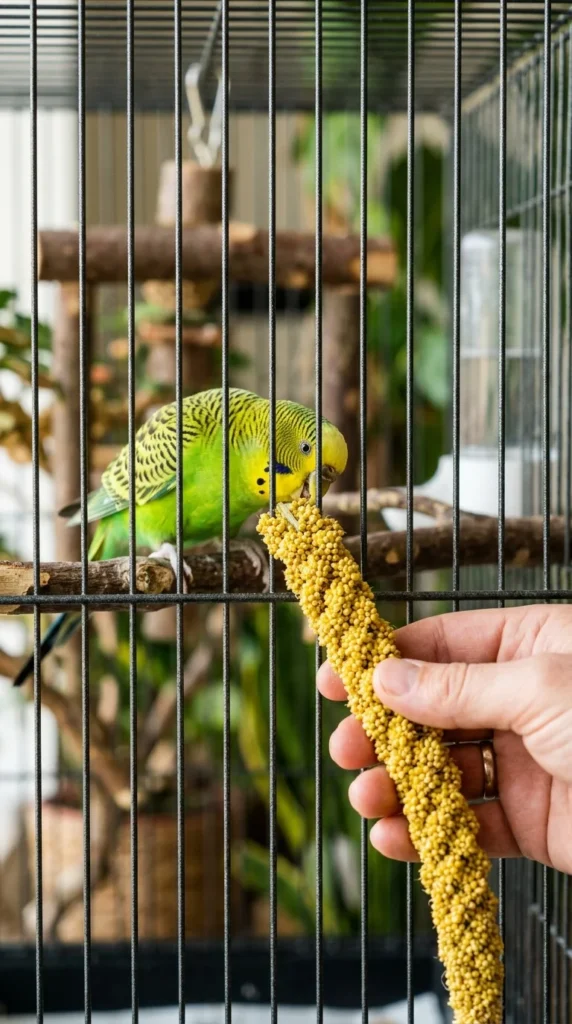
The quickest way to a bird’s heart is through its stomach. Identify your bird’s favorite treat—usually millet, sunflower seeds, or a piece of fruit—and use it exclusively for taming. Offer the treat through the bars of the cage. This creates a positive association: your hand appearing means something delicious is coming.
7. Hand Feeding
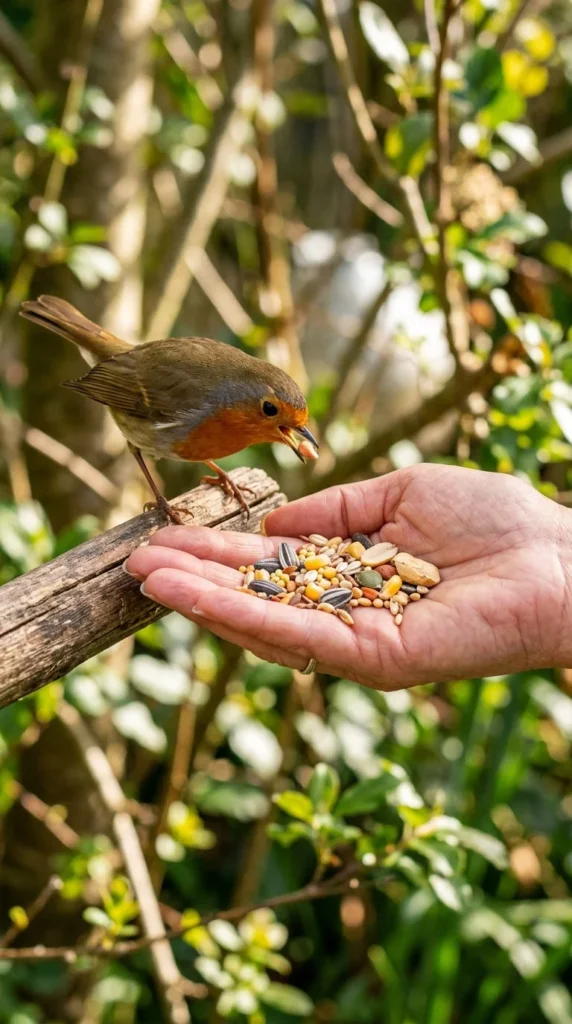
Once your bird is comfortable taking treats through the bars, try offering food from your open palm inside the cage. This requires a higher level of trust because the bird must move closer to you. Keep your hand flat and still. If the bird steps onto your hand to reach the food, don’t move; let them eat and leave when they are ready.
8. Target Training
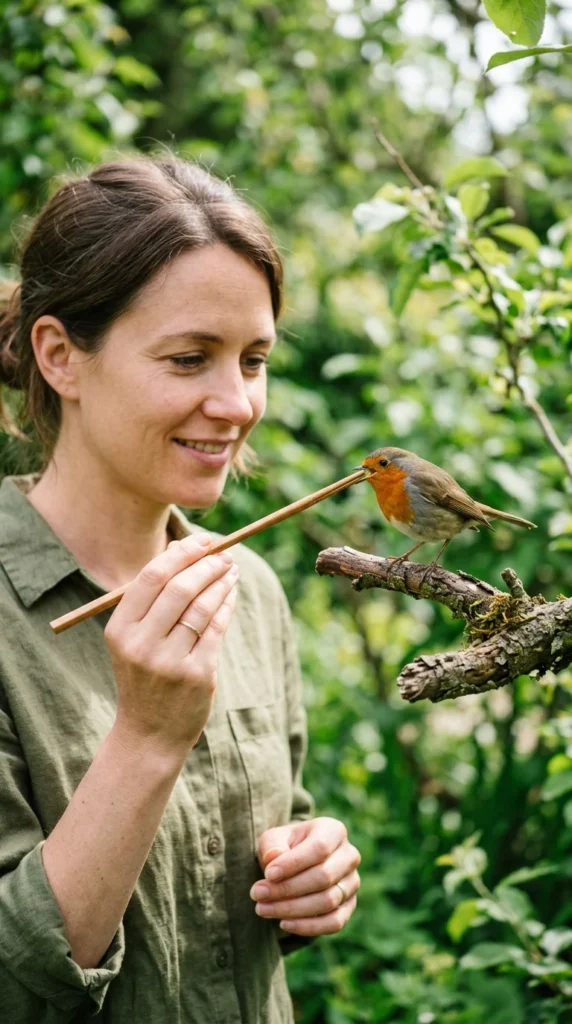
Target training is a powerful tool for communication. Use a small stick (like a chopstick) and reward the bird with a treat every time they touch the end of it. This allows you to guide your bird’s movement without forcing them, which builds confidence and mental stimulation.
9. Clicker Use
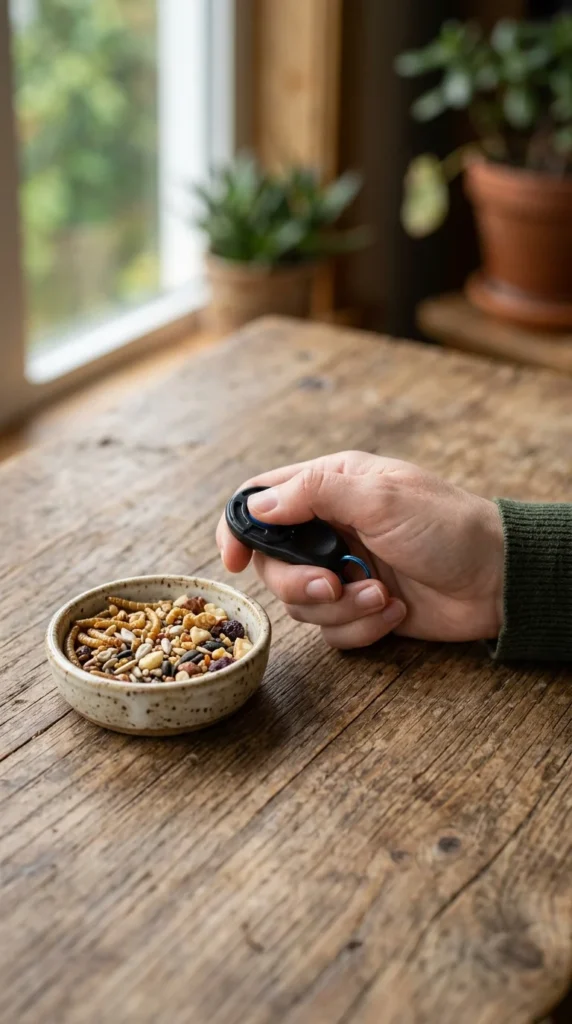
A clicker provides an instant “bridge” that tells the bird exactly which behavior earned them a reward. When the bird performs a desired action—like stepping up or touching a target—click and then treat. The consistent sound of the clicker removes ambiguity and speeds up the taming process significantly.
10. Routine
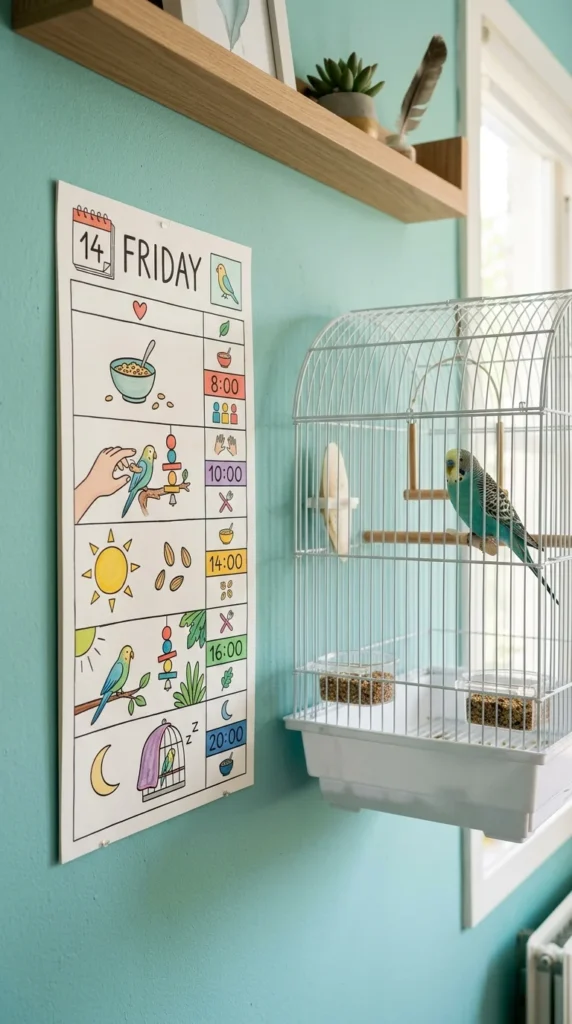
Birds thrive on routine. Try to interact with them, feed them, and turn out the lights at the same time every day. A predictable schedule reduces stress, as the bird knows what to expect from their environment and from you. A relaxed bird is much more receptive to training.
11. Slow Movement

Birds are prey animals with a high “startle” reflex. Always move slowly and predictably around them. Avoid reaching from above, as this mimics the movement of a hawk or other bird of prey. Instead, keep your hands at or below the bird’s chest level whenever possible.
12. Eye Contact
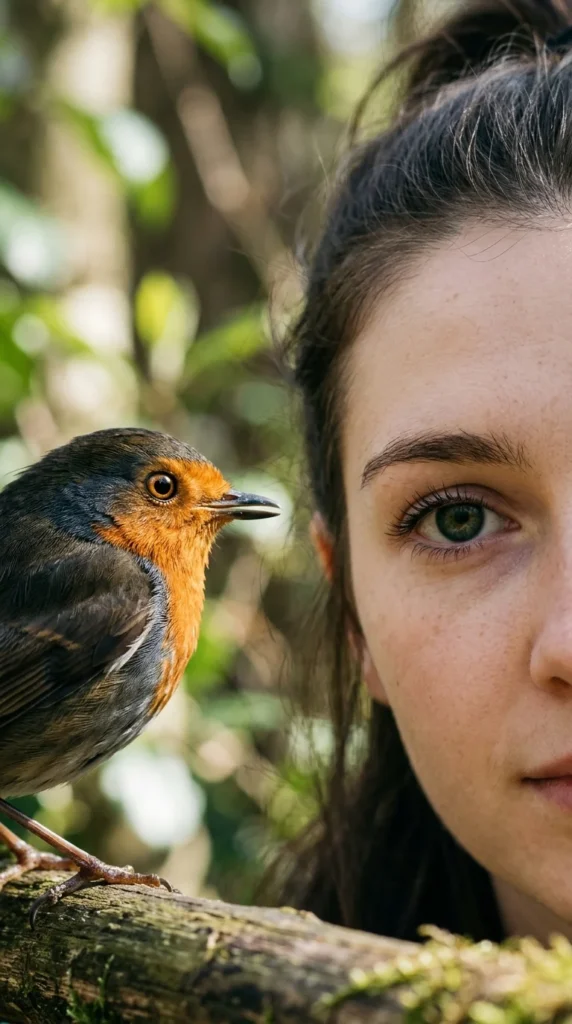
While direct, staring eye contact can be perceived as predatory, “soft” eye contact combined with slow blinking can be very comforting. Slowly blinking at your bird is a sign of relaxation and trust in the avian world. It signals that you are not a threat and are comfortable in their presence.
13. Step-Up Command
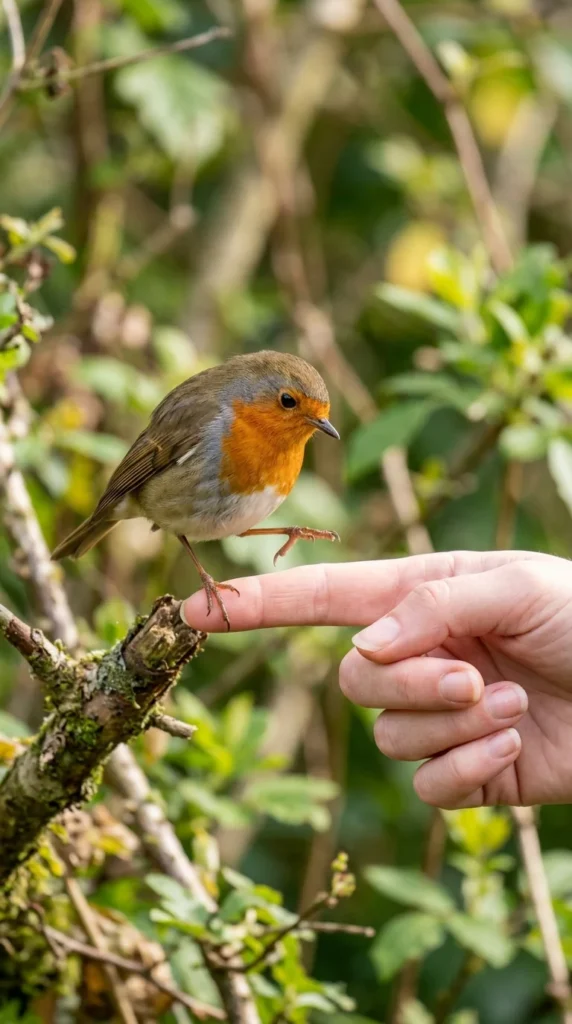
The “Step-Up” is the most fundamental command. Gently press your finger or a handheld perch against the bird’s lower abdomen, just above their legs. As they naturally lift a foot to maintain balance, say “step up.” Reward them immediately. This command is essential for safely moving your bird in and out of the cage.
14. Perch Transition
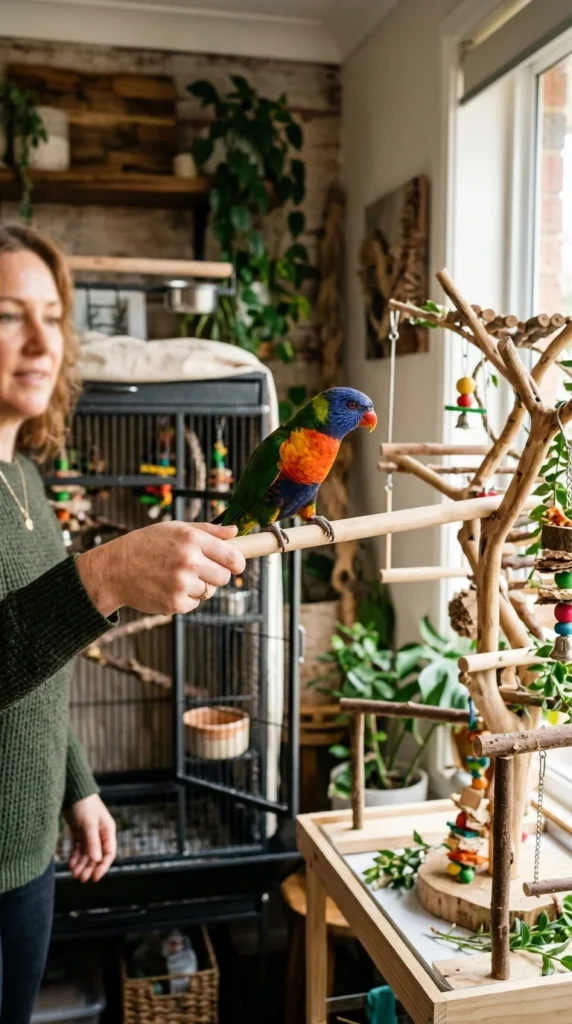
If your bird is “hand-shy,” start the taming process using a handheld perch instead of your finger. This allows you to interact and move the bird without the direct skin-to-beak contact that might make a nervous bird nip. Once they are comfortable on the handheld perch, they will likely transition to your finger more easily.
15. Play Sessions
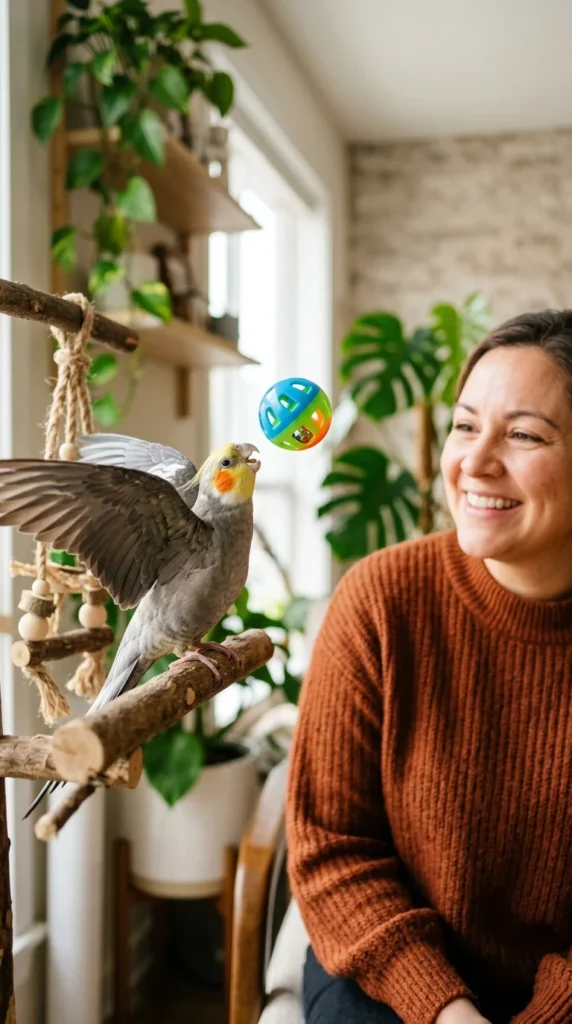
Taming shouldn’t just be about commands; it should be about fun. Spend time playing with toys alongside your bird. Roll a ball toward them or wiggle a piece of paper. Engaging in “flock behavior” through play reinforces the idea that you are a member of their social circle and a source of entertainment.
16. Bathing
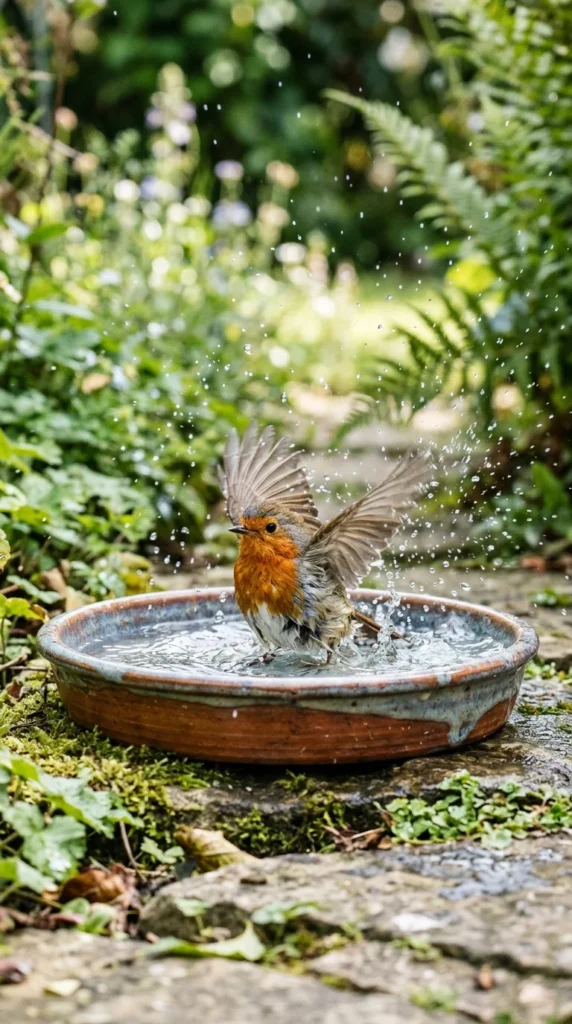
Bathing is a social activity for many birds. Offering a shallow dish of water or a gentle misting with a spray bottle can be a great bonding experience. Many birds will “perform” during a bath, spreading their wings and chirping. Being the provider of this refreshing experience builds significant goodwill.
17. Mirror Use
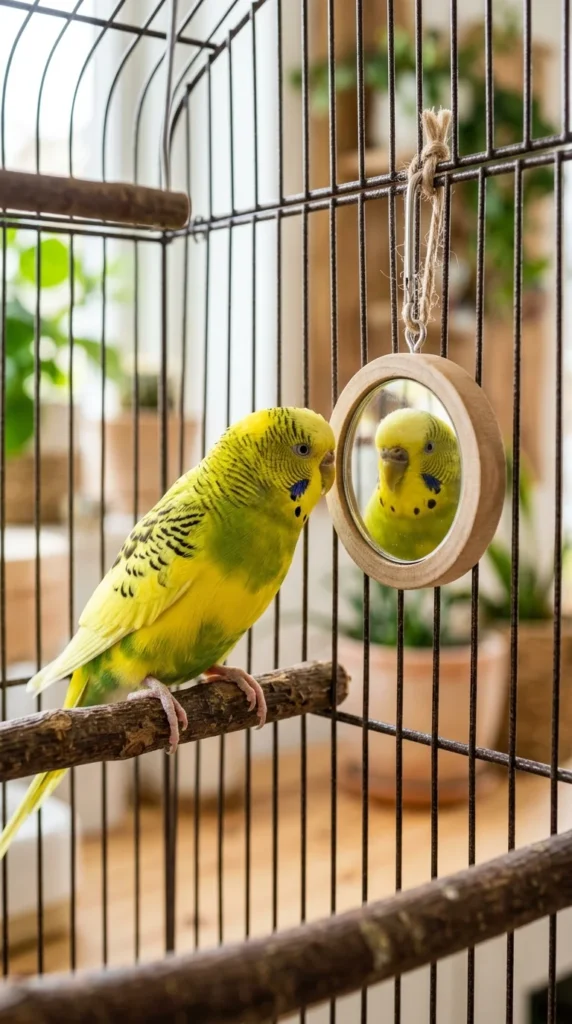
Mirrors can be a double-edged sword. For some lonely birds, a mirror provides comfort; for others, it causes aggression as they try to defend their territory from the “stranger” in the glass. Use mirrors sparingly and observe your bird’s reaction. If they become obsessed with the mirror or aggressive toward you, remove it to focus the social bond on you instead.
18. Verbal Cues
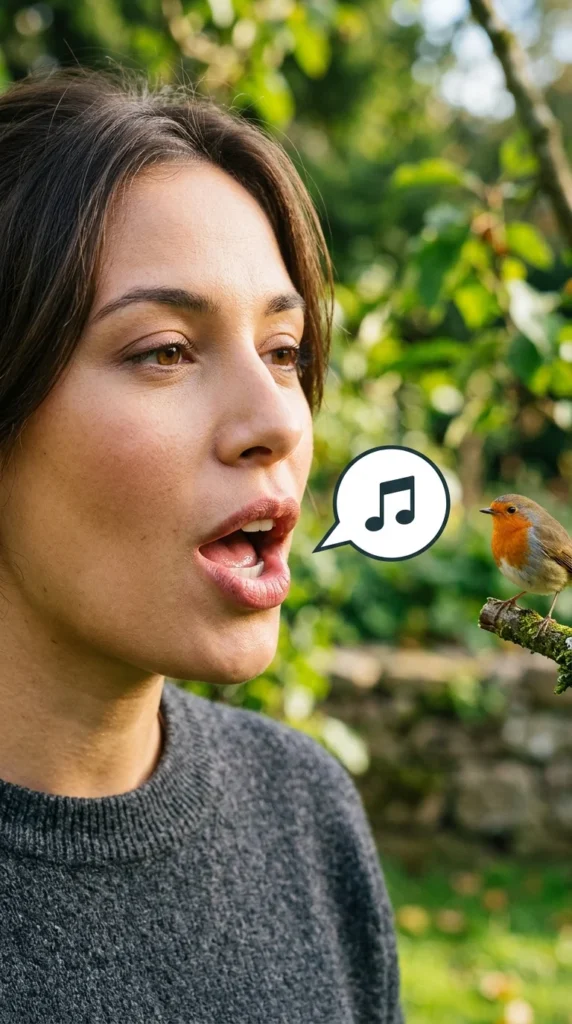
Consistency in language helps birds understand what is happening. Use the same words for specific actions: “Step up,” “Good bird,” “Time for bed,” or “Treat.” Over time, the bird will associate these sounds with specific outcomes, reducing their anxiety about the unknown.
19. Body Language
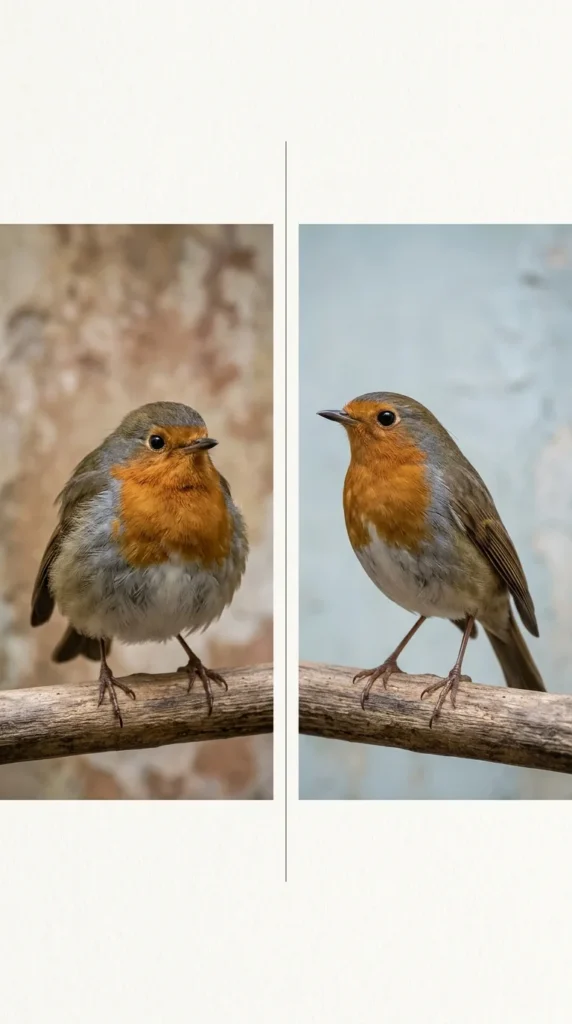
Learn to “read” your bird. Pinned pupils (rapidly dilating and contracting), fanned tails, or a hunched posture often mean the bird is overstimulated or angry. If you see these signs, back off and give them space. Respecting their boundaries is the fastest way to earn their trust long-term.
20. Safe Space

Ensure the bird has a “safe space” where they are never bothered. Usually, this is the back corner of their cage or a high perch. Never reach into this area to force an interaction. By knowing they have a place to retreat to, the bird will feel more confident exploring and interacting with you in “neutral” zones.
21. Foraging
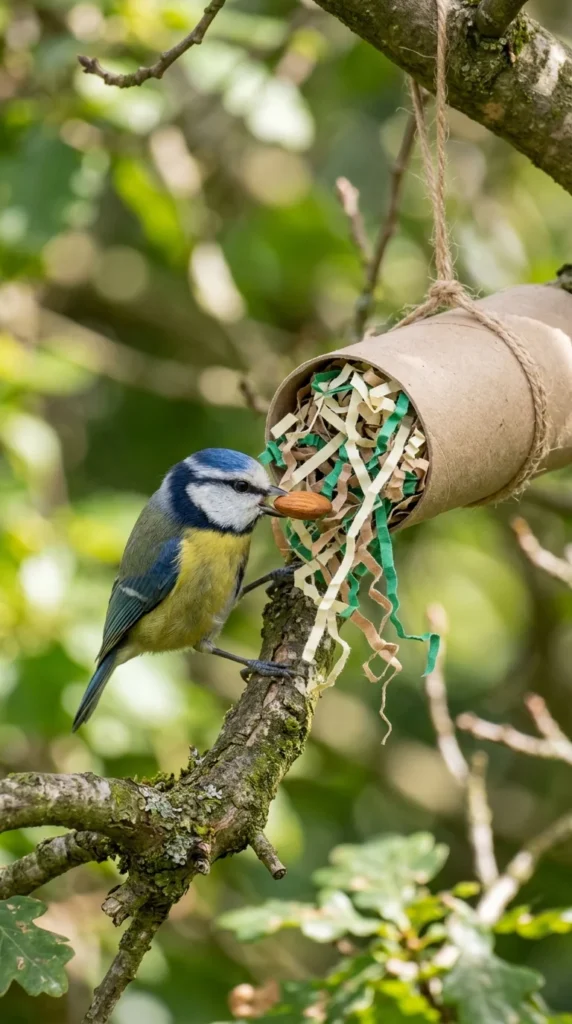
In the wild, birds spend most of their time foraging for food. You can bond by creating foraging toys together. Hide treats inside paper wraps or boxes. When you provide these “puzzles,” you become the source of mental stimulation and “survival” success, which elevates your status in the bird’s eyes.
22. Grooming
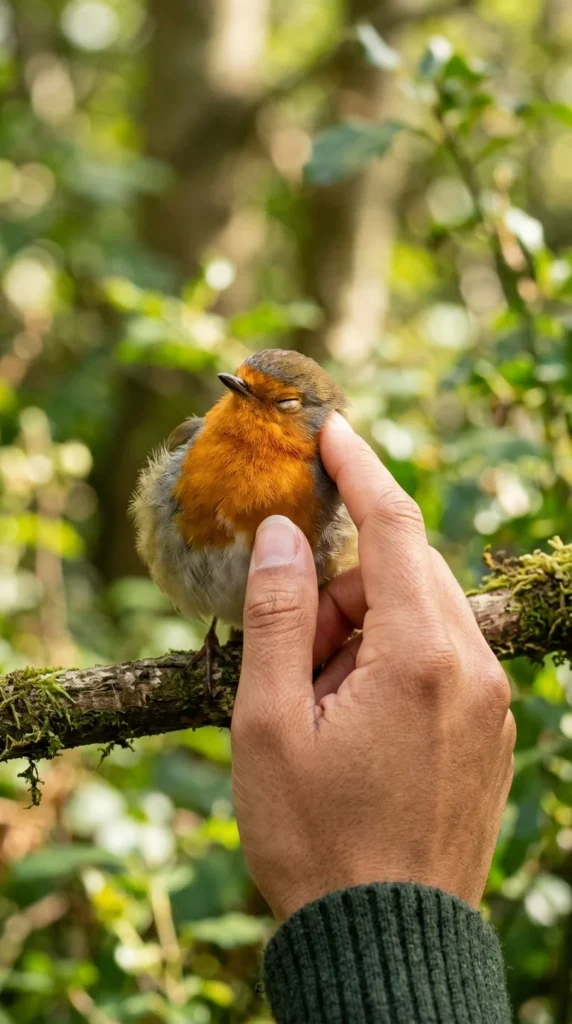
In a flock, birds preen each other in hard-to-reach places, like the head and neck. Once your bird is very comfortable with your hands, they may allow you to gently scratch their head. This is the “inner circle” of trust. Only pet a bird on the head or neck; stroking the back or wings can be interpreted as a mating behavior, which leads to hormonal aggression.
23. Consistency
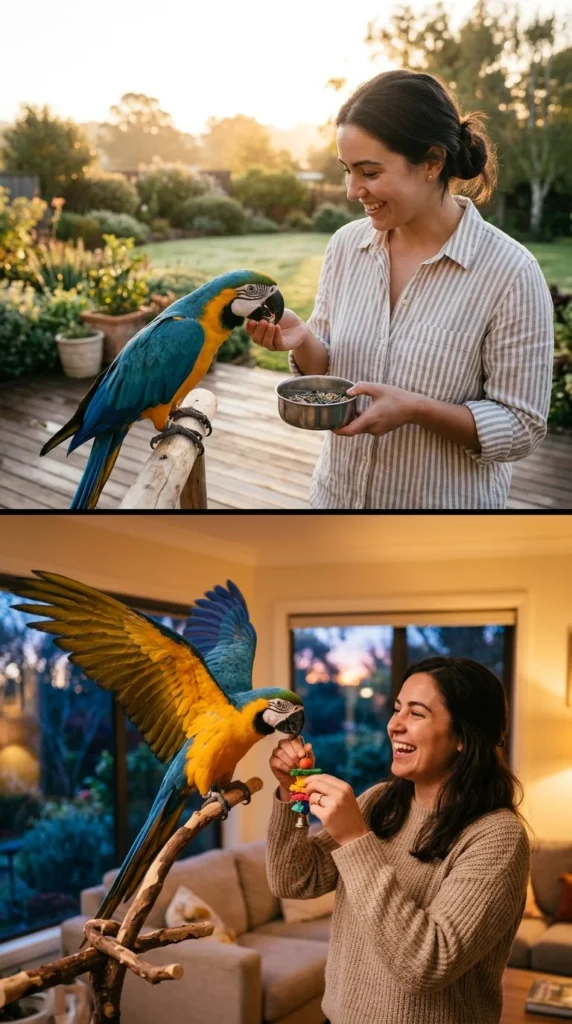
Trust isn’t built in a day; it’s built through a thousand small, positive interactions. Be consistent with your rules, your tone, and your schedule. Even if you only have 15 minutes a day, make those 15 minutes focused and positive. Over time, these moments accumulate into a deep, unbreakable bond between you and your feathered companion.