
Owning a bird is less like having a pet and more like living with a highly intelligent, feathered toddler who speaks a language entirely their own. Unlike dogs or cats, birds communicate primarily through a complex series of physical cues, subtle shifts in posture, and vocalizations that can mean vastly different things depending on the context. To truly bond with your avian companion, you must become a student of their “body talk.” Recognizing these 19 common behaviors will not only help you provide better care but will also prevent misunderstandings that lead to bites or a stressed-out bird.
1. Eye Pinning
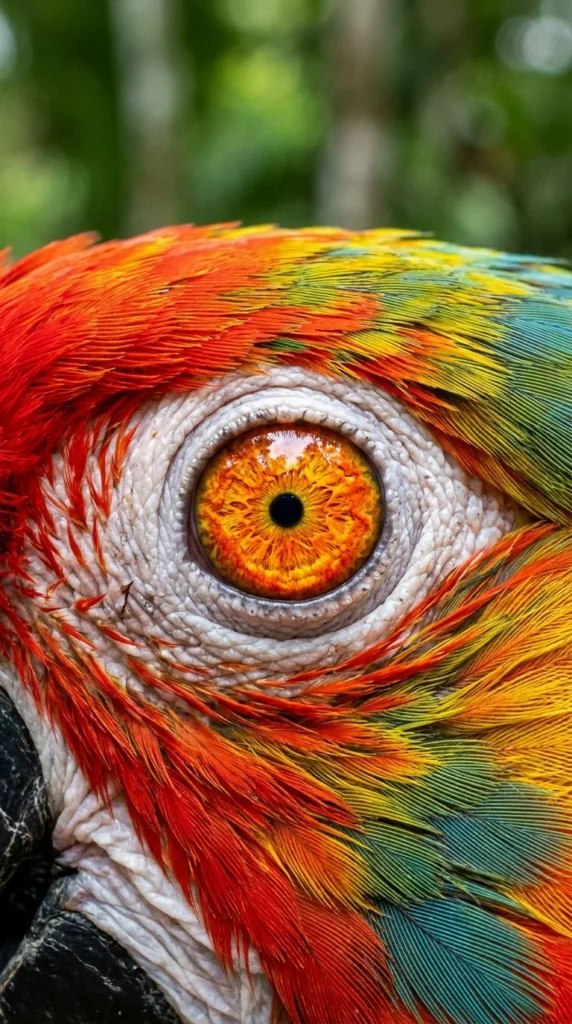
One of the most fascinating aspects of bird anatomy is their ability to voluntarily control their irises. “Pinning” or “flashing” occurs when a bird rapidly dilates and contracts its pupils. In the avian world, this is a sign of intense focus or emotional arousal. If your bird is pinning its eyes while you offer a favorite treat, it likely signals excitement. However, if the pinning is accompanied by fanned tail feathers and a puffed-out posture, it is a clear warning that the bird is agitated and may bite if approached.
2. Beak Grinding
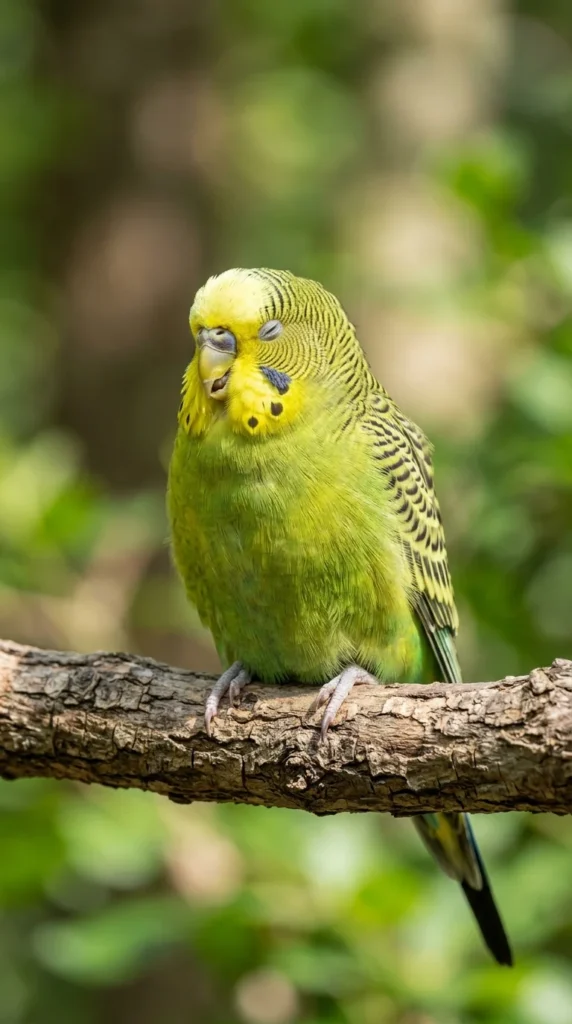
If you hear a soft, rhythmic clicking or scraping sound coming from your bird’s cage as the lights go down, don’t be alarmed. Beak grinding is the avian equivalent of a cat’s purr. It typically occurs when a bird is feeling safe, secure, and ready to sleep. The bird slides its lower mandible against the upper one, which helps keep the beak trimmed and indicates a state of deep contentment.
3. Tail Fanning
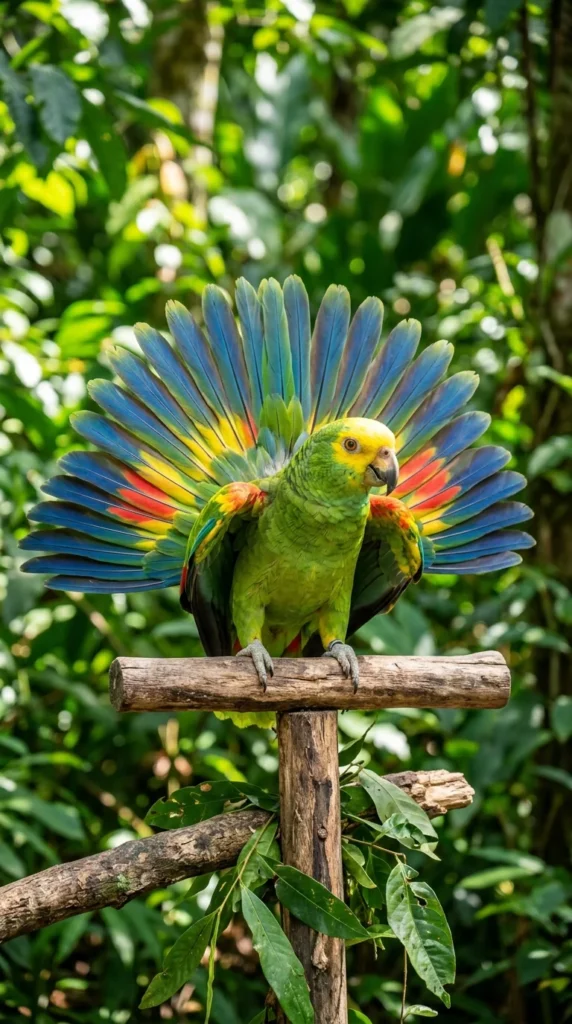
Tail fanning is a powerful display of emotion. In many species, spreading the tail feathers out is a sign of dominance or extreme agitation. It is the bird’s way of making itself look larger and more intimidating to a perceived threat. If your bird fans its tail when a stranger enters the room, they are likely feeling defensive. However, some birds fan their tails during high-energy play, so look at the rest of the body language to determine if they are angry or just having fun.
4. Regurgitation
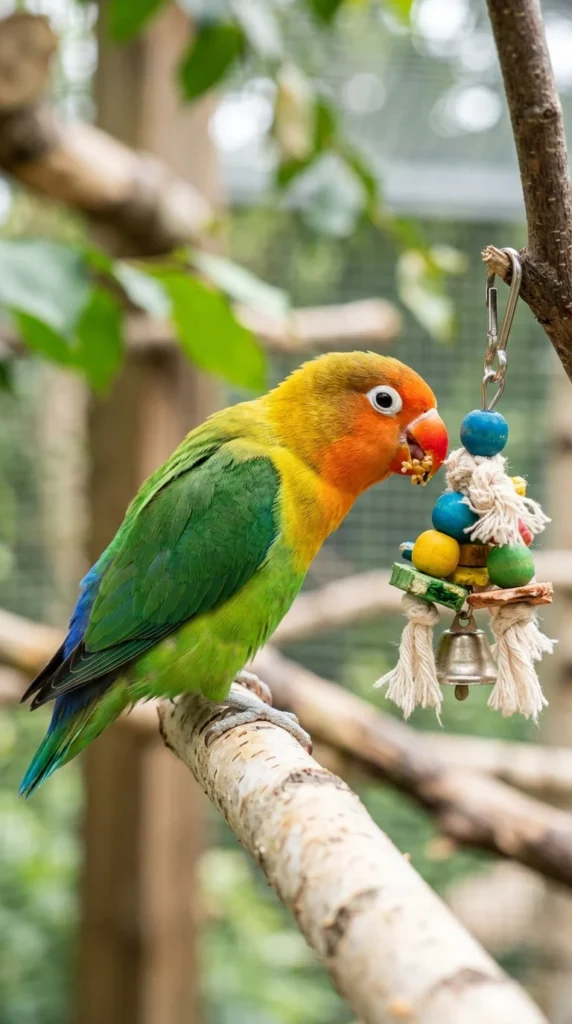
While it might seem gross to us, regurgitation is the ultimate compliment in the bird world. When a bird bobs its head and brings up small amounts of food for you, it is treating you as a mate or a very close family member. This behavior is rooted in their natural instinct to feed their partners and chicks. While it’s a sign of affection, owners should be careful not to encourage it too much, as it can lead to hormonal frustration.
5. Wing Flipping
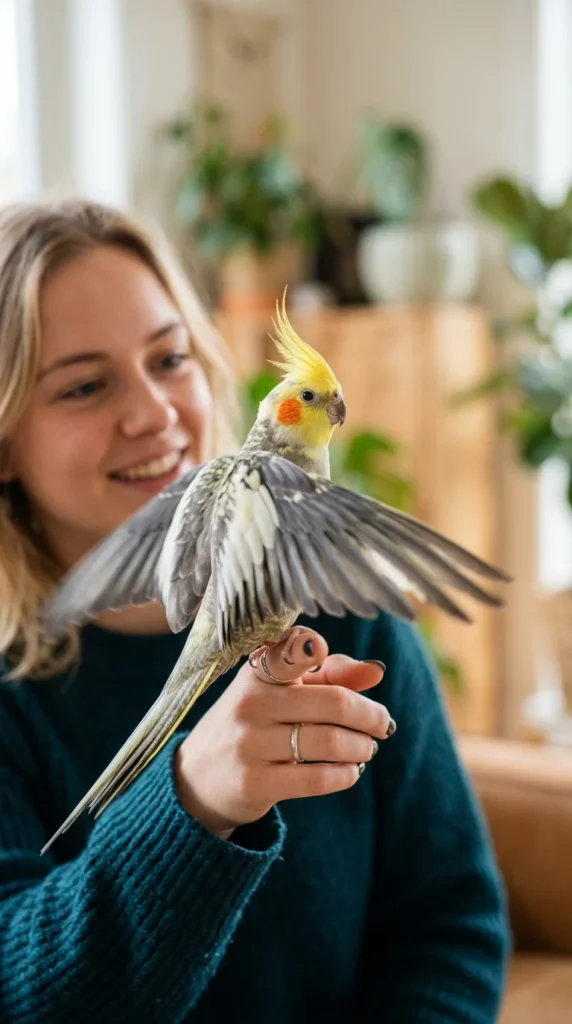
Wing flipping—a sharp, quick flick of one or both wings—is often a sign of annoyance or impatience. Your bird might do this if they are frustrated by a slow-moving treat or if they want your attention immediately. In some cases, it can also indicate physical discomfort or a feather that is out of place. If the flipping becomes constant, it’s worth checking the environment for potential stressors.
6. Head Bobbing
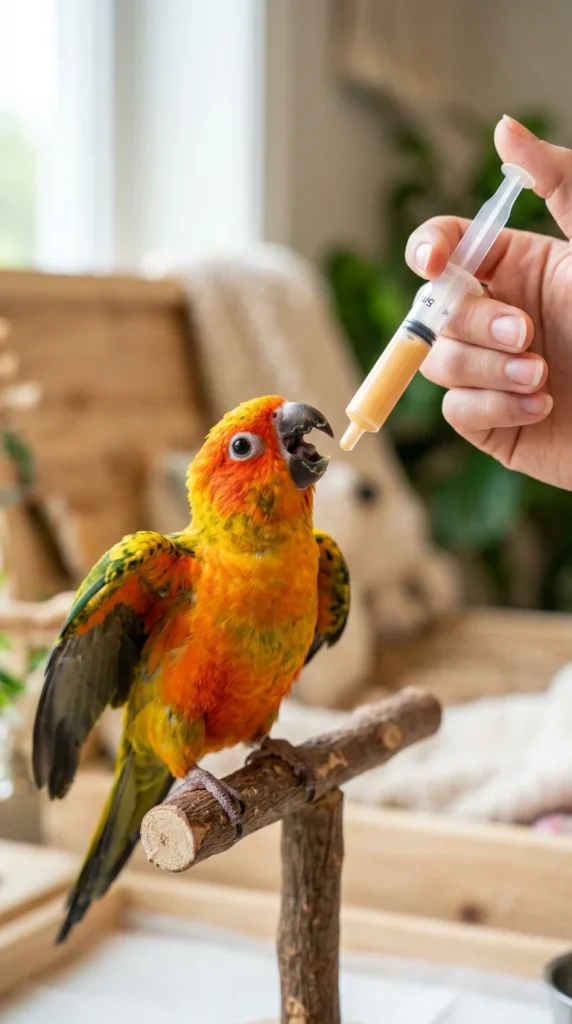
Head bobbing is most commonly seen in young birds who are “begging” for food, but it persists into adulthood for many species. In adult birds, it is often a “look at me” signal. A bird that bobs its head is usually trying to catch your eye, asking to be picked up, or showing excitement about an activity. It is a high-energy, positive behavior that usually precedes play.
7. Puffing Feathers
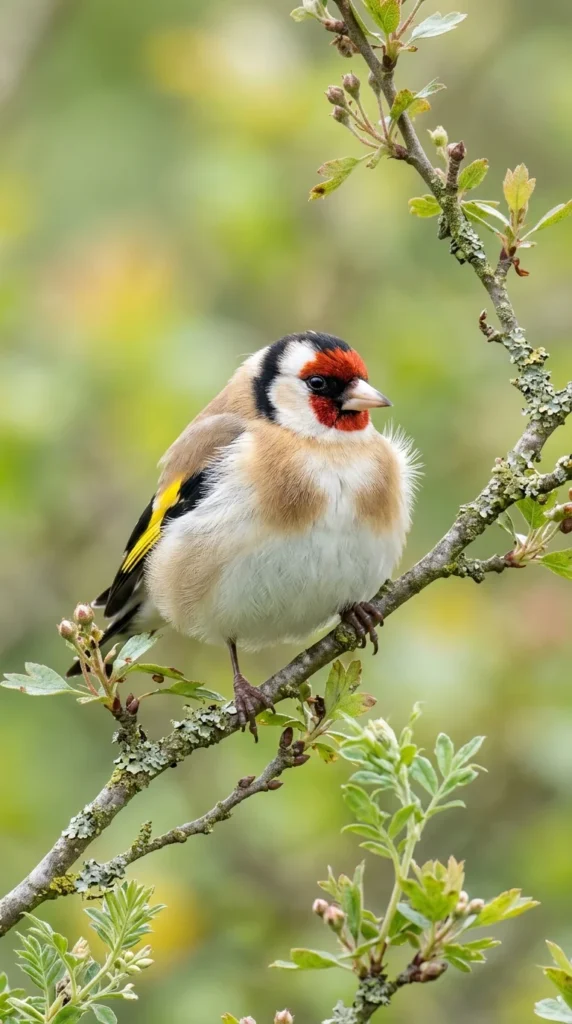
Birds puff out their feathers for several reasons. A quick “puff and shake” is usually just a way to reset their plumage or relieve tension. However, if a bird remains puffed up for long periods, it can indicate they are trying to stay warm or, more seriously, that they are ill. Birds fluff their feathers to trap heat when their body temperature drops, so a perpetually puffed bird should be monitored closely for other signs of sickness.
8. Beak Wiping
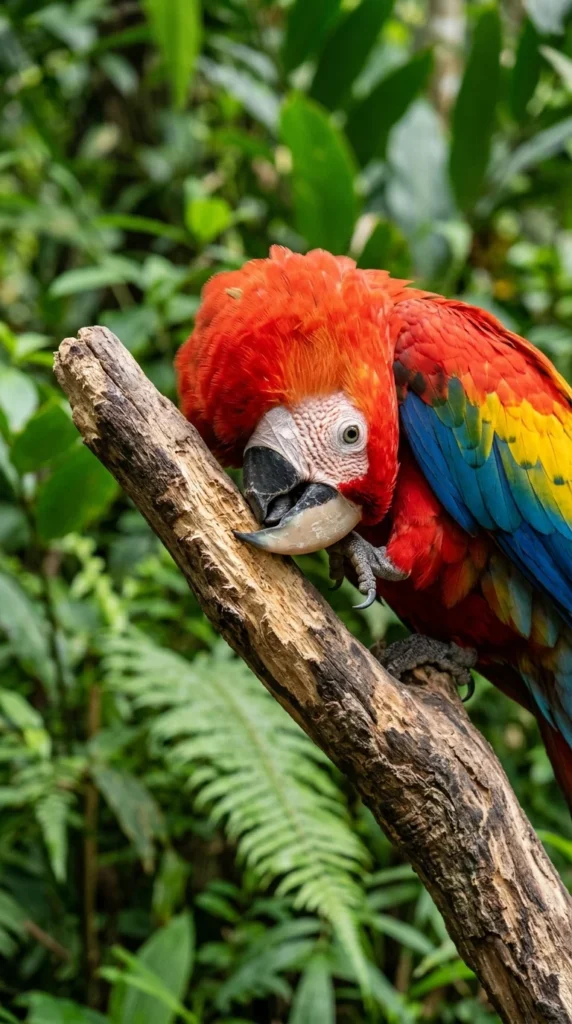
You will often see a bird wipe its beak on a perch after a messy meal of fruit or mash. This is basic hygiene, similar to a human using a napkin. However, beak wiping can also be a territorial “displacement” behavior. If you are interacting with your bird and they suddenly start wiping their beak on your hand or a nearby object, they may be asserting ownership or expressing a small amount of social friction.
9. Hanging Upside Down
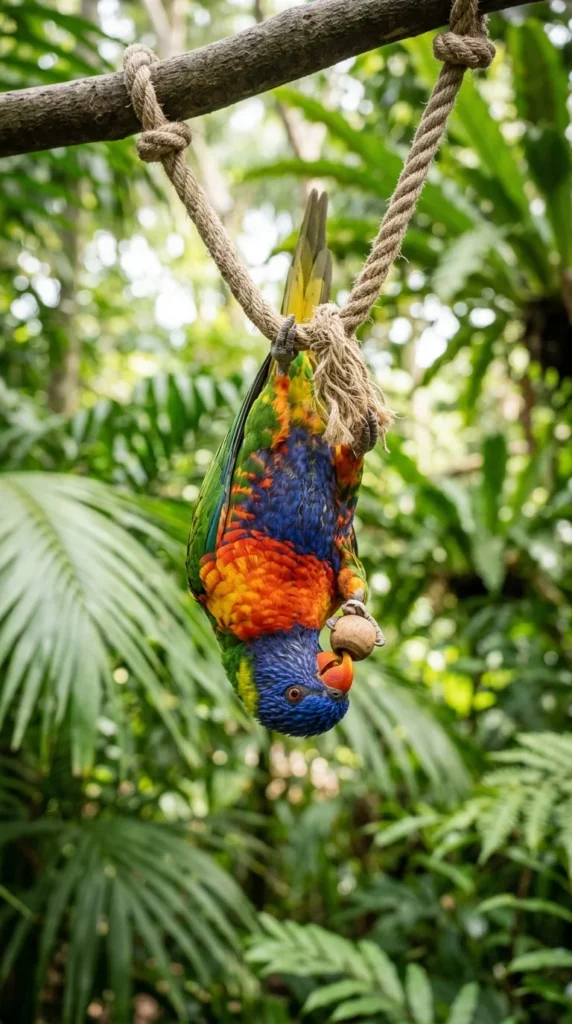
Many owners panic the first time they see their bird hanging upside down, fearing they’ve fallen or are hurt. In reality, many species—especially Conures and African Greys—love to play in this position. Hanging upside down is a sign of a very happy bird that feels completely safe in its environment. It shows they aren’t worried about predators and are focused entirely on having a good time.
10. Crest Raising
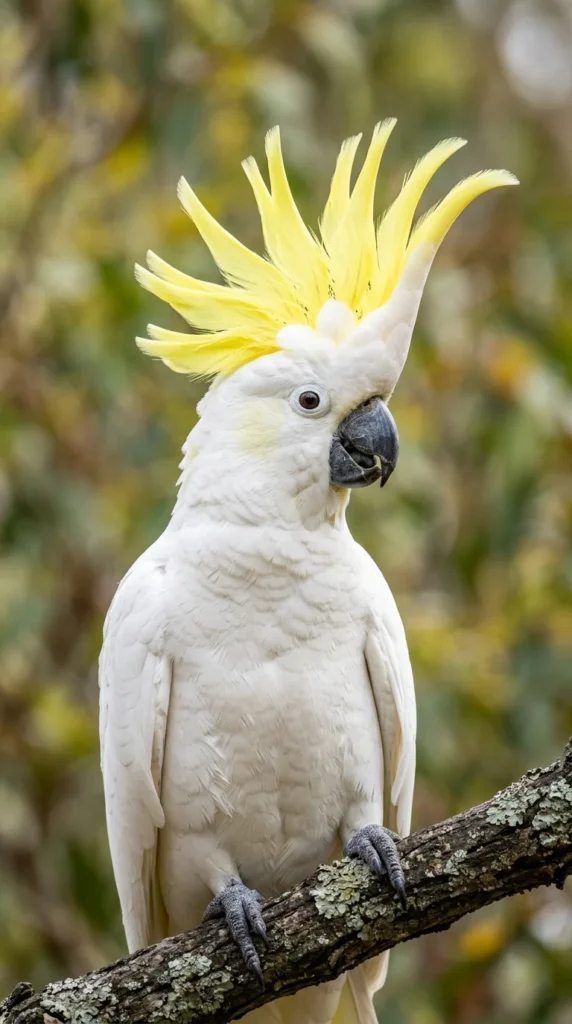
For birds with crests, like Cockatiels and Cockatoos, the head feathers are a mood barometer. A fully raised crest usually indicates extreme excitement, curiosity, or surprise. A halfway raised crest shows a relaxed, interested state. However, if the crest is held flat against the head, the bird is likely feeling fearful, aggressive, or very submissive. Learning the “crest code” is essential for avoiding nips from these species.
11. Tail Bobbing
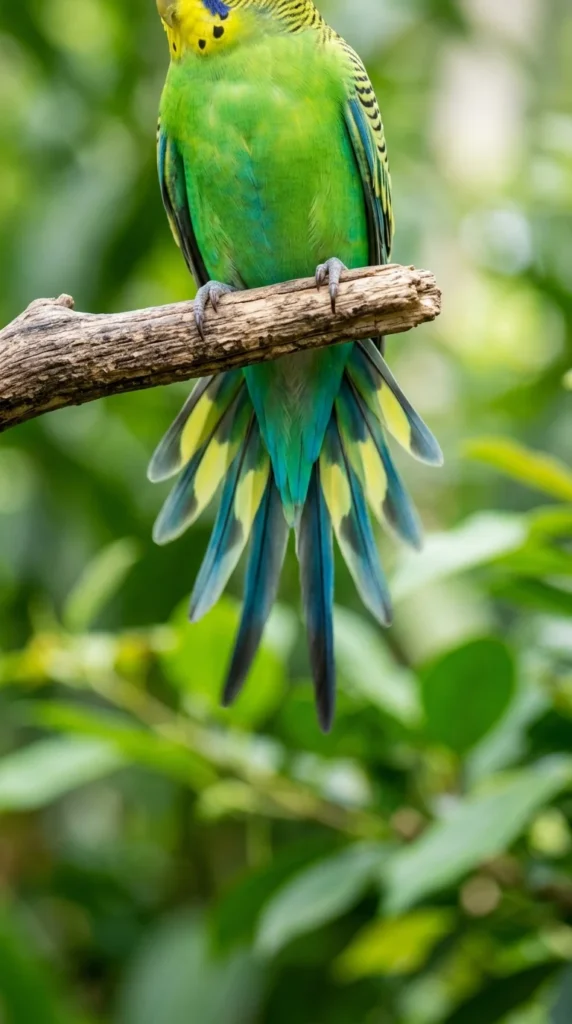
Slight tail bobbing can occur during intense vocalization, but significant, heavy tail bobbing while a bird is resting is often a red flag. Because birds use their tail muscles to help them breathe, a deep bob usually indicates that the bird is struggling to get enough air. If your bird is tail-bobbing while gasping or sitting at the bottom of the cage, it is a medical emergency that requires an avian vet immediately.
12. Biting
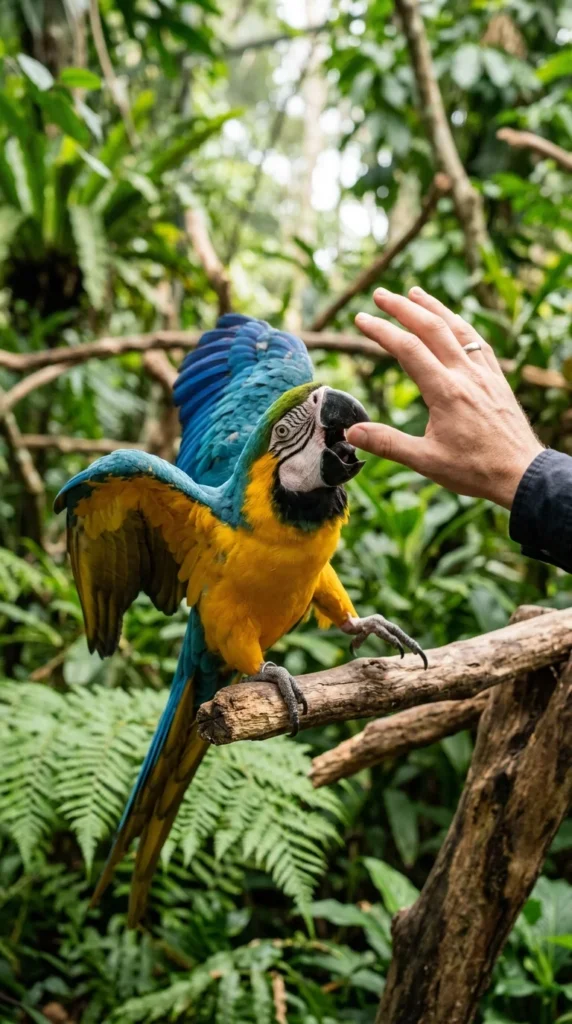
Biting is rarely “random.” It is usually a bird’s last resort after their more subtle body language cues have been ignored. A bird may bite out of fear, to protect their territory, or because of hormonal surges during breeding season. Understanding the precursor signs—like pinned eyes or a flared tail—allows you to back off before the bite happens, preserving the trust between you and your pet.
13. Beak Clicking
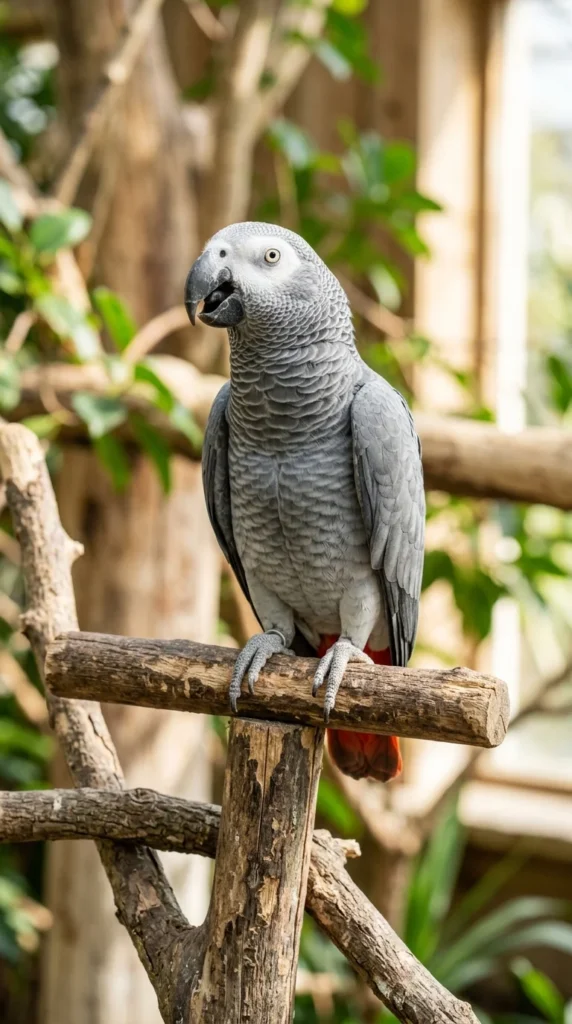
Beak clicking is a rapid-fire succession of sharp sounds made by snapping the mandibles together. Depending on the species, this can mean two different things. In many parrots, a single click followed by a head tilt is a friendly greeting. However, a rapid, repetitive clicking is often a warning for you to stay away. It is their way of saying, “I am here, and I will defend myself if you come closer.”
14. Wing Drooping
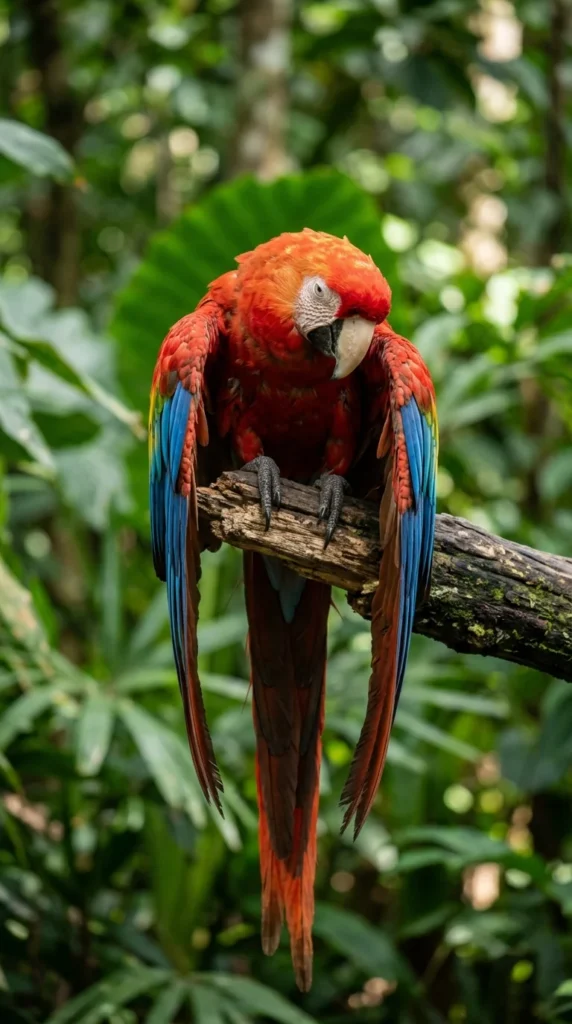
Wing drooping is different from wing flipping. When a bird’s wings hang low and look heavy, it typically signals exhaustion or physical weakness. Young birds who haven’t yet mastered holding their wings tight might do this, but in adults, it often indicates the bird is overheated or feeling unwell. If your bird is drooping its wings after a flight, they likely just need a rest, but persistent drooping needs attention.
15. Stretching
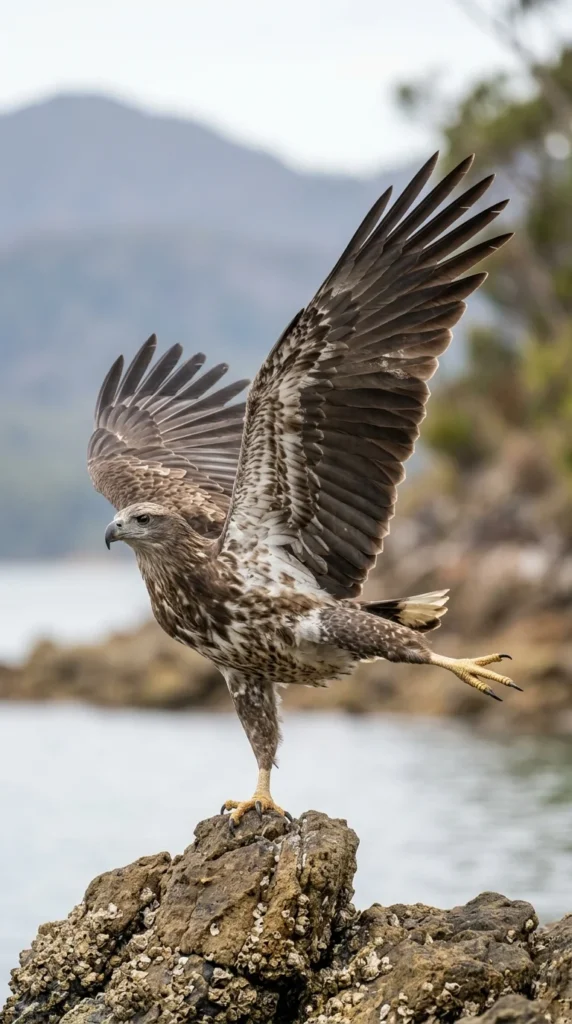
Just like humans, birds love a good stretch. They will often stretch one wing and the corresponding leg at the same time, then switch to the other side. This behavior is a sign that the bird is waking up or has been stationary for too long and is preparing for movement. It’s a positive sign of a healthy, active bird that is ready to engage with its surroundings.
16. Shaking
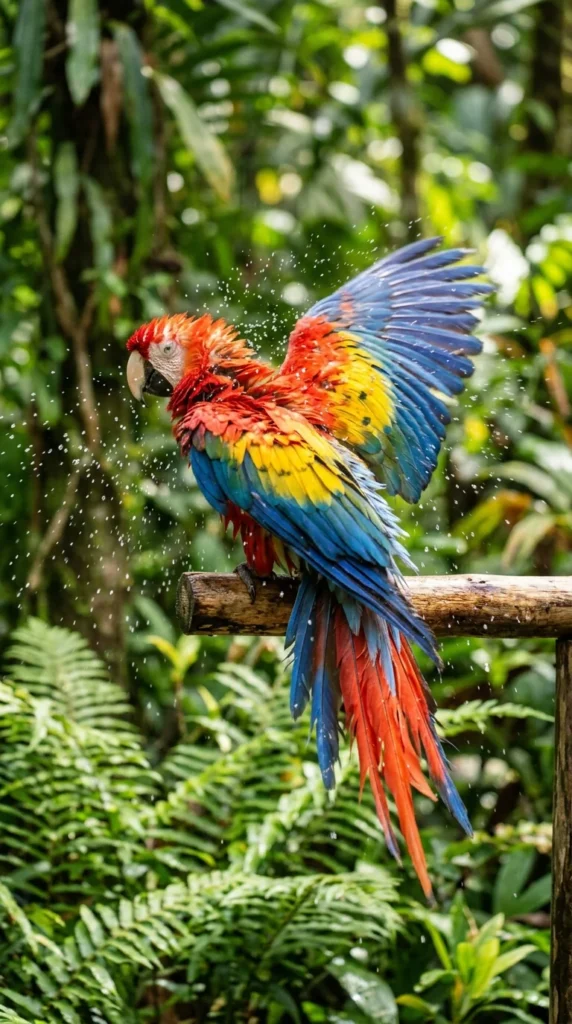
A full-body shake, often called a “fluff-out,” is a way for birds to relieve tension or “reset” after a stressful event. You might see this after a bird has been handled or after a loud noise startled them. It also helps them realign their feathers. If your bird shakes frequently without a clear cause, they may be feeling a bit of ambient stress or simply trying to get rid of dust and dander.
17. Screeching
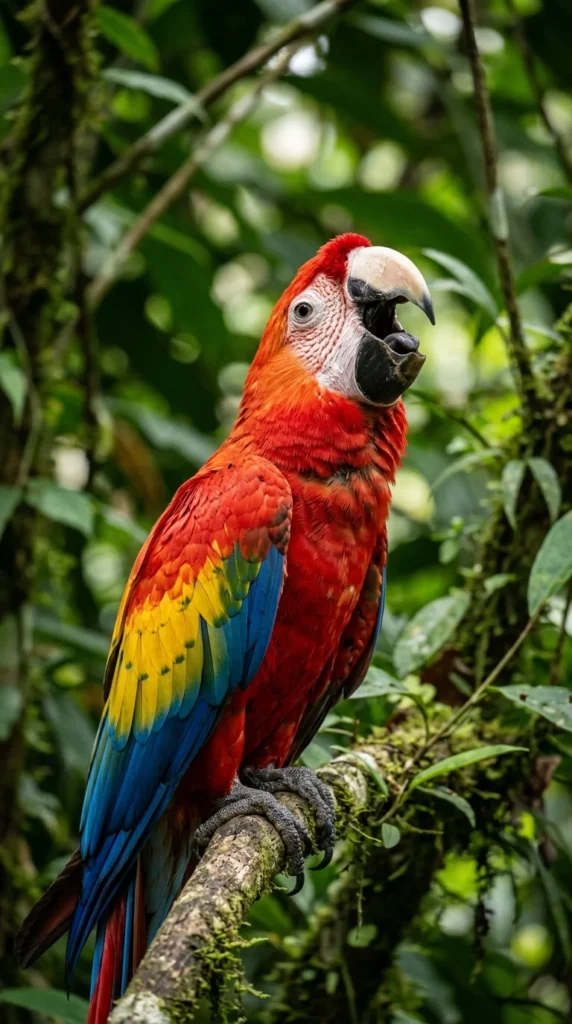
While some level of noise is expected, excessive screeching is usually a “contact call” gone wrong. In the wild, birds scream to find their flock. In your home, you are the flock. If your bird screams whenever you leave the room, they are calling out to make sure you are okay. Screeching can also signal boredom, hunger, or a need for mental stimulation. Understanding the “why” behind the noise is key to reducing it.
18. Preening
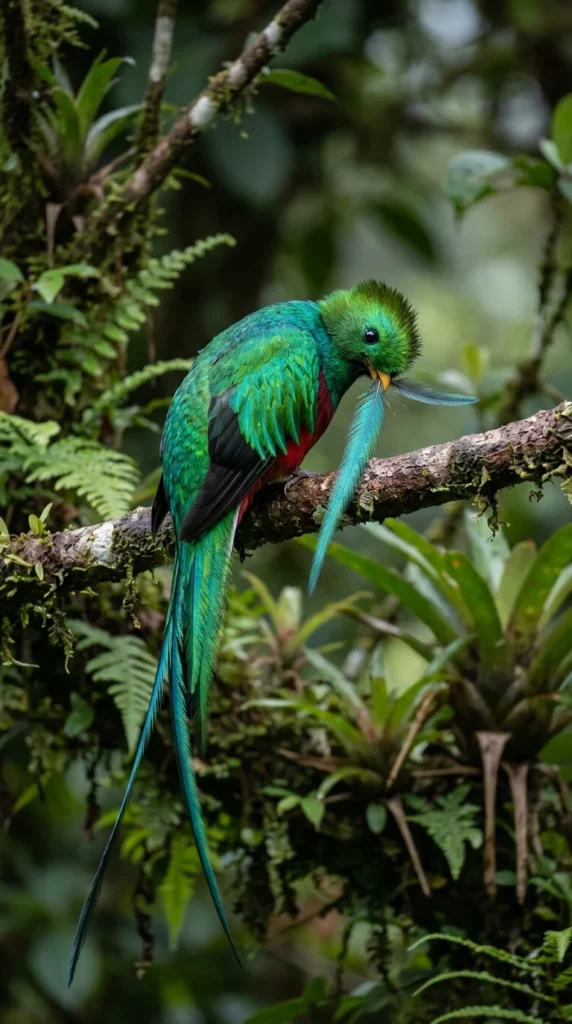
Preening is a vital part of a bird’s day. They use their beaks to distribute oils from their preen gland, which keeps feathers waterproof and healthy. When a bird preens in your presence, it shows they feel safe and relaxed. If they allow you to “preen” them (by scratching their head where they can’t reach), it is a sign of a deep, trusting bond. However, be wary of “over-preening,” which can lead to feather plucking.
19. Crouching
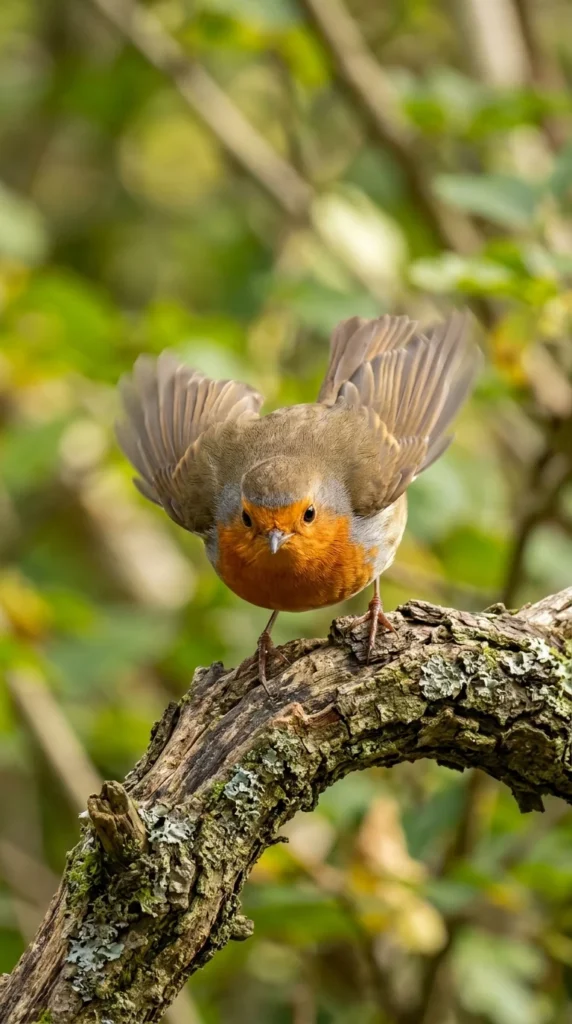
Crouching with the head pointed forward and the wings quivering often means the bird is preparing for flight. They are “loading” their muscles to take off. If they do this while looking at you, they are likely asking to be picked up or are about to fly to your shoulder. If the crouching is accompanied by a low hiss or open beak, it is a defensive posture meant to ward off an intruder. Context is everything!