
Maintaining an aquarium is an art form where the canvas is made of glass and the medium is water. Every hobbyist dreams of that “floating in air” look, where the water is so transparent it becomes invisible. However, achieving and sustaining that level of clarity requires more than just luck; it demands a systematic approach to biological, mechanical, and chemical balance. Whether you are a beginner or a seasoned aquarist, these 22 tips will help you banish cloudiness and ensure your aquatic environment remains a pristine masterpiece.
1. Water Changes
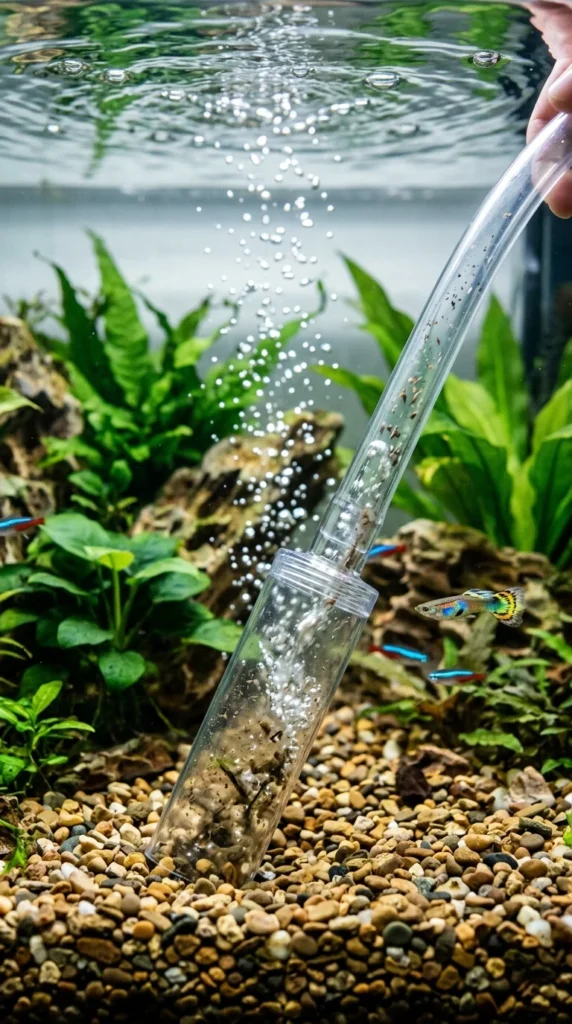
The most fundamental rule of aquarium maintenance is the consistent partial water change. Replacing 15% to 25% of your tank water weekly removes accumulated nitrates, phosphates, and organic waste that even the best filters can’t fully eliminate. This process prevents the “yellowing” of water caused by tannins and dissolved organic compounds (DOCs), ensuring the liquid remains colorless and bright.
2. Filter Rinsing
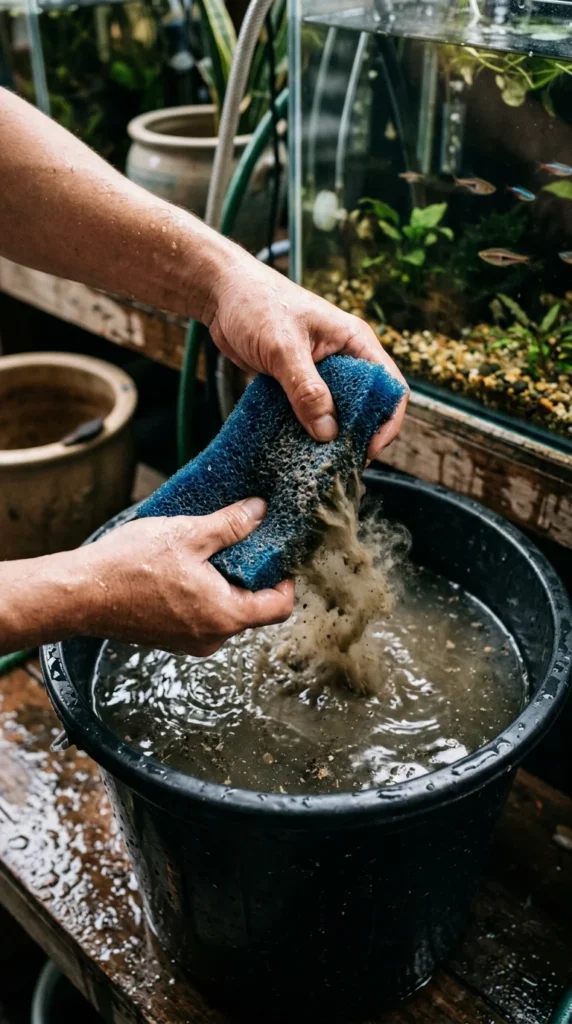
Your filter is the heart of your tank’s clarity, but it can only work if it isn’t clogged. Every few weeks, rinse your filter sponges and ceramic media. Crucially, always use a bucket of old tank water—never tap water—to rinse them. This preserves the “good” beneficial bacteria while removing the “muck” that restricts flow and causes bypass, where water skips the filtration media entirely.
3. Feeding Habits
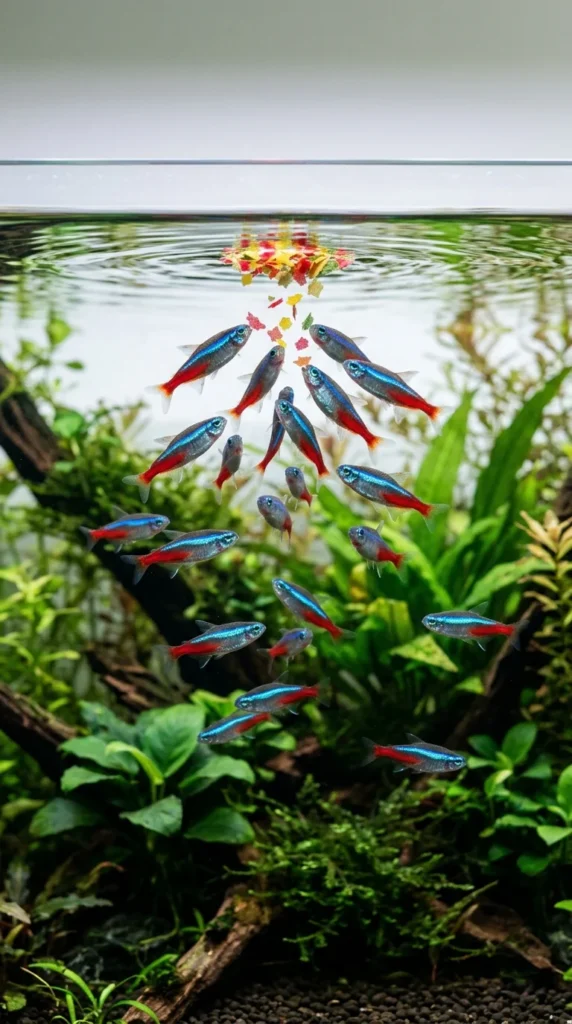
Overfeeding is the leading cause of cloudy water. Excess food that goes uneaten sinks to the bottom, where it rots and fuels bacterial blooms. Feed your fish only what they can consume in two minutes. If you see food hitting the substrate, you are feeding too much. A leaner feeding schedule results in less waste, lower ammonia levels, and much clearer water.
4. Substrate Cleaning
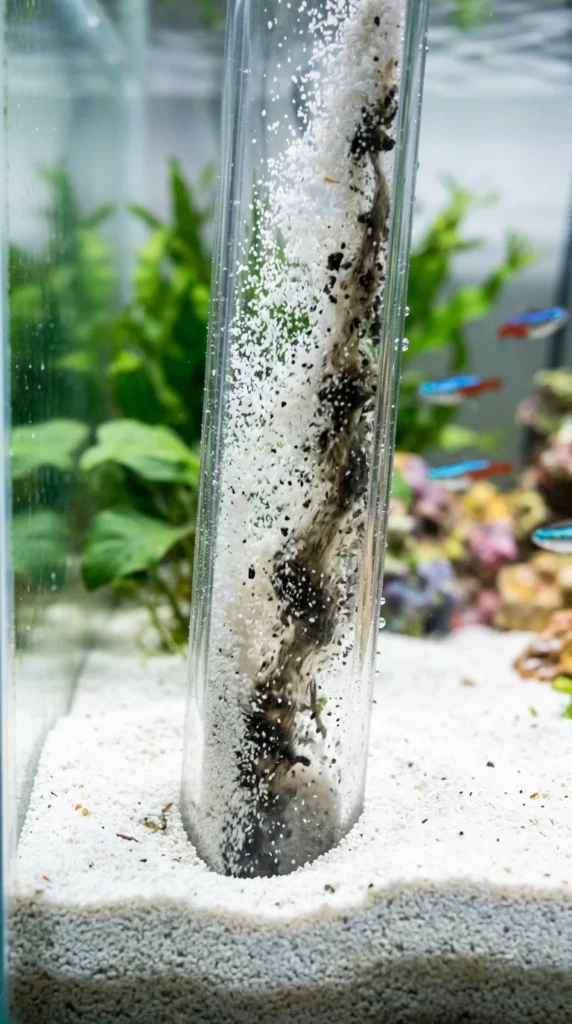
Waste particles often hide between the grains of your substrate. During your weekly water change, use a gravel vacuum to “deep clean” the floor of the tank. By pulling out the trapped mulm and fish waste from the substrate, you prevent these particles from being kicked back into the water column by fish movement, which would otherwise create a perpetual haze.
5. Living Plants
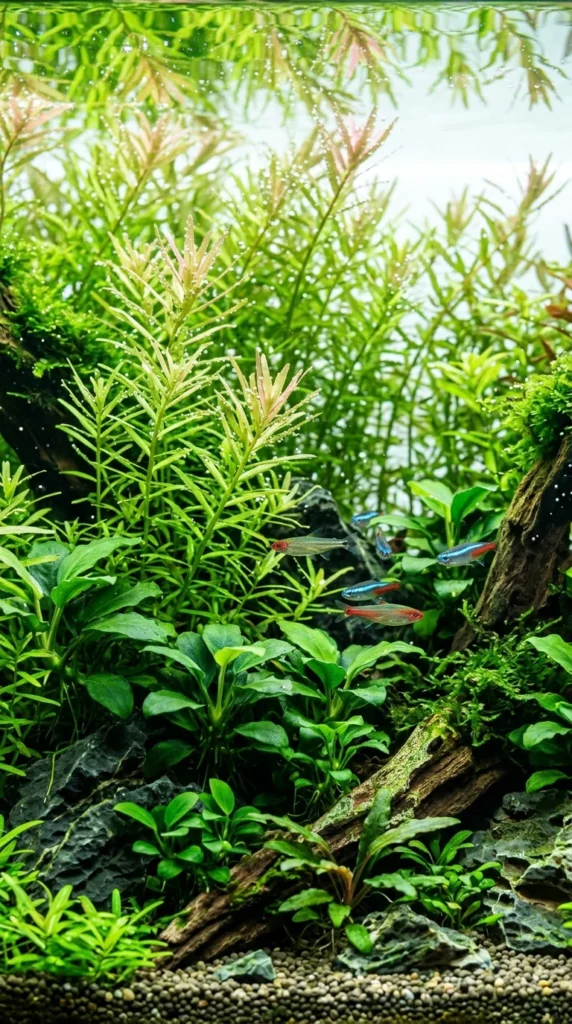
Live plants act as natural filters. They absorb nitrates and phosphates—the primary nutrients for algae—to use as fertilizer. Additionally, plants like Hornwort or Water Sprite can trap fine particulates in their foliage. A heavily planted tank often reaches a biological equilibrium that produces much clearer water than a tank with plastic decorations.
6. Mechanical Filtration

Mechanical filtration is responsible for physically trapping particles. To achieve crystal clarity, you need a multi-stage approach. Use a combination of coarse sponges for large debris and fine filter wool (filter floss) for the tiny particles. Replacing the fine filter floss every week is one of the quickest “cheats” to making your water look polished.
7. Beneficial Bacteria
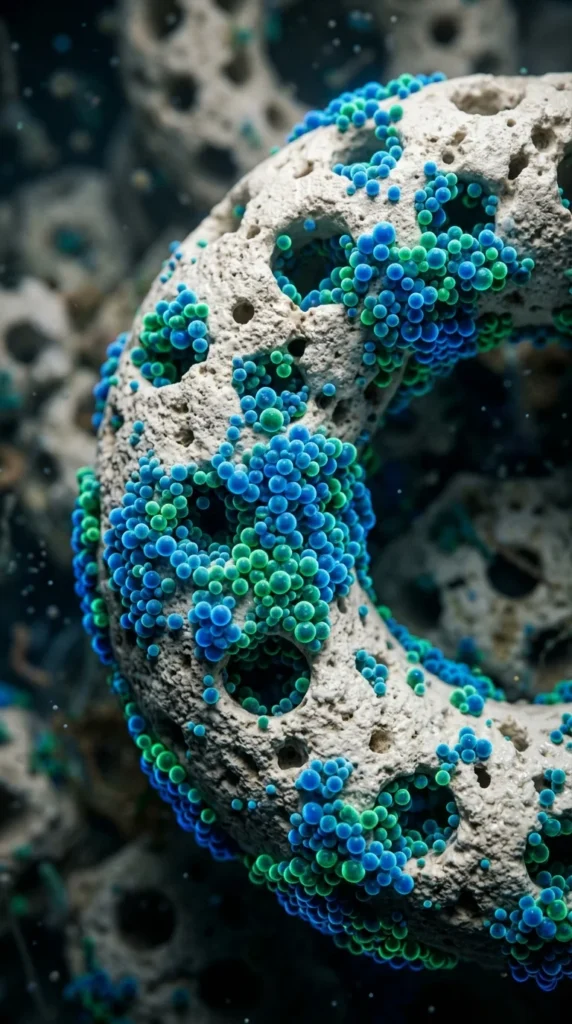
A “bloom” of white, milky water is usually the result of a bacterial imbalance. To prevent this, ensure your tank is fully cycled before adding fish. You can also supplement your tank with bottled nitrifying bacteria after large water changes or when adding new inhabitants. These “good” bacteria compete with the “bad” bacteria, keeping the water column clear and safe.
8. Chemical Media
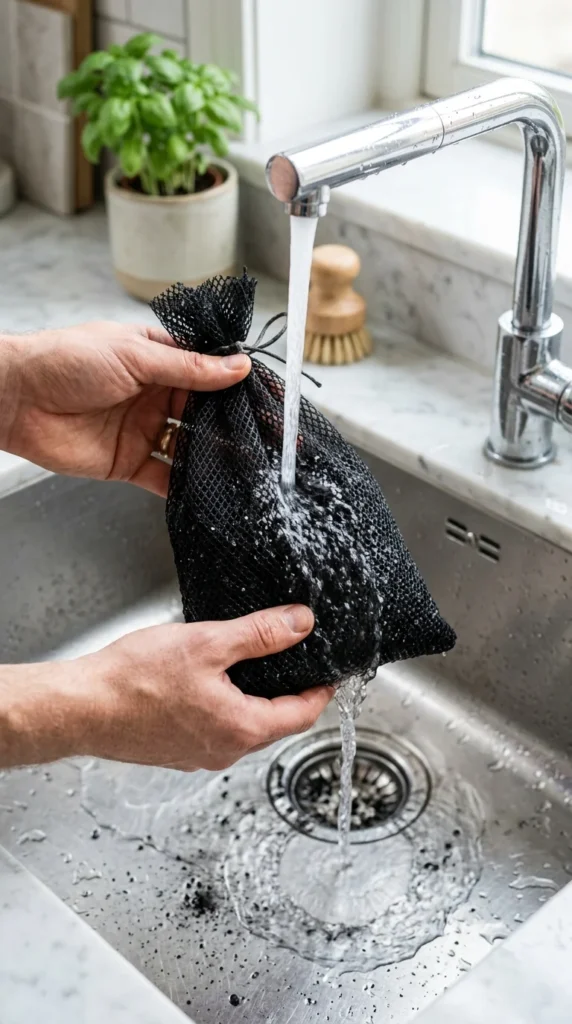
Sometimes, mechanical and biological filtration aren’t enough to remove odors or yellow tints. This is where chemical media like activated carbon or synthetic resins come in. These materials work at a molecular level to “pull” tannins and medications out of the water. High-quality resins can make water so clear it looks like the fish are flying through the air.
9. UV Sterilization
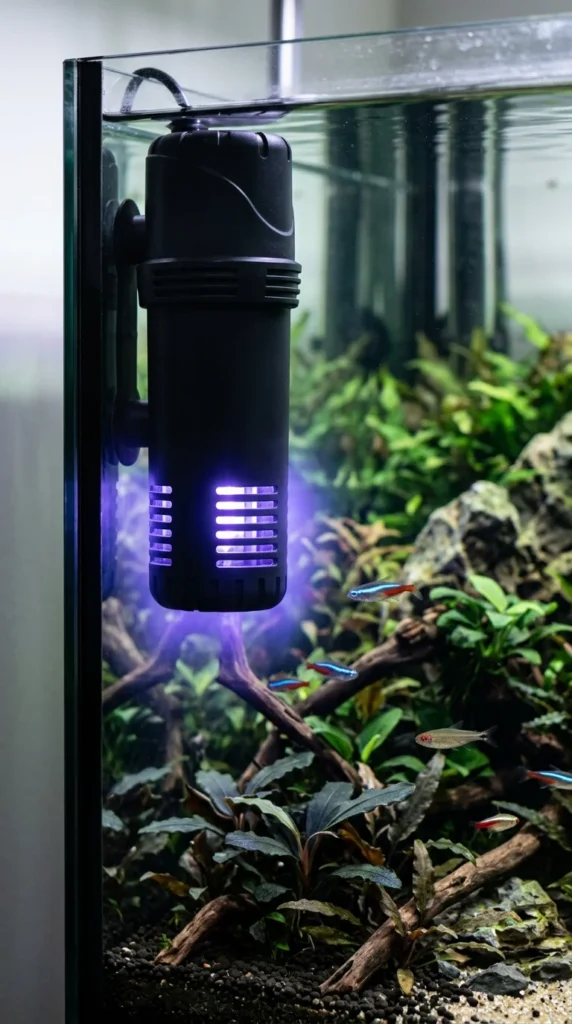
If you struggle with “green water” (algae blooms), a UV sterilizer is your best friend. As water passes through the unit, it is exposed to ultraviolet light that kills free-floating algae cells and harmful pathogens. This doesn’t just help with clarity; it also creates a healthier environment by reducing the total microbial load in the water.
10. Testing Kits
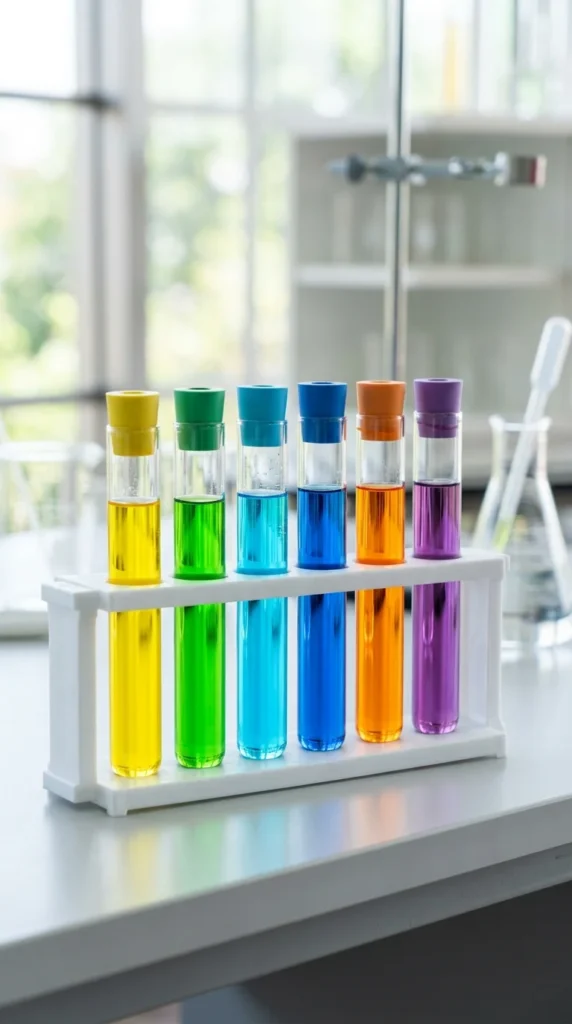
You cannot manage what you do not measure. Use a liquid test kit to monitor ammonia, nitrite, and nitrate levels. Cloudiness is often a visual symptom of a chemical spike. By catching an increase in ammonia early, you can perform an emergency water change before a full-blown bacterial bloom turns your tank into a “pea soup” mess.
11. Algae Management
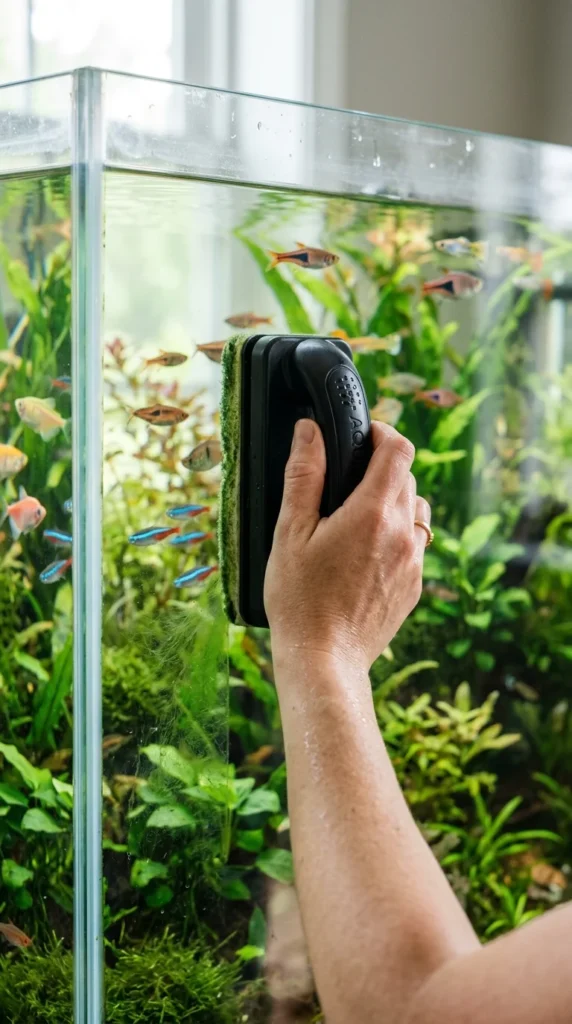
Algae growing on the glass can make perfectly clear water look dirty. Use a magnetic glass cleaner or a simple sponge to wipe the glass every few days. By staying ahead of algae growth, you prevent the spores from multiplying and turning the water green. Remember to scrape the corners and the area just below the substrate line for a professional finish.
12. Stocking Levels
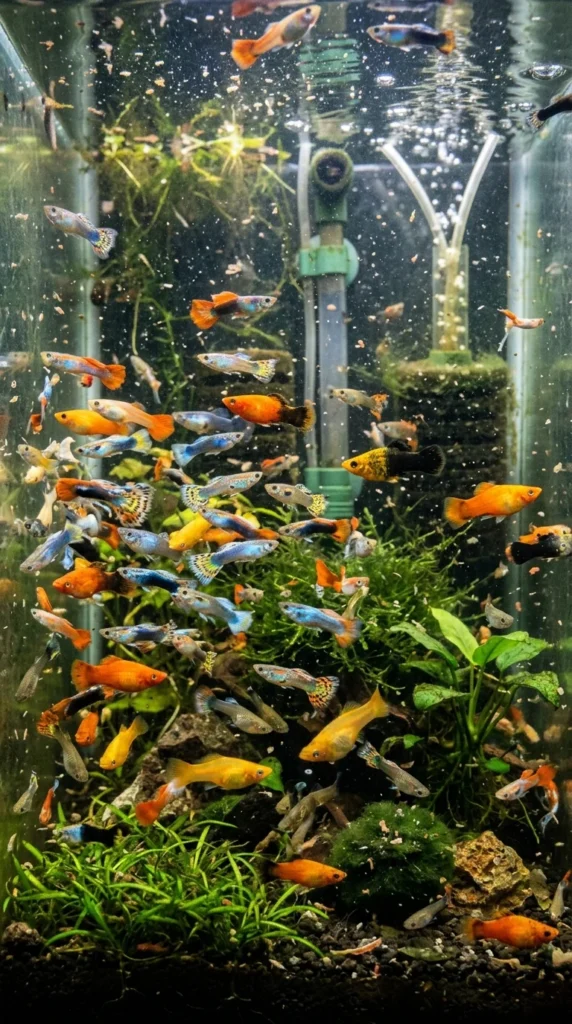
Overstocking is a recipe for murky water. Every fish adds to the “bioload.” If you have too many fish in a small volume of water, your filtration system will never be able to keep up with the waste. Stick to the recommended stocking levels for your tank size. A lightly stocked tank is significantly easier to keep clear than one that is pushed to its limits.
13. Lighting Control
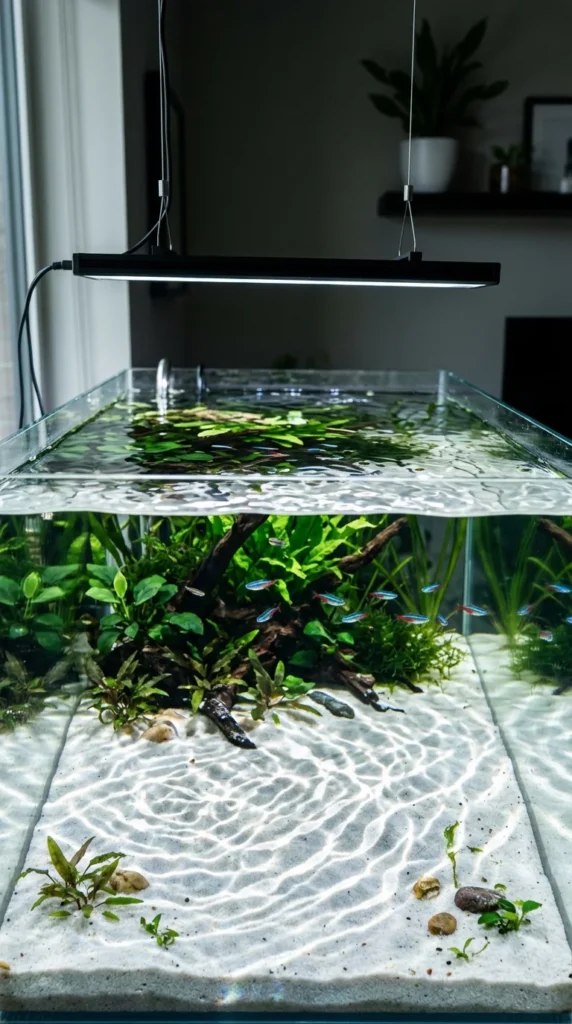
Too much light is the primary trigger for algae blooms. Keep your aquarium lights on a timer for no more than 6 to 8 hours a day. If your tank is in direct sunlight, the water will likely turn green regardless of how often you change it. Use high-quality LED lights with controllable intensities to find the “sweet spot” for your plants without fueling algae.
14. Surface Agitation
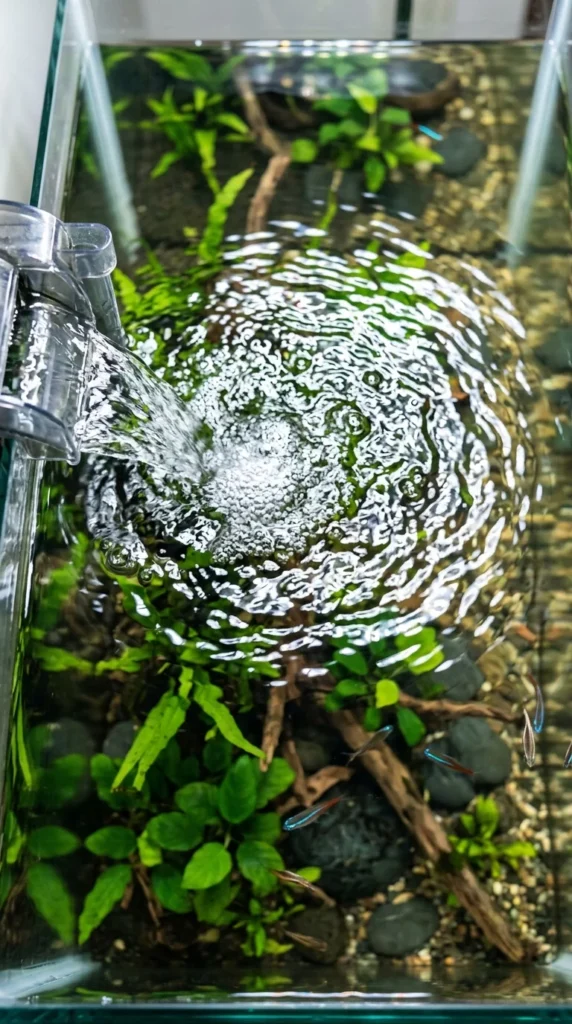
A film of oils and proteins can often form on the surface of the water, making it look dull and reducing oxygen exchange. By positioning your filter outlet to create surface agitation, or by using a surface skimmer, you can break up this “biofilm.” This allows light to penetrate better and ensures the water looks sparkling from above and the side.
15. Dechlorination

Tap water contains chlorine and chloramines that are toxic to fish and, more importantly, to the beneficial bacteria in your filter. Always use a high-quality water conditioner during water changes. If you kill off your beneficial bacteria with untreated tap water, you will trigger a “new tank syndrome” bacterial bloom that will cloud your water for weeks.
16. Food Selection
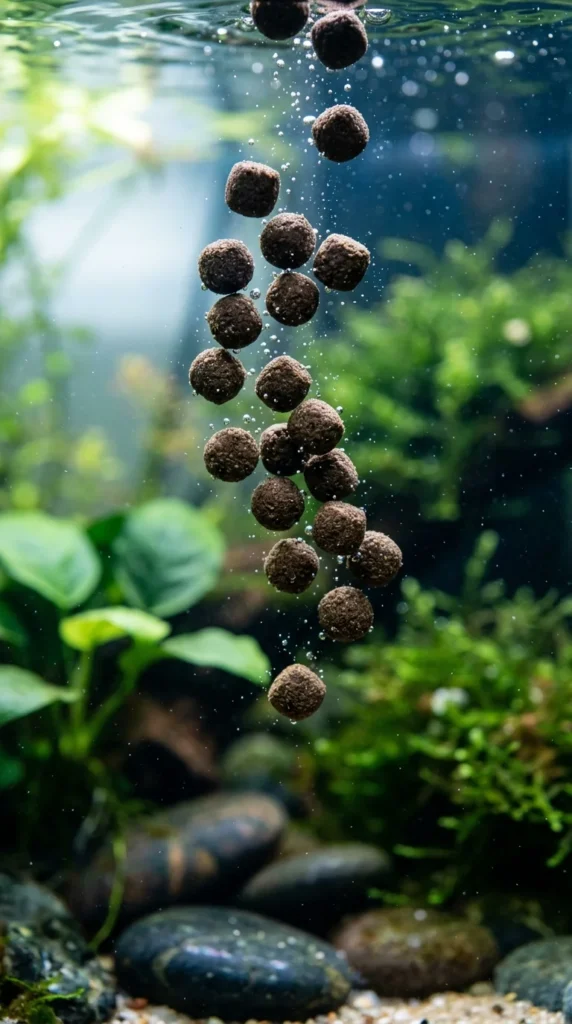
Not all fish foods are created equal. Low-quality foods often contain “fillers” that fish cannot digest. This leads to larger amounts of waste and “dust” that clouds the water. Invest in high-quality, name-brand pellets or flakes that are formulated to be highly digestible. They produce less solid waste and help maintain long-term water clarity.
17. Pre-Filters
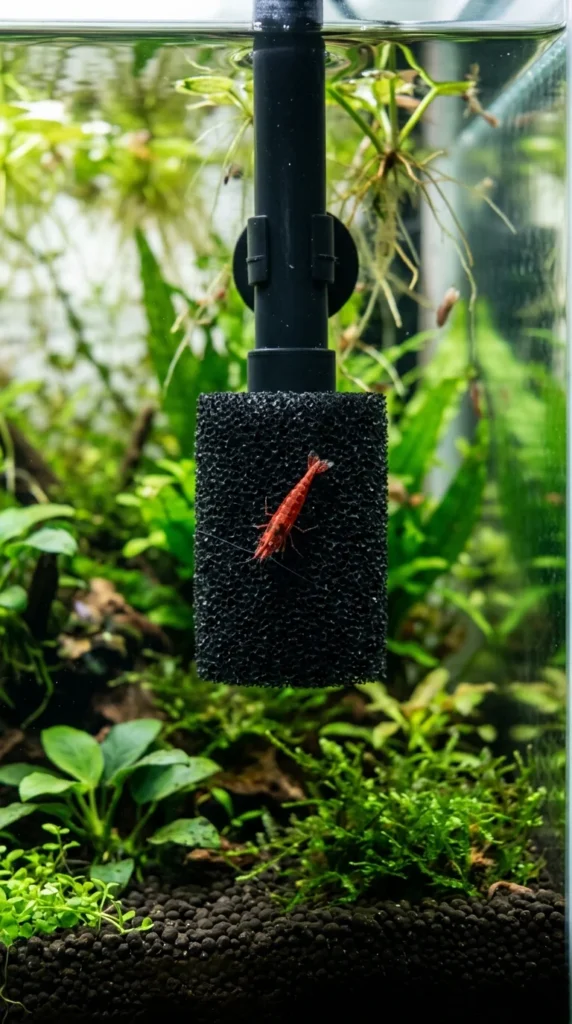
An intake sponge (pre-filter) prevents large debris, plant leaves, and even small shrimp from being sucked into the filter motor. By trapping the “gunk” before it even enters the main filter canister, you prolong the life of your filter media and make the weekly maintenance of the filter much easier and more effective.
18. Driftwood Preparation

Driftwood is a beautiful addition to aquariums but often releases tannins that turn the water a tea-like brown. While tannins are healthy for many fish, they ruin the “crystal-clear” look. To prevent this, boil your driftwood for several hours or soak it in a separate bucket for weeks before adding it to your display tank to leach out the color.
19. Polishing Pads
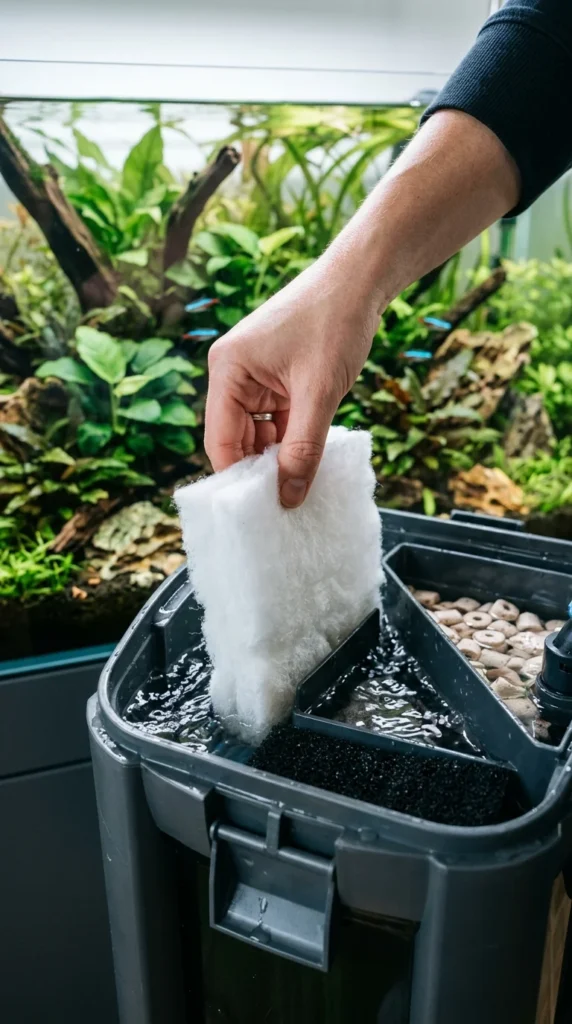
Polishing pads are ultra-fine synthetic pads designed to catch the smallest microscopic particles that pass through standard sponges. Adding a polishing pad to your filter for 24–48 hours can take a tank from “clean” to “invisible.” Because they clog quickly, they are best used as a finishing touch rather than a permanent filter stage.
20. Tank Placement
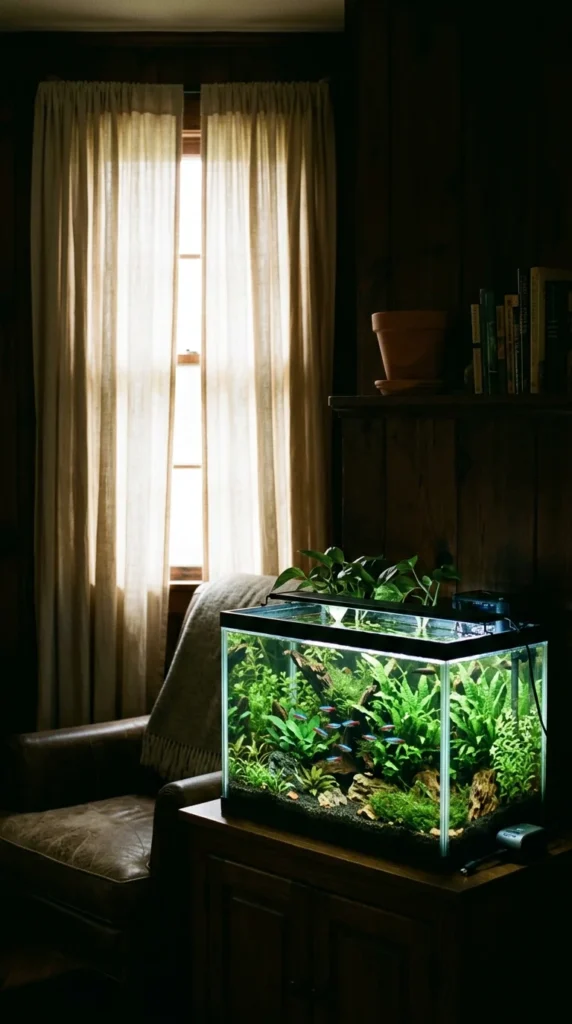
Where you put your tank matters. If your aquarium is located near a window or in a room with high ambient light, you will likely struggle with persistent algae. Place your tank in a controlled environment where you dictate the light levels. This simple decision can be the difference between a clear tank and a green, murky one.
21. Tool Maintenance

Dirty tools can introduce contaminants, oils, or even algae spores from one tank to another. After every maintenance session, rinse your siphons, nets, and scrapers in hot water and allow them to air dry. Keeping your tools clean ensures that when you go to “clean” the tank, you aren’t actually adding more pollutants into the water.
22. Consistency
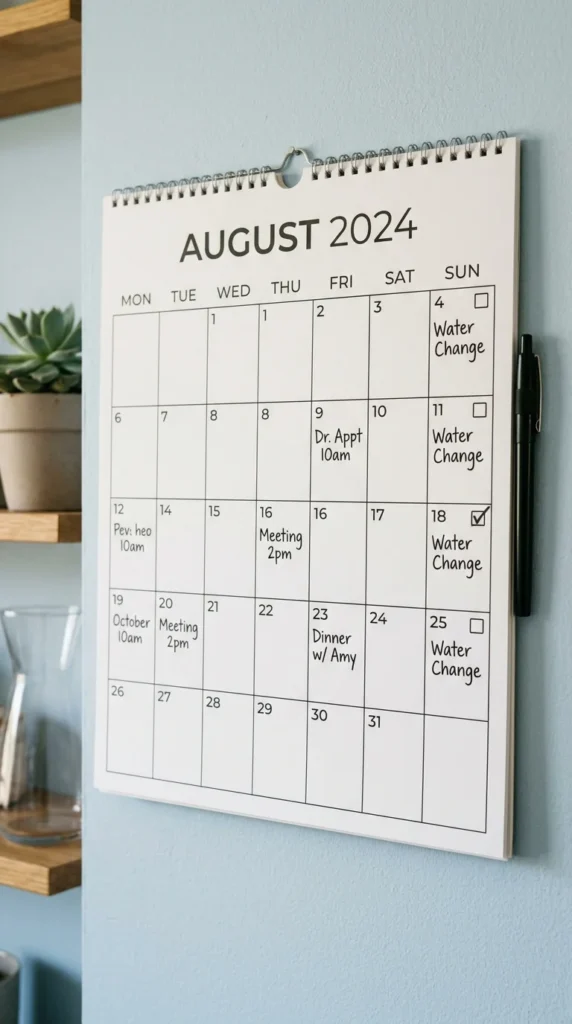
The secret to a pristine tank isn’t a “miracle cure” bottle; it’s consistency. Aquariums thrive on stability. Doing a small water change every Sunday is far more effective than doing a massive 90% water change once a month. By sticking to a routine, you prevent waste from ever reaching a level where it can cause cloudiness, keeping your water crystal clear year-round.