
Setting up a turtle tank is more than just filling a glass box with water; it is about recreating a complex ecosystem that caters to the physical and psychological needs of one of nature’s most resilient reptiles. Whether you are a first-time owner or a seasoned herpetologist, providing a “happy and healthy” environment requires a meticulous balance of technology, biology, and design. From the intensity of the UV rays to the microscopic health of the water, every detail matters. This guide covers the 21 essential components of a world-class turtle habitat.
1. Tank Size
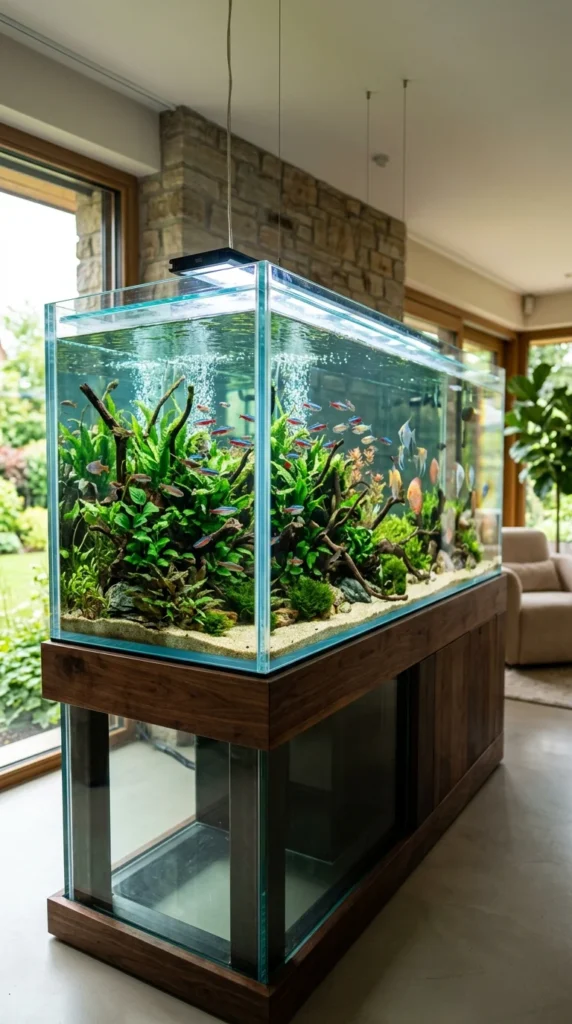
The most common mistake new turtle owners make is choosing a tank that is too small. Turtles grow rapidly, and a cramped space leads to stunted growth and high stress levels. The golden rule is the “10-gallon-per-inch” rule. If your turtle is 5 inches long, it needs at least a 50-gallon tank. Always opt for a “long” tank rather than a “tall” one to provide maximum swimming surface area.
2. Filtration System
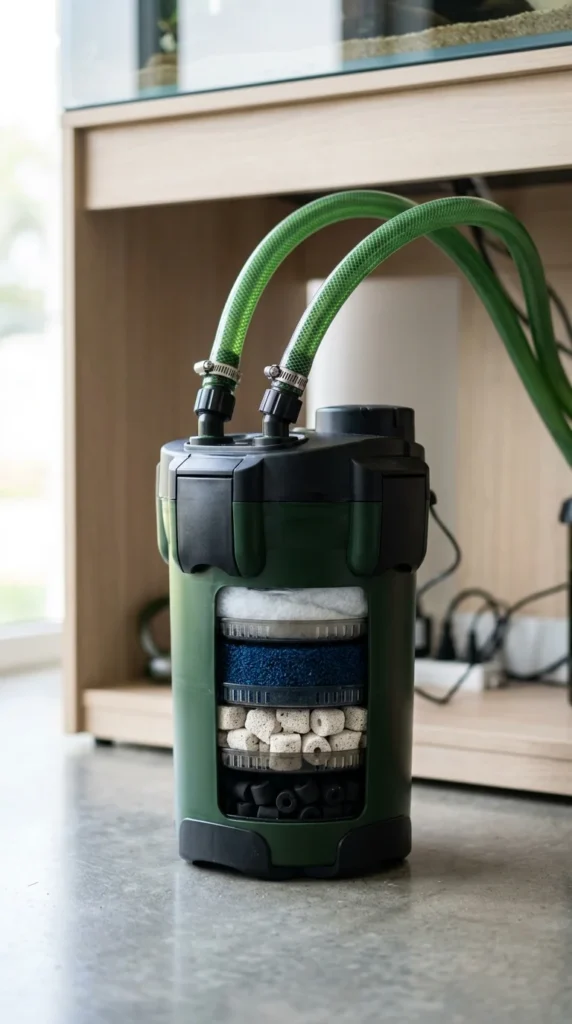
Turtles are notorious for being “messy” pets. They produce significantly more waste than fish, meaning a standard fish filter won’t cut it. You need a heavy-duty canister filter rated for at least double or triple the actual volume of your tank. A powerful filter ensures that ammonia and nitrites are processed quickly, keeping the water safe and odor-free.
3. Water Heater
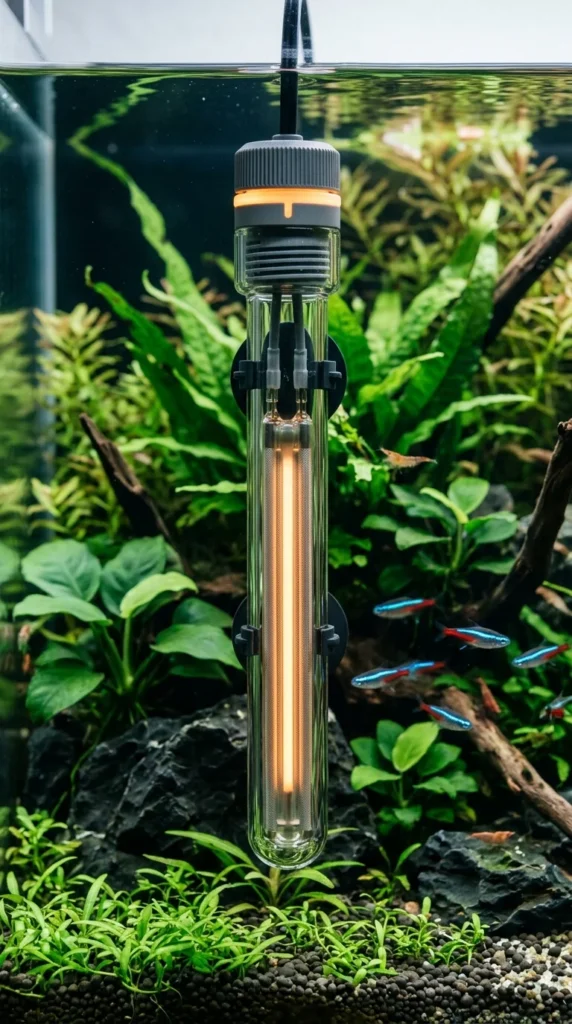
Turtles are ectothermic, meaning they rely on their environment to regulate their body temperature. Most aquatic turtles require water temperatures between 75°F and 80°F. A high-quality submersible heater with a plastic guard (to prevent the turtle from breaking the glass) is essential for maintaining a consistent climate and supporting the turtle’s immune system.
4. Basking Platform

Every aquatic turtle needs a place to get completely dry. A basking platform allows them to climb out of the water to regulate their body temperature and prevent shell rot. The platform must be large enough for the turtle to turn around on and sturdy enough to support its weight without sinking.
5. Heat Lamp
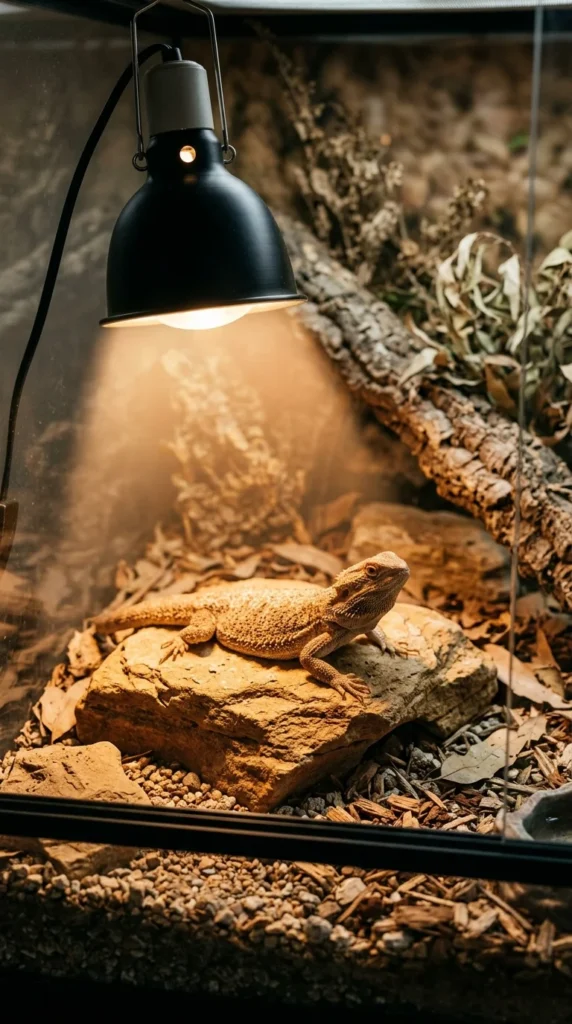
While the water heater keeps the “cool” side of the tank stable, a heat lamp provides the “hot” zone. The basking area should reach between 90°F and 95°F. This mimicry of natural sunlight encourages the turtle to haul out of the water, which is vital for digestion and metabolic health.
6. UVB Lighting

Without UVB light, turtles cannot synthesize Vitamin D3, which is required for calcium absorption. A lack of UVB leads to Metabolic Bone Disease, a painful and often fatal condition where the shell becomes soft and deformed. Ensure you use a dedicated UVB bulb and replace it every 6–12 months, as the UV output decays even if the light still looks bright.
7. Substrate
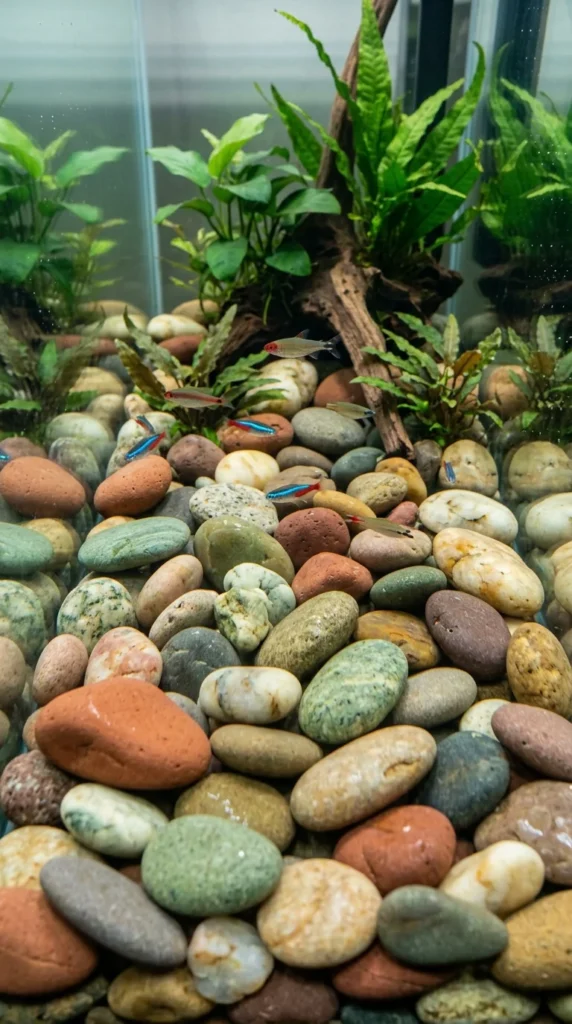
The choice of substrate—the material at the bottom of the tank—is critical. Small gravel is a choking hazard because turtles are curious and may try to eat it. Large river stones or specialized aquarium sand are much safer options. Many owners prefer a “bare bottom” tank for easier cleaning, though substrate provides a more natural look and enrichment for the turtle.
8. Water Conditioner
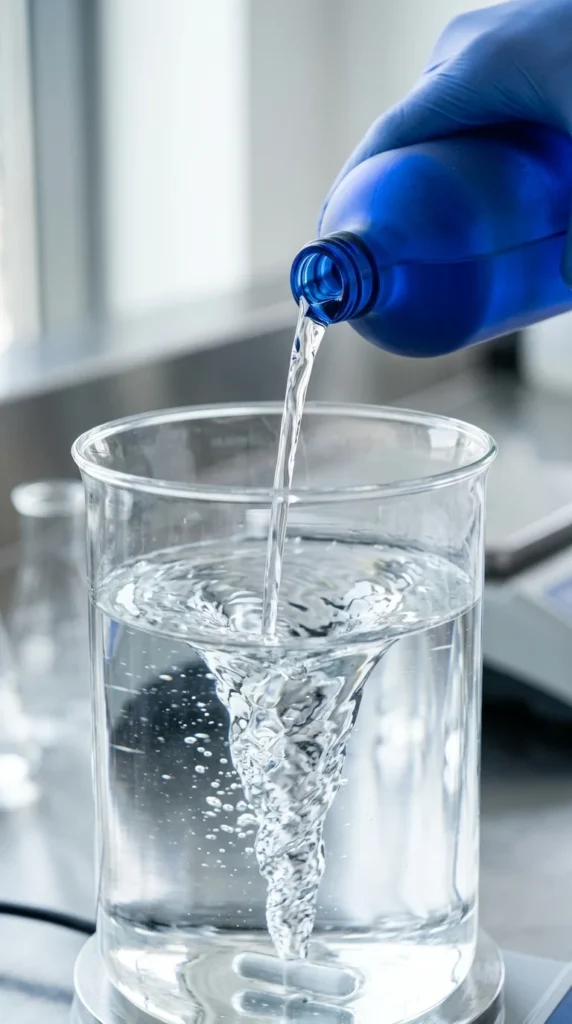
Tap water often contains chlorine and chloramines, which can irritate a turtle’s sensitive eyes and kill the beneficial bacteria in your filter. Always use a high-quality water conditioner during every water change to neutralize these chemicals and heavy metals instantly.
9. Thermometer
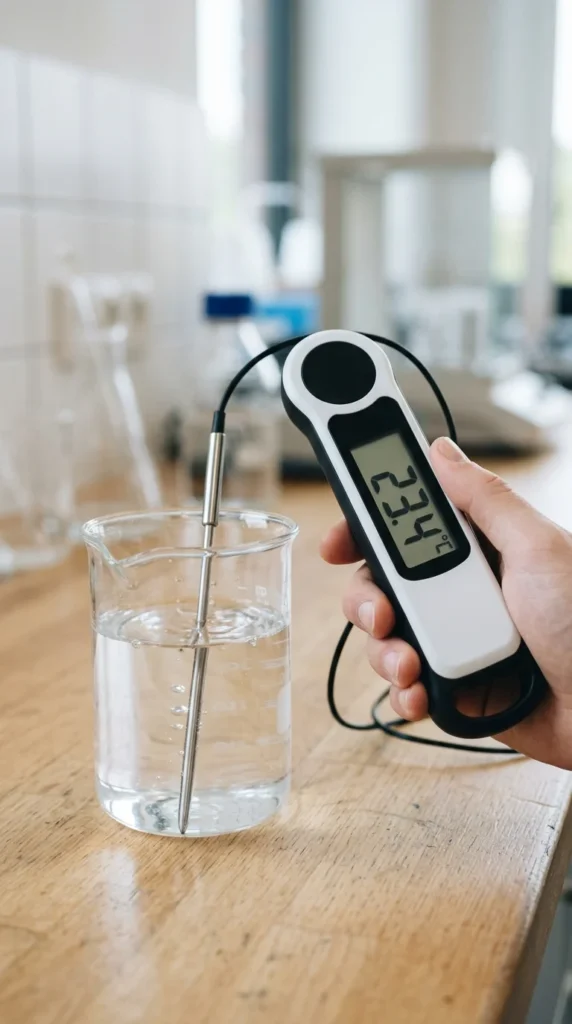
You cannot guess the temperature of a turtle tank by touch. You need two thermometers: one for the water and one for the basking area. Digital thermometers with probes are the most accurate, allowing you to monitor the thermal gradient and ensure your turtle has both a warm spot and a cool retreat.
10. pH Test Kit
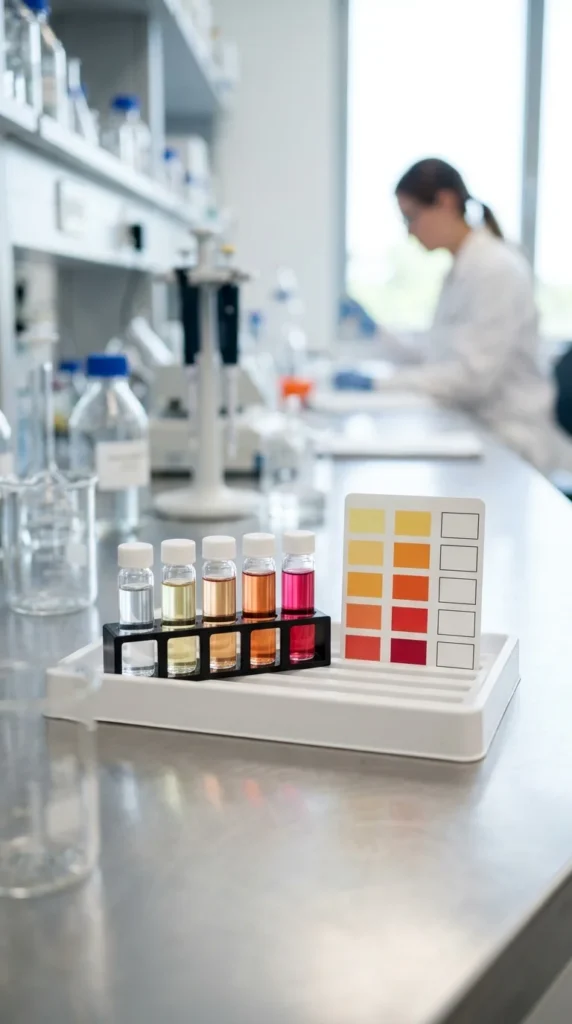
Water chemistry is the invisible backbone of a healthy tank. A pH test kit allows you to monitor the acidity or alkalinity of the water. Most turtles thrive in a neutral pH of 7.0 to 8.0. Regular testing helps you catch spikes in ammonia or drops in pH before they affect your turtle’s health.
11. Aquatic Plants
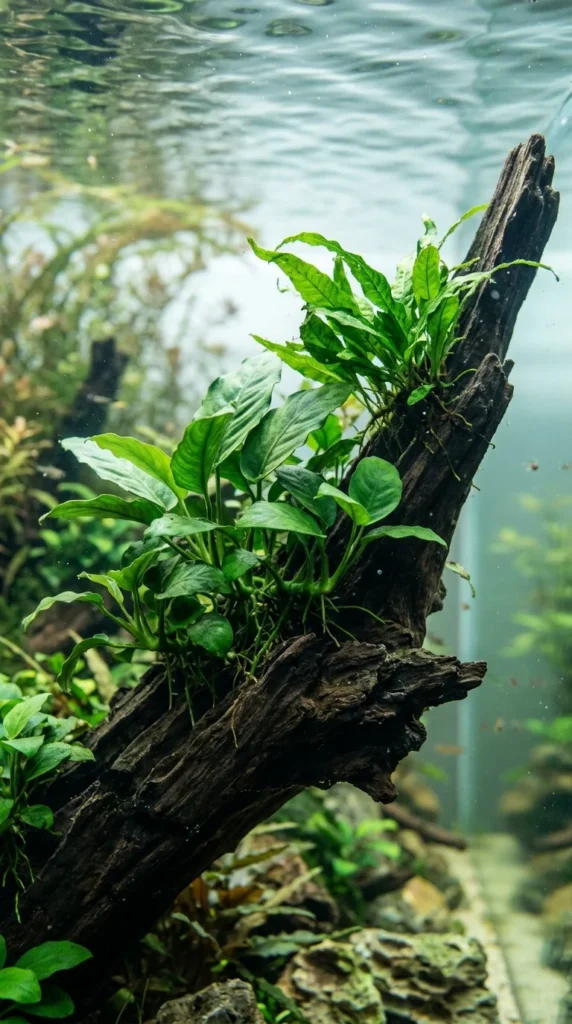
Live plants like Anubias, Java Fern, or Amazon Swords provide oxygen, consume nitrates, and offer the turtle a natural snack. Be aware that most turtles will eventually eat or uproot live plants, so many owners choose high-quality silk plants to provide the same visual coverage without the constant replacement.
12. Hiding Spots
Even though turtles spend a lot of time in the open, they need a place to feel secure. Underwater caves, hollow logs, or dense foliage allow the turtle to retreat if they feel threatened. A secure turtle is a happy turtle; without hiding spots, they may become chronically stressed, which weakens their immune system.
13. Food Dish
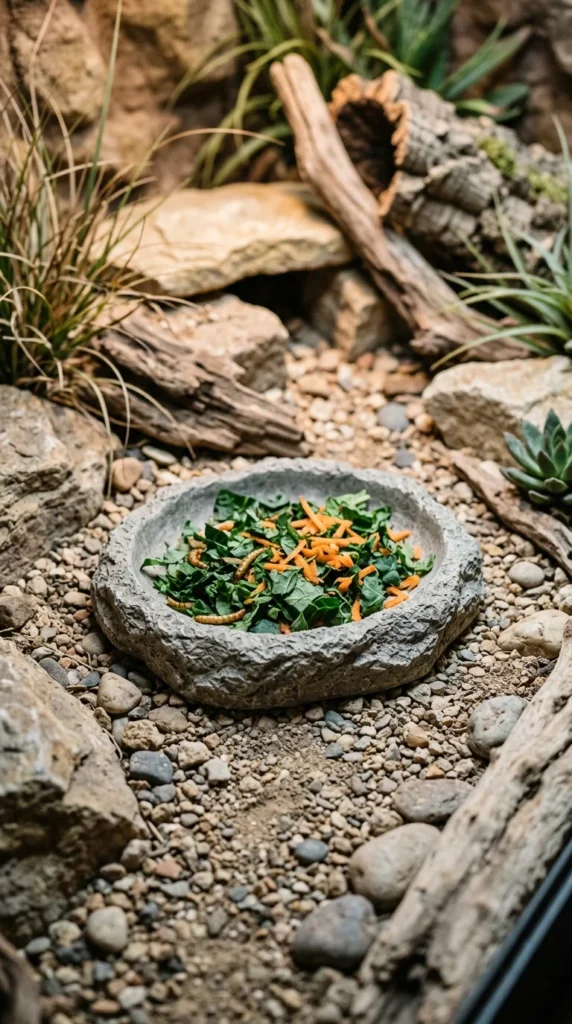
While most turtles eat in the water, providing a dedicated food dish on the basking platform for “dry” treats like leafy greens or calcium-dusted insects can help keep the water cleaner. It also creates a routine, allowing you to bond with your pet during feeding sessions.
14. Siphon/Gravel Vacuum
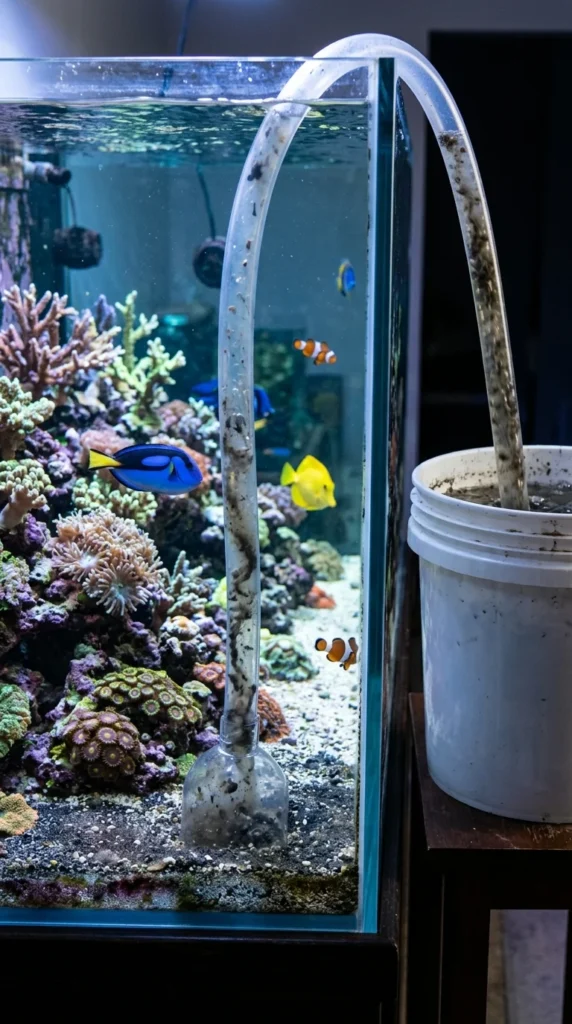
A siphon is your best friend when it comes to maintenance. It allows you to perform 25% water changes weekly while simultaneously vacuuming waste and uneaten food from the bottom of the tank. This physical removal of debris is something a filter alone cannot handle.
15. Enrichment Toys
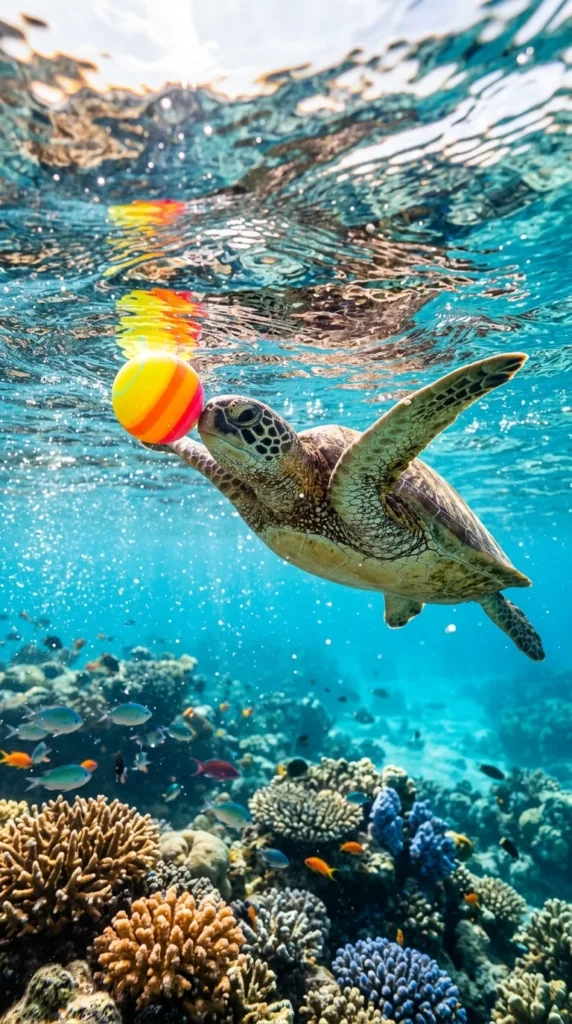
Turtles are surprisingly intelligent and can become bored in a static environment. Floating balls, hollow treats dispensers, or even live feeder fish (for hunting) provide mental stimulation. Rearranging the decor occasionally also encourages the turtle to explore its “new” surroundings.
16. Air Pump
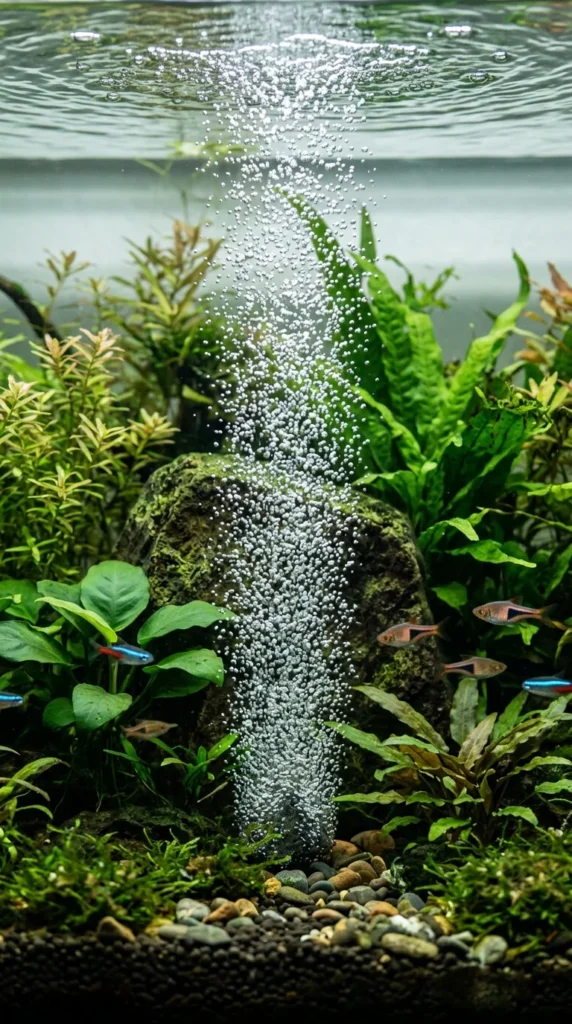
An air pump and air stone serve two purposes: they oxygenate the water, which supports beneficial bacteria, and they create surface agitation. This agitation prevents the “protein film” from forming on the surface, ensuring better gas exchange and a clearer view of your pet.
17. Background Decor
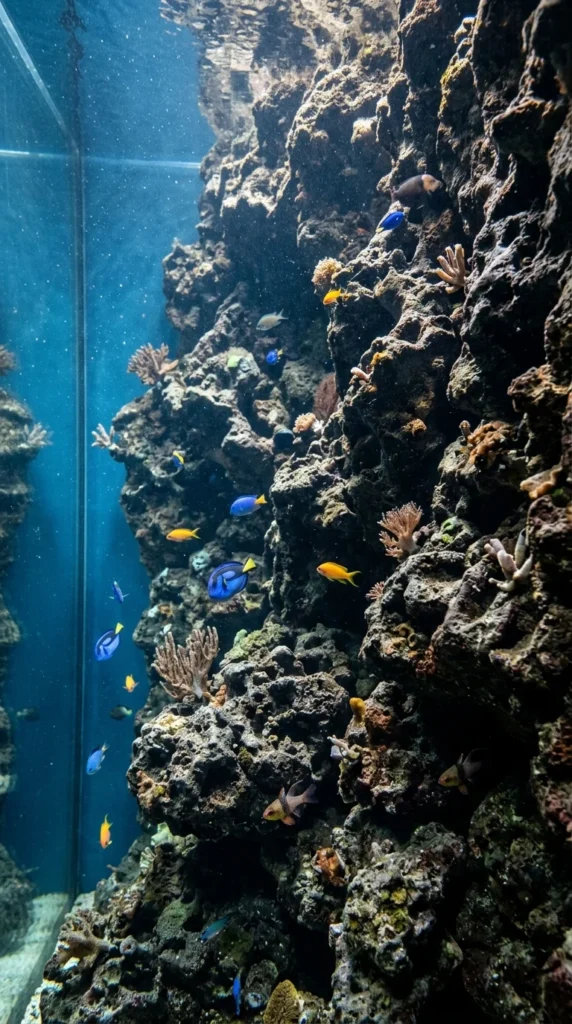
Adding a background to the back of the tank isn’t just for aesthetics. It reduces reflections that might confuse or stress the turtle and provides a sense of enclosure. This makes the turtle feel like they are in a sheltered environment rather than exposed on all sides.
18. Secure Lid
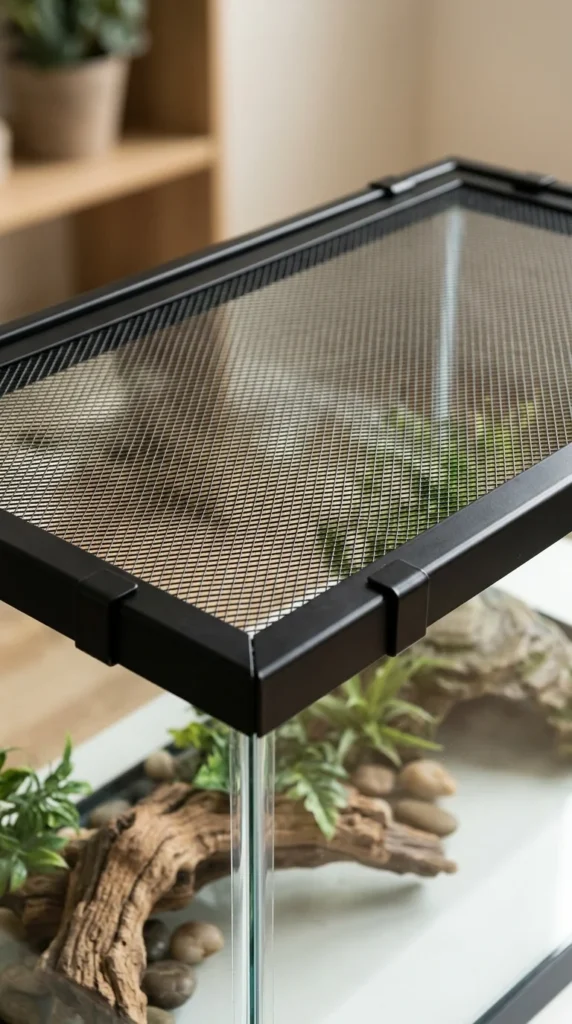
Turtles are surprisingly good climbers. A secure, breathable mesh lid is vital to prevent escapes and to keep other household pets (like cats or dogs) out of the tank. The mesh should be wide enough to let UV light pass through but strong enough to hold the weight of your lighting fixtures.
19. Power Strip/Timer
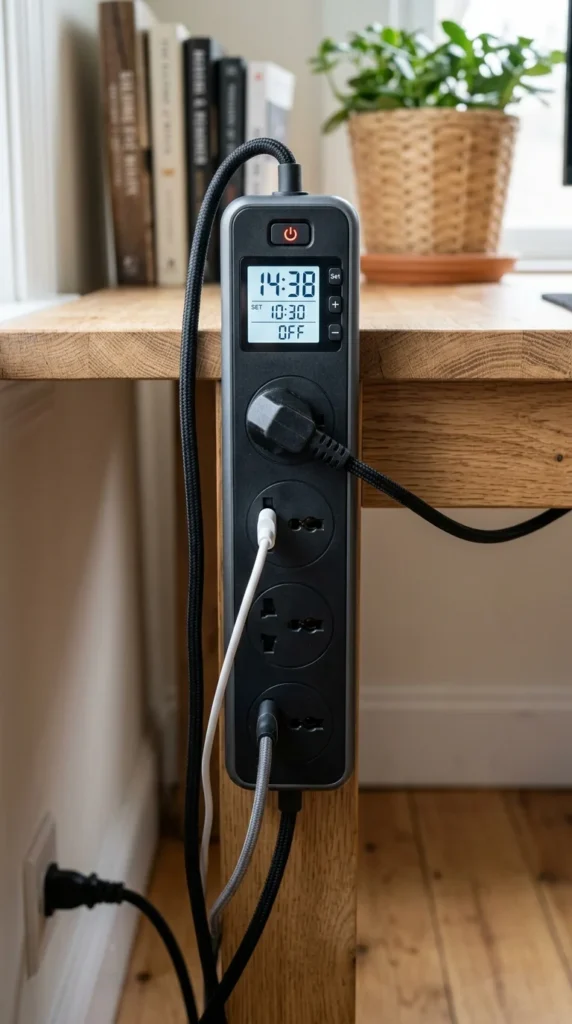
Consistency is key for a turtle’s circadian rhythm. Using a power strip with a built-in timer allows you to automate the 12-hour light/dark cycle. This ensures your turtle gets its “sunlight” at the same time every day, even if you aren’t home to flip the switch.
20. Cleaning Tools
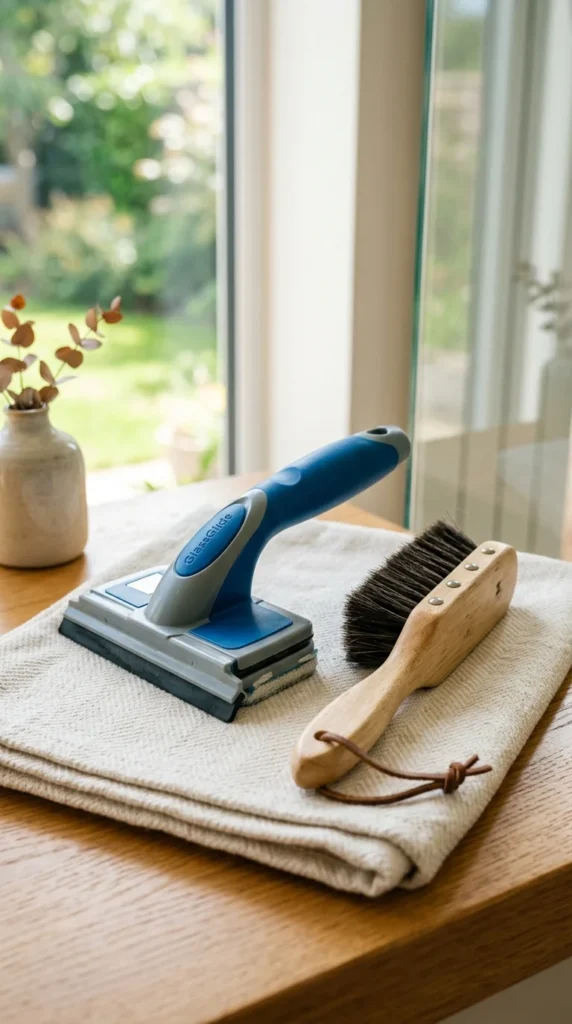
Over time, algae will build up on the glass walls. A magnetic glass cleaner allows you to scrub the inside of the tank without getting your hands wet. A soft-bristled brush is also handy for gently cleaning the turtle’s shell if it begins to grow algae (though this should be done with extreme care).
21. Emergency Kit
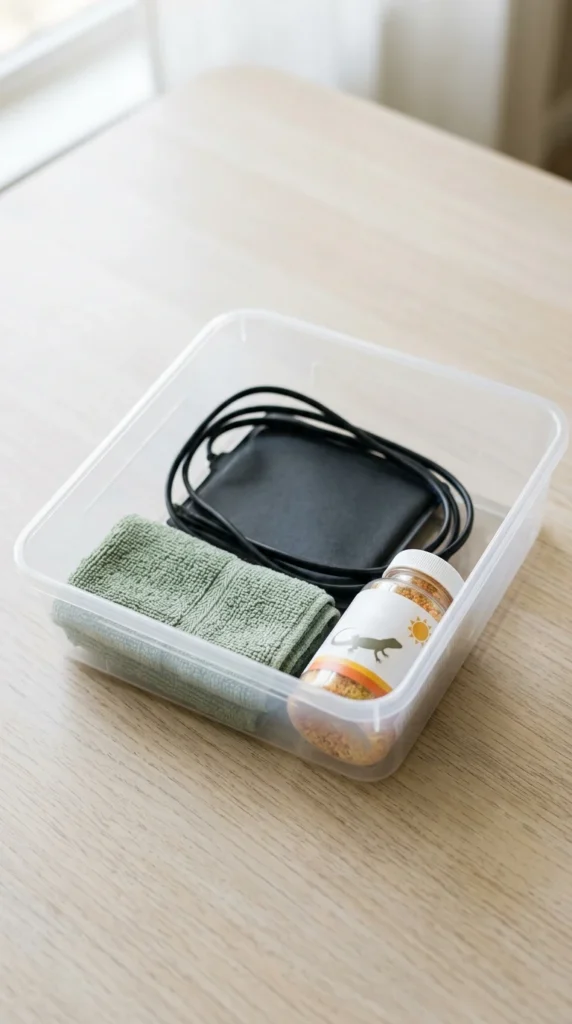
Being a responsible owner means being prepared for the unexpected. An emergency kit should include a backup heater, a small temporary tub (in case the main tank leaks), and essential medications or vitamins. Having these on hand can be the difference between a minor hiccup and a major crisis.