
Reptiles are masters of disguise. In the wild, showing any sign of weakness or illness makes them a prime target for predators. This evolutionary trait remains strong in our domestic companions. By the time a reptile “looks” sick to the untrained eye, the condition is often quite advanced. As a responsible keeper, your job is to become an expert on your pet’s baseline behavior so you can spot the subtle shifts that indicate something is wrong.
From metabolic bone disease to respiratory infections, early detection is the difference between a quick recovery and a fatal outcome. Here are 23 critical signs that your reptile needs immediate attention.
1. Lethargy
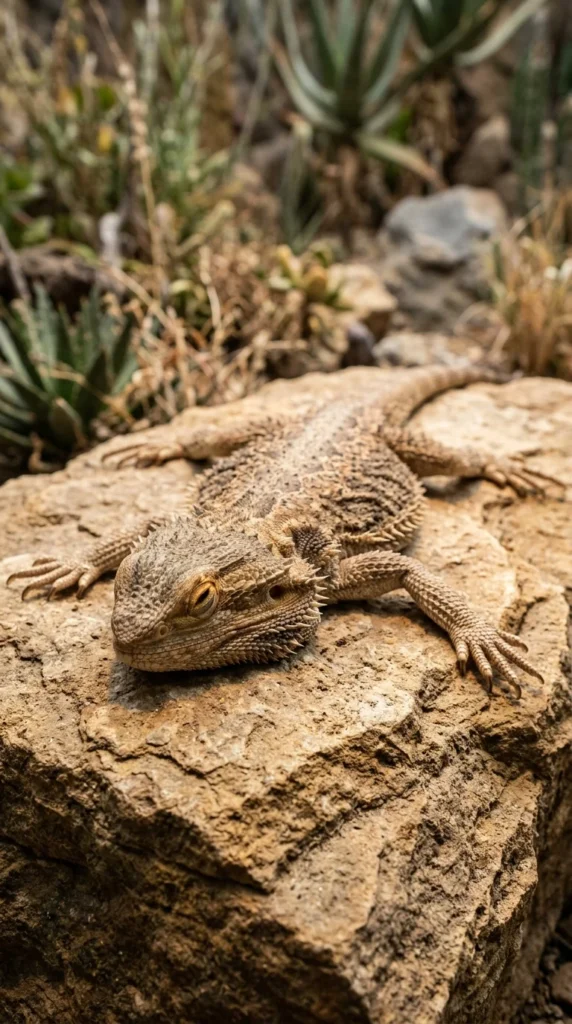
Lethargy is one of the most common yet non-specific signs of illness. If your usually active reptile is suddenly spending all its time in the hide or refusing to move even when stimulated, it is a major red flag. This can indicate anything from a low-grade infection to improper enclosure temperatures. While reptiles are naturally ectothermic and slow down in the cold, a reptile that remains limp and unresponsive even under its heat lamp is in trouble.
2. Anorexia
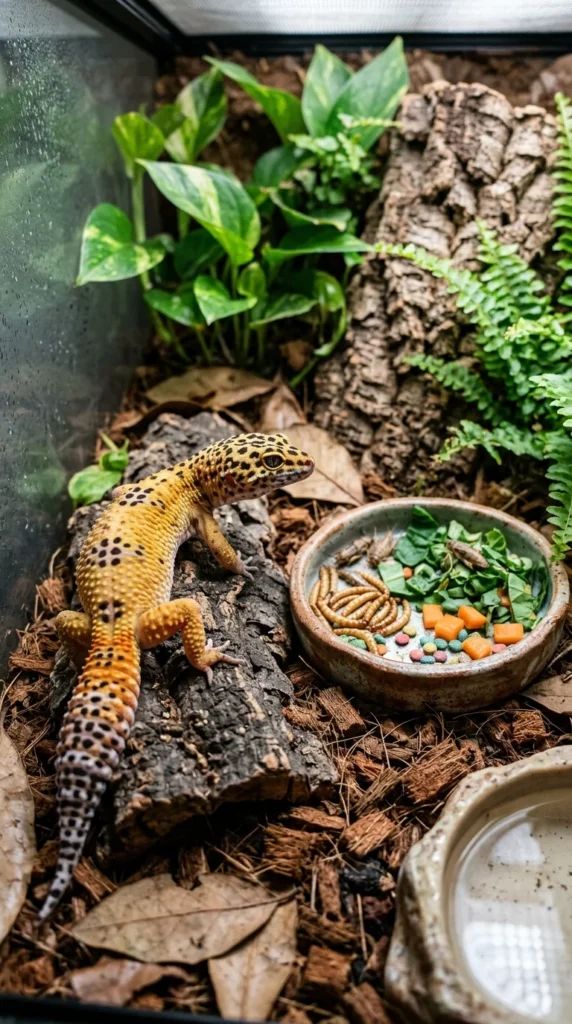
While some reptiles, like ball pythons, are notorious for seasonal “hunger strikes,” a sudden refusal to eat in a species that is typically a vigorous eater is concerning. If your reptile ignores its favorite treats for more than one or two feeding cycles, it may be experiencing internal pain, impaction, or a systemic infection. Monitor their body condition closely; a healthy reptile has some fat reserves, but a sick one will begin to look “deflated” quickly.
3. Weight Loss
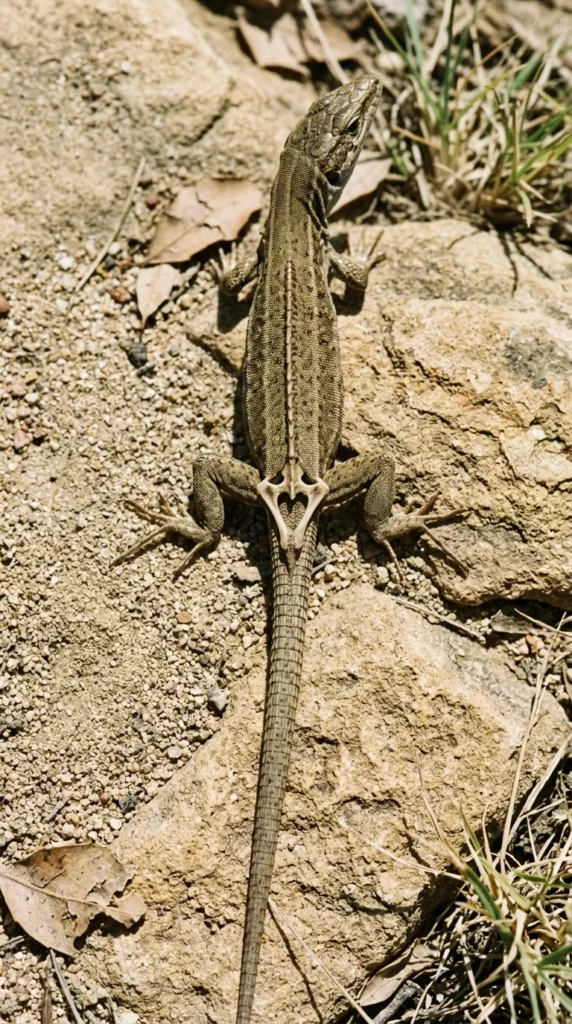
Weight loss can be hard to spot in scaled creatures until it becomes severe. Look for “skin folds” along the sides of the body, a thinning tail (especially in geckos), and prominent hip bones. Frequent weighing with a digital gram scale is the best way to track this. Sudden weight loss is often linked to internal parasites or metabolic issues that prevent the animal from absorbing nutrients.
4. Abnormal Stool
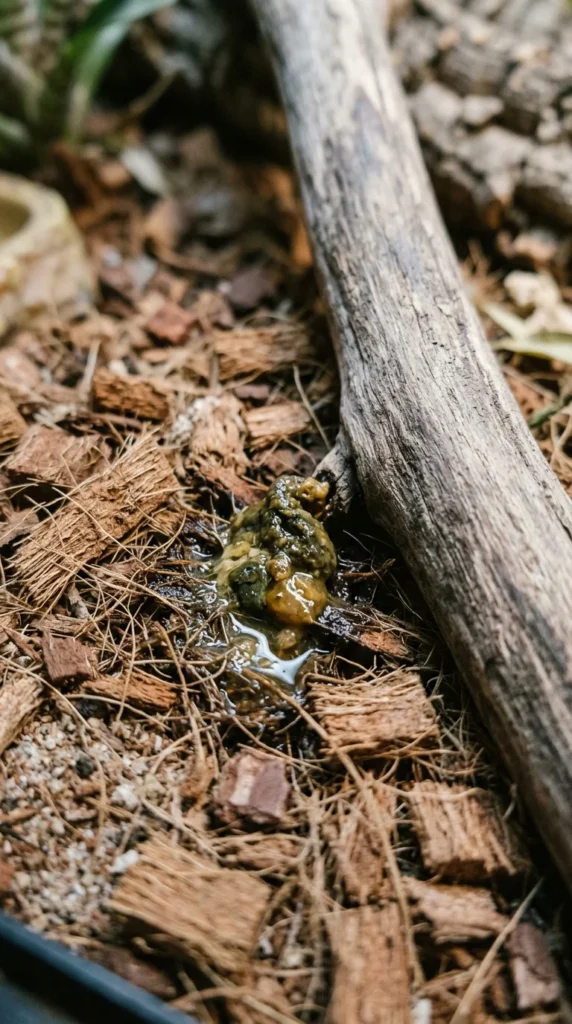
You should be familiar with what your reptile’s “normal” looks like. Diarrhea, blood in the stool, or a complete lack of bowel movements (constipation/impaction) are all signs of distress. Foul-smelling feces that differ from the usual odor can indicate an overgrowth of parasites like coccidia or flagellates. Additionally, pay attention to the urates (the white part of the waste); they should be white or cream, not yellow or orange, which indicates dehydration or kidney issues.
5. Wheezing
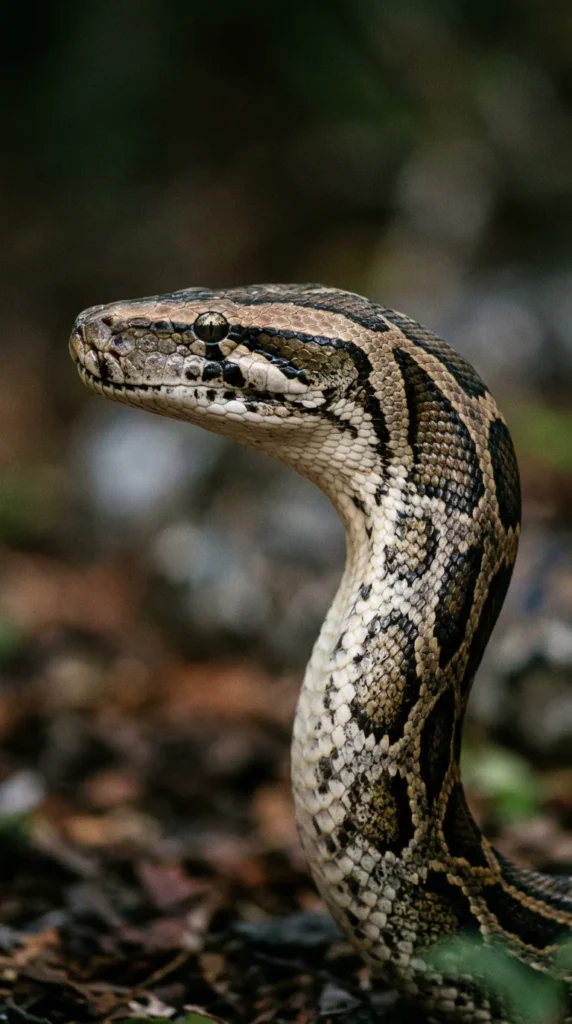
Healthy reptiles breathe silently. If you hear clicking, popping, or whistling sounds when your pet inhales or exhales, it is a classic sign of a Respiratory Infection (RI). These infections are often caused by incorrect humidity levels or temperatures and can progress to pneumonia very quickly if not treated with nebulization or antibiotics.
6. Open-Mouth Breathing
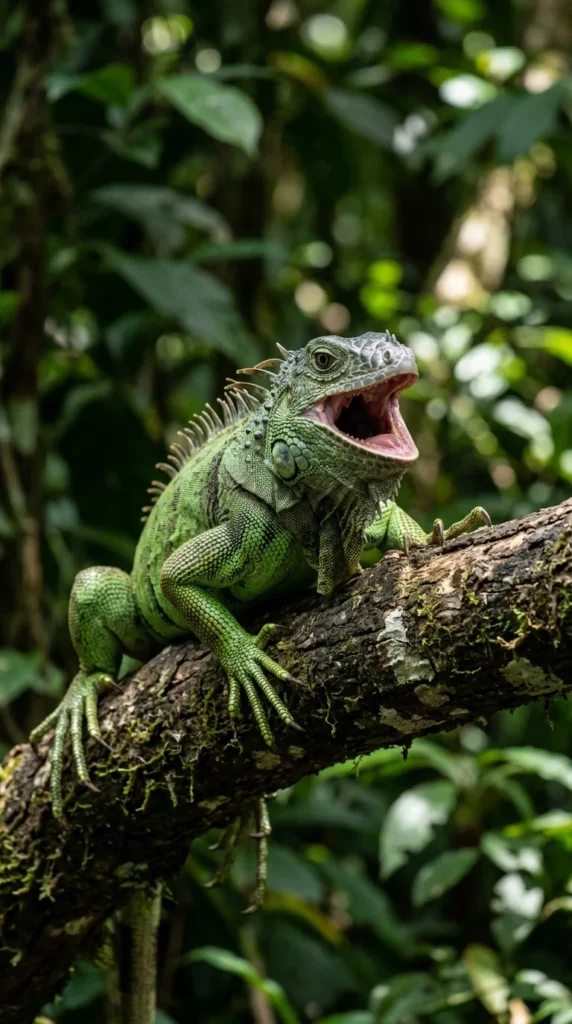
While some lizards “gape” to regulate heat, constant open-mouth breathing—especially when not directly under a heat source—is a sign of respiratory distress. If the reptile is stretching its neck upward (stargazing) while gasping, it is struggling to get oxygen into its lungs. This is a medical emergency that requires an exotic vet.
7. Bubbles
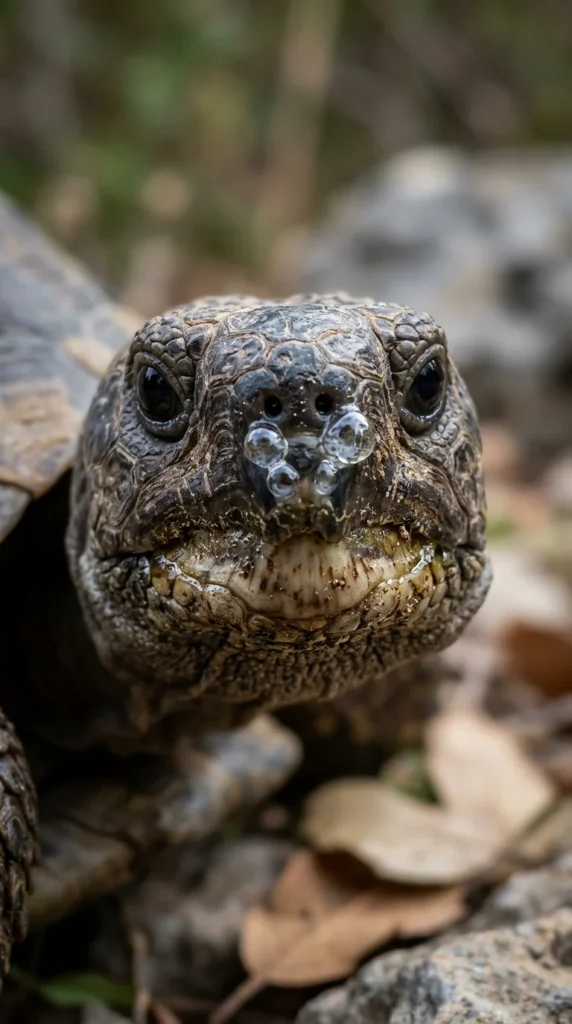
Discharge from the nose or mouth is never normal. If you see bubbles, “snot,” or a thick stringy mucus trailing from your reptile’s mouth, it is likely a severe respiratory infection or “mouth rot” (infectious stomatitis). This mucus can eventually plug the nostrils, making it impossible for the animal to breathe.
8. Sunken Eyes
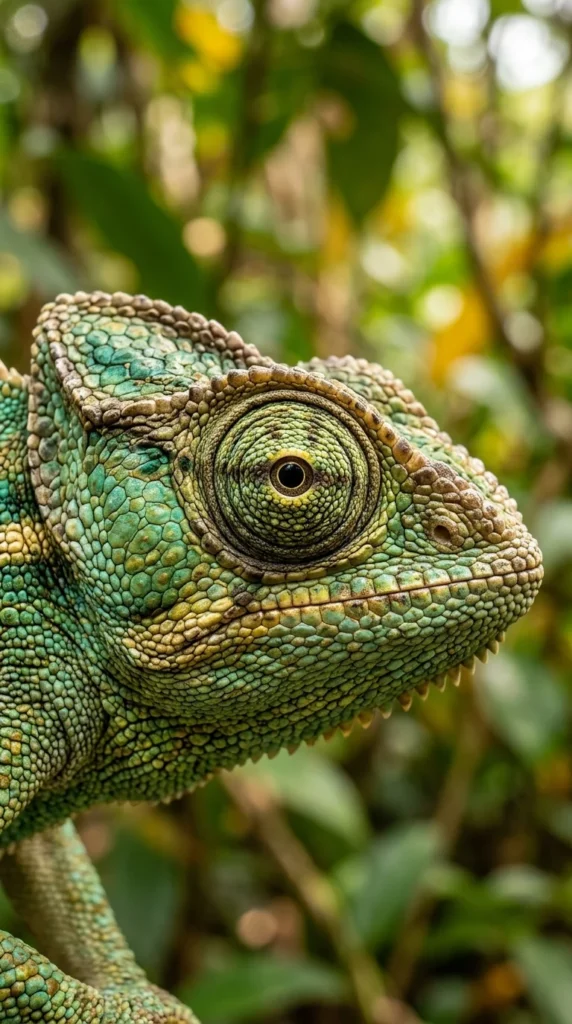
Sunken eyes are the primary indicator of severe dehydration. In many reptiles, the eyes should appear bright and full. When the body is deprived of water, the tissues behind the eyes lose volume. This is often accompanied by “tented” skin—when you gently pinch the skin and it stays in a peak rather than snapping back into place.
9. Stuck Shed
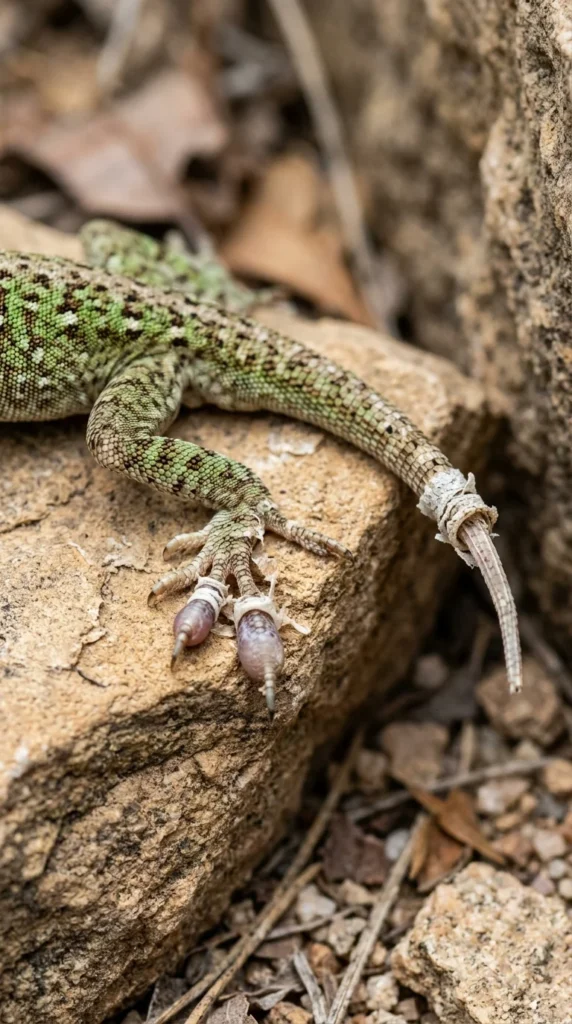
Dysecdysis, or a bad shed, is more than just an aesthetic issue. If old skin remains stuck around the toes, tail, or eyes (spectacles in snakes), it can act like a tourniquet. Over time, this cuts off circulation, leading to necrosis and the eventual loss of the limb. Stuck shed is usually a sign of improper humidity or a lack of rough surfaces to rub against.
10. Swelling
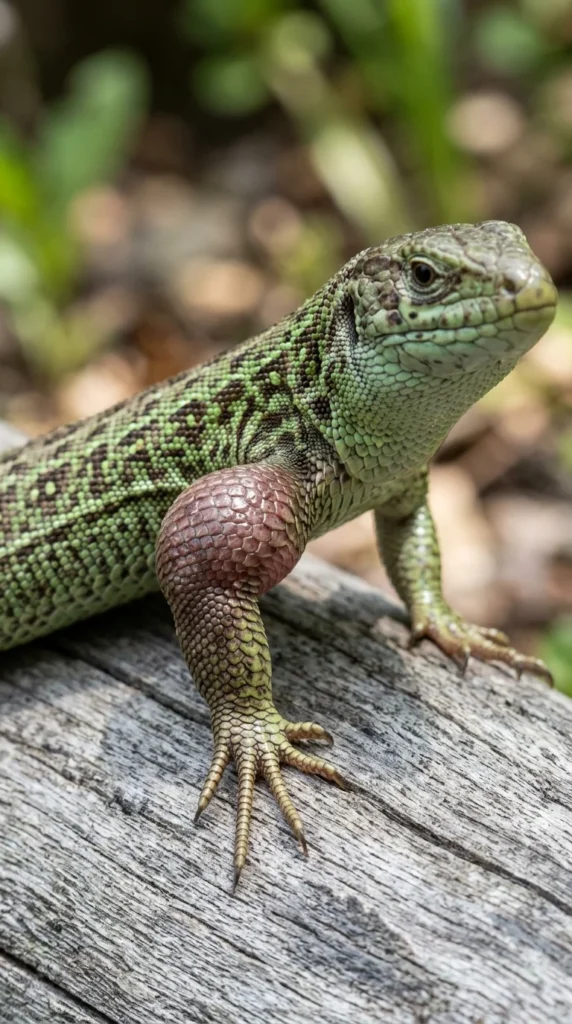
Localized swelling in the joints, jaw, or limbs can point to several serious conditions. “Lumpy” limbs are often a sign of Metabolic Bone Disease (MBD), where the body pulls calcium from the bones, causing them to weaken and fracture. Swelling can also indicate gout (uric acid crystals in the joints) or an abscess from a small wound.
11. Tremors
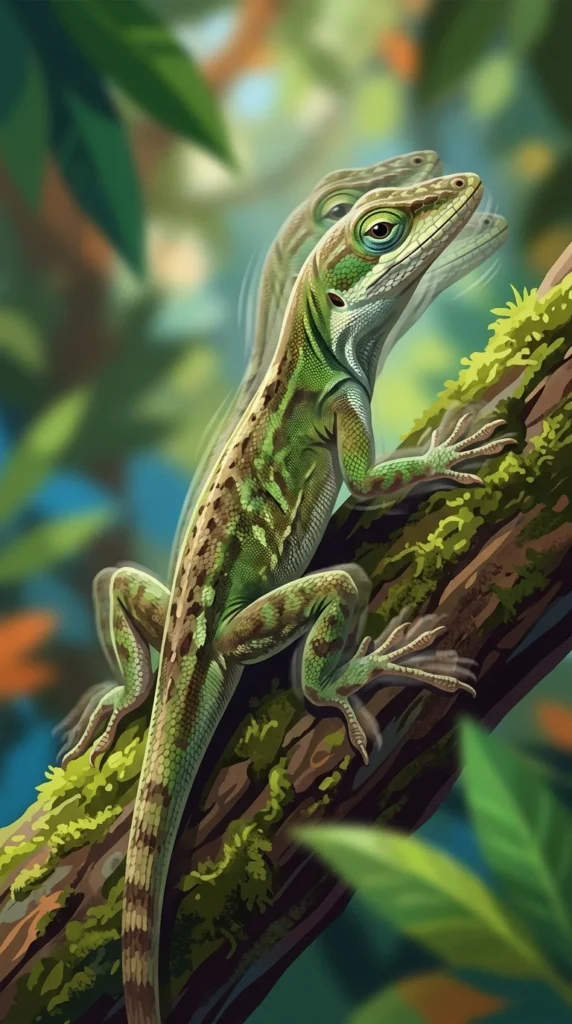
Muscle tremors, twitching, or “spasms” are classic neurological signs associated with advanced MBD or calcium deficiency. You might notice the reptile’s toes twitching rhythmically or its entire body shaking when it tries to walk. This indicates that the nervous system is failing due to a lack of essential minerals.
12. Soft Shell
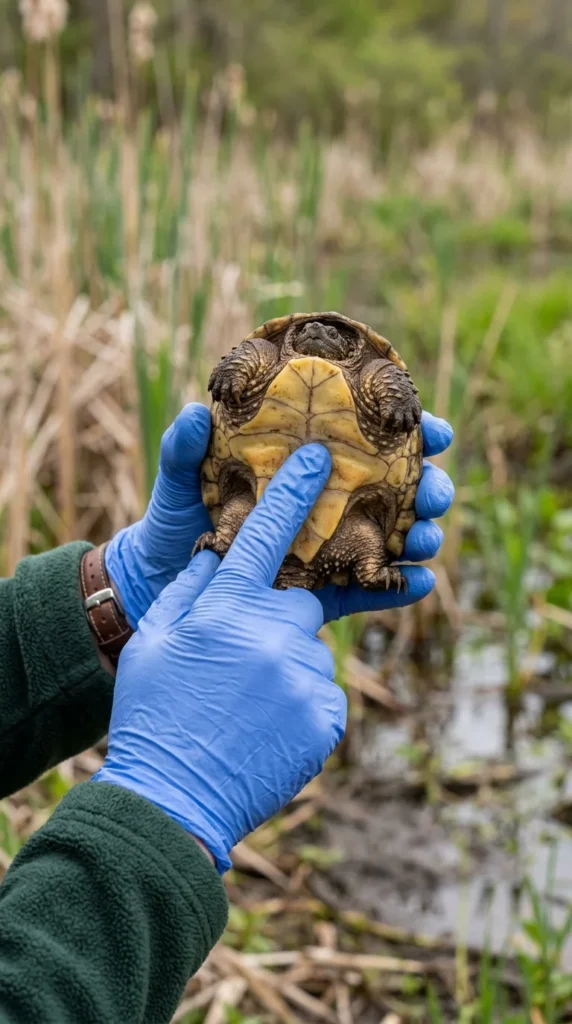
In turtles and tortoises, a soft or “spongy” shell is a dire warning. Aside from very young hatchlings, a chelonian’s shell should be hard and protective. A soft shell is the result of severe calcium deficiency and a lack of proper UVB lighting, meaning the animal’s skeleton is essentially dissolving.
13. Discoloration
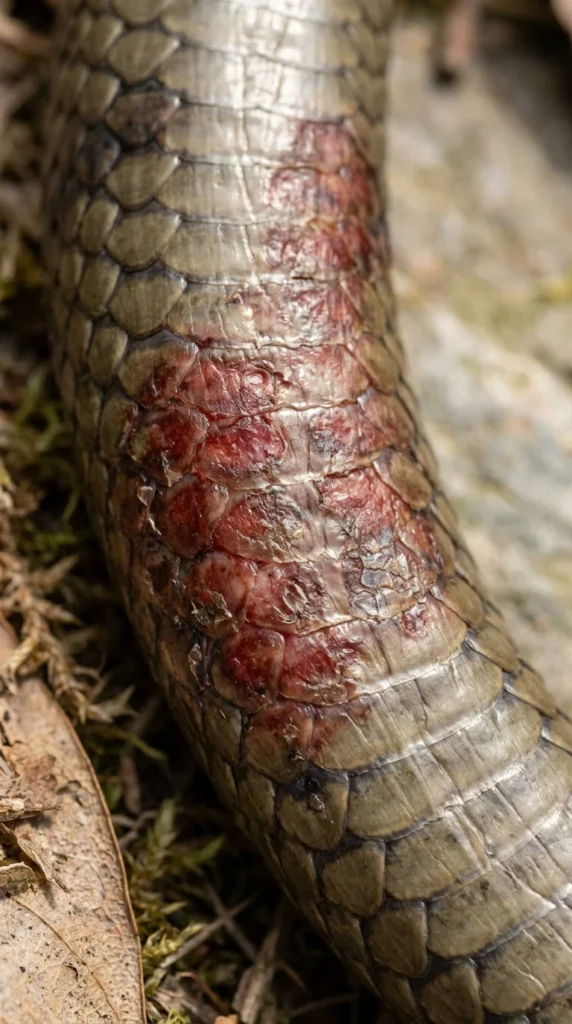
Keep an eye out for “belly rot” or scale rot, which appears as reddish, brown, or black discolorations on the underside of the animal. This is usually caused by damp, dirty substrate. Similarly, bright red “flushing” of the skin can indicate sepsis (a blood infection), which is life-threatening.
14. Prolapse
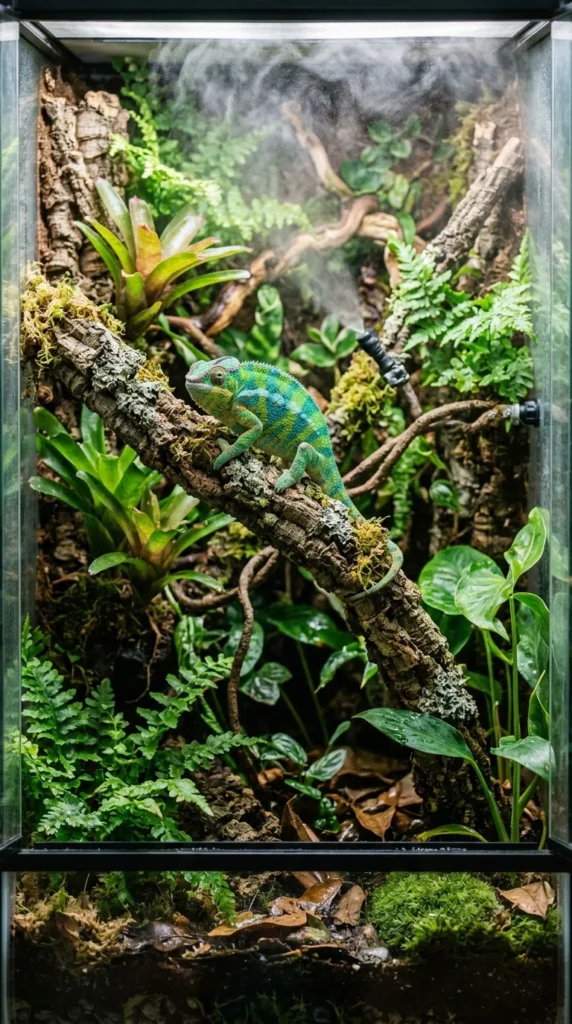
A prolapse occurs when internal tissues (like the intestines or hemipenes) are pushed out through the cloaca and cannot be retracted. This can happen due to straining from impaction, parasites, or egg-binding. This tissue will dry out and die if not kept moist and treated by a professional immediately.
15. Cloudy Eyes
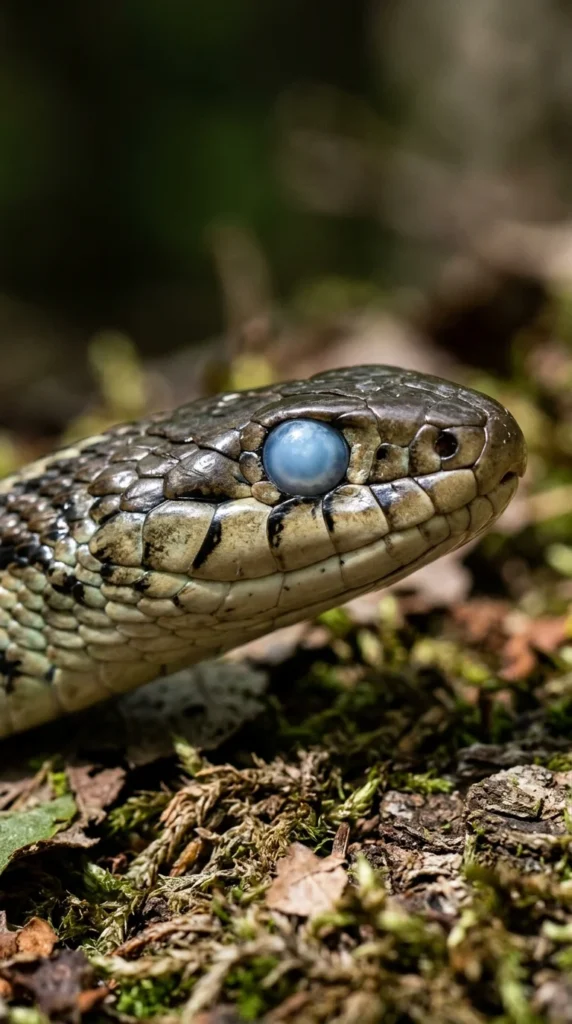
While snakes and some lizards get cloudy eyes during their shed cycle (the “blue” phase), eyes that stay cloudy or become opaque outside of this period are a concern. This could indicate a “retained eye cap,” a corneal ulcer, or an internal infection. If the eye looks “cheesy” or has white discharge, it’s likely an infection.
16. Hiding
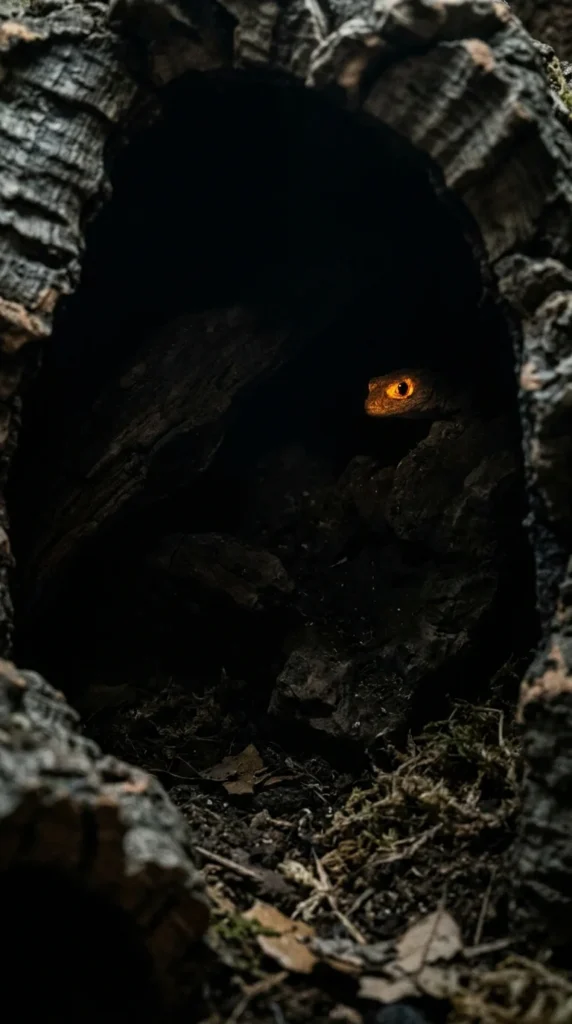
While many reptiles are shy, a reptile that suddenly stops basking and spends 24 hours a day in its hide is trying to tell you something. Often, sick reptiles will hide to avoid being seen by “predators” when they feel weak. It can also be a sign that the enclosure is too hot, forcing the animal to seek the coolest possible spot to survive.
17. Aggression
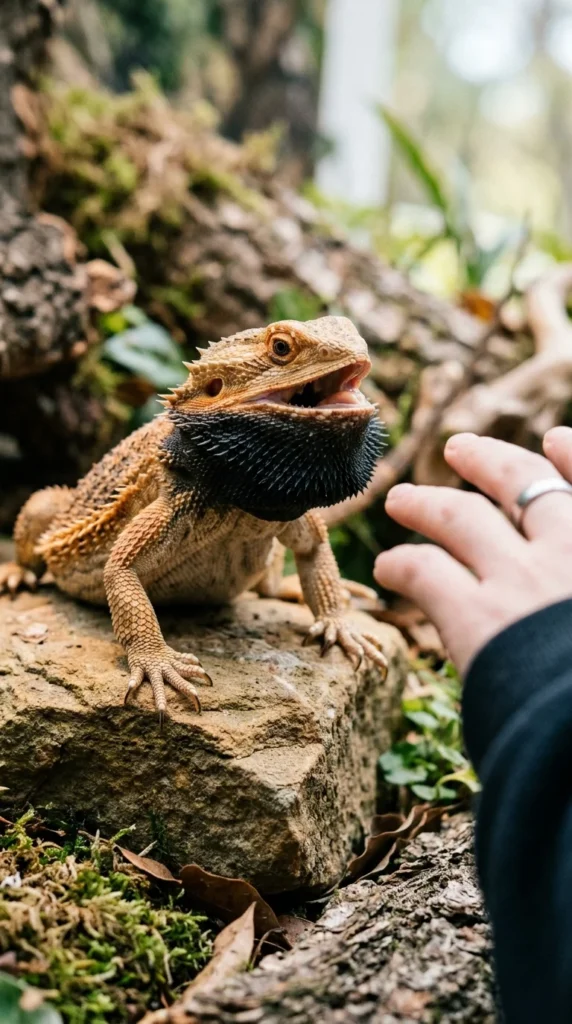
A sudden change in temperament is a major indicator of pain. If your usually “tame” reptile starts hissing, biting, or fleeing when you approach, they may be hurting. Internal discomfort or a sensitive injury often causes animals to become hyper-defensive.
18. Unusual Posture
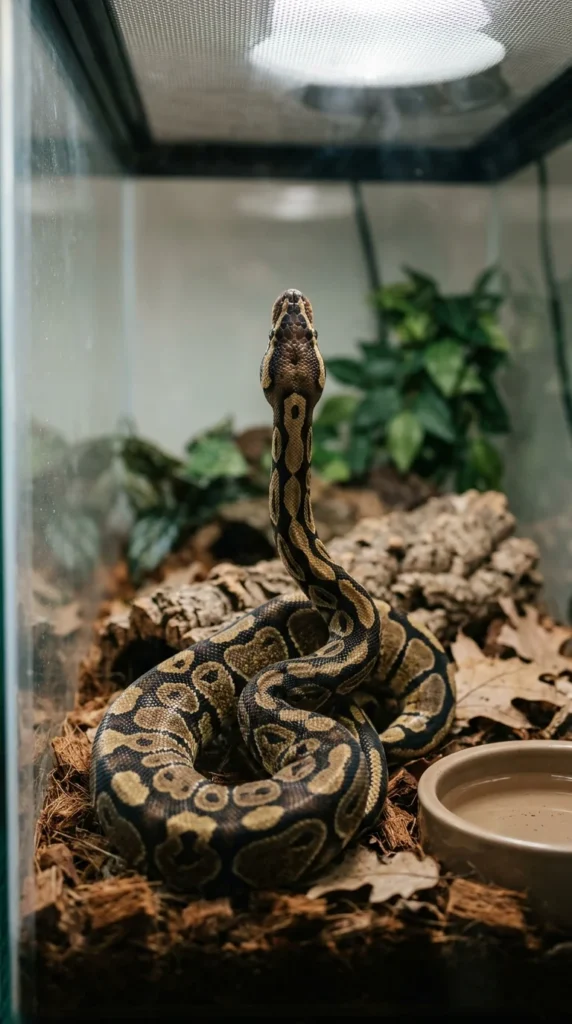
“Stargazing” is a term used when a reptile holds its head in a fixed, upward-pointing position. This is often a sign of a neurological issue, potentially caused by inclusion body disease (IBD) in boas and pythons, or exposure to toxins. Other odd postures, like flipping over on their back and being unable to right themselves, are equally serious.
19. Excessive Soaking
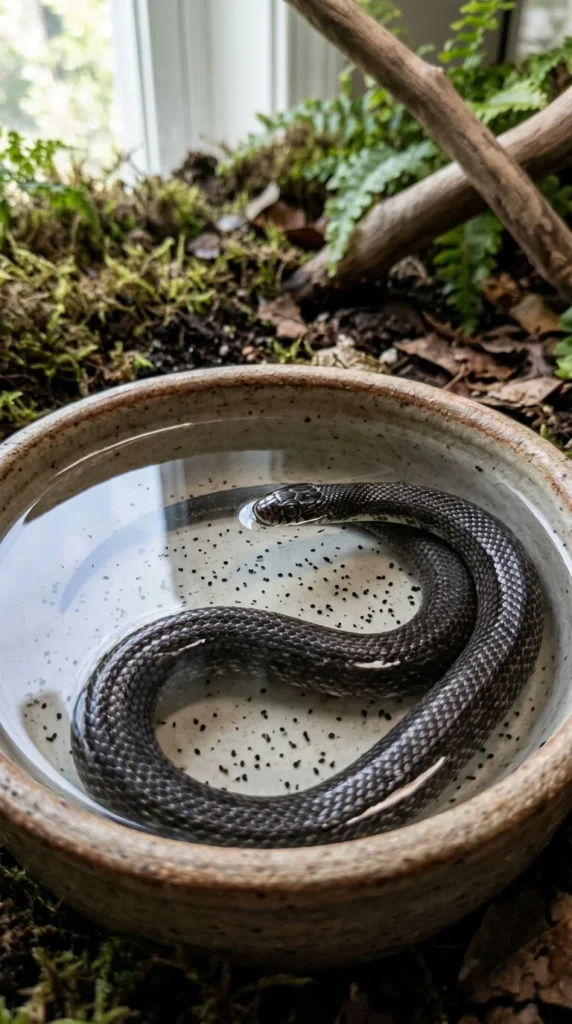
While some reptiles love a good soak, spending days on end in the water bowl is a sign of trouble. This is the number one sign of a snake mite infestation; the reptile soaks to drown the parasites and soothe the itching skin. It can also indicate that the enclosure is far too dry or that the animal is struggling with an impaction and trying to use water pressure to help pass the blockage.
20. Slimy Mouth
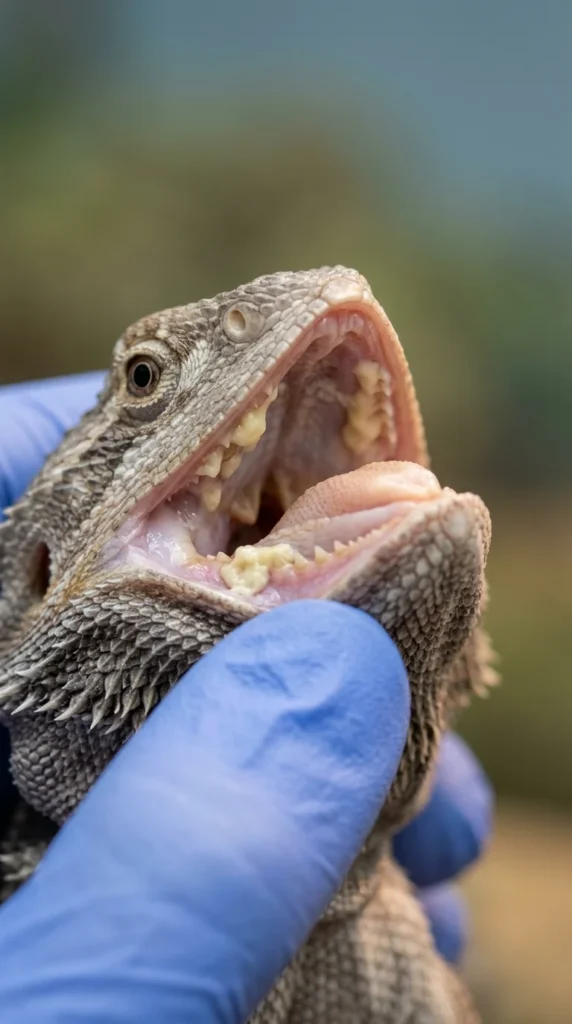
Infectious stomatitis, or “mouth rot,” begins as a small amount of extra saliva and progresses to thick, yellowish pus (caseous necrosis) around the teeth and gums. If left untreated, the infection can eat through the jawbone and spread to the lungs or blood.
21. Dull Colors
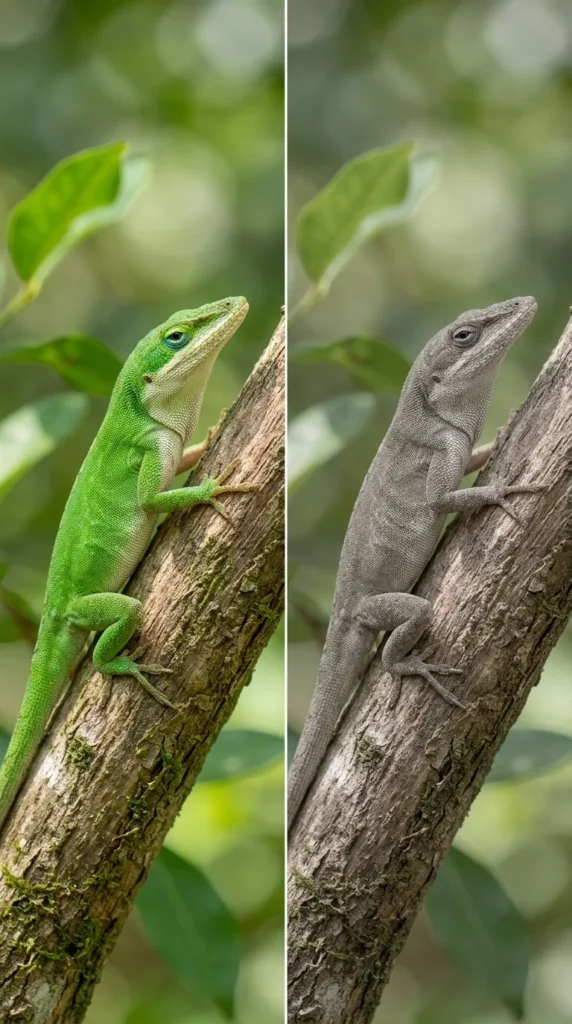
A reptile’s colors are often a reflection of its internal state. While colors naturally dull right before a shed, a chronic “muted” or greyish look can signal stress or systemic illness. This “fading” happens because the animal is redirecting all its energy toward fighting an infection rather than maintaining skin pigmentation.
22. Limping
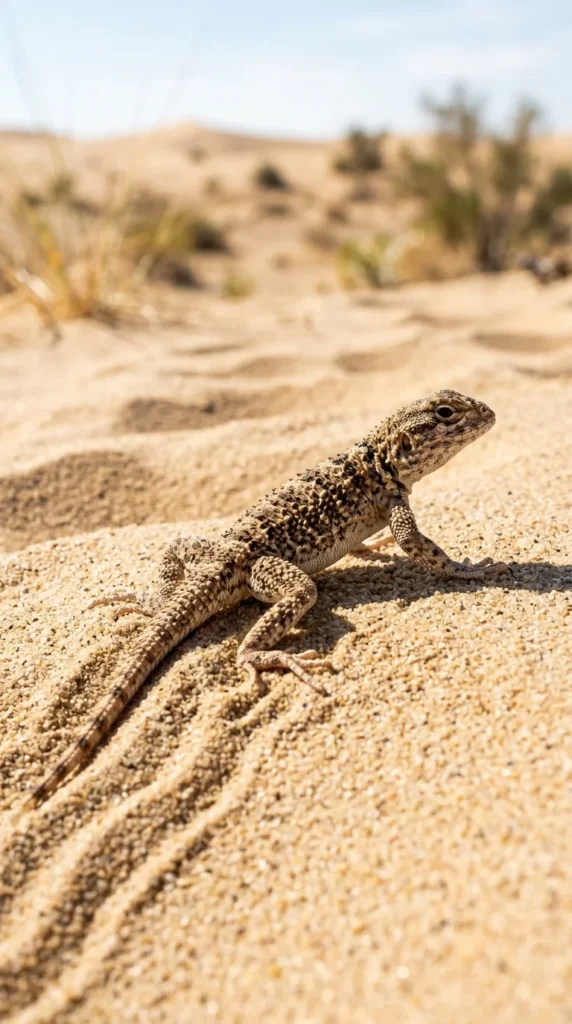
Dragging a limb or walking with a limp should never be ignored. Reptiles are hardy, and a visible limp usually means there is a significant fracture or a severe case of MBD causing the bone to be too weak to support weight. In some cases, it can also be a sign of nerve damage or spinal injury.
23. Bloating
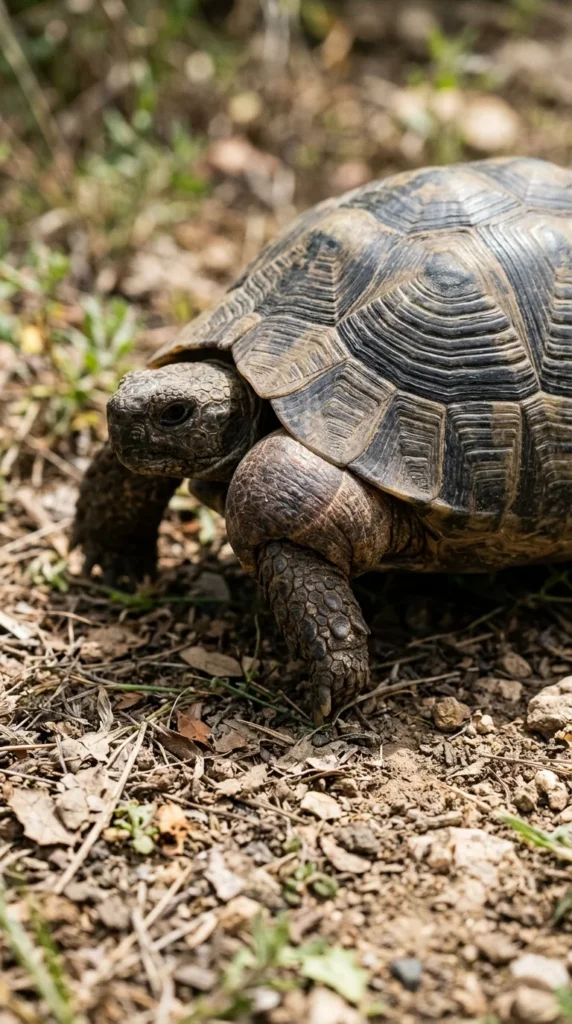
A “puffy” looking reptile can be suffering from several things. It could be “edema” (fluid retention), which is often linked to heart or kidney failure. It could also be a sign of severe impaction, where the digestive tract is blocked, causing gas and waste to build up and distend the abdomen. If your reptile looks like a balloon, it needs a vet.