
Bringing a new pet into your home is one of the most rewarding experiences life has to offer. Whether you’ve adopted a bouncy puppy, a graceful kitten, or a quiet senior animal, you are embarking on a journey of unconditional love and companionship. However, being a “pet parent” comes with a significant set of responsibilities. To ensure your new companion lives a long, healthy, and happy life, here are 27 essential pet care tips every beginner should master.
1. Veterinary Care
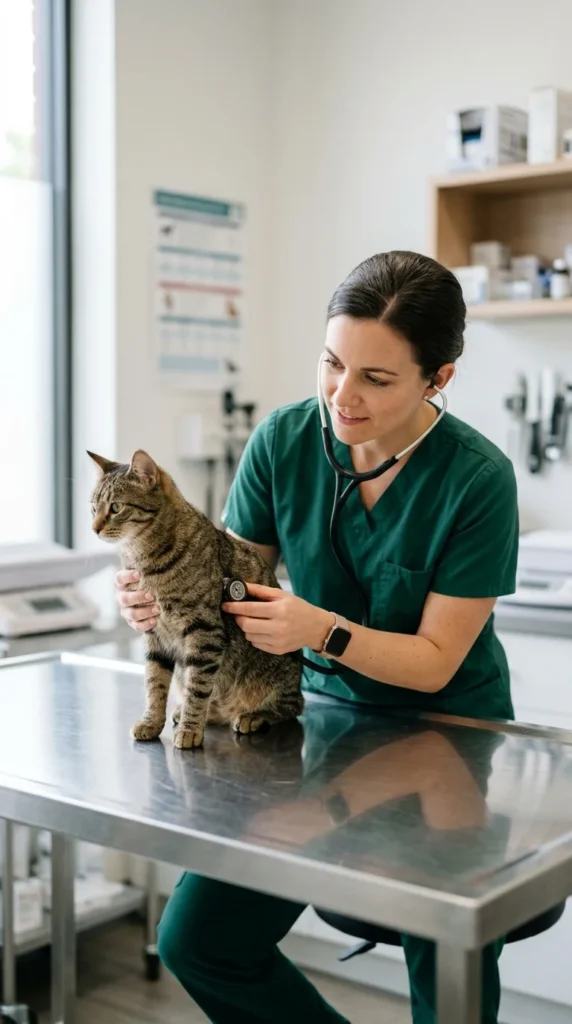
Establishing a relationship with a trusted veterinarian is the first step in responsible pet ownership. Schedule a wellness exam within the first week of bringing your pet home. Regular check-ups allow the vet to screen for underlying health issues, keep vaccinations up to date, and provide a baseline for your pet’s health. Prevention is always more affordable and less stressful than treating a full-blown illness.
2. Nutritious Diet
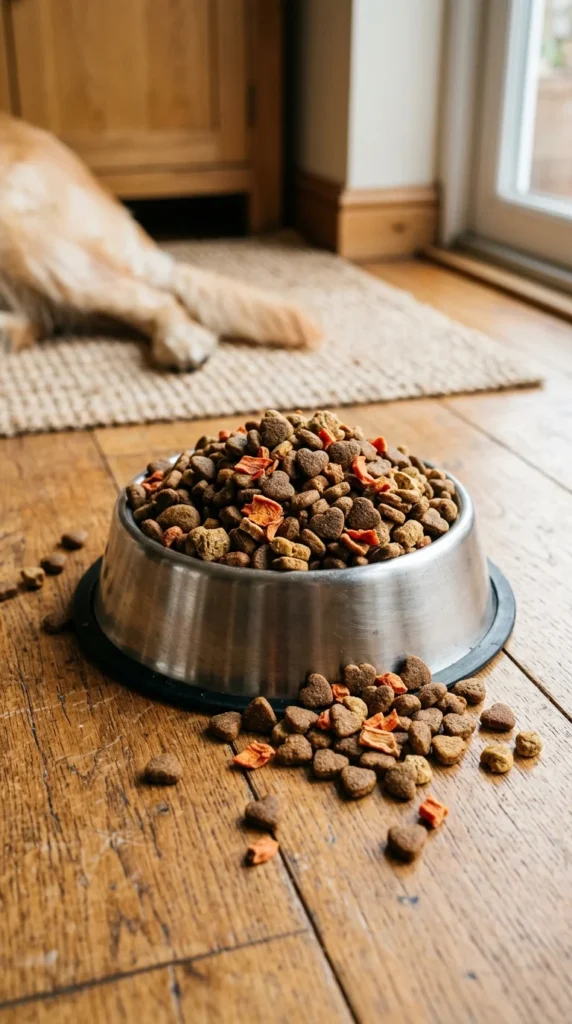
Not all pet foods are created equal. Research the specific nutritional needs of your pet’s breed, age, and activity level. High-quality proteins should usually be the first ingredient listed on the label. Avoid foods with excessive “fillers” like corn, wheat, or soy if your pet has sensitivities. Consult your vet to determine the right portion sizes to prevent obesity.
3. Fresh Water
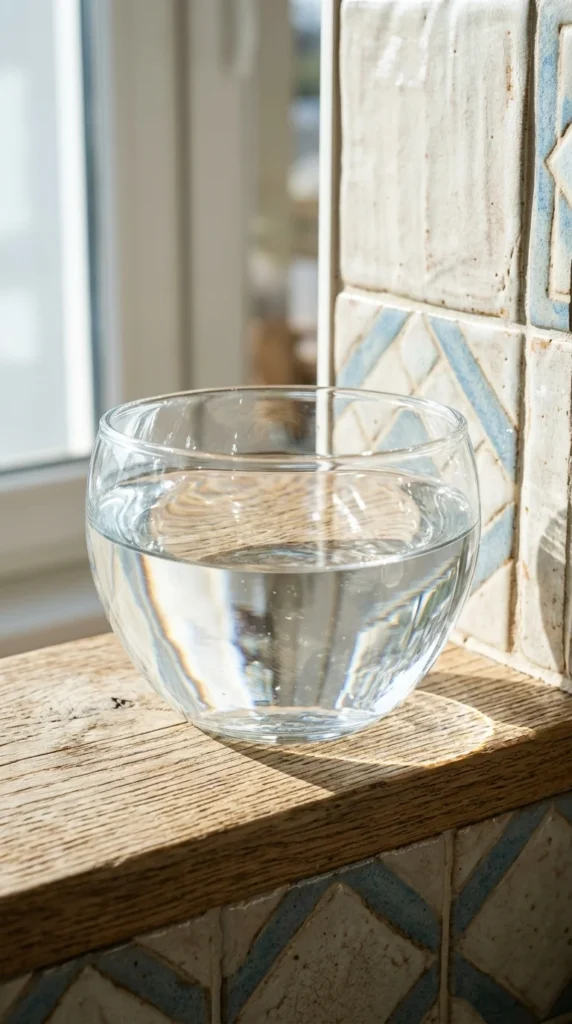
Hydration is critical for organ function and temperature regulation. Ensure your pet has access to clean, fresh water 24 hours a day. Wash their water bowls daily with soap and water to prevent the buildup of bacteria and biofilm, which can lead to infections.
4. Pet Proofing
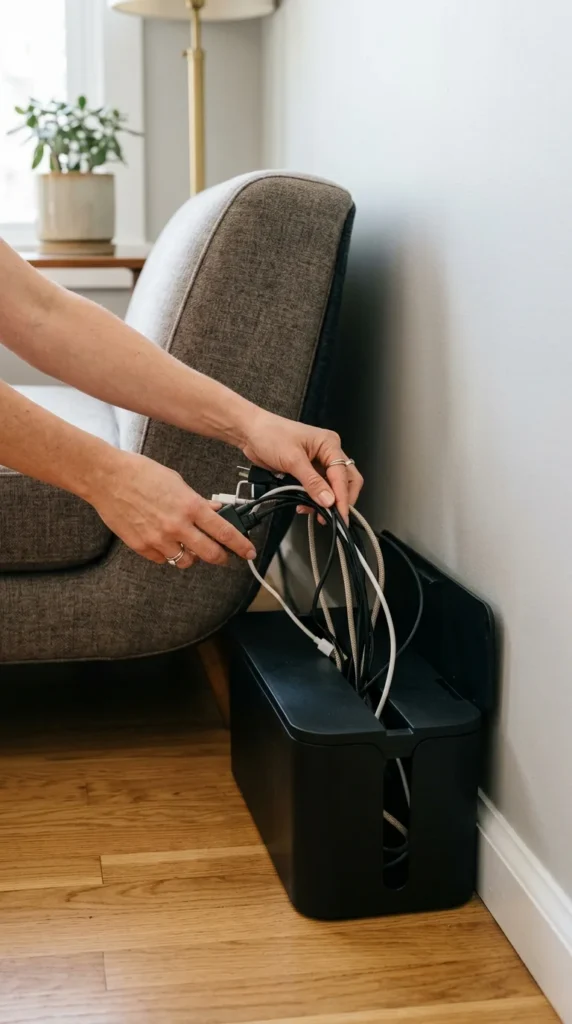
Before your pet arrives, walk through your home from their eye level. Secure loose electrical cords, remove toxic houseplants (like lilies for cats or sago palms for dogs), and ensure cleaning supplies are stored in locked cabinets. Small objects that could be swallowed, such as coins or hair ties, should be kept off the floor.
5. Identification Tags
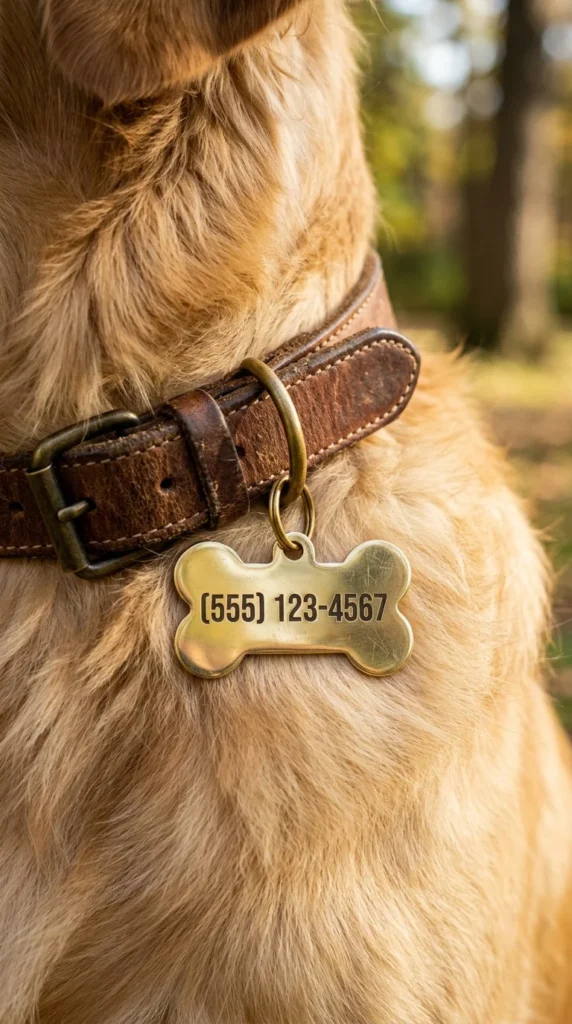
Even the most well-behaved pet can get spooked and run away. A collar with an identification tag is your pet’s fastest ticket home. The tag should include your current phone number and, if space permits, your city. Ensure the collar fits comfortably—you should be able to fit two fingers between the collar and your pet’s neck.
6. Microchipping

Collars can break or fall off, but a microchip is permanent. This tiny device is implanted under your pet’s skin and contains a unique ID number. If your pet is found and taken to a shelter or vet, they can scan the chip to find your contact information. Remember to keep your contact details updated in the chip manufacturer’s registry.
7. Consistent Routine
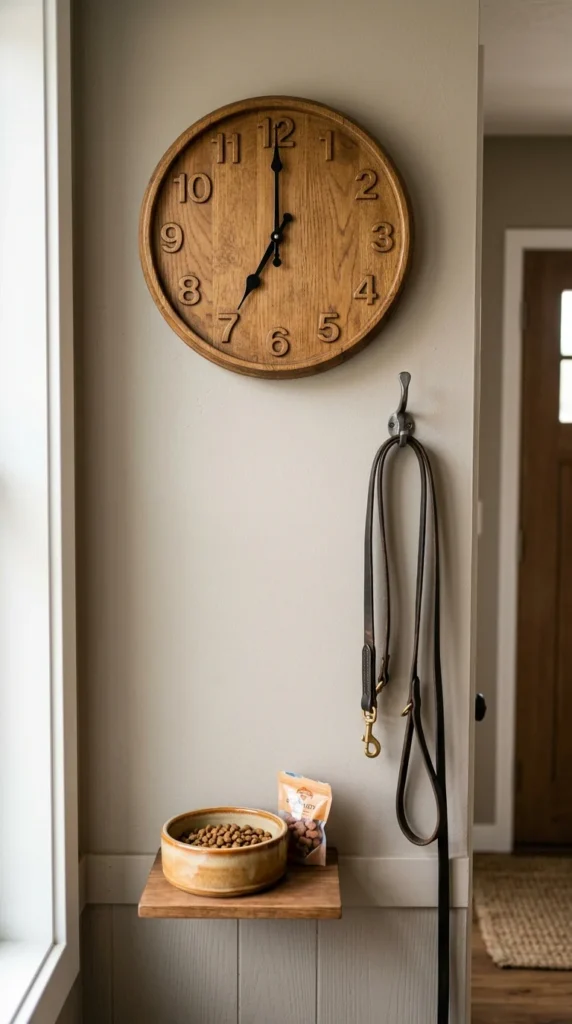
Pets thrive on predictability. Try to feed, walk, and play with your pet at the same times every day. A consistent routine reduces anxiety and helps with house training. When a pet knows what to expect, they feel more secure in their environment.
8. Socialization Skills

Socialization involves exposing your pet to new people, animals, and environments in a positive way. For puppies and kittens, the “golden window” for socialization is early in life. This helps prevent fear-based aggression and anxiety later on. Always ensure interactions are supervised and controlled.
9. Positive Reinforcement

Training should be built on a foundation of rewards rather than punishment. Use treats, praise, and play to encourage good behavior. Punishing a pet for an accident or mistake often leads to confusion and fear, which can damage the bond between you and your animal.
10. Regular Exercise

Physical activity is essential for burning off excess energy and maintaining a healthy weight. Depending on the species and breed, this could mean long walks, feline agility games, or supervised “zoomies” in the backyard. A tired pet is generally a well-behaved pet.
11. Mental Stimulation
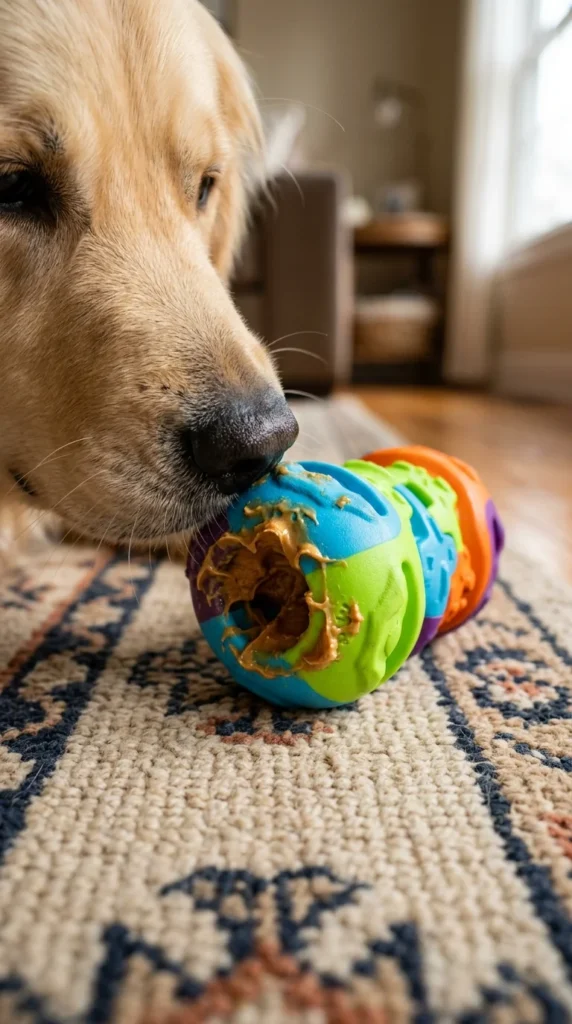
Physical exercise isn’t enough; pets need to use their brains too. Use puzzle feeders, hide-and-seek games, or new tricks to keep them mentally sharp. Boredom often leads to destructive behaviors like chewing furniture or excessive barking.
12. Grooming Habits

Grooming is about more than just looking good. Regular brushing removes loose fur, prevents painful matting, and allows you to check for skin lumps, ticks, or sores. Different coats require different tools, so ask a professional groomer for recommendations for your specific pet.
13. Dental Hygiene
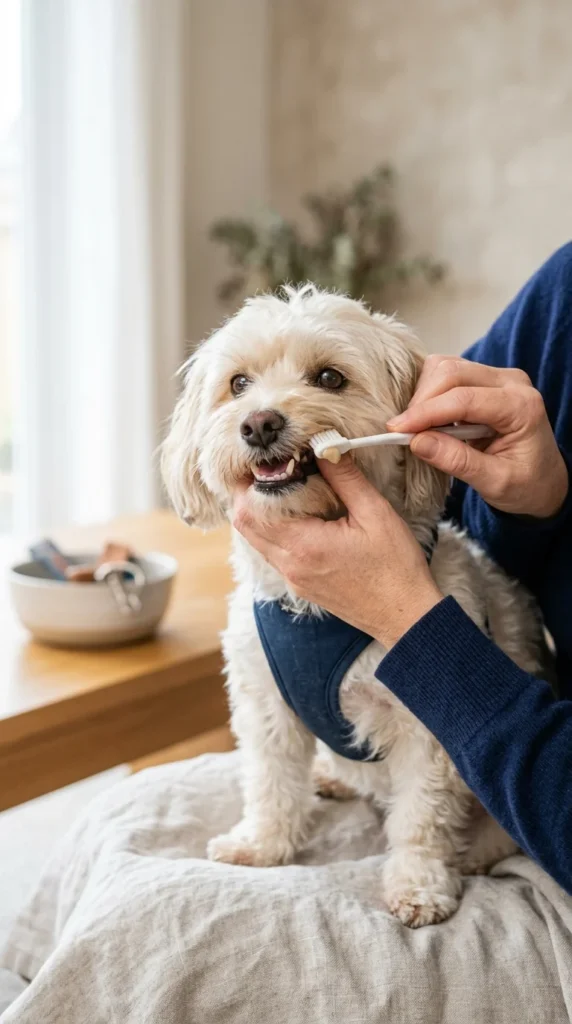
Dental disease is one of the most common issues in adult pets. Periodontal disease can lead to tooth loss and even heart or kidney issues. Aim to brush your pet’s teeth several times a week using pet-safe toothpaste (never human toothpaste, as it contains toxic xylitol).
14. Parasite Prevention
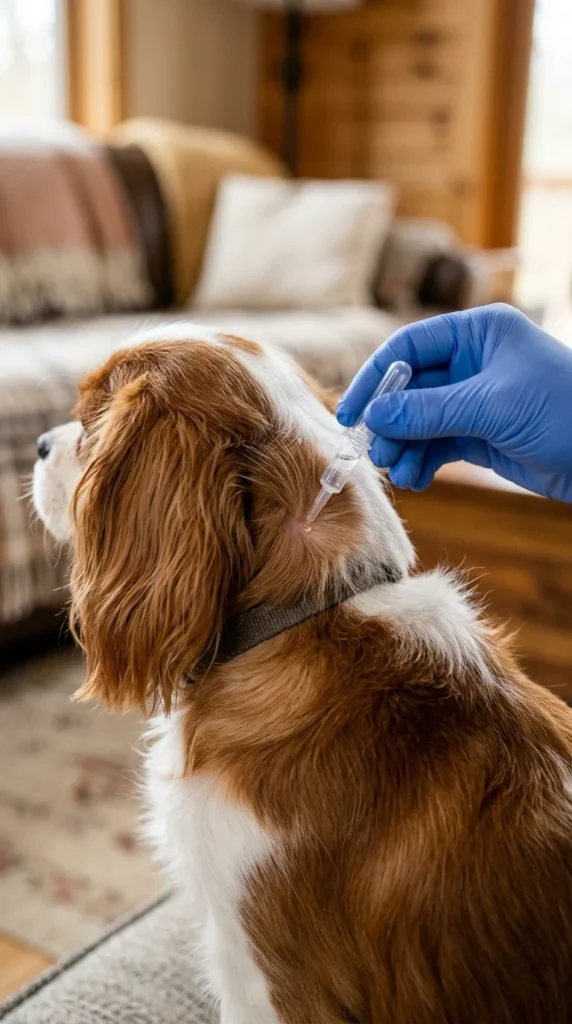
Fleas, ticks, and heartworms are more than just a nuisance; they carry dangerous diseases. Use a year-round parasite preventative recommended by your veterinarian. Even indoor pets can be exposed to parasites brought in on shoes or clothing.
15. Spaying/Neutering

Unless you are a professional breeder, spaying or neutering your pet is highly recommended. It prevents unplanned litters and can reduce the risk of certain cancers and behavioral issues, such as roaming or territorial marking.
16. Safe Space

Every pet needs a “den” where they can go to feel safe and undisturbed. This could be a crate, a specific bed, or a quiet room. Teach children and guests to leave the pet alone when they are in their safe space.
17. Quality Bedding

As pets age, they can develop joint pain and arthritis. Providing a high-quality, supportive bed can improve their quality of life. Ensure the bedding is washable so you can keep their sleeping area hygienic.
18. Toxic Foods

Many human foods are deadly to pets. Familiarize yourself with the “no-go” list, which includes chocolate, grapes, raisins, onions, garlic, macadamia nuts, and anything containing the sweetener xylitol. If you suspect your pet has ingested something toxic, contact an emergency vet immediately.
19. House Training

Accidents happen, especially with beginners. When house training, consistency and patience are key. Use enzyme-based cleaners to remove odors completely; otherwise, the pet may return to the same spot because they can still smell their scent.
20. Nail Trimming
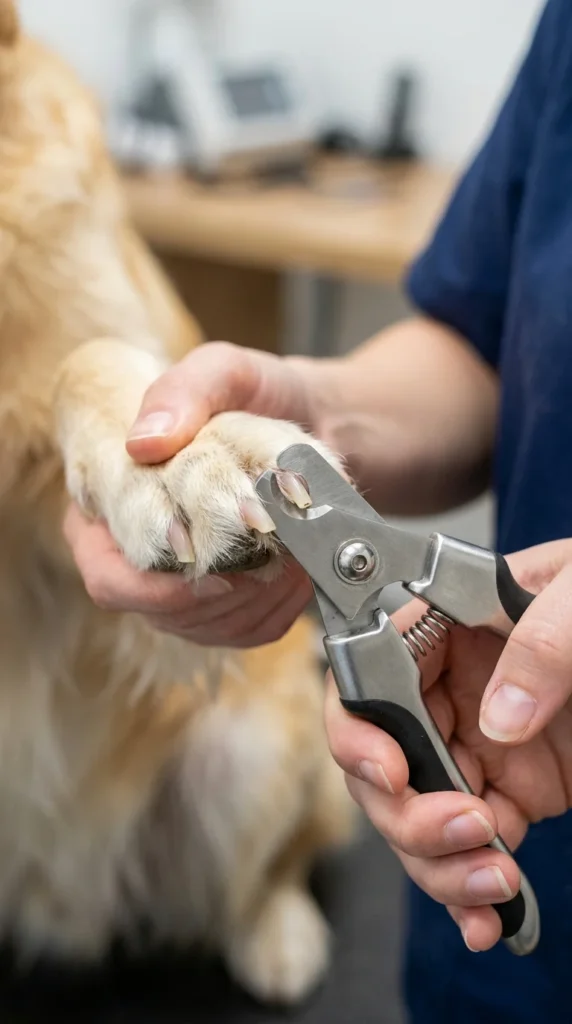
Long nails can be painful for pets and can lead to skeletal issues if they change the way the animal walks. Get your pet used to having their paws handled from a young age. If you are nervous about cutting the “quick” (the blood vessel inside the nail), ask a vet or groomer to show you the proper technique.
21. First Aid Kit
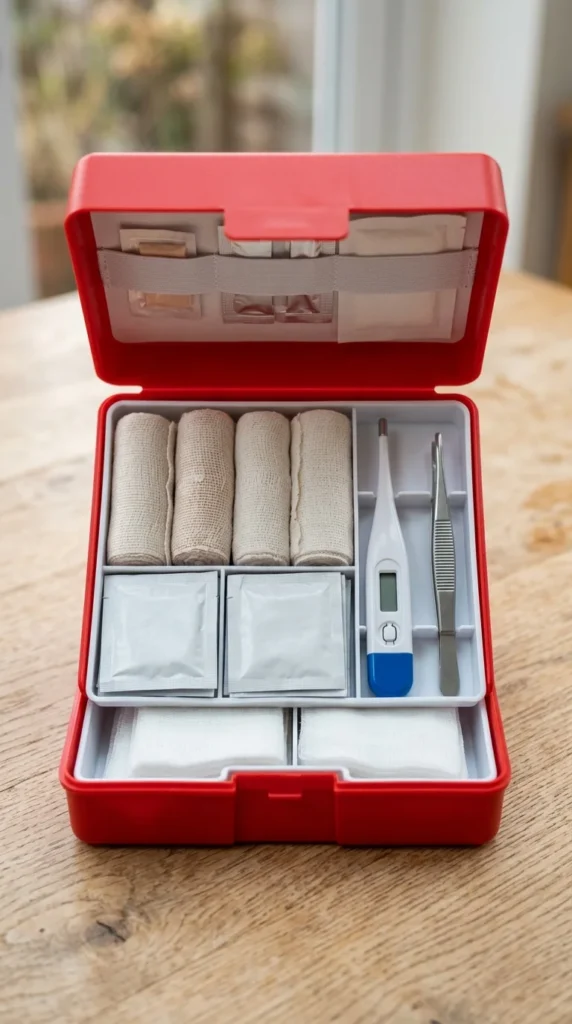
Prepare a pet-specific first aid kit. It should include items like self-clinging bandages, antiseptic wipes, hydrogen peroxide (to induce vomiting only if directed by a vet), and a digital thermometer. Having these on hand can be lifesaving in an emergency.
22. Bathing Schedule
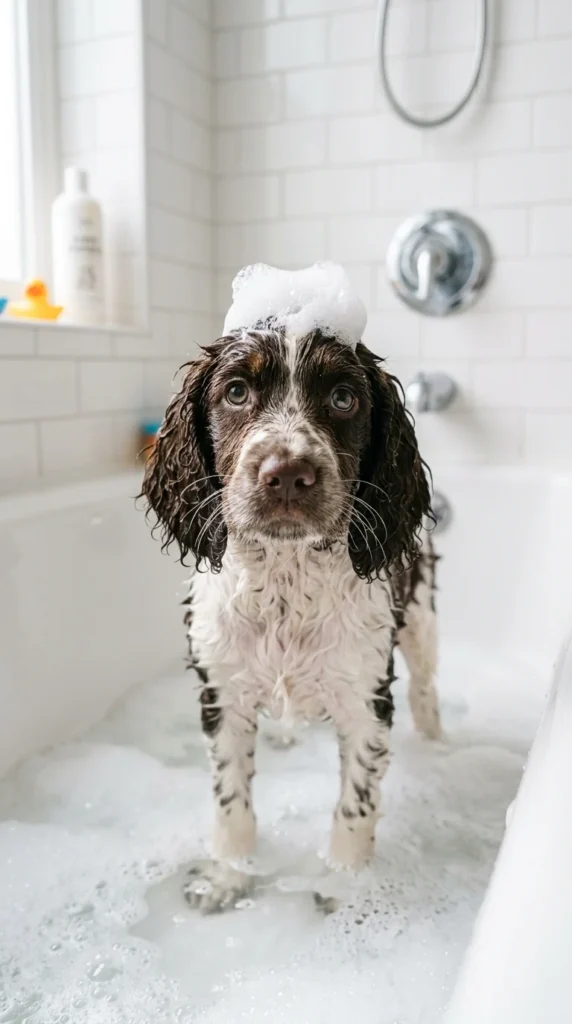
While most cats groom themselves, dogs usually need occasional baths. However, bathing too frequently can strip the skin of essential oils. Use a soap-free, pH-balanced shampoo formulated specifically for pets to avoid skin irritation.
23. Interactive Toys
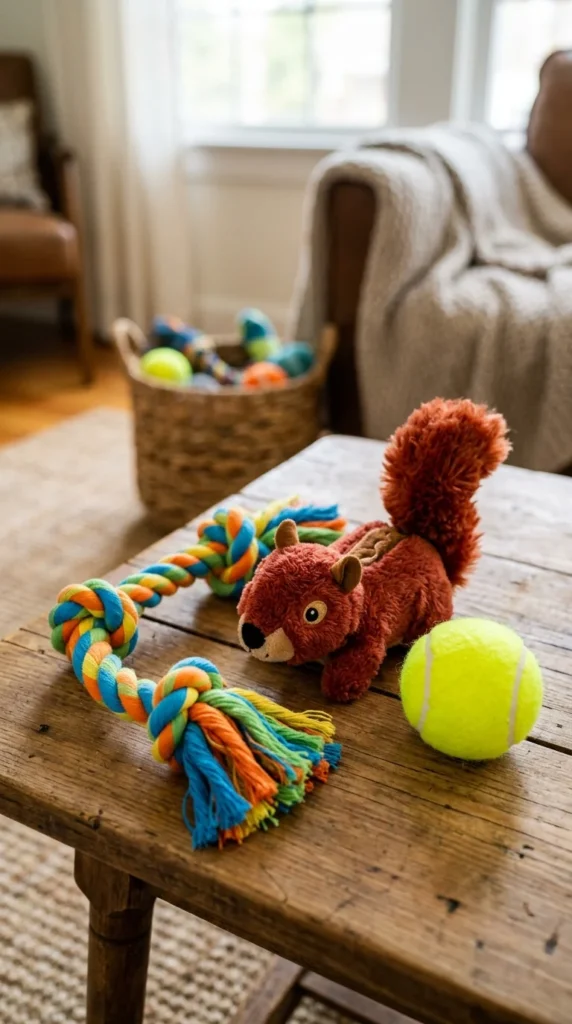
Toys are essential for development and bonding. Rotate your pet’s toys weekly to keep them interested. Always supervise your pet with new toys to ensure they don’t chew off and swallow small pieces that could cause intestinal blockages.
24. Travel Safety
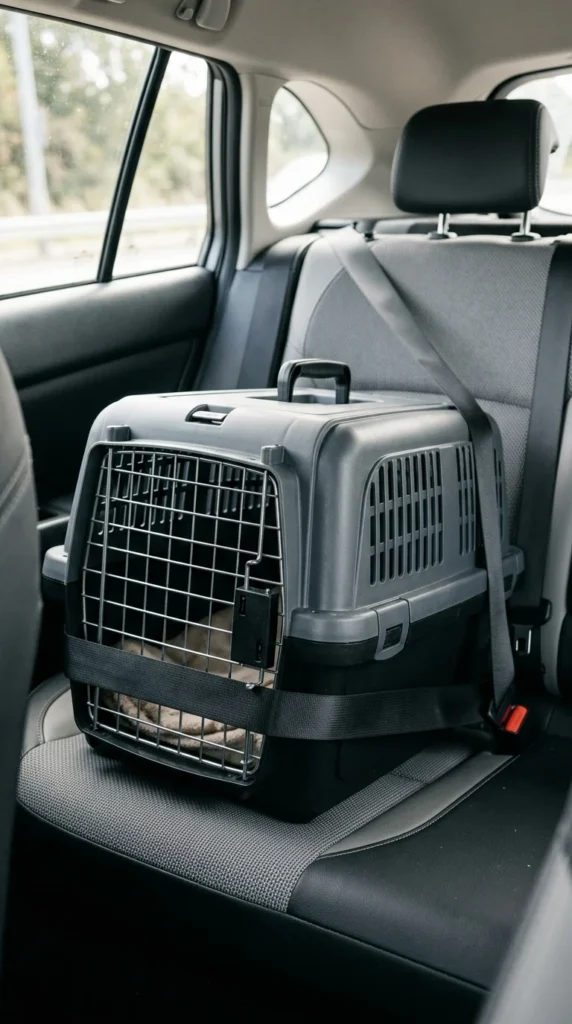
Never let your pet roam free in a moving vehicle. Use a crash-tested harness or a secured carrier. Not only does this protect the pet in an accident, but it also prevents them from distracting the driver.
25. Ear Cleaning
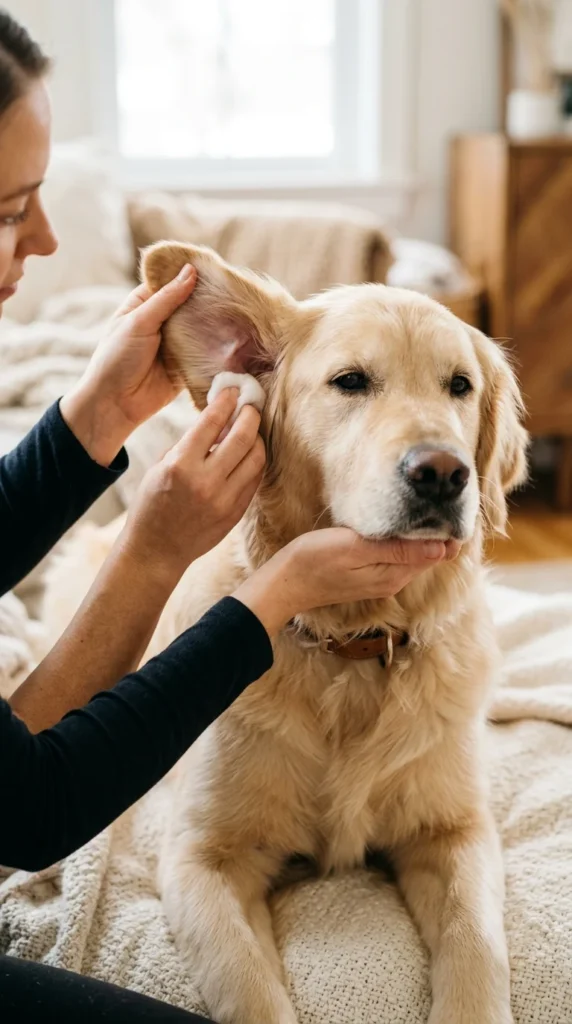
Check your pet’s ears weekly for redness, discharge, or a foul odor, which can indicate an infection. Use a vet-approved ear cleaner and a cotton ball to gently wipe the visible parts of the ear. Never stick cotton swabs deep into the ear canal.
26. Weight Management

Pet obesity is a growing epidemic that leads to diabetes and joint failure. You should be able to feel your pet’s ribs but not see them prominently. If your pet starts gaining weight, adjust their food intake and increase their exercise levels.
27. Daily Bonding

The most important tip of all is to spend quality time with your pet every single day. Whether it’s a cuddle session on the couch, a game of fetch, or simply talking to them, this time strengthens the bond of trust and love. Your pet considers you their whole world; make sure they feel like a valued member of your family.