

Bringing a new pet into your home is a monumental life event. It marks the beginning of a journey filled with unconditional love, companionship, and, let’s be honest, a fair bit of learning. Whether you are adopting a senior cat or bringing home a wiggly puppy, the transition period is crucial for setting the stage for a lifetime of happiness. To ensure you and your new companion start on the right paw, we have compiled the definitive guide for the first-time pet owner.
1. Researching Breeds

The first step begins long before the pet arrives. Understanding the specific needs of a breed—or the likely traits of a mix—is essential. High-energy breeds like Border Collies or Bengals require significant mental and physical stimulation, while others might be perfectly happy as couch potatoes. Researching their history, typical health issues, and temperament ensures that your lifestyle and your pet’s needs are a perfect match.
2. Budgeting

Pet ownership is a financial commitment that extends far beyond the initial adoption fee. You must account for recurring costs such as high-quality food, annual vaccinations, grooming, and unexpected emergency visits. Creating a monthly “pet fund” helps mitigate the stress of sudden expenses and ensures your pet always receives the best care available.
3. Essential Supplies
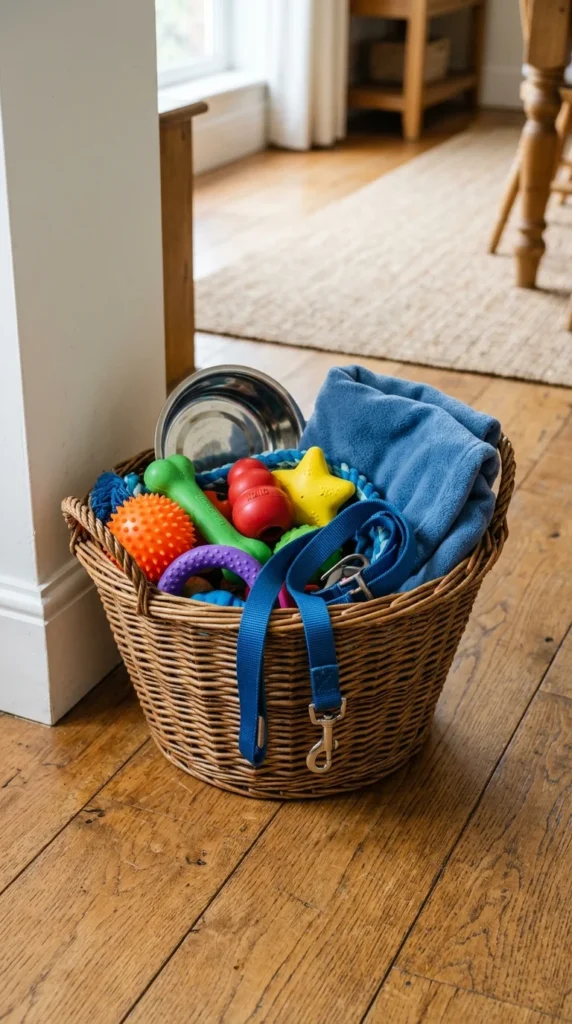
Don’t wait until the pet is in the car to realize you don’t have a leash or a litter box. Having the basics ready—food and water bowls, a comfortable bed, age-appropriate toys, and grooming tools—creates a welcoming environment. Having these items in place allows you to focus entirely on bonding with your new friend the moment they walk through the door.
4. Home Proofing
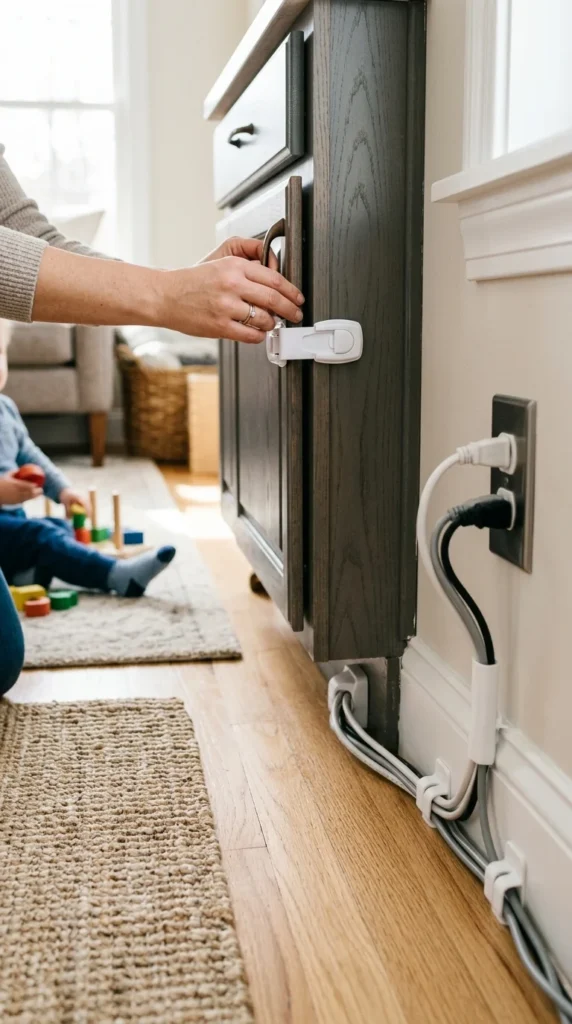
Pets, especially young ones, are naturally curious and will explore their new world with their mouths. Take a “pet’s eye view” of your home. Secure loose wires, remove toxic houseplants like lilies or sago palms, and ensure that cleaning supplies are stored in locked cabinets. A safe home is the first step in preventing avoidable accidents.
5. Vet Search

Don’t wait for an illness to find a veterinarian. Research local clinics, read reviews, and perhaps even visit a few to see the facility. Establishing a relationship with a vet early on means they will have your pet’s baseline health records, making it easier to spot changes or issues in the future.
6. Microchipping

Collars and tags can fall off or be removed. A microchip is a permanent form of identification. This tiny device, implanted under the skin, contains a unique ID number that can be scanned by any vet or shelter. It is the single most effective way to ensure you are reunited with your pet if they ever go missing.
7. Nutrition

Nutrition is the foundation of health. Consult with your veterinarian to choose a diet that is appropriate for your pet’s age, size, and activity level. Avoid “filler” ingredients and look for high-quality protein sources. Proper nutrition affects everything from the shine of their coat to the longevity of their life.
8. Feeding Schedule

Animals thrive on routine. Feeding your pet at the same time every day provides them with a sense of security. It also helps with house training, as you can predict when they will need to go outside or use the litter box. Consistency in feeding prevents begging and helps maintain a healthy weight.
9. Socialization

Early and positive exposure to different environments, people, and other animals is vital. Socialization helps prevent fear-based behaviors and aggression. Take your pet to different locations, introduce them to friends, and let them experience various sounds and textures in a controlled, rewarding way.
10. Training Basics

Training is not just about “parlor tricks”; it is about communication. Teaching basic commands like “sit,” “stay,” and “come” can literally save your pet’s life in a dangerous situation. Use positive reinforcement—treats, praise, and play—to build a bond of trust and mutual respect.
11. Crate Training

When used correctly, a crate is not a cage; it is a den. It provides a safe, quiet space where your pet can retreat when they feel overwhelmed. It is also an invaluable tool for potty training and ensuring your pet’s safety when you cannot supervise them directly.
12. Daily Exercise

A tired pet is a well-behaved pet. Physical activity is essential for burning off excess energy and maintaining cardiovascular health. Whether it’s a long hike, a game of fetch, or a vigorous session with a feather wand for a cat, daily exercise is a non-negotiable part of pet care.
13. Mental Enrichment

Physical exercise isn’t enough; pets need to use their brains, too. Puzzle feeders, scent games, and new tricks keep their minds sharp and prevent boredom-induced destruction. Mental stimulation is just as exhausting—and rewarding—as a walk around the block.
14. Grooming

Grooming is more than just aesthetics. Regular brushing prevents painful matting, while nail trims prevent joint issues caused by improper posture. It’s also the best time to check for unusual lumps, bumps, or skin irritations that might require medical attention.
15. Dental Care

Dental disease is one of the most common—and preventable—ailments in pets. Brushing your pet’s teeth or using dental-specific treats helps prevent plaque buildup, which can lead to systemic infections affecting the heart and kidneys.
16. Parasite Prevention

Fleas, ticks, and heartworms are more than just nuisances; they carry serious diseases. Year-round prevention is much easier and cheaper than treating an infestation or a parasite-borne illness. Set a recurring reminder on your phone so you never miss a dose.
17. Pet Insurance

Medical emergencies can cost thousands of dollars. Pet insurance provides peace of mind, ensuring that you never have to make a choice between your finances and your pet’s life. Look for a policy that covers accidents and illnesses, and sign up while your pet is young to avoid “pre-existing condition” exclusions.
18. Safe Space

The transition to a new home is stressful. Provide your pet with a designated “safe zone” where they can go to be alone. Instruct family members, especially children, to leave the pet alone when they are in this space. This helps the pet feel in control of their environment.
19. First Aid

Accidents happen. Having a pet-specific first aid kit on hand allows you to stabilize your pet before getting them to a vet. Include items like self-clinging bandages, antiseptic wipes, and a list of your pet’s medications.
20. Consistency

Everyone in the household must be on the same page. If one person allows the dog on the couch and another doesn’t, the animal will become confused and anxious. Agree on rules, commands, and boundaries before the pet arrives to ensure a clear communication style.
21. Patience

The first few weeks will be messy. There will be accidents, chewed shoes, or scratched furniture. Remember that your pet is learning a completely new language and set of rules. Approach every mistake with patience and redirection rather than anger.
22. Identification

Even with a microchip, a visible ID tag is the fastest way for a neighbor to get your pet home. Ensure the tag is easy to read and contains your most current phone number. It is a simple tool that provides an immediate layer of protection.
23. Emergency Contacts

In a crisis, you don’t want to be searching the internet for the nearest 24-hour vet. Keep a list of emergency contacts in a visible place. This should include your regular vet, the nearest emergency clinic, and a pet poison control hotline.
24. Enrichment

Your pet’s environment should be engaging. For cats, this means vertical space and scratching posts. For dogs, it might mean a variety of toy textures and outdoor exploration. An enriched environment prevents the depression and lethargy that can come from a sedentary indoor life.
25. Community

You don’t have to do this alone. Join local pet owner groups, attend training classes, or find a reliable pet sitter. Building a community of fellow pet lovers provides a support system for advice, playdates, and shared experiences, making the journey of pet ownership even more fulfilling.