

Accidents and medical emergencies can happen in the blink of an eye. Whether it’s a torn paw pad during a hike or an accidental ingestion of a toxic household plant, knowing how to react in those first few critical minutes can make the difference between a minor scare and a tragic outcome. As a responsible pet owner, you are the first responder for your animal. While first aid is never a substitute for professional veterinary care, these 19 essential tips will help you stabilize your pet and provide life-saving assistance until you can reach a clinic.
1. Emergency Kit
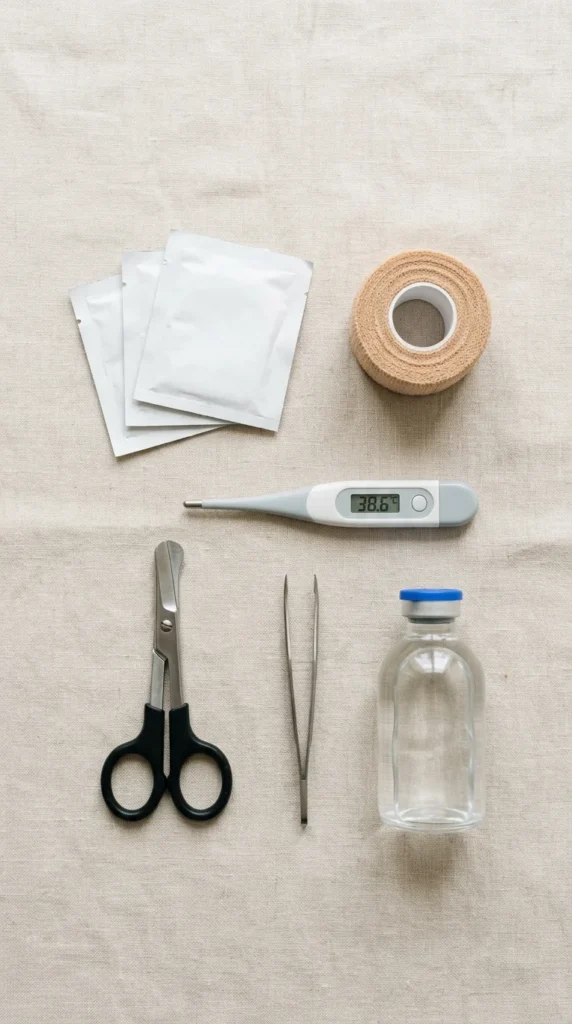
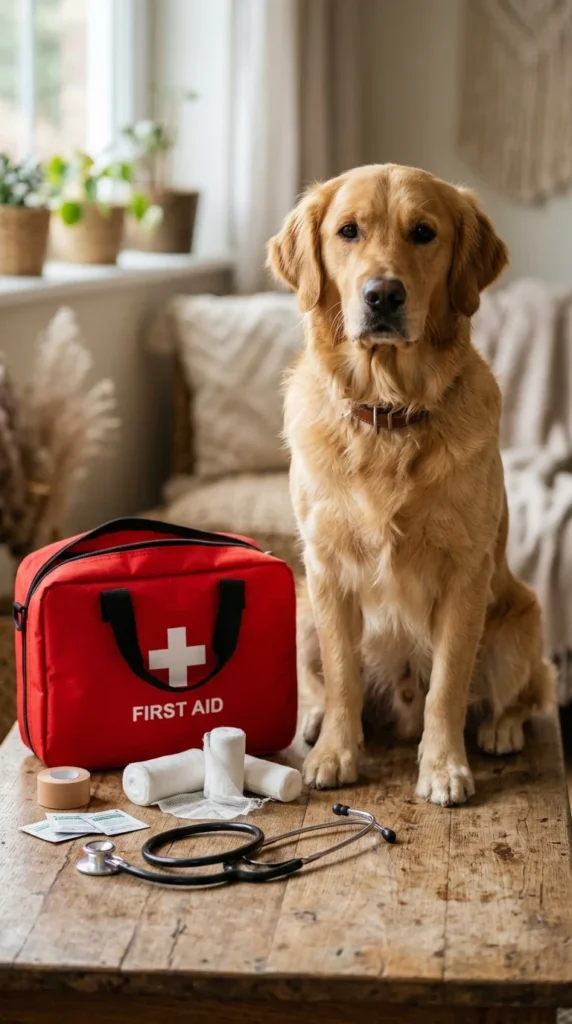
The foundation of pet safety is preparation. You should have a dedicated first aid kit specifically for your pets. This kit should include items such as gauze, non-stick bandages, adhesive tape, hydrogen peroxide (3%), milk of magnesia or activated charcoal (only used under vet direction), a digital thermometer, tweezers, and a muzzle. Having these items in one portable container ensures that you don’t waste precious time hunting for supplies during a crisis.
2. Vital Signs

Knowing what is “normal” for your pet is crucial for identifying when something is wrong. Practice checking your pet’s vital signs while they are healthy and relaxed. A normal temperature for dogs and cats is between 101.0°F and 102.5°F. Their heart rate varies by size, but generally ranges from 70 to 120 beats per minute for dogs and 120 to 220 for cats. Familiarize yourself with their respiratory rate and the color of their gums—which should be a healthy bubblegum pink.
3. Bleeding Control
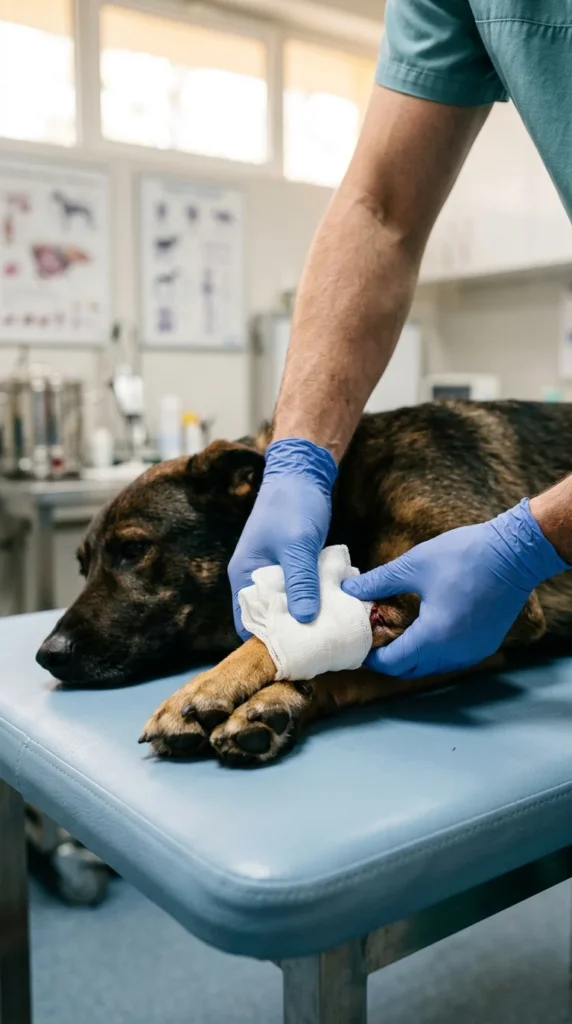
If your pet is bleeding, your primary goal is to stop the flow. Apply direct pressure to the wound using a clean cloth or gauze pad. Maintain pressure for at least five to ten minutes without lifting the cloth to check the wound, as this can disturb the clot. If the blood soaks through, add more gauze on top rather than removing the original layer. For severe limb bleeding, you may need to apply a pressure bandage, but avoid tourniquets unless you have been specifically trained, as they can cause tissue death.
4. Choking Response
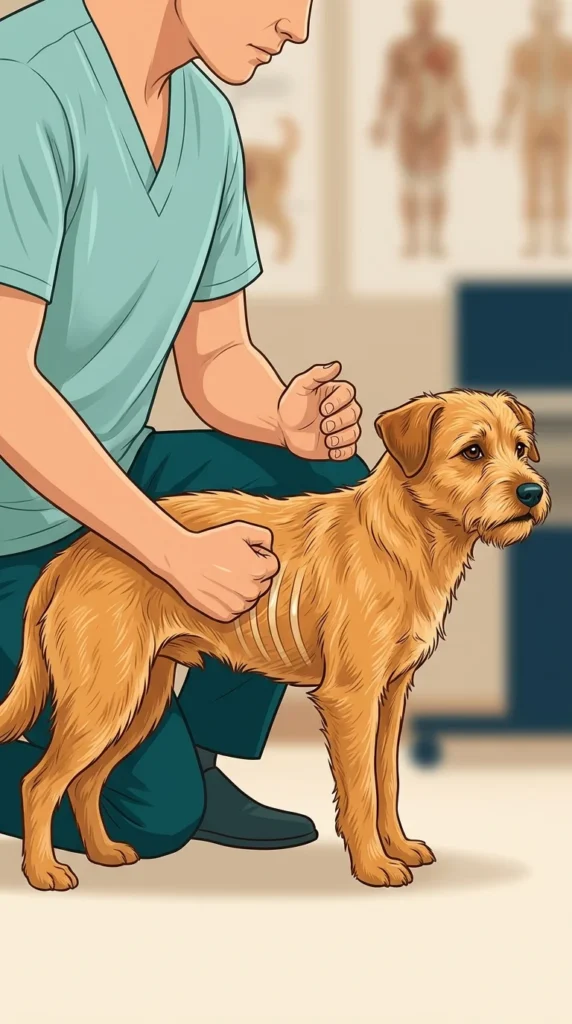
If your pet is gasping, pawing at their mouth, or turning blue, they may be choking. First, look inside the mouth to see if an object is visible. If you can see it and easily remove it with your fingers or pliers, do so carefully to avoid being bitten or pushing the object further down. If you cannot reach it, perform a modified Heimlich maneuver. For small dogs or cats, hold them against your chest and apply firm, upward pressure to the abdomen just below the ribs. For large dogs, lay them on their side and apply the same upward pressure.
5. Animal CPR
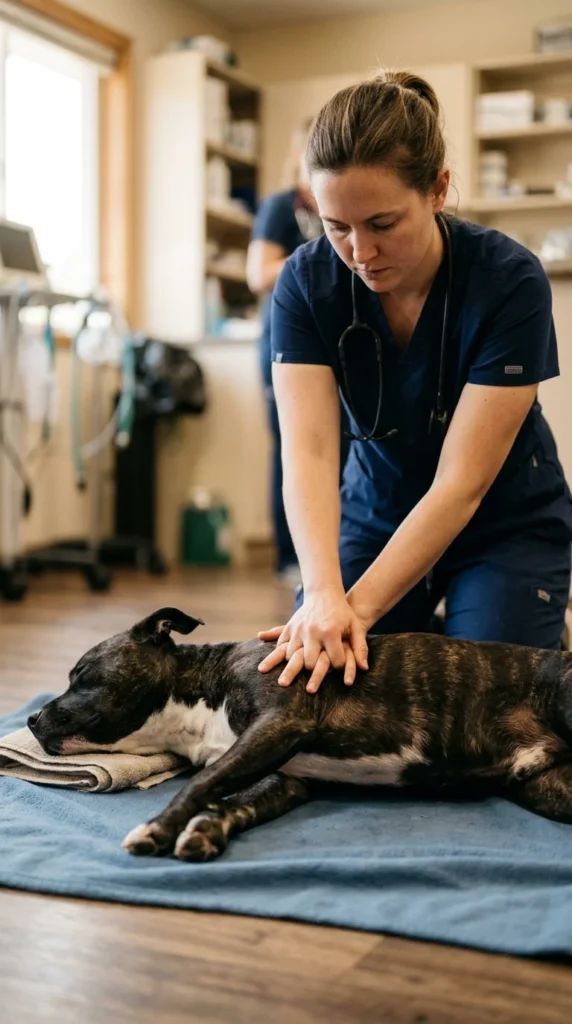
If your pet has stopped breathing and has no heartbeat, you must begin CPR. Lay the animal on its right side on a firm surface. For most dogs, compressions are done over the widest part of the chest. For cats and small dogs, wrap one hand around the chest so your thumb is on one side and fingers on the other. Aim for 100 to 120 compressions per minute. Give two rescue breaths for every 30 compressions by closing the animal’s mouth and blowing directly into their nose until you see the chest rise.
6. Poisoning Protocol

If you suspect your pet has ingested something toxic, contact your veterinarian or a pet poison control center immediately. Do not induce vomiting unless specifically instructed to do so, as some substances (like bleach or caustic chemicals) can cause more damage coming back up. Keep the packaging of whatever the pet ate to show the vet. Common toxins include chocolate, xylitol (sugar-free gum), grapes, raisins, onions, and certain lilies for cats.
7. Heatstroke Treatment

Heatstroke is a medical emergency. Symptoms include heavy panting, bright red gums, drooling, and collapse. Immediately move your pet to a cool, shaded area. Use cool (not ice-cold) water to wet their fur and skin, and place them in front of a fan. Do not use ice water, as it can cause blood vessels to constrict and slow down the cooling process. Get them to a vet immediately, even if they seem to be recovering, as internal organ damage can occur.
8. Burn Care
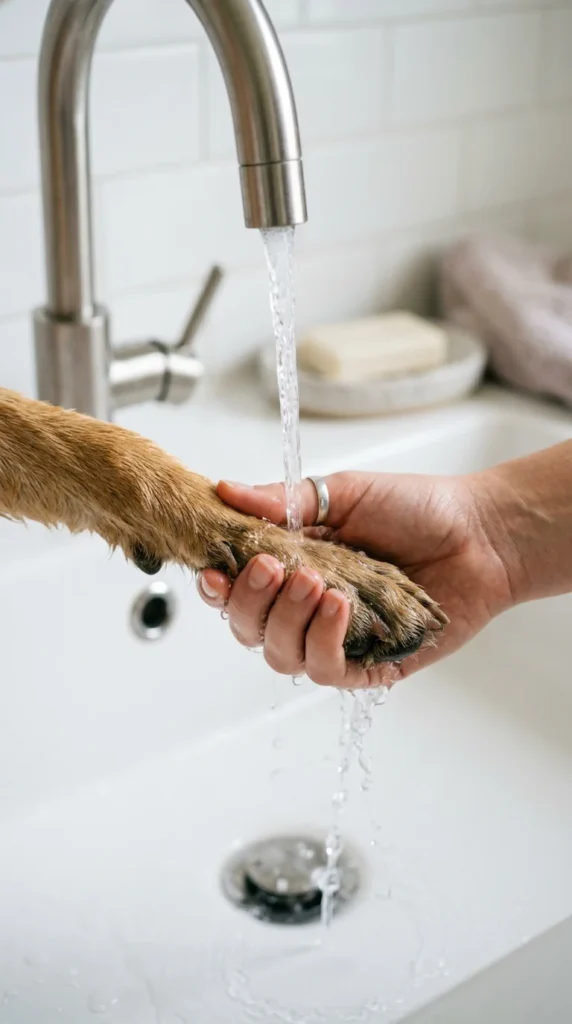
For thermal burns caused by heat, immediately flush the area with cool water or apply a cool compress for at least 20 minutes. Do not apply butter, ointments, or ice, as these can trap heat or damage the tissue further. For chemical burns, flush the area with copious amounts of water to wash away the irritant. Cover the burn loosely with a clean, dry cloth and seek veterinary attention, as burns are extremely painful and prone to infection.
9. Fracture Stabilization
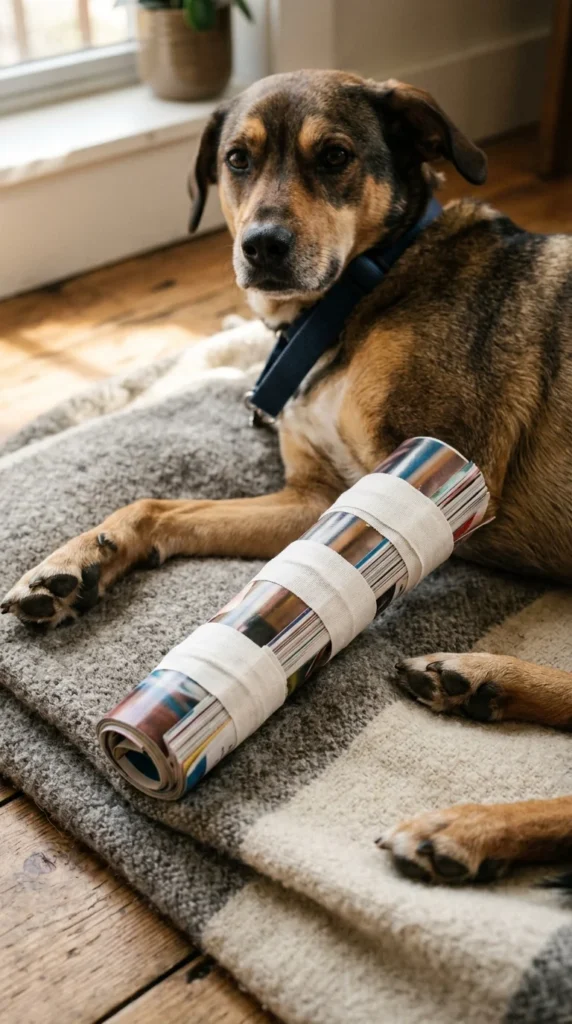
If you suspect a broken bone, the goal is to prevent further injury during transport. Do not try to “set” the bone. If the limb is dangling, you can create a temporary splint using a rolled-up magazine or newspaper and securing it with tape or cloth. However, if the pet is too distressed or the splint causes more pain, simply support the animal on a flat board or in a carrier and head to the vet. Always muzzle an injured pet, as even the sweetest animal may bite when in intense pain.
10. Seizure Management

Seeing a pet have a seizure can be terrifying. Do not try to restrain the animal or put anything in their mouth (they will not swallow their tongue). Instead, clear the area of sharp objects or furniture that might cause injury. Keep the environment quiet and dark. Time the seizure; if it lasts more than two or three minutes, or if the pet has multiple seizures in a row, it is a life-threatening emergency known as “status epilepticus.”
11. Eye Injuries
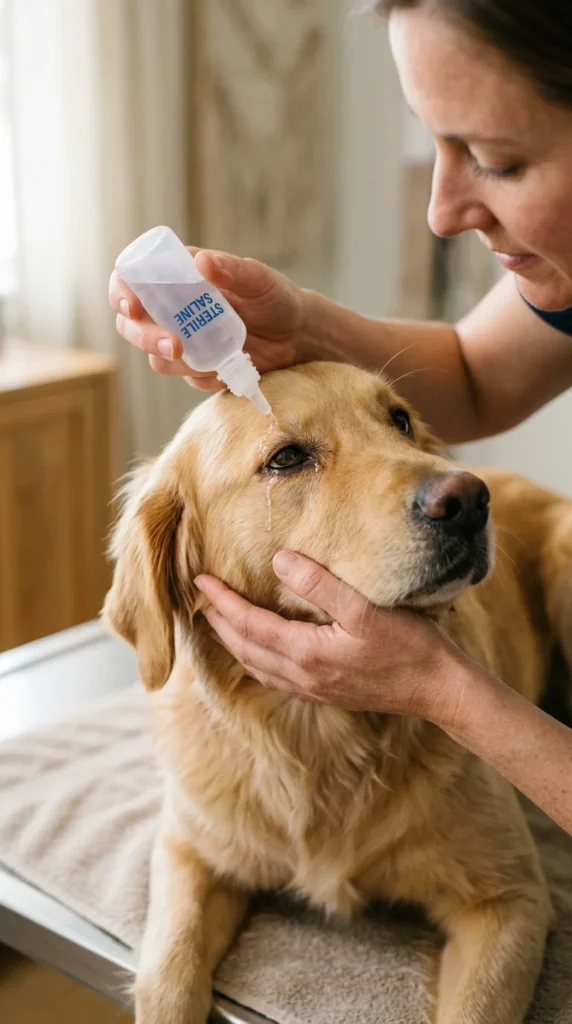
Eye injuries are always urgent. If your pet has a foreign object in their eye or has been exposed to a chemical, flush the eye gently with sterile saline or plain lukewarm water. Do not allow your pet to rub or scratch their eye, as this can cause corneal ulcers. Using a protective Elizabethan collar (the “cone of shame”) is the best way to prevent self-trauma until a vet can examine the eye.
12. Bee Stings
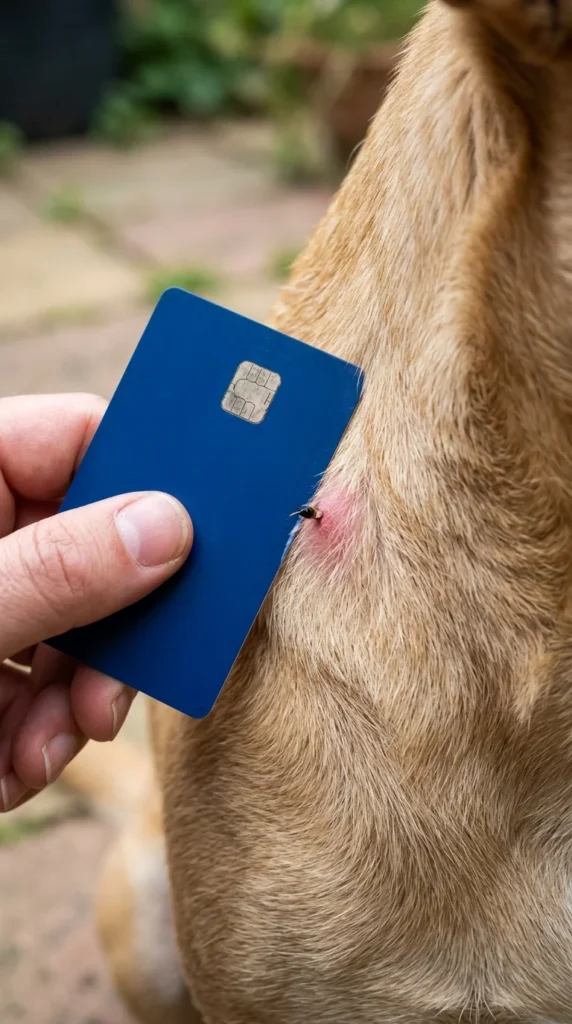
If your pet is stung by a bee, try to locate and remove the stinger by scraping it with a credit card or your fingernail. Do not use tweezers, as squeezing the stinger can release more venom. Monitor for an allergic reaction, which includes facial swelling, hives, or difficulty breathing. If you notice these signs, your pet needs an immediate injection of antihistamines or epinephrine at a veterinary clinic.
13. Drowning Recovery
If a pet is rescued from water, even if they seem fine, they need to be checked for “near-drowning” or secondary pneumonia. If the pet is unconscious, clear their airway. For small pets, you can briefly hang them upside down to help drain water from the lungs. For larger pets, lay them on their side with their head lower than their chest. If they are not breathing, begin CPR immediately. Even if the pet revives, water in the lungs can cause inflammation hours later.
14. Proper Restraint
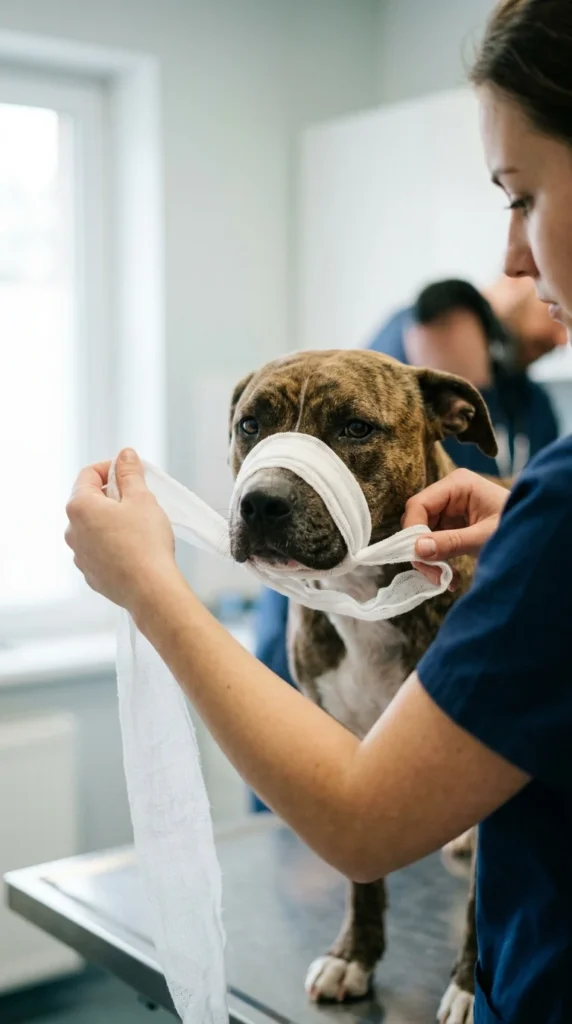
Even the gentlest pet may lash out when they are in pain or shock. Before performing any first aid, ensure you are safe. For dogs, a soft muzzle or a wrap made of gauze can prevent bites. For cats, a “burrito wrap” using a thick towel can keep their claws contained while you examine an injury. Always approach an injured pet slowly and speak in a calm, soothing voice.
15. Identifying Shock
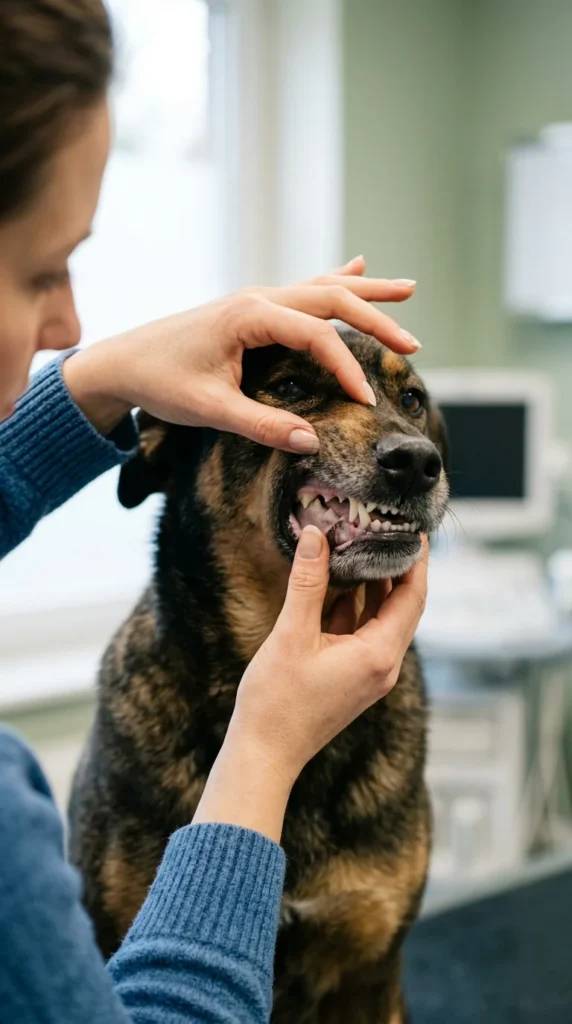
Shock occurs when the body’s circulatory system fails, often due to trauma or severe blood loss. Signs include very pale or white gums, a rapid but weak pulse, rapid breathing, and cold extremities. If you suspect shock, keep your pet warm by wrapping them in a blanket, keep them as still as possible, and transport them to a vet immediately. Shock is a silent killer that requires professional intervention.
16. Tick Removal
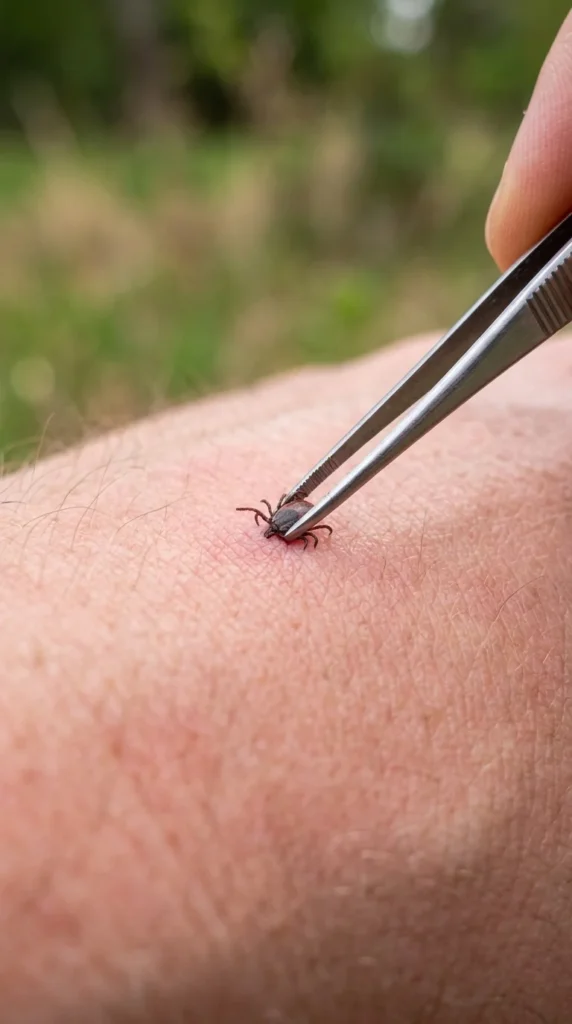
Ticks can transmit various diseases, so they should be removed as soon as they are found. Use fine-tipped tweezers to grasp the tick as close to the skin’s surface as possible. Pull upward with steady, even pressure. Do not twist or jerk, as this can cause the mouthparts to break off and remain in the skin. After removal, clean the bite area and your hands with rubbing alcohol or soap and water.
17. Paw Pad Injuries
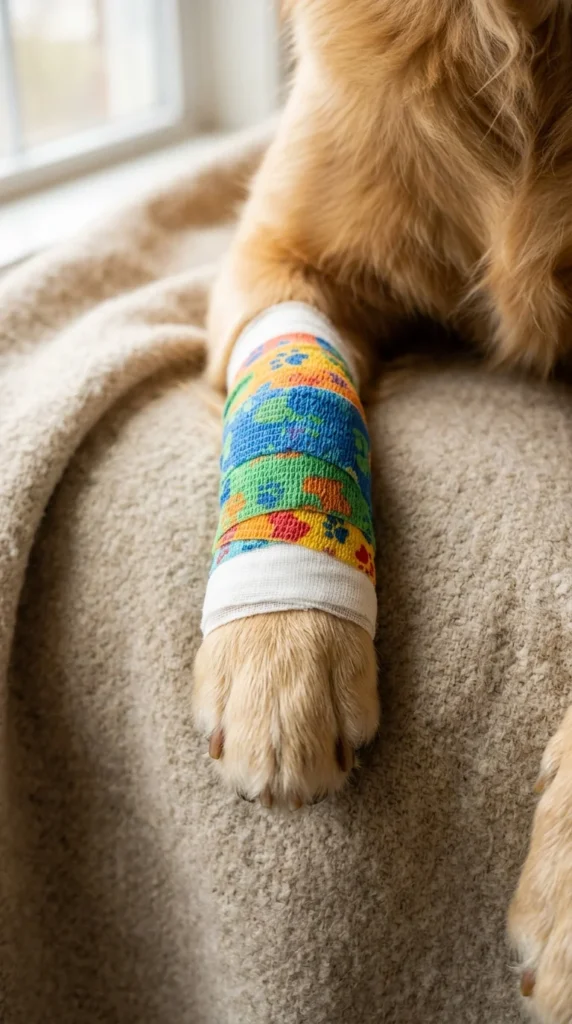
Paws are highly vascular and bleed heavily when cut. Clean the wound with mild soap and water or saline. If it’s a minor cut, apply a small amount of antibiotic ointment and wrap it with a non-stick pad and a bandage. Be careful not to wrap too tightly, as this can cut off circulation. Check the bandage frequently for moisture or foul odors, which indicate infection.
18. Hypothermia Care

If your pet has been exposed to freezing temperatures, they may suffer from hypothermia. Move them to a warm environment and wrap them in warm blankets. You can use water bottles filled with warm water wrapped in towels placed against their body (avoid direct skin contact to prevent burns). Do not use heating pads on high settings, as the pet may be unable to move away if they get too hot. Monitor their temperature until it returns to the normal range.
19. Safe Transport

How you move your pet can prevent further injury. For small pets, use a carrier or a box. For larger dogs with potential back or limb injuries, use a flat board, a firm piece of plywood, or a heavy blanket as a makeshift stretcher. Keep the pet’s head level and avoid twisting their spine. Ensure someone is sitting with the pet during the drive to monitor their breathing and keep them calm.
By mastering these 19 tips, you empower yourself to act decisively during a pet emergency. Remember, the goal of first aid is to stabilize and protect; your next step should always be a call to your local veterinarian or emergency animal hospital. Your quick thinking and prepared kit are your pet’s best defense in a crisis.