

Navigating the final chapters of a pet’s life is one of the most profound and challenging experiences a pet owner can face. It is a time marked by deep reflection, unconditional love, and the difficult responsibility of making choices that prioritize comfort over longevity. When a beloved animal reaches their twilight years or faces a terminal illness, the focus shifts from curative treatment to palliative care, ensuring their remaining days are filled with dignity, peace, and warmth.
This guide is designed to help you navigate this emotional journey with 16 essential pillars of end-of-life care. By understanding how to manage their physical needs and honor your emotional bond, you can provide the ultimate gift: a gentle and loving transition.
1. Quality Assessment

The first step in end-of-life care is objective observation. Veterinarians often recommend using a “Quality of Life” scale, such as the HHHHHMM scale (Hurt, Hunger, Hydration, Hygiene, Happiness, Mobility, and More Good Days than Bad). Tracking these metrics daily helps you move past the denial that often clouds our judgment. By keeping a journal of their energy levels, appetite, and social interactions, you can make informed decisions about when palliative care needs to transition into final arrangements.
2. Orthopedic Bedding

As pets age, their joints become thinner and more prone to pain from pressure points. Standard floor rugs or thin cushions are often insufficient. Investing in high-quality orthopedic memory foam bedding can significantly reduce discomfort from arthritis or muscle wasting. Ensure the bed is low to the ground so the pet doesn’t have to “climb” into it, and place it in a central area where they can still feel part of the family without being in a high-traffic zone where they might get bumped.
3. Pain Management
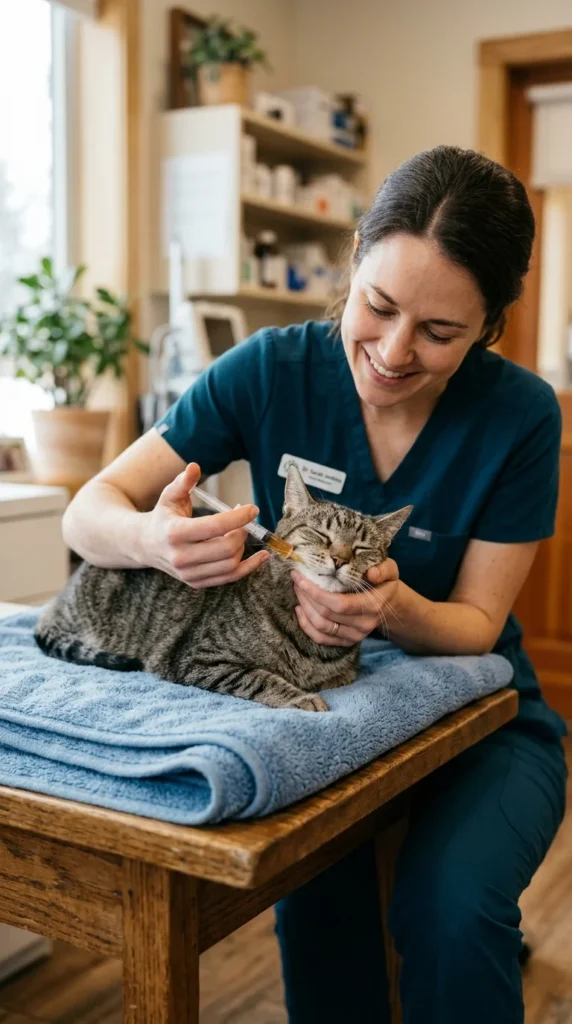
Chronic pain is the most significant factor in a declining quality of life. Modern veterinary medicine offers a wide array of options beyond basic anti-inflammatories, including gabapentin for nerve pain, laser therapy, and even acupuncture. Work closely with your vet to create a “multimodal” pain plan. Watch for subtle signs of distress, such as heavy panting, restlessness, or a reluctance to move, as these are often “silent” cries for help in animals.
4. Nutritional Adjustments

A fading appetite is common in senior pets. To encourage eating, you may need to transition to highly palatable, calorie-dense wet foods or warm up their meals to enhance the aroma. If your pet struggles with kidney issues or heart disease, therapeutic diets are essential. However, in the very final stages, the “hospice” mindset often allows for “joy feeding”—giving them small tastes of their favorite safe human foods, like plain chicken or steak, to bring them a moment of happiness.
5. Mobility Aids

Loss of mobility can lead to depression in pets who are used to being active. Use rugs or yoga mats to cover slippery hardwood floors, providing better traction for shaky legs. For larger dogs, a “Help ‘Em Up” harness or a simple towel sling under the belly can assist them in getting outside for bathroom breaks. Ramps for cars and furniture can also help them maintain some level of independence and keep them close to you on the sofa or bed.
6. Hydration Access
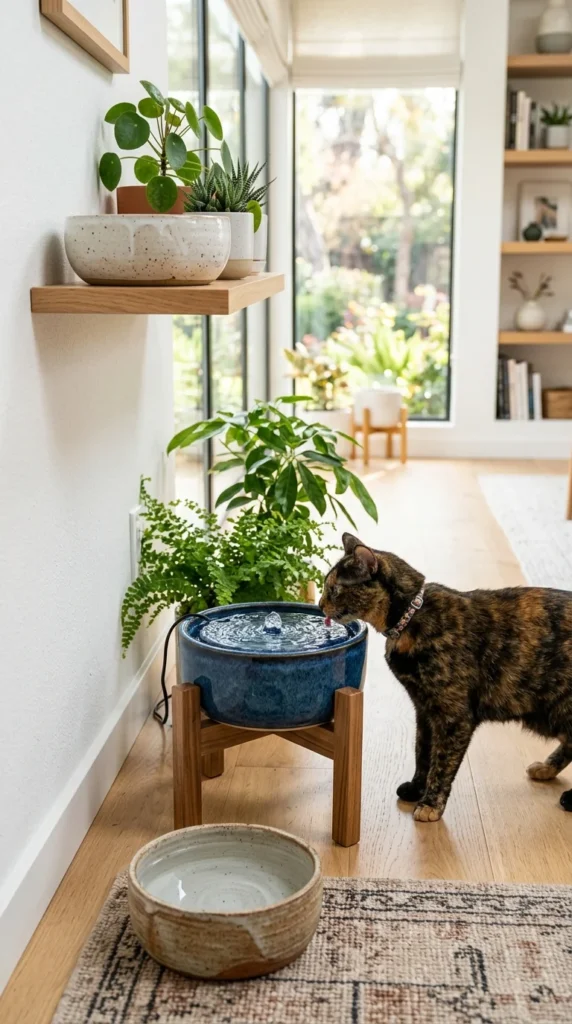
Dehydration can lead to lethargy and kidney strain. Ensure your pet doesn’t have to walk far to find water. Place bowls in every room they frequent. If they have trouble bending down, use elevated stands. For pets that are very weak, you can offer water via a needleless syringe or provide “pet popsicles” made of low-sodium broth to keep them hydrated while providing a soothing treat.
7. Hygiene Maintenance
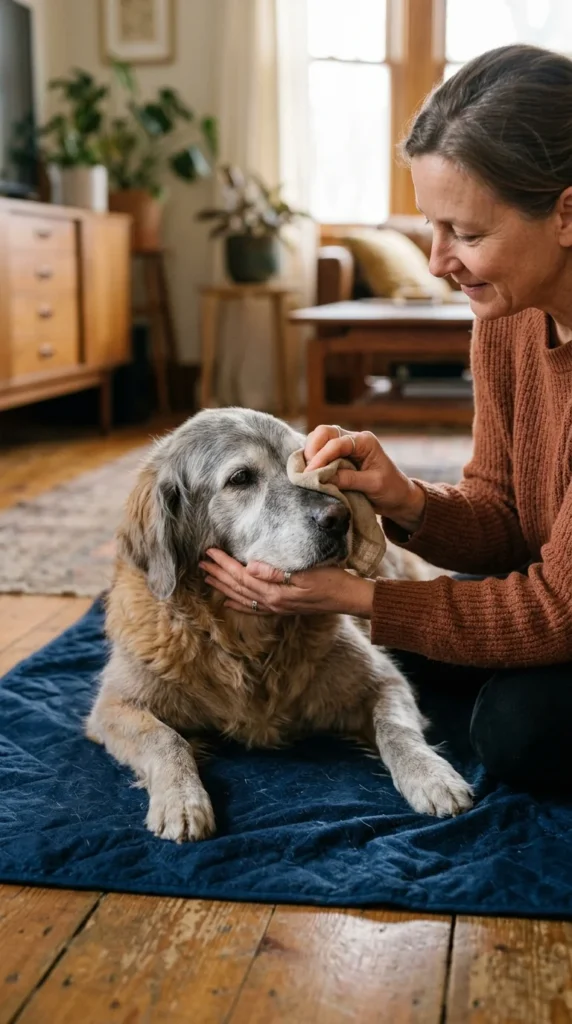
Incontinence or a simple lack of energy to groom can lead to skin infections and discomfort. Use waterless shampoos and grooming wipes to keep their coat clean. If your pet is experiencing accidents, utilize puppy pads or specialized pet diapers, but be sure to change them frequently to prevent “urine scald” on the skin. Keeping their “potty areas” clean is vital for their dignity and physical comfort.
8. Mental Stimulation
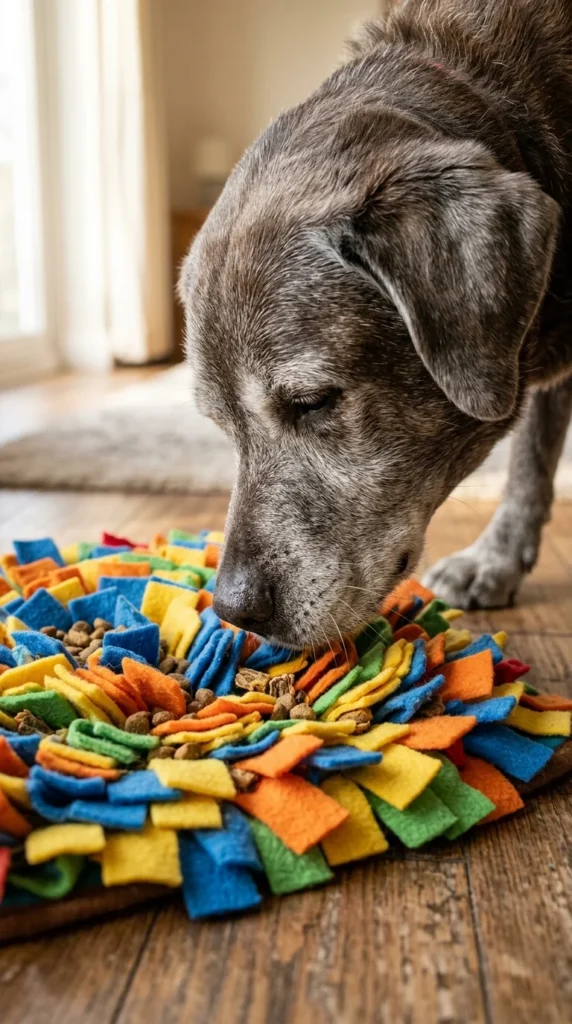
While physical activity may decrease, the mind remains active. Prevent “sundowning” (cognitive dysfunction) by engaging their senses. Scent games, soft music, or simply moving their bed to a different room or a porch can provide a “change of scenery” that prevents boredom and anxiety. Spending quiet time talking to them or brushing their fur provides the social stimulation they crave.
9. Sensory Support

As sight and hearing fail, the world can become a scary place for a pet. Avoid rearranging furniture, which can cause them to bump into things. Use scent markers (like a drop of lavender oil near doorways) to help them navigate. When approaching a pet with hearing loss, stomp softly on the floor so they can feel the vibrations, preventing them from being startled when you pet them.
10. Veterinary Consultations
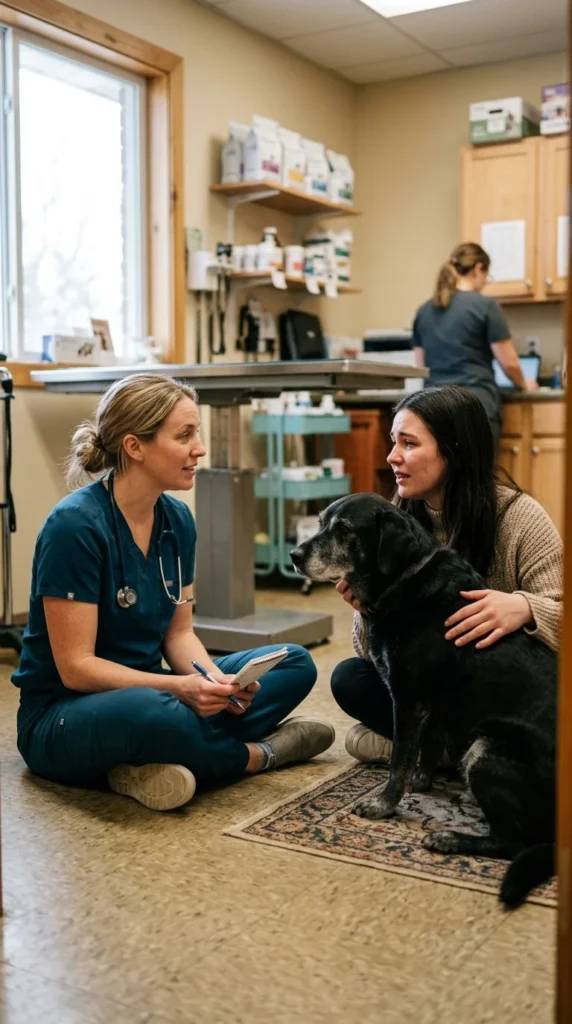
Regular check-ins with a hospice-trained veterinarian are crucial. These professionals focus on comfort rather than a cure. They can help you adjust medication dosages as the illness progresses and provide a professional perspective on when the “line” has been crossed. Many vets now offer “telehealth” or home visits to reduce the stress of transporting a frail animal to a clinic.
11. Emotional Connection

Your pet’s primary source of security is you. In their final weeks, prioritize “quality time” that doesn’t involve medical tasks. Whether it’s sitting together in the garden, watching a movie, or just hand-feeding them treats, these moments reinforce the bond. Pets are highly intuitive; staying calm and present helps them feel safe despite their physical decline.
12. Euthanasia Preparation

Deciding on euthanasia is a final act of mercy. Research whether you prefer a traditional clinic setting or a mobile “at-home” euthanasia service. Being in a familiar environment, surrounded by their favorite smells and people, can make the process significantly less stressful for the pet. Discuss the process with your vet beforehand so you know exactly what to expect, allowing you to focus entirely on your pet during the moment.
13. Final Memories

Creating mementos can be a healing part of the goodbye process. Take “legacy” photos of your pet doing what they love. Create a clay paw print or save a lock of their fur. Some owners even make “bucket lists” for their pets’ final days, involving a trip to the beach or a special meal, creating lasting memories that celebrate the life lived rather than just the end.
14. Aftercare Plans

Deciding what to do with your pet’s remains is a personal choice that is best made before the emotional weight of loss hits. Options include private cremation, where you receive the ashes back; communal cremation; or home burial (where local laws permit). Knowing the plan in advance allows you to grieve without the pressure of making immediate logistical decisions during a crisis.
15. Grief Support

The loss of a pet is a significant trauma, often underestimated by society. Don’t hesitate to seek support from pet loss hotlines, online communities, or specialized counselors. Recognizing that your grief is valid and shared by many can help you navigate the waves of sadness that follow. Give yourself permission to mourn at your own pace.
16. Helping Other Pets

If you have multiple pets, they will likely sense the shift in the household and may mourn the loss of their companion. Maintain their routine as strictly as possible to provide a sense of security. Allow them to sniff the deceased pet if the transition happens at home, as this helps them understand that their friend is gone. Extra attention and play can help them—and you—heal through the transition.