
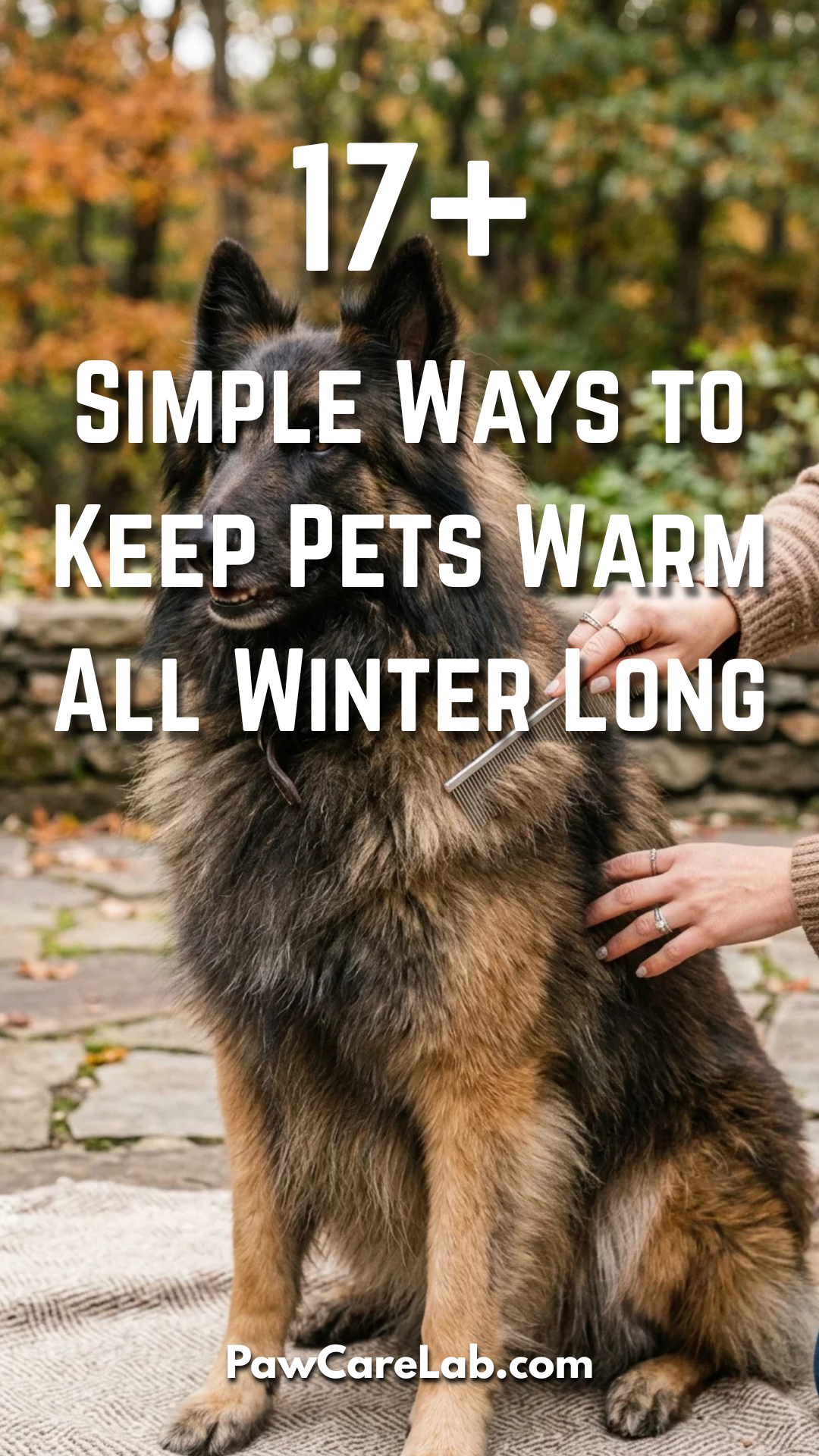
As the winter chill sets in and the landscape transforms into a glittering icy wonderland, our priorities shift toward warmth and comfort. We pull out the heavy duvets, crank up the thermostat, and brew endless pots of tea. However, it is vital to remember that our furry, feathered, and scaled companions feel the dip in temperature just as much as we do. While some breeds are built for the snow, many domestic pets struggle to maintain their body heat when the thermometer drops.
Keeping your pet warm isn’t just about comfort—it’s about health and safety. From protecting sensitive paw pads to ensuring their internal “furnace” has enough fuel, winter pet care requires a proactive approach. Here are 17 simple and effective ways to ensure your pets stay toasty and happy until the spring thaw arrives.
1. Cozy Beds
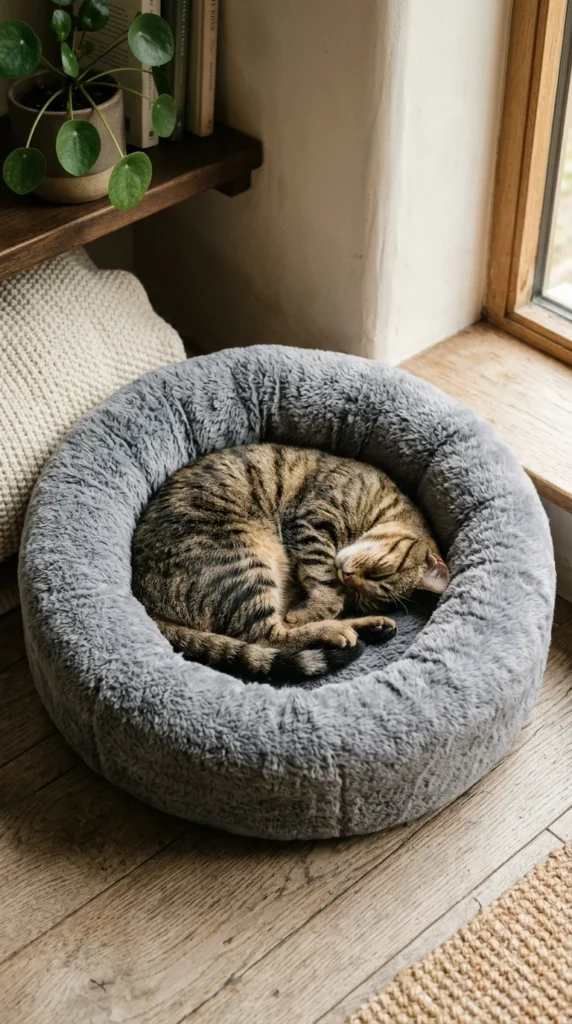
The floor is often the coldest part of the house, as cold air sinks and drafts scurry across hardwood or tile. Investing in a high-quality, insulated pet bed can make a world of difference. Look for beds with high walls that help trap the pet’s body heat, or “donut” style beds that encourage nesting. For cats and small dogs, hooded beds or “cave” beds provide a sense of security and an extra layer of insulation against the ambient chill.
2. Sweater Style
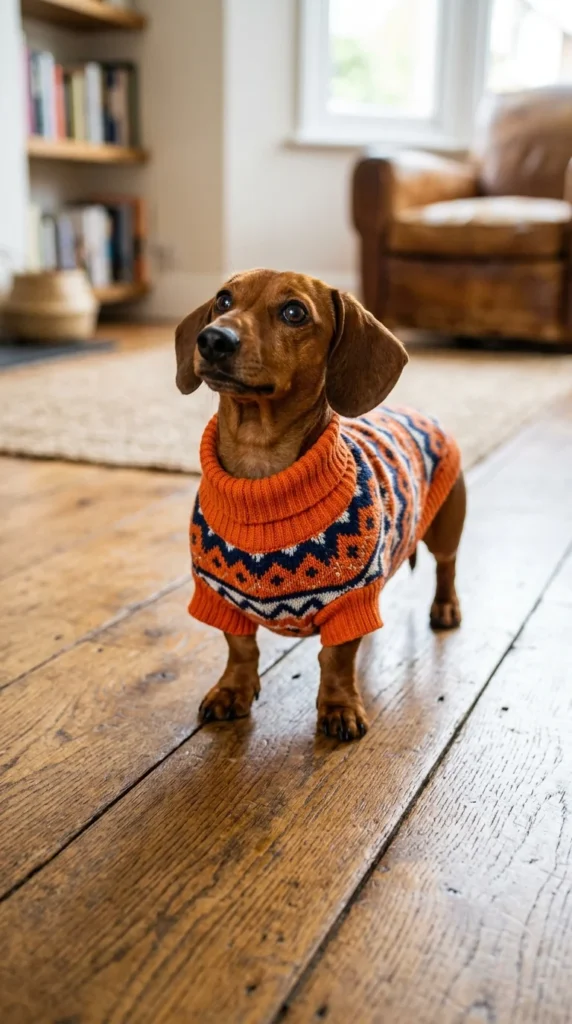
While nature provided animals with fur coats, many breeds—especially those with short hair, low body fat, or small frames—aren’t equipped for extreme cold. Sweaters and fleece vests are more than just a fashion statement; they are essential gear. When choosing a sweater, ensure it fits snugly but isn’t restrictive. It should cover the neck down to the base of the tail and protect the belly, which is often the area most exposed to the cold ground.
3. Bootie Protection
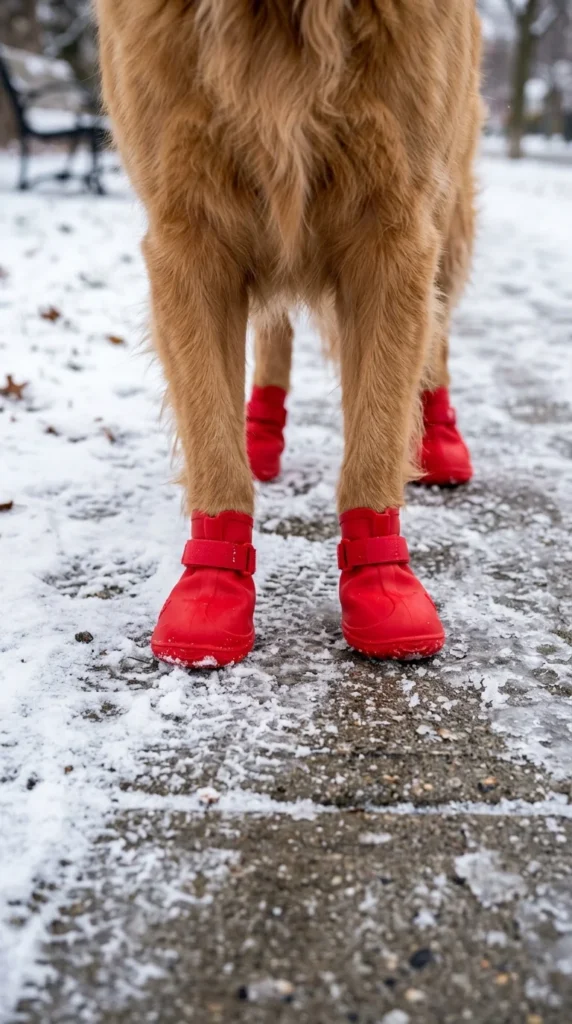
Ice, snow, and especially de-icing salts can be brutal on a pet’s paws. Chemical melts can cause painful burns, while ice shards can lead to cuts. Booties provide a physical barrier between sensitive paw pads and the frozen ground. While some pets may take a few hilarious minutes to get used to walking in them, booties are the best way to prevent salt irritation and the buildup of “ice balls” between the toes.
4. Elevated Sleeping
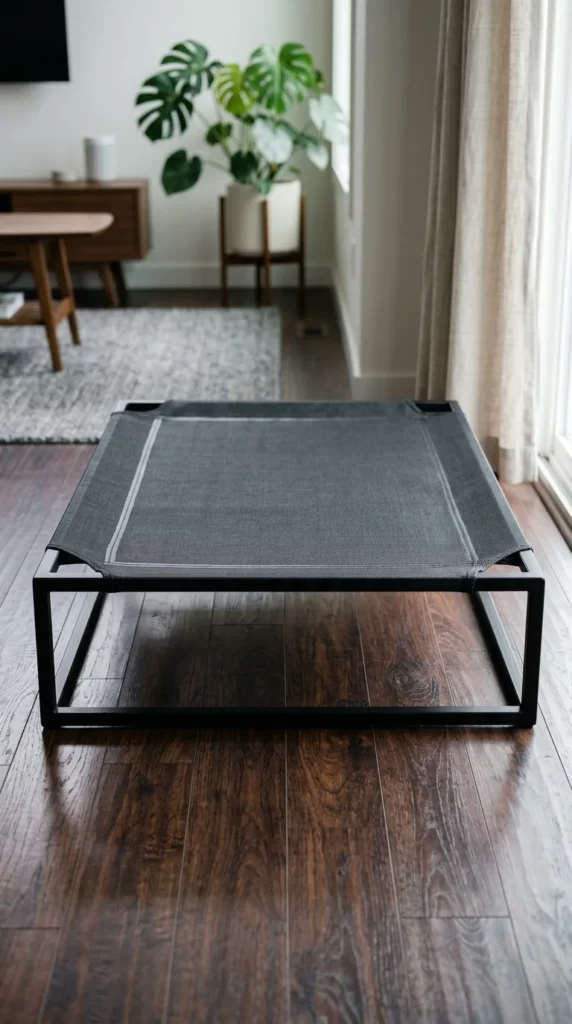
If your home has particularly cold floors, such as those made of stone or uninsulated crawl spaces, consider an elevated pet bed. By lifting your pet just a few inches off the ground, you allow air to circulate underneath, preventing the cold floor from sapping their body heat. You can place a thick blanket or a plush pad on top of the elevated frame for the ultimate combination of support and warmth.
5. Heated Mats

For older pets or those with thin coats, a pet-specific heated mat can be a lifesaver. Unlike human heating pads, which can get too hot and cause burns, pet-specific versions are designed to reach a temperature that mimics an animal’s natural body heat. Many are pressure-activated, meaning they only turn on when your pet lies down on them. Always ensure the cord is “chew-proof” to keep your inquisitive friends safe.
6. Calorie Boost

Staying warm is hard work. An animal’s body consumes a significant amount of energy to maintain its core temperature in cold weather. Depending on your pet’s activity level and environment, you might need to slightly increase their food intake during the winter months. Consult with your veterinarian to see if a small calorie boost is appropriate. However, be careful not to overfeed, as a “winter layer” of fat isn’t a healthy substitute for a warm environment.
7. Hydration Care
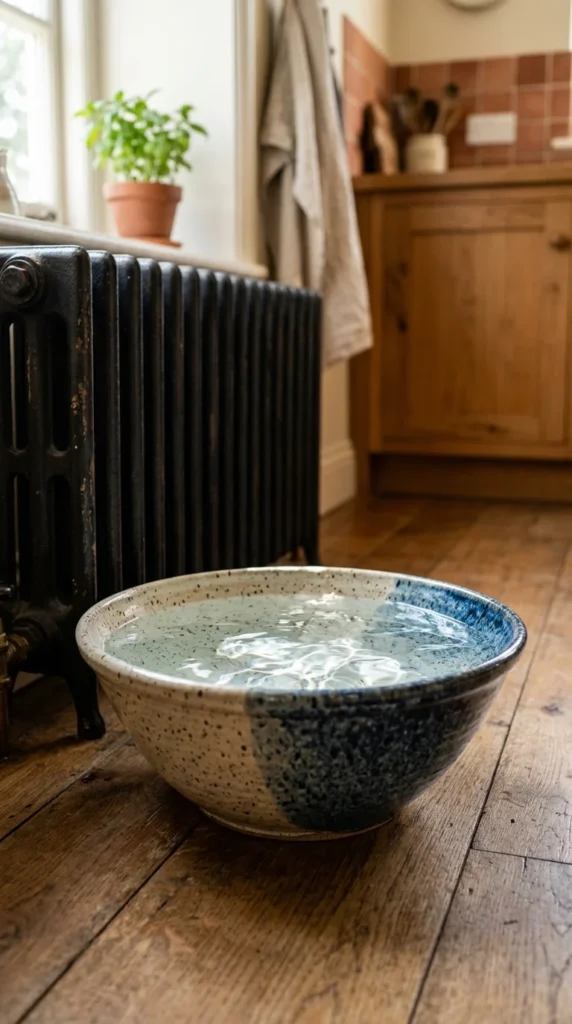
It’s a common misconception that pets get less thirsty in the winter. In reality, the air inside our homes is much drier due to artificial heating, which can lead to dehydration. Ensure your pet always has access to fresh, liquid water. If your pet spends time outdoors, use a heated water bowl to prevent the surface from freezing over. Dehydration makes it harder for a pet’s body to regulate temperature, making them more susceptible to the cold.
8. Paw Balms
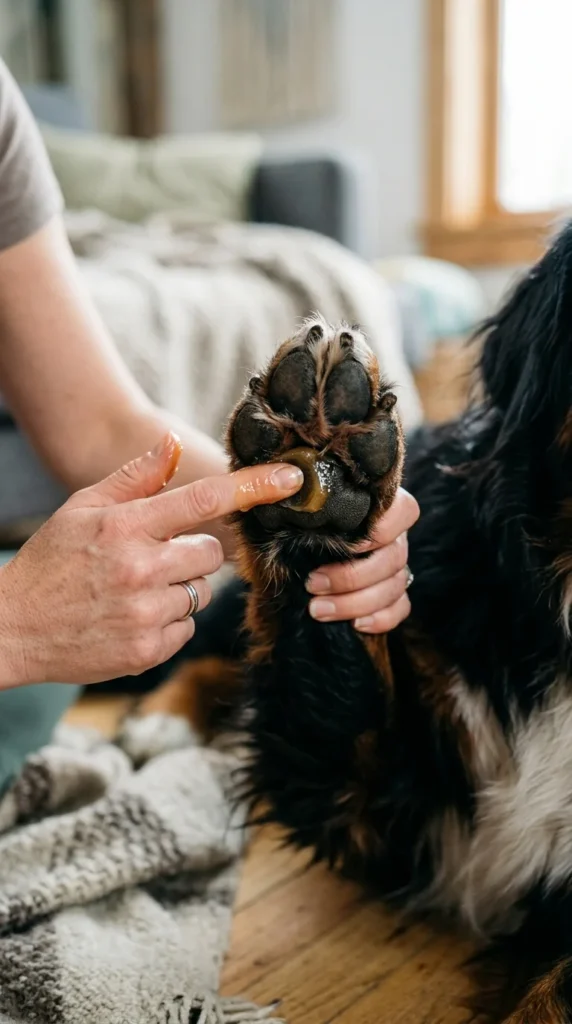
If your pet refuses to wear booties, paw balms are the next best thing. These wax-based products create a protective, breathable layer on the pads. They help prevent the skin from drying out and cracking due to the cold air and provide a shield against salt and chemicals. Applying balm before a walk can prevent discomfort, and applying it afterward can help heal any minor irritation caused by the elements.
9. Indoor Play
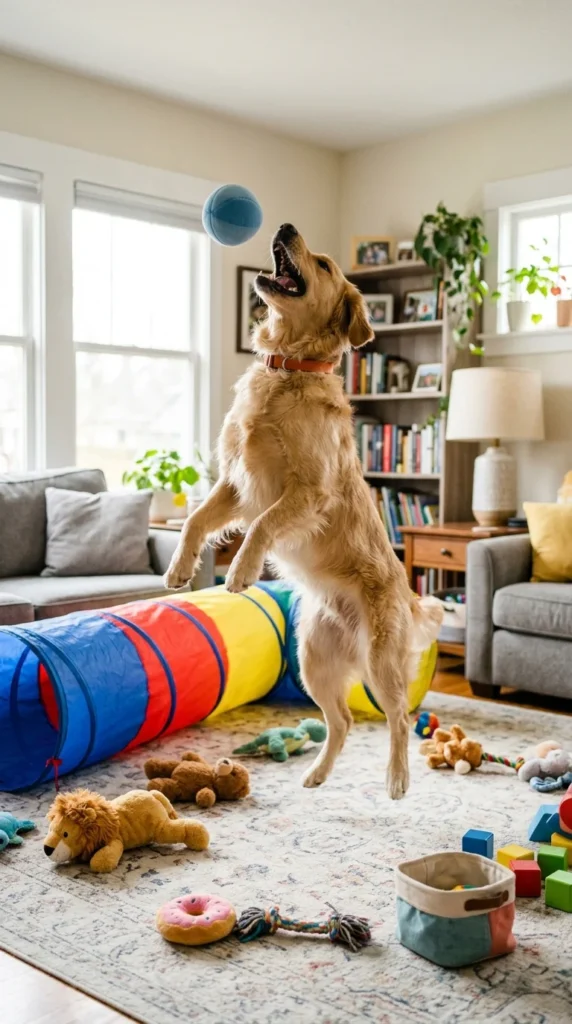
On days when the wind chill is dangerous or the snow is too deep, it’s best to keep outdoor excursions brief. To ensure your pet still gets the exercise they need, move the fun indoors. Use puzzle toys, hide-and-seek games, or indoor fetch with soft toys to burn off energy. Mental stimulation is just as exhausting as physical exercise, helping your pet stay relaxed and satisfied while staying safe from the frost.
10. Draft Prevention
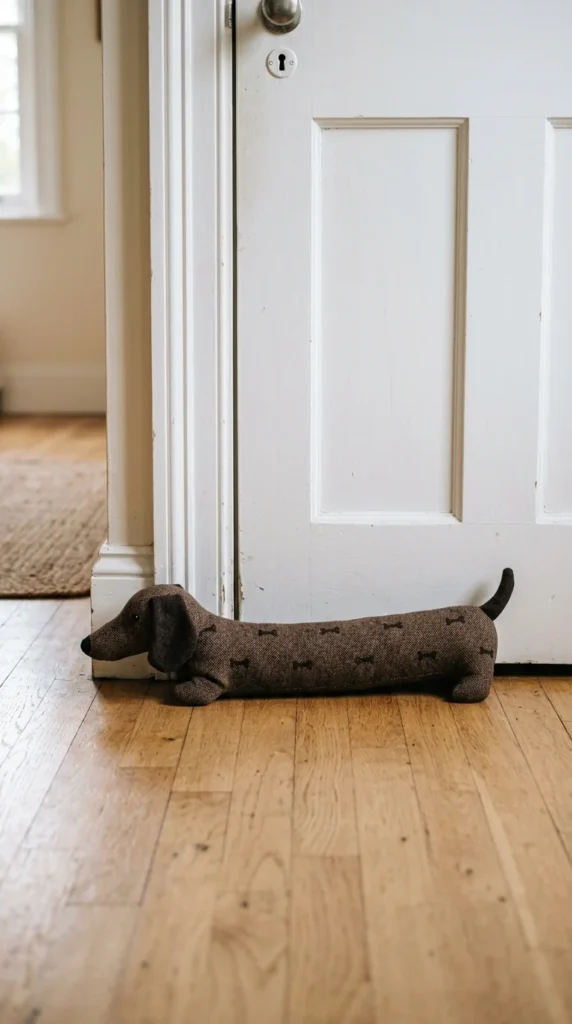
Pets often choose to nap near doors or windows to keep an eye on the world outside, but these are the primary spots for cold drafts. Use draft stoppers at the base of doors and ensure windows are properly sealed. If your pet’s favorite sleeping spot is particularly drafty, consider moving their bed to a more central, protected area of the home during the winter months.
11. Sun Spacing
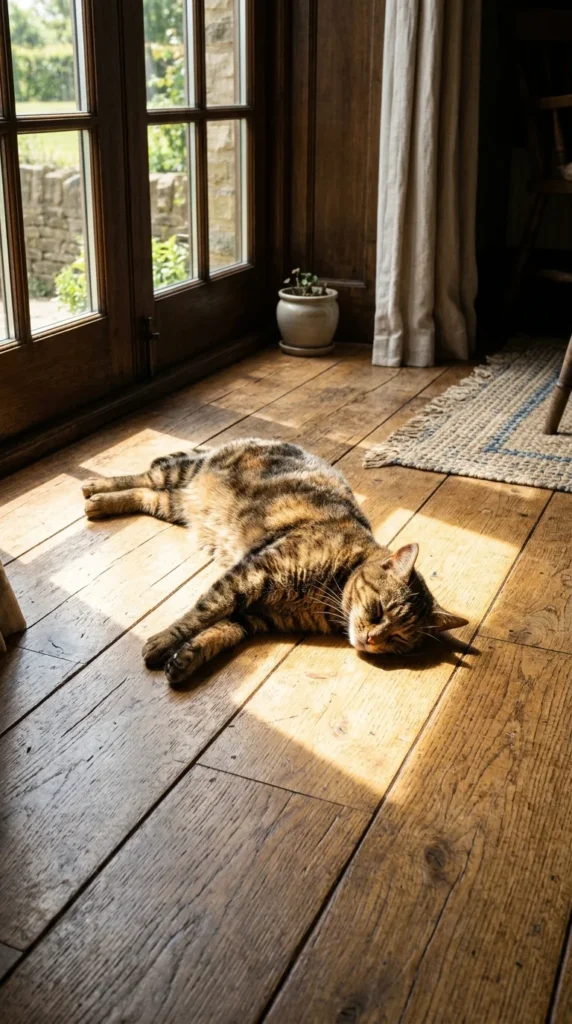
The sun is a powerful, free heat source even in the dead of winter. During the day, open your curtains and blinds to let the sunlight stream in. Most pets will instinctively find these “sun spots” and use them to recharge their warmth. Just remember to close the curtains as soon as the sun goes down to help insulate the windows and keep the accumulated heat inside.
12. Grooming Habits
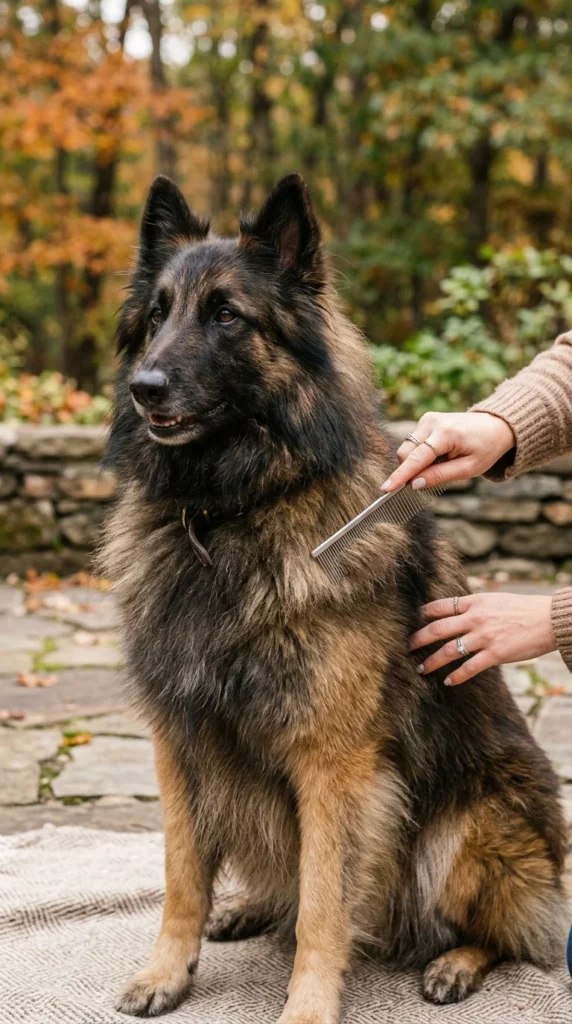
You might think skipping the groomer is a good idea in winter to let the fur grow long, but maintenance is still key. While you should avoid shaving your pet down to the skin, regular brushing is essential. Mats and tangles can trap moisture against the skin and interfere with the fur’s ability to provide natural insulation. Furthermore, keep the hair between the paw pads trimmed short to prevent ice and salt from getting trapped.
13. Towel Drying
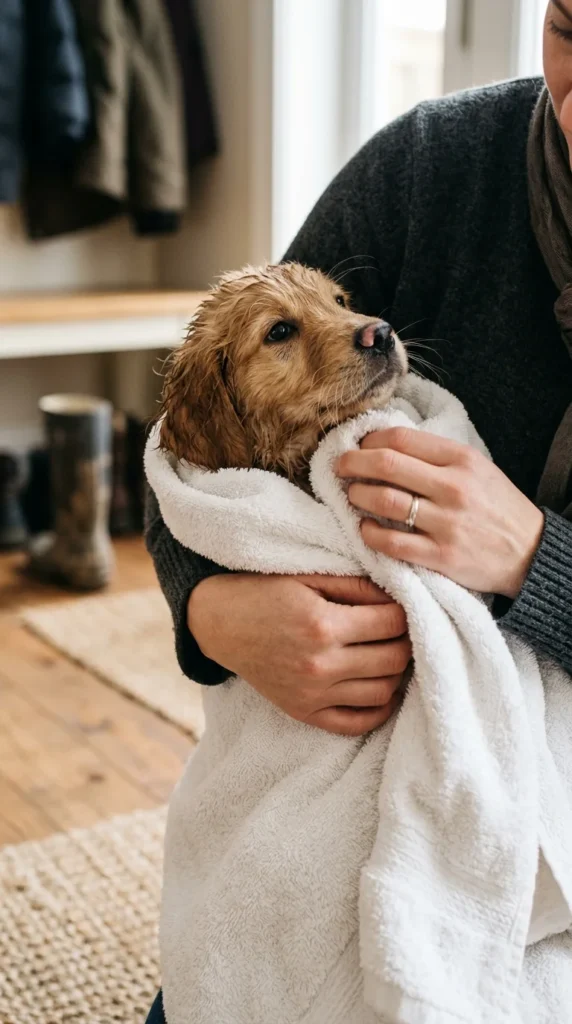
Coming in from a walk in the snow or rain means your pet is covered in moisture. If left to air dry, the evaporating water will pull heat away from their body, leaving them chilled for hours. Make it a habit to vigorously towel-dry your pet as soon as they step inside. Pay special attention to their underbelly and paws. For long-haired pets, a quick session with a hair dryer on a low, cool setting can help get them bone-dry and warm.
14. Garage Safety

This is a crucial safety tip: Always check your vehicle before starting it. Outdoor cats and even some wildlife often seek shelter in wheel wells or on top of warm car engines during freezing nights. A simple knock on the hood or a honk of the horn can save a life by alerting an animal to move before you start the engine. Additionally, be hyper-vigilant about antifreeze spills in the garage; it tastes sweet to pets but is extremely toxic.
15. Blanket Burrows
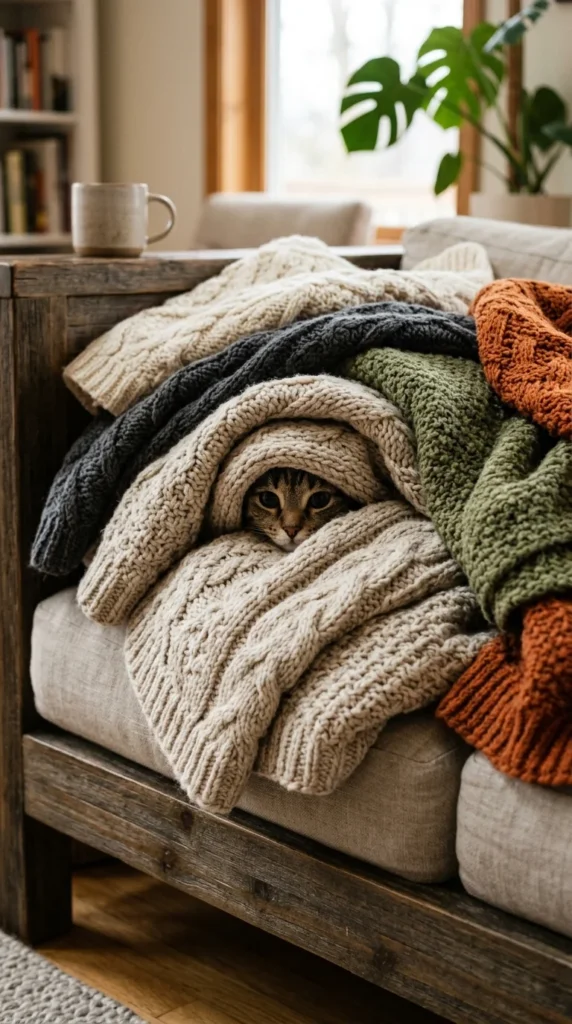
Many pets, especially certain dog breeds like Terriers and Dachshunds, are natural “burrowers.” Providing them with several lightweight, breathable blankets allows them to create their own micro-climate. They can dig in, circle around, and cover themselves up when they feel a chill. Fleece is an excellent material choice because it is warm, washable, and dries quickly if it gets a bit of moisture on it.
16. Senior Support
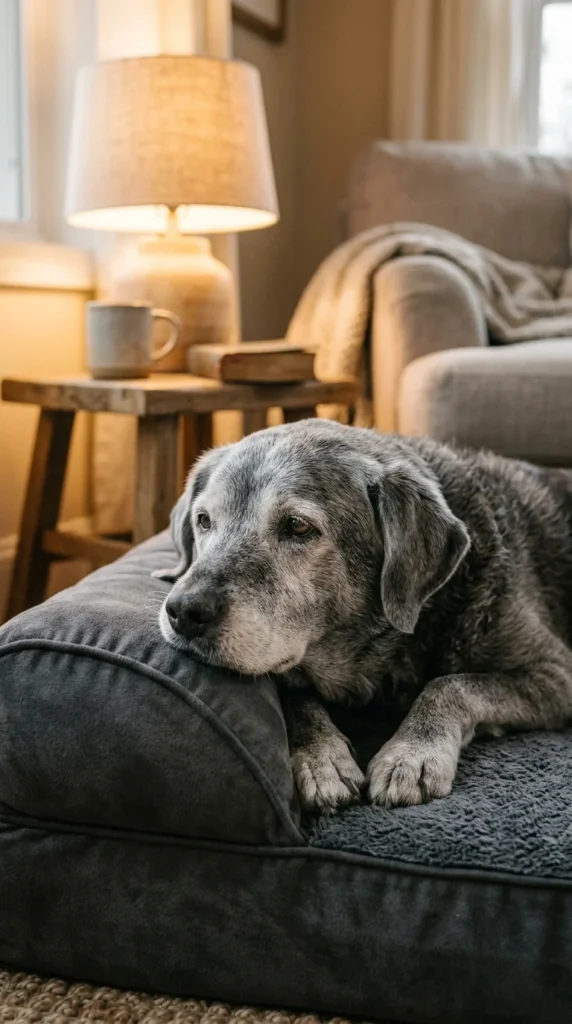
Cold weather is notoriously hard on joints. If you have a senior pet with arthritis, you may notice them moving more slowly or appearing stiff during the winter. Keeping them warm is essential for managing their pain. Ensure their bed is orthopedic and placed in the warmest part of the house. You might also talk to your vet about joint supplements or specialized physical therapy that can be done indoors to keep their mobility up during the cold season.
17. Potty Timing
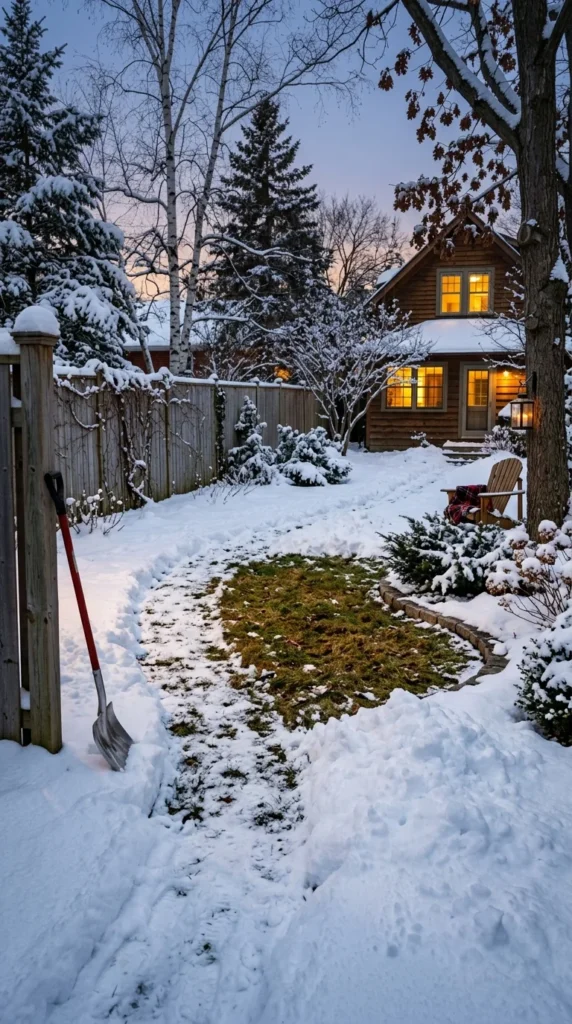
When it’s freezing outside, nobody wants to linger—including your pet. To make “bathroom breaks” more comfortable, try to time them for the warmest parts of the day. Shovel a clear path in the yard so your pet doesn’t have to wade through deep snow to find a spot. If you have a very small or elderly pet, you might even consider using indoor potty pads on the most extreme days to avoid the risk of hypothermia or frostbite during a long search for the perfect spot.