
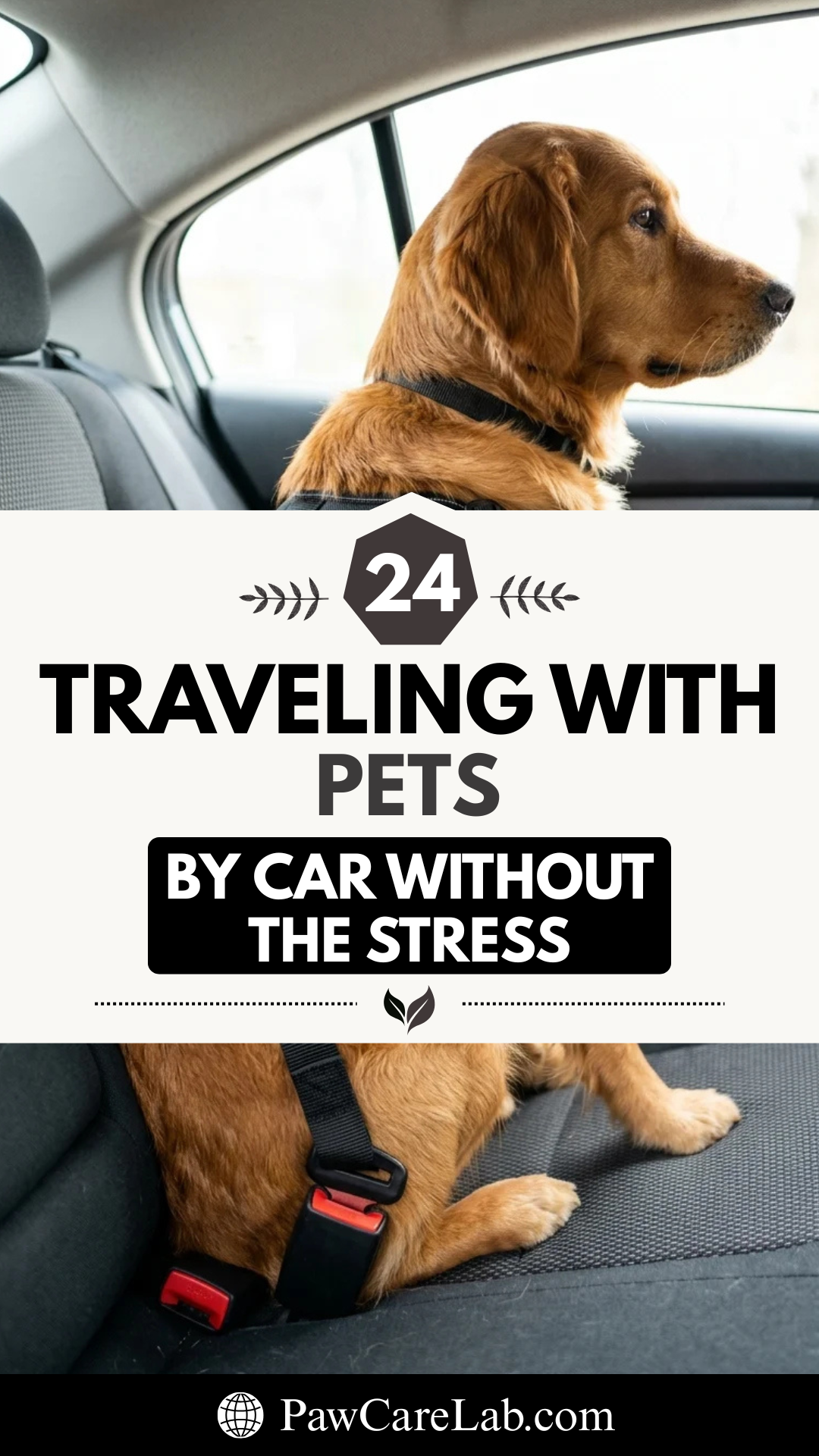
Hitting the open road with your four-legged best friend can be one of life’s most rewarding experiences. There is nothing quite like watching your dog’s ears flap in the wind or seeing your cat find the perfect sunbeam on the dashboard. However, without proper planning, a dream vacation can quickly turn into a stressful ordeal of motion sickness, anxiety, and safety hazards. To ensure your next journey is as smooth as possible, we have compiled the ultimate guide to traveling with pets by car.
1. Vet Checkup
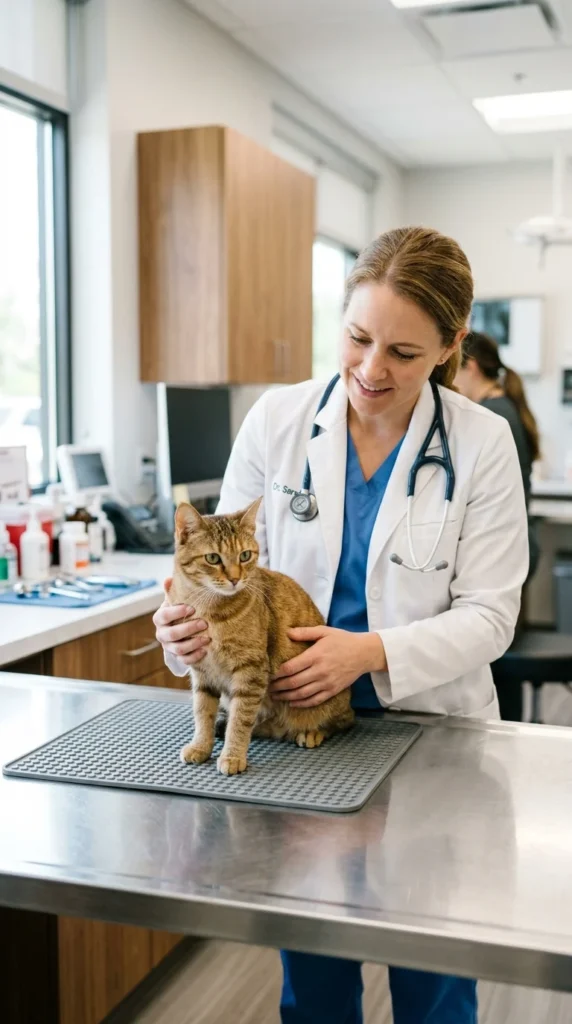
Before you even think about packing the car, schedule a visit to your veterinarian. A pre-trip checkup ensures your pet is healthy enough for travel and up to date on all necessary vaccinations. This is also the perfect time to discuss any concerns you have regarding motion sickness or travel anxiety. Your vet can provide prescriptions for sedative or anti-nausea medications if your pet has a history of struggling with long car rides. Additionally, ensure you have a physical copy of their vaccination records, as many hotels and boarding facilities require proof of rabies shots.
2. Practice Drives
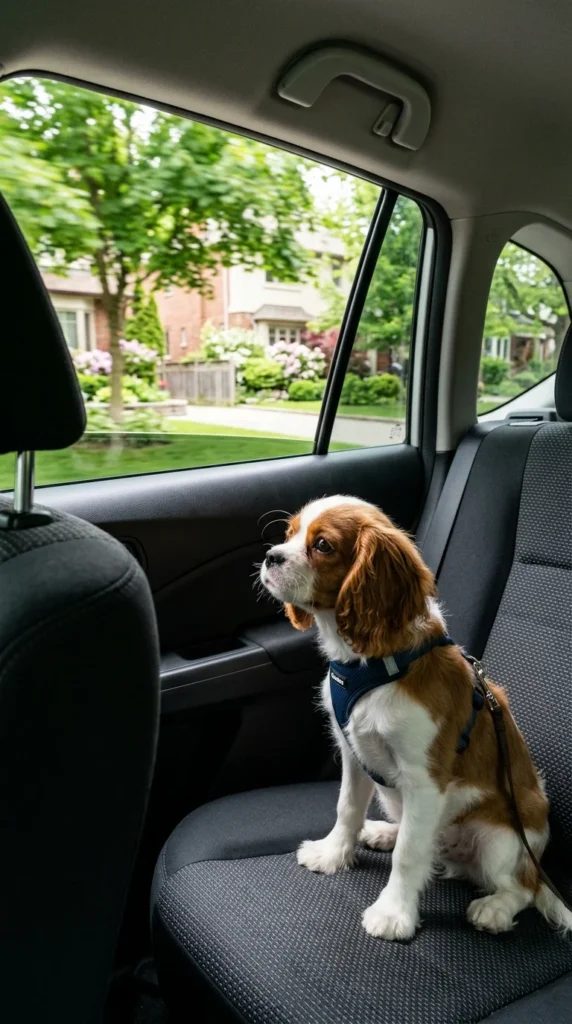
If your pet only ever goes in the car to visit the vet, they will likely associate the vehicle with stress and needles. To break this association, start taking “practice drives” weeks before your big trip. Begin with very short trips—just a block or two—and end the journey at a fun location like a dog park or a pet-friendly store. Gradually increase the duration of these drives. This helps your pet build up a tolerance to the motion and teaches them that the car leads to exciting adventures, not just clinical exams.
3. Travel Crate
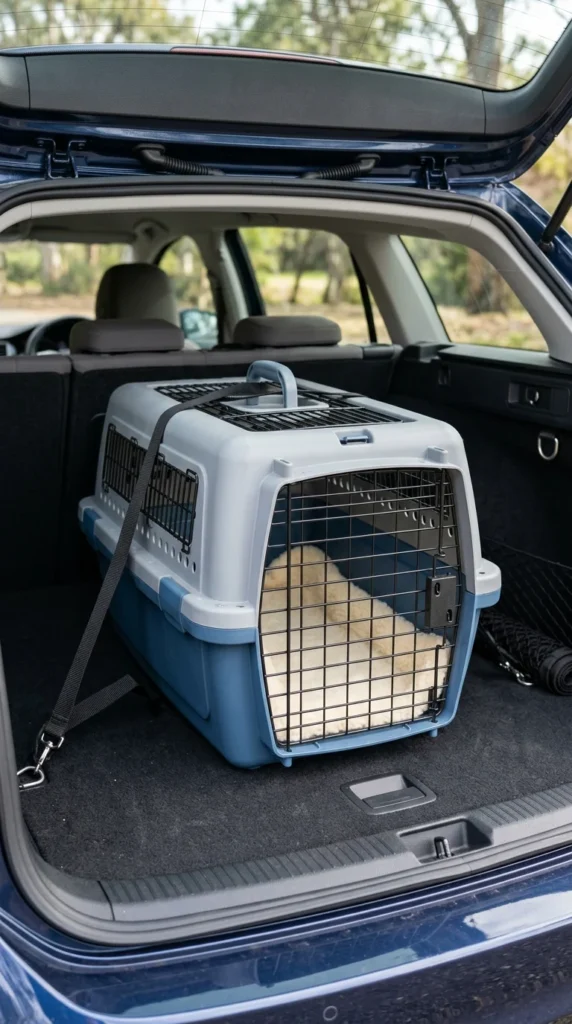
Safety should always be your number one priority. In the event of a sudden stop or an accident, an unrestrained pet can become a dangerous projectile. A sturdy, well-ventilated travel crate is often the safest way for cats and small dogs to travel. Ensure the crate is large enough for the pet to stand, turn around, and lie down comfortably. Secure the crate using seatbelts or luggage straps so it doesn’t slide around during turns. For many pets, the crate acts as a “den,” providing a sense of security in a moving environment.
4. Safety Harness
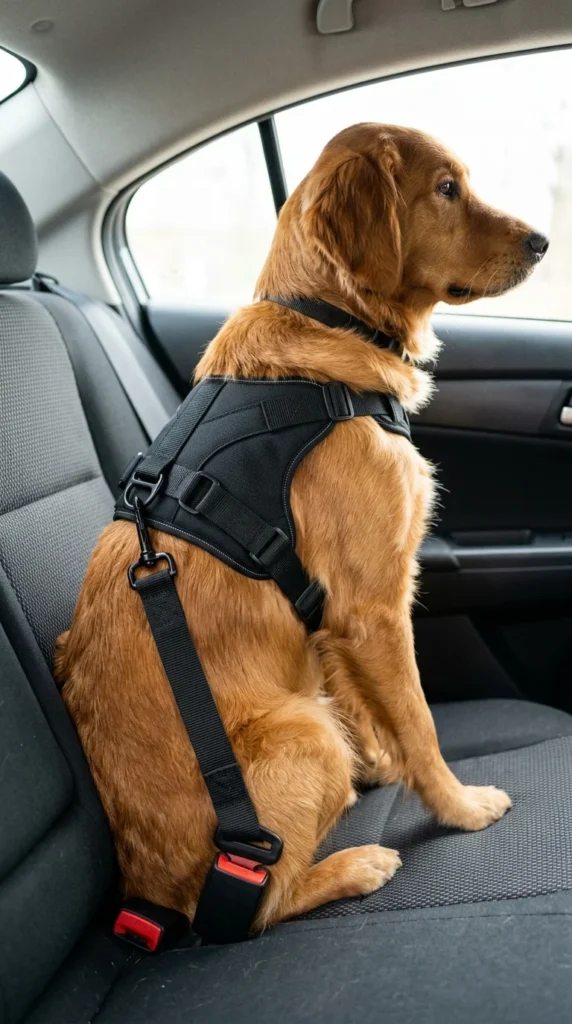
For larger dogs that might not fit comfortably in a crate, a crash-tested safety harness is an excellent alternative. These harnesses clip directly into the car’s seatbelt system, keeping your dog tethered to the seat. This prevents them from jumping into the front seat and distracting the driver, and more importantly, it protects them during a collision. Look for harnesses specifically labeled as “crash-tested” by independent organizations to ensure they provide the necessary level of protection.
5. Window Shades
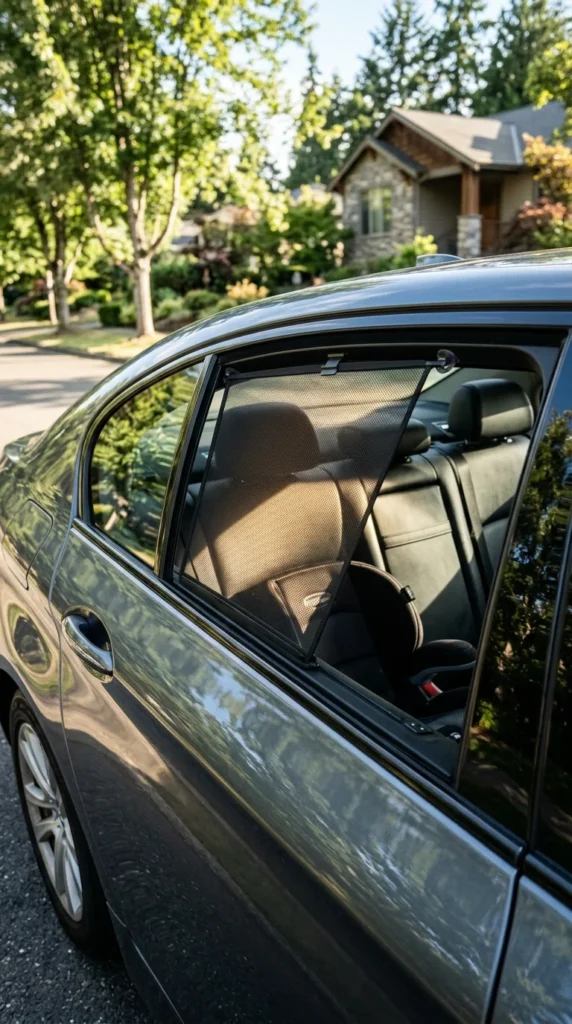
Cars can heat up rapidly, and direct sunlight streaming through the glass can make your pet uncomfortably hot very quickly. Static-cling or mesh window shades are an inexpensive way to keep the sun off your pet. They help maintain a cooler internal temperature and reduce the glare that can bother a pet’s eyes. Keeping the environment dark and cool also encourages pets to nap, which is the ideal way for them to spend a long journey.
6. Familiar Bedding
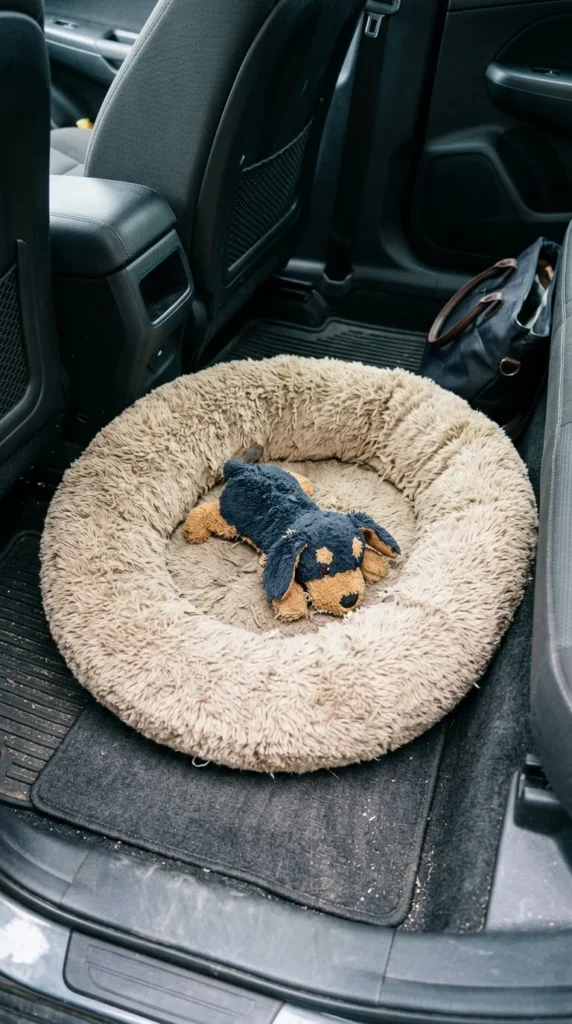
The smells of home are incredibly comforting to an anxious animal. Instead of buying a brand-new bed for the trip, bring along the one they use every day. The familiar scent of your home and themselves will help lower their cortisol levels and make the car feel like a safe extension of their living room. If you use a crate, line it with a t-shirt you’ve recently worn; your scent will provide an extra layer of emotional security for your pet during the drive.
7. Microchip Update

The nightmare scenario for any traveler is a pet getting lost in an unfamiliar territory. Before you leave, verify that your pet’s microchip information is current. Log into the manufacturer’s website and ensure your cell phone number and current address are correct. If your pet isn’t microchipped, consider getting it done. Collars can break or slip off, but a microchip is a permanent form of identification that increases the chances of a happy reunion tenfold.
8. Collapsible Bowls
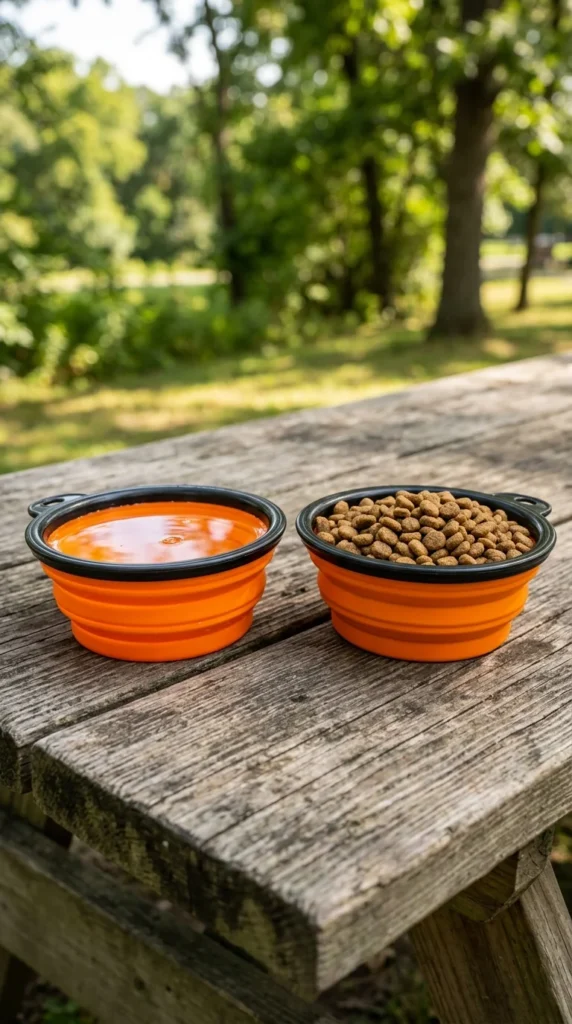
Space is a premium on any road trip. Heavy ceramic or metal bowls are bulky and noisy. Invest in a set of silicone collapsible bowls that can be tucked into a glove box or a side pocket. These are perfect for quick roadside hydration breaks and feeding times at your final destination. They are easy to clean, lightweight, and often come with carabiners so you can clip them to your backpack or leash during hikes.
9. First Aid
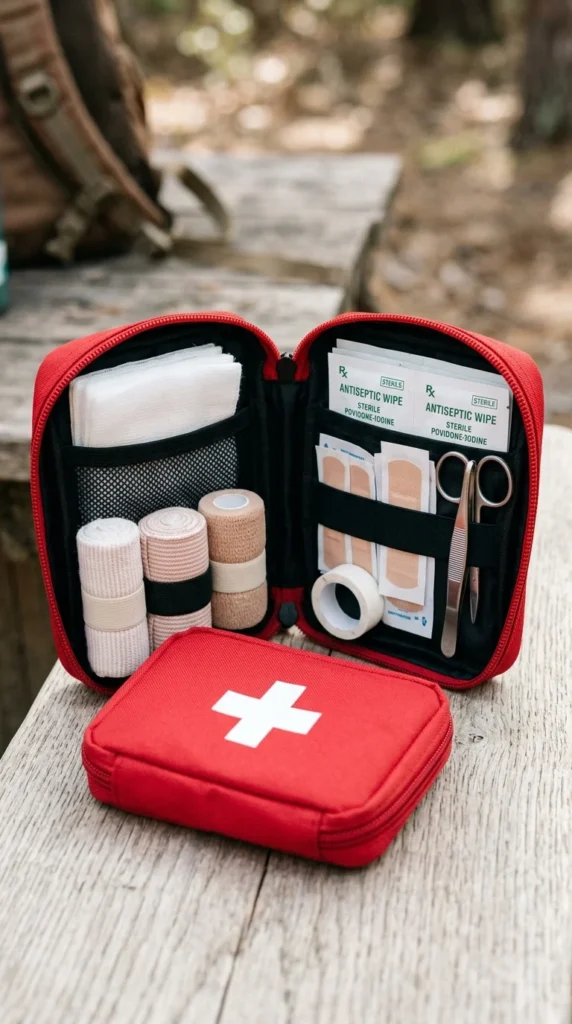
Accidents happen, even on the road. A pet-specific first aid kit is an essential item for any car traveler. Your kit should include gauze, non-stick bandages, adhesive tape, antiseptic wipes, tweezers (for ticks or splinters), a digital thermometer, and a pair of blunt-ended scissors. It’s also wise to include a small bottle of sterile saline solution to wash out eyes or wounds if your pet gets into something they shouldn’t while exploring a rest stop.
10. Calming Aids
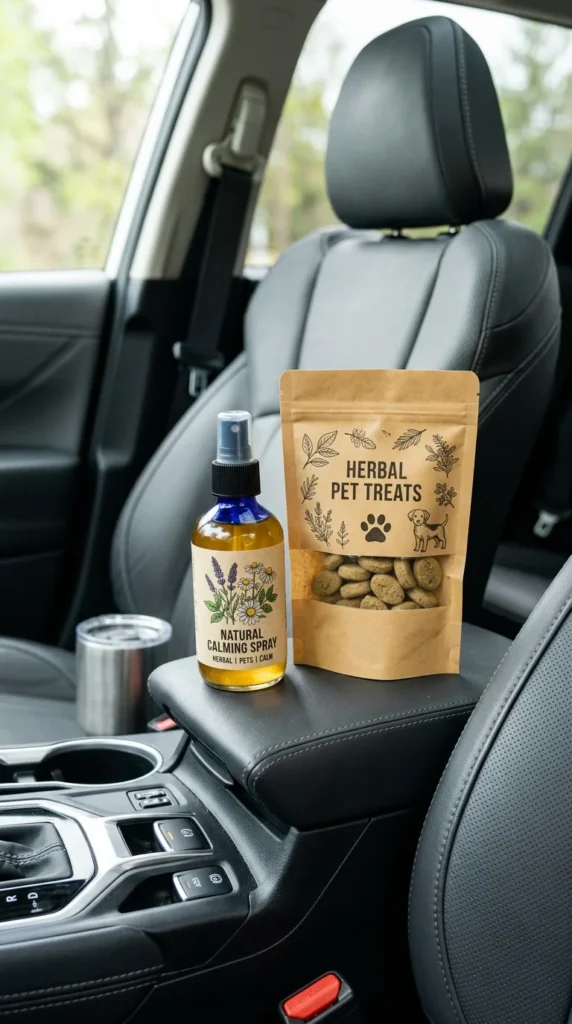
For pets that suffer from high anxiety or “car-phobia,” natural calming aids can be a lifesaver. Products like pheromone sprays (which mimic the scents mother animals produce), CBD treats designed for pets, or herbal supplements containing melatonin and chamomile can take the edge off their nerves. Always test these products at home before the trip to see how your pet reacts to them, and consult your vet for dosage recommendations.
11. Seat Covers

Pets are messy. Between shedding, muddy paws from rest stops, and the occasional “oopsie” moment, your car’s upholstery is at risk. A hammock-style seat cover not only protects your leather or fabric seats but also creates a barrier that prevents your dog from falling into the footwell during a sudden stop. Look for waterproof, machine-washable options that are easy to install and remove.
12. Proper Hydration

Dehydration can lead to lethargy and illness. Don’t assume your pet will just wait until the end of the day to drink. Offer small amounts of water every time you stop. Using a spill-proof water bowl inside the car can also be helpful for pets that are crate-trained. Be mindful of the water source; if your pet has a sensitive stomach, bring water from home in large jugs to avoid the digestive upset that can sometimes come with switching to different city water systems.
13. Frequent Breaks
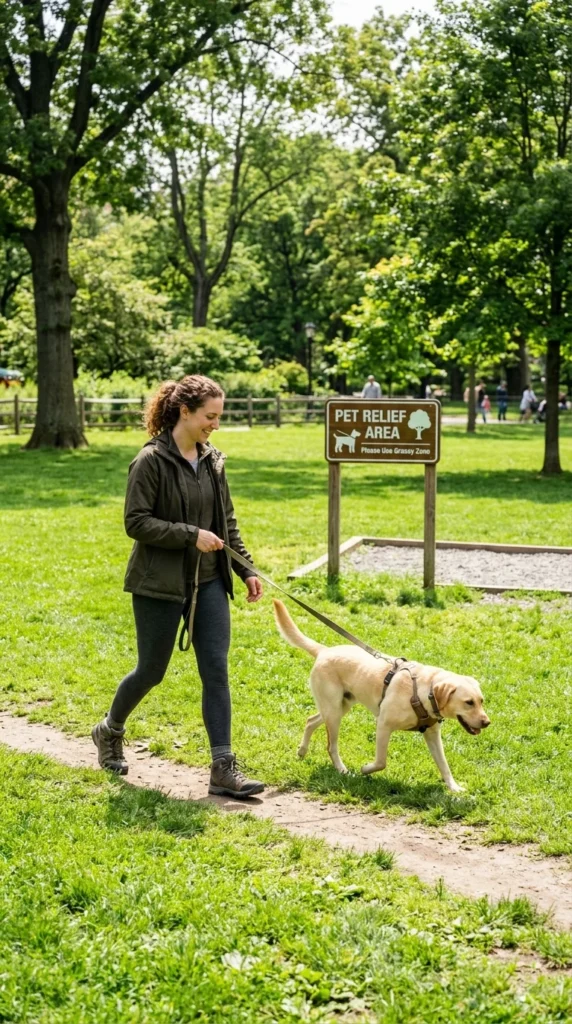
Humans need to stretch their legs, and so do pets. Plan to stop every two to three hours. These breaks are essential for potty opportunities and for letting your pet burn off some nervous energy. Use these moments to check the fit of their harness or collar and to give them some much-needed mental stimulation. Always keep your pet on a leash during these breaks, as the sounds of highway traffic can spook even the most well-behaved animal.
14. Identification Tags
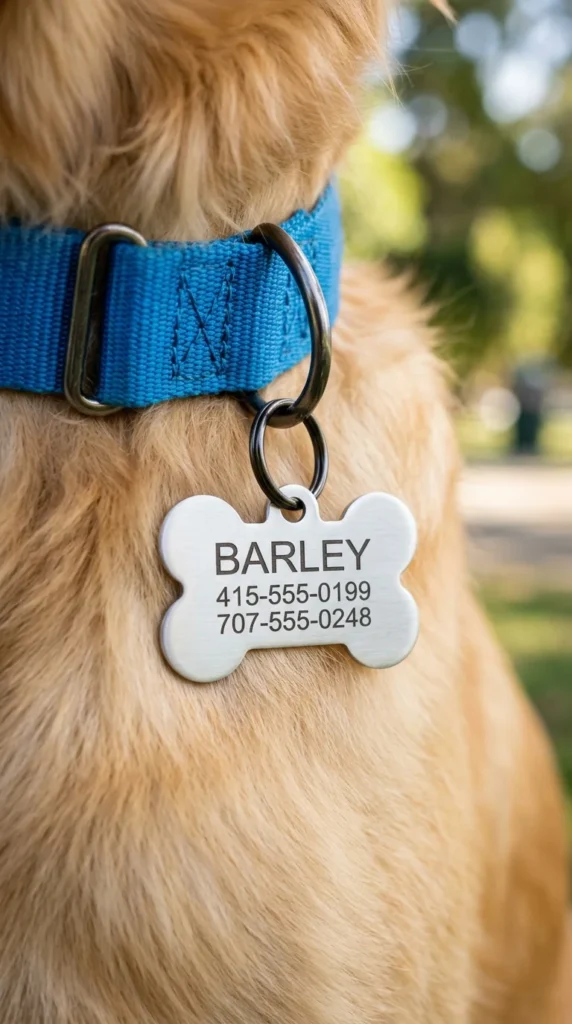
While microchips are vital, a physical ID tag is the fastest way for a stranger to help you if your pet gets loose. Ensure the tag is legible and includes your current cell phone number. Some travelers even create temporary tags for road trips that list the name of the hotel or the destination they are staying at. The more information a rescuer has, the faster your pet will be returned to you.
15. Packing Food
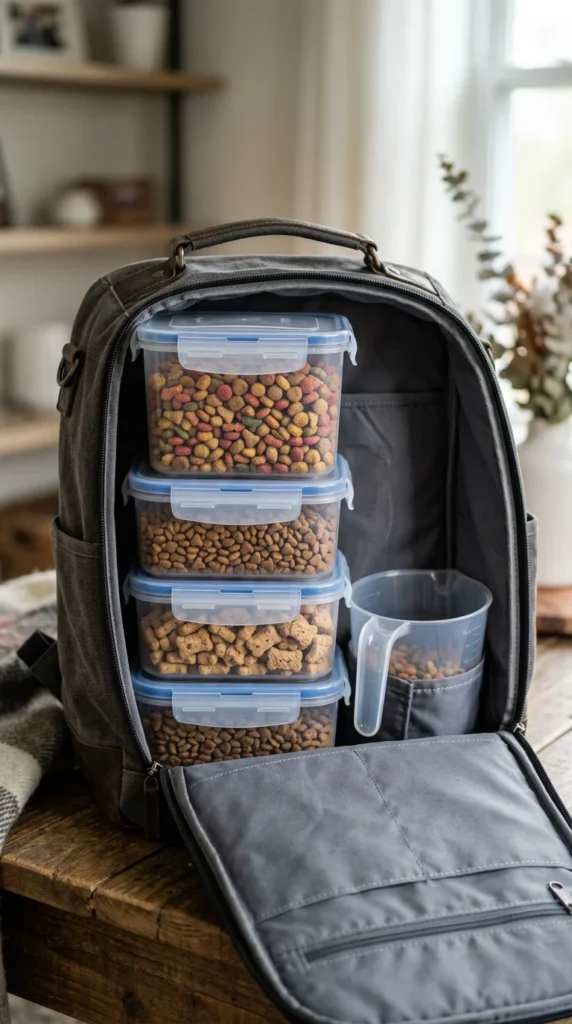
Travel is not the time to experiment with a new brand of food. Sudden changes in diet combined with the stress of travel can lead to severe diarrhea—something you definitely don’t want in a car. Pack more food than you think you’ll need in case of delays. Storing it in airtight containers keeps it fresh and prevents the car from smelling like kibble. Stick to your pet’s normal feeding schedule as closely as possible to maintain a sense of routine.
16. Waste Bags
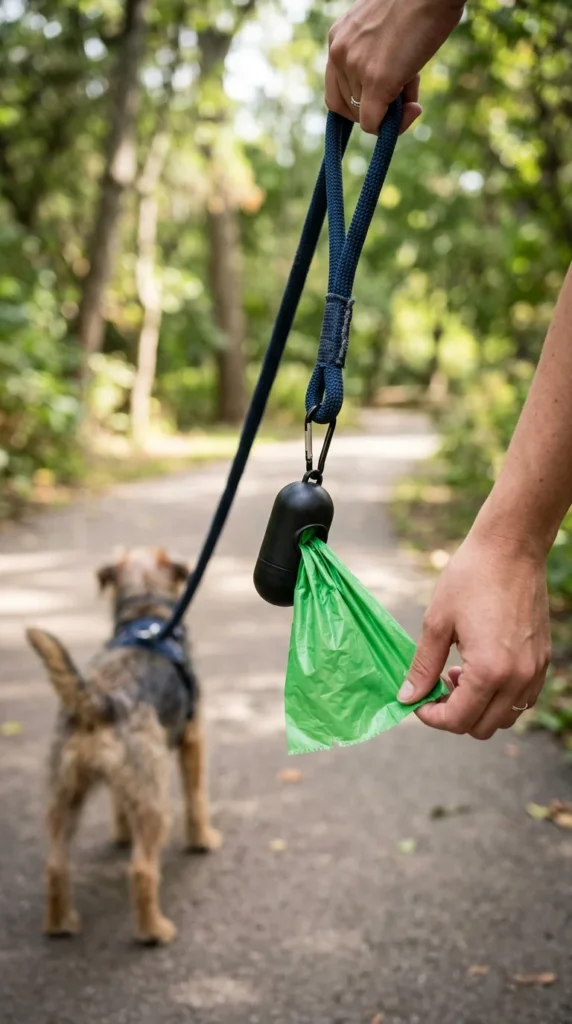
Being a responsible pet owner means cleaning up after your animal. Always have a roll of biodegradable waste bags handy. Many rest stops provide them, but they are often empty when you need them most. Keeping the environment clean at rest stops ensures that these areas remain pet-friendly for future travelers. Pack a few extra rolls in the glove compartment just in case.
17. Favorite Toys
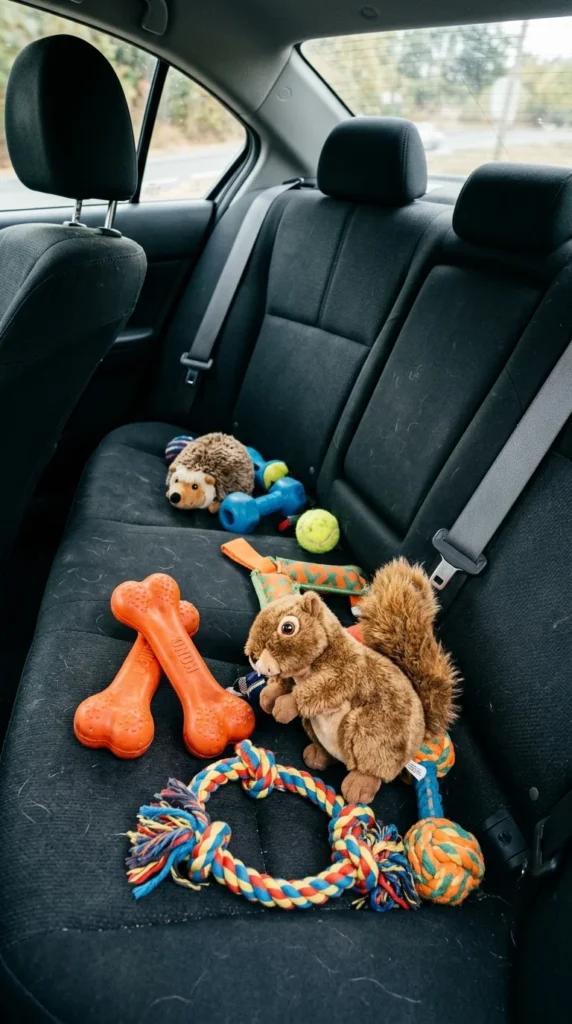
Boredom can lead to destructive behavior or excessive barking. Bring along a mix of comfort toys (plushies for snuggling) and engagement toys (chew toys or puzzles). A “Kong” filled with frozen peanut butter is an excellent way to keep a dog occupied for an hour or more while you focus on driving. For cats, a small feather wand can be used during rest stops to get them moving.
18. Temperature Control
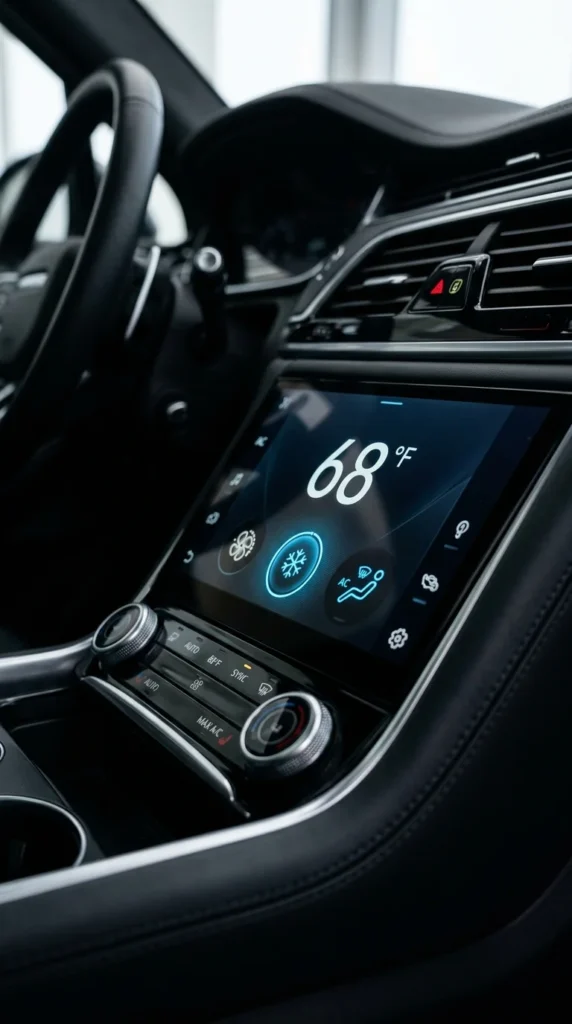
Pet fur is a great insulator, but it also makes it harder for them to cool down. Ensure the air conditioning is reaching the back of the car or the cargo area where the pet is located. If you have a large SUV, you may need to adjust the vents specifically to aim toward the floor or the crate. Never rely on the “feel” of the front seat; crawl into the back occasionally during stops to ensure the airflow is sufficient.
19. Grooming Supplies

Road trips are synonymous with dirt. Whether it’s sand from a beach or mud from a hiking trail, your pet will get dirty. Packing a simple grooming kit—a brush, some pet-safe wet wipes, and a towel—will save your car’s interior. Wiping down paws before your pet hops back into the car is a simple habit that prevents a mountain of cleaning later.
20. No Windows
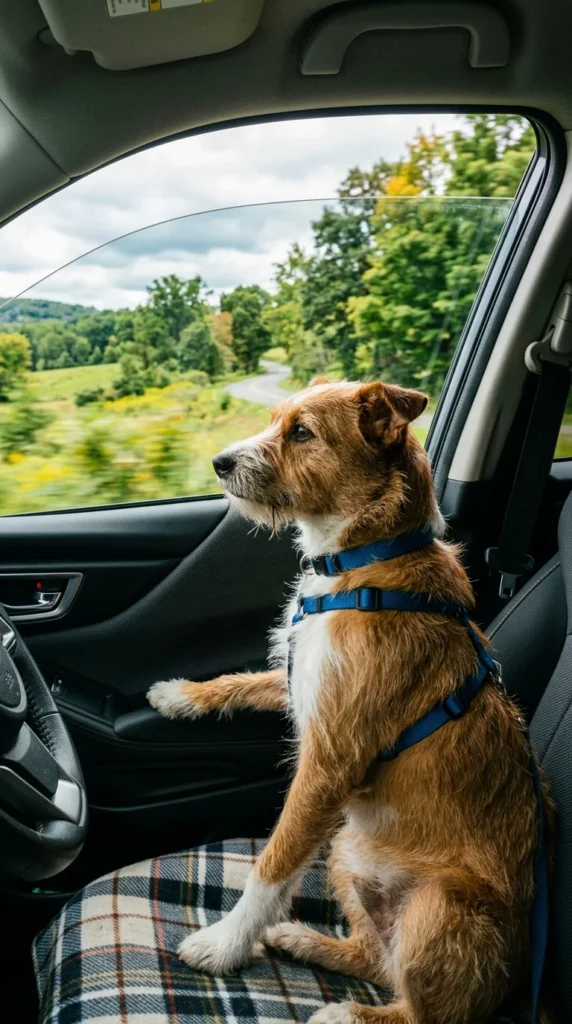
It is a classic image: a dog with its head out the window, tongue lolling in the breeze. However, this is actually quite dangerous. Debris from the road, such as pebbles or insects, can strike your pet’s eyes at high speeds, causing serious injury. Furthermore, there is always a risk of the pet seeing something and trying to jump out. It is much safer to keep the windows cracked only an inch or two for fresh air, or rely entirely on the car’s climate control.
21. Backseat Only

Airbags are designed to save human lives, but they can be fatal to pets. The force of a deploying airbag is too much for an animal to withstand. For this reason, pets should always ride in the back seat. This also prevents the pet from interfering with the steering wheel, gear shift, or pedals. If you must have your pet in the front, ensure the passenger-side airbag is manually disabled, though the back seat remains the gold standard for safety.
22. Anxiety Wraps
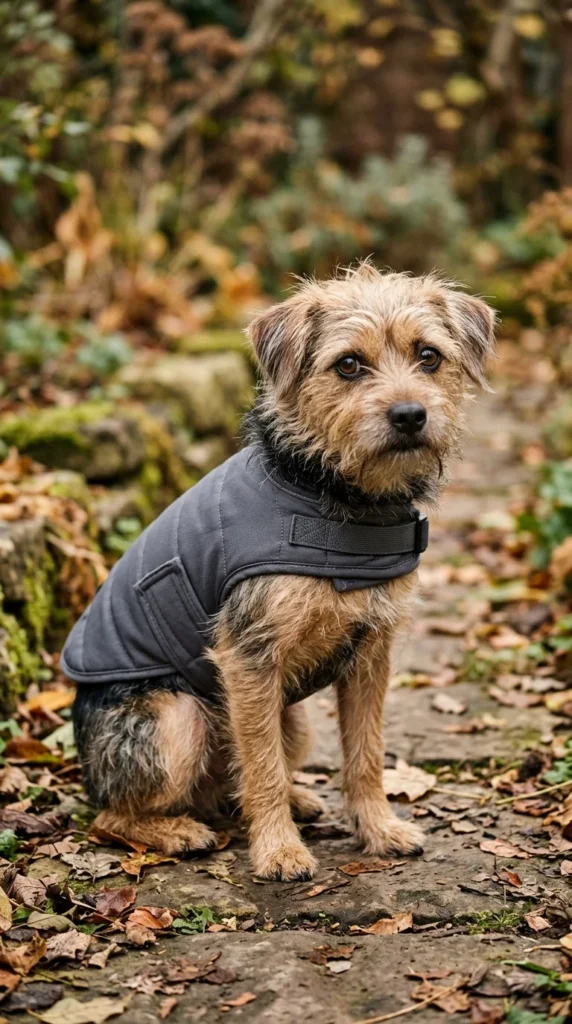
For pets that pace or whine incessantly in the car, an anxiety wrap (often called a “ThunderShirt”) can work wonders. These garments apply constant, gentle pressure to the animal’s torso, which has a calming effect on the nervous system—similar to swaddling a baby. It is a non-medicated way to help your pet feel more secure during the vibrations and noises of highway travel.
23. Pet Records
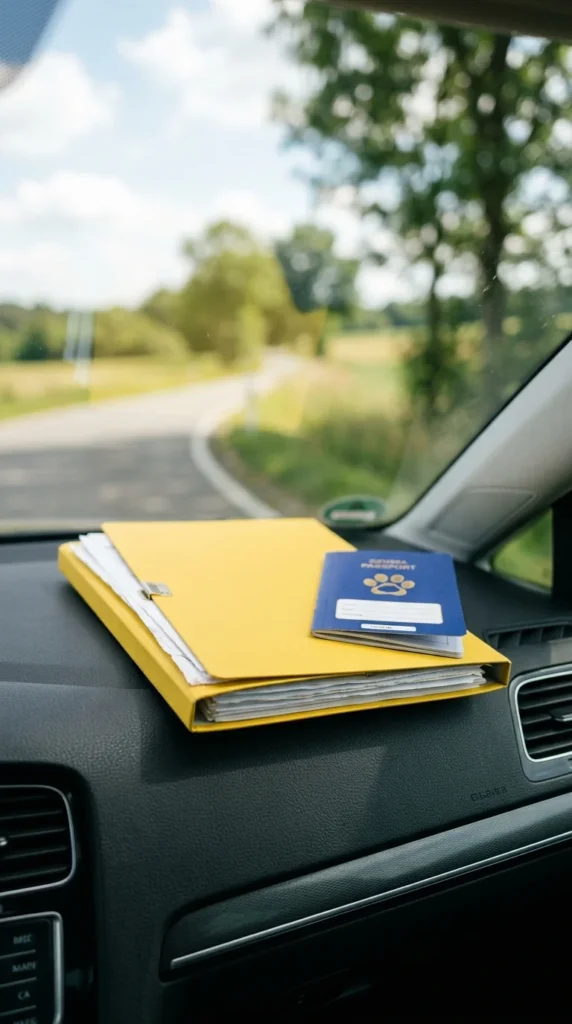
In the digital age, we often rely on our phones, but a physical folder of your pet’s medical records is invaluable. If you have an emergency in a dead zone without cell service, having a paper copy of their medical history, allergies, and vaccination dates will allow a local vet to treat them immediately. Include a recent photo of your pet in the folder as well, just in case you need to create “lost pet” posters.
24. Never Alone
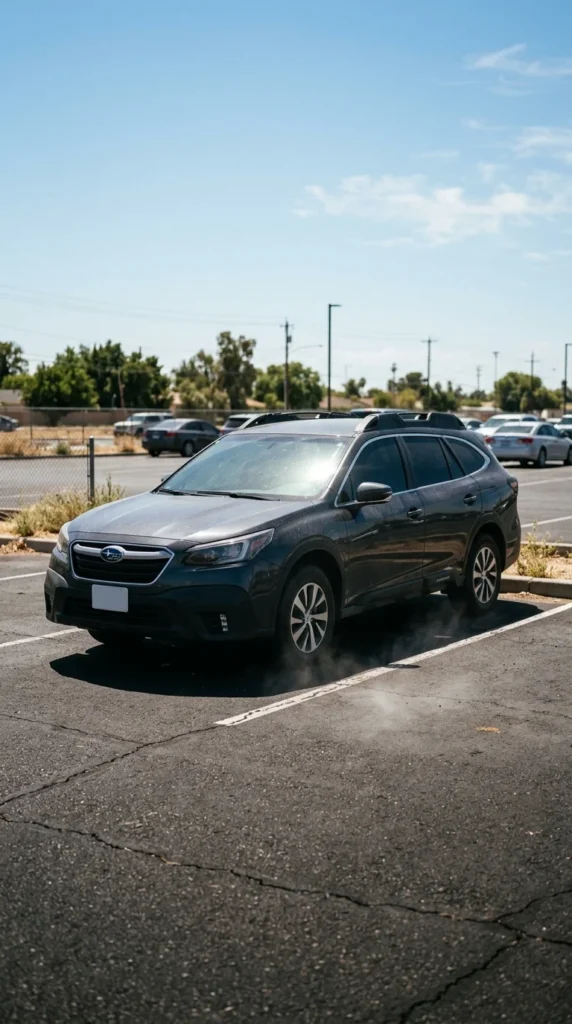
The most important rule of traveling with pets: never leave them alone in a parked car. Even with the windows cracked, the internal temperature of a car can rise by 20 degrees in just ten minutes. On a 70-degree day, the inside of a car can reach 100 degrees in half an hour. This can lead to heatstroke, organ failure, and death. If you are traveling solo and need to use the restroom, look for pet-friendly businesses or use “pet mode” features if your electric vehicle has them, but generally, someone should always stay with the pet.