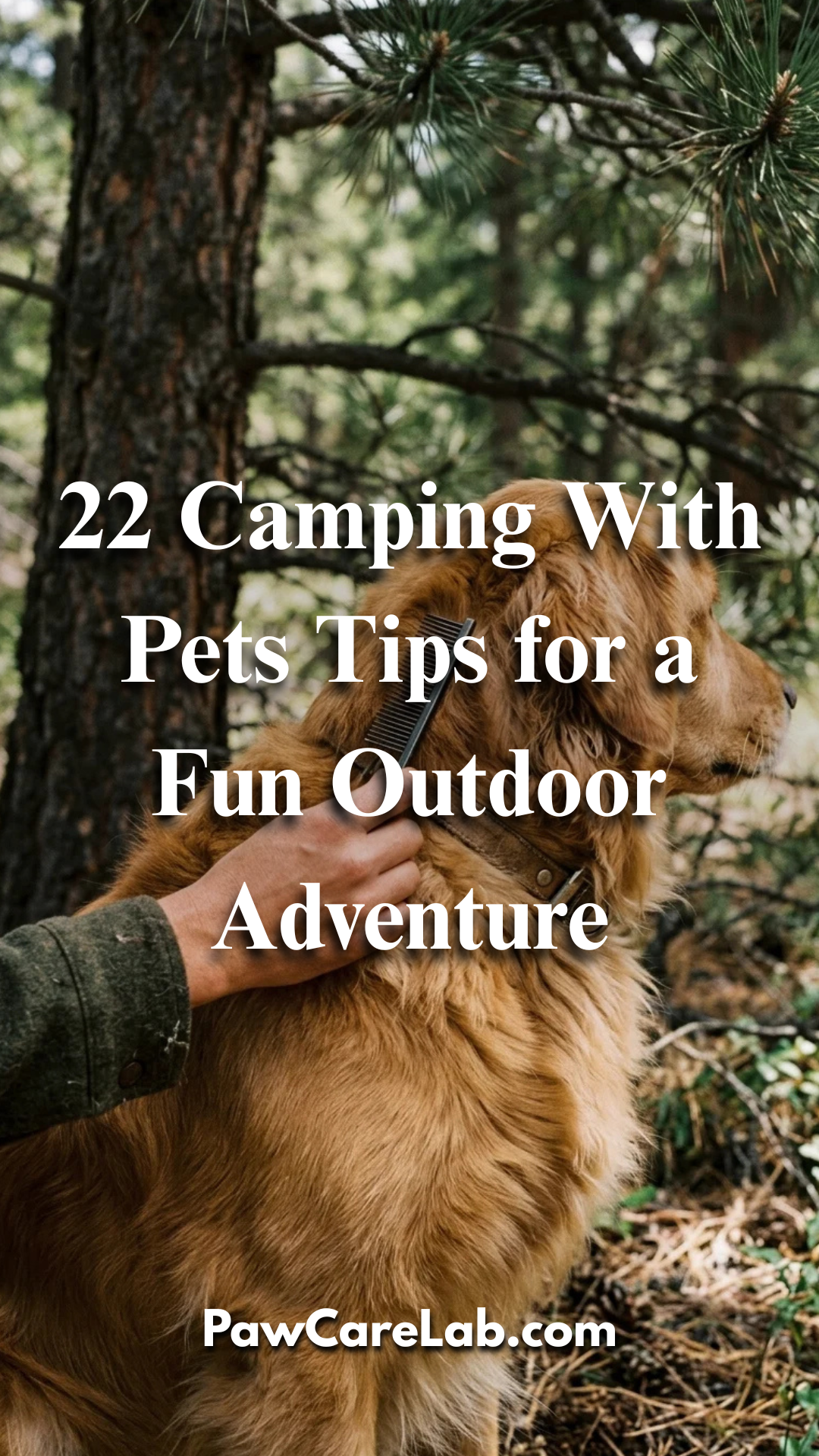
Bringing your furry best friend along for a camping trip can transform a standard getaway into an unforgettable bonding experience. Whether you’re heading to the deep woods or a coastal campsite, preparation is the key to ensuring both you and your pet have a safe, stress-free, and exhilarating time. From gear essentials to safety protocols, here are 22 expert tips for camping with your pets.
1. Vet Check
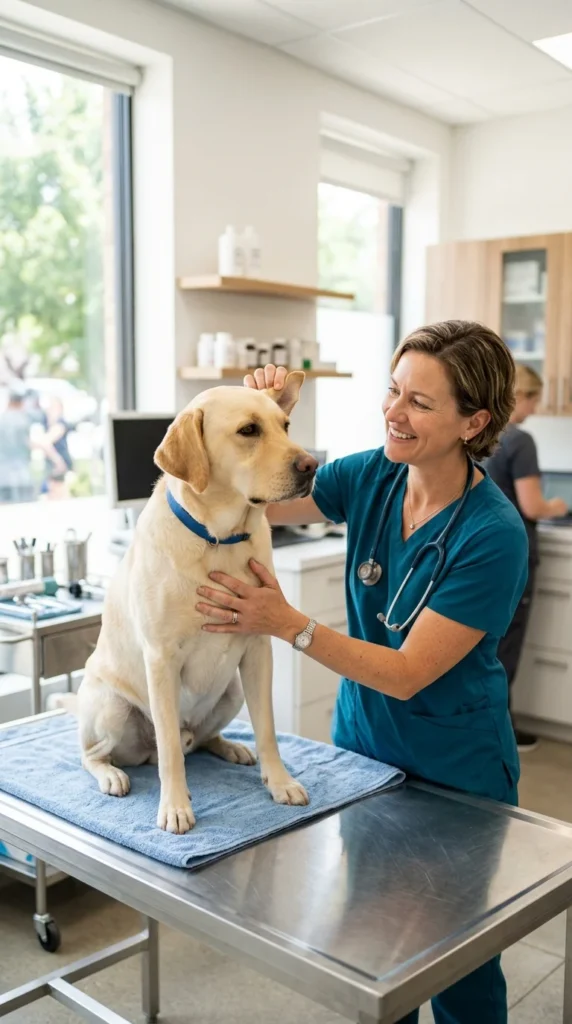
Before you even pack your bags, schedule a visit to the veterinarian. Ensure your pet is up-to-date on all vaccinations, particularly rabies and distemper. This is also the perfect time to discuss flea, tick, and heartworm prevention, as the great outdoors is teeming with parasites. Ask your vet for a copy of your pet’s medical records and vaccination certificates to keep in your glove box—some campgrounds require proof of vaccination upon entry.
2. Practice Run
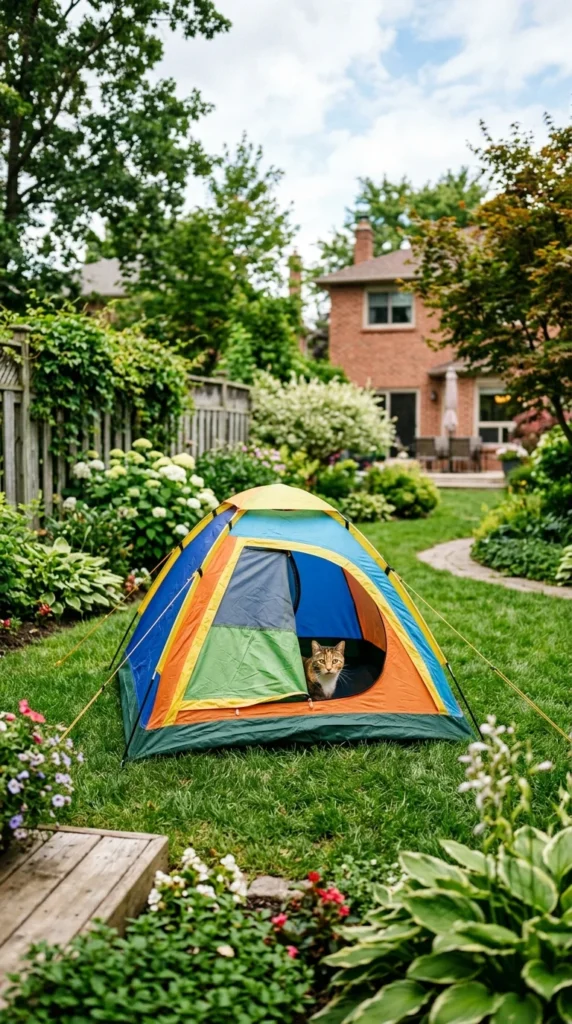
Don’t let the first night in the wilderness be your pet’s first time in a tent. Set up your gear in the backyard or even your living room. Spend a few hours or an entire night inside with your pet to get them used to the confined space and the sounds of the tent fabric rustling. This builds positive associations and reduces anxiety when you finally reach the actual campsite.
3. Identification
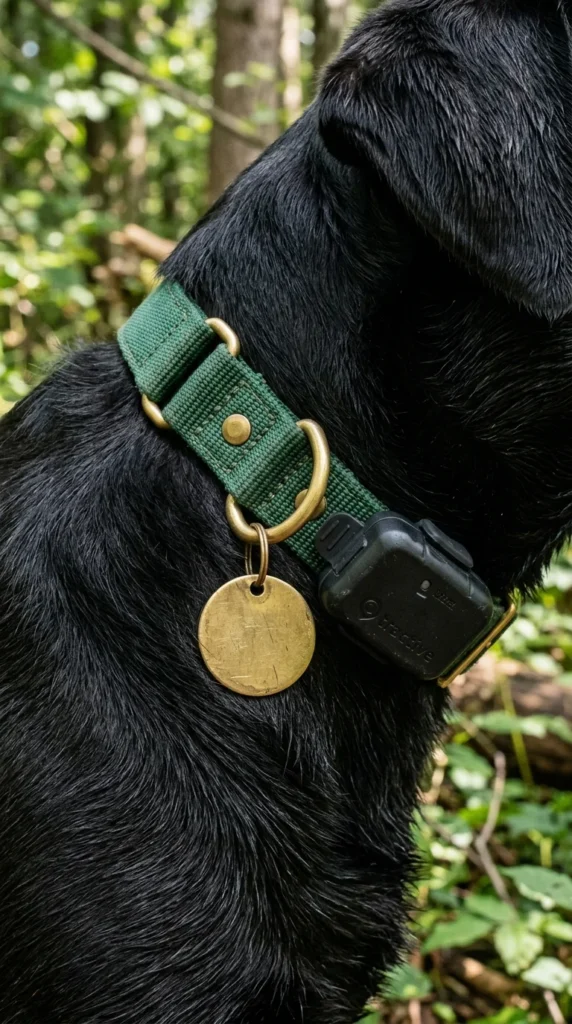
Safety starts with proper identification. Your pet should wear a sturdy collar with a tag that includes your current phone number and, if possible, the name of the campground where you are staying. For an extra layer of security, consider a GPS collar. Even the most well-behaved pet can get spooked by a strange noise and bolt into the brush.
4. First Aid
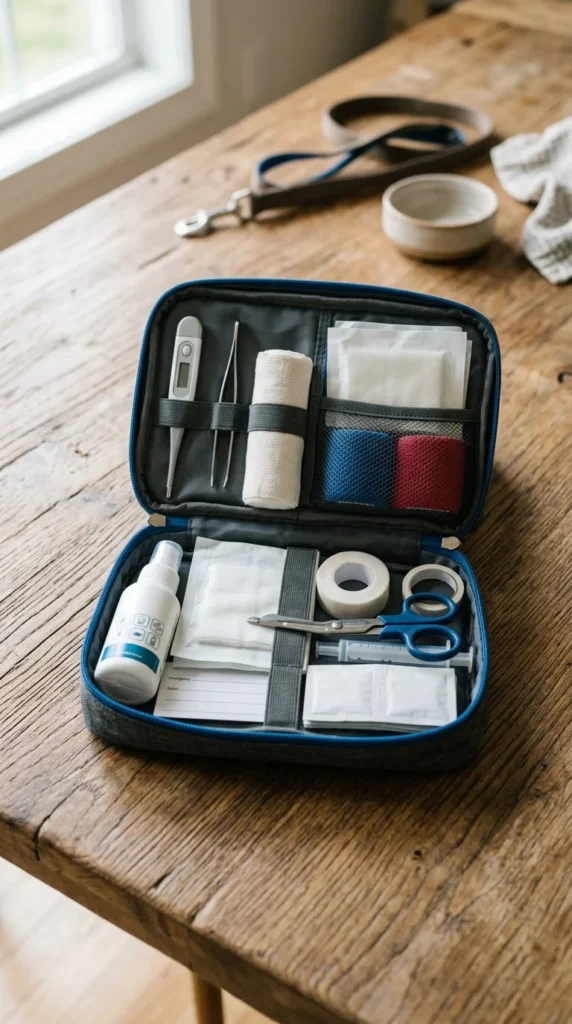
Accidents happen, especially in rugged terrain. Carry a pet-specific first aid kit that includes items like self-clinging bandages (which won’t stick to fur), antiseptic wipes, a tick removal tool, and tweezers for thorns or burrs. Familiarize yourself with how to use these items before you leave. Knowing how to wrap a paw or clean a scrape can prevent a minor injury from becoming a major ordeal.
5. Portable Bowls
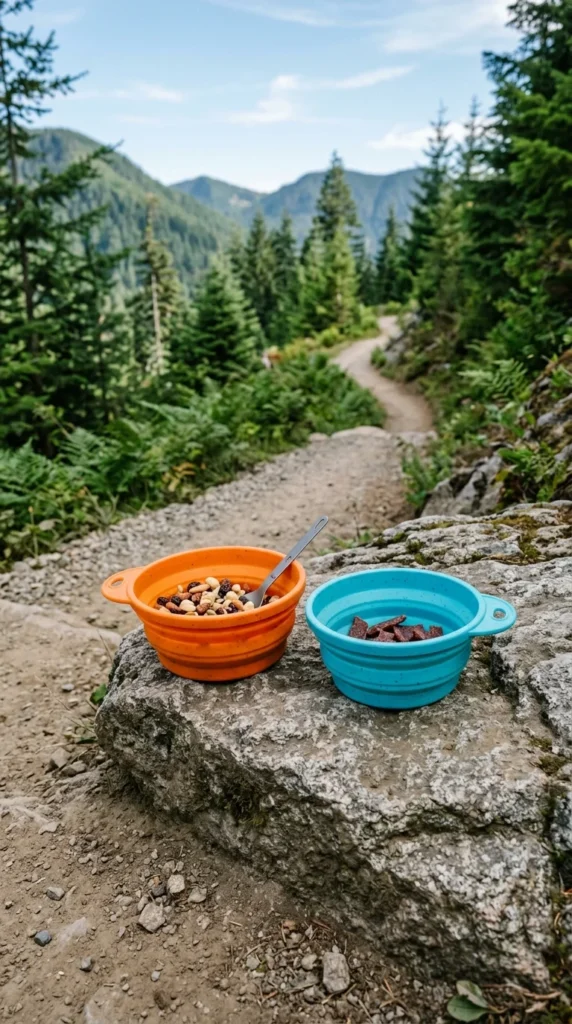
Weight and space are always concerns when camping. Collapsible silicone bowls are lightweight, easy to clean, and take up virtually no room in a backpack. Always have one dedicated for water and one for food. Ensure they are sturdy enough not to tip over on uneven ground, providing your pet with a stable place to refuel.
6. Extra Food
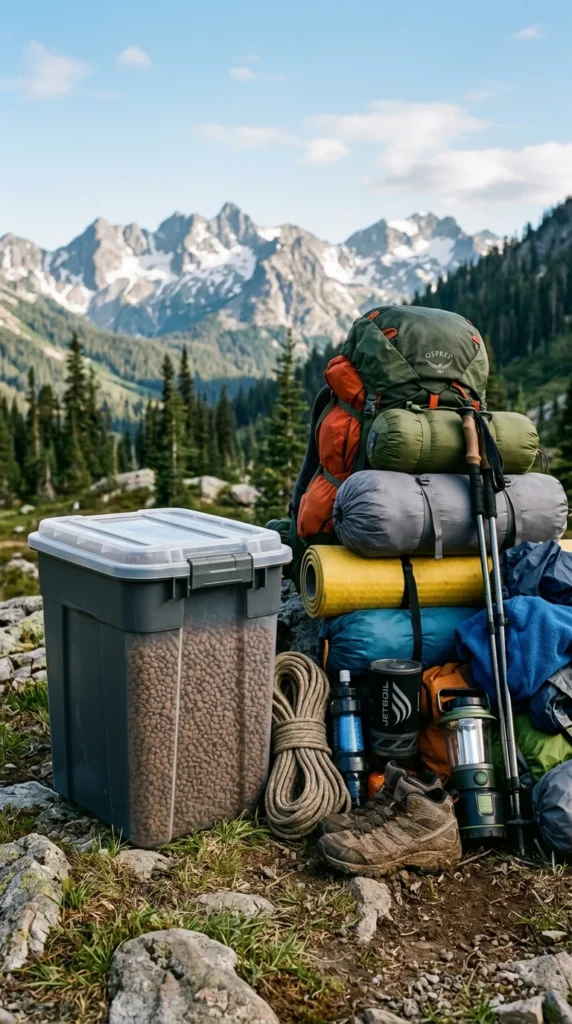
Outdoor activity burns significantly more calories than lounging at home. Your pet will likely be more active than usual, so pack about 25% more food than they typically eat. Store the food in airtight, waterproof containers to keep it fresh and to prevent the smell from attracting unwanted wildlife like raccoons or bears.
7. Clean Water
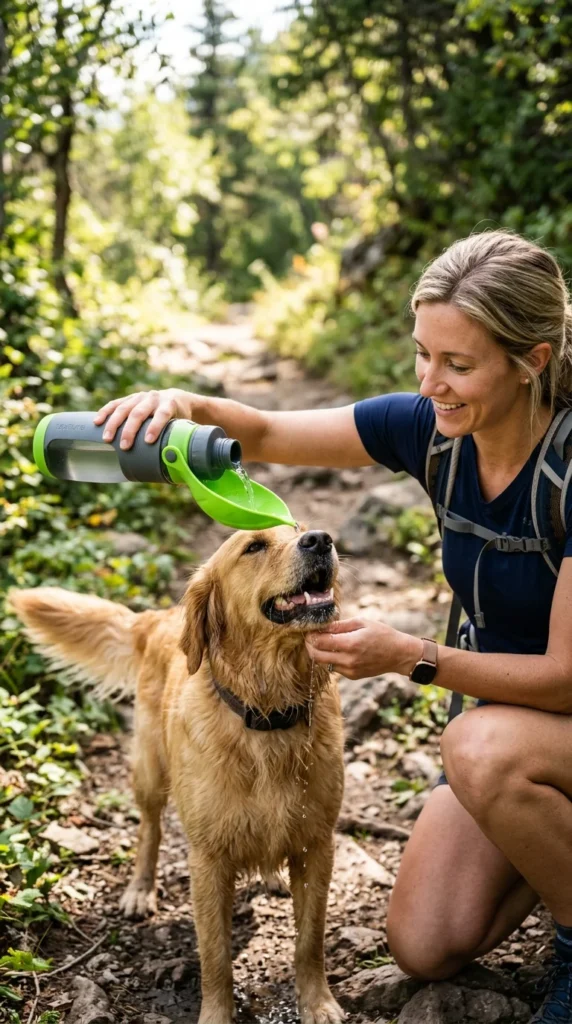
Never assume that water from lakes or streams is safe for your pet to drink. Natural water sources can harbor parasites like Giardia or harmful blue-green algae. Always bring plenty of potable water for your pet, or use a high-quality filter if you are drawing from nature. Staying hydrated is crucial for preventing heat exhaustion.
8. Tie-Outs
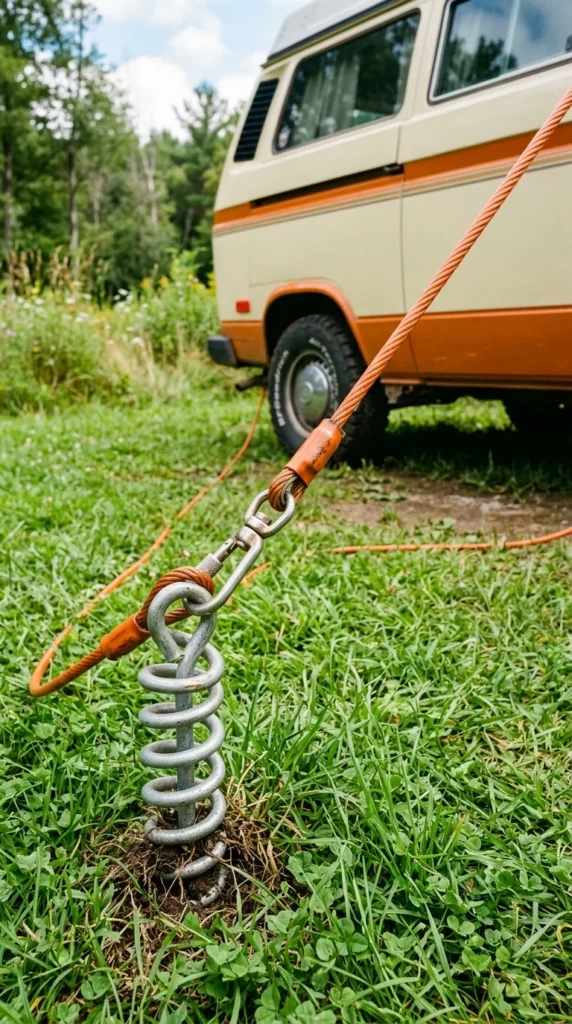
Most campgrounds have strict leash laws. A long tie-out cable allows your pet some freedom to explore the immediate campsite area while keeping them safely contained. Choose a spot away from the campfire and heavy foot traffic to prevent trip hazards. Always supervise your pet while they are on a tie-out to ensure they don’t get tangled or approached by roaming animals.
9. Sleeping Gear
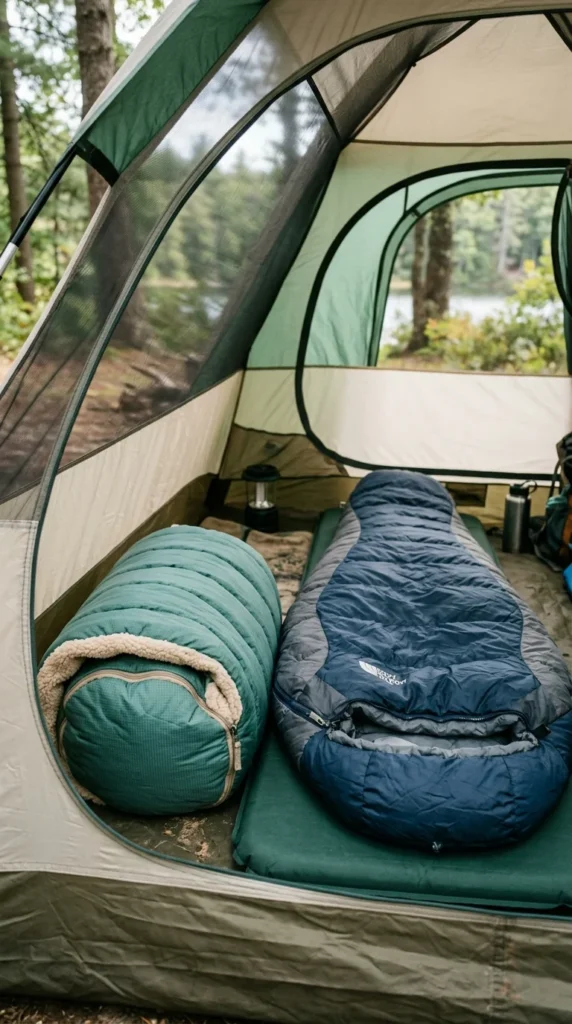
The ground can get very cold at night, even in the summer. Bring a dedicated sleeping pad or a pet-specific sleeping bag to insulate them from the cold earth. If your pet usually sleeps on your bed at home, they might try to crawl into your sleeping bag, so having their own cozy, familiar space is essential for a good night’s sleep for everyone.
10. Tick Protection
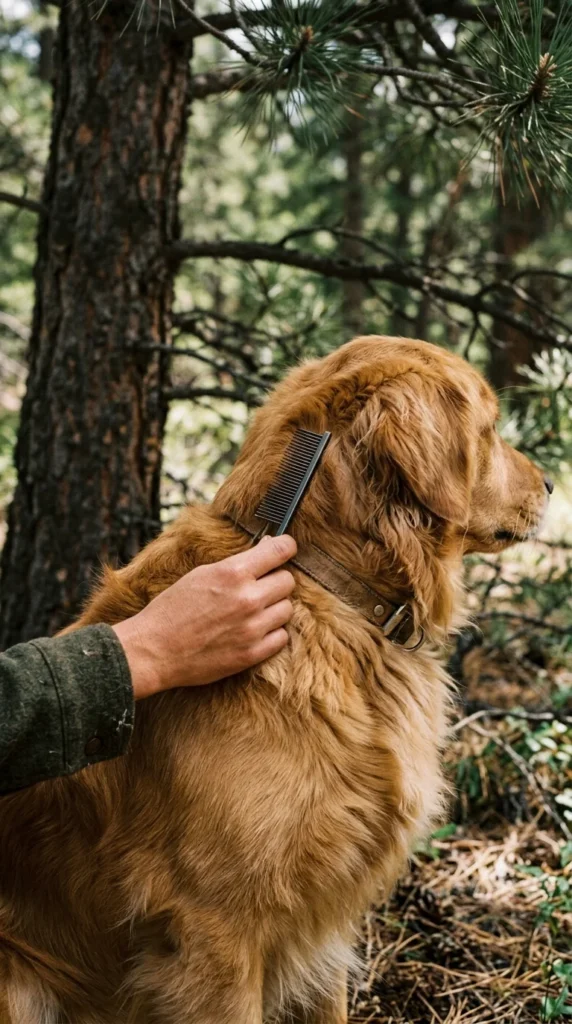
Ticks are a major concern in wooded and grassy areas. Use a vet-recommended preventative before your trip, but don’t stop there. Perform a thorough “tick check” on your pet every evening. Focus on hidden areas like between the toes, inside the ears, and under the armpits. Finding and removing a tick quickly is the best way to prevent the transmission of diseases like Lyme.
11. Poop Bags
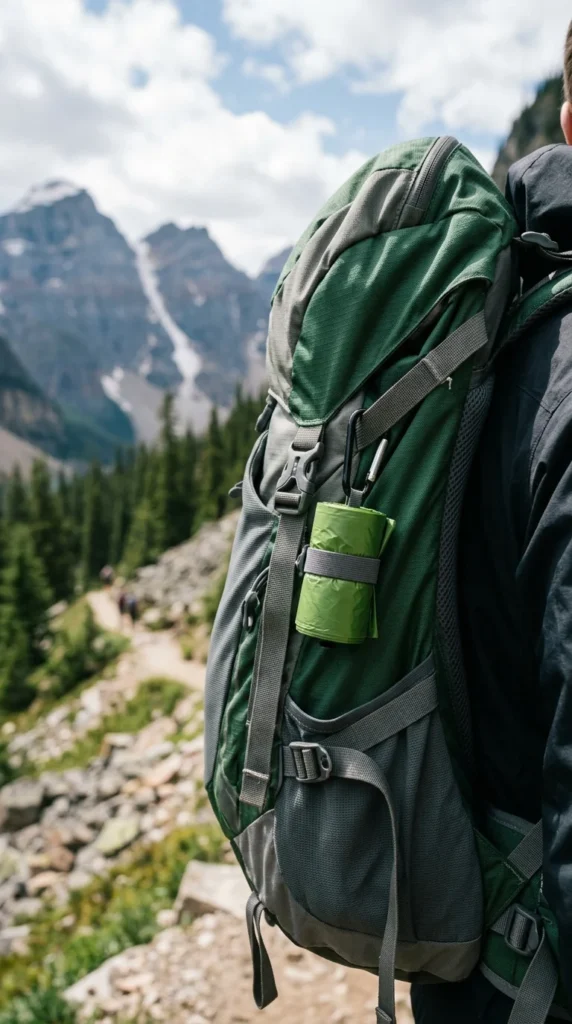
“Leave No Trace” applies to your pets too. Always pick up after your pet to keep the campsite clean and prevent the spread of bacteria to local wildlife and water sources. Use biodegradable bags and dispose of them in designated trash receptacles. Being a responsible pet owner ensures that campgrounds remain pet-friendly for years to come.
12. Microchipping
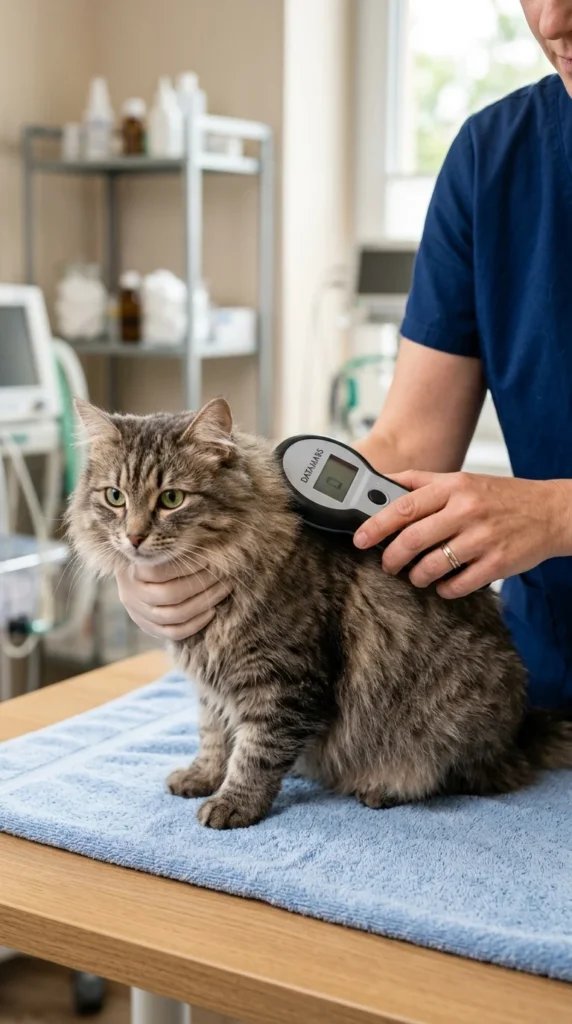
While tags are great, they can fall off. A microchip is a permanent form of identification that can’t be lost. Before your trip, double-check that your contact information is updated in the microchip registry. If your pet is found and taken to a local shelter or vet, a quick scan will bring them back to you.
13. Cooling Mats
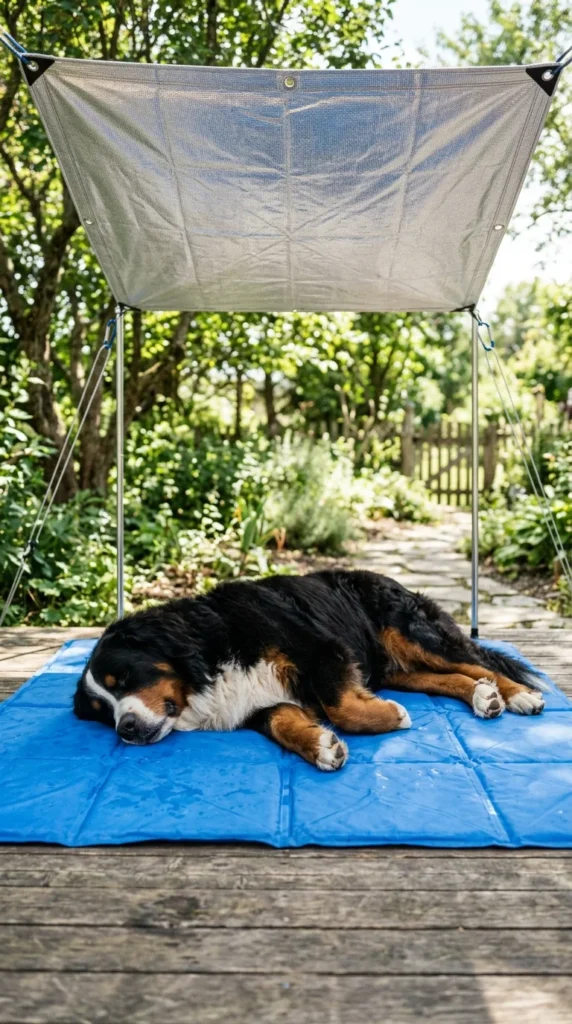
Pets can overheat much faster than humans. If you are camping in warm weather, a pressure-activated cooling mat can provide instant relief. Place it in a shaded area of the campsite. Watch for signs of heatstroke, such as excessive panting, drooling, or lethargy, and ensure your pet always has access to shade.
14. Night Visibility
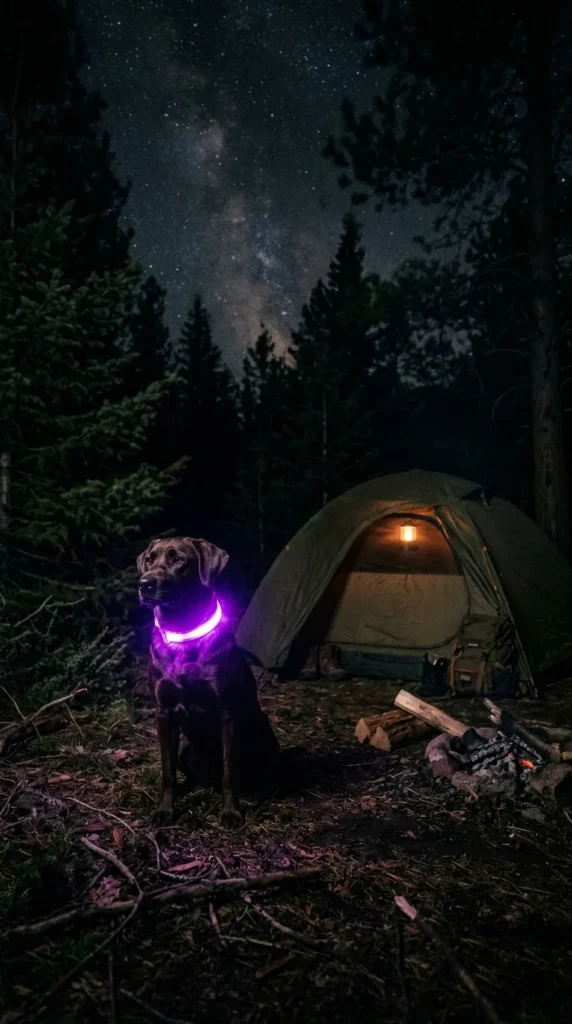
Once the sun goes down, it’s incredibly easy to lose sight of a dark-colored pet. LED collars, clip-on lights, or reflective vests are lifesavers. They allow you to see exactly where your pet is within the campsite and make them visible to other campers or vehicles moving nearby.
15. Proper Harness
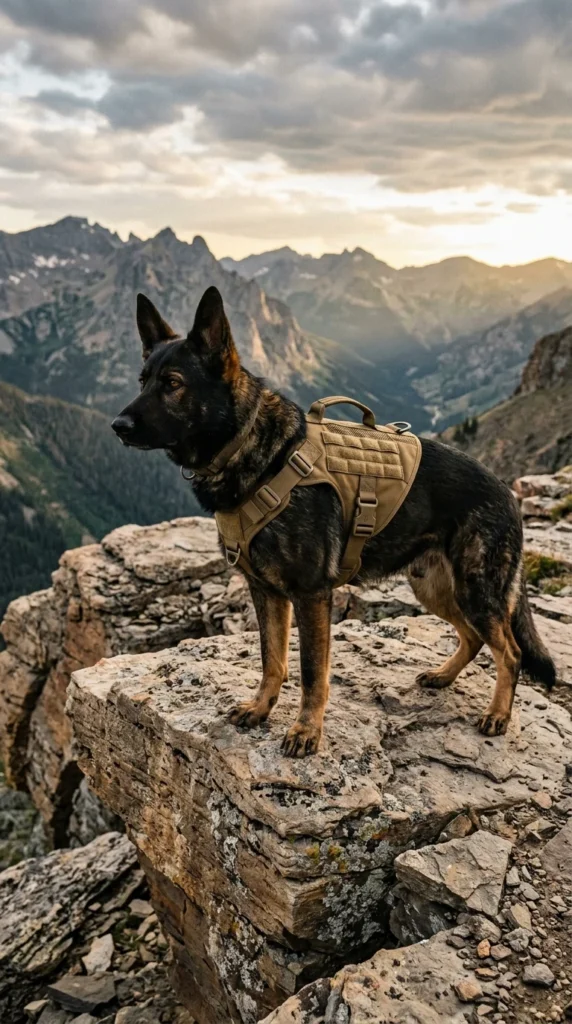
A harness is generally safer than a collar for hiking and camping. It distributes pressure more evenly across the body and provides a handle on the back, which is invaluable for helping your pet over logs, rocks, or out of water. Make sure the harness is well-fitted and doesn’t chafe during long walks.
16. Quiet Time
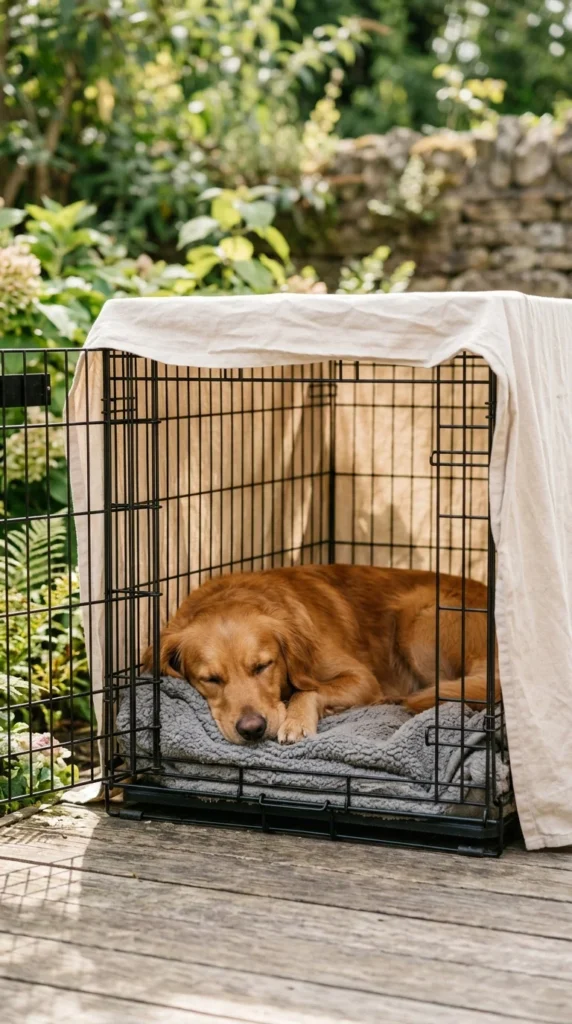
Camping can be overstimulating with all the new smells and sounds. Ensure your pet has a “safe space” where they can retreat for a nap or some quiet time. If they are crate trained, bring a collapsible crate. This also helps prevent excessive barking at every passerby, making you a much better neighbor to fellow campers.
17. Wildlife Safety
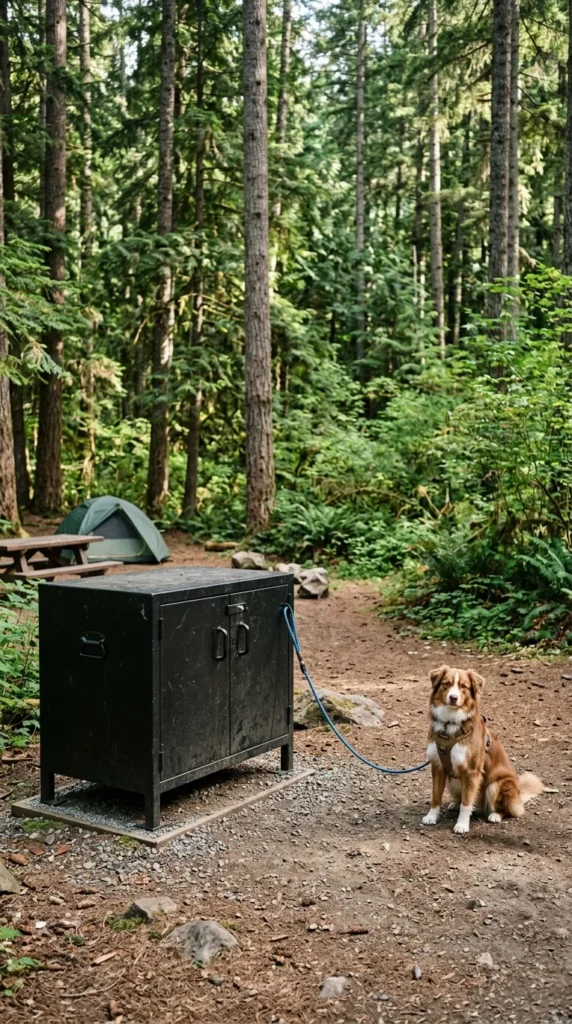
The scent of pet food can attract bears, coyotes, and raccoons. Never leave pet food out overnight. Store all food, treats, and even scented toys in a bear-resistant container or inside a locked vehicle. Additionally, keep your pet close to you at all times; a curious dog chasing a skunk or a porcupine can end your trip very quickly.
18. Paw Care
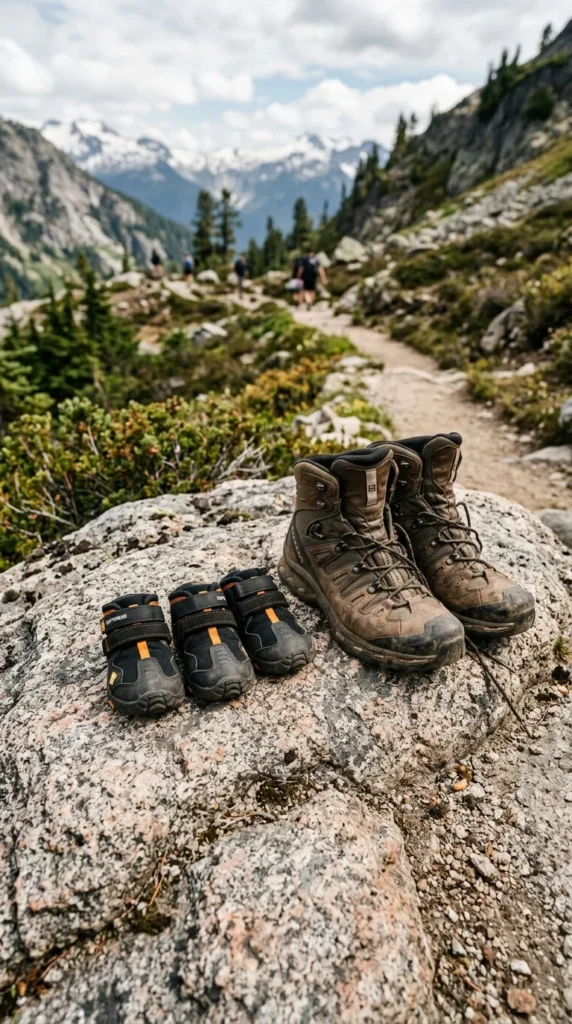
Rough trails, hot sand, or sharp rocks can tear up sensitive paw pads. Consider training your pet to wear dog booties for protection. If they won’t tolerate boots, apply a protective paw balm before and after hikes to moisturize and create a barrier against harsh elements. Always check paws for cuts or embedded debris after every walk.
19. Familiar Smells
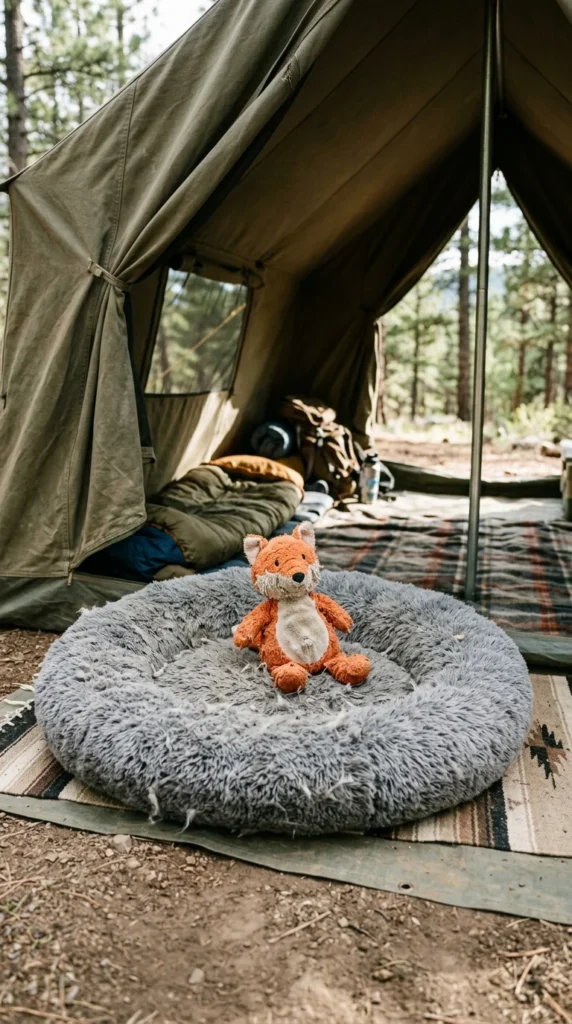
To reduce anxiety in a new environment, bring a piece of home with you. A familiar blanket or their favorite bed will carry the scent of home and help them settle down in the tent. The psychological comfort of “their” spot can be the difference between a restless night and a peaceful one.
20. Grooming Supplies
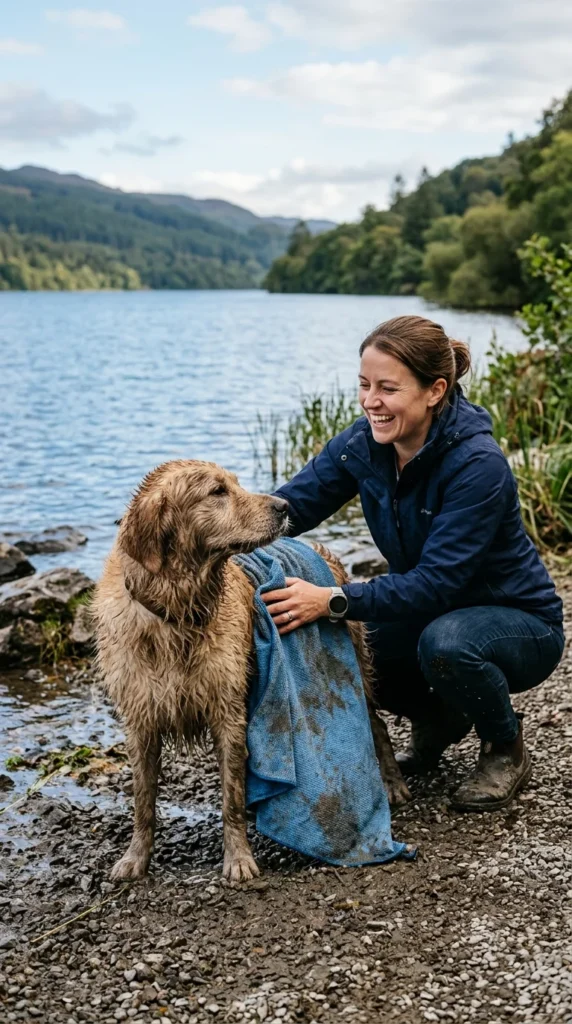
Nature is messy. Between muddy trails and swims in the lake, your pet will likely get dirty. Pack a highly absorbent microfiber towel to dry them off before they enter the tent. A simple brush can help remove dried mud and burrs from their coat, keeping them comfortable and your sleeping area relatively clean.
21. Training Basics
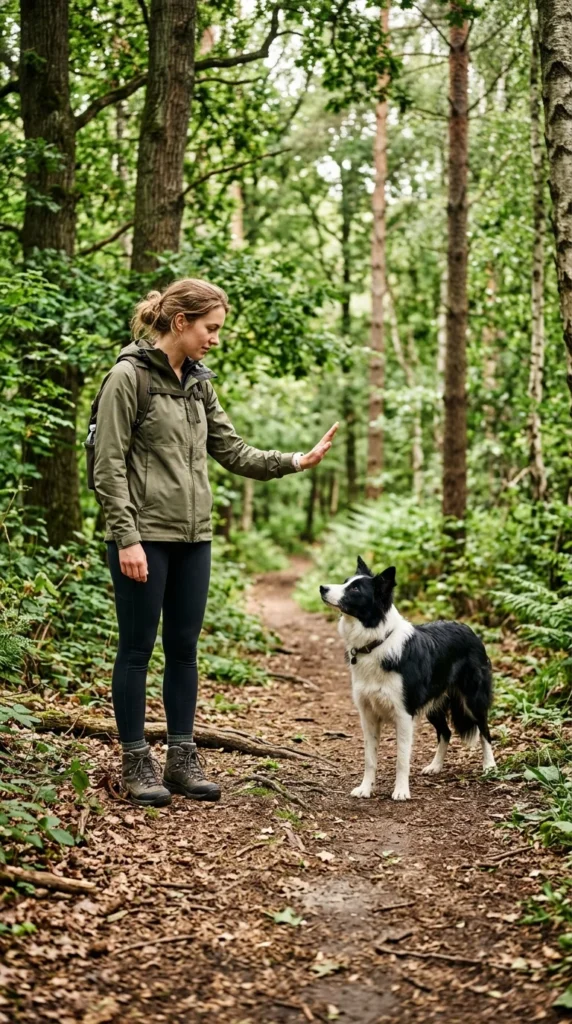
Before heading out, ensure your pet has a reliable “recall” (coming when called) and a solid “leave it” command. These two skills are vital for safety in the wild. “Leave it” can prevent them from eating toxic mushrooms or chasing wildlife, while a strong recall can save their life if they ever get off-leash.
22. Research Parks
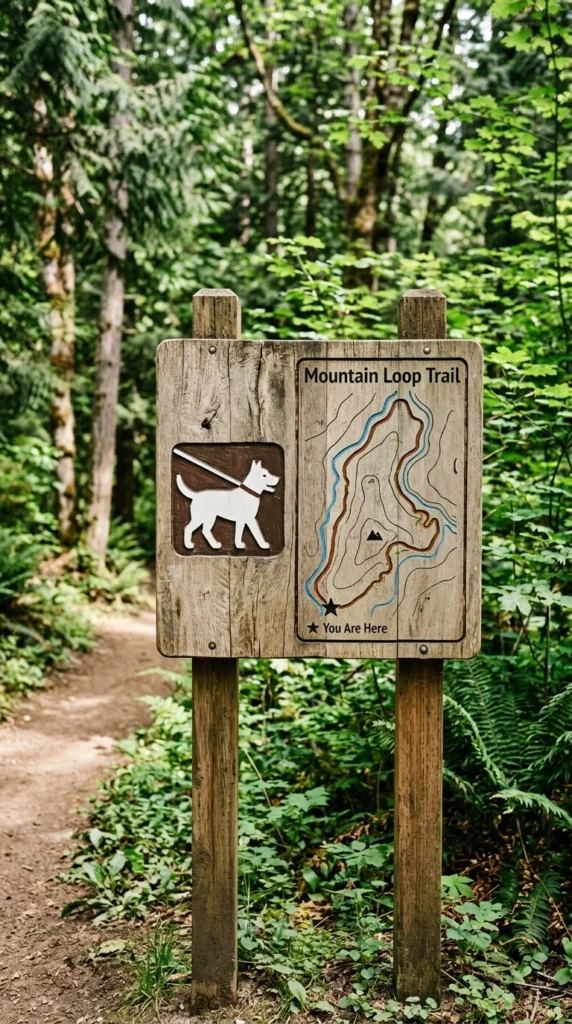
Not all parks and campgrounds are created equal. Some national parks have very restrictive rules about where pets can go, often limiting them to paved roads and developed campgrounds while banning them from trails. Always research the specific rules of your destination ahead of time to avoid disappointment and ensure your itinerary is truly pet-friendly.