

Bringing a dog into your life is a journey filled with joy, wagging tails, and the occasional chewed-up slipper. While instinct plays a role, the bond between a human and a canine is truly forged through communication and understanding. This is where dog training books become your most valuable resource. Whether you are bringing home a wiggly new puppy or trying to help an older rescue dog find their footing, the right literature can transform your relationship from one of frustration to one of deep, mutual respect.
The world of dog training has evolved significantly over the last few decades, moving away from dominance-based theories toward science-based, positive reinforcement methods. The following list represents the gold standard of canine literature, covering everything from basic obedience and puppy care to complex behavioral issues and the fascinating science of the canine mind.
1. Don’t Shoot the Dog
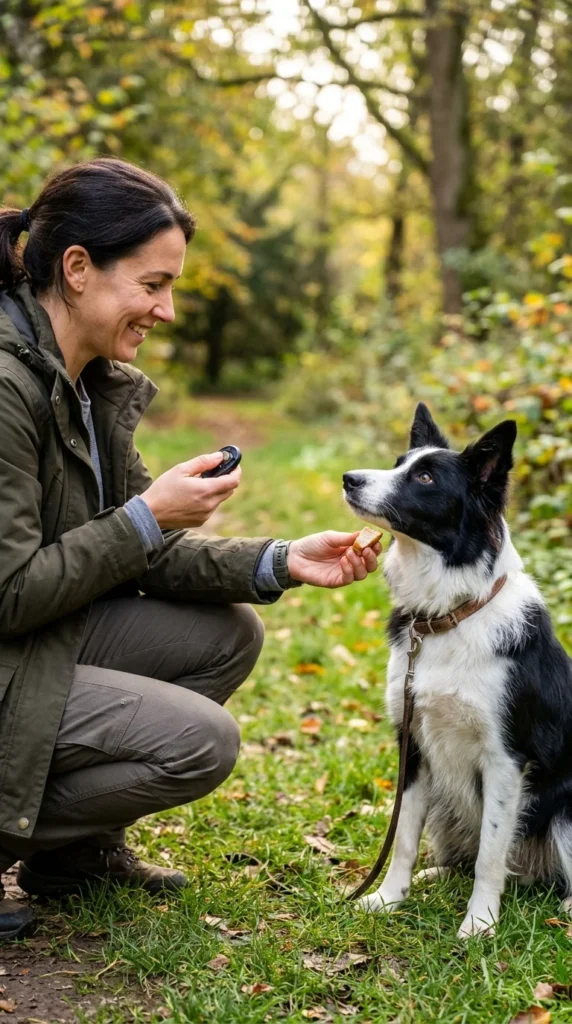
Karen Pryor’s masterpiece is often cited as the “bible” of positive reinforcement. Interestingly, this book isn’t just about dogs; it’s about the laws of reinforcement that govern all living creatures. Pryor, a pioneer in dolphin training, explains how to use “shaping” to encourage desired behaviors without ever resorting to punishment or coercion.
The beauty of this book lies in its simplicity. Pryor breaks down the mechanics of the clicker and the timing of rewards, making it accessible for absolute beginners. It teaches you how to stop nagging your dog and start “marking” the moments they get it right. By the end of this read, you won’t just be a better dog trainer; you’ll likely find yourself applying these principles to your spouse, children, and even your coworkers.
2. The Culture Clash

Jean Donaldson’s The Culture Clash is a revolutionary look at the “clash” between human expectations and canine reality. Donaldson argues that we often anthropomorphize our dogs, expecting them to understand human morality or “right from wrong.” In reality, dogs operate on what is safe versus what is dangerous, and what is rewarding versus what is not.
This book is famous for its “Dogs are from Mars” approach. It challenges the idea that dogs are trying to dominate us or that they act out of spite. Instead, it provides a logical, behaviorist framework for training. It’s a must-read for anyone who feels frustrated by their dog’s “stubbornness,” as it reframes behavior as a simple matter of conditioning and motivation.
3. The Other End of the Leash

Dr. Patricia McConnell is an applied animal behaviorist who brings a unique perspective to the table: how our behavior affects our dogs. While most books focus on what the dog is doing, McConnell focuses on what the human is doing. She explores how our primate tendencies—like hugging, staring, or shouting—can be misinterpreted by our canine companions.
Through engaging anecdotes and scientific insight, McConnell teaches readers how to use their voice, body language, and movement to communicate more effectively. It is a soulful, deeply empathetic book that reminds us that training is a two-way street. If you’ve ever wondered why your dog ignores your “come” command when you’re standing still but follows you when you run away, this book has the answers.
4. Zak George’s Guide

Zak George has become a household name thanks to his high-energy YouTube videos, and his book Zak George’s Dog Training Revolution captures that same infectious enthusiasm. This is a comprehensive, modern guide that covers everything from choosing the right puppy to teaching advanced tricks.
Zak emphasizes a holistic approach to training. He doesn’t just focus on “sit” and “stay”; he talks about exercise, nutrition, and mental stimulation. His philosophy is rooted in the idea that every dog is an individual. The book is particularly great for the modern owner who wants a quick, easy-to-digest reference guide that aligns with the most current, humane training practices.
5. The Art of Raising a Puppy

Written by the Monks of New Skete, a community known for their expertise in breeding and training German Shepherds, this book is a classic for anyone bringing a new life into their home. While some of their earlier work leaned toward older schools of thought, their updated editions provide a thoughtful, spiritual, and highly practical guide to the first few months of a dog’s life.
The Monks focus heavily on the developmental stages of a puppy. They explain how a puppy’s mind grows and how to introduce them to the world in a way that builds confidence rather than fear. Their writing is calm and disciplined, reflecting their lifestyle, and offers a blueprint for raising a dog that is well-adjusted, calm, and integrated into the family “pack.”
6. Decoding Your Dog
If you want the most up-to-date scientific information, Decoding Your Dog is the answer. Written by the American College of Veterinary Behaviorists, this book debunks common myths and provides evidence-based solutions for common behavior problems.
The book is organized by common issues—such as separation anxiety, aggression, and house training—making it an excellent troubleshooting manual. Because it is written by veterinary experts, it also touches on the medical side of behavior, helping owners understand when a problem might require more than just a treat and a clicker. It is perhaps the most authoritative book on the list for understanding the “why” behind the “what.”
7. 101 Dog Tricks

Training doesn’t always have to be about “serious” behaviors. Kyra Sundance’s 101 Dog Tricks is a visual feast that proves training is the best way to play with your dog. Each trick is broken down into step-by-step photos, making it incredibly easy to follow.
From simple tricks like “shake hands” to complex feats like “fetch me a soda from the fridge,” this book provides endless hours of mental stimulation. Working through these tricks builds a dog’s confidence and strengthens the bond between owner and pet. It’s also a fantastic way to tire out a high-energy dog on a rainy day when you can’t get outside for a long walk.
8. Inside of a Dog

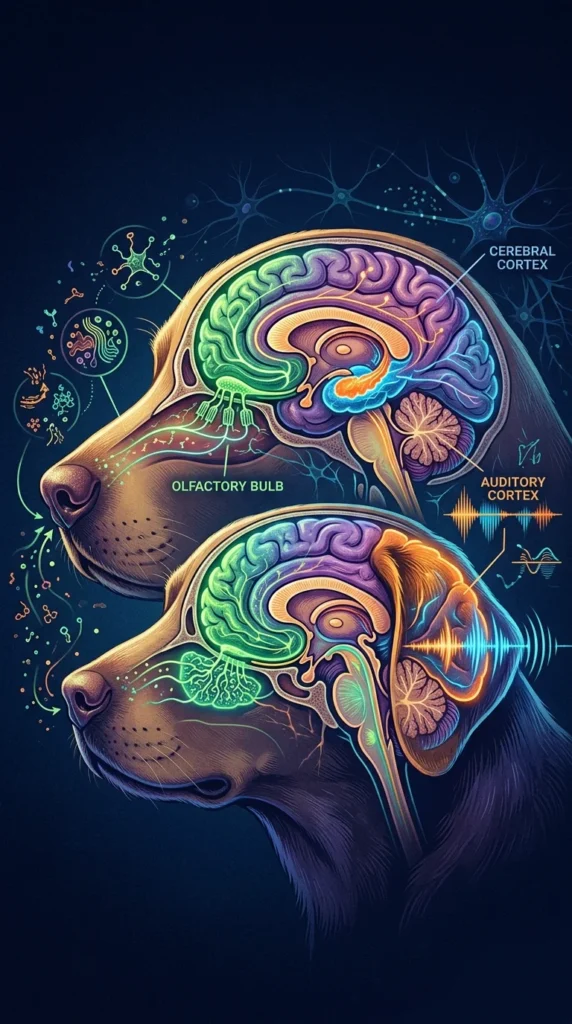
Alexandra Horowitz is a cognitive scientist who invites readers to see the world through a “dog’s-nose view.” While not a traditional “how-to” training manual, Inside of a Dog is essential reading because it explains how dogs perceive time, smell, and social interaction.
Understanding that a dog “sees” the world primarily through their nose changes how you approach walks and training sessions. Horowitz’s writing is elegant and fascinating, blending hard science with a deep love for the species. Once you understand how your dog experiences the world, you will find that your training naturally becomes more patient and effective.
9. Perfect Puppy in 7 Days

The late Dr. Sophia Yin was a veterinarian and animal behaviorist who championed low-stress handling and positive reinforcement. Her book Perfect Puppy in 7 Days is a highly structured, photo-heavy guide to starting a puppy off on the right foot—or paw.
The “7 days” isn’t a gimmick; it refers to the critical importance of the first week your puppy spends in your home. Dr. Yin focuses on “learn to earn,” a concept where the puppy learns that all good things come from polite behavior. The book is incredibly practical, providing checklists and schedules that take the guesswork out of the chaotic puppy phase.
10. Control Unleashed

Leslie McDevitt’s Control Unleashed is the go-to resource for owners of “high-arousal” dogs—those that get easily overwhelmed, over-excited, or stressed by their environment. This book is particularly popular in the dog agility and sports world, but its principles apply to any pet dog that struggles with focus.
The book introduces a series of “pattern games” designed to give the dog a sense of predictability and control. Instead of forcing a dog to be calm, McDevitt teaches them how to “look at” distracting things and then check back in with their owner. It is a brilliant framework for turning a distracted, reactive dog into a focused, confident partner.
11. It’s Me or the Dog

Victoria Stilwell, known for her hit TV show of the same name, brings her “positivity” philosophy to the written word. It’s Me or the Dog: How to Have the Perfect Pet is a comprehensive guide to modern dog ownership. Stilwell is a fierce advocate against “alpha” training methods, and her book reflects a commitment to force-free techniques.
This book is excellent for families. It covers the basics of household manners, but also delves into the emotional health of the dog. Stilwell’s advice is practical and down-to-earth, making it a great choice for owners who want a clear, no-nonsense approach to fixing behavioral problems and building a happy home.
12. Wag: The Science of Making Your Dog Happy

Zazie Todd’s Wag is a beautiful blend of science and heart. Todd, who runs the popular blog Companion Animal Psychology, synthesizes the latest research on canine welfare to help owners ensure their dogs aren’t just trained, but truly happy.
The book covers everything from the importance of “sniffaris” (scent-focused walks) to the best ways to play. At the end of each chapter, Todd provides “Checklists for a Happy Dog,” which give readers actionable steps to improve their dog’s quality of life. It’s a refreshing reminder that the ultimate goal of training should be the well-being of the animal.
13. How to Be Your Dog’s Best Friend

Another classic from the Monks of New Skete, How to Be Your Dog’s Best Friend focuses on the relationship and spiritual connection between humans and dogs. While the Monks are known for their discipline, this book is primarily about the “quality of the bond.”
It explores the philosophy of dog ownership—why we have dogs, what they give us, and what we owe them in return. It’s a reflective read that encourages owners to slow down and appreciate the silent communication that happens between two different species living under one roof. It’s a great book for someone who wants to think deeply about their role as a “guardian.”
14. Lucky Dog Lessons

Brandon McMillan, host of the show Lucky Dog, specializes in taking “unadoptable” shelter dogs and turning them into well-behaved companions. His book, Lucky Dog Lessons: Train Your Dog in 7 Days, focuses on the “7 Common Commands”: sit, stay, down, come, off, heel, and no.
McMillan’s approach is built on trust and clear communication. Because he works so frequently with rescues, his methods are particularly well-suited for dogs with unknown backgrounds or “baggage.” The book is encouraging and practical, emphasizing that no dog is a lost cause and that with the right foundation, any dog can learn to be a great pet.
15. On Talking Terms with Dogs

Turid Rugaas is a Norwegian trainer who changed the way we look at dog body language. Her book, On Talking Terms with Dogs: Calming Signals, is a short but incredibly impactful read. Rugaas identifies “calming signals”—subtle movements dogs use to avoid conflict and communicate stress.
Once you learn to recognize these signals—like yawning, blinking, or sniffing the ground—you will realize your dog has been talking to you all along. This book is essential for preventing bites and reducing stress in multi-dog households. It teaches owners how to “speak dog” by mirroring some of these signals to help their pets feel safe.
16. Behavior Adjustment Training 2.0

Grisha Stewart’s Behavior Adjustment Training (or BAT) is a specialized method for helping dogs with fear, frustration, and aggression. BAT 2.0 is the refined version of this technique, focusing on giving the dog “agency” and the ability to make good choices in the face of triggers.
Instead of constant “commands,” BAT uses a long leash and functional rewards (like the reward of moving away from something scary) to build a dog’s confidence. It is a remarkably gentle and effective way to help reactive dogs navigate the world. For owners of “leash reactive” dogs, this book is often a life-changer.
17. Canine Enrichment for the Real World

Training isn’t just about obedience; it’s about meeting a dog’s biological needs. Allie Bender and Emily Strong argue that many “behavior problems” are actually just signs of boredom or unmet needs. Canine Enrichment for the Real World provides a framework for giving dogs a full, interesting life.
The book covers physical, sensory, and cognitive enrichment. It explains how to provide “jobs” for your dog and how to make their environment more stimulating. By focusing on enrichment, many owners find that “naughty” behaviors like digging or barking simply disappear because the dog is finally mentally and physically satisfied.