
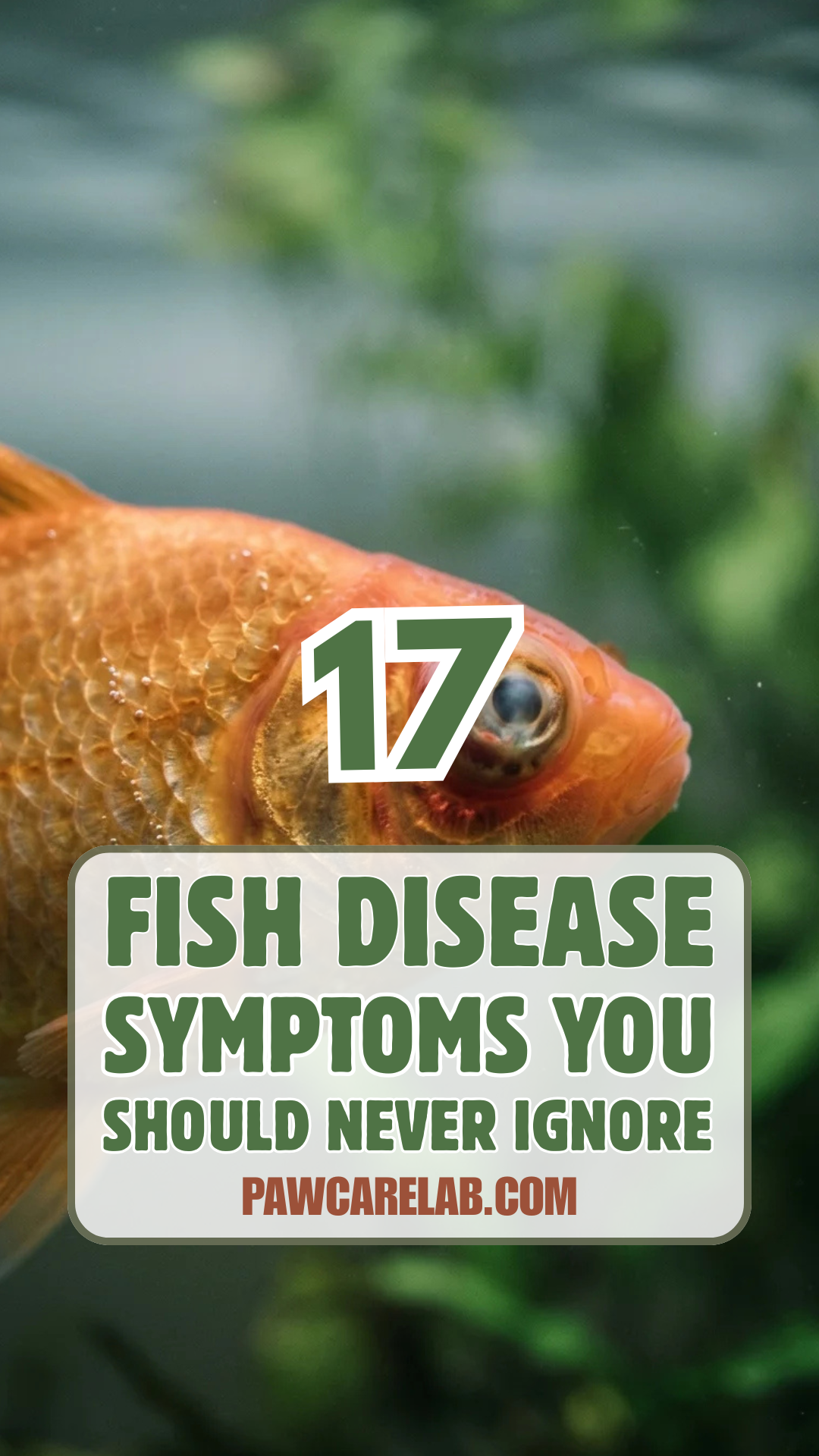
Owning an aquarium is a rewarding experience, but it comes with the heavy responsibility of monitoring the health of creatures that cannot speak. Because fish are masters at hiding weakness to avoid predators, by the time a symptom is obvious, the disease is often well-advanced. Early detection is the difference between a quick recovery and a total tank wipeout.
As an aquarist, your best tool is observation. By spending just five minutes a day watching your fish’s behavior and physical appearance, you can spot the subtle red flags that signal trouble. Here are 17 critical fish disease symptoms you should never ignore.
1. White Spots
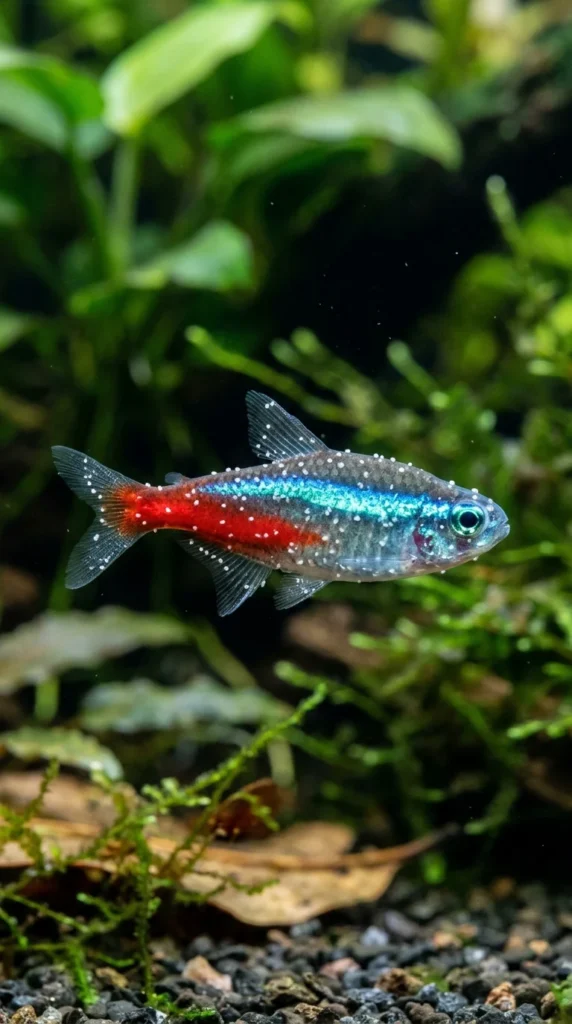
Commonly known as “Ich” or White Spot Disease, these tiny protrusions are actually the encysted stage of a protozoan parasite (Ichthyophthirius multifiliis). If you see what looks like grains of salt sprinkled over your fish’s body, fins, or gills, you must act immediately. Ich is highly contagious and life-threatening because it eventually affects the gills, making it impossible for the fish to breathe.
2. Gasping
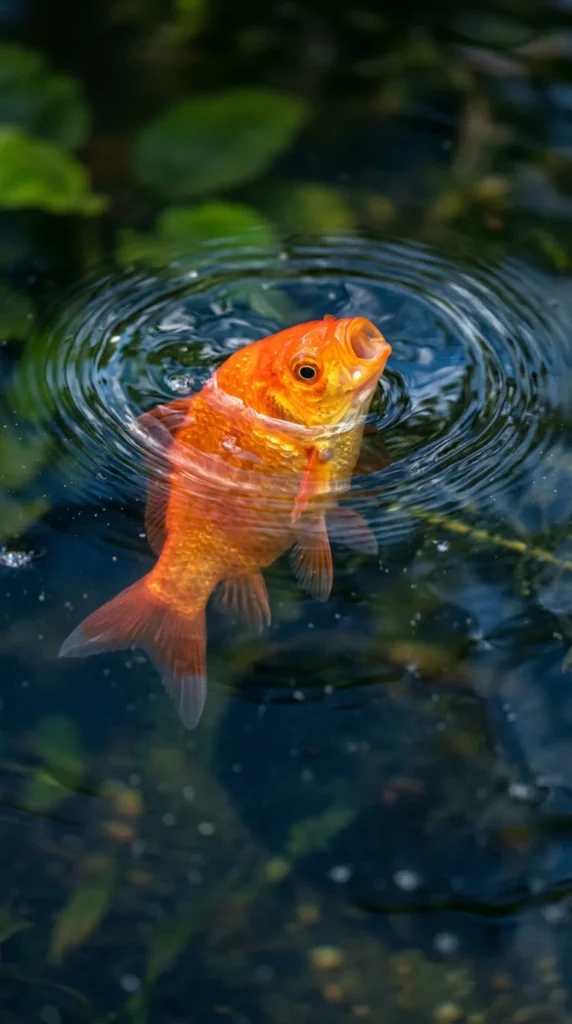
When a fish stays at the surface “piping” for air, it is a sign of hypoxia. This can be caused by low dissolved oxygen in the water, but more often, it is a symptom of gill damage. Ammonia burns, nitrite poisoning, or gill flukes can all prevent a fish from absorbing oxygen properly, forcing them to gasp for air even if the water is well-aerated.
3. Clamped Fins
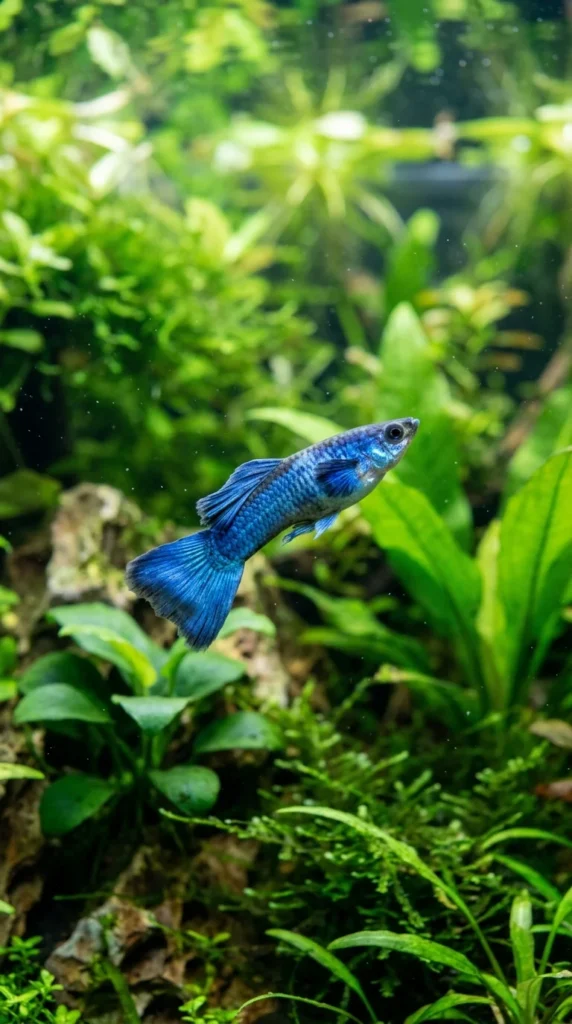
Healthy fish display their fins proudly. When a fish holds its fins tight against its body, it is a universal sign of distress, discomfort, or “feeling sick.” Clamped fins are often the very first sign of various issues, including poor water quality, parasitic infections, or systemic bacterial diseases. It is the fish equivalent of a human curling into a fetal ball.
4. Frayed Fins
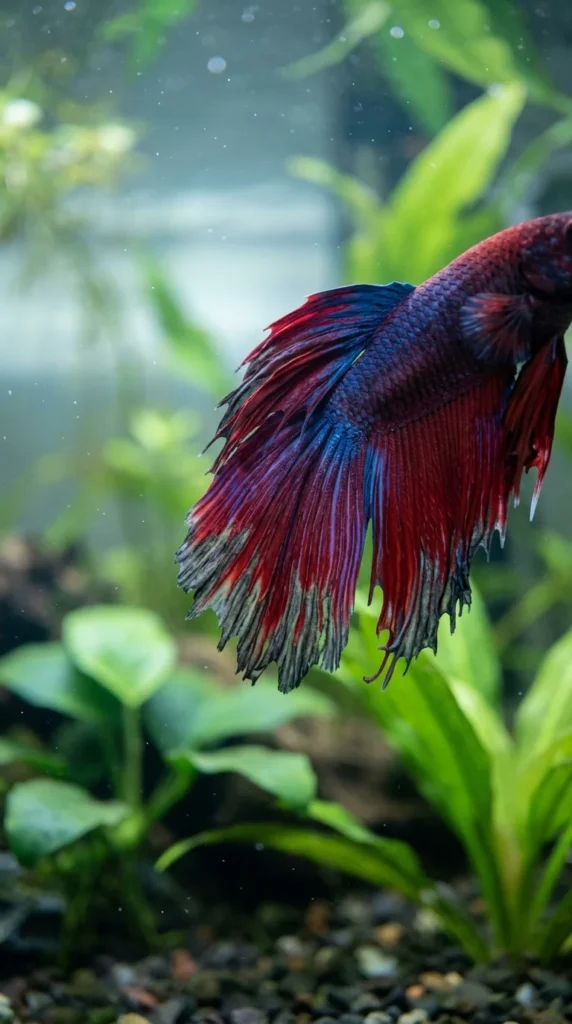
Commonly referred to as Fin Rot, this symptom manifests as ragged, torn, or “eaten away” edges on the fins. It is typically caused by a bacterial infection (such as Aeromonas or Pseudomonas) or a fungal pathogen. While it often starts due to fin nipping from aggressive tank mates, the rot itself is a secondary infection that can eventually reach the fish’s body, leading to certain death.
5. Bloating
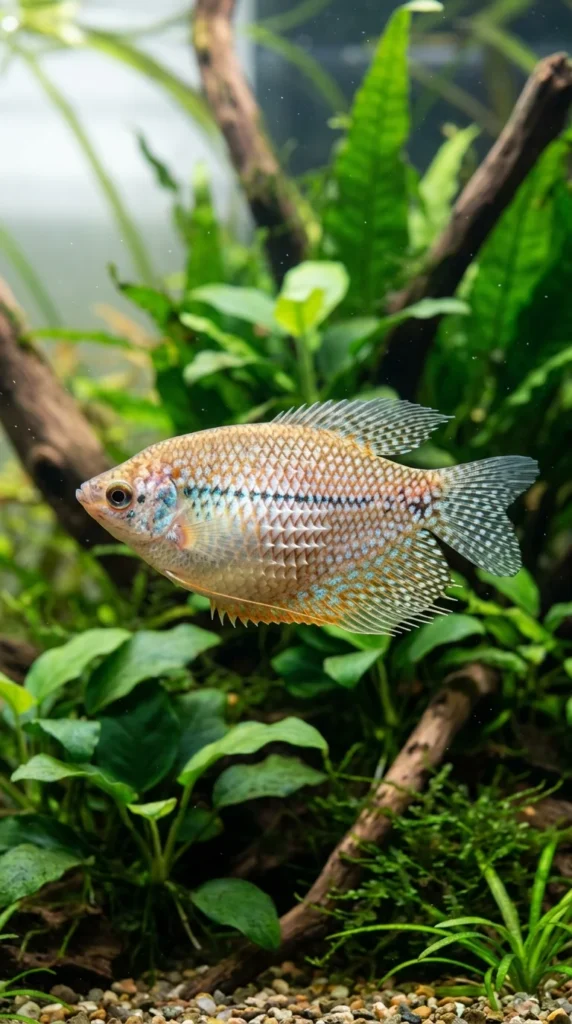
Abdominal swelling, often called “Dropsy,” is not a disease itself but a clinical sign of internal organ failure, usually the kidneys. When the kidneys fail, the fish’s body fills with fluid. The most distinct sign of advanced dropsy is “pineconing,” where the scales stick out away from the body. This is a critical emergency and often indicates that the fish is in the final stages of illness.
6. Cloudy Eyes
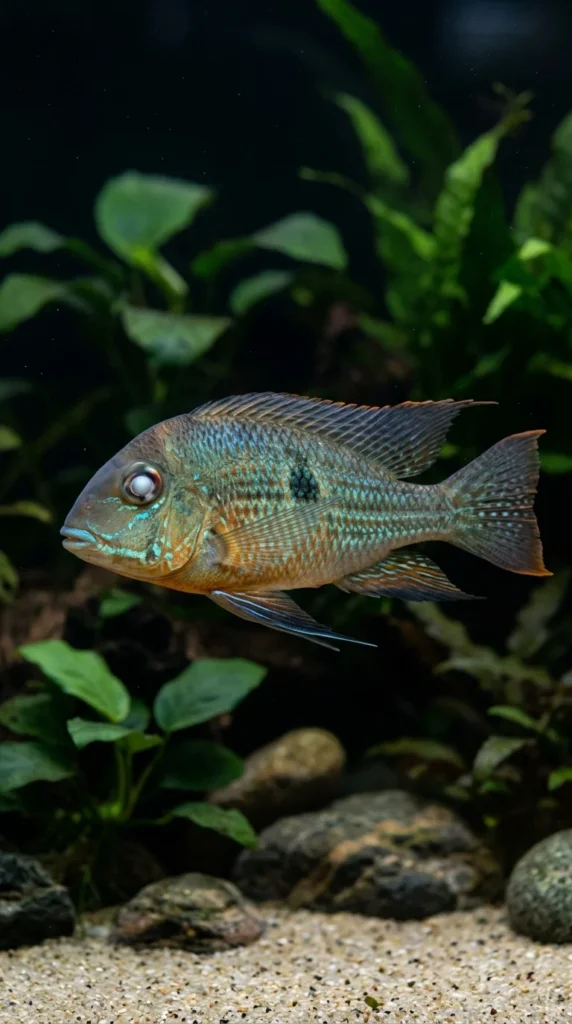
If your fish’s eyes look like they are covered in a white film or have become opaque, they are suffering from cloudy eye. This is frequently caused by poor water quality, specifically low pH or high toxins, which irritate the delicate ocular tissue. However, it can also result from a bacterial infection or a dietary deficiency in Vitamin A.
7. Lethargy
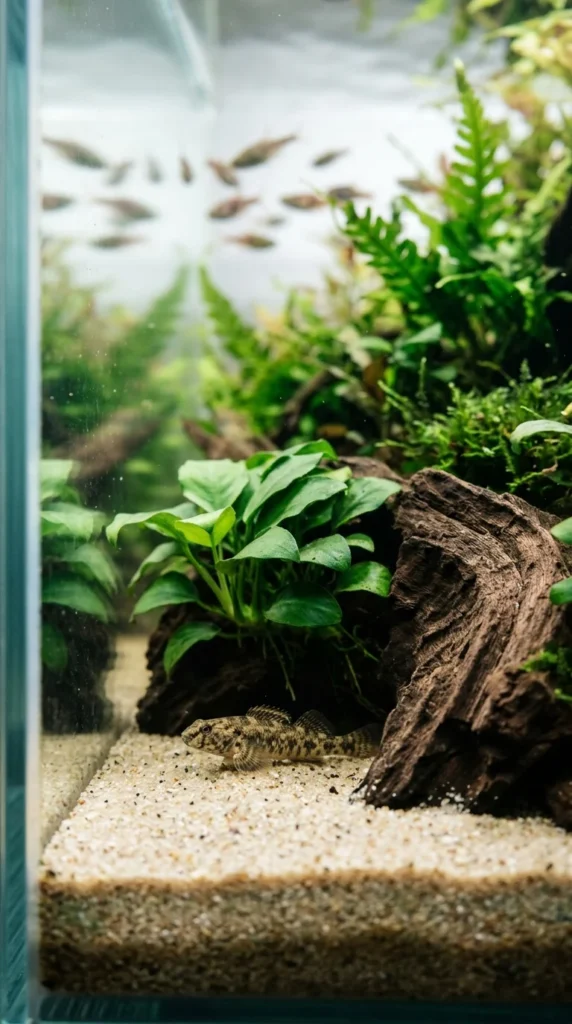
While some species are naturally bottom-dwellers, a fish that usually swims actively but is now sitting on the gravel or hiding behind a filter intake is showing signs of extreme lethargy. This “sluggishness” can be caused by a drop in temperature, high nitrate levels, or an internal infection that is sapping the fish’s energy.
8. Flashing
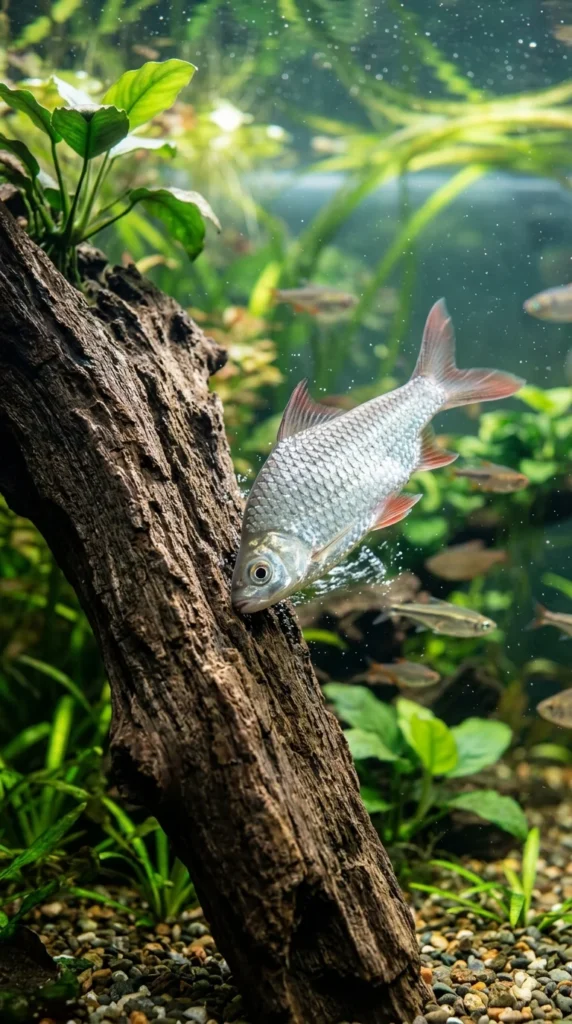
“Flashing” is a behavior where a fish darts rapidly and rubs its body against rocks, gravel, or decor. It is essentially the fish trying to scratch an itch. This is a classic symptom of external parasites like velvet, flukes, or the early stages of Ich. The fish is trying to physically dislodge the parasites burrowing into its skin or slime coat.
9. Stringy Poop
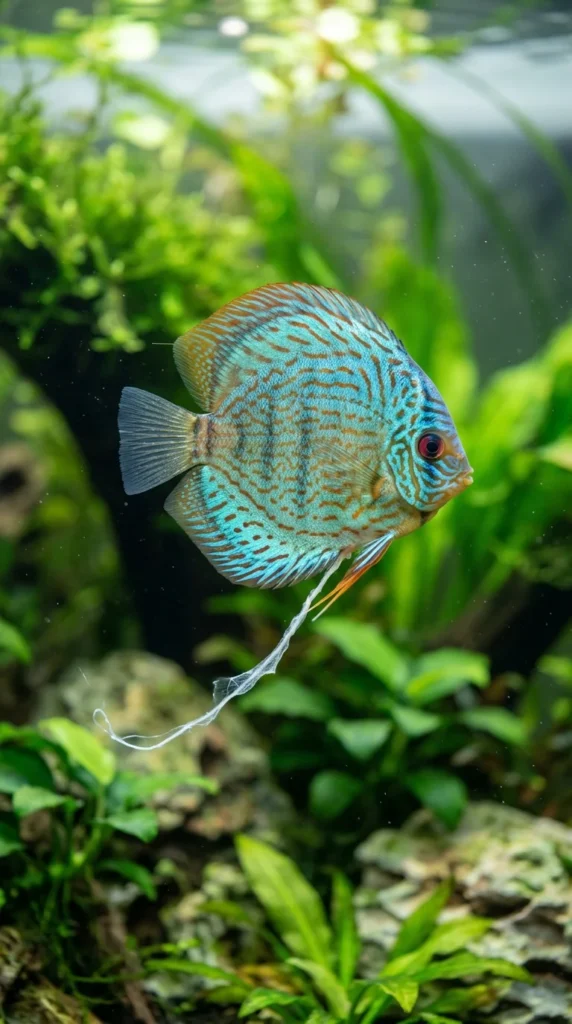
Healthy fish waste is usually the color of their food and breaks off quickly. If you notice long, white, trailing, or “stringy” feces, it is a major indicator of internal parasites (like Hexamita) or a severe internal bacterial infection. This symptom is often accompanied by a sunken stomach or a refusal to eat.
10. Bulging Eyes
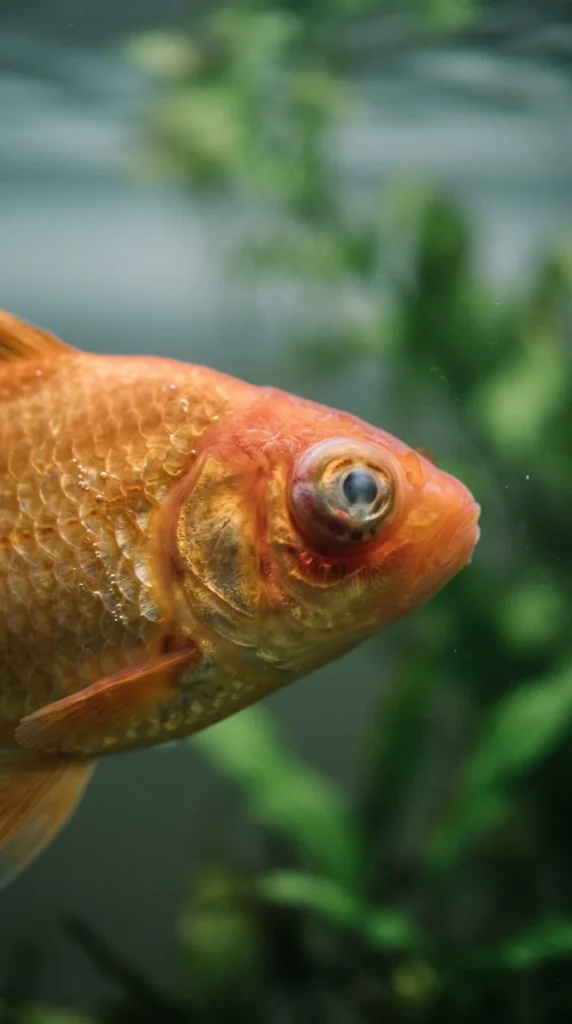
Known as “Pop-eye” (Exophthalmos), this condition causes one or both eyes to swell and protrude from the head. It can be caused by physical trauma, but more commonly, it is the result of fluid buildup behind the eye due to a bacterial infection or poor water chemistry. If left untreated, the eye may eventually fall out.
11. Red Streaks
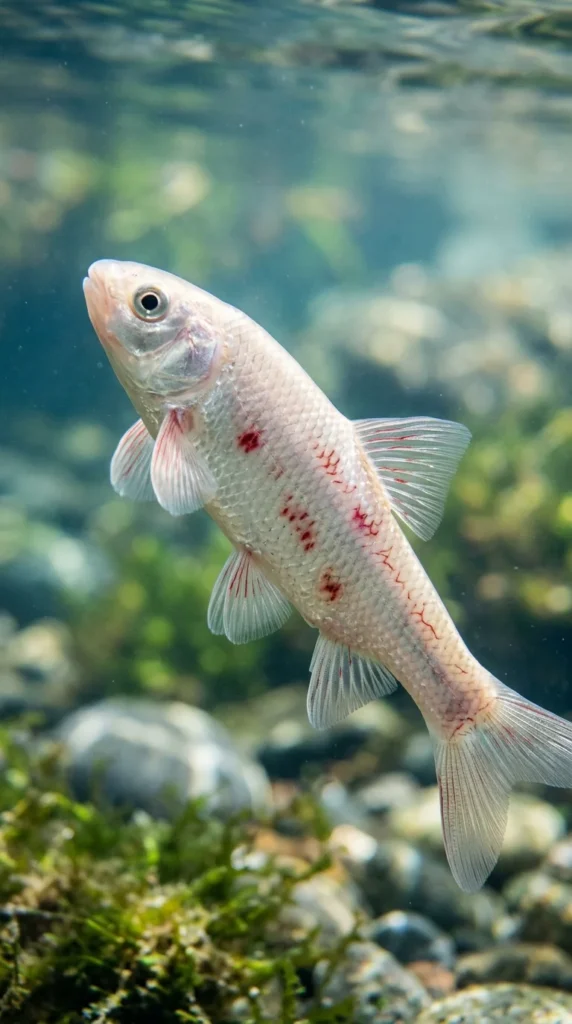
Red streaks in the fins or on the body are a sign of Hemorrhagic Septicemia, a condition where bacteria enter the bloodstream and cause internal bleeding. This is a highly dangerous condition usually triggered by high ammonia levels or extreme stress, which allows opportunistic bacteria to take hold in the fish’s circulatory system.
12. Loss of Appetite
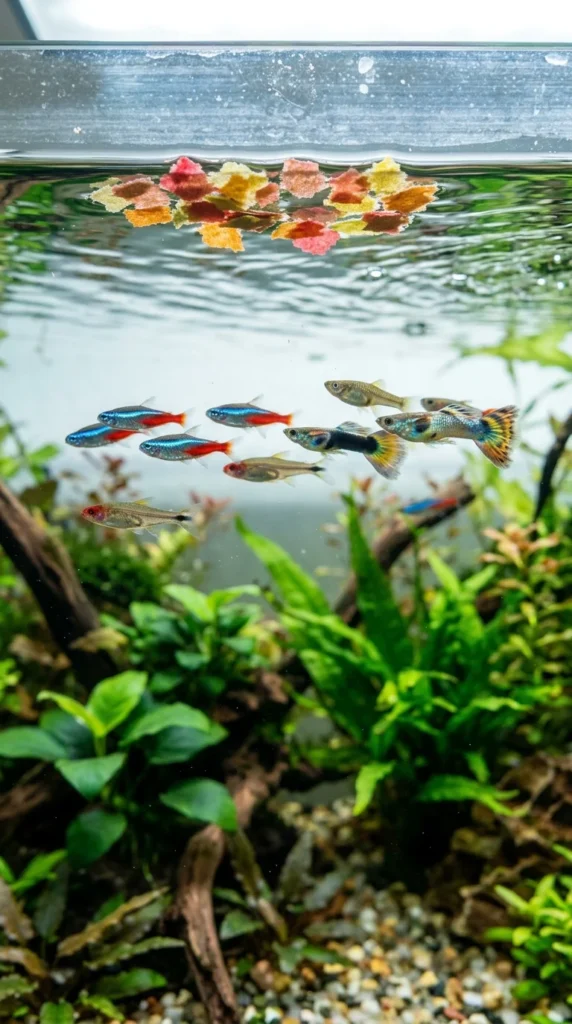
One of the most reliable signs of a healthy fish is a vigorous “feeding response.” If a fish that previously loved mealtime suddenly ignores food or takes a bite and spits it back out, something is wrong. This can indicate anything from a mouth injury to internal parasites or the onset of a systemic infection.
13. Ulcers
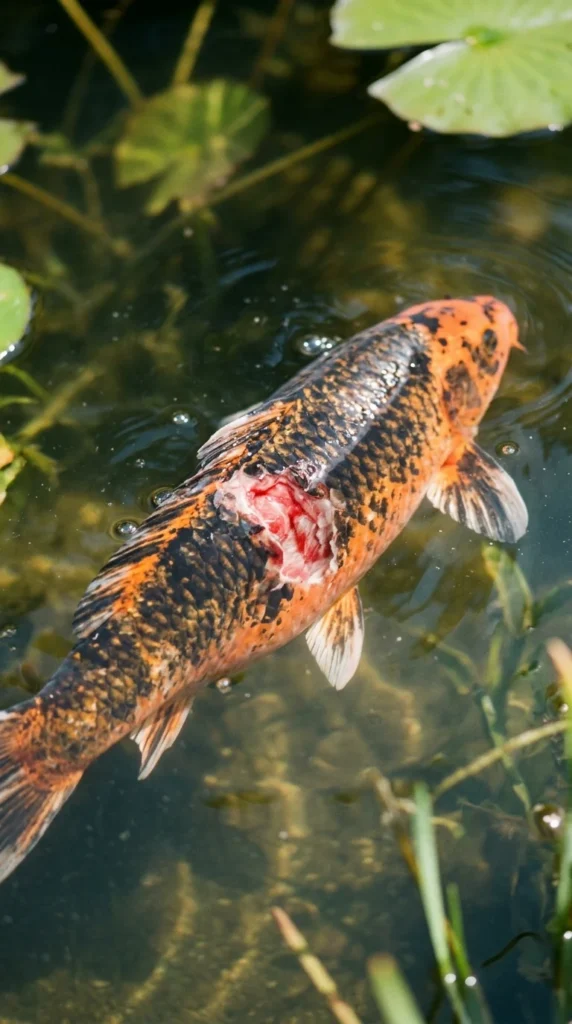
Ulcers are open sores or “holes” on the fish’s body. They often start as a small red spot and quickly expand into a deep, raw wound. These are typically caused by virulent bacteria that thrive in organic waste. Ulcers provide a direct gateway for other pathogens to enter the fish’s body, making them a high-priority medical emergency.
14. Cottony Growth
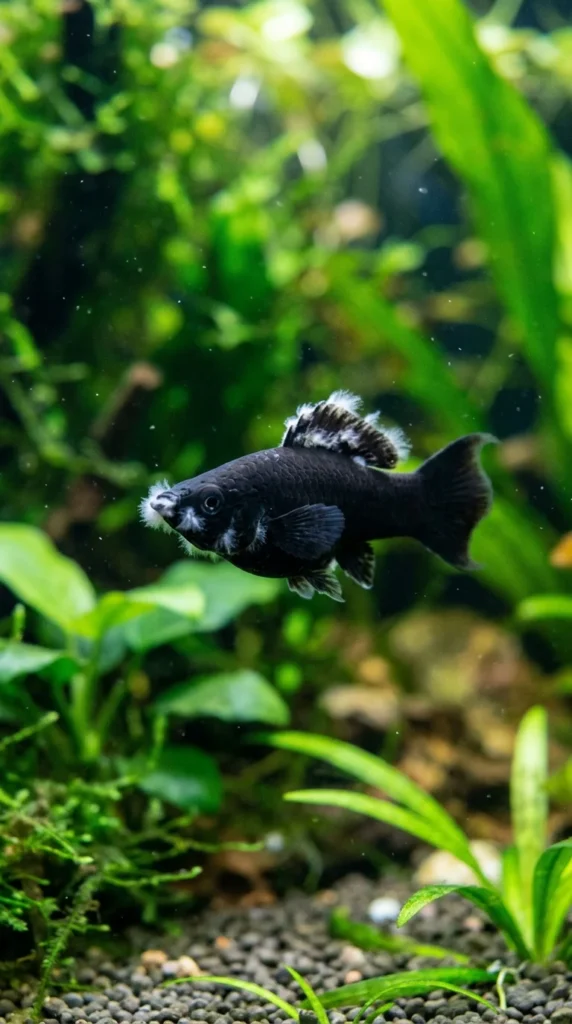
If you see white, fluffy, or “cotton-like” growths on your fish, you are likely looking at a fungal infection. Fungi usually colonize areas where the fish’s protective slime coat has been damaged by injury or parasites. These growths can quickly spread across the body and gills, suffocating the fish if not treated with antifungal medication.
15. Erratic Swimming
Swimming in circles, swimming vertically, or floating upside down are all signs of Swim Bladder Disorder. The swim bladder is an internal organ that controls buoyancy. When it is compressed by a swollen stomach (constipation) or affected by a bacterial infection, the fish loses its ability to stay upright or navigate the water column correctly.
16. Rapid Gills
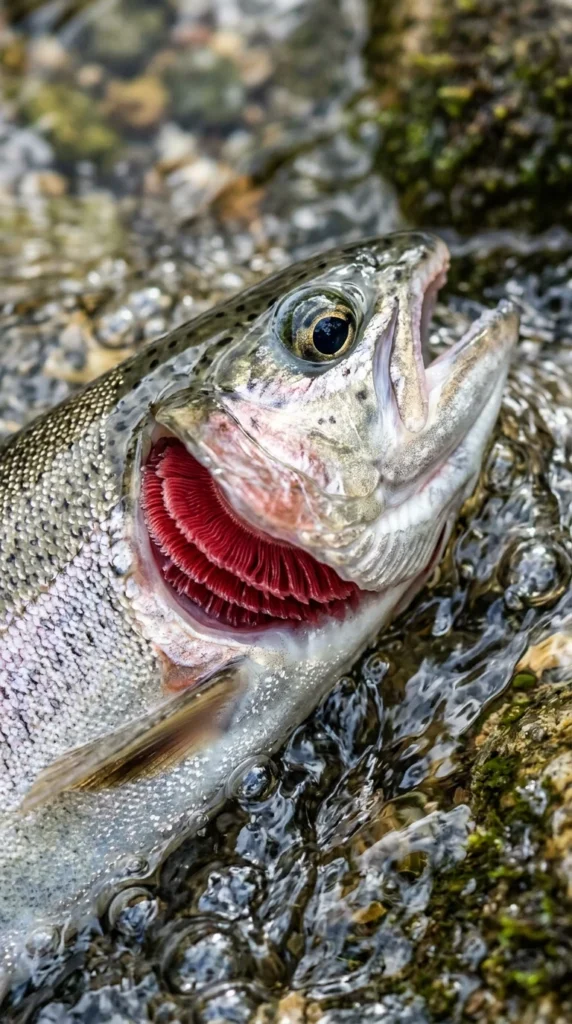
Even if the fish isn’t gasping at the surface, rapid or labored gill movement while resting is a sign of respiratory distress. This is often caused by “ammonia burn,” where the caustic chemicals in the water literally sear the delicate gill filaments. It can also be a sign of gill flukes—microscopic worms that attach to the gills and feed on the fish’s blood.
17. Fading Colors
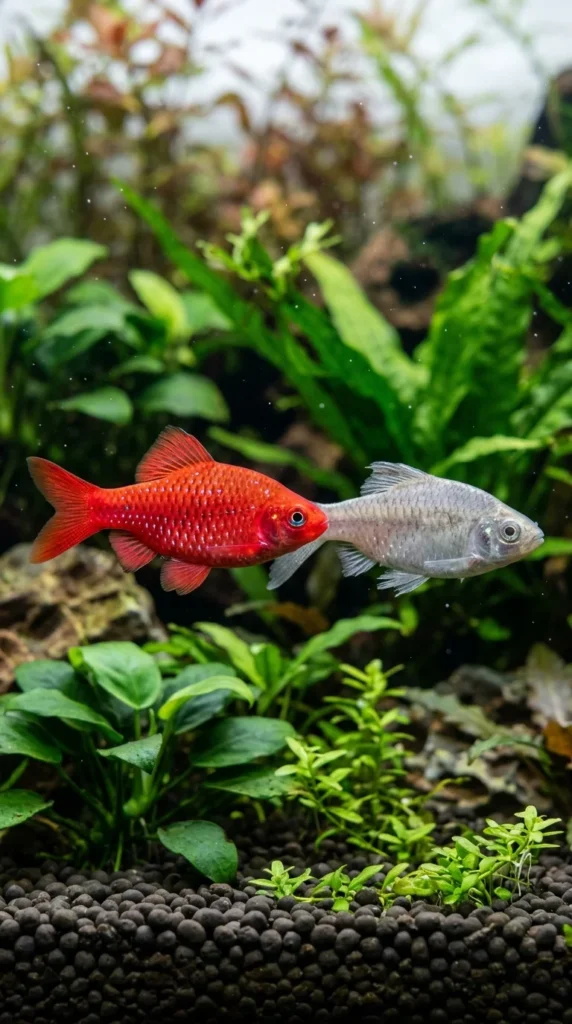
A fish’s color is a direct reflection of its health and stress levels. “Paling out” or a sudden loss of vibrancy is a physiological response to stress. When a fish is ill or the water parameters are off, it diverts energy away from pigment production to maintain its vital organs. If your colorful fish suddenly looks “bleached,” it’s time to test your water and look for other symptoms.