
Lighting is the heartbeat of your aquarium. It is the bridge between a simple glass box and a thriving underwater paradise. Whether you are aiming to grow a carpet of lush Java moss or simply want your Betta fish to shimmer with iridescent clarity, understanding the science and art of illumination is non-negotiable. This comprehensive guide explores 22 critical aspects of aquarium lighting to ensure your fish are happy and your plants are flourishing.
1. Photosynthesis
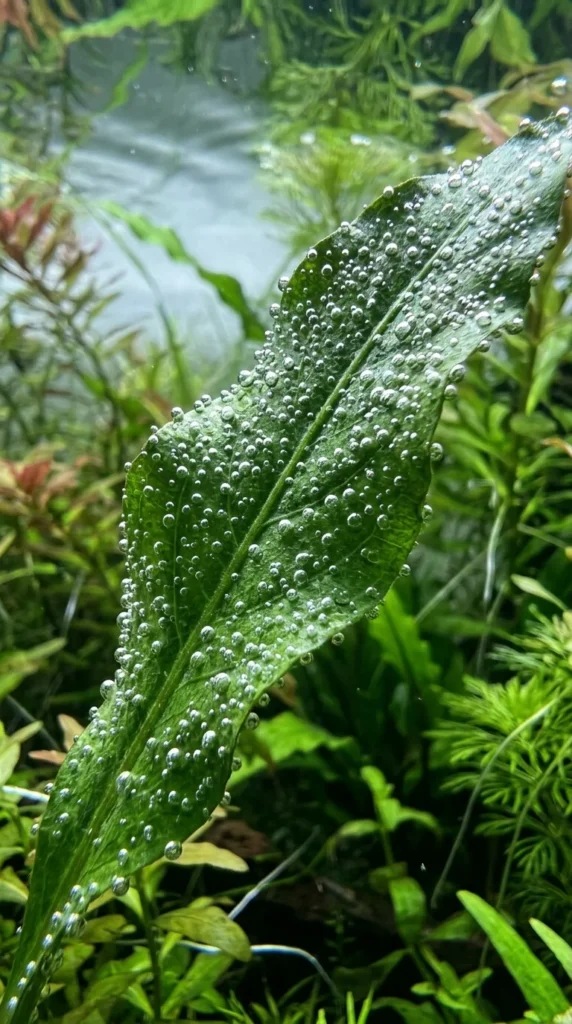
At the core of any planted tank is photosynthesis. Lighting provides the energy necessary for plants to convert carbon dioxide and water into glucose and oxygen. Without the correct intensity and quality of light, even the hardiest species like Anubias will eventually wither. When your lighting is dialed in perfectly, you may witness “pearling,” where plants release visible bubbles of pure oxygen, a sign of peak health.
2. LED Systems
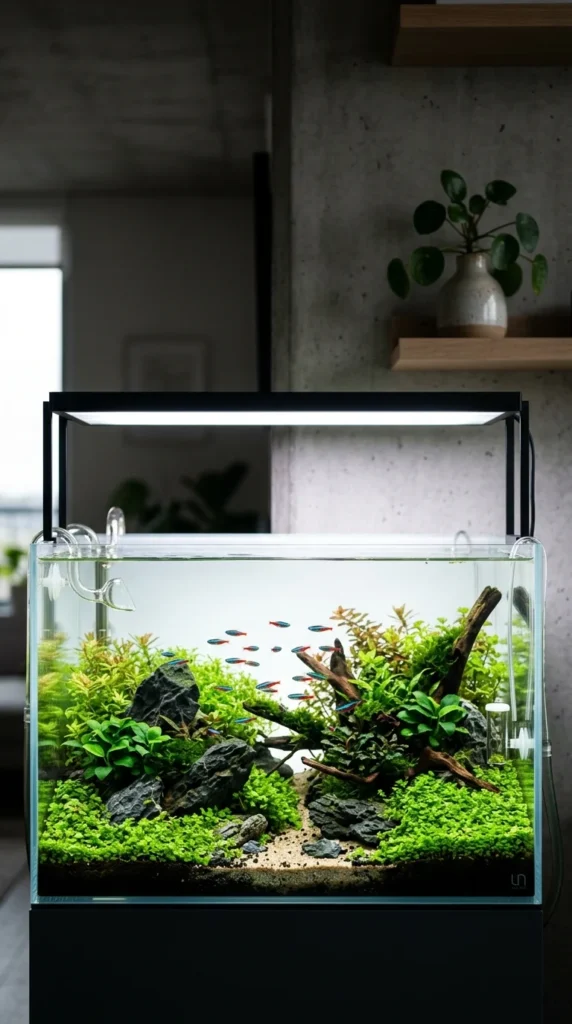
Light Emitting Diodes (LEDs) have revolutionized the hobby. They are preferred for their energy efficiency, longevity, and slim profiles. Unlike older technologies, LEDs allow for targeted spectrums, meaning you can provide the exact wavelengths your plants need without wasting energy on light that doesn’t benefit the ecosystem. They also run much cooler, preventing the dreaded “tank overheat” common with older bulbs.
3. Full Spectrum
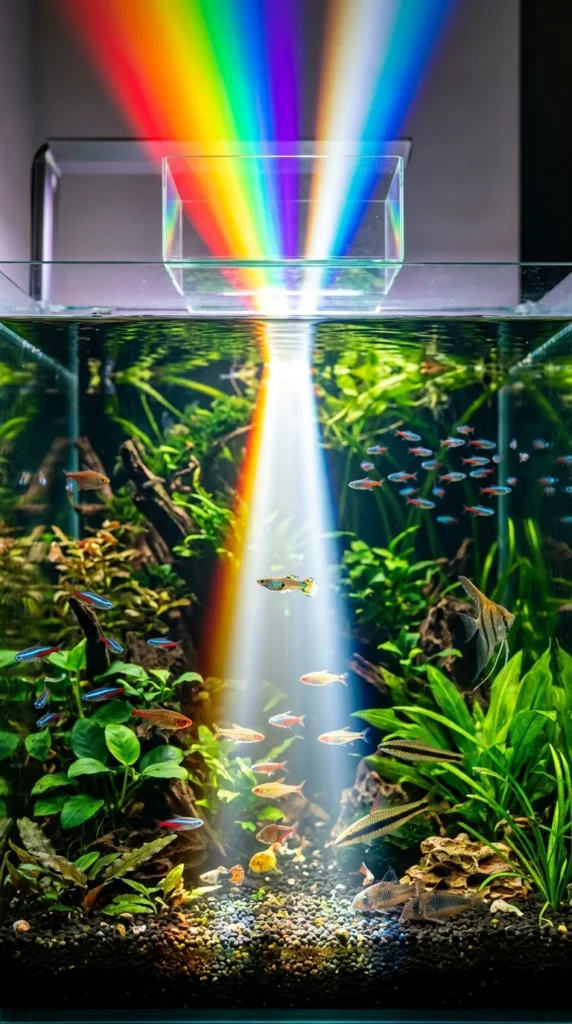
Plants require more than just “white” light; they need a blend of colors. Full-spectrum lighting mimics natural sunlight, incorporating reds, blues, and greens. While humans see this as a crisp white light, plants utilize the red and blue ends of the spectrum for chlorophyll absorption. High-quality full-spectrum lights ensure that your red plants stay deep crimson and your green plants stay vibrant emerald.
4. Color Temperature
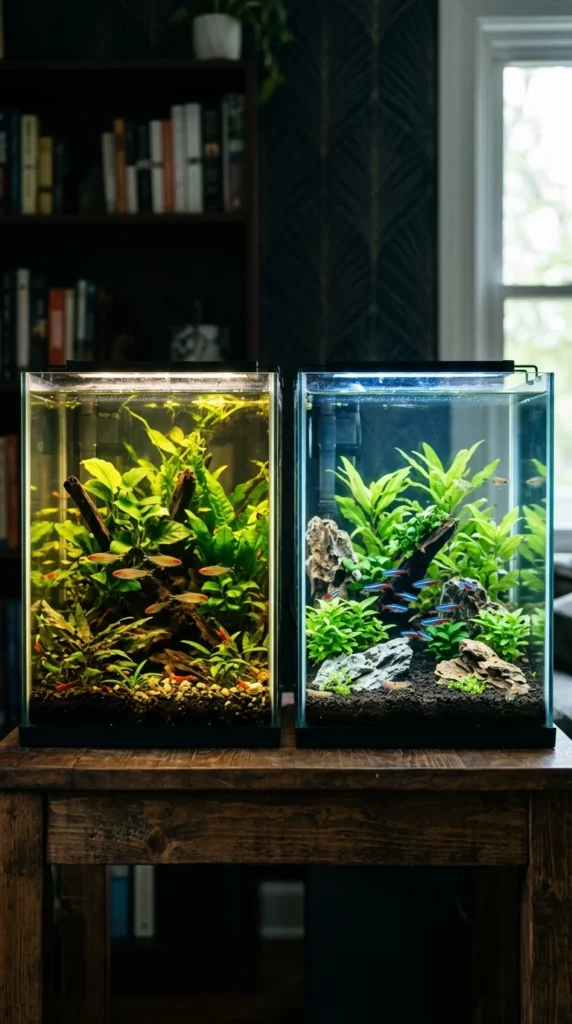
Measured in Kelvins (K), color temperature dictates the “hue” of your tank. A 6,500K bulb mimics midday sun and is generally considered the “sweet spot” for plant growth. Higher ratings, such as 10,000K or 20,000K, appear more blue and are often used in marine setups to simulate deep-ocean environments. Choosing the right Kelvin rating is essential for the aesthetic mood and biological needs of your tank.
5. PAR Levels
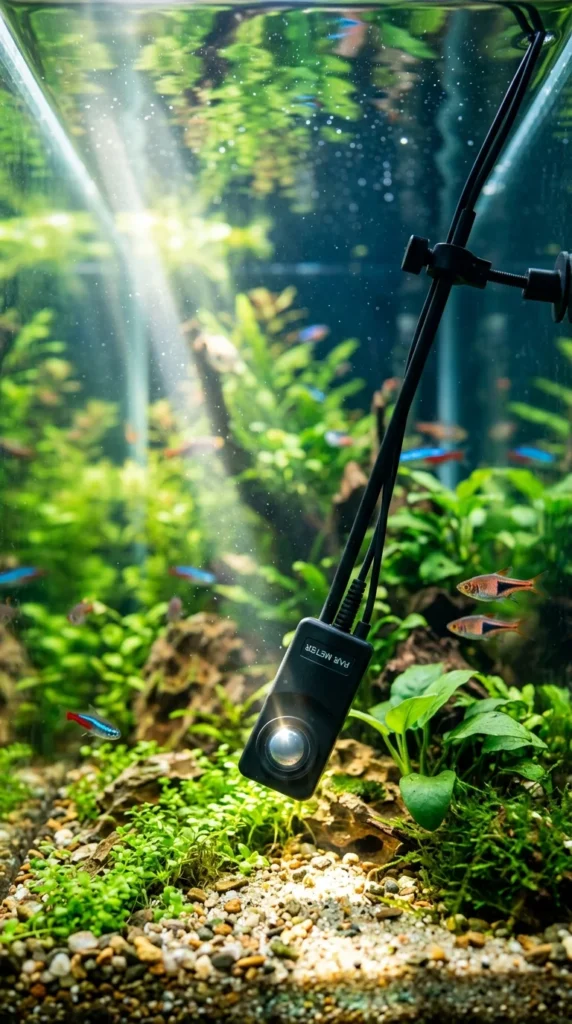
PAR, or Photosynthetically Active Radiation, is a measurement of how much “usable” light reaches your plants. While our eyes might perceive a light as bright, the PAR level tells the real story. High-PAR lighting is required for “carpeting” plants that sit at the bottom of the tank, as light intensity diminishes rapidly as it travels through water.
6. Photoperiod
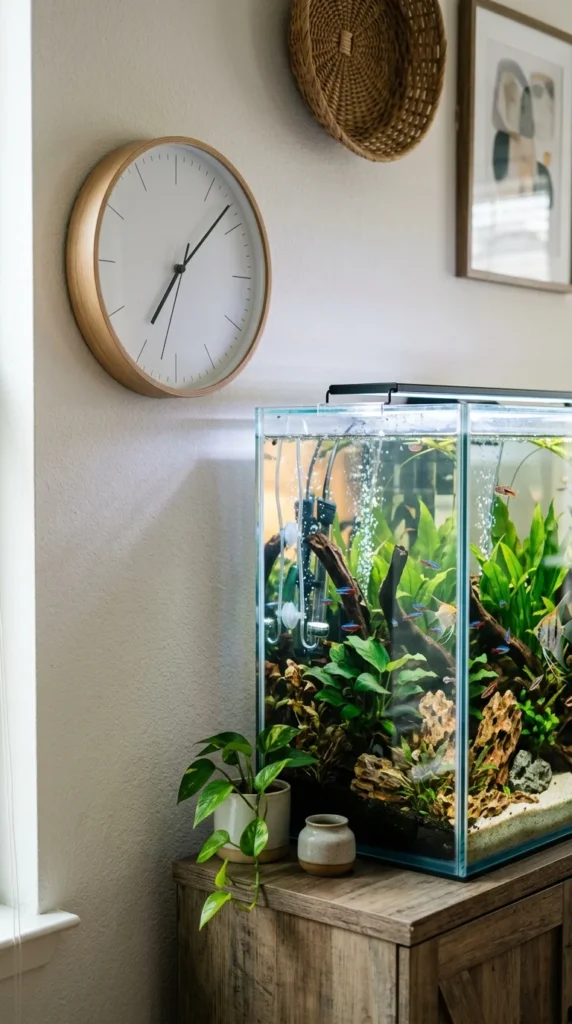
The photoperiod is the length of time your lights are on each day. Consistency is king. Most hobbyists find that 8 to 10 hours of light is ideal. Leaving lights on for too long is the fastest way to trigger an algae bloom, while too little light will starve your plants. Using a timer to simulate a regular day-night cycle helps reduce stress for your fish.
7. Algae Control
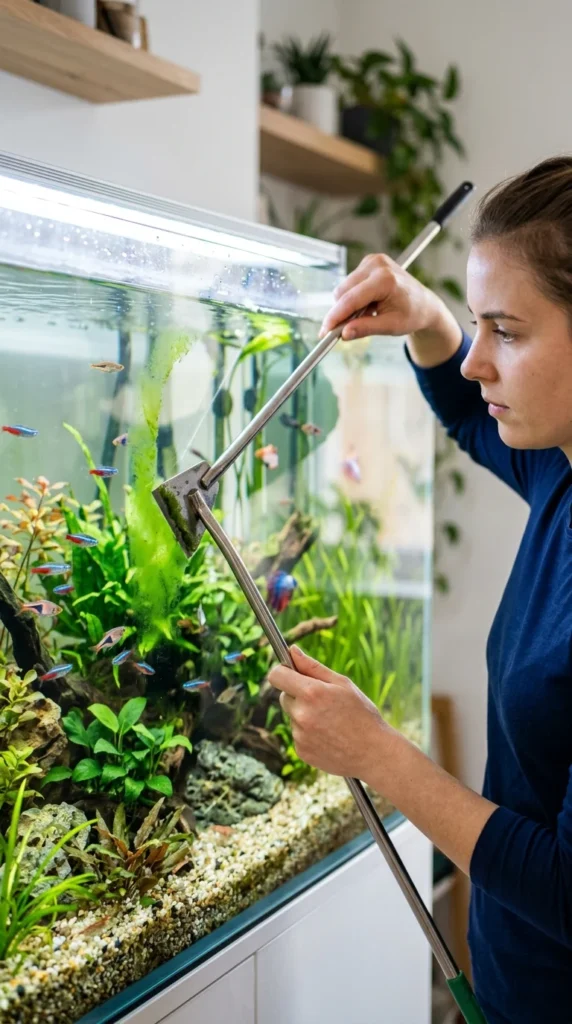
Lighting is a double-edged sword. While it grows plants, it also fuels algae. Finding the balance between light intensity, nutrient levels, and CO2 is the “golden triangle” of aquascaping. If you notice “hair algae” or “green water,” your light intensity or duration is likely outcompeting your plants’ ability to absorb nutrients.
8. Fluorescent Tubes
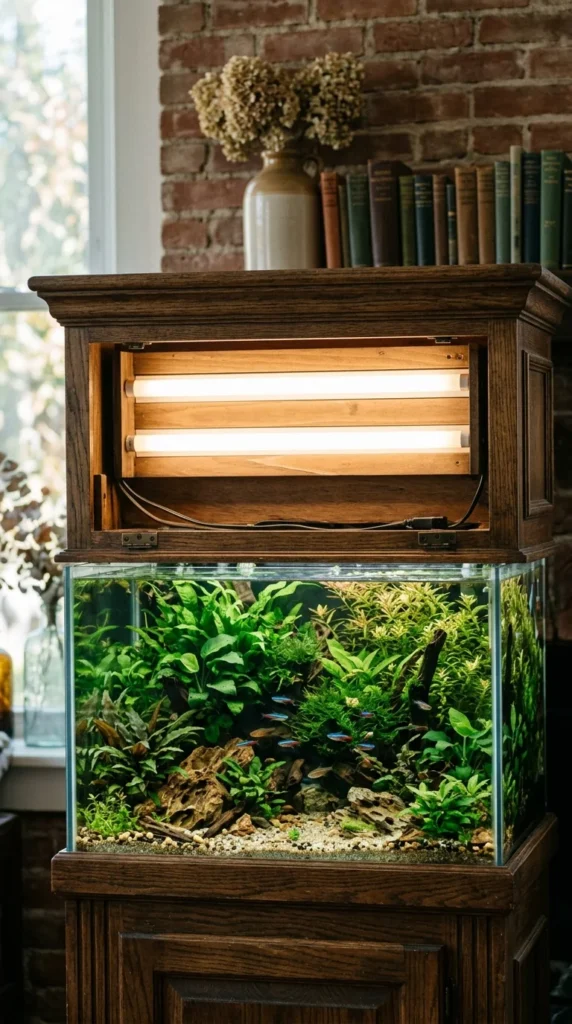
Before LEDs, T5 and T8 fluorescent tubes were the industry standard. They provide excellent light spread and are still loved by many “old school” hobbyists for their soft, even glow. However, they lose their spectral quality over time, requiring bulb replacements every 6 to 12 months, which can become costly and less eco-friendly than modern alternatives.
9. Metal Halides
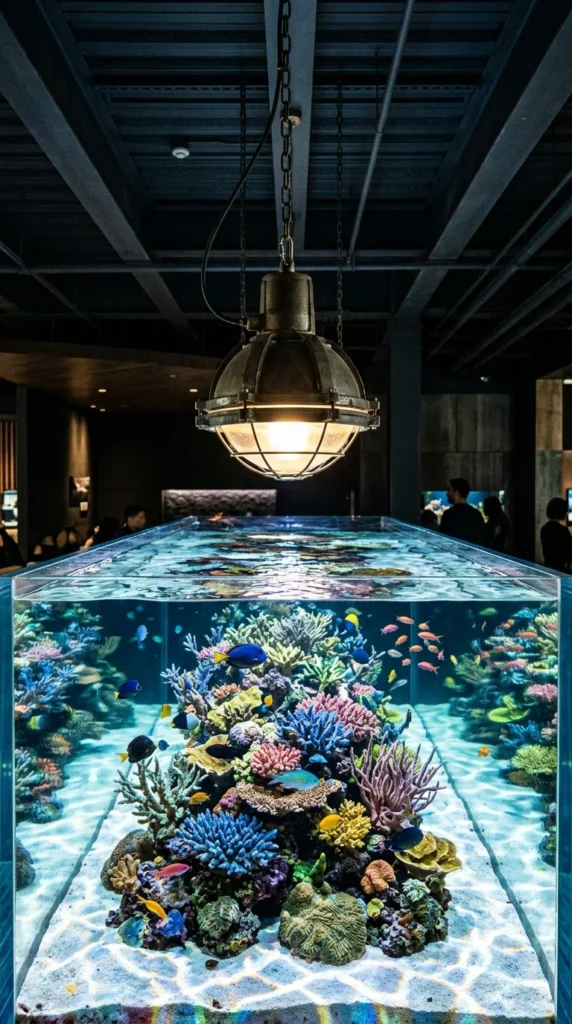
Known for their incredible intensity and “shimmer effect,” Metal Halides are the heavy hitters of aquarium lighting. They are primarily used in deep reef tanks where light needs to penetrate several feet of water. The downside? They consume massive amounts of electricity and produce significant heat, often requiring the use of a water chiller.
10. Moonlighting
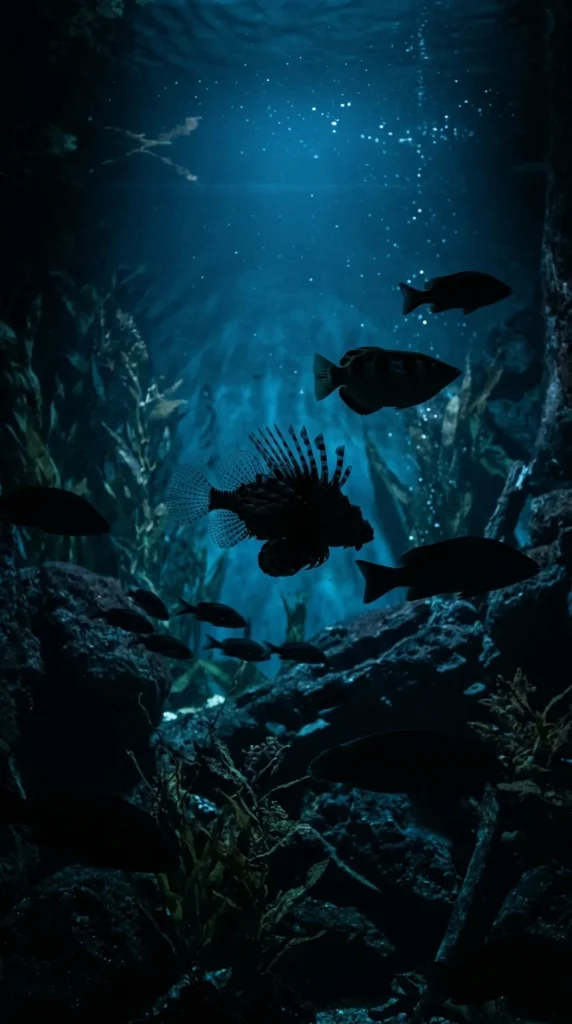
Fish have circadian rhythms just like humans. Blue “moonlight” settings allow you to observe nocturnal species—like catfish or certain eels—without startling them with harsh white light. It also provides a stunning aesthetic for your home during the evening hours, simulating a natural lunar cycle.
11. Dimming Features
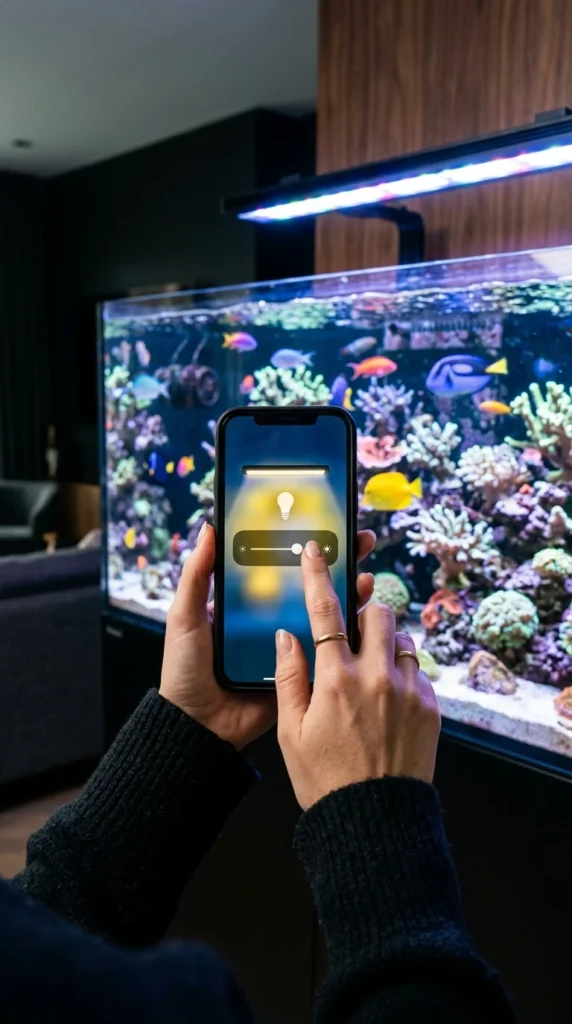
Modern smart lights allow for “ramping,” where the light slowly brightens in the morning and dims in the evening. This prevents the “light shock” that occurs when a bright light is suddenly flicked on in a dark room, which can cause fish to jump or dart into decorations, potentially causing injury.
12. Heat Emission
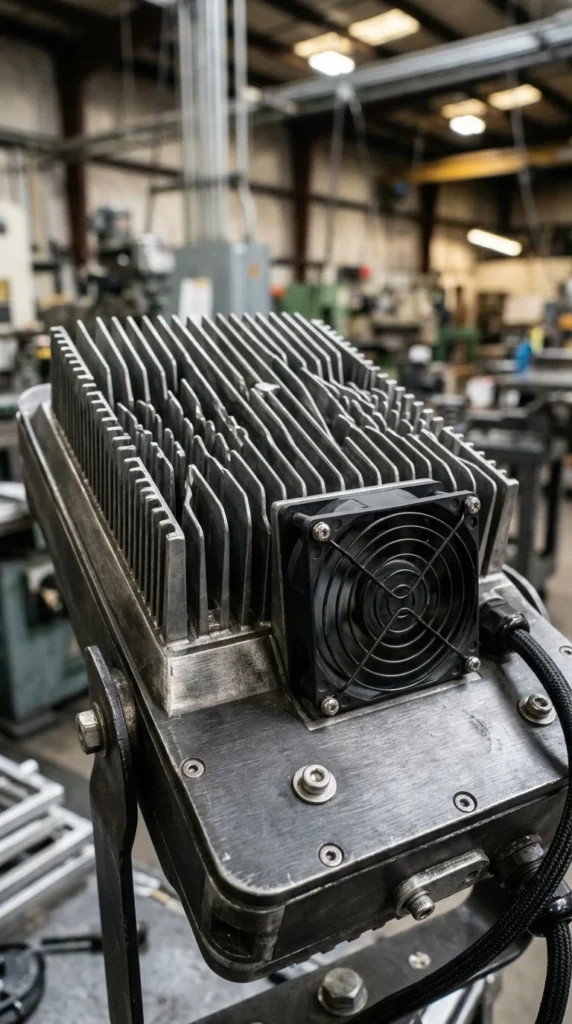
Every light source produces some heat. High-output lights can raise the water temperature of a small tank by several degrees, which can be lethal for sensitive species like shrimp. When choosing a light, consider the cooling mechanism—whether it uses passive aluminum heat sinks or active cooling fans—to ensure your water parameters remain stable.
13. Wattage Density
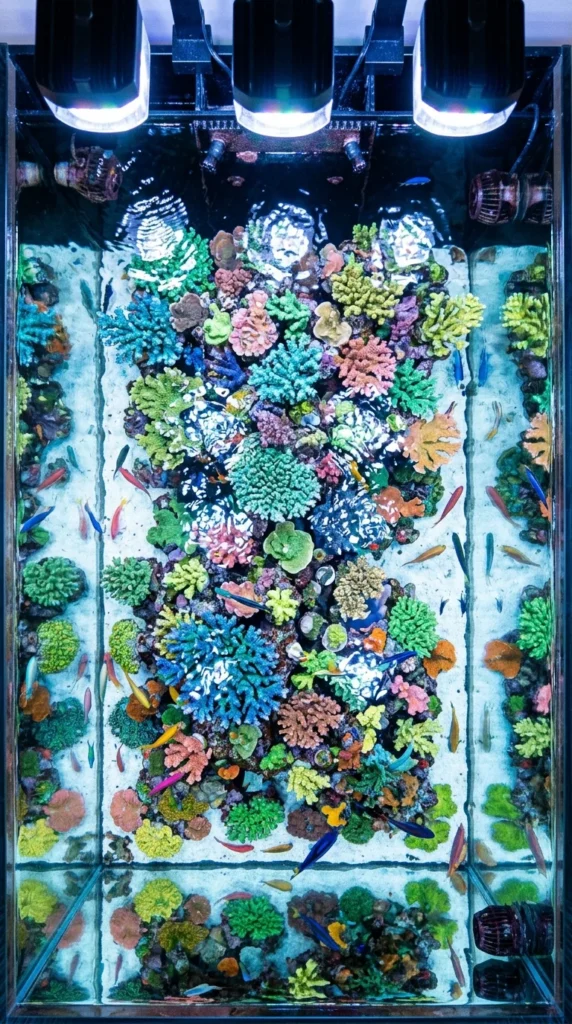
In the past, the “watts per gallon” rule was the standard. However, with the efficiency of LEDs, this rule is largely obsolete. Today, it is better to look at the “lumens” or “PAR per watt.” A 20-watt LED can often provide more usable light for plants than a 50-watt fluorescent bulb.
14. Light Intensity
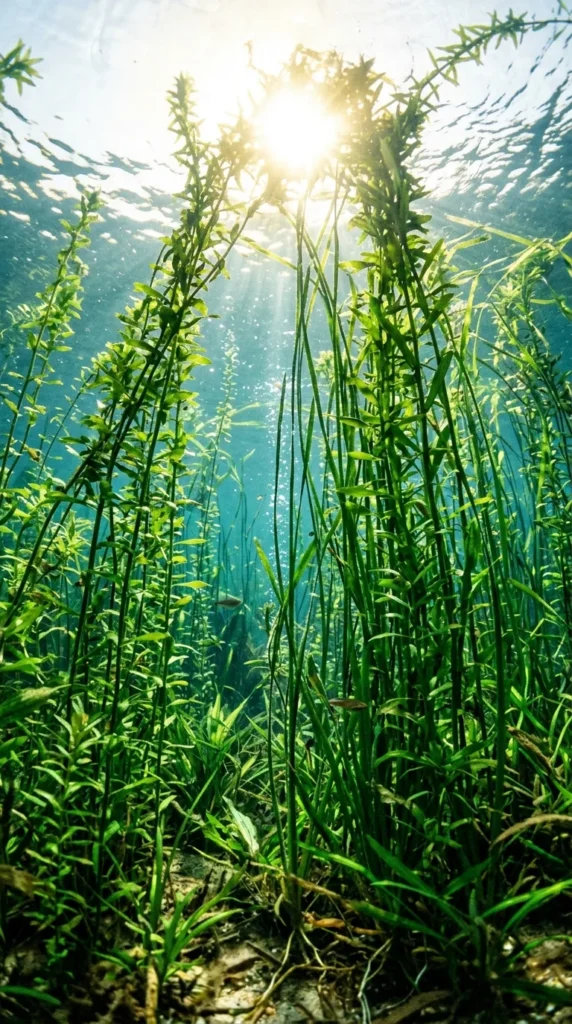
Intensity refers to how “strong” the light is. Low-light plants like Java Fern and Cryptocoryne thrive in shaded areas or under dim fixtures. High-light plants, often characterized by red leaves or low-growing “carpet” habits, require intense, direct light. Understanding the specific needs of your flora is vital to preventing leaf melt.
15. Reflector Usage
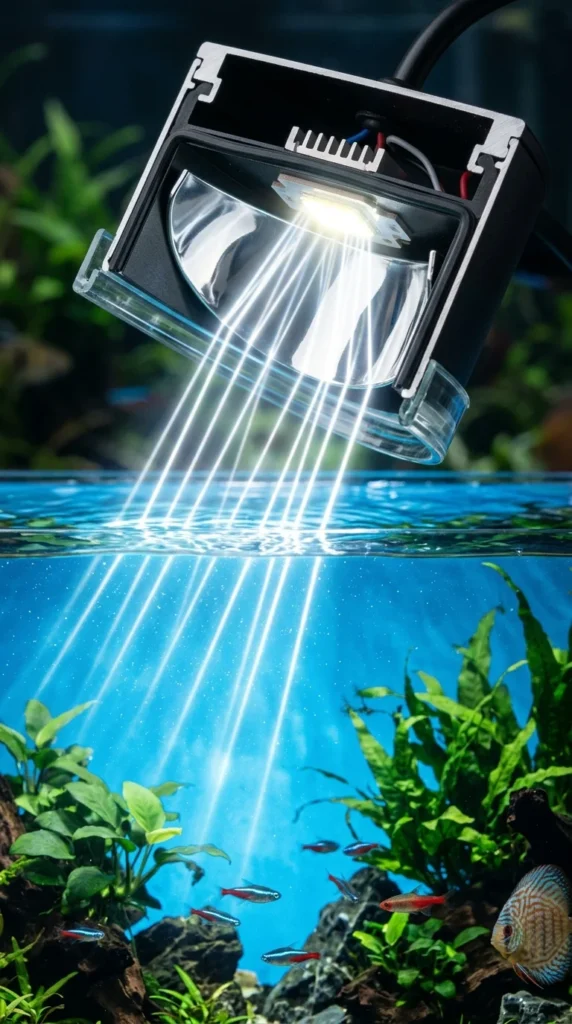
For those using fluorescent tubes, reflectors are essential. Without them, up to 50% of the light produced by the bulb is wasted as it shines upward into the hood. High-quality parabolic reflectors bounce that light back down into the tank, effectively doubling the efficiency of your setup without increasing power consumption.
16. Placement Height
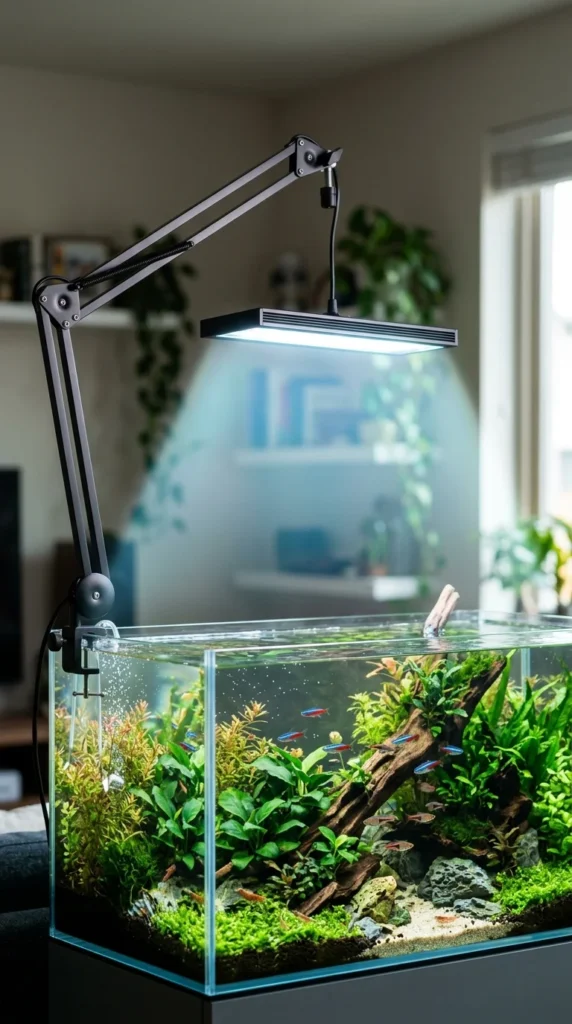
The distance between your light and the water surface changes everything. Mounting a light higher creates a wider “spread” but reduces “penetration.” Lowering the light increases intensity but can create “hot spots” where some plants get too much light while others are left in the dark. Adjustability is a key feature to look for in any mounting system.
17. Growth Cycles
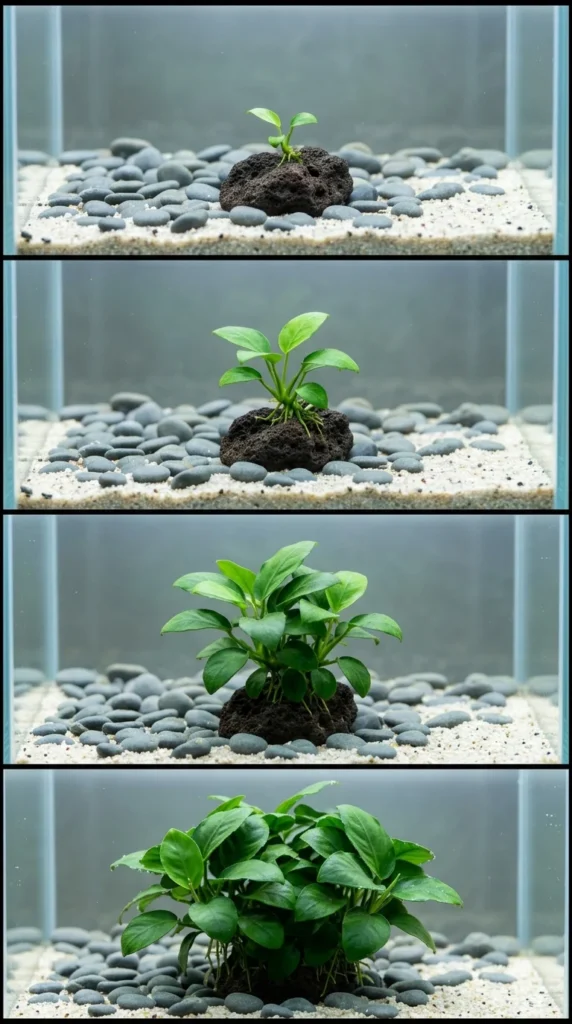
Plants go through different phases. During the initial “rooting” phase of a new tank, lower light levels can prevent algae while the plants establish themselves. Once the tank is “seasoned,” increasing light intensity can trigger a growth spurt. Managing these cycles allows you to “sculpt” your aquascape over time.
18. Blue Spectrum
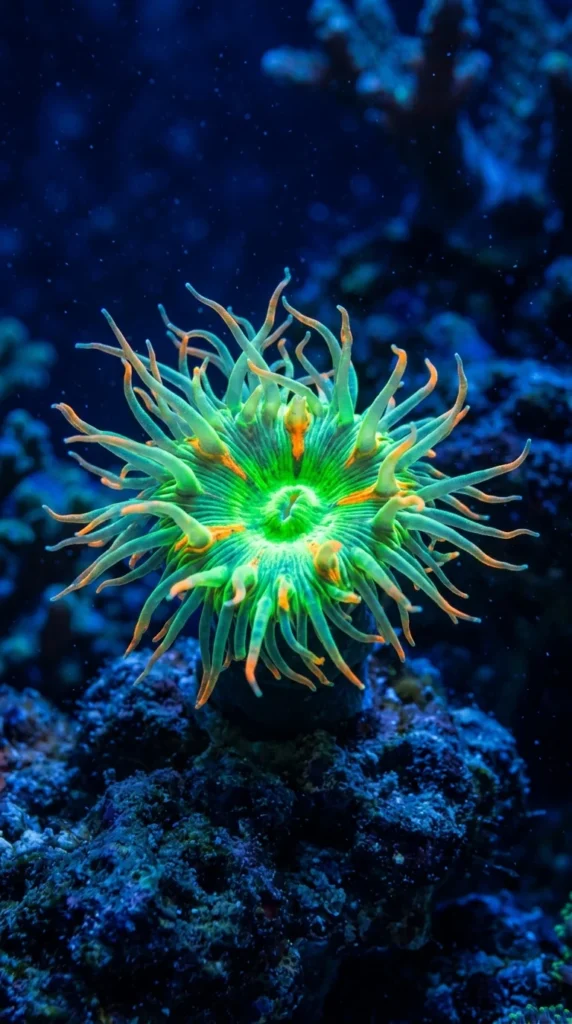
The blue spectrum is vital for both freshwater and saltwater tanks. In marine environments, blue light (actinic) is necessary for the health of zooxanthellae—the symbiotic algae that live inside coral tissues. In freshwater, blue light helps regulate plant height, preventing them from becoming too “leggy” or thin as they reach for the surface.
19. Red Spectrum
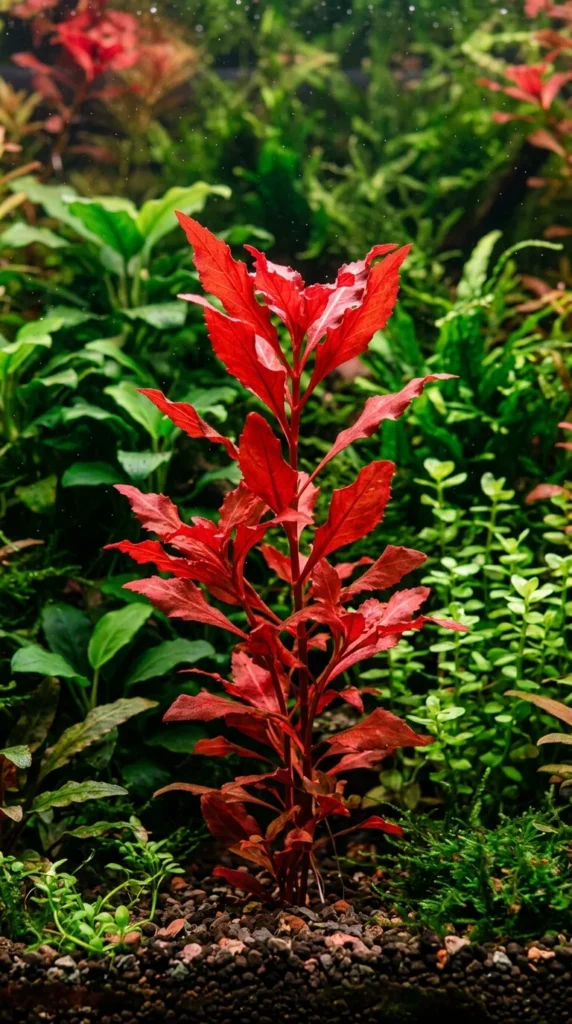
Red light is the primary driver of stem elongation and leaf expansion. If you want your plants to look “full” and bushy, a light with a strong red peak is necessary. Additionally, red light enhances the natural colors of fish like Cherry Barbs and Red Wag Platies, making their scales pop with intensity.
20. Water Clarity
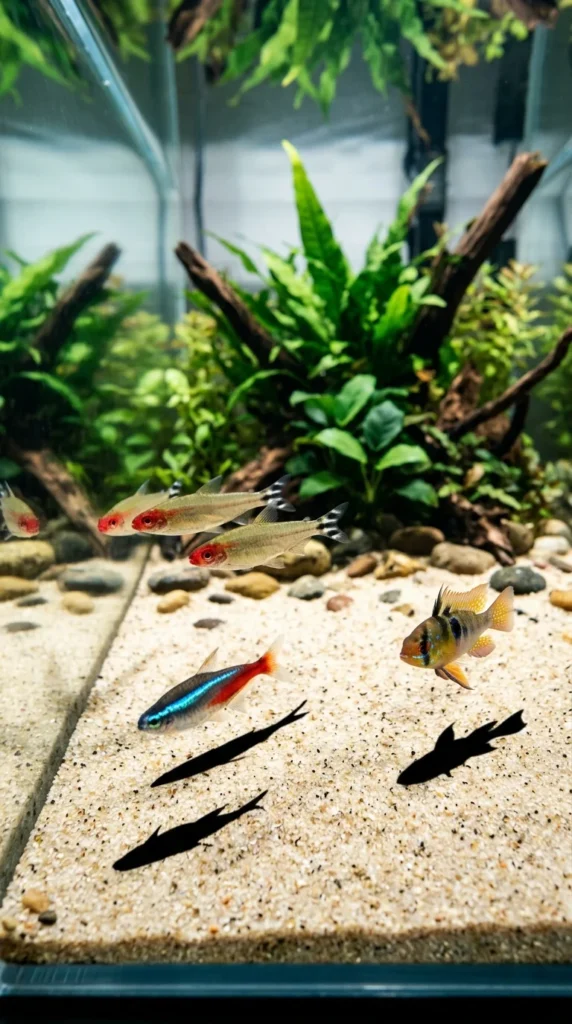
Lighting performance is heavily dictated by water clarity. “Tannins” (tea-colored water from driftwood) or floating debris act as a filter, blocking light from reaching the bottom. Regular water changes and the use of chemical filtration like carbon or Purigen ensure that your expensive lighting isn’t being blocked by murky water.
21. Energy Efficiency
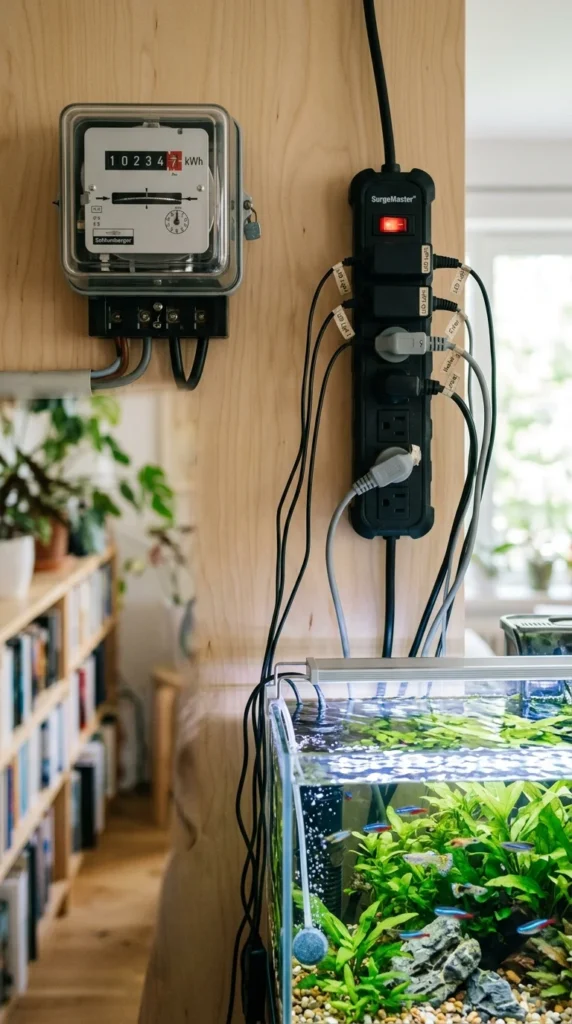
Keeping an aquarium is a long-term commitment, and electricity costs add up. LEDs can save you hundreds of dollars over their lifespan compared to Metal Halides or T5s. When shopping, look for the “lumens per watt” rating to find the most efficient models that provide the most brightness for the least amount of power.
22. Timers
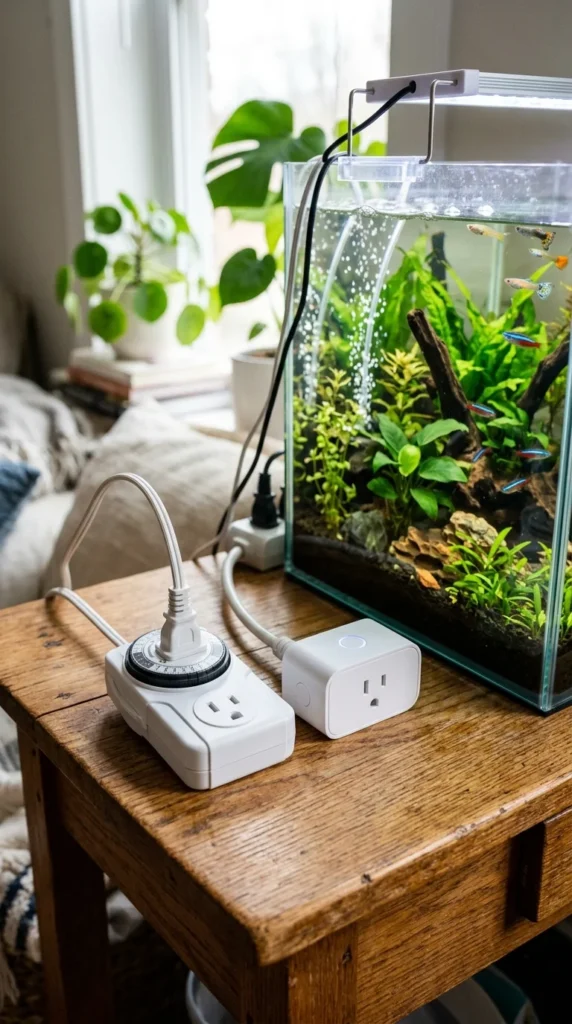
The humble timer is perhaps the most important accessory in aquarium lighting. Manual switching leads to inconsistency, which stresses fish and encourages algae. Whether it’s a $5 mechanical timer or a high-tech Wi-Fi integrated controller, automating your light cycle is the single best thing you can do for the long-term stability of your underwater world.