
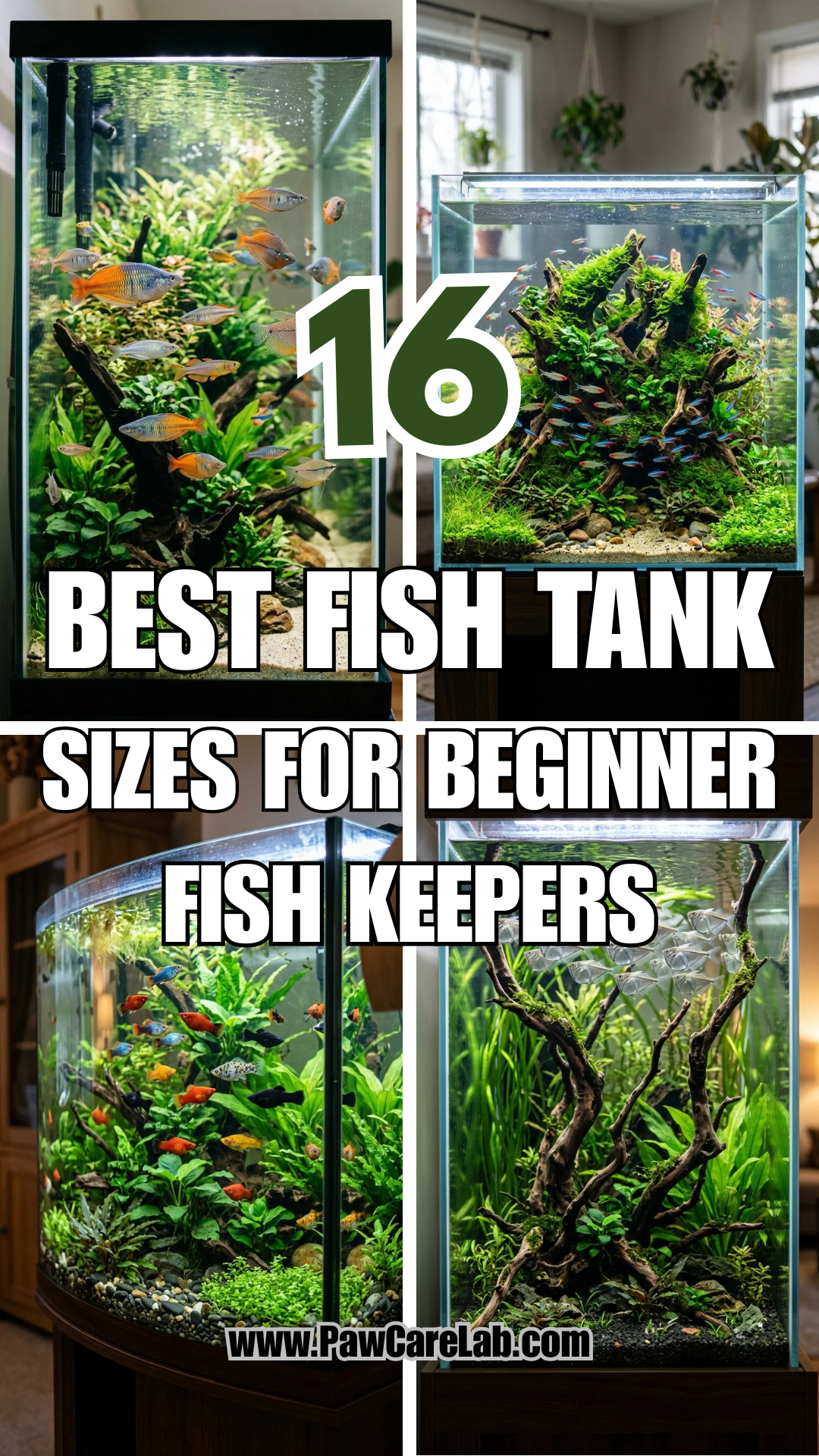
Entering the world of fish keeping is an exhilarating journey, but for many beginners, the first hurdle is often the most confusing: choosing the right tank size. It is a common misconception that smaller tanks are easier for novices. In reality, larger volumes of water are more chemically stable and forgiving of minor mistakes. However, space, budget, and the types of fish you desire all play a role in the decision.
Whether you are looking for a desktop companion or a centerpiece for your living room, this guide breaks down the 16 best tank sizes for beginners, highlighting why they work and what you can keep in them.
1. 5-Gallon Nano
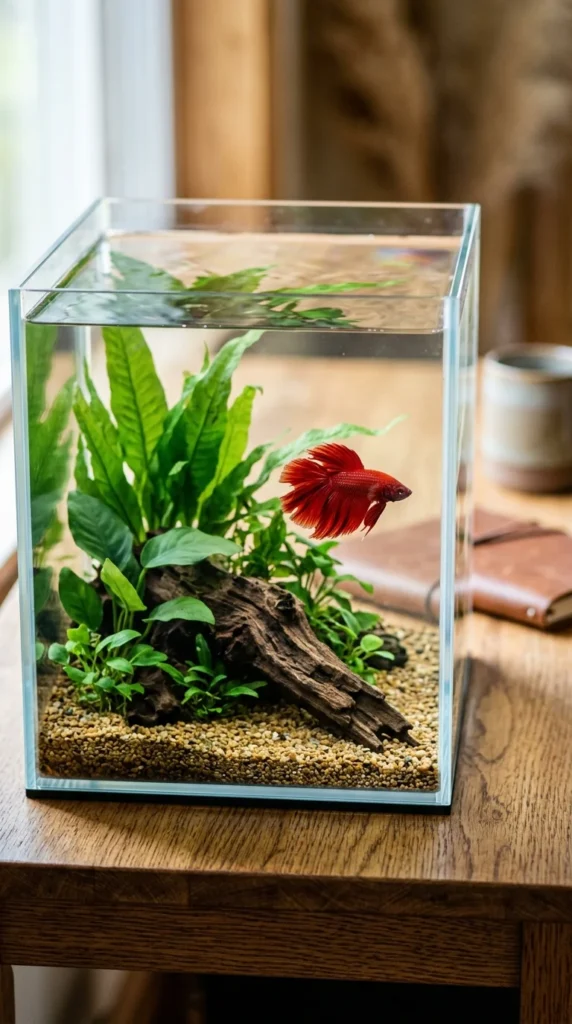
The 5-gallon tank is the absolute minimum size recommended for any permanent fish resident. While it requires diligent monitoring of water parameters because the small volume can fluctuate quickly, it is a fantastic entry point for those with limited space. It is the gold standard for a single male Betta fish or a small colony of colorful Neocaridina shrimp. Because of its size, it fits easily on sturdy desks and kitchen counters, making it a popular “nano” choice.
2. 10-Gallon Standard

The 10-gallon tank is arguably the most common entry point into the hobby. It is widely available, incredibly affordable, and fits on most standard furniture. This size allows for a bit more creativity than the 5-gallon. You can host a small school of nano fish, such as Ember Tetras or Celestial Pearl Danios. It is also an excellent size for learning the basics of the nitrogen cycle and live plant maintenance without being overwhelmed by a massive setup.
3. 15-Gallon Column
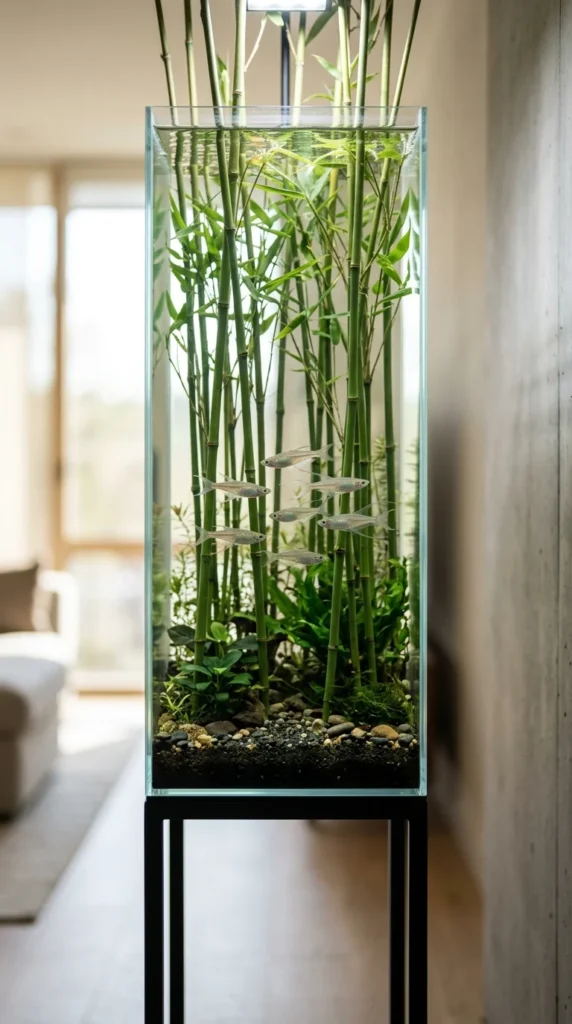
If you have very little horizontal floor space but want more water volume than a 10-gallon, the 15-gallon column is a stylish solution. These tanks emphasize height over length. They are perfect for fish that enjoy vertical movement or for creating dramatic aquascapes with tall driftwood and rock formations. While they offer less “swimming room” for active schooling fish, they make a stunning visual statement in corners or tight spaces.
4. 20-Gallon High
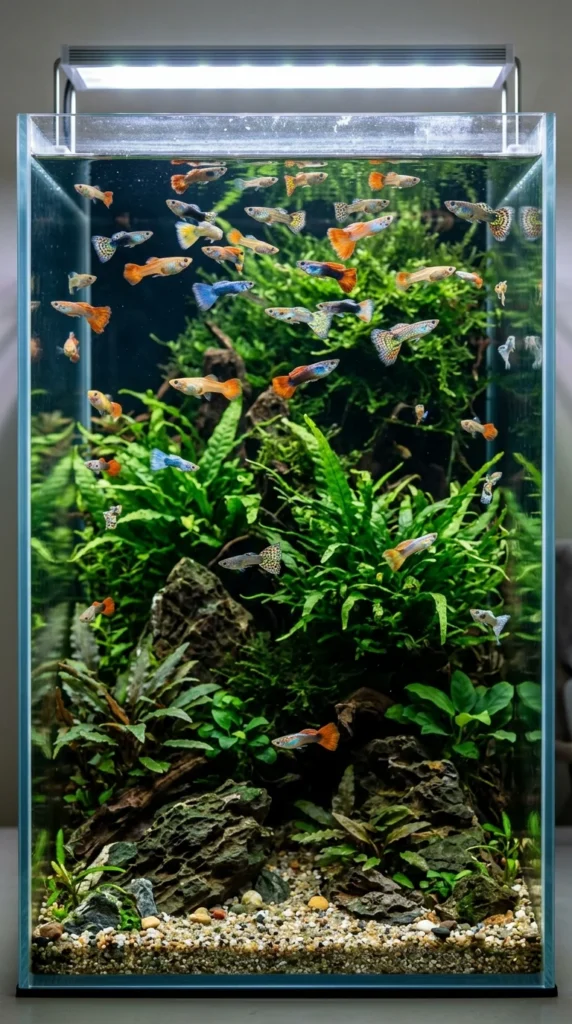
The 20-gallon “high” takes the footprint of a 15-gallon and adds extra height. This is a brilliant beginner tank because it provides a significant “buffer” of water—the more water you have, the slower toxins like ammonia build up. It allows for a community of fish, perhaps a pair of honey gouramis as a centerpiece along with a small school of harlequin rasboras. The height also allows for layered planting, from foreground mosses to tall background stems.
5. 20-Gallon Long
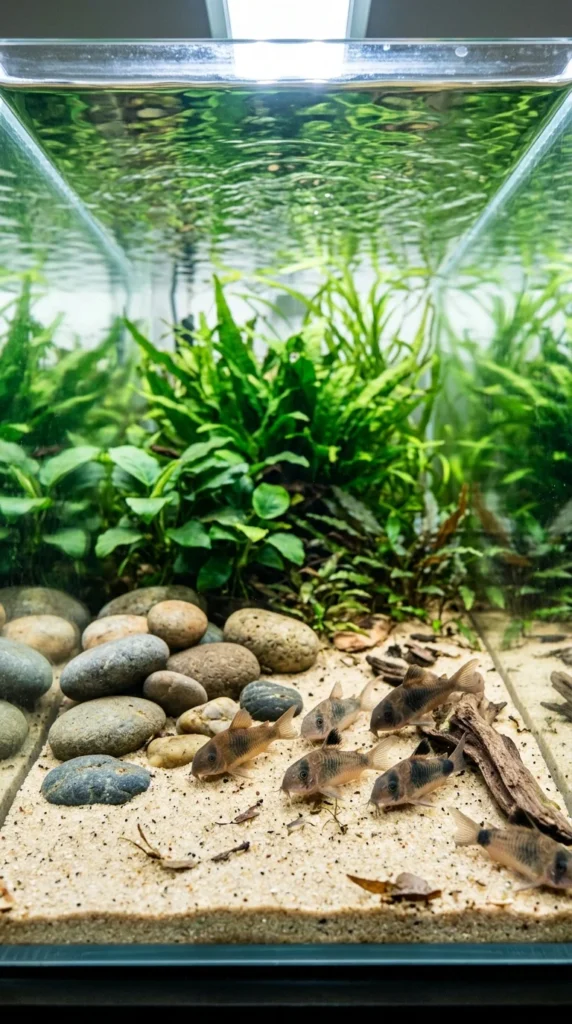
Many experienced hobbyists consider the 20-gallon long to be the “sweet spot” for beginners. It has the same volume as the 20-high but is longer and shallower. This provides more surface area for oxygen exchange and more floor space for bottom-dwelling fish like Corydoras or Khuli Loaches. The extra length also gives active swimmers more room to dart back and forth, making the fish feel more secure and display more natural behaviors.
6. 29-Gallon Standard
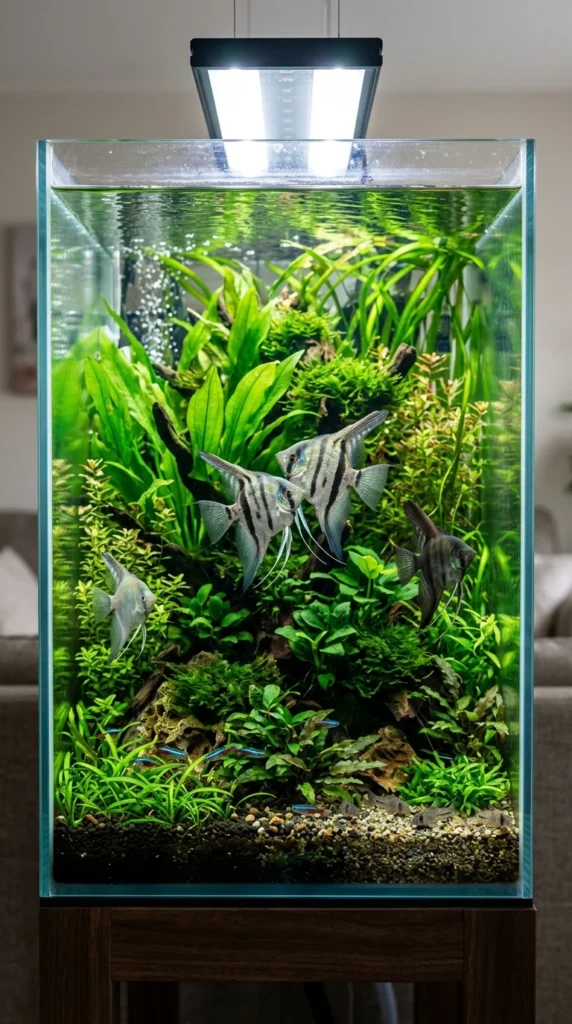
The 29-gallon tank shares the same footprint as the 20-gallon long but is several inches taller. This is one of the most versatile sizes available. It is large enough to house a truly diverse community of fish, including dwarf cichlids like Rams or Apistogrammas. It is still manageable for a beginner to clean during weekly water changes, yet large enough that the water chemistry remains remarkably stable even if you miss a day of maintenance.
7. 30-Gallon Breeder
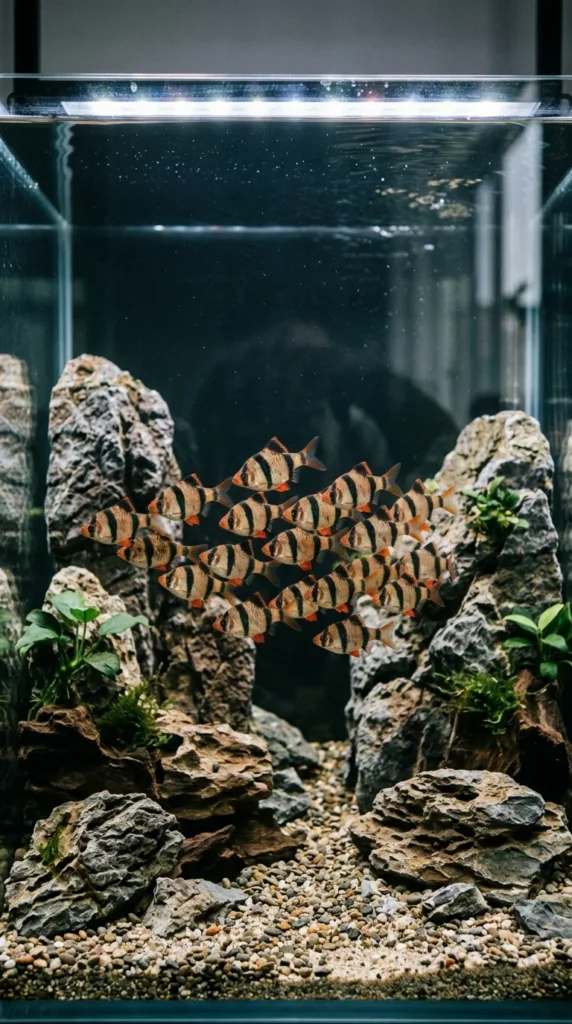
The “Breeder” designation means the tank is wider from front to back than a standard tank. A 30-gallon breeder offers a massive amount of “floor” space, which is critical for territorial fish or those that spend their time on the substrate. For a beginner, this tank is a dream for aquascaping because the depth (front-to-back) allows you to create a sense of perspective with your plants and hardscape that thinner tanks simply cannot match.
8. 32-Gallon BioCube
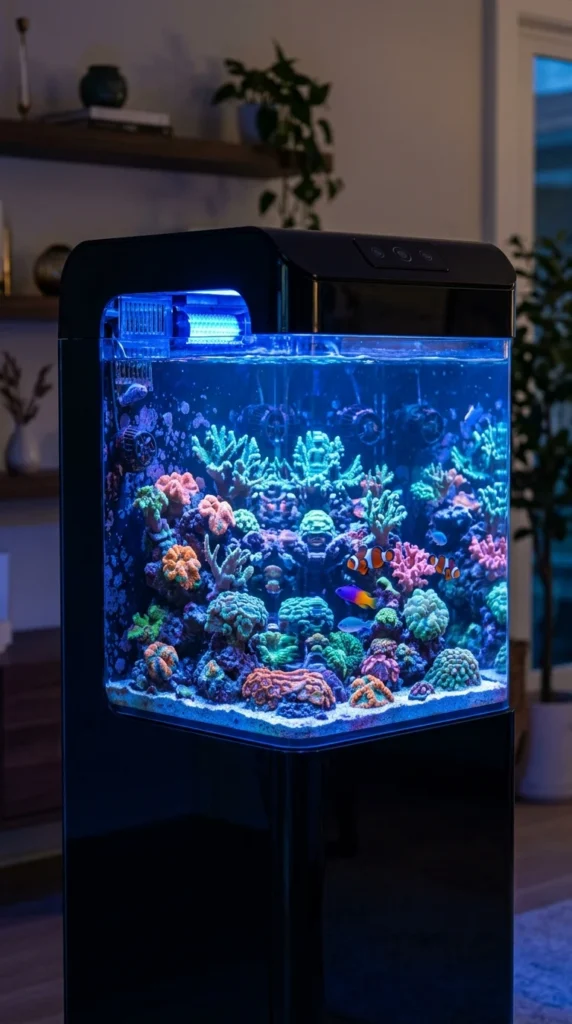
The BioCube (and similar “All-in-One” or AIO systems) is perfect for the beginner who wants to skip the hassle of picking out separate filters, lights, and heaters. Everything is built into the back of the tank. While often used for saltwater setups, it makes an incredible, high-tech freshwater tank as well. The 32-gallon size is large enough to be stable but small enough to fit on a dedicated stand in a bedroom or office.
9. 36-Gallon Bowfront

If aesthetics are your primary concern, the 36-gallon bowfront is a winner. The curved front glass creates a slight magnifying effect and a sense of depth that traditional rectangular tanks lack. It provides a generous volume for a community of fish, and the height allows for tall, flowing plants like Valisneria. It is a popular “focal point” tank that looks like a piece of high-end furniture.
10. 40-Gallon Breeder
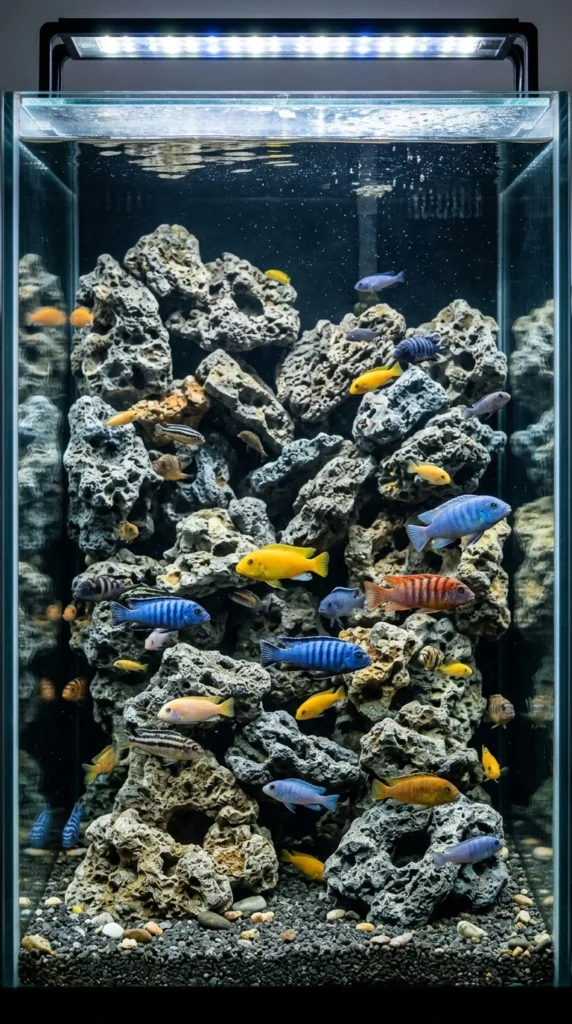
Ask any veteran fish keeper, and they will likely tell you that the 40-gallon breeder is the best tank ever made. It is wide, deep, and not too tall, making it easy to reach the bottom for maintenance. For a beginner, this tank offers the ultimate flexibility. You can keep larger schools of fish, more sensitive species, or even a single fancy goldfish (which require more space than people realize). Its proportions make it the easiest tank to light and decorate effectively.
11. 45-Gallon Tall
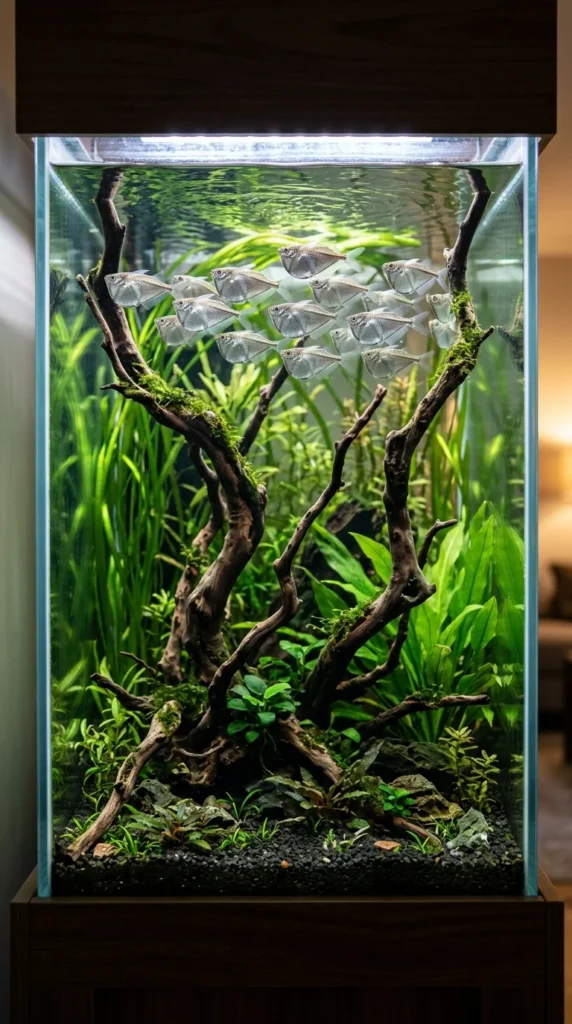
The 45-gallon tall is essentially a 40-gallon breeder that has been stretched upward. It is perfect for those who want a significant volume of water but have a specific, narrower spot in their home for a stand. It is particularly well-suited for tall, thin fish like Angelfish, which appreciate the vertical swimming room to accommodate their long fins.
12. 55-Gallon Standard
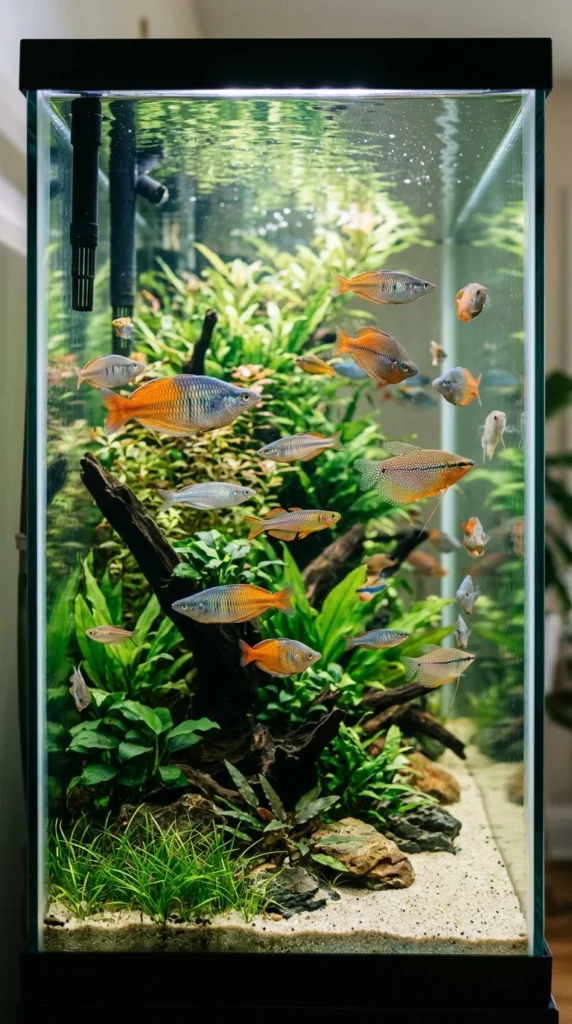
The 55-gallon is the classic “large” beginner tank. At four feet long, it allows for impressive “line-of-sight” swimming. You can watch a school of 20 Rummynose Tetras move from one end to the other in a tight formation. While it is narrow from front to back, its length makes it a favorite for those who want a dramatic, wide display. Just be prepared for the weight—a filled 55-gallon tank weighs over 500 pounds!
13. 60-Gallon Cube
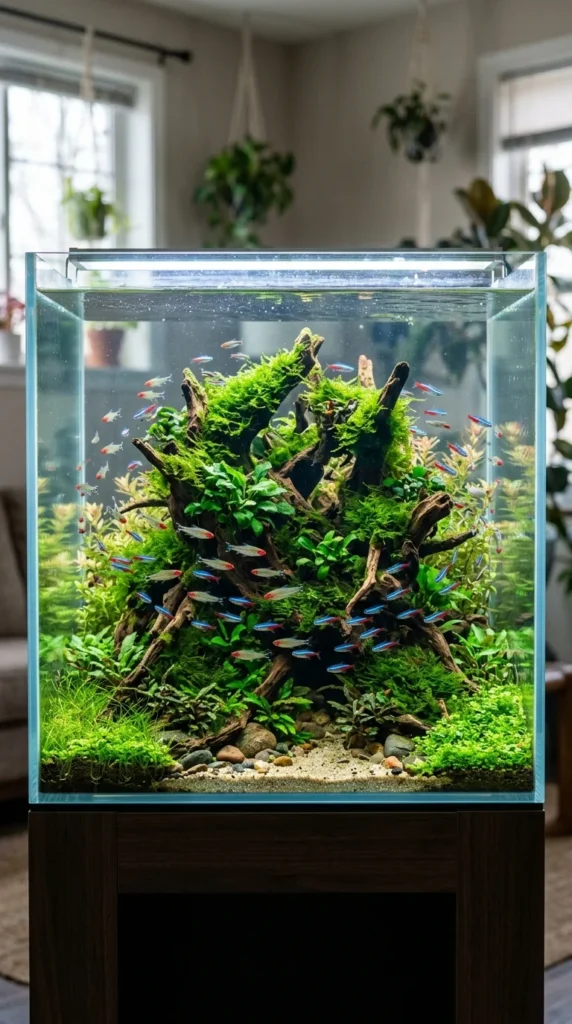
Cube tanks are incredibly trendy and for good reason. A 60-gallon cube offers a massive amount of water in a footprint that is relatively compact. For a beginner, a cube provides a unique aquascaping challenge: the “island” look. By placing your rocks and plants in the center, fish can swim 360 degrees around the decor. This size is also very stable, making it easier to keep the water crystal clear.
14. 65-Gallon Tall
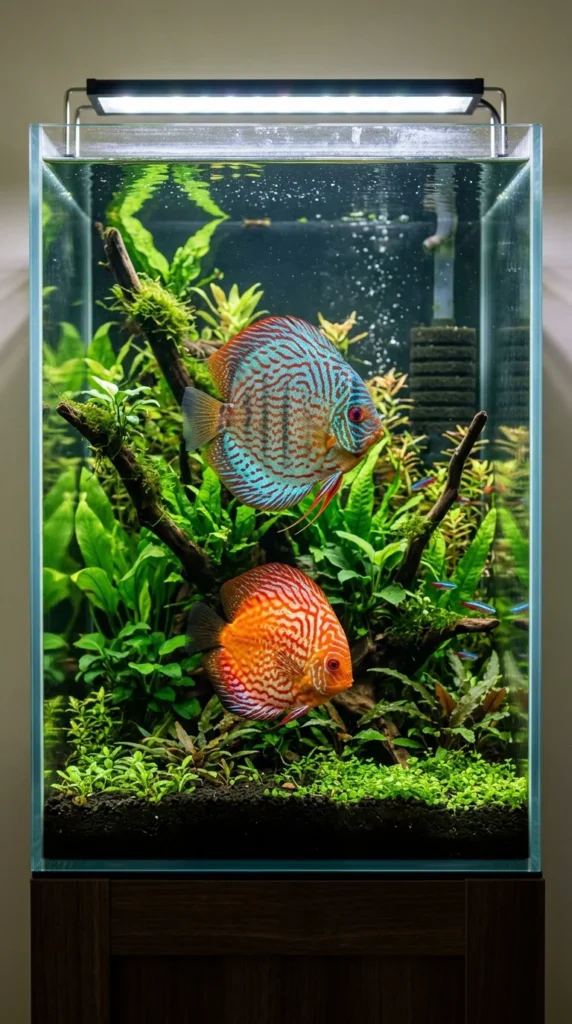
The 65-gallon is a beefier version of the 40-gallon breeder. It takes that great wide footprint and adds significant height. This is an excellent “step up” for a beginner who knows they want to keep slightly more demanding or larger fish, such as Discus or larger Gouramis. The extra water volume acts as a massive safety net for your water quality.
15. 75-Gallon
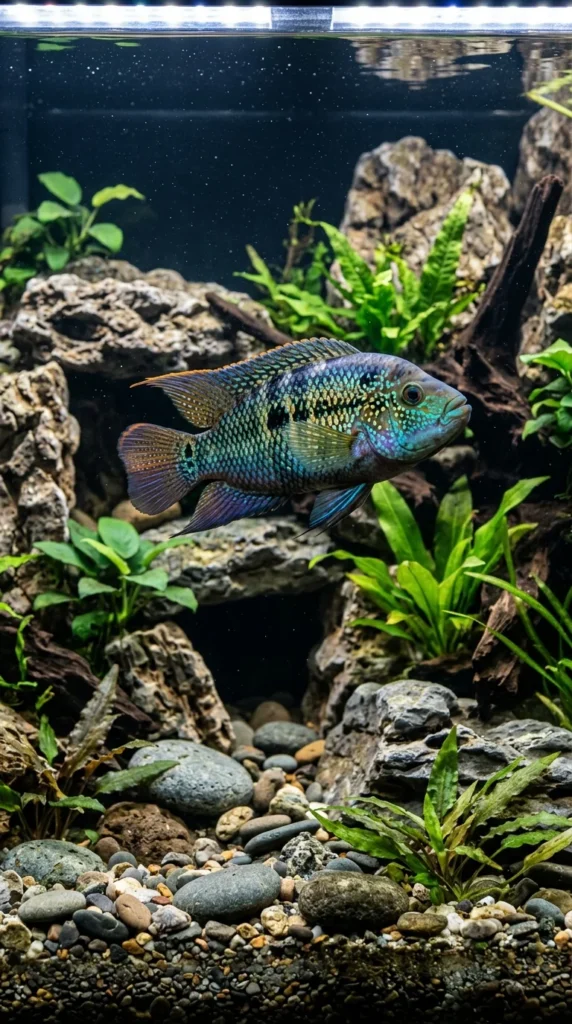
Many consider the 75-gallon the upper limit of “beginner” sizes. It is the same length as a 55-gallon (4 feet) but much wider. This extra width makes it far easier to decorate and provides a much better environment for larger fish. If you are a beginner who is interested in semi-aggressive fish or larger American Cichlids, the 75-gallon is the minimum size you should consider to ensure the fish have enough territory.
16. 90-Gallon
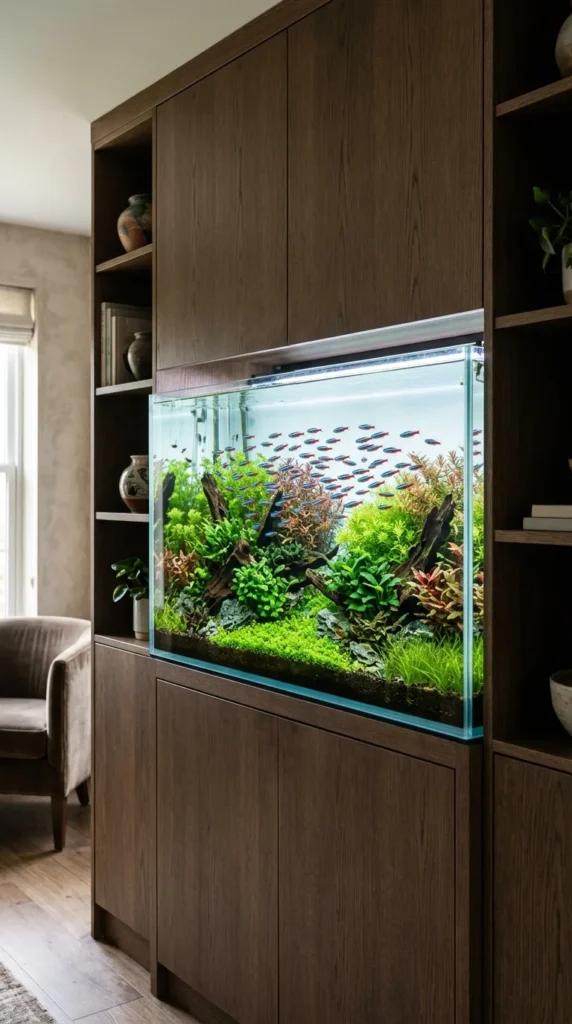
If you have the budget and the floor support, the 90-gallon is the “luxury” beginner choice. It is 4 feet long and very tall. The sheer volume of water makes it incredibly difficult to crash the nitrogen cycle, meaning your fish are safer from the accidental overfeeding that many beginners struggle with. It is a serious commitment in terms of maintenance and cost, but it provides a world-class canvas for creating a breathtaking underwater ecosystem.