Mastering the art of fish keeping starts with understanding that “one size fits all” does not apply to nutrition. Overfeeding is the leading cause of aquarium failure, leading to toxic ammonia spikes and lethargic pets. Conversely, underfeeding can stunt growth and weaken immune systems. To maintain a thriving underwater ecosystem, you need a precision-targeted feeding strategy.
Here is the ultimate guide to feeding schedules for 24 of the most popular aquarium inhabitants.
1. Goldfish
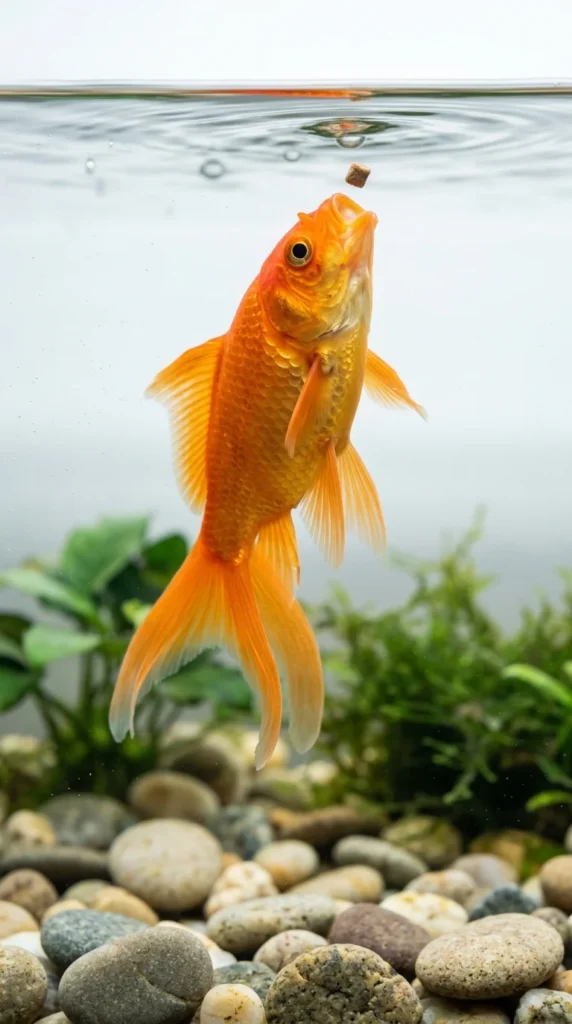
Goldfish lack a true stomach, meaning food passes through them quickly. Instead of one large meal, they thrive on 2 to 3 small feedings per day. Provide only what they can consume in two minutes. Using sinking pellets is often preferred to prevent them from gulping air at the surface, which can lead to swim bladder issues.
2. Betta
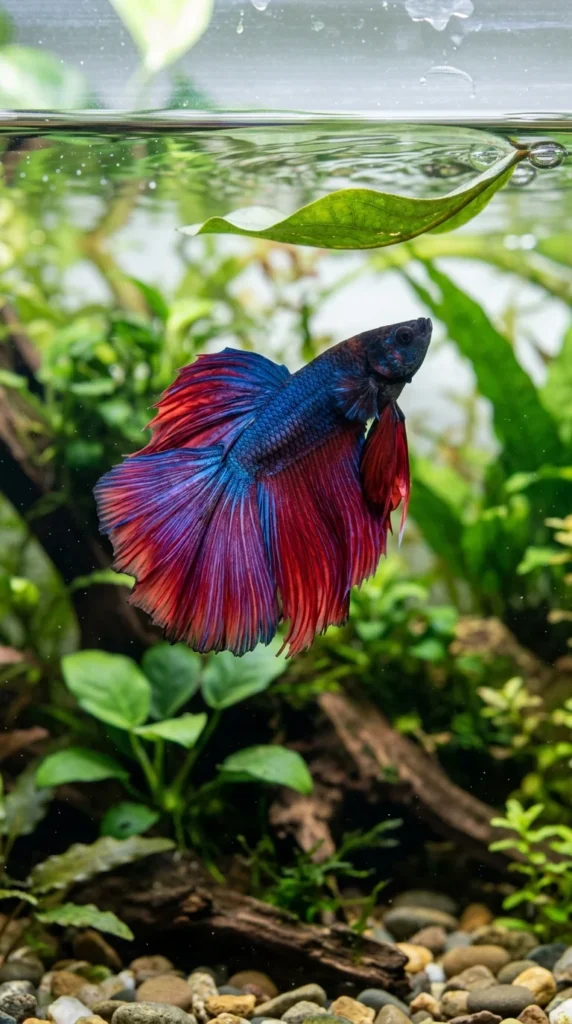
Bettas have tiny stomachs, roughly the size of their eye. Feed them once or twice daily. A strict schedule of 2–4 high-quality pellets per meal is ideal. It is highly recommended to have one “fasting day” per week to allow their digestive tract to clear, preventing bloating and constipation.
3. Neon Tetras
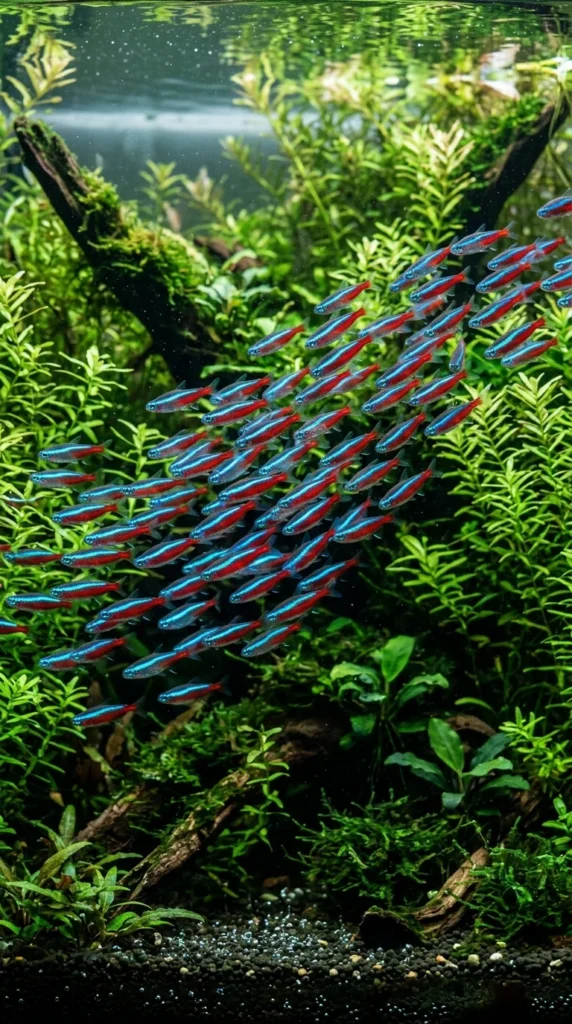
These high-energy schooling fish have fast metabolisms. They should be fed 1 to 2 times daily. Since they have tiny mouths, ensure you crush flakes into a fine powder or use micro-pellets. They are mid-water feeders, so keep an eye on the food to ensure it doesn’t sink past them too quickly.
4. Guppies
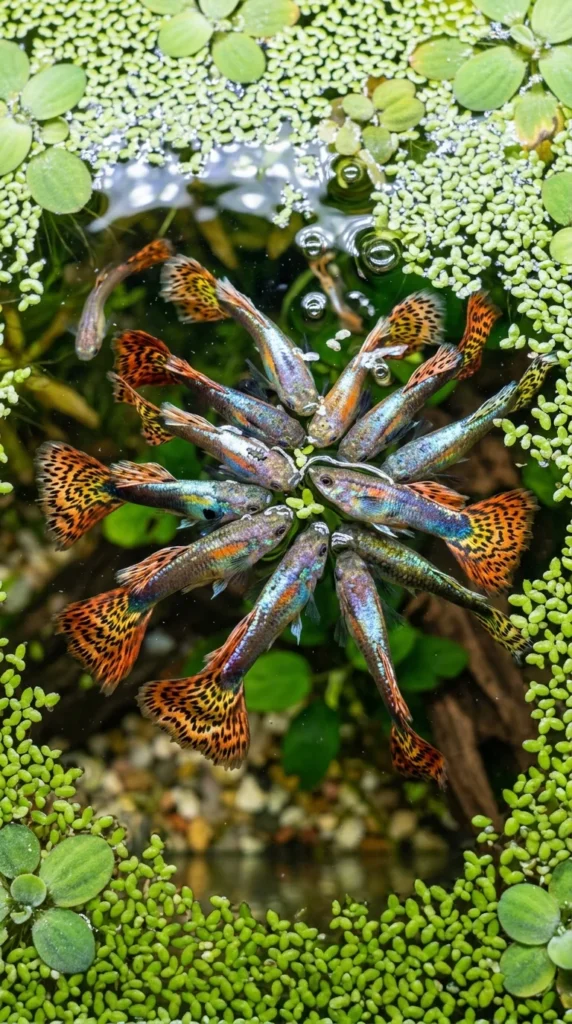
Guppies are opportunistic eaters and will act hungry even when full. Stick to a schedule of 2 small feedings per day. They benefit from a varied diet of flakes, freeze-dried brine shrimp, and vegetable matter. Frequent small meals help maintain the vibrant coloration of the males.
5. African Cichlids
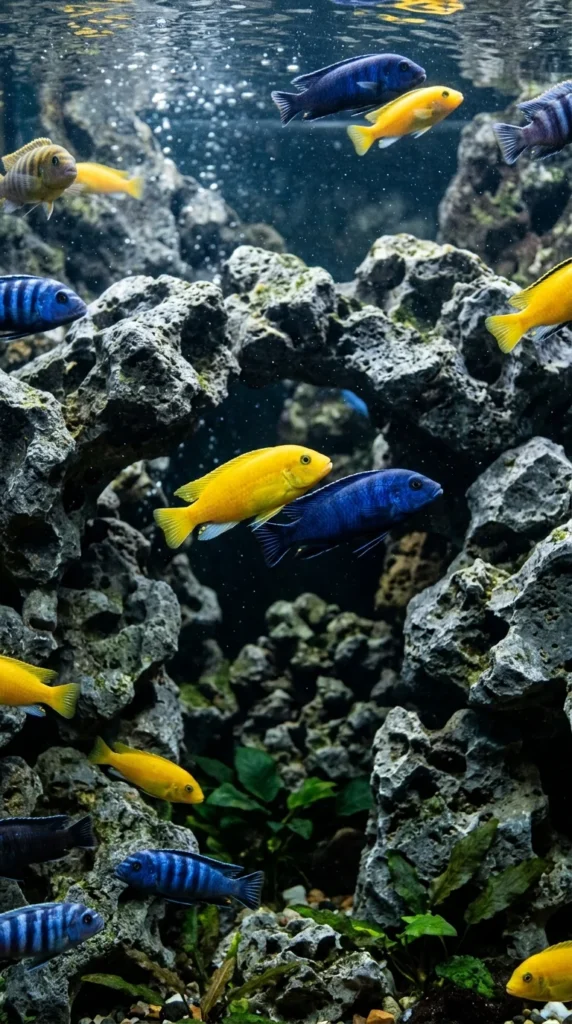
Most African Cichlids are grazers. They should be fed 2 times a day with a focus on spirulina-based flakes or pellets. Because they are prone to “Malawi Bloat,” avoid high-protein animal fats. A consistent morning and evening routine works best for these territorial fish.
6. Angelfish
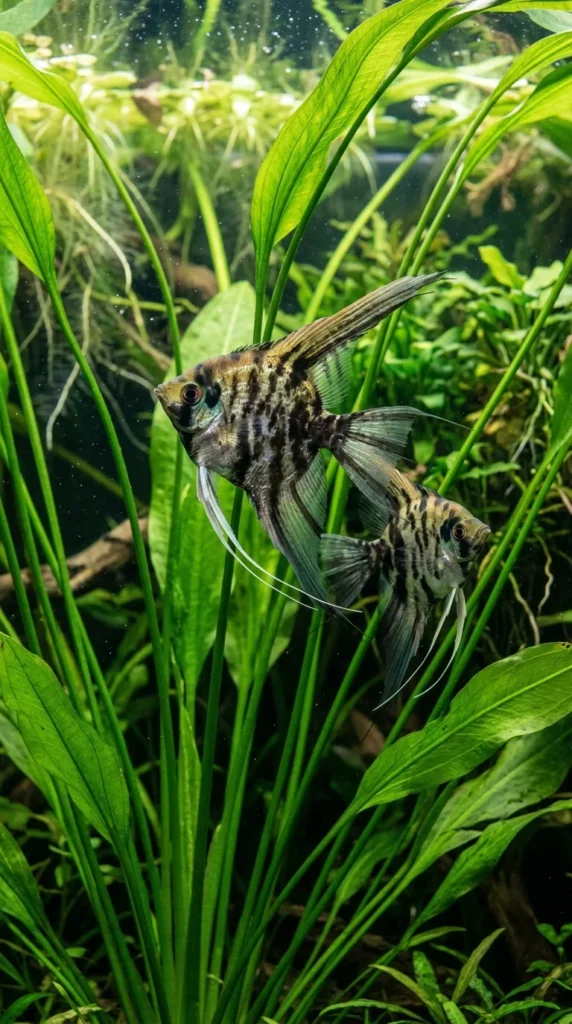
Angelfish are cichlids but require a different approach. Juveniles need 3 feedings a day to support rapid growth, while adults do well with 1 to 2 feedings. They prefer a protein-rich diet including bloodworms and high-quality flakes. Space their feedings at least 6 to 8 hours apart.
7. Corydoras
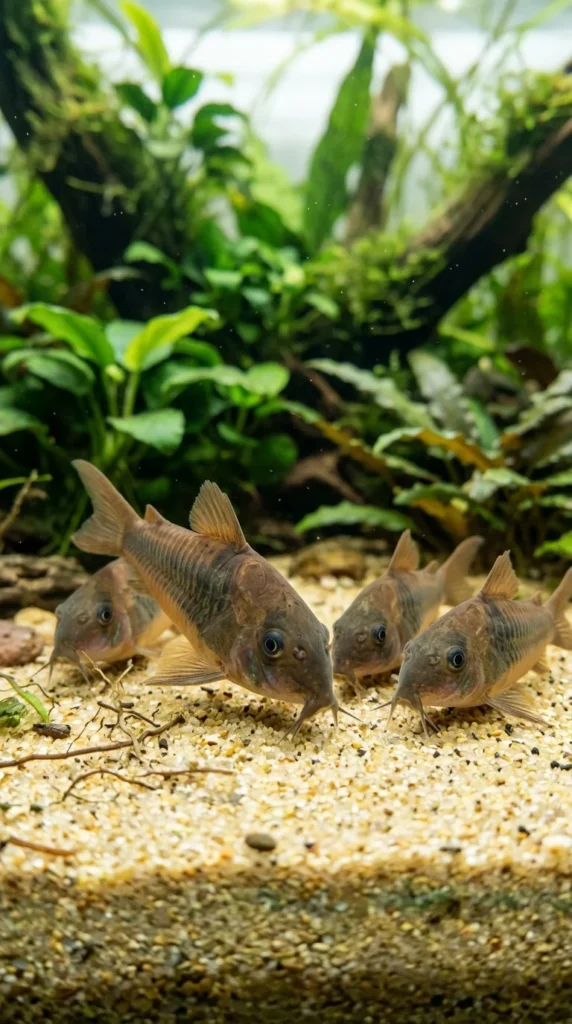
As bottom-dwellers, Corydoras are often neglected. They should be fed once a day, preferably in the evening when they are most active. Use sinking wafers or pellets that reach the bottom before the surface-dwellers eat everything. A varied diet of shrimp pellets and sinking tablets keeps them healthy.
8. Common Pleco
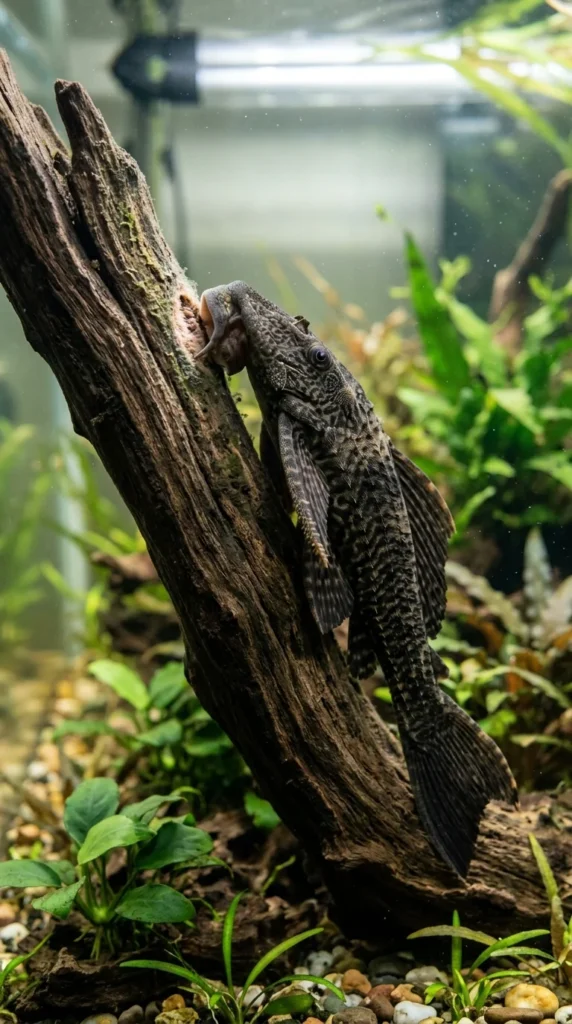
Plecos are nocturnal scavengers. The best feeding schedule for them is once daily, right before you turn off the aquarium lights. Dropping an algae wafer or a slice of blanched zucchini into the tank at night ensures they can eat in peace without competition from daylight-active fish.
9. Discus
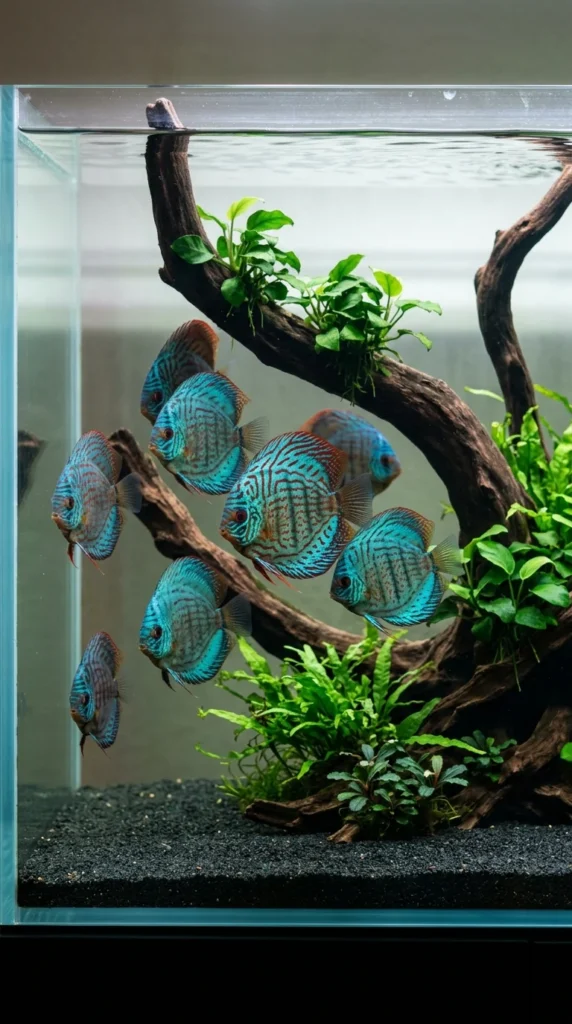
Discus are the “royalty” of the aquarium and require a rigorous feeding schedule. Juveniles need 5 to 6 small meals a day to reach their potential size. Adults can be scaled back to 2 or 3 times daily. They require high-protein beef heart mixes or specialized Discus granules and pristine water quality.
10. Oscar Fish
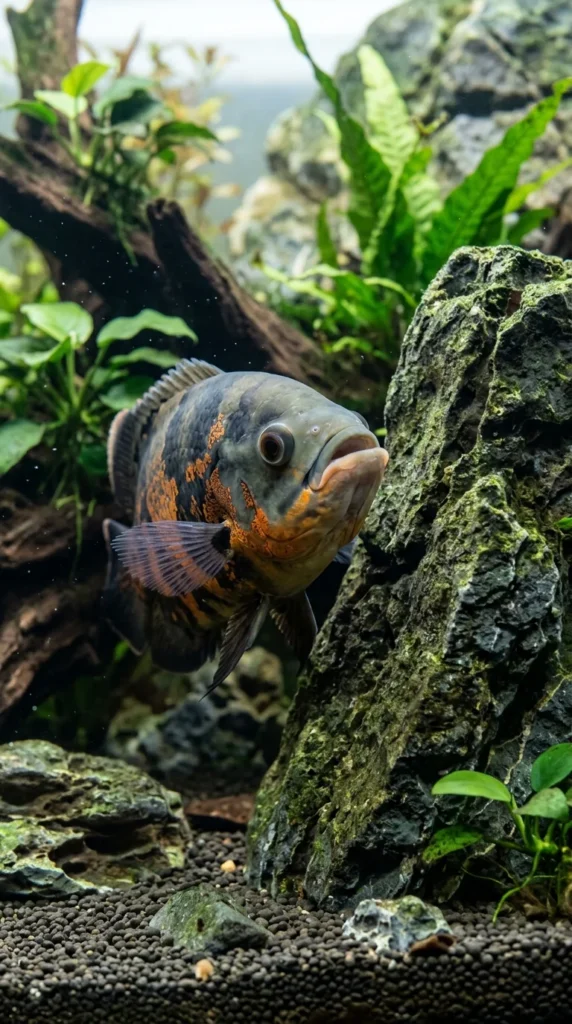
Oscars are messy eaters with large appetites. Adult Oscars should be fed once a day, six days a week. Juveniles require two feedings. Because they produce significant waste, a scheduled “fasting day” is crucial to help maintain water chemistry. Feed them large pellets or Cichlid sticks.
11. Mollies
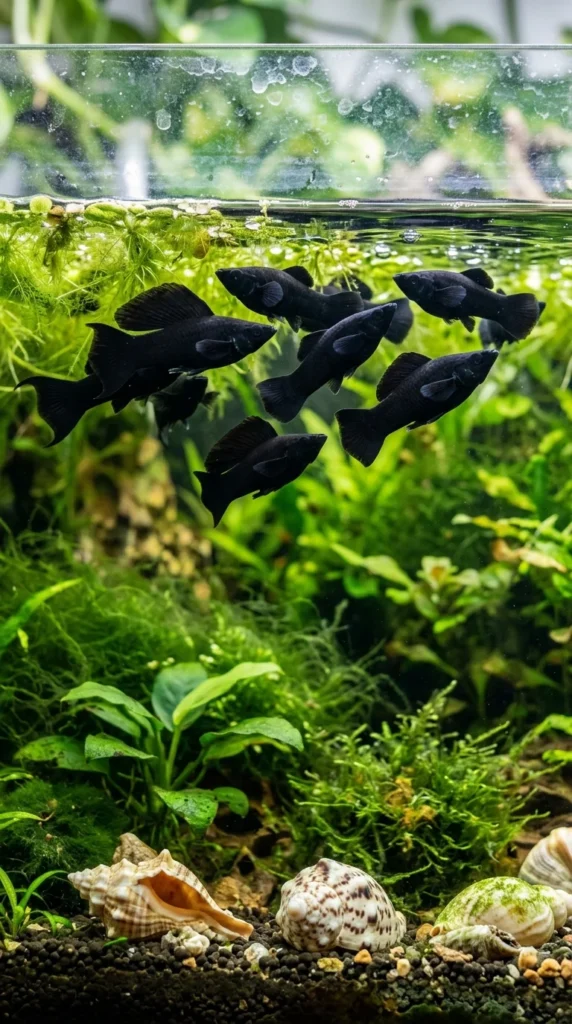
Mollies are primarily herbivores and need plenty of vegetable matter. Feed them 2 times daily. They enjoy picking at algae in the tank, but you should supplement their diet with veggie flakes or spirulina. Their constant grazing behavior means they prefer several tiny pinches of food over one large dump.
12. Platies
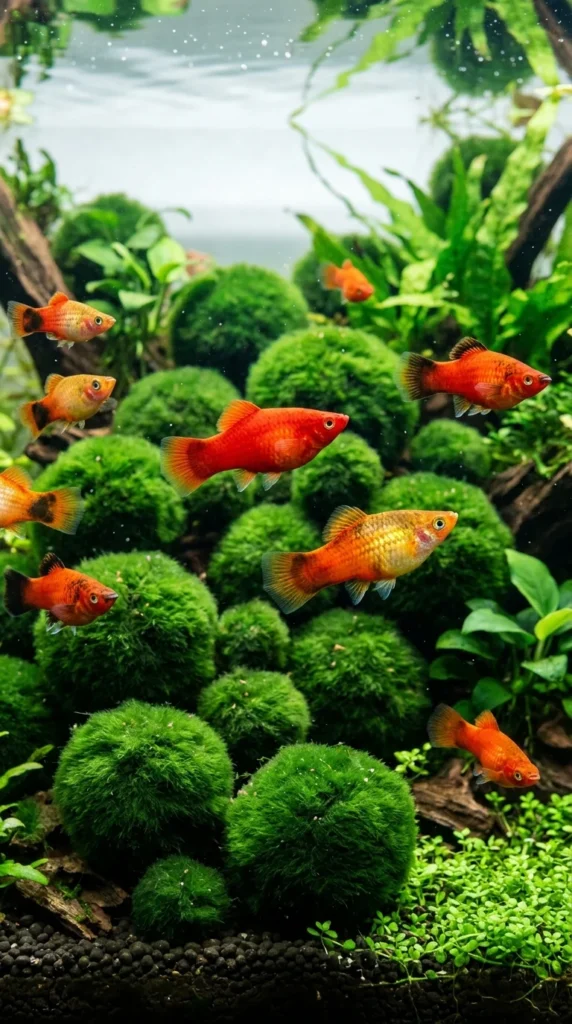
Similar to guppies, Platies are active and social. A twice-daily feeding schedule is perfect for them. They are not picky eaters, but including a mix of plant-based and protein-based flakes will ensure their colors remain vivid and their energy levels high.
13. Zebra Danios
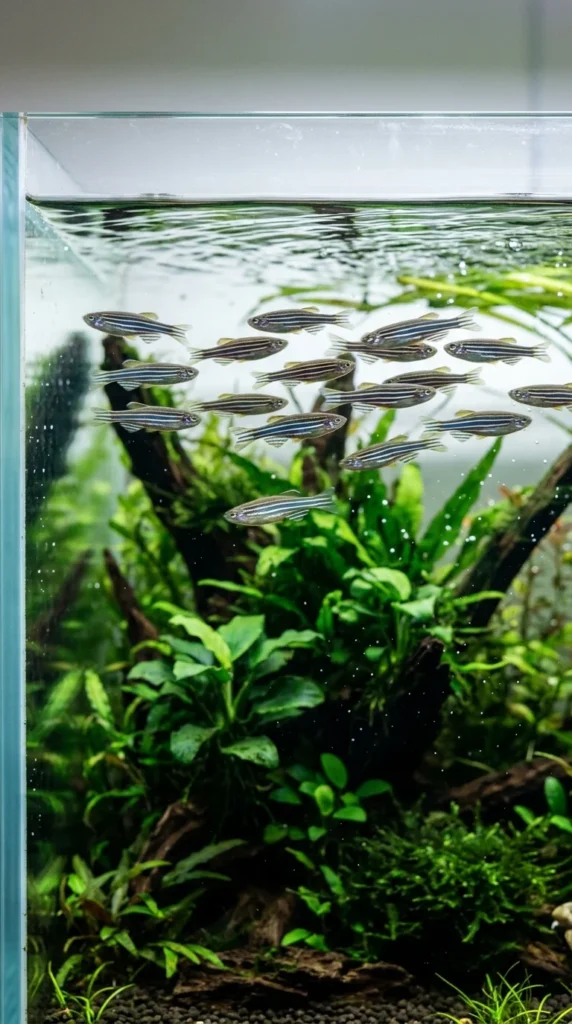
These are incredibly fast-moving fish that burn energy quickly. Feed them 2 to 3 times a day in very small amounts. They are surface feeders, so ensure the food stays afloat for at least 30 seconds. They thrive on a routine that aligns with the lights turning on and off.
14. Gouramis
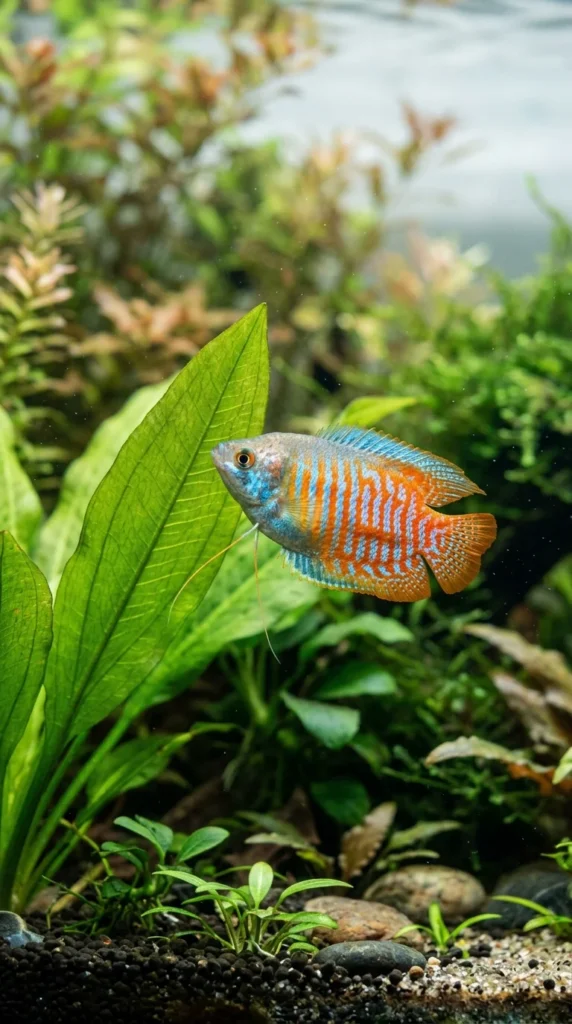
Gouramis are labyrinth fish that often spend time near the surface. They should be fed 1 to 2 times a day. They enjoy a mix of flake food and live or frozen treats like daphnia. Since they can be slow eaters, ensure faster tank mates don’t steal their portion.
15. Cherry Barbs
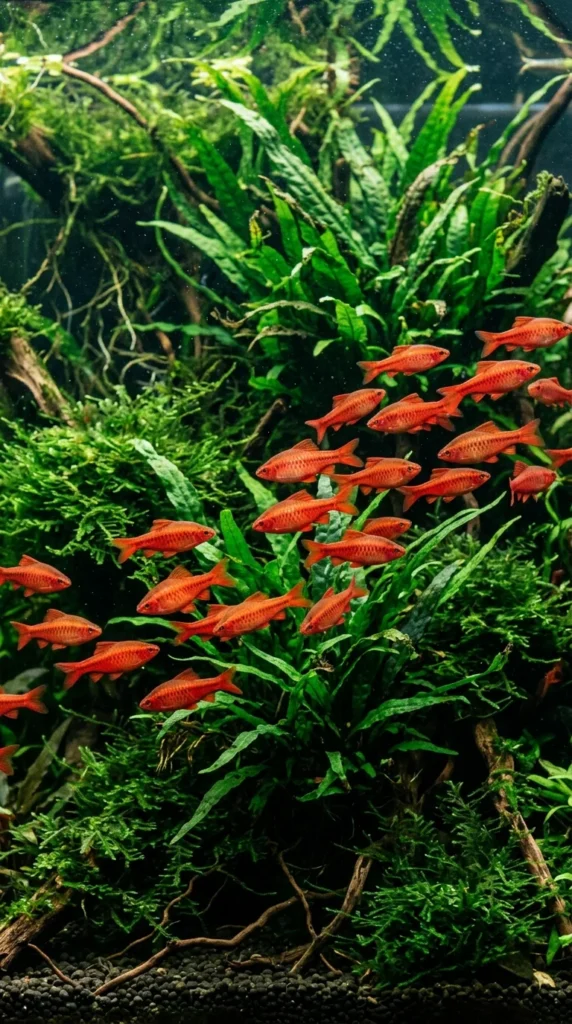
Cherry Barbs are peaceful schoolers that appreciate a consistent routine. Feed them 1 or 2 times daily. They have a varied diet in the wild, so rotating between high-quality flakes, frozen brine shrimp, and micro-pellets will keep them in peak condition.
16. Killifish
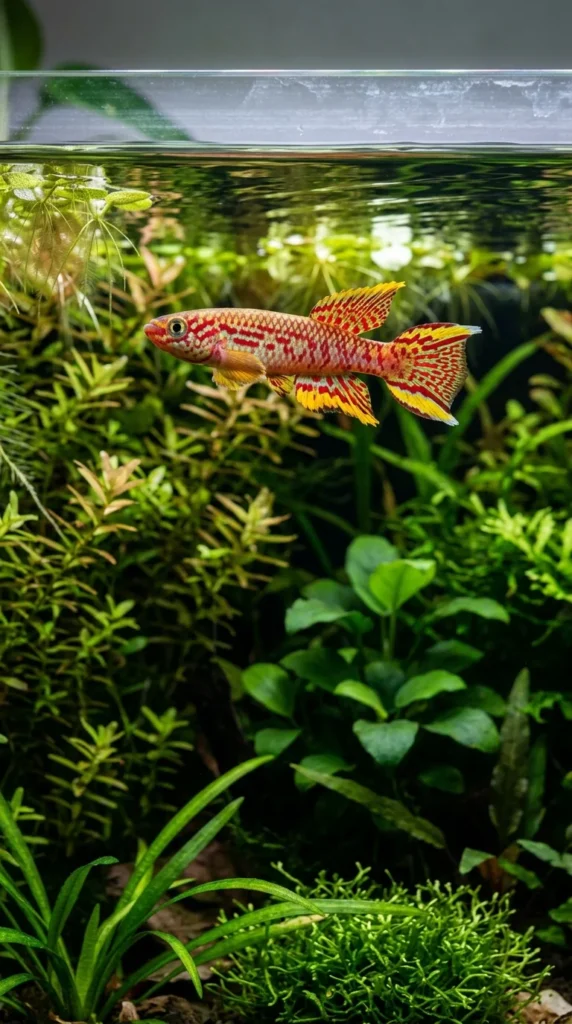
Killifish often have short lifespans and high metabolisms. They prefer live or frozen foods over dry flakes. Feed them 1 to 2 times daily, focusing on high-protein offerings like mosquito larvae or grindal worms. A consistent schedule helps encourage spawning behavior.
17. Clownfish
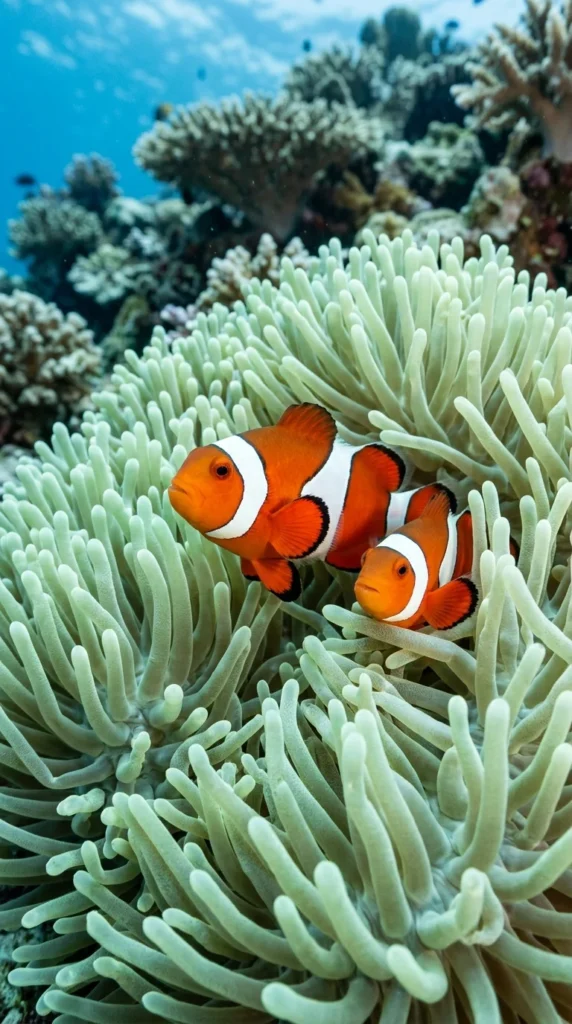
In a saltwater environment, Clownfish are the most recognizable residents. They should be fed 2 to 3 times daily in very small amounts. They are omnivores and require a mix of meaty foods (like mysis shrimp) and herbivore preparations. Consistent timing helps them feel secure in their territory.
18. Tangs/Surgeonfish
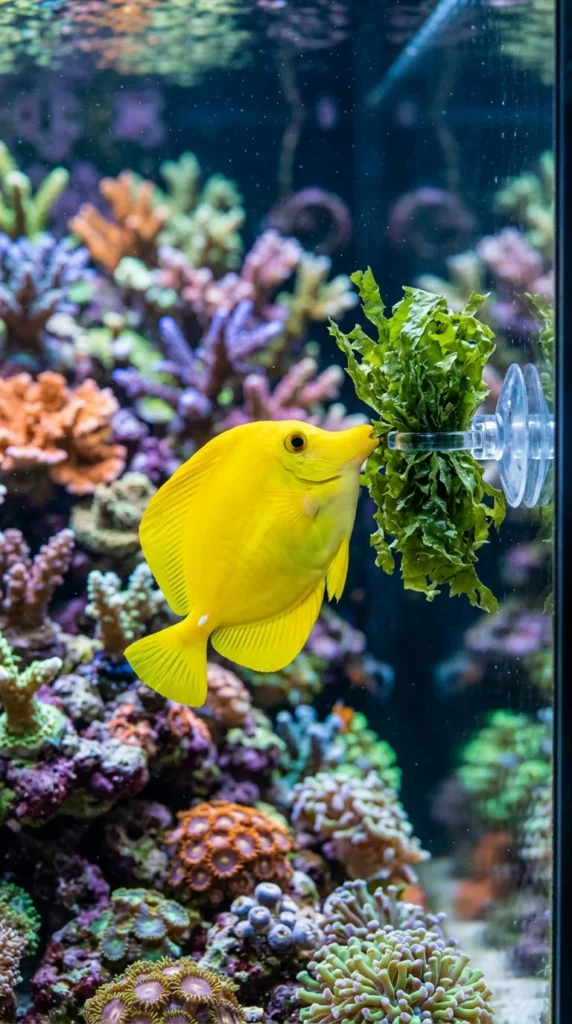
Tangs are constant grazers. While you should feed them pellets or frozen food once a day, they should have access to dried seaweed (Nori) on a clip for several hours every day. This mimics their natural behavior of picking at algae on the reef all day long.
19. Harlequin Rasboras
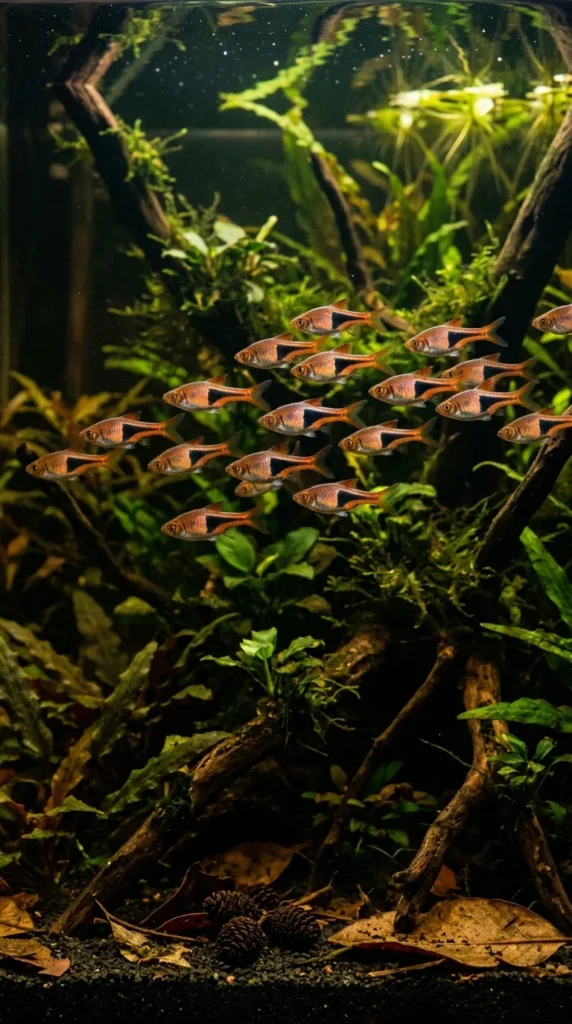
These peaceful fish do best with 2 feedings per day. They are mid-water feeders and prefer small flakes or granules. Because they are schooling fish, ensure you spread the food across the surface so the fish at the back of the group get a chance to eat.
20. Rainbowfish
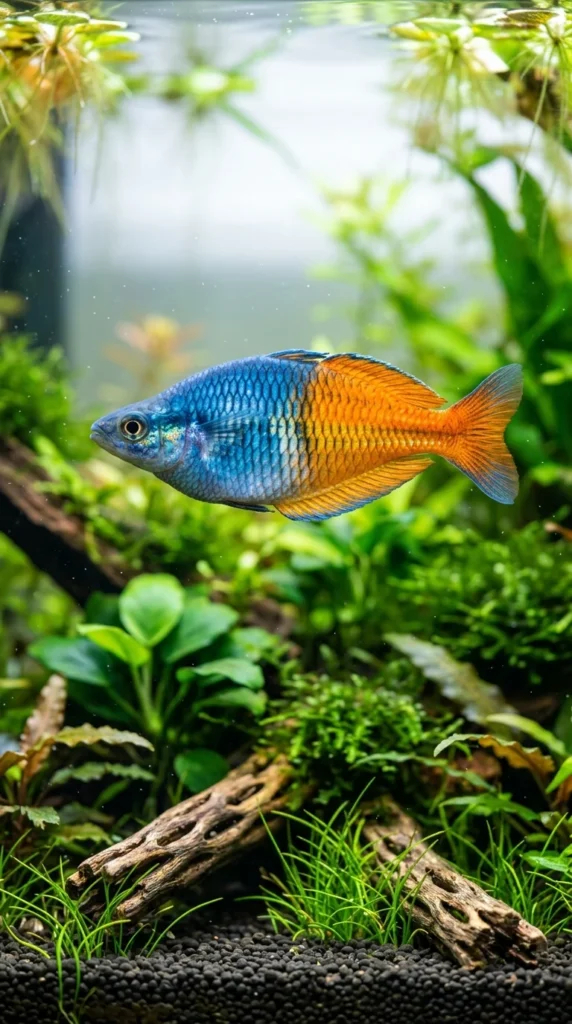
Rainbowfish are active and require high-quality nutrition to maintain their iridescent colors. Feed them 2 times daily. They have relatively small throats for their size, so use small-grade pellets or crumbled flakes to prevent choking or spitting out food.
21. Flowerhorn Cichlids
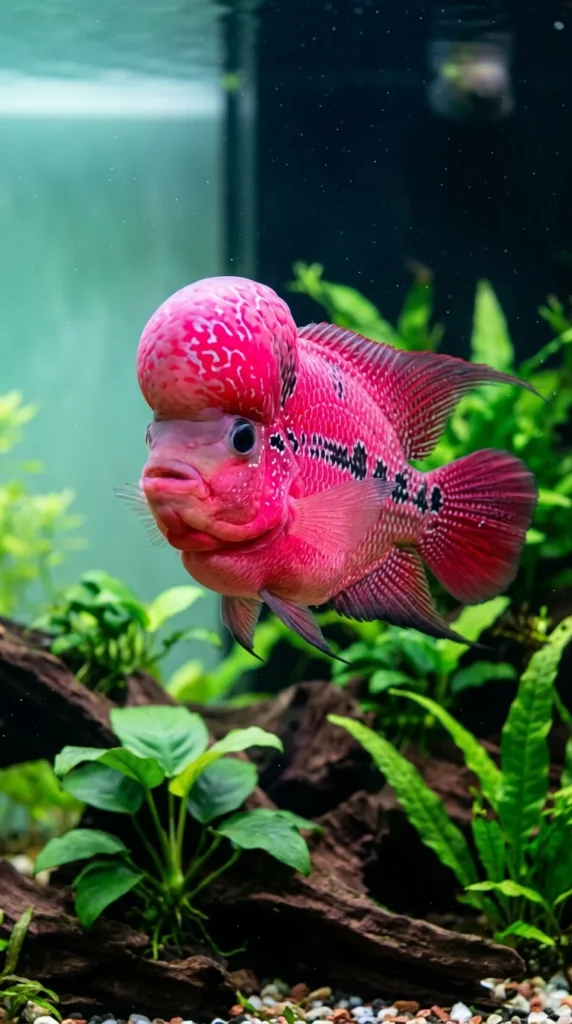
Flowerhorns are aggressive eaters and highly “pet-like.” Feed adults 2 times a day. They require specialized high-protein pellets to support the growth of their nuchal hump (the “kok”). Avoid overfeeding, as they are prone to digestive blockages which can be fatal.
22. Bristlenose Pleco
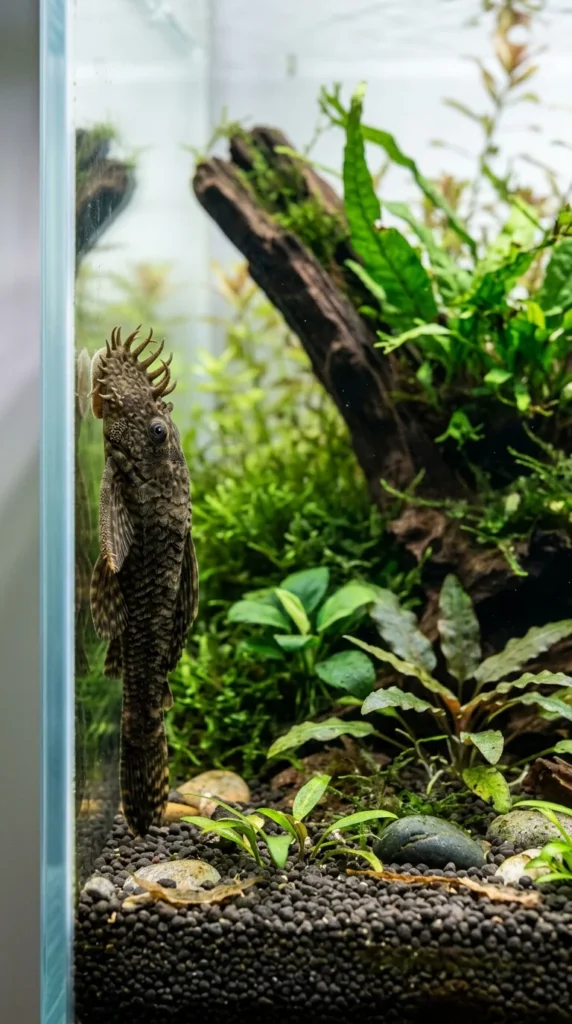
Unlike the common pleco, the Bristlenose stays small but has a similar appetite for biofilm. Feed them once daily in the evening. In addition to algae wafers, they should be offered blanched vegetables like cucumber or canned green beans (salt-free) twice a week to ensure they get enough fiber.
23. Fry (Baby Fish)
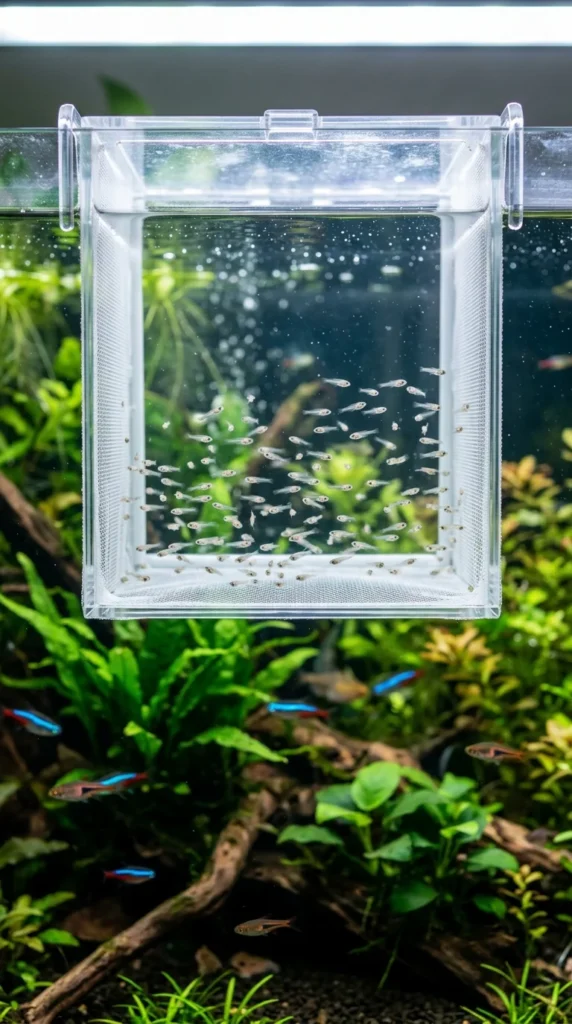
Baby fish have immense energy requirements for growth. They cannot survive on a once-a-day schedule. Fry should be fed 4 to 6 times daily in tiny amounts. Use specialized “liquifry,” vinegar eels, or newly hatched brine shrimp to ensure they grow rapidly and avoid deformities.
24. Senior Fish
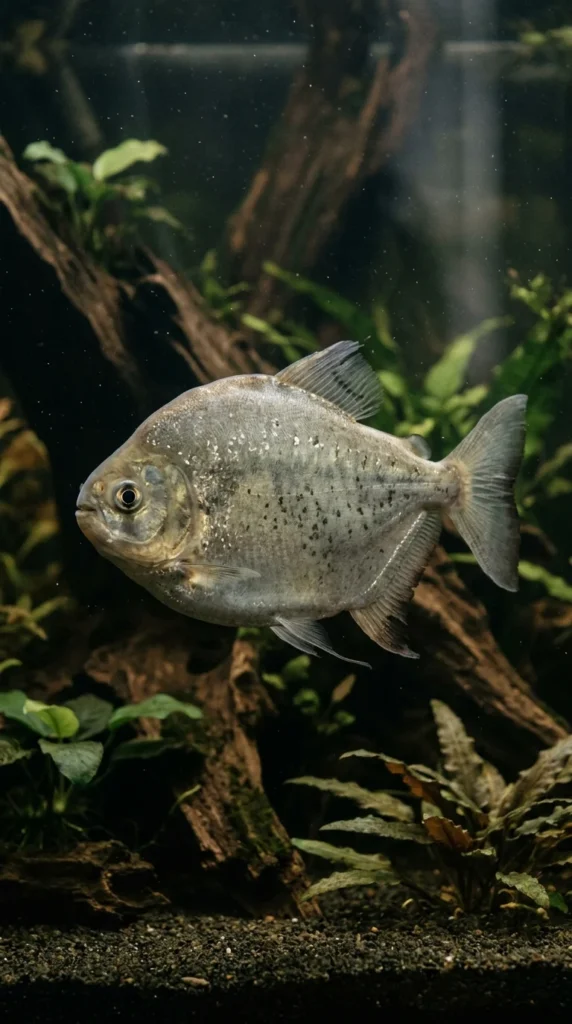
As fish age, their metabolism slows down, and they become less active. For senior fish, a schedule of once-daily feeding is usually sufficient. Focus on high-quality, easily digestible foods and monitor them closely to ensure they are actually consuming the food before it rots in the tank.
General Rules for Every Schedule
Regardless of the species, these three golden rules apply to every aquarium owner:
- The Three-Minute Rule: Only feed what your fish can completely finish in three minutes. Anything left over will rot and foul the water.
- The “Eyes are Bigger than Stomachs” Rule: A fish’s stomach is generally the size of its eye. If you are pouring in a handful of flakes for a single neon tetra, you are overfeeding by a massive margin.
- Observation is Key: Use feeding time to inspect your fish. Are they active? Are their fins intact? Are they competing for food? This is the best time to spot illness before it becomes an epidemic.