
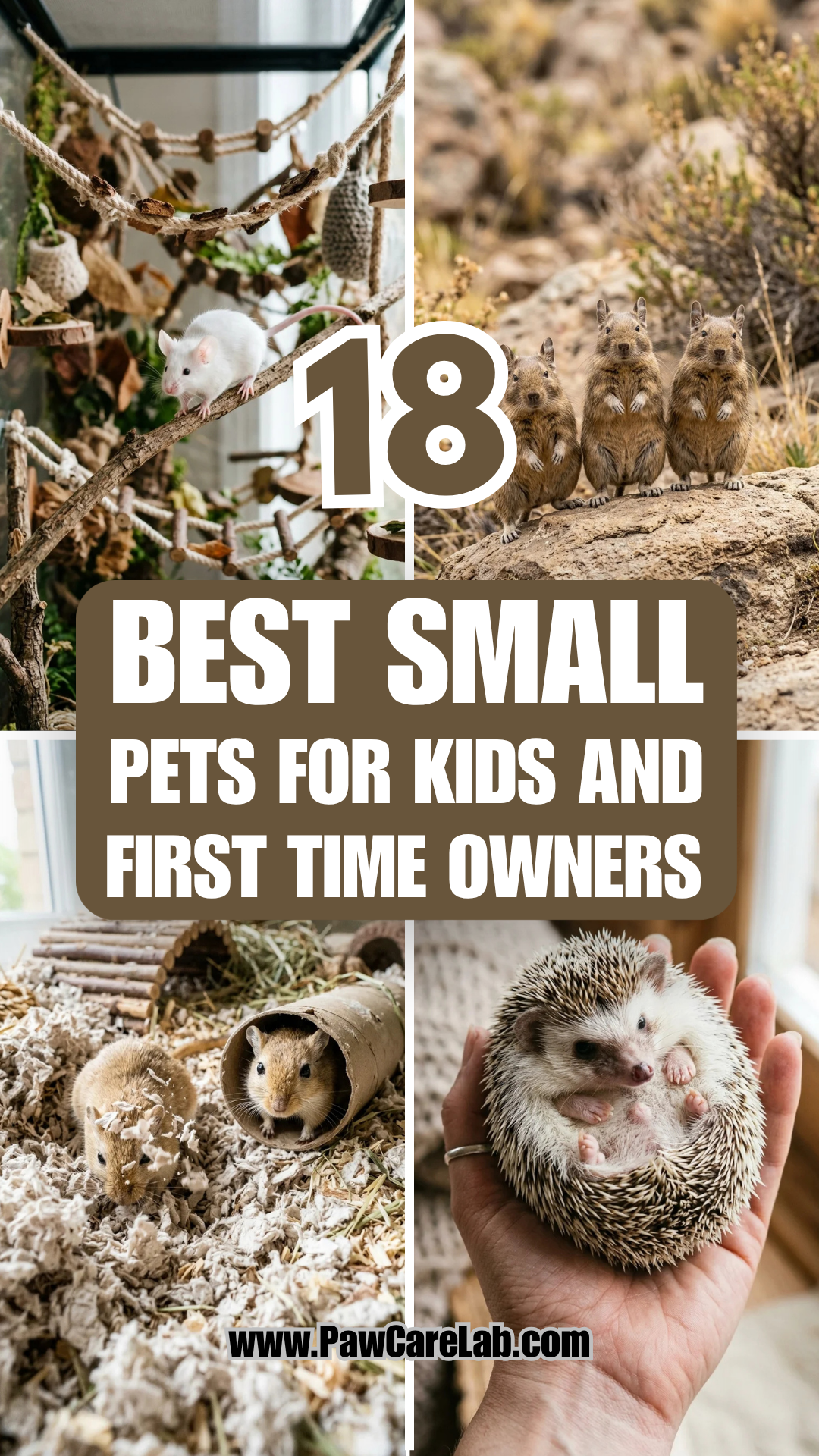
Bringing a pet into the home is a milestone moment for any family. For children, it teaches responsibility, empathy, and the joy of companionship. For first-time owners, a small pet offers a manageable introduction to the world of animal husbandry without the overwhelming demands of a large dog or an outdoor-roaming cat. However, “small” doesn’t always mean “low maintenance.” Each of these tiny companions has unique personality traits, dietary needs, and social requirements.
Choosing the right fit depends on your lifestyle, the age of your children, and how much time you can dedicate to daily care. From the cuddly and social to the quiet and observant, here are the 18 best small pets to consider for your household.
1. Guinea Pigs
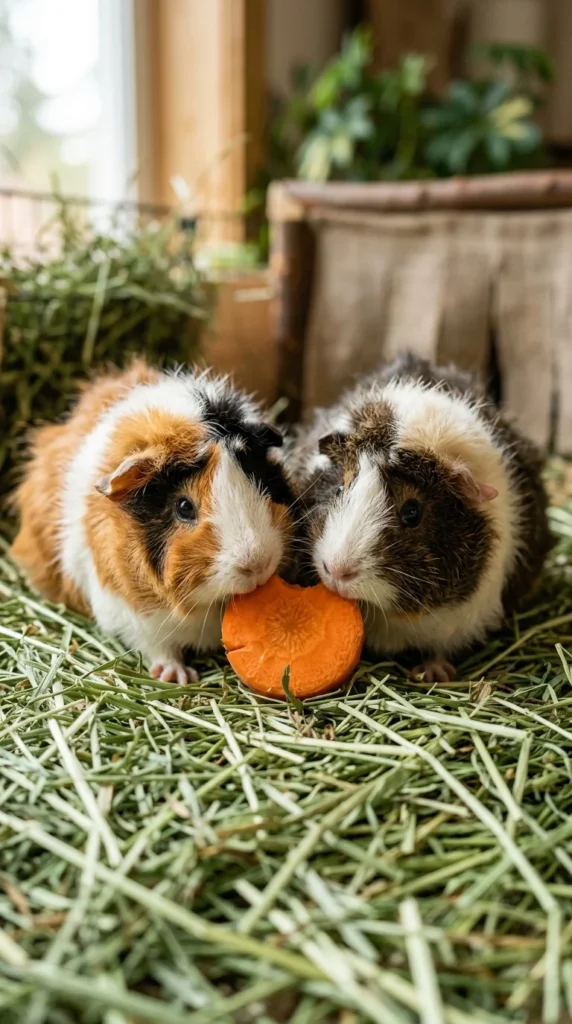
Guinea pigs are widely considered the gold standard for children’s pets. Unlike many other small rodents, they are diurnal, meaning they are awake during the day when you are. They are famously expressive, often “wheeking” with delight when they hear a vegetable drawer open. Because they are social herd animals, they should always be kept in pairs. They are generally gentle and less likely to bite than hamsters, making them excellent for younger children who are supervised during handling.
2. Hamsters
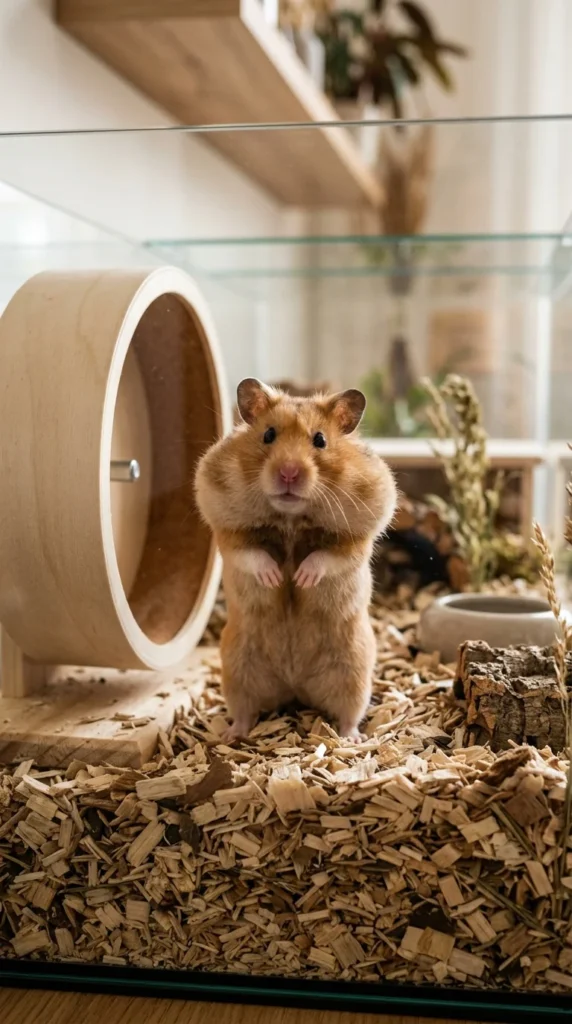
Hamsters are the classic “starter pet.” They are solitary creatures, meaning they are perfectly happy living alone—in fact, Syrian hamsters will fight if housed together. While they are small and relatively easy to house, they are nocturnal. This means they will be most active at night, which might not align with a young child’s schedule. They require a gentle touch, as they can be nippy if startled awake.
3. Rats
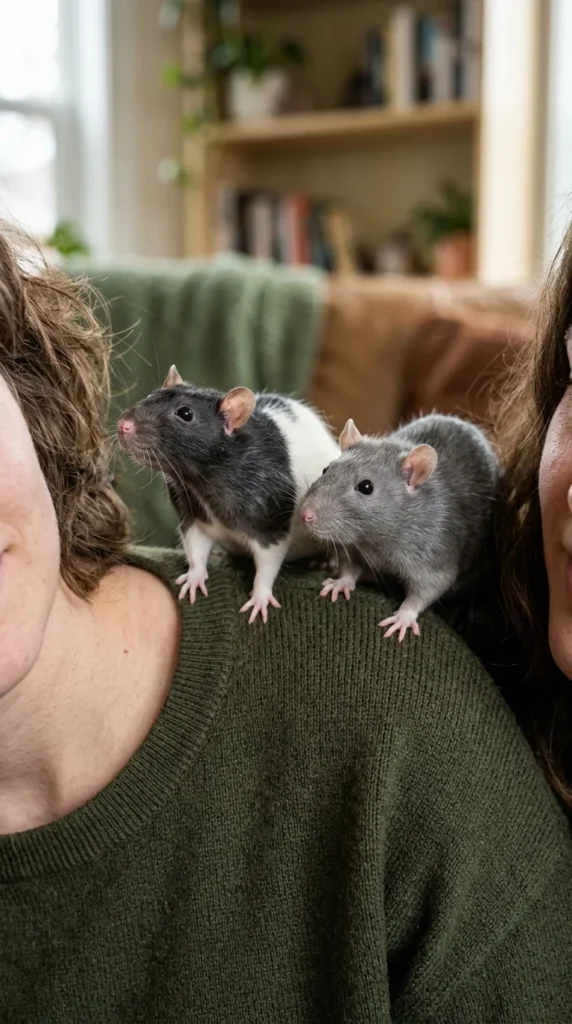
Don’t let their reputation fool you; “fancy rats” are incredibly clean, highly intelligent, and deeply bonded to their owners. Many enthusiasts refer to them as “pocket dogs” because they can learn tricks, recognize their names, and even enjoy riding on their owner’s shoulders. They are very social and need the company of other rats. Their only drawback is a relatively short lifespan (2-3 years), which can be a difficult lesson in loss for young children.
4. Mice
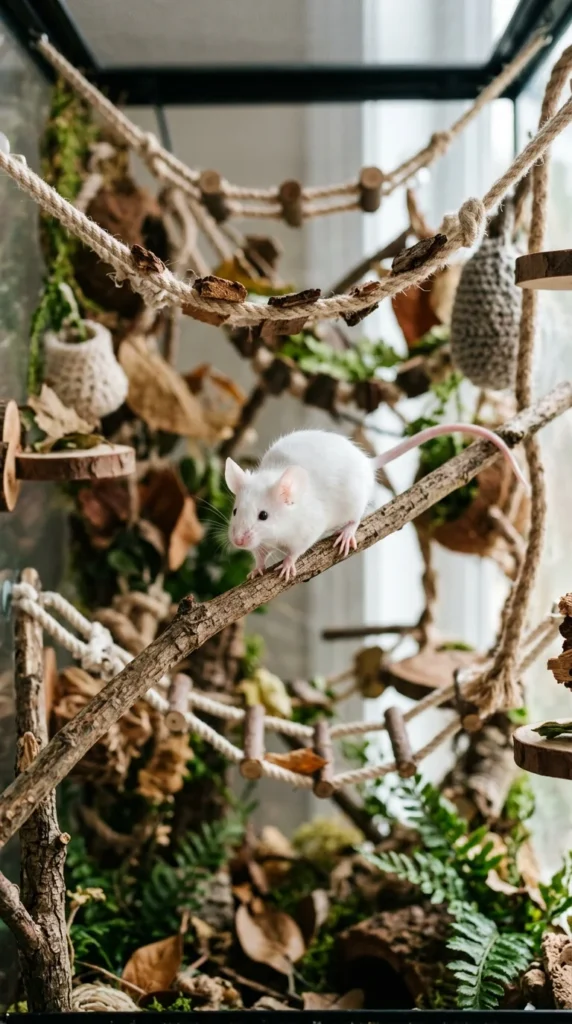
Mice are fascinating to watch and require very little space. They are fast and fragile, so they are often better as “look but don’t touch” pets for younger children, or for older kids who have developed fine motor skills. Female mice live happily in groups and are known for their busy, acrobatic behavior. Males are usually kept alone and can have a stronger scent, so frequent cage cleaning is a must.
5. Gerbils
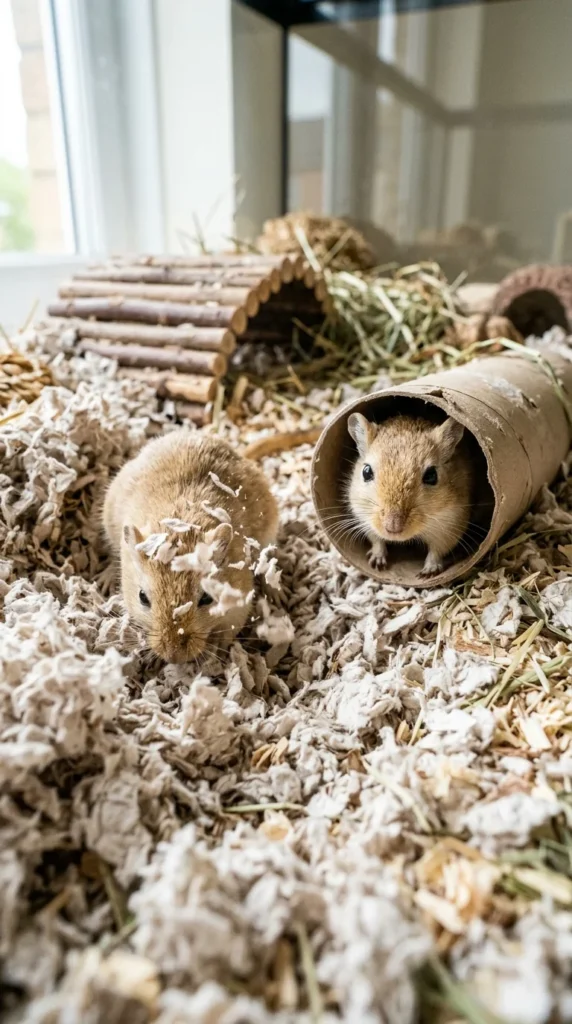
Gerbils are the “construction workers” of the rodent world. They love to tunnel and chew, making them highly entertaining to observe. They are less “cuddly” than guinea pigs but are very active during the day. Gerbils are social and should live in same-sex pairs. They are known for being very clean and having very little odor compared to other small rodents.
6. Rabbits
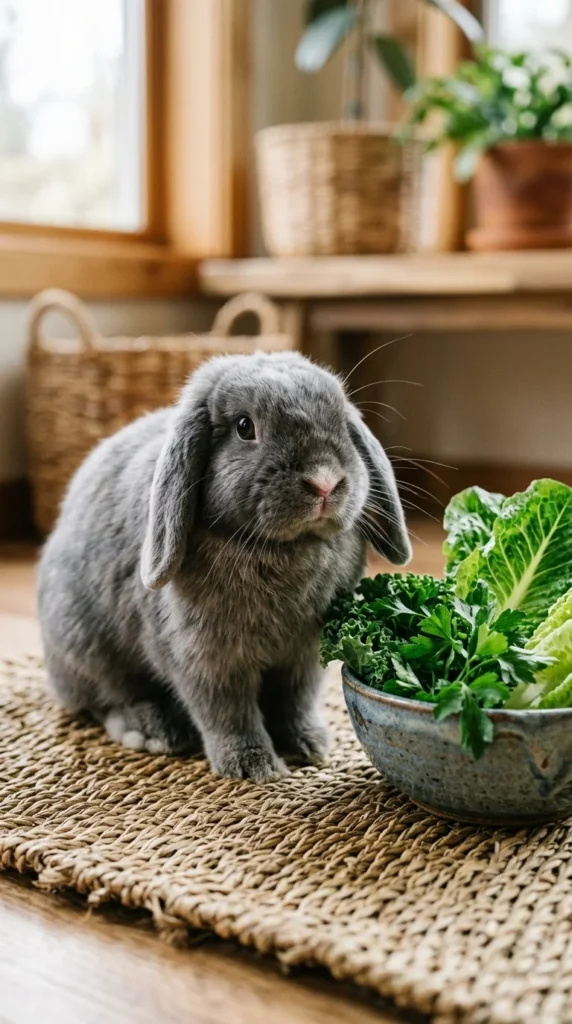
Rabbits are more of a commitment than a hamster or a mouse, often living 8 to 12 years. They are intelligent and can even be litter-trained, allowing them to roam parts of the house like a cat. However, they have fragile skeletons and can be easily injured if dropped, so they are best for older, calm children. They require a diet heavy in hay and plenty of space to hop and play.
7. Chinchillas
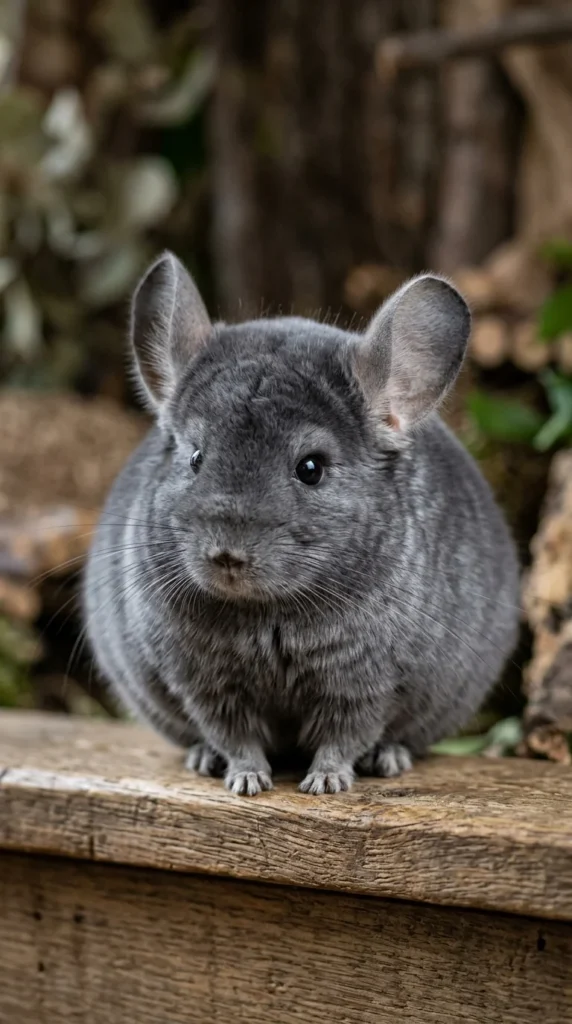
Chinchillas are famous for having the softest fur in the animal kingdom. They are incredibly active and require a tall, multi-level cage to jump around in. While they are stunning to look at, they are quite shy and don’t always enjoy being held or cuddled. They also require a unique “dust bath” several times a week to keep their coats healthy. Because they can live up to 20 years, they are a long-term family commitment.
8. Degus

Degus are social rodents from Chile that look like a cross between a squirrel and a gerbil. They are unique because they are strictly diurnal and highly social. They communicate with a variety of chirps and chatters, making them very engaging pets. They need a large wire cage (as they will chew through plastic) and a sugar-free diet, as they are prone to diabetes.
9. Ferrets
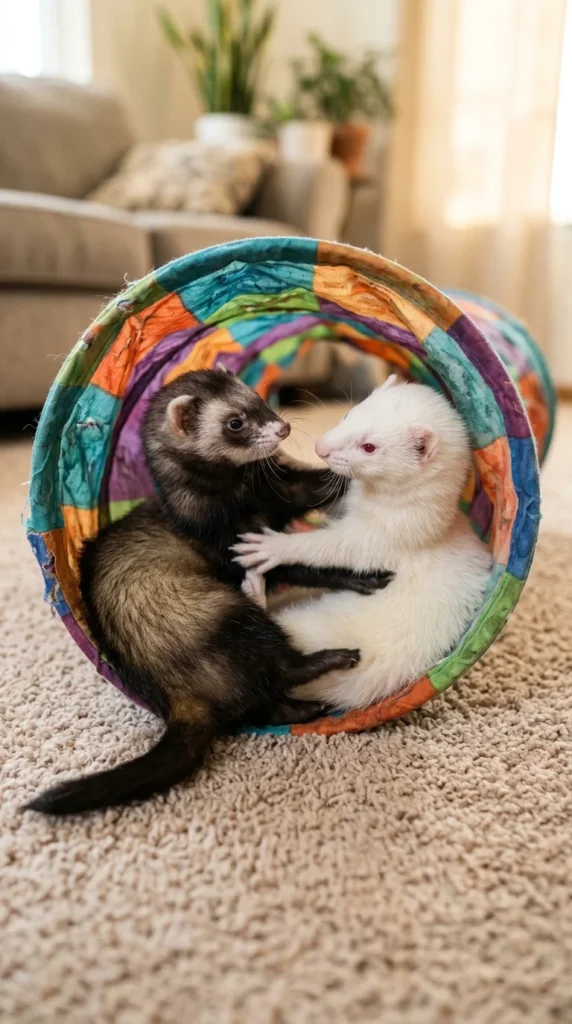
Ferrets are the ultimate playmates. They are high-energy, mischievous, and incredibly funny to watch. They aren’t technically rodents; they are carnivores related to weasels. Ferrets require a lot of “out of cage” time and a home that has been thoroughly “ferret-proofed,” as they can squeeze into the tiniest of gaps. They do have a distinct musky odor, but for the right owner, their clownish personalities make it all worth it.
10. Hedgehogs
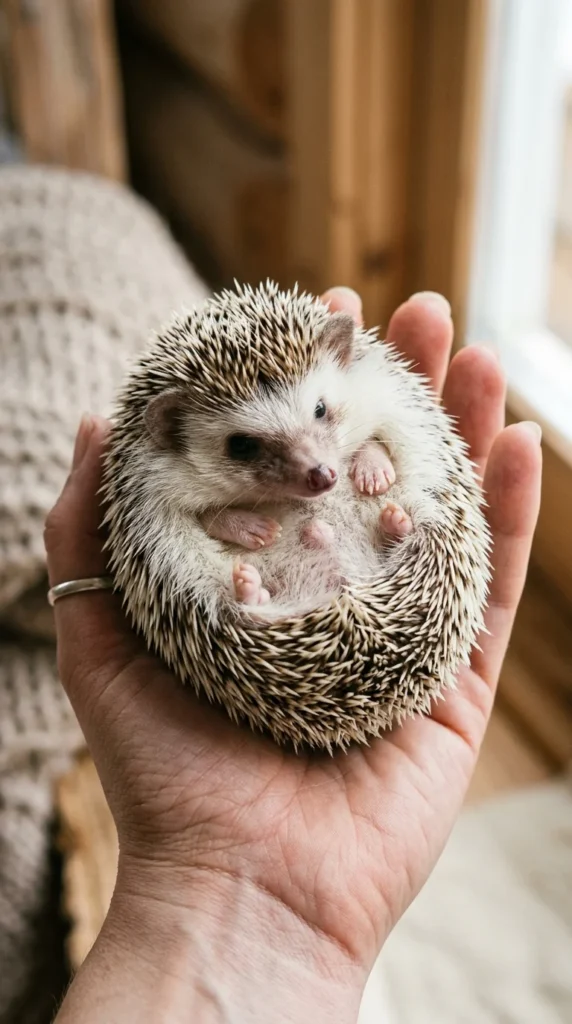
Hedgehogs are unique, solitary pets that have gained massive popularity. They are quiet and don’t have a strong odor. While they have quills, they can become quite tame with regular, gentle handling. They are nocturnal and require a specific temperature-controlled environment to stay healthy. They are great for owners who want a “low-energy” pet that is fascinating to observe.
11. Bearded Dragons
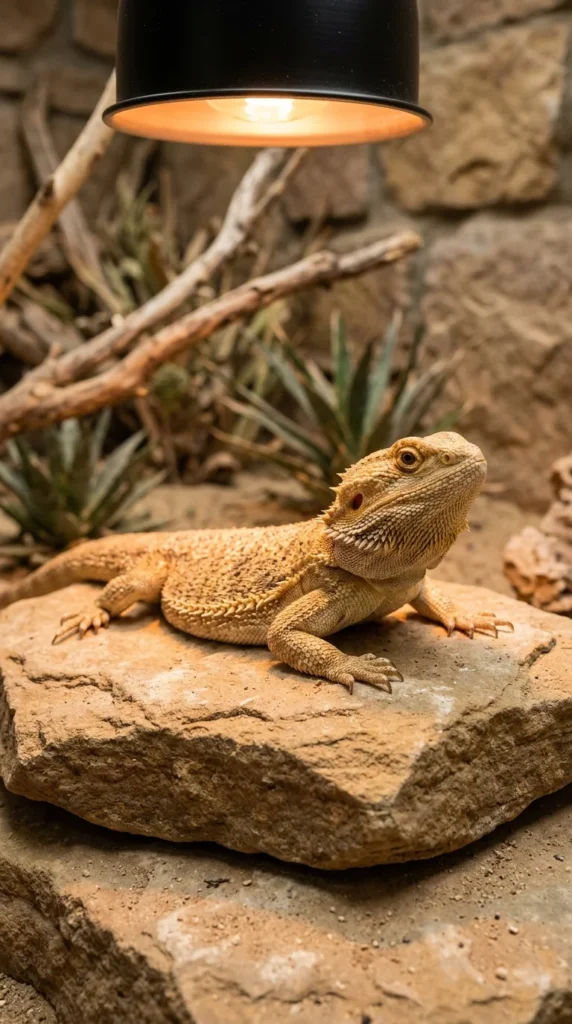
For those interested in reptiles, the Bearded Dragon is the gold standard. They are known for their docile nature and often seem to enjoy human interaction, sometimes even “snuggling” into a warm neck or shoulder. They require a significant initial investment in a proper tank, lighting (UVA/UVB), and heating, but once the habitat is set up, they are relatively easy to care for.
12. Leopard Geckos
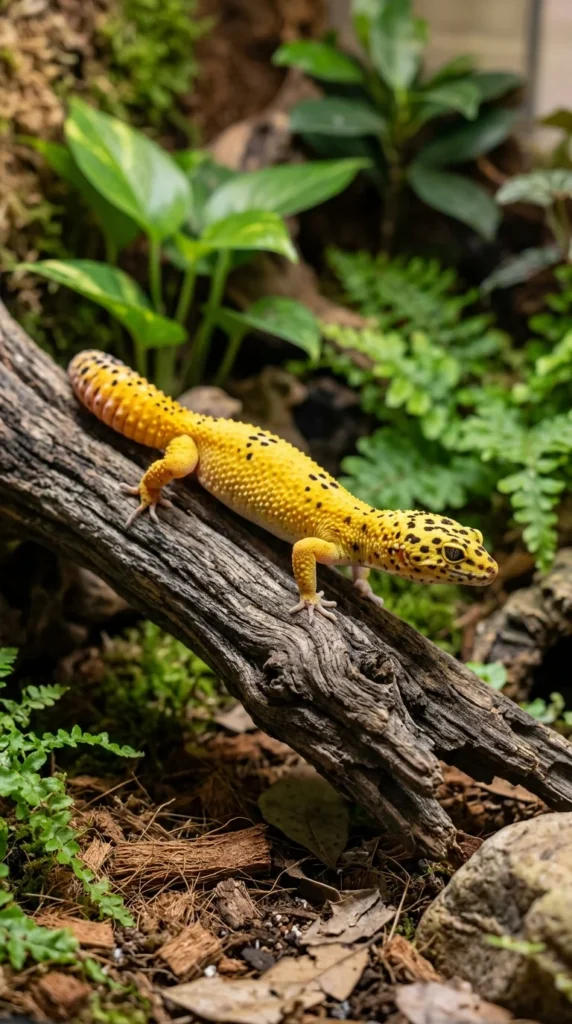
Leopard Geckos are perfect for first-time reptile owners because they don’t require the massive enclosures that some other lizards do. They are slow-moving, rarely bite, and have a “smiling” facial expression that makes them very endearing. They are crepuscular (active at dawn and dusk) and live on a diet of insects like crickets and mealworms.
13. Corn Snakes
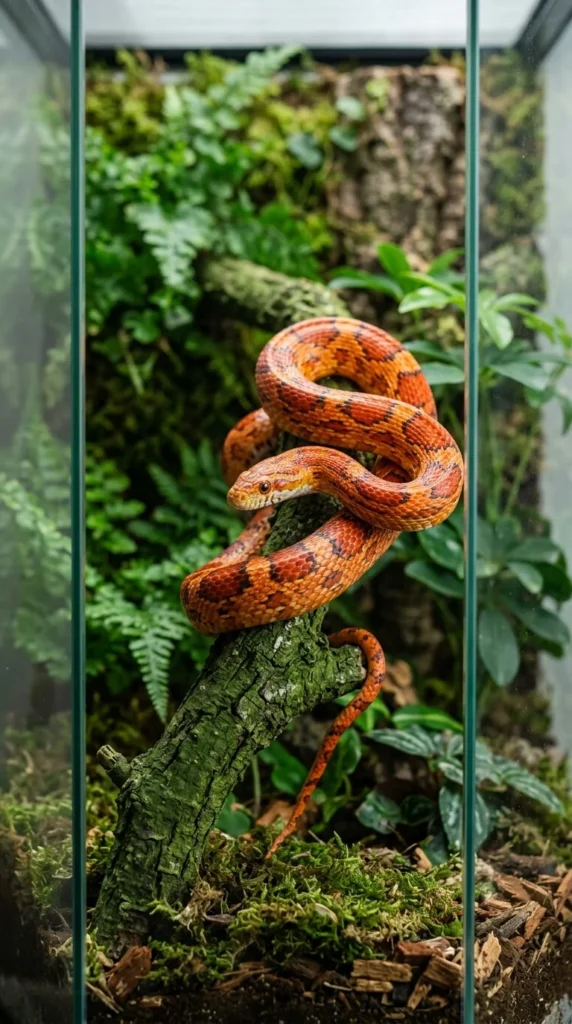
If you can get past the “ick” factor of feeding frozen-thawed mice, corn snakes make wonderful pets. They are generally very docile, stay a manageable size (3-5 feet), and come in a stunning array of colors and patterns. They are escape artists, so a secure lid is a must, but they are very low-maintenance, only needing to be fed once every week or two.
14. Betta Fish
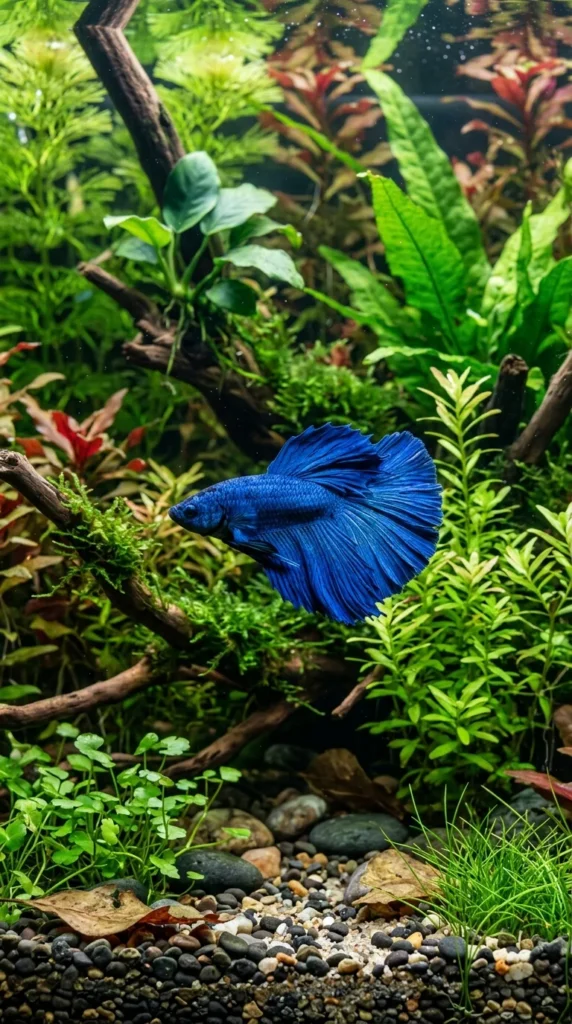
Bettas are the most popular “first fish” because they are hardy and breathtakingly beautiful. Unlike the common myth, they should not live in tiny bowls; they need at least a 5-gallon filtered and heated tank to thrive. They are intelligent enough to recognize their owners and can even be trained to follow a finger or jump through a small hoop for food.
15. Goldfish
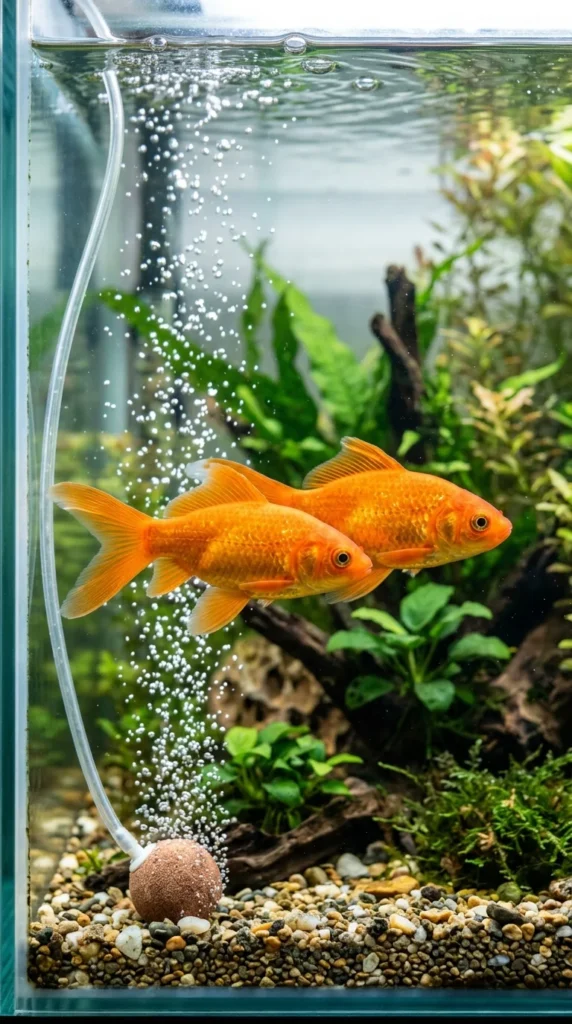
Goldfish are iconic, but they are often misunderstood. They are social and very active, but they also produce a lot of waste, meaning they need a large tank (at least 20-30 gallons for one) and robust filtration. When cared for properly, they can live for over 10-15 years and grow quite large, making them a long-term aquatic companion.
16. Hermit Crabs
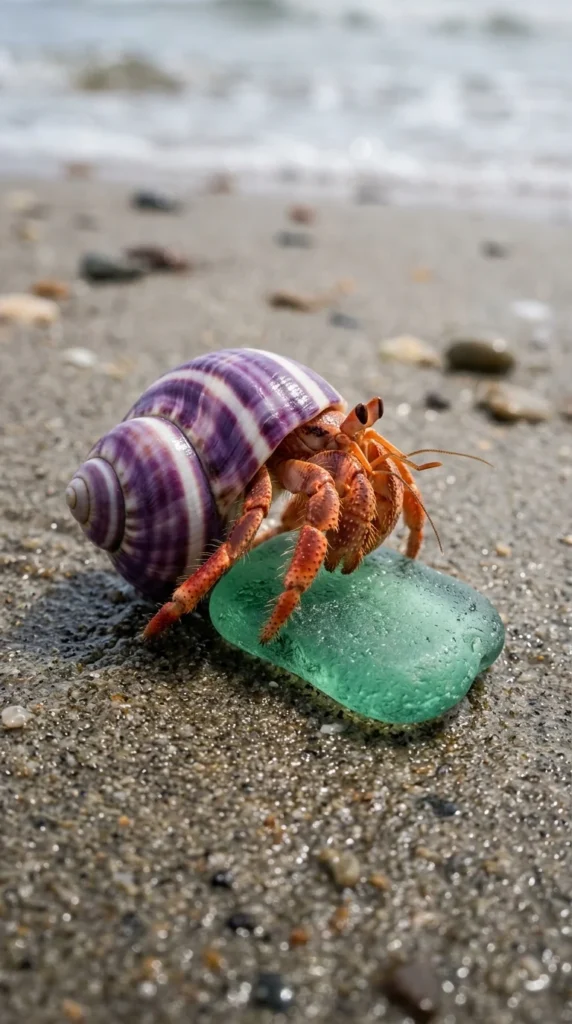
Hermit crabs are fascinating “curiosity” pets. They are social creatures that should live in groups. Watching them change shells as they grow is a highlight of ownership. They require a specific environment with high humidity and both fresh and salt water. They aren’t “cuddly,” but setting up a beautiful “crabitat” can be a great hobby for a family.
17. Sea Monkeys
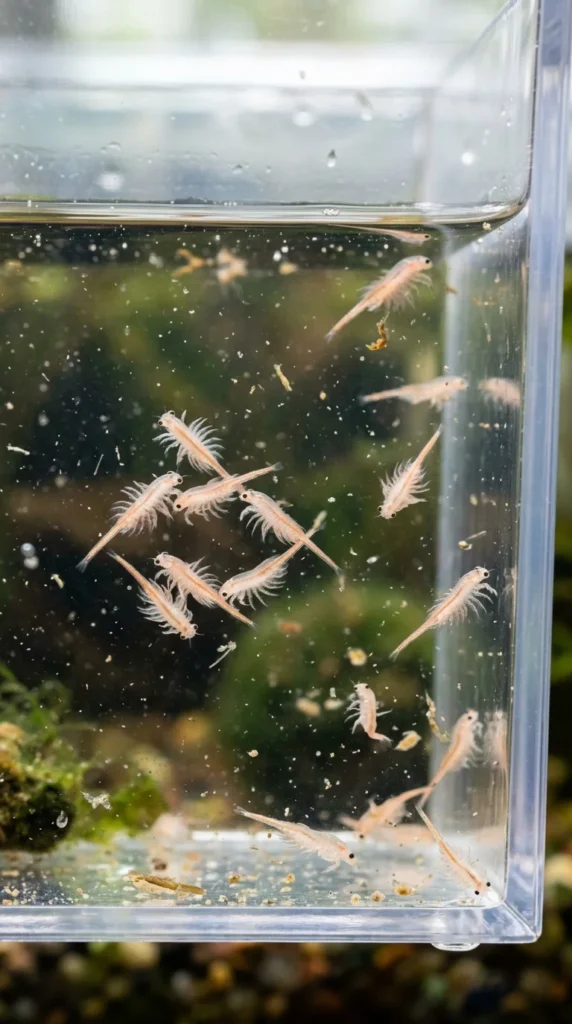
For the absolute beginner or very young child, Sea Monkeys (brine shrimp) are a wonderful introduction to biology. They require almost no space and very little maintenance beyond weekly feeding and occasional water top-offs. They are an educational tool that brings the magic of life into a bedroom or classroom without the commitment of a mammal or reptile.
18. Stick Insects
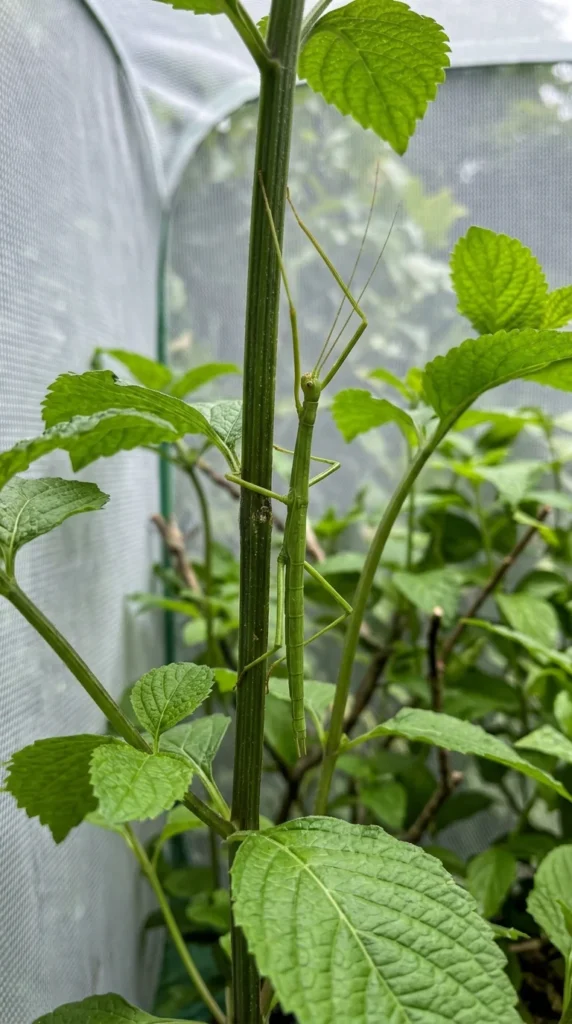
Insects make surprisingly great pets for kids who love nature. Stick insects are gentle, don’t bite, and are fascinating to watch as they sway to mimic branches in the wind. They are very low-cost and only require fresh leaves (like bramble or ivy) and a daily misting of water. They provide a unique look at the wonders of the natural world right from a bookshelf.