
In the wild, birds are masters of disguise. As prey animals, showing any sign of weakness or illness is a death sentence, making them targets for predators. Because of this evolutionary trait, pet birds are experts at hiding their symptoms until they are often quite advanced. For a bird owner, being observant isn’t just a part of care—it is a life-saving skill. Recognizing the subtle shifts in behavior or appearance can mean the difference between a quick recovery and a tragic loss. Here are 18 critical signs that your bird might be sick and needs immediate veterinary attention.
1. Fluffed Feathers
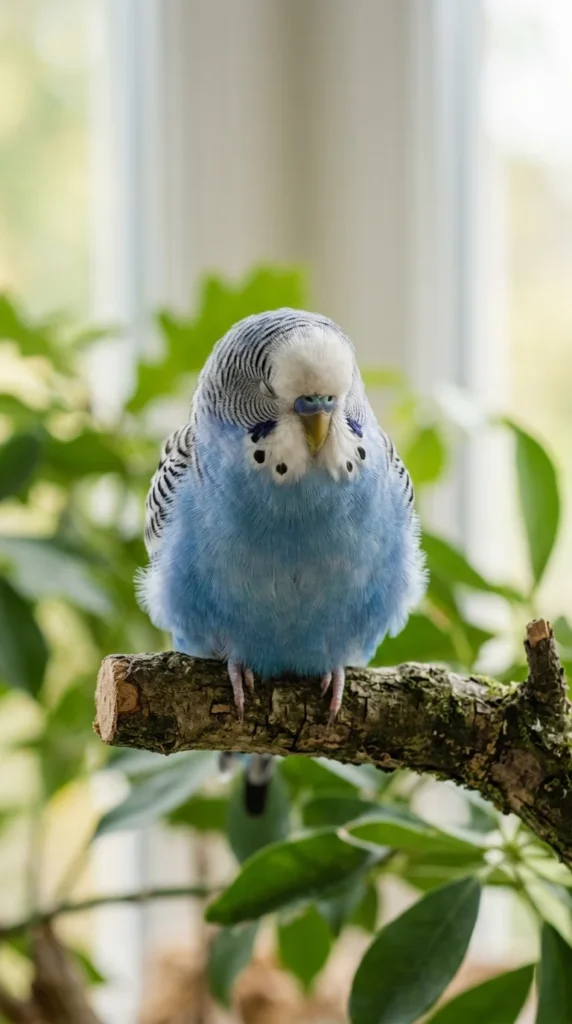
While birds naturally fluff their feathers to stay warm or before a nap, a bird that remains puffed up for long periods is likely in trouble. When a bird is sick, its body temperature often drops, and it fluffs its feathers to trap air against its skin to retain heat. If your bird looks like a “cotton ball” even when the room is warm, it is struggling to maintain its body temperature and is likely fighting an infection.
2. Lethargy
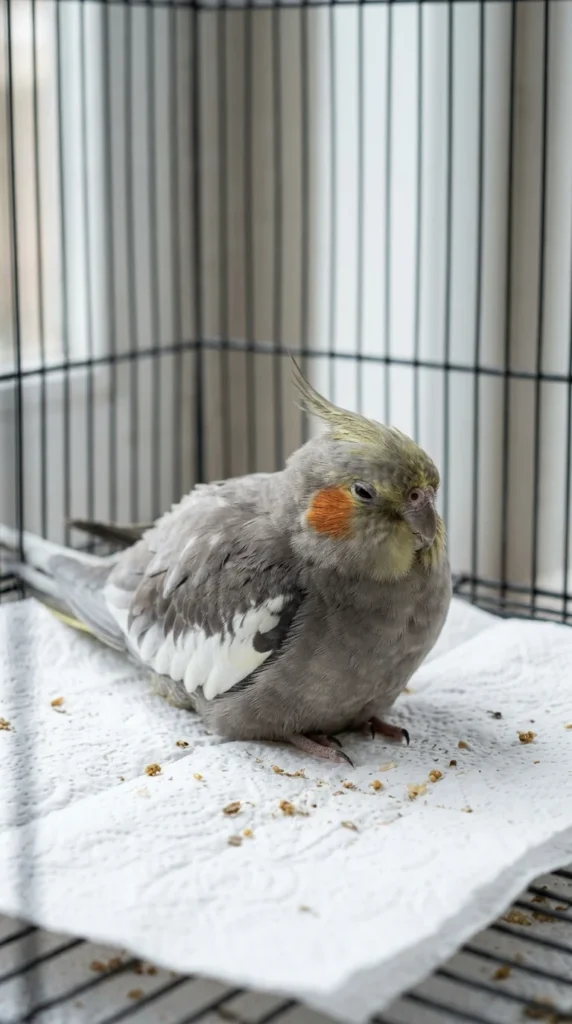
Lethargy is one of the most common signs of illness in avian species. A healthy bird is usually active, vocal, and busy exploring its environment. If your usually boisterous feathered friend is sitting still for hours, showing no interest in toys, or failing to greet you when you enter the room, something is wrong. This lack of energy suggests the bird is redirecting all its metabolic resources toward fighting an internal ailment.
3. Eye Changes
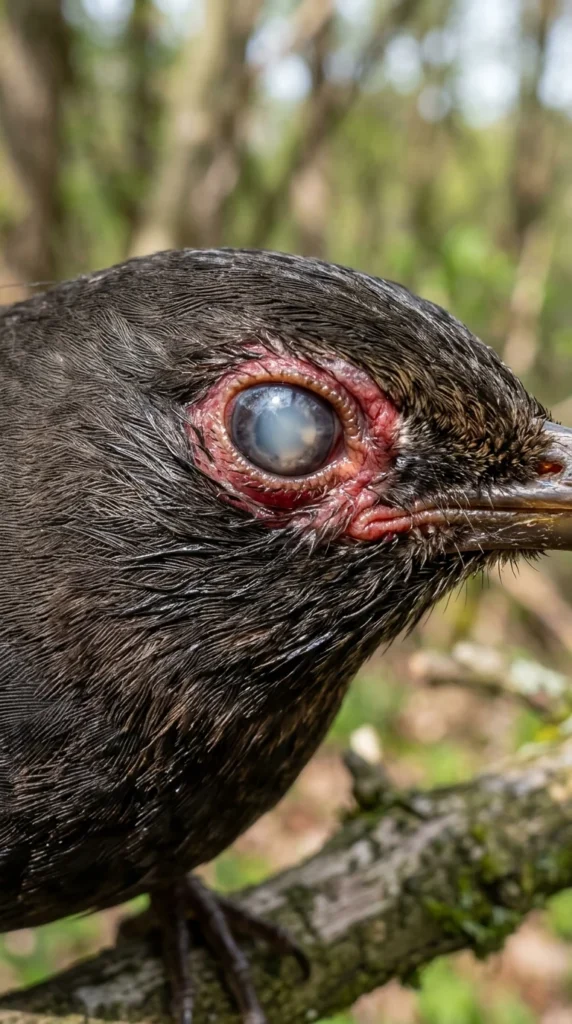
A healthy bird has bright, clear, and alert eyes. If you notice any cloudiness, discharge, redness, or swelling around the eyes, it could indicate a respiratory infection, an injury, or an ocular disease. Additionally, “squinting” or keeping one eye closed frequently is a sign of pain or irritation. Because birds rely heavily on their vision, any eye issue should be treated as an emergency.
4. Dropping Changes

Bird droppings consist of three parts: the feces (solid green or brown), the urates (chalky white), and the urine (clear liquid). Any significant change in color, consistency, or frequency can be a red flag. For instance, yellow or neon green urates can indicate liver disease, while blood in the stool is a sign of severe internal distress. Diarrhea—where the solid portion of the dropping is non-existent—is also a major cause for concern.
5. Respiratory Issues
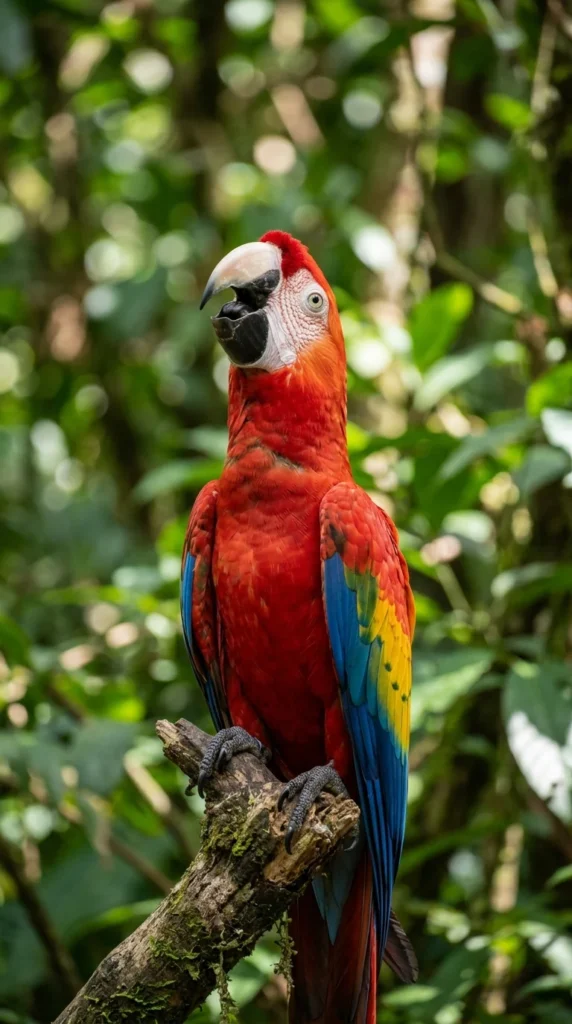
Birds have a complex and highly efficient respiratory system, which also makes them very sensitive to air quality and infections. If you hear a clicking or wheezing sound when your bird breathes, or if the bird is breathing with an open beak (panting) while at rest, it is in respiratory distress. This is often a sign of pneumonia or fungal infections like Aspergillosis.
6. Weight Loss
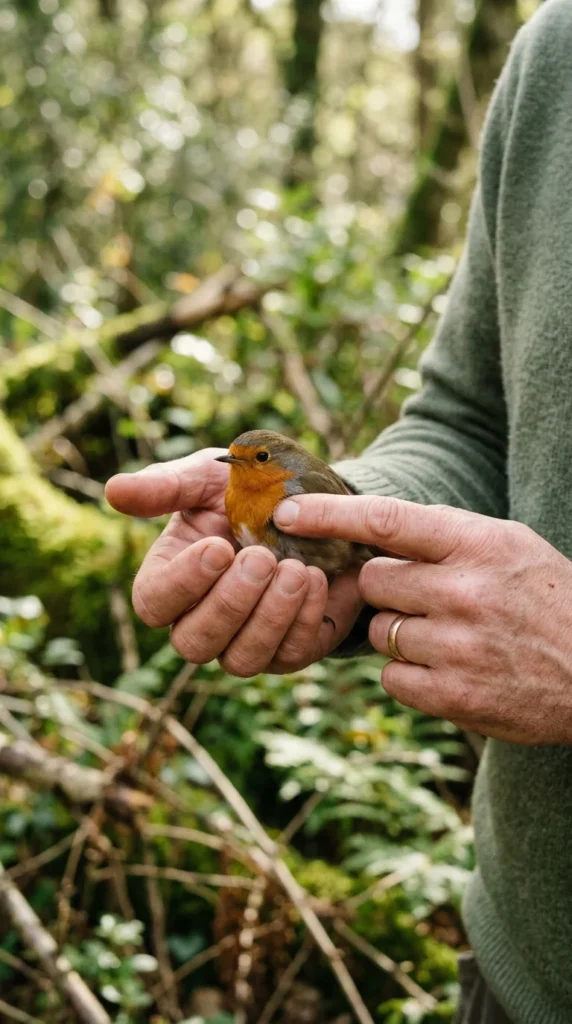
Because of their feathers, it is very difficult to tell if a bird is losing weight just by looking at it. By the time a bird “looks” thin, it has usually lost a dangerous amount of body mass. Owners should regularly feel the bird’s “keel bone” (the bone running down the center of the chest). If the bone feels sharp like a knife with no muscle padding on the sides, the bird is emaciated. Sudden weight loss is a hallmark of many chronic avian diseases.
7. Tail Bobbing
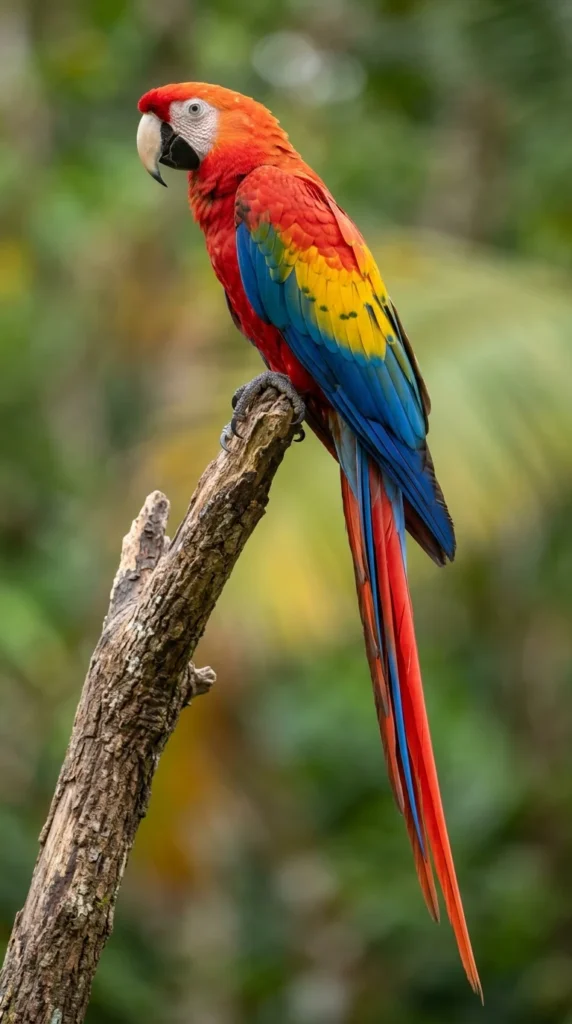
Tail bobbing is a classic sign of labored breathing. Since birds do not have a diaphragm, they must use their chest muscles to move air in and out of their lungs. When a bird is struggling to breathe, it uses its tail as a counterbalance to help expand its chest cavity. If you see your bird’s tail moving up and down rhythmically with every breath, it is working much too hard to get oxygen.
8. Nasal Discharge
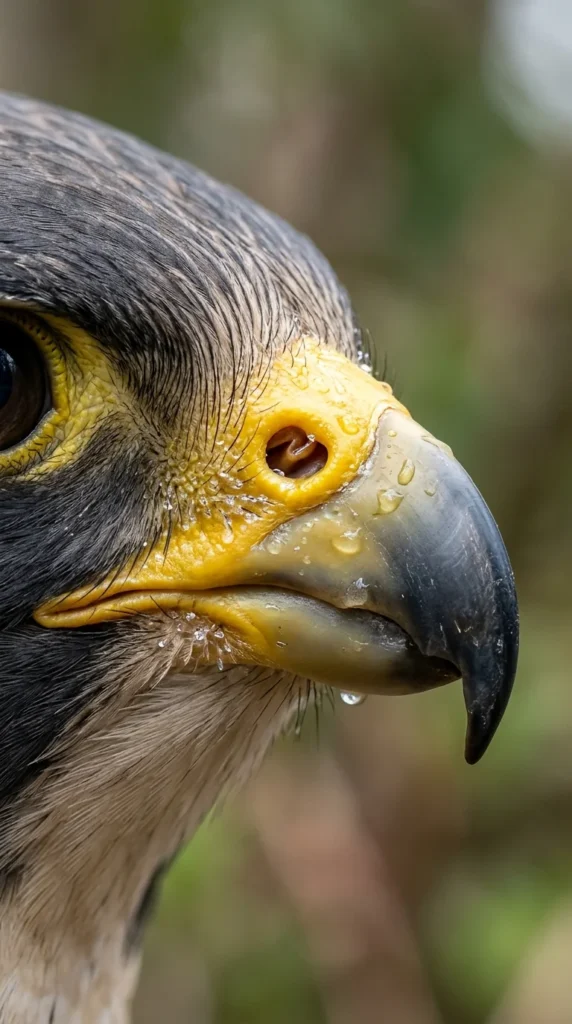
The nares (nostrils) of a healthy bird should be dry and clear. If you see any fluid, crustiness, or mucus around the nose, it is a sign of a localized infection or a systemic respiratory problem. In some cases, you may even see the feathers above the nares becoming stained or matted from the bird wiping its nose on its wing.
9. Excessive Sleeping
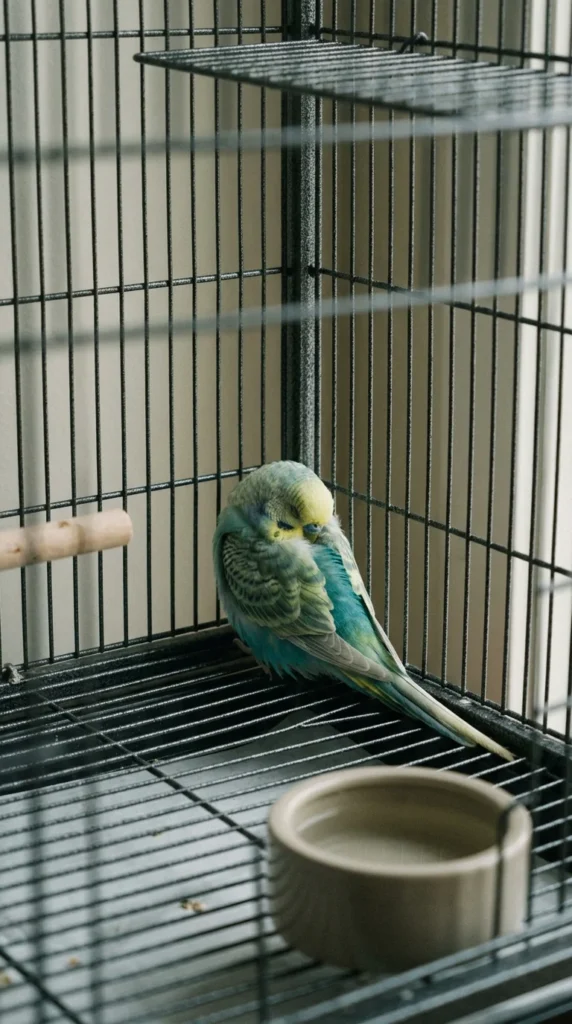
While birds do take naps, a bird that sleeps significantly more than usual is likely unwell. If your bird is sleeping during its peak active hours or is sleeping on the floor of the cage instead of its favorite high perch, it is too weak to maintain its normal routine. A bird that keeps its head tucked under its wing for most of the day is trying to conserve every bit of energy it has.
10. Poor Grooming
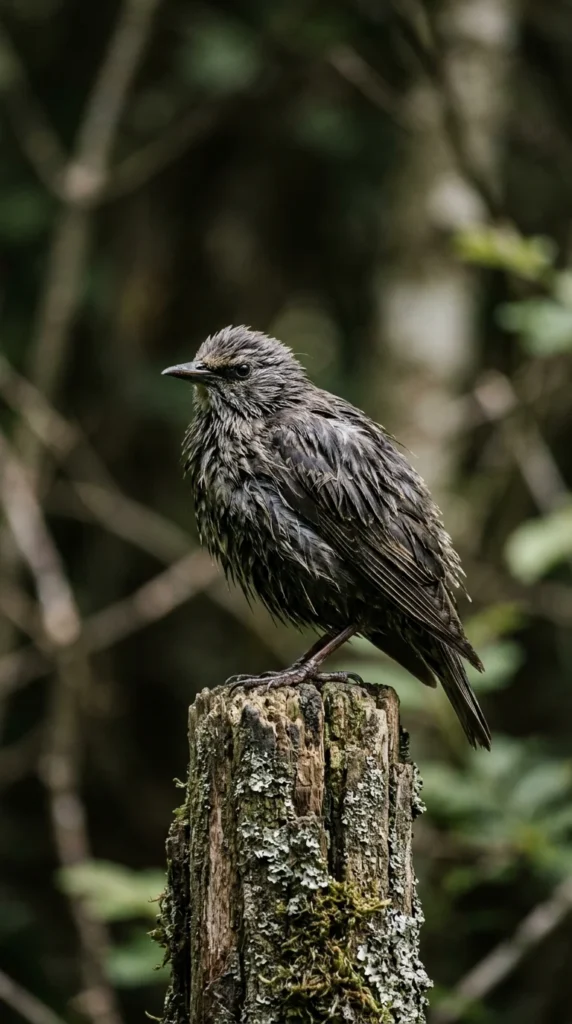
Healthy birds spend a large portion of their day preening. This keeps their feathers waterproof, aerodynamic, and clean. A sick bird will often stop grooming itself because it lacks the energy. This results in a “scruffy” appearance, with feathers looking frayed, dull, or dirty. Conversely, excessive grooming that leads to feather plucking or skin mutilation is often a sign of stress or underlying pain.
11. Vomiting
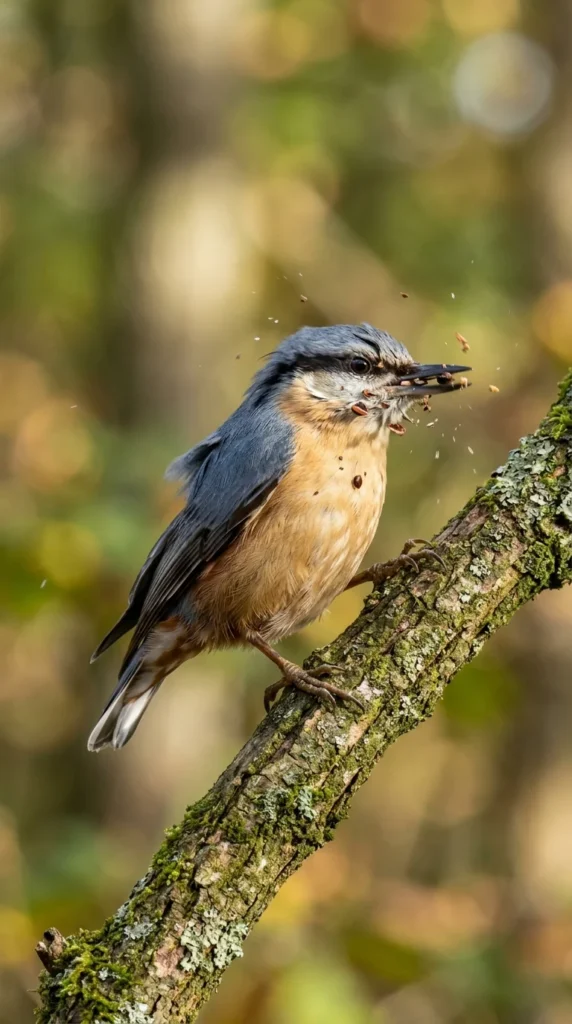
It is important to distinguish between regurgitation (a natural mating behavior where a bird calmly brings up food for a partner) and vomiting. Vomiting is a violent action where the bird shakes its head from side to side, flinging undigested food and mucus onto its head feathers and cage bars. This is a serious symptom of gastrointestinal blockage, infection, or poisoning.
12. Loss of Appetite
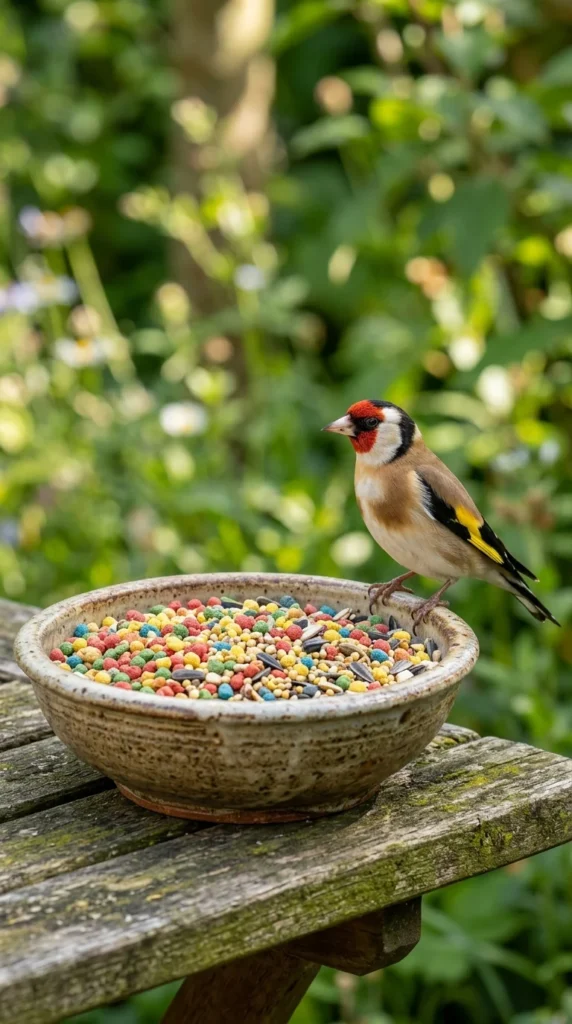
Birds have incredibly high metabolic rates and need to eat frequently to maintain their energy levels. If a bird stops eating its favorite seeds, pellets, or fresh treats, it is a major warning sign. Sometimes a bird will “fake” eating by clicking its beak in the food bowl without actually swallowing anything. Always monitor the amount of actual waste (hulls) in the bowl to ensure they are consuming food.
13. Voice Change
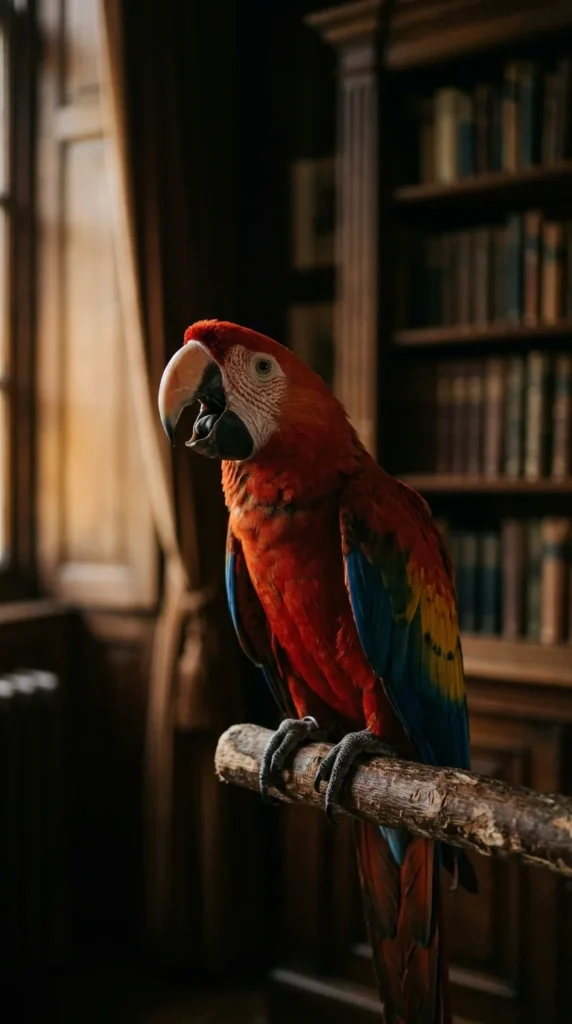
For many bird owners, the first sign of illness is silence. If a vocal bird suddenly stops singing, talking, or screaming, it is often because it doesn’t have the breath or energy to do so. Additionally, any change in the quality of the voice—such as a hoarse chirrup or a change in pitch—can indicate an infection or a growth in the syrinx (the avian voice box).
14. Standing on Two Feet
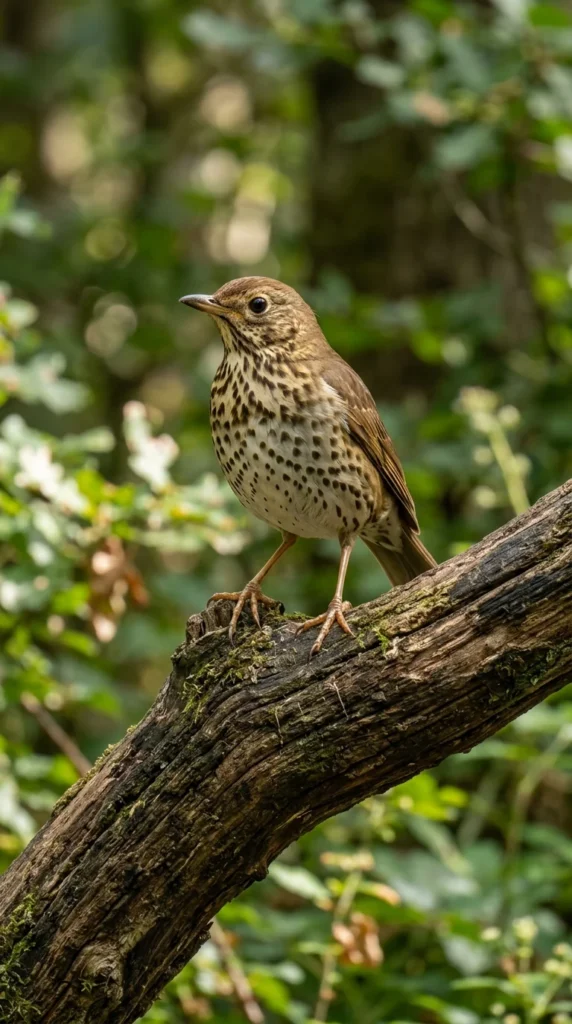
When a healthy bird sleeps or rests, it almost always tucks one leg up into its feathers to conserve heat and rest the limb. If you notice your bird is consistently standing on both feet, even when it appears to be resting, it may be too weak to balance on one leg. Alternatively, it could be a sign of foot injuries, bumblefoot, or kidney issues that cause discomfort when pressure is applied to a specific leg.
15. Drooping Wings
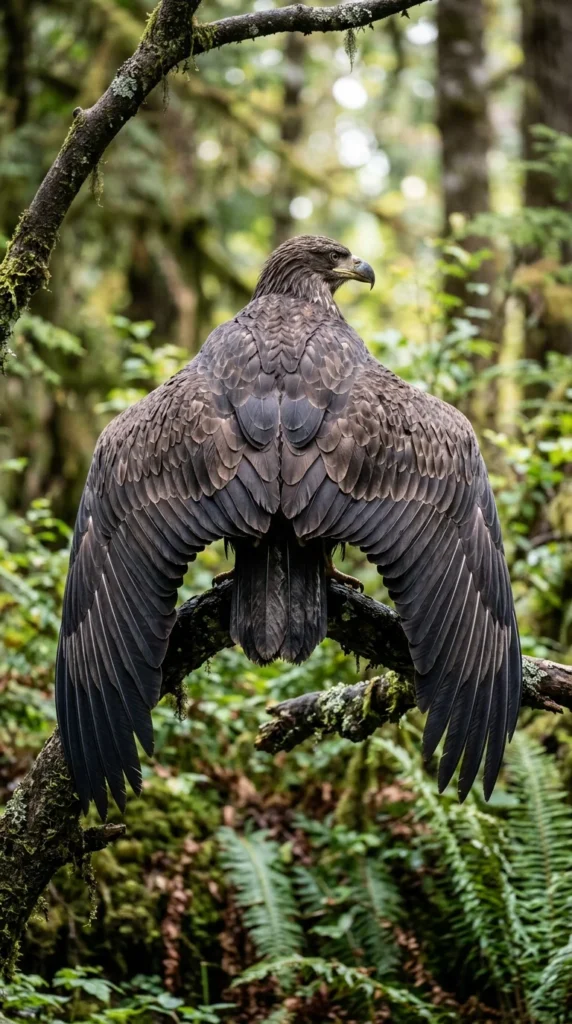
Healthy birds keep their wings tucked neatly and symmetrically against their bodies. Drooping wings—where one or both wings hang down toward the perch—are a sign of extreme muscular weakness or a potential injury. This is common in birds that are suffering from generalized exhaustion or neurological issues.
16. Crusted Cere
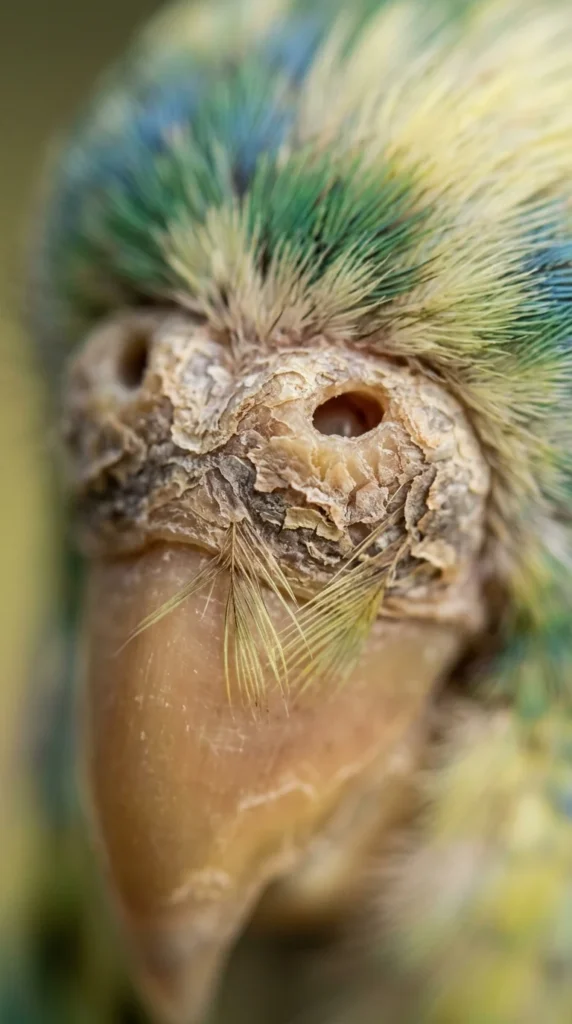
The cere is the fleshy patch of skin above the beak where the nostrils are located. In certain species like budgies, the cere should be smooth. If it becomes heavily crusted, overgrown, or changes color drastically (unrelated to hormonal cycles), it could indicate a mite infestation (scaly face mites) or a chronic nutritional deficiency, particularly Vitamin A.
17. Behavioral Shifts
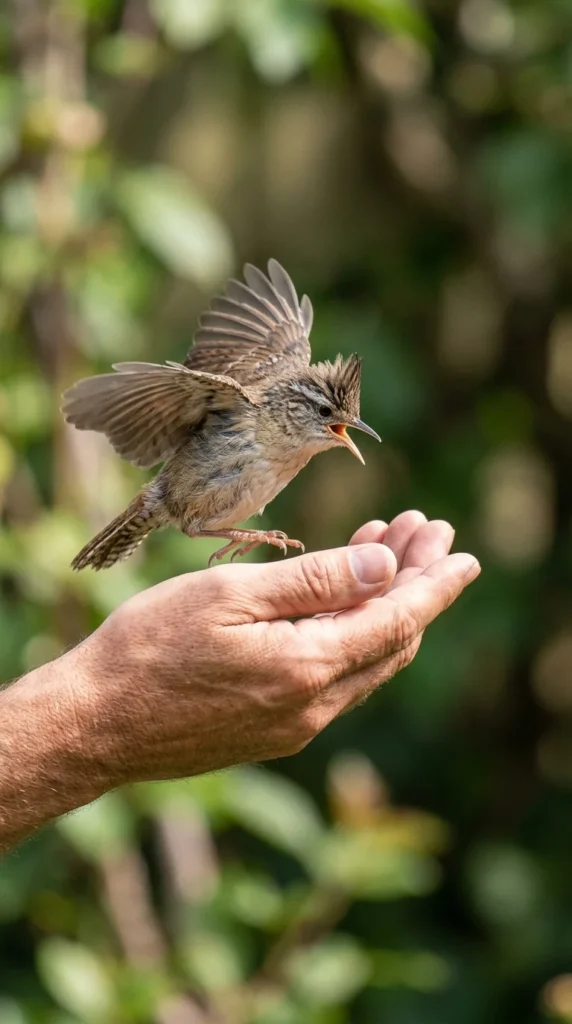
You know your bird’s personality better than anyone. A sudden shift—such as a sweet bird becoming aggressive or an independent bird becoming unusually clingy—often signals that the bird is in pain or feels vulnerable. Irritability is a very common response to physical discomfort in parrots.
18. Bleeding
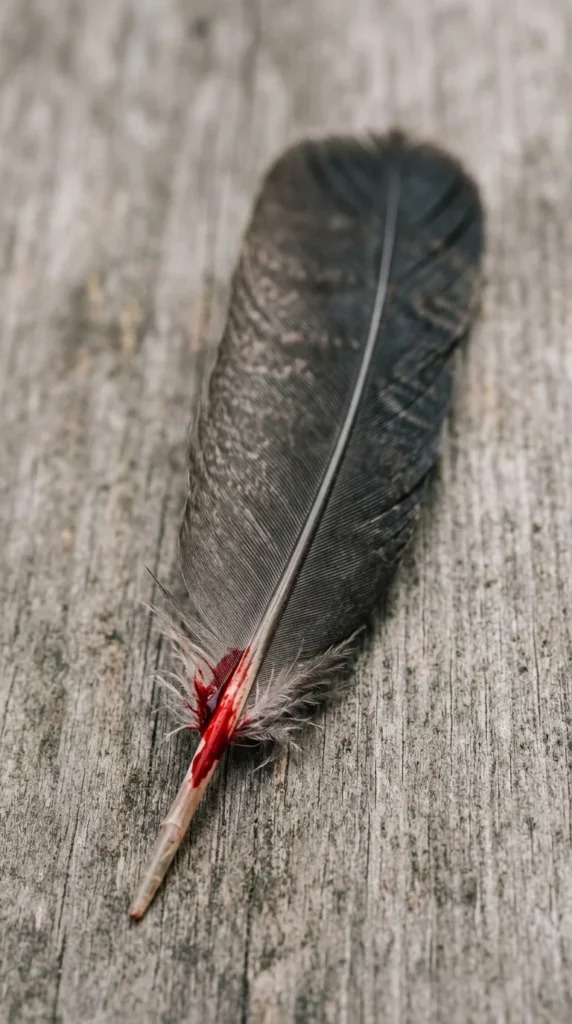
Any sign of blood on a bird is an emergency. Because birds have a very small total volume of blood, even a minor-looking “broken blood feather” can lead to a bird bleeding out in a matter of minutes. If you see blood on the cage, on the bird’s feathers, or coming from a wound, you must apply styptic powder (or cornstarch in a pinch) and get to an avian vet immediately.