
Molting is the avian equivalent of a total home renovation. It is a natural, biological process where a bird sheds its old, worn-out feathers to make room for fresh, strong ones. For a bird, feathers are not just for show; they are critical for flight, insulation, and protection. However, for a bird owner, the molting season can be a period of confusion and concern. Is that bald spot okay? Why is my sweet bird suddenly grumpy? This comprehensive guide breaks down 24 essential aspects of molting, helping you distinguish between a healthy “renovation” and a medical red flag.
1. Seasonal Cycle

Most birds molt once or twice a year, typically triggered by changes in day length and temperature. In the wild, this usually happens after the breeding season when the bird has enough energy to spare. For indoor birds, the cycle can be slightly less predictable due to artificial lighting, but you should generally see a major molt annually. Understanding your bird’s specific rhythm is the first step in recognizing what is normal.
2. Pin Feathers
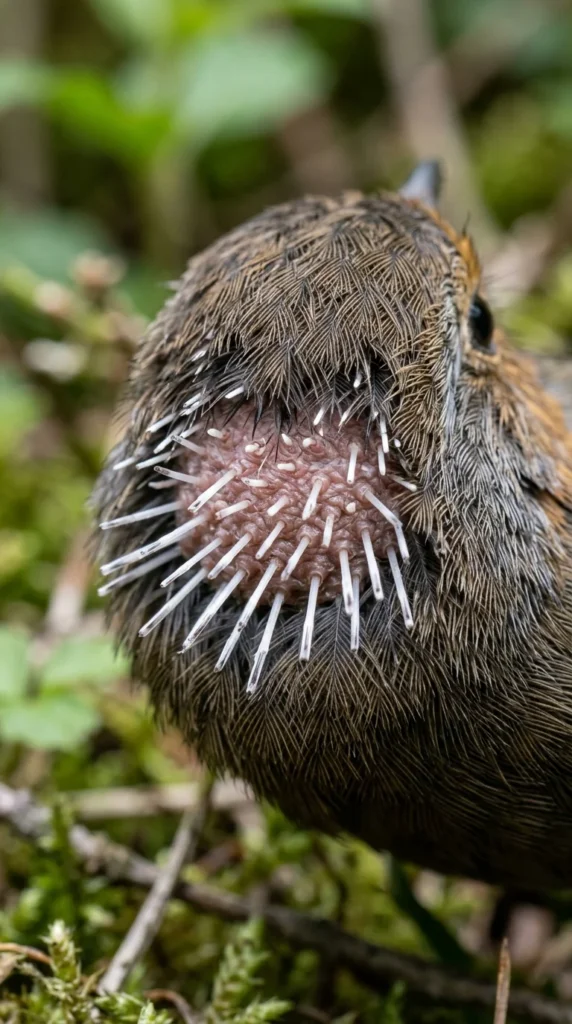
The appearance of “pin feathers” (or blood feathers) is the hallmark of molting. These look like small, white quills or straws poking through the skin. They are actually new feathers encased in a protective keratin sheath. As the feather grows, the bird will preen away the sheath, revealing the soft feather inside. Seeing these is a positive sign that new growth is underway.
3. Symmetrical Loss
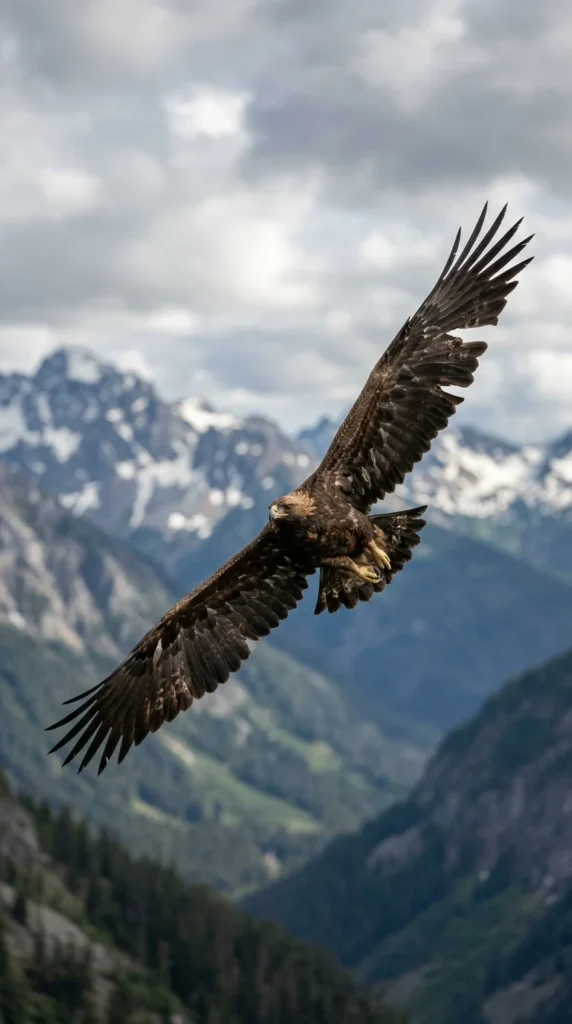
Nature is balanced. A healthy molt is almost always symmetrical. If a bird loses a primary flight feather on the left wing, the corresponding feather on the right wing usually drops shortly after. This ensures the bird maintains its balance and ability to fly during the process. If you notice feathers falling out only on one side, it might indicate an injury or a localized skin issue.
4. Powder Down
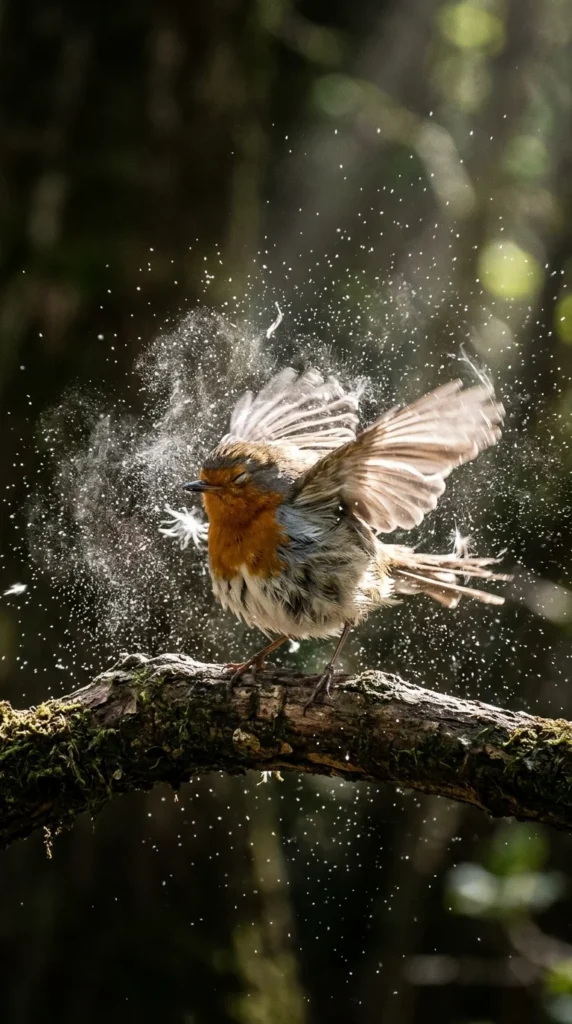
During a molt, your house might get a little dustier. As birds preen off the keratin sheaths from their new pin feathers, it creates a fine white powder known as “dander” or “powder down.” This is completely normal, especially in species like Cockatoos, Greys, and Cockatiels. While it means more cleaning for you, it’s a sign that your bird is successfully “unpacking” its new plumage.
5. Behavioral Moodiness
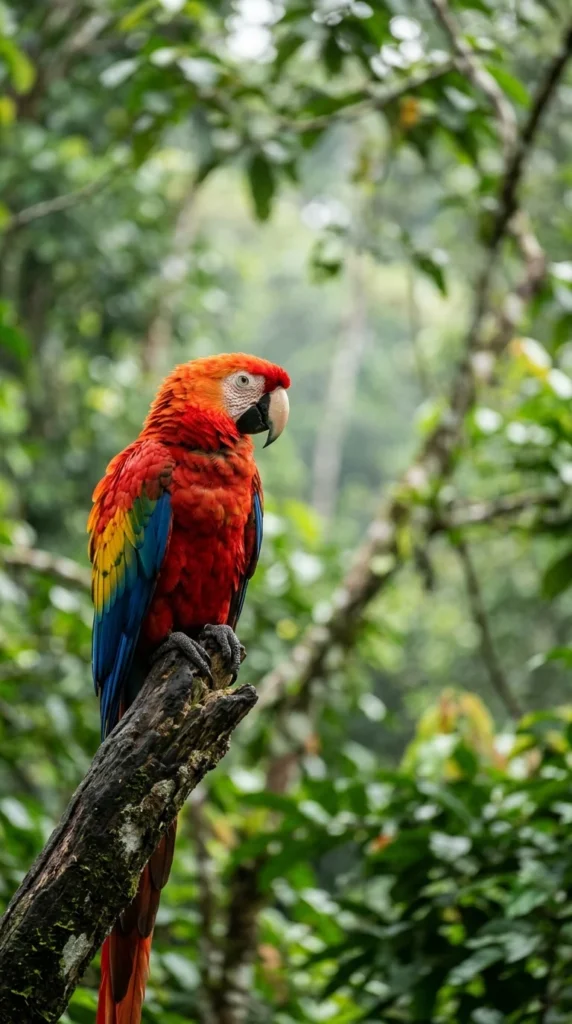
Molting is physically taxing and can be quite uncomfortable. The new feathers pushing through the skin can cause itchiness or even mild pain. Don’t be surprised if your usually cuddly bird becomes “nippy” or wants to be left alone. This “molting grumpiness” is a standard behavioral shift. Respect their space and let them dictate the level of interaction.
6. Increased Sleep
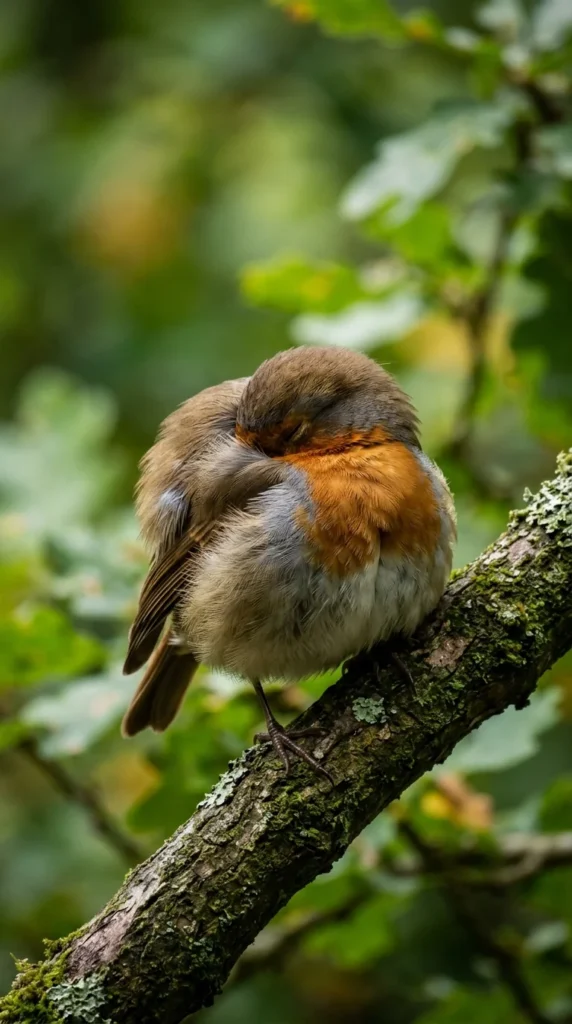
Growing feathers requires a massive amount of metabolic energy—feathers are made of up to 90% protein. Consequently, molting birds need more rest. You may notice your bird taking more frequent naps during the day or retreating to their sleeping corner earlier than usual. Ensure they get at least 10–12 hours of uninterrupted darkness to support their recovery.
7. Nutritional Surge

Because feathers are protein-based, your bird’s diet needs an upgrade during molting season. Normal seeds or pellets might not provide enough “building blocks” for thousands of new feathers. Offering protein-rich snacks like cooked eggs, sprouted beans, or high-quality greens can help the new feathers grow in strong and vibrant.
8. Mutual Preening
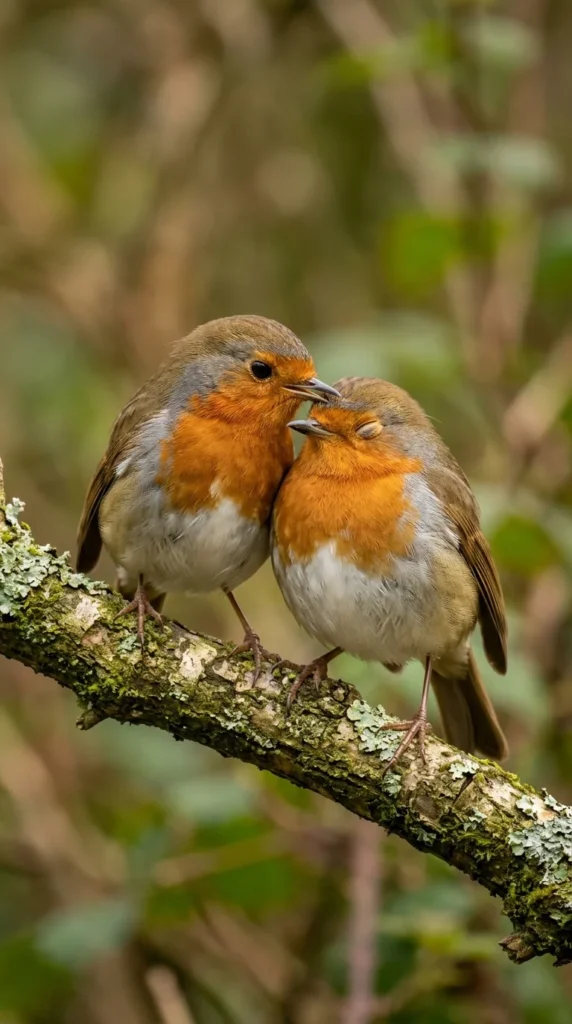
Birds cannot reach the pin feathers on their own heads or necks. In the wild, they rely on a mate or flock member to help unzip those hard-to-reach quills. If you have a single bird, they may ask you for “scritches” to help break the sheaths. If they have a companion, you’ll see an increase in “allopreening,” which strengthens their social bond.
9. Itchy Skin
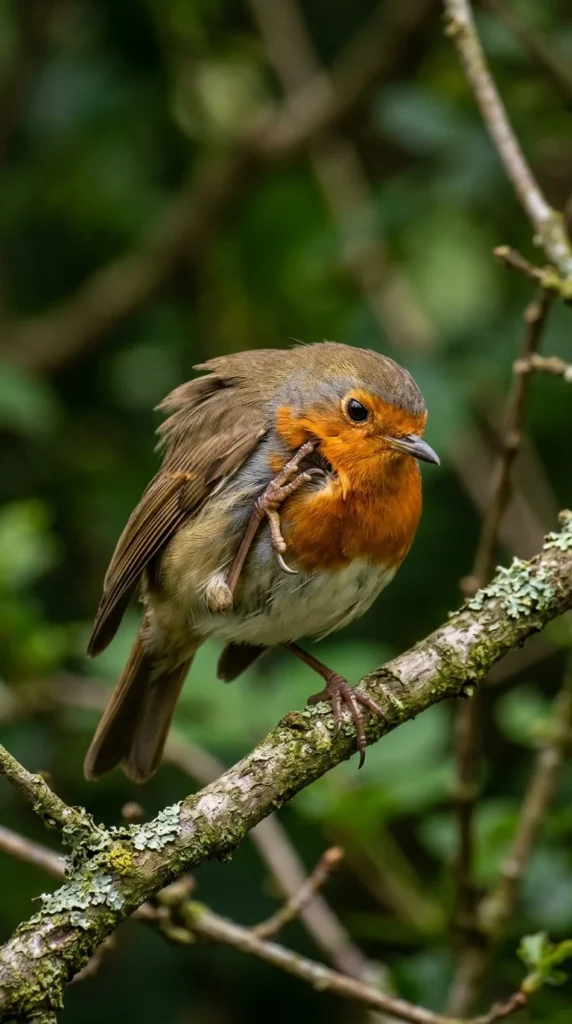
The sensation of thousands of new quills breaking through the skin is itchy! You will see your bird scratching more than usual using their feet or rubbing their heads against perches. This is normal. However, if the scratching becomes so intense that they break the skin or cause bleeding, it has crossed the line into a medical concern.
10. Flight Stability
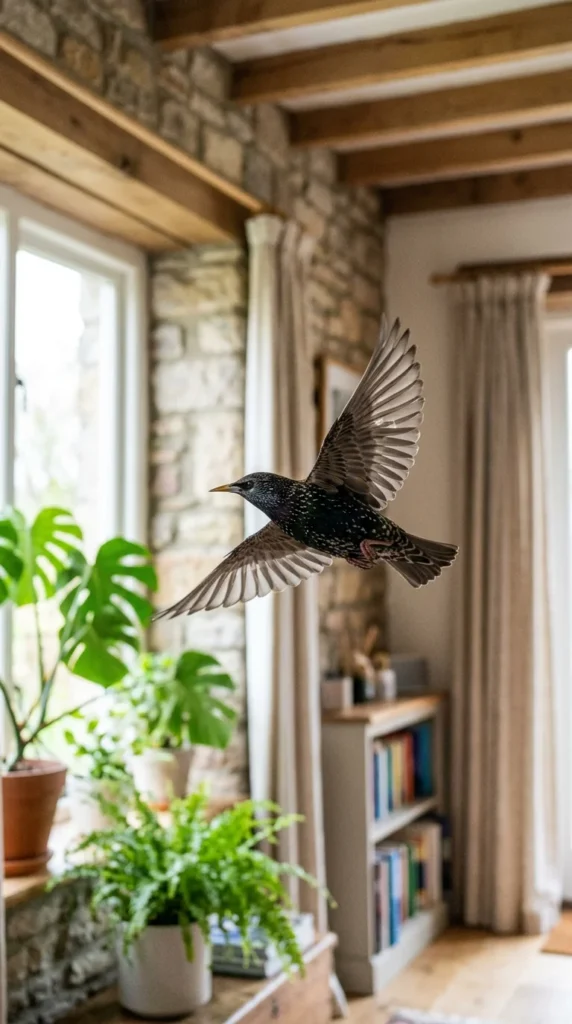
A healthy molting bird should still be able to fly. Because feathers drop in a specific, staggered order, the bird shouldn’t lose its ability to navigate. If your bird suddenly becomes clumsy, grounded, or unable to gain height, they may have lost too many feathers at once, which is an “abnormal molt” often caused by stress or poor nutrition.
11. Blood Feathers
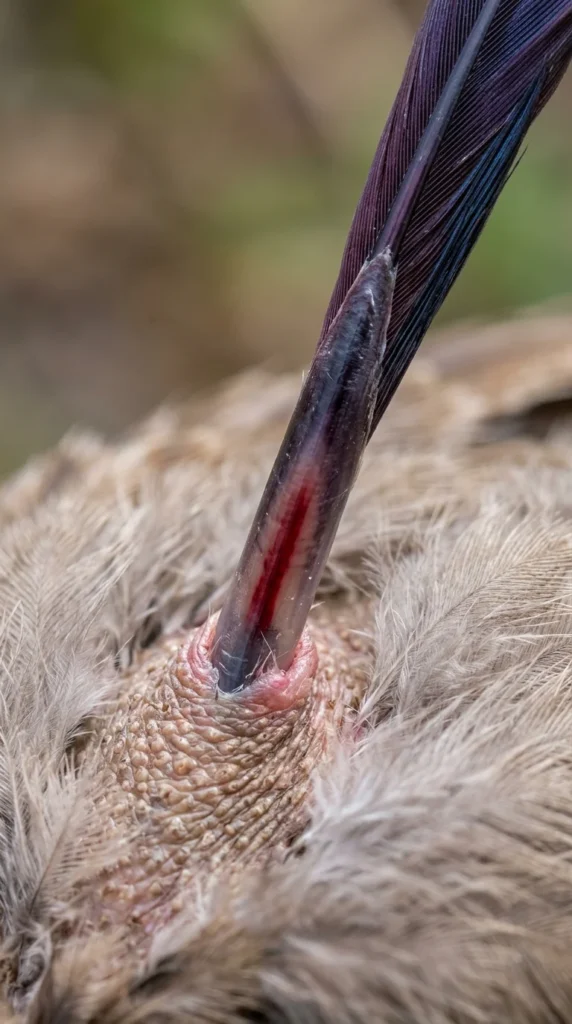
New feathers have an active blood supply at the base of the quill. This is normal and necessary for growth. However, if a blood feather is broken, it can bleed profusely because the quill acts like a straw. Every bird owner should have “styptic powder” or cornstarch on hand to stop the bleeding if a new feather is accidentally damaged during play.
12. Stress Bars
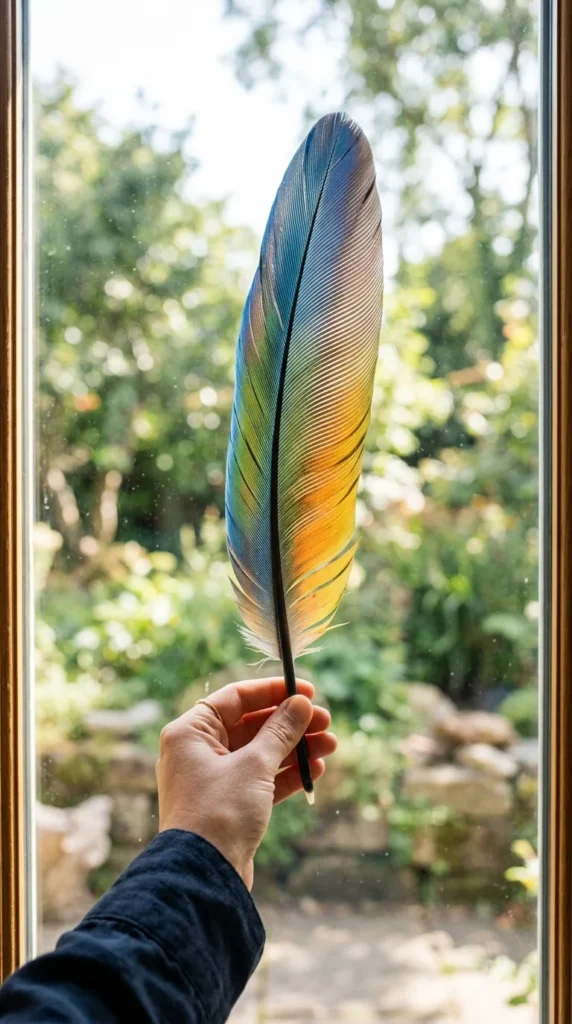
“Stress bars” are thin, transparent lines that run horizontally across a feather. These are NOT normal for a healthy molt. They indicate that at some point during the feather’s growth, the bird experienced a period of high stress, illness, or malnutrition. If you see many stress bars on new feathers, it’s time to evaluate your bird’s environment and diet.
13. Bald Spots
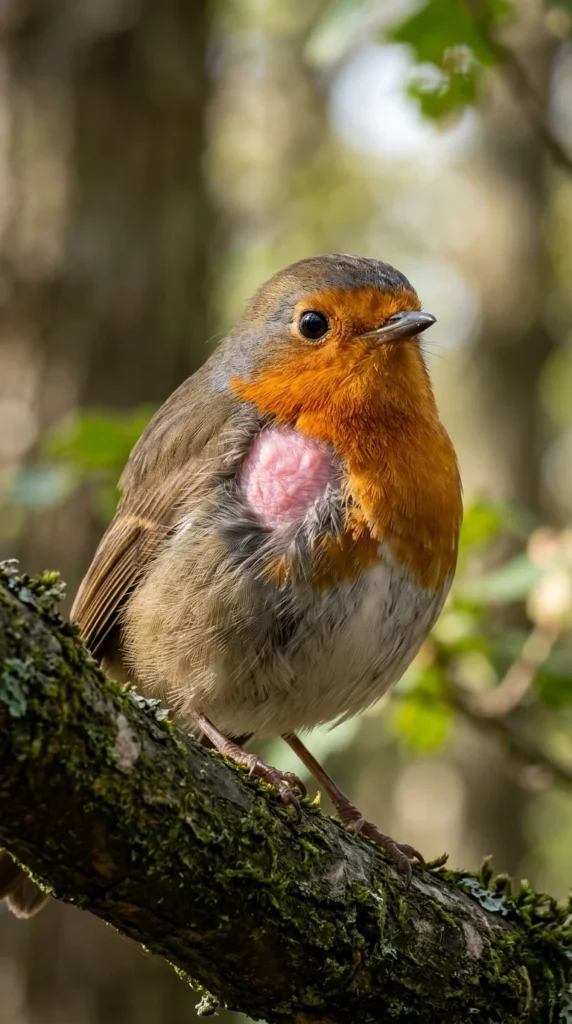
While some thinning is normal, true bald spots (where the skin is completely bare for more than a few days) are generally a red flag. A normal molt involves the new feather pushing the old one out, meaning there’s rarely a time when the skin is totally exposed. Bald patches can signify feather plucking, mites, or a hormonal imbalance.
14. Feather Plucking
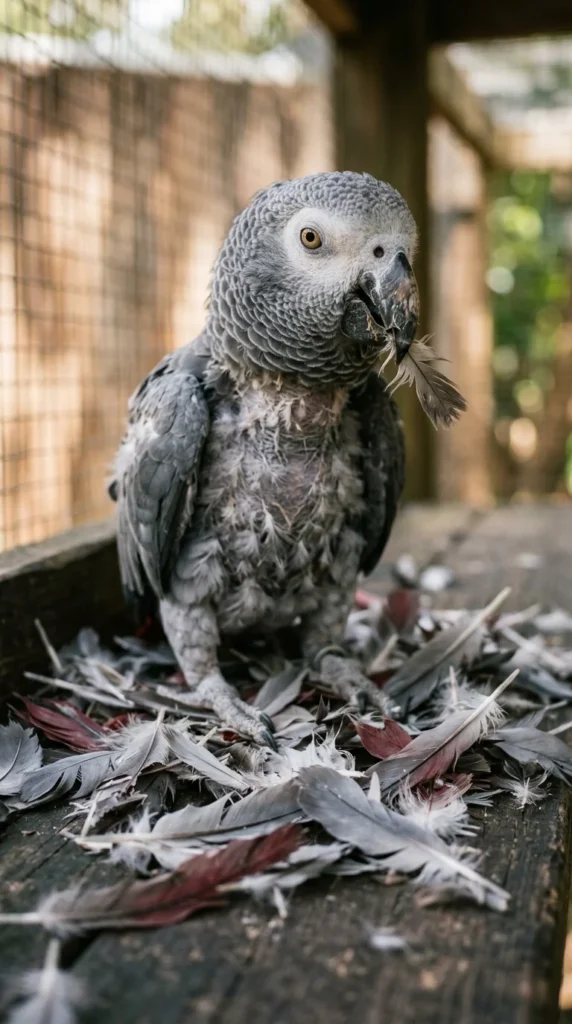
Do not confuse molting with plucking. Molting feathers fall out naturally and usually have a clean, dry quill base. Plucked feathers often look chewed, jagged, or have blood on the tips. If your bird is actively pulling feathers out with its beak rather than just letting them fall, this is a behavioral or medical issue that requires an avian vet.
15. Muted Colors
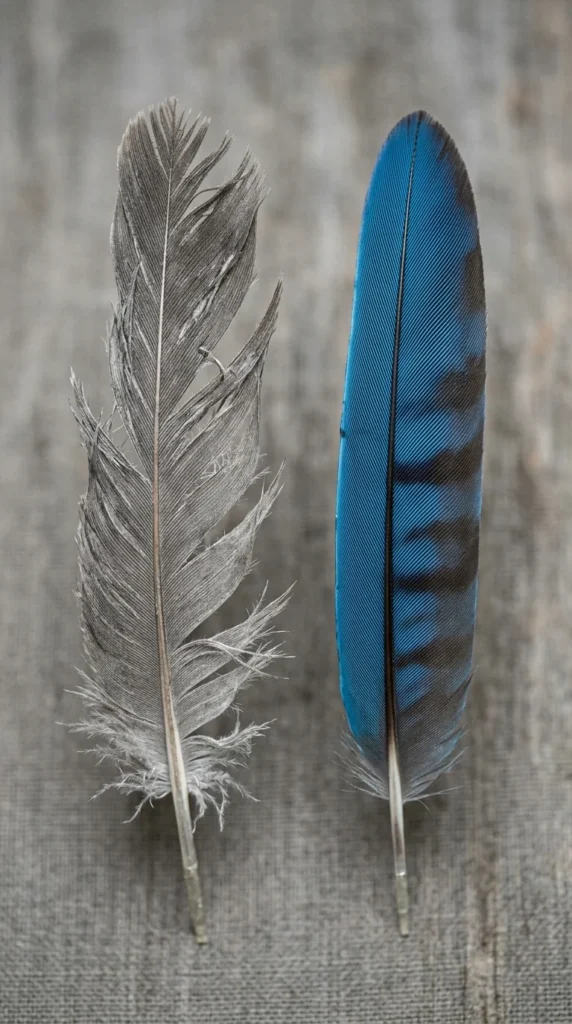
As feathers age, they become brittle and lose their luster due to UV exposure and physical wear. This is normal. However, if the new feathers growing in are dull, strangely colored, or “greasy” in appearance, it can indicate liver issues or severe nutritional deficiencies. New feathers should always be the most vibrant ones on the bird’s body.
16. Tail Replacement
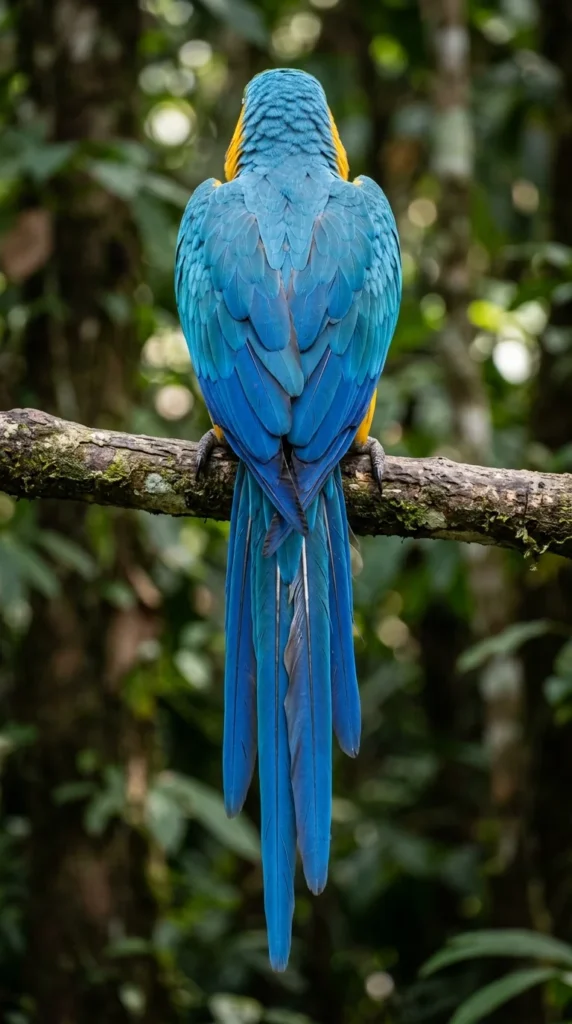
The tail is often the last part of the bird to complete its molt. Because tail feathers are long and heavy, the bird may look a bit “stubby” for a few weeks. You will notice the central tail feathers usually drop first, followed by the outer ones. This staggered growth allows the bird to continue using its tail as a rudder during flight.
17. Humidity Needs
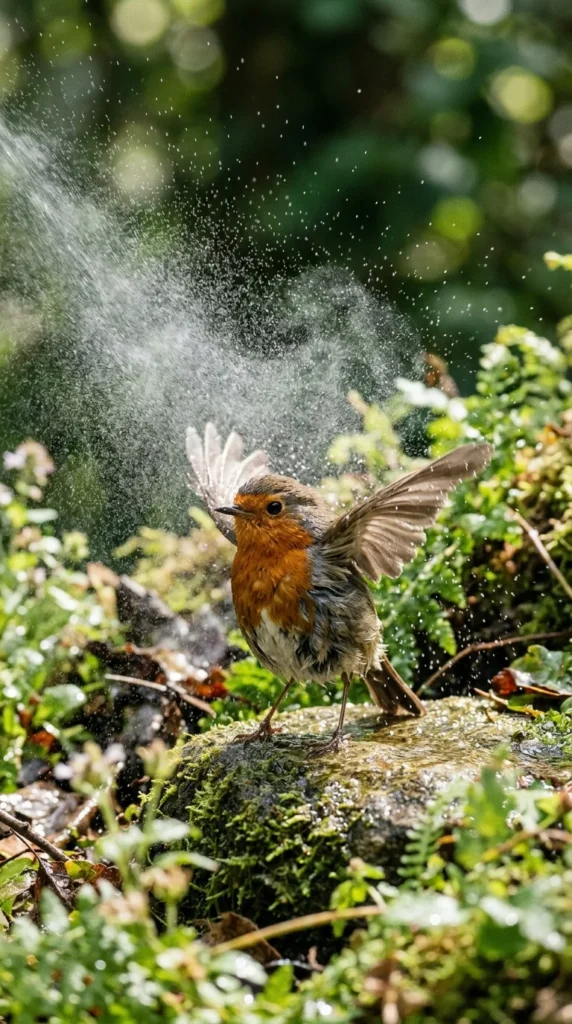
Dry air is the enemy of a smooth molt. If the air is too dry, the keratin sheaths on pin feathers can become hard and difficult for the bird to remove. Increasing the humidity in the room or providing more frequent misting sessions can help soften those sheaths, making the molting process much more comfortable for your feathered friend.
18. Frequent Bathing
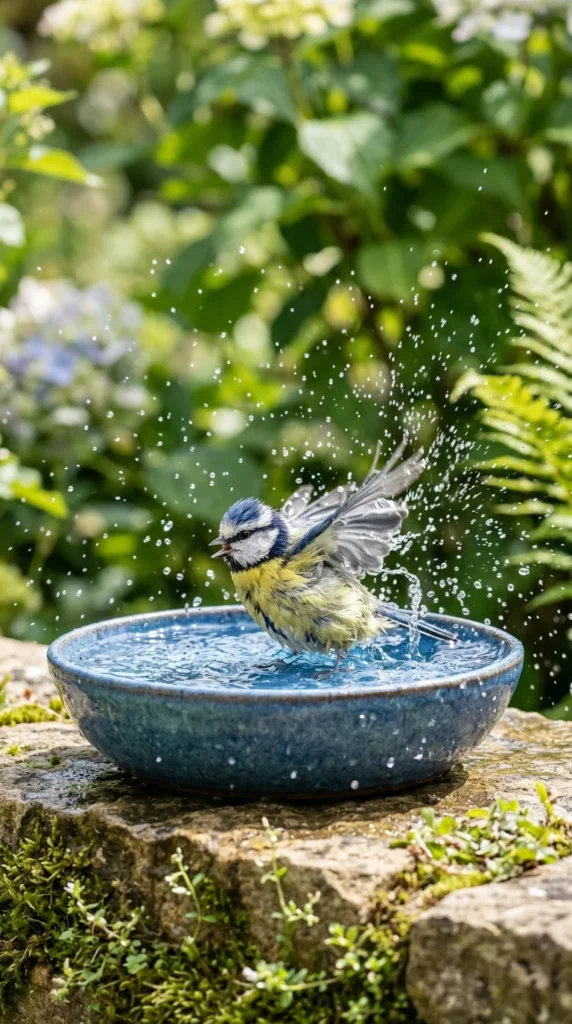
You may notice your bird is suddenly obsessed with their water bowl. Molting birds naturally seek out water to soothe their itchy skin and help break down the waxy coating on new feathers. Provide a shallow dish of fresh water daily and encourage bathing. It’s one of the best ways to support a healthy molt.
19. Calcium Intake
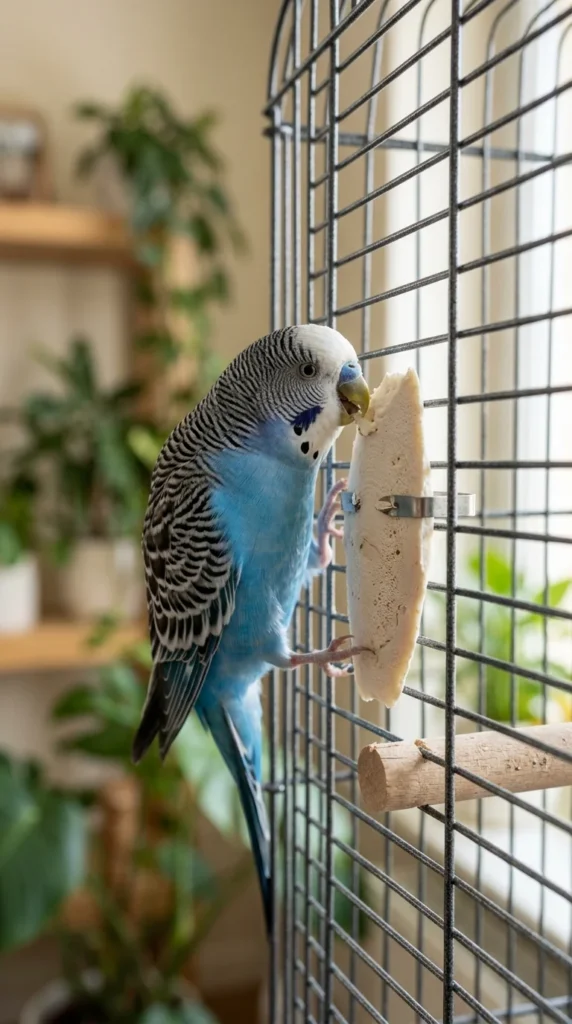
Producing feathers is a mineral-intensive process. While protein is the main component, calcium and other minerals play a supporting role in feather structure. If a bird is calcium-deficient during a molt, the new feathers may be weak or the bird may become lethargic. Always ensure a cuttlebone or mineral block is available.
20. Defensive Behavior
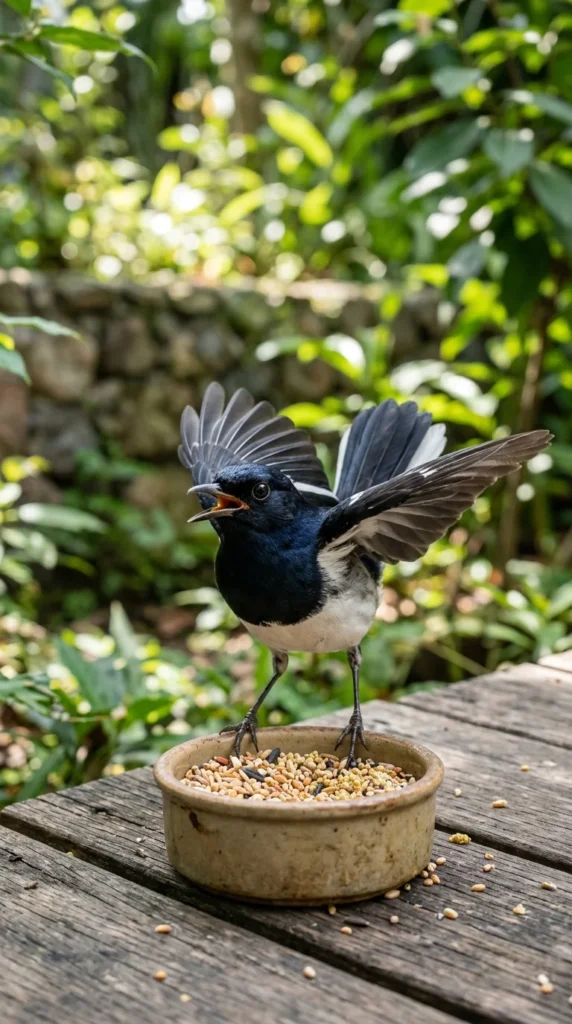
Because they feel vulnerable and physically sensitive, birds may become more territorial of their cage or food bowl during a molt. This is a survival instinct. In the wild, a molting bird is a slower bird, making them more cautious. Don’t take this “cage aggression” personally; it usually fades once the new feathers are fully grown.
21. Weight Monitoring
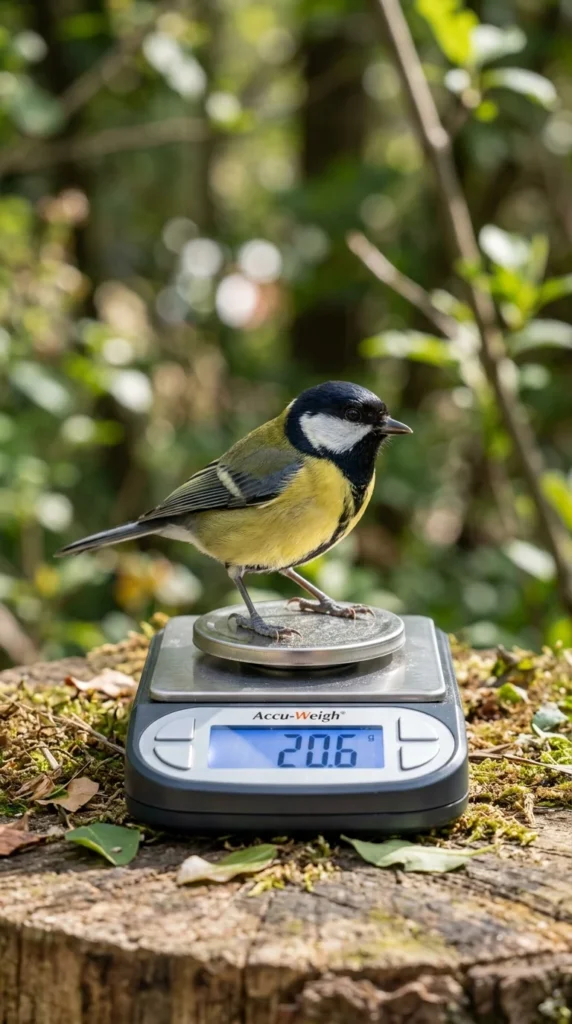
It is a good idea to weigh your bird weekly during a molt. Because their body is working overtime, they shouldn’t lose significant weight. A slight fluctuation is okay, but a drop of more than 10% of their body weight is a sign that the molting process is taxing their system too much, or that there is an underlying illness.
22. Wing Asymmetry
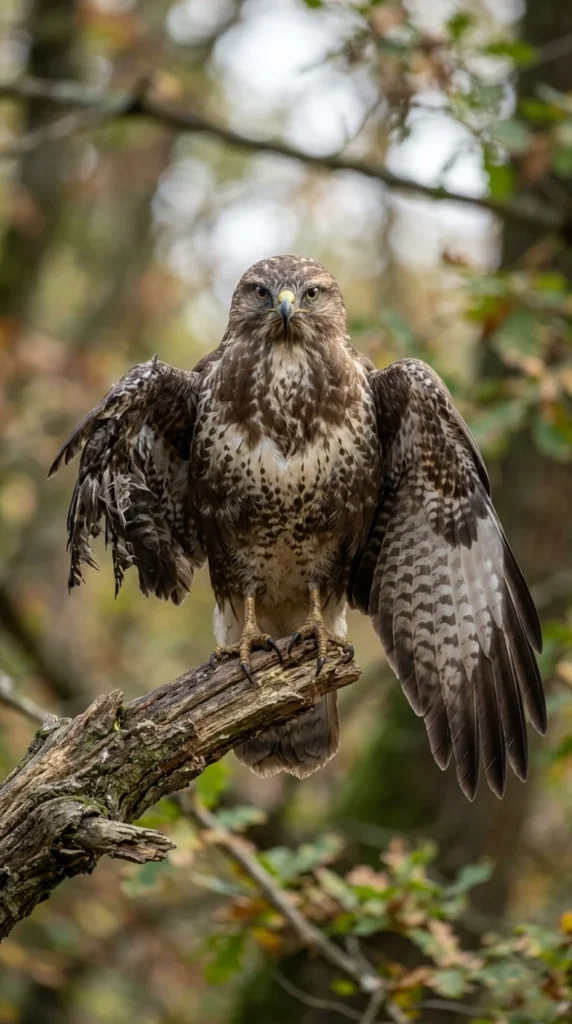
If one wing is missing significantly more feathers than the other, this is “asymmetrical molting.” This is a concern because it can cause the bird to fly in circles or crash, leading to injury. Asymmetry is often a sign of high stress or a “fright molt,” where a bird drops feathers suddenly due to a scare.
23. Temperature Sensitivity
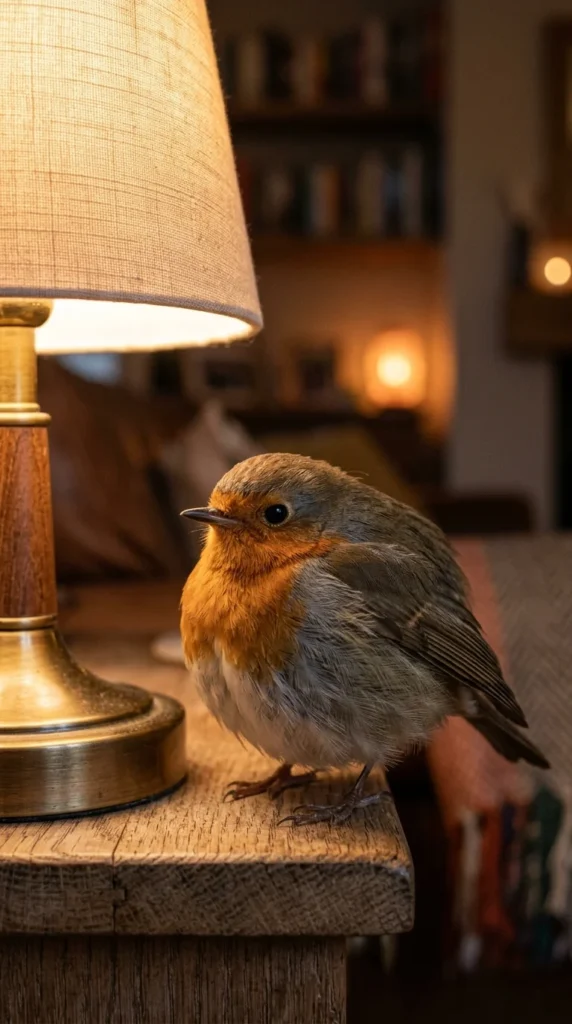
Feathers are a bird’s primary insulation. During a heavy molt, when old feathers are gone and new ones are still in their “pin” stage, the bird may struggle to regulate its body temperature. Keep your bird away from drafty windows or air conditioning vents during this time. A slightly warmer environment will help them conserve energy for feather growth.
24. Professional Consultation
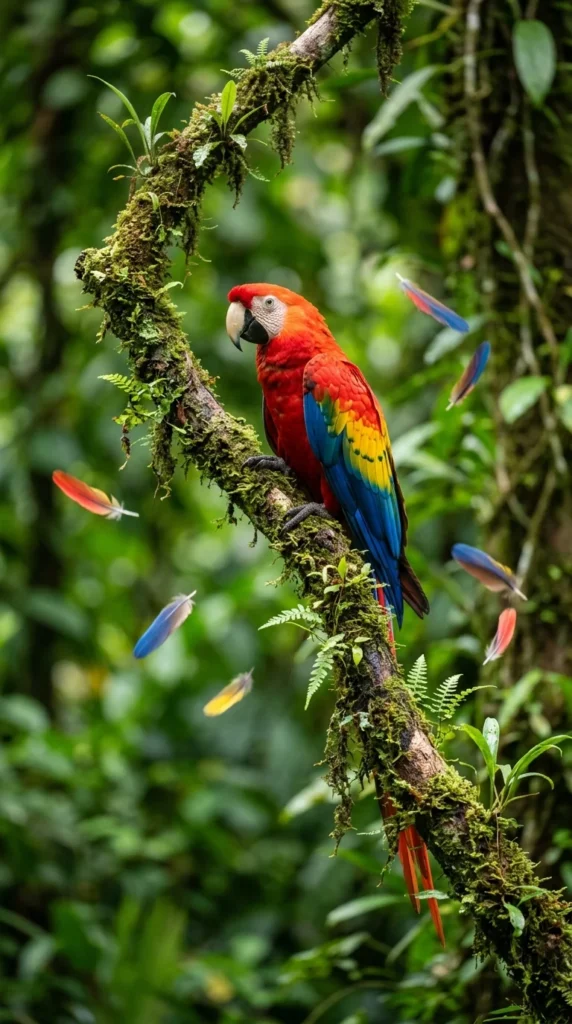
When in doubt, consult an avian veterinarian. If the molt lasts longer than two months, if the bird stops eating, or if you see any signs of “stuck” pin feathers that won’t open, a professional check-up is necessary. A vet can run blood tests to ensure your bird’s thyroid and liver are functioning correctly to support their beautiful new plumage.
By understanding these 24 markers, you can transform molting season from a time of stress into a season of care, ensuring your bird emerges with a stunning, healthy, and vibrant set of feathers.