
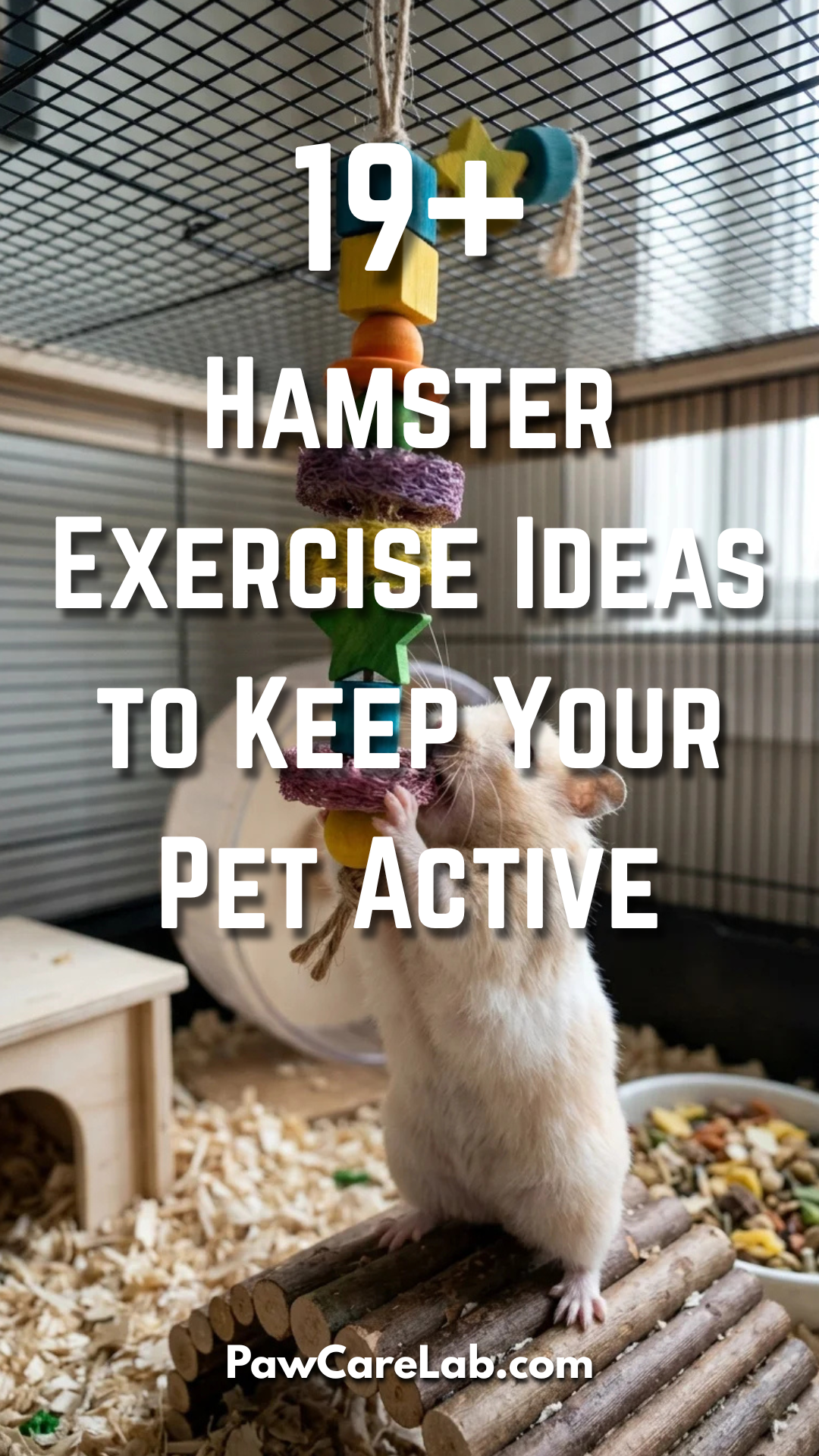
Hamsters are natural athletes. In the wild, these tiny explorers can travel several miles in a single night searching for food and patrolling their territory. When kept as pets, that instinctual drive for movement doesn’t disappear. Without proper outlets for their energy, hamsters can become stressed, obese, or develop repetitive “stereotypic” behaviors like bar-biting.
To keep your furry friend happy and healthy, you need to provide a variety of physical and mental stimuli. Here are 19 creative and effective exercise ideas to keep your hamster active.
1. Running Wheel
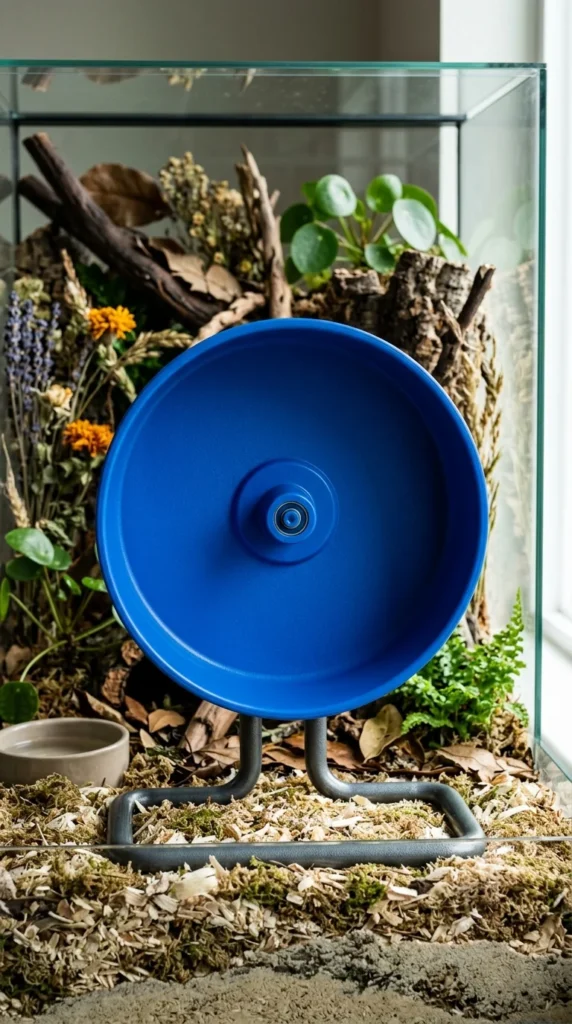
The running wheel is the cornerstone of hamster fitness. Most hamsters will spend hours every night sprinting on their wheel. It is crucial to choose a wheel with a solid surface (no wire or mesh) to prevent “bumblefoot” or broken limbs. Ensure the diameter is large enough that your hamster’s back does not arch while running; for Syrians, this usually means a 10-12 inch wheel, while dwarfs need 6-8 inches.
2. Deep Bedding
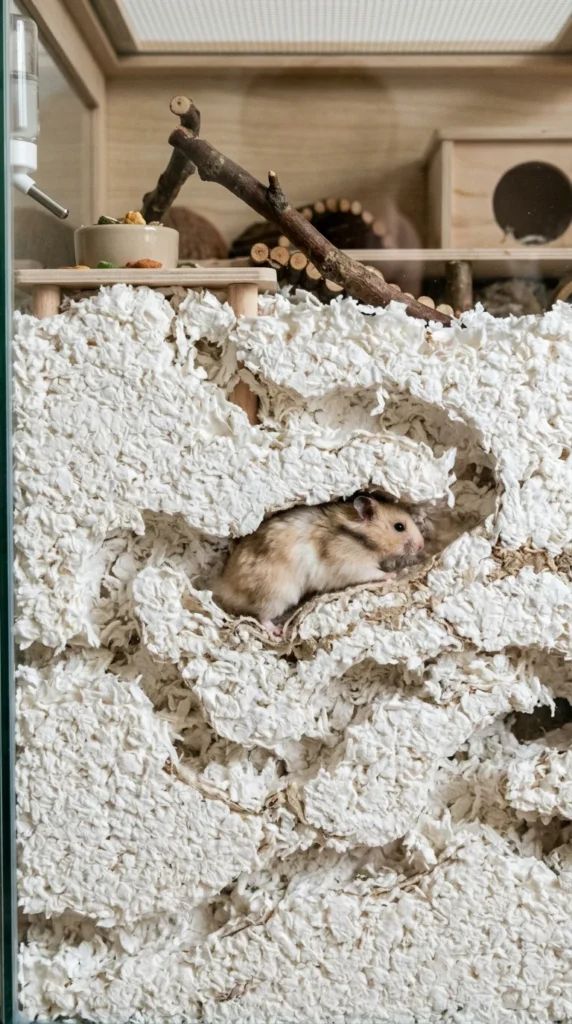
Exercise isn’t just about running in circles; it’s about using muscle groups for digging. By providing at least 6 to 10 inches of compressed bedding, you allow your hamster to engage in their most natural behavior: burrowing. Pushing through substrate and creating structural tunnels is a full-body workout that burns significant calories and provides immense mental satisfaction.
3. Flying Saucers
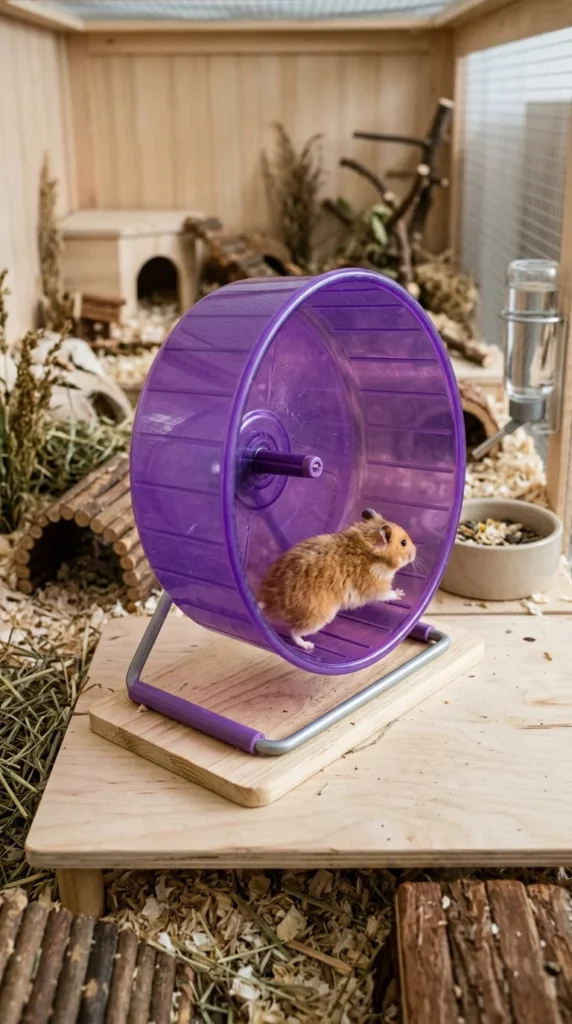
A “Flying Saucer” or exercise saucer is a tilted treadmill that offers a different running posture than a traditional wheel. It allows the hamster to run at a flatter angle, which can be a great supplement to their main wheel. It works different leg muscles and provides variety in their nightly routine.
4. Foraging Toys
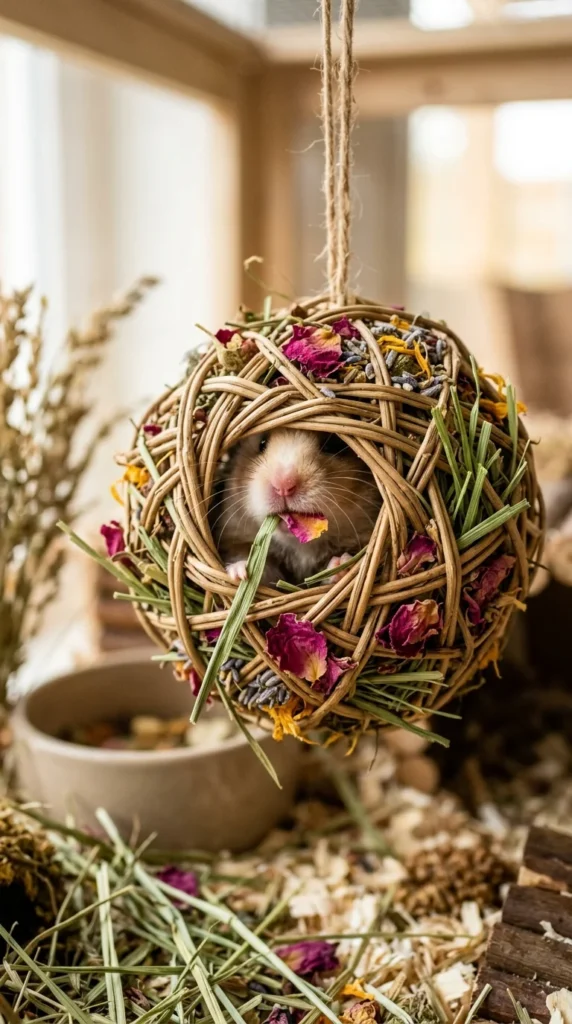
Instead of putting all their food in a bowl, make them work for it. Foraging toys, such as willow balls stuffed with treats or cardboard rolls filled with hay and seeds, force the hamster to toss, pull, and chew to get their meal. This “active feeding” mimics wild behavior and keeps them moving throughout the evening.
5. Cardboard Mazes
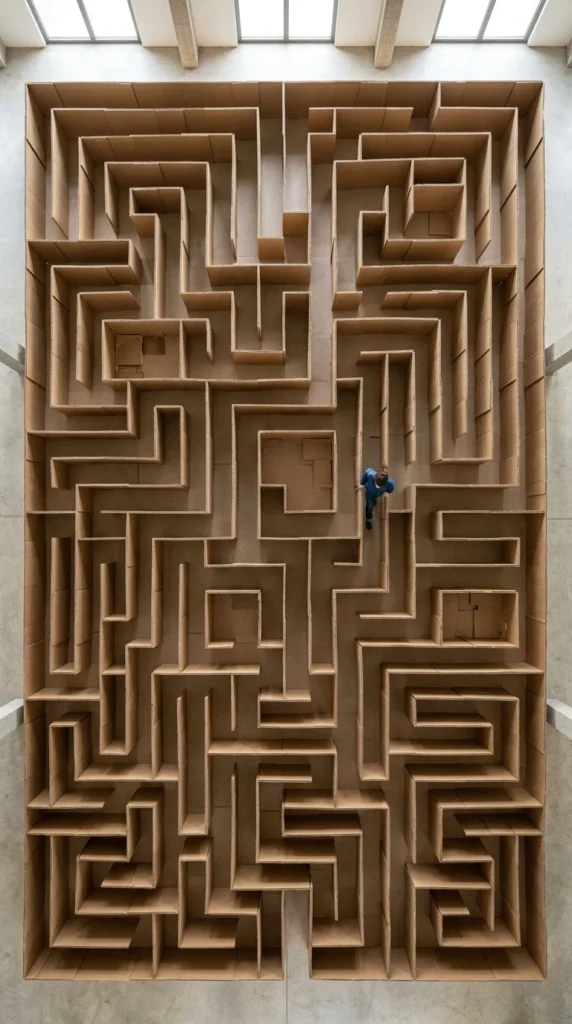
Hamsters love to explore tight spaces. You can build a DIY maze using shoe boxes or toilet paper rolls. Change the layout every few weeks to keep them guessing. Navigating a maze requires mental mapping and physical movement, making it a perfect low-cost exercise solution for supervised playtime.
6. Multi-level Platforms
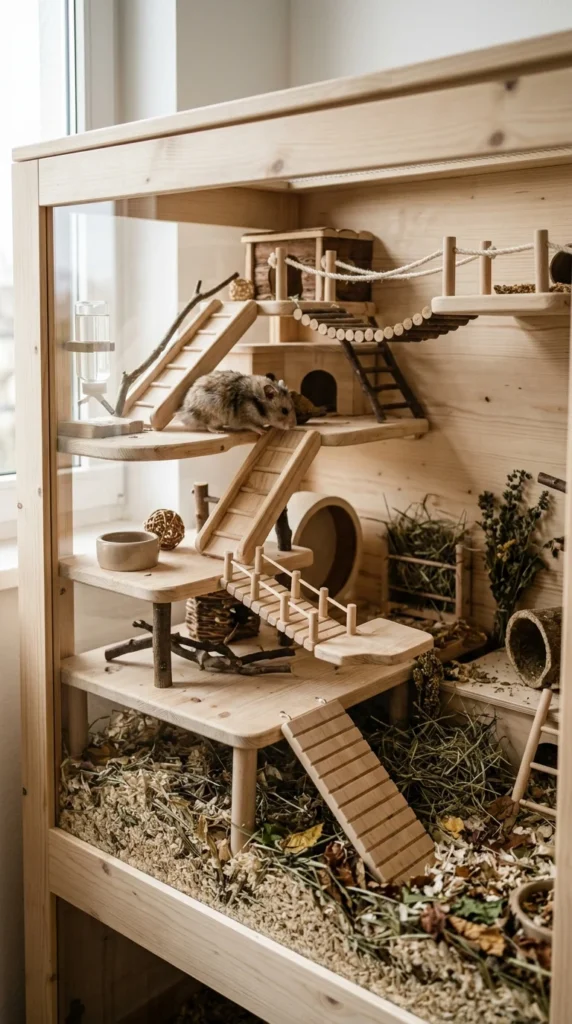
Vertical space, when managed safely, can be a great way to encourage climbing. Use wooden platforms to create different “floors” in the cage. This encourages the hamster to move up and down ramps, strengthening their climbing muscles. Just ensure that platforms aren’t so high that a fall could cause injury; hamsters have poor depth perception.
7. Playpens
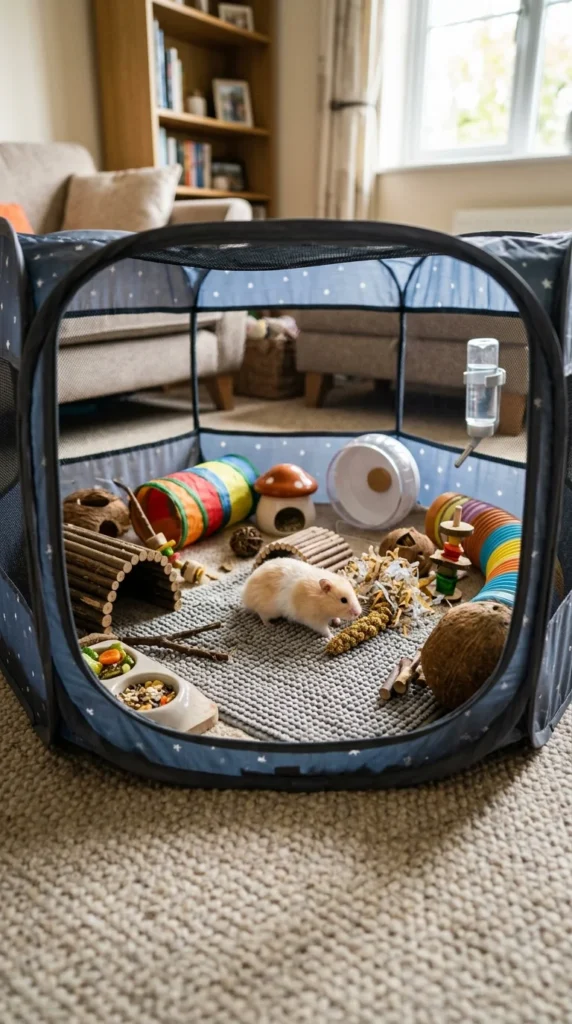
A playpen offers a safe, enclosed area outside of the cage for your hamster to roam. It provides a much larger footprint than most enclosures, allowing for “free-running” bursts. Fill the playpen with new scents and objects to encourage exploration and scent-marking, which are active behaviors.
8. Sand Baths
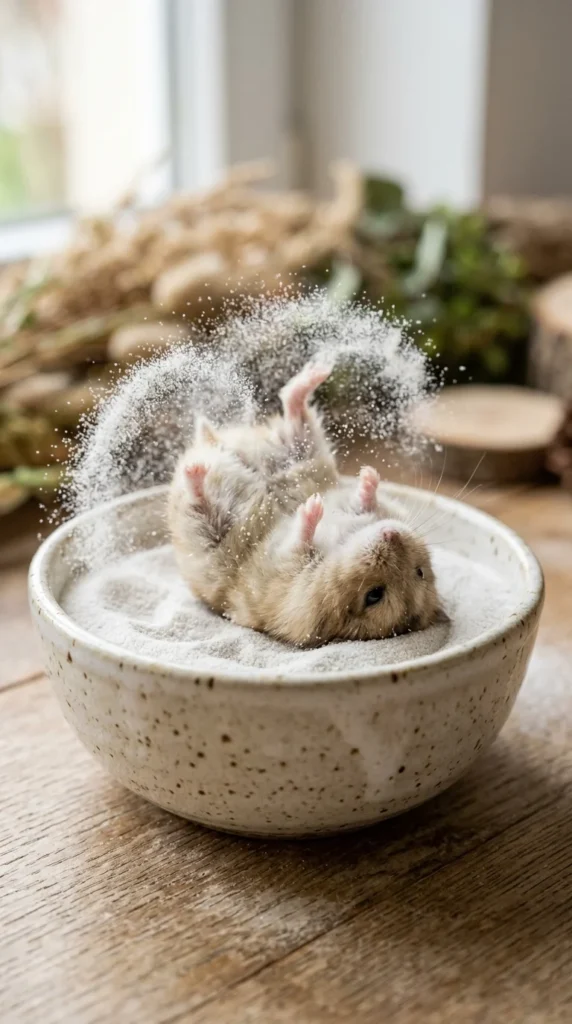
While often thought of as a grooming tool, sand baths are actually quite physically demanding. Hamsters use their entire bodies to wiggle, roll, and dig in the sand. This helps keep their coat oil-free while also providing a unique sensory and physical workout for their paws and core.
9. Digging Boxes
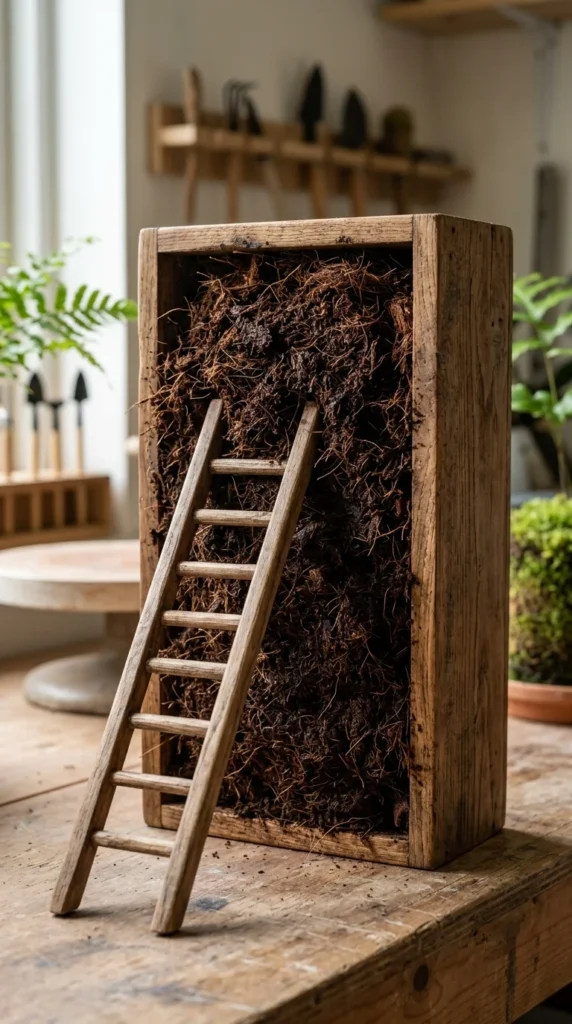
Different textures encourage different movements. A digging box filled with coconut fiber (eco-earth), cork granules, or corn cob substrate offers a different resistance than standard paper bedding. This variety forces the hamster to use different digging techniques, keeping their muscles challenged.
10. Tunnel Systems
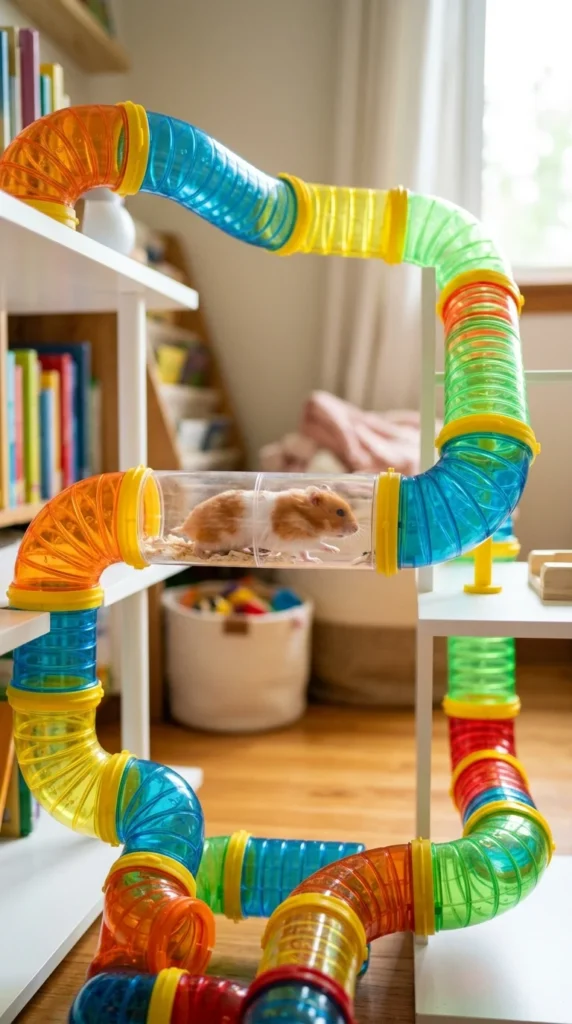
Whether they are plastic tubes or natural bamboo pipes, tunnels tap into a hamster’s instinct to traverse narrow passages. Long tunnel systems encourage “patrolling” behavior. If using plastic tubes, ensure they are ventilated and wide enough for the hamster to turn around comfortably.
11. Climbing Ladders
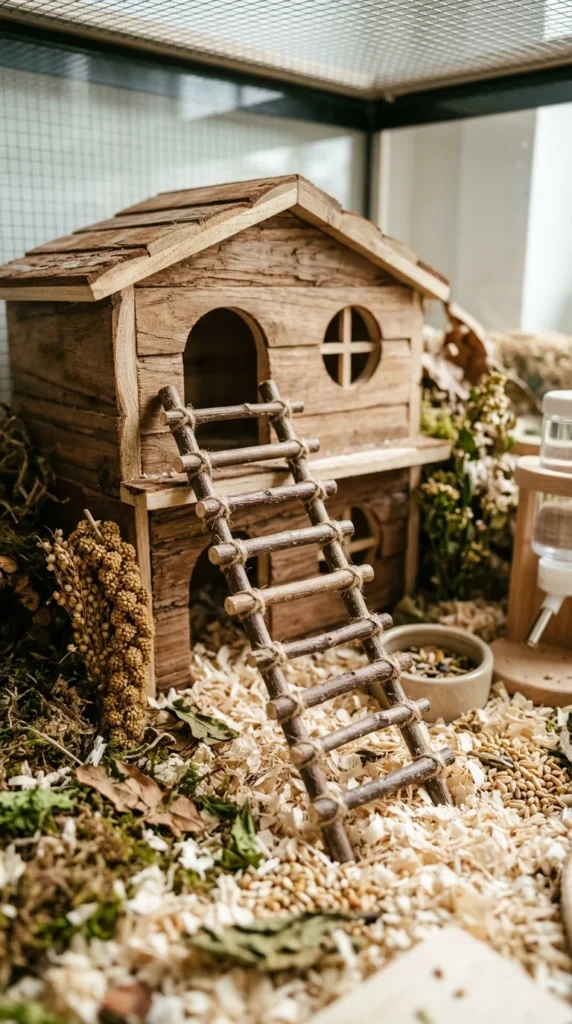
Hamsters aren’t as adept at climbing as rats, but they do enjoy short ascents. Wooden ladders or “bridge” ramps made of bendy sticks provide a textured surface that is easy to grip. Climbing helps with coordination and maintains the strength in their tiny limbs.
12. Scatter Feeding
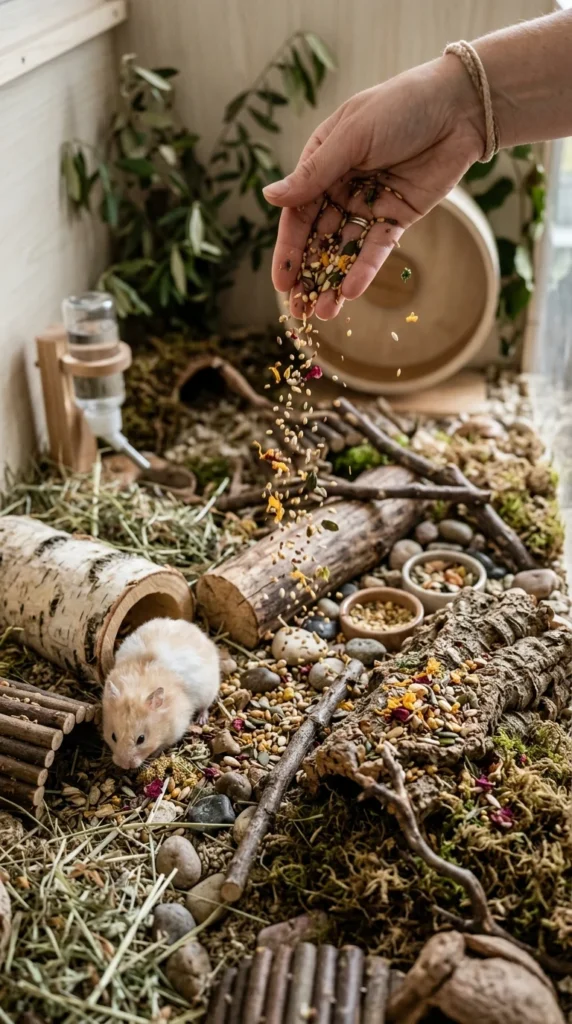
The simplest way to get a hamster moving is to remove the food dish entirely. Scatter their daily seed mix across the entire enclosure. This forces the hamster to walk, sniff, and dig around to find every morsel, significantly increasing their daily step count.
13. Obstacle Courses
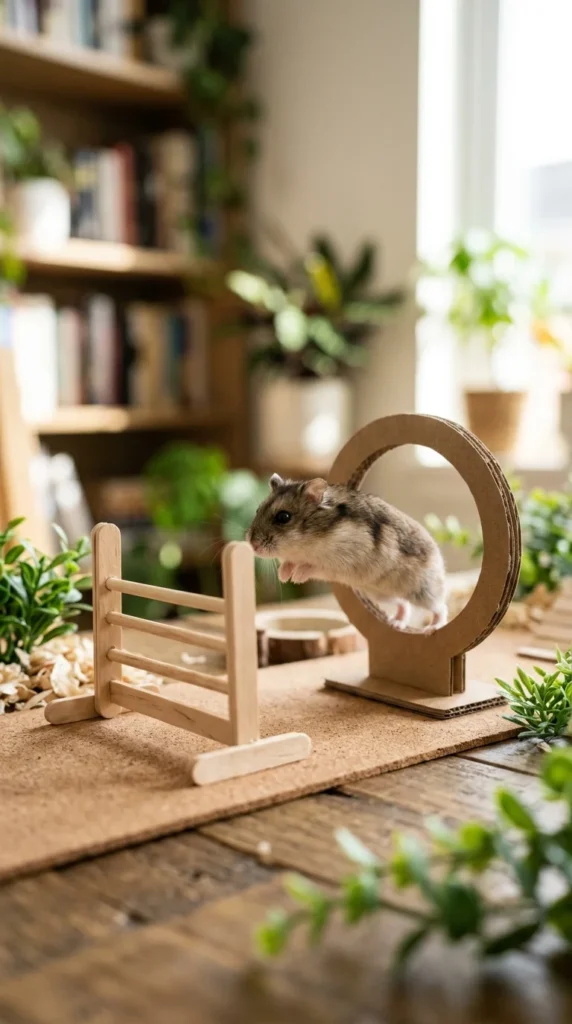
During out-of-cage time, you can set up a mini obstacle course. Use items like small boxes, books, and crumpled paper. Guide your hamster through the course with a healthy treat (like a sunflower seed). This provides both physical exercise and a bonding opportunity between pet and owner.
14. Hanging Chews
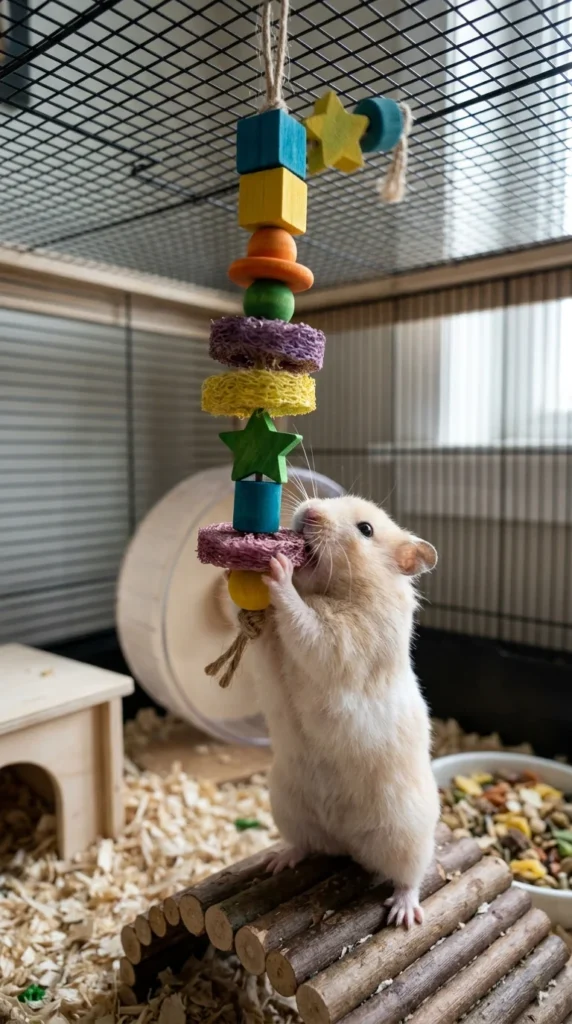
Suspended toys encourage hamsters to stretch and balance on their hind legs. By hanging chew toys or treats just slightly out of reach, you encourage them to stand tall and use their core muscles to stabilize themselves while they gnaw on the toy.
15. Free-Roaming (Supervised)
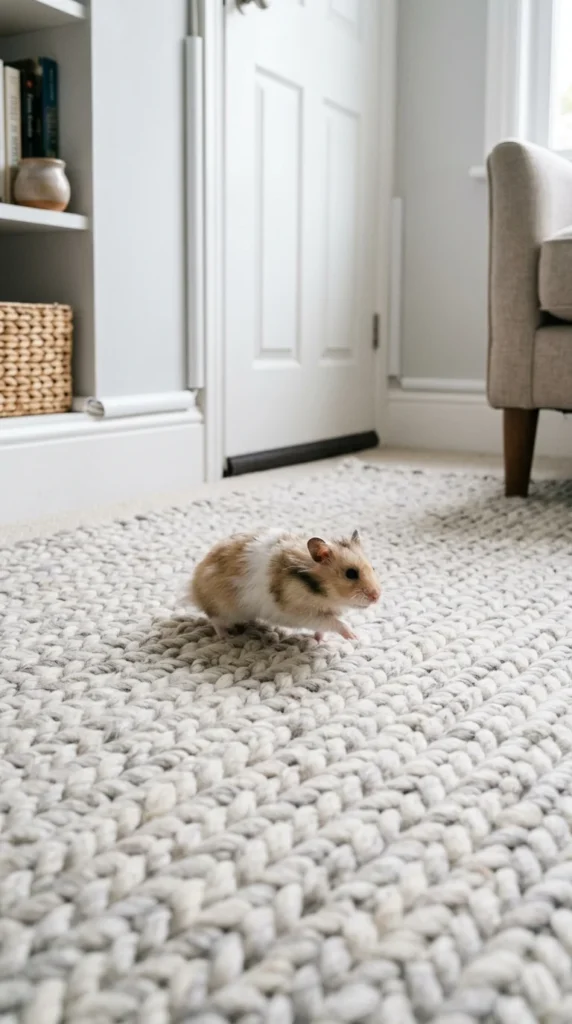
If you have a “hamster-proofed” room (no wires, no holes, no other pets), supervised free-roaming is the gold standard for exercise. It allows the hamster to reach full speed and explore a massive environment. Always stay in the room and keep a close eye on them during this time.
16. Coconut Hideaways
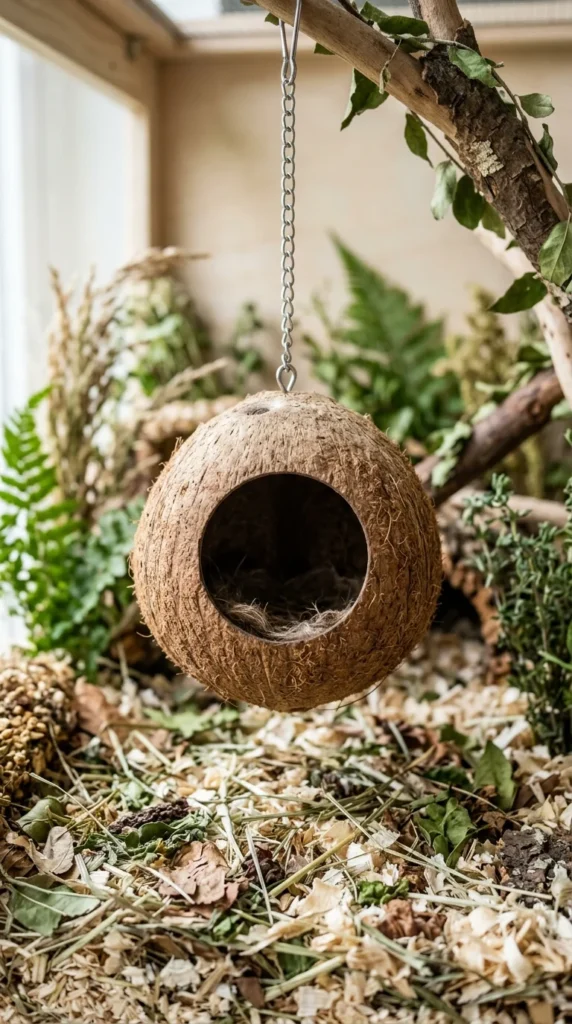
Using natural items like hollowed-out coconuts provides a multi-purpose gym. Hamsters can climb over the rough exterior, hide inside, or try to jump onto the top. The round shape and natural texture provide a physical challenge that flat surfaces don’t offer.
17. Bamboo Roots
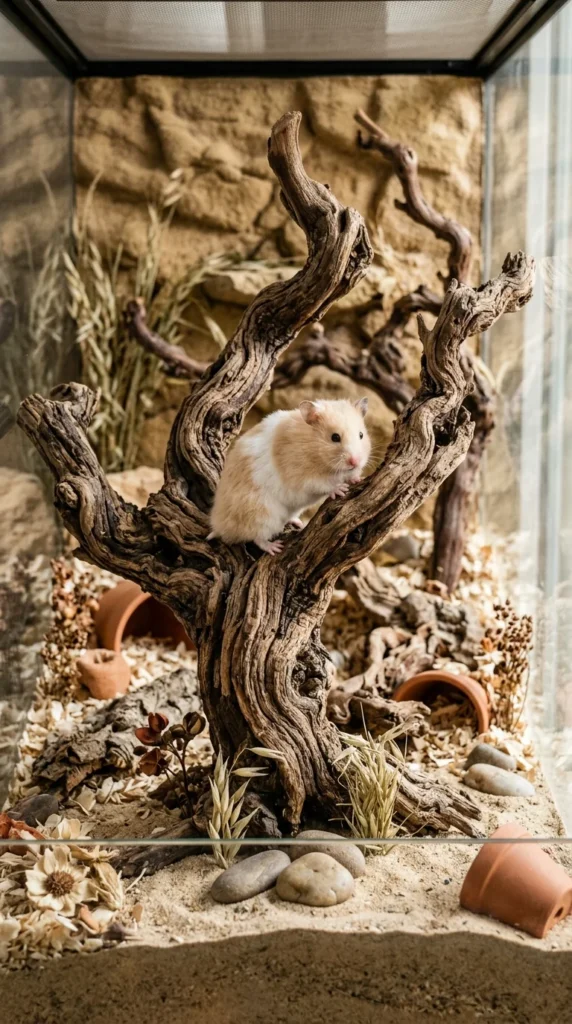
Large pieces of sterilized driftwood or bamboo roots act as natural “hills” for a hamster to climb over. These items introduce uneven terrain into the habitat, which is excellent for developing the hamster’s balance and spatial awareness.
18. Interaction Time
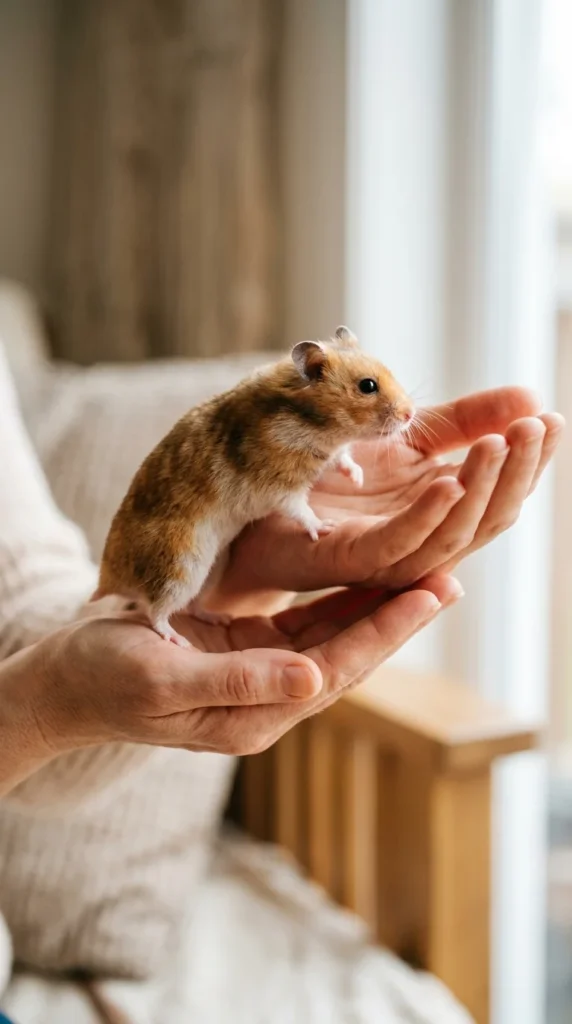
You are part of the exercise routine! When handling your hamster, you can encourage them to walk from hand to hand (the “treadmill” method). This keeps them moving while getting them used to your scent and touch, combining taming with physical activity.
19. Vertical Rope Climbers
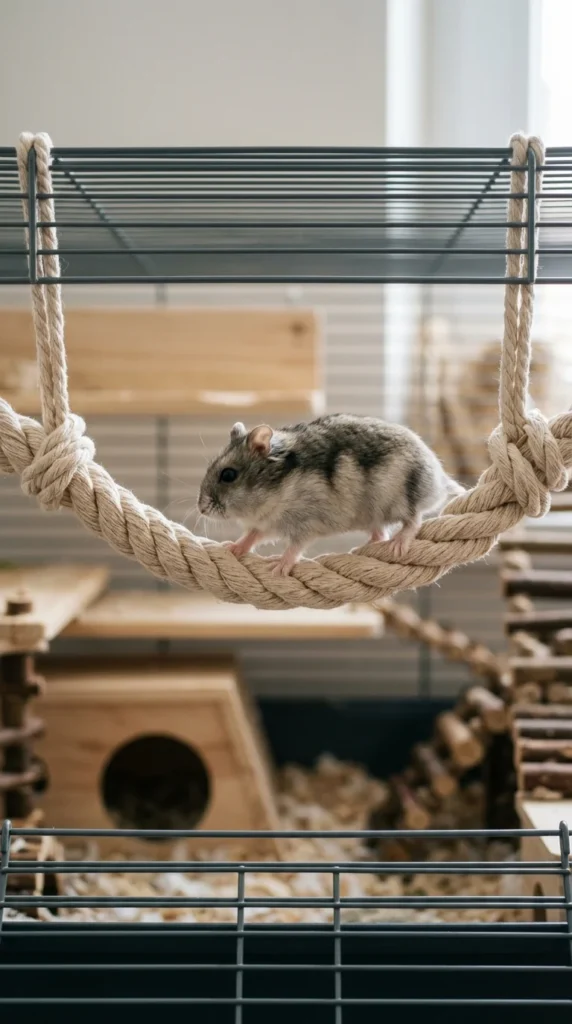
For more adventurous hamsters, a thick cotton rope (specifically made for small animals) can be used as a bridge. Balancing on a rope requires fine motor skills and core strength. Ensure the rope is hung low over soft bedding to prevent any accidental falls from causing harm.