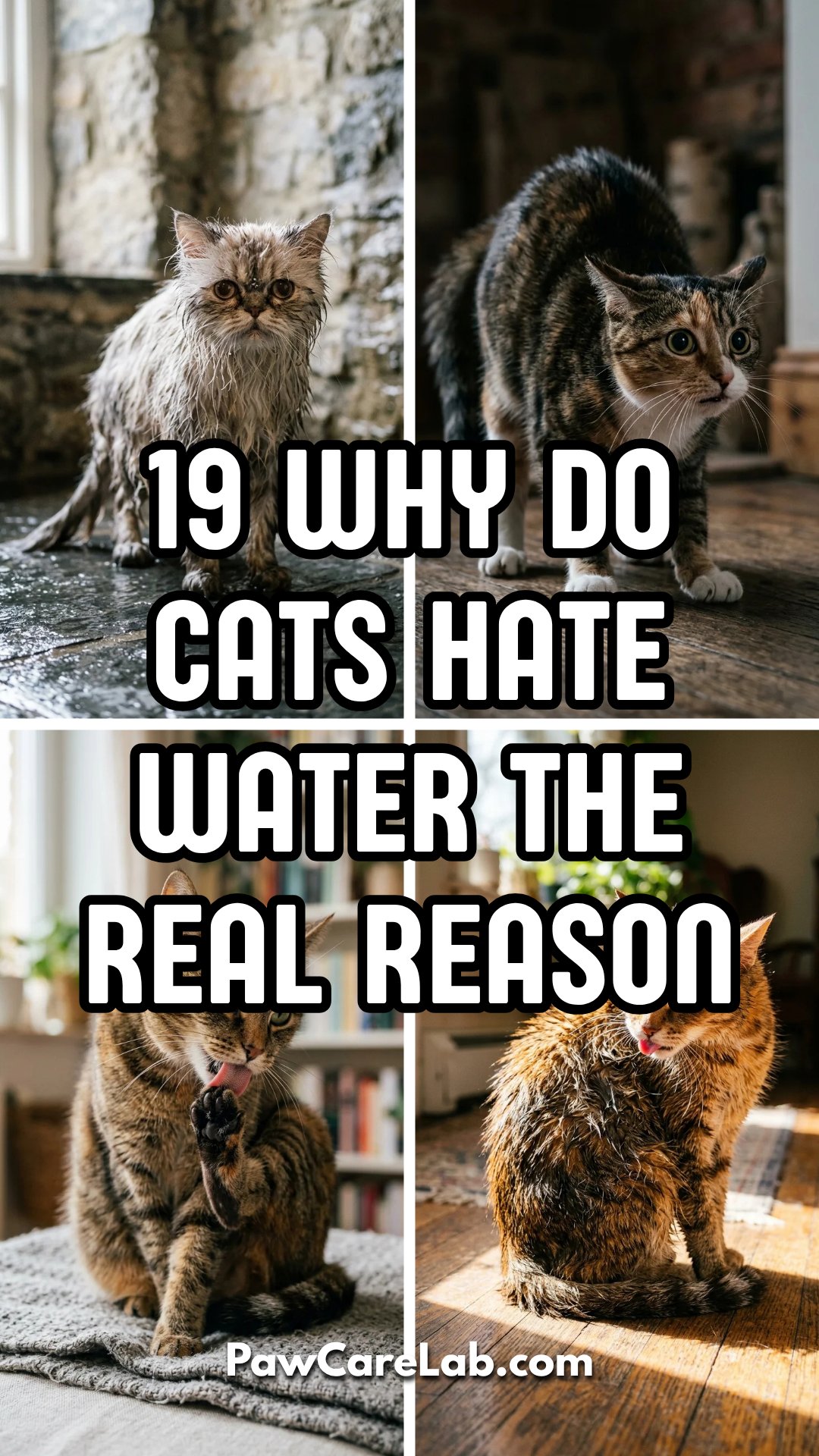
It is one of the most enduring clichés in the animal kingdom: the wet cat. Whether it’s a YouTube video of a feline flailing during a bath or a pet owner trying to coax their tabby away from a rainstorm, the aversion is legendary. While some wild cats like tigers and jaguars enjoy a refreshing dip, our domestic companions generally treat water as if it were liquid kryptonite. But have you ever wondered why? It turns out the “hydrophobia” of the common house cat isn’t just a quirk; it is a complex cocktail of biology, evolution, and sensory overload.
From their desert-dwelling ancestors to the intricate way their fur is constructed, here are the 19 real reasons why your feline friend wants absolutely nothing to do with the tub.
1. Ancestry
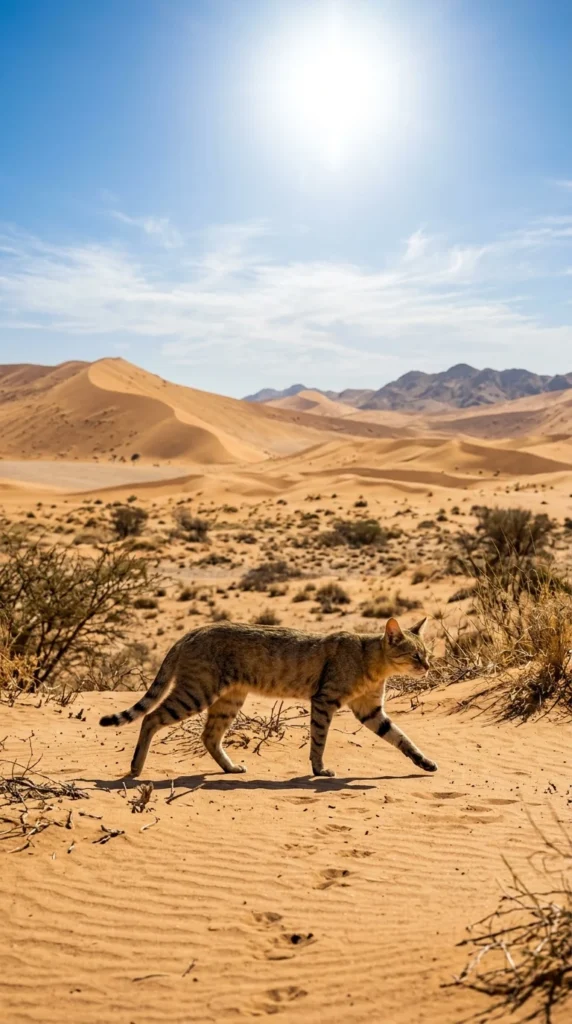
The most fundamental reason cats dislike water lies in their DNA. Domestic cats are descendants of the Near Eastern wildcat (Felis lybica). These ancestors lived in arid, desert environments where large bodies of water were scarce. Because they didn’t evolve around lakes or rivers, they never developed a biological need to swim or interact with water. To a cat, water is an alien element that their ancestors simply didn’t have to master to survive.
2. Weight

Unlike the coat of a dog, which often has a certain level of water-resistance, a cat’s fur is highly absorbent. When a cat gets soaked, their coat acts like a heavy wool sweater that has been dipped in a bucket. This added weight is more than just uncomfortable; it makes the cat feel vulnerable. A heavy, waterlogged coat hinders their ability to jump, run, and escape potential threats, which is a terrifying prospect for an animal that relies on speed and agility.
3. Insulation
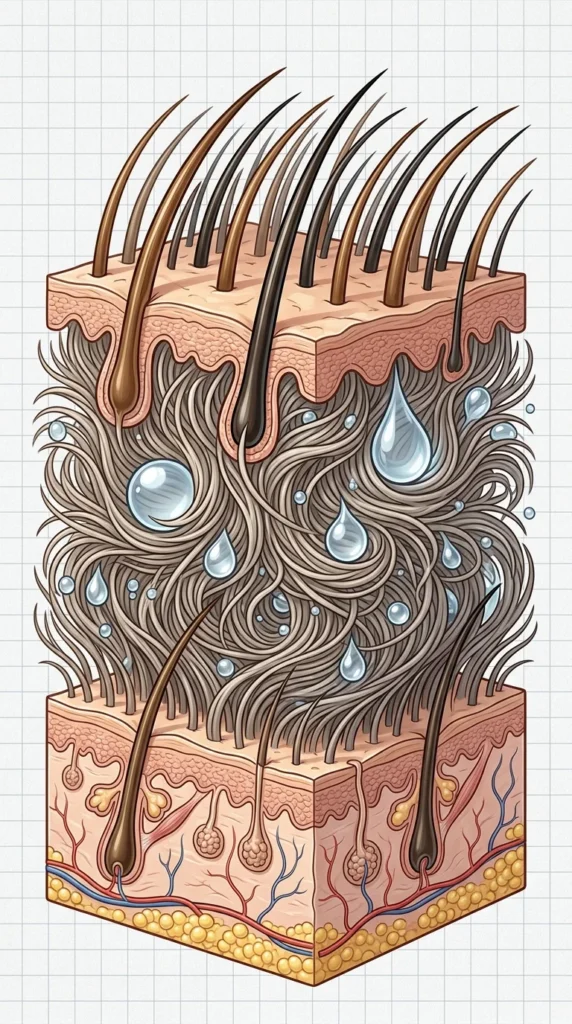
Cats have a highly sophisticated system for regulating their body temperature. Their fur traps a layer of air against the skin, providing insulation that keeps them warm in the winter and cool in the summer. When that fur becomes saturated with water, the insulating layer collapses. This can cause a cat’s body temperature to drop rapidly, leading to a chilling sensation that is difficult for them to reverse quickly.
4. Scent
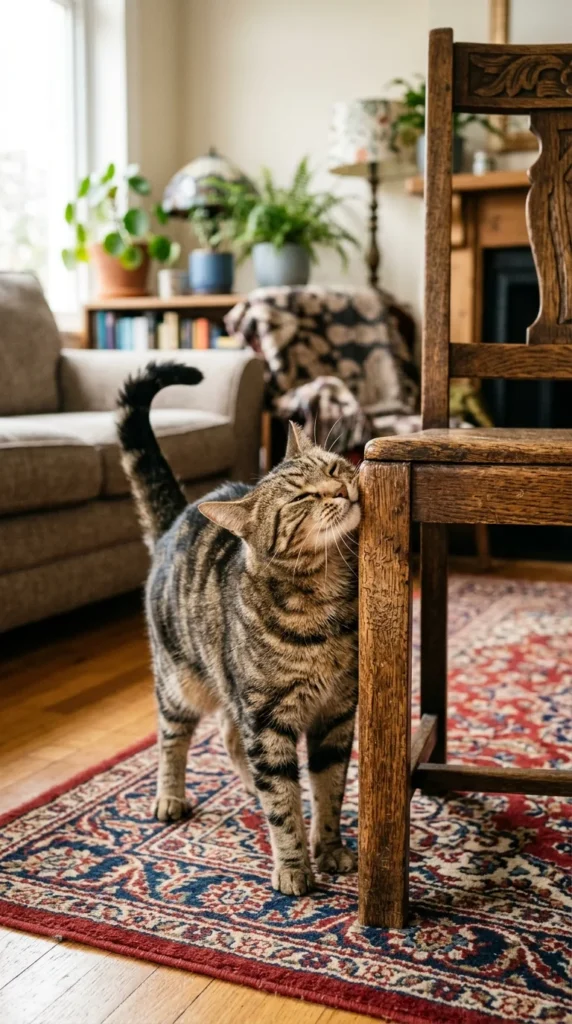
Cats are scent-driven creatures. They spend a significant portion of their waking hours grooming themselves to maintain a specific “personal bouquet” of pheromones. These scents are how they identify themselves and communicate with other cats. Water—especially tap water filled with chemicals—washes away these important markers. After a bath, a cat feels “anonymous” and strange to itself, which leads to the frantic grooming sessions you see after they get wet.
5. Control

If there is one thing every cat owner knows, it’s that cats are control freaks. They like to dictate when they are touched, where they go, and how they interact with their environment. Being submerged in water or sprayed with a bottle is an experience that is entirely out of their control. This loss of autonomy is a major source of stress for felines, who prefer to have all four paws on solid, predictable ground.
6. Ears
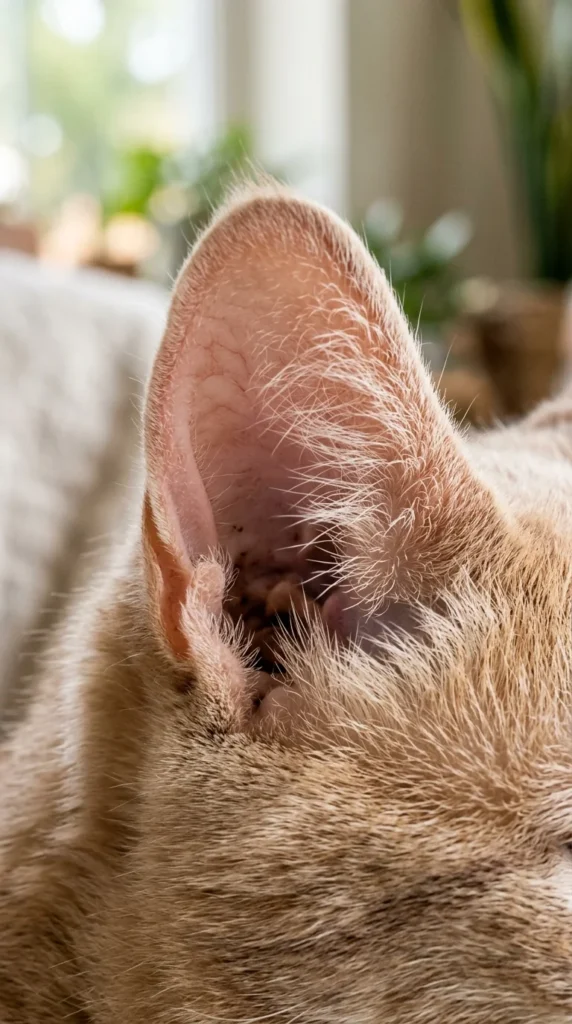
The feline ear is a masterpiece of biological engineering, but it has a major design flaw when it comes to water. Because of the shape of the ear canal, water that gets inside can easily become trapped. This isn’t just uncomfortable; it can lead to painful ear infections or fungal growth. Cats instinctively know that their ears are sensitive zones, and the risk of water entering them makes any aquatic encounter a high-stakes gamble.
7. Chemicals
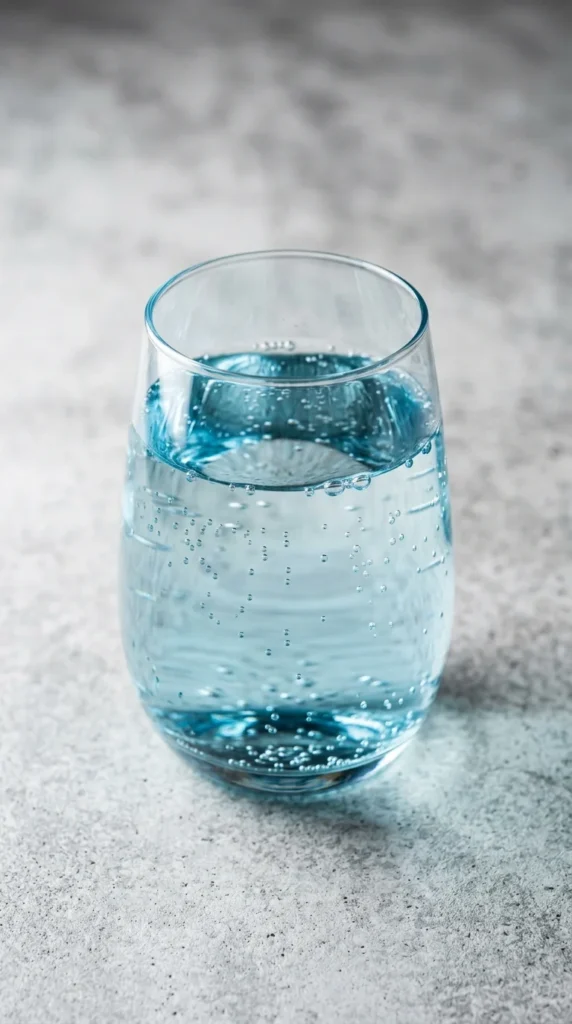
A cat’s sense of smell is roughly 14 times stronger than a human’s. While we might not notice the smell of chlorine, fluoride, or other minerals in our tap water, to a cat, it can be overwhelming. The “chemical” scent of treated water can be off-putting or even perceived as toxic by a cat. This is often why they might enjoy drinking from a fresh outdoor puddle but run away from a running kitchen faucet.
8. Temperature
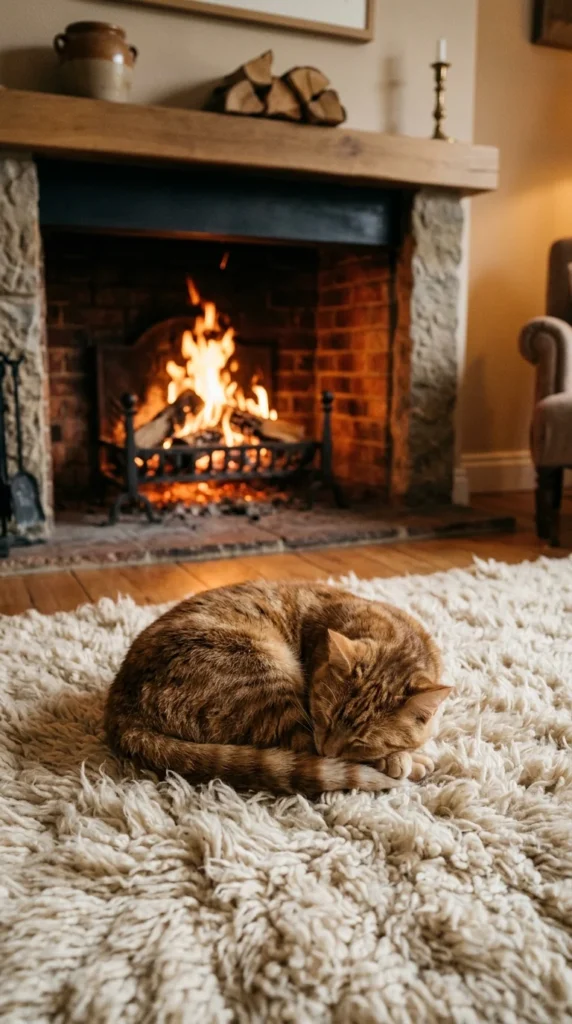
A cat’s normal body temperature is higher than a human’s, typically ranging between 100.5 and 102.5 degrees Fahrenheit. Because they run “hotter” than we do, they are much more sensitive to cold. What feels like a lukewarm bath to us might feel freezing to a cat. This temperature shock is physically jarring and can send their system into a mild state of panic.
9. Agility
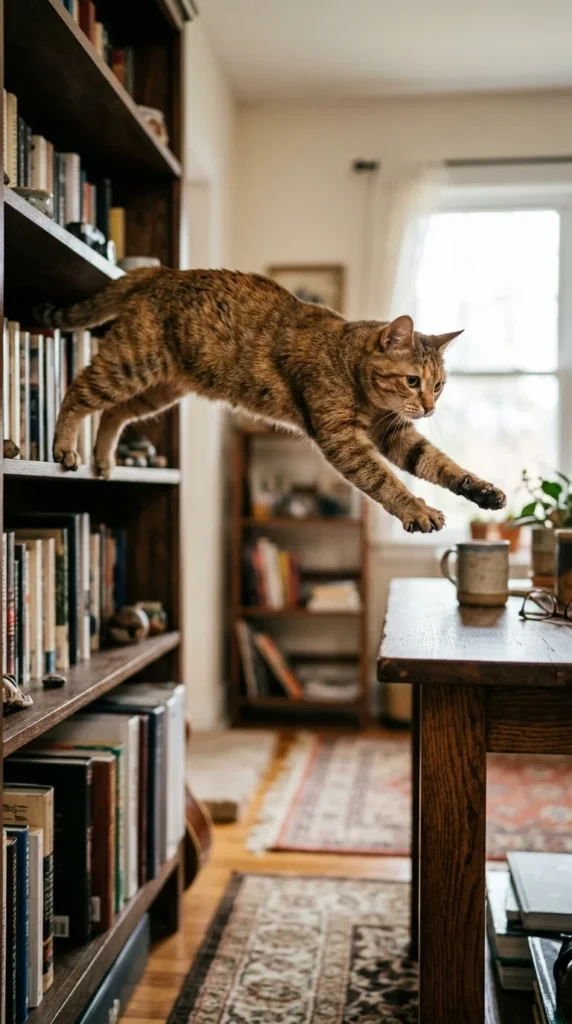
Cats are apex predators that rely on their “springiness.” Their muscles and joints are tuned for explosive movement. When wet, their fur clumps together and sticks to their skin, restricting their range of motion. For a cat, being wet feels like being trapped in a restrictive suit. The loss of their natural grace and the inability to “stick the landing” makes them feel insecure and exposed.
10. Shock
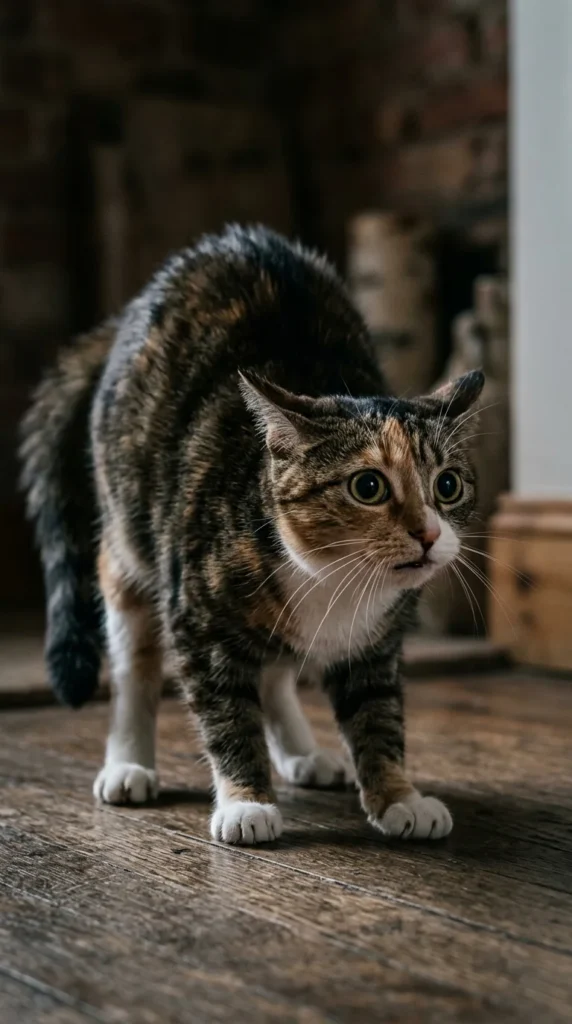
For many house cats, their first encounter with a large amount of water is a sudden bath or a heavy rainstorm. This lack of gradual introduction leads to a “shock” response. The sensation of a foreign substance clinging to their entire body triggers a “fight or flight” reflex. Once a cat associates water with that initial feeling of panic, it becomes a lifelong aversion.
11. Whiskers
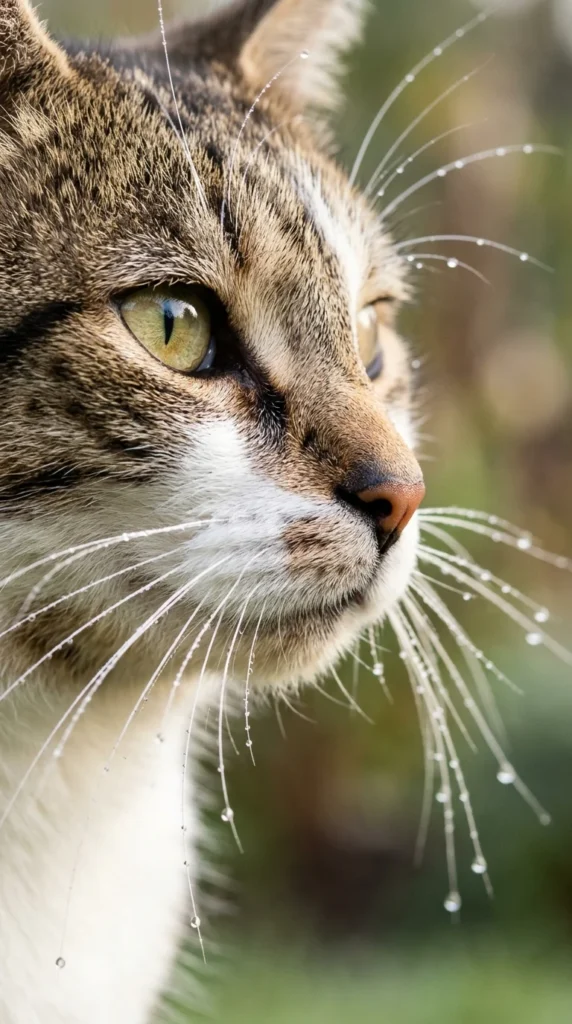
Whiskers (vibrissae) are not just hair; they are highly sensitive tactile sensors connected to the nervous system. They help cats navigate in the dark and detect minute changes in air currents. When water hits these whiskers, or when the weight of wet fur pulls on the face, it causes sensory overload. It’s the feline equivalent of someone constantly tapping you on the shoulder while you’re trying to concentrate.
12. Cleaning
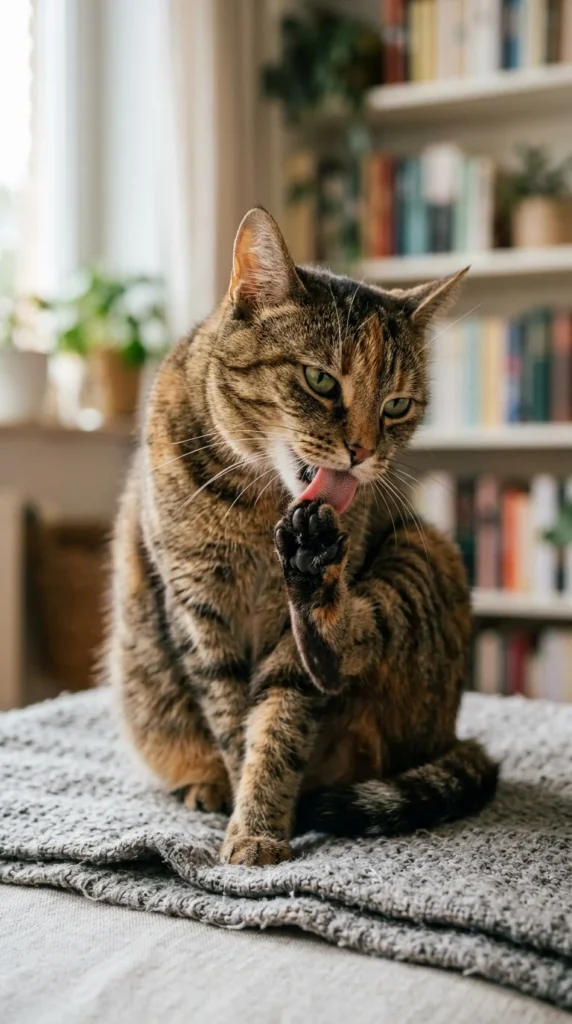
Cats are the ultimate self-cleaners. Their tongues are covered in tiny barbs called papillae, which are designed to strip away dirt and loose fur. Because they spend up to 50% of their waking hours grooming, they don’t see the “point” of a bath. To a cat, your attempt to wash them is an insult to their own meticulous hygiene routine and an unnecessary intervention in their daily schedule.
13. Instincts
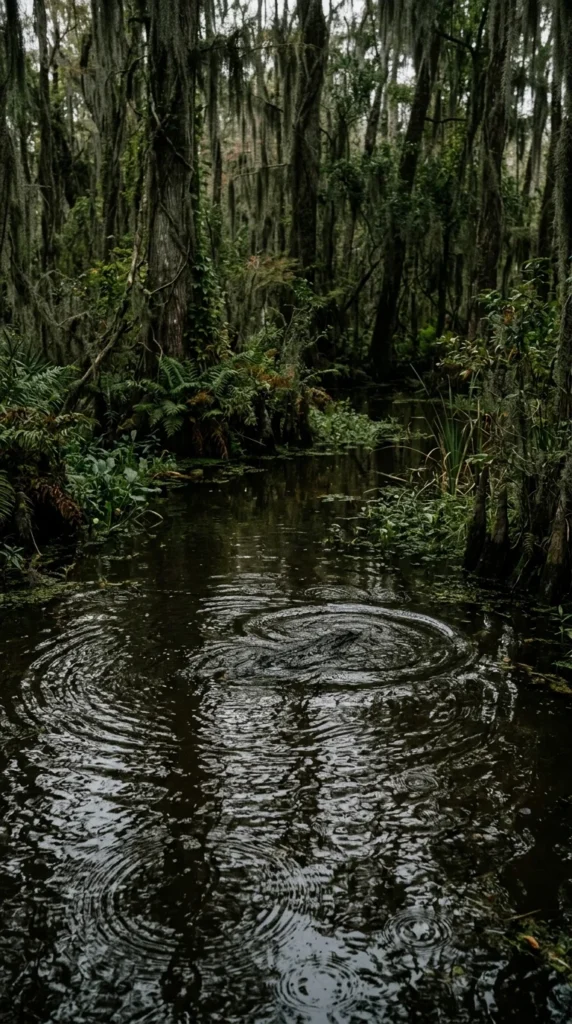
In the wild, standing water can be a dangerous place. It’s where predators hide and where waterborne diseases flourish. Even though your bathtub is safe, your cat’s primal instincts are telling them that deep, still water is a hazard. This deep-seated evolutionary caution keeps them away from the edge of the tub, just as it kept their ancestors away from crocodile-infested watering holes.
14. Slippery
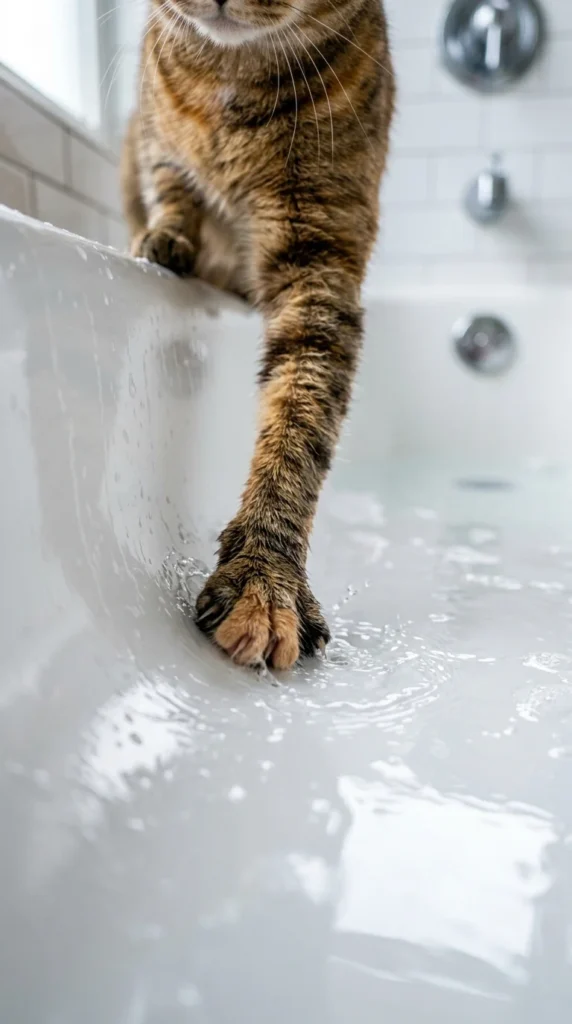
Most modern bathrooms feature porcelain or acrylic tubs and tiled floors. When these surfaces get wet, they become incredibly slippery. Cats rely on their claws to gain traction and maintain stability. On a wet, slick surface, their claws are useless. The feeling of losing their footing and sliding uncontrollably is enough to make any cat develop a permanent grudge against the bathroom.
15. Noise
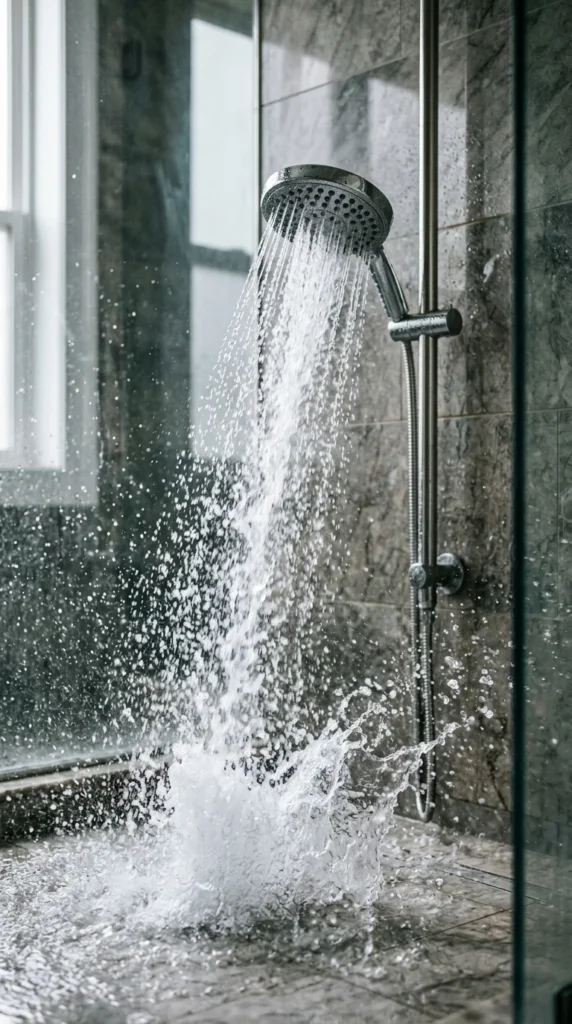
The sound of a bathtub filling or a shower running is a literal roar to a cat’s sensitive ears. Cats can hear ultrasonic frequencies that humans cannot. The chaotic, splashing sound of running water can be perceived as a threatening, hissing noise. This auditory aggression makes the bathroom a high-stress environment before the cat even touches a single drop of water.
16. Drying
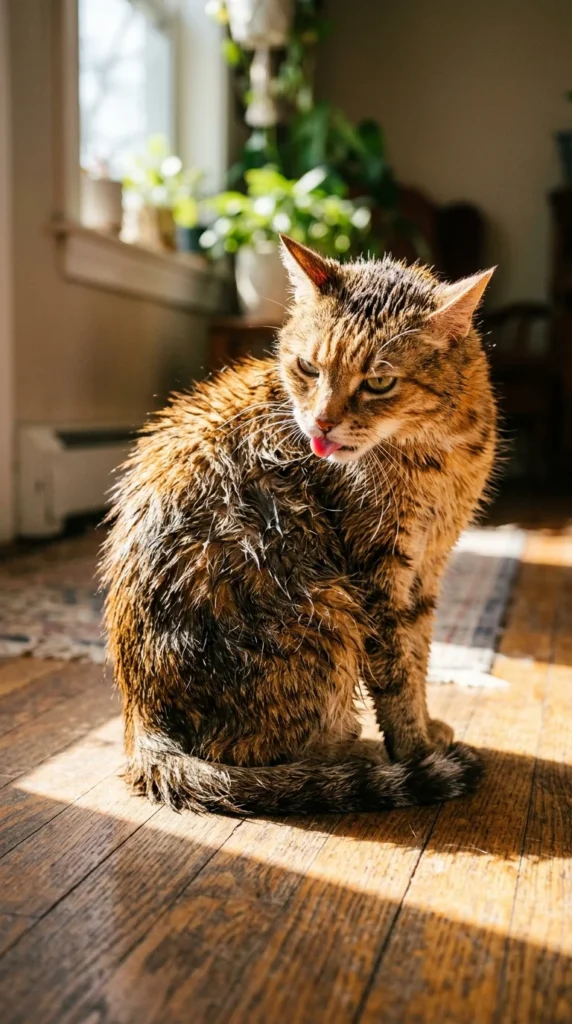
The aftermath of getting wet is perhaps even worse for a cat than the water itself. Because of the density of their fur, it can take hours, or even a full day, for a cat to dry completely. During this time, they feel cold, heavy, and “wrong.” The long, tedious process of air-drying or the terrifying noise of a hair dryer makes the entire water experience a massive “no” in their book.
17. Trauma
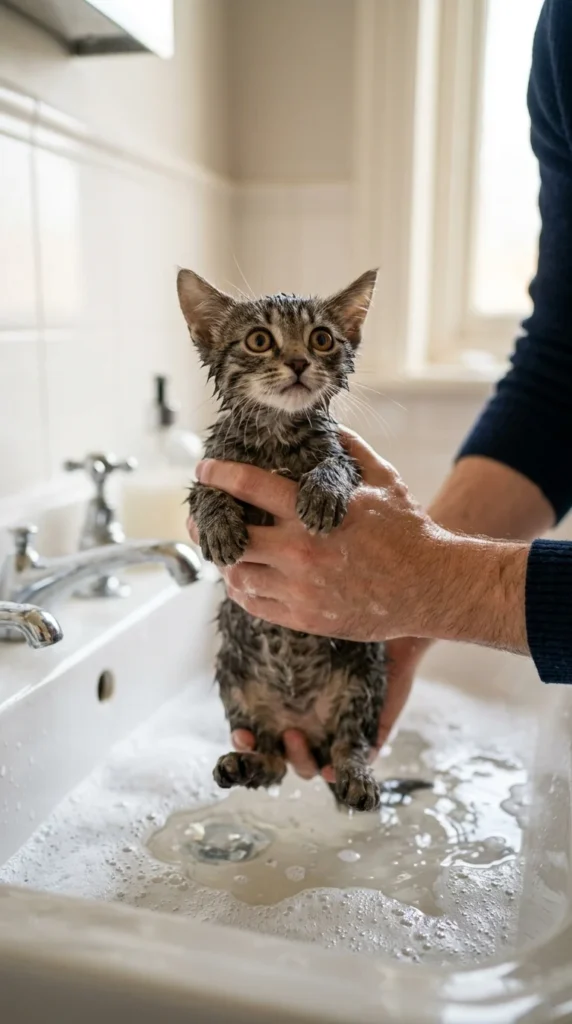
Many cats have had a negative experience with water in the past. Whether it was being forced into a bath as a kitten, being sprayed with a water bottle as a form of punishment, or getting caught in a thunderstorm, these traumatic events are seared into their memory. Cats have excellent long-term memories for negative experiences, and one bad incident can define their relationship with water forever.
18. Oil
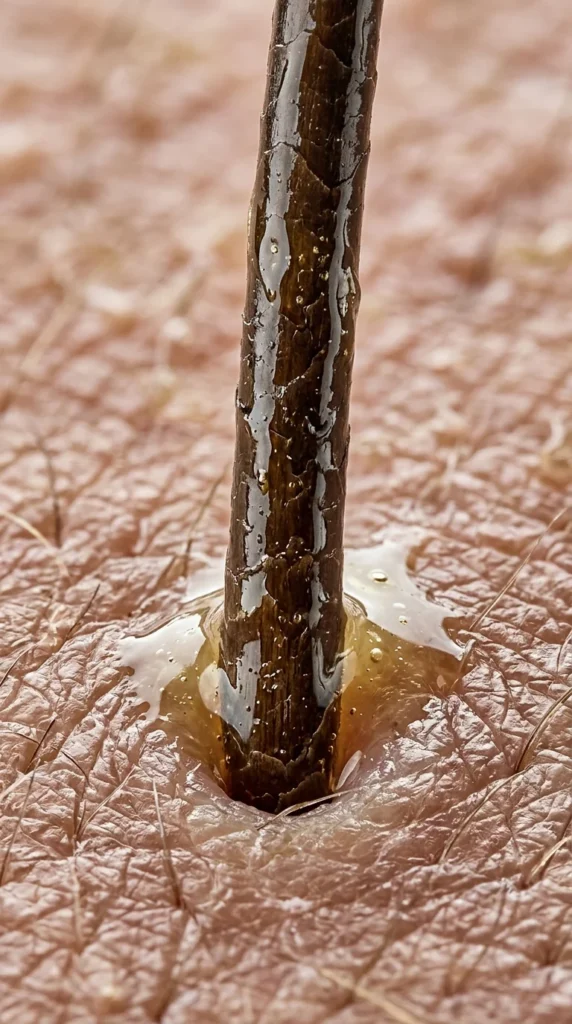
A cat’s skin produces natural oils that keep their coat shiny and their skin healthy. These oils also provide a slight bit of water resistance for light misting. However, a full bath—especially with soap—strips these essential oils away. This leaves the skin dry and itchy and the fur looking dull. Cats instinctively want to protect these oils, as they are vital for their overall skin health.
19. Predators
In the wild, a wet animal is a vulnerable animal. The scent of wet fur is much stronger and more distinct than dry fur, which can attract predators. Furthermore, the reduced speed and agility mentioned earlier make it harder to fight back. Even in the safety of a suburban home, the “prey” side of a cat’s nature tells them that being wet makes them a target.
Are There Exceptions?
While the majority of felines would prefer to stay bone-dry, nature always has its outliers. Some breeds are actually famous for their love of water.
- The Turkish Van: Often called the “Swimming Cat,” this breed has a unique, cashmere-like texture to its fur that is naturally water-resistant.
- The Bengal: With their wild Asian Leopard Cat ancestry, Bengals are often found playing in sinks or even jumping into showers with their owners.
- The Maine Coon: These “gentle giants” have heavy, water-resistant coats and an ancestral history of living on ships, making them quite brave around water.
Understanding why cats hate water doesn’t just satisfy our curiosity; it helps us be better pet parents. By respecting their sensory boundaries and evolutionary history, we can ensure our feline friends feel safe, secure, and—most importantly—dry.