
Cats are often perceived as mysterious, solitary creatures, but those who share their homes with these enigmatic felines know they are anything but quiet. While humans primarily use spoken language, cats employ a sophisticated palette of vocalizations, body language, and scent marking to communicate. Interestingly, adult cats rarely meow at each other; the “meow” is a sound they developed almost exclusively to communicate with their human companions.
Understanding the nuances of your cat’s voice is like learning a foreign language. It strengthens the bond between you and your pet, allowing you to respond to their needs, comfort them when they are stressed, and share in their moments of joy. From the high-pitched “chirp” to the guttural “yowl,” every sound carries a specific intent. Here are 23 cat vocalizations explained to help you decode your feline friend’s secret language.
1. Meow
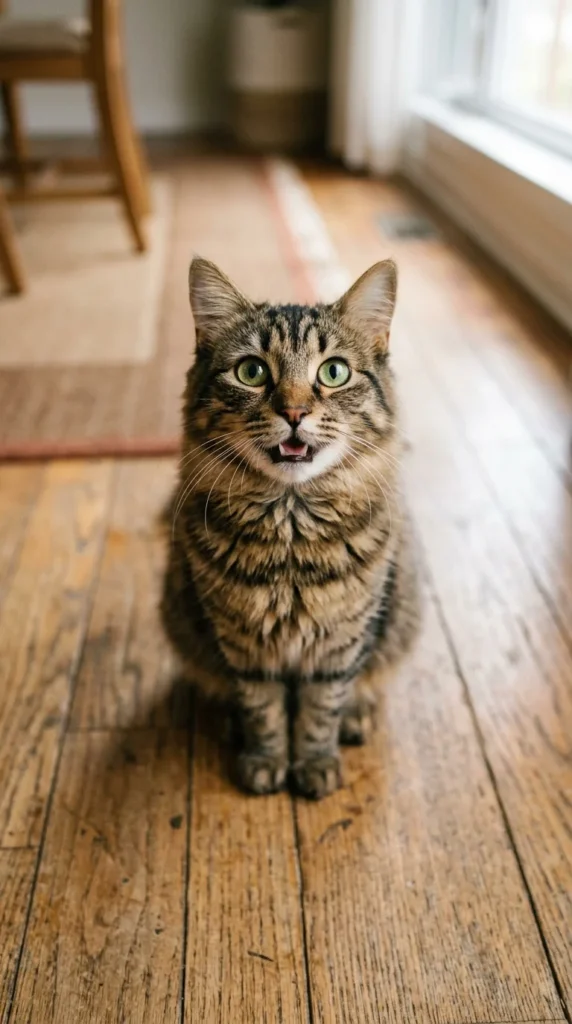
The standard “meow” is the most iconic feline sound. In kittenhood, it is used to signal a mother for warmth or milk. As cats mature, they repurpose this sound for humans. A mid-pitched meow is usually a polite request for attention, food, or to be let into a room. It is a general “Hello, I am here, please notice me.”
2. Short Mew
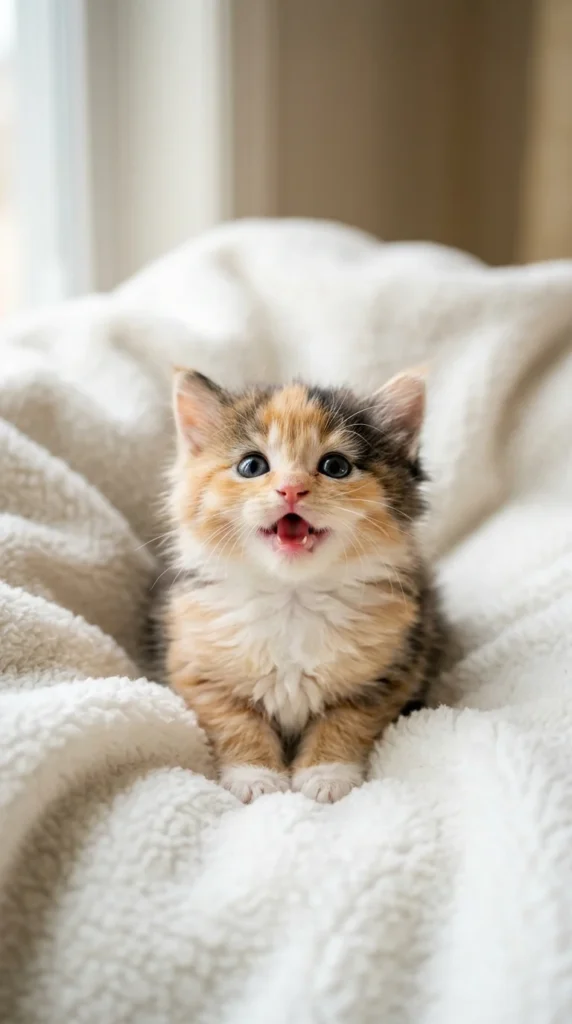
A short, high-pitched “mew” is often used as a greeting. Think of it as the feline version of a quick “Hey!” If you walk into a room and your cat gives you a tiny mew, they are acknowledging your presence and offering a friendly welcome. It’s light, airy, and lacks the urgency of a full-blown meow.
3. Purr
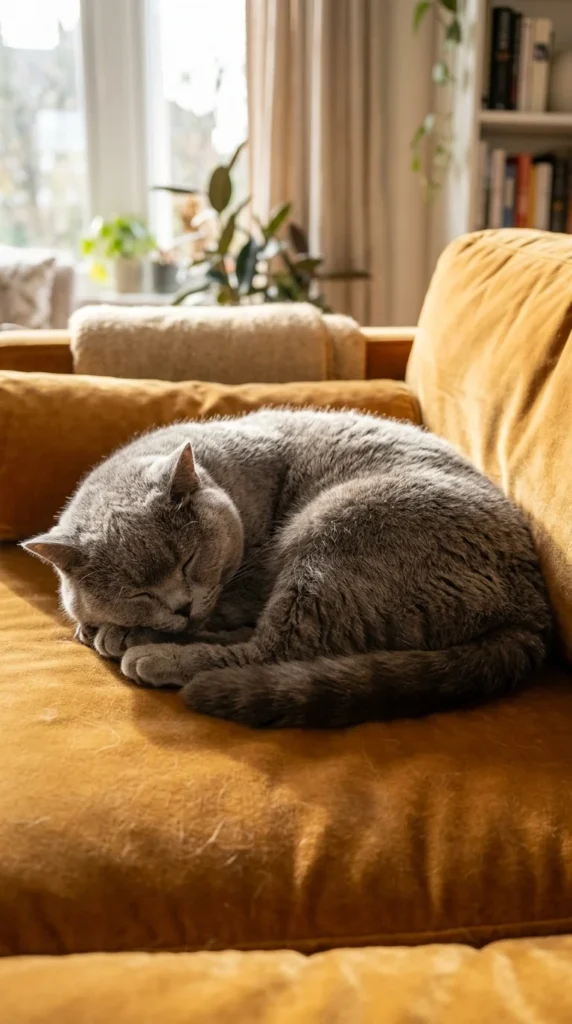
The purr is perhaps the most beloved cat sound. While usually associated with contentment and relaxation, it’s a multi-purpose tool. Cats purr when they are happy, but they also purr to self-soothe when they are in pain or stressed. Scientists believe the low frequency of a purr can even help heal bones and tissues.
4. Chirp
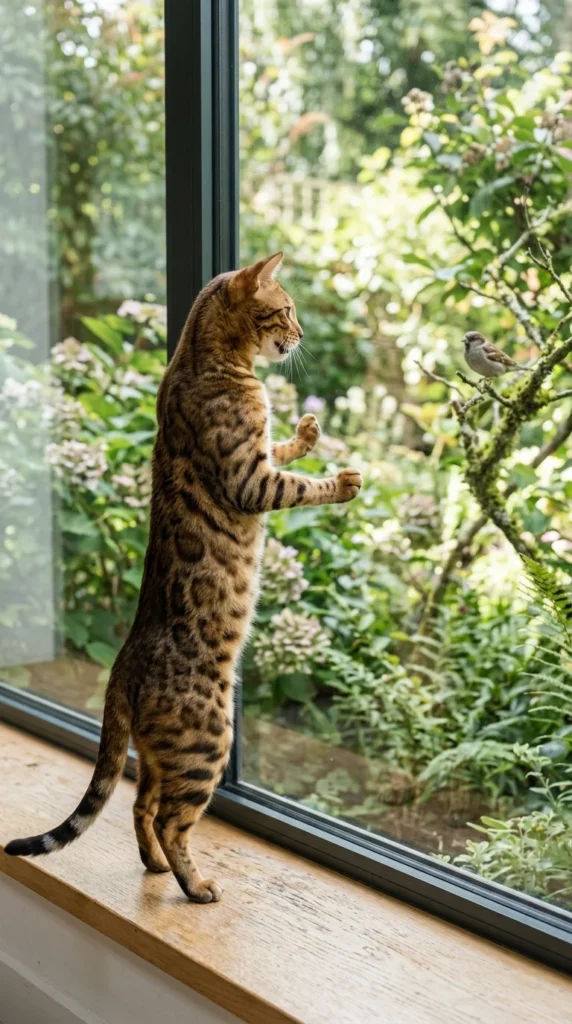
The chirp is a bird-like sound that cats often make when they are excited or frustrated. You’ll most commonly hear this when a cat is “hunting” from behind a window. It’s a sound of intense concentration and high arousal, often occurring when the cat sees prey it cannot reach.
5. Trill
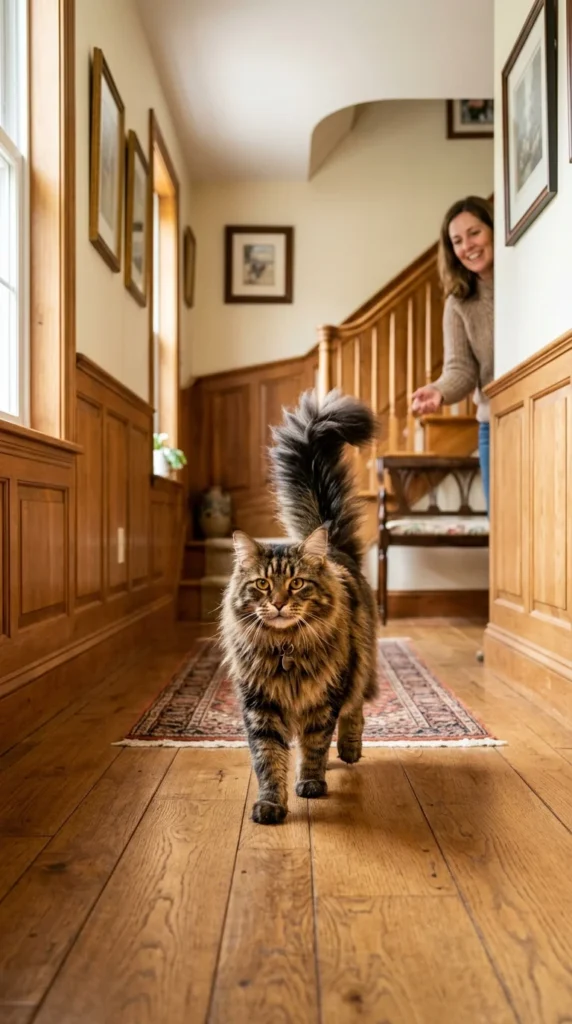
A trill is a sound somewhere between a purr and a meow. It’s a musical, upward-slurring sound that mother cats use to tell their kittens to follow them. When your cat trills at you, it’s a sign of affection and an invitation for you to follow them or pay attention to something they’ve found.
6. Hiss
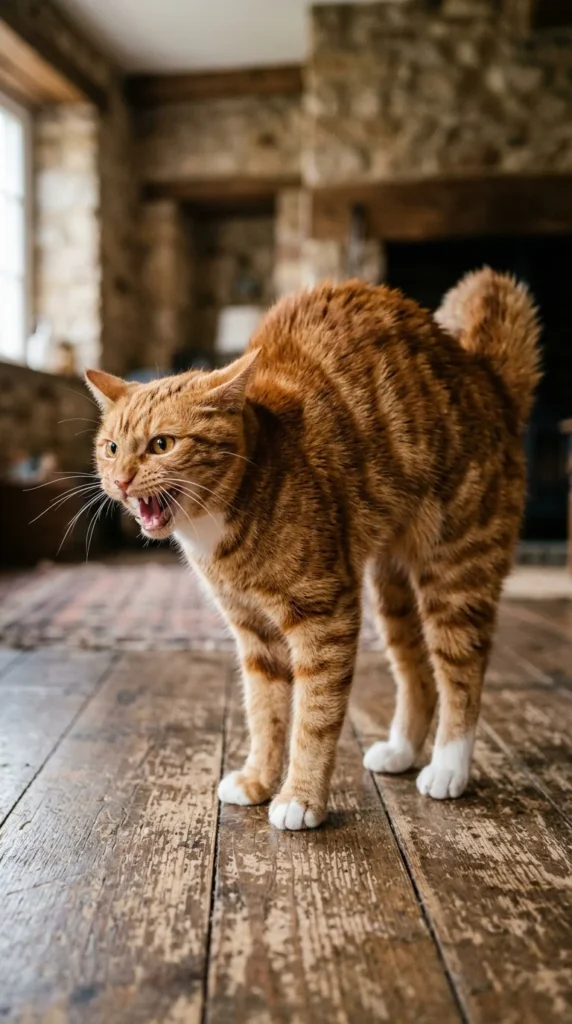
The hiss is an unmistakable warning. It is an involuntary reaction to being startled, threatened, or pained. By mimicking the sound of a snake, the cat is trying to look and sound more dangerous than it feels. It’s a clear signal to “back off” and should always be respected to avoid a scratch or bite.
7. Spit
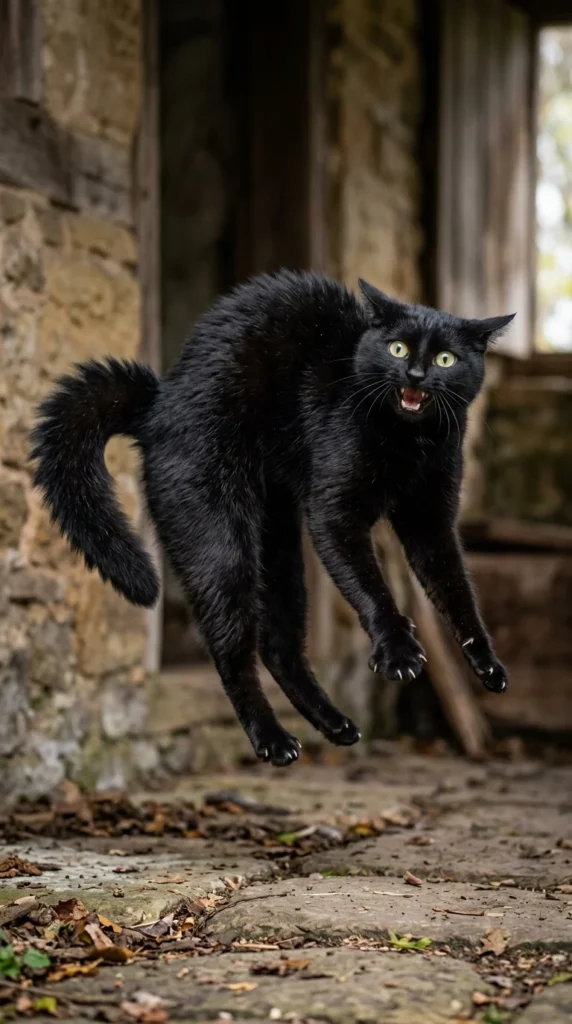
Often following a hiss, the “spit” is a short, sharp burst of air that sounds like a sudden “phfft!” It is an explosive sound intended to startle a predator or an intruder. It shows that the cat is reaching its limit and is prepared to defend itself if the perceived threat doesn’t retreat immediately.
8. Yowl
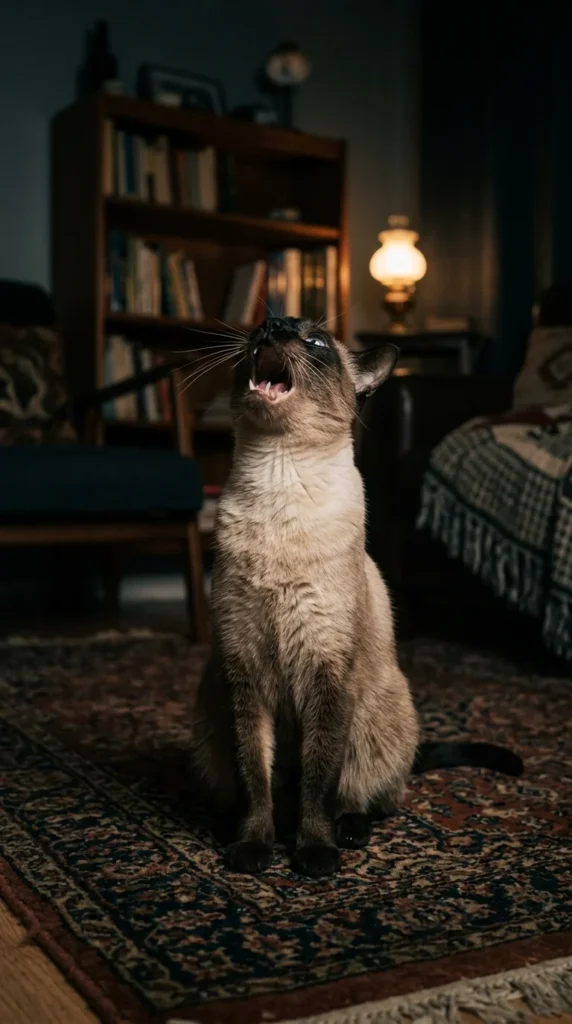
A yowl is a long, drawn-out, mournful cry. Unlike the meow, it can be quite loud and carries a sense of urgency or distress. Cats yowl for various reasons: boredom, searching for a mate, or signaling that they are in pain. In older cats, frequent yowling can sometimes indicate cognitive dysfunction or disorientation.
9. Caterwaul
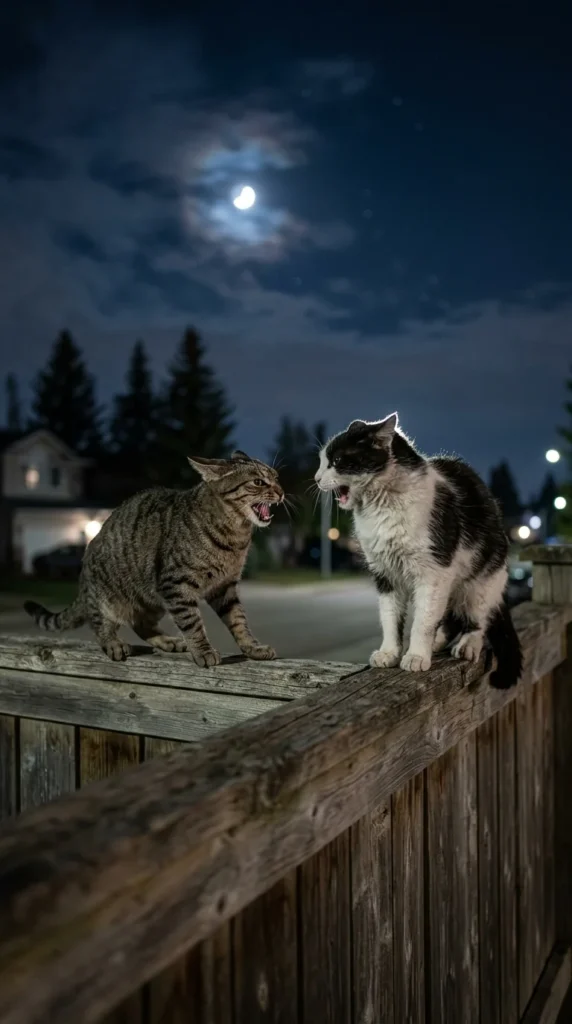
Caterwauling is a specialized, very loud version of a yowl, usually associated with the mating season. It is a harsh, rhythmic, and persistent sound. Unspayed females use it to signal their availability to males, while males may use it to warn off rivals. It is one of the most piercing and unsettling sounds a cat can make.
10. Chatter
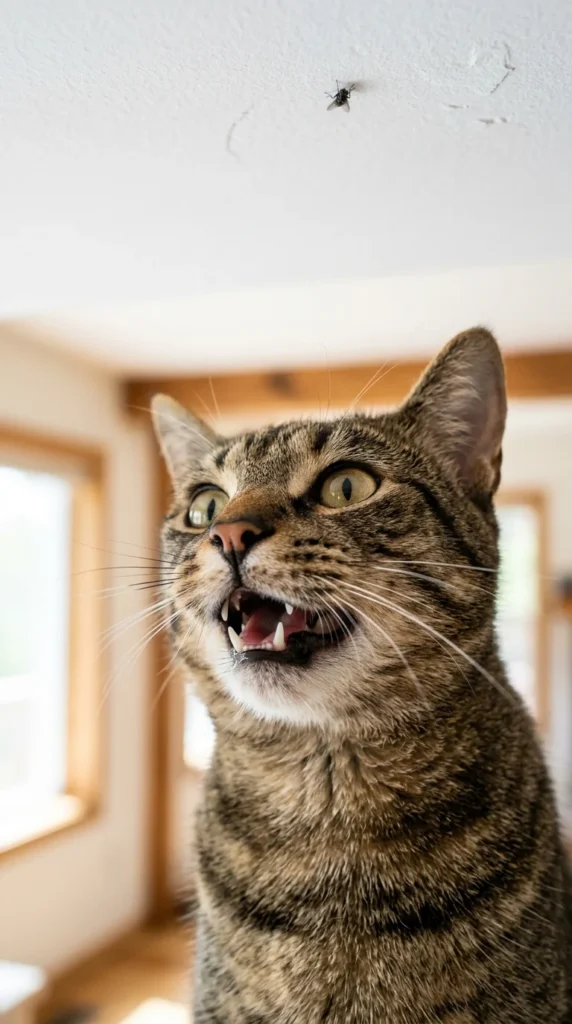
Chattering (or chittering) usually involves the rapid movement of the jaw and a clicking sound of the teeth. This is most often seen during the “predatory sequence.” Some behaviorists believe it represents the cat’s “kill bite” being rehearsed in a state of high excitement, while others think it’s a sign of pure frustration.
11. Growl
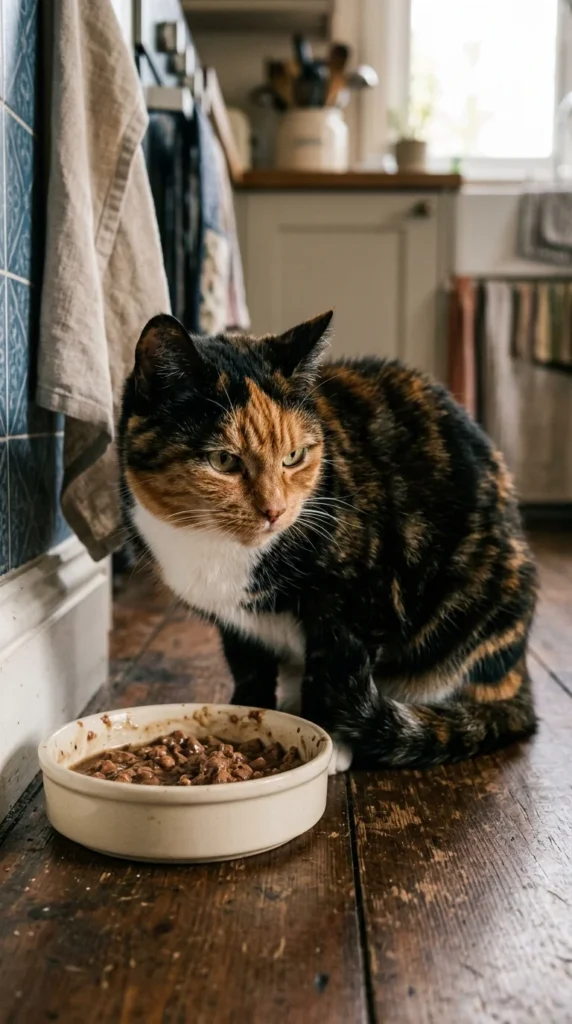
A feline growl is a low-pitched, rumbling sound used to signal extreme displeasure or a warning. You might hear this if a cat is protecting its food or if it is feeling particularly territorial. It is a deep, guttural vibration that says, “I am not happy, and I will defend myself if necessary.”
12. Snarl
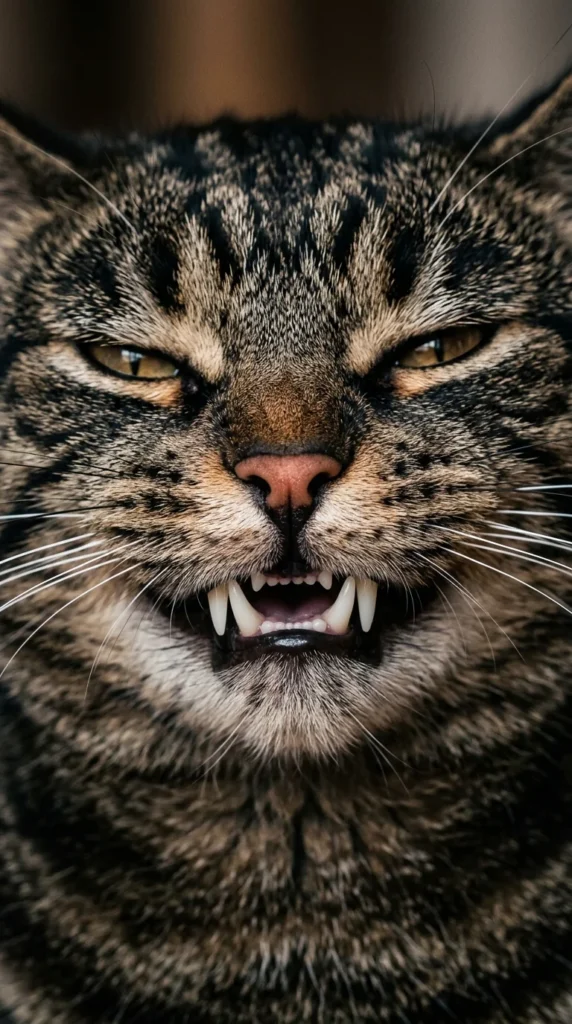
The snarl is the visual and vocal accompaniment to the growl. It involves baring the teeth and is often a precursor to an actual attack. While the growl is the audio warning, the snarl is the final physical warning before the cat decides that physical force is the only remaining option.
13. Scream
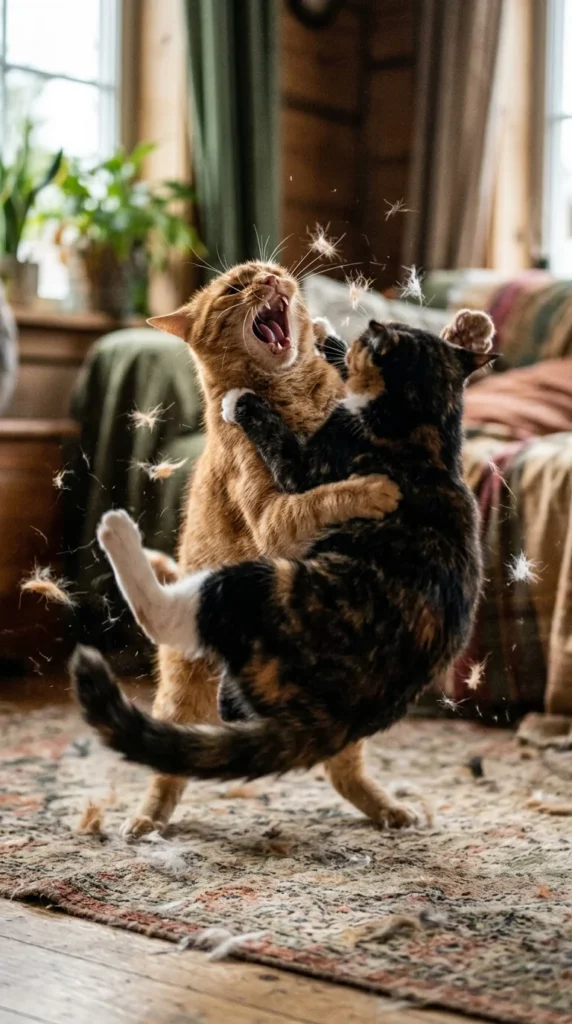
The scream is a sound of pure agony or intense terror. It is most often heard during a physical fight between two cats or if a cat is severely injured. It is a high-volume, high-pitch sound that is designed to startle an opponent and signal for help or immediate escape.
14. Murmur
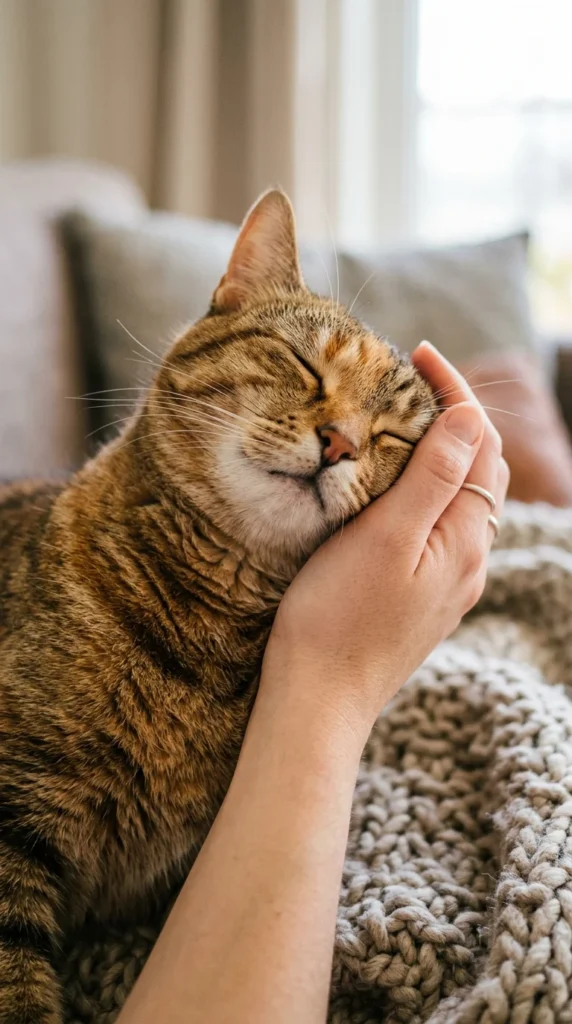
A murmur is a soft, rhythmic sound made while the mouth is closed. It’s a variations of the purr but often has a bit more “voice” to it. It’s a very intimate sound, usually reserved for times of deep relaxation and bonding with a trusted human or another feline companion.
15. Chirrup
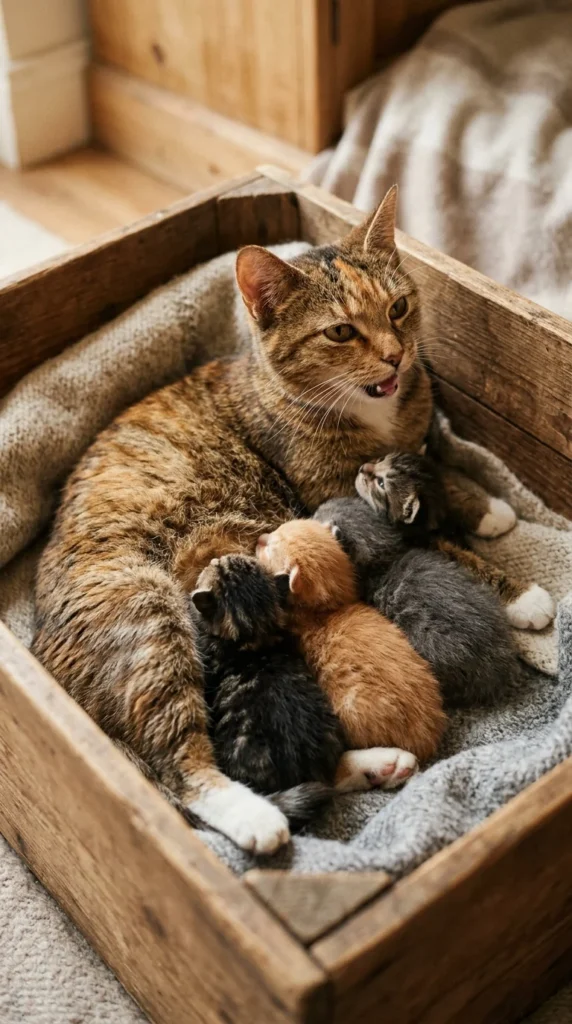
The chirrup is a specific, high-pitched trill that mother cats use to communicate with their kittens. It’s a “mothering” sound used to gather the litter, tell them it’s time to eat, or provide comfort. Adult cats may use this sound with their favorite humans as a way of showing nurturing affection.
16. Demand Meow
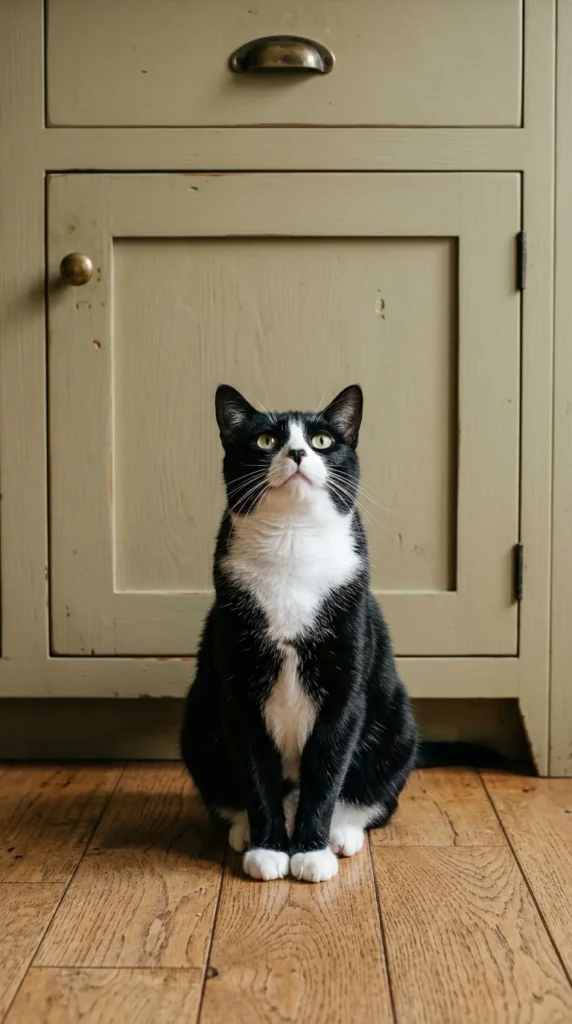
We’ve all heard it: the “Demand Meow.” This sound is usually louder, more repetitive, and has a sharper tone than a greeting meow. It often has a “hook” at the end of the sound, making it impossible to ignore. This is the sound a cat uses when the food bowl is half-empty or they want their favorite toy right now.
17. Silent Meow
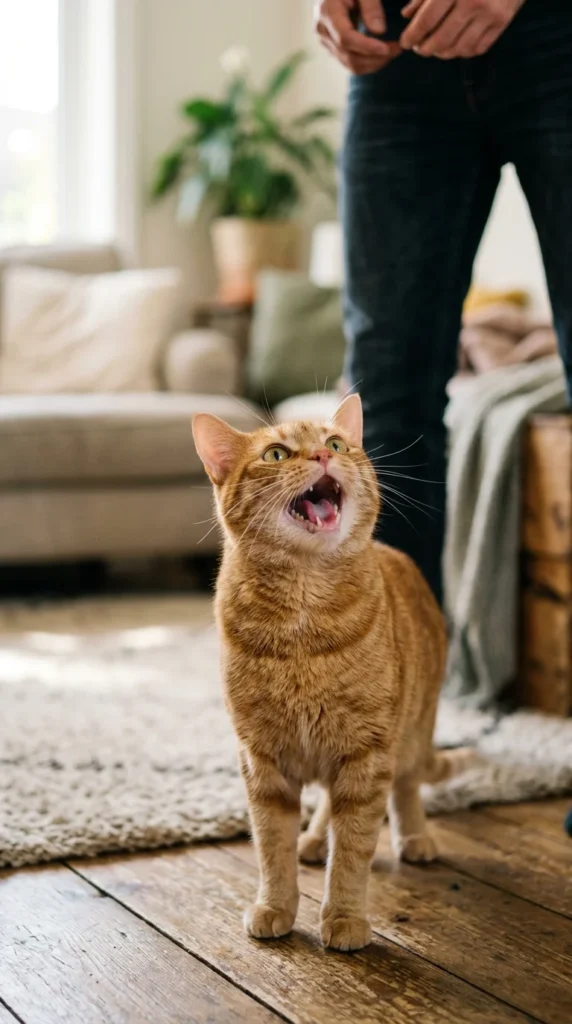
The “silent meow” is a fascinating phenomenon where the cat goes through the motions of meowing—opening the mouth wide and tilting the head—but no audible sound comes out. In reality, the cat is likely producing a sound that is too high-pitched for human ears to detect. It is often considered a sign of extreme devotion and sweetness.
18. Distress Call (Kittens)
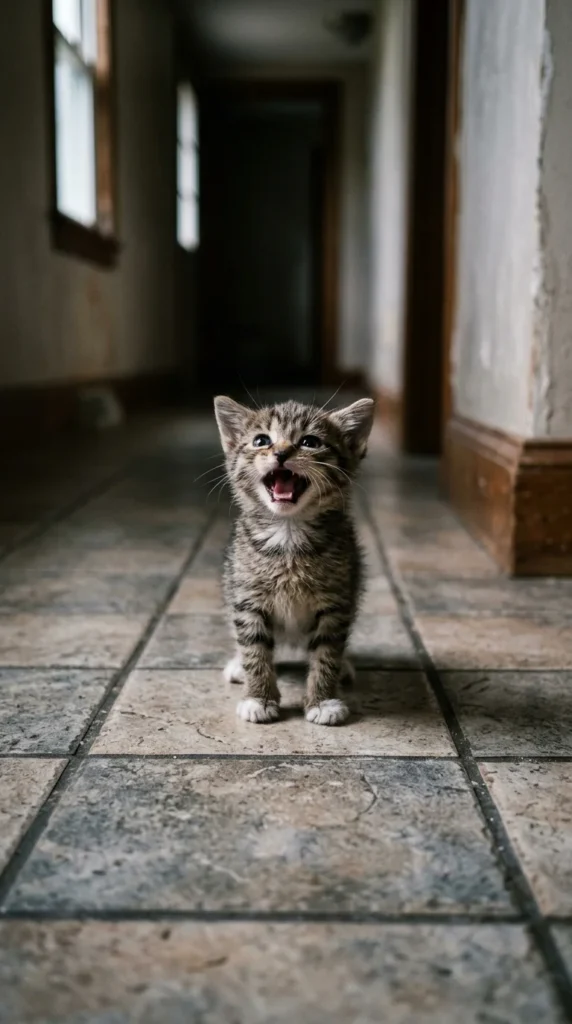
Kittens have a specific, high-frequency call they use when they are cold, hungry, or lost. It is designed to pierce through environmental noise so their mother can find them. To the human ear, it sounds like a thin, sharp whistle or a very high-pitched “peep.”
19. Mowl
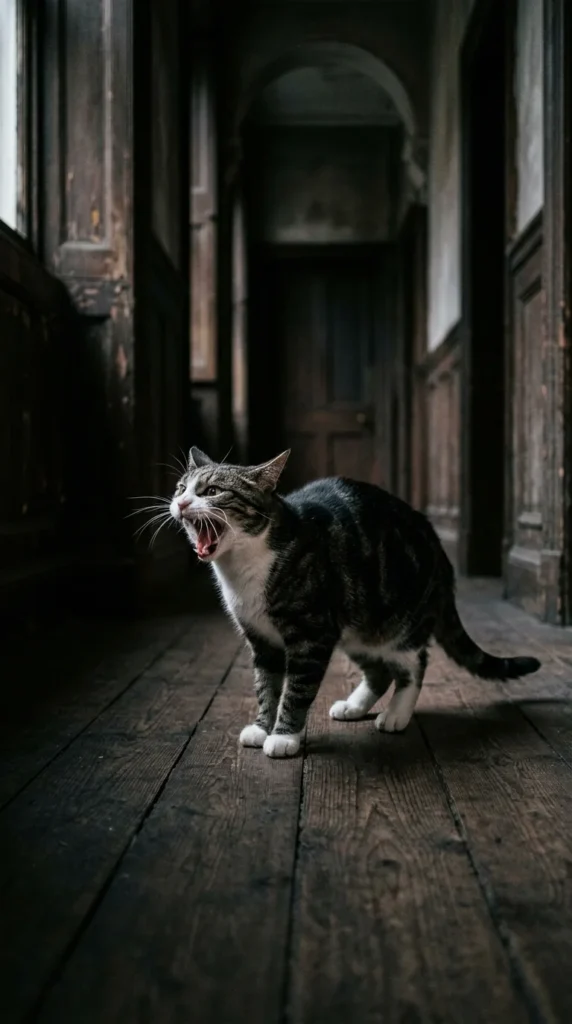
The “mowl” is a cross between a meow and a yowl. It’s a low-frequency, almost “ooww” sounding noise. It’s often used when a cat is feeling uneasy about a change in their environment—like a new piece of furniture or a strange scent brought in from outside.
20. Senior Confusion Yowl
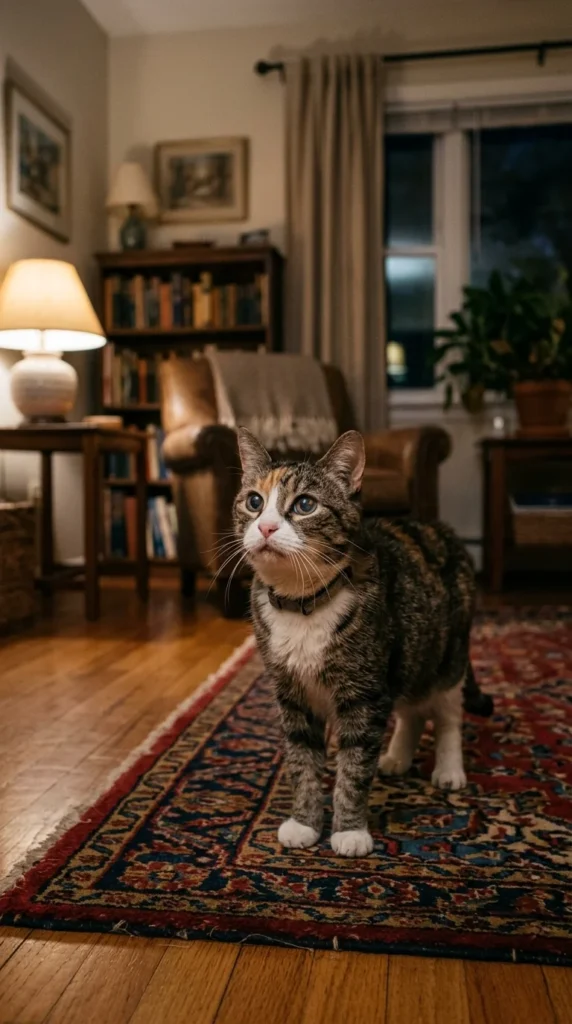
As cats age, they can develop feline cognitive dysfunction, similar to dementia in humans. This often results in “night-walking” and loud, repetitive yowling in the middle of the night. The cat may feel disoriented or have forgotten where they are, using the yowl to seek reassurance in the dark.
21. Coo
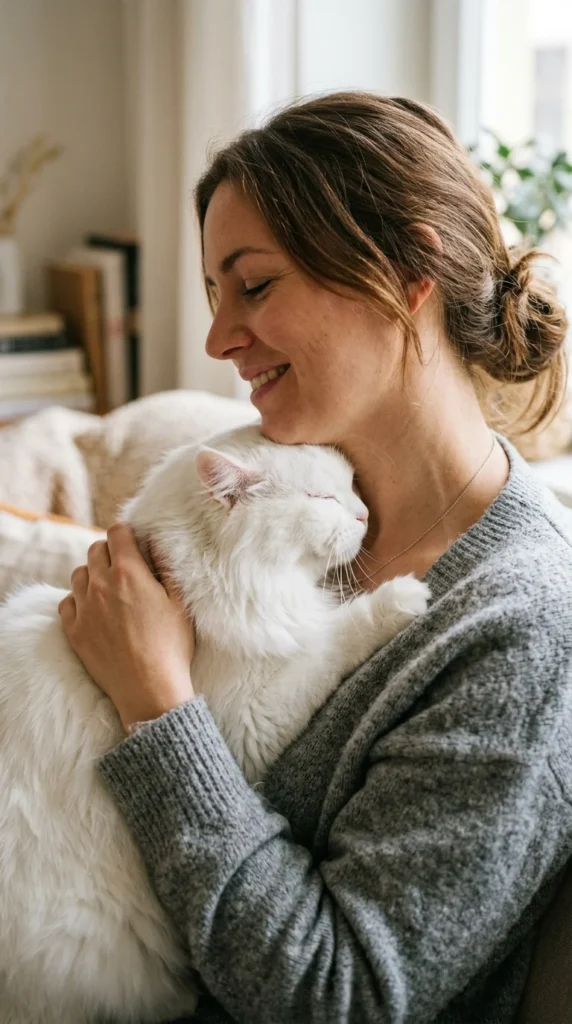
The coo is a very soft, melodic sound that is less “trill-like” and more “pigeon-like.” It is a sound of total safety and affection. Cats typically only coo when they are being cuddled or when they are in a state of complete vulnerability and trust with their owner.
22. Short Chirp Greeting
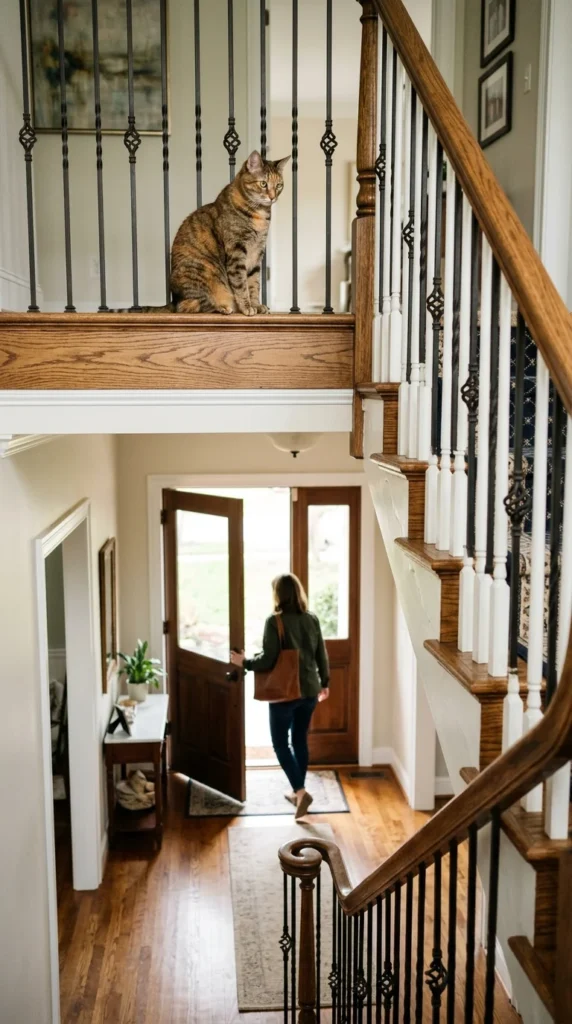
Different from the “hunting chirp,” the greeting chirp is a single, quick, bouncy sound. It’s often used when you first wake up or when you’ve been out of the room for a few minutes. It’s the feline equivalent of a cheerful “Sup?” or “You’re back!”
23. Mating Call (Male)
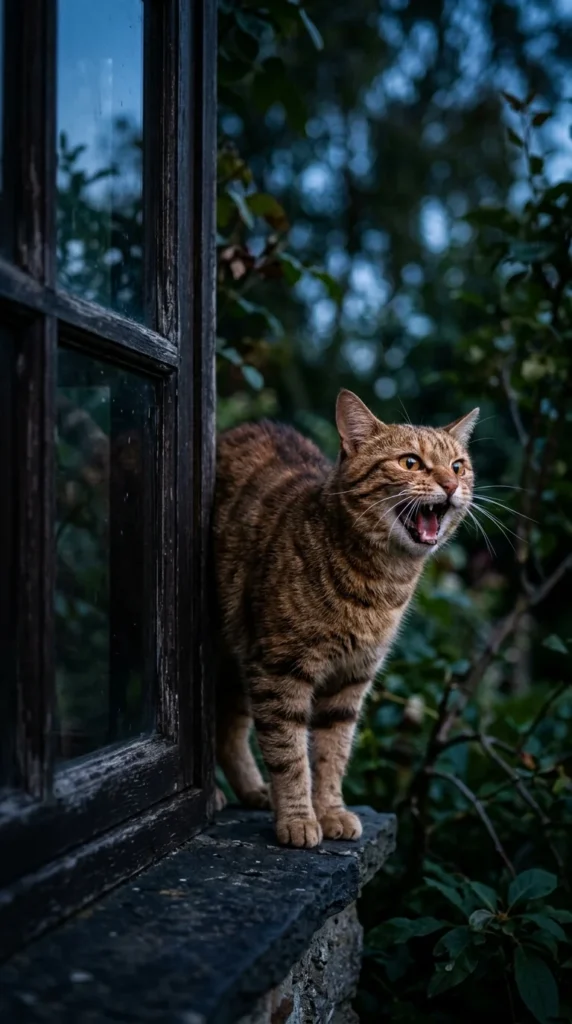
Male cats have a specific vocalization used to respond to a female’s caterwaul. It is a series of short, heavy, rhythmic sounds that are more gutteral than a standard yowl. It’s a declaration of presence and intent, often carrying for long distances to ensure the female (and any competing males) knows he is nearby.