

Entering the world of herpetology is an exhilarating journey. For many, the appeal of a pet reptile lies in their prehistoric beauty, fascinating behaviors, and often lower maintenance compared to a dog or cat. However, the “easy to care for” label can be subjective. To help you find the perfect scaly companion, we have curated a list of twenty reptiles that are hardy, generally docile, and have manageable environmental requirements.
1. Bearded Dragon
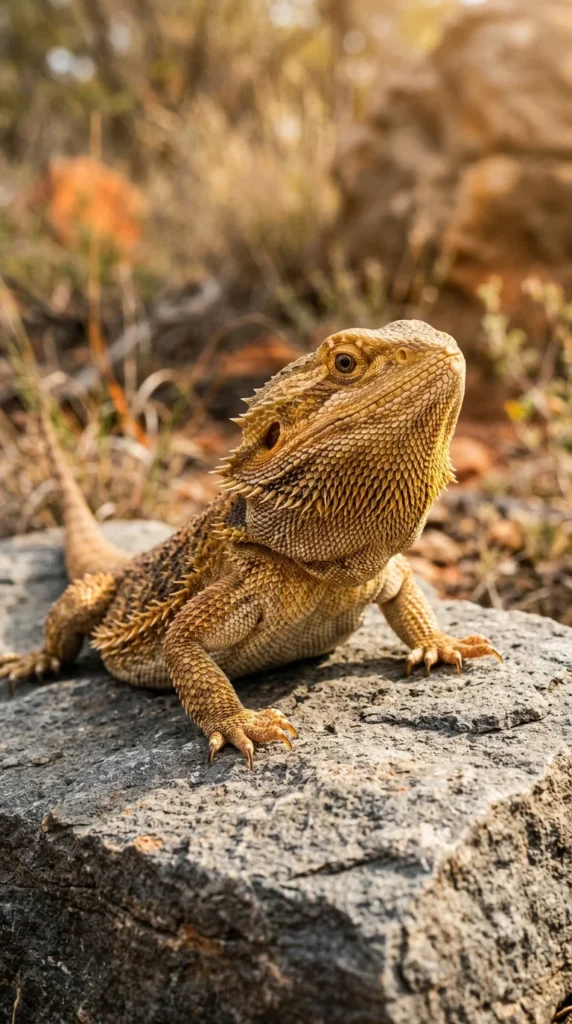
Often cited as the best “starter” lizard, the Bearded Dragon is famous for its mellow personality and interactive nature. Unlike many reptiles that view humans as predators, “beardies” often grow to enjoy handling and may even sit on their owner’s shoulder. They require a desert-like enclosure with a strong UVB light source and a diet consisting of leafy greens and live insects like crickets or dubia roaches. Their clear body language—such as arm waving or head bobbing—makes them incredibly engaging for first-time keepers.
2. Leopard Gecko
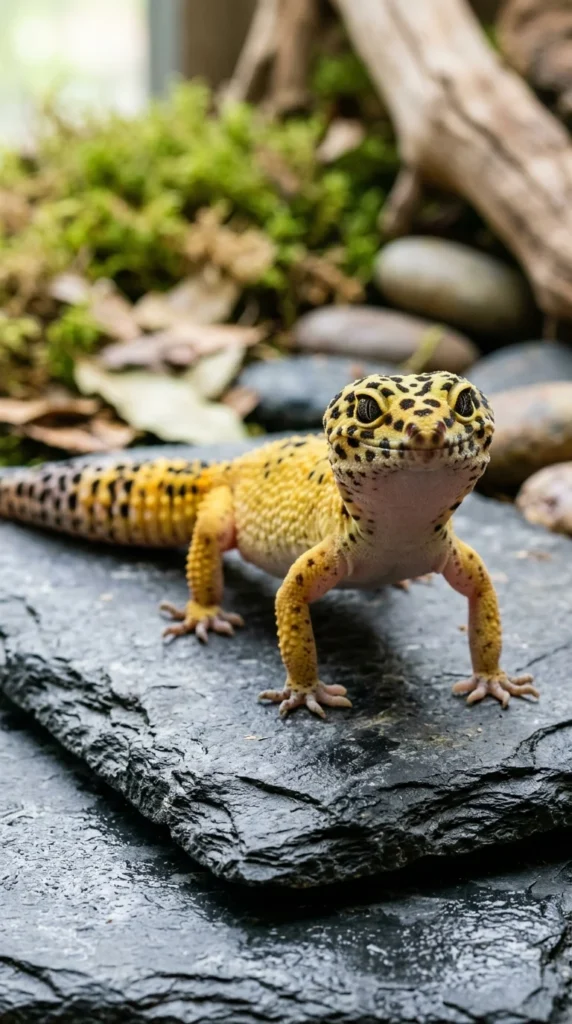
Leopard Geckos are the perfect apartment pets. They are nocturnal, meaning they don’t require expensive UV lighting (though a low-level UVB is often beneficial). They are terrestrial, living on the ground rather than climbing, which makes their habitat easy to set up. Their most endearing trait is their “smile” and their docile temperament. They are strictly insectivores, so you won’t need to worry about preparing salads; just ensure their insects are properly “gut-loaded” with nutrients.
3. Corn Snake
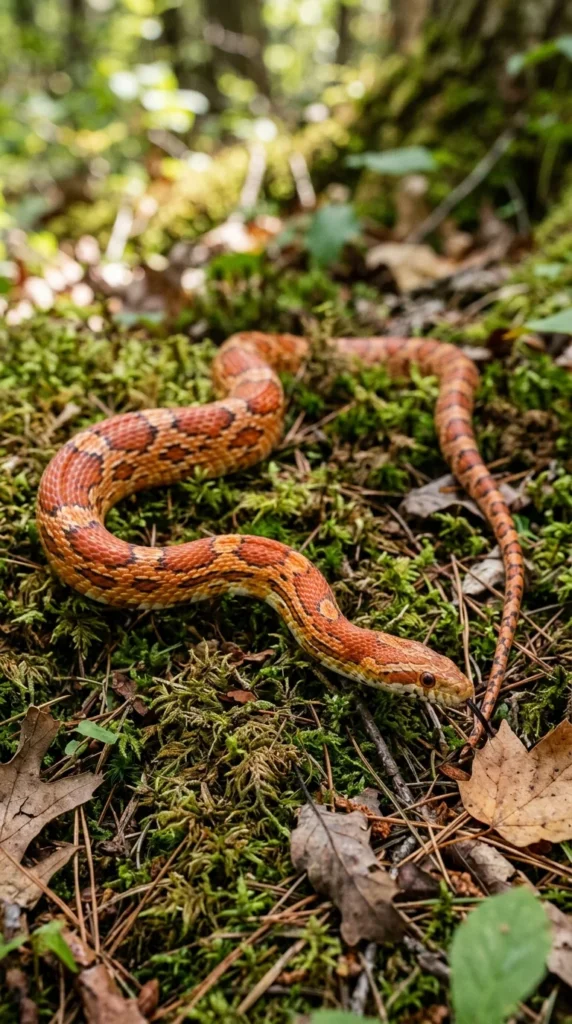
If you are looking for your first snake, the Corn Snake is the gold standard. They are known for being incredibly hardy and having a very gentle disposition. They stay a manageable size (usually 3 to 5 feet) and are excellent feeders, rarely refusing a meal. Because they are native to North America, they tolerate a wider range of temperatures than tropical species, making their climate control much simpler for a beginner.
4. Crested Gecko
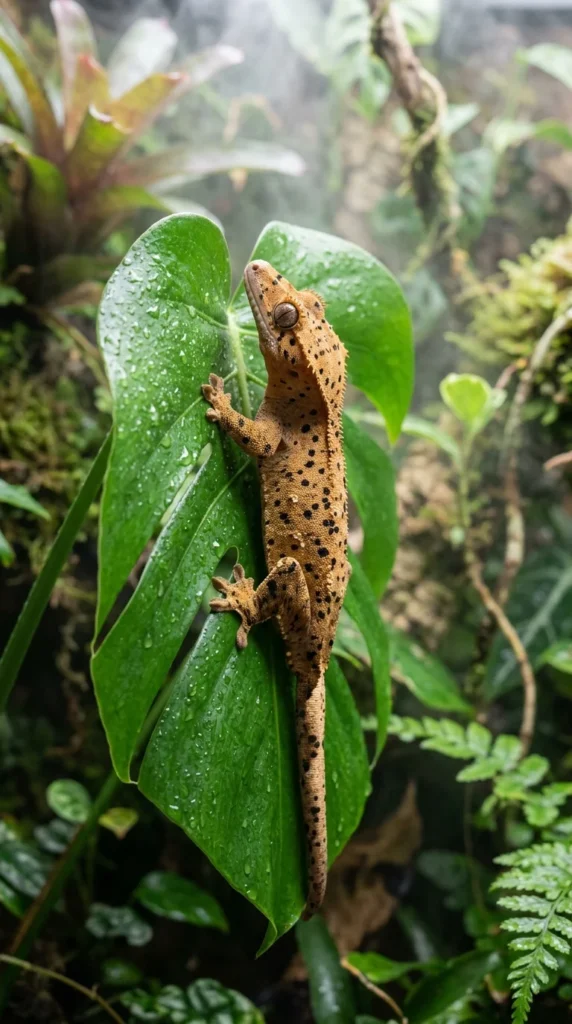
Once thought to be extinct, Crested Geckos are now one of the most popular pets in the world. What makes them perfect for beginners is their diet. You don’t necessarily need to feed them live bugs; most keepers use a powdered meal replacement that you simply mix with water. They also thrive at room temperature, meaning you might not even need a heater if your home stays between 72-78°F. Their “sticky” feet allow them to climb glass, making for a beautiful vertical display tank.
5. Blue-Tongued Skink
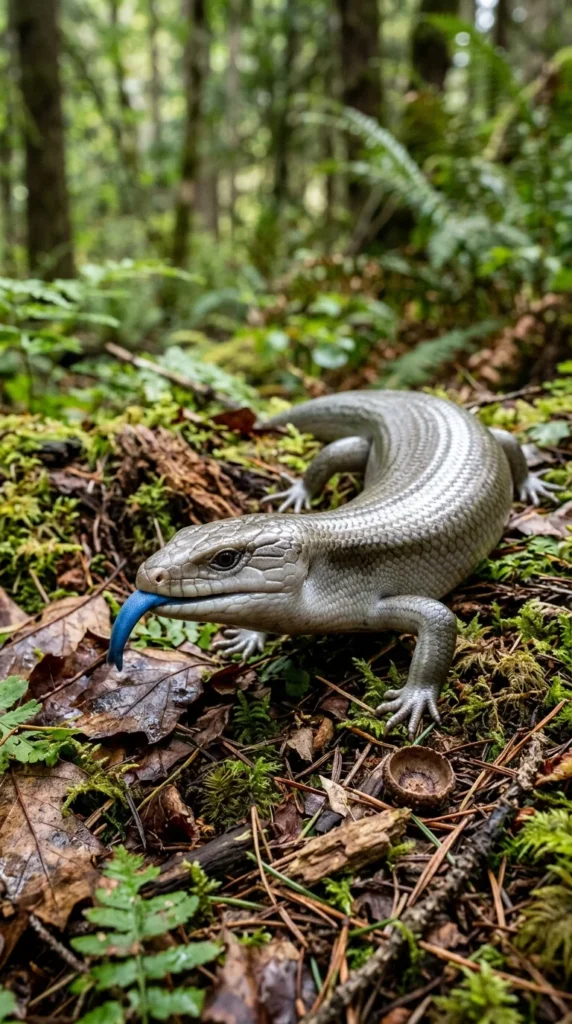
The Blue-Tongued Skink is like the “puppy” of the lizard world. They are highly intelligent and can become very tame. While they require a larger enclosure (at least a 4-foot tank), their diet is one of the easiest to manage. They are omnivores and can eat a mix of high-quality grain-free dog food, greens, and fruits. Their slow-moving nature and sturdy bodies make them very safe for older children to handle under supervision.
6. Ball Python
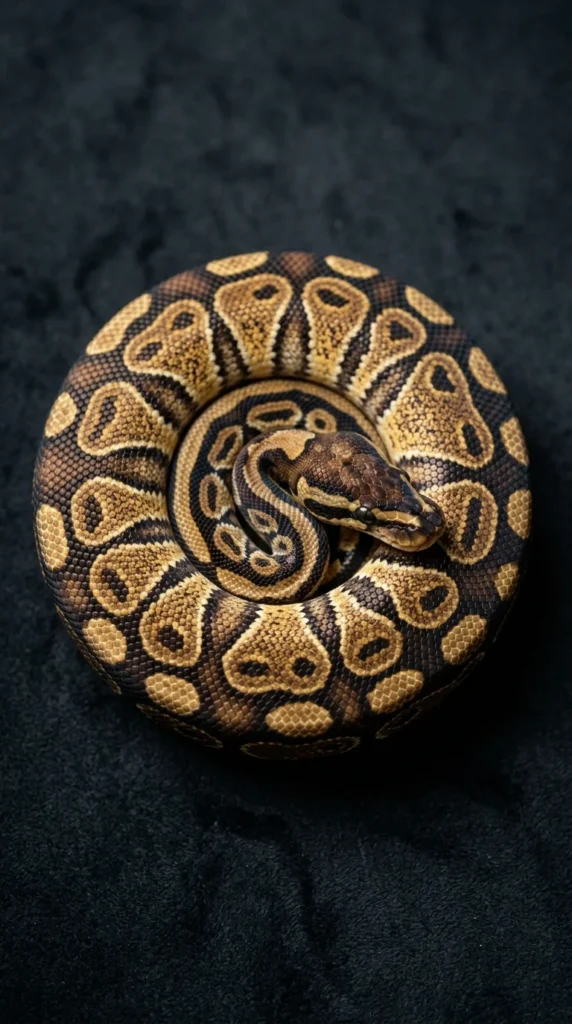
The Ball Python is the most popular pet snake in the world for a reason. They are famously sedentary and slow-moving. When they feel threatened, they don’t strike; they simply curl into a ball. While they have a reputation for being “ficky” eaters, this is usually solved by ensuring their humidity and heat are dialed in correctly. With dozens of color “morphs” available, you can find a Ball Python that looks like a piece of living art.
7. Russian Tortoise
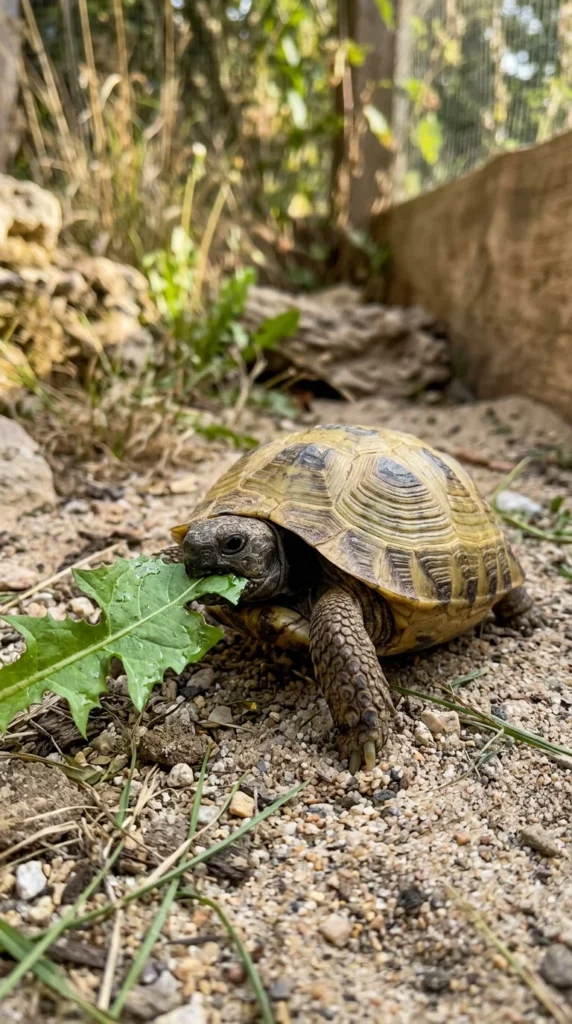
For those who want a long-lived companion, the Russian Tortoise is a fantastic choice. They are much smaller than the giant Sulcata tortoises often seen in pet stores, typically reaching only 6 to 8 inches. They are active, curious, and have big personalities. Their care involves a high-fiber, calcium-rich herbivorous diet and a dry, well-ventilated enclosure with a warm basking spot.
8. African Fat-Tailed Gecko
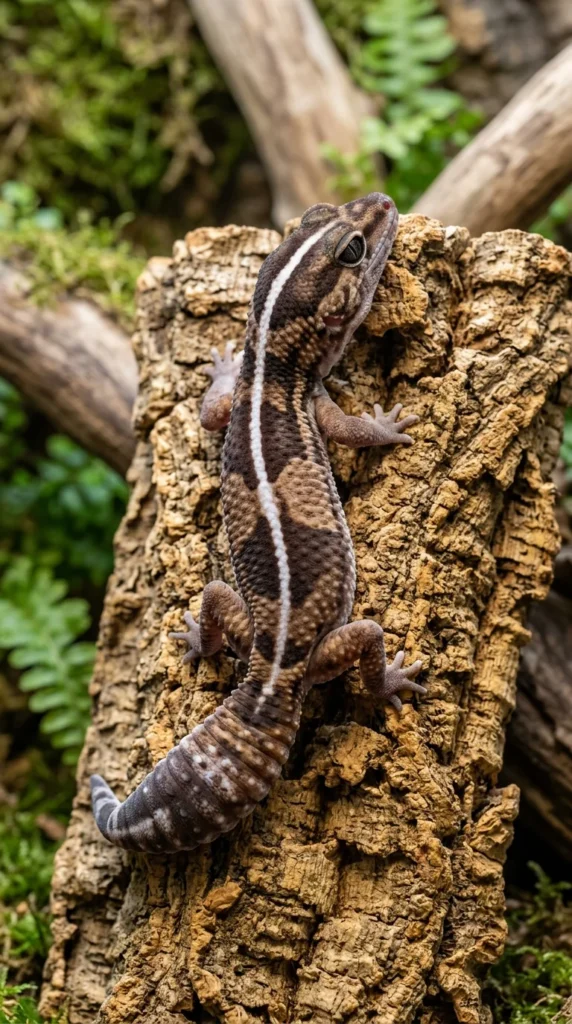
Similar to the Leopard Gecko but with a more “velvety” skin texture and a slightly more laid-back attitude, the African Fat-Tailed Gecko is a hidden gem. They inhabit humid savannahs, so they require a bit more moisture than their leopard cousins. They are incredibly slow-moving and rarely bite, making them excellent for people who are a bit nervous about handling reptiles.
9. Rosy Boa
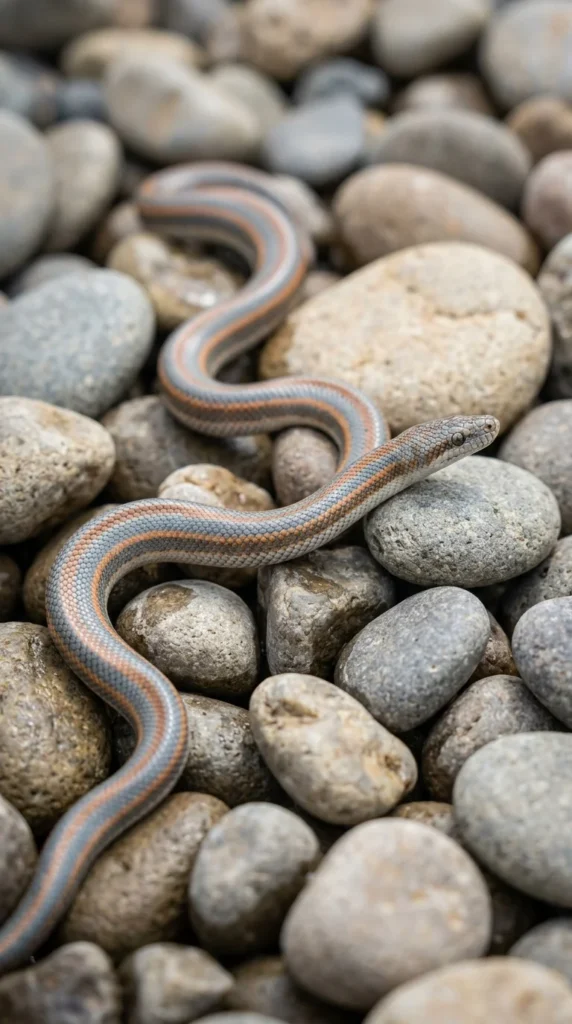
The Rosy Boa is a native of the American Southwest. These snakes are small, rarely exceeding three feet, and are incredibly docile. They have a slow metabolism and a very simple setup—mostly just a heat mat and some dry substrate. Because they are desert dwellers, you don’t have to worry about maintaining high humidity levels, which is often the hardest part of snake keeping for beginners.
10. Green Anole
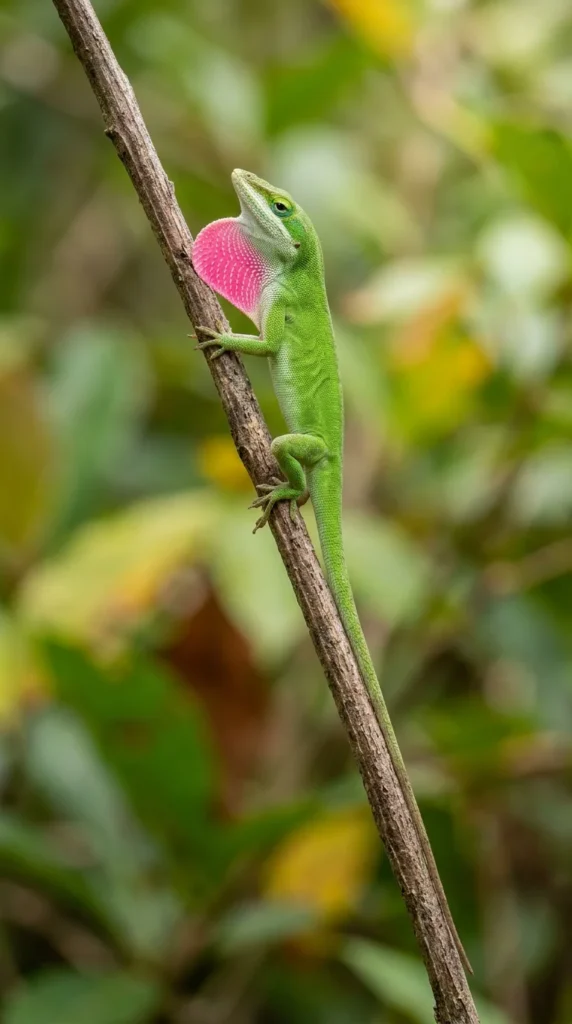
Green Anoles are often the “gateway” reptile. While they are more of an “observation only” pet (they are very fast and can be fragile), they are fascinating to watch. They can change color from bright green to dark brown depending on their mood and temperature. A vertical tank with plenty of plants allows them to display their natural jumping and hunting behaviors.
11. Western Hognose Snake
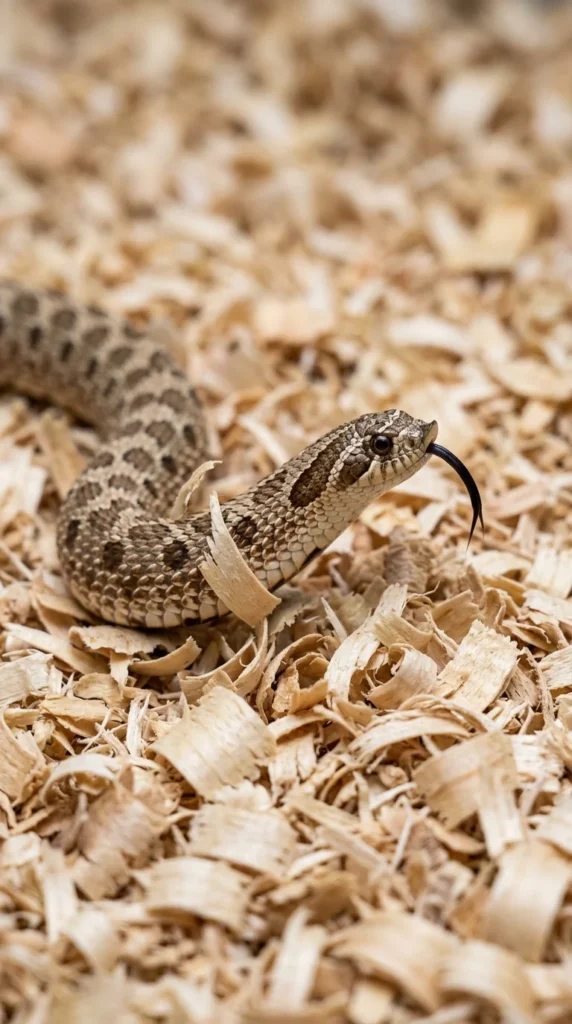
The Western Hognose is the comedian of the snake world. Known for their “pigs-noses” used for digging, these snakes have a unique look and personality. They are famous for their dramatic “playing dead” displays in the wild, though captive-bred individuals rarely do this. They stay small, with males often being under 2 feet, and they are very easy to house in modest-sized enclosures.
12. Kenyan Sand Boa
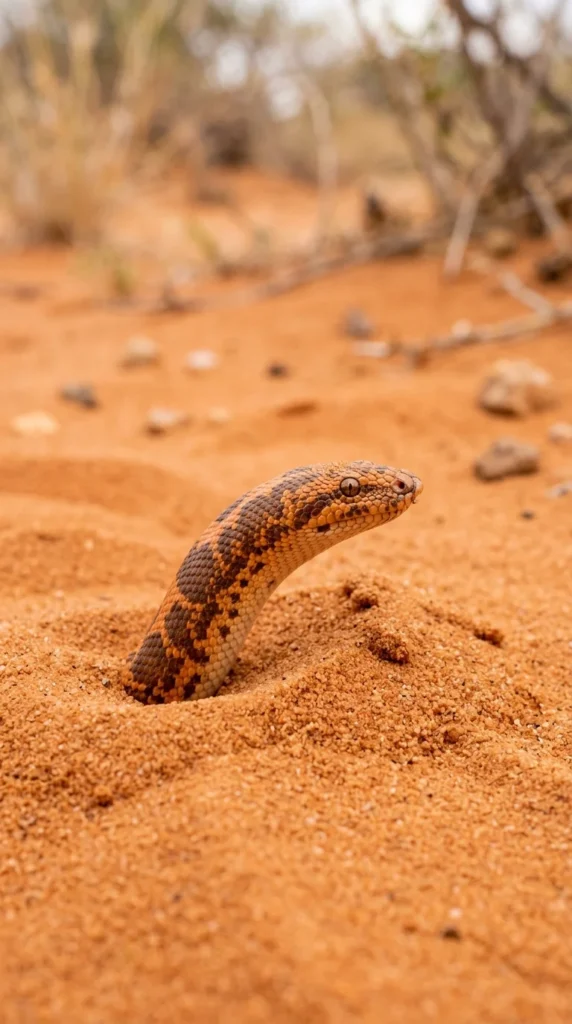
If you want a snake but have limited space, the Kenyan Sand Boa is ideal. They spend most of their time submerged in the substrate, waiting for “prey” to walk by. They have tiny heads and blunt tails, giving them a very quirky appearance. They are not prone to biting and are generally very calm when scooped out of their sandy burrows for handling.
13. California Kingsnake
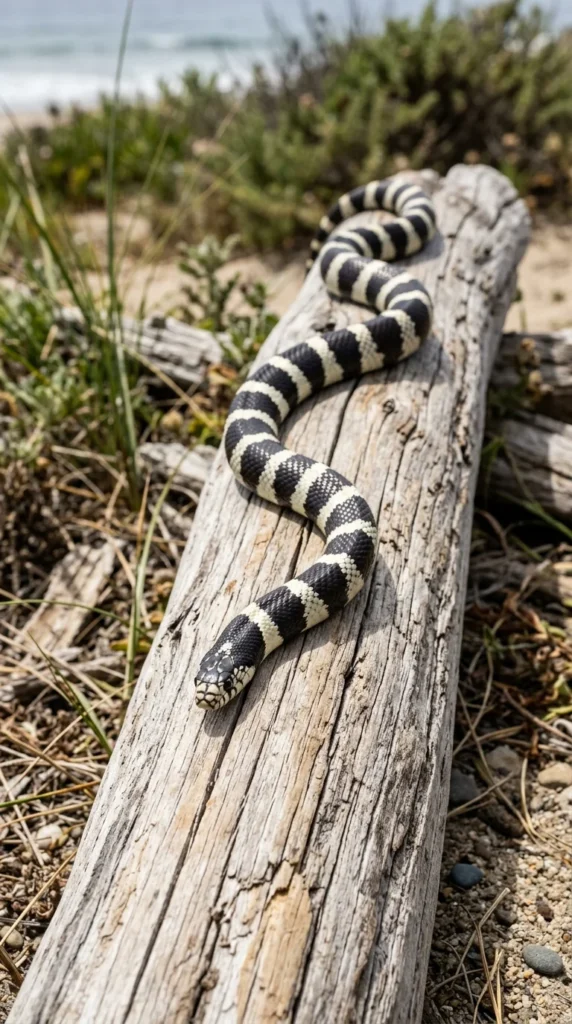
Kingsnakes are legendary for their hardiness. They are “feeding machines,” which is great for beginners who don’t want to worry about their pet skipping meals. The California Kingsnake is the most common variety, boasting a beautiful black and white pattern. They are active and inquisitive, so providing them with a “bioactive” or decorated tank will allow you to see them exploring throughout the day.
14. Gargoyle Gecko
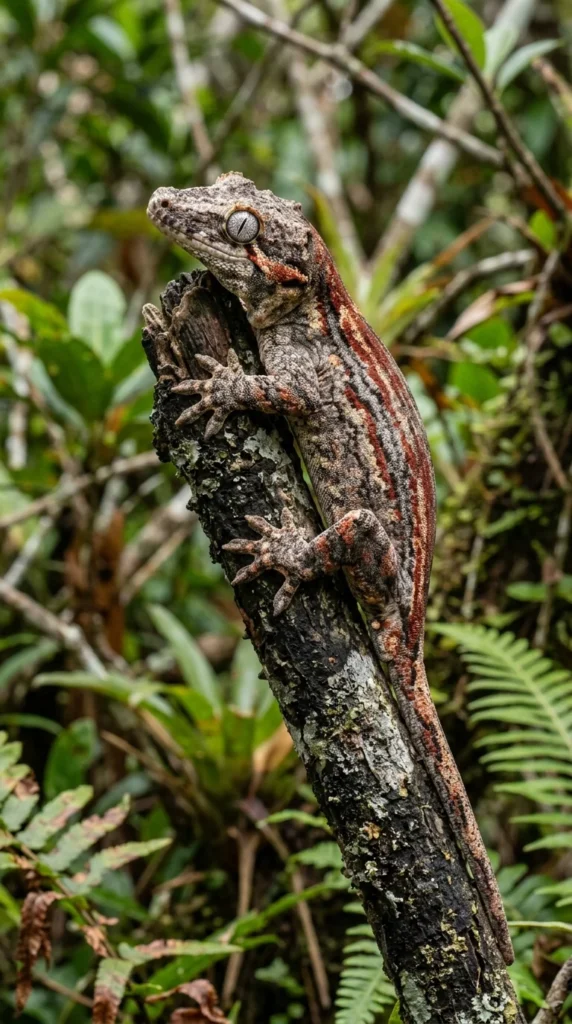
A close relative of the Crested Gecko, the Gargoyle Gecko shares the same easy care requirements: room temperature and a powdered diet. They get their name from the small cranial bumps that look like horns. They are slightly heavier-bodied than Crested Geckos and come in stunning “reticulated” or “striped” patterns. They are a great alternative for someone who wants an easy arboreal lizard with a more prehistoric look.
15. Hermann’s Tortoise
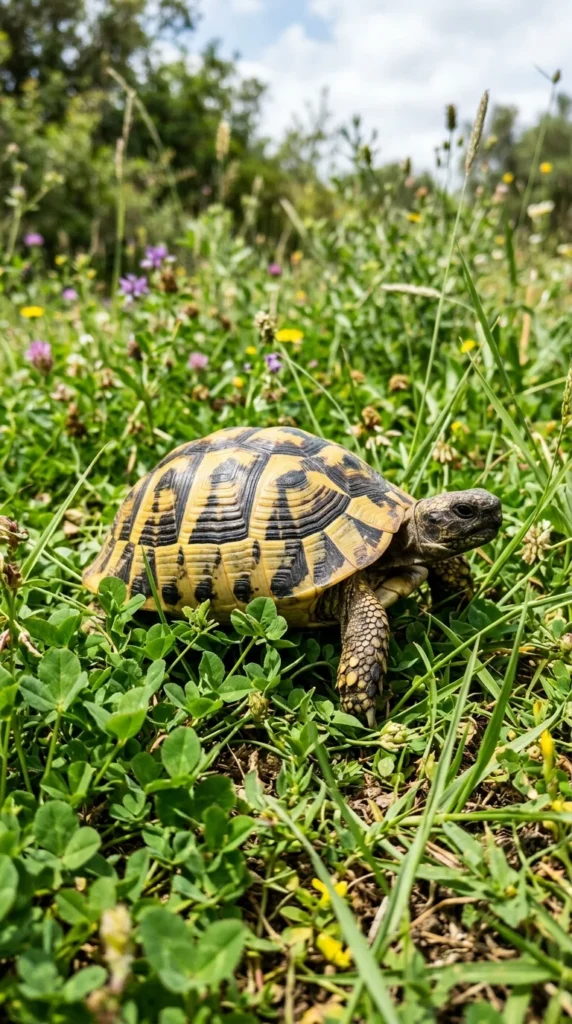
Hermann’s Tortoises are charming, medium-sized reptiles that thrive in indoor “tortoise tables” or outdoor pens. They are very active during the day and can learn to recognize their owners, especially the ones carrying snacks. They require a diet of varied weeds and flowers. Because they are a European species, they are quite hardy and can tolerate the occasional temperature dip better than tropical tortoises.
16. Milk Snake
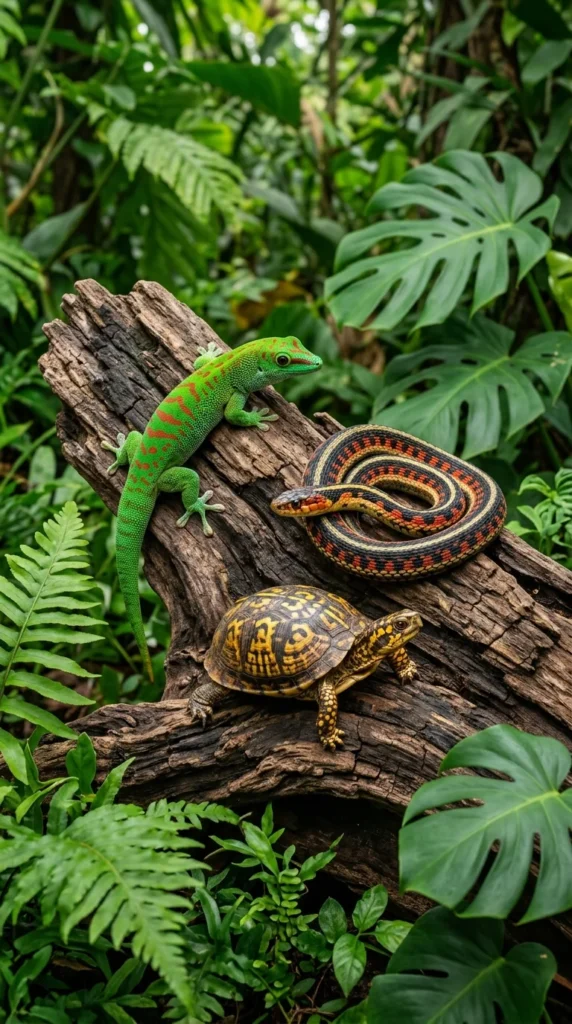
Milk Snakes are a type of kingsnake, meaning they are just as easy to care for but offer a completely different aesthetic. Their bright tri-color banding is a form of mimicry meant to scare off predators. In captivity, they are generally shy but become very manageable with regular handling. They are excellent “display” snakes because their colors remain vivid throughout their lives.
17. Musk Turtle
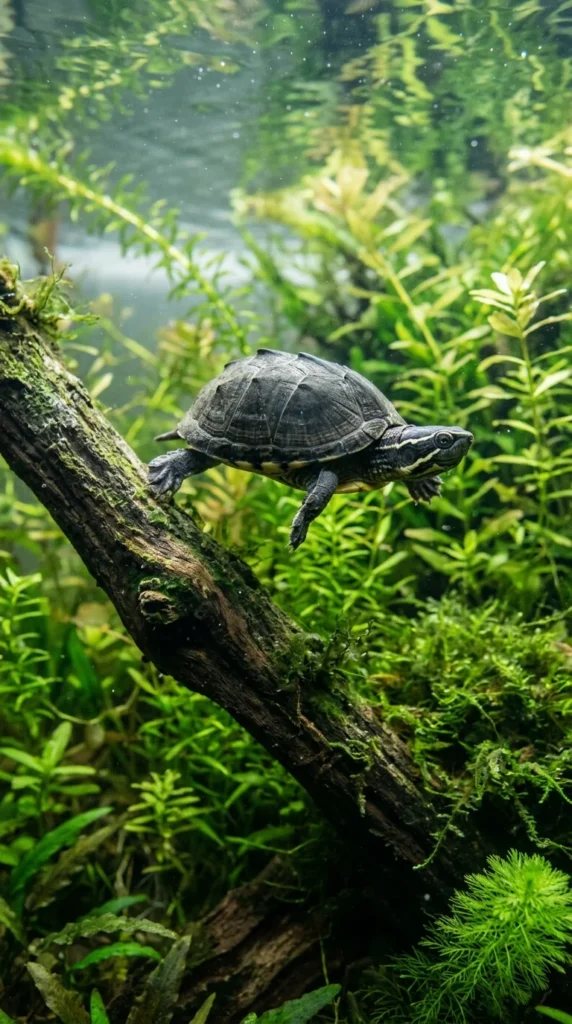
For those who want an aquatic pet but are intimidated by the size of a Red-Eared Slider, the Musk Turtle is the answer. They stay very small—usually around 4 to 5 inches—meaning they can live comfortably in a 20 to 30-gallon tank for their entire lives. They are “bottom walkers” rather than strong swimmers, so they spend a lot of time exploring the tank floor.
18. Garter Snake
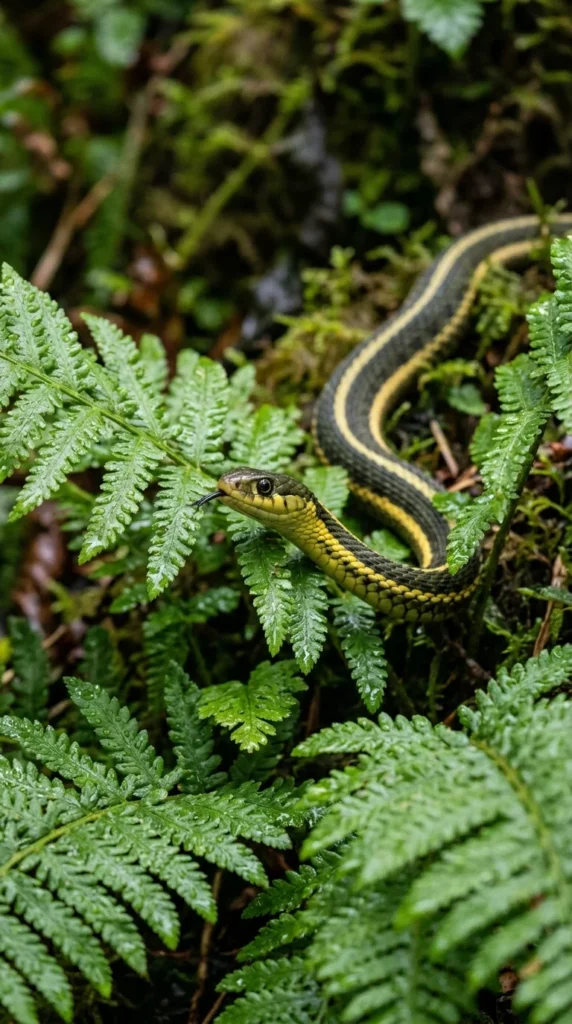
Garter Snakes are one of the few reptiles on this list that can be kept communally (with proper space). They are incredibly active and fast, making them fun to observe. Unlike most snakes that eat once a week, Garters have a higher metabolism and enjoy a varied diet of fish, worms, and small rodents. Their small size and high activity level make them a very “busy” and interesting pet.
19. Painted Turtle
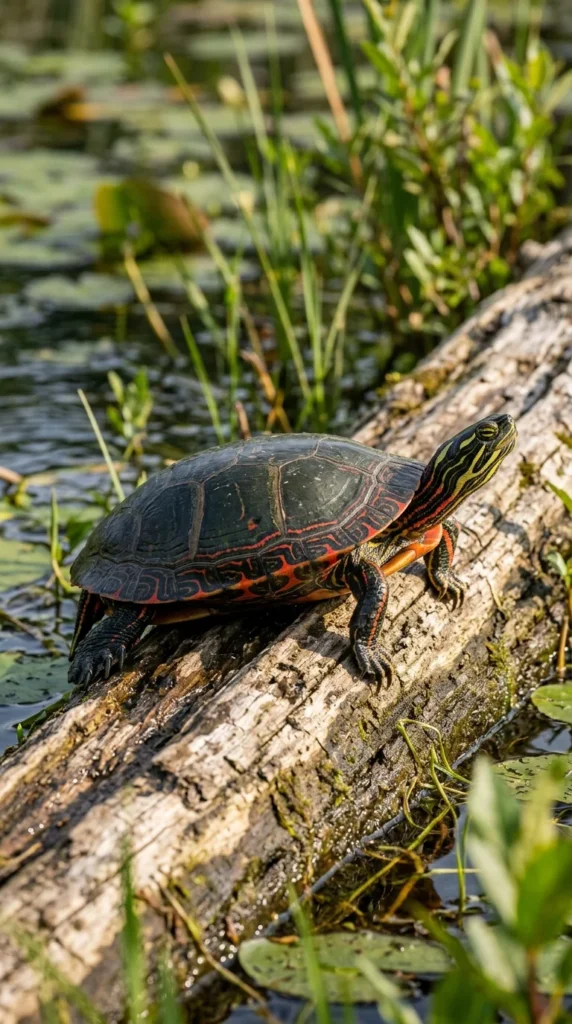
The Painted Turtle is perhaps the most beautiful aquatic turtle for beginners. They are very hardy and adjust well to life in a well-filtered aquarium. They require a dedicated basking area with a heat lamp and UV light to keep their shells healthy. While they require more equipment (filters, heaters, lights) than a land reptile, their personality and striking colors make the effort worthwhile.
20. Box Turtle
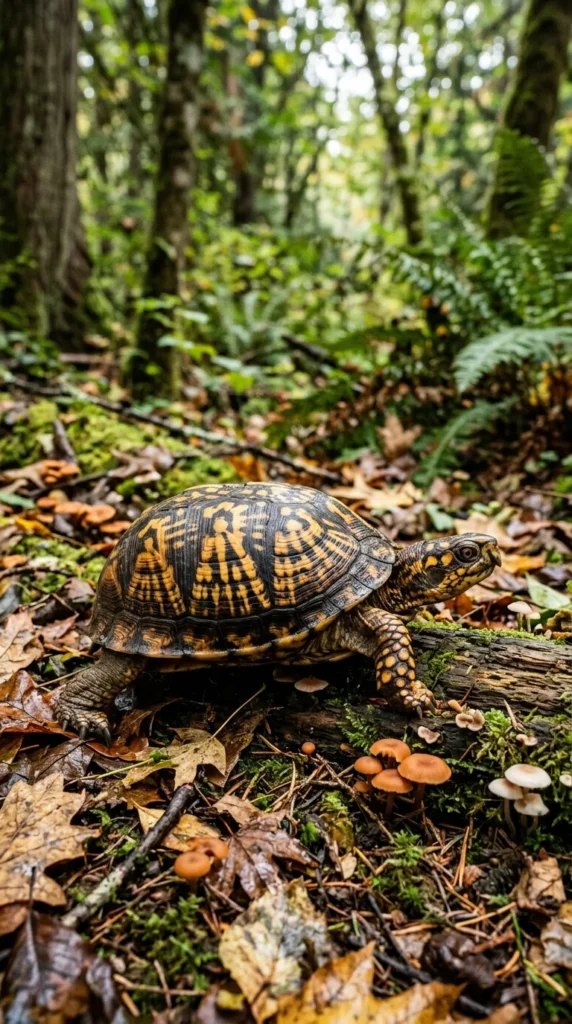
The Box Turtle is a classic pet. They are terrestrial turtles that enjoy a humid environment with plenty of leaf litter to hide in. What makes them unique is their hinged shell, which allows them to close up completely for protection. They are omnivores, enjoying a mix of insects, worms, and berries. While they require a bit more attention to humidity than a Russian Tortoise, their “personable” nature makes them a favorite among reptile enthusiasts.
Choosing the Right Reptile for You
When selecting your first reptile, consider your lifestyle and the space you have available. Do you want a pet you can hold while watching TV (like a Bearded Dragon or Blue-Tongued Skink), or do you prefer a beautiful “living display” (like a Green Anole or Garter Snake)?
Remember that “beginner” does not mean “disposable.” Many of these animals can live for 10, 20, or even 50 years. Always buy captive-bred animals from reputable breeders to ensure you are getting a healthy pet that hasn’t been taken from the wild. With the right research and setup, any of these twenty reptiles can provide years of fascination and companionship.