
Bringing a bird into your home is like inviting a permanent toddler with wings and a bolt cutter for a face into your living space. Birds are naturally inquisitive, incredibly fast, and possess a physiological makeup that makes them hypersensitive to environmental hazards that humans wouldn’t even notice. “Bird proofing” is not just a one-time chore; it is a lifestyle adjustment that ensures your feathered companion lives a long, healthy, and accident-free life.
Whether you are a first-time budgie owner or a seasoned large-parrot enthusiast, the home environment is full of “invisible” dangers. From the air they breathe to the items they chew, every detail matters. Here are 20 comprehensive tips to transform your home into a sanctuary.
1. Windows
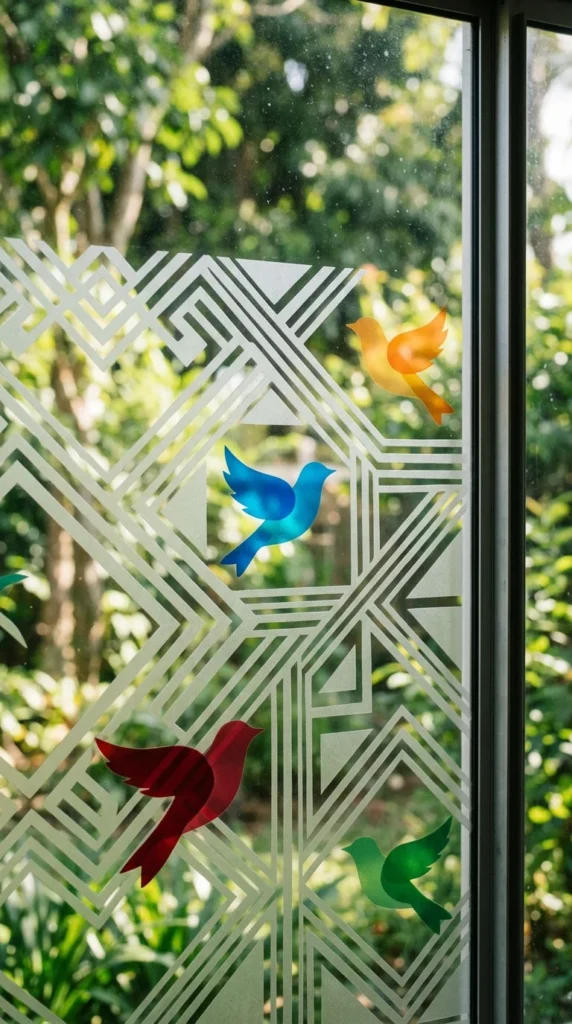
Windows are perhaps the most common source of trauma for pet birds. Because birds do not perceive clear glass as a solid barrier, they may attempt to fly through it at high speeds, leading to concussions, broken necks, or internal hemorrhaging. To bird-proof your windows, use decals, stickers, or “window film” to make the glass visible. Even better, hang thin sheer curtains or blinds that remain partially closed while the bird is out. This visual cue tells the bird that the area is “closed” for flight.
2. Ceiling Fans
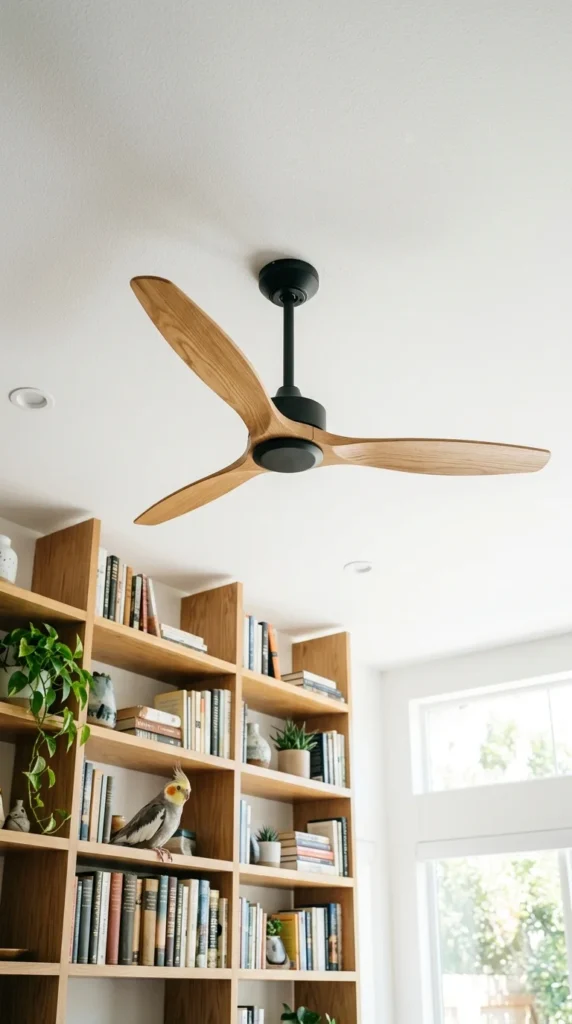
A spinning ceiling fan is a lethal hazard. Even a slow-moving blade can cause catastrophic injury or death if a bird flies into its path. The rule for bird owners is simple: if the bird is out of the cage, the fans must be off. To prevent accidental activation, you can use switch guards on your wall plates. Always double-check that every fan in the house (and in adjacent rooms) is stationary before opening the cage door.
3. Non-Stick Cookware

Many non-stick pans are coated with Polytetrafluoroethylene (PTFE), commonly known as Teflon. When overheated, these pans release odorless, colorless fumes that are highly toxic to birds. Because of their efficient respiratory systems, birds can die within minutes of inhaling these fumes—often before the human in the room even notices a smell. Replace all non-stick cookware with stainless steel, cast iron, or bird-safe ceramic alternatives. This also applies to non-stick drip pans, self-cleaning ovens, and some space heaters.
4. Houseplants
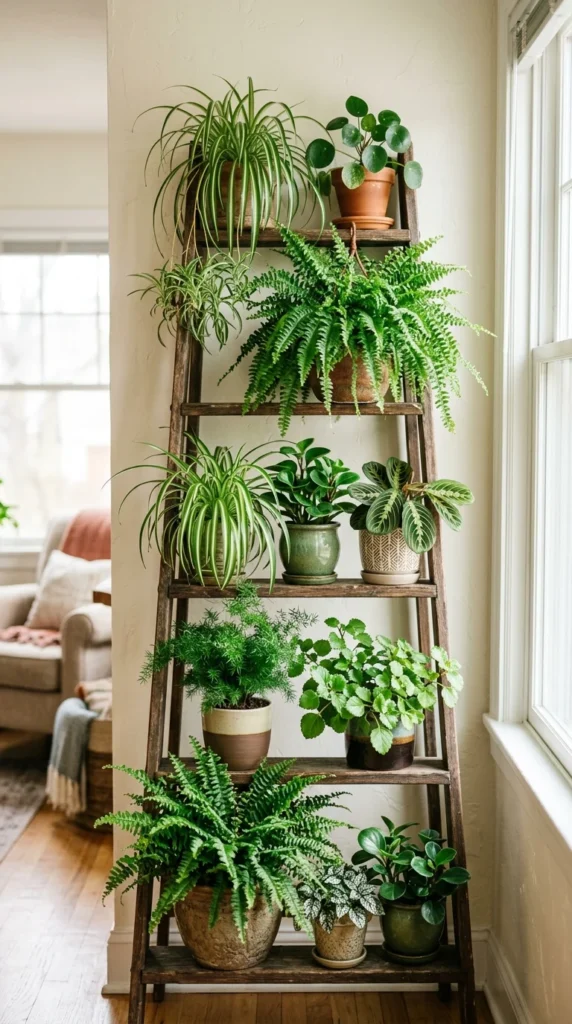
Birds love to chew, and a leafy green plant looks like a gourmet snack. However, many common houseplants—such as Lilies, Philodendrons, Poinsettias, and Ivy—are toxic if ingested. Before bringing a plant into a bird-active home, cross-reference it with a known “safe list.” Stick to bird-friendly options like Spider Plants, Boston Ferns, and Dragon Trees. Even with safe plants, ensure the soil is free of chemical fertilizers or pesticides, as birds may dig in the dirt.
5. Open Water
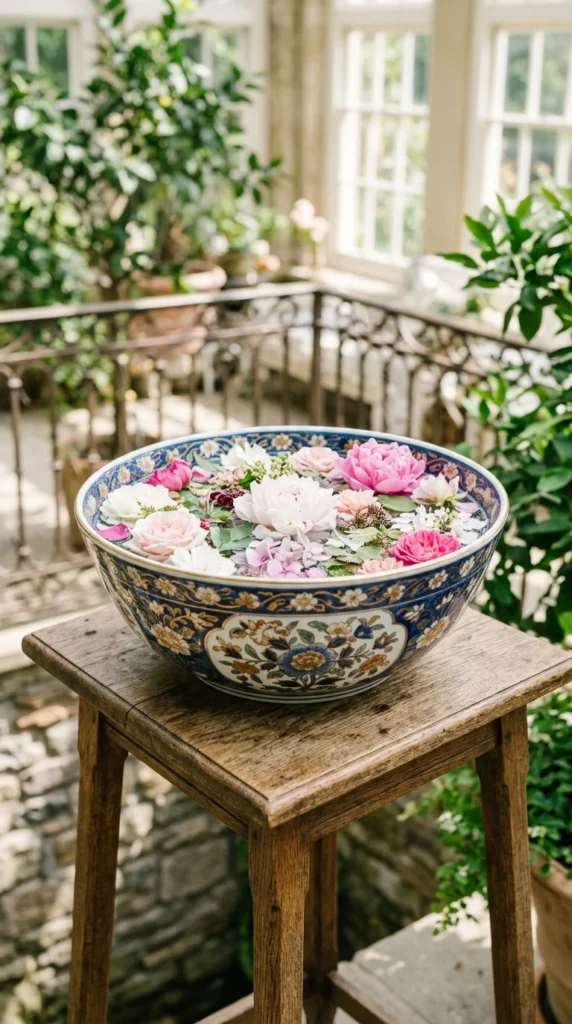
A sink full of dishwater, a decorative vase, or even a glass of water can be a drowning hazard. Birds can easily fall into open containers of liquid and find it impossible to climb out, especially if their feathers become waterlogged. Always empty sinks, cover large pots of water, and keep an eye on open cups when your bird is exploring.
6. Mirrors
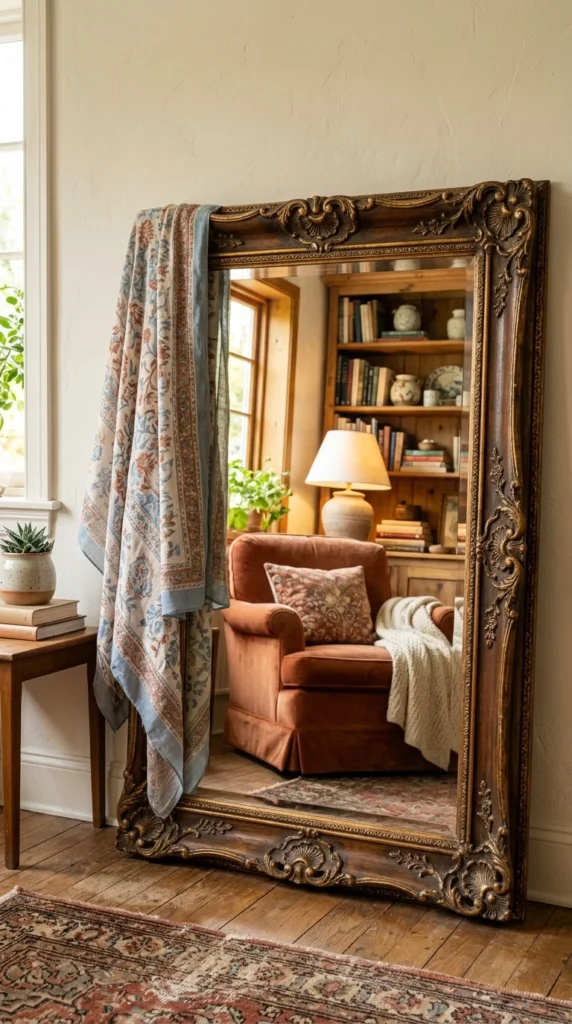
Similar to windows, mirrors create an illusion of open space. A bird may see its reflection and think it is flying toward a companion or into another room, leading to a high-speed collision. Additionally, some birds become obsessively aggressive or hormonal when seeing “another bird” in the mirror. Use frosted glass spray on the lower halves of mirrors or keep them covered during flight time until your bird understands the layout of the room.
7. Doors
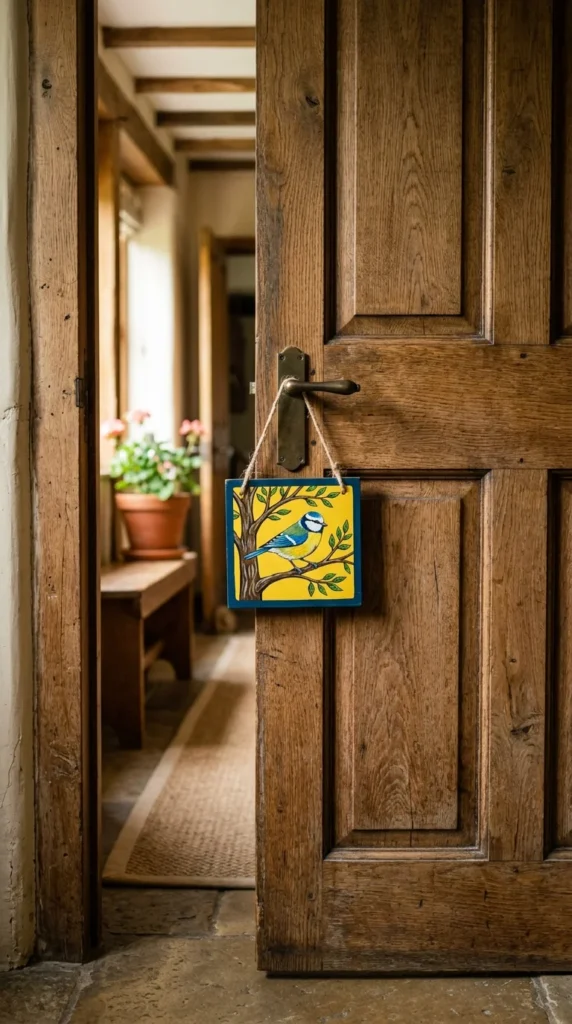
Heavy doors are a major cause of crushing injuries. Birds often like to perch on the top of an open door, and if someone swings it shut without looking, the results are tragic. Furthermore, a door opened to the outside is an invitation for an escape. Use doorstops to keep doors propped open or closed, and always establish a “double door” system or use bird-safe curtains over exits to prevent a panicked bird from flying out the front door.
8. Electrical Cords
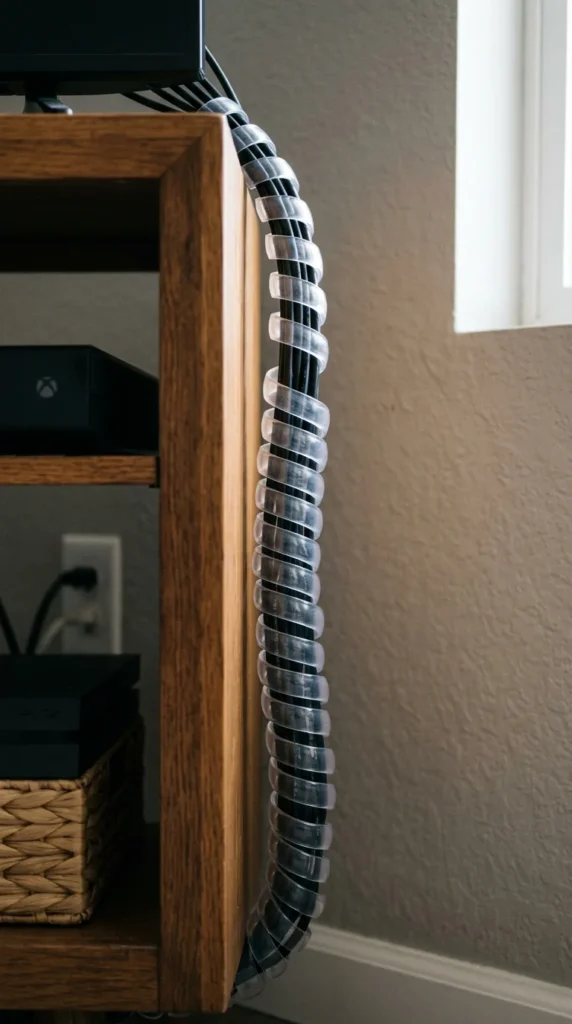
Birds are natural-born wire-strippers. The soft, rubbery texture of electrical cords is highly appealing to their beaks, but biting into a live wire can cause severe burns or electrocution. Use hard plastic cord protectors (split loom tubing) to encase all visible wires. Hide cords behind furniture or use cable management boxes to keep them entirely out of reach of curious beaks.
9. Toxic Foods

While birds enjoy sharing our meals, many human foods are poisonous to them. Avocado (specifically the persin within it) can cause heart failure in many species. Chocolate, caffeine, onions, garlic, and fruit pits/seeds (which contain cyanide) should be strictly avoided. Always research any “table scrap” before offering it, and ensure your bird cannot “self-serve” from a bowl of snacks left on the coffee table.
10. Heavy Metals
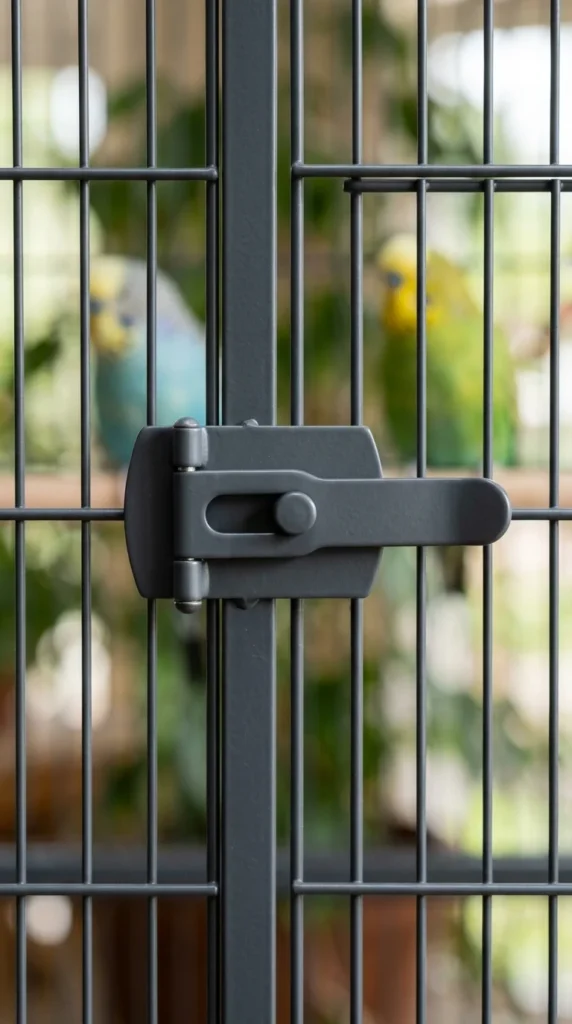
Lead and zinc poisoning are common in pet birds. These metals are often found in surprising places: stained glass solder, curtain weights, old paint, jewelry, and even some cheap cage wires. Ensure all toys and cages are “bird-safe” and “zinc-free.” If you have an older home, be wary of peeling paint that might contain lead, as a single flake can be fatal if swallowed.
11. Fragrances
A bird’s respiratory system is incredibly delicate. Scented candles, incense, air fresheners, and even strong perfumes can cause respiratory distress or long-term damage. “Plug-in” air fresheners are particularly dangerous because they continuously emit chemicals. If you want to freshen your home, stick to bird-safe methods like boiling cinnamon sticks or cloves on the stove (using stainless steel pots!) or using high-quality HEPA air purifiers.
12. Other Pets
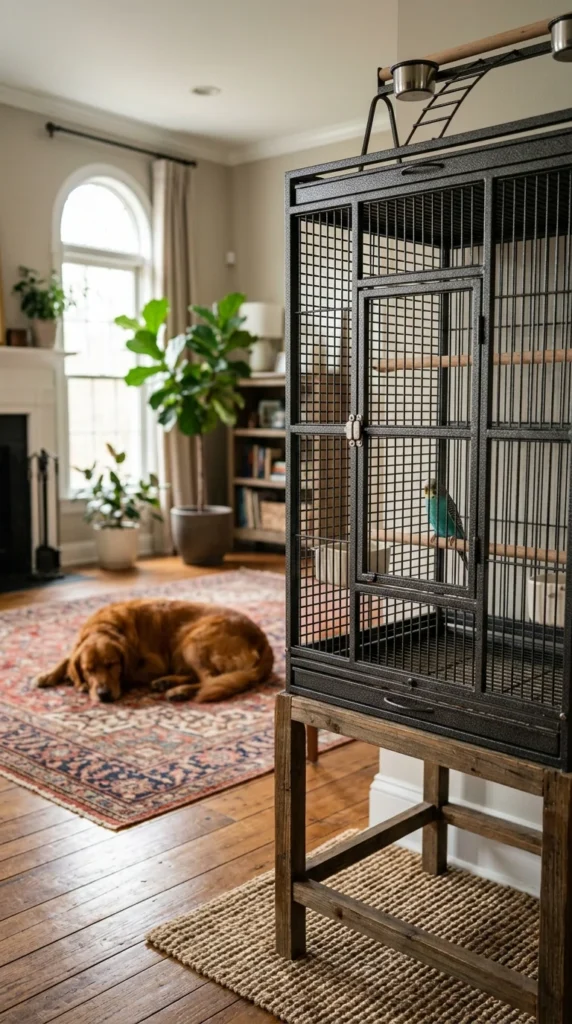
Even the most well-behaved dog or cat has a predatory instinct. A playful “bat” from a cat or a “mouth” from a dog can introduce deadly bacteria (like Pasteurella) or cause crushing injuries. Never leave a bird unsupervised with other pets, regardless of how much they seem to “love” each other. Ensure cages are placed in a location where they cannot be knocked over by a running dog or jumped upon by a curious cat.
13. Tight Spaces
Small birds like budgies and lovebirds love to explore nooks and crannies. They can easily get stuck behind refrigerators, under heavy dressers, or inside the mechanism of a recliner chair. Before letting your bird out, “block the gaps” with foam pool noodles or wooden slats. Be particularly careful with reclining furniture; many birds have been crushed when a human sat down and engaged the footrest.
14. Floor Safety
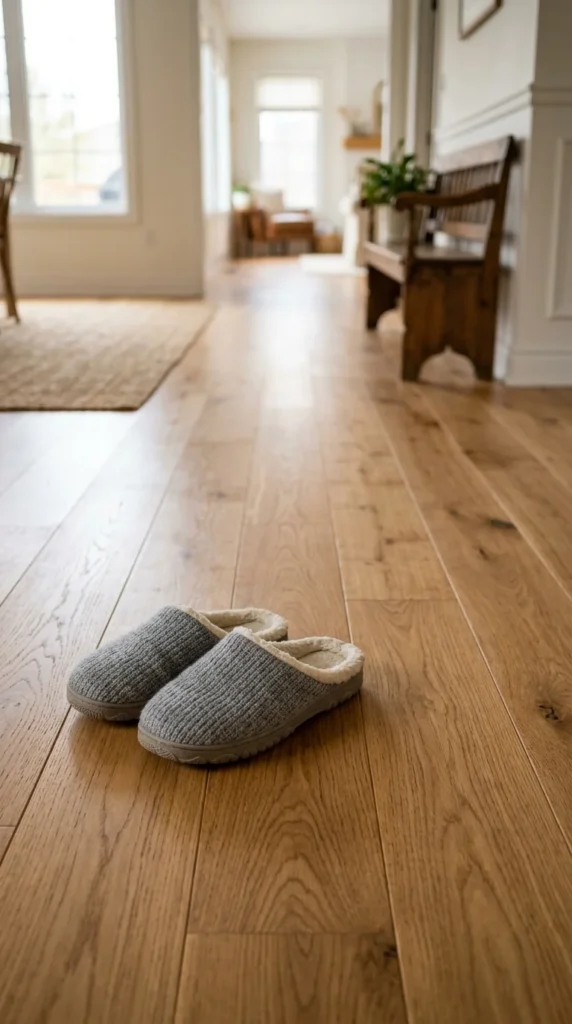
If your bird is a “floor walker” (common with cockatiels and African Greys), they are at risk of being stepped on. Establish a “no shoes” or a “shuffling feet” rule when the bird is out. Teach family members to look down before they step and to never move quickly through a room where a bird might be on the ground.
15. Cleaning Supplies
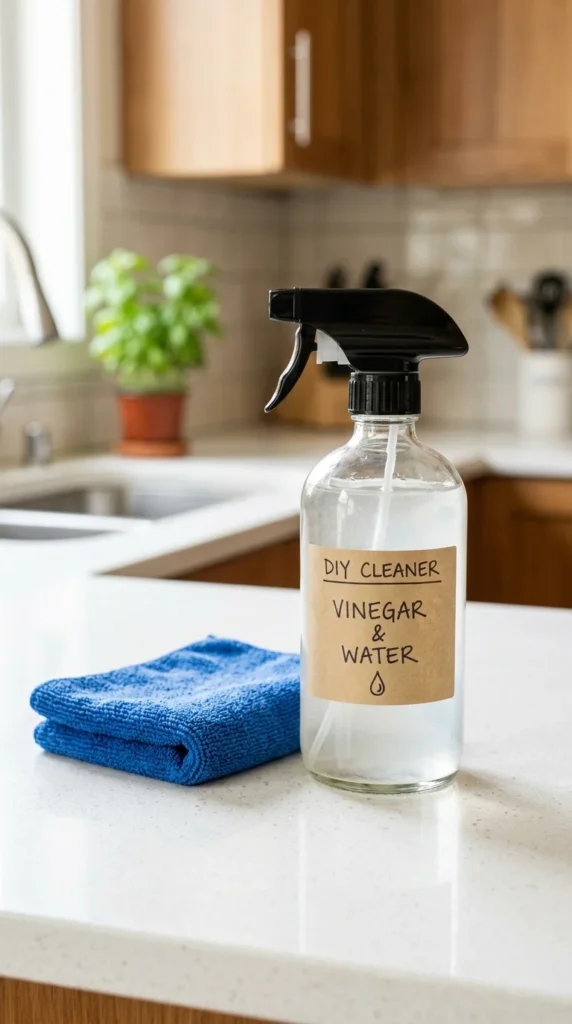
Standard household cleaners containing bleach, ammonia, or strong detergents release fumes that are toxic to birds. When cleaning the cage or the surrounding area, use bird-safe cleaners like diluted white vinegar and water or specialized enzymes sold at pet stores. If you must use “heavy-duty” cleaners in other parts of the house, move the bird to a well-ventilated room far away from the fumes.
16. Sharp Objects
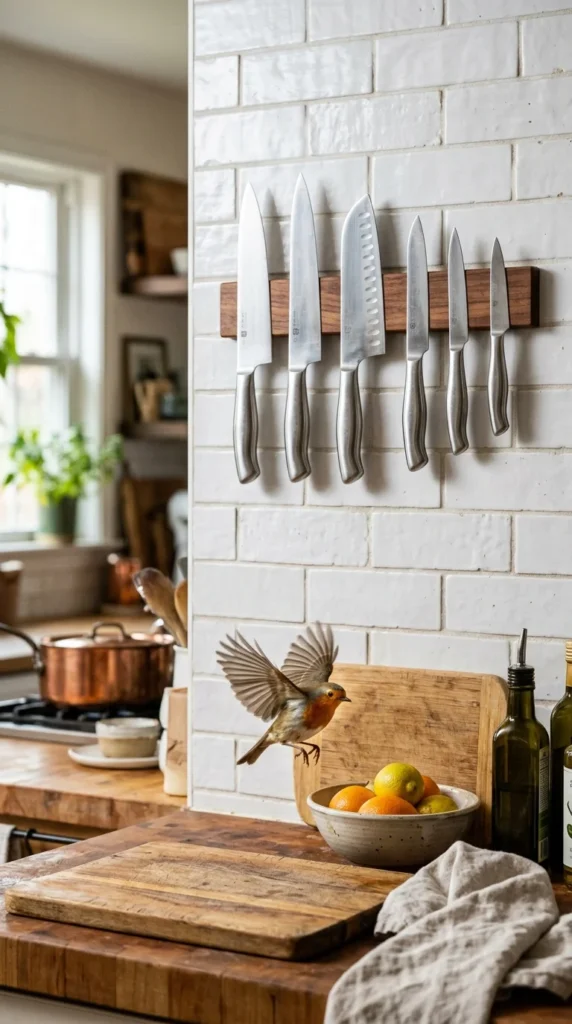
An inquisitive bird might land on a knife block or try to “play” with a pair of scissors left on a desk. Open sewing kits with needles and pins are also significant hazards. Always store sharp objects in drawers or closed containers when your bird is enjoying out-of-cage time.
17. String and Fiber
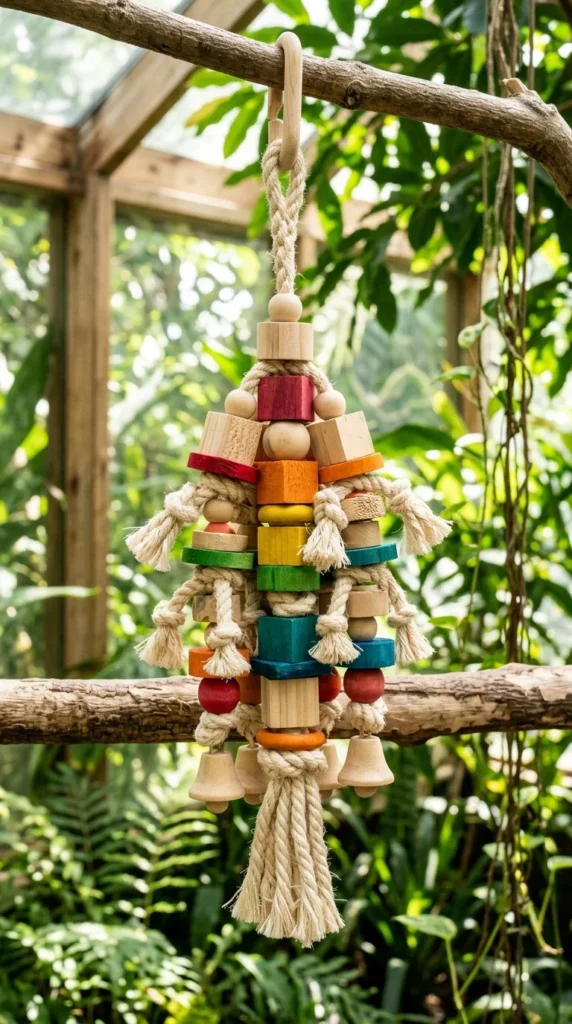
Frayed ropes, loose threads from towels, or long human hair can wrap around a bird’s neck or toes, cutting off circulation or causing strangulation. Check your bird’s toys daily for “fuzzing” or loose strings and trim them immediately. Avoid “happy huts” or fabric tents made of fleece, as birds may ingest the fibers, leading to a crop impaction.
18. Heat Sources
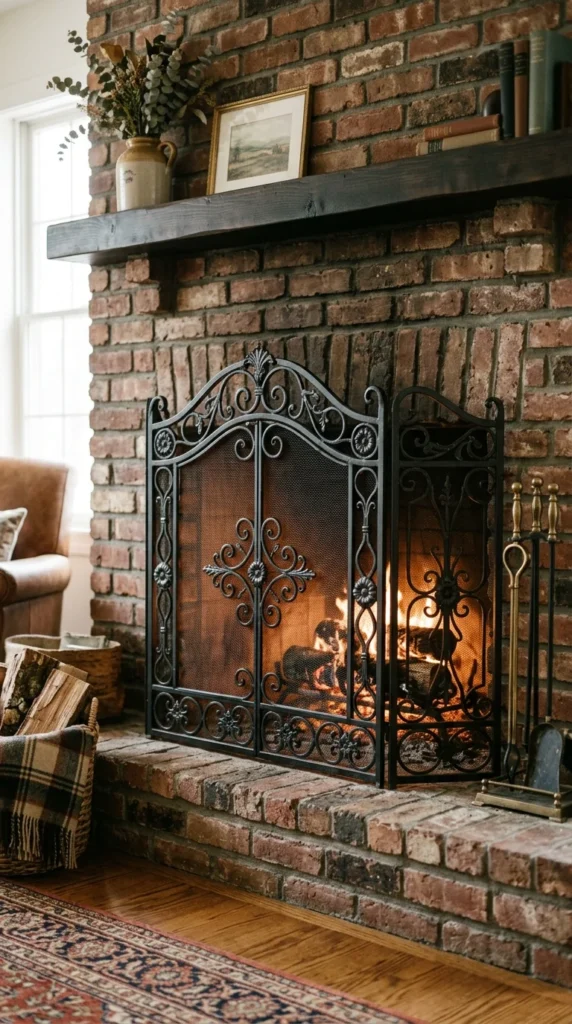
Toasters, stovetops, space heaters, and lit candles are obvious burn risks. However, even a lamp with an exposed bulb can cause a burn if a bird lands on it. Ensure all hot surfaces are covered or turned off and cooled down before the bird is allowed in the room. Never leave a bird unattended in a kitchen while cooking is in progress.
19. Open Toilets
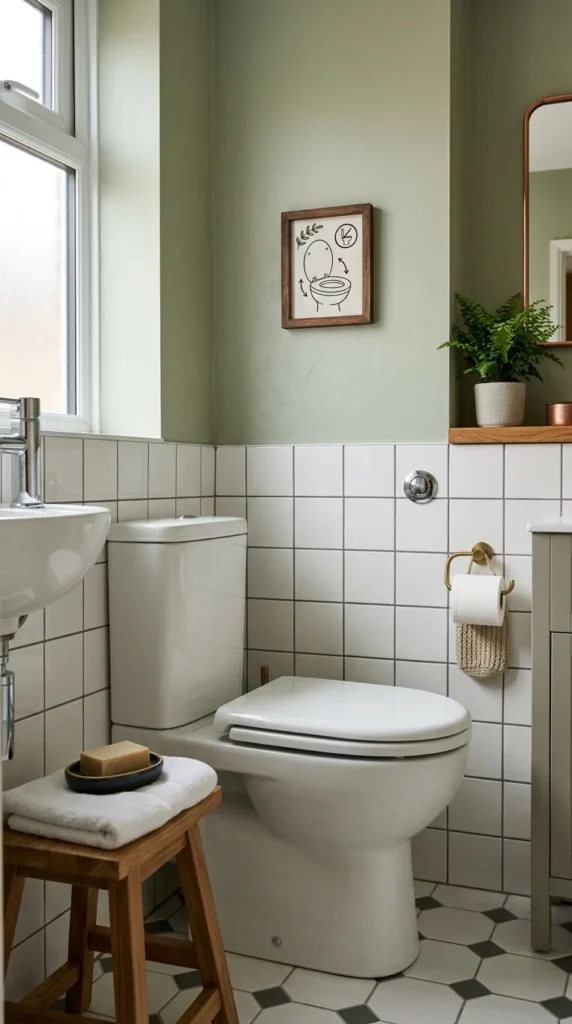
The bathroom is one of the most dangerous rooms in the house. An open toilet is a deep “pit” of water that a bird cannot climb out of once they fall in. Always keep the toilet lid down—no exceptions. Better yet, keep the bathroom door closed at all times to prevent the bird from entering this high-risk zone.
20. Drafts
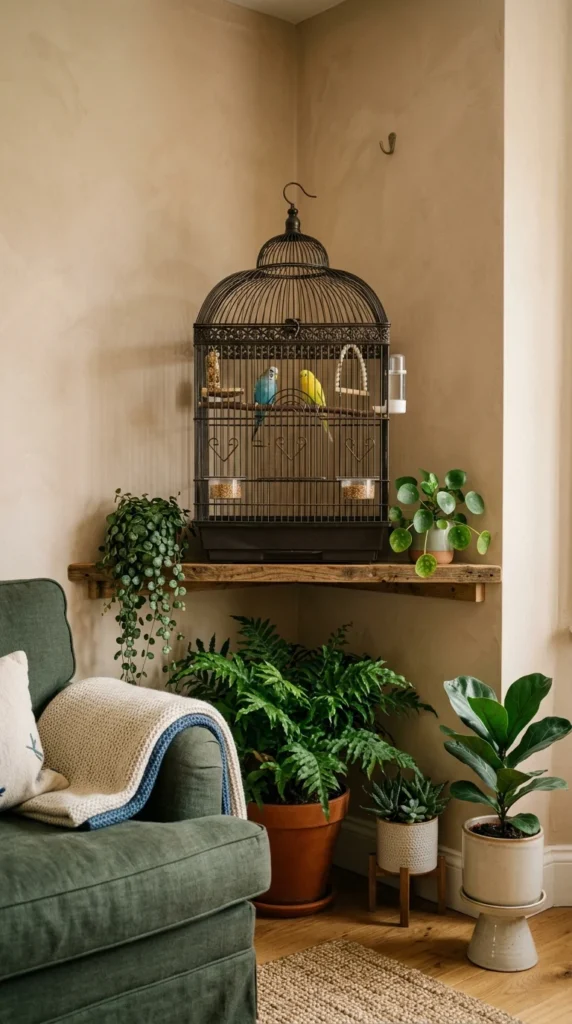
While not an immediate physical “accident,” consistent drafts can weaken a bird’s immune system, making them susceptible to illness. Avoid placing the cage directly in front of an air conditioning vent or a drafty window. A stable temperature is key to a bird’s health, so ensure their “home base” is in a protected, climate-controlled area of the house.