
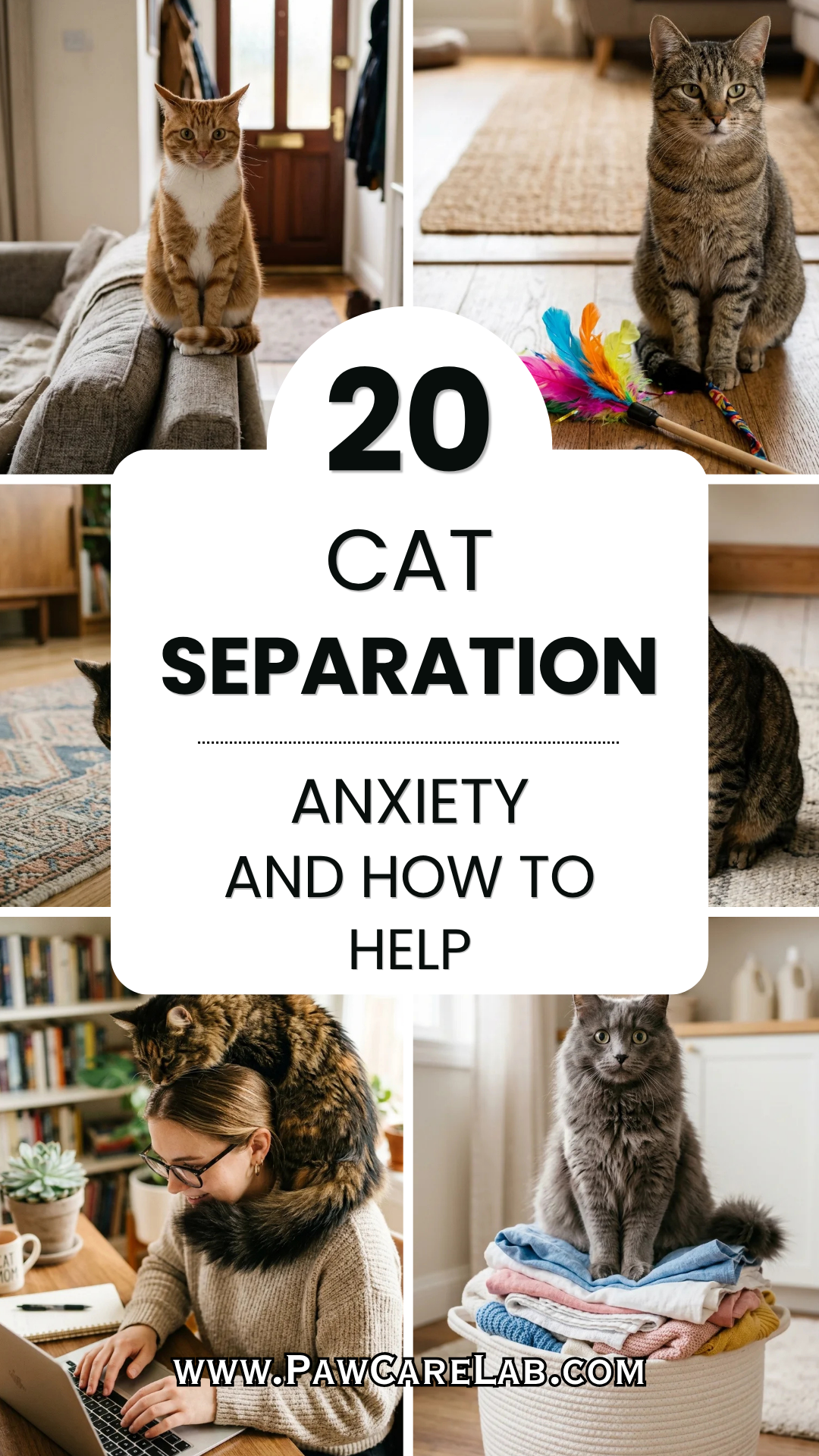
For a long time, the prevailing myth was that cats are solitary, aloof creatures that couldn’t care less whether their humans are home or not. However, feline behaviorists and devoted cat parents know the truth: cats form deep, complex emotional bonds with their caregivers. When these bonds are disrupted, even for a few hours, some cats experience profound distress known as separation anxiety.
Unlike dogs, who might howl or chew through a door, feline separation anxiety is often subtle, leading many owners to miss the signs until the behavior becomes severe. Understanding the symptoms is the first step toward creating a calmer, happier environment for your feline friend.
1. Vocalization
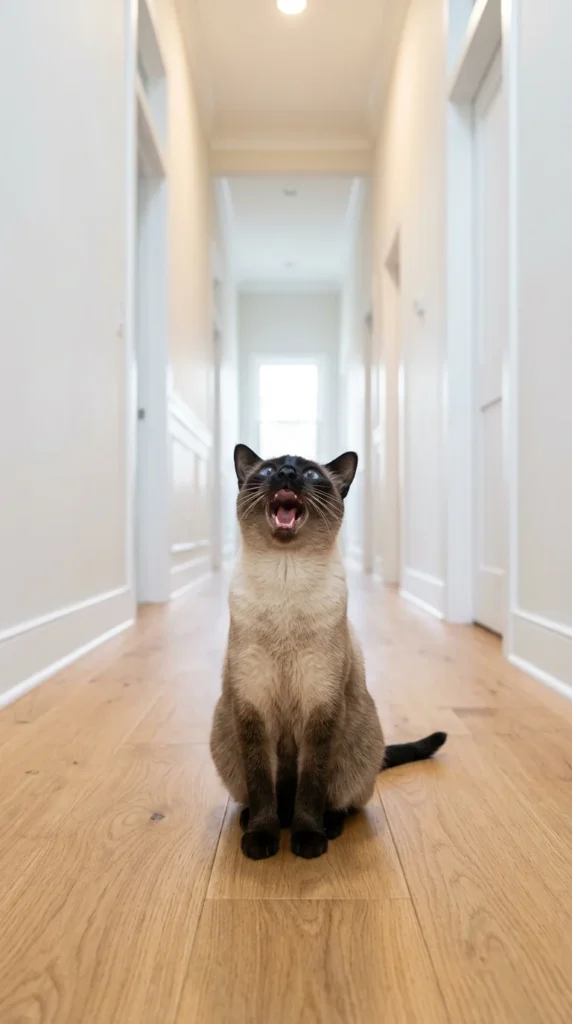
One of the most common signs of distress is excessive meowing, yowling, or “crying” that begins as soon as you start preparing to leave or shortly after you walk out the door. This isn’t just a standard “feed me” meow; it is a mournful, repetitive sound intended to call you back. Neighbors in apartment buildings are often the ones to report this behavior, as the cat may continue to wail for long periods after the owner has departed.
2. Inappropriate Urination
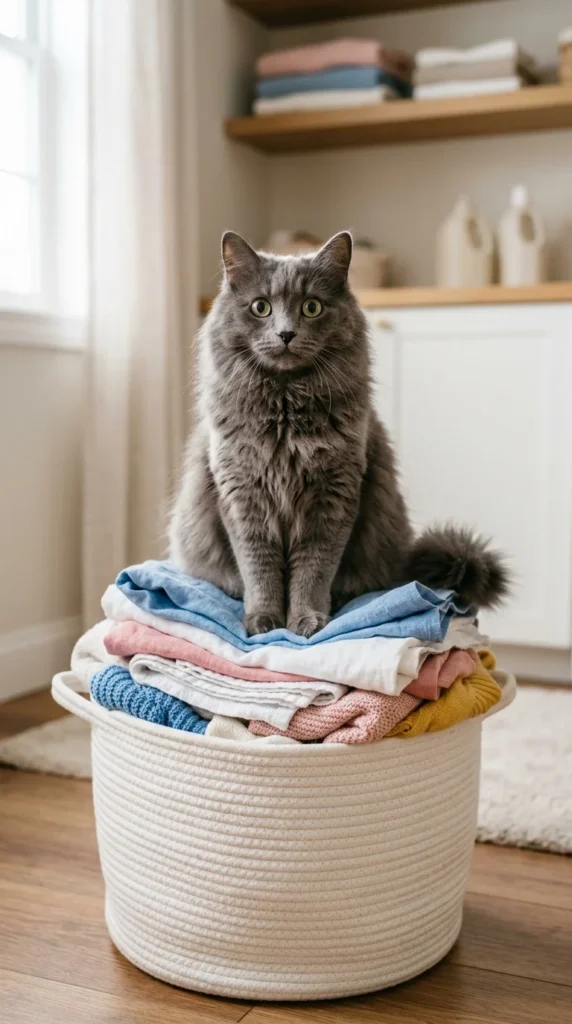
If your cat is suddenly bypasses the litter box to urinate on your bed, your clothes, or the sofa, it isn’t an act of “revenge.” Cats use their scent to self-soothe. By mixing their scent with yours—found most strongly on your bedding and laundry—they create a sense of security. This “maternal scent” connection helps them feel closer to you when you aren’t physically present, though it is admittedly a very frustrating symptom for the owner.
3. Destructive Scratching
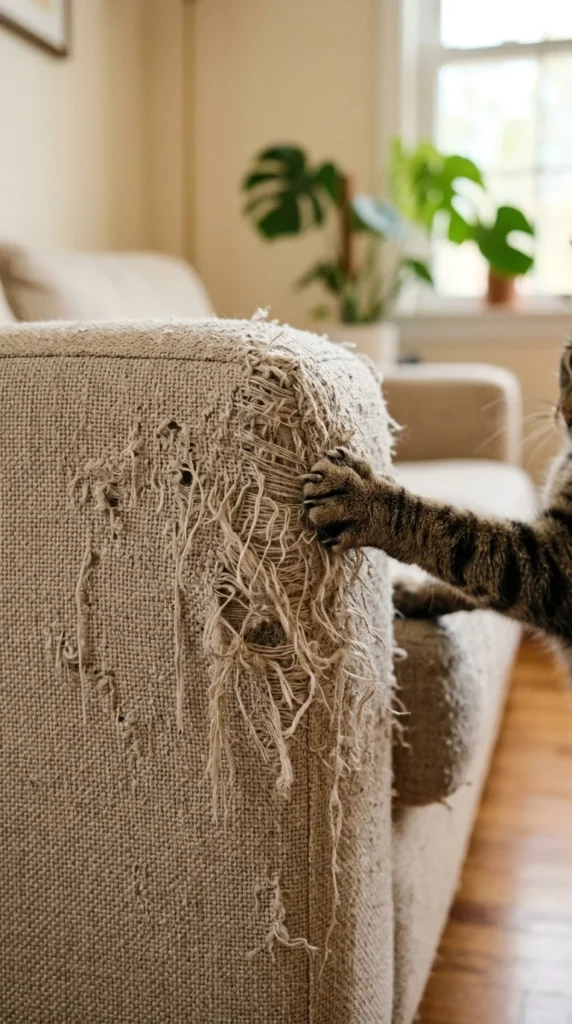
While all cats need to scratch, a cat with separation anxiety will focus their energy on exit points or items that smell like their owner. You might find shredded carpet near the front door or claw marks on the door frame itself. This is a physical manifestation of their desperate attempt to follow you or a way to burn off the high levels of cortisol (stress hormone) surging through their body.
4. Over-Grooming
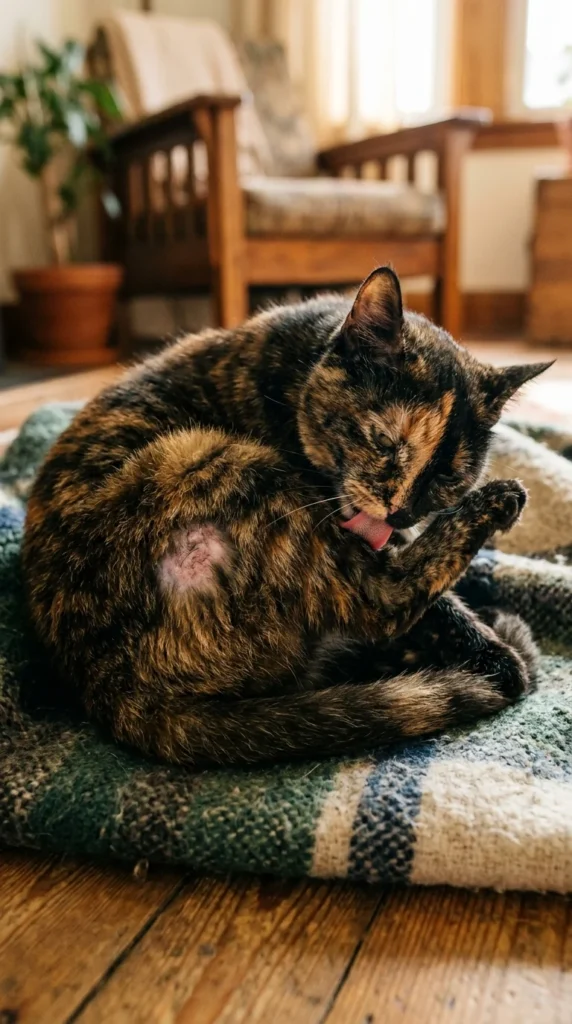
Psychogenic alopecia is the medical term for over-grooming caused by stress. Cats find the repetitive motion of licking to be soothing, similar to a human biting their nails. A cat suffering from separation anxiety may lick themselves so much that they create bald spots or even sores, particularly on their belly, inner thighs, or front legs.
5. Hyper-Attachment
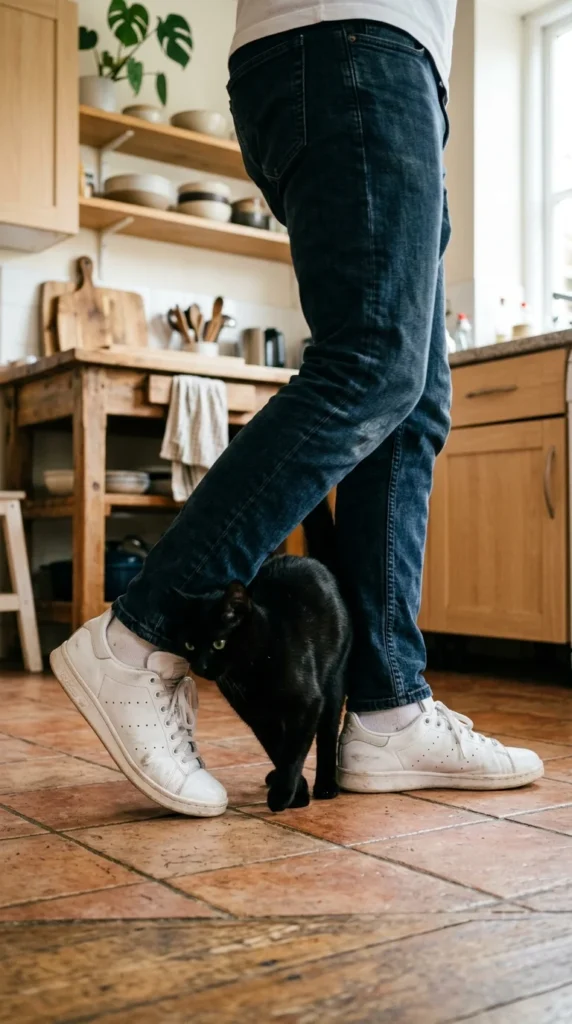
Commonly referred to as “Velcro cats,” these felines will follow you from room to room without exception. If you go to the bathroom, they cry at the door. If you sit down, they are instantly in your lap. While this can seem like pure affection, it becomes a sign of anxiety when the cat cannot settle or relax unless they are physically touching you or in your direct line of sight.
6. Appetite Loss
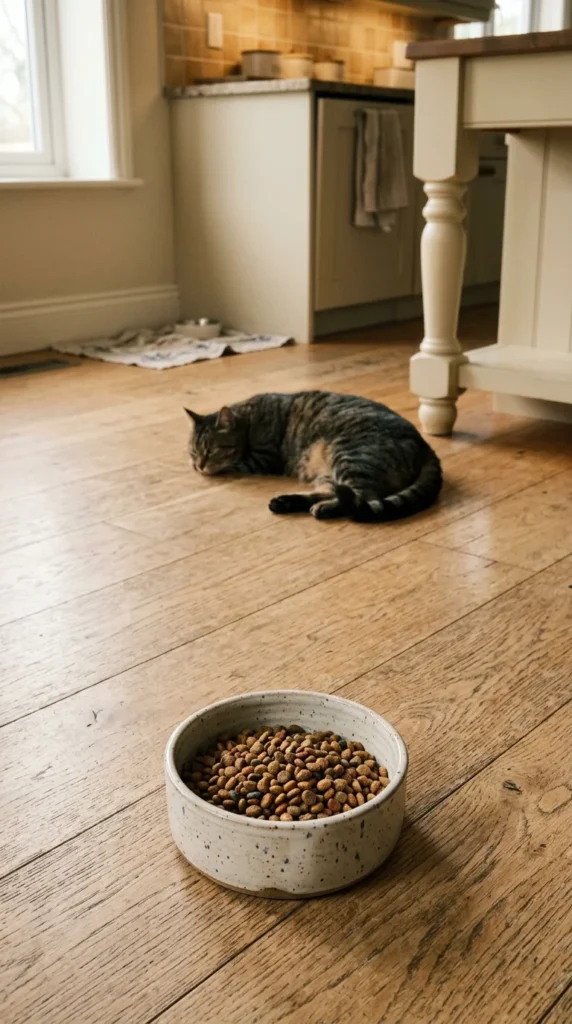
An anxious cat often loses interest in food when their primary caregiver is away. You might notice that your cat doesn’t touch their breakfast or treats the moment you leave, only to “scarf and barf” or eat ravenously the second you return. This lack of appetite is a direct result of the body’s “fight or flight” response, which shuts down non-essential functions like digestion.
7. Pacing
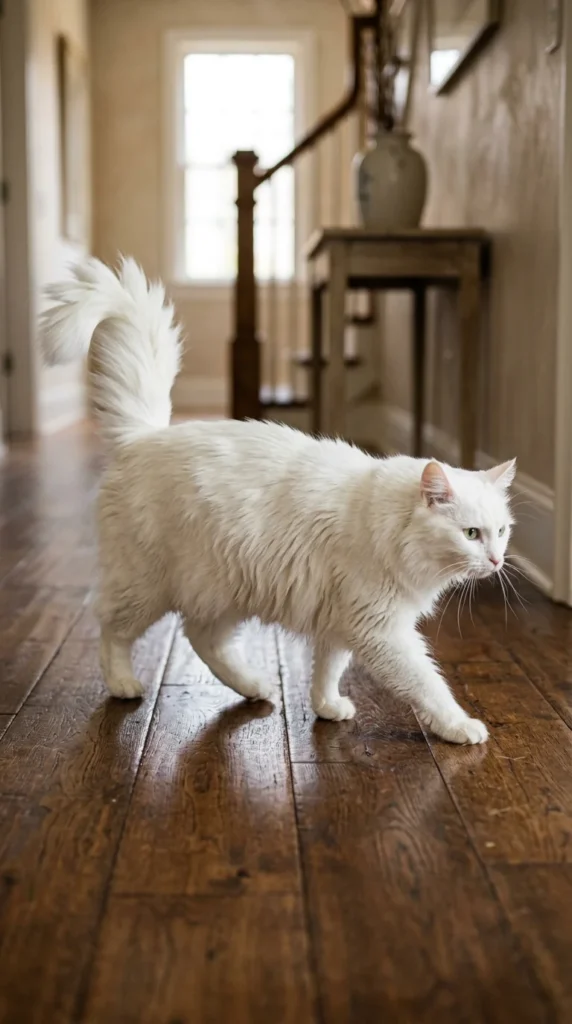
Just before you leave, or while you are gone, an anxious cat may pace back and forth along a specific path—usually between the door and a window. This repetitive movement is a sign of an inability to settle. It indicates a high state of arousal and an inability to find a comfortable “safe spot” in your absence.
8. Aggression
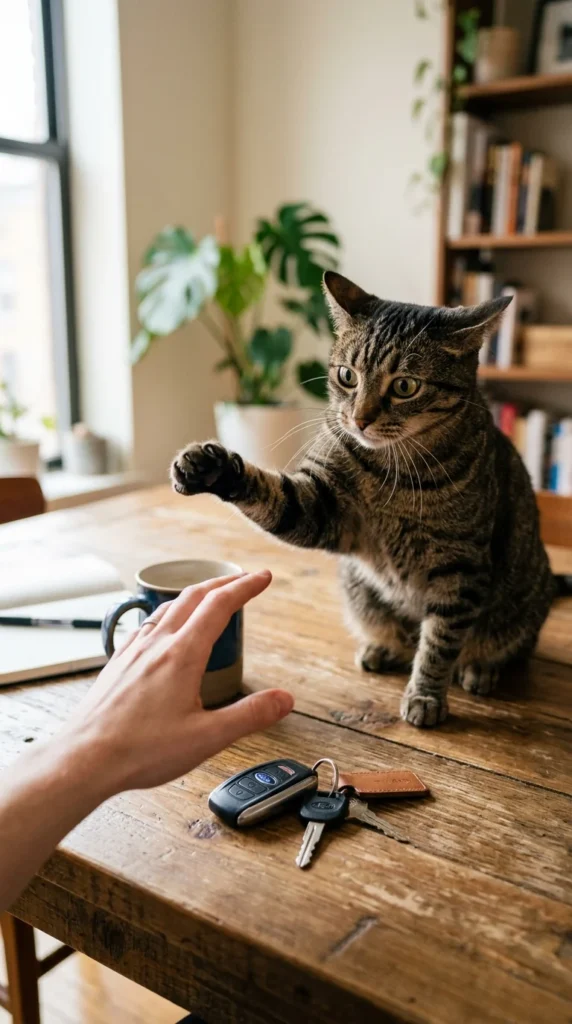
Some cats exhibit “pre-departure aggression.” When they see the cues that you are leaving—such as putting on shoes or grabbing your keys—they may hiss, swat, or even nip at your ankles. This is a panicked reaction; the cat is trying to “stop” the departure from happening by using defensive behaviors.
9. Vomiting
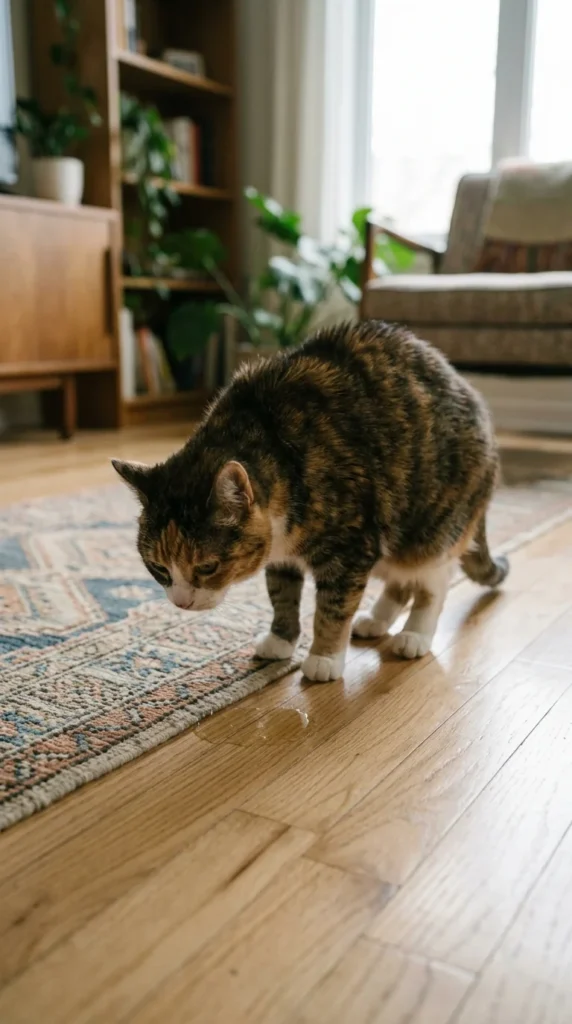
Stress can take a significant toll on a cat’s gastrointestinal system. Some cats become so physically upset by the prospect of being alone that they develop an upset stomach. If you frequently come home to find small piles of vomit (that aren’t hairball-related), and your vet has ruled out medical issues, it could be a psychosomatic response to the stress of your absence.
10. Hiding
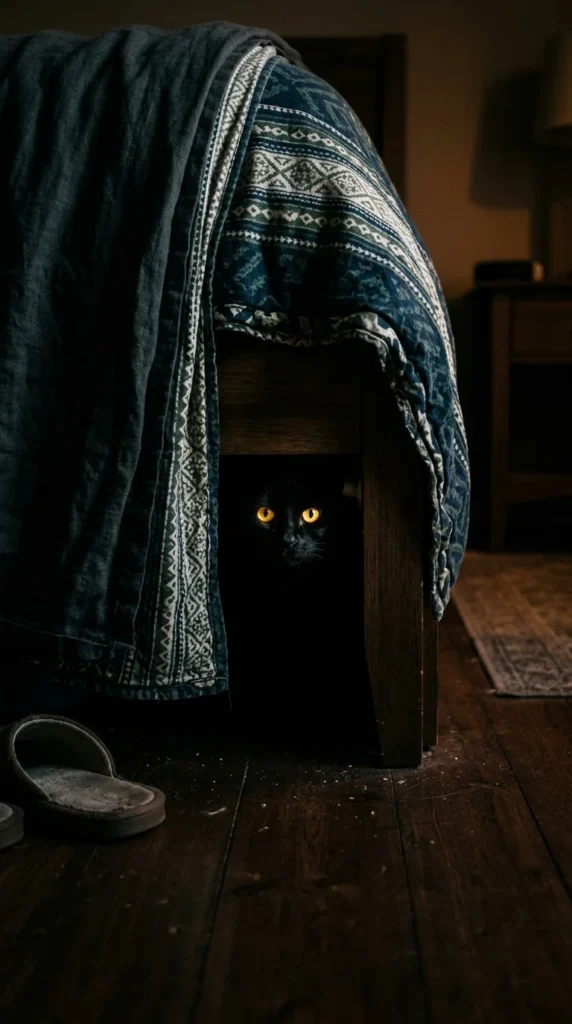
While some cats become vocal and destructive, others “shut down.” A cat with separation anxiety might retreat to a dark closet or under the bed the moment they realize you are preparing to leave. They remain in this state of frozen fear until they hear your key in the lock, essentially “disappearing” for the duration of the day.
11. Litter Box Avoidance
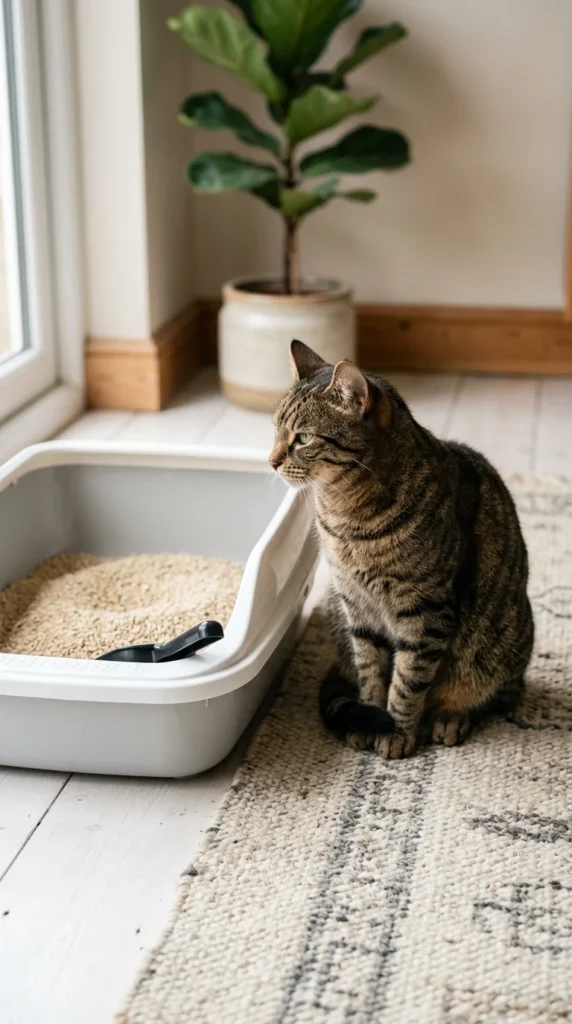
Similar to inappropriate urination, some cats will defecate outside the box when stressed. This is often done in highly visible areas, like the center of the living room or right in front of the door. It isn’t a “dirty” habit; it’s a frantic signaling behavior. The cat is trying to mark their territory as a way to feel more secure in a space that feels “empty” without you.
12. Door Scratching
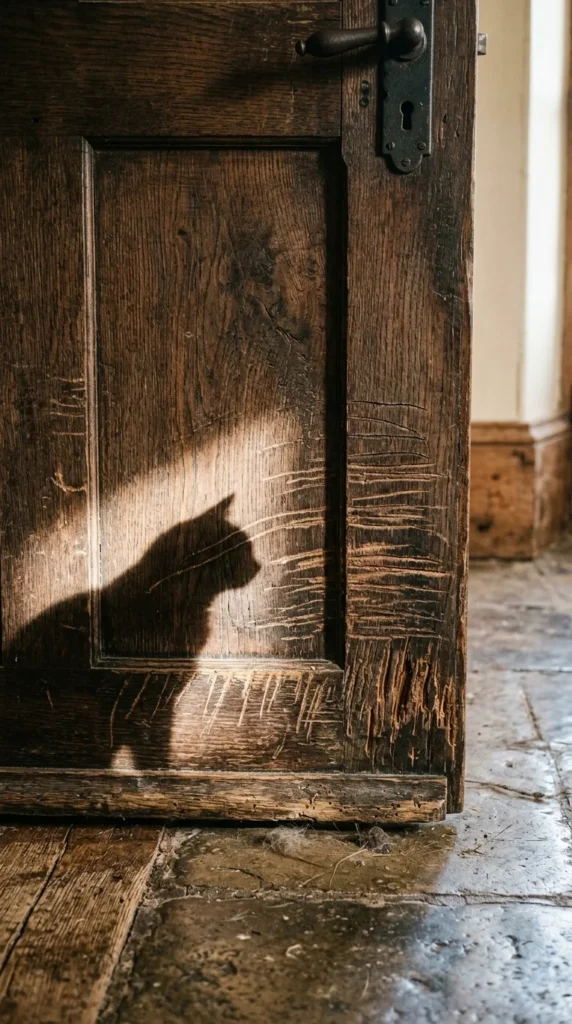
This is a specific form of destruction focused entirely on the barrier between the cat and the owner. The cat views the door as an obstacle to their safety (you). You may find the weather stripping torn away or the paint chipped off the bottom of the door where the cat has been frantically digging.
13. Restlessness
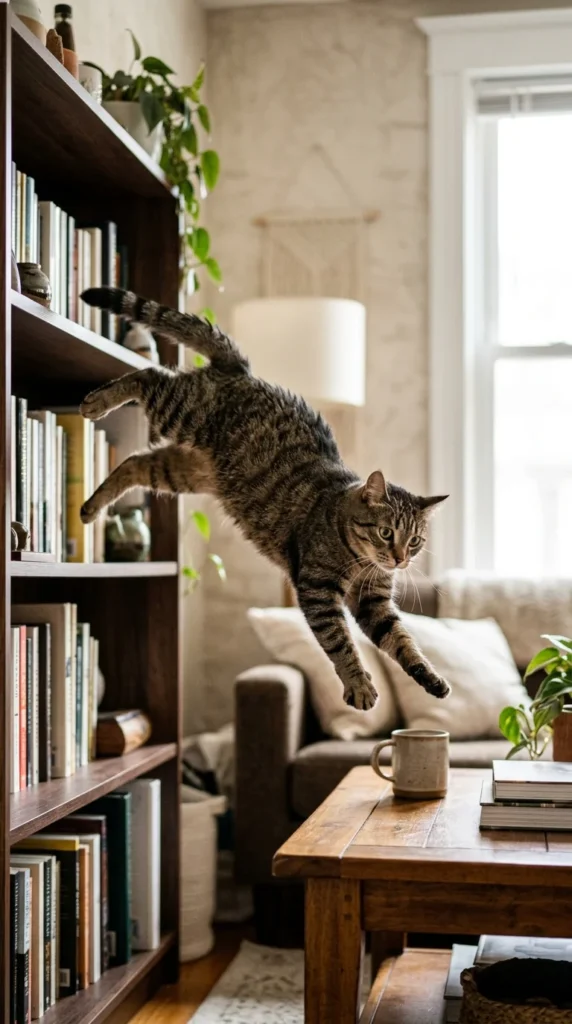
A calm cat spends most of the day sleeping. An anxious cat, however, cannot fall into a deep REM sleep when left alone. They remain in a state of “high alert,” jumping at every sound in the hallway or the street. When you return, you might find your cat looking exhausted because they haven’t slept a wink while you were gone.
14. Obsessive Licking
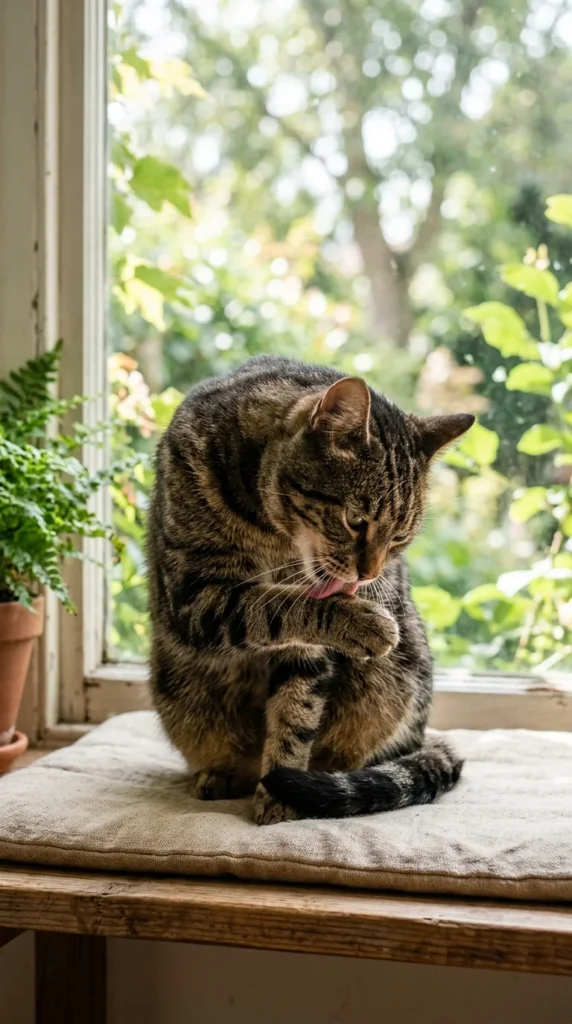
While this is related to over-grooming, it can also manifest as licking objects or the owner excessively. A cat might obsessively lick your hands or face the moment you return, or they might lick a specific blanket or toy until it is soaking wet. This “oral fixation” is a self-soothing mechanism used to lower their heart rate.
15. Lack of Playfulness
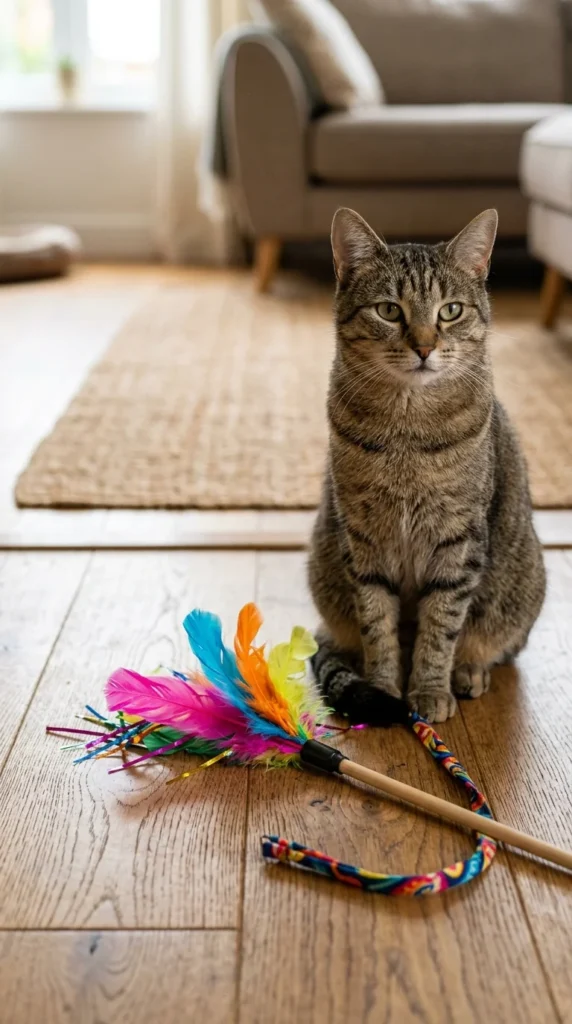
When a cat is in a state of chronic anxiety, their predatory drive (play) disappears. If you try to engage your cat in play before you leave and they show zero interest, or if you find that they haven’t touched their “solo toys” while you were out, it indicates that their mind is too preoccupied with your absence to enjoy normal feline activities.
16. Clinging to the Owner

When you are home, the cat may refuse to let you out of their sight. They might sit on your feet while you cook or stand on your chest while you try to sleep. This “clinging” is a way of monitoring your movements to ensure you aren’t planning another “disappearing act.”
17. Vigilance
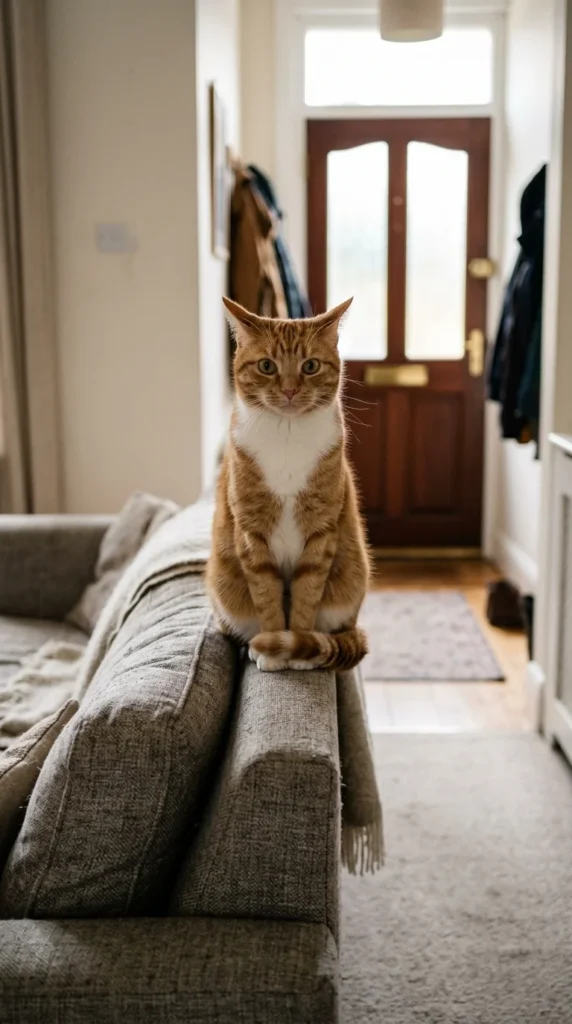
An anxious cat is always “on watch.” They may spend hours staring at the door or the place where you keep your keys. They are hyper-aware of your routine and will react to the slightest sound of a car engine or a neighbor’s footsteps, hoping it is you returning.
18. Depressive Mood
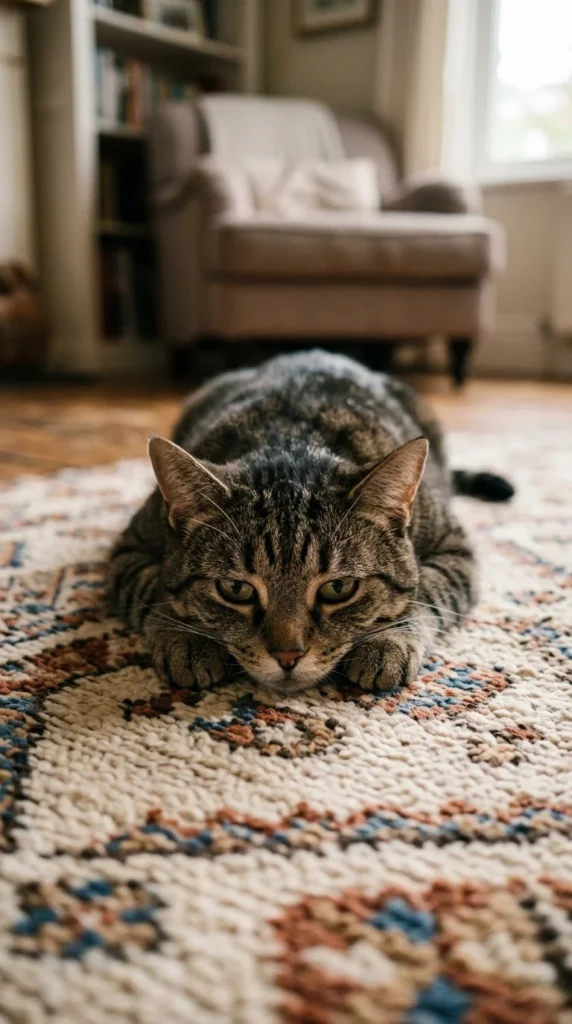
Some cats don’t act out; they withdraw. You might notice a general “dullness” in your cat’s personality. They may stop purring, stop greeting you at the door, and spend most of their time hunched in a “loaf” position. This feline depression is a serious manifestation of long-term emotional distress.
19. Panic Attacks
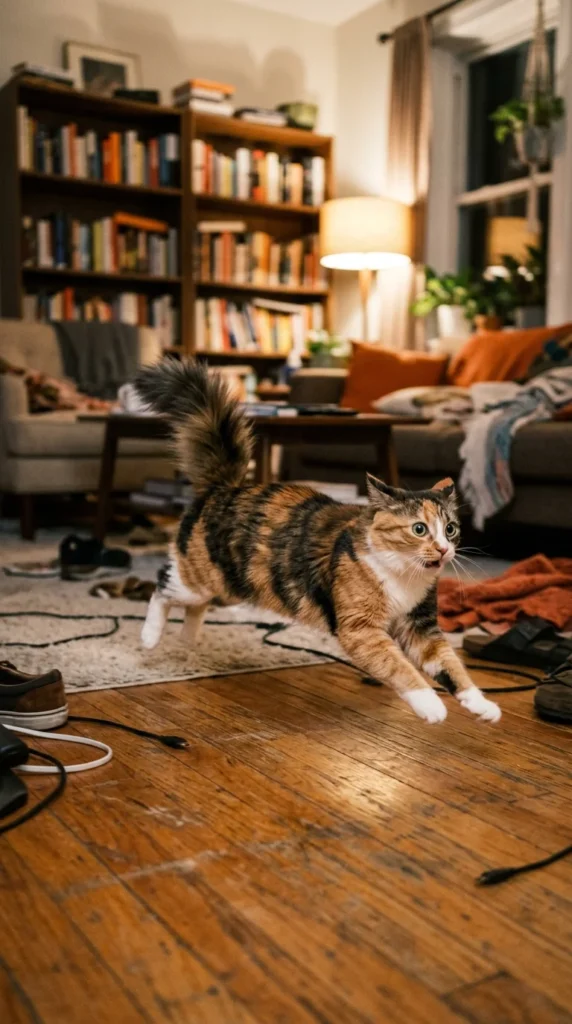
In extreme cases, a cat can experience a full-blown panic attack. This involves dilated pupils, rapid breathing (panting), and frantic, aimless running. This usually happens right at the moment of departure, as the cat’s nervous system becomes completely overwhelmed by the fear of being alone.
20. Weight Loss
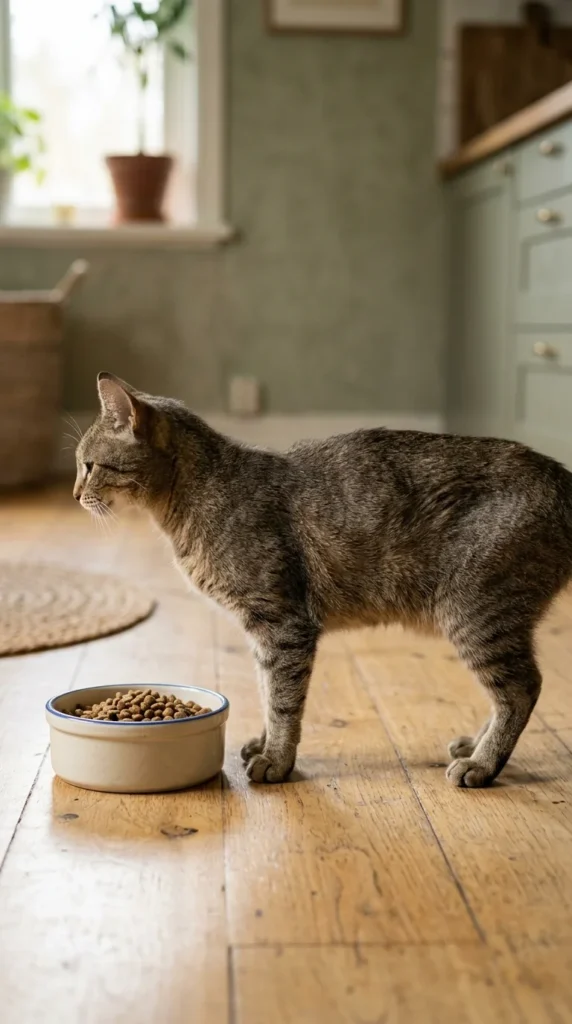
Chronic stress burns a lot of energy. Between the pacing, the lack of sleep, and the loss of appetite, a cat with severe separation anxiety may lose weight. If your cat is getting thinner despite food being available, it is a sign that their mental health is significantly impacting their physical well-being.
How to Help Your Cat
If you recognize these signs, don’t despair. Feline separation anxiety is treatable with patience, environmental changes, and sometimes professional help. Here is how you can help your cat feel safe when they are home alone.
Environmental Enrichment
The goal is to make the “home alone” time the best part of the day.
- Puzzle Feeders: Instead of a bowl, put their favorite treats in a puzzle toy that requires time and brainpower to solve.
- Vertical Space: Provide cat trees and window perches so they can watch birds or “cat TV” while you are gone.
- Scent Swapping: Leave a t-shirt you’ve recently worn in their favorite sleeping spot to provide comfort.
Desensitize Departure Cues
Cats are masters of observation. They know that when you pick up your keys, you are leaving.
- Mix it Up: Pick up your keys, then sit down and watch TV. Put on your coat, then go into the kitchen and make a sandwich.
- Low-Key Departures: Don’t make a big deal out of leaving or coming home. Avoid long, emotional goodbyes. When you return, ignore the cat for five minutes until they are calm, then greet them quietly.
Use Pheromones and Calming Aids
- Feliway: Synthetic pheromone diffusers mimic the “happy markers” cats leave when they rub their cheeks on things. This can significantly lower the ambient stress in the home.
- Calming Music: There is music specifically composed for feline ears that uses frequencies and tempos shown to reduce stress in cats.
Establish a Strict Routine
Cats thrive on predictability. Try to feed, play with, and groom your cat at the same time every day. When the rest of their world is predictable, the “unpredictability” of your absence becomes easier to handle.
Consult a Professional
If the anxiety is leading to self-harm (over-grooming) or extreme weight loss, it is time to see a veterinarian.
- Medical Checkup: Ensure there isn’t an underlying thyroid or urinary issue.
- Medication: In some cases, short-term anti-anxiety medication can help “reset” the cat’s brain, allowing behavioral training to be more effective.
- Behaviorist: A certified feline behavior consultant can create a custom plan to help your cat gain independence.
Helping a cat with separation anxiety takes time, but the reward—a confident, happy cat who can relax while you’re away—is well worth the effort.