
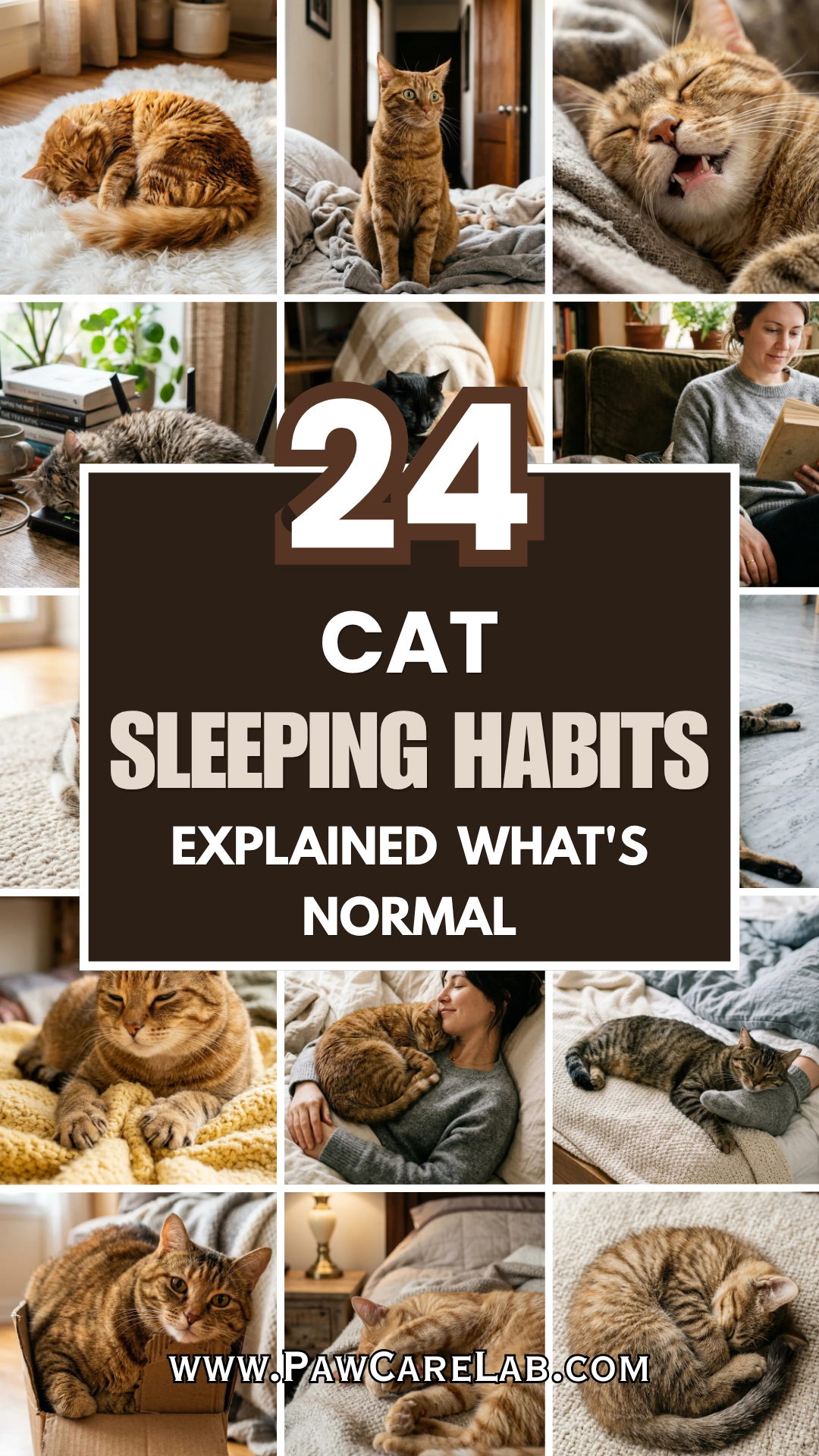
If you feel like your cat spends more time in dreamland than in the real world, you aren’t imagining things. On average, cats sleep between 12 and 16 hours a day, with some seniors and kittens clocking in up to 20 hours. This marathon sleeping habit is an evolutionary carryover from their ancestors, who needed to conserve massive amounts of energy for short, explosive bursts of hunting.
However, cat sleep is far from simple. From the “loaf” to the “belly-up,” the way your cat positions themselves and the sounds they make can tell you a lot about their health, mood, and level of trust. Here are 24 common cat sleeping habits explained.
1. Catnapping

The “catnap” is the most common form of feline rest. Unlike humans, who often dive straight into a deep sleep, cats spend about 70% of their rest time in a light doze. During a catnap, your feline friend is fully aware of their surroundings. Their ears might twitch toward a sound, and their tail might flick if you speak to them. This allows them to get some rest while remaining ready to spring into action if a predator—or a treat—appears.
2. Deep Sleep
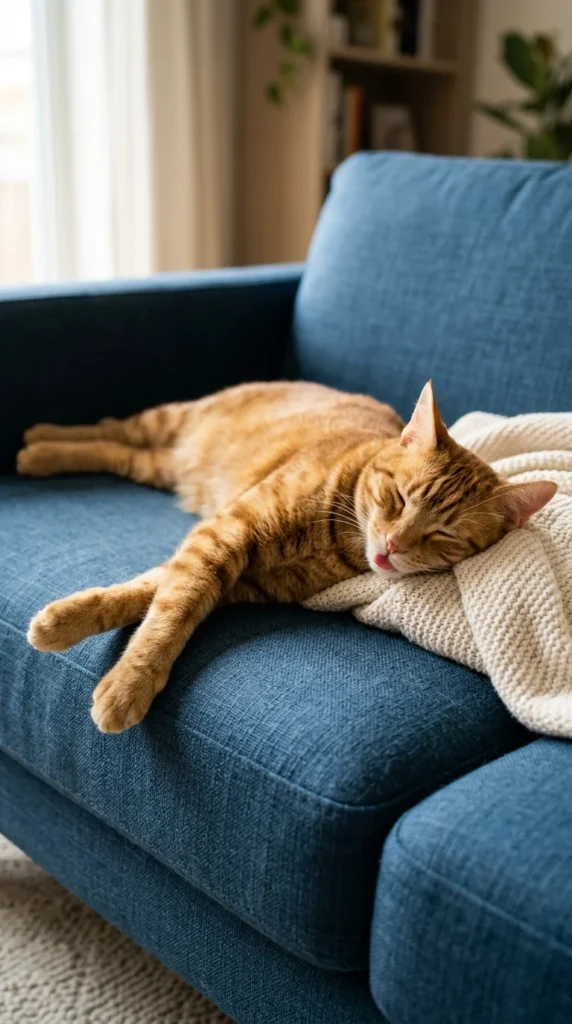
About 25% of a cat’s sleep is “deep sleep,” which usually happens in 10-to-15-minute increments. This is the restorative phase where the body repairs itself and the immune system gets a boost. During deep sleep, cats are much harder to wake up. You might notice their body becoming completely limp, and this is the only time they are truly “off duty.”
3. Dreaming
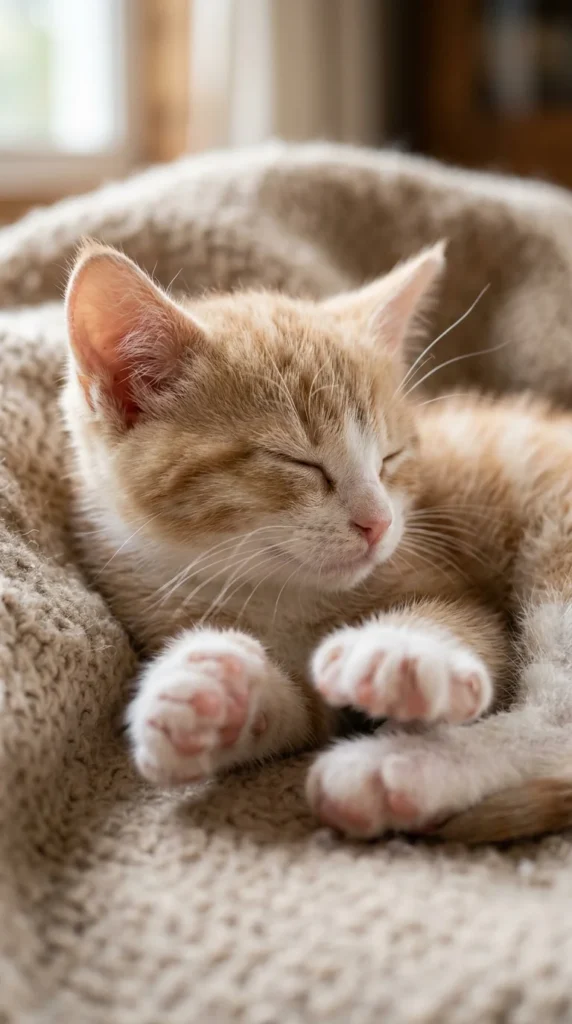
Just like humans, cats experience REM (Rapid Eye Movement) sleep. This is when dreaming occurs. If you see your cat’s whiskers twitching, their paws “paddling,” or hear soft muffled chirps, they are likely dreaming of chasing a laser pointer or catching that elusive bird in the backyard. This is perfectly normal and a sign of a healthy brain.
4. The Loaf
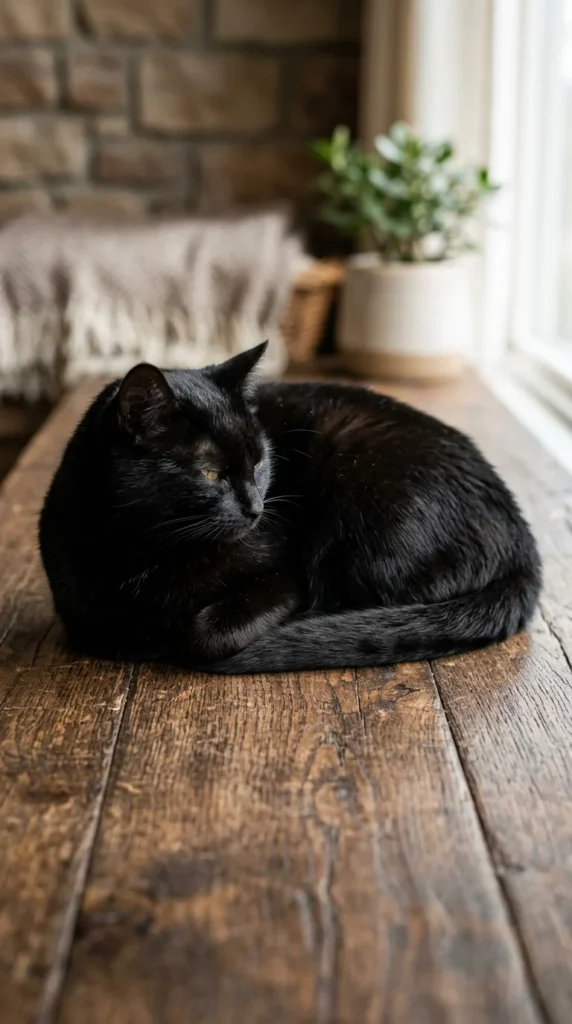
The “loaf” is a classic feline position where the cat hides its paws under its body, resembling a loaf of bread. This habit indicates that the cat is relaxed but not ready for a deep sleep. By keeping their paws tucked but their head upright, they are conserving body heat while staying in a position that allows them to stand up quickly if needed.
5. Belly Up
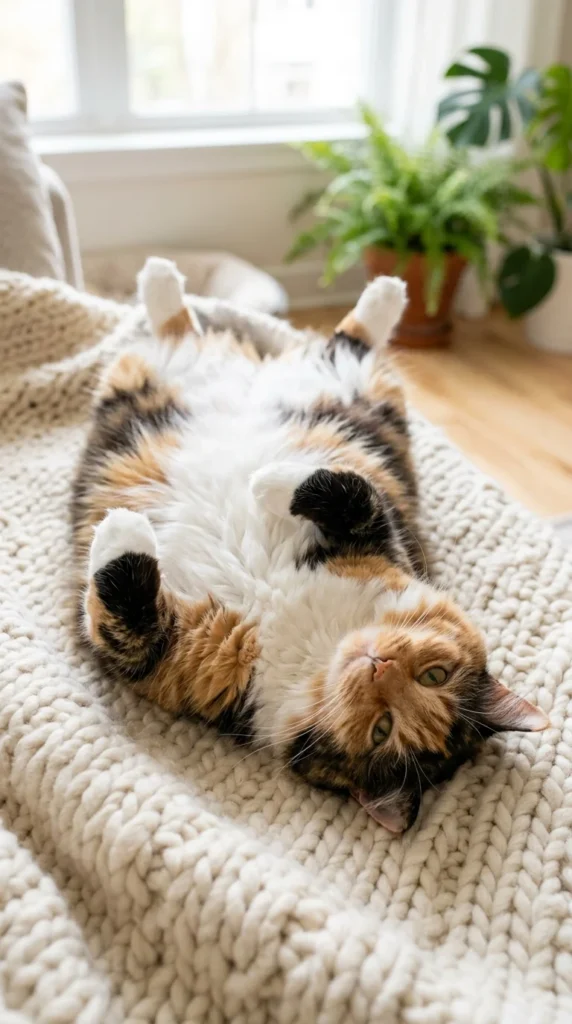
Exposing the belly is the ultimate sign of trust. In the wild, the abdomen is the most vulnerable part of a cat’s body, housing all vital organs. If your cat sleeps with their belly up, it means they feel 100% safe in their environment and don’t feel the need to protect themselves from any threats.
6. The Crescent
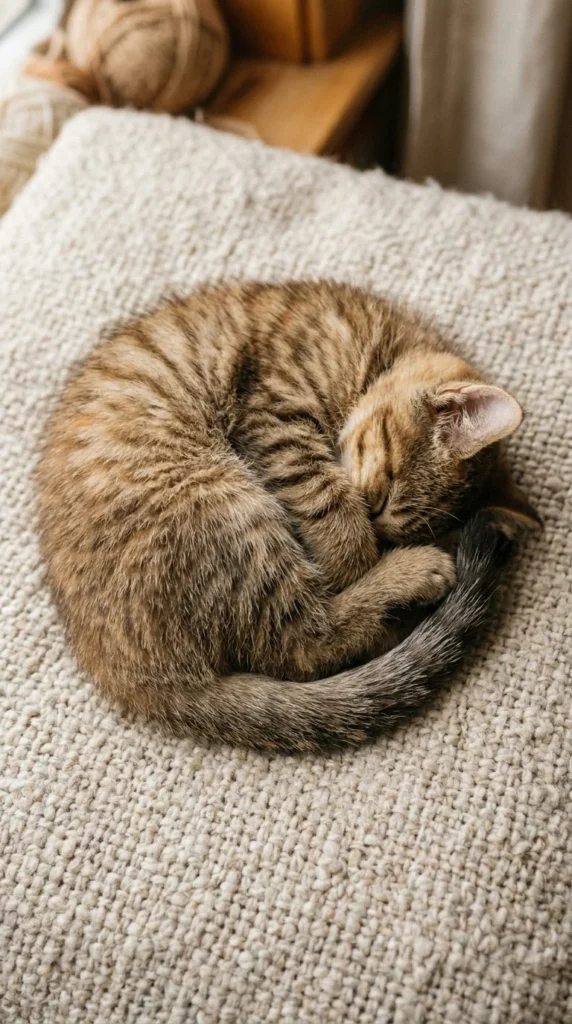
The crescent or “curled” position is a survival instinct. By curling into a tight ball, cats protect their vulnerable organs and maximize their body heat. Even in a warm house, many cats prefer this position because it makes them feel secure and enclosed.
7. Eye Covering
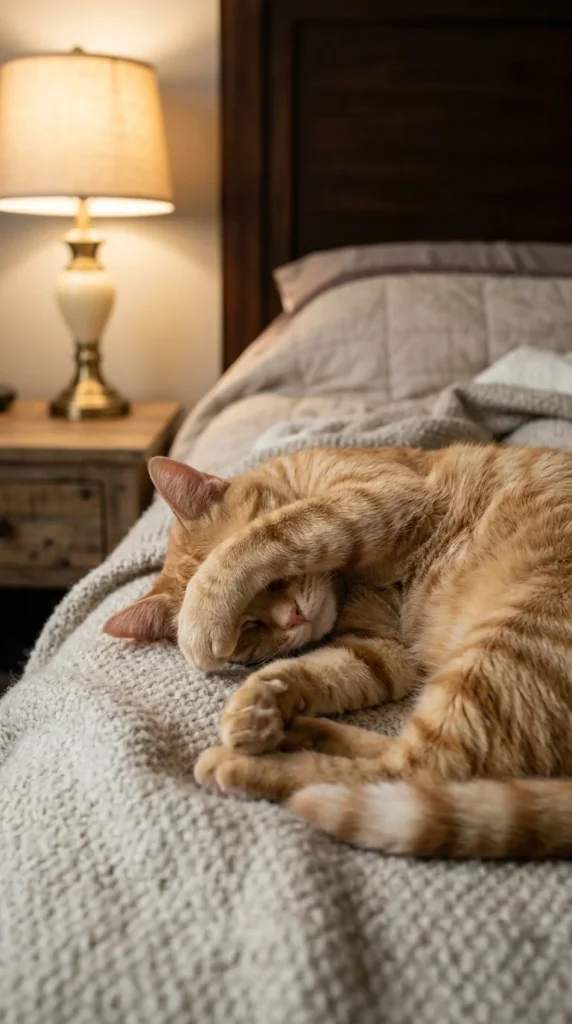
Have you ever seen your cat put their paw over their face while sleeping? This is usually a practical habit. Cats are sensitive to light, and since they often sleep during the day, they use their paws as a natural sleep mask. It’s their way of saying, “Turn off the lights, I’m trying to nap!”
8. One Eye Open
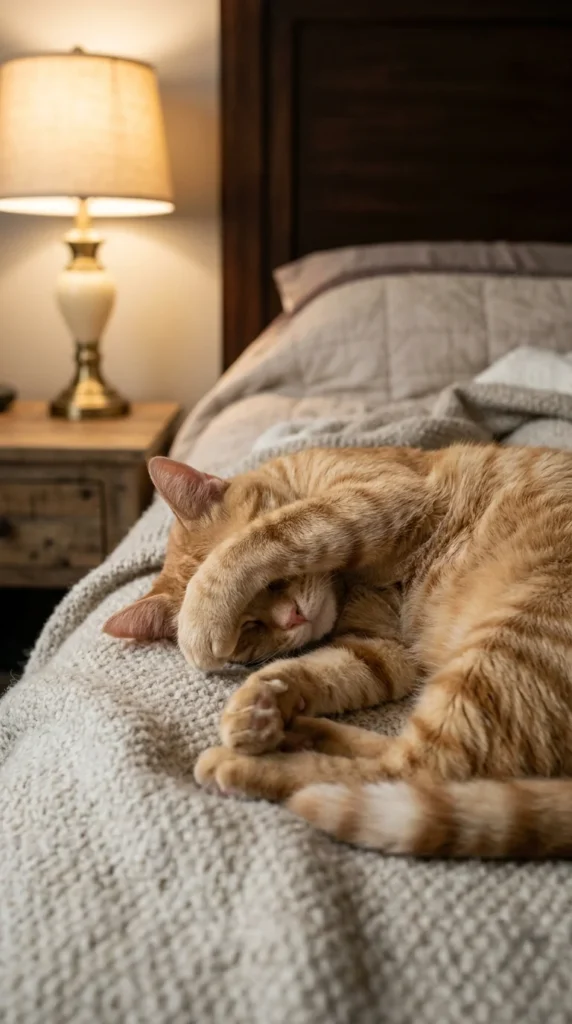
Cats have evolved a “half-brain” sleep style similar to dolphins, though not quite as extreme. They can sometimes rest with one eye partially open to monitor for movement. If you see the inner white membrane (the third eyelid), don’t panic—it’s a natural protective layer that often slides across when the cat is in a state of semi-consciousness.
9. Snoring
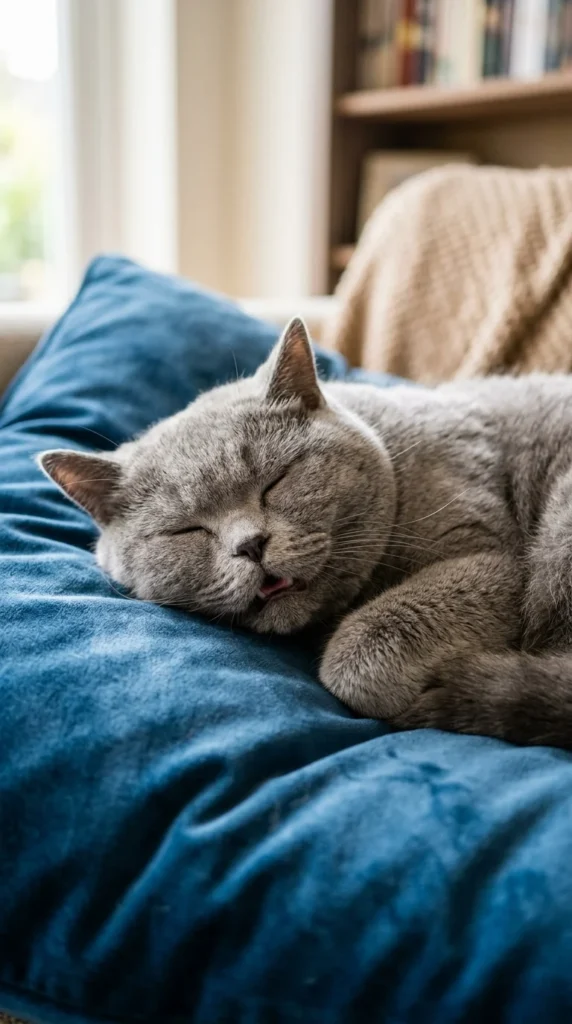
Snoring is relatively common in cats, especially in brachycephalic (flat-faced) breeds like Persians or Himalayans. It occurs when the airway is partially obstructed by the soft palate. While usually normal, if your cat suddenly starts snoring loudly or shows signs of labored breathing while awake, a vet visit is recommended.
10. The Sphinx
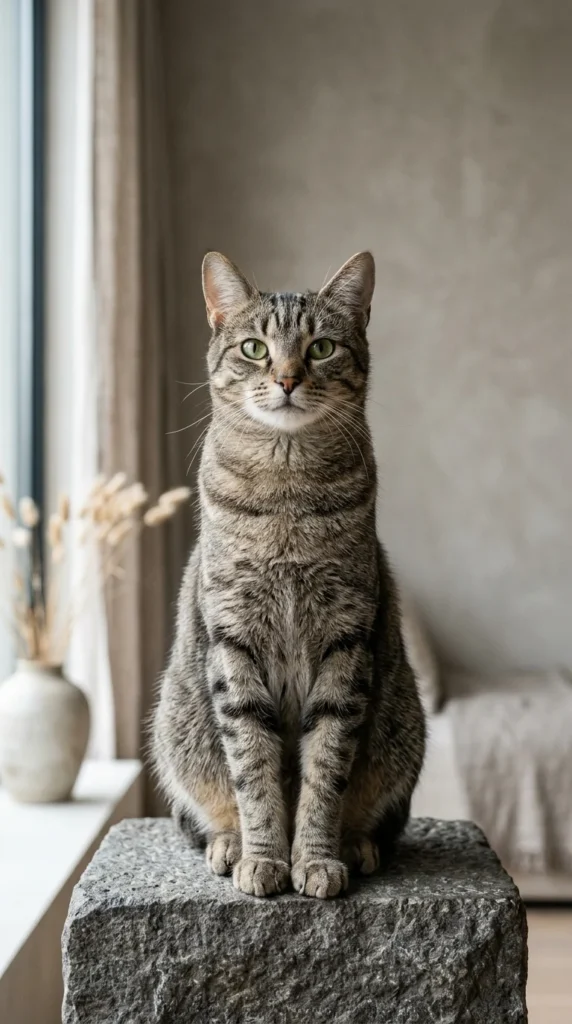
The Sphinx position is a “power nap” pose. The cat is resting its weight on its haunches but keeping its head elevated. This habit is common when a cat is curious about what’s happening in the room but is too tired to stay fully active. They are effectively “resting their eyes” without fully committing to sleep.
11. Box Sleeping
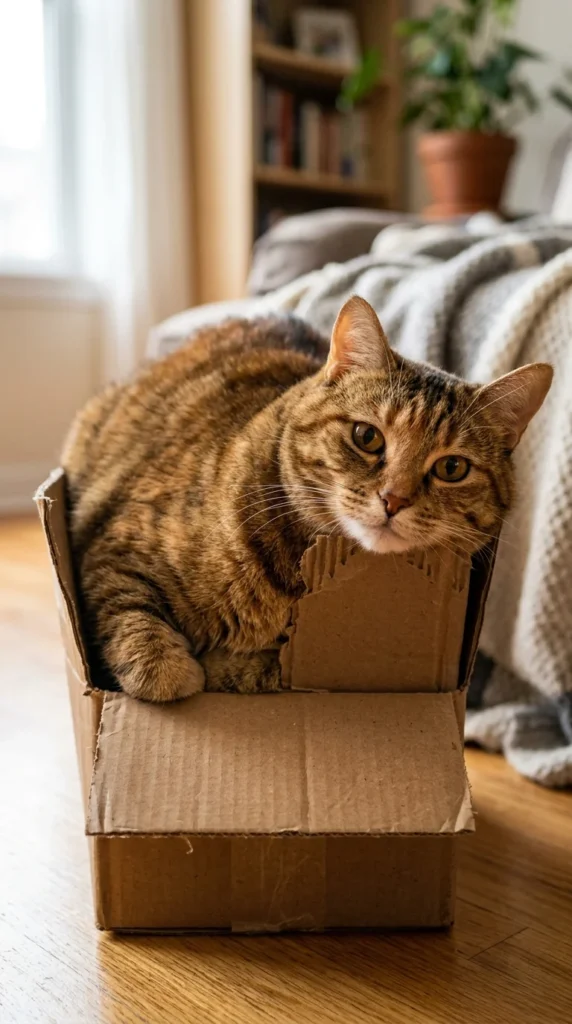
Cats love boxes because they provide “enclosed security.” Sleeping in a box reduces the number of angles a “predator” could approach from. It also helps with thermoregulation, as cardboard is a surprisingly good insulator. Even if the box is too small, the pressure against their sides provides a sense of comfort.
12. Vertical Perching
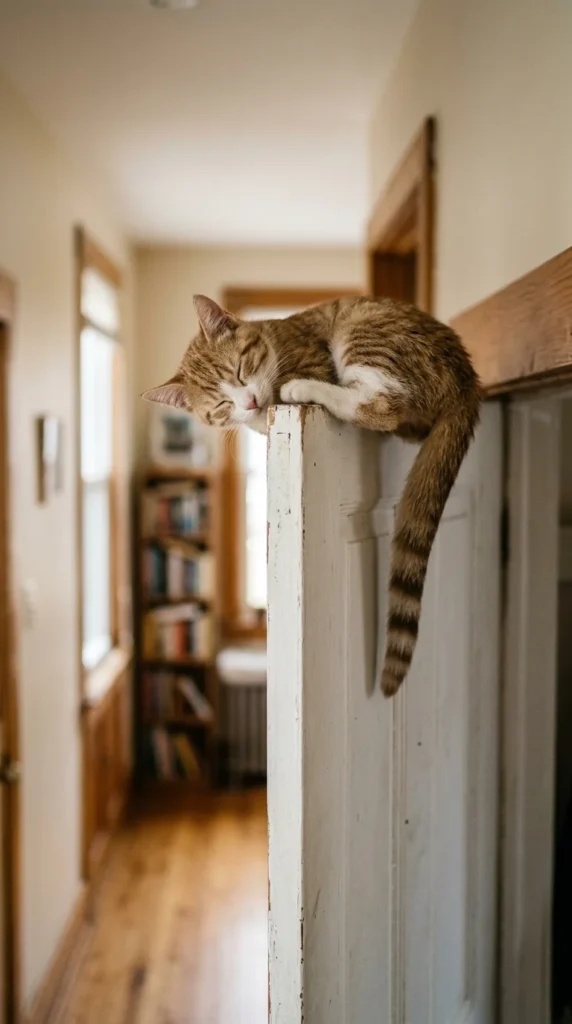
Many cats prefer to sleep in high places, such as the top of a refrigerator, a bookshelf, or a cat tree. This is an instinctual habit to stay out of reach of ground-level threats. High perches also give them a literal “bird’s-eye view” of their kingdom, allowing them to sleep more soundly knowing nothing can sneak up on them.
13. Under Covers
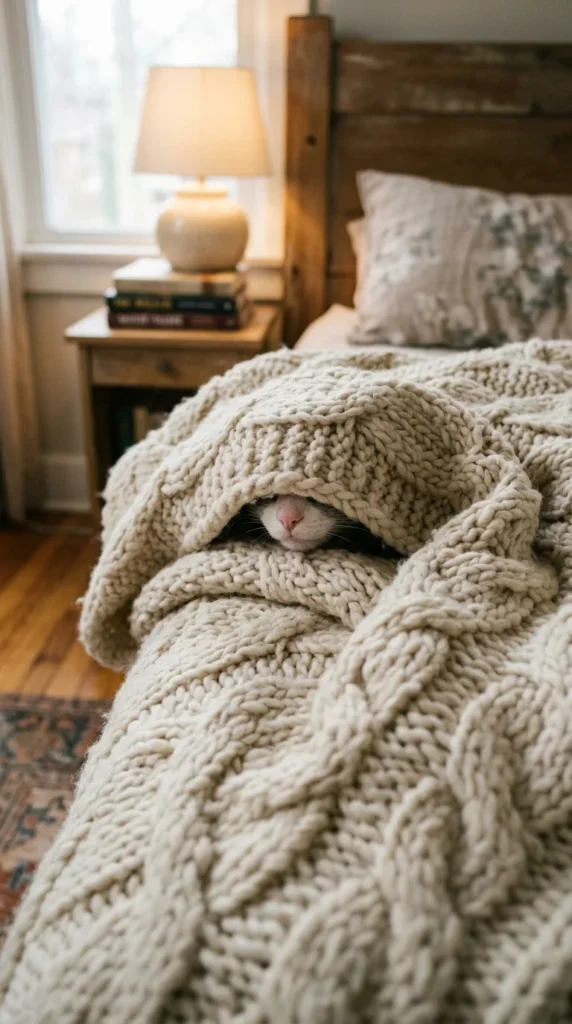
Some cats are “burrowers.” They love to sleep under blankets, duvets, or even in piles of laundry. This behavior mimics sleeping in a den. It provides warmth and a complete sense of isolation from the outside world. If your cat does this, just be careful where you sit!
14. Chest Sleeping
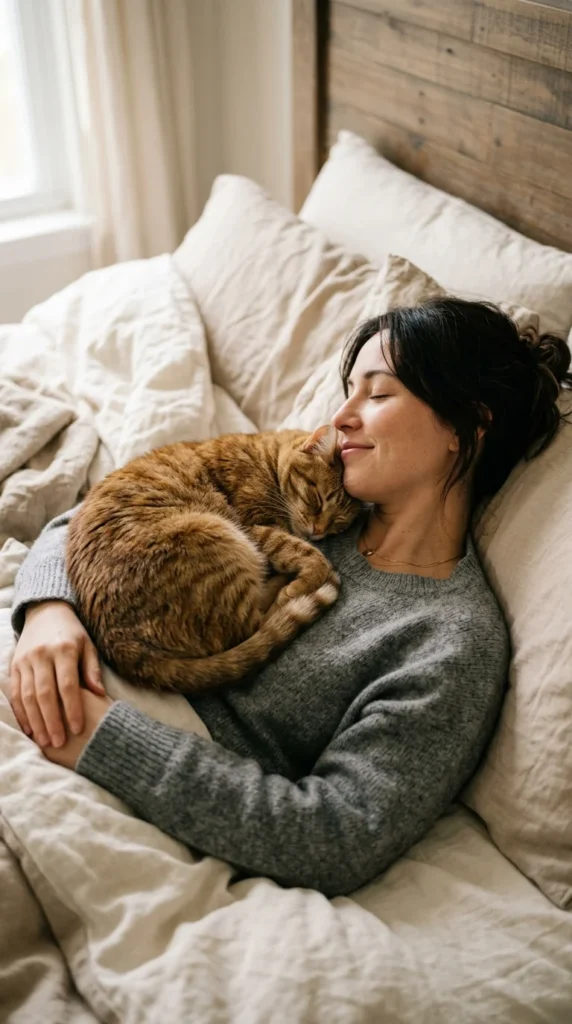
If your cat insists on sleeping on your chest, they are seeking two things: warmth and your heartbeat. The rhythmic sound of your heart is incredibly soothing to a cat, reminding them of being a kitten with their mother. It’s also a way for them to claim you as their “person” by marking you with their scent.
15. Foot Guardian
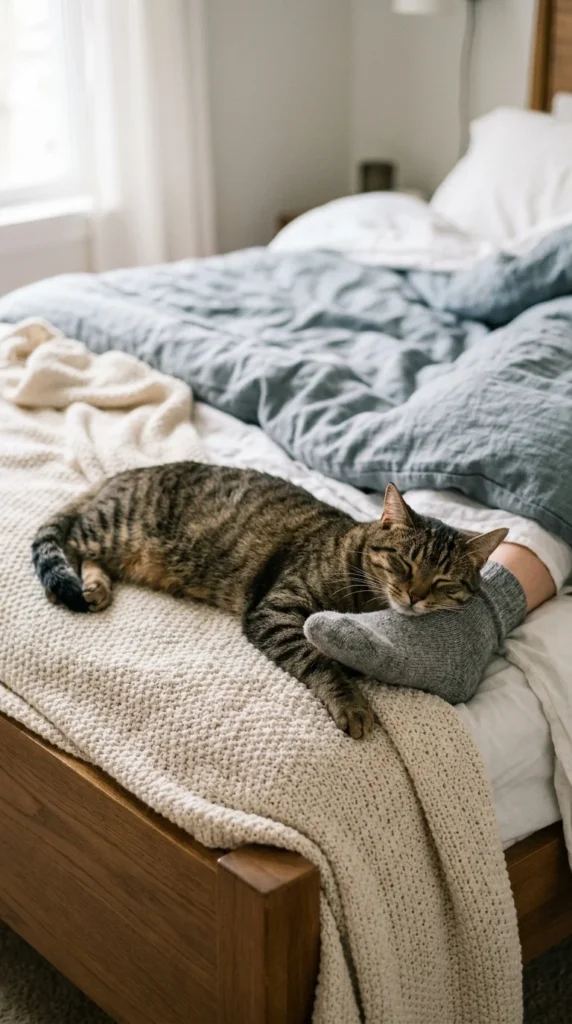
Sleeping at the foot of the bed is a strategic choice. It allows the cat to stay close to you for security while maintaining a clear exit route. They don’t feel “trapped” by your arms or blankets and can jump off the bed instantly if they hear a noise in the hallway.
16. Making Biscuits
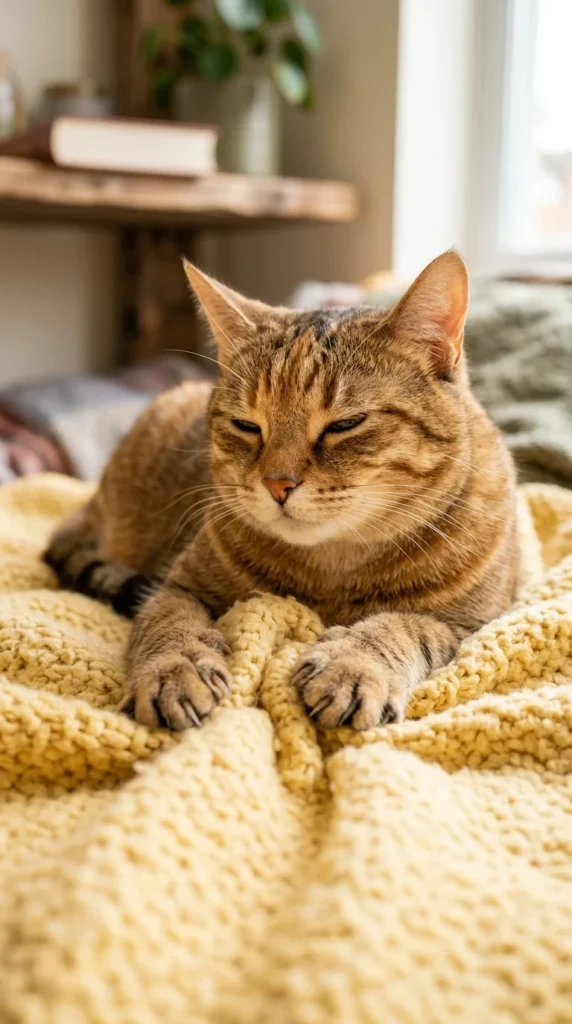
Kneading, or “making biscuits,” often precedes sleep. This is a rhythmic motion cats learn as kittens to stimulate milk flow from their mother. As adults, they do it when they feel extremely safe and content. It’s a way of “softening” their sleeping area and signaling that they are ready to drift off.
17. Sideways Stretch
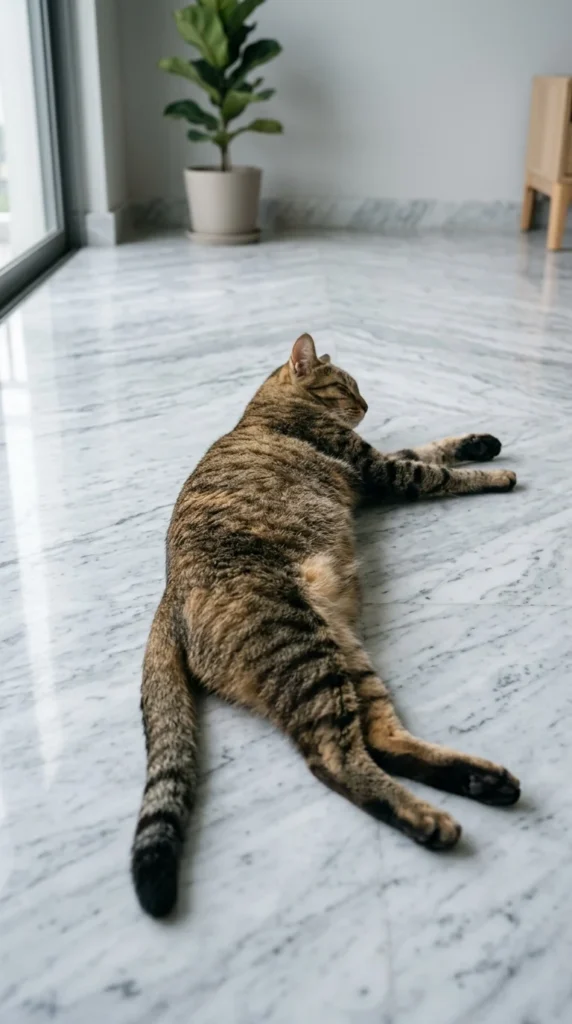
When a cat stretches out completely on its side, it’s usually trying to regulate its temperature. By exposing more surface area to the air or a cool floor, they can dump excess body heat. This position also indicates a high level of comfort, as they aren’t in a position to run away quickly.
18. Face Planting
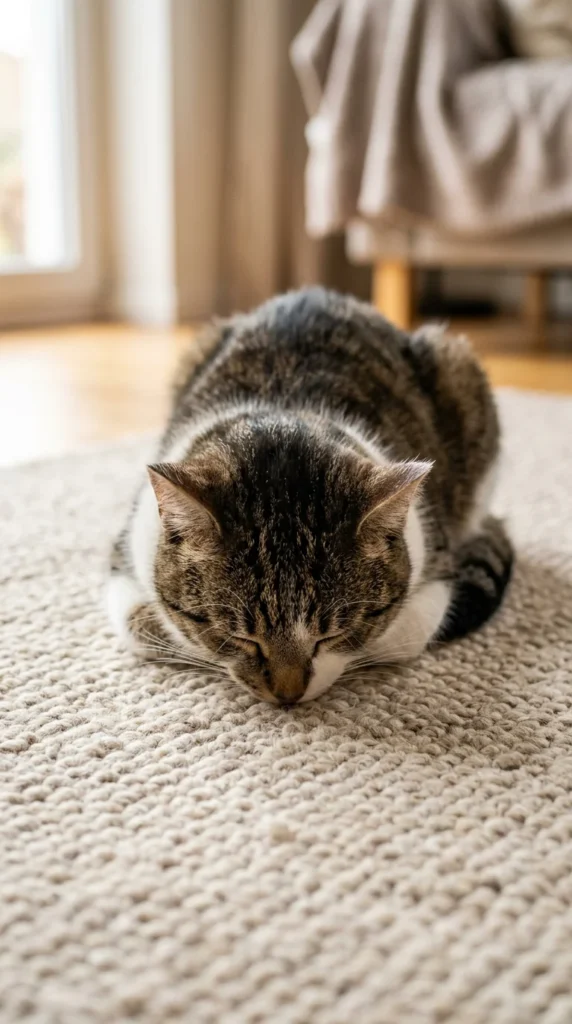
The “face plant” is one of the funnier cat sleeping habits. Usually, they do this to keep their nose warm or to block out light. However, be cautious: if a cat is “head pressing” (firmly pushing their head against a wall or hard surface) while awake, it could be a sign of a neurological issue. But if they just flop face-down into a pillow to sleep, it’s just them being quirky.
19. Touching You
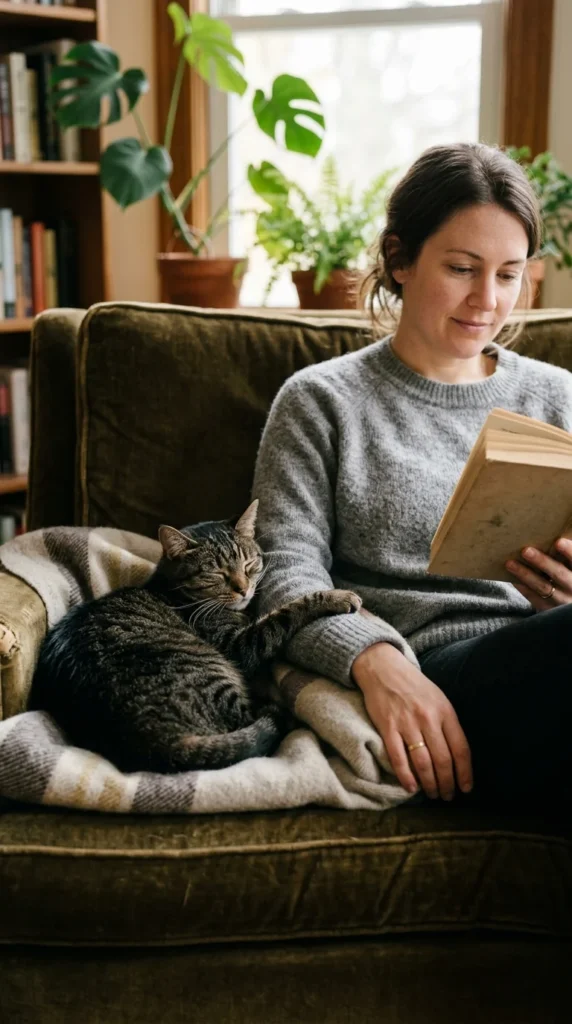
Even if they aren’t a “lap cat,” many cats will sleep near you with one paw touching your skin. This is a “tethering” habit. It allows them to feel your movements; if you get up, they’ll know immediately. It’s a subtle way of maintaining a physical connection while still having their own space.
20. Sibling Cuddles
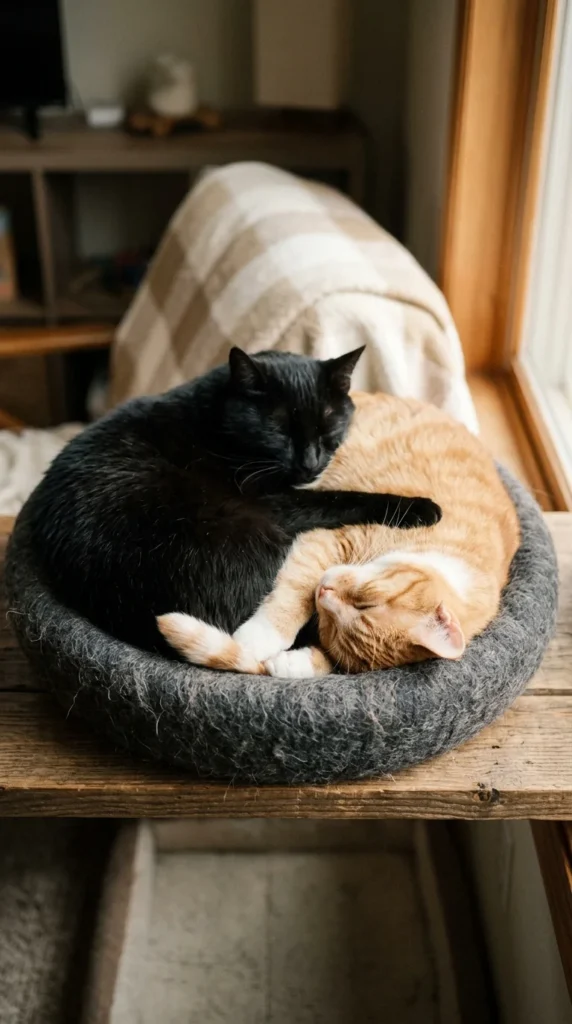
In multi-cat households where the cats get along, they may engage in “pillowing.” This involves sleeping in a heap or using each other as pillows. This habit provides communal warmth and reinforces the social bond of the “clowder” (a group of cats). It shows they view each other as family.
21. Heat Seeking
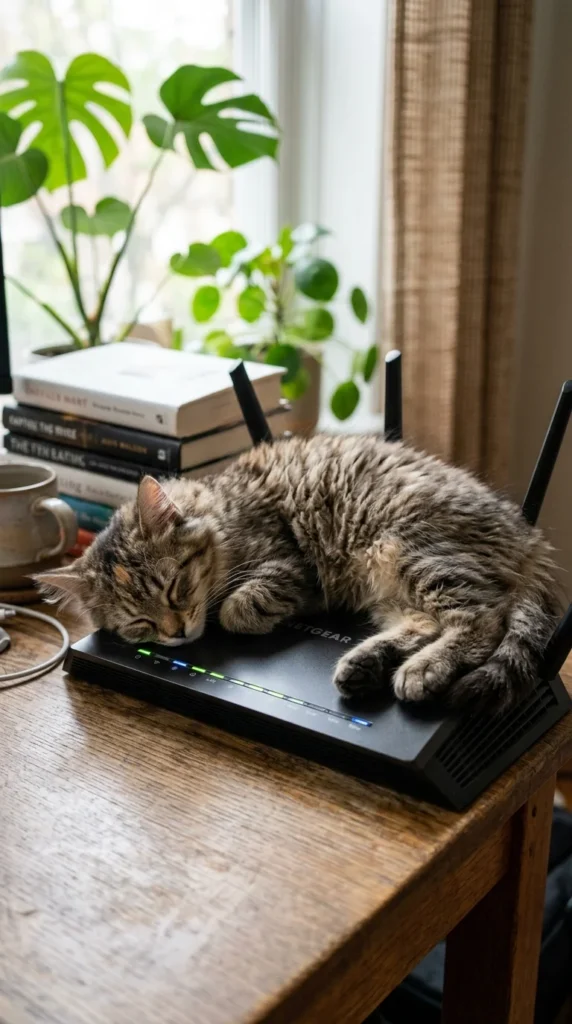
Cats have a higher basal body temperature than humans (around 101-102.5°F). Because of this, they are always looking for external heat sources to help maintain their temperature without burning calories. This is why you’ll find them on laptops, heaters, or in the one tiny sliver of sun on the floor.
22. The Mouth Agape
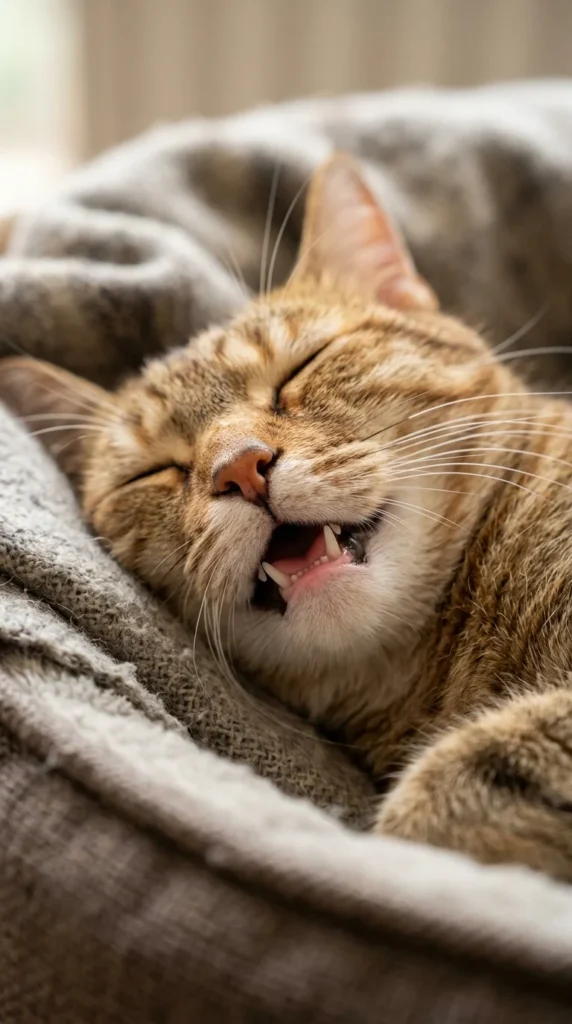
Seeing your cat sleep with their mouth open can be slightly alarming, but it’s usually just a sign of total muscle relaxation. When a cat enters a particularly deep stage of sleep, their jaw muscles relax completely. If there’s no gasping or heavy snoring, they are simply enjoying a very deep rest.
23. Crepuscular Activity
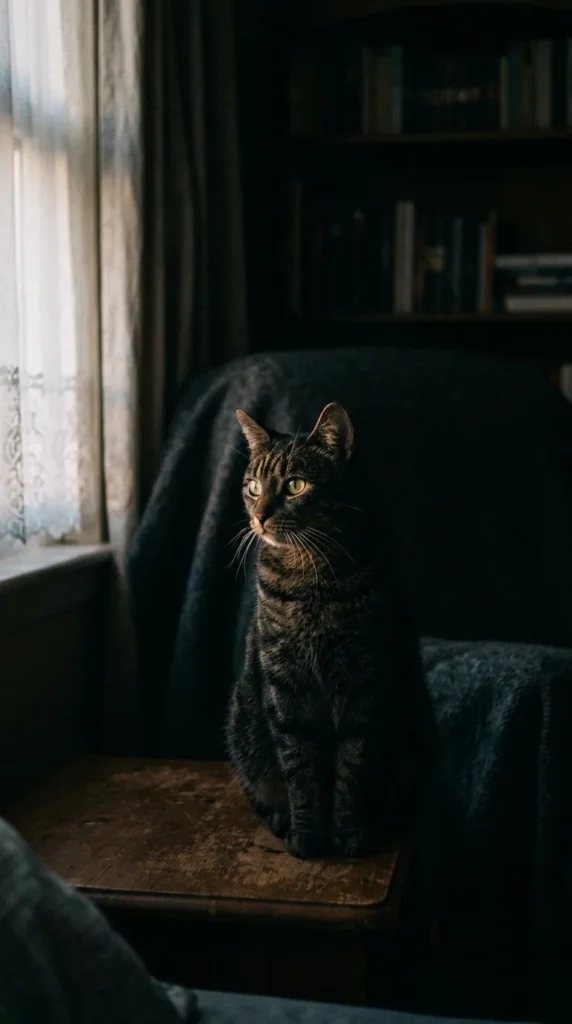
While we often think of cats as nocturnal, they are actually crepuscular. This means they are most active during the twilight hours of dawn and dusk. You might notice your cat sleeps heavily during the middle of the day and the middle of the night, but becomes a “wild animal” at 5:00 AM. This is their natural biological clock at work.
24. Sudden Waking
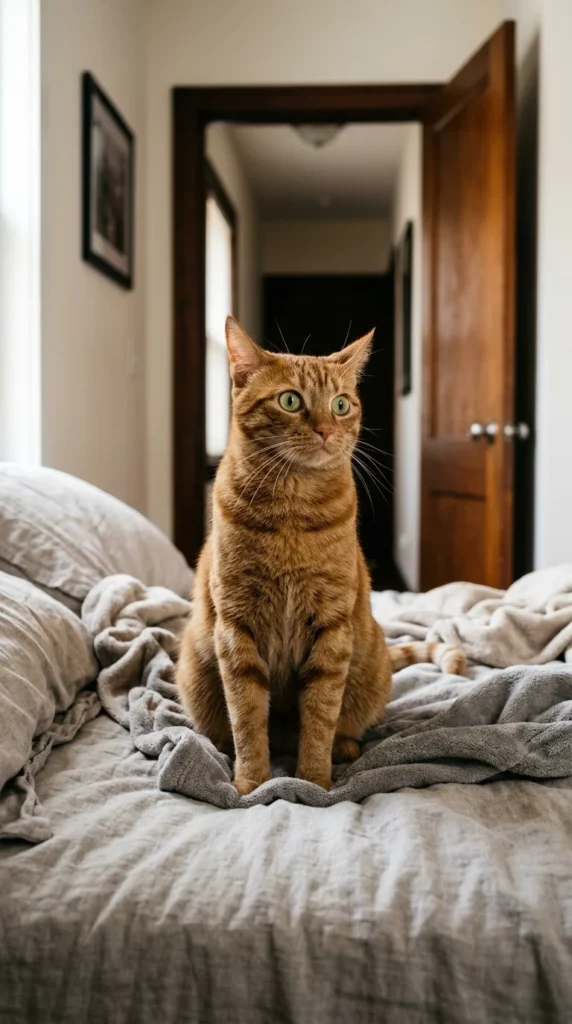
Cats can go from 0 to 100 in a split second. Because their senses are so finely tuned, a sound that we might not even hear—like a neighbor’s car door or a mouse behind a wall—can snap them out of a deep sleep instantly. This “ready-for-anything” habit is what made them such successful predators in the wild.
Understanding your cat’s sleeping habits is a window into their soul. Whether they are “loafing” on your desk or “burrowing” under your sheets, these behaviors are all part of the complex, instinctual world of the domestic feline. As long as your cat is eating, playing, and acting normally while awake, their strange sleeping positions are just another reason to love them.