

Building a relationship with a cat is unlike any other animal companionship. While dogs often offer unconditional love from the moment they meet you, a cat’s trust must be earned through patience, consistency, and a deep understanding of feline psychology. Cats are both predators and prey, which makes them naturally cautious of their environment and the beings within it. However, once a cat decides you are part of their inner circle, the bond is incredibly rewarding and profound.
If you are looking to deepen your connection with your feline friend, here are 21 proven strategies to build trust and create a lifelong bond.
1. Slow Blink

Often referred to as a “cat kiss,” the slow blink is the most direct way to communicate “I am not a threat” in feline language. In the wild, closing one’s eyes is a sign of extreme vulnerability. By looking at your cat and slowly closing and then opening your eyes, you are signaling that you feel safe with them. If they blink back, they are reciprocating that trust.
2. Interactive Play
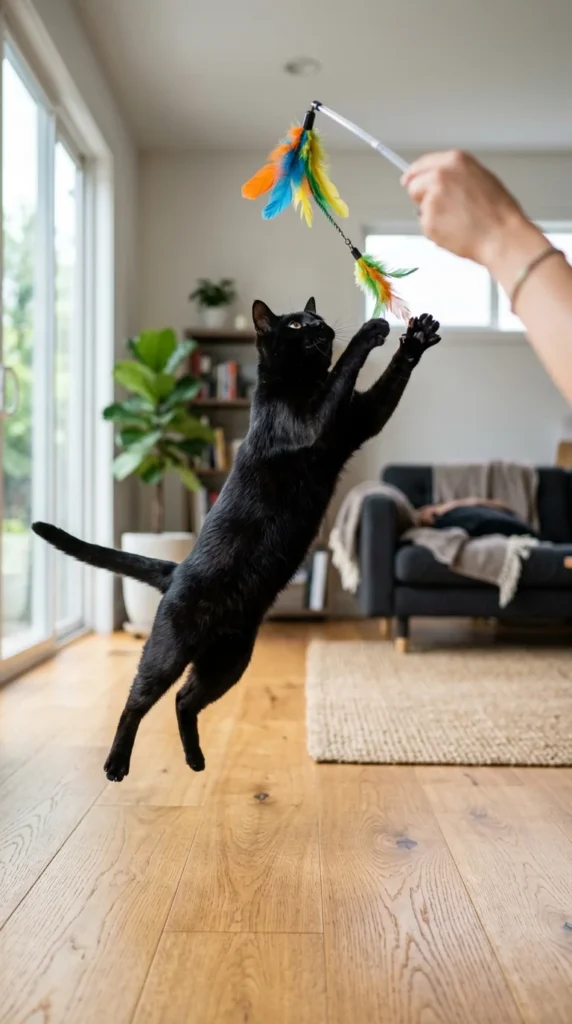
Cats have a high prey drive. Engaging them in interactive play using feather wands, laser pointers, or “fishing pole” toys mimics the hunting experience. When you provide the stimulus for their “hunt,” you become the source of their most exciting daily activity. Aim for at least two 15-minute sessions a day to keep them physically and mentally stimulated.
3. Scent Swapping

Scent is the primary way cats identify friends and foes. To help a new cat get used to you, or to strengthen a bond with a shy cat, place a piece of your worn clothing in their favorite sleeping spot. Similarly, rub a soft cloth on their cheeks (where their scent glands are) and leave it near your bed. This creates a “communal scent” that makes you smell like family.
4. High-Value Treats
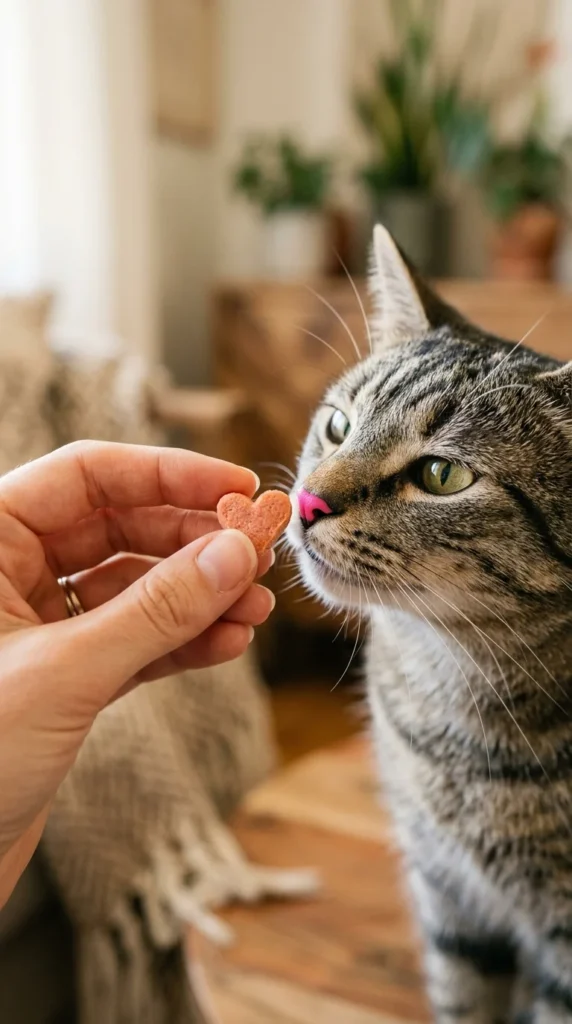
The way to a cat’s heart is often through their stomach. Use high-value treats—like freeze-dried chicken, tuna flakes, or squeeze-tube purees—to reward positive interactions. By associating your presence with delicious rewards, the cat begins to see you as a provider of all things good.
5. Respecting Boundaries

One of the quickest ways to break a cat’s trust is to force interaction. If your cat hides under the bed or retreats to a high shelf, let them be. Respecting their “no” builds a foundation of safety. When the cat realizes you won’t grab them or force them into cuddles, they will feel much more comfortable approaching you on their own terms.
6. Gentle Grooming
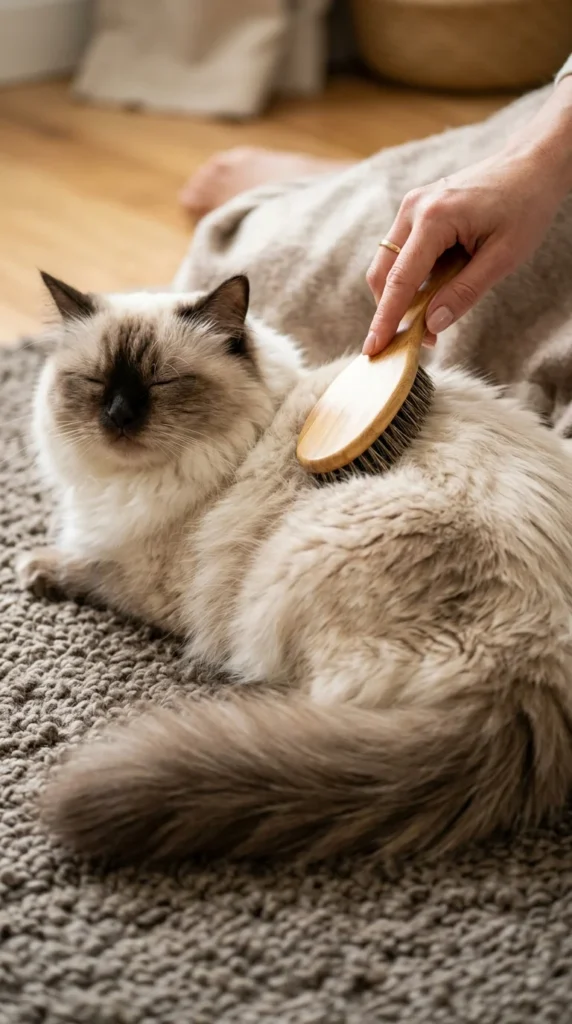
In the feline world, “allogrooming” (cats grooming each other) is a social bonding activity. If your cat enjoys being brushed, this can become a meditative ritual for both of you. It mimics the sensation of a mother cat licking her kittens, reinforcing a sense of care and protection.
7. Quiet Time

You don’t always have to be “doing” something to bond. Simply existing in the same space without demands is powerful. Spend time in the same room as your cat while you read, work, or scroll through your phone. This “passive bonding” allows the cat to observe your movements and sounds without feeling pressured to interact.
8. Clicker Training
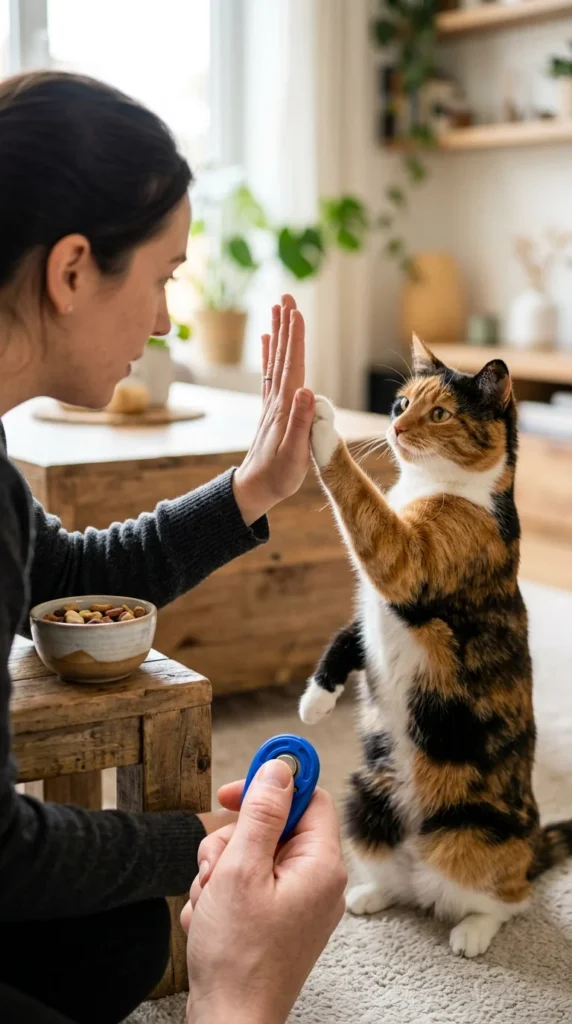
Contrary to popular belief, cats are highly trainable. Using a clicker to teach simple commands like “sit” or “high five” provides mental stimulation and a clear line of communication. It builds the cat’s confidence and gives you a structured way to interact that isn’t just about petting.
9. Proper Petting
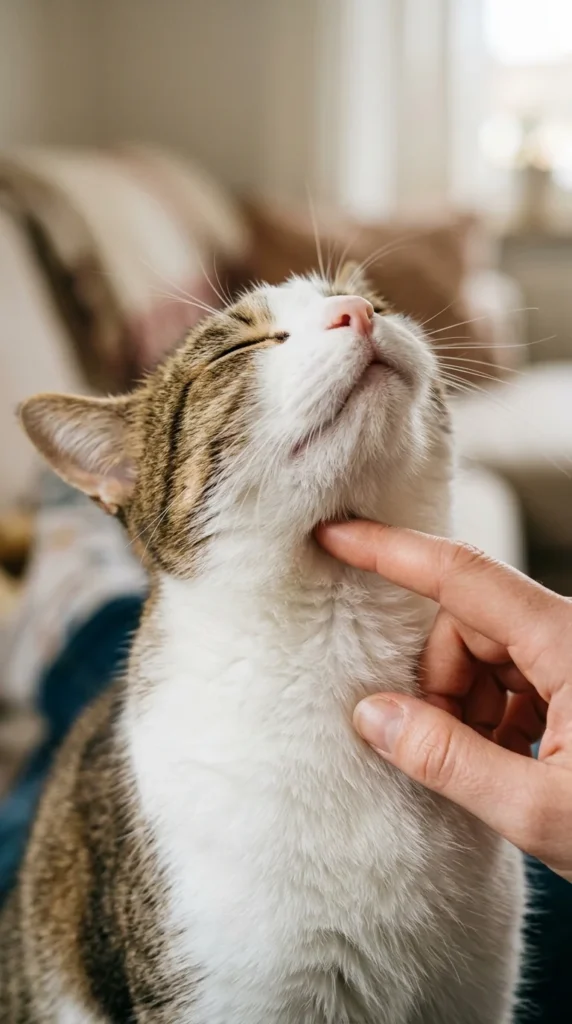
Most cats prefer to be petted in areas where they have scent glands: the base of the ears, under the chin, and along the cheeks. Many cats find “belly rubs” or over-petting near the tail to be overstimulating or threatening. By focusing on their “sweet spots,” you ensure that physical contact is always a positive experience.
10. Vocal Communication
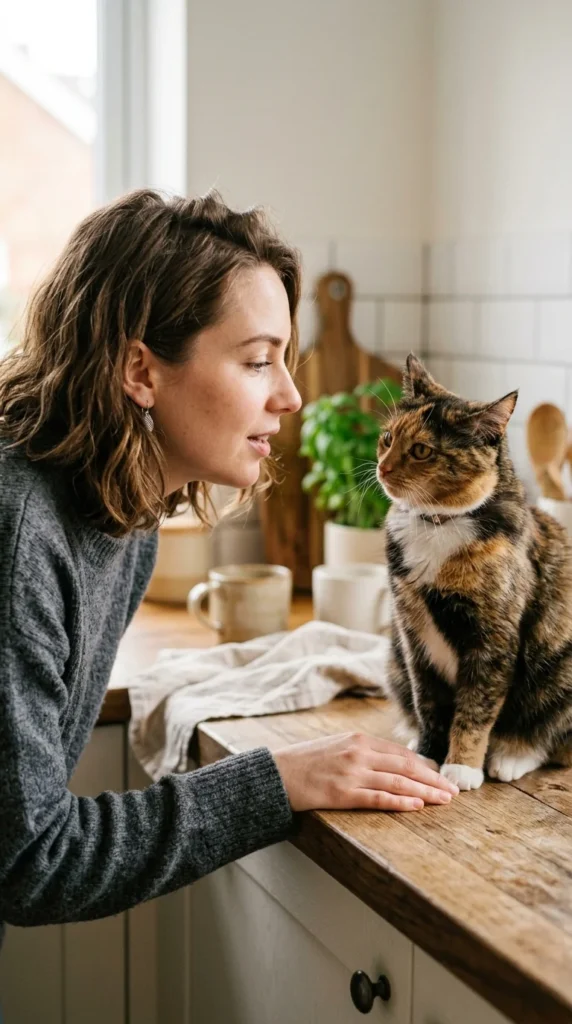
Cats respond well to soft, high-pitched, and rhythmic voices. Talking to your cat in a soothing tone helps them recognize your voice as a source of comfort. They may not understand your words, but they certainly understand the “vibes” and the intent behind your melody.
11. Feeding Routine
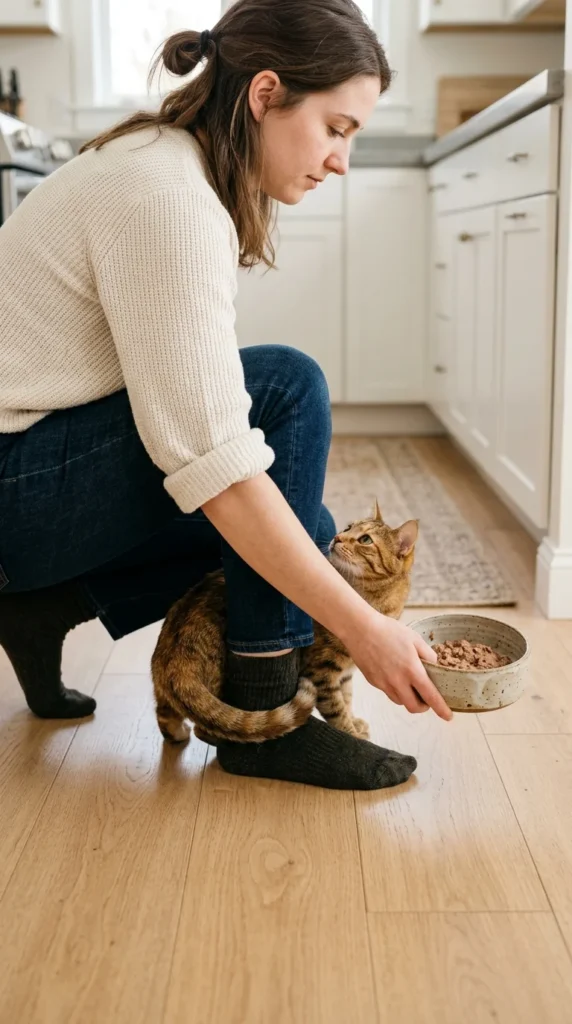
Consistency is key to feline security. Feeding your cat at the exact same times every day creates a predictable environment. When the cat knows exactly when their “provider” will appear with food, their anxiety levels drop, and their reliance on you turns into trust.
12. Vertical Space
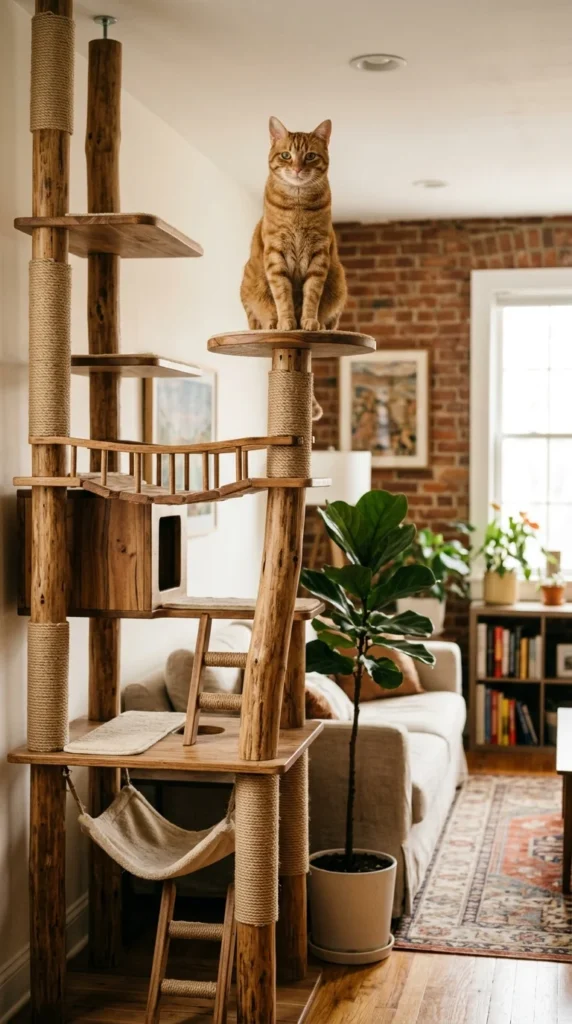
Cats feel safest when they are high up. By providing cat trees, wall shelves, or window perches, you are giving them the tools they need to feel secure in your home. A cat that feels safe in its environment is a cat that is more likely to be affectionate with its owners.
13. The Nose Touch
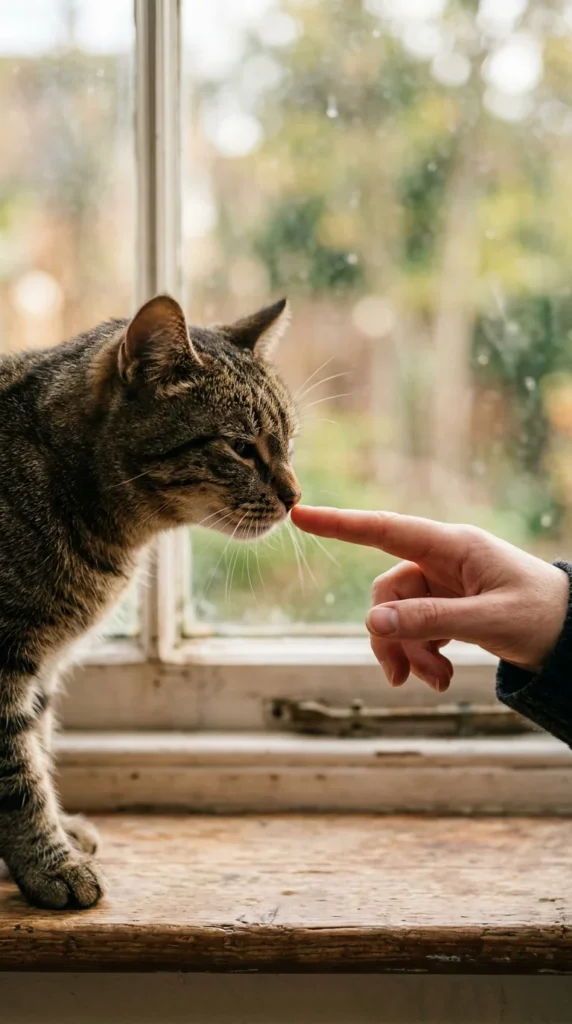
In the wild, cats greet each other with a nose-to-nose sniff. You can mimic this by extending a stationary finger at the cat’s nose level. Let them come to you to sniff it. This is the feline equivalent of a handshake and is a polite way to ask for permission to enter their personal space.
14. Mimicry
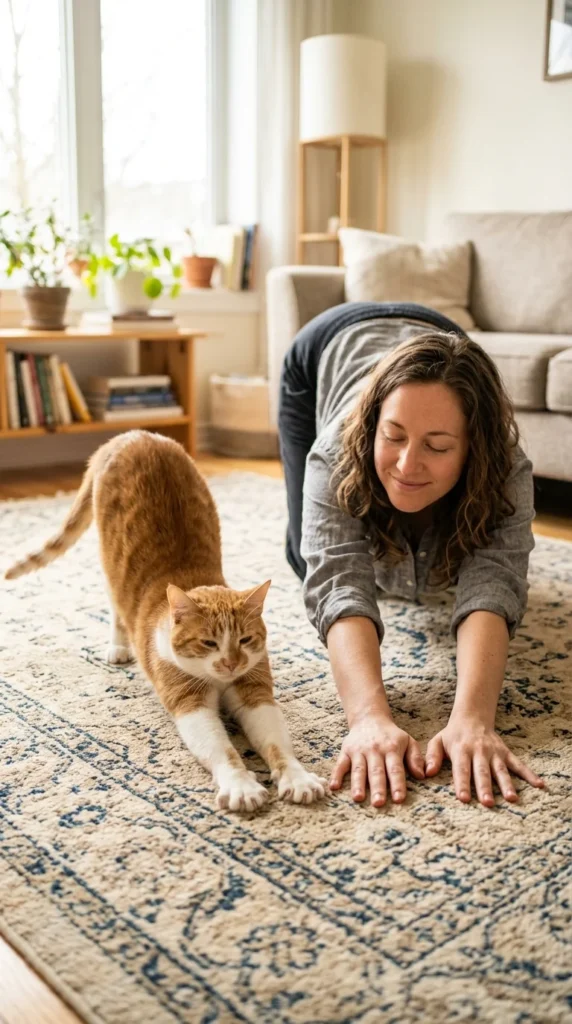
Subtly mimicking your cat’s body language can signal that you are “part of the pride.” If they stretch, you can do a similar stretch. If they lie down, you can sit on the floor. This non-verbal mirroring can make you seem less like a giant, unpredictable human and more like a large, misunderstood cat.
15. Safe Retreats

Trust is built when a cat knows they have an “escape hatch.” Ensure your cat has a place where they are never bothered—a specific bed, a box, or a room. Knowing they can go there to be 100% left alone gives them the confidence to come out and socialize when they are ready.
16. New Toys
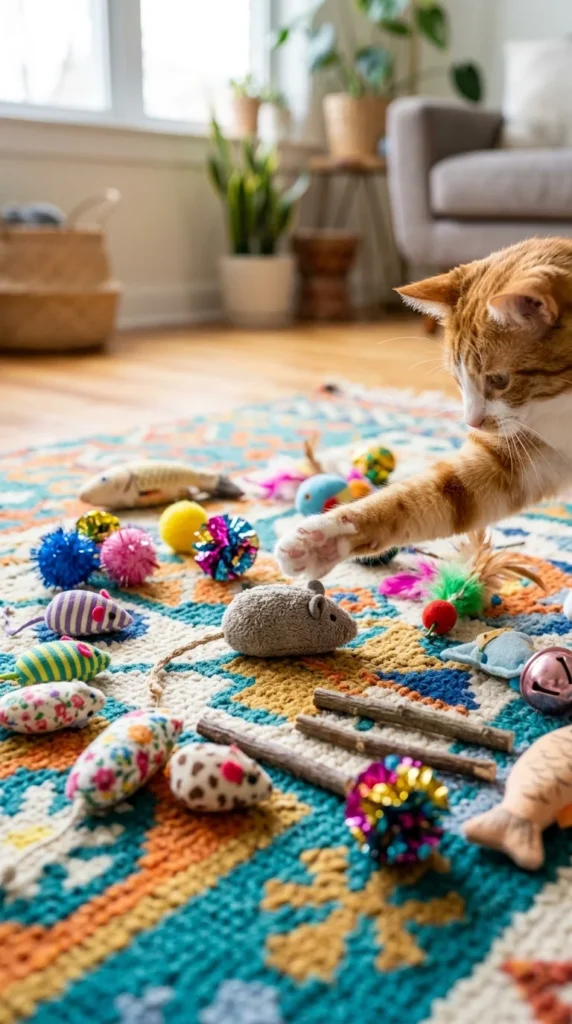
Introducing new textures and smells through toys keeps the environment enriched. Bringing home a new toy every now and then shows your cat that you are the bringer of novelty and fun. It keeps their mind sharp and prevents the boredom that can lead to stress or behavioral issues.
17. Eye Level
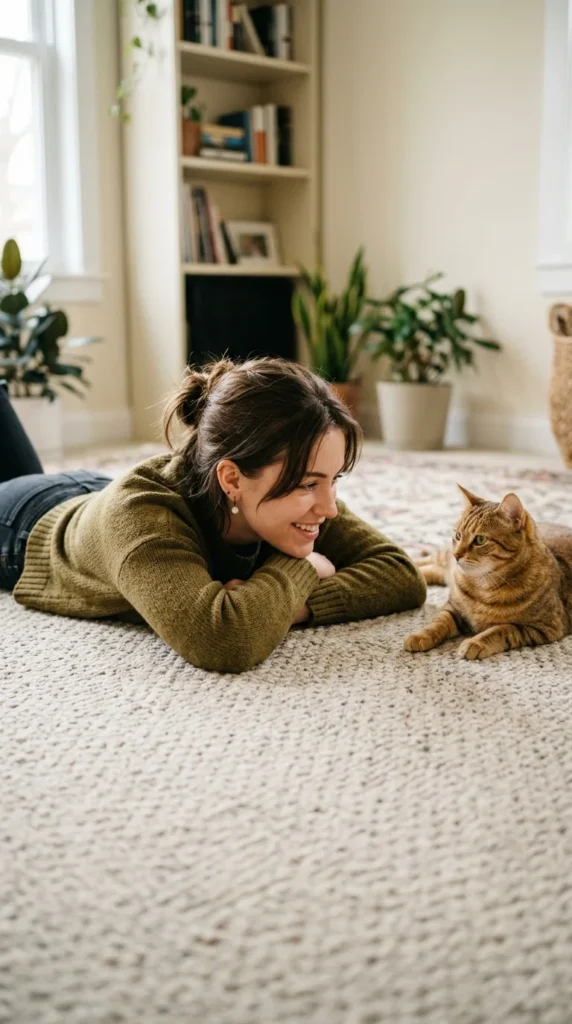
To a small cat, a standing human is a literal giant. To make yourself less intimidating, get down on the floor. Being at their eye level makes you appear smaller and more approachable, which can be particularly helpful for building trust with rescued or fearful cats.
18. Hand Feeding
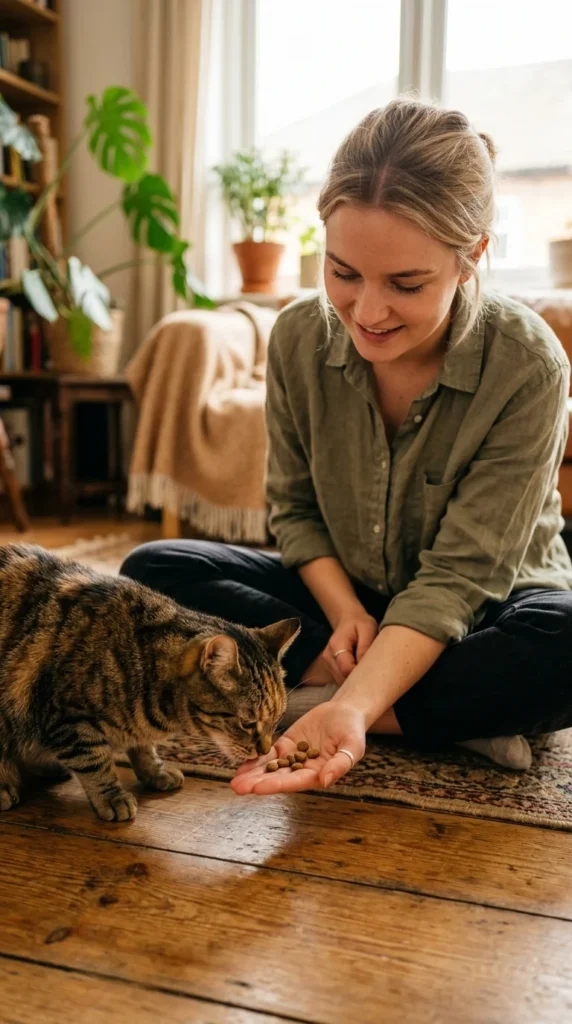
For cats that are particularly skittish, hand feeding (if they are comfortable enough to approach) creates a very powerful bond. It establishes a direct physical connection between you and the thing they need most to survive: food. It proves that your hands are sources of nourishment, not harm.
19. Enrichment
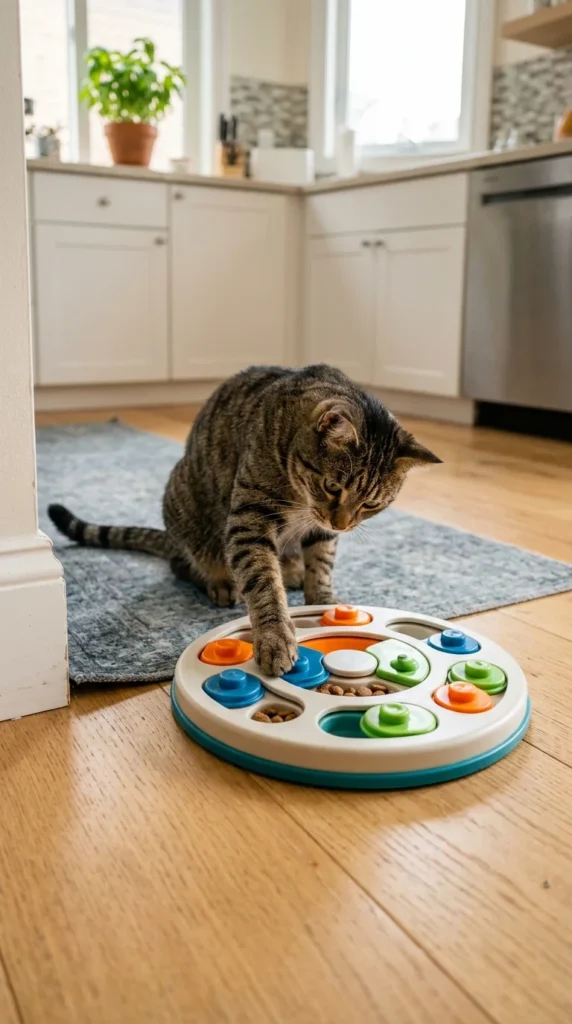
Engage your cat’s brain with puzzle feeders and sniffing mats. When you provide these “brain games,” you are looking out for their mental well-being. A cat that is mentally satisfied is generally more relaxed and open to bonding than one that is frustrated by a lack of stimulation.
20. Sleep Proximity

Cats are at their most vulnerable when they sleep. If your cat chooses to sleep on your bed—even if it’s at the very foot—it is a massive sign of trust. Encourage this by placing a soft blanket for them at the end of the bed. Sharing a sleeping space is the ultimate sign of “membership” in the feline family.
21. Patience

The final and most important tip is patience. Some cats bond in days; others take years. Never rush the process or get frustrated by setbacks. Trust is a fragile thing that is built brick by brick. By showing up every day with kindness and respect, you will eventually find yourself with a loyal companion who trusts you implicitly.