Goldfish are perhaps the most misunderstood pets in the animal kingdom. Often relegated to small glass bowls or seen as “disposable” carnival prizes, these intelligent, long-lived creatures actually require specific care to truly thrive. A well-cared-for goldfish can live for 10, 15, or even 20 years, becoming a centerpiece of your home. To help you master the art of goldfish keeping, here are 21 essential tips that cover everything from habitat setup to nutritional mastery.
1. Tank Size
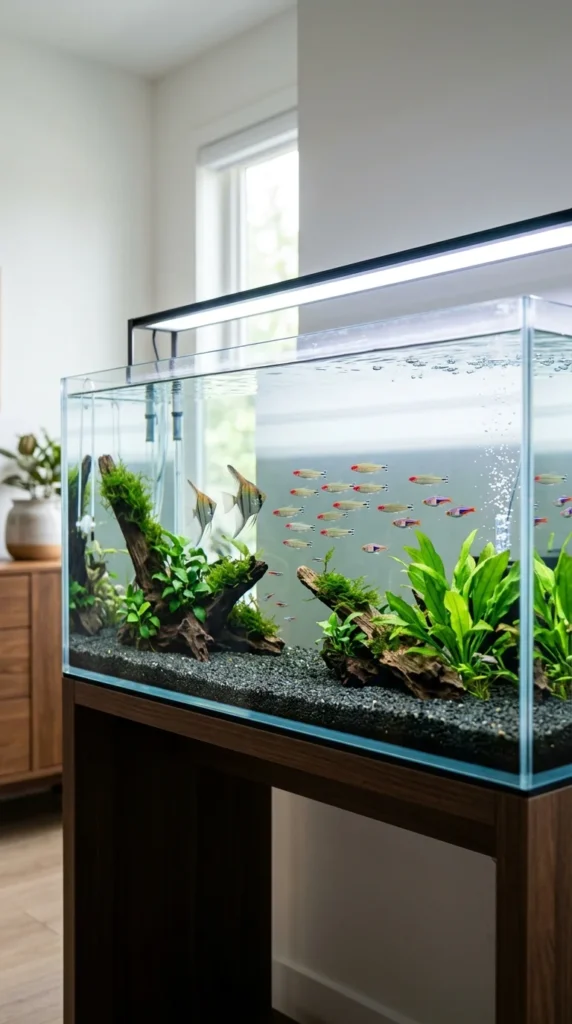
The “goldfish in a bowl” trope is a dangerous myth. Goldfish produce a significant amount of waste (ammonia) and grow much larger than people realize. For a single Common or Comet goldfish, you should start with at least 30 to 40 gallons of space, as they can grow up to 12 inches long. Fancy goldfish (like Orandas or Ranchus) require at least 20 gallons for the first fish and 10-20 additional gallons for each subsequent tank mate. Bigger is always better when it comes to water volume.
2. Filtration
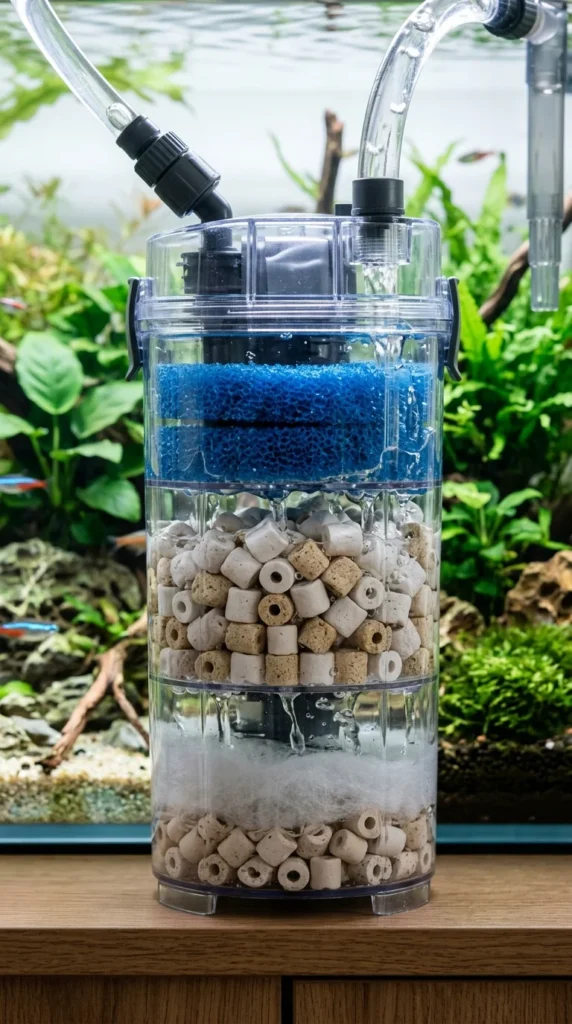
Goldfish are “heavy bioload” fish, meaning they eat a lot and produce a lot of waste. A standard filter rated for your tank size usually isn’t enough. It is highly recommended to use a filter rated for twice the size of your actual tank. For example, if you have a 30-gallon tank, use a filter rated for 60 gallons. This ensures the water remains clear of toxins that could otherwise burn the fish’s gills or skin.
3. Water Conditioner
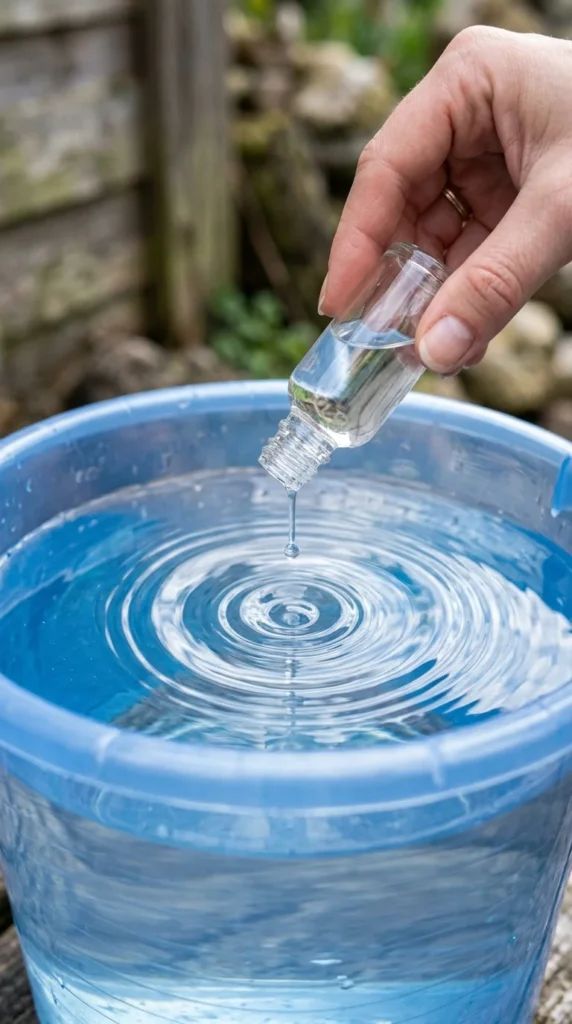
Tap water contains chlorine and chloramines, which are lethal to fish. Every time you add new water to the tank, you must use a high-quality water conditioner or dechlorinator. This chemical neutralizer works instantly to make the water safe for your aquatic friends. Never skip this step, as even trace amounts of chlorine can damage the delicate protective slime coat of your goldfish.
4. Nitrogen Cycle
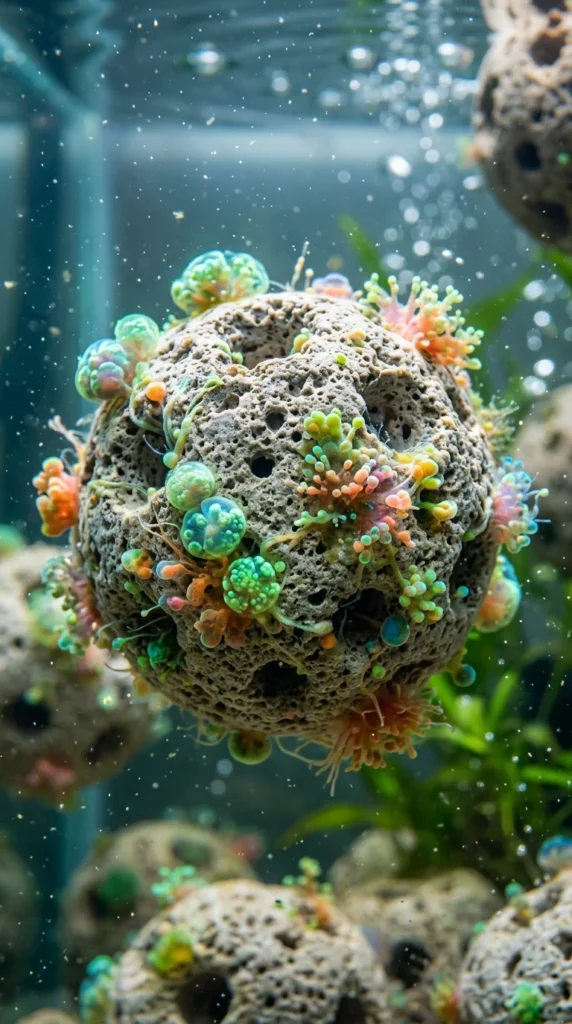
You cannot simply buy a tank, fill it with water, and add fish the same day. You must “cycle” the tank first. This process involves growing beneficial bacteria that convert toxic ammonia (from fish waste) into nitrites, and then into less harmful nitrates. This process typically takes 4 to 6 weeks. Without a proper nitrogen cycle, your fish will likely suffer from “New Tank Syndrome,” which is often fatal.
5. Temperature Control
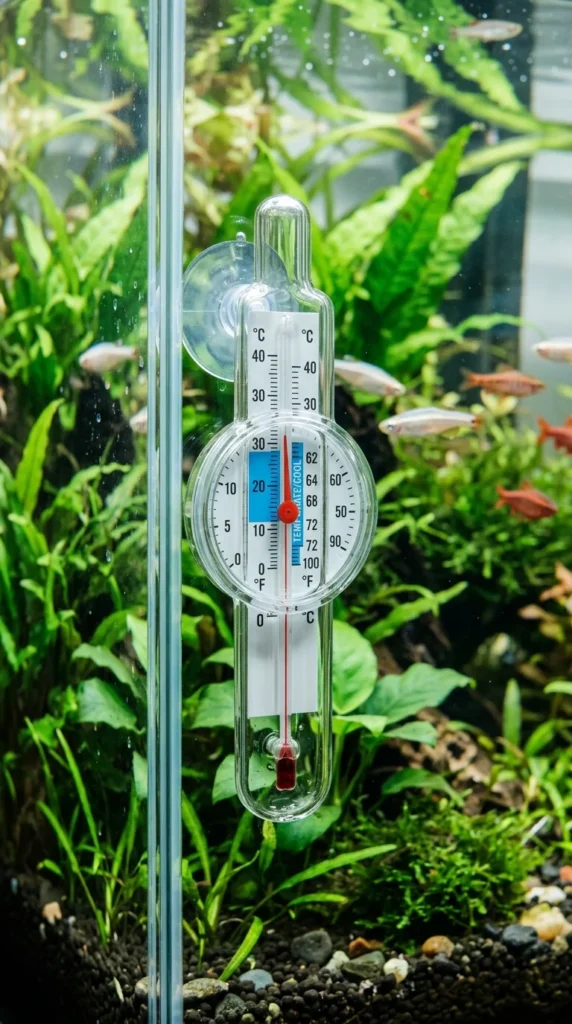
Goldfish are temperate “cold-water” fish, meaning they don’t require a tropical heater in most indoor environments. They thrive in temperatures between 65°F and 75°F (18°C–24°C). However, consistency is key. Rapid fluctuations in temperature can stress their immune systems. While they don’t usually need a heater, you should keep the tank away from direct sunlight or drafty air conditioners to maintain a stable environment.
6. Substrate Safety
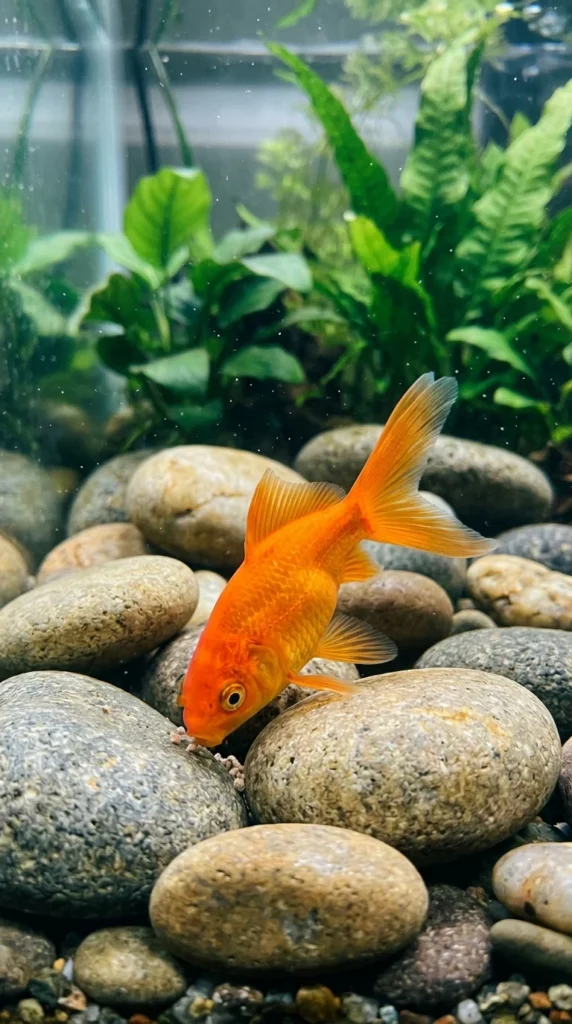
The bottom of your tank matters. Many owners use small gravel, but goldfish are notorious for “sifting” through the substrate for food. Small pebbles can easily get stuck in their mouths or throats, leading to choking. The best options are either very fine sand (which they can spit out easily) or large river stones that are too big to be swallowed. Some owners even prefer a “bare bottom” tank for easier cleaning.
7. Balanced Diet
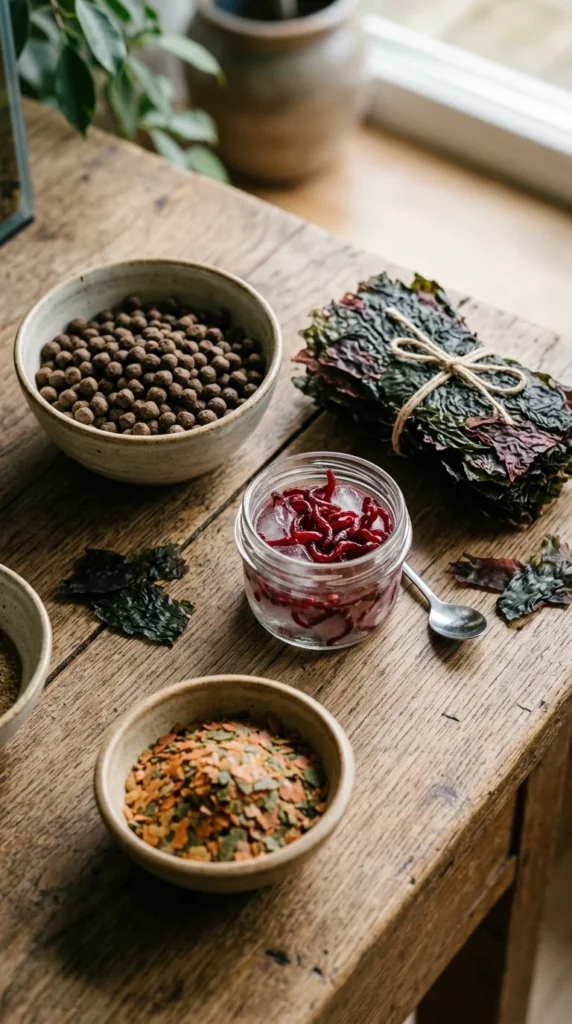
Goldfish are omnivores and require a mix of plant and animal matter. While high-quality flakes or pellets are a good base, they shouldn’t be the only thing on the menu. Supplement their diet with blanched vegetables like peas (with the skins removed), spinach, or broccoli. These greens provide essential fiber that helps prevent swim bladder issues, a common ailment in deep-bodied fancy goldfish.
8. Sinking Food
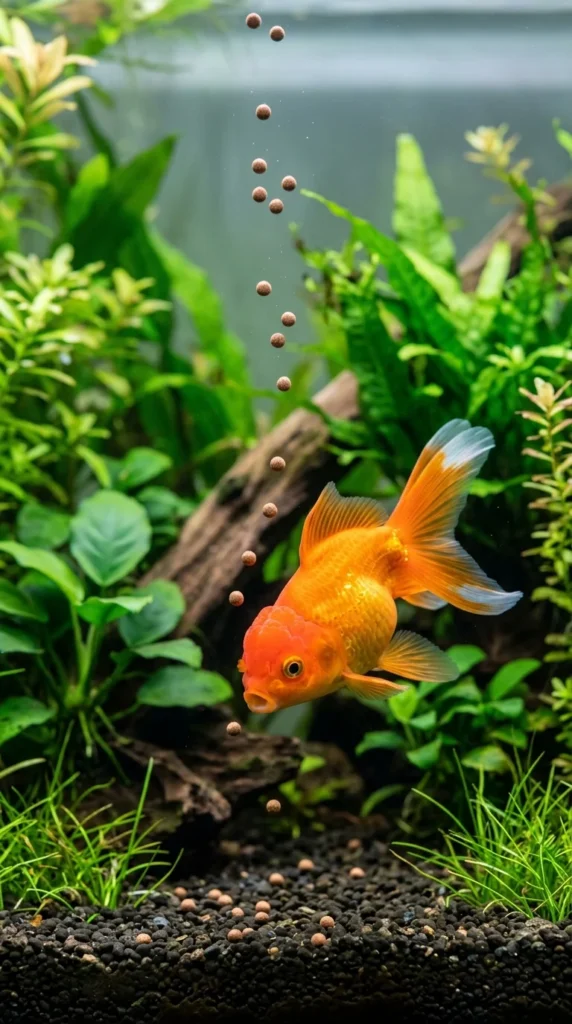
Fancy goldfish are prone to digestive issues and swim bladder disorders. When they eat floating flakes or pellets, they often gulp in air at the surface. This trapped air can cause them to float uncontrollably or flip upside down. Switching to sinking pellets ensures they feed at the middle or bottom of the tank, significantly reducing the risk of air-related bloating.
9. Portion Control
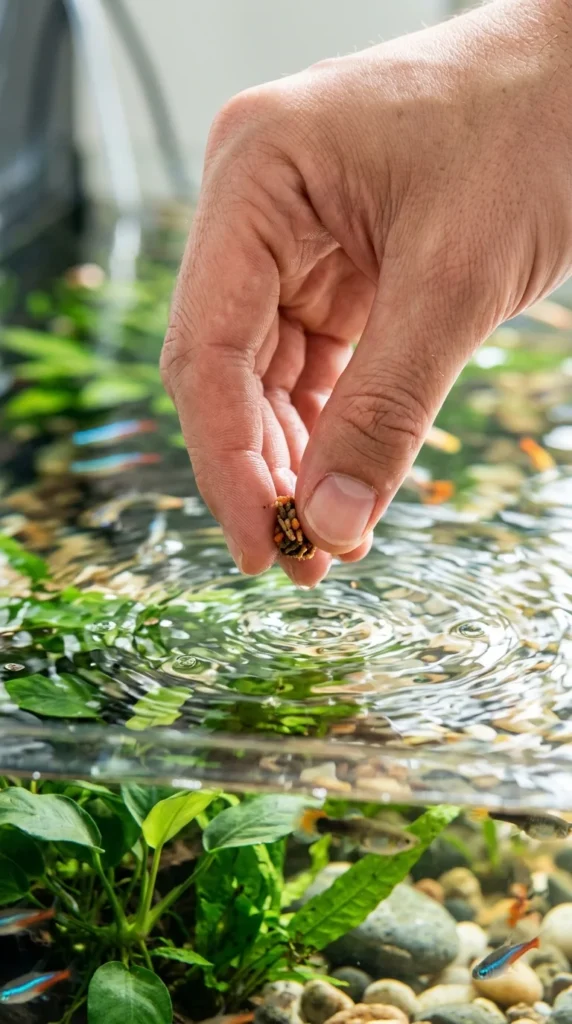
Overfeeding is the leading cause of death for pet goldfish. They don’t have traditional stomachs, so they are always “hungry.” Only feed them what they can consume in about two minutes, once or twice a day. Any leftover food will rot and cause an ammonia spike, which can poison the fish. If the water looks cloudy, you are likely overfeeding.
10. Water Changes
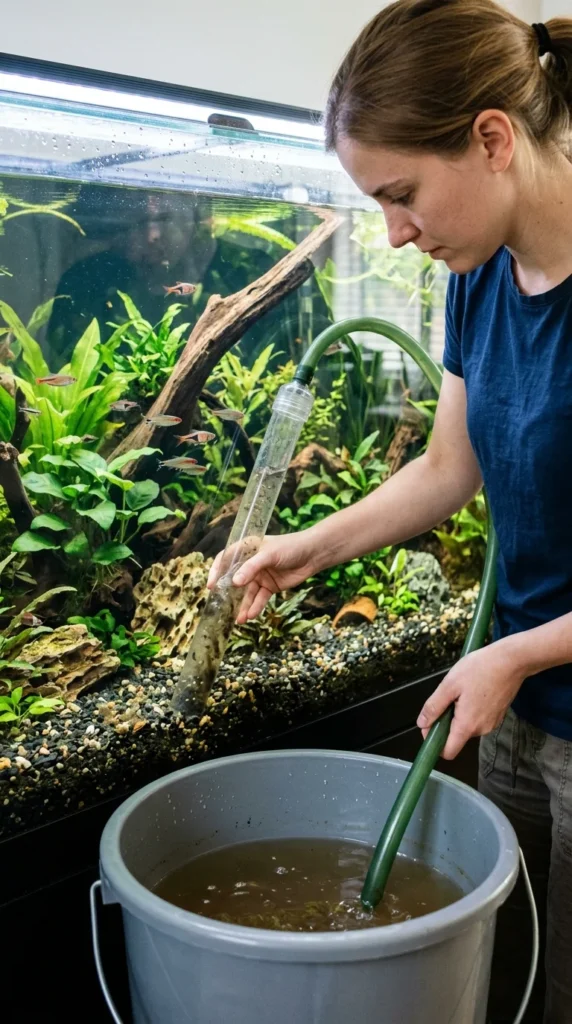
No filter is 100% efficient. To keep nitrate levels low, you must perform weekly partial water changes. Removing 20% to 30% of the water and replacing it with treated, temperature-matched fresh water is the best way to ensure your goldfish remains healthy and active. This also replenishes essential minerals that the fish and plants use up over time.
11. Parameter Testing
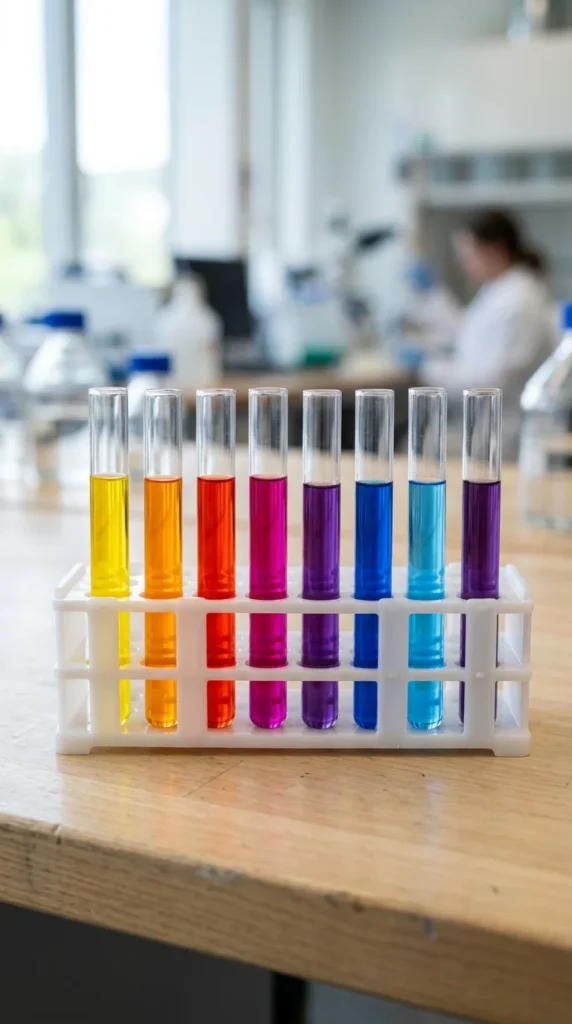
You can’t tell if water is “clean” just by looking at it. Clear water can still be full of invisible toxins. Invest in a liquid master test kit to monitor Ammonia, Nitrite, Nitrate, and pH. In a healthy tank, Ammonia and Nitrite should always be 0, and Nitrates should be kept below 20-40 ppm. Regular testing allows you to catch water quality issues before they become life-threatening.
12. Lighting Schedule
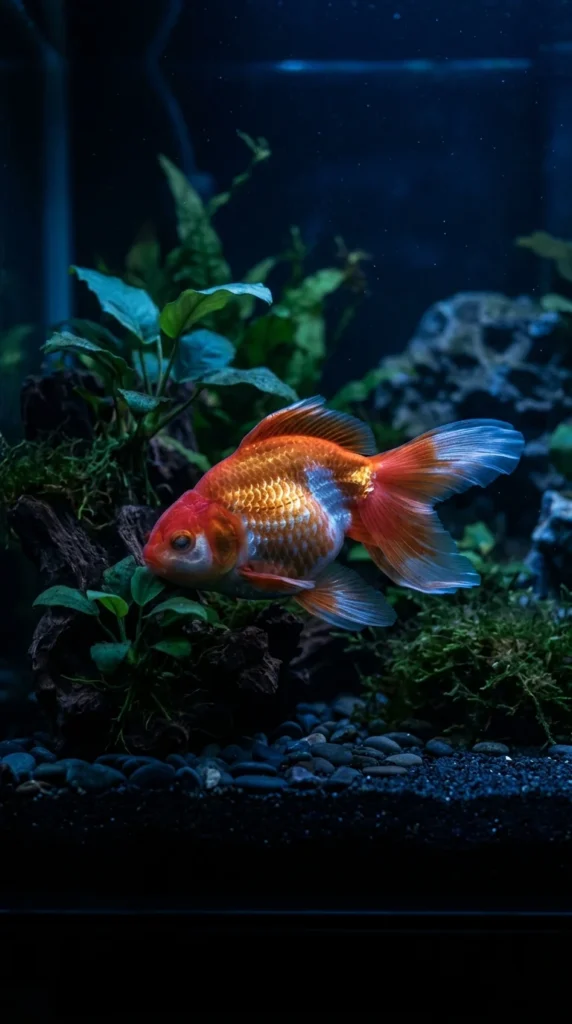
Goldfish need a regular day-night cycle to regulate their metabolism and sleep patterns. Leave the tank lights on for 8 to 10 hours a day and turn them off at night. Constant light can cause extreme stress and lead to massive algae outbreaks. If your tank gets a lot of natural ambient light, you may need even less artificial lighting.
13. Live Vegetation
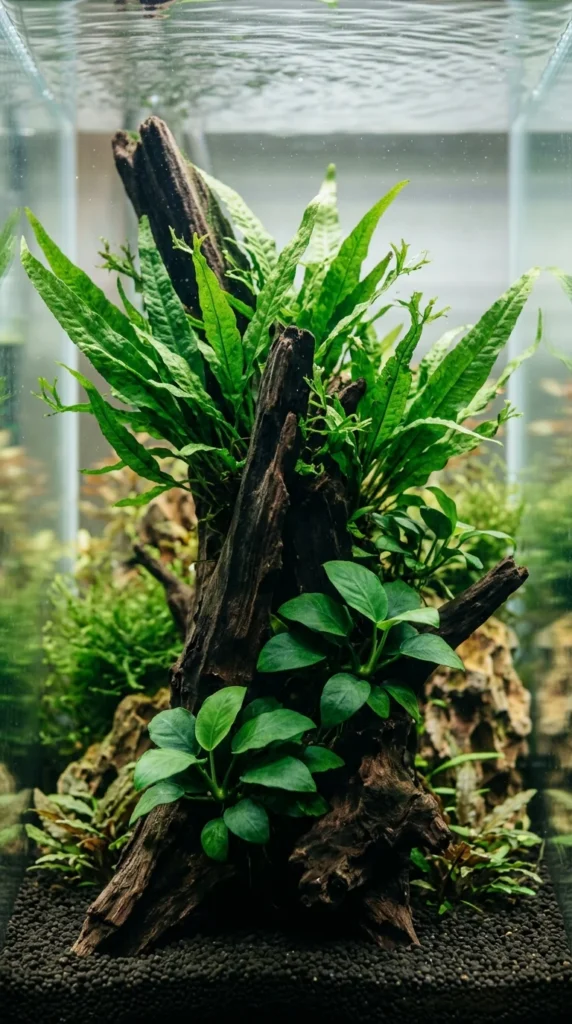
Goldfish love to snack on plants, but certain hardy species can survive their nibbling. Plants like Anubias, Java Fern, and Hornwort are excellent choices. Not only do they provide oxygen and help absorb nitrates, but they also offer a natural environment that reduces fish stress. If your goldfish eats everything green, consider using high-quality silk plants instead of sharp plastic ones.
14. Compatible Mates
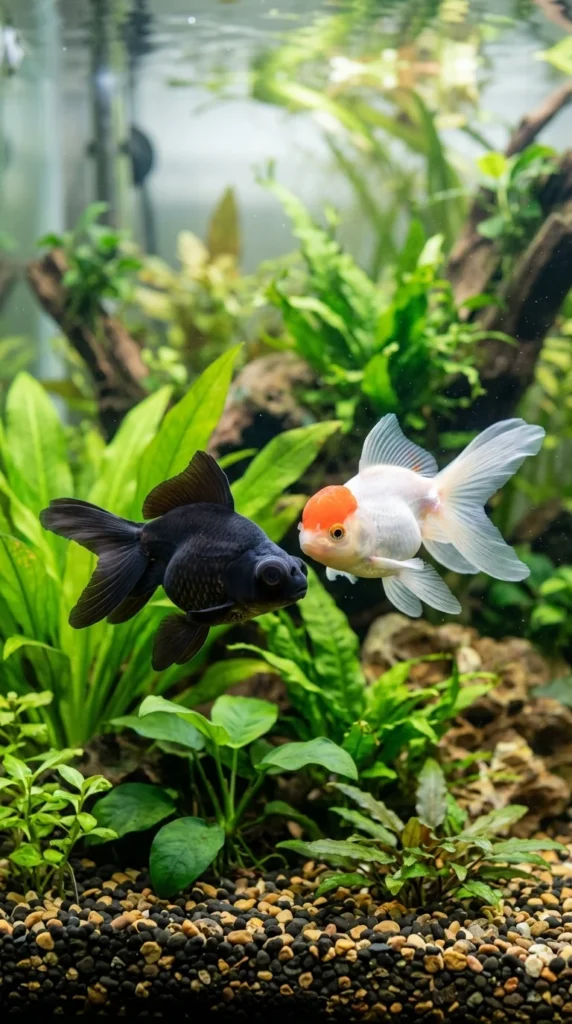
Goldfish should generally only live with other goldfish. They are slow swimmers (especially the fancies) and can be picked on by faster, more aggressive tropical fish like Barbs or Cichlids. Furthermore, avoid mixing “fast” goldfish (Comets/Commons) with “slow” goldfish (Fancies), as the faster ones will eat all the food before the slower ones can get to it.
15. Quarantine Protocol
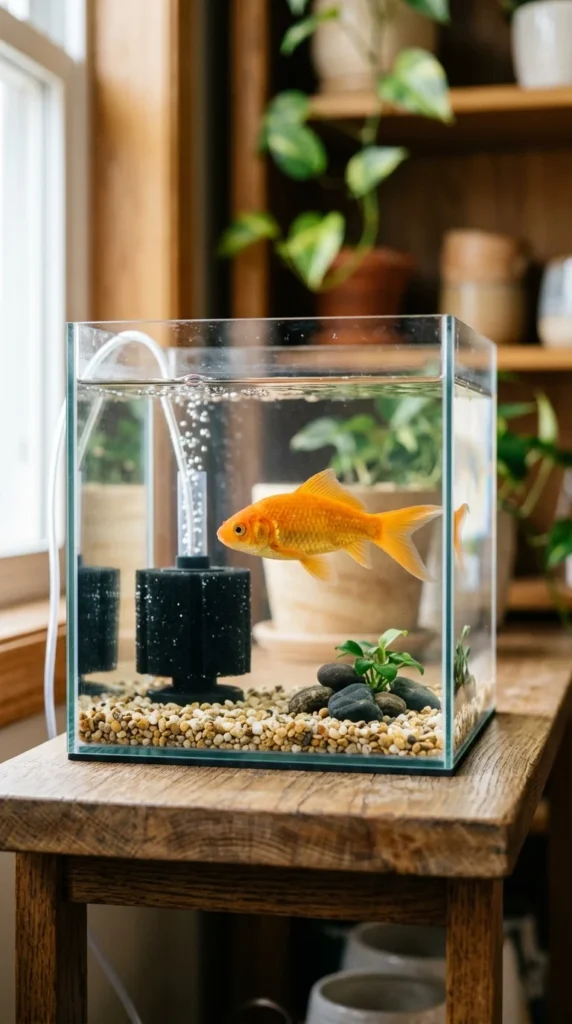
Never add a new fish directly to your main tank. New fish can carry parasites, bacteria, or fungal infections that can wipe out your entire population. Keep new arrivals in a separate “quarantine tank” for at least 2 to 4 weeks. Observe them for any signs of illness like white spots (Ich), clamped fins, or lethargy before introducing them to their permanent home.
16. Oxygen Levels
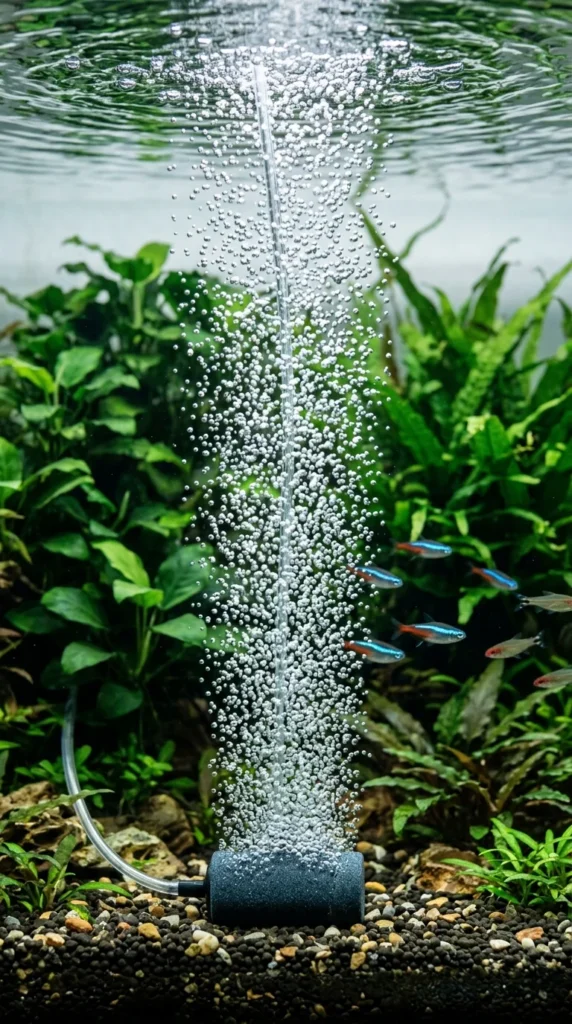
Goldfish have high oxygen requirements. While filters provide some surface agitation, adding an air stone or a “bubbler” can significantly increase the dissolved oxygen in the water. This is especially important during the summer months, as warmer water holds less oxygen than cooler water. If you see your fish gasping at the surface, it’s a sign they need more aeration.
17. Algae Management
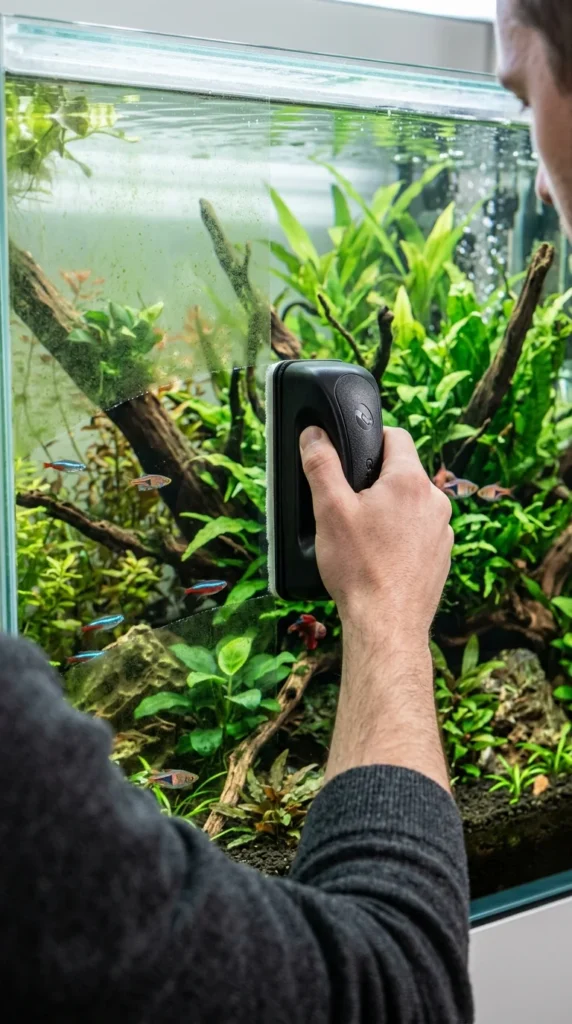
Algae is a natural part of an aquatic ecosystem, but too much of it indicates an imbalance of light or nutrients. Instead of using harsh chemicals, manage algae by reducing light hours and staying consistent with water changes. You can also use a magnetic scraper or a dedicated sponge to clean the glass manually during your weekly maintenance routine.
18. Health Monitoring
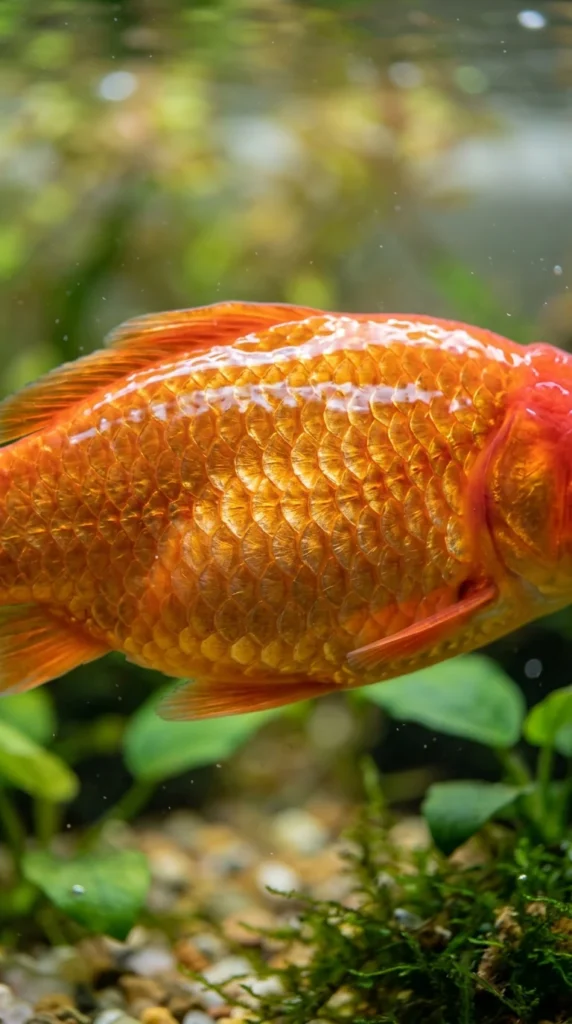
Get to know your fish’s personality. A healthy goldfish is curious, active, and has a steady appetite. If you notice “clamped” fins (held tight against the body), cloudy eyes, white spots like grains of salt, or ragged fins, these are early warning signs of illness. Early detection is the key to successful treatment with aquarium salt or specific medications.
19. Safe Decor
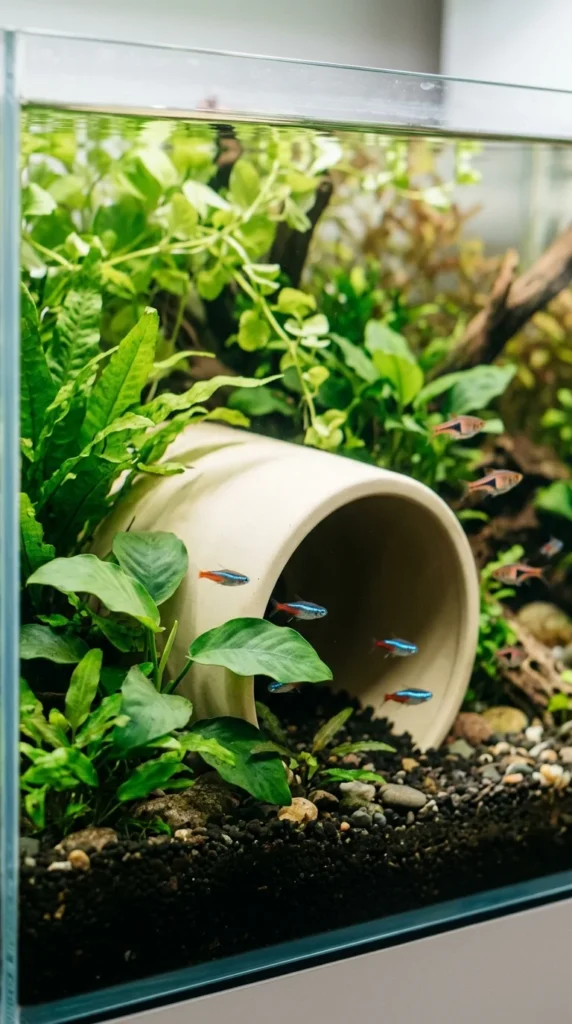
Fancy goldfish, in particular, are somewhat clumsy swimmers. They can easily tear their delicate fins or injure their protruding eyes on sharp plastic plants or jagged rock edges. When choosing decor, use the “pantyhose test”: if a piece of decor would snag a pair of nylons, it is too sharp for a goldfish. Stick to smooth stones, driftwood, and soft silk or live plants.
20. Stress Reduction
Goldfish are sensitive to vibrations and loud noises. Avoid tapping on the glass or placing the tank near a loud television or speakers. Sudden changes in light or loud bangs can startle them, causing them to dart around and potentially injure themselves. Maintaining a calm environment helps keep their immune systems strong and prevents stress-related diseases.
21. Consistency
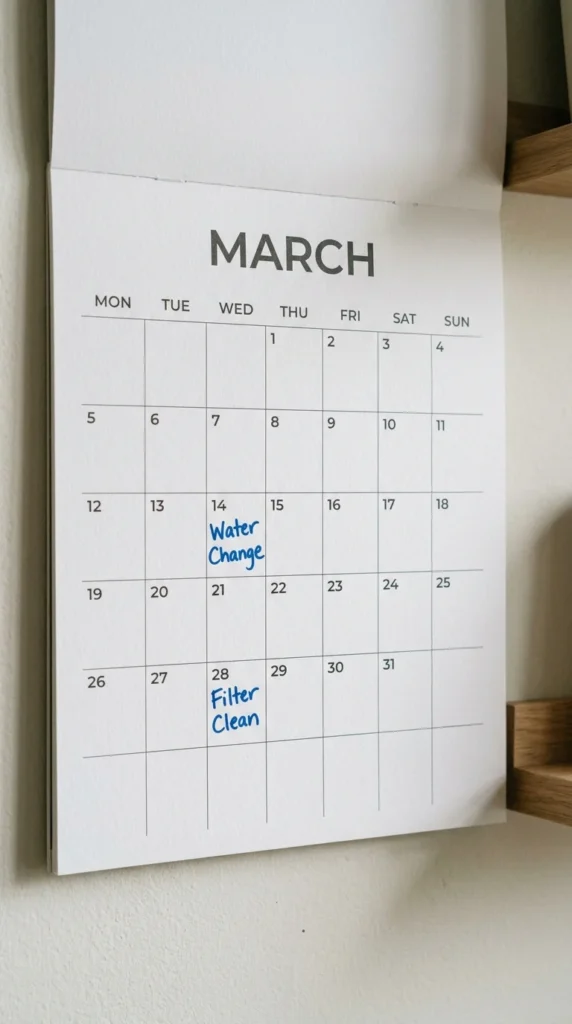
The most important tip for any goldfish owner is consistency. These fish thrive on routine. Feeding them at the same time and performing water changes on the same day every week prevents the “rollercoaster” effect of changing water chemistry. A stable environment is a healthy environment. By staying dedicated to their simple but specific needs, you will enjoy the companionship of your goldfish for many years to come.