
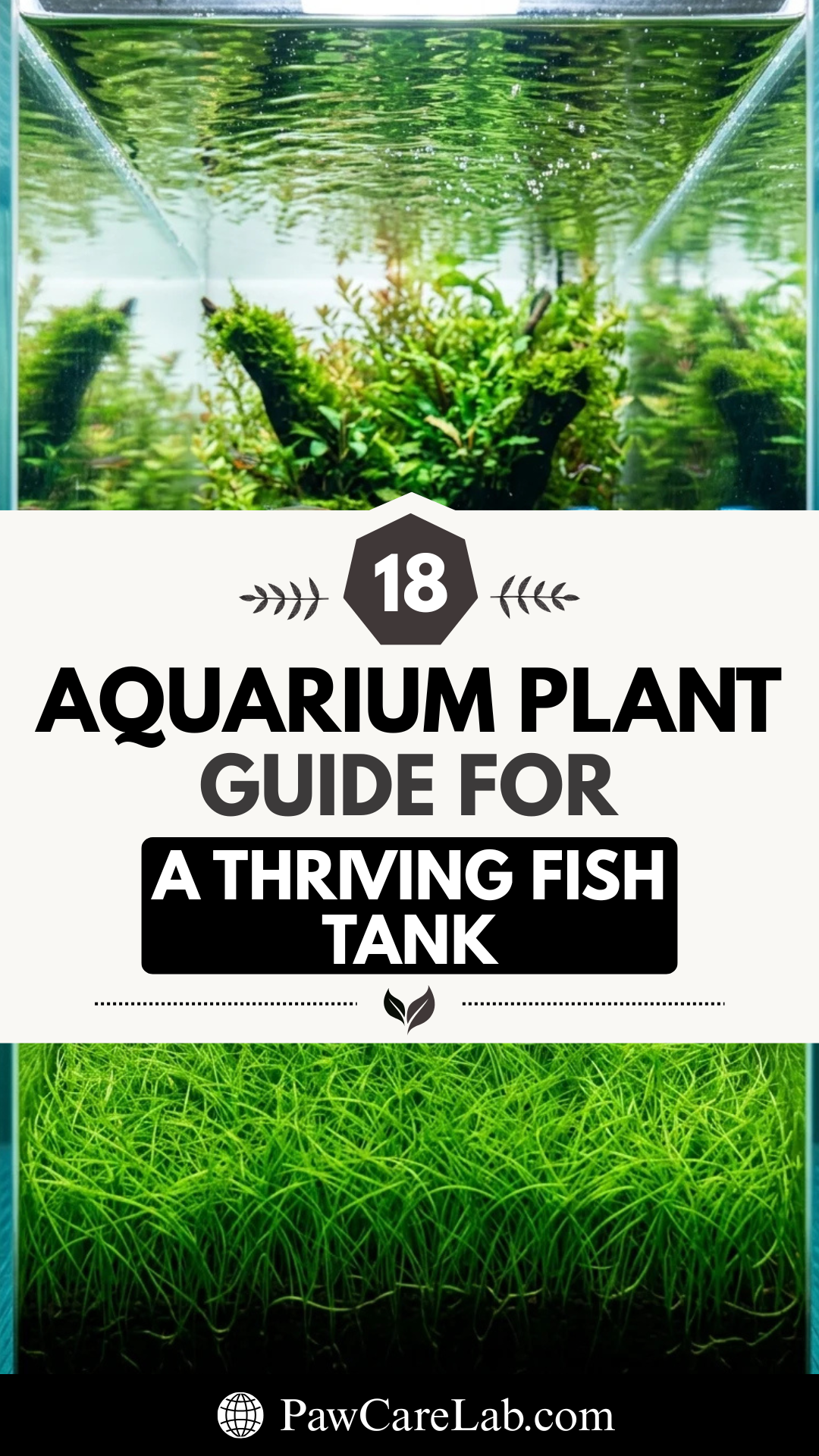
Transforming a glass box into a thriving underwater ecosystem is one of the most rewarding aspects of the fish-keeping hobby. Live plants do more than just look beautiful; they act as a natural filtration system, absorbing nitrates and providing essential oxygen for your fish. Whether you are a beginner looking for “unkillable” greens or an expert aiming for a lush carpet, choosing the right species is the first step toward success.
1. Java Fern
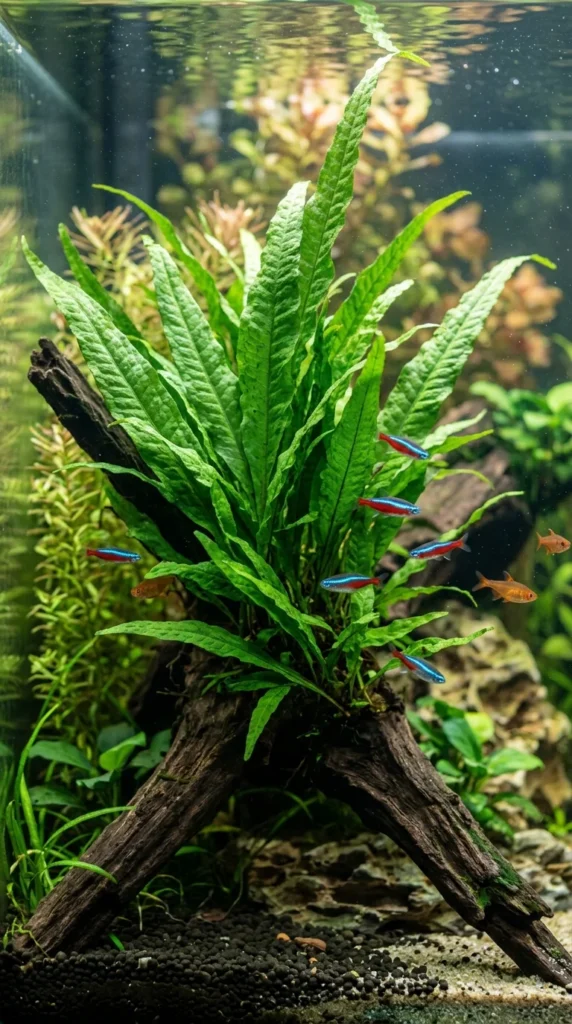
Java Fern is the ultimate beginner plant. It is incredibly hardy and can thrive in almost any lighting condition. Unlike many other plants, you should never bury its roots (rhizome) in the substrate, or it will rot. Instead, tie it to driftwood or rocks using fishing line or super glue gel. It grows slowly but surely, providing a classic “jungle” look to the midground or background of your tank.
2. Amazon Sword
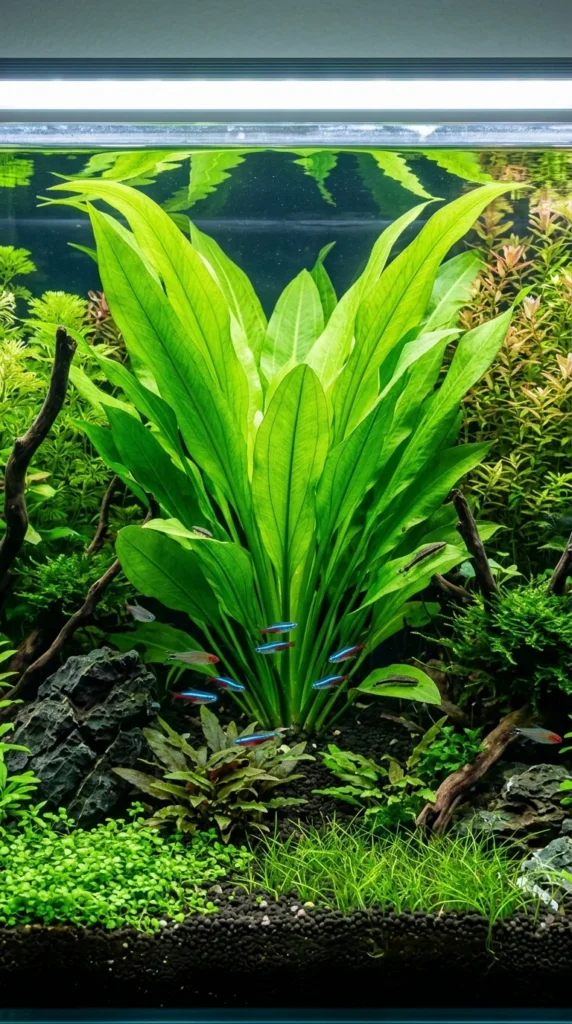
If you have a large aquarium, the Amazon Sword is a must-have. These plants are known for their massive, broad leaves that can reach the surface of a 20-gallon tank easily. They are heavy root feeders, meaning they get most of their nutrients from the soil. To keep them vibrant and prevent yellowing, use root tabs pushed deep into the substrate near their base.
3. Anubias Nana
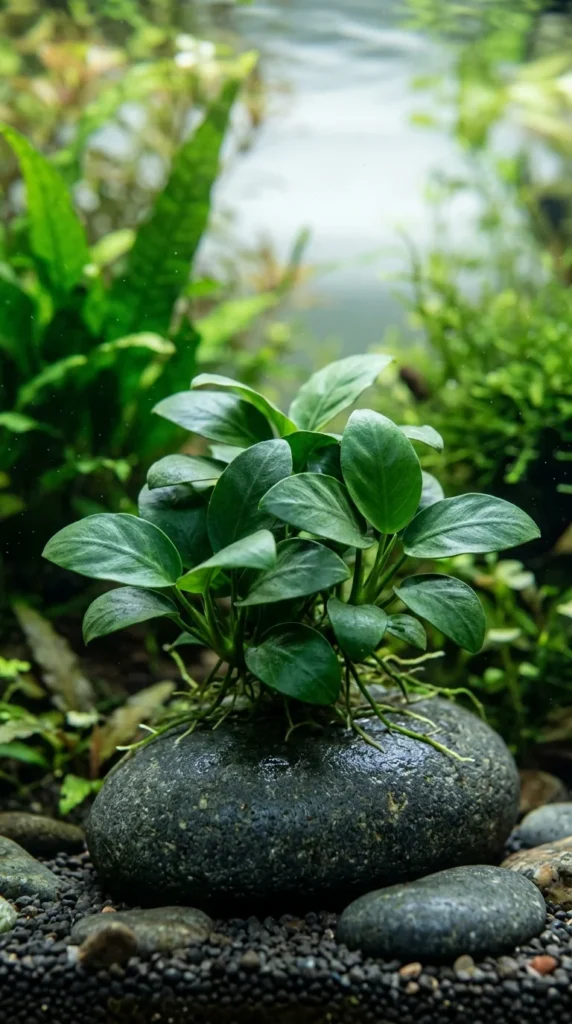
Anubias Nana is a compact, slow-growing plant that is nearly indestructible. It features waxy, dark green leaves that are tough enough to withstand the nibbling of herbivorous fish like Goldfish or Cichlids. Much like the Java Fern, it possesses a rhizome that must remain above the substrate. It is perfect for adding detail to hardscapes in the foreground or midground.
4. Java Moss
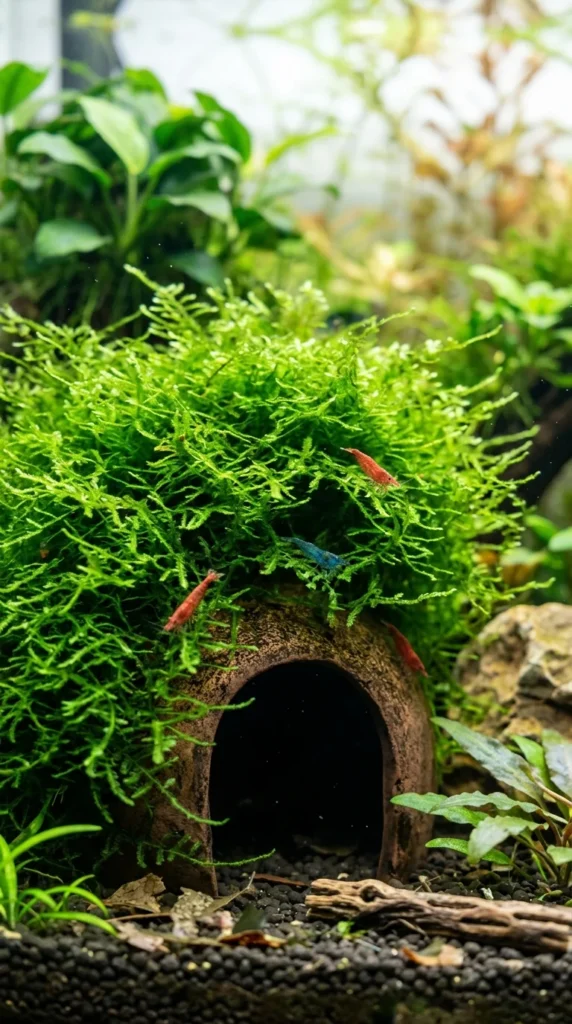
Java Moss is the favorite of breeders and shrimp keepers. This versatile moss can grow on almost any surface and requires very little light. It provides an excellent hiding spot for fry (baby fish) and a foraging ground for dwarf shrimp. It can be left to float, tied to decorations, or even used to create a “moss wall” by sandwiching it between two layers of plastic mesh.
5. Vallisneria
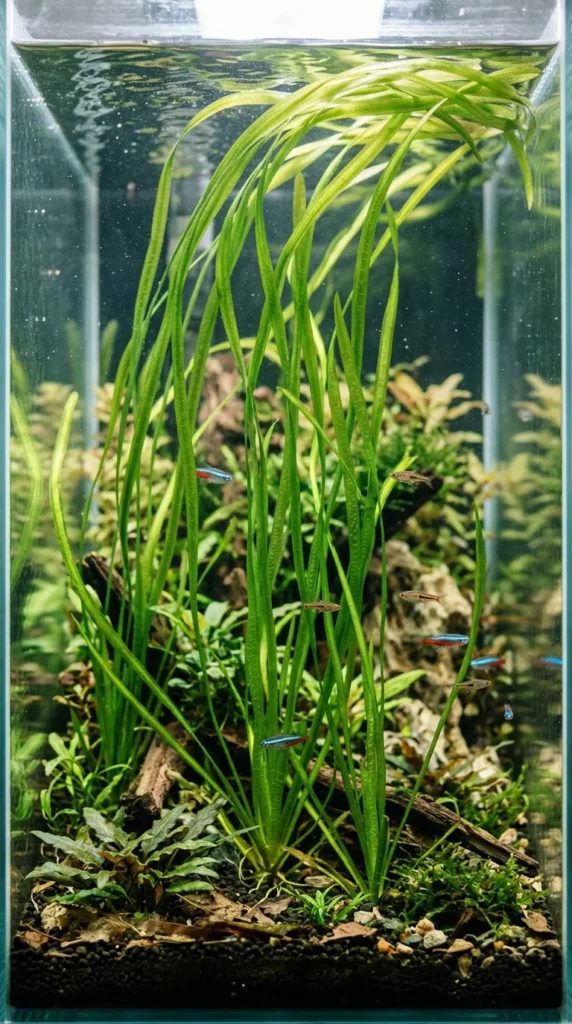
Often called “Val,” this plant looks like long blades of grass that can grow several feet tall. It is an excellent background plant that creates a “curtain” effect, hiding heaters and filter intake tubes. Vallisneria spreads through runners, quickly forming a dense forest of greenery. It prefers harder water and moderate lighting to reach its full potential.
6. Cryptocoryne Wendtii
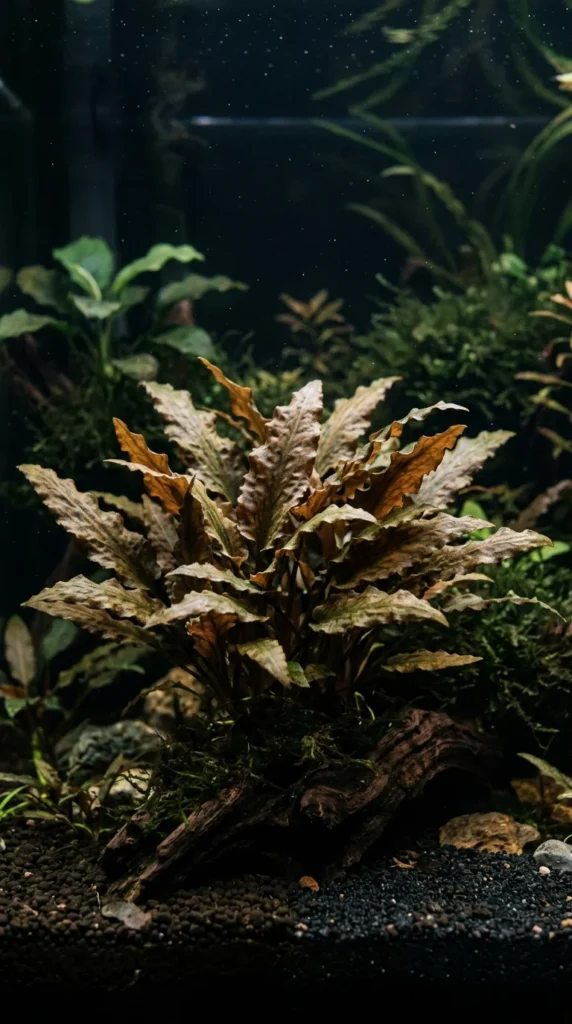
“Crypts” are famous for their adaptability. They come in various shades of green, brown, and bronze. One unique trait is the “Crypt melt”—when introduced to a new tank, they might drop all their leaves. Don’t panic! This is just the plant adjusting to your water chemistry. Within a few weeks, new, more resilient leaves will sprout from the roots.
7. Hornwort
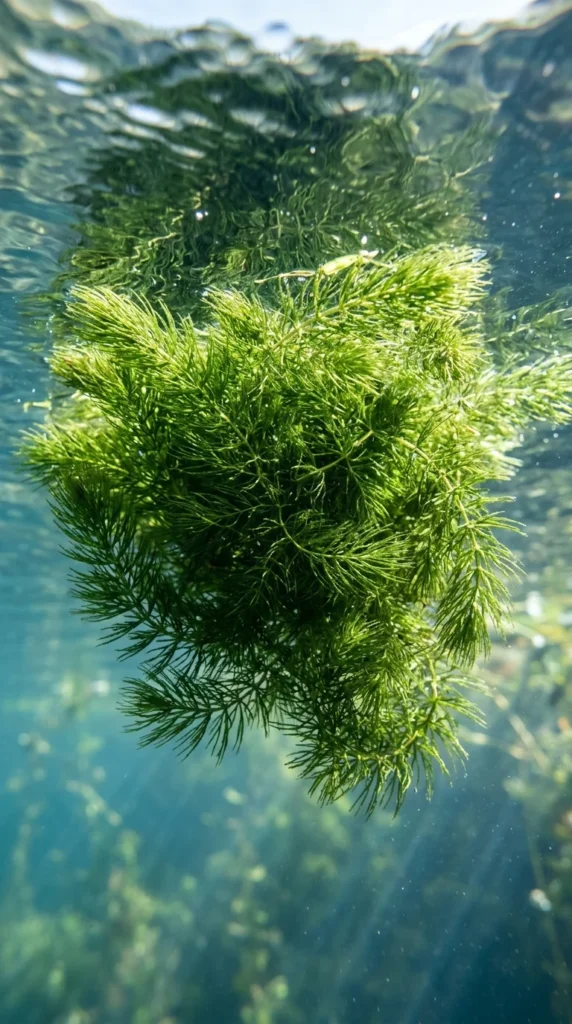
Hornwort is one of the fastest-growing plants in the hobby. Because it grows so quickly, it is a powerhouse at absorbing excess nutrients and preventing algae blooms. It doesn’t have true roots, so you can either let it float at the surface or anchor it into the substrate. Its feathery texture provides great cover for shy fish.
8. Water Wisteria
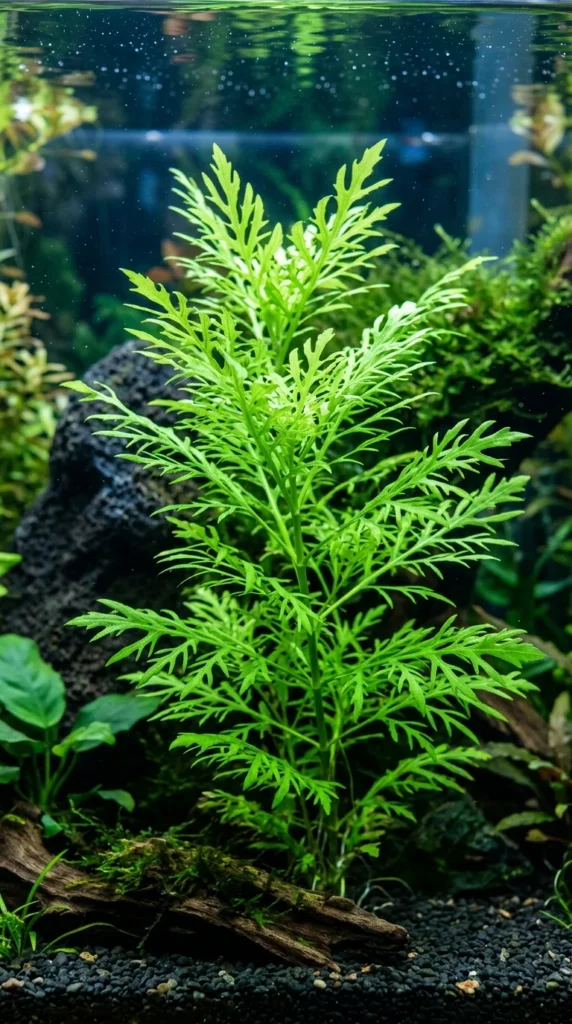
Water Wisteria is a stem plant that can look completely different depending on the environment. In high light, its leaves become deeply serrated and “lacey,” while in lower light, they stay more rounded. It is very easy to propagate; simply cut a stem and stick it back into the gravel, and it will grow into a brand-new plant.
9. Dwarf Hairgrass
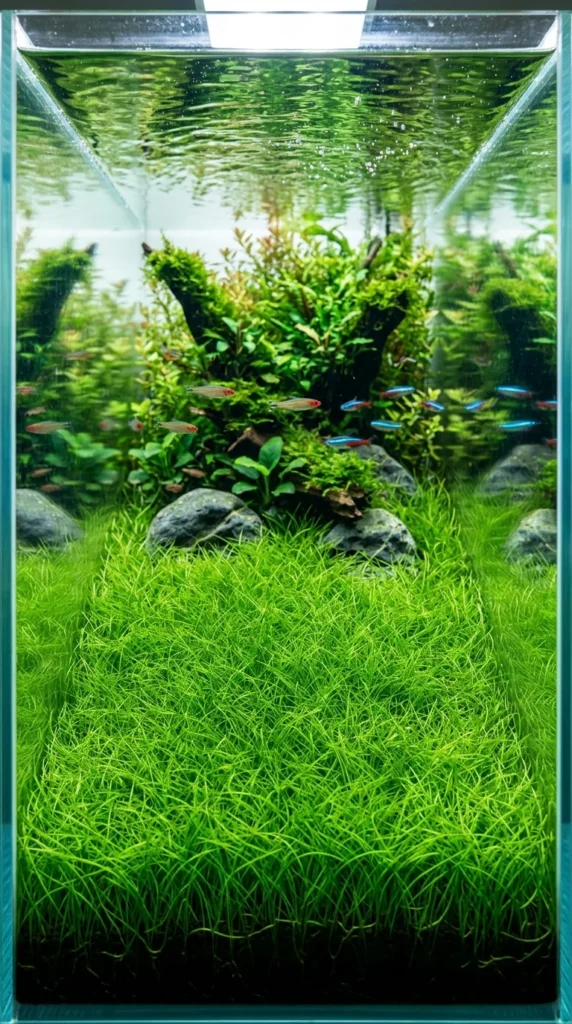
For those dreaming of an underwater lawn, Dwarf Hairgrass is the go-to choice. It features fine, needle-like blades that stay short. To achieve a full “carpet” look, you will generally need high lighting and CO2 injection. Once established, it spreads via underground runners, creating a stunning green floor for your aquascape.
10. Bacopa Monnieri
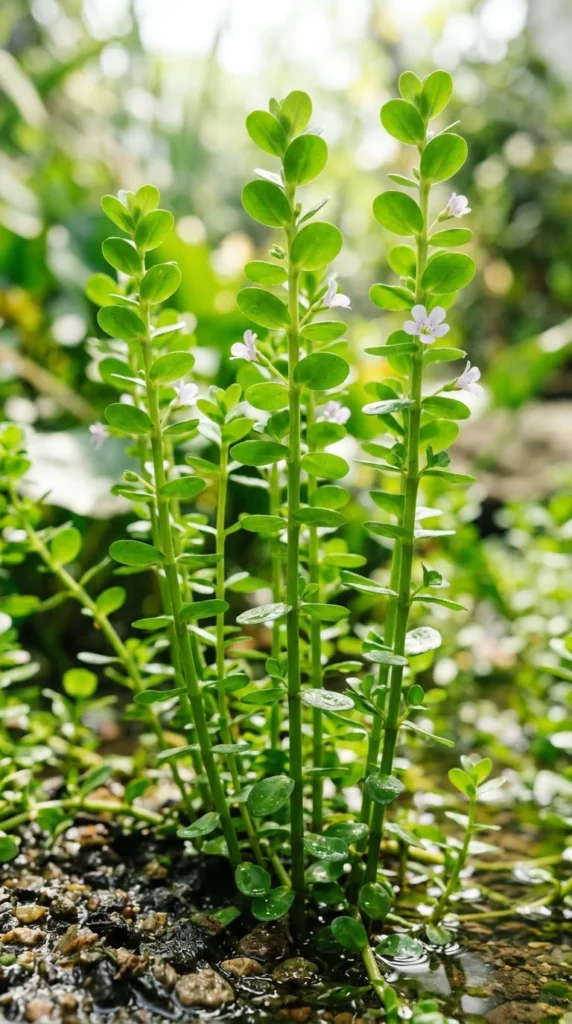
Also known as “Moneywort,” this plant is a sturdy stem plant with small, succulent-like leaves. It grows straight up, making it a great choice for creating vertical lines in your aquascape. It is quite hardy and can even grow out of the top of an open-topped aquarium, sometimes producing small white or purple flowers.
11. Marimo Moss Ball
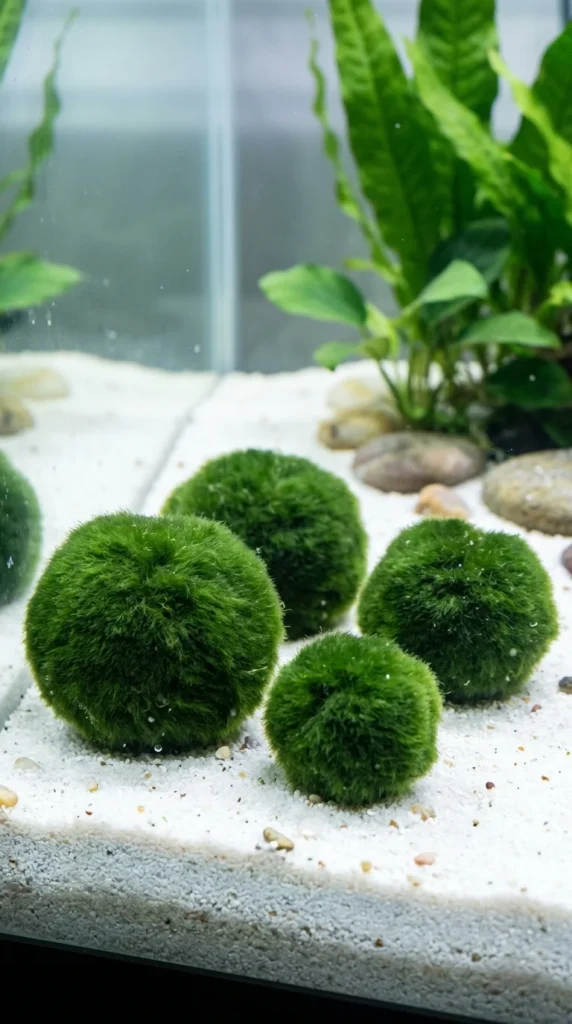
The Marimo Moss Ball is not actually a moss, but a rare form of spherical algae. They are incredibly low-maintenance and can live for decades. All they require is the occasional “roll” to ensure all sides get light and to keep their round shape. They are a charming addition to small tanks and are a big hit with ornamental shrimp.
12. Ludwigia Repens
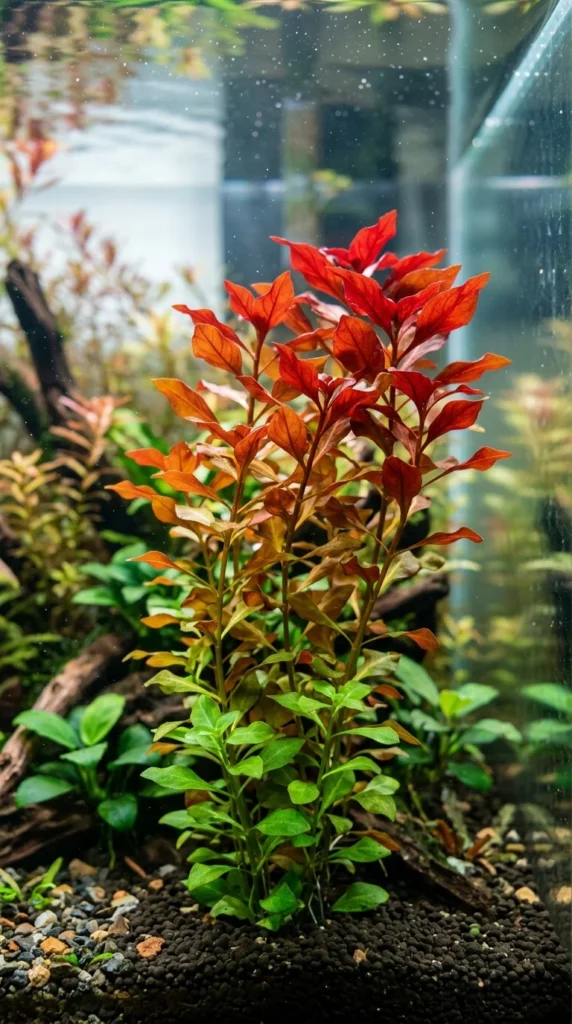
If you want to add a splash of color without the difficulty of high-end “red” plants, Ludwigia Repens is your best bet. With moderate to high lighting and some iron fertilization, the undersides and tips of the leaves will turn a striking reddish-orange. It is a fast grower that adds a beautiful contrast to an all-green tank.
13. Rotala Rotundifolia
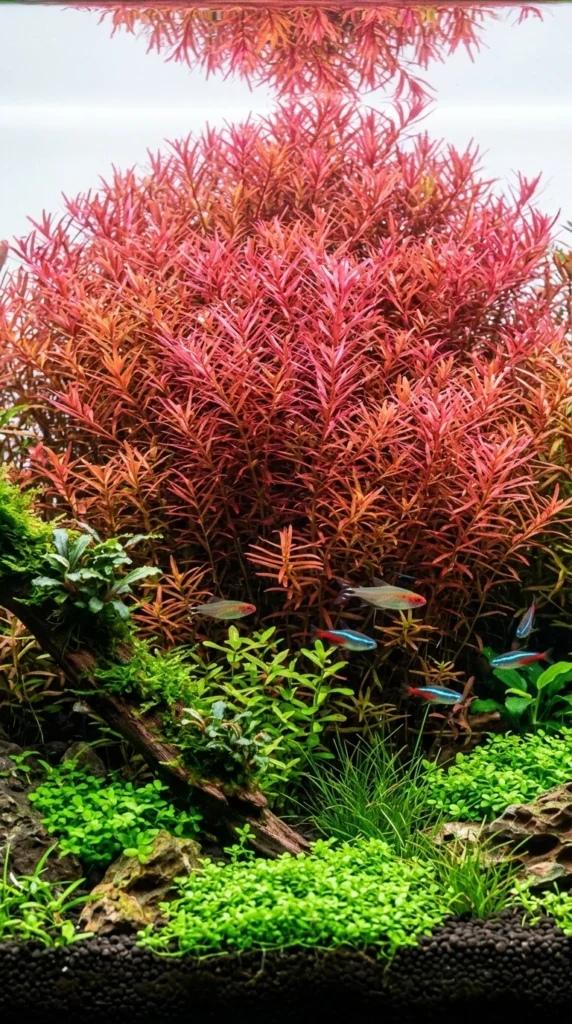
Rotala is a classic aquascaping plant. Under low light, it stays green, but under high-intensity light, it turns shades of pink and red. It grows very densely, making it perfect for “trimming and shaping” into mounds or bushes. Regular pruning encourages it to branch out, creating a fuller look.
14. Monte Carlo
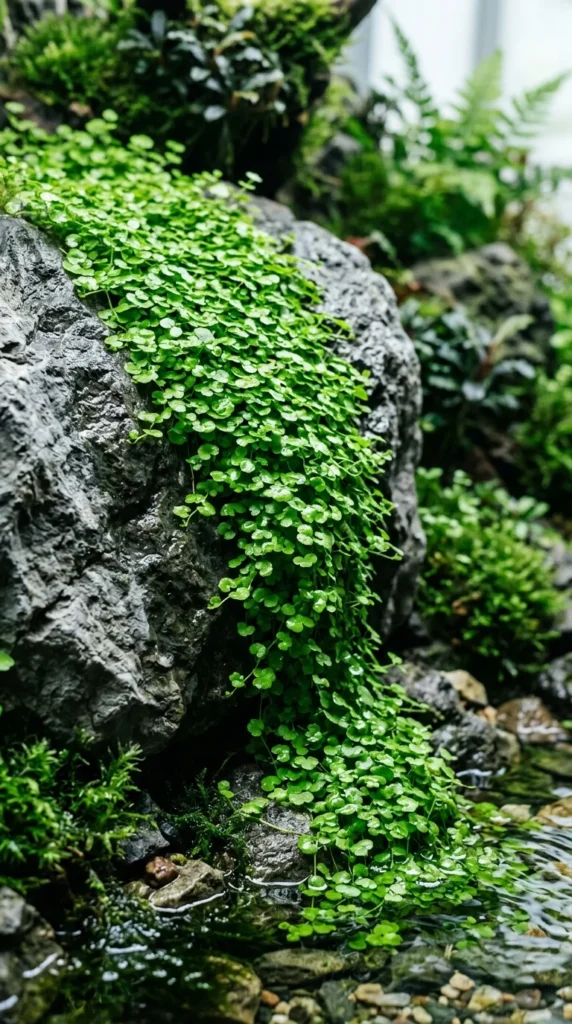
Monte Carlo is often considered the “easier” version of the famous Dwarf Baby Tears. It has tiny, round leaves and grows in a creeping fashion along the substrate. While it prefers CO2, it can be grown in low-tech setups with decent lighting and patience. It is spectacular for creating lush green “hills” in a professional-looking aquascape.
15. Bucephalandra
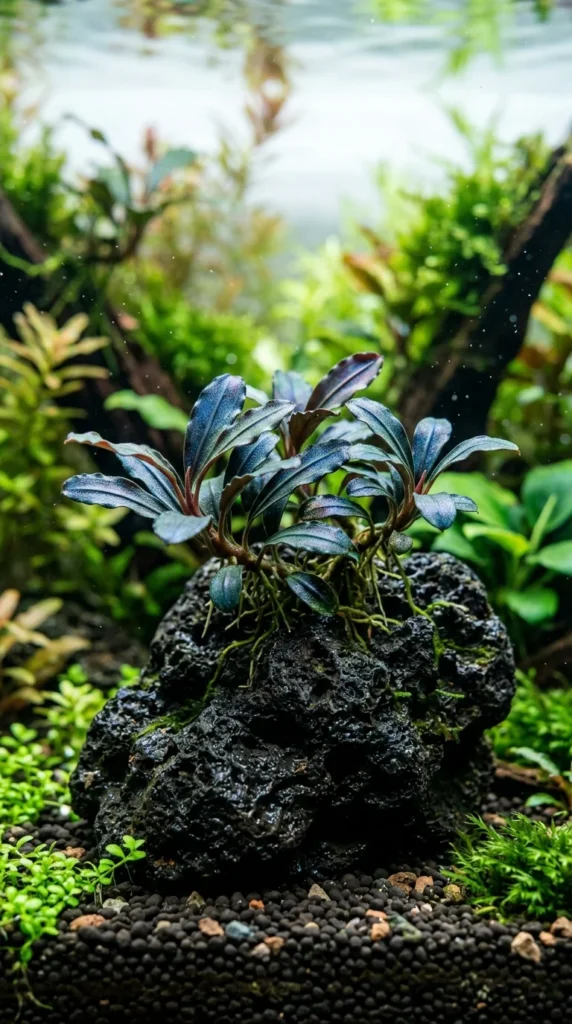
Bucephalandra, or “Buce,” is a premium plant highly sought after for its unique colors and leaf shapes. Some varieties have leaves that shimmer with purple, blue, or silver hues under the right light. Like Anubias, it grows from a rhizome and should be attached to hardscape. It is a very slow grower, making it a low-maintenance choice once established.
16. Amazon Frogbit
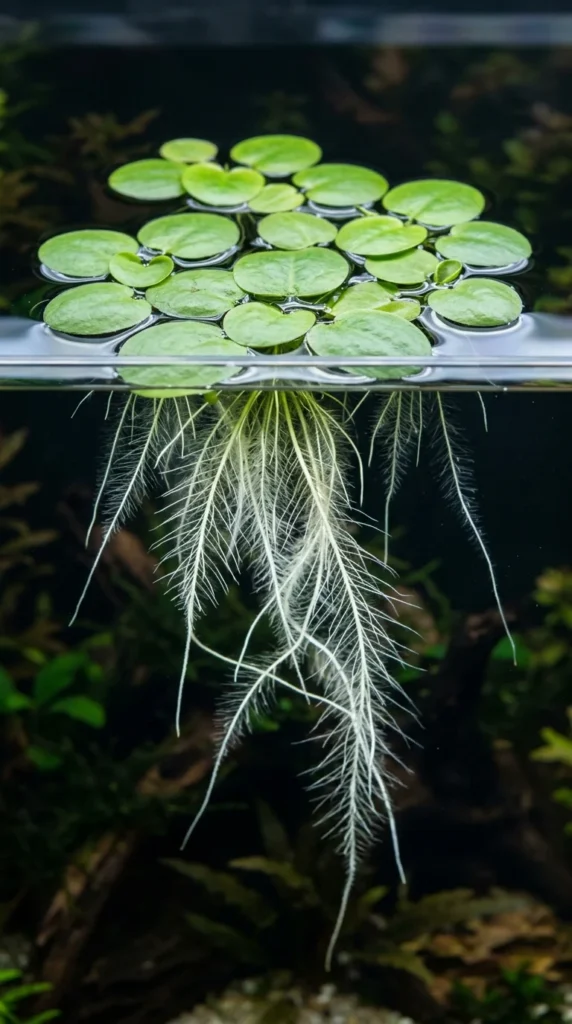
Floating plants add a sense of realism to an aquarium. Amazon Frogbit has thick, lily-pad-like leaves that stay at the surface. Its long, feathery roots provide an amazing playground for fish like Gouramis and Bettas. Be careful to thin it out occasionally, as it can grow quickly and block too much light from reaching the plants below.
17. Christmas Moss
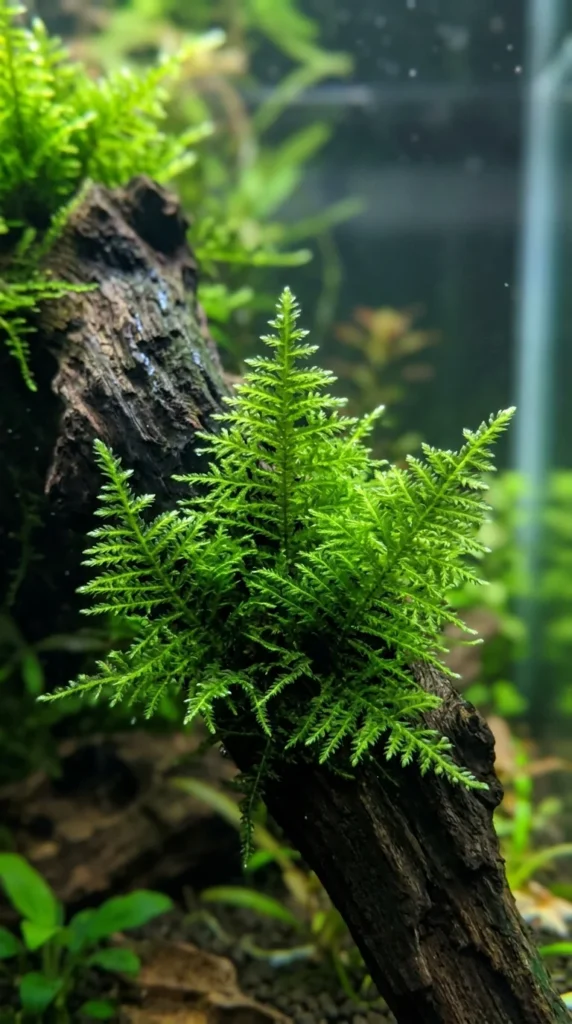
Named for its resemblance to the branches of a Christmas tree, this moss is denser and more “ordered” than Java Moss. It looks fantastic when attached to driftwood “branches” to create the appearance of underwater trees. It provides excellent surface area for beneficial bacteria and microorganisms that shrimp love to eat.
18. Micro Sword
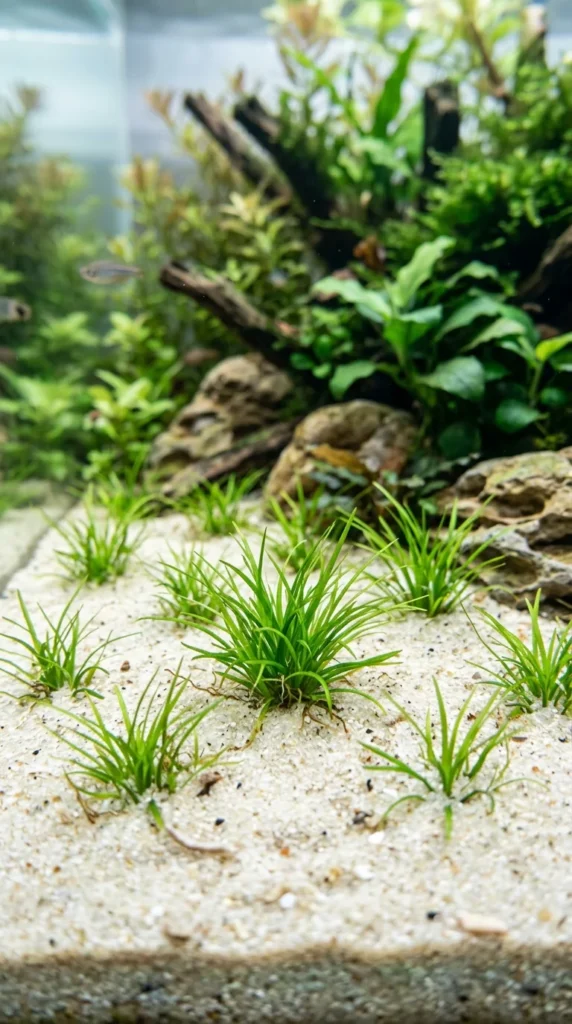
Micro Sword is a grass-like plant that is slightly taller and broader than Hairgrass. It creates a “wild” meadow look in the foreground of the tank. It is a bit more demanding than some other easy plants, requiring good lighting and a nutrient-rich substrate to spread successfully, but the results are a beautiful, naturalistic carpet.
Key Tips for Plant Success
- Lighting: Ensure your plants get 8–10 hours of light a day. Use a timer for consistency.
- Substrate: While some plants feed from the water, many (like Swords and Crypts) need a nutrient-rich soil or root tabs.
- Pruning: Don’t be afraid to trim! Pruning removes dying leaves and encourages new, bushier growth.
- Water Changes: Regular water changes remove built-up waste and replenish essential minerals that plants need to grow.