
Maintaining a thriving aquarium is more than just feeding fish and cleaning the glass; it is an exercise in amateur chemistry. The water in your tank is a living, breathing ecosystem where dozens of chemical variables interact simultaneously. For the beginner, this can seem overwhelming, but for the seasoned hobbyist, monitoring these parameters is the key to unlocking vibrant colors, successful breeding, and long-lived aquatic pets.
Below is a comprehensive guide to the 23 most critical water parameters you should monitor to ensure your underwater world remains a healthy sanctuary.
1. Temperature
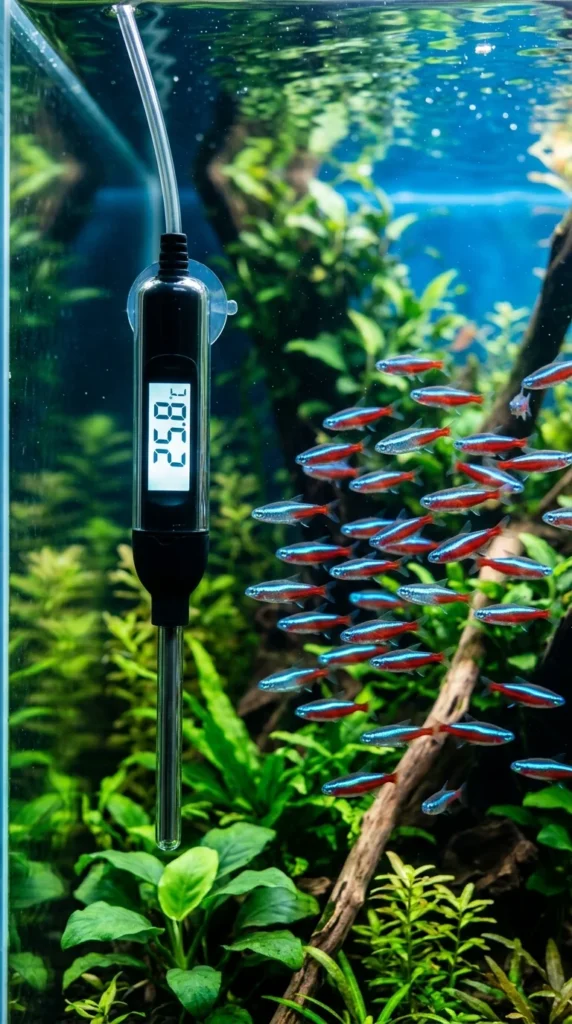
Temperature is the most fundamental parameter because fish are ectothermic, meaning their body temperature—and subsequently their metabolism—is regulated by the surrounding water. Most tropical fish thrive between 75°F and 80°F (24°C–27°C). Fluctuations can cause “temperature shock,” which weakens the immune system and makes fish susceptible to diseases like Ich. Constant monitoring ensures your heater is functioning correctly and hasn’t “stuck” in the on or off position.
2. Ammonia
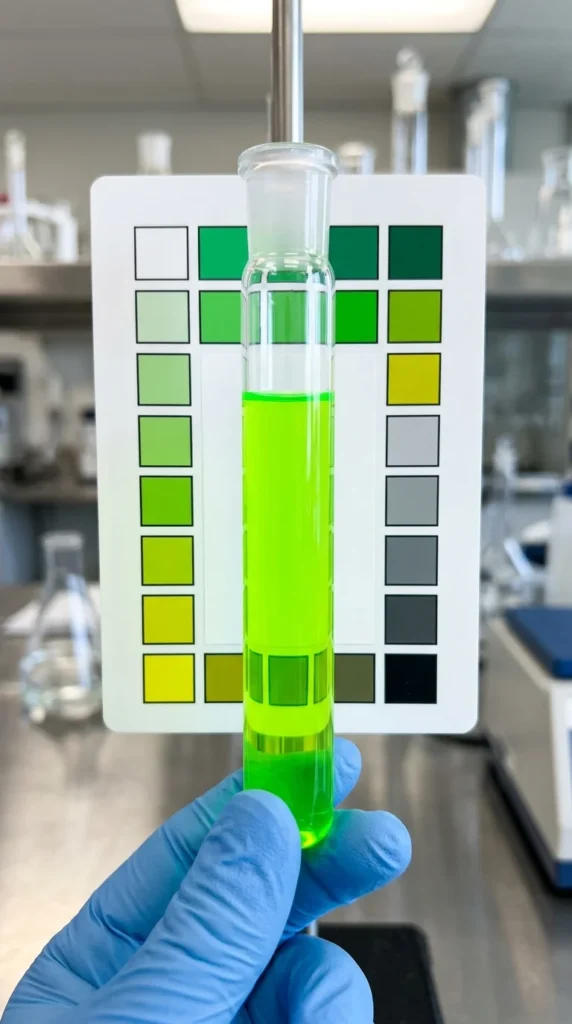
Ammonia (NH3) is the primary waste product produced by fish through their gills and the decomposition of organic matter. It is highly toxic, even in small concentrations. In a “cycled” aquarium, beneficial bacteria convert ammonia into less harmful substances. Any reading above 0 ppm (parts per million) indicates a breakdown in the biological filter or overstocking, which can lead to “ammonia burn” on fish gills and scales.
3. Nitrite
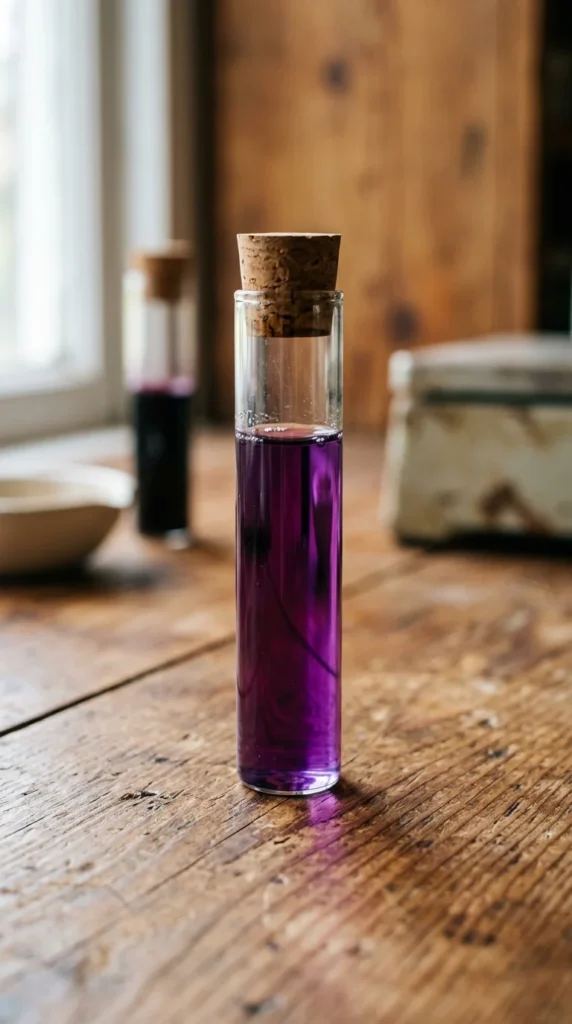
As the second stage of the nitrogen cycle, Nitrite (NO2) is produced when bacteria consume ammonia. While less toxic than ammonia, it is still lethal because it prevents fish blood from carrying oxygen—a condition known as “brown blood disease.” Like ammonia, the only acceptable reading for nitrite in an established tank is 0 ppm.
4. Nitrate
Nitrate (NO3) is the final byproduct of the nitrogen cycle. While significantly less toxic than ammonia or nitrite, high levels (typically above 40 ppm) can lead to stunted growth, poor immune response, and massive algae blooms. Regular water changes are the most common way to export nitrates, though live plants also consume them as fertilizer.
5. pH
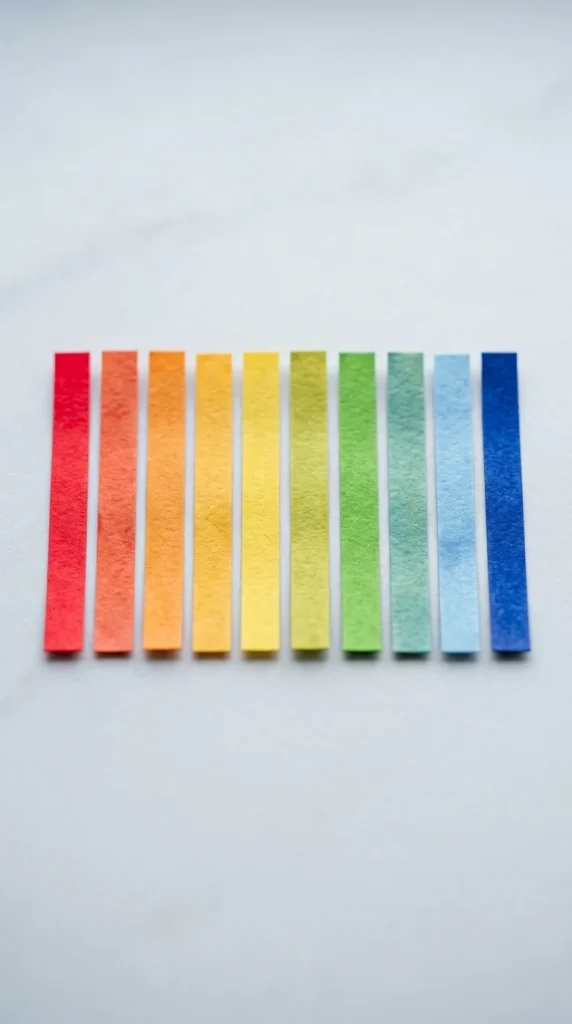
The pH scale measures how acidic or alkaline your water is, ranging from 0 to 14. Most freshwater fish prefer a range between 6.5 and 7.5, while African Cichlids and marine fish require higher alkalinity. The danger isn’t always the specific number, but rather the stability; rapid swings in pH can be fatal to sensitive species.
6. KH (Carbonate Hardness)
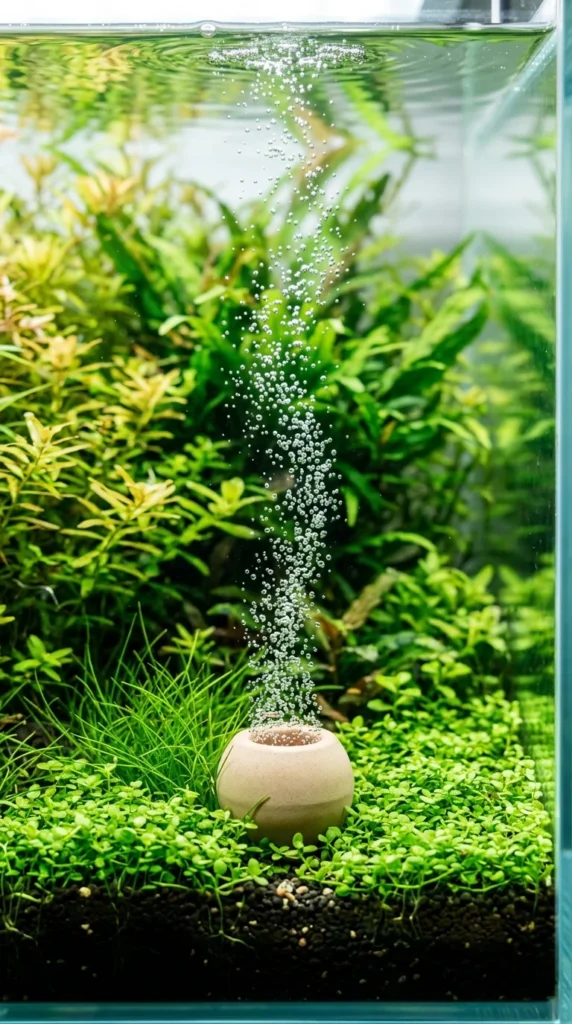
KH, or “alkalinity,” measures the concentration of carbonates and bicarbonates in the water. Think of KH as a “buffer” for your pH. If your KH is too low, your pH can crash suddenly, causing massive livestock loss. Maintaining an adequate KH level (usually 4–8 dKH for freshwater) ensures your pH remains stable over time.
7. GH (General Hardness)
General Hardness measures the concentration of calcium and magnesium ions. This is what people refer to as “hard” or “soft” water. Fish from the Amazon (like Discus) prefer soft water (low GH), while fish from the African Rift Lakes prefer hard water (high GH). GH is vital for the osmotic regulation and bone development of your fish.
8. Salinity

For saltwater and brackish enthusiasts, salinity is the most important daily metric. It measures the total amount of dissolved salts in the water. It is typically measured as “Specific Gravity” (SG) using a hydrometer or refractometer. Maintaining a stable SG (usually 1.024–1.026 for reefs) is essential because salt does not evaporate with water, meaning the concentration increases as water leaves the tank.
9. Dissolved Oxygen
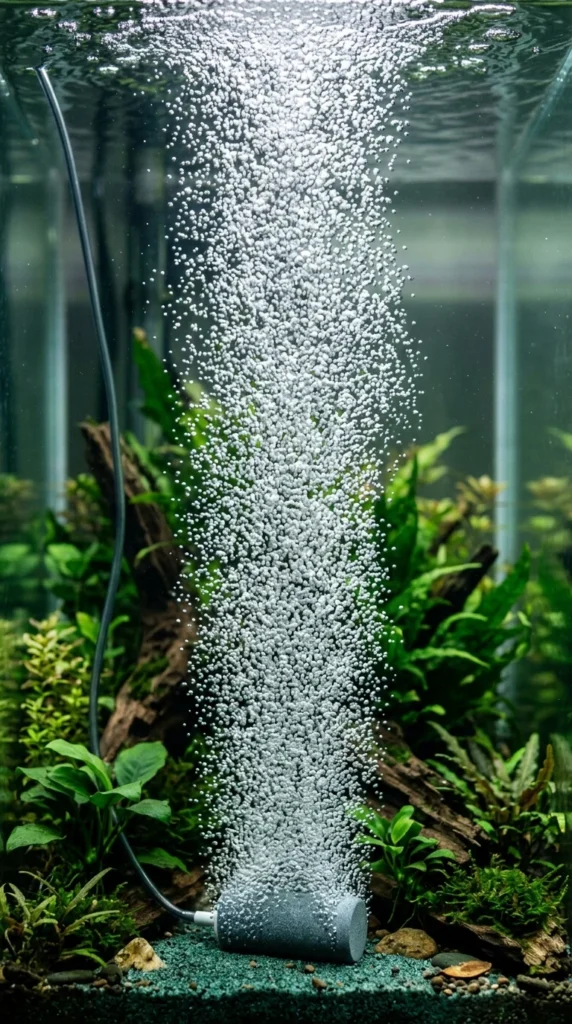
Fish “breathe” the oxygen dissolved in the water. Low oxygen levels often occur in stagnant water or during heatwaves, as warmer water holds less oxygen. If you see your fish gasping at the surface, it’s a sign that your dissolved oxygen is dangerously low. Increased surface agitation is the best way to facilitate gas exchange.
10. Phosphates
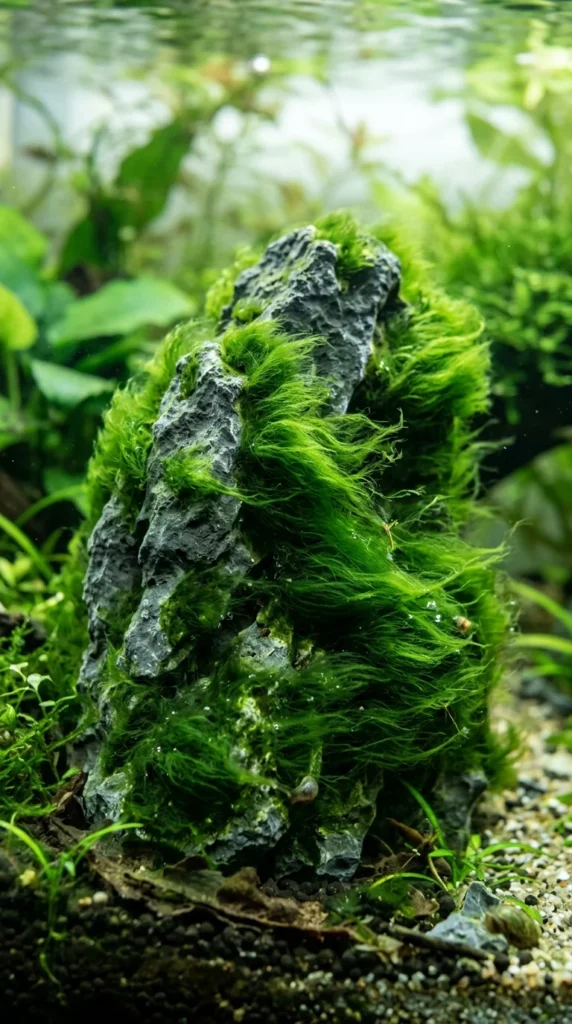
Phosphates (PO4) enter the tank through fish food and tap water. While not directly harmful to fish in moderate amounts, they are the primary fuel for nuisance algae. If your tank is being overrun by green hair algae or “cyanobacteria,” checking and reducing your phosphate levels is the first step toward a solution.
11. Calcium
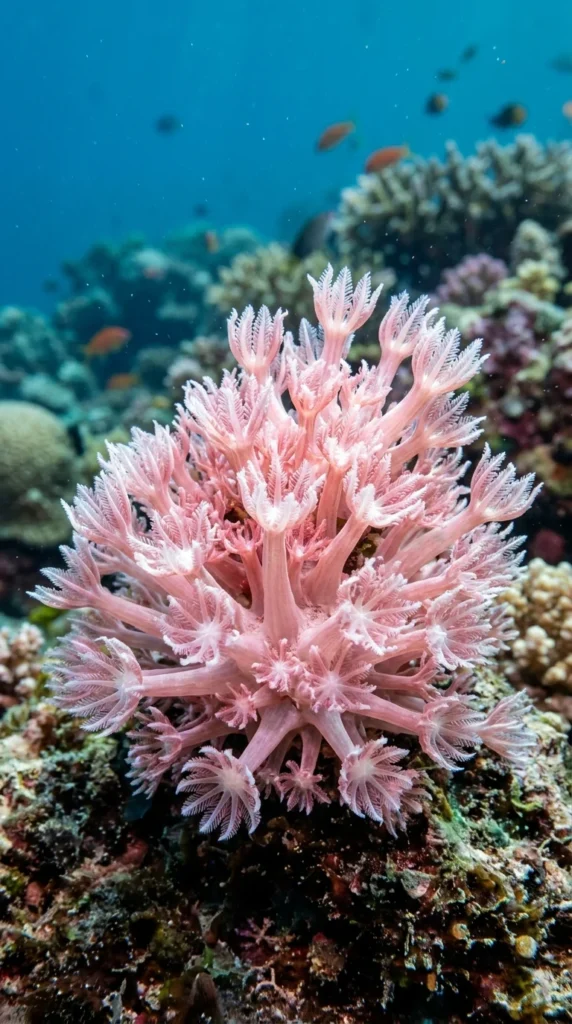
In reef tanks, calcium is the building block of life. Corals, snails, and crustaceans use calcium to build their skeletons and shells. For a thriving reef, calcium levels should generally stay between 400 and 450 ppm. If calcium drops too low, coral growth will stop, and they may eventually bleach or die.
12. Magnesium
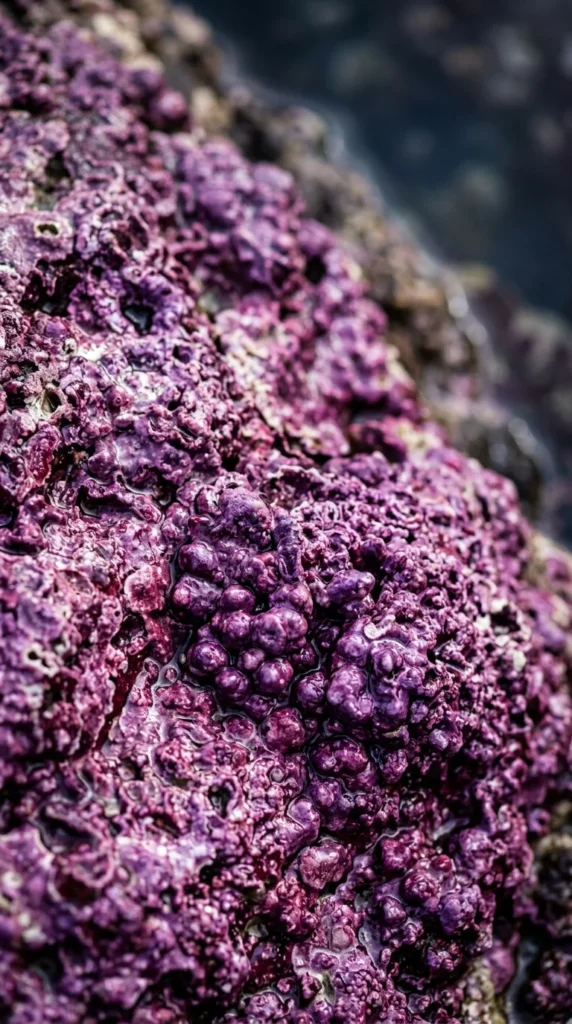
Magnesium is the “silent partner” to calcium and KH. It allows the water to hold higher concentrations of calcium and carbonates without them precipitating out as “snow.” In saltwater systems, magnesium should be kept around 1300–1400 ppm to maintain the chemical balance of the reef.
13. Carbon Dioxide (CO2)
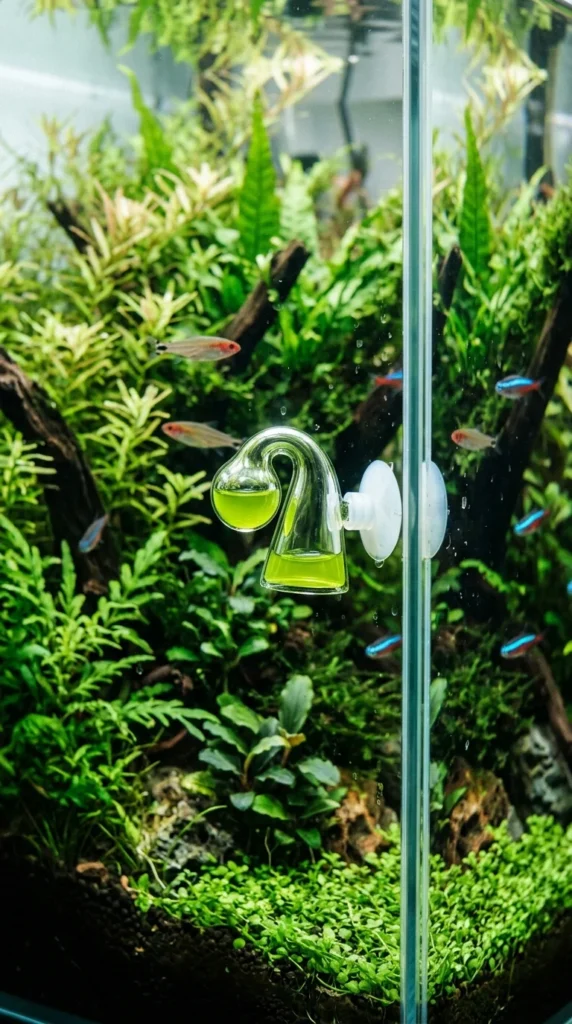
For high-tech planted tanks, CO2 is essential for photosynthesis. However, too much CO2 can suffocate fish by displacing oxygen. Monitoring CO2 levels, often via a “drop checker” that changes color based on gas concentration, is vital for balancing plant growth with fish safety.
14. TDS (Total Dissolved Solids)
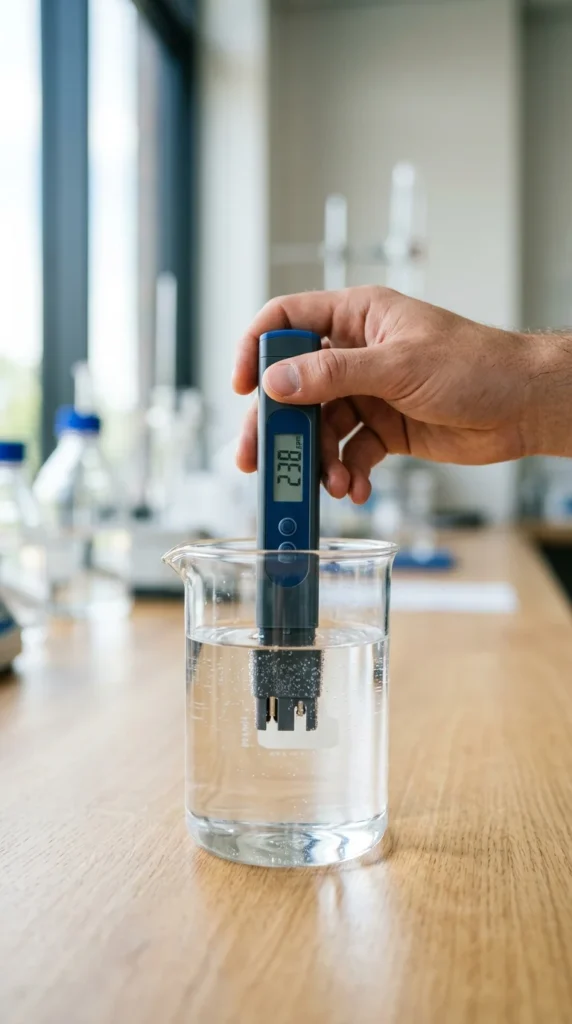
TDS is a “catch-all” measurement of everything dissolved in the water, from minerals to organic waste. While it doesn’t tell you what is in the water, a rising TDS level over time tells you that your water quality is degrading and it’s time for a water change. It is especially important for shrimp keepers and those using Reverse Osmosis (RO) water.
15. Iron
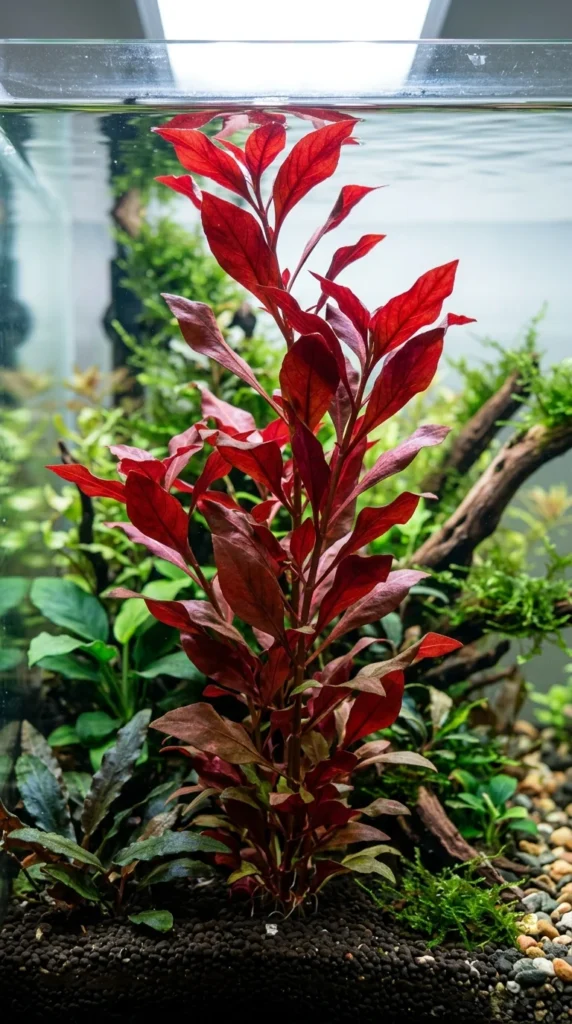
Iron is a trace mineral primarily monitored in planted tanks. It is responsible for the lush red and deep green colors of aquatic foliage. If your plants look pale or yellowing (chlorosis), an iron deficiency is often the culprit. However, too much iron can lead to specific types of algae outbreaks.
16. Chlorine and Chloramine
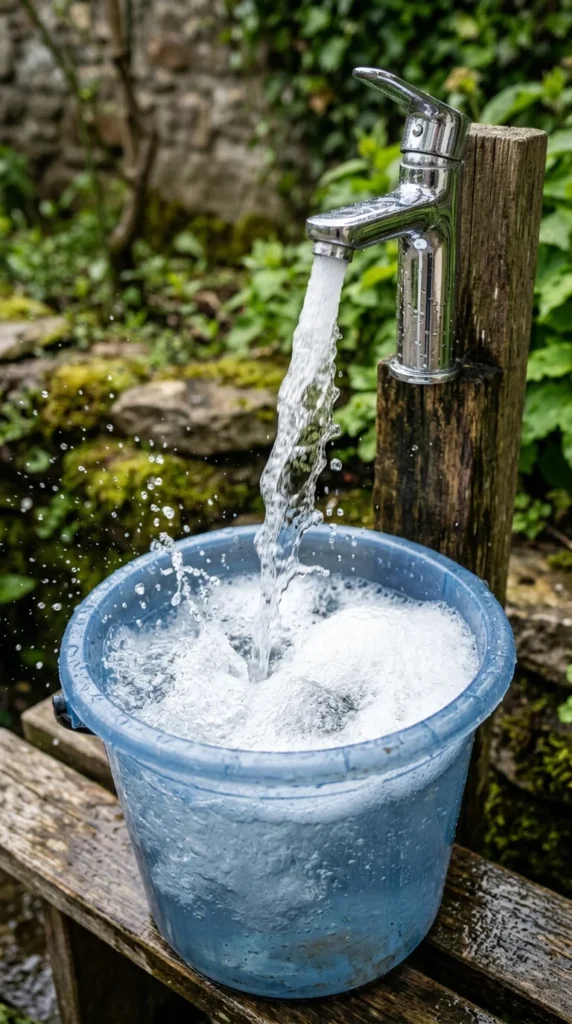
Most municipal tap water is treated with chlorine or chloramine to kill bacteria. Both are deadly to fish and will destroy your tank’s beneficial bacteria instantly. Always test your tap water or use a high-quality water conditioner to neutralize these chemicals before they ever touch your aquarium.
17. Copper
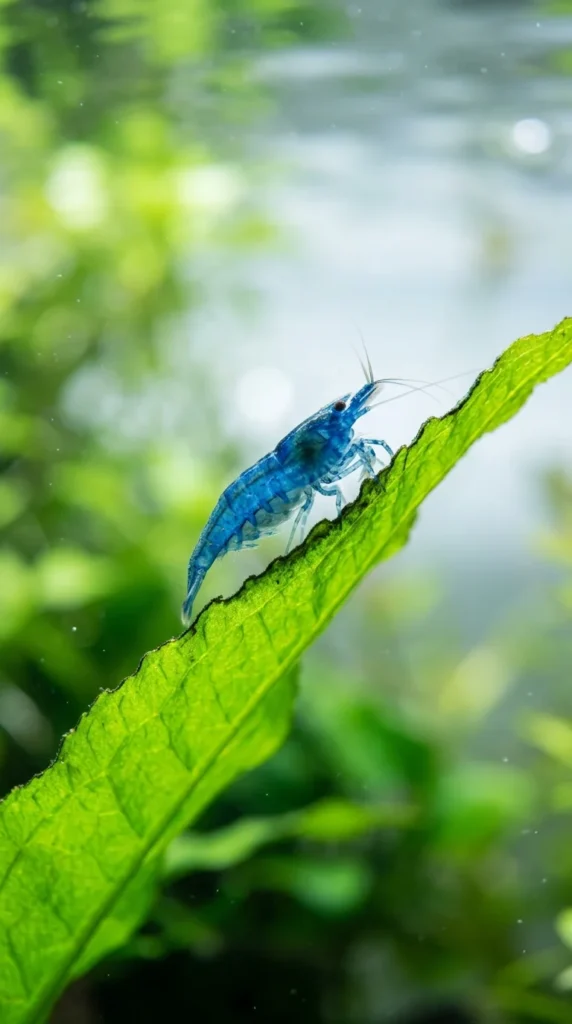
Copper is often introduced via medications or old copper plumbing. While some fish can tolerate low levels, copper is an absolute death sentence for invertebrates like shrimp, snails, and corals. If you plan on keeping “inverts,” monitoring for even trace amounts of copper is non-negotiable.
18. Iodine
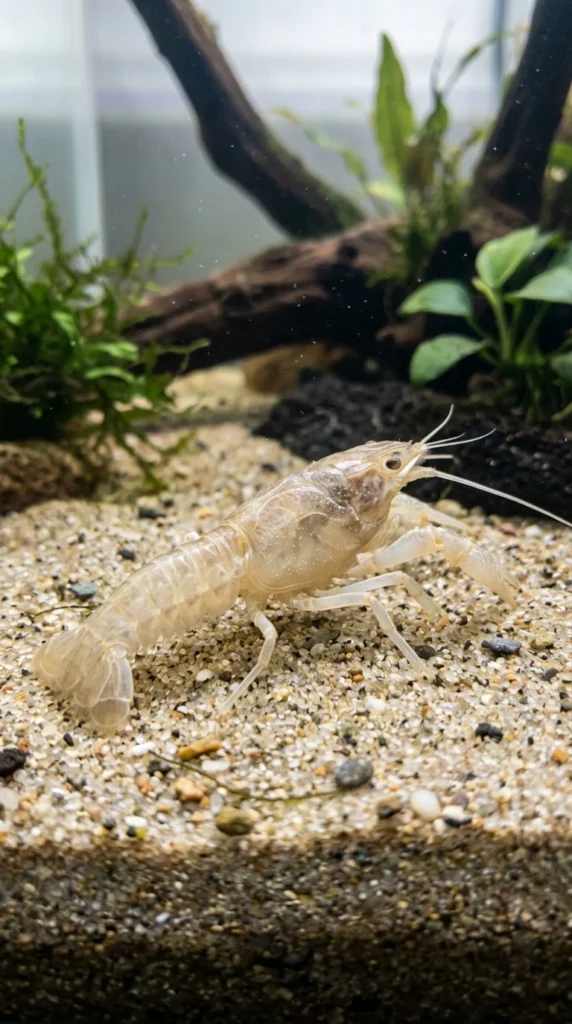
Iodine is a trace element that is particularly important for crustaceans and corals. Shrimp and crabs require iodine to successfully molt their old shells. In reef tanks, iodine helps corals with soft tissue health and pigmentation. Like most trace elements, it should be dosed carefully, as high levels can be toxic.
19. Potassium
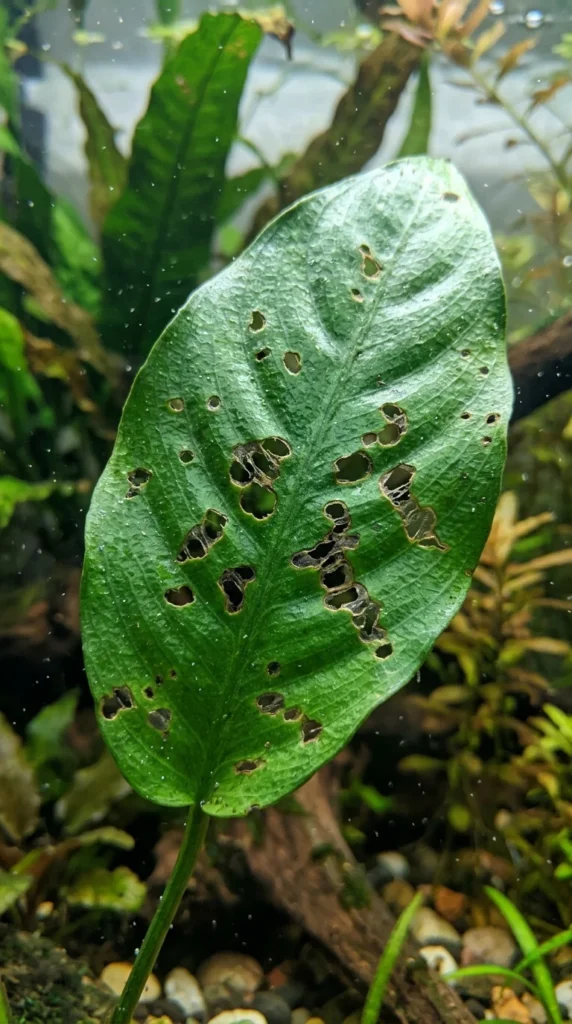
Potassium is one of the three “macro-nutrients” for plants. A deficiency in potassium usually manifests as small holes in the leaves or browning edges. Monitoring and dosing potassium ensures that your “underwater garden” remains robust and can out-compete algae for nutrients.
20. Silicates
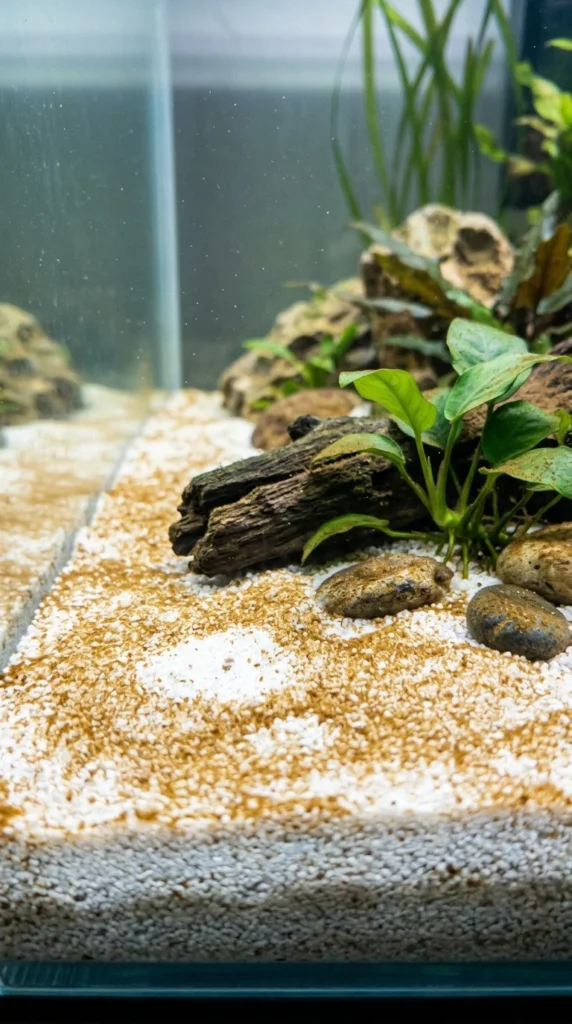
Silicates often enter the tank through tap water or certain types of sand. They are the primary food source for diatoms, the brown “dust” algae commonly seen in newly set-up tanks. If you have a persistent brown algae problem that won’t go away, checking your silicate levels is the next logical step.
21. ORP (Redox)
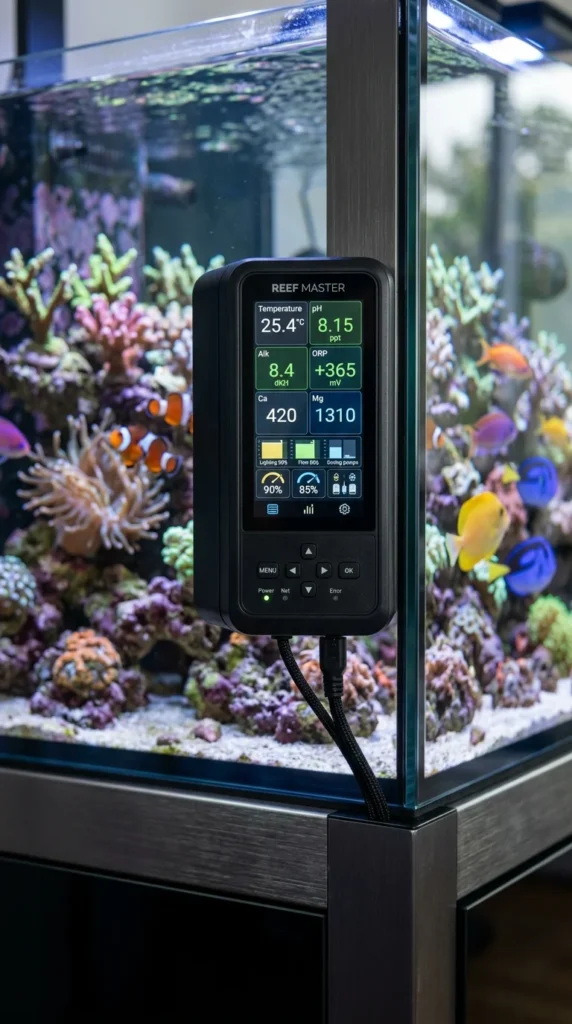
Oxidation-Reduction Potential (ORP) measures the “cleanliness” or “oxidizing power” of your water. It tells you how effectively the water can break down organic waste. High ORP levels generally mean high water quality and clarity. This is a more advanced parameter often monitored by reefers using ozone generators.
22. Heavy Metals
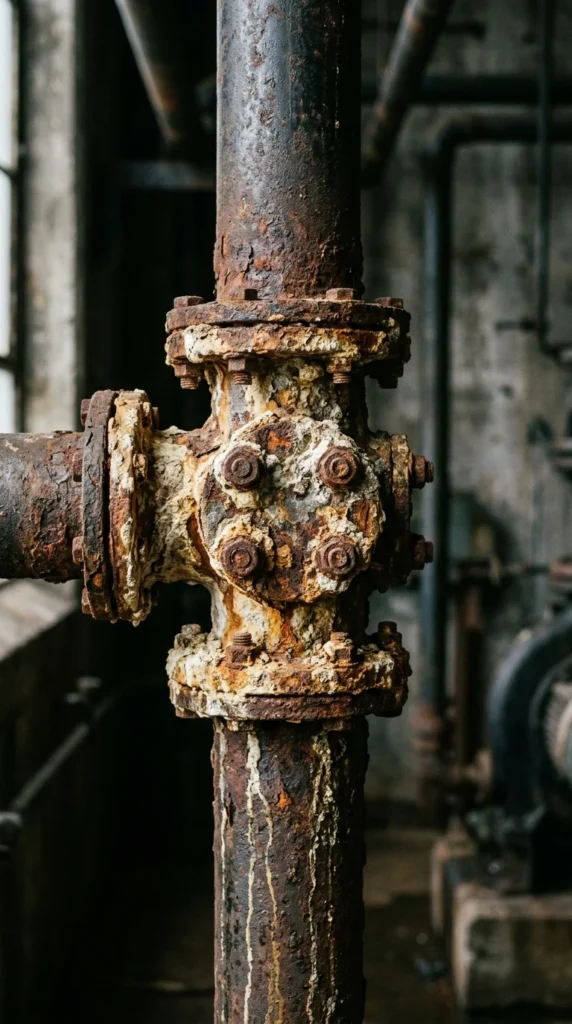
Beyond copper, other heavy metals like lead, zinc, and mercury can occasionally leach into aquariums from low-quality decorations, contaminated gravel, or old plumbing. These metals act as cumulative toxins, slowly poisoning fish over months. If fish are dying with no apparent symptoms, a heavy metal test may reveal the hidden cause.
23. Hydrogen Sulfide
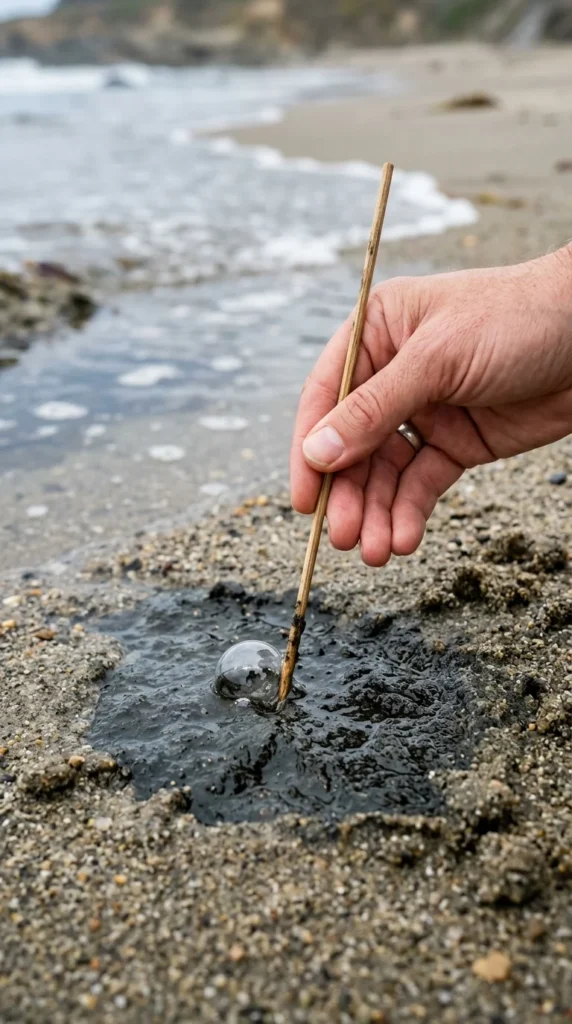
Hydrogen Sulfide (H2S) is a gas that forms in “dead zones” within deep, compacted substrate where oxygen cannot reach. It is highly toxic and smells like rotten eggs. While rare in well-maintained tanks, monitoring for dark patches in the sand and ensuring occasional substrate stirring can prevent a deadly gas release.