
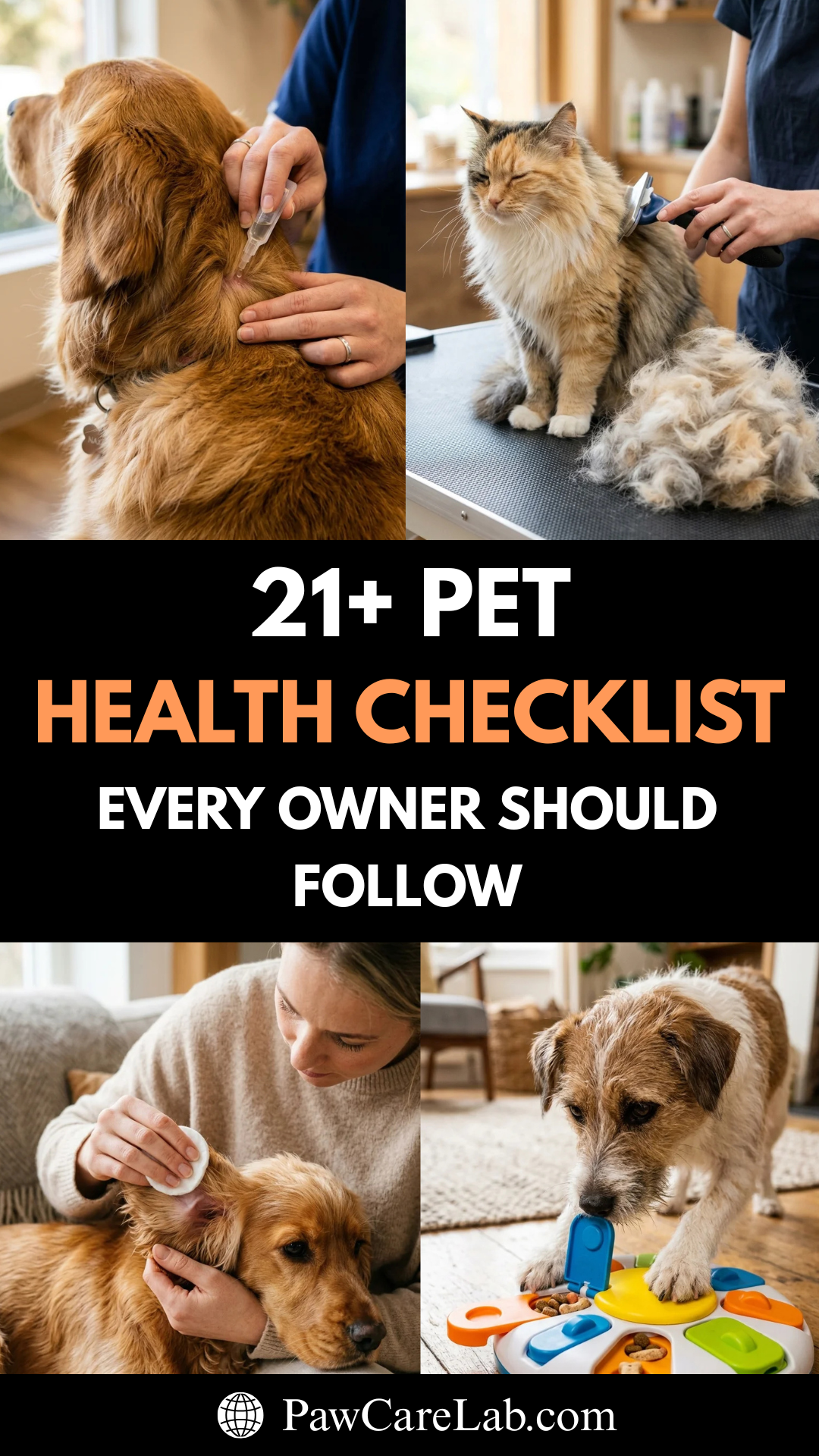
Owning a pet is one of life’s greatest joys, but it also comes with a profound responsibility. Our furry, feathered, or scaled companions rely entirely on us to advocate for their well-being. Because pets often hide discomfort as a survival instinct, proactive health management is the only way to ensure they live long, vibrant lives. This comprehensive 21-point checklist serves as your ultimate guide to preventative care, helping you catch potential issues early and optimize your pet’s quality of life.
1. Balanced Nutrition

The foundation of all health starts in the bowl. Every pet has unique nutritional requirements based on their species, age, breed, and activity level. High-quality commercial diets or balanced home-cooked meals (vetted by a nutritionist) provide the essential proteins, fats, vitamins, and minerals needed for cellular repair and energy. Avoid “filler” ingredients and keep an eye out for life-stage transitions; a puppy’s needs are vastly different from those of a senior dog.
2. Daily Exercise

Physical activity is non-negotiable. For dogs, this might mean long walks or fetch; for cats, it could be chasing a laser or climbing a vertical cat tree. Exercise prevents obesity, strengthens the cardiovascular system, and keeps joints limber. Beyond physical health, it is the primary outlet for pent-up energy, which drastically reduces destructive behaviors rooted in boredom or anxiety.
3. Annual Exams
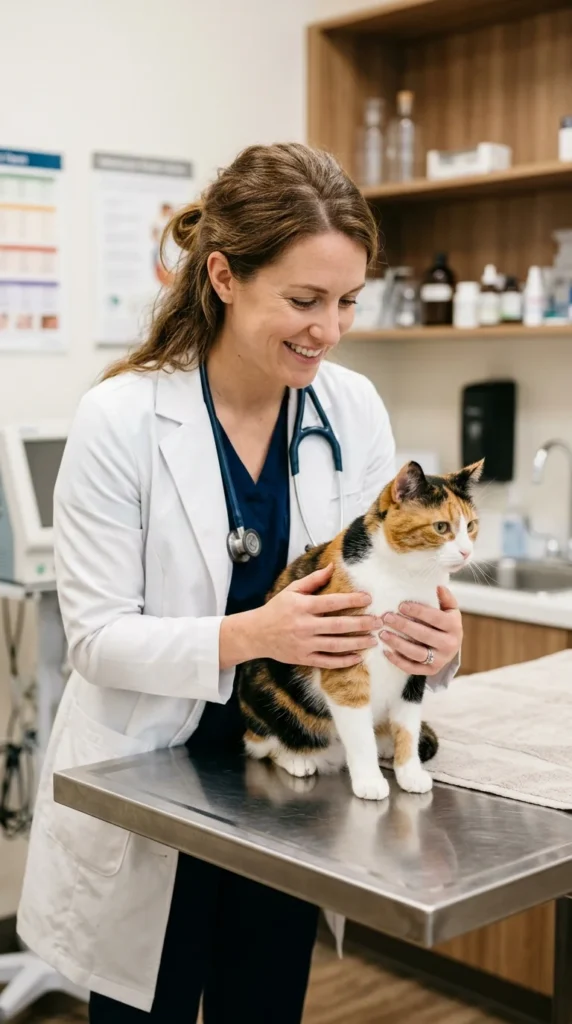
Even if your pet seems perfectly healthy, an annual veterinary exam is vital. These “nose-to-tail” checkups allow professionals to detect subtle changes that the untrained eye might miss, such as heart murmurs, abdominal masses, or early-stage organ dysfunction. For senior pets, many vets recommend bi-annual visits to stay ahead of age-related decline.
4. Vaccinations

Vaccines are a miracle of modern medicine, shielding pets from deadly diseases like rabies, distemper, parvovirus, and feline leukemia. Following a strict vaccination schedule tailored to your pet’s lifestyle and geographic location is essential. These shots not only protect your individual pet but also contribute to “herd immunity” within the local pet community.
5. Dental Care
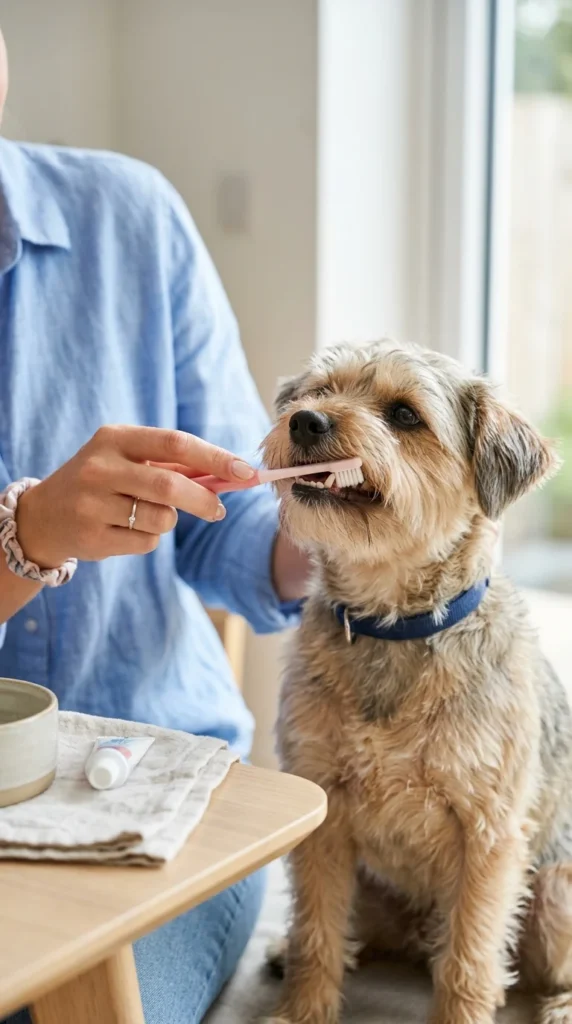
Periodontal disease is one of the most common—yet preventable—ailments in pets. Plaque and tartar buildup can lead to painful infections and even systemic organ damage as bacteria enter the bloodstream. Aim for daily brushing with pet-safe toothpaste, and supplement with dental chews or water additives to keep their breath fresh and their gums healthy.
6. Parasite Prevention
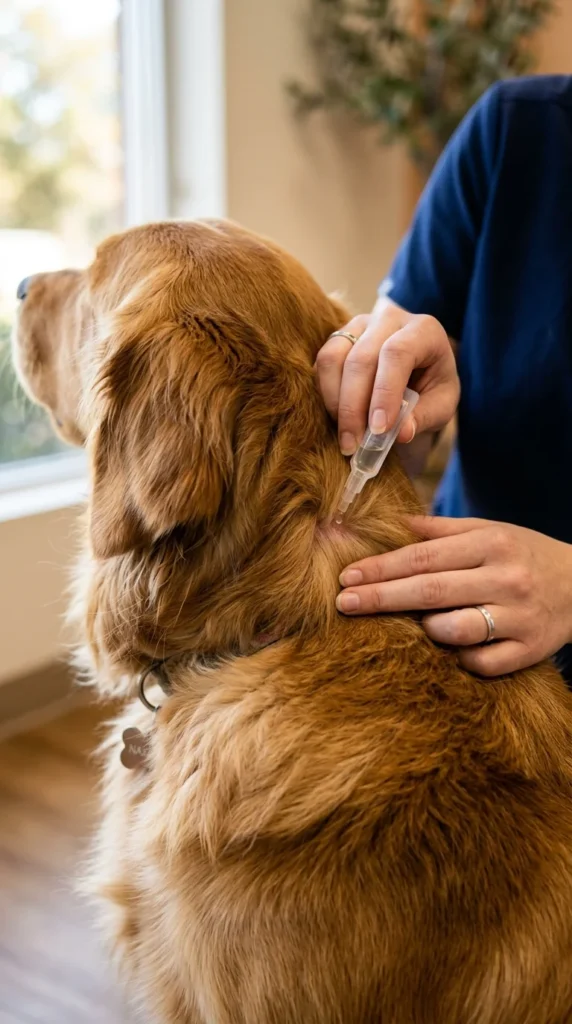
Fleas, ticks, and heartworms are more than just a nuisance; they are carriers of serious illnesses like Lyme disease and heart failure. Year-round prevention is critical, even for indoor pets, as pests can hitchhike inside on your clothes or through window screens. Consult your vet for the most effective oral or topical preventatives for your specific region.
7. Weight Management
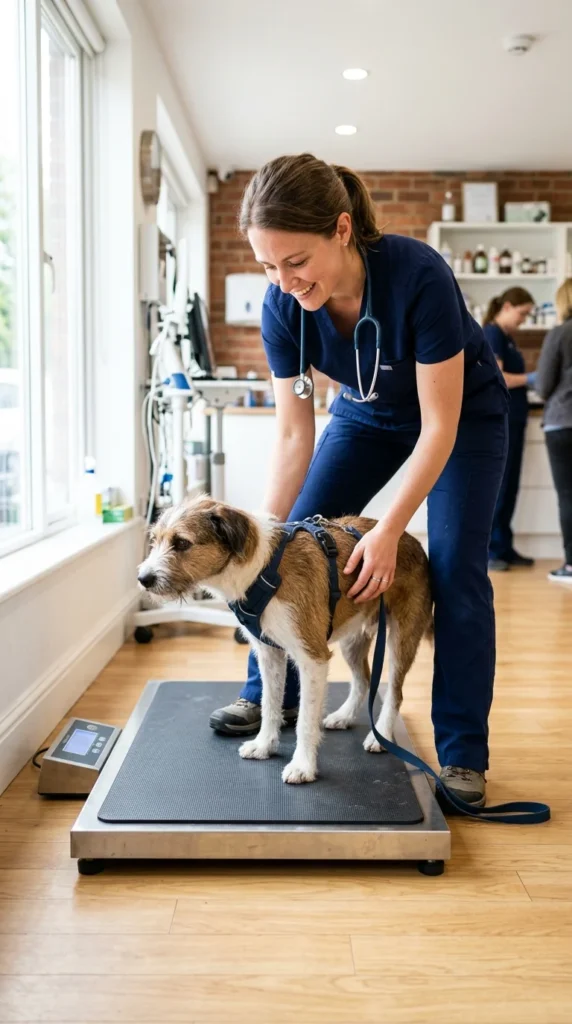
Obesity is a silent killer in the pet world, shortening lifespans and exacerbating conditions like arthritis and diabetes. Use a Body Condition Score (BCS) chart to monitor your pet’s silhouette. You should be able to feel their ribs easily without a thick layer of fat, and they should have a visible waistline when viewed from above.
8. Grooming Routine
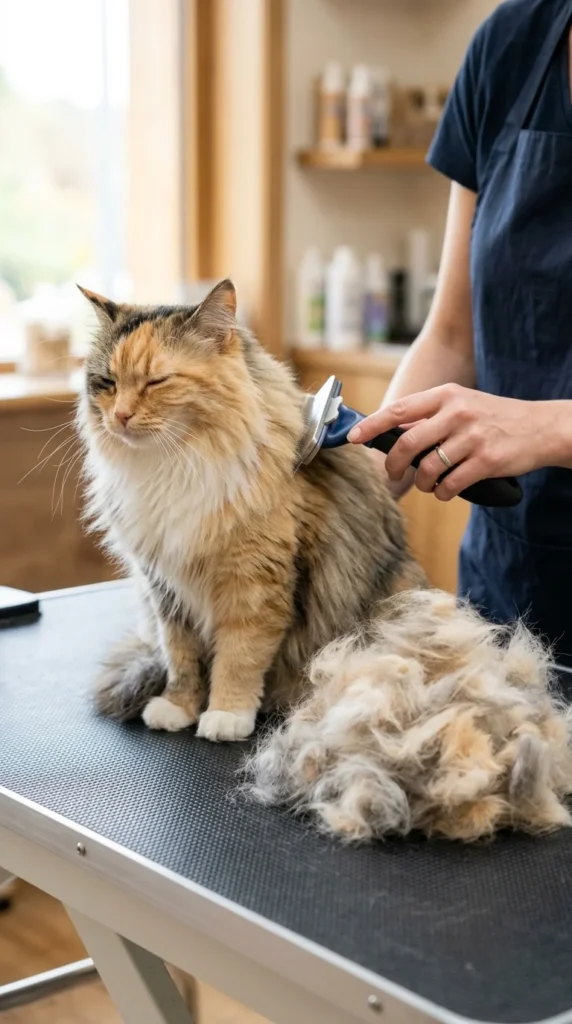
Grooming is about much more than looking good. Regular brushing removes dead hair, prevents painful matting, and distributes natural skin oils. It also provides a dedicated time for you to feel for unusual lumps, bumps, or skin irritations. Depending on the breed, professional grooming or regular baths may be necessary to maintain hygiene.
9. Hydration Station

Water is essential for every metabolic process, including digestion and kidney function. Ensure your pet has access to clean, fresh water at all times. For “picky” drinkers like cats, consider a circulating water fountain, as many feline species prefer moving water over still bowls.
10. Mental Enrichment
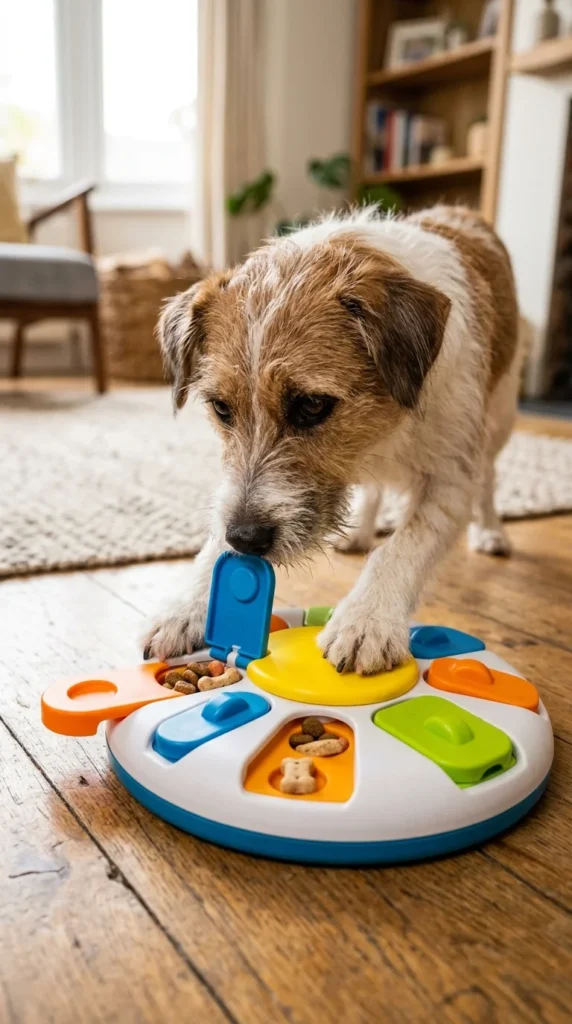
A bored pet is often an unhappy or destructive pet. Mental stimulation is just as important as physical exercise. Use puzzle feeders, teach new tricks, or engage in scent work. Keeping their brain active wards off cognitive dysfunction in their later years and strengthens the bond between you and your animal.
11. Paw Health
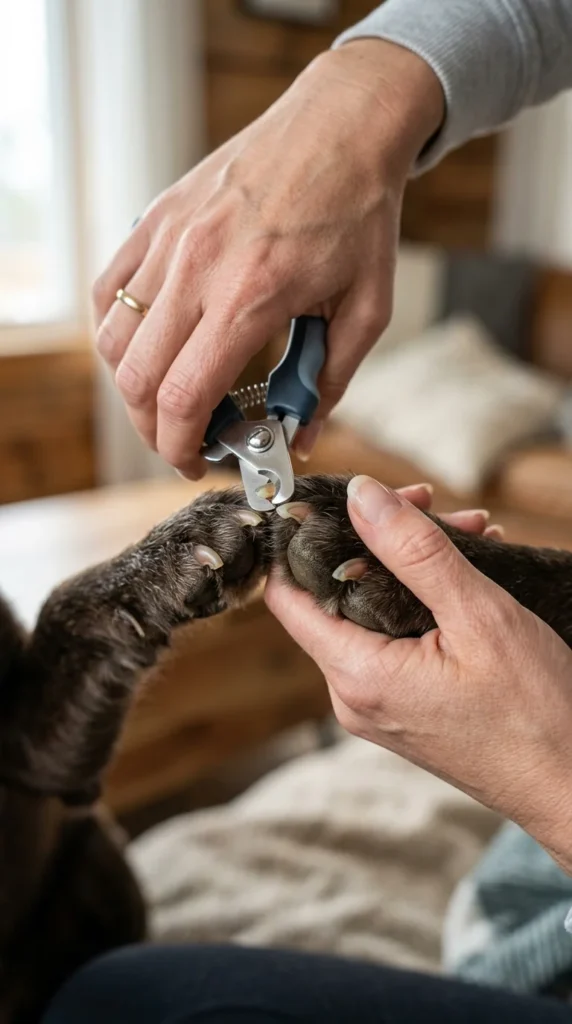
Overgrown nails can cause significant discomfort, affecting a pet’s gait and leading to joint issues or splayed toes. Regularly trim nails and check paw pads for cracks, burns from hot pavement, or foreign objects like thorns. In winter, be sure to wash off salt and ice-melt chemicals that can irritate the skin.
12. Ear Cleaning
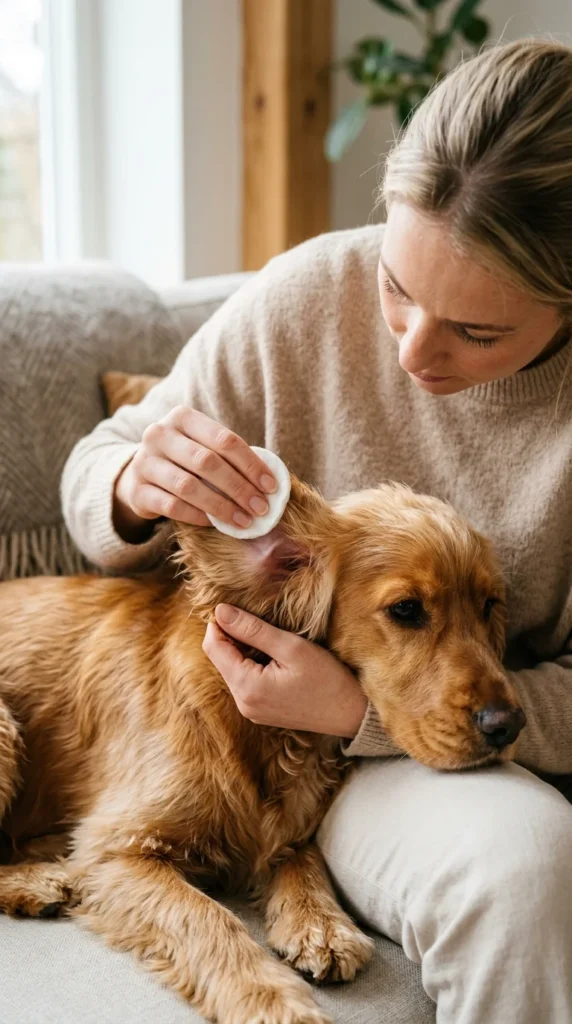
Pets with floppy ears or those who swim frequently are prone to ear infections. Check ears weekly for redness, discharge, or a yeasty odor. Use a vet-approved ear cleaner to gently remove debris, but never insert Q-tips deep into the ear canal, as this can cause permanent damage to the eardrum.
13. Eye Inspection
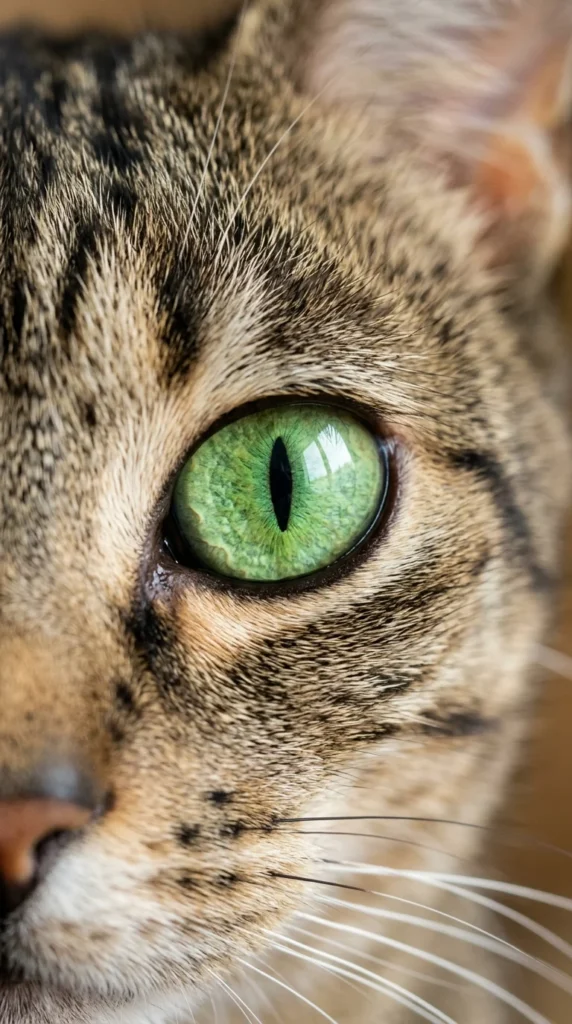
Your pet’s eyes should be clear, bright, and free of significant discharge. If you notice persistent squinting, cloudiness, or a change in eye color, seek veterinary attention immediately. Many eye conditions, such as ulcers or glaucoma, can progress rapidly and lead to vision loss if not treated early.
14. Microchipping
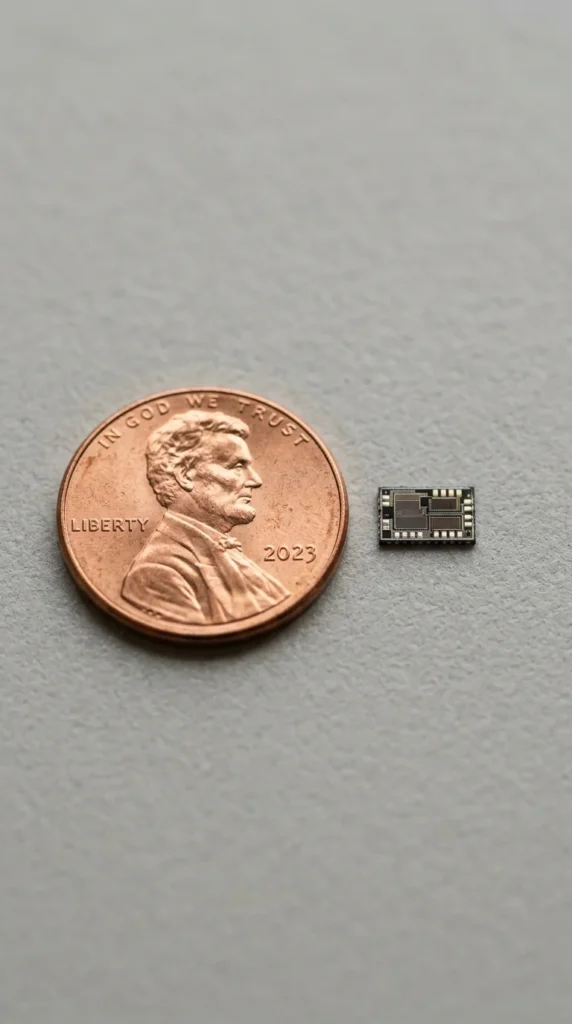
Collars and tags can fall off, but a microchip is a permanent form of identification. This tiny device, implanted under the skin, contains a unique ID number that can be scanned by shelters and vets. Ensure your contact information is kept up to date in the manufacturer’s database so you can be reunited if your pet ever goes missing.
15. Quality Sleep

Pets spend a significant portion of their lives sleeping. Providing a supportive, comfortable bed in a quiet, low-traffic area of your home is crucial for their recovery and joint health. This is especially important for senior pets who may suffer from arthritis and need extra cushioning for their bones.
16. Spay/Neuter

Spaying or neutering your pet helps control the homeless pet population, but it also offers significant health benefits. It eliminates the risk of uterine infections (pyometra) and certain types of cancers, such as mammary or testicular cancer. Additionally, it can reduce hormone-driven behaviors like roaming, marking, or aggression.
17. Safe Environment
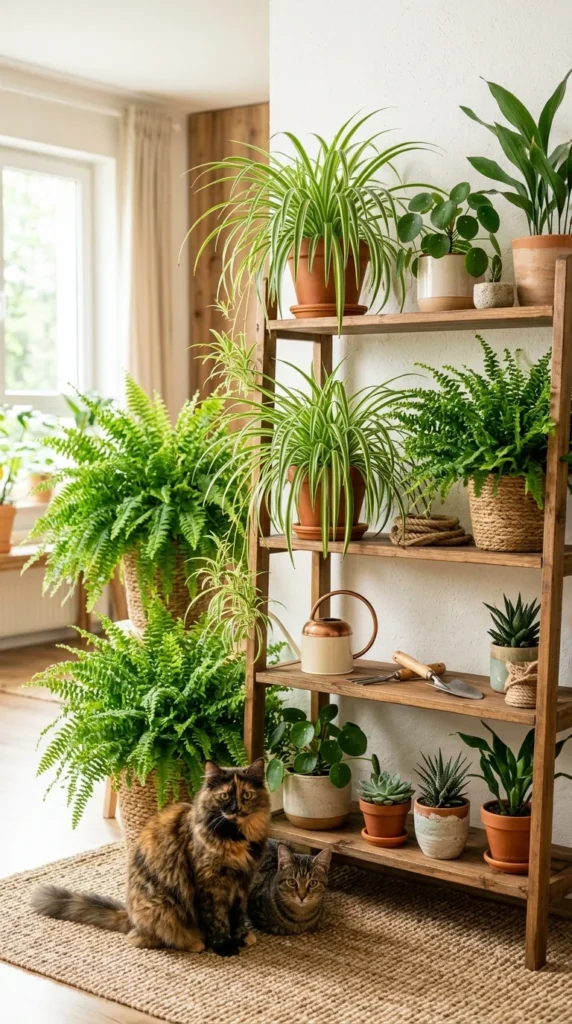
Pet-proof your home just as you would for a toddler. Identify and remove toxic houseplants (like lilies for cats or azaleas for dogs), keep household cleaners in locked cabinets, and ensure small objects that could be swallowed are out of reach. A safe environment prevents emergency trips for accidental poisoning or foreign body ingestion.
18. Emergency Kit
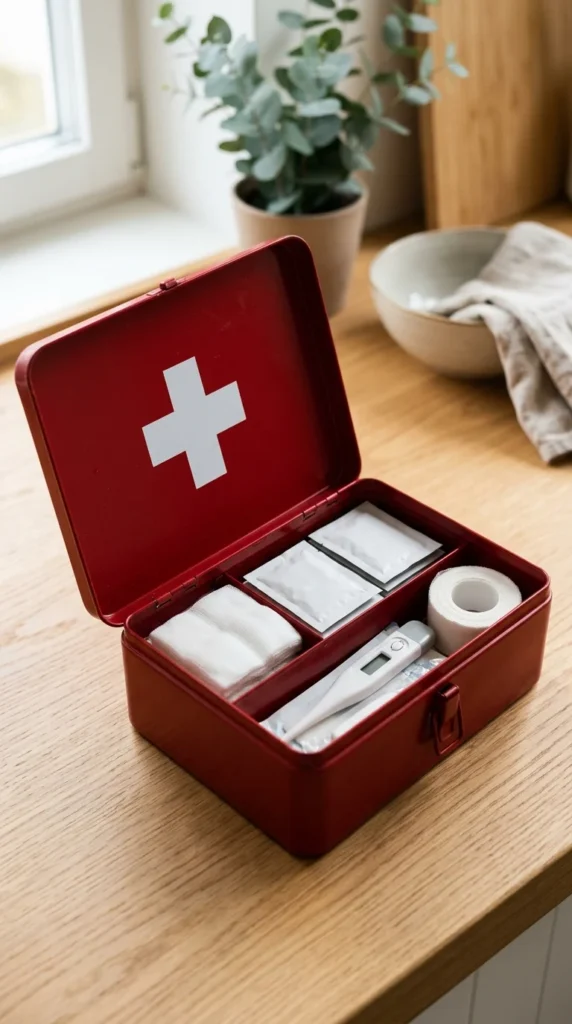
Accidents happen when we least expect them. Every pet owner should have a dedicated first-aid kit containing gauze, cohesive bandages, antiseptic, tweezers, and a digital thermometer. Include a copy of your pet’s medical records and the phone number for the nearest 24-hour emergency vet clinic.
19. Joint Support

As pets age, their cartilage naturally wears down. Starting joint supplements like glucosamine, chondroitin, or Omega-3 fatty acids early—especially for large breed dogs—can help maintain mobility and reduce inflammation. Talk to your vet about the right dosage and timing for your pet’s specific needs.
20. Skin Checks
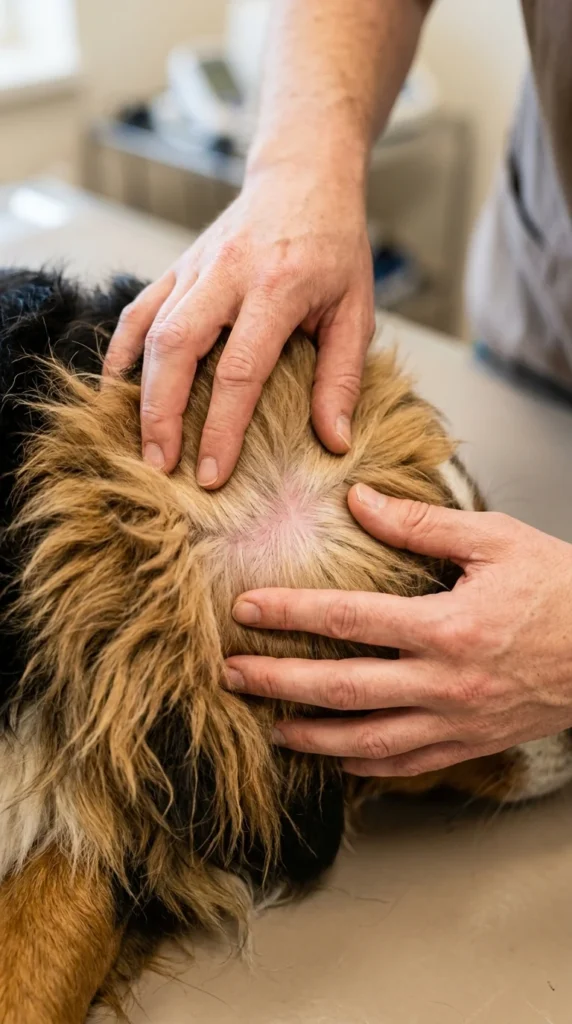
Your pet’s skin is a mirror of their internal health. Look for signs of “hot spots,” dandruff, or excessive itching, which could indicate allergies or underlying systemic issues. Regularly feeling your pet’s body for new lumps or bumps is the best way to catch tumors early when they are most treatable.
21. Senior Care

The needs of a pet change as they enter their golden years. Senior care involves more frequent vet visits, specialized diets, and perhaps modifications to the home like ramps or non-slip rugs. Pay close attention to changes in thirst, appetite, or bathroom habits, as these are often the first signs of age-related conditions like kidney disease or cognitive dysfunction.