
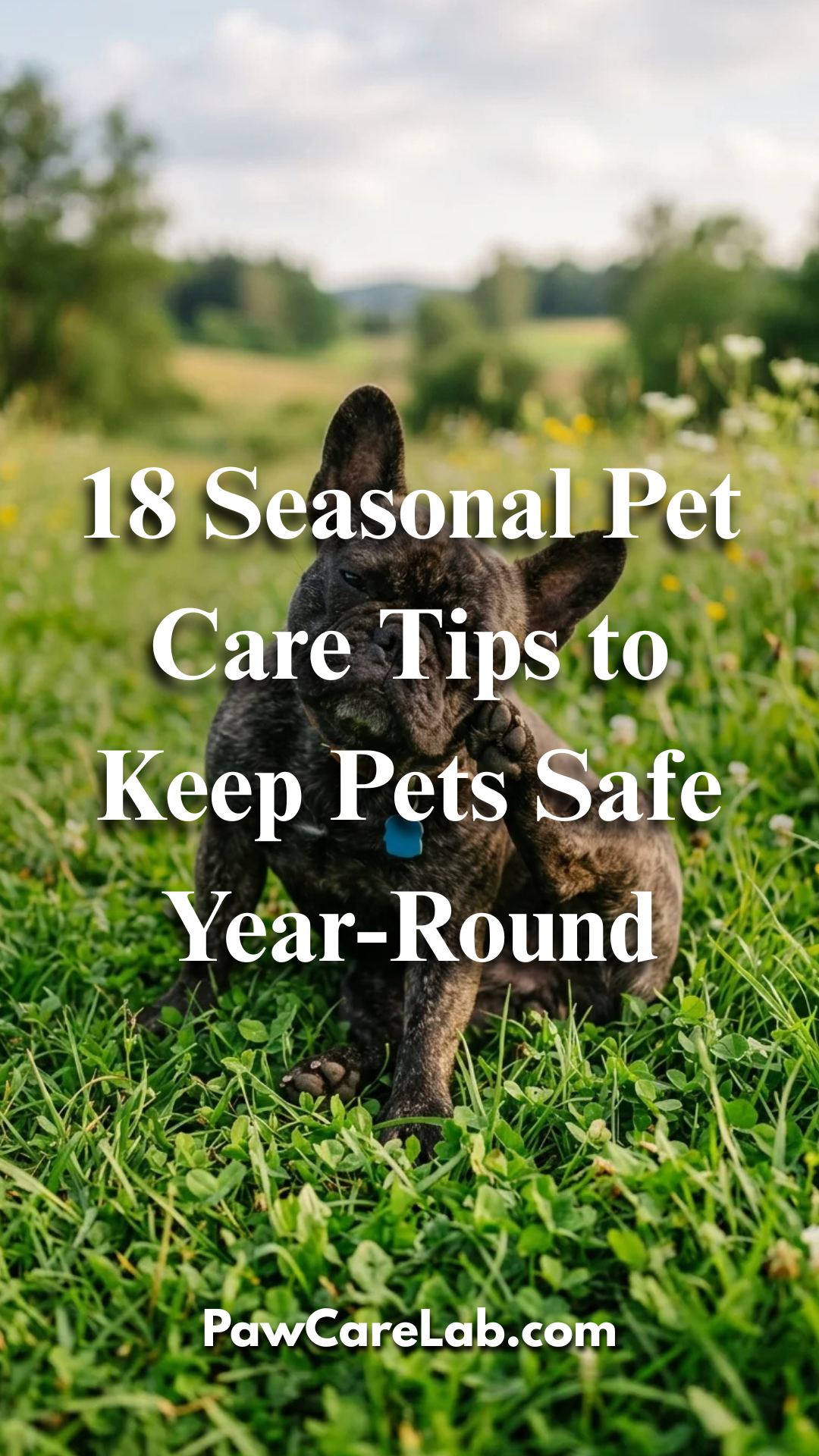
As the Earth tilts on its axis and the seasons shift, our pets face a rotating door of environmental challenges. From the sweltering heat of July to the bone-chilling winds of January, the responsibilities of a pet owner change alongside the calendar. Ensuring your furry friend remains healthy, happy, and safe requires a proactive approach to seasonal wellness. This comprehensive guide explores 18 essential tips to navigate the changing weather and keep your pets thriving all year long.
1. Parasite Prevention

Spring is the season of rebirth, but it also marks the return of fleas, ticks, and mosquitoes. As temperatures rise above 45°F, these pests become active, posing risks ranging from skin irritation to life-threatening diseases like Lyme disease or heartworm. Consult your veterinarian to establish a year-round preventative schedule, but pay extra attention as the weather warms. Check your pet thoroughly after every walk, especially in tall grass or wooded areas.
2. Garden Safety

While gardening is a popular spring hobby, many common plants and fertilizers are toxic to pets. Lilies, azaleas, and sago palms can cause severe reactions or even organ failure if ingested. Additionally, cocoa mulch, while fragrant, contains theobromine—the same toxic compound found in chocolate. Always opt for pet-safe fertilizers and keep your animals away from freshly treated lawns to prevent chemical burns or ingestion.
3. Seasonal Allergies
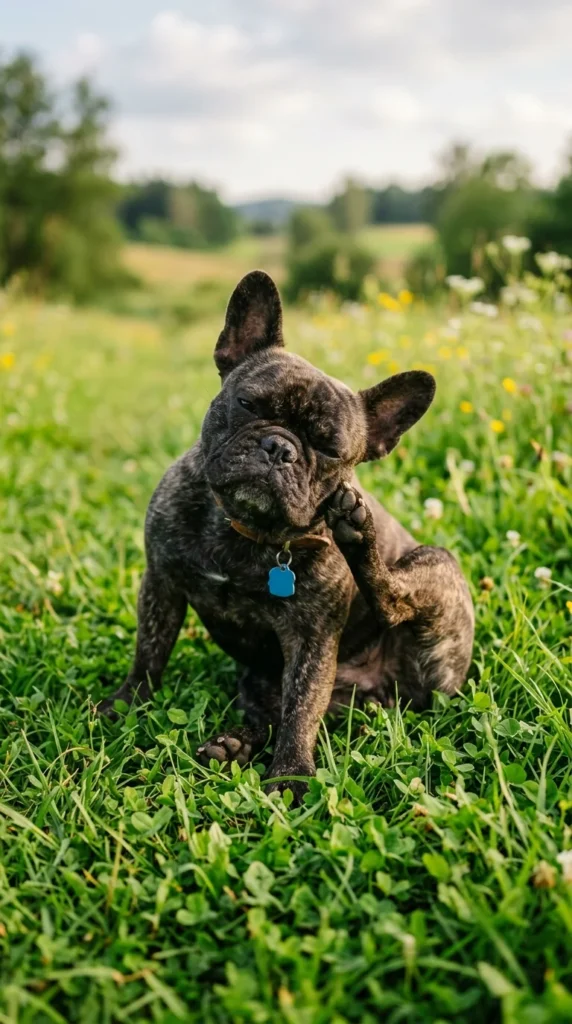
Just like humans, pets can suffer from hay fever. Pollen, mold spores, and dust can cause “atopy,” a condition where pets experience itchy skin, red eyes, and chronic ear infections. If you notice your pet licking their paws excessively or scratching more than usual during spring and fall, they may need a specialized shampoo or allergy medication. Wiping down their fur and paws after outdoor excursions can help remove allergens before they enter the home.
4. Spring Cleaning
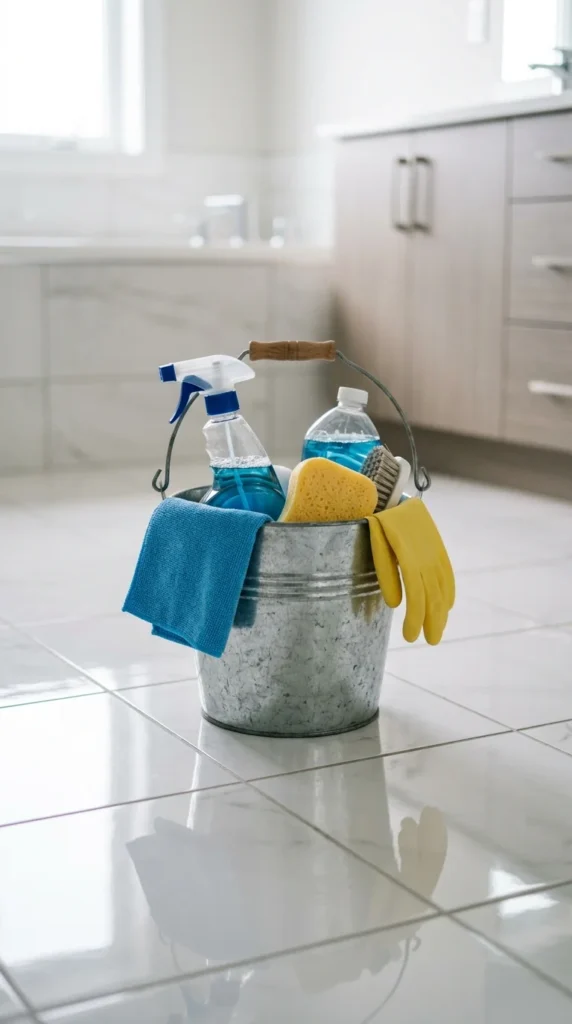
As you deep-clean your home for the new season, be mindful of the chemicals you use. Many floor cleaners, bleach products, and ammonia-based sprays are irritating to a pet’s respiratory system and paws. Always ensure the area is well-ventilated and that floors are completely dry before allowing your pet back into the room. Better yet, switch to pet-safe, non-toxic cleaning agents to eliminate the risk of accidental poisoning.
5. Heat Management

Summer brings the danger of heatstroke, which can escalate into a medical emergency within minutes. Brachycephalic breeds (flat-faced dogs like Pugs or Bulldogs), seniors, and overweight pets are at the highest risk. Never leave your pet in a parked car, even with the windows cracked, as temperatures can reach lethal levels in under ten minutes. Exercise your pets during the cooler morning or evening hours and provide plenty of shade when they are outdoors.
6. Paw Protection
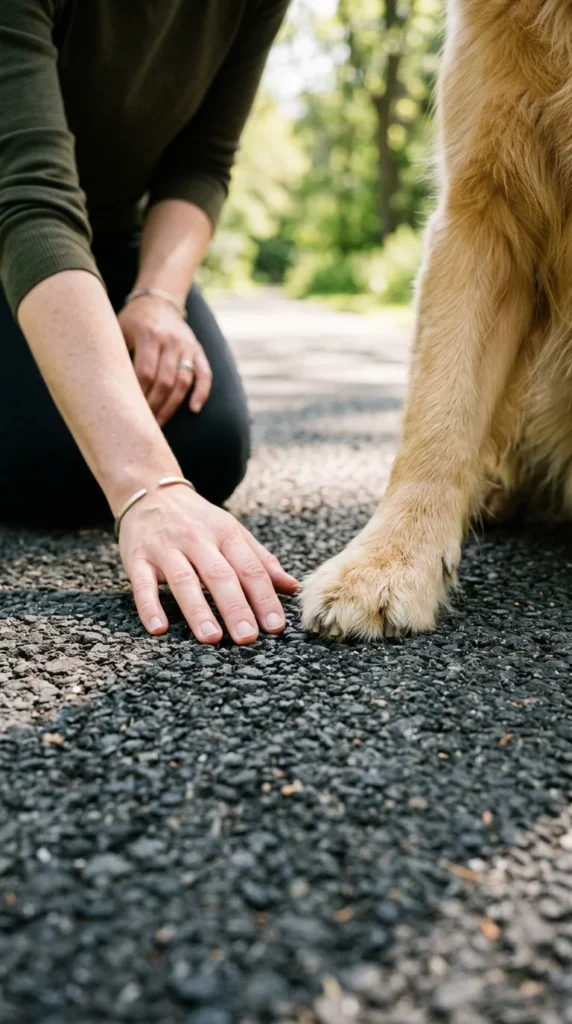
Asphalt and sand can reach scorching temperatures in the summer sun, leading to painful blisters and burns on your pet’s paw pads. Use the “five-second rule”: touch the pavement with the back of your hand; if you can’t hold it there for five seconds, it’s too hot for your pet to walk on. Stick to grassy paths or invest in protective booties to keep their feet safe during midday outings.
7. Water Hydration
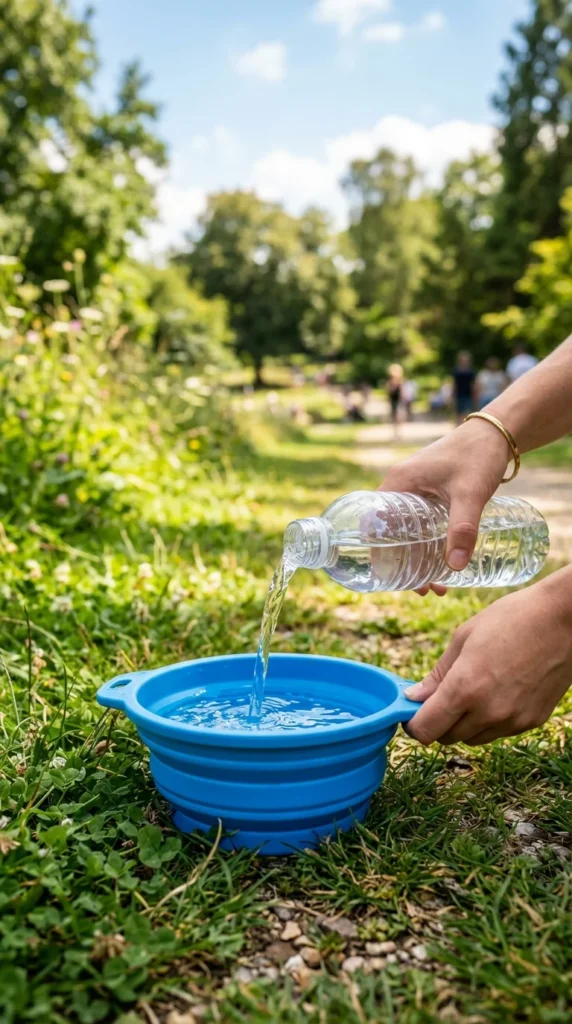
Dehydration happens quickly in hot weather. Ensure your pet has access to fresh, cool water at all times. If you’re traveling or hiking, carry a portable bowl and offer water every 15–20 minutes. Look for signs of dehydration, such as dry gums, lethargy, or loss of skin elasticity. For cats, who often have a low thirst drive, consider a water fountain or adding wet food to their diet to increase moisture intake.
8. Fireworks Stress
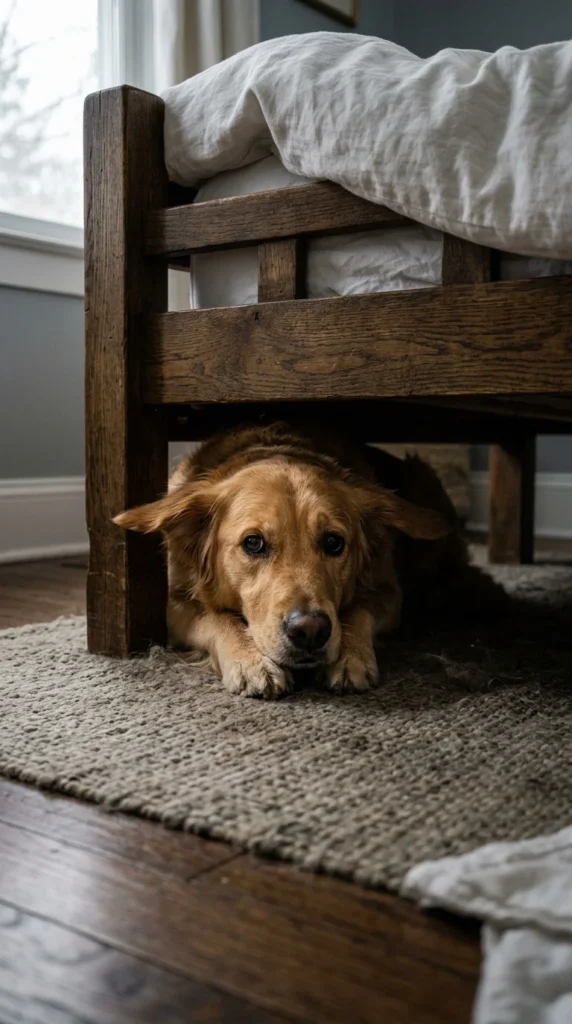
Summer holidays like the Fourth of July often involve loud celebrations that can be terrifying for pets. More pets go missing on July 4th than any other day of the year due to “noise phobia.” Create a safe “den” for your pet in a quiet room with white noise or soft music. Ensure their microchip information is up to date and they are wearing a collar with an ID tag, just in case they manage to escape in a moment of panic.
9. Pool Safety
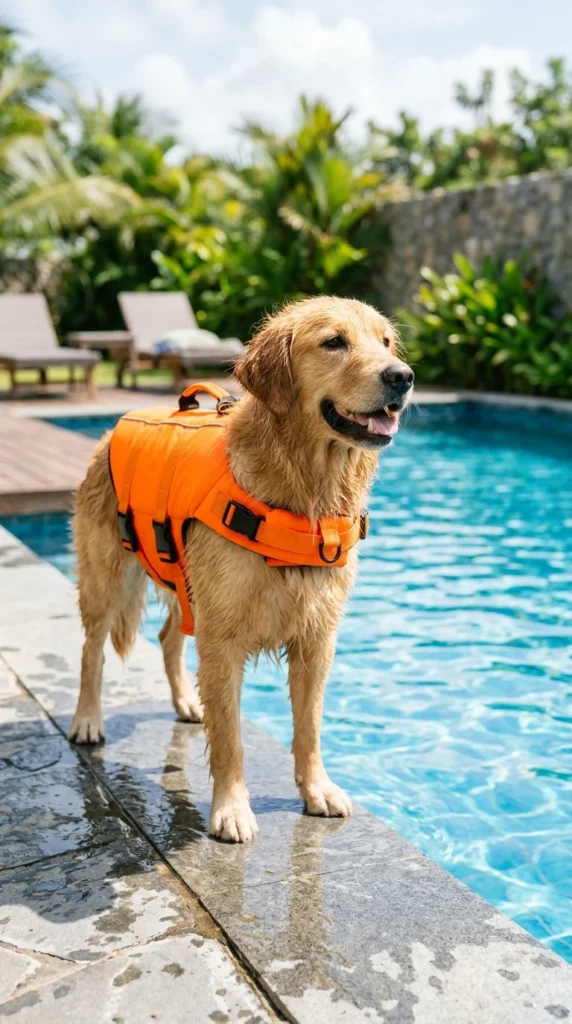
Not all dogs are natural swimmers. Even those who are can struggle to find the exit steps in a pool or get tired and drown. Never leave a pet unsupervised near a pool or body of water. If you take your pet on a boat, they should always wear a canine life vest. Additionally, rinse your pet after a swim to remove chlorine or salt, which can dry out their skin and irritate their eyes.
10. Visibility Gear
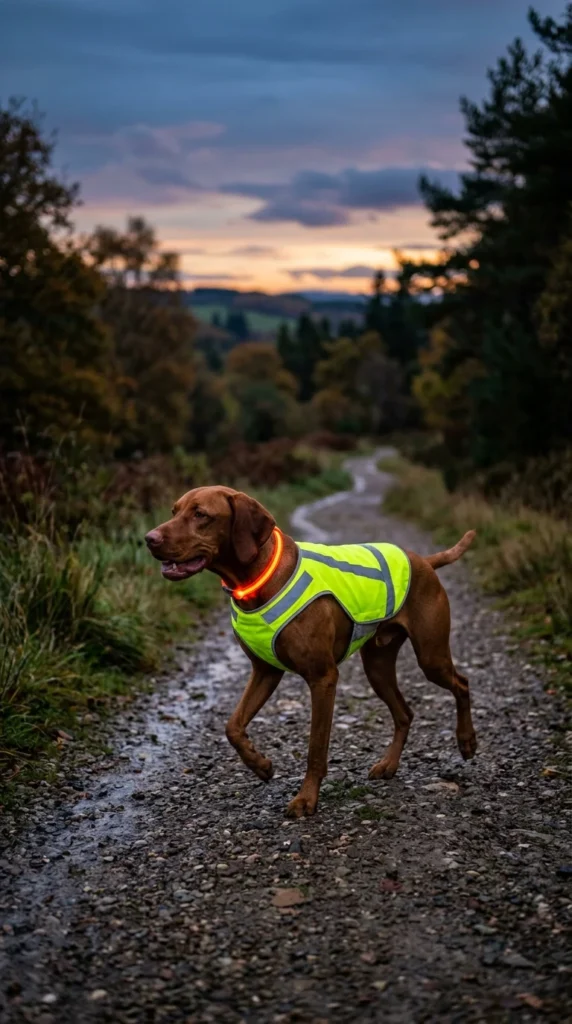
As autumn arrives and the days get shorter, visibility becomes a primary safety concern. When walking your pet in the early morning or evening, use reflective leashes, harnesses, and LED collars. This ensures that drivers can see you and your pet from a distance. If you have a dark-furred pet, this is especially critical, as they can easily blend into the shadows of the twilight hours.
11. Mushroom Hazards

Fall is the peak season for wild mushrooms. While most are harmless, several varieties—such as the Amanita phalloides (Death Cap)—are extremely toxic to pets and can cause rapid liver failure. Since it is difficult to distinguish toxic mushrooms from safe ones, it is best to remove any mushrooms growing in your yard and prevent your pet from sniffing or eating them during walks in the woods.
12. Rodenticide Warning

As the weather cools, mice and rats seek warmth inside homes and garages. This often leads homeowners to put out rodenticides. These poisons are designed to be tasty to rodents, but they are equally enticing—and deadly—to dogs and cats. Most rodenticides cause internal bleeding or neurological issues. Use pet-safe traps instead, and always keep any pest control chemicals in locked cabinets far out of your pet’s reach.
13. School Supplies

Back-to-school season introduces new hazards to the household. Items like glue, markers, and small plastic toys are tempting chew objects for bored pets but can cause intestinal blockages if swallowed. Some types of glue, particularly polyurethane wood glues, can expand in the stomach and require emergency surgery. Keep backpacks off the floor and ensure all craft and school supplies are stored securely.
14. Antifreeze Awareness
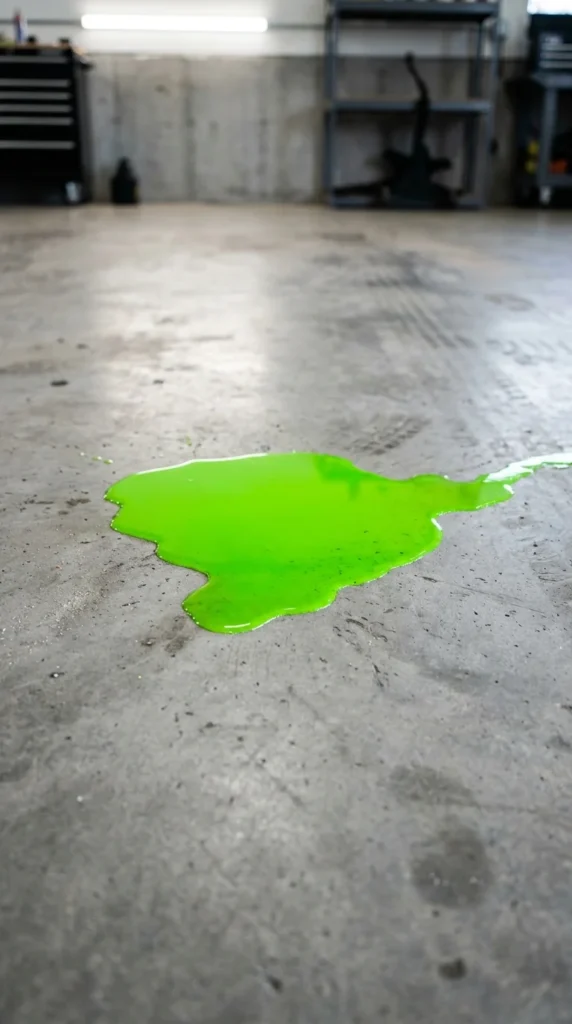
In the winter, antifreeze (ethylene glycol) is a major threat. It has a sweet taste that pets find appealing, but even a tiny amount can cause fatal kidney failure. Always check your driveway for leaks and clean up spills immediately using an absorbent material like kitty litter. Switch to “pet-safer” antifreeze brands containing propylene glycol, which is less toxic, though still not entirely harmless.
15. Paw Care
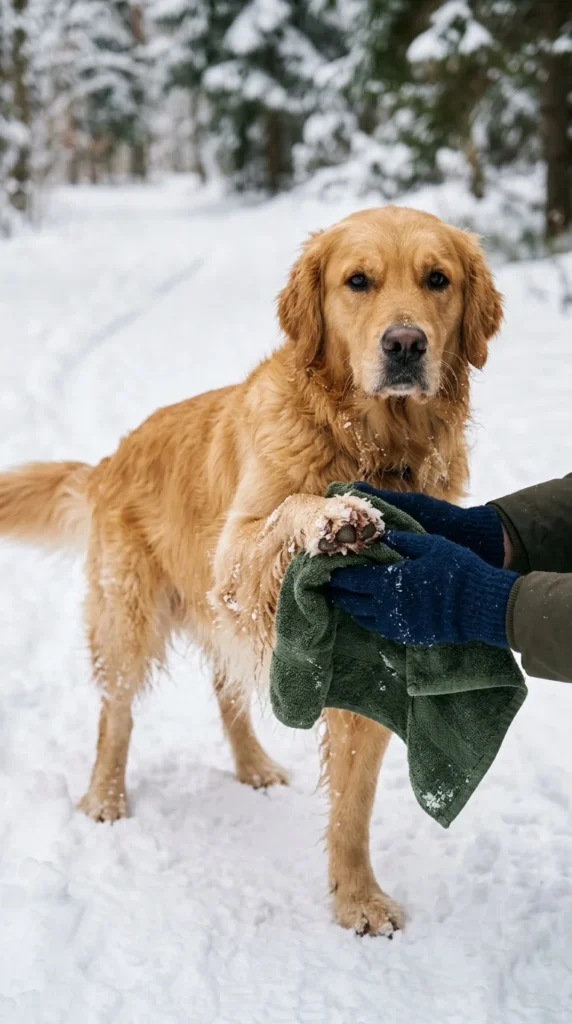
Winter brings ice, snow, and the chemical salts used to melt them. These salts can irritate a pet’s paws and lead to chemical burns. Furthermore, pets often lick their paws after a walk, ingesting the toxic de-icers. After every winter walk, wash your pet’s paws with warm water and dry them thoroughly. You can also apply a pet-safe paw wax to create a protective barrier against the elements.
16. Winter Bedding

If it’s too cold for you, it’s too cold for your pet. During the winter months, ensure your pet has a warm, draft-free place to sleep. Elevate their bed off cold tile or hardwood floors. For older pets with arthritis, the cold can exacerbate joint pain, so consider a heated pet bed or extra padding to keep them comfortable. Avoid letting your pet sleep too close to space heaters, which can cause fur singeing or accidental fires.
17. Holiday Foods

Winter holidays are centered around food, but many festive treats are dangerous for animals. Chocolate, grapes, raisins, onions, and garlic are all toxic. Additionally, cooked bones from turkey or ham can splinter and cause internal damage. Xylitol, an artificial sweetener often found in sugar-free baked goods, is extremely toxic to dogs. Stick to pet-specific treats and remind guests not to feed your pet from the table.
18. Cold Limits
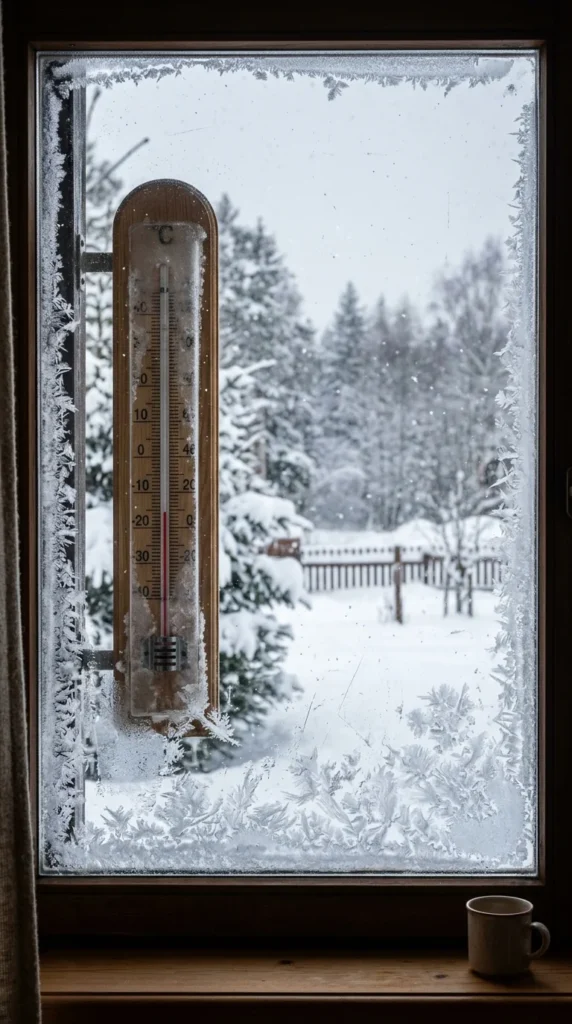
Finally, be mindful of the duration of time your pet spends outside during extreme cold. Short-haired breeds, puppies, and seniors have a harder time regulating their body temperature. If your pet starts shivering, hunches over, or seems anxious to get back inside, they are too cold. Invest in a well-fitting coat or sweater for your dog, and never leave any pet outside for extended periods when the mercury drops below freezing.