
Understanding pet nutrition is the cornerstone of responsible pet ownership. What you put into your pet’s bowl directly dictates their energy levels, coat quality, organ function, and overall longevity. Navigating the world of pet food can be overwhelming, but mastering these 25 basics will ensure your furry companion thrives for years to come.
1. Water

Water is the most critical nutrient for any living creature. It facilitates every chemical reaction in a pet’s body, from digestion to temperature regulation. Cats, in particular, have a low thirst drive, making it essential to provide fresh, clean water at all times or incorporate moisture-rich foods to prevent kidney issues.
2. Protein

Proteins are the building blocks of tissues, muscles, and enzymes. For dogs and cats, high-quality animal-based proteins provide essential amino acids that they cannot produce on their own. Cats are “obligate carnivores,” meaning they require specific amino acids like taurine found only in animal tissue to maintain heart and eye health.
3. Fats
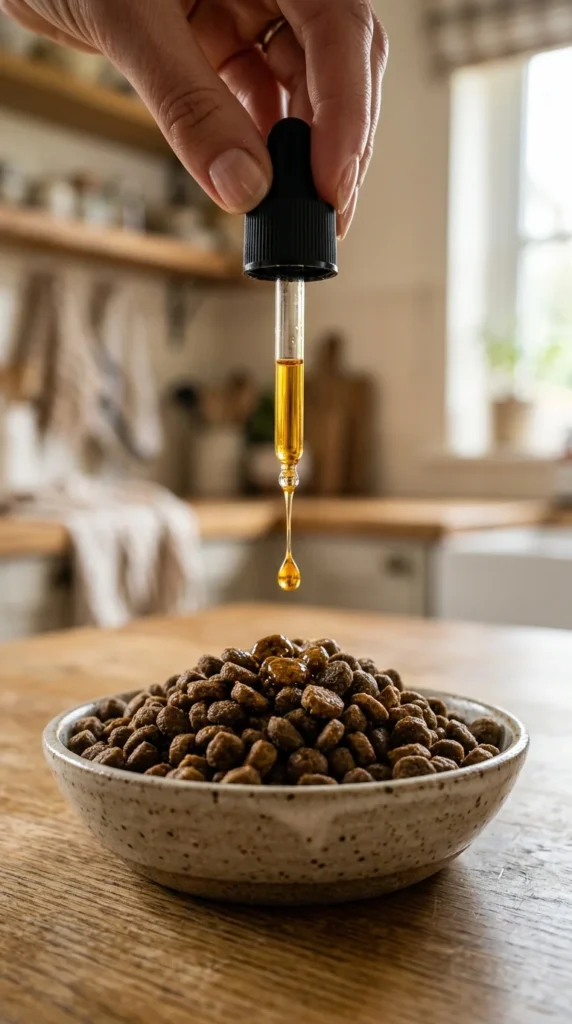
Fats are a concentrated source of energy, providing more than twice the energy of proteins or carbohydrates. They are also vital for the absorption of fat-soluble vitamins (A, D, E, and K) and contain essential fatty acids like Omega-3 and Omega-6, which keep the skin supple and the coat shiny.
4. Carbohydrates

While not strictly “essential” for cats, carbohydrates provide a readily available source of glucose for energy and contain dietary fiber. In dogs, complex carbohydrates like sweet potatoes and whole grains offer sustained energy and help maintain healthy blood sugar levels.
5. Vitamins

Vitamins are organic compounds required in small quantities to regulate various body processes. Vitamin A is crucial for vision, while Vitamin D aids in calcium absorption. Most commercial pet foods are “complete and balanced,” meaning they already contain the precise vitamin profile your pet needs.
6. Minerals

Minerals like calcium, phosphorus, and magnesium are essential for bone structure, nerve transmission, and muscle function. The ratio of these minerals is just as important as the amount; for instance, an imbalance of calcium and phosphorus can lead to severe skeletal issues in growing large-breed puppies.
7. AAFCO Standards
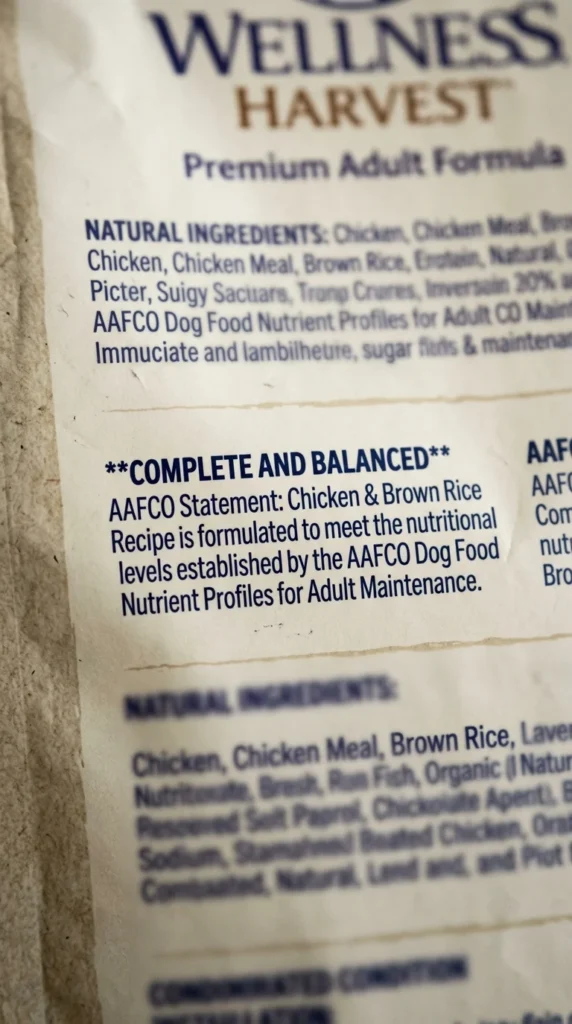
The Association of American Feed Control Officials (AAFCO) sets the nutritional standards for pet foods. When choosing a food, look for the “AAFCO Statement” on the bag. This ensures the food meets the minimum nutritional requirements for the specific life stage of your pet.
8. Life Stages

A puppy’s nutritional needs are vastly different from a senior dog’s. Growing animals require more calories and higher protein and mineral levels for development, while seniors may need lower calories but higher fiber and joint-supporting nutrients like glucosamine.
9. Caloric Density

Every pet has a unique caloric requirement based on their age, weight, and activity level. Caloric density refers to how many calories are in a specific volume of food. Understanding this helps you adjust portions so your pet doesn’t gain or lose weight unexpectedly.
10. Portion Control

Obesity is one of the leading health problems in pets today. Even “healthy” food can cause weight gain if fed in excess. Always use a standard measuring cup rather than “eyeballing” the amount, and adjust based on your pet’s body condition score rather than just the bag’s suggestions.
11. Feeding Schedule

Consistency is key for digestion and metabolism. Feeding your pet at the same time every day helps regulate their digestive system and can prevent “hunger pukes” or anxiety related to food insecurity. Most adult pets thrive on two meals per day.
12. The 10% Treat Rule
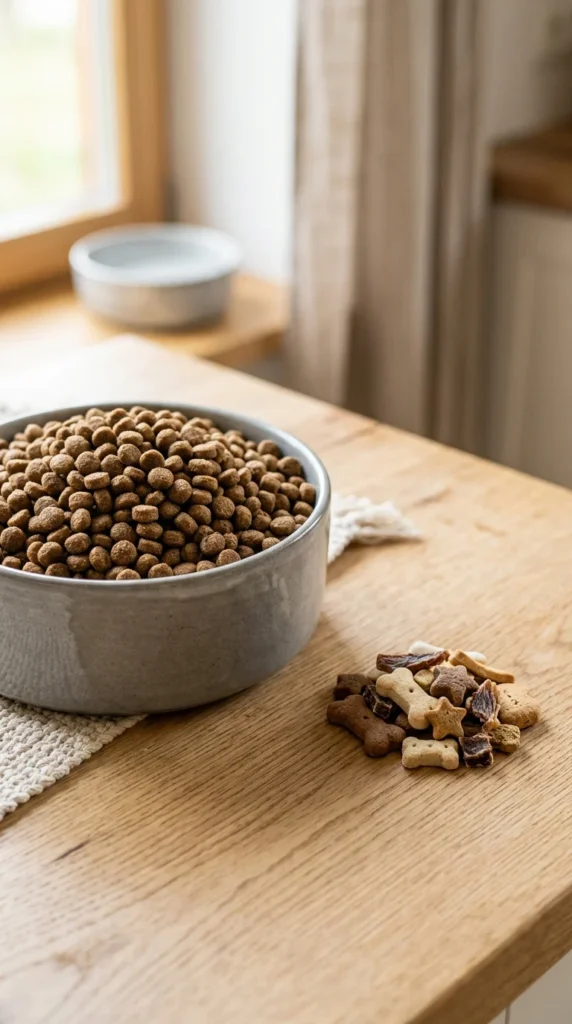
Treats are excellent for bonding and training, but they should never make up more than 10% of your pet’s daily caloric intake. Over-treating can unbalance an otherwise perfect diet and lead to picky eating habits or weight issues.
13. Toxic Foods

Many human foods are poisonous to pets. Chocolate, grapes, raisins, onions, garlic, and the sweetener Xylitol (often found in peanut butter or gum) can be fatal. Always research a human food before offering it as a snack to your pet.
14. Hydration Sources

Some pets, especially cats, don’t drink enough water. Incorporating wet food into their diet is an excellent way to increase their moisture intake. You can also add a splash of water or low-sodium bone broth to dry kibble to enhance hydration.
15. Dietary Fiber

Fiber is essential for healthy bowel movements. It helps with both constipation and diarrhea by regulating the speed at which food moves through the digestive tract. Soluble fiber can also help pets feel “fuller,” making it a great tool for weight loss.
16. Probiotics

A healthy gut is the foundation of a strong immune system. Probiotics are “good bacteria” that support digestion and help the body fight off pathogens. They are particularly useful for pets with sensitive stomachs or those recovering from a course of antibiotics.
17. Omega Fatty Acids

Omega-3 and Omega-6 fatty acids are crucial for reducing inflammation. They are often used to manage skin allergies and joint pain. Look for sources like fish oil (EPA and DHA) for the most bioavailable forms for dogs and cats.
18. Food Storage

Pet food can go rancid if exposed to air, light, and heat. Once a bag of kibble is opened, the fats begin to oxidize. Store food in its original bag inside an airtight container to preserve nutrients and prevent mold or pest infestations.
19. Ingredient Lists

Ingredients are listed by weight before cooking. Look for a high-quality animal protein (like “chicken” or “lamb”) as the first ingredient. Be wary of “ingredient splitting,” where different types of the same ingredient (like corn flour, corn gluten, and ground corn) are listed separately to make them appear lower on the list.
20. By-products
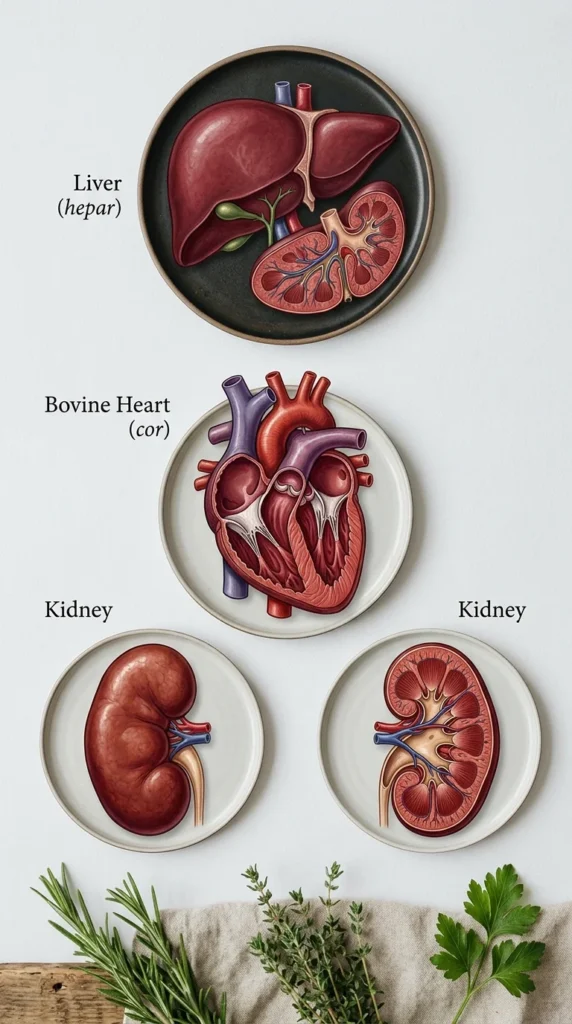
The term “by-product” is often misunderstood. In the wild, predators eat the entire animal, including organs which are incredibly nutrient-dense. High-quality by-products (like hearts and livers) provide essential vitamins that muscle meat alone lacks. Avoid “unnamed” sources like “meat meal” and look for specific animals instead.
21. Food Allergies

True food allergies are less common than environmental allergies, but they usually manifest as itchy skin or chronic ear infections. Common triggers include beef, dairy, wheat, and sometimes chicken. A “limited ingredient diet” can help identify and manage these sensitivities.
22. Raw vs. Kibble
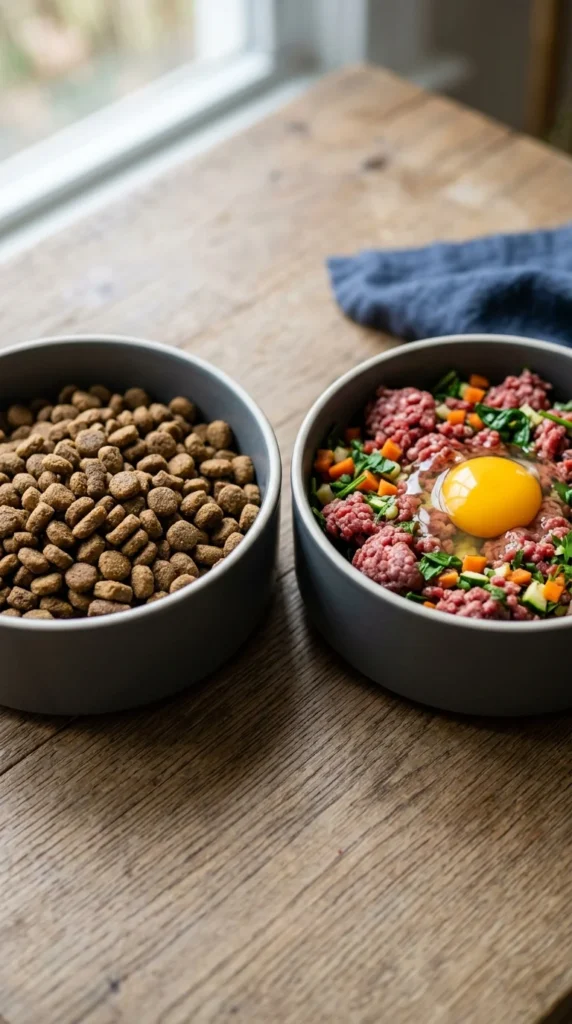
The debate between raw and processed food is ongoing. Raw diets offer high moisture and natural enzymes but carry risks of bacterial contamination (like Salmonella) and nutritional imbalances if not formulated correctly. Kibble is convenient and shelf-stable. Both can be healthy as long as they are nutritionally complete.
23. Transitioning Food

Never switch your pet’s food overnight. A sudden change can cause severe gastrointestinal upset. Slowly transition over 7 to 10 days by mixing increasing amounts of the new food with decreasing amounts of the old food.
24. Safe Human Snacks

If you want to share your snacks, stick to “whole” foods. Apples (no seeds), blueberries, carrots, green beans, and plain cooked pumpkin are healthy, low-calorie treats that most pets enjoy and can safely digest.
25. Veterinary Consultations

Every pet is an individual. Factors like breed, genetics, and underlying health conditions mean that the “best” food for one pet might not be right for another. Regularly discuss your pet’s diet with your veterinarian to ensure it still meets their evolving needs as they age.