

Preventative care is the cornerstone of a long, happy life for your furry companions. While it might be tempting to only visit the vet when something is visibly wrong, the wellness exam is designed to catch “silent” issues before they become life-threatening. This comprehensive guide explores the 21 critical components of a pet wellness exam that every responsible owner needs to understand.
1. Annual Frequency

For most adult pets, a wellness exam should occur at least once a year. However, because animals age much faster than humans, an annual checkup for a dog is roughly equivalent to a human seeing a doctor once every seven years. Senior pets or those with chronic conditions often require bi-annual visits to monitor subtle changes in organ function or mobility. Consistency allows your veterinarian to establish a “baseline” for your pet’s health, making it much easier to spot abnormalities during future visits.
2. Physical Palpation
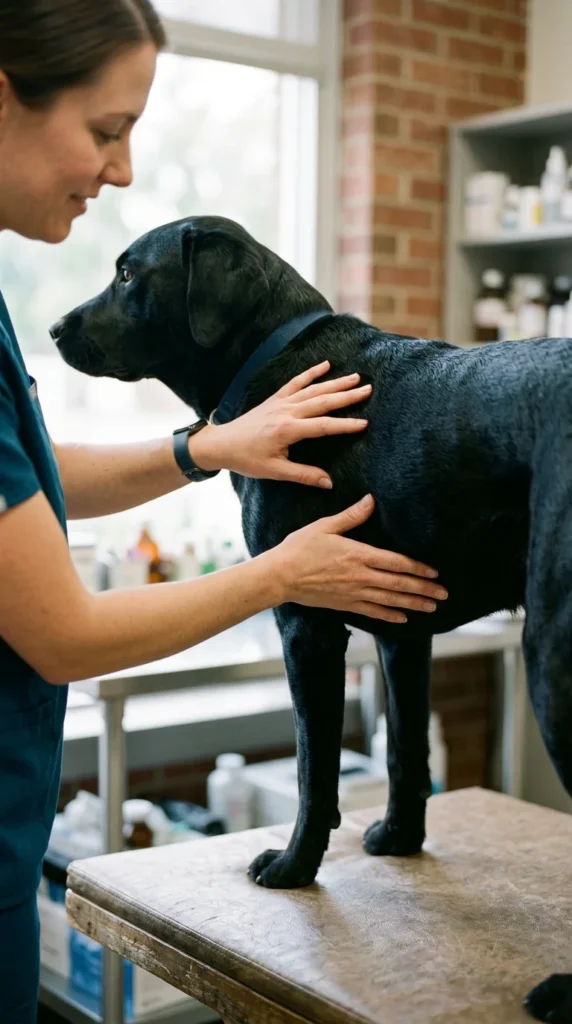
One of the most important parts of the exam is the “nose-to-tail” physical inspection. The veterinarian uses their hands to feel for lumps, bumps, or abnormalities in the internal organs. By palpating the abdomen, they can check the size and shape of the liver, kidneys, and bladder. They also feel the lymph nodes to ensure there is no swelling, which could indicate infection or underlying disease. This tactile assessment often catches tumors that are not yet visible to the naked eye.
3. Weight Monitoring
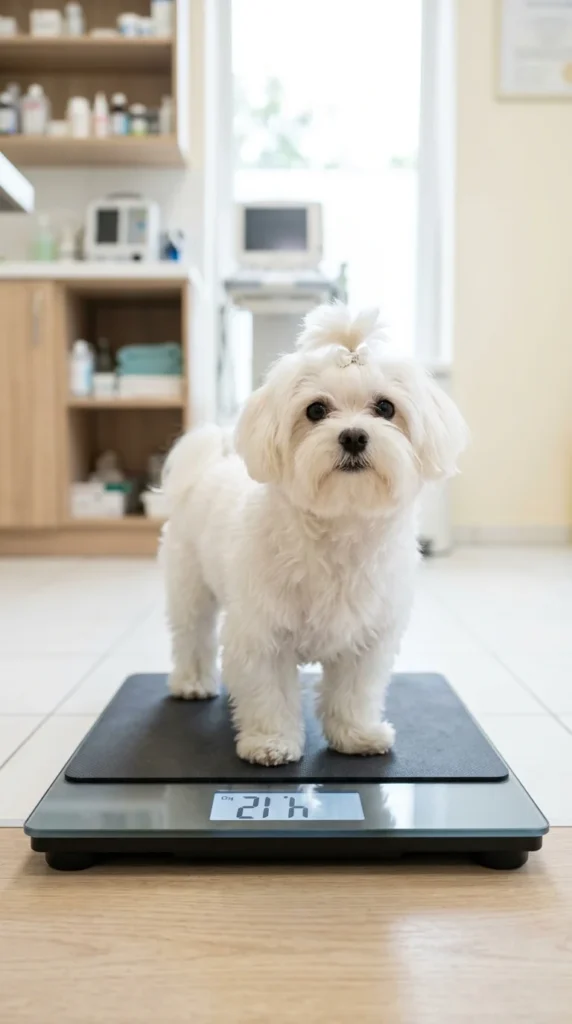
Obesity is a leading cause of shortened lifespans in pets, contributing to diabetes, heart disease, and joint pain. During the wellness exam, your pet will be weighed, and the vet will assign a Body Condition Score (BCS). This score helps determine if your pet is at their ideal weight or if dietary adjustments are necessary. Even a few extra pounds on a small breed can significantly impact their metabolic health and longevity.
4. Dental Health
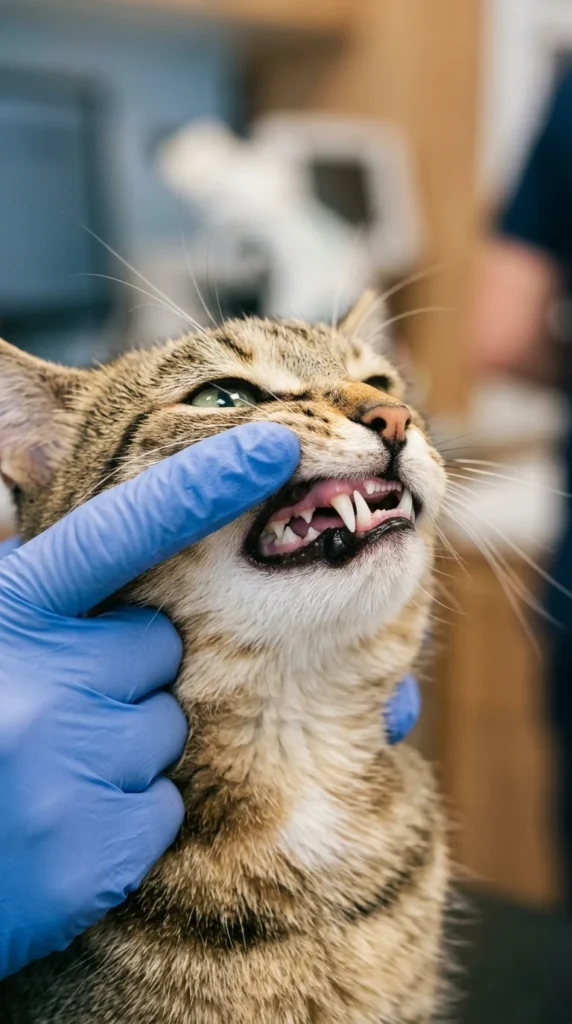
Dental disease is the most common health issue diagnosed in adult pets. During the exam, the vet inspects the teeth for tartar buildup, gingivitis, and fractured teeth. Oral infections don’t just cause bad breath; bacteria from the mouth can enter the bloodstream and damage the heart, kidneys, and liver. Your vet will discuss whether a professional dental cleaning under anesthesia is required to prevent systemic illness.
5. Heart Auscultation
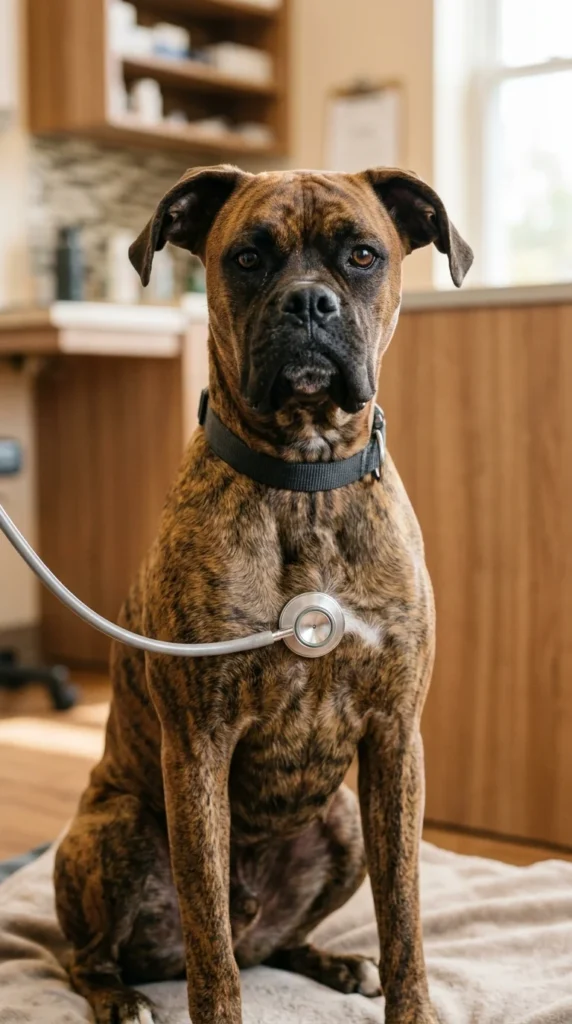
Using a stethoscope, the veterinarian listens to the rhythm and sound of your pet’s heart. They are listening for murmurs, which are abnormal swishing sounds, or arrhythmias, which are irregular heartbeats. Early detection of heart disease allows for lifestyle changes or medications that can significantly extend a pet’s life. In many cases, heart issues are asymptomatic until they reach an advanced stage, making this checkup vital.
6. Lung Evaluation
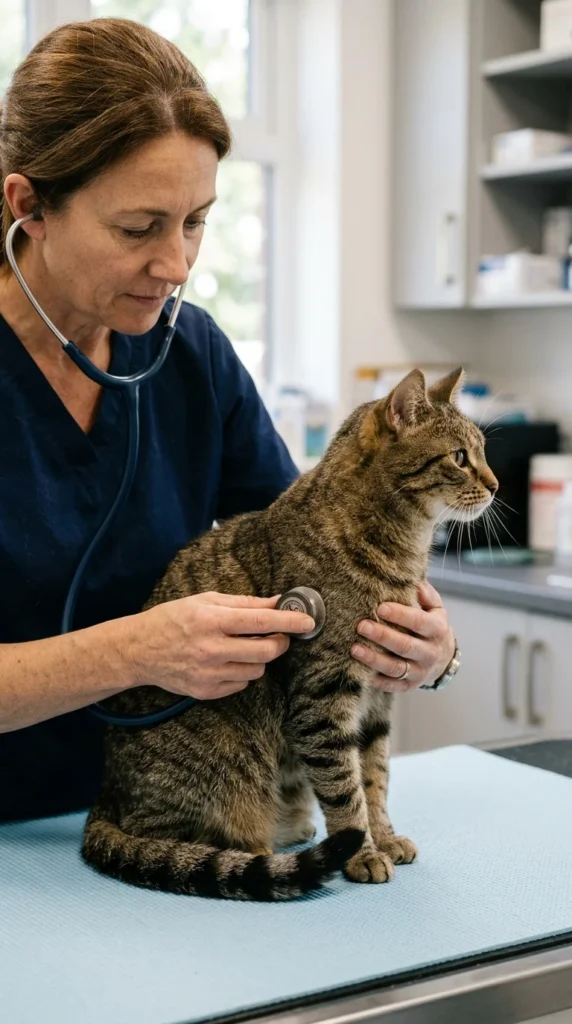
In addition to the heart, the vet listens to the lungs to ensure clear air passage. They check for wheezing, crackling, or labored breathing patterns. This is especially important for brachycephalic (flat-faced) breeds like Pugs or Bulldogs, who are prone to respiratory distress. Clear lungs indicate a healthy oxygen exchange and a lack of fluid buildup or infection.
7. Ear Inspection
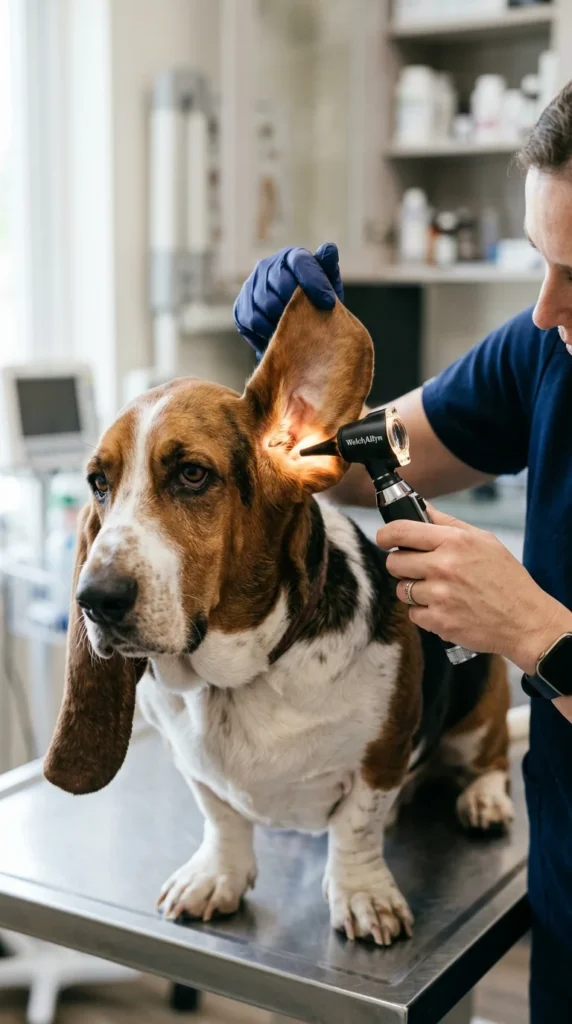
Pets are prone to ear infections, mites, and polyps, especially if they have floppy ears or allergies. The vet uses an otoscope to look deep into the horizontal ear canal. They check for redness, discharge, or odors that might indicate a yeast or bacterial infection. Identifying these issues early prevents chronic pain and potential hearing loss for your pet.
8. Ocular Health
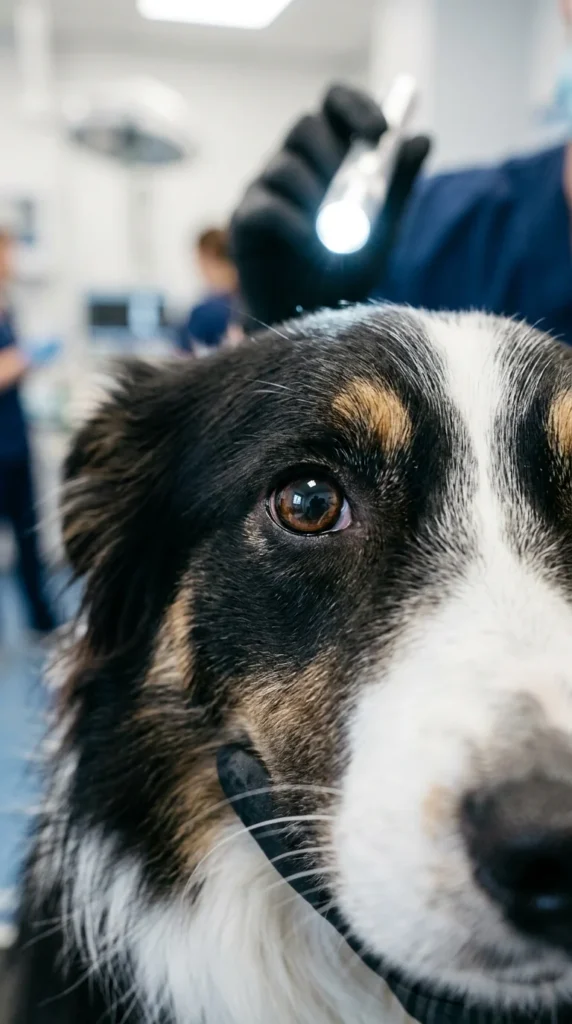
The vet examines the eyes for clarity and responsiveness. They look for signs of cataracts, glaucoma, or corneal ulcers. In older pets, they check for nuclear sclerosis, a normal aging change that looks like cloudiness but doesn’t usually affect vision significantly. Proper eye care ensures your pet can navigate their environment safely as they age.
9. Skin and Coat
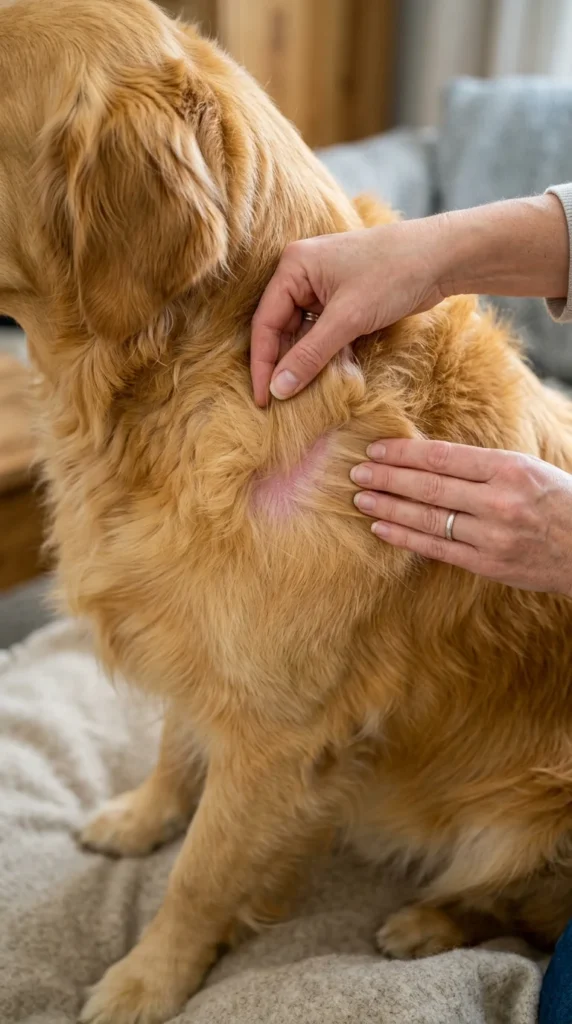
A pet’s skin and coat are mirrors of their internal health. A dull, brittle coat or flaky skin can indicate nutritional deficiencies, hormonal imbalances (like hypothyroidism), or allergies. The vet will also look for external parasites like fleas or ticks and check for any suspicious moles or skin tags that may need to be biopsied.
10. Vaccination Review
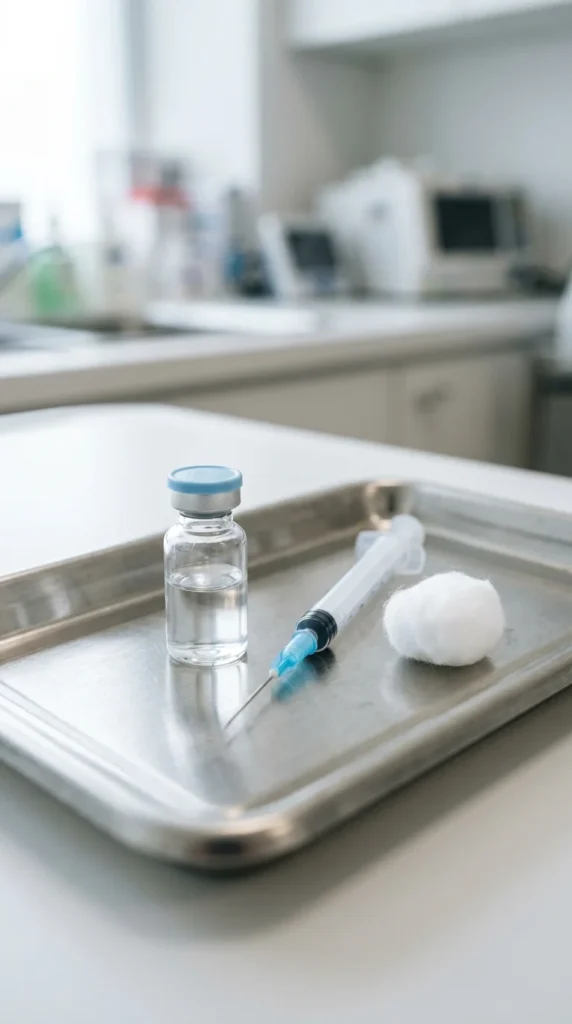
Wellness exams are the time to update essential vaccinations. These are divided into “core” vaccines (like Rabies and Distemper) and “non-core” vaccines (like Lyme or Bordetella) based on your pet’s lifestyle and geographic risks. Keeping these current protects your pet from preventable, often fatal, infectious diseases.
11. Parasite Screening
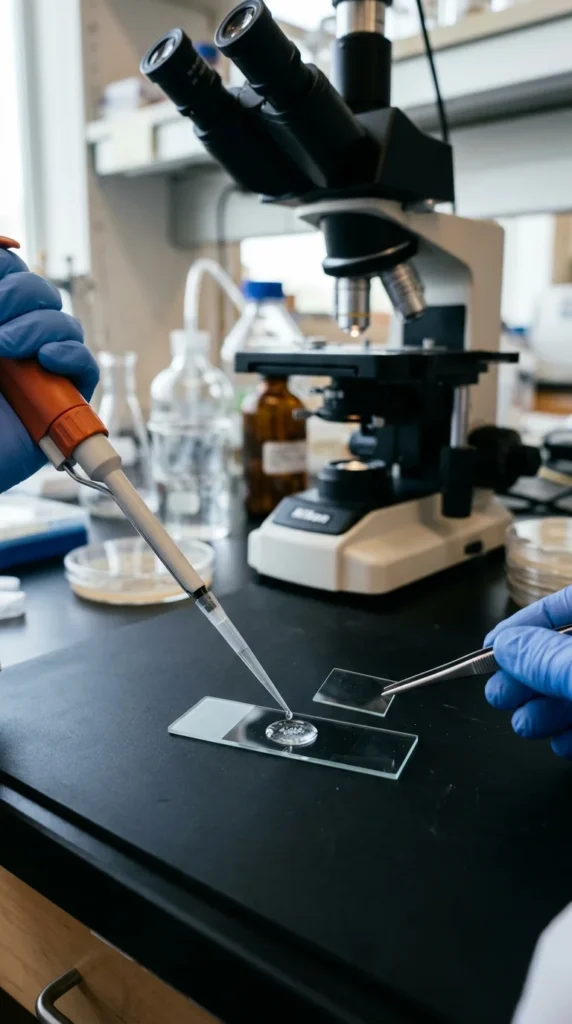
Internal parasites like roundworms, hookworms, and tapeworms can wreak havoc on a pet’s digestive system and, in some cases, can be transmitted to humans. A fecal exam is usually part of the wellness visit to check for microscopic eggs. This ensures that your pet—and your family—stay safe from “zoonotic” diseases.
12. Blood Chemistry
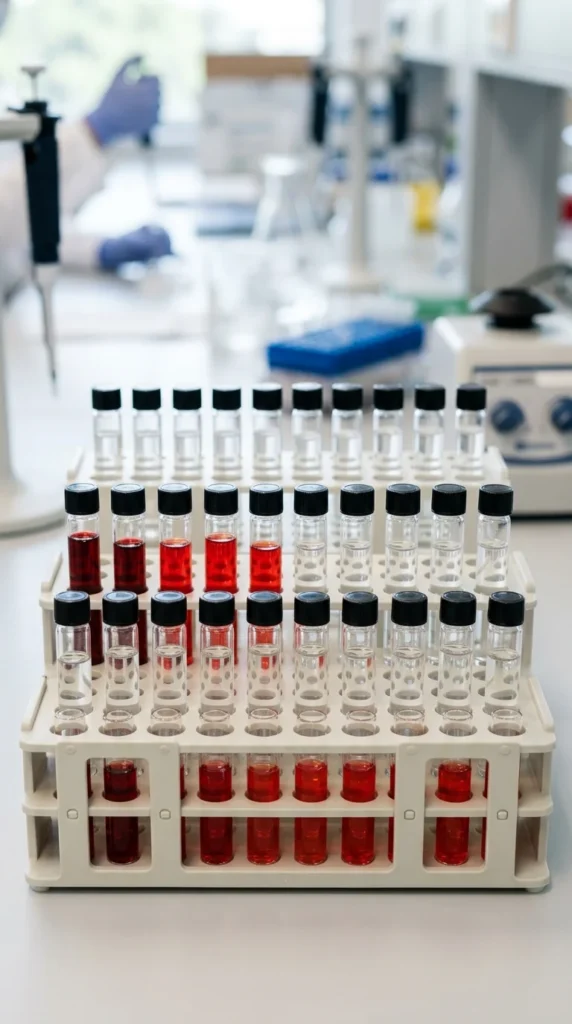
For many pets, especially those over the age of seven, a “Senior Wellness Panel” is recommended. This blood work checks organ function, including the liver and kidneys, and monitors blood sugar levels. Catching early-stage kidney disease or diabetes through blood work allows for much more effective management than waiting for clinical symptoms to appear.
13. Urinalysis
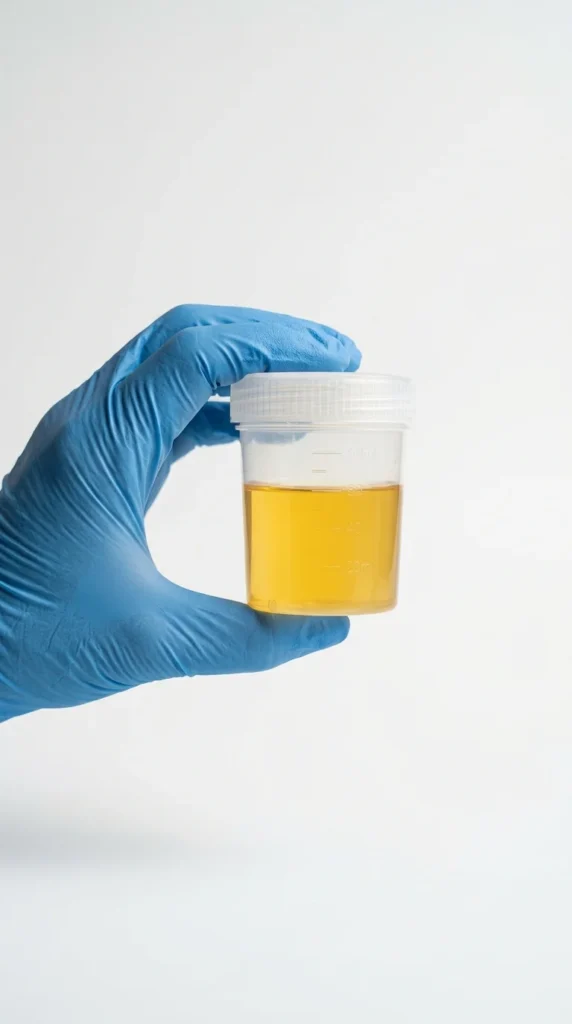
A urinalysis provides a wealth of information about a pet’s hydration levels, kidney concentration ability, and the presence of crystals or bacteria in the bladder. It is an essential tool for diagnosing urinary tract infections and metabolic disorders that might not be evident through blood work alone.
14. Heartworm Testing
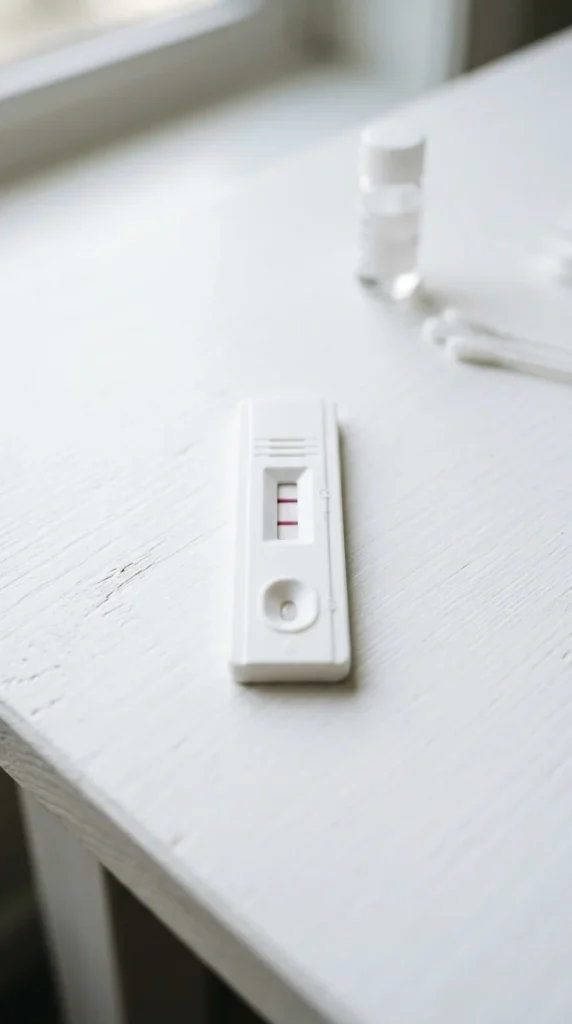
Heartworm is a devastating disease spread by mosquitoes. A simple blood test during the wellness exam confirms that your pet is heartworm-free. Because heartworm preventatives can be dangerous if given to an already infected dog, this annual test is a mandatory safety measure before renewing prescriptions.
15. Joint Assessment
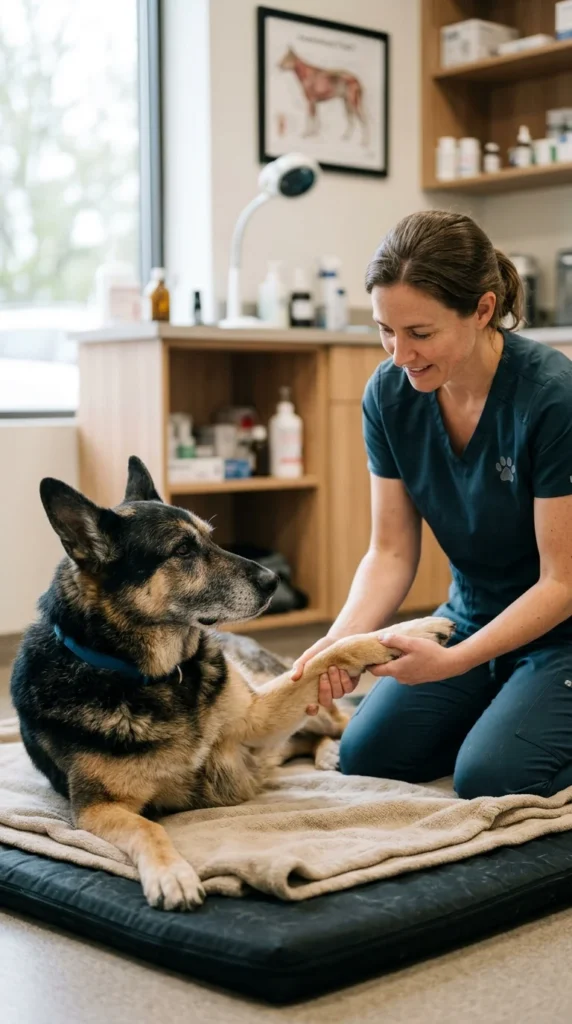
As pets age, osteoarthritis becomes a common concern. During the exam, the vet will manipulate the joints to check for stiffness, pain, or decreased range of motion. Early intervention with supplements, weight management, or anti-inflammatory medications can keep your pet mobile and pain-free well into their senior years.
16. Nutritional Counseling

What you feed your pet is the foundation of their health. The wellness exam is the perfect time to discuss your pet’s diet. Vets can recommend specific formulations for life stages, such as “puppy,” “adult,” or “active senior,” and help you navigate the confusing world of pet food marketing to find the best ingredients for your specific animal.
17. Behavioral Discussion

Behavioral changes can often be the first sign of medical issues. If your cat has stopped using the litter box or your dog has become suddenly aggressive, it could be due to pain or cognitive dysfunction. Discussing these changes during the wellness exam helps the vet determine if the issue is psychological or physiological.
18. Microchip Verification
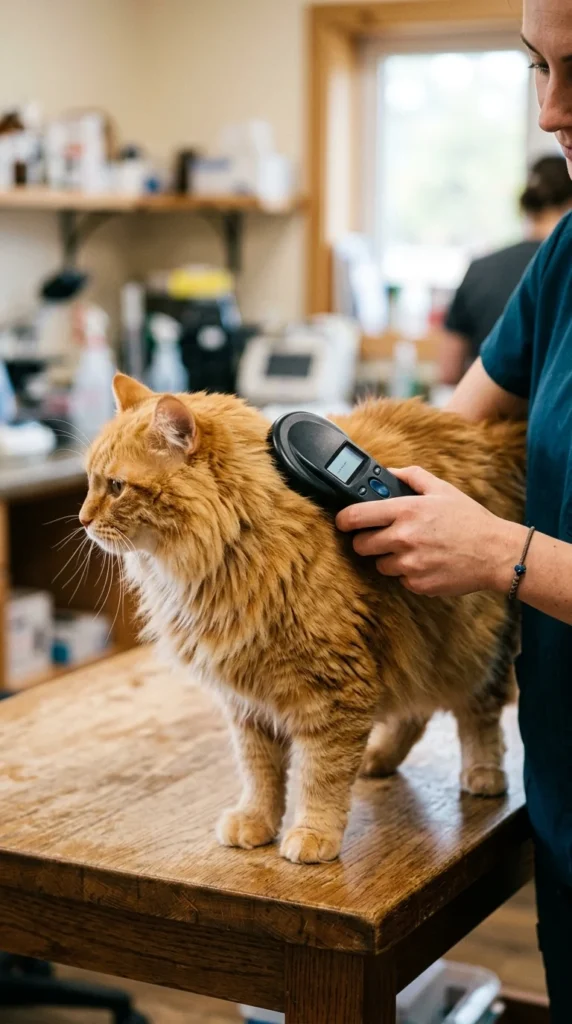
Every wellness exam should include a quick scan to ensure your pet’s microchip is still functioning and hasn’t migrated. It’s also a great reminder to check that your contact information in the microchip registry is up to date, ensuring a safe return if your pet ever gets lost.
19. Breed-Specific Screening
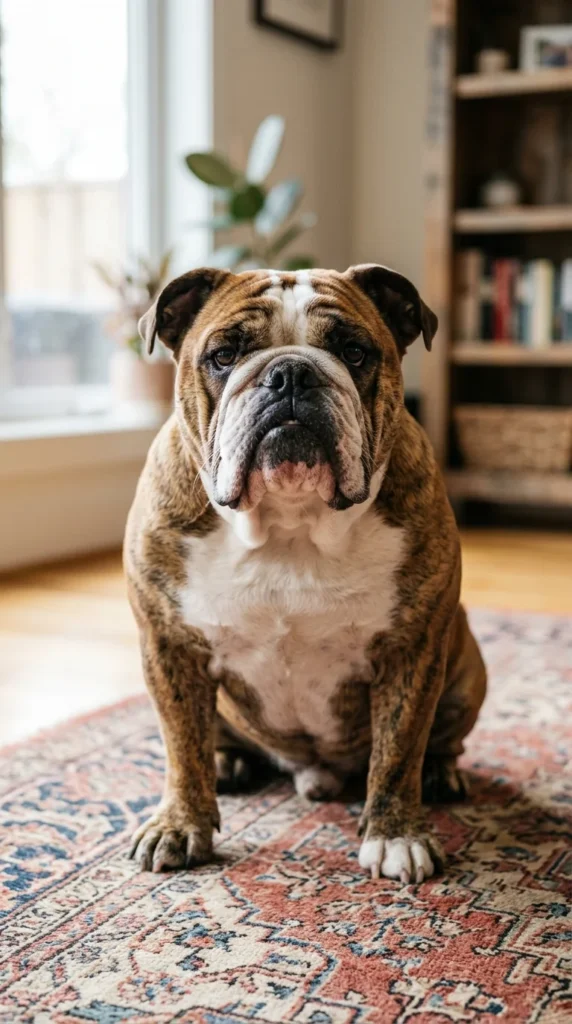
Certain breeds are predisposed to specific health issues—such as hip dysplasia in Labradors or heart issues in Cavalier King Charles Spaniels. A good wellness exam takes your pet’s genetics into account. The vet may recommend specific screenings, like X-rays or ultrasounds, based on the known risks associated with your pet’s breed.
20. Preventative Prescriptions

The wellness exam is the time to restock your year-round preventatives. Fleas, ticks, and heartworms are much easier and cheaper to prevent than they are to treat. Your vet will ensure the dosage is still correct based on your pet’s current weight and lifestyle needs.
21. The Relationship Build
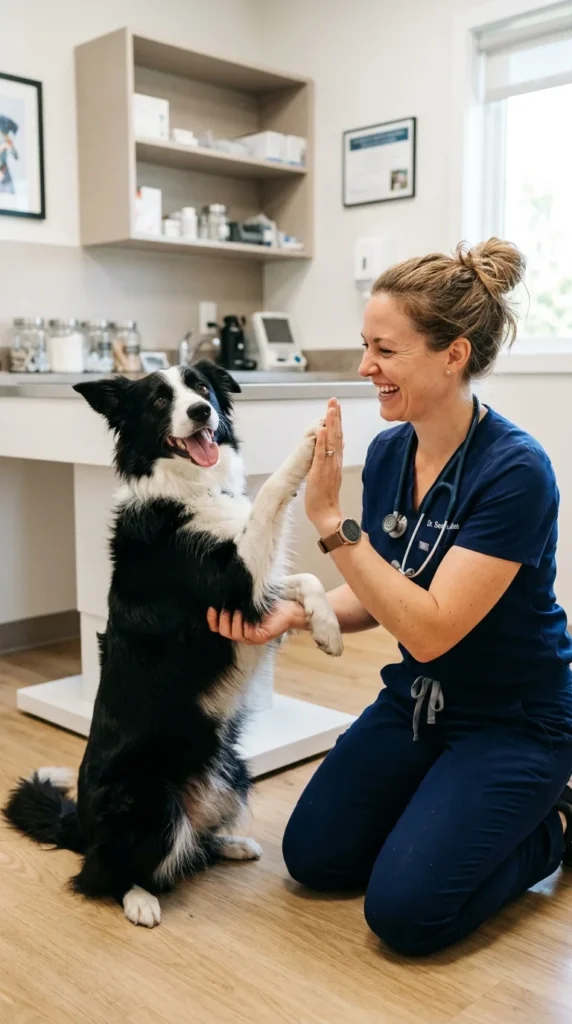
Finally, the wellness exam is about building a relationship between you, your pet, and your veterinarian. When your pet is used to visiting the clinic for “happy” visits where they get treats and praise, they become less stressed during emergencies. This partnership ensures that you have a trusted expert to turn to for the life of your pet.