
Bringing a new pet into your home is one of life’s most rewarding experiences. Whether you are adopting a playful puppy, a sophisticated cat, or a small pocket pet, the transition from “pet seeker” to “pet parent” involves more than just cuddles and names. It requires a strategic approach to ensure your new companion feels safe, healthy, and loved from day one. To help you navigate the beautiful chaos of new pet ownership, we have compiled the ultimate 27-point checklist.
1. Nutritious Food
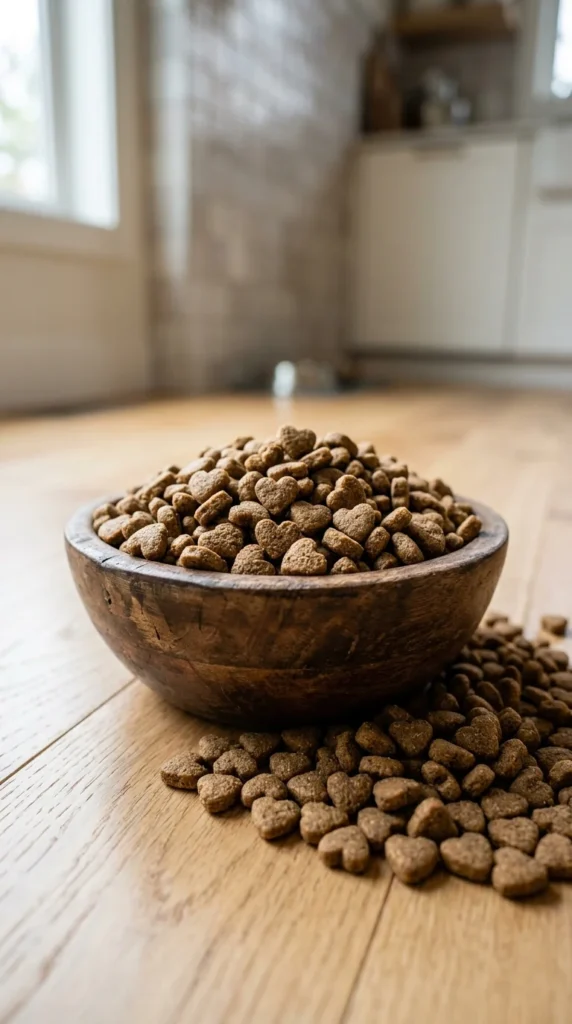
The foundation of a long, healthy life starts with what goes into the bowl. Research brands that prioritize whole proteins over fillers like corn or soy. Consult with your veterinarian to determine the life-stage-appropriate formula—puppies and kittens have vastly different caloric needs than seniors.
2. Durable Bowls
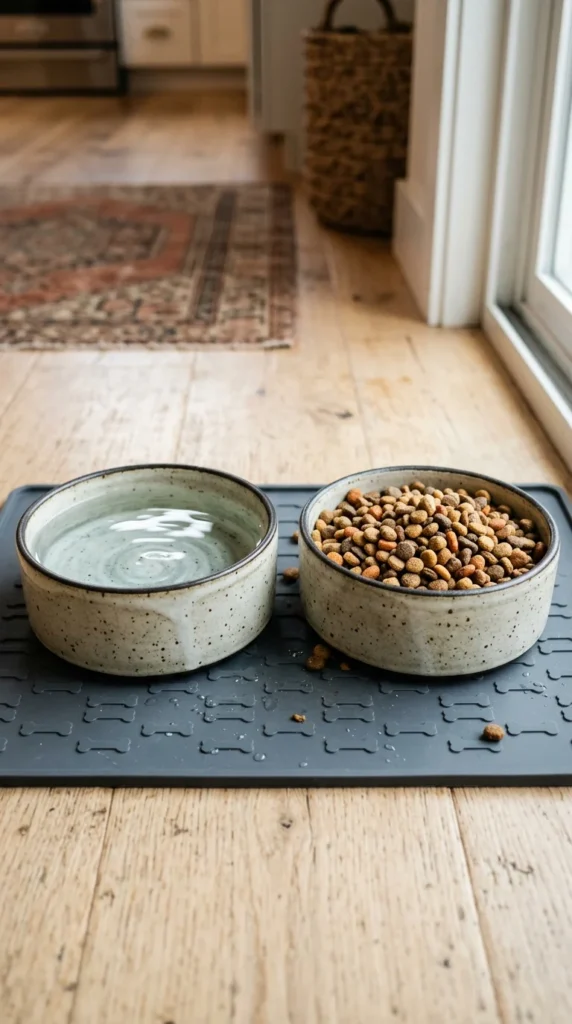
Avoid plastic bowls, which can harbor bacteria in tiny scratches and cause “feline acne” or canine skin irritation. Opt for stainless steel or ceramic. Weight matters, too; a heavier bowl prevents your pet from pushing their dinner across the kitchen floor.
3. Comfortable Bedding
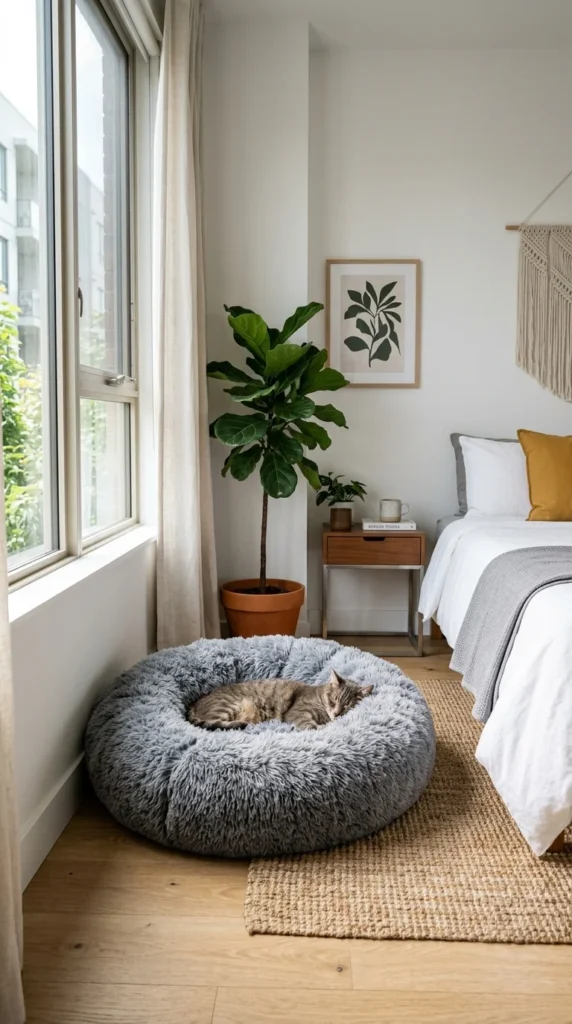
Every pet needs a “safe zone.” A high-quality bed provides joint support and insulation from cold floors. For burrowing animals, look for “cuddler” styles; for larger dogs, orthopedic foam is a lifesaver for their hips.
4. Identification Tags

Even if your pet is strictly indoors, accidents happen. A collar with a dangling ID tag containing your current phone number is the fastest way for a neighbor to return your lost friend. Ensure the engraving is deep enough not to wear off over time.
5. Secure Leash
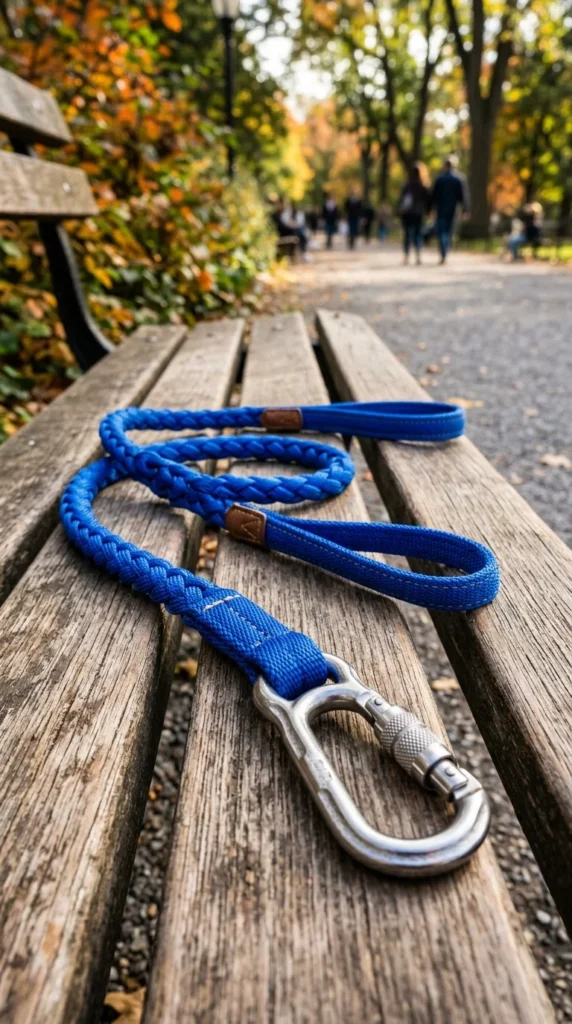
For dogs, a standard 6-foot leash is the gold standard for training and safety. Avoid retractable leashes for beginners, as they offer less control and can cause injury. For cats, a specialized “H-style” harness and lightweight leash allow for safe outdoor exploration.
6. Breakaway Collar

Safety first! For cats especially, a breakaway collar is essential. If they snag their collar on a branch or furniture, the buckle will release under pressure, preventing strangulation. Dogs should have a flat, adjustable collar that fits snugly (you should be able to fit two fingers underneath).
7. Microchipping
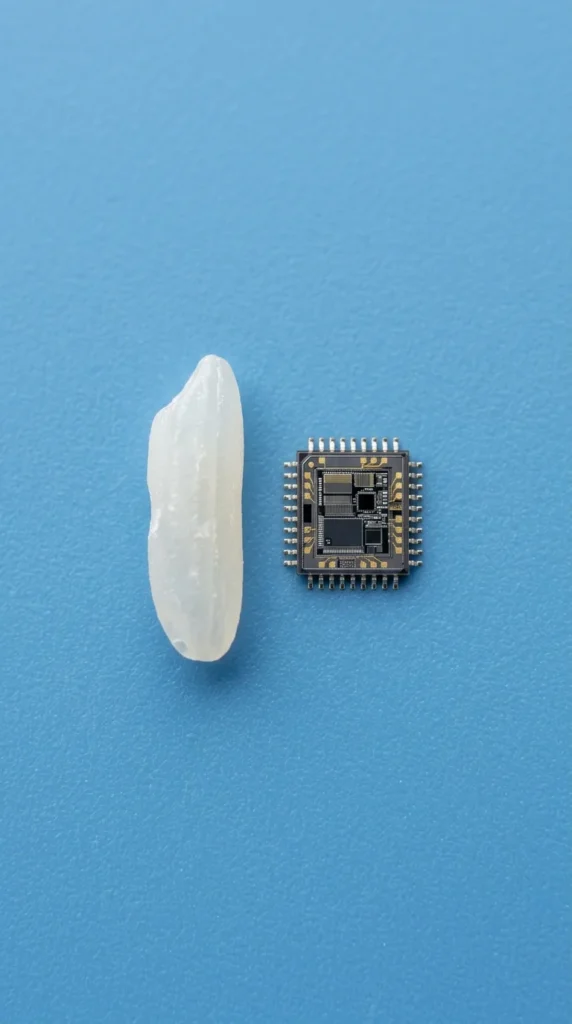
Tags can fall off, but a microchip is permanent. This tiny device, implanted under the skin, is a lifesaver if your pet ever ends up in a shelter. Ensure you register the chip with your contact information immediately after the procedure.
8. Grooming Brushes
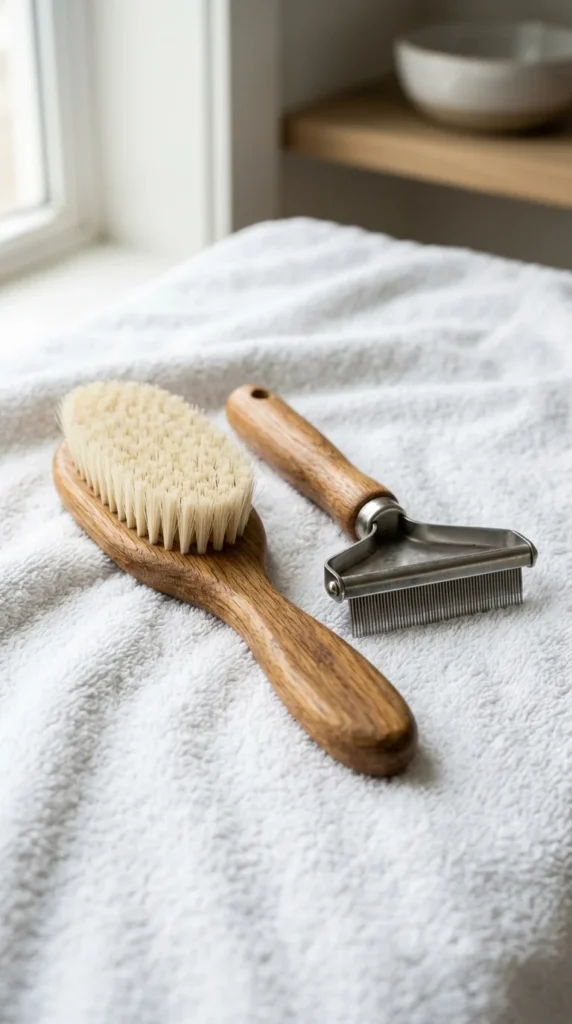
Regular brushing isn’t just about aesthetics; it prevents painful matting and reduces shedding around your house. Match the brush to the coat type: slicker brushes for long hair, bristle brushes for short hair, and combs for fine-tuning.
9. Pet Shampoo
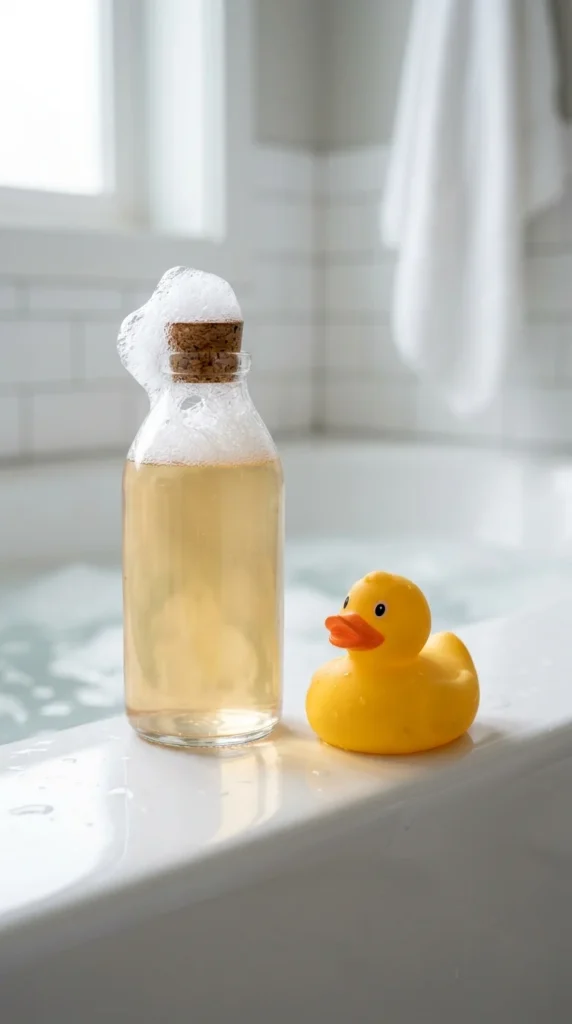
Human skin has a different pH level than pet skin. Using human shampoo can lead to dryness and irritation. Invest in a soap-free, oatmeal-based, or hypoallergenic pet shampoo to keep their coat shiny and their skin hydrated.
10. Nail Clippers

Long nails can cause skeletal issues and discomfort. Learning to trim your pet’s nails at home saves money and stress. Look for clippers with a “safety guard” to prevent cutting the “quick” (the blood vessel inside the nail).
11. Dental Care
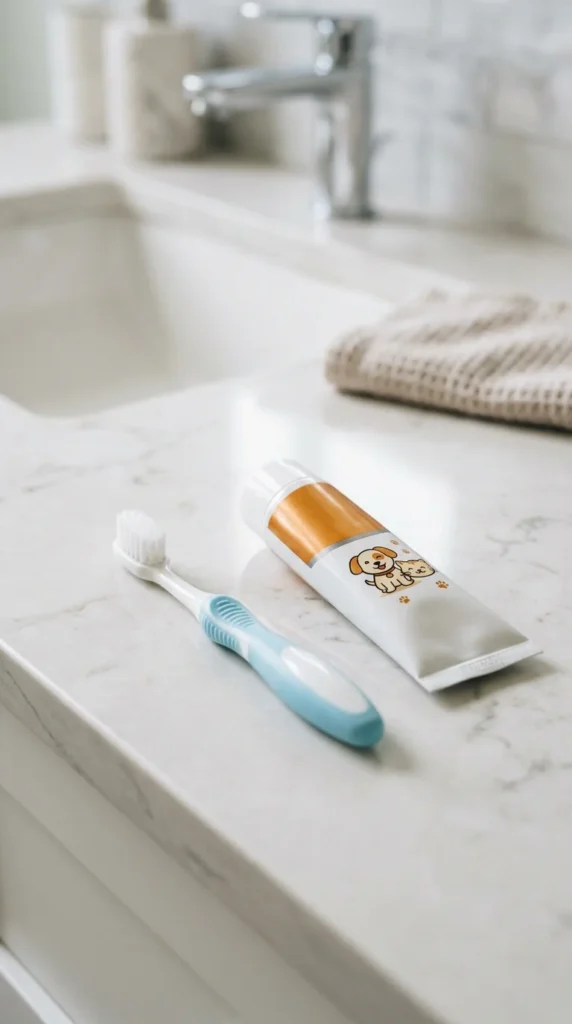
Periodontal disease is one of the most common issues in adult pets. Brushing their teeth two to three times a week can add years to their life. Always use pet-specific toothpaste, as human toothpaste contains fluoride and xylitol, which are toxic to animals.
12. Waste Bags
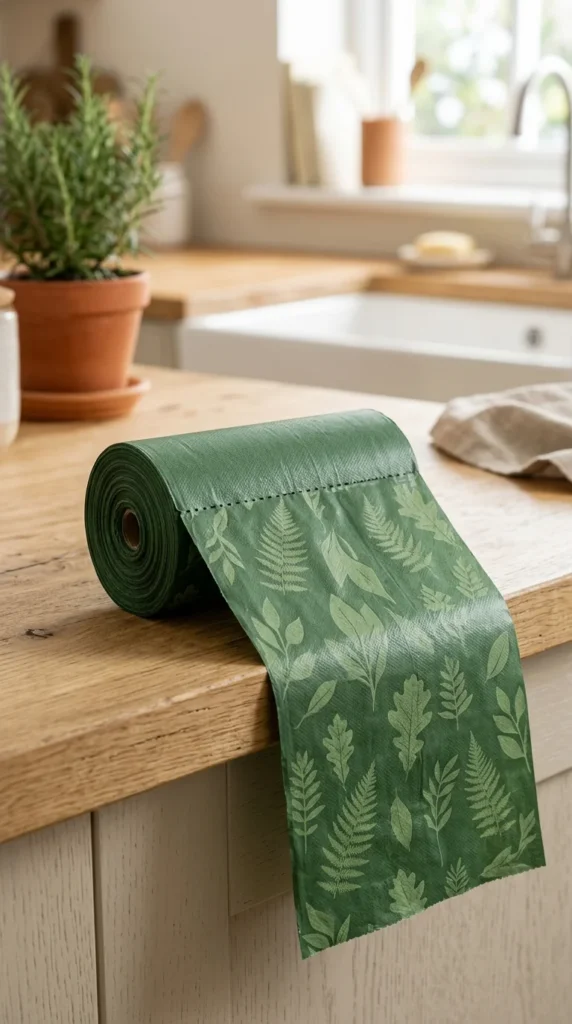
Being a responsible pet owner means cleaning up. For dog owners, keep a dispenser attached to your leash. For small mammals or birds, ensure you have a dedicated scooper and biodegradable liners for their enclosures.
13. Litter Box
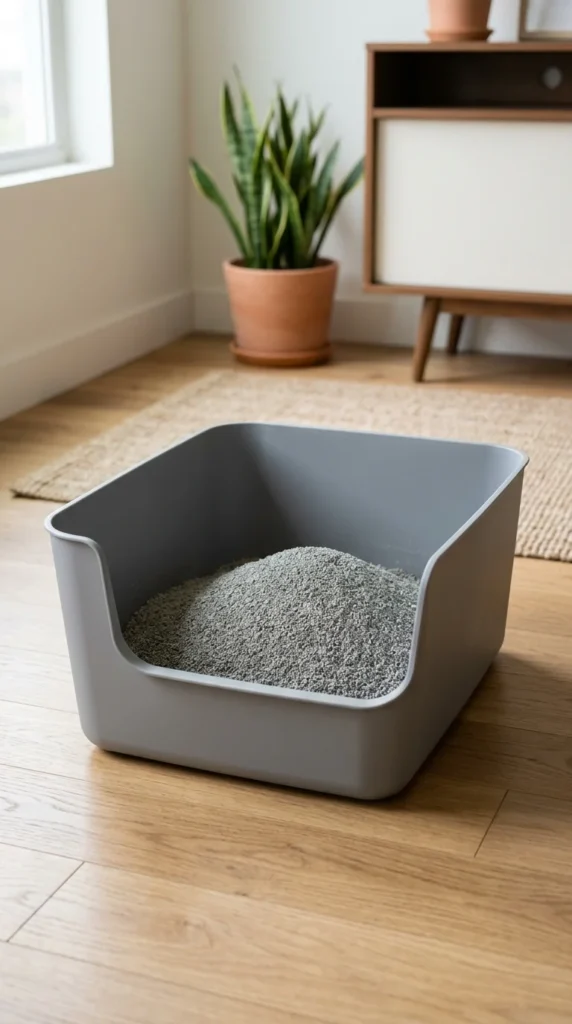
For cats, the general rule is one box per cat, plus one extra. Place them in quiet, low-traffic areas. Beginners should start with unscented, clumping litter, as many cats are sensitive to heavy perfumes.
14. Interactive Toys
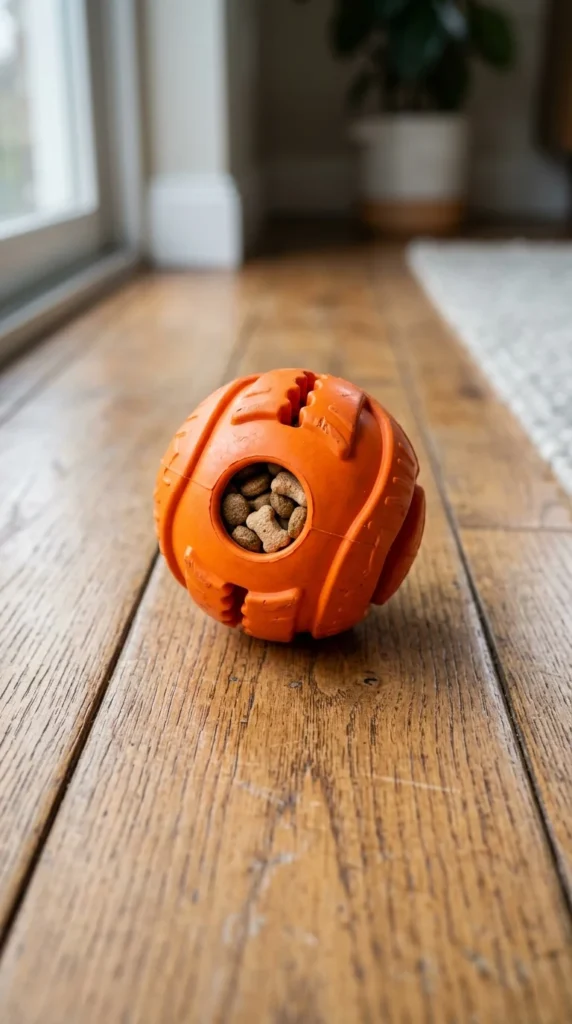
Physical exercise is only half the battle; mental stimulation is vital. Puzzle toys that require your pet to work for their food prevent boredom-based destruction and keep their minds sharp.
15. Training Treats
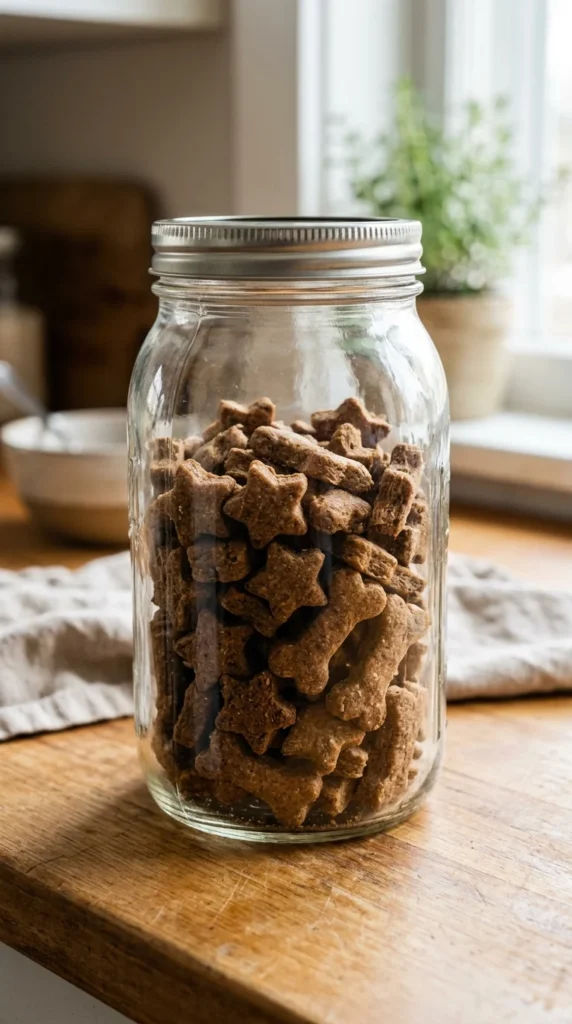
Positive reinforcement is the most effective training method. Keep “high-value” treats (items they don’t get every day, like freeze-dried liver) on hand to reward good behavior and facilitate bonding.
16. First Aid Kit
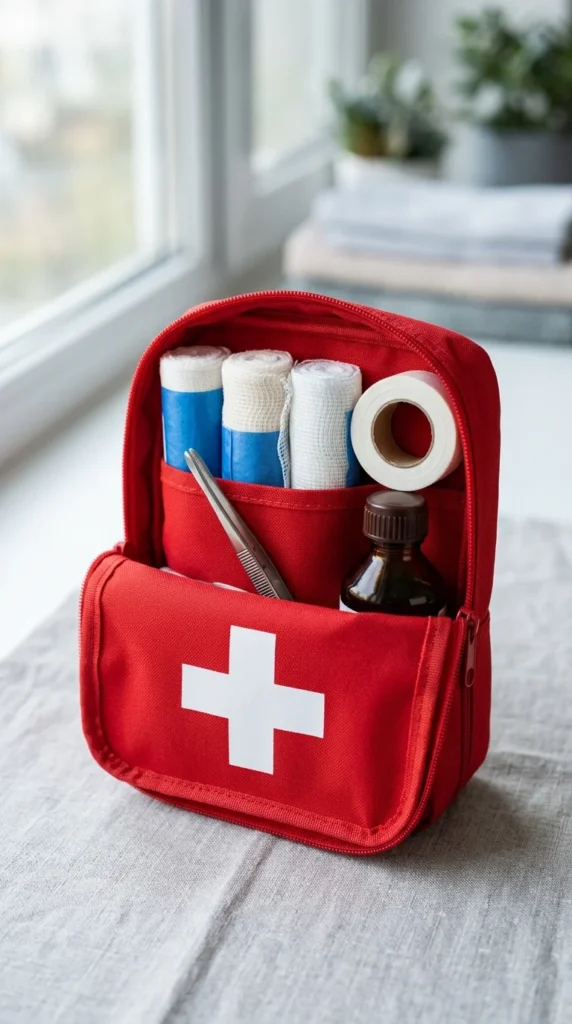
Accidents happen when you least expect them. A basic kit should include gauze, antiseptic wipes, a digital thermometer, tweezers for tick removal, and a pet-specific first aid manual.
17. Travel Carrier

Whether it’s a trip to the vet or a cross-country move, a secure carrier is non-negotiable. Ensure it is well-ventilated and large enough for the pet to stand up and turn around in comfortably.
18. Scratching Post
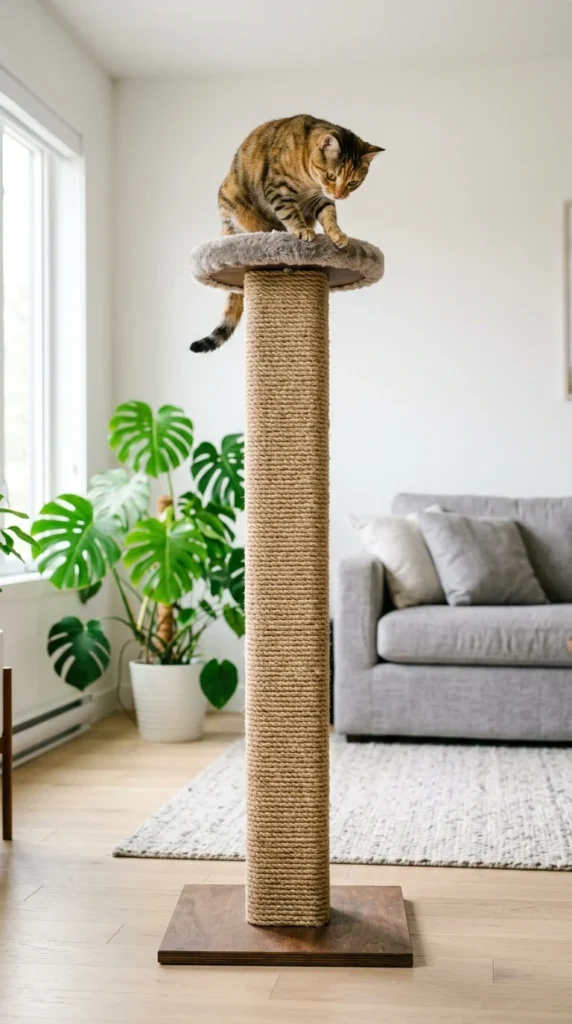
For cat owners, this is an essential furniture-saver. Cats need to scratch to shed their outer claw sheaths and stretch their muscles. Provide both vertical (posts) and horizontal (cardboard) scratching surfaces.
19. Flea/Tick Prevention
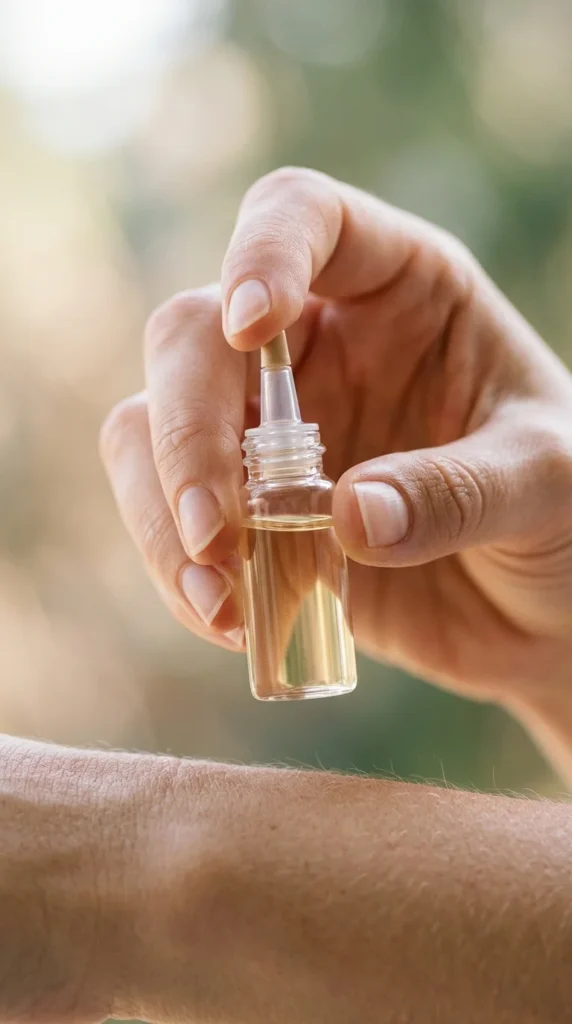
Parasites are more than a nuisance; they carry diseases. Consult your vet for the best preventative for your region—options include monthly topicals, oral tablets, or long-term collars.
20. Veterinary Contact
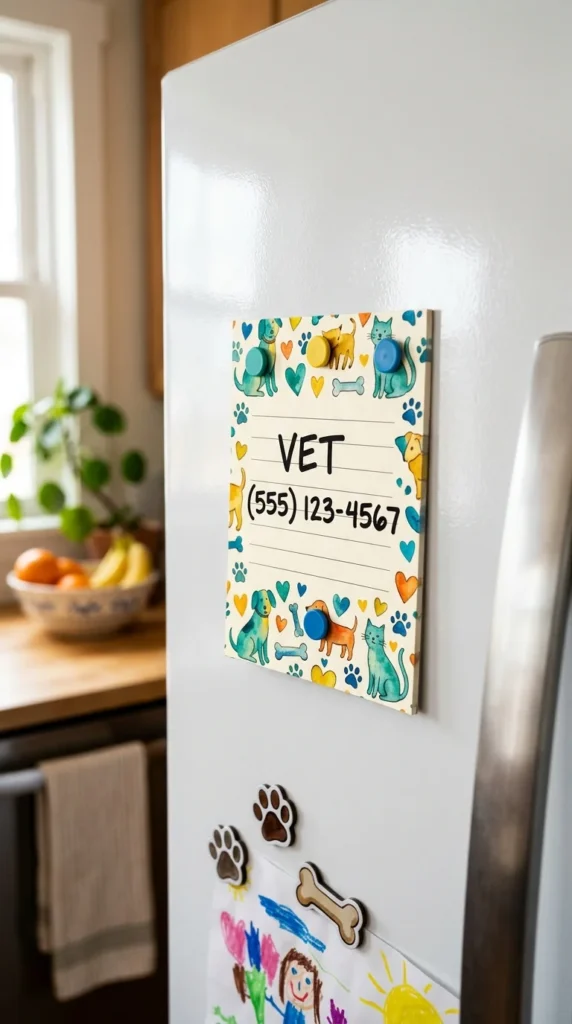
Don’t wait for an emergency to find a doctor. Research local clinics, read reviews, and save their number—and the number of the nearest 24-hour emergency hospital—in your phone immediately.
21. Pet Insurance
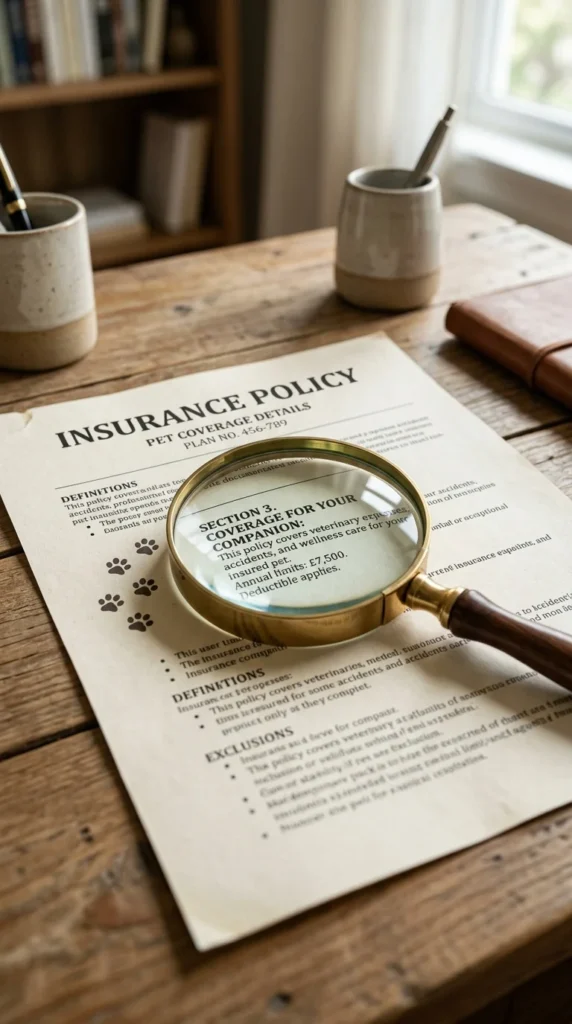
Modern veterinary care is incredible but expensive. Pet insurance helps cover the cost of unexpected surgeries or chronic illnesses. Enrolling while your pet is young and “pre-existing condition-free” is the smartest financial move.
22. Enzyme Cleaners

Accidents will happen during potty training. Standard household cleaners don’t break down the proteins in urine, leading pets to return to the same spot. Enzymatic cleaners “eat” the odor-causing bacteria, truly neutralizing the scent.
23. Baby Gates
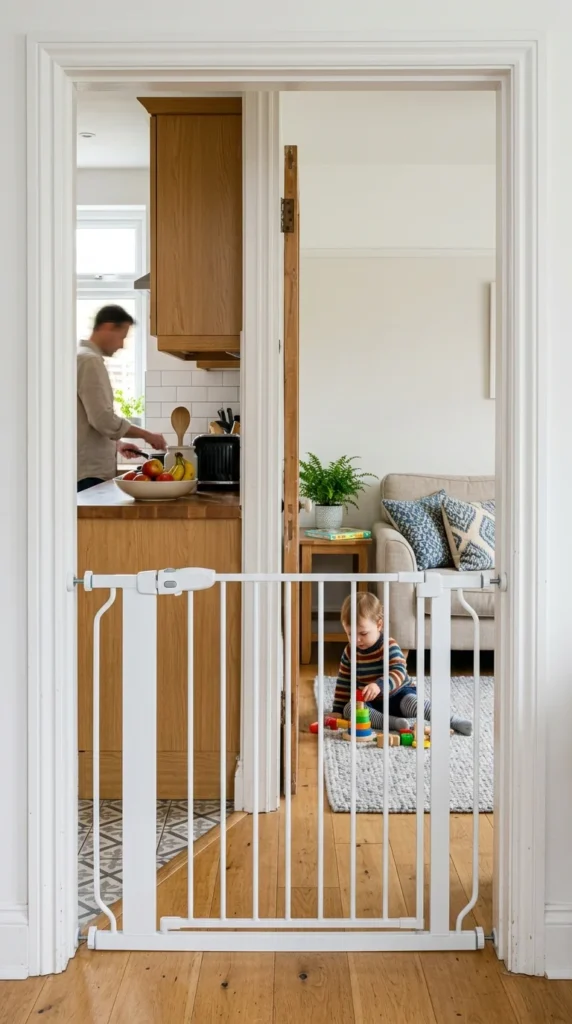
Sometimes you need to restrict access to certain parts of the house. Gates are perfect for keeping a new dog out of the cat’s litter box or ensuring a puppy doesn’t chew on power cords in the office.
24. Grooming Wipes
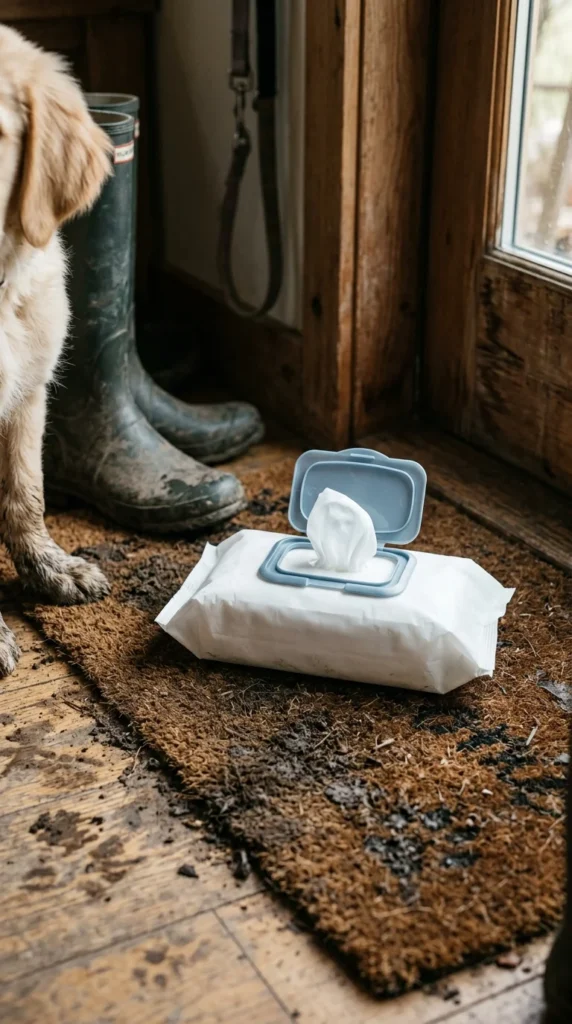
For quick clean-ups after a walk or for pets that hate baths, grooming wipes are a lifesaver. They help remove allergens, dirt, and “outdoor smells” without the drama of a full tub session.
25. Chew Toys
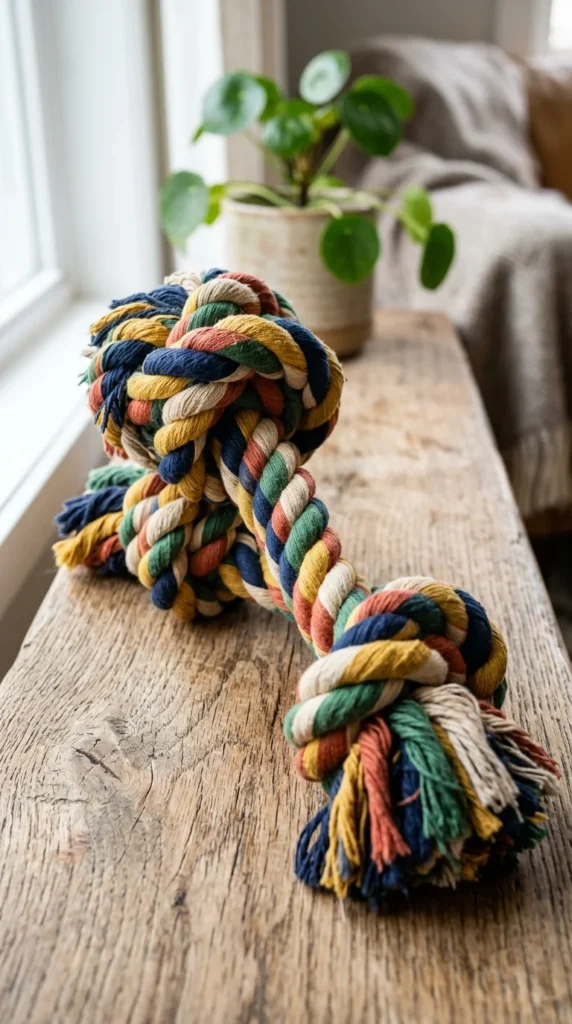
Puppies need to chew while teething, and adult dogs chew to relieve stress. Providing appropriate outlets like rubber toys or cotton ropes prevents them from targeting your favorite pair of shoes.
26. Enrichment Mat
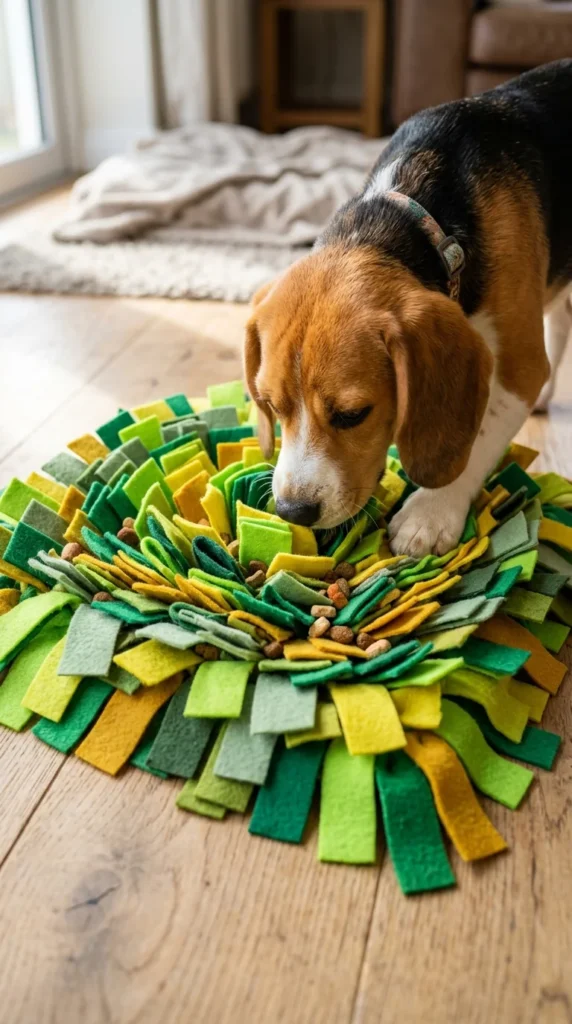
Nose work is a fantastic way to tire out a high-energy pet. Snuffle mats and licking pads encourage “foraging” behavior, which lowers cortisol levels and provides a calming activity during thunderstorms or fireworks.
27. Exercise Schedule

Consistency is key to a happy pet. Establish a routine for walks, play sessions, and bathroom breaks. A predictable schedule reduces anxiety in new pets and helps them settle into their new home with confidence.